Motorcycles have long been more than just modes of transport; they are powerful symbols of freedom, rebellion, and sheer unadulterated innovation. To truly achieve iconic status, a motorcycle isn’t just about getting from point A to point B. It’s about breaking the mold, setting new industry standards, and becoming a rolling time capsule that preserves the essence of an entire era, transporting riders back to moments that shaped history and pop culture.
These are the machines that have leveraged innovative design, embraced groundbreaking engineering, and carved out an undeniable cultural impact, reminding us of historical events and starring in popular films. Our favorite motorcycle brands boast storied histories and reputations built on reliable performance and popularity, but the bikes we’re talking about today? They’ve transcended to something even greater, becoming veritable legends in their own right.
So, buckle up and join us as we embark on an exhilarating ride through history! We’re about to explore some of the most iconic motorcycles ever built, the two-wheeled marvels that have defined generations and continue to inspire new riders today. Prepare to delve into the engineering brilliance, the profound cultural significance, and the pure, unadulterated riding bliss that makes each of these machines truly legendary.
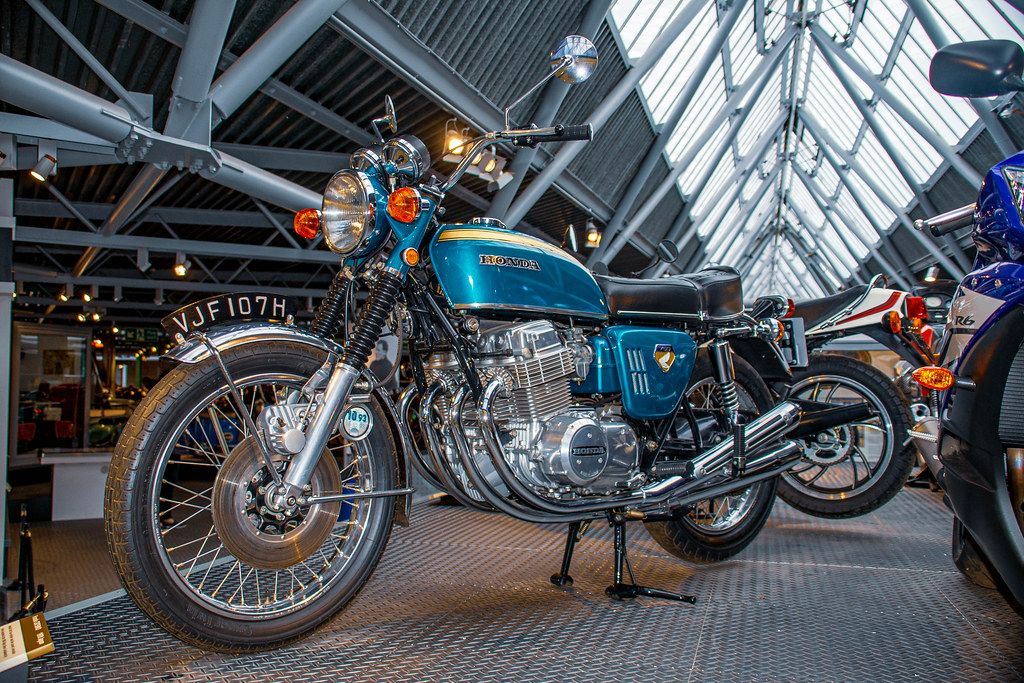
1. **Honda CB750**Let’s kick things off with a bang! The Honda CB750, often credited as “the world’s first superbike,” absolutely changed motorcycling forever when it launched in 1969. It wasn’t just a new bike; it was the original Universal Japanese Motorcycle (UJM), a machine whose design and engineering were so unparalleled that they utterly challenged what a motorcycle could be, forcing every single competitor to step up their game and play catch-up.
The CB750 arrived with a revolutionary package for its time. It was the first mass-produced motorcycle to feature a transverse inline-four engine, a front disc brake, and an electric start – all wrapped up in an incredibly reliable and affordable package. Underneath its sleek exterior lay a 736cc, SOHC, air-cooled, inline four-cylinder engine that churned out a respectable 67 horsepower at 8,000 rpm, paired with a five-speed transmission. These were specs that, for the time, were simply mind-blowing.
The impact of this machine cannot be overstated. The CB750 didn’t just introduce new technology; it made high-performance motorcycles accessible to the masses, kickstarting what many consider the golden age of motorcycle development. Its smooth engine, solid handling, and bulletproof reliability set an entirely new standard, a blueprint whose influence can still be felt in bike design today. It’s no wonder the Honda CB750 was named one of Discovery Channel’s “Greatest Motorbikes Ever” and proudly sits in the AMA Hall of Fame Classic Bikes.
Although production ceased in 2007, the Honda CB750 remains highly sought after by collectors and enthusiasts alike. Restored models fetch a decent price, with one from 1968 even selling for a massive $263,725 at auction, making it one of the most expensive Japanese motorcycles ever sold. This isn’t just a bike; it’s a piece of history, a legend that continues to command respect and awe.
Read more about: Two-Wheeled Titans: A MotorTrend Breakdown of Honda’s 13 Greatest Motorcycles Ever Produced
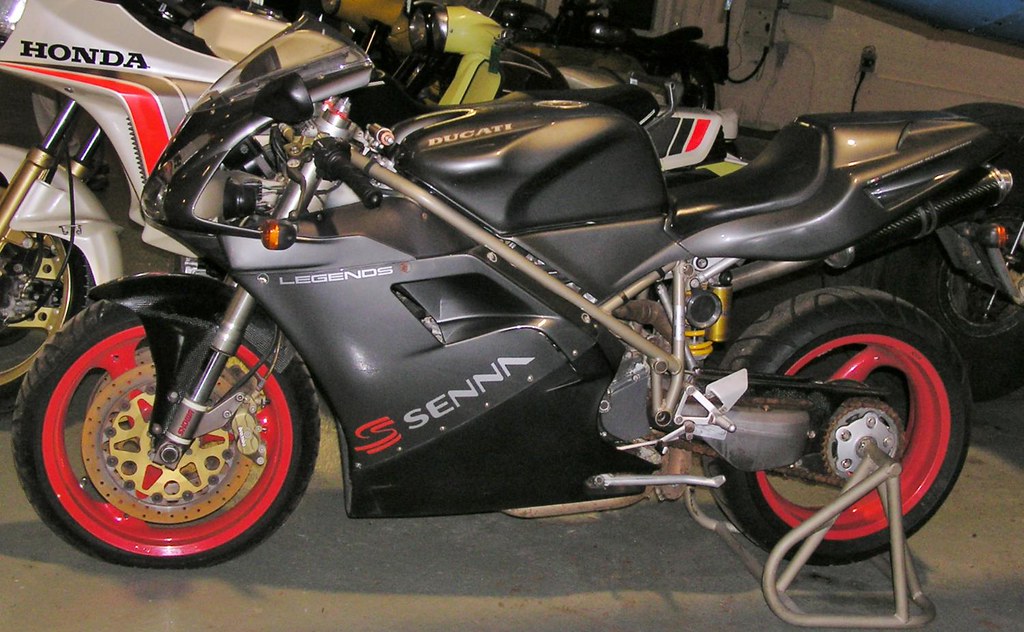
2. **Ducati 916**When we talk about rolling Italian art, the Ducati 916 absolutely deserves a spotlight. Produced from 1994 to 1998, this isn’t merely a motorcycle; it’s often revered as the “Michelangelo of Motorcycles.” Designed by the legendary Massimo Tamburini, the Ducati 916 was, without exaggeration, a true work of art. Motorcycle News Magazine even went so far as to call it “the most beautiful bike of the last 50 years” in 2014, and honestly, we can’t argue with that sentiment.
The 916 wasn’t just a pretty face; it was a beast on the track, too. It featured a potent 916cc liquid-cooled V-twin engine that delivered around 114 horsepower at 9000 rpm, enabling it to hit max speeds of up to 161.6 mph. This raw power was perfectly complemented by its tubular steel Trellis frame, a single-sided swingarm, and a USD fork on the front end, all contributing to its incredible agility and precise handling. Those iconic underseat exhausts, the single-sided swingarm, and its curvaceous fairings instantly turned heads and cemented its status as a design icon.
Its success wasn’t limited to the show floor; the Ducati 916 absolutely dominated World Superbike championships with its powerful V-twin and razor-sharp handling, winning the World Superbike Championship three years straight. This track prowess, combined with the fact that even non-motorcycle enthusiasts fawned over its beauty, played a huge part in inspiring Japanese manufacturers to seriously consider V-twin engines. The legacy of the 916 is undeniable, with its successors, the Ducati 996 and 998, heavily influenced by its groundbreaking design.
Today, the Ducati 916 remains a holy grail for many collectors and enthusiasts. It’s arguably the most iconic and revered motorcycle ever produced by the Italian manufacturer, setting new benchmarks for design and performance. Massimo Tamburini himself freely admitted to copying the under-seat exhaust design for a bike often described as the most beautiful ever created. The 916’s impact on motorcycling as a whole can never be understated; it moved design from the boxy aesthetic of the early 1990s to the flowing, sensual lines that have been copied by so many since, becoming a style icon that is still revered today.
Read more about: The 11Unsettling Movies You Haven’t Seen (Yet) That Will Haunt Your Dreams

3. **Harley-Davidson Knucklehead (EL)**Talk about a game-changer! The Harley-Davidson Knucklehead, officially known as the EL, burst onto the scene in 1936 and, without a doubt, forever changed the trajectory of Harley-Davidson’s future. This wasn’t just another bike; it was a landmark in motorcycling history, introducing the very first overhead-valve engine from Harley-Davidson. This innovation alone was a monumental leap forward for the company, establishing new standards for performance and durability that would define the brand for decades.
At its heart was a formidable 61-cubic-inch V-twin power plant. What made it truly distinctive, and gave it its iconic nickname, were those unmistakable rocker covers resembling knuckles. Beyond their unique aesthetic, these covers were part of an advanced engine design that offered increased output and significantly better cooling compared to the flathead engines of the era. This was also the first Harley that ingeniously recirculated engine oil to and from the oil tank, a huge step in engineering refinement.
The Knucklehead’s influence stretched far beyond its impressive technical specifications. Its styling laid the absolute foundation for the classic American cruiser, a look that remains instantly recognizable and adored. Those “knuckle” rocker boxes became an iconic design cue, and the bike’s low-slung stance made it an instant favorite for custom builders who wanted to put their own stamp on a piece of history. This motorcycle was not only pivotal for Harley-Davidson during a pivotal time, often regarded as the bike that saved the company during the Great Depression, but also for American motorcycling culture as a whole.
Its advanced engineering and iconic design firmly cemented Harley-Davidson’s reputation as a leading motorcycle manufacturer. The Knucklehead contributed immensely to the cultural significance of motorcycling during a critical period, symbolizing rugged individualism and the enduring spirit of American ingenuity. It’s a true icon, representing a blend of raw power, revolutionary design, and sheer historical importance that few other bikes can claim.

4. **BMW R90S**In 1973, BMW made a resounding statement with the R90S, proving unequivocally that their engineering prowess extended far beyond mere touring bikes; they could do sporty just as well, if not better. This magnificent machine marked a significant turning point, showcasing BMW’s capacity for creating high-performance motorcycles that were both exhilarating and exceptionally engineered. It was a clear demonstration that precision German engineering could also deliver heart-pounding thrills.
What truly set the R90S apart was its innovative design for the era. It was one of the very first motorcycles to come from the factory equipped with a full fairing, a feature that was quite groundbreaking at the time. This wasn’t just for aesthetics; it offered aerodynamic benefits and enhanced rider comfort, blending form and function seamlessly. The R90S proudly carried on BMW’s revered flat-twin/boxer design, a configuration that had become the blueprint for their subsequent two-wheel models, a design still in use on many of the company’s machines today, tracing its roots to the R32 which started it all for BMW Motorrad.
Underneath that distinctive Daytona Orange paintwork, the R90S delivered serious performance with its 898cc boxer twin engine. With a robust 67 horsepower on tap and the capability to reach a top speed exceeding 120 mph, this bike was undeniably fast, incredibly comfortable for its class, and, as expected from BMW, beautifully engineered. Every detail, from its impeccable German build quality to its responsive handling, underscored its position as a premium, high-performance machine.
Beyond its technical brilliance and stunning looks, the R90S also carved out a piece of racing history by winning the very first AMA Superbike Championship in 1976. This victory wasn’t just a feather in BMW’s cap; it solidified the R90S’s reputation as a formidable competitor on the track. With its iconic design and flawless execution, the BMW R90S stands today as a timeless classic, a testament to BMW’s enduring commitment to excellence in motorcycling and a bike that expanded perceptions of what a BMW motorcycle could be.
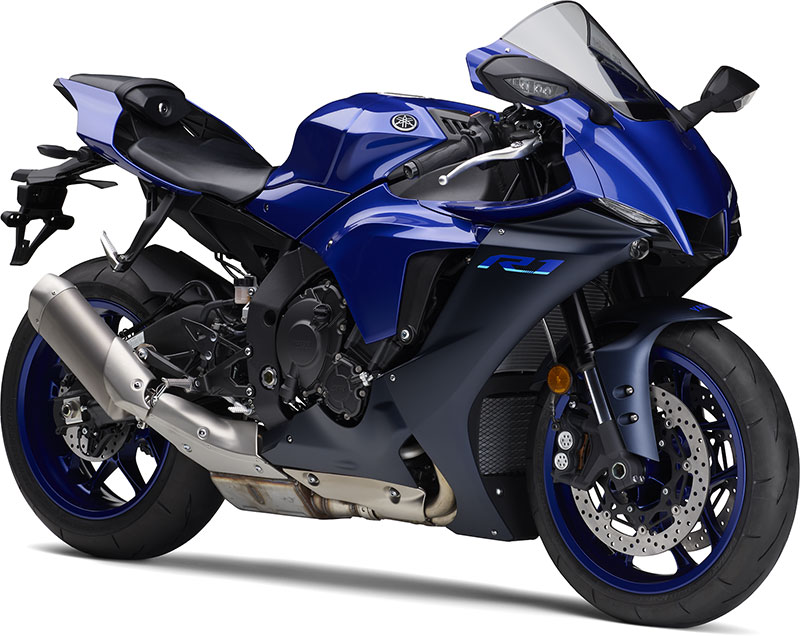
5. **Yamaha R1**Get ready for a true legend that sent shockwaves through the sportbike world: the Yamaha YZF-R1, which debuted in 1998. This wasn’t just an incremental update; it was a quantum leap, instantly setting new, stratospheric standards for liter-class performance. The R1 arrived on the scene as a compact, ferocious, and technologically advanced machine, bringing levels of performance that were genuinely unheard of for production motorcycles at the time. It fundamentally changed how sportbikes were designed and packaged, ushering in a new era of high-performance riding.
The genius behind its groundbreaking design lay in its revolutionary stacked gearbox. Yamaha designer Kunihiko Miwa, with incredible foresight, mounted the gearbox output shaft above the crankshaft, a radical departure from conventional wisdom where components were typically arranged in a line. This innovative vertical stacking created the world’s first vertically-stacked gearbox, allowing for tighter packaging throughout the entire machine. The result? A shorter wheelbase without sacrificing an ounce of stability, crafting what Miwa himself coined the first “no compromise” superbike.
Powering this marvel was a potent 998cc inline-four engine, delivering raw, race-ready power straight to the rider’s fingertips. But Yamaha didn’t rest on its laurels; the R1 has consistently evolved over the years to remain at the absolute pinnacle of its class. Later iterations have incorporated MotoGP-inspired technology, such as the crossplane crankshaft, further refining its performance and handling dynamics. It’s a bike that doesn’t just push boundaries; it obliterates them.
The Yamaha R1 is more than just a motorcycle; it’s a dual-threat, equally at home as a track weapon tearing up circuits and a street legend dominating public roads. Its enduring appeal lies in its incredible blend of cutting-edge technology, breathtaking performance, and stunning aesthetics. To this day, the R1 continues to capture the imaginations and wallets of riders across the globe, solidifying its place as one of the most iconic and influential sportbikes ever created.
Read more about: Two-Wheeled Titans: A MotorTrend Breakdown of Honda’s 13 Greatest Motorcycles Ever Produced

6. **Suzuki Hayabusa**When the Suzuki Hayabusa exploded onto the scene in 1999, the entire motorcycle world collectively gasped. And for good reason! This machine was, and remains, an absolute phenomenon, quickly achieving iconic status. Named after the fastest bird on the planet, the peregrine falcon, the Hayabusa lived up to its namesake, capable of sometimes exceeding a mind-bending 186 mph. At its launch, with its formidable 1299cc inline-four engine, it was officially the fastest production motorcycle ever made, clocking speeds over 190 mph. That’s right, it literally rewrote the rules of speed!
The Hayabusa’s design wasn’t just about raw power; it was a masterclass in aerodynamic efficiency. Its sleek, curvy aesthetics weren’t just for show; they honed in on aerodynamics to achieve an incredible blend of both blistering speed and unwavering stability. This aerodynamic prowess, coupled with its unparalleled performance, catapulted it to instant fame, making it a firm favorite with motorcyclists and drag racers alike. It was a bike that dared to be different, and it absolutely delivered.
Such was its speed that the Hayabusa literally forced the motorcycle industry into a “gentlemen’s agreement” to cap top speeds, a testament to its raw, untamed power. But don’t let its speed demon reputation fool you; the Hayabusa wasn’t just about being the fastest. It was also remarkably smooth, incredibly stable, and surprisingly comfortable, making it a versatile machine beyond the drag strip. The first generation, from 1999 to 2007, featured a 1,298cc inline-four engine pumping out 172.5 horsepower. The second generation, from 2008 to 2020, saw larger engines at 1,340cc and 195 horsepower. The most recent third generation, launched in 2021, has maintained that iconic design while continuing to push boundaries.
Beyond its engineering feats, the Hayabusa quickly became a cultural icon, especially within drag racing circles and custom bike scenes where its potential for extreme modification was fully embraced. Also known as the GSX1300R, it has been widely touted as inventing a brand-new motorcycle category: “Ultimate Sport.” The Hayabusa has undoubtedly solidified its enduring legacy as one of the fastest, most influential, and truly iconic motorcycles ever built. It’s a machine that every single motorcycle enthusiast absolutely needs to know about.
Read more about: Unpacking Deception: The 10 Most Notorious Emissions Scandals That Shook the Automotive Industry
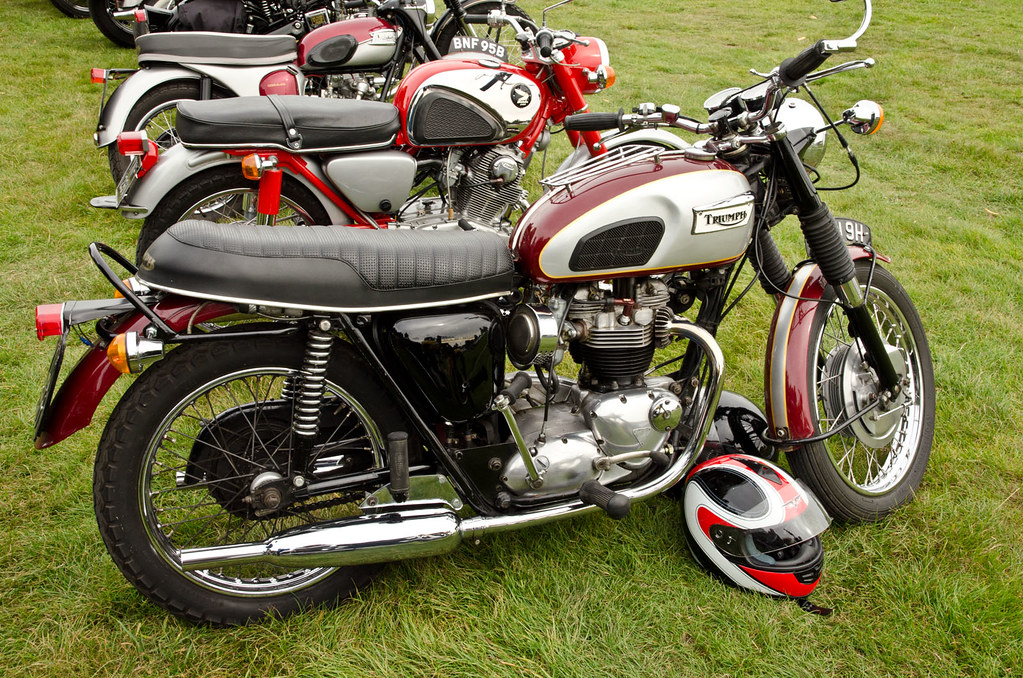
7. **Triumph Bonneville**Alright, let’s talk about a true British icon that’s synonymous with speed and cool: the Triumph Bonneville. Triumph motorcycles are legendary for setting numerous land speed records, and this particular model, aptly named after the Bonneville Salt Flats in Utah, was quite literally built for speed. Its legacy is not just about raw power, but also about its incredible blend of performance, timeless style, and profound cultural impact. The 1960 Triumph T120 Bonneville, in particular, stands out as one of the most iconic motorcycles of the 20th century.
The original model, the T120, packed a formidable 650cc twin-cylinder engine that was celebrated for its robust performance and sleek design. This wasn’t just any engine; the T120 featured the brand’s first dual-carburetor 650 cc parallel-twin engine, capable of reaching an impressive 115 mph. This made it one of the fastest bikes of its time and an absolute thrill to ride. Its distinctive two-tone paint, elongated chrome pipes, and a pillion-friendly pancake seat all contributed to its undeniable “Brit-bike cool” aesthetic.
But here’s a fantastic part of the Bonneville’s story: it was surprisingly accessible. Any 18-year-old in the post-war economic boom, flush with disposable income, could walk into a showroom, sign a hire-purchase credit agreement, and ride off on a brand-new Triumph. This push towards targeting a younger demographic of potential riders was a stroke of genius, making the Bonneville not just aspirational, but attainable, too.
It quickly became the go-to choice for a galaxy of 1960s celebrities, including legends like Bob Dylan, Marlon Brando, Clint Eastwood, James Dean, and Steve McQueen. The Bonneville wasn’t just ridden by these icons; it was famously featured in many films associated with the counterculture movement of the time, cementing its place in popular culture. Even today, you’ll find modern celebrities, like Olivia Munn, proudly riding a Triumph Bonneville, a testament to its enduring cool factor. For many, this motorcycle evokes a powerful sense of nostalgia, much like the thrill of a first kiss, recalling the fond memories of their first Triumph Bonneville.
The timeless design and racing pedigree of the Bonneville have helped Triumph establish an incredibly rich legacy in both the American and British markets. Even now, near-original silhouettes of the Bonneville remain among the best-selling models on the market, a testament to its legendary status. The fact that a 1960 example was sold through Mecum Auctions in March of this year only underscores its continued value and desirability among enthusiasts and collectors.
Continuing our epic ride through the annals of motorcycling, we delve into 8 more iconic bikes that left an indelible mark, highlighting their unique engineering, racing pedigree, and lasting impact on rider culture. These machines are true legends, each carving out a distinct place in history with their unparalleled brilliance and enduring charm.
Read more about: Unmasking the Imposters: A Deep Dive into the Most Notorious Scientific Hoaxes That Fooled the World
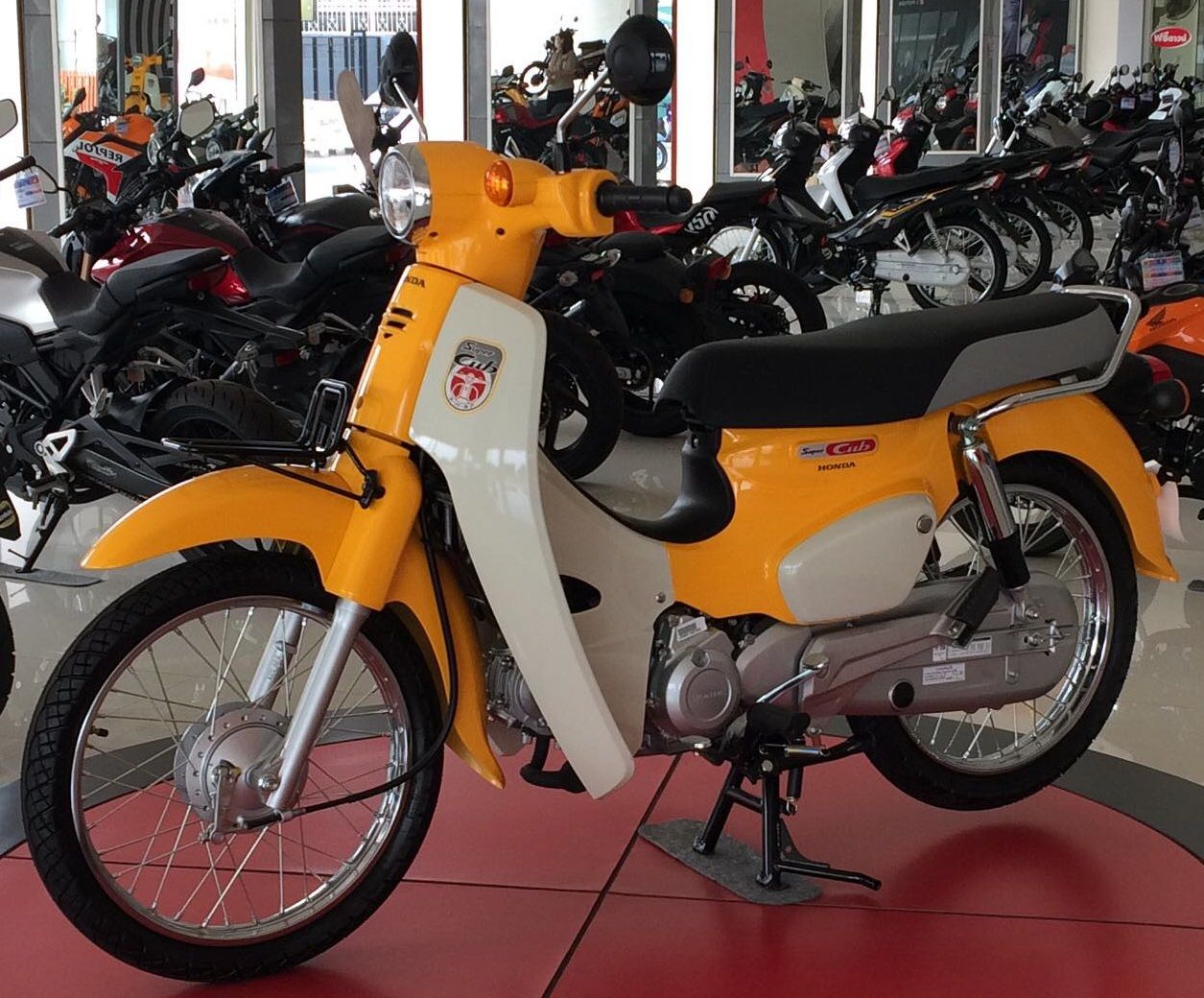
8. **Honda Super Cub**You can’t talk about iconic motorcycles without mentioning the Honda Super Cub! This isn’t just the best-selling motorcycle in history; it’s the best-selling motor vehicle, period, with over 100 million units sold since 1958. It literally changed the world’s perception of motorcycling, proving that two wheels could be for everyone, not just the grease-stained mechanics and leather-clad rebels. This machine is a testament to brilliant marketing and even smarter engineering that brought riding to the masses.
Honda’s genius wasn’t just in the bike itself, but in how they sold it. They boldly advertised the Super Cub in women’s magazines, promoting it as a vehicle so easy to ride that anyone, regardless of gender or experience, could master it. This inclusive approach, combined with its undeniable practicality, led to such stratospheric demand that Honda had to build the largest motorcycle factory in the world in Suzuka, Japan, churning out an astounding 50,000 Super Cubs a month. Talk about hitting a home run!
Underneath its charmingly simple exterior lay a host of innovations designed for ease of use. The semi-automatic centrifugal clutch eliminated the need for a manual clutch lever, making gear changes a breeze with just a foot. Plus, it rocked a fuel-efficient and reliable 50cc 4-stroke engine, a smart departure from the common 2-strokes of the era. These thoughtful engineering choices made the Super Cub incredibly accessible, dependable, and economical.
Even after decades, the Super Cub’s signature classic design has stood the test of time, proving that true genius never goes out of style. Modern iterations still retain that iconic look while embracing advancements, ensuring its enduring appeal. It’s more than a motorcycle; it’s a global phenomenon, a symbol of freedom and utility that continues to connect people across continents, and a bike that rightly sits at the very top of the sales charts for all time.
Read more about: Beyond the Bulletproof Reputation: 15 Japanese Cars That Left Owners With Buyer’s Remorse
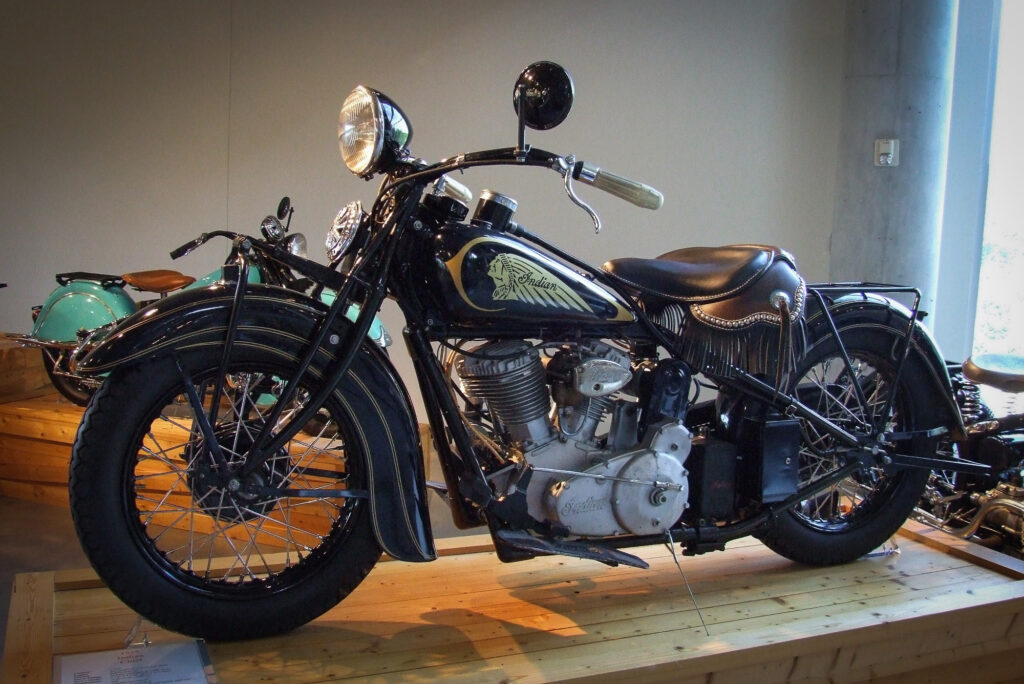
9. **Indian Chief (Original 1922 Model)**Stepping back into American history, we encounter the Indian Chief, a motorcycle that isn’t just a classic, it’s a timeless legend that still turns heads today. Produced from 1922 until 1953, this bike faced its own bumpy road with the company’s financial woes, but its spirit as a quintessential American motorcycle never wavered. For enthusiasts, the Indian Chief represents a golden era of motorcycling, a period of bold design and groundbreaking innovation.
The early models of the Indian Chief were packed with innovative features that set it apart. Imagine this: a gearbox bolted directly to the engine casing, a helical gear train instead of a chain drive, a wet clutch, and dual camshafts! These weren’t just minor tweaks; these were significant engineering advancements that improved performance and reliability. These foundational designs would continually evolve, showing Indian’s commitment to pushing the envelope.
Then came 1940, and with it, a design cue that would become instantly iconic: the full-skirted fender. This distinctive aesthetic became a hallmark, making an Indian motorcycle recognizable from a mile away. After the Second World War, the Indian Chief was the *only* pre-war model still in production, a testament to its enduring appeal and robust design. Updates like telescopic forks in 1950 and an increased engine size to 1,300cc kept it relevant and powerful.
When you picture an iconic motorcycle, it’s hard not to conjure up the image of the Indian Chief, complete with its famous “Warbonnet” logo emblazoned on the tank. Though the original production halted in 1953 and a brief revival in 1999 faced bankruptcy, these classic machines remain deeply cherished in the hearts of Indian Chief enthusiasts. It’s a true piece of Americana, blending heritage, power, and an unmistakable style that continues to resonate with riders and collectors alike.
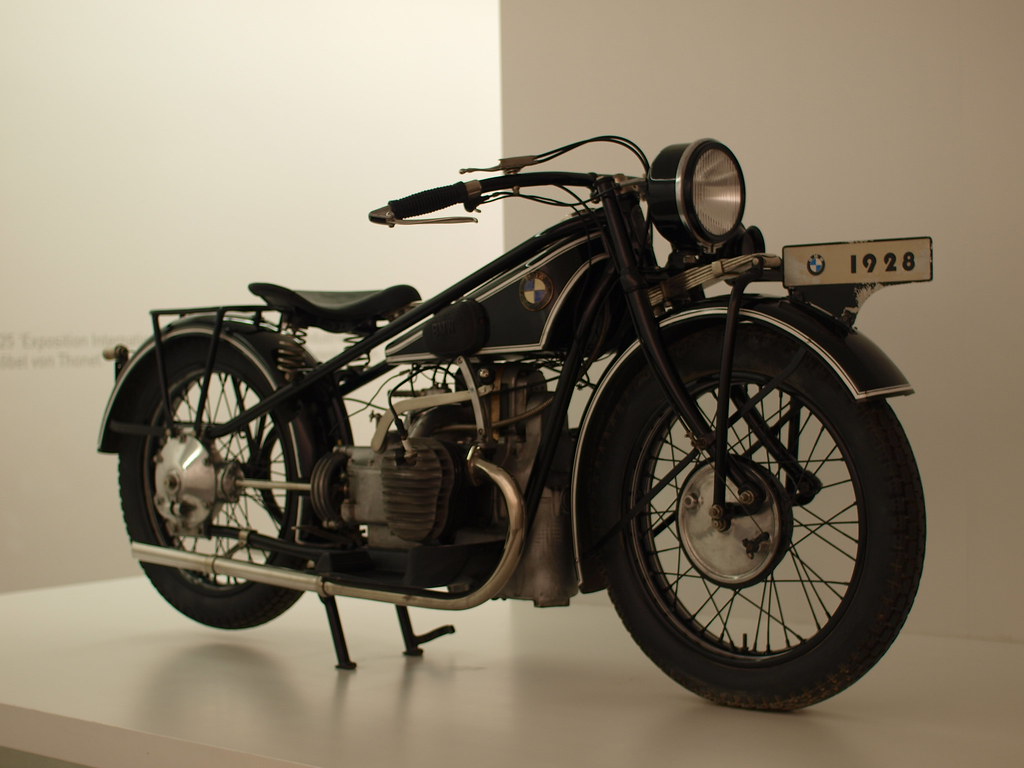
10. **BMW R32 (1923-1926)**Now, let’s talk about the machine that started it all for one of the most prestigious automotive brands on the planet: the BMW R32. Unveiled in 1923 at the Berlin Motor Show and later gracing the Paris Motorcycle Show, this wasn’t just BMW’s first successful motorcycle; it was the absolute blueprint for the company’s entire two-wheeled future. This bike wasn’t simply a product of its time; it was a visionary piece of engineering that stood out against all its contemporaries.
The R32 was revolutionary! While chain drives were the absolute norm, BMW dared to be different, equipping the R32 with a unique shaft drive system. But the innovations didn’t stop there. It featured a 494cc M2B33 flat-twin (or “boxer”) air-cooled four-stroke engine, a configuration that, amazingly, still defines many of BMW Motorrad’s machines today! This powerhouse delivered 8.5 horsepower at 3,200 RPM and could reach a top speed of 59 mph – seriously impressive for the era.
One of its most ingenious, and often overlooked, features was its recirculating wet-sump oiling system. This was a massive leap forward, offering a superior and much cleaner lubrication solution compared to the “total-loss” oiling systems prevalent on other motorcycles. Combined with its low center of gravity and a short 54-inch wheelbase paired with 26-inch wheels, the R32 was designed as a safe, stable touring motorcycle, perfectly capable of handling rougher terrains.
Even a century later, the BMW R32 exudes an undeniable cool factor. It’s a foundational piece of motorcycling history, demonstrating BMW’s engineering brilliance right from the start. Its timeless aesthetic and pioneering technical choices established a legacy that continues to influence modern motorcycle design, proving that some ideas are so fundamentally sound, they transcend generations. This bike isn’t just old; it’s a testament to enduring quality and visionary design.
Read more about: The 18 Most Iconic Motorcycles of All Time
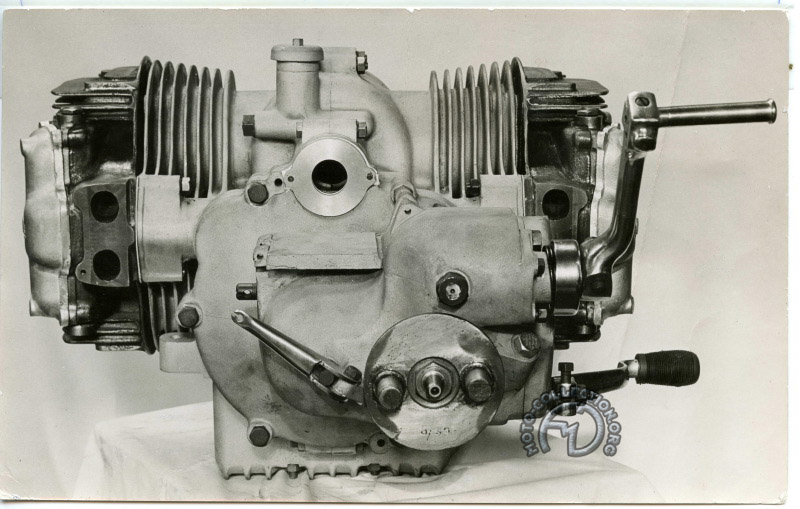
11. **Brough Superior SS100 (1924-1940)**Prepare to meet the “Rolls-Royce of Motorcycles,” the legendary Brough Superior SS100! Produced between 1924 and 1940, this wasn’t just considered the fastest bike of its day; it was unequivocally the most luxurious. George Brough, the company founder, was so confident in his creation that each SS100 came with a signed certificate guaranteeing it would break the “magic 100 mph” barrier. That’s a level of commitment and swagger you rarely see!
The SS100 was a true masterpiece, a bespoke work of art meticulously hand-built to order. Its rarity only amplifies its iconic status, with a mere 383 units ever produced, making it a highly sought-after and prized possession for collectors today. Powering this magnificent machine was a 990cc air-cooled 50-degree V-twin engine that punched out a remarkable 48 horsepower – an absolute colossus when anything above 30 hp was considered enormous. This was truly the world’s first superbike, pushing boundaries of speed and luxury.
What truly set the SS100 apart, beyond its blistering speed, were its features that were astonishingly ahead of their time. Adjustable footrests? Rearview mirrors? The ability to adjust the height and angle of the saddle? These weren’t standard offerings; these were revolutionary comforts that solidified its status as a symbol of opulence and forward-thinking design. This bike was the epitome of luxury and performance, an engineering marvel that spared no expense.
Perhaps its most famous rider was T.E. Lawrence, better known as Lawrence of Arabia, who owned no fewer than eight Brough Superiors, tragically losing his life on one. The SS100 stands as a proud symbol of pre-war British engineering excellence, a bike that blended raw power, unparalleled luxury, and bespoke craftsmanship into a package that has rarely been matched since. Its name has even been resurrected in the 21st century, a testament to its enduring legacy and impact.
Read more about: The 18 Most Iconic Motorcycles of All Time

12. **Harley-Davidson Fat Boy (1990-Present)**Let’s roll into a machine that defines rugged American power and cinematic cool: the Harley-Davidson Fat Boy. If you’ve seen “Terminator 2,” you know exactly what we’re talking about – Arnold Schwarzenegger’s T-800 astride this beast, chasing down John Connor. That scene alone cemented the Fat Boy’s place in pop culture, symbolizing the film’s raw, powerful, and utterly indestructible nature, a perfect metallic counterpart to the Terminator itself.
First launched in 1990 by the legendary Willie G. Davidson, the Fat Boy immediately became one of the most distinctive and best-selling models in Harley-Davidson’s storied history. The name “Fat Boy” wasn’t some marketing gimmick; as Willie G. himself claimed, it simply stuck because of the motorcycle’s undeniably massive, imposing, and “fat” look. It embraced its big, bold presence, daring riders to take command of its substantial frame and impressive power.
Over the years, the Fat Boy has seen its fair share of design and technical modifications, always staying true to its core identity while evolving with the times. It started with a robust 1340cc engine in 1990, upgraded to a 1,450cc Twin-Cam engine by 1999, and then, in 2007, it literally “got even fatter” with its engine increasing to 1,584cc and a smooth six-speed transmission. As of 2018, new models boast a ‘Milwaukee Eight’ 1746 or 1868cc engine and even fatter wheels!
The Fat Boy just keeps on getting bigger and more commanding, consistently reaffirming its dominance on the road. Its enduring appeal isn’t just its power or comfort; it’s the sheer presence and the undeniable cool factor it exudes. This isn’t just a motorcycle; it’s a statement, a rolling piece of Americana that has been immortalized everywhere from blockbuster movies to a Lego toy. The Harley-Davidson Fat Boy is, without a doubt, a bonafide icon.
Read more about: The 18 Most Iconic Motorcycles of All Time

13. **Norton Commando 750 (1968)**Hold onto your helmets, because in 1968, Norton did something truly audacious with the Commando: they ditched their legendary “Featherbed” frame! This was a move that breathed fresh life into what had been an ailing brand, proving that innovation, even when it means breaking from tradition, can lead to triumph. While the basic engine dated back to 1949, the 750cc Commando brought a revolutionary approach to classic British performance.
The most significant innovation of the Commando was its “Isolastic” frame. Instead of directly mounting the engine, gearbox, and swingarm to the frame, Norton ingeniously suspended the entire power unit on rubber mounts. This brilliant engineering solution effectively cured the notoriously harsh vibrations that plagued earlier models like the Atlas, making for a much smoother and more enjoyable ride. This was a true game-changer for rider comfort and control.
Beyond its technical wizardry, the Commando Fastback Mk1 boasted bold new styling for its cycle parts, which was an instant hit, especially in Norton’s largest market, the USA. Its sleek lines and aggressive stance perfectly captured the spirit of the late 1960s, a blend of performance and undeniable cool. As demand grew, the engine was further expanded to 850cc in 1973, prolonging the model’s, and indeed Norton’s, production life and solidifying its reputation.
The Norton Commando isn’t just a motorcycle; it’s a testament to resilience and ingenuity, a classic British twin that refused to fade into obscurity. Its ability to innovate while retaining its powerful character made it a beloved machine. It offered riders a potent combination of performance, style, and a surprisingly smooth ride, ensuring its place as a truly iconic machine that still commands respect and adoration from enthusiasts worldwide.

14. **Kawasaki Z1 (1972)**Alright, gearheads, prepare for a motorcycle that truly knocked it out of the park and set the 1970s ablaze: the 1972 Kawasaki Z1! While Honda certainly kicked off the four-cylinder street bike craze, it was Kawasaki, with their project code-named “New York Steak,” that delivered a machine that left rivals scrambling. This wasn’t just a bike; it was a declaration, a bold statement that Kawasaki was here to dominate the large-capacity performance segment.
The Z1 was a game-changer because it was the first large-capacity, Japanese four-cylinder offering to come equipped with double overhead camshafts (DOHC). This wasn’t a minor detail; it was a significant technical advantage that trumped its arch-rival, Honda’s CB750, and offered a substantial 153cc capacity hike for the rider. With a staggering 82 horsepower on tap, and the potential to rocket past 130 mph, the Z1 immediately became the undisputed ultimate production sports machine of the 1970s.
Its raw power and cutting-edge engineering meant the Z1 wasn’t just fast; it was a thrilling, adrenaline-pumping experience. It showcased Kawasaki’s unwavering commitment to performance and its readiness to push the technological envelope. The sheer capability of the Z1 meant that it dominated road tests and quickly became the aspiration for any serious rider looking for the pinnacle of two-wheeled excitement.
The impact of the Z1 was profound, setting a new benchmark for what a Japanese superbike could achieve. It forced other manufacturers to respond, igniting a fierce competition that ultimately benefited riders with even more incredible machines. Even today, the Kawasaki Z1 is revered as a legend, a symbol of 1970s excess and engineering prowess that remains a highly sought-after classic. It’s a bike that screams pure, unadulterated speed and style.
Read more about: The 18 Most Iconic Motorcycles of All Time

15. **BMW R 80 G/S (1980)**And finally, let’s talk about a bike that didn’t just join a category; it *created* one! In 1980, BMW unleashed the Gelände Sport, or G/S (later simply GS), a motorcycle that wasn’t just revolutionary – it was a savior for BMW Motorrad and a catalyst for an entire global movement. This maxi-travel bike could truly go anywhere, from cross-country highways to the wildest off-road trails, fundamentally redefining the concept of adventure riding.
The G/S was an ingenious blend of on-road touring comfort and off-road capability, something truly unheard of at the time. It took the proven BMW boxer engine and wrapped it in a rugged, versatile package, offering riders unprecedented freedom. This was the bike that convinced the world that a large, comfortable touring machine could also conquer challenging terrain with remarkable ease, paving the way for the adventure bike segment that flourishes today.
Its legendary status was cemented not just by its innovative design, but by its incredible performance in some of the most grueling races on Earth. The G/S achieved resounding success in the infamous Paris-Dakar Rally, proving its mettle against the harshest conditions imaginable. This racing pedigree, combined with its starring role in Ewan McGregor’s hugely popular television series “Long Way Round,” propelled it into the public consciousness as the ultimate go-anywhere machine.
Generations of happy adventure riders can attest to the G/S’s enduring legacy. It’s widely considered the most important motorcycle BMW has ever built, not just for its role in the company’s financial revival, but for inspiring countless journeys and fostering a deep love for exploration on two wheels. The BMW G/S isn’t just a bike; it’s an invitation to adventure, a symbol of freedom, and an undeniable icon that continues to inspire riders to seek out the farthest horizons.
Read more about: The 25 Most Legendary Motorcycles of All Time
What an incredible journey we’ve just completed, riding through time on these magnificent machines! From the raw power of early superbikes to the groundbreaking versatility of adventure legends, each of these motorcycles tells a unique story of human ingenuity, passion, and the relentless pursuit of perfection. They are more than just metal and rubber; they are testaments to engineering brilliance, cultural touchstones, and thrilling symbols of freedom that have captured our imaginations for generations. So, whether you dream of tearing up a track, cruising a scenic highway, or tackling an epic off-road adventure, remember these legendary bikes – they’ve not only shaped the past but continue to inspire the future of motorcycling, beckoning us all to twist the throttle and embrace the open road.