There’s a picture-perfect vision of van life splashed across social media feeds these days. It’s all sun-kissed mornings, panoramic views, and meticulously curated interiors – an idyllic escape from the grind, a boundless horizon unfurling before your custom-built Sprinter. This image, a siren song for the soul weary of the “American Dream,” has fueled a cross-generational movement, drawing in everyone from wide-eyed millennials on endless road trips to remote-working professionals and retirees chasing national parks.
But what happens when the Instagram filter fades? What are the hushed truths, the candid observations, and the hard-won wisdom that full-time nomads, those of us who’ve navigated countless miles and weathered countless storms in our rolling homes, secretly share about this celebrated lifestyle? We’ve been living this life for years, starting with a $1600 GMC Vandura back in 2008 and evolving through a Mercedes Sprinter to our current Toyota Land Cruiser Troop Carrier. We’ve seen it all, and let’s just say, the road offers a unique education.
The van life movement isn’t a new phenomenon; it’s a modern iteration of a counter-culture spirit that dates back to the 1960s and 70s. Back then, pioneers in Volkswagen buses embraced a sense of rebellion and unique adventure, setting the stage for today’s transient, mobile lifestyle. It’s more than just a trend; it’s a pursuit of a more carefree existence, a chance to save money, visit incredible destinations, and become part of a growing community of fellow wanderers. But underneath the veneer of endless freedom and picturesque moments lie a set of realities – both exhilarating and challenging – that every seasoned nomad understands. Here’s what we’ve learned, the good, the bad, and the utterly unforeseen.
1. **The True Definition of Van Life: It’s Not Just About Sprinters Anymore**Forget the notion that “van life” is synonymous with owning a sleek, brand-new Mercedes Sprinter van, gleaming under a desert sky. While those certainly exist, and yes, they’re popular, the reality is far more diverse and delightfully unconventional. The movement itself is simply people opting to abandon what used to be called the “American Dream” of owning a house and a traditional job, embracing instead a life on wheels. This isn’t just about a specific vehicle; it’s about a mindset.
The beauty of van life lies in its broad, inclusive definition. It literally covers a wide range of individuals and vehicles. You’ll encounter younger folks embarking on seemingly never-ending road trips, young professionals who’ve turned their van into a mobile office with incredible “views,” and retirees traversing national parks without the bulk of a huge RV. For some, it begins as a “gap year” that unexpectedly stretches into years of wandering, while others embark on epic journeys like the Pan American Highway, only to discover a whole new world they never knew existed.
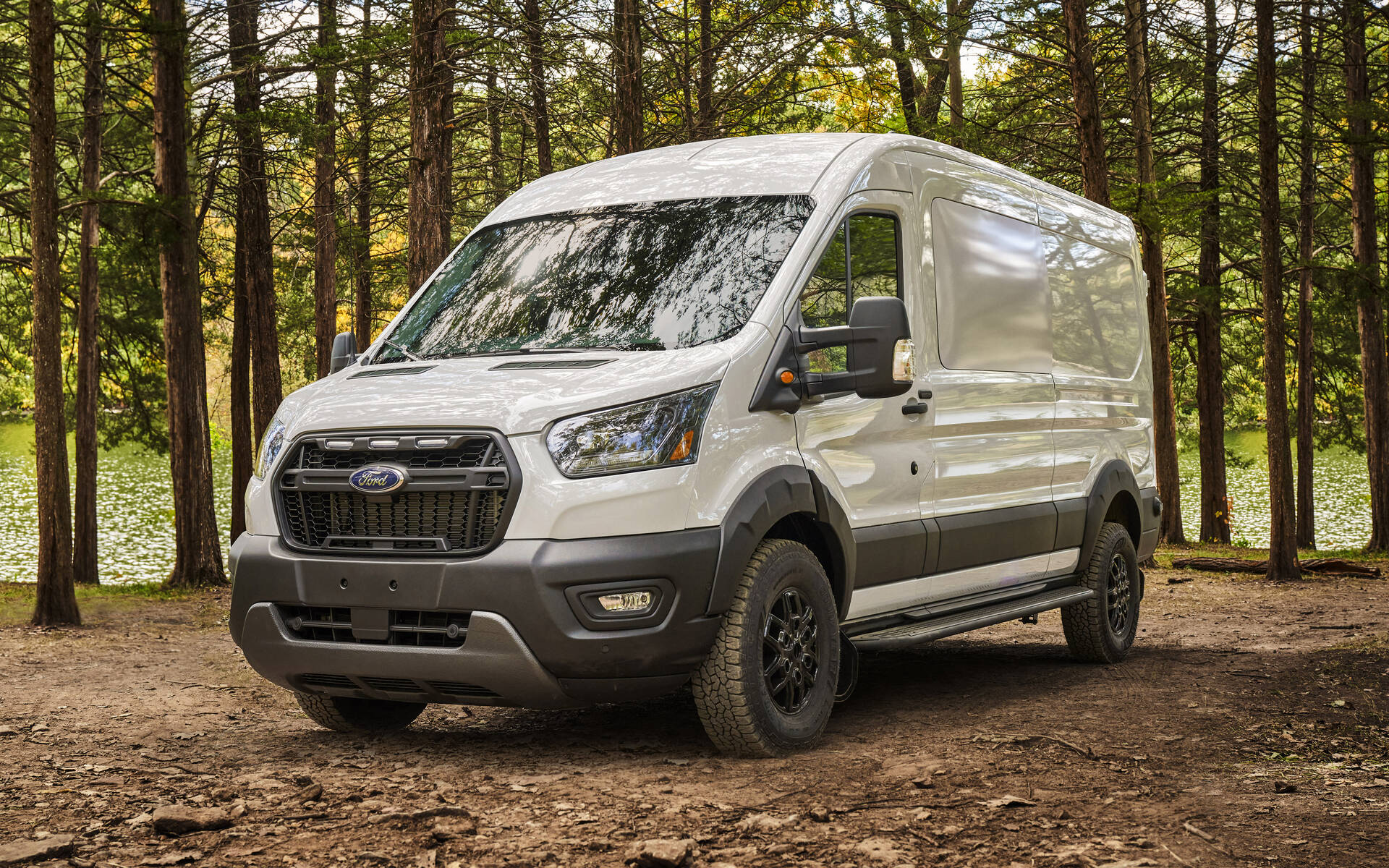
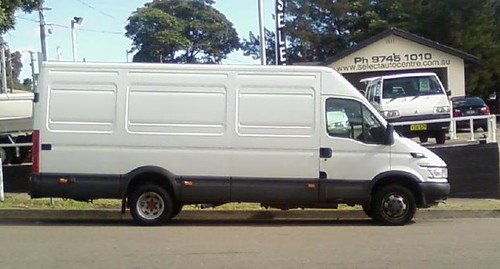
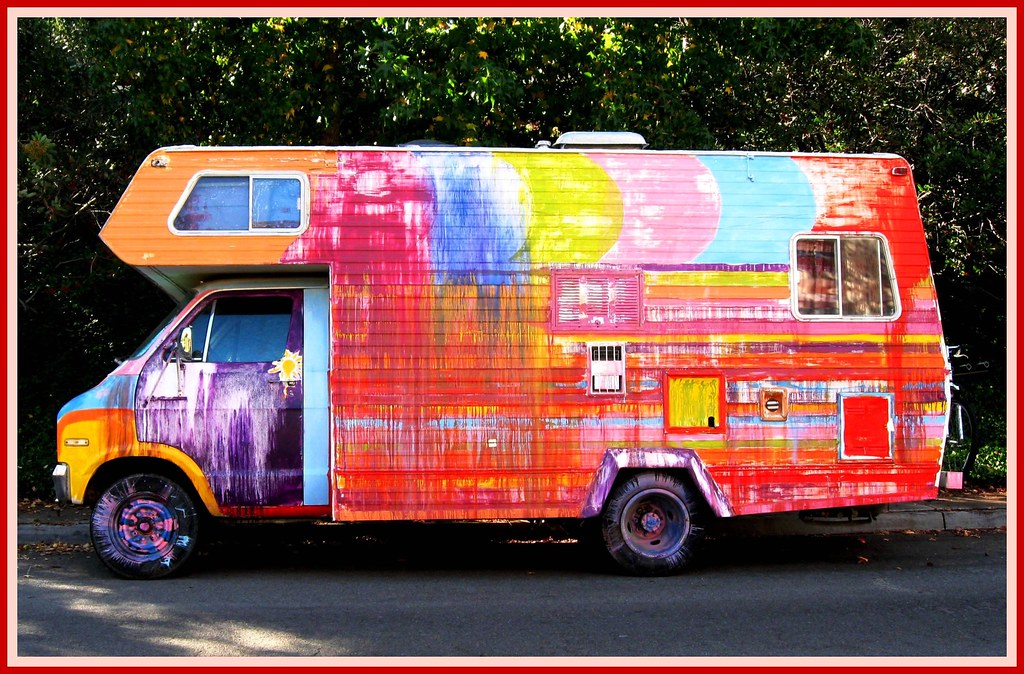
Crucially, the van life lifestyle extends far beyond just traditional vans. While cargo vans like the Mercedes Sprinter, Ram Promaster, and Ford Transit are popular choices for conversions, and classic camper vans like the Volkswagen Vanagon, Bus, or Kombi hold a special place, the spirit truly applies to anyone living from their vehicle. This includes recreational vehicles, mini-vans, conversion vans, or even more alternative options like converted school buses, affectionately known as “Skoolies,” or factory-built Class B RVs. The core message is that you don’t need to spend tons of money on a high-end build; you can make do with what you have and learn to live the van life accordingly. Our journey, from a $1600 GMC Vandura to our current Troop Carrier, is a testament to this diverse reality.
2. **The Hidden Financial Realities: Van Life Costs Less, But Don’t Be Fooled**One of the most compelling arguments for ditching the brick-and-mortar lifestyle is the promise of significantly reduced expenses. And it’s true, van life can indeed be far less costly than a traditional home. The cost of owning a van, even after a conversion, is tiny compared to a mortgage or monthly rent. When you factor in the ability to park overnight for free in countless locations, find free WiFi, and access shower facilities almost anywhere, the savings can be substantial. For many, this affordability is a primary reason to choose the road.
However, the notion that van life is simply ‘cheap’ overlooks a more nuanced financial reality. While living expenses *can* be less, it requires diligent budgeting and an understanding of the various categories that still demand your hard-earned cash. It’s not a free ride, and anyone telling you it is, hasn’t looked at their bank statement recently. You need to factor in the initial purchase price of the van, administrative fees, and any remodel, upgrade, or build-out costs. These can quickly add up, especially if you’re aiming for comfort and self-sufficiency.
Beyond the initial investment, there are ongoing monthly expenses that every nomad faces, regardless of their living situation. Health insurance is non-negotiable, as is van insurance – and you’ll need to ensure it covers your van as a living space, not just a vehicle. Cell phone and data plans are critical for navigation, communication, and remote work. There are also miscellaneous medical costs and, hopefully, shrinking debt obligations. On the road, travel expenses become a significant part of the budget: camping fees (even with free options, paid sites are sometimes necessary), meals (groceries and dining out), fuel (a major expense for both vehicle and propane/generator), and travel incidentals like tolls and parking. Then there’s money set aside for fun and, crucially, repairs and maintenance – because things *will* break. A savvy nomad will even budget for a Planet Fitness gym membership, not just for workouts, but for reliable, hot showers across the country.
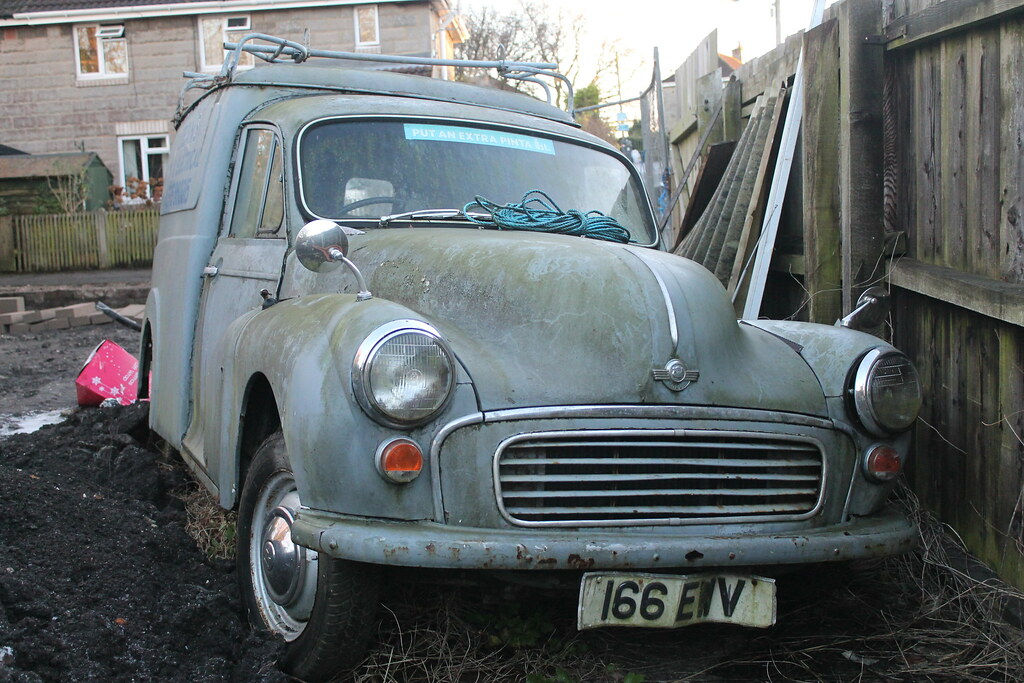
3. **The Allure of Endless Horizons: Scenery Changes, But So Do the Challenges**The sheer visual poetry of van life is undeniable. Imagine waking up to the gentle lapping of ocean waves, the crisp air of a mountain morning, or the serene expanse of a lake at sunrise. The promise of constantly changing scenery is a potent draw, allowing you to chase sunsets, explore national parks, and tick off tourist attractions at your own pace. This unparalleled freedom to literally drive after your dreams is one of the most amazing aspects of living in a van, transforming every day into a new adventure. One day, it’s a forest, the next, a beach – the world truly becomes your backyard.
But with this incredible freedom comes an often-overlooked grind: the wearisome nature of road logistics. The romantic ideal of spontaneity quickly confronts the practical demands of daily survival. Much of your day can be spent in a perpetual scavenger hunt, trying to locate basic necessities. Where’s the nearest coffee shop with free WiFi for a quick check-in? Where can you find overnight camping that isn’t another soul-crushing Walmart parking lot? Where are the gas stations, dump stations, and water refill points? These mundane yet essential tasks pile up, transforming what should be a carefree day into a relentless series of errands.
The mental and physical toll of these logistics can be significant. Spending hours driving around, desperately searching for a free camp spot when all you want to do is settle down for the night, can quickly deplete your enthusiasm. It’s not just about the beauty of the landscape; it’s about the constant effort required to maintain that lifestyle. The novelty of the open road can be overshadowed by the sheer effort of keeping your rolling home operational and finding a safe, legal place to simply exist for the night. This is the unspoken truth behind the scenic overlooks: sometimes, the view isn’t worth the headache it took to get there and stay there.
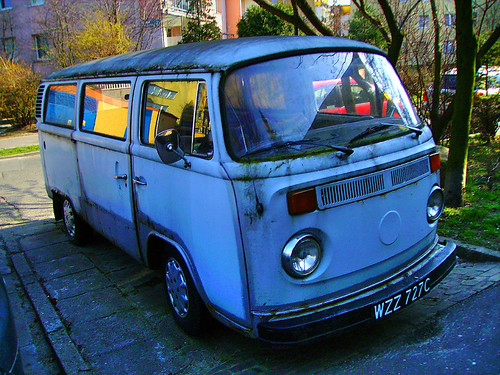
4. **The Remote Work Dream: How Nomads Actually Build Businesses on the Road**The image of working remotely from a van, with a laptop perched against a backdrop of breathtaking natural beauty, is a powerful fantasy. For many, van life isn’t about escaping responsibility; it’s about redefining it. The ability to work online while traveling is a cornerstone of the modern van life movement, allowing individuals to earn a living, save money, and experience the world all at once. For those who can perform their jobs remotely, the concept of an “office” takes on an entirely new, exhilarating meaning – wherever you happen to camp becomes your workspace.
This isn’t just about maintaining a traditional job from a non-traditional location; it’s about building entirely new ventures. We’ve personally witnessed and known people who have successfully launched and grown businesses while living full-time on the road. The flexibility and reduced overheads of van life can be incredibly conducive to entrepreneurship. By minimizing living expenses, individuals can dedicate more resources and time to their passions, cultivating successful enterprises that thrive outside the confines of a corporate office.
The financial benefits are tangible. Working remotely from a van often means you can accumulate more savings over a few months or years than counterparts living a more traditional life. This isn’t just about being frugal; it’s about strategic living, where every dollar stretched contributes to both freedom and future security. While money isn’t the sole motivator for embracing van life, the opportunity to work online, earn income, and save simultaneously is a powerful incentive. If your skillset allows for remote work, van life offers an unparalleled opportunity to blend professional ambition with personal wanderlust, transforming daily tasks into adventures and making the most of every incredible “office space” the world provides.
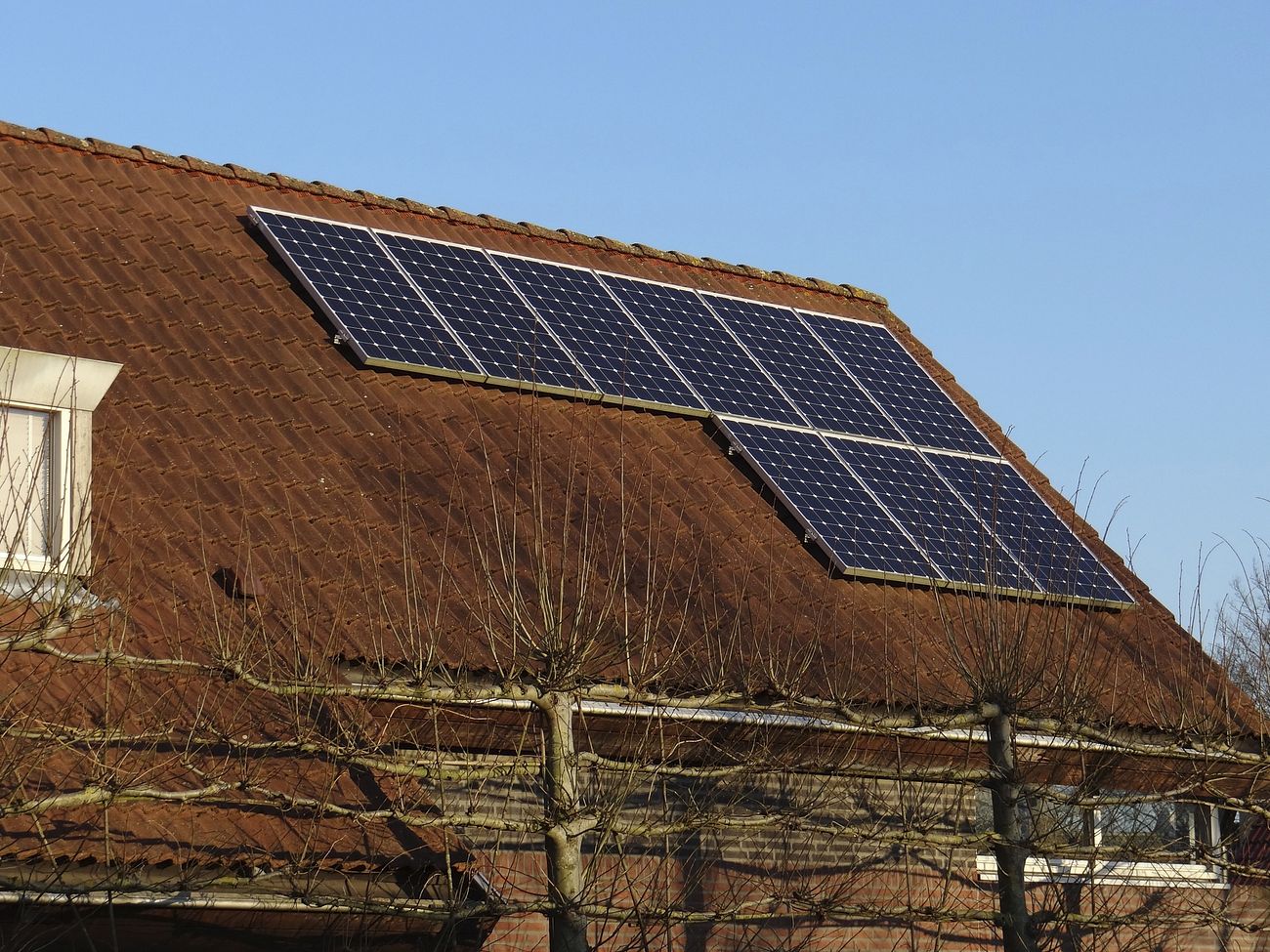
5. **Mastering the Off-Grid Lifestyle: Freedom Comes With Preparation**For many, the ultimate expression of van life freedom is the ability to live entirely off-grid. This means driving deep into national forests or Bureau of Land Management (BLM) land, finding solitude away from crowded campgrounds, and truly being self-sufficient in the middle of nowhere. It’s a profound sense of liberation, knowing you can literally go anywhere, unplug from the matrix, and rely solely on your own resources. The allure of untouched wilderness and serene isolation is a powerful motivator for countless nomads.
However, this profound sense of freedom is inextricably linked to meticulous preparation. True self-sufficiency isn’t a passive state; it’s an active commitment to having the right systems in place. Without a proper solar panel array and a robust battery bank, your dreams of remote camping will quickly be curtailed by a dead laptop or a dark interior. An adequate supply of water – both for drinking and washing – is paramount, as is enough fuel for cooking, heating, and propulsion. These are the lifeblood of off-grid living, and their absence can turn an idyllic escape into a desperate situation.
The mantra for mastering the off-grid lifestyle is simple: prepare adequately for such an adventure. This means understanding your power consumption, knowing your water capacity and refill points, and having backup plans for everything from cooking fuel to emergency communications. When you have these essentials sorted, there truly is no limit to where you can venture, allowing you to embrace the wild, untamed corners of the world with confidence. It’s a testament to human ingenuity and foresight, proving that true freedom on the road isn’t about leaving everything behind, but about bringing everything you need to thrive.

6. **The Unexpected Intimacy of Tiny Spaces: When ‘Cozy’ Becomes ‘Cramped’**The romanticized notion of a tiny home on wheels often emphasizes coziness and minimalist living. And initially, it *is* an appealing thought: everything you need, and nothing you don’t. A good van build, whether fully self-contained with a toilet, shower, and kitchen, or a more rugged setup, can be incredibly efficient. Items serve multiple purposes, and you genuinely find you don’t miss much of what you left behind in a larger home. This curated simplicity is, for many, a major draw to the van life.
Yet, the reality of living in such a small space for extended periods can take a surprising toll. What starts as cozy can, at times, become undeniably cramped. The constant choreography required for daily tasks can quickly become tedious. Imagine needing to move ten different things just to take a shower, or the daily ritual of folding out and putting away your bed. These repetitive actions, while minor individually, accumulate to create a pervasive sense of inconvenience and restriction, especially when you’re tired or the weather forces you to stay inside.
Cooking and washing dishes in a tiny space present their own unique challenges, turning what should be simple routines into logistical puzzles. The lack of personal space, especially when sharing a van with a partner, can magnify small irritations and create a constant, low-level hum of psychological pressure. While the benefits of a tiny home on the road are numerous – the mobility, the reduced expenses, the freedom – it’s crucial for aspiring nomads to understand that this intimacy with their surroundings can, at times, be too intimate, demanding a level of patience and adaptability that not everyone possesses.
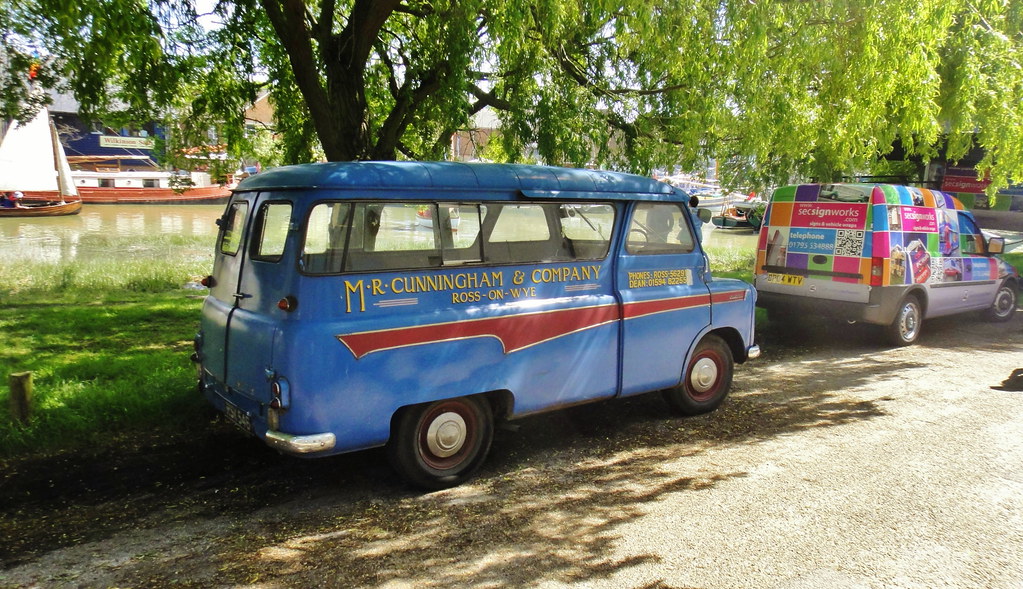
7. **The Nomad Tribe: The Community Spirit and the Shadow of Isolation**One of the most frequently lauded aspects of van life is the incredible sense of community. Van lifers come in all shapes and forms, and while you might not connect with every single one, you’ll find that most are like-minded, amazing individuals. They’ve embarked on this journey for their own unique reasons, and they carry with them a wealth of experiences, a long list of places to explore, and tips and tricks you might never have imagined. These serendipitous encounters, whether sharing a meal around a campfire or exchanging travel stories, can quickly expand your friendship circle, creating a unique global network of fellow wanderers.
You might meet someone on a remote trail and bump into them again a thousand miles away, months later. This shared lifestyle fosters a deep camaraderie, where advice, resources, and even a helping hand are readily exchanged. It’s a powerful antidote to loneliness, creating a sense of belonging among those who have chosen a path less traveled. The community truly is pretty amazing, offering a support system that many traditional lifestyles lack.
However, this vibrant community can also cast a shadow of isolation, particularly from the friends and family you left behind. When you live in a van full-time, you’re constantly trading one memory for the next, but more significantly, you’re trading consistent time with familiar faces. Giving up weekly happy hours, missing major holidays, or simply being geographically distant from your established support system can lead to unexpected feelings of loneliness. It requires intentional effort to maintain those older connections, as chances are, your friends and family are caught up in their own lives and might not always remember you’re off ‘galavanting around the world.’ The paradox of van life is that while you gain a new tribe, you must actively fight to keep the old ones from fading into the distance.
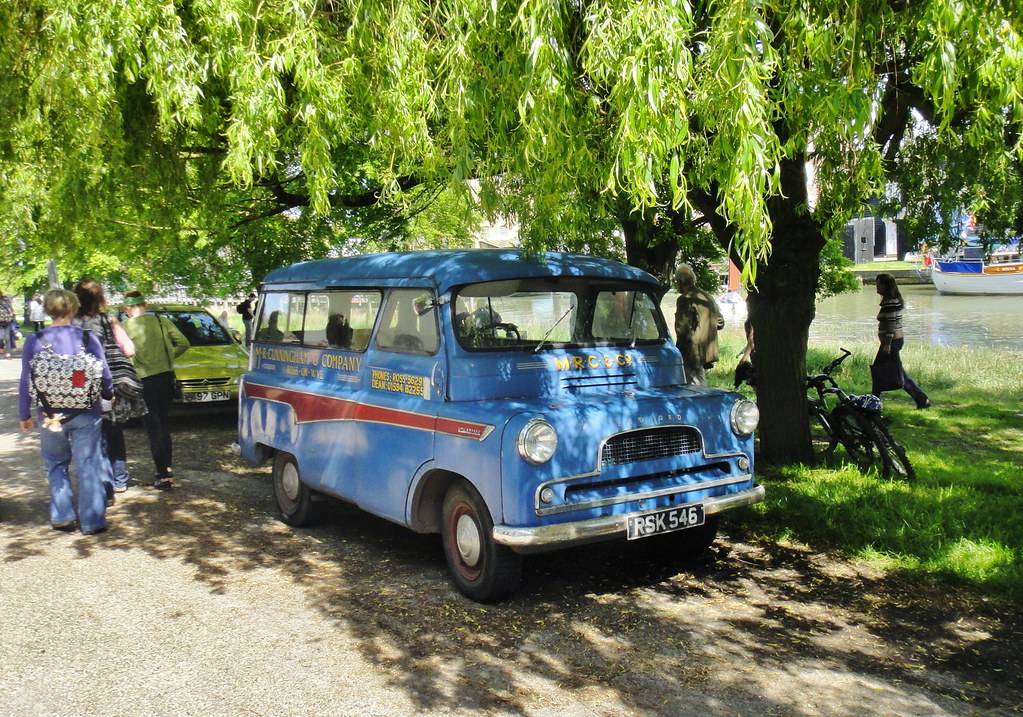
8. **Unexpected Maintenance Issues: The Inevitable Roadblocks**So, you’ve embraced the freedom, the views, and the tight-knit community, right? But here’s a truth bomb no Instagram influencer will drop: your van *will* break down. And when it does, it’s not just an inconvenience; it’s a full-blown existential crisis on wheels. There is nothing more stressful than when your van breaks. Whether it is simply an appliance or hardware inside the van, or something mechanical, maintenance costs and the time spent trying to fix the issues add lots of stress to an otherwise carefree life.
We always say you can never choose when or where you will break down. And trust us, the universe has a wicked sense of humor about this. It’ll probably be in the middle of nowhere, miles from civilization, with limited cell service and a rapidly dwindling supply of snacks. Not knowing how much money it will cost or who can help you fix the issue can wear you down. This isn’t just about a busted alternator; it’s about the erosion of your peace of mind.
The cost of repairs isn’t just financial; it’s a significant drain on your most precious resource: time. What was meant to be a day of epic hiking can quickly turn into hours spent on the phone, poring over repair manuals, or hitchhiking to the nearest auto shop. It forces you to become an impromptu mechanic, a resourceful problem-solver, and sometimes, a patient negotiator with roadside assistance.
The seasoned nomads, the ones who’ve seen more roadside sunrises than they care to admit, have learned to budget not just for fuel and food, but for the inevitable. They understand that a chunk of their hard-earned remote work cash needs to be earmarked for what you hope never happens, but always does. This preparedness, both financially and mentally, is the secret weapon against the stress that unexpected maintenance issues inevitably bring.
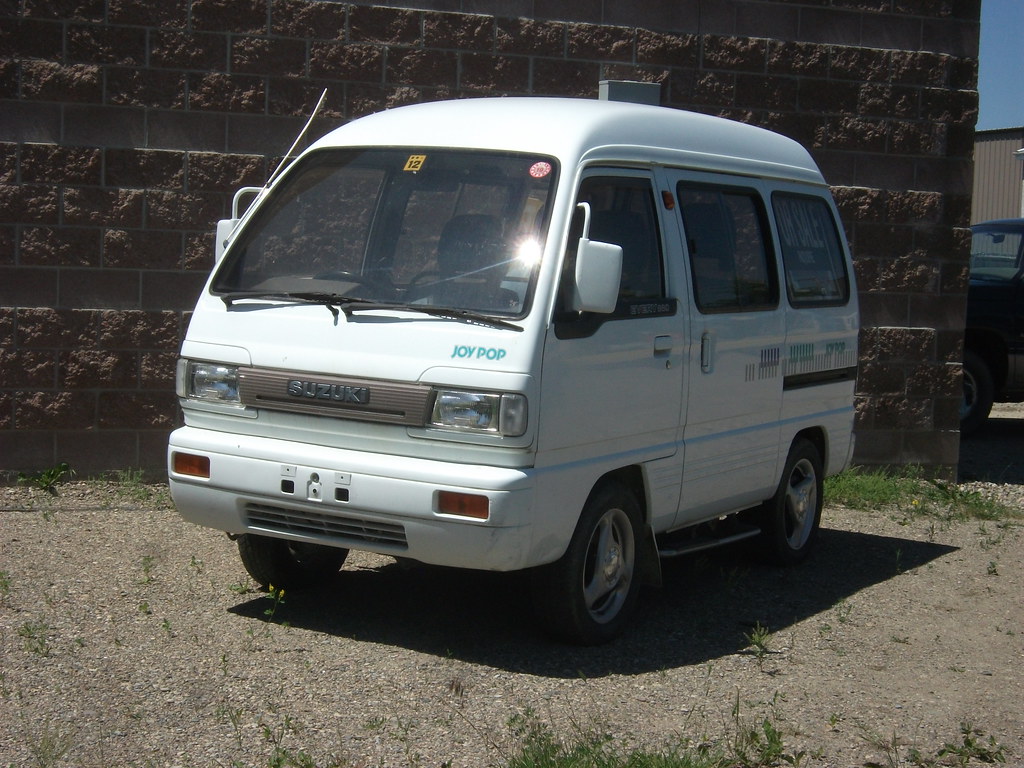
9. **Choosing Your Rolling Home: Navigating the Van Market**Alright, the breakdown blues are behind you (for now), and you’re ready to pick your steed. But forget the glossy brochures; this isn’t about choosing a fancy RV from a dealership. We’re talking about finding a true companion for the road, a vehicle that’s as unique as your wanderlust. As we already discussed, there are all sorts of vans perfectly suited for van life. And many of them are not even vans, per se. This diversity is both a blessing and a curse for aspiring nomads.
For those dreaming of a full-blown custom build, cargo vans like the Mercedes Sprinter, Ram Promaster, and Ford Transit are the undisputed kings. If you plan on doing a van build then it’s highly likely you’ll want to pick one of the first three vans on the list as these are the most popular, common and easiest to build out to the specs you’d like. But don’t sleep on the older, more budget-friendly options like mini-vans, GMC Savannas, or Chevy Expresses; they might lack the cavernous space, but they make up for it in affordability and stealth.
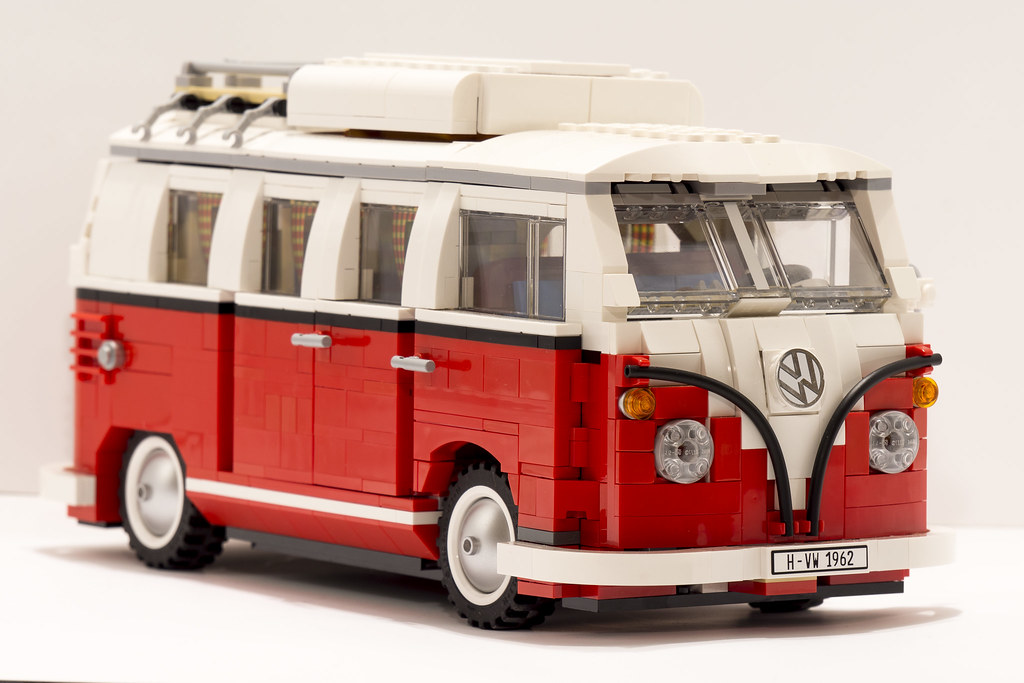
Then there are the purists, the vintage soul searchers who gravitate towards the classic camper van options for living in a van in style. The Volkswagen Vanagon, Bus, or Kombi aren’t just vehicles; they’re cultural icons. While they don’t have nearly the space of more modern cargo vans, they combine a little of everything you need with the personality and style of the original van lifers. These aren’t just rides; they’re statements, dripping with retro charm, albeit often demanding a bit more mechanical TLC.
And for the truly unconventional, the “alternative options for van dwellers” open up a world of possibilities. Think converted school buses, affectionately known as “Skoolies,” or even factory-built Class B RVs. The core message is that you don’t need to spend tons of money on a high-end build; you can make do with what you have. It’s about matching your ride to your budget, your skills, and your particular brand of adventure.
Read more about: Ever Wonder What A-List Stars Really Eat? These 15 Master Chefs Are Bringing the Heat (Right Into Their Homes!)
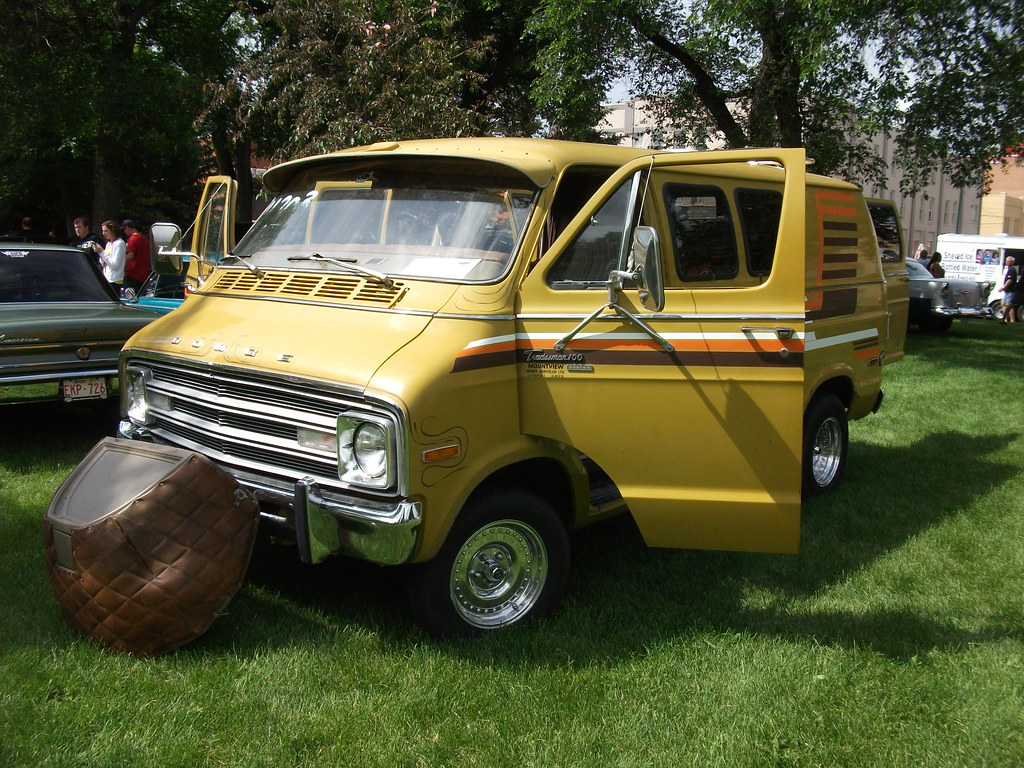
10. **The DIY Revolution: Crafting Your Custom Dwelling**So, you’ve got your chosen set of wheels, and now the real work begins. For many, the heart of van life isn’t just the travel; it’s the transformative act of a DIY van conversion. If you are handy, or you want to learn to be, doing your own van build is a great way not only to save money in not purchasing one already built out, but also to literally know the ins and outs of your van. This intimate understanding becomes your superpower when you’re miles from a mechanic.
The power of a DIY build is twofold. First, it’s a massive money-saver; you’ll find it will likely be well under the cost of purchasing a van already fit for the road. Second, and arguably more importantly, it allows you to customize your camper van to include all of the appliances you want in the spaces that you want them. This isn’t just about aesthetics; it’s about optimizing every single inch of your tiny home for your specific needs.
But don’t dive in blind. The veterans know that a successful DIY build requires deep dives into key components: the power system (batteries, solar panels, inverter), the plumbing and water system (toilet, shower, pump, sink), and essentials like a heater, lighting, and refrigeration. You also need to carve out space for a bed, a mattress, and those critical accessories like coffee makers. It’s a daunting list, but with countless blogs and YouTube tutorials, it’s a thoroughly doable undertaking.
Before you commit to tearing out seats, take a crucial step: live in a van for a few days or weeks under different circumstances. Rent one to get an idea of what you want to do with such limited space. Or, if you know someone with a van, beg them to let you borrow it for a long weekend. You’ll quickly learn the things you like or don’t like, saving you from costly mistakes in your own build.

11. **The Parking Puzzle: Where to Rest Your Wheels**Ah, the holy grail of van life: a safe, legal, and ideally free place to park for the night. This is perhaps one of the most controversial topics in van life, often shrouded in a negative connotation that everyone living in a van lacks consideration. The reality is, while sometimes living in a van calls for “stealth camping,” most of the time there is ample overnight parking in a wide range of camp spots. It’s a skill, an art form, and sometimes, a desperate prayer answered by a well-placed mobile app.
But let’s be real, sometimes a little cash makes life a lot more comfortable. There is nothing wrong with paying to park overnight. In fact, we combine free camping with paid camping particularly when we’re looking for a nice hot shower, a place to do laundry and to give our solar panels a break. National Parks and State Park Campgrounds, RV Parks, and some public lands offer paid spots, often with amenities you won’t find boondocking. Just remember that paying doesn’t always mean a full hookup.
The true masters of the parking puzzle blend these options strategically, using mobile apps to scout locations and always double-checking local laws. Stealth camping, while sometimes necessary, is usually a last resort, as the goal is to respect the communities you visit. The goal isn’t to be a nuisance; it’s to integrate seamlessly, finding your spot without raising eyebrows.

12. **Gearing Up for the Road: Essential Tools and Clever Hacks**Living in a van isn’t just about the journey; it’s about having the right arsenal of gear and the savvy to use it. From having the proper safety equipment and tools in the event of a breakdown or emergency to owning items that serve multiple purposes, the right gear makes all the difference when living in a van. This isn’t about hoarding; it’s about smart, minimalist preparedness.
Beyond essentials like a well-stocked first-aid kit and a robust toolkit, consider some true game-changers. Invest in a good power setup, including great batteries, solid solar panels, and a powerful enough inverter. This is the lifeblood of off-grid living. Crucially, have 12-volt everything – from lights and fans to your television. The less dependent you become on 110v electrical outlets the better off you will be, ensuring consistent power no matter where you roam.
Then there are the “hacks” – the small innovations that drastically improve daily life. Install magnetic spice/knife racks; not only can you hang spices or knives in a sturdy place, but also you can use these to keep track of virtually anything metallic. An essential for the digital nomad is a multi-port USB charger, centralizing all your small device charging. And for staying connected, invest in a cellular booster. If you work on the road this is essential.
Lastly, embrace the collapsible revolution: from cups and bowls to pasta strainers and dish bins, you can find all sorts of great collapsible gear that folds up out of the way when you don’t need it. And for those balmy evenings, install a magnetic mosquito net on your doorway. This will not only keep most pesky bugs away, but also it will not obstruct your views too much. These aren’t just gadgets; they’re integral components of a streamlined, comfortable van life.
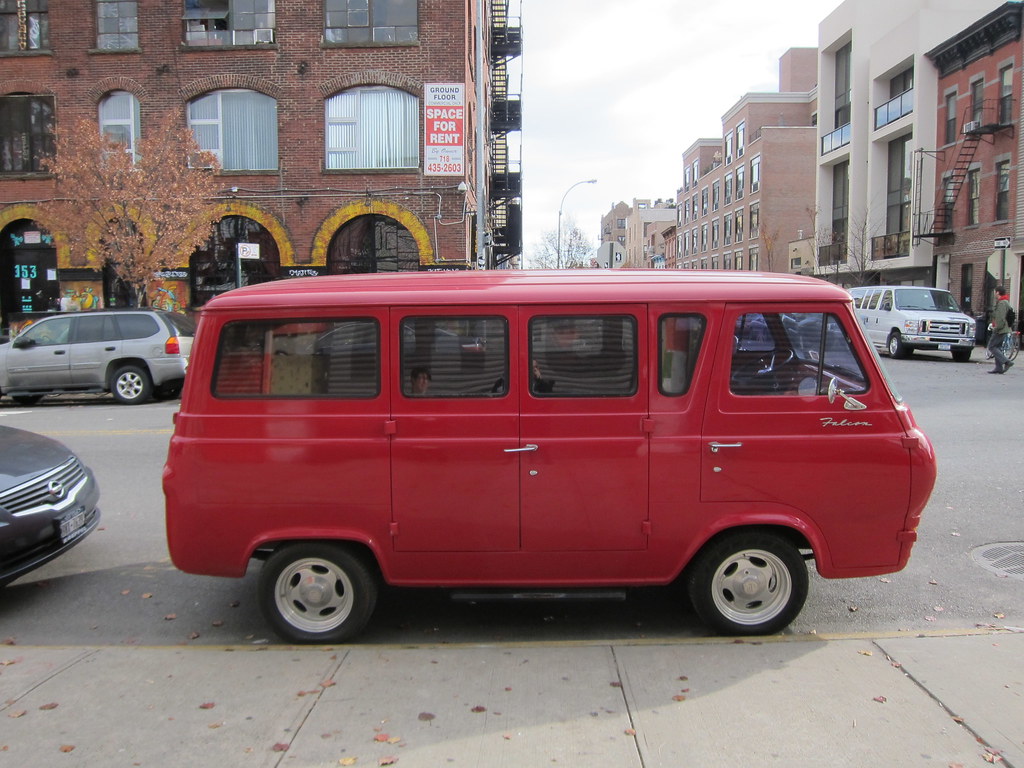
13. **Navigating Relationships in 60 Square Feet: The Partner Paradox**Well, this is a big topic, and one that separates the brave from the broken. If you and your partner are already interested in living in a van then that is the first step! But let’s be blunt: van life can be difficult for couples in particular because your living space is cut in half and your decision-making is doubled. What’s romantic in theory can quickly become a pressure cooker in practice.
The veterans of couples van life swear by a few non-negotiables. First and foremost: be kind to each other, always. Life on the road can be stressful. Kindness isn’t always the first thing to come to mind when you’re broken down, the camper van is a mess, or you’ve been sleep deprived. This isn’t about being saccharine; it’s about a foundational respect that prevents small irritations from spiraling.
Second, communicate, regularly. This seems easier to say than do. But whenever any decision comes up, long before it needs to be made, communicate. Even if it’s just an emotion or a bad day, vocalize it. We live in such close quarters that you’d think there were no secrets between us. But the reality is, there are still things taking place in our hearts and minds that need to be communicated. This constant, honest dialogue is the lubricant that keeps the tiny gears of a shared van life turning smoothly.
Finally, while it’s nice to think you’ll never argue, the reality is it will happen. The goal isn’t to eliminate conflict, but to argue infrequently, and when you do, to make it short and constructive. Always make up, even if it’s after you or your partner needs to get out of the van for a while. Never fall asleep upset. And above all, work together, in everything. This shared effort reinforces the bond and transforms challenges into triumphs.
14. **Unlocking the Van Life Network: Leveraging Memberships and Apps**In the vast expanse of the open road, knowing where to find your next camp spot, a hot shower, or the cheapest fuel can feel daunting. That’s where the van life network truly shines, powered by smart memberships and indispensable mobile apps. These tools make van life so much easier than ever before! They’re your digital compass, your communal wisdom, and your secret weapon against unnecessary stress and expenses.
When it comes to finding a place to park, camping memberships are a game-changer. Our favorite, Harvest Hosts, allows you to camp at farms, wineries, and many other non-traditional venues overnight. Not only do you get a place to camp, but usually there are fun things to do or delicious products to buy. Boondockers Welcome is another gem, connecting you with private owners who open their driveways to fellow campers, sometimes even offering power and water hookups. For discounted RV parks, Passport America and GoodSam offer savings that add up significantly.
Beyond memberships, mobile apps are the unsung heroes of daily van living. Campendium is a reliable source of camping sites that you can filter to show you RV camping or free public lands. We use this app every day we are on the road. For the more adventurous, iOverlander is the gold standard, a user-generated treasure trove of camp spots and amenities like coffee shops, propane, water, dump stations, and mechanics.
And let’s not forget the mundane but essential tasks. GasBuddy is the best way to find the cheapest fuel around. Simply look on the map along your route and find the fuel that best fits your budget. We use this app every day we drive. For stretching your legs and exploring, AllTrails is a great way to find hikes wherever you are, complete with reviews and a tracking feature. These apps aren’t just conveniences; they’re critical enablers of a free-flowing, cost-effective van life.
15. **Beyond the Glamour: The Deeper Value of Owning Your Freedom**After countless miles, unexpected breakdowns, and the constant dance of daily logistics, you might wonder: is it all worth it? The answer, for those who truly embrace it, is a resounding yes. While renting a camper van might be fine for a quick road trip, if you plan on living in a van for any amount of time then there are all sorts of benefits to buying your own. This isn’t just about a vehicle; it’s about investing in a lifestyle, an unquantifiable currency of freedom and self-determination.
Ownership brings with it a profound sense of responsibility and, paradoxically, greater freedom. You have responsibility for your camper van. This means you don’t have to follow rental agreements and you can make modifications however you would like. It means tailoring your space to your exact needs, embracing its quirks, and the ability to go places at your own pace where rental vehicles cannot go. There’s a peace of mind that comes from knowing every inch of your home.
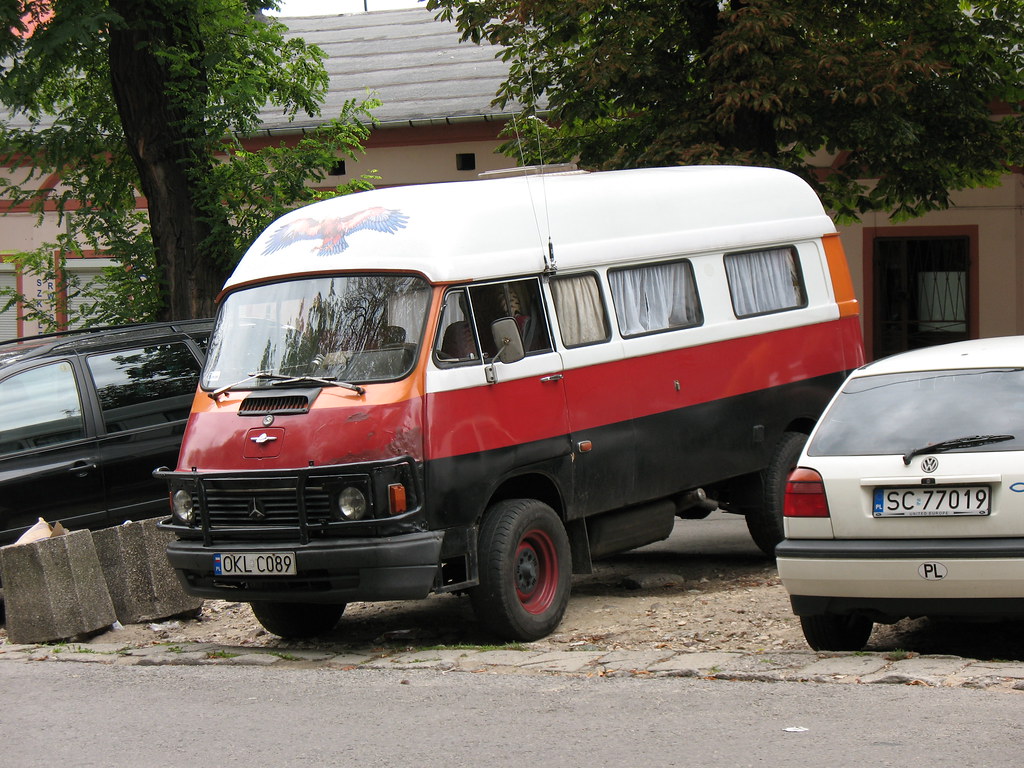
Beyond the practicalities, there’s the subversive joy of blending in. For some reason, most camper van rental companies put obnoxious graphics all over the van that says “hey look at me, I’m a rental.” But when you own your van you find a place for everything. This ability to integrate, to shed the “tourist” label, allows for a more authentic, unvarnished experience of the world. Your van becomes not just a mode of transport, but a subtle statement of intent.
And let’s talk numbers one last time. While vehicles tend to lose value as soon as you drive off the sales lot, a van conversion tends to hold its value pretty well. Many people won’t want to take the time and money to do their own van build. So if you’re looking to sell yours you may find that you can sell it for what you bought it for – or more! This often-overlooked resale value means your investment in freedom isn’t necessarily a sunk cost, offering a surprising financial upside.
The road may throw curveballs, your tiny space may sometimes feel *too* tiny, and you’ll spend more time than you ever thought possible looking for water refills and dump stations. But for the full-time nomad, the secret truth is this: the trade-offs are worth it. The raw, unfiltered experience of the world, the hard-won lessons in self-reliance, the vibrant community, and the sheer, unadulterated freedom of waking up to a new view every day—these are the currencies that truly matter. It’s not just about escaping; it’s about finding a deeper, more authentic way to live, one mile at a time.