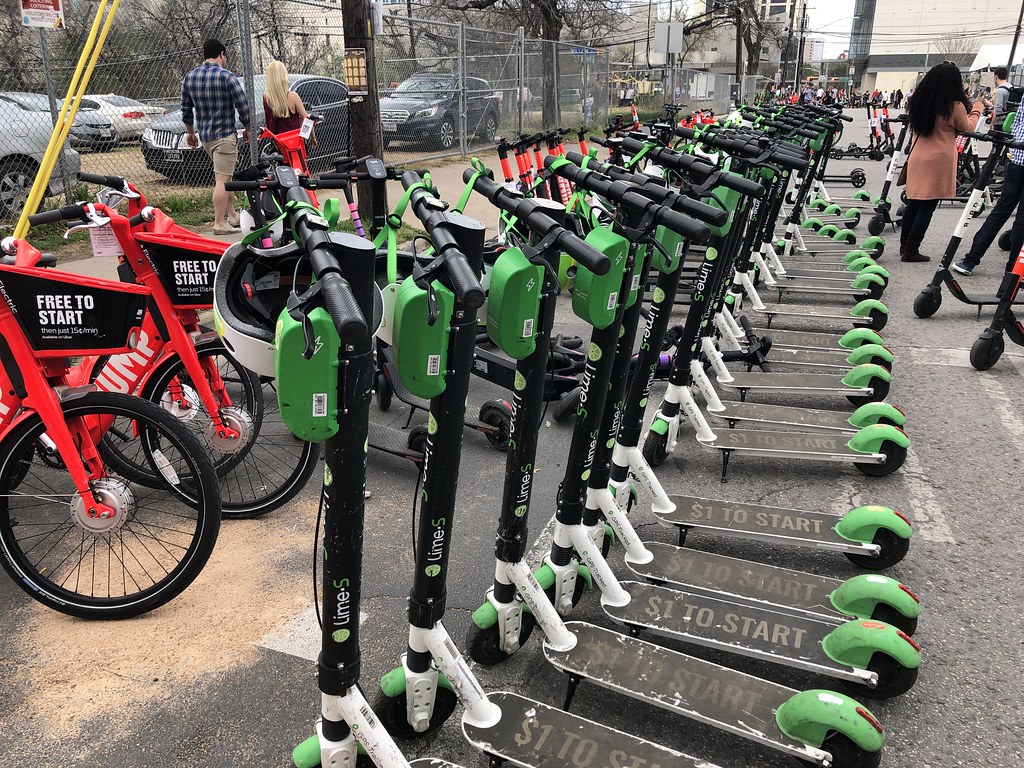
In the bustling world of micro-mobility, electric scooters have emerged as a practical, fun, and environmentally friendly solution for navigating urban landscapes or simply enjoying a quick ride. From daily commutes to recreational zips around town, these compact conveyances offer an appealing blend of portability and functionality, often packed with modern features like app connectivity, LED lighting, and advanced suspension systems. As a senior media editor deeply immersed in consumer technology and user experiences, I understand the excitement that comes with choosing the right electric ride.
However, for every innovative and reliable electric scooter that hits the market, there are others that simply don’t live up to expectations. While many electric scooter blogs might shy away from highlighting these problematic models, prioritizing affiliate earnings over honest consumer advice, our commitment is to you, the rider. After extensive interaction with countless e-scooter enthusiasts across various riding groups and hands-on experience with numerous models, we’ve compiled a critical list designed to help you make truly informed decisions in 2024.
Our deep dive today focuses on the electric scooters that have consistently drawn the ire of their owners, plagued by everything from design flaws to abysmal customer service. These are the models and brands where user reviews paint a stark picture of dissatisfaction, revealing issues that go beyond minor inconveniences to genuine safety concerns and financial headaches. Our aim is to arm you with objective, user-centric insights, backed by real-world experiences, so you know exactly which electric rides to steer clear of.

1. **Hiboy S2 Pro**The Hiboy S2 Pro has, unfortunately, become a recurring nightmare for many budget-conscious riders seeking a reliable electric scooter. Since its release, numerous detailed problems have surfaced, firmly cementing its place as one of the least advisable purchases you can make in the current market. This model’s persistent issues underscore a concerning lack of quality control that significantly impacts user safety and satisfaction.
Perhaps the most alarming and frequently reported issue with the Hiboy S2 Pro is the tendency for the neck to snap, particularly when ridden by individuals near its stated weight capacity. This isn’t just a minor malfunction; it’s a critical structural failure that can lead to severe accidents. While Hiboy claims to have addressed this dangerous flaw, user feedback suggests that these assurances might be little more than a marketing tactic, failing to translate into tangible improvements in product safety or durability.
Adam’s experience, as shared in the reviews section on Hiboy’s own website, serves as a grim testament to this problem. He recounted, “My eight year old son was riding his scooter to school One day and the front of the scooter just broke off when. I contacted highboy they didn’t even want to try to help me. I don’t have my paperwork from purchasing it so they can’t do anything about it they say I just don’t think that this company is very good and handles things appropriately when things fail like this.” This account not only highlights a terrifying product failure but also points to a broader systemic issue with the company’s post-purchase support and accountability.
Beyond the grave safety concerns, other critical complaints about the Hiboy S2 Pro frequently cite poor quality control, leading to scooters that simply don’t work out of the box or quickly cease to function. Compounding these product defects are multiple reports of Hiboy as a company being unresponsive to customer complaints, which speaks volumes about the brand’s commitment—or lack thereof—to its users. These pervasive negative reviews are readily available on the Hiboy S2 Pro Reviews page, and we sincerely hope they remain visible, offering transparency for prospective buyers.
2. **GoTrax (General Models)**While GoTrax offers several entry-level models that might initially appeal to new riders, it’s an undeniable reality that manufacturing defects, often referred to as “lemons,” are a common occurrence across their product line. This inconsistency in quality makes many GoTrax models a risky proposition for anyone looking for a dependable electric scooter. The frequency of these issues has led to significant consumer frustration and questions regarding the brand’s overall reliability.
One of the initial points of contention for many GoTrax customers begins right from delivery: the packaging. Reports indicate that GoTrax rarely excels in adequately boxing their scooters, meaning it’s not uncommon for products to arrive at the recipient’s door in a visibly damaged or “beat” condition. This lack of care in transit often foreshadows deeper problems within the product itself, setting a negative tone even before the scooter is unboxed.
The volume of complaints regarding GoTrax’s products and practices became so substantial that it reached a point where the Better Business Bureau (BBB) issued a warning to consumers about the brand as a whole. This is a serious red flag, indicating widespread and persistent issues that extend beyond isolated incidents. The fact that these problems continue to plague the brand today suggests a fundamental failure to address core quality and customer service deficiencies, challenging any claims of perfection from sponsored reviewers.
Moreover, GoTrax’s approach to warranty claims and defective units is a significant point of concern. The company is reportedly reluctant to offer full replacements when a faulty scooter is delivered. Instead, they are primarily keen on sending replacement parts, a policy that often contradicts their own stated warranty claims. This forces customers to undertake repairs themselves, a daunting task made even more difficult by the scarcity of GoTrax spare parts, which are frequently out of stock, leaving users stranded with non-functional scooters.
Lastly, many GoTrax models present significant challenges for customization and even basic maintenance. For instance, the brake calipers in most of their models are fully covered, making DIY adjustments a daunting, if not impossible, task for the average user. While some GoTrax models do offer better customizability, these tend to be genuinely overpriced, negating the brand’s reputation for affordability and forcing consumers to pay a premium for features that should be standard or easily accessible.
3. **Apollo (General Models and City 2022)**Apollo, despite being recognized as one of the USA’s top-selling brands and praised for its high-quality, feature-rich electric scooters, paradoxically faces a torrent of complaints primarily centered on its deeply flawed customer service. This dichotomy presents a perplexing situation for consumers, as the perceived quality of their products is often overshadowed by a frustrating post-purchase experience that leaves many riders feeling ignored and undervalued. The issues with support significantly detract from the overall brand perception, making it a challenging recommendation despite its product specifications.
Social media platforms are rife with users expressing their dismay, stating that their requests for warranty parts are completely ignored. This lack of responsiveness is a critical failure for a company that promotes reliability and sustainability. When riders need essential components to get their scooters back on the road, being met with silence or bureaucratic hurdles is not just inconvenient; it actively undermines the trust and loyalty that a premium brand like Apollo should be cultivating. Such experiences erode confidence in the brand’s commitment to its customers.
What’s even more troubling is Apollo’s alleged tendency to censor negative feedback within its online communities. Reports, such as those shared by ‘Grouchy’ on Reddit, indicate that posts detailing negative experiences or critical issues are often declined or removed. This practice of silencing dissent prevents a true picture of customer satisfaction from emerging and limits vital discussions that could benefit the riding community. It suggests a brand more concerned with maintaining a pristine public image than genuinely addressing underlying problems faced by its user base.
Beyond the customer service woes, a specific and recurrent issue that stands out is the stem snapping on the Apollo City 2022 model. This is a shocking and serious mechanical failure that poses a significant safety risk to riders. While Apollo may have improved the build quality in newer models, this past defect is crucial information for anyone considering purchasing a used City model. It highlights a design or manufacturing flaw that, for a period, jeopardized rider safety, and underscores the importance of thorough due diligence before investing in any specific model, new or used.

4. **EMOVE Cruiser**The EMOVE Cruiser, while often lauded for its impressive long-range capabilities and a commendable water-resistance rating of IPX6, paradoxically stands out as one of the most problematic electric scooter purchases a consumer can make. Despite these attractive features, the underlying operational issues and maintenance challenges transform what appears to be a robust scooter into a source of considerable frustration for its owners. This discrepancy between touted features and real-world reliability makes it a scooter to approach with extreme caution.
One of the primary drawbacks of the EMOVE Cruiser is its single-motor design. While a single motor isn’t inherently bad, it becomes a significant problem when the motor itself is prone to issues. Should this crucial rear motor become problematic, owners face prolonged downtime. Replacing it or having it serviced often involves extended waits, a situation exacerbated by the fact that this specific motor is frequently out of stock at retailers like Voro Motors, leaving riders without their essential mode of transport for unacceptably long periods. This dependency on a single, potentially unreliable, and hard-to-find component severely impacts usability.
The controller is another component that frequently generates complaints. Despite the EMOVE Cruiser being marketed as a highly customizable scooter, which might lead one to assume easy repairability, its controller is unfortunately anything but. The internal cabling underneath the scooter is notoriously messy and disorganized, requiring extreme care to avoid cutting the wrong wire during inspection or attempted repair. For individuals who aren’t mechanically inclined or handy, this translates directly into additional costs, as the scooter will invariably need to be sent to a professional repair center to restore functionality, adding both expense and inconvenience to the ownership experience.
Furthermore, the issue of weak bolts is a well-documented problem, even acknowledged by Voro Motors, the primary seller. Stem wobbles, a direct consequence of the feeble bolt located beneath the collapsible folding mechanism, are regrettably common. This is not merely an annoyance; a loose or wobbling stem can significantly compromise steering control and rider stability, easily leading to an electric scooter accident, thus posing a serious safety hazard. While EMOVE has since upgraded to the Cruiser V2, this history of design flaws in previous iterations remains a critical warning, especially for those considering older or used models. Even the newer V2 model has been highlighted with reasons to reconsider its purchase, indicating a persistent pattern of issues within the EMOVE Cruiser line.
Read more about: $500 Fine and Beyond: Unpacking the Strictest Left-Lane Driving Bans Across 14 U.S. States
5. **Kaabo Mantis V2**Kaabo is a brand often recognized for producing some of the market’s best electric scooters, renowned for their high performance and advanced features. However, even acclaimed brands can have models that deviate from their high standards, and unfortunately, the Mantis V2 stands out as a particularly problematic exception. For a scooter carrying a price tag exceeding $1500, consumers rightfully anticipate a level of quality and reliability that minimizes significant flaws, yet the Mantis V2 has, for many, delivered a disappointing experience that falls short of these expectations.
User feedback paints a grim picture of initial product quality. One particularly stark review shared on Fluidfreeride recounts a customer’s frustration with their first unit, which arrived with critical manufacturing defects. These issues included a stem that wouldn’t fold fully, a bent rear fender support, and even a leaking hydraulic brake, all significant problems that should not be present in a premium-priced scooter. Such defects immediately undermine confidence in the product and the brand’s quality control processes.
Seeking resolution, the user requested a replacement, only to encounter an equally, if not more, flawed second unit. The replacement scooter reportedly exhibited the exact same problems as the first, coupled with an even worse stem wobble issue and a brake that rubbed against the pads. This repeat failure suggests a systemic lack of effective quality checks before scooters are dispatched to customers, leaving riders in a cycle of frustration and inconvenience, rather than providing a reliable solution.
The customer’s exasperation is palpable in their statement: “I am way too fed up with their service. They don’t really care if the replacement can resolve all the previous issues. They just give you all the hassle of replacing the scooter and pray that the new one will work, which in case never does.” This highlights a concerning indifference from the company towards genuine problem resolution and customer satisfaction. The sentiment that “They have zero quality checks for the scooter sent out because they don’t care. It feels like they sent the first unit back to me” speaks volumes about a perceived lack of accountability and consumer trust.
Given these widespread and deeply concerning issues, the Kaabo Mantis V2 serves as a potent warning for prospective buyers. Before committing to a purchase, it is imperative to conduct thorough research, specifically by reviewing the lowest ratings and real-world user experiences on various seller platforms and social forums. Such due diligence can provide critical insights that help prevent what could easily become a “Worst purchase that I have ever made.”
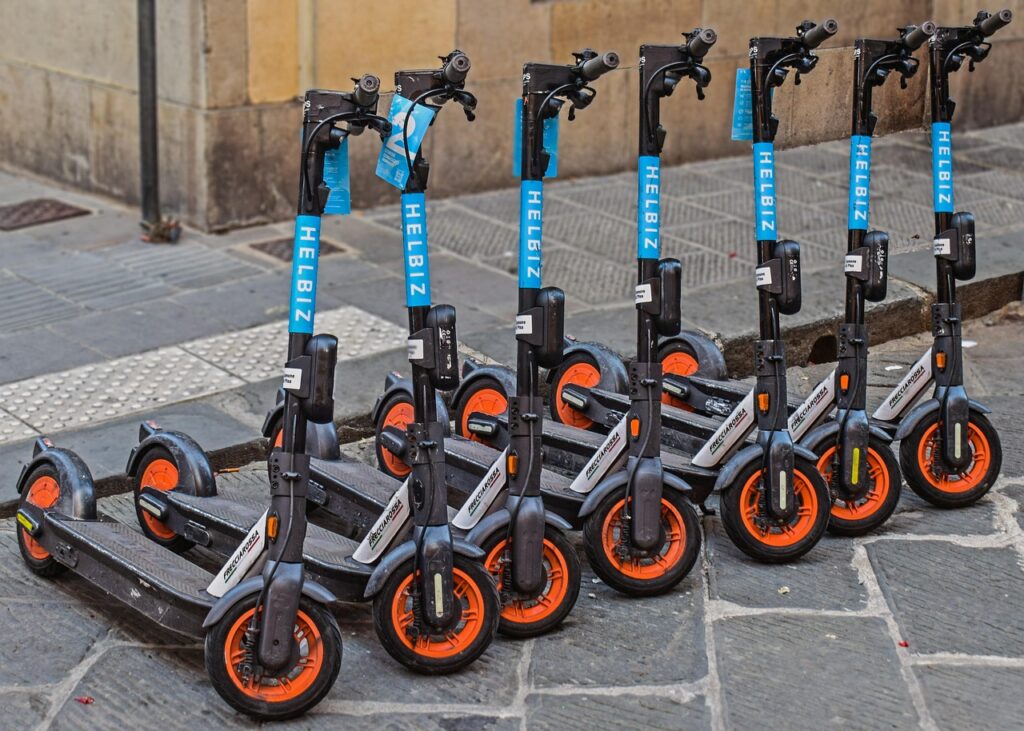
6. **Razor**Razor is a name synonymous with scooters, a well-established brand in the industry that has offered a variety of models catering to different age groups and user needs for years. For parents or younger adults seeking an entry-level electric scooter, Razor models often present an appealing option, distinguished by their affordable price point and fun, kid-friendly features like various colors and integrated lighting that enhances visibility. While these attributes undeniably check many boxes for casual or recreational use, it’s crucial for consumers to understand that these benefits often come with a significant trade-off in terms of overall performance.
While Razor scooters are among the more affordable options on the market, their performance capabilities are frequently noted as merely adequate, or frankly, “could be better.” A primary contributing factor to this limitation is their construction: all Razor scooters feature robust steel frames. While steel offers undeniable strength and durability, it is notably heavier than the premium aluminum or magnesium-alloy materials favored by higher-end brands. This increased weight directly impacts the scooter’s overall performance, affecting acceleration and handling, and significantly compromises its portability, making it less ideal for commuters who need to frequently carry or fold their ride.
Delving into specific performance metrics, models like the C35, which is among Razor’s more expensive offerings, illustrate these limitations clearly. Despite its higher price, this scooter provides a maximum range of just 18 miles on a full charge and a top speed of only 18 miles per hour. For many adult riders, particularly those looking to use an electric scooter for daily commuting or extended leisure rides, these figures are often insufficient. The restricted range means frequent recharging, while the modest top speed can be a deterrent in urban environments where faster travel might be desired or necessary to keep up with traffic flow.
Considering the market landscape, consumers looking to spend between $400 and $600 on an electric scooter should exercise caution when evaluating Razor models. While the brand offers a recognizable name and accessible pricing, the reality is that “there are currently brands offering much wider selections with better features and performance for this price range.” This competitive context is precisely why Razor, despite its brand recognition, often ranks among our lowest options when assessed against broader industry standards for features, performance, and advanced technology. The value proposition, therefore, needs careful scrutiny.
Our advice is to thoroughly compare Razor’s offerings against other brands in a similar price bracket. While a Razor scooter might suffice for a child’s first electric ride or very casual, short-distance use, those seeking a more robust, feature-rich, or high-performance experience for regular commuting or longer rides will likely find better alternatives available that deliver superior functionality and a more satisfying ownership experience for their investment.
Read more about: Yikes! 14 Comedy Duos Who Made Us Laugh On-Screen But Were Absolutely Feuding Behind The Scenes
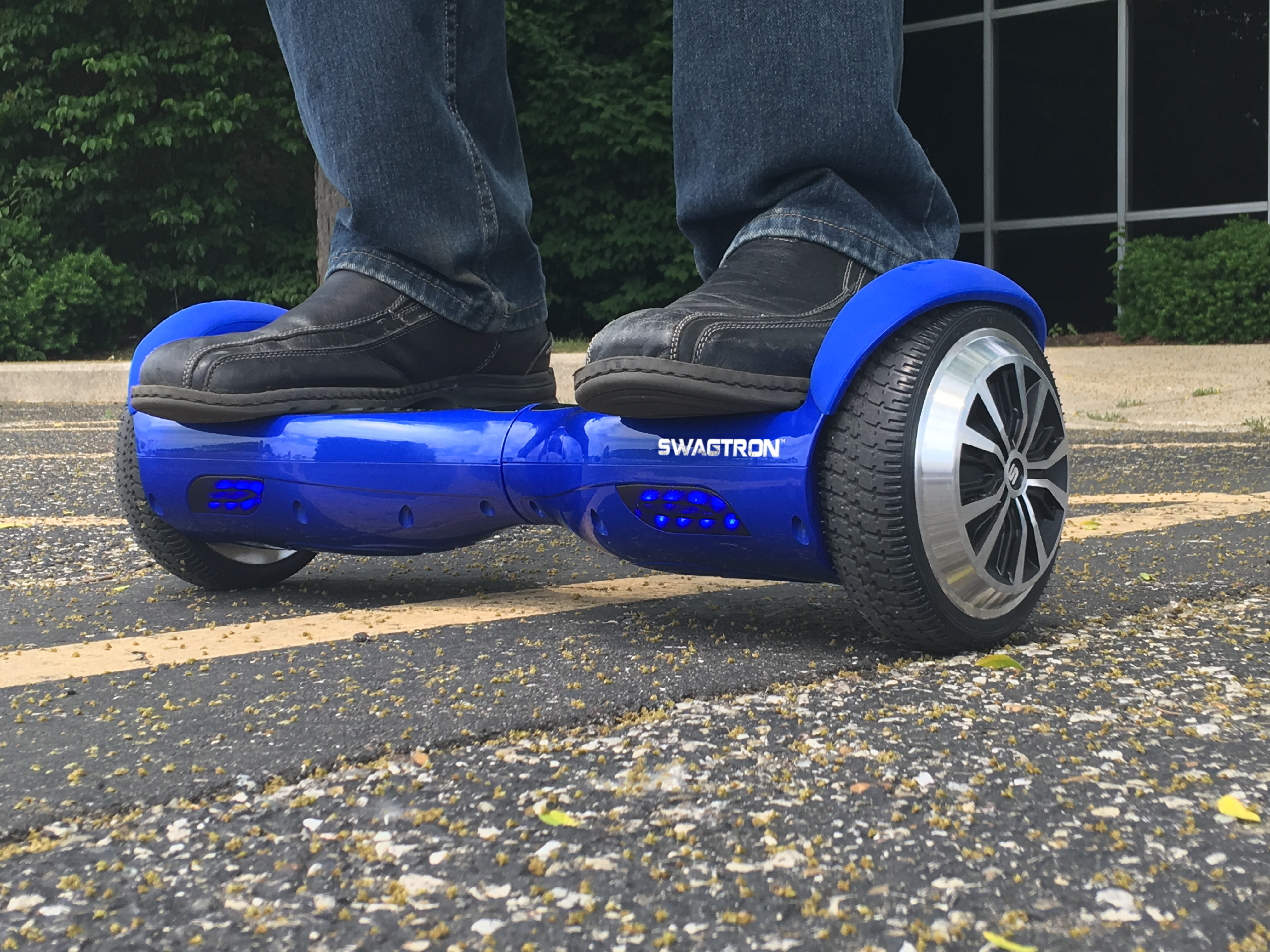
7. **Swagtron**Swagtron has carved a niche for itself by offering affordable electric scooters that promise decent performance and a reasonable feature set, making them an attractive proposition for budget-conscious buyers. The brand’s product range is predominantly focused on the needs of children, teens, and young adults, which inherently defines the scope of their utility. Consequently, these scooters are generally unsuitable for the discerning serious commuter or the leisure rider who intends to cover longer distances or navigate uneven road surfaces, where more robust construction and advanced features become paramount.
Taking a closer look at their offerings, the $200 midrange Swagger 8 scooter exemplifies the brand’s entry-level philosophy. By most contemporary standards, this model is quite basic, conspicuously lacking what many now consider premium features. Essentials such as disc brakes, comprehensive LCD displays for ride data, and self-repairing tires—features commonly found in slightly higher-priced competitors—are notably absent. This means riders might find themselves compromising on safety, information access, and maintenance convenience, which are critical considerations for any electric vehicle.
Despite these significant omissions, the Swagger 8 does possess a few commendable attributes. It is lauded for its eminent portability and lightweight design, making it relatively easy to carry and store for its target demographic. Additionally, the inclusion of a dual suspension system provides some comfort over minor bumps, and cruise control offers a convenient, power-saving addition for consistent speeds. However, these specific strengths, while welcome, are often insufficient to compensate for the broader lack of advanced features and performance capabilities that serious riders demand from their personal electric transport.
Swagtron’s flagship Swagger 5 model attempts to bridge some of these gaps, offering a significant upgrade in terms of build quality and features, though at more than double the price, typically around $400. For this increased investment, consumers gain access to puncture-proof tires, app compatibility, Bluetooth connectivity, and LED headlights, all contributing to an overall better-built scooter. While these improvements are substantial, the price point pushes it out of the strictly ‘budget’ category, placing it in direct competition with other brands that might offer even more comprehensive feature sets or superior performance for a similar outlay.
Ultimately, while Swagtron scooters do receive praise for their value for money, especially for casual users, those shopping on a tight budget, or individuals purchasing for children, a critical assessment reveals their limitations. The brand “doesn’t meet the same standards of research and development, features, performance, and materials compared to its more premium peers and makes the lowest ranking on our list.” For anyone seeking a scooter for anything beyond light, recreational use, or who requires robust performance, advanced safety features, and enduring durability, exploring alternatives would be a much more judicious investment.
In the ever-evolving landscape of electric micro-mobility, the excitement of embracing these innovative conveyances can sometimes overshadow the critical importance of making an informed purchase. Our journey through the often-unspoken truths of the electric scooter market has illuminated models and brands that, despite initial appeal or brand recognition, consistently fall short of user expectations and industry standards. From critical structural failures and unresponsive customer service to inadequate build quality and compromised performance, the issues highlighted are more than mere inconveniences—they represent potential safety hazards and sources of significant buyer’s remorse. By prioritizing objective, user-centric insights, we empower you, the rider, to confidently navigate the market, avoiding the pitfalls and ensuring your next electric scooter truly enhances your daily life rather than becoming a source of frustration. Choose wisely, ride safely, and let your electric adventures be filled with joy, not regret.