In the ever-accelerating world of 2025, the automotive landscape is undergoing a profound transformation. Beyond the gleaming chrome and advanced infotainment systems, your choice of vehicle has become a subtle, yet powerful, non-verbal communicator. It speaks volumes not just about your taste or lifestyle, but, perhaps more tellingly, about your financial philosophy and even your cognitive approach to major life decisions. We are entering an era where every car purchase, every financing choice, and every embrace of new technology can be interpreted as a reflection of your underlying financial intelligence and your adaptive IQ.
This isn’t merely about the brand badge on the grille or the horsepower under the hood. It’s about the intricate interplay of economic shifts, technological advancements, and shifting consumer psychology that dictates why we choose one vehicle over another. As the industry resets, particularly in the electric vehicle (EV) market, and as new purchasing pathways emerge, buyers are presented with a dizzying array of options. Understanding these choices, and what they signify, offers a fascinating glimpse into the human mind’s strategic responses to complex market dynamics.
Join us as we explore the deeper meanings behind your 2025 car decisions. From the growing appeal of mainstream electric vehicles to the savvy navigation of digital showrooms and the disciplined approach to personal finance, we uncover the ‘secret judgments’ that these pivotal choices convey. Your car, in essence, becomes a silent testament to your financial acumen, your comfort with innovation, and your intellectual agility in a rapidly evolving world.

1. The Rise of Mass-Market EVs and the Perception of ‘Smart’ Choices
For years, electric vehicles often carried a premium price tag, positioning them as symbols of luxury or early adoption for the environmentally zealous. However, 2025 marks a significant reset in this narrative. The market is witnessing a profound shift, with more mass-market electric vehicles entering the fray, directly challenging the dominance of their premium and luxury predecessors. This democratization of the EV market, spearheaded by brands like Chevrolet, Ford, Honda, Hyundai, and Kia, indicates a maturation of consumer choice and, importantly, a new benchmark for perceived financial intelligence.
These mainstream EVs accounted for a substantial 376,000 units moved in 2024, representing a remarkable increase of 58 percent year-over-year. This surge isn’t just about environmental consciousness; it’s a testament to a growing financial savviness among buyers. Elizabeth Krear, vice president of electric vehicle practice at J.D. Power, notes the critical trend will be “the affordability compared to gas-powered equivalents and the ability to communicate the convenience and total cost of ownership of an EV.” Indeed, BEVs now cost less on average ($44,000) than comparable gas-powered vehicles ($45,000), a gap federal tax credits have been instrumental in closing.
The choice to opt for a mass-market EV, therefore, goes beyond simply being ‘green.’ It suggests a buyer who possesses a keen eye for value, an ability to look past immediate perceptions of status, and a practical intelligence that prioritizes long-term financial benefits. This individual isn’t swayed solely by the allure of a luxury badge but evaluates the entire economic proposition, including the incentives and reduced running costs. This demonstrates a cognitive flexibility to adapt to new market realities and a rational decision-making process rooted in tangible benefits.
This trend reveals a buyer who is perhaps more analytical, less susceptible to traditional marketing ploys that emphasize prestige, and more focused on sustainable financial outcomes. They are not merely buying a car; they are investing in a future where efficiency and cost-effectiveness are paramount. Such a choice implicitly communicates a disciplined financial approach, a willingness to embrace innovation for practical gain, and an intelligent assessment of total cost of ownership that many might overlook.
The growing market share of these mainstream options—now making up one-third of the EV market—underscores a collective shift in consumer priorities. It indicates that the ‘smart money’ is increasingly looking towards accessible, efficient electric solutions. This isn’t just about what’s good for the planet; it’s about what makes sound financial sense, reflecting a thoughtful and economically astute individual who understands the evolving landscape of automotive value.
Read more about: The Great Automotive Reset: Unpacking Why Car Brands Are Ditching Sedans, Hatchbacks, and More for 2025 and Beyond

2. Decoding Your Digital Dealership Experience
The car-buying journey in 2025 has been radically reshaped by technology, offering pathways that were once unimaginable. The digital dealership experience, for instance, has moved from a novelty to a primary sales channel. You can now browse inventories, compare prices, and even finalize purchases from the comfort of your home. This embrace of online platforms for a significant financial decision speaks volumes about a buyer’s comfort with technology and their approach to complex transactions.
Virtual showrooms, offering 360-degree views and AI-powered recommendations, have transformed how we interact with potential vehicles. The ability to leverage online reviews, conduct vehicle history checks with a few clicks, and manage digital paperwork from anywhere demonstrates a buyer who values efficiency, transparency, and personal control over the sales process. This digital fluency is not merely a convenience; it is a hallmark of a modern, informed consumer.
Choosing to navigate this digital landscape suggests a cognitive preference for data-driven decisions and a desire to minimize potential biases or pressures often associated with traditional face-to-face sales interactions. It indicates an individual who takes the initiative to research thoroughly, compare meticulously, and make choices based on comprehensive information rather than impulsive reactions. This reflects a high degree of intellectual independence and a strategic mindset in resource acquisition.
While some buyers still prefer the tactile experience of a physical lot and direct interaction, the digital shift fundamentally alters the power dynamic. Those who fully embrace the online experience are signaling their preference for an environment where transparency is heightened, and upselling is mitigated. This suggests a buyer who is financially astute enough to seek out the best possible deal through efficient, data-rich channels, rather than relying solely on the persuasive tactics of a salesperson.
Ultimately, a buyer’s engagement with the digital dealership experience reveals their adaptability to new paradigms, their trust in online systems for high-value transactions, and their pursuit of an optimized purchasing process. It’s a subtle indicator of a forward-thinking individual who applies their technological literacy to secure favorable financial outcomes, demonstrating a blend of practicality and contemporary intelligence.
Read more about: Unlock Big Savings: 14 Proven Tricks 9 Out of 10 Drivers Are Missing to Slash Your Gas Bill

3. The 15% Rule: Financial Discipline and Car Affordability
Before ever setting foot in a virtual or physical showroom, a crucial step in the 2025 car-buying process is the establishment of a clear financial plan. This foundational act, often overlooked in the excitement of a new purchase, provides a direct window into a buyer’s financial discipline and practical intelligence. Knowing your credit score, monthly income, and savings allows you to define your budget, preventing the common pitfalls of overspending and financial strain.
The question of “how much car payment can I afford?” is pivotal, and the answer, according to financial experts, is surprisingly precise: your car payment should ideally not exceed 15% of your monthly income. Adherence to this guideline is more than just a fiscal recommendation; it is a profound indicator of a buyer’s foresight, self-control, and understanding of long-term financial health. It demonstrates an individual who prioritizes stability and responsible asset management over immediate gratification or perceived status.
In 2025, flexible financing tools and real-time calculators empower buyers to meticulously test different down payments, loan terms, and interest rates. The proactive use of these resources, alongside apps that pre-qualify you with various lenders, signifies a methodical and intelligent approach to securing the best financial terms. This isn’t about blindly chasing deals; it’s about making smart, informed choices that align with one’s overarching financial goals and lifestyle, reflecting a high level of economic literacy.
Conversely, ignoring such established financial wisdom or stretching one’s budget beyond prudent limits can signal a different set of psychological traits—perhaps impulsivity, a greater susceptibility to external pressures, or a lack of long-term financial planning. The disciplined application of the 15% rule, therefore, serves as a powerful, albeit silent, judgment on a buyer’s financial maturity and their ability to exercise prudent judgment even when faced with aspirational purchases.
This commitment to a predefined budget and a clear understanding of personal financial boundaries is a hallmark of an individual who approaches significant purchases with a rational, calculated mindset. It speaks to a robust internal locus of control over their finances, distinguishing them as someone who is strategically managing their wealth rather than being managed by it. This is a subtle yet significant indicator of both financial intelligence and overall cognitive discipline.

4. Embracing the Electric Wave: Beyond Eco-Consciousness to Economic Acumen
The rapid ascent of electric vehicles (EVs) and hybrids to center stage in 2025 transcends a mere environmental imperative; it has become a powerful indicator of a buyer’s economic acumen and forward-thinking intelligence. What was once considered a niche alternative for early adopters is now a mainstream option, driven not just by a desire for sustainability but by compelling financial logic.
Battery technology has dramatically improved, offering longer ranges and faster charging capabilities, which address previous anxieties about practicality. Furthermore, the expansion of charging infrastructure across urban, highway, and even rural areas has diminished range anxiety, making EVs a genuinely viable option for a broader demographic. Automakers, recognizing this shift, are actively prioritizing sustainability and offering attractive incentives for greener models, further enticing buyers to make the leap.
For the discerning buyer, the decision to go electric or hybrid is often rooted in a sophisticated understanding of total cost of ownership (TCO). These individuals look beyond the initial price tag, meticulously factoring in federal tax credits, significantly lower maintenance costs compared to internal combustion engine (ICE) vehicles, and the long-term savings on fuel. This analytical approach, weighing immediate expenditure against future financial benefits, is a clear signal of practical intelligence and a strategic financial outlook.
The choice of an EV or hybrid in 2025 communicates a buyer who is capable of complex financial calculations, is open to embracing technological advancements for economic advantage, and is adept at navigating government incentives. It suggests a person who is not only eco-conscious but also economically astute, demonstrating a capacity to synthesize diverse information points—environmental impact, technological readiness, and financial incentives—into a cohesive, advantageous purchasing decision.
While gas-powered cars persist, their diminished appeal highlights a shift in consumer valuation. Opting for an electric or hybrid vehicle in this new era means actively participating in an economic paradigm where efficiency and long-term value are prioritized. It’s a statement about a buyer’s ability to see beyond the immediate, making a choice that reflects both a commitment to a sustainable future and a sharp financial mind. Such a decision implicitly reveals a capacity for thoughtful planning and a proactive engagement with evolving market realities.
5. Subscription Models and Car-Sharing: Redefining Ownership and Resourcefulness
In an era where traditional ownership models are being questioned and redefined, the emergence and growth of car subscription services and car-sharing alternatives in 2025 offer a fascinating insight into a buyer’s financial philosophy and their psychological relationship with assets. For many, the concept of owning a car outright is no longer the sole, or even primary, aspiration. This shift reflects a move towards valuing access and flexibility over outright possession, signaling a pragmatic and resourceful mindset.
Subscription services, which offer access to high-end cars for a monthly fee that typically includes maintenance, insurance, and even the option to swap vehicles, appeal strongly to younger drivers and urban dwellers. This trend speaks to individuals who desire the convenience and freedom of driving without the long-term commitments, depreciation concerns, or the administrative burdens of traditional ownership. It suggests a buyer who is economically savvy enough to recognize that for their specific lifestyle, a subscription might offer a more cost-effective and adaptable solution than purchasing a depreciating asset.
Similarly, the proliferation of car-sharing platforms, offering hourly rentals via smartphone apps, caters to those who need a vehicle for specific tasks or occasional use. Opting for these services over ownership reflects a highly resource-efficient approach to transportation. It indicates a buyer who is meticulous in their expenditure, only paying for what they use, and demonstrating an advanced understanding of utility versus outright asset accumulation. This choice is a clear sign of financial discipline and an innovative approach to managing personal resources.
Psychologically, choosing these alternative models implies a comfort with non-traditional consumption patterns and a willingness to challenge societal norms around ownership. It suggests a buyer who is not emotionally tied to the idea of a car as a permanent possession but views it as a utility, a means to an end. This adaptability and focus on practical utility are strong indicators of a high functional intelligence and a progressive financial outlook, particularly in urban environments where car ownership can be a burden.
Therefore, embracing subscription or car-sharing services communicates a flexible, forward-thinking, and highly resourceful individual. They are often early adopters of new economic paradigms, adept at identifying optimal solutions that align with their dynamic lifestyles and financial priorities. This choice reveals a buyer who is less concerned with the symbolic weight of ownership and more focused on maximizing value, convenience, and financial agility in their daily life. It’s a silent declaration of a mind that is constantly optimizing for efficiency and adaptability. It signifies an astute understanding of how to best allocate resources in a complex, evolving world.

6. Insurance and Maintenance in the New Era: A Reflection of Proactive Management
The cars of 2025 are not just smarter in how they drive; they are also more intelligent in how they protect their occupants, and this technological advancement profoundly influences a buyer’s financial and intellectual profile. Features such as adaptive cruise control, automatic braking, and advanced diagnostics significantly reduce the likelihood of accidents. A buyer’s appreciation for these safety innovations reveals a practical intelligence focused on risk mitigation and long-term financial stability, implicitly understanding the direct correlation between safety and reduced future costs.
This embrace of high-tech safety features extends into the realm of insurance. Many providers are now offering lower premiums to drivers who utilize telematics devices or smartphone applications that monitor driving behavior. The willingness to adopt such monitoring, indicating a commitment to responsible driving practices, suggests an individual who is not only financially prudent but also disciplined. They are actively engaging with available tools to minimize ongoing expenses, showcasing a proactive approach to managing both their vehicle and their personal finances.
Beyond insurance, maintenance has also undergone a considerable evolution. Electric vehicles, for instance, generally require less frequent servicing compared to their internal combustion engine counterparts. Moreover, modern cars are equipped with smart diagnostic systems and companion apps that provide timely alerts for routine checks or necessary system updates. Opting for a vehicle with such capabilities, and actively using these tools, signifies a buyer who values efficiency and leverages technology to streamline the often-tedious aspects of car ownership. It points to an intelligent optimization of time and resources.
Furthermore, the rise of services like mobile mechanics and dealership concierge programs reflects a broader shift towards convenience in vehicle care. Buyers who utilize these services demonstrate a preference for seamless experiences and an understanding that their time has value. It’s a subtle indication of a pragmatic approach to life, where leveraging modern solutions to reduce stress and maximize convenience is a priority. This discerning approach to vehicle care paints a picture of an individual who is both adaptive and thoughtful in their asset management.
7. **The Role of Artificial Intelligence in Car Buying: Navigating Complexity with Cognitive Agility**
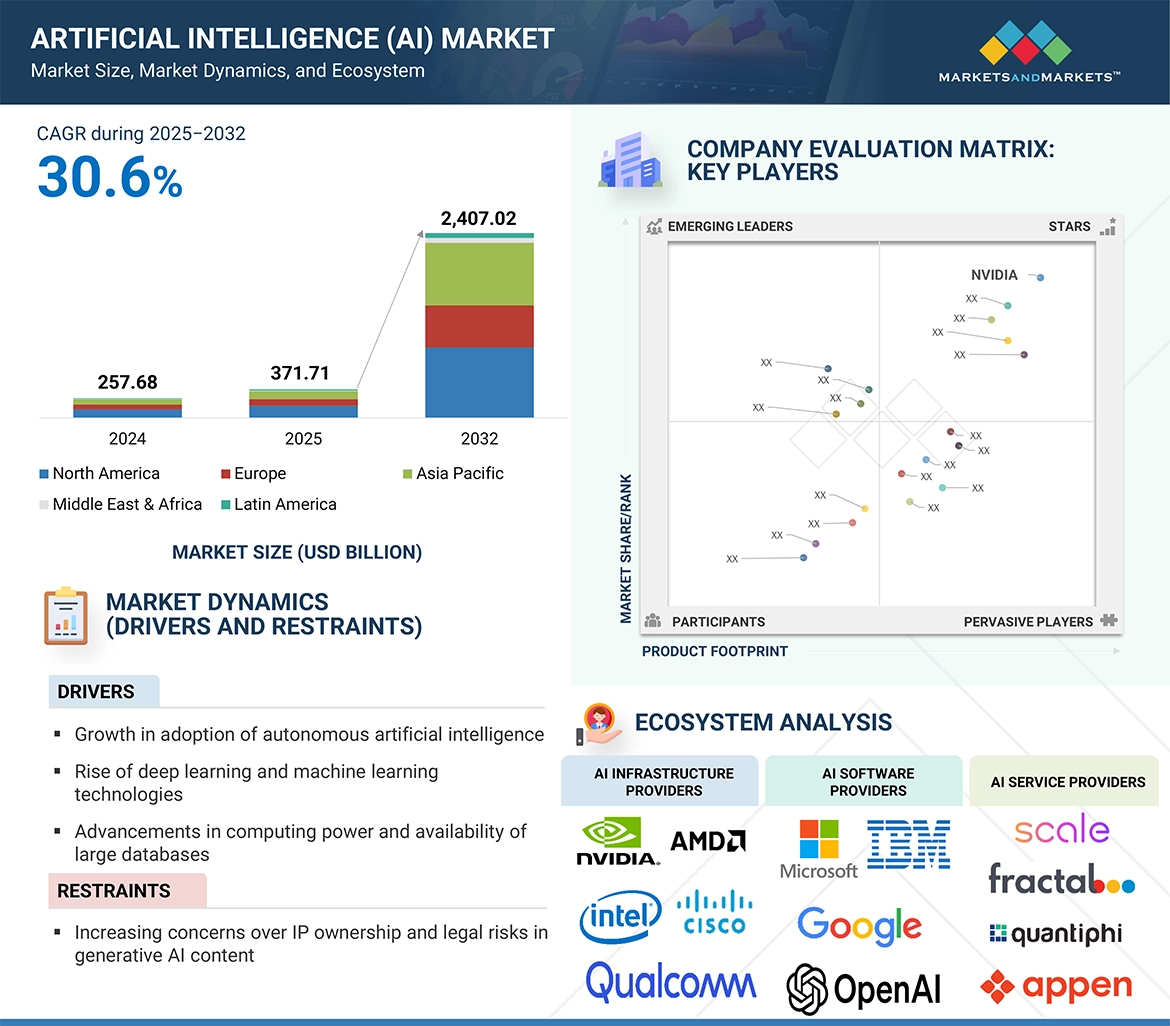
Artificial intelligence has seamlessly integrated into the car-buying journey of 2025, transforming what was once a potentially overwhelming process into an optimized, data-driven experience. The willingness of a buyer to engage with these AI tools speaks volumes about their cognitive agility and their preference for rational, informed decision-making. AI algorithms can meticulously match individuals with vehicles based on a comprehensive array of preferences, budget constraints, and lifestyle requirements, factoring in elements like fuel efficiency, performance metrics, family size, and even daily commute length.
Utilizing AI-powered tools means stepping into an environment of enhanced transparency and efficiency. Rather than relying solely on the persuasion of a salesperson, buyers can interact with AI chatbots offered by dealerships to get instant answers to questions, schedule test drives, and even receive guidance through complex paperwork. Concurrently, predictive pricing tools on various websites actively monitor market fluctuations, alerting prospective buyers when prices drop or when enticing deals go live. A buyer who leans into these technologies demonstrates a deep comfort with digital interfaces and a strategic desire to gather objective, unbiased information.
This shift towards AI-assisted purchasing fundamentally alters the traditional power dynamic, empowering the buyer with unprecedented control. Making choices informed by AI suggests a cognitive preference for autonomy and a methodical approach to research, minimizing the emotional or impulsive decisions that can often accompany a significant purchase. It is an implicit statement that this individual prioritizes making the smartest financial and functional choice, guided by intelligent systems rather than external pressures. Such an approach underscores a high degree of intellectual independence and a sophisticated understanding of how to leverage technological advancements for personal advantage.

8. Trade-Ins and Selling Your Old Car: The Savvy Approach to Asset Management
For many car buyers in 2025, the journey involves not just acquiring a new vehicle but also efficiently divesting an old one. The mechanisms for selling or trading in existing vehicles have been radically streamlined, moving far beyond the traditional, often opaque, dealership negotiation. The embrace of modern, transparent platforms for this process offers clear insights into a buyer’s financial acumen and their strategic approach to asset management.
Online platforms have emerged as powerful tools, enabling individuals to list their cars, receive instant quotes, and even schedule free pickups, all without the necessity of visiting a physical lot. A buyer who chooses these channels signals a strong preference for convenience and efficiency in high-value transactions. This choice reflects an understanding that time is a valuable resource and that leveraging digital solutions can significantly reduce friction and hassle in what can often be a complex process.
Furthermore, the integration of artificial intelligence into vehicle appraisal has revolutionized fair value assessment. AI-powered inspections meticulously analyze uploaded photos and diagnostic data to determine an accurate market value within minutes. This data-driven approach, combined with increased competition among dealerships, pushes trade-in values higher. A buyer who actively seeks out these advanced appraisal methods is demonstrating a keen awareness of market dynamics and a commitment to securing the optimal financial return for their depreciating asset, reflecting an intelligent and discerning financial strategy.
Moreover, modern appraisal systems are now sophisticated enough to recognize and account for aftermarket parts or technological add-ons, adjusting the valuation accordingly. This level of detail in the selling process appeals to a buyer who is meticulous and expects fair recognition for their investments. It speaks to an individual who values transparency and precision in financial dealings, demonstrating a deep understanding of their asset’s true worth and a proactive stance in maximizing its value during a sale or trade-in. Such an approach highlights a financially astute and highly organized individual.

9. Navigating Dealership Incentives and Rebates: The Art of Strategic Savings
In the dynamic automotive market of 2025, incentives and rebates are no longer one-size-fits-all advertisements. Instead, they represent a sophisticated, data-driven strategy employed by dealerships, offering a fascinating lens through which to observe a buyer’s strategic thinking and financial vigilance. These personalized offers are now tailored based on an individual’s online browsing activity, their past purchase history, or even their loyalty memberships with specific brands.
Effective navigation of this landscape requires more than just passive awareness; it demands active engagement. Dealerships frequently offer a diverse array of enticements, ranging from direct cashback for selecting certain models to enhanced rebates specifically for electric vehicles, or exclusive loyalty perks for returning customers. A buyer who diligently tracks these varied opportunities and understands how to qualify for them demonstrates a proactive mindset and a strategic aptitude for capitalizing on available savings. They are actively working to optimize their purchase, showcasing a blend of patience and financial intelligence.
Moreover, the timing of a purchase can dramatically influence the depth of available discounts. Shopping towards the end of a month or during specific promotional weekends can often unlock significantly deeper price reductions. These lucrative deals are frequently delivered directly to a buyer’s inbox or through dedicated apps as exclusive, limited-time offers. A discerning buyer is not only alert to these notifications but also possesses the discipline to compare multiple offers thoroughly before committing. This diligent approach reflects a meticulous and rational consumer who resists impulsive decisions, choosing instead to maximize value through careful consideration and comparison.
This strategic engagement with incentives and rebates goes beyond simply seeking a good deal. It signifies a buyer who understands the nuances of market promotions and leverages them to their advantage, rather than being swayed by superficial appeals. It is a clear indicator of someone who is highly analytical, financially astute, and committed to making a purchase that aligns perfectly with their budget and long-term financial goals, reflecting a superior cognitive approach to high-value transactions.
10. Brand Perception and Ethical Choices: Beyond the Badge to Deeper Values
In 2025, the decision-making process for car buyers extends far beyond mere aesthetics or performance specifications. The psychological impact of brand perception has become increasingly influential, acting as a non-verbal indicator of a buyer’s values, ethical considerations, and overall intelligence. Price remains the paramount concern for a significant 59% of consumers when evaluating auto brands, underscoring a fundamental financial prudence that demands value demonstration from manufacturers. This focus on economic rationality reflects a discerning buyer who scrutinizes the tangible benefits and cost-effectiveness of their purchase.
However, a positive brand perception is multifaceted, encompassing every interaction, from the dealership experience to the personalization of marketing messages. Crucially, a brand’s commitment to societal and environmental causes now resonates deeply with consumers. This includes the development of affordable electric models, adherence to fair pricing practices, and broader corporate responsibility. A buyer who is influenced by these factors in their choice of vehicle is signaling an intelligence that extends beyond personal gain, integrating ethical and social considerations into their significant purchasing decisions. They are, in essence, voting with their wallets for a future they believe in.
Automakers who actively prioritize these elements—affordability, trust, and ethical engagement—are demonstrably better positioned to cultivate stronger trust, foster deeper loyalty, and establish genuine connections with their customer base. For a buyer, aligning with such a brand reflects a desire for transparency and a thoughtful assessment of a company’s broader impact on the world. This choice suggests an individual who views their vehicle not just as transportation, but as an extension of their personal values, indicating a sophisticated and socially conscious form of intelligence.
Indeed, brands that successfully deliver affordability while simultaneously meeting consumer expectations and upholding ethical values are poised to reap significant rewards, including stronger customer relationships, heightened brand recognition, and increased sales. This dynamic highlights that discerning buyers in 2025 are seeking more than just a product; they are seeking a partnership with companies that embody integrity and forward-thinking principles. This final, profound choice reveals a buyer who is strategically managing their finances while also consciously shaping the market towards a more responsible and value-driven future, embodying a holistic and highly evolved approach to consumption.
In the intricate dance of modern life, your car in 2025 truly acts as a silent confidant, revealing layers of your financial astuteness, your comfort with innovation, and your adaptive intelligence. Every decision, from the model you choose to how you finance and maintain it, speaks volumes. As the automotive landscape continues its exhilarating evolution, these ‘secret judgments’ offer a fascinating mirror into the discerning minds of today’s most thoughtful consumers. The road ahead is paved not just with advanced engineering, but with profound psychological insights into how we navigate our increasingly complex world.