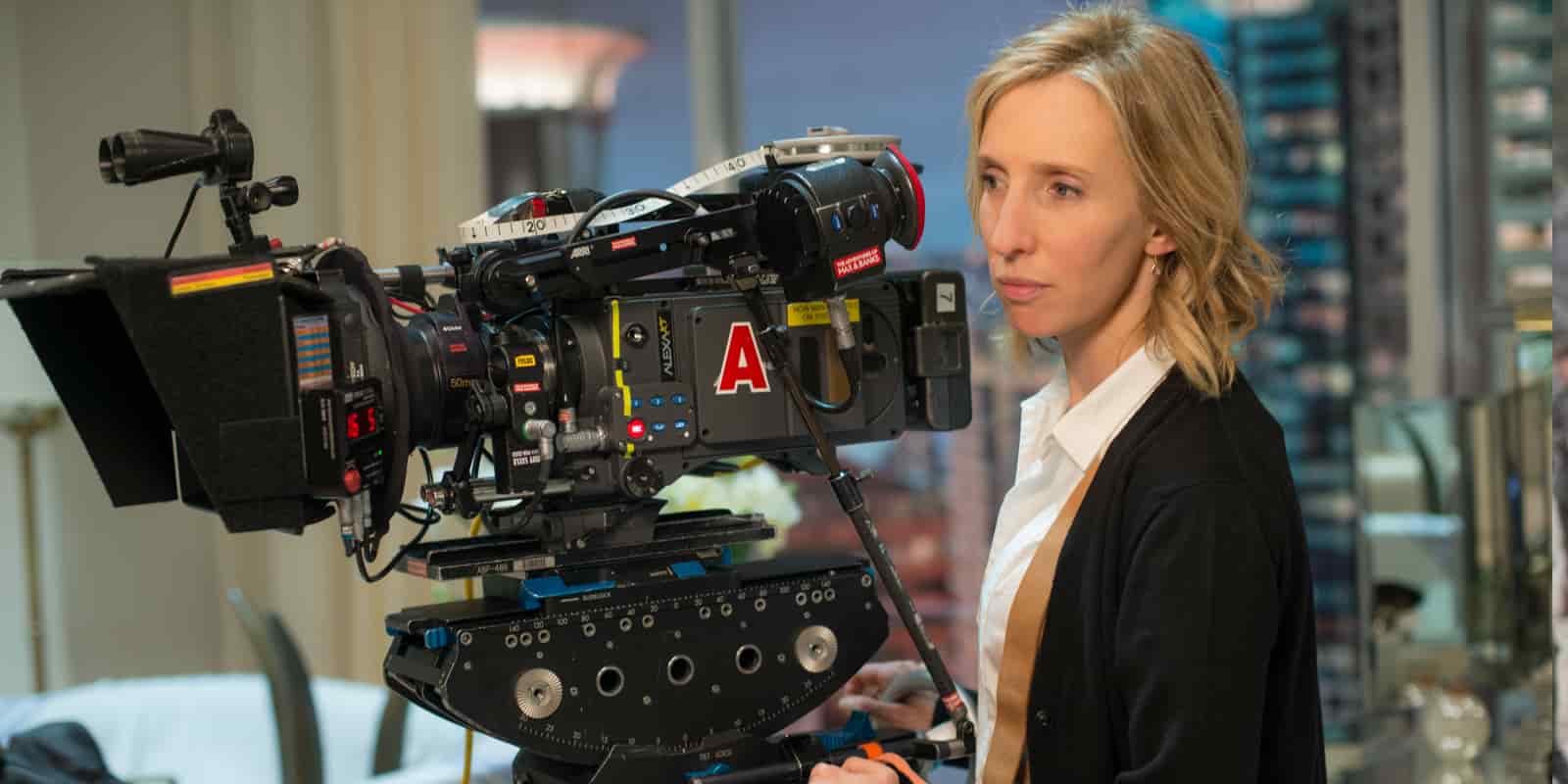
The magic of storytelling, whether unfolding on a grand theatrical stage or flickering across our screens, hinges on a delicate alchemy—the potent partnership between a director’s vision and an actor’s embodiment. It’s a dynamic interplay where every gesture, every intonation, every beat is meticulously sculpted to serve the narrative. At the heart of this collaborative crucible lie the director’s notes, the crucial directives that steer a performance from raw potential to polished brilliance. These aren’t just casual suggestions; they are the finely-tuned instruments through which a director communicates their intent, shapes character arcs, and hones the very essence of a production.
In an industry constantly innovating, the methods of delivering these vital insights are as varied as the stories themselves. While the classic verbal rundown remains a fixture, the concept of a “Set of Silence” – where communication might shift significantly towards the written word – isn’t just a fascinating thought experiment; it reflects an increasing reliance on structured, non-verbal feedback mechanisms. Imagine a rehearsal space where the primary means of receiving crucial performance adjustments comes not through shouted commands or intimate whispers, but through carefully composed documents or a posted checklist. This shift underscores a profound evolution in how artistic guidance is disseminated, demanding a new level of interpretative skill from performers.
This article delves into the intricate world of director-actor communication, navigating the diverse pathways through which notes are conveyed and, crucially, how actors are expected to internalize and execute them. From the well-trodden paths of verbal instruction to the meticulous precision of digital and physical note systems, we’ll dissect the mechanics behind effective directorial feedback. More than just a logistical exercise, understanding these methods and the proper approach to receiving notes is absolutely essential for any actor aiming to excel, fostering a responsive and ultimately more successful collaboration on any project.

1. The Classic: Reading Notes Out Loud
For decades, the standard protocol after a rigorous run-through has been the collective gathering: actors returning to the stage or audience seats, director poised to deliver feedback. This method, affectionately dubbed “The Classic,” remains a cornerstone of directorial communication for several compelling reasons. As the context highlights, “It’s beneficial because everyone is already there and the notes are fresh in the director’s mind. You are also still at the theatre and can do actual physical reviews and fixes right then and there, before everyone leaves.”
This immediacy allows for on-the-spot adjustments, a kind of creative triage where problems can be identified and potentially remedied before the cast even disperses. The energy of the performance is still palpable, making the director’s observations feel timely and directly connected to the recent experience. It fosters a communal understanding of the production’s progress and the areas needing collective attention, reinforcing the shared journey toward opening night.
However, the perceived efficiency of the classic verbal note session often bumps up against the realities of human nature. After pouring their souls into a performance, actors are frequently “exhausted and/or super-hyper,” leading to a less than ideal state for absorbing complex directives. Their focus, understandably, “is not always the best,” with minds perhaps drifting to post-rehearsal plans or internal critiques of their own performance. This can lead to notes being missed or only partially registered, undermining the very purpose of the session.
Furthermore, the group setting, while fostering togetherness, can inadvertently invite distractions. Actors might be more inclined to chat with friends, particularly after periods of intense concentration or silence backstage. The verbal format can also open the door to immediate questions or, worse, “excuses as to why something happened,” transforming a note-giving session into a lengthy, often unproductive discussion. Directors must therefore be vigilant, often needing to explicitly state that “note-giving time is not discussion time,” to maintain focus and efficiency.

2. The Post-Run Rundown: Typing Up Notes and Emailing/Posting Digitally
As technology has permeated every aspect of our lives, the entertainment industry is no exception, and director-actor communication has found new digital avenues. The “Post-Run Rundown” embraces this shift, with directors taking their observations home, meticulously typing them into a structured list, and then disseminating them digitally. This could be via email, a private Facebook group, Google Classroom, or other dedicated communication platforms, sometimes even sending private notes where appropriate.
This modern approach offers significant benefits, particularly for the often-beleaguered performer. “It allows students to go home right after rehearsal and rest,” a welcome reprieve after physically and emotionally demanding run-throughs. More crucially, it grants them valuable “time to read and absorb the notes,” away from the high-pressure environment of the rehearsal space. This quiet reflection period enables actors to truly internalize the feedback, strategize their approach, practice at home, and then arrive at the next rehearsal prepared to apply the adjustments effectively.
For directors, the digital method provides an invaluable opportunity to consolidate thoughts and refine their feedback. Reviewing notes in a calmer, post-rehearsal setting can lead to more objective and articulate directives, free from the immediate emotional highs or lows of a live run-through. It’s a chance to ensure clarity and conciseness, making the notes more actionable and impactful for the cast and crew.
However, the digital landscape introduces its own set of formidable challenges. The convenience of digital delivery can be a double-edged sword, as “the notes are easily ignored, missed, lost, or simply not read.” In a world saturated with digital notifications, a director’s email or post can quickly get buried under other communications. This necessitates a proactive strategy from the director to “figure out a way to ensure students can prove they have actually received and read the notes,” adding an administrative layer to the artistic process. The timing of sending these notes is also critical, especially with tight rehearsal schedules, to ensure actors have sufficient time to engage with the feedback before the next session.

3. The Checklist: Posting Notes Backstage
Somewhere between the traditional verbal feedback and the fully digital rundown lies a pragmatic, often highly effective method: “The Checklist.” This approach, championed by many colleagues in the industry, involves dismissing students after rehearsal, much like the digital method, but with a twist. The director types up the notes, formatting them as a clear checklist. This list is then printed and posted prominently in backstage or rehearsal areas, with a designated space next to each note point for the applicable student to initial, confirming they’ve seen and understood it.
This method shines by strategically shifting responsibility, putting “the onus on the student to get their notes.” It’s a powerful tool for fostering accountability, a vital trait for any professional actor. By requiring an initial, it creates a tangible record, making it “easy to track who read the notes and who didn’t.” This reduces the administrative burden and stress on directors, empowering actors to take ownership of their development and performance adjustments.
The checklist format encourages self-sufficiency, teaching actors the discipline of actively seeking out and internalizing feedback. It cultivates a sense of personal responsibility, transforming note-taking from a passive reception into an active engagement. Moreover, for those who prefer physical interaction with information, having a tangible list to consult and mark off can be more impactful than a fleeting digital message.
Yet, this method is not without its potential drawbacks. Despite the initialing requirement, there remains the risk that “it’s easy enough for students not to read the notes” thoroughly, perhaps simply initialing for compliance without genuine comprehension. Physically posted lists can also lead to “stress in the backstage/rehearsal area if many students are trying to crowd around the note sheet.” Directors might need to anticipate this by printing multiple copies and strategically placing them to alleviate congestion. Crucially, if students only read the notes moments before the next rehearsal, it “doesn’t allow a lot of time for students to read and absorb their notes,” potentially leading to rushed adjustments rather than thoughtful integration.
Read more about: The Meticulous Maestro: Unpacking the Director’s Strategic Art of Guiding Performances Through Written Notes and Detailed Directives

4. The Dual Purpose of Director’s Notes
Beneath the surface of every directorial note lies a strategic intent, a fundamental reason why this feedback mechanism is so critical to the production process. The context elucidates this with elegant precision: “The purpose of notes is twofold. First, it allows you to run scenes or acts without interruption. Second, it is intended to be an efficient way of communicating what is necessary.” These two objectives are inextricably linked, shaping not only how notes are delivered but also how they should be received.
The first purpose—running scenes or acts without interruption—is a cornerstone of efficient rehearsal. As a production progresses, especially into the phase of full run-throughs, the luxury of stopping mid-scene to correct a nuanced performance choice or a piece of blocking diminishes. Directors understand that maintaining the flow, pace, and energy of a complete run is essential for evaluating the entire arc of the story and the cohesion of the ensemble. Notes, therefore, become the deferred corrections, the points of refinement captured for later discussion, allowing the narrative momentum to build uninterrupted.
The second purpose speaks directly to the inherent time constraints of any production: efficiency. In the late stages of rehearsal, “there is usually less time for the director to talk because so much time has been spent actually rehearsing.” Every minute is precious, dedicated to polishing, perfecting, and integrating all the disparate elements of the show. Notes are designed to be a streamlined conduit of information, conveying critical adjustments succinctly and clearly, without lengthy digressions or immediate debates. The goal, as succinctly put, is to “convey the information and get the hell out of Dodge.”
For actors, grasping this dual purpose is paramount. It means understanding that a note delivered after a run-through isn’t an invitation for immediate dialogue or justification, but a directive to be absorbed and acted upon. Respecting the efficiency objective means listening attentively, acknowledging the feedback, and saving deeper discussions for a more appropriate time. This professional understanding ensures the rehearsal process remains productive, honoring the limited time available and the collective effort to bring the story to life.
Read more about: The Meticulous Maestro: Unpacking the Director’s Strategic Art of Guiding Performances Through Written Notes and Detailed Directives

5. Setting Aside the Actor’s Ego
One of the most profound challenges an actor faces when receiving notes isn’t necessarily understanding the directive, but rather processing it through the filter of their own ego. As the context incisively observes, “It’s human nature to get defensive. Acting is subjective and personal.” When an actor has invested deeply in a role, inhabiting a character and making specific choices, feedback can feel like a direct assault on their artistic integrity. The description of a heart “fish-flopping all over the floor” vividly captures the vulnerability involved.
This vulnerability is amplified by the sheer exposure of performance. Having “split open your chest cavity in front of all your colleagues and friends” only to have your choices questioned can be deeply unsettling. The instincts that guided those choices “seemed right” in the moment, making any challenge to them feel “like a rejection of your skill.” It’s a natural human reaction to criticism, but in the collaborative cauldron of theater and film, it’s a reaction that must be consciously managed.
The crucial mental shift for an actor is to internalize that “it’s not personal.” This isn’t just a mantra; it’s a fundamental truth of the craft. “Remember that theater and film are collaborative works,” a collective endeavor where individual contributions are refined to serve a larger artistic vision. The director, as the captain of this ship, offers notes not to diminish an actor’s talent, but to steer the entire production towards its optimal destination. It’s about the project, not a judgment of the individual.
Therefore, an actor’s primary “job is to set aside their personal feelings and try to do what is best for the project.” This requires discipline, humility, and a deep-seated commitment to the shared artistic goal. When ego is set aside, the note process transforms from a potential confrontation into a vital channel of communication, fostering an environment where growth and improvement can genuinely flourish, ultimately elevating the performance and the production as a whole.
Read more about: Claude Jarman Jr.: A Life Beyond the Limelight – From Child Star to Cultural Luminary at 90

6. The Art of Active Listening
While setting aside ego lays the groundwork, the very act of receiving a note demands a skill that, though seemingly obvious, is often overlooked: active listening. It’s easy to assume one is listening, but true active listening in a note session goes beyond merely hearing words; it involves a complete mental receptivity. As the context points out, “It may seem obvious, but many actors skip this step” – a critical misstep that can derail the entire feedback process.
The challenge for actors is that their minds are often still reeling from the performance they just gave. “It’s easy to let your mind race ahead to questions, comments or even arguments,” rather than fully absorbing the input. An actor’s internal monologue might be replaying moments, anticipating the director’s criticisms, or formulating justifications, effectively creating a barrier to genuine comprehension. This mental clutter prevents the note from truly landing and being processed.
Therefore, the mandate is clear: “Clear your mind.” This involves a conscious effort to quiet the internal chatter, to momentarily disengage from the “output” of the performance and fully embrace the “input” of the director’s feedback. It’s about creating a mental space where the director’s words can land unimpeded, allowing for a pure and unfiltered reception of the instruction. “You’ve just produced a lot of output, it’s now time to sponge up some input.”
Active listening, in this context, is a proactive skill. “It is crucial that you really listen and hear and understand fully, the director’s notes.” This means not just passively waiting for the information, but engaging with it, ensuring that every nuance and directive is thoroughly absorbed. Without this foundational skill, subsequent attempts to “translate” or “run with” the note will be built on shaky ground, potentially leading to repeated errors and frustration on both sides of the director-actor dynamic.
Read more about: The Unforgettable Journey of Disco’s Queen: Unpacking Sylvester’s Trailblazing Life and Legacy

7. Translating the Director’s Artistic Language
Once an actor has listened with an open mind, the next crucial step is translation. Directorial communication is not a monolithic language; rather, “Not every director speaks the same artistic language.” Each director brings their unique perspective, vocabulary, and preferred mode of expression to the rehearsal room, meaning that notes can range from explicitly tactical to deeply metaphorical.
As the context observes, “Director’s notes are sometimes obscure, laden in emotional language or metaphor, or may seem more like opinions than actable directions.” A director might describe a scene’s desired “texture,” suggest a character needs more “weight,” or ask for a shift in “mood,” all terms that, while evocative, require an actor to decode them into concrete, physical, or vocal choices. The challenge is converting these often abstract concepts into tangible actions that can be performed.
This is where an actor’s understanding of their director’s individual style becomes invaluable. By taking “into account what you know of the director’s artistic communication styles,” an actor can better anticipate the underlying intent of a seemingly opaque note. For instance, a director known for their visual storytelling might use spatial metaphors, while another, focused on internal life, might employ psychological analogies. The actor’s job is to bridge this gap, to find the actionable tactics within the artistic instruction.
If, after careful listening and considering the director’s style, a note remains unclear, it is appropriate to “ask questions when you really need to.” However, these questions should be targeted for clarification, not for debate. The ultimate goal is always to “move in the direction of actionable tactics.” This means seeking to understand not just *what* the director wants, but *how* that desire can be translated into a performable adjustment, ensuring the note can be swiftly and effectively integrated into the actor’s work.
Navigating the complexities of directorial feedback extends far beyond simply receiving notes. The true artistry lies in an actor’s ability to process, interpret, and integrate these directives gracefully, transforming them into nuanced refinements that elevate the performance. This requires a sophisticated understanding of industry dynamics, a disciplined approach to self-correction, and an acute awareness of the collaborative spirit inherent in storytelling. As we delve deeper, we’ll explore advanced strategies for responding to feedback and gain fascinating insights into the unique methodologies of some of Hollywood’s most revered directors, culminating in crucial advice for maintaining artistic integrity without falling into the trap of ‘over-noting.’
Read more about: The Meticulous Maestro: Unpacking the Director’s Strategic Art of Guiding Performances Through Written Notes and Detailed Directives
8. Skipping the Justifying
After an actor has poured their essence into a scene, a critique can feel like a personal challenge, sparking an immediate, almost reflexive urge to explain. It’s a natural human inclination to justify choices, to elaborate on the intricate thought processes that led to a particular delivery or movement. However, in the high-stakes environment of a film set or a theatrical rehearsal, this impulse often proves counterproductive.
The stage, or the set, operates on a meticulously timed schedule where “Time is money,” a stark reality that underscores the need for efficiency. Directors, often under immense pressure, do not have the luxury for protracted discussions with every actor receiving notes. The context is unequivocal: “no one wants to hear why you made the choice you did.” This isn’t a dismissal of the actor’s artistic intelligence, but rather a practical necessity to keep the production moving forward.
Unless the note itself is genuinely confusing or an actor perceives a significant problem with it that could impact the broader production, the most professional course of action is to “take the note gracefully and move on.” If a deeper conversation is truly necessary, it should be deferred. Actors are advised to “do so after general notes sessions or ask the director to discuss it at their convenience,” respecting the collective’s time and the director’s demanding schedule. This demonstrates professionalism and a commitment to the efficiency that defines a productive rehearsal process.
Read more about: The Unyielding Bond: Why American Pet Ownership Soars Amidst Rising Costs
9. The Last Note Wins
The collaborative nature of theater and film often means that a director’s vision can evolve, sometimes subtly, sometimes dramatically, throughout the rehearsal or shooting process. This fluidity can, on occasion, lead to notes that seem to contradict previous directives, or a shift in emphasis that renders an earlier instruction obsolete. For an actor, navigating these changes requires a nimble mind and a resilient spirit.
It’s tempting to point out inconsistencies, to recall an earlier conversation where a different direction was given. However, the industry mantra is clear: “The Last Note Wins.” Directors, as the ultimate arbiters of the artistic vision, are entitled to change their minds; it’s a fundamental part of the iterative creative process. An actor’s job is not to police the director’s memory or track the evolution of their instructions.
Instead, the performer is expected to apply “common sense and social skills to glean the director’s intention” in such scenarios. If genuine confusion arises, asking for clarification is appropriate, but the underlying principle remains: the most recent instruction holds sway. This approach fosters adaptability, ensuring that the actor remains aligned with the director’s most current interpretation and contributes to a cohesive, evolving performance.
Read more about: The 10 Pop Culture Moments That Still Feel Like a Fresh Breakup

10. Keeping Things Positive
The emotional demands of acting are immense, and receiving critical feedback can often feel like a punch to the gut, especially after a taxing performance. Yet, maintaining a professional demeanor in the face of notes is not merely polite; it’s absolutely crucial for an actor’s reputation and the overall health of a production. The industry is a small world, and an actor’s conduct in the rehearsal room or on set speaks volumes.
“No one, and I repeat, no one, likes an actor who sulks over notes.” This emphatic statement from industry veterans underscores a universal truth: negativity is infectious and detrimental to a collaborative environment. While an actor may not always agree with a note, the professional expectation is to “respect it.” This means internalizing that the director’s feedback, even when challenging, is delivered in service of the project’s success.
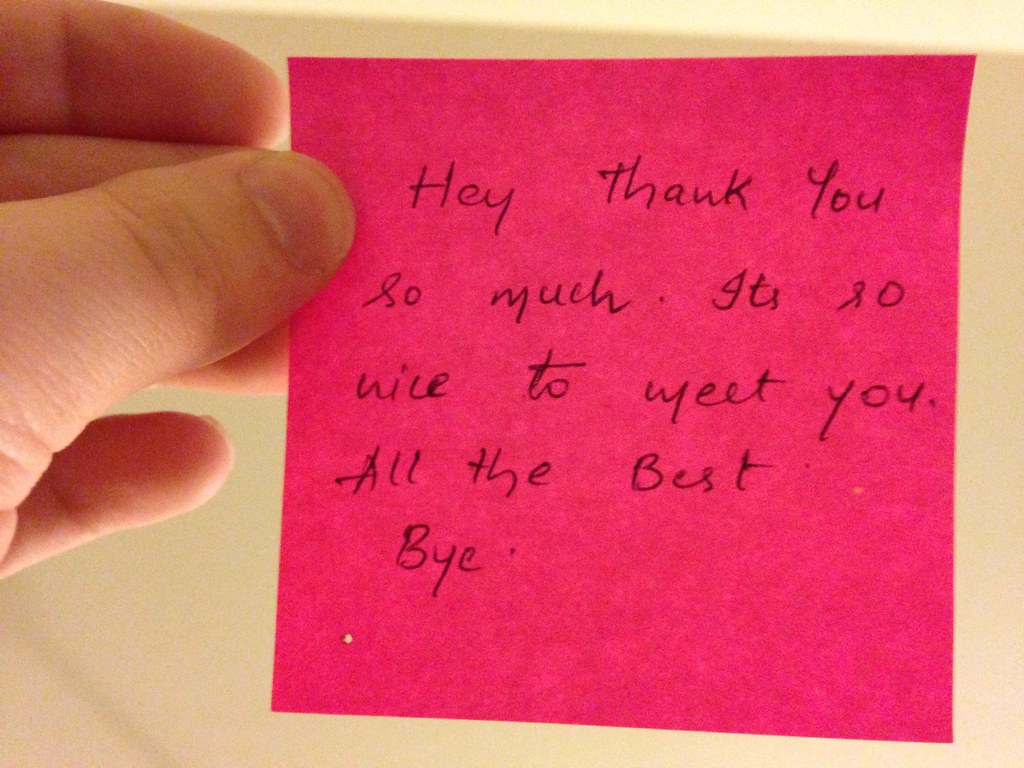
The simple yet powerful act of saying “Thank you” and promptly writing the note down serves multiple purposes. It acknowledges receipt, signals a willingness to engage, and maintains a positive, respectful atmosphere. This professional grace, far from being a sign of weakness, is a mark of a mature performer who prioritizes the collective artistic endeavor over personal wounded pride, making them invaluable assets to any creative team.
Read more about: You Won’t Believe These 14 Secret Business Rules That Keep the Kardashian-Jenner Family at the Top of Their Game

11. Avoiding “Over-noting”
The eagerness to please, to immediately implement every piece of feedback, can be a powerful drive for actors. There’s a natural desire to demonstrate receptiveness and adaptability, often leading to an enthusiastic, sometimes overzealous, application of new directives. This admirable trait, however, carries a subtle but significant risk: “over-noting.”
Over-noting occurs when an actor, in their zeal to incorporate a new note, inadvertently “throw[s] out previous choices and go[es] to the extreme of the note.” Instead of integrating the new feedback subtly, they dismantle what was already working, leading to a performance that feels jarring or inauthentic. The key insight here is that “Notes are far more often tweaks than they are sweeping changes. They are meant to layer on to previous work, not negate it.”
The skill lies in a delicate balance: “Learn to keep what was working previously, gently extract what wasn’t, and season it all with the new note.” This requires an actor to possess a deep understanding of their character, confidence in their existing work, and the trust that a director’s input is typically for refinement, not wholesale reinvention. Mastering this nuanced approach allows actors to adjust to notes “on the fly” with practice and confidence, demonstrating a profound trust in both their director’s vision and their own honed abilities to make the performance “genuine and believable.”

12. Quentin Tarantino’s Passionate Directing Style
Stepping onto a Quentin Tarantino set is, by all accounts, an immersive dive into the mind of a cinematic savant. His reputation precedes him as a director whose passion for storytelling is matched only by his exacting precision, particularly when it comes to dialogue. Jamie Foxx, star of “Spider-Man: No Way Home” and “Django Unchained,” famously described Tarantino as a “tyrant” on “The Howard Stern Show,” a descriptor he quickly qualified with, “‘Tyrant’ in the sense he insists on every word being said just the way he wrote it? But that’s what you want.” This insistence on fidelity to the script highlights a director’s fierce ownership of his written word, viewing every syllable as integral to his artistic intent.
Foxx recounted a vivid example from “Django Unchained,” where Tarantino confronted him directly during rehearsal: “‘Can I talk to you a second? Ah, what the **** was that?’ I said, ‘What do you mean?’ ‘I knew I was going to have this problem. Listen…you have to be a…slave. Okay? He’s a slave. He’s not cool. He doesn’t know how to read. And then—and then—he becomes the hero.'” This feedback, raw and unvarnished, showcases Tarantino’s direct communication style, cutting through any actorly embellishments to anchor the performance in the character’s brutal reality and eventual transformative arc. It’s an approach rooted in deep character analysis and a keen awareness of narrative progression.
Beyond individual character beats, Tarantino’s directorial notes are also deeply informed by his encyclopedic knowledge of cinema. Samuel L. Jackson noted that “Quentin will come in and describe a scene to you in terms of, like, six different films,” providing actors with a rich tapestry of cinematic references to draw from. Austrian-German actor Christoph Waltz, a two-time Academy Award winner under Tarantino’s direction, offered another fascinating detail: “[Tarantino] whispers direction into your ear. He never yells them across the floor. He comes, he gets up, and talks to you so that nobody can hear it. So it’s an intimate thing. That’s how he gets these results.” This blend of forceful vision, historical context, and surprisingly intimate delivery illustrates a directing style that is both demanding and profoundly effective, yielding iconic performances and award-winning results.
Read more about: Beyond the Greenlight: 12 Sci-Fi Movies We Almost Saw (and the Wild Reasons They Collapsed)
13. Clint Eastwood’s Understated Approach
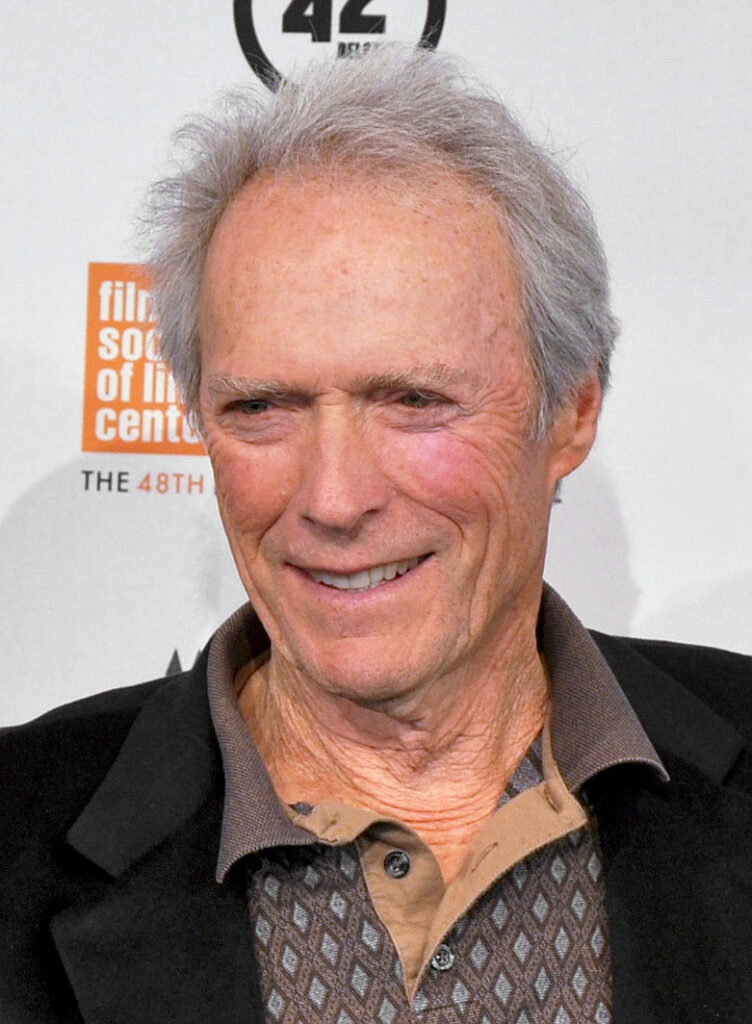
In stark contrast to Tarantino’s verbose and impassioned style stands the legendary Clint Eastwood, whose directorial approach is characterized by an almost Zen-like economy of words and an unwavering trust in his actors. Tom Hanks, a veteran of Eastwood’s films, vividly painted a picture of this minimalist method: “When you’re in a Clint Eastwood movie, you don’t even know the camera is rolling. And you just hear over your shoulder, ‘All right, go ahead.’” This subtle cue, delivered with quiet confidence, speaks volumes about Eastwood’s desire for naturalism and his faith in the performers to find the moment organically.
Eastwood’s feedback, when it comes, is equally understated. Hanks recounted how the director would “quietly and calmly say, ‘Just take that again. Just do it one more time.'” There’s no grand exposition, no lengthy dissection of artistic intent, merely a gentle nudge for a fresh attempt. This measured approach minimizes pressure, allowing actors to reset and recalibrate without feeling overwhelmed by an influx of complex directives. It’s a directorial philosophy that prioritizes instinct and subtle adjustment over exhaustive instruction.
When Eastwood is satisfied, his approval is as brief and definitive as his instructions: “That’s enough of that.” This concise phrase, delivered with characteristic calm, signals the successful capture of a take, moving the production forward with quiet authority. It’s a style that demands keen observation and intuitive responsiveness from his actors, fostering an environment where authenticity is paramount and the unspoken often carries as much weight as explicit direction.
Read more about: Loved the ’70s? These 12 Iconic Leading Men Were the Defining Faces of Cool and the Anti-Hero Genre!
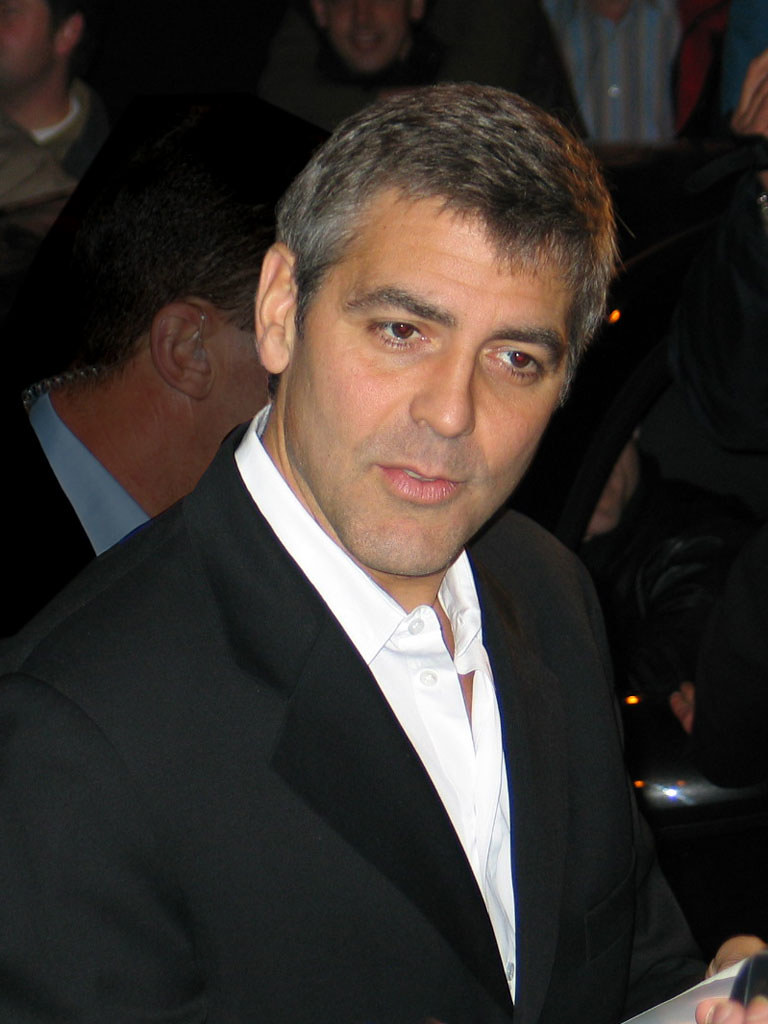
14. George Clooney’s Playable, Useful Notes
When a seasoned actor like Ben Affleck, with over 50 films under his belt, declares that he received “the best notes of any director I’ve ever worked with” from George Clooney, it’s a ringing endorsement that speaks volumes about Clooney’s directorial acumen. Affleck’s experience starring in “The Tender Bar” under Clooney’s direction revealed a rare gift for feedback that resonates deeply with performers. His notes weren’t abstract or circuitous; they were, as Affleck put it, “the most playable, useful notes.”
This efficacy, according to Affleck, is “a function of his having done this job for so long, having done it really well and learned from really good directors.” Clooney, himself a formidable actor, understands the craft from both sides of the camera, a perspective that imbues his feedback with a practical, actionable quality. He credits his own mentors, but equally, his “own experience and the time he’s devoted to acting and playing the kinds of roles that he has” contribute to his exceptional ability to communicate.
What distinguishes Clooney’s notes is their dual focus: they are “both about the character’s internal life but also the specificity of what’s actually happening in the moment.” This holistic approach bridges the gap between psychological depth and tangible action, providing actors with a clear roadmap for embodying their roles. Affleck’s profound admiration – “He really is an expert. I’m just lucky that I got the chance to work with him” – underscores Clooney’s unique talent for delivering feedback that truly empowers actors to refine and elevate their performances.

15. Meryl Streep’s Humbling Experience with Notes
Even the most celebrated titans of the acting world, figures whose performances feel effortlessly perfect, are subject to the critical eye of the director. This humbling truth was vividly articulated by “For All Mankind” actress Coral Peña, who shared a profound insight from her experience working on Steven Spielberg’s “The Post” alongside the incomparable Meryl Streep. Peña’s biggest takeaway wasn’t just Streep’s supportive scene partnership, but the revelation that “even Meryl Streep gets notes.”
Peña admitted to thinking, “‘No, Meryl Streep never gets notes. She goes up there and is fabulous and walks away.'” This common misconception, that A-list talent operates above the need for critique, was shattered as Peña observed Streep’s process. “But she would do something, and it didn’t necessarily work, and she would have to go and try again,” Peña recalled. This willingness to experiment, to attempt choices that might not land perfectly, and crucially, to accept and re-engage with feedback, demystifies the aura around even the most revered actors.
The experience served as a liberating lesson for Peña, offering a powerful blueprint for artistic growth. “I thought, how do I become a better actor? By trying something crazy that might not work and collaborate with my director. That’s the biggest lesson I learned—that even Meryl Streep gets notes,” she told PopSugar. It’s a potent reminder that the pursuit of excellence in acting is an ongoing journey of collaboration, experimentation, and humble receptivity, regardless of one’s stature in the industry. The ‘Set of Silence’ isn’t just about how notes are delivered, but the profound, continuous learning process they ignite in every dedicated performer.
The intricate dance between director and actor, fueled by the precision of directorial notes, is a testament to the collaborative spirit that underpins all great storytelling. From the foundational act of setting aside ego to the advanced art of translating nuanced feedback, every step in this process is designed to refine and elevate performance. As we’ve seen, the methods of communication may vary, from a “Set of Silence” where communication is meticulously documented to the intimate whispers of a visionary director, but the core objective remains constant: to guide the actor toward an embodiment of character that serves the larger narrative. The journey of an actor is one of perpetual learning and adaptation, where every note, whether a subtle tweak or a bold redirection, is an invitation to deepen their craft, contribute to a shared vision, and ultimately, bring unforgettable stories to life.