Seventy years ago today, a single, devastating collision on a remote California highway transformed a rising star into an immortal rebel. It was a moment that instantly cemented the 24-year-old actor’s place as a cultural legend, an enduring symbol of youthful alienation and angst whose brightness was forever frozen in time at the peak of his nascent career.
Despite having made only three films, James Dean had already captivated Hollywood and the public with his brooding performances, which offered a compelling counternarrative to the polished facade of the 1950s. His untimely death, rather than extinguishing his star, ignited a legend so potent that its glow still permeates popular culture seven decades later.
This article delves into the various facets of Dean’s extraordinary posthumous journey, from the precise, harrowing details of his final drive to the profound cultural ripples that continue to shape his legacy. We explore how a life cut tragically short became a testament to the power of a perfectly cast image and an indelible spirit.
1. **The Fatal Collision of the ‘Little Bastard’**
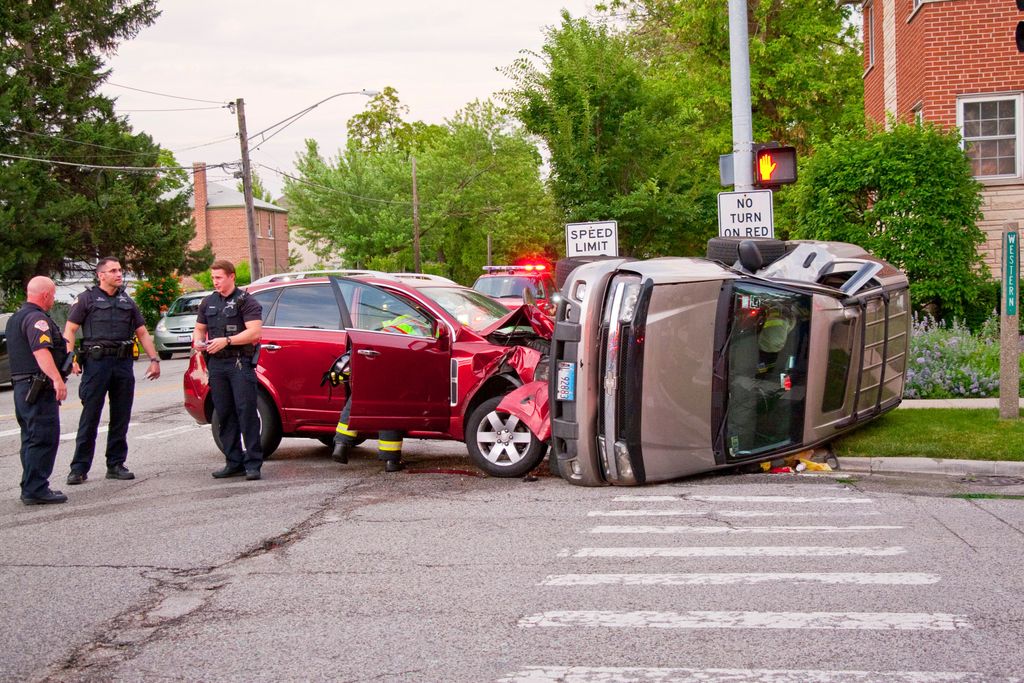
The fatal crash that claimed James Dean’s life occurred on September 30, 1955, at approximately 5:45 p.m., at the junction of U.S. Route 466 and State Route 41 near Cholame, California. Dean was behind the wheel of his brand-new silver Porsche 550 Spyder, famously nicknamed the “Little Bastard,” as he journeyed toward sports car races in Salinas.
With him in the passenger seat was his German mechanic, Rolf Wütherich. The accident unfolded when a two-tone 1950 Ford Tudor, driven by 23-year-old college student Donald Turnupseed, made a left turn onto Highway 41, directly into the path of Dean’s fast-approaching, low-slung Porsche. The impact was, by all accounts, catastrophic.
The lightweight Spyder absorbed the brunt of the collision, and Dean suffered a broken neck and massive internal injuries, dying almost instantly at around 5:30 p.m. from a broken neck, numerous broken bones and severe lacerations over the entire body. Wütherich was ejected from the vehicle, sustaining severe injuries, including a fractured jaw and hip, but ultimately survived. Turnupseed, remarkably, walked away with only minor injuries.
Adding a layer of eerie foreshadowing to the tragedy, Dean had received a speeding ticket just two hours before the crash. The spectacular wreckage of the “Little Bastard” and the sudden, violent end to a promising life became one of the defining moments of the 20th century. The crash point has since entered California lore as the scene of one of the state’s most famous traffic tragedies, a stark reminder of the highway’s perils.
Read more about: Vanishing Rides: Uncovering the Truth Behind 10 Iconic Cars That Disappeared from Our Roads

2. **Hollywood’s Immediate Shockwave**
Word of James Dean’s death sent a profound shockwave through Hollywood, an industry accustomed to grand narratives but rarely prepared for such abrupt, real-life tragedy. Carroll Baker, who co-starred with Dean in his last movie, “Giant,” vividly recalled the moment the cast learned the devastating news in a projection room at the Warner Bros. lot.
Director George Stevens, according to Baker, “stood up and all the light drained out of him.” He then collected himself and delivered the stark, unforgettable pronouncement: “‘Jimmy Dean has just been killed.’” The Los Angeles Times reported on his death the following day, October 1, 1955, describing him as “one of Hollywood’s brightest new motion-picture stars.”
His death, as reported, occurred in a “head-on collision at the rural town of Cholame.” Authorities pronounced him dead on arrival at the Paso Robles War Memorial Hospital. The collective grief and shock among his peers and the public alike created a vacuum that, as critic Kenneth Turan observed, “caused an uproar that has yet to quiet down.”
The immediate aftermath was a period of disbelief and mourning for a talent cut short. The pathos surrounding Dean’s untimely end amplified the emotional weight of his passing, leaving an indelible mark on the industry and those who had witnessed his meteoric rise, ensuring his name would forever be associated with a sense of profound loss.
Read more about: The Great Content Exodus: Deconstructing Warner Bros. Discovery’s Decisions Behind HBO Max’s Shrinking Library
3. **The Release of Posthumous Masterpieces**
At the time of his death, only one of Dean’s three major motion pictures, “East of Eden,” had been released, meaning his most iconic performances were yet to be unveiled to the world. This unique circumstance—an actor’s most significant work premiering after his demise—profoundly shaped the reception and enduring mystique of his filmography.
His most iconic film, “Rebel Without a Cause,” was released posthumously just one month after his death, on October 29, 1955, instantly becoming a cult classic. Audiences watched his performance with the somber knowledge that he had died, adding an almost spiritual weight to his portrayal of youthful rebellion and angst. The film’s storyline, combined with the pathos of his untimely end, drew immense attention.
The final film in his brief but potent catalog, “Giant,” followed in 1956. These two posthumous releases solidified Dean’s image as the brooding, sensitive, and troubled young man who spoke directly to the “post-war teenage experience,” a demographic largely overlooked by previous generations of Hollywood stars. His performances, viewed through the lens of his tragic end, gained an almost mythical quality.
His messy hair, the iconic leather jacket, and his effortless cool—characteristics he seamlessly integrated into his method acting—became a global uniform for non-conformity. The unreleased films, now infused with the gravitas of his absence, turned his limited body of work into an enduring testament to his unique artistry, resonating with successive generations of disaffected youth.
Read more about: Jaw-Dropping Truths: 14 Music Icons Who Never Snagged a Grammy Award

4. **Unprecedented Oscar Nominations**
Perhaps the most striking testament to James Dean’s undeniable talent and posthumous impact was his unparalleled achievement of receiving two Academy Award nominations for Best Actor. This was an “unprecedented and unequaled two posthumous Oscar nominations,” an extraordinary feat for an actor with such a limited filmography.
Dean remains the only actor in history to have received two posthumous nominations in this category, solidifying his unique place in cinematic lore. These nominations were for his powerful roles in “East of Eden,” released during his lifetime, and “Giant,” which premiered after his death. Both performances showcased his profound ability to inhabit complex characters with raw vulnerability and intensity.
These prestigious recognitions were not merely a sentimental tribute but a genuine acknowledgement of his formidable acting ability. His combination of youth, talent, handsome features, and the dramatic manner of his death truly “catapulted Dean into a level of ‘live fast, die young’ fame so extraordinary,” a level of acclaim he himself “could not have imagined it.”
The Oscar nominations served as a formal validation of an artistic power that, far from being diminished by his absence, was amplified by it. They cemented his legacy not just as a cultural icon, but as a genuinely gifted actor whose performances left an indelible mark on the landscape of American cinema.
Read more about: Billions Lost: Examining Hollywood’s Most Significant Strategic Errors and Financial Misjudgments
5. **The Genesis of the “Live Fast, Die Young” Legend**
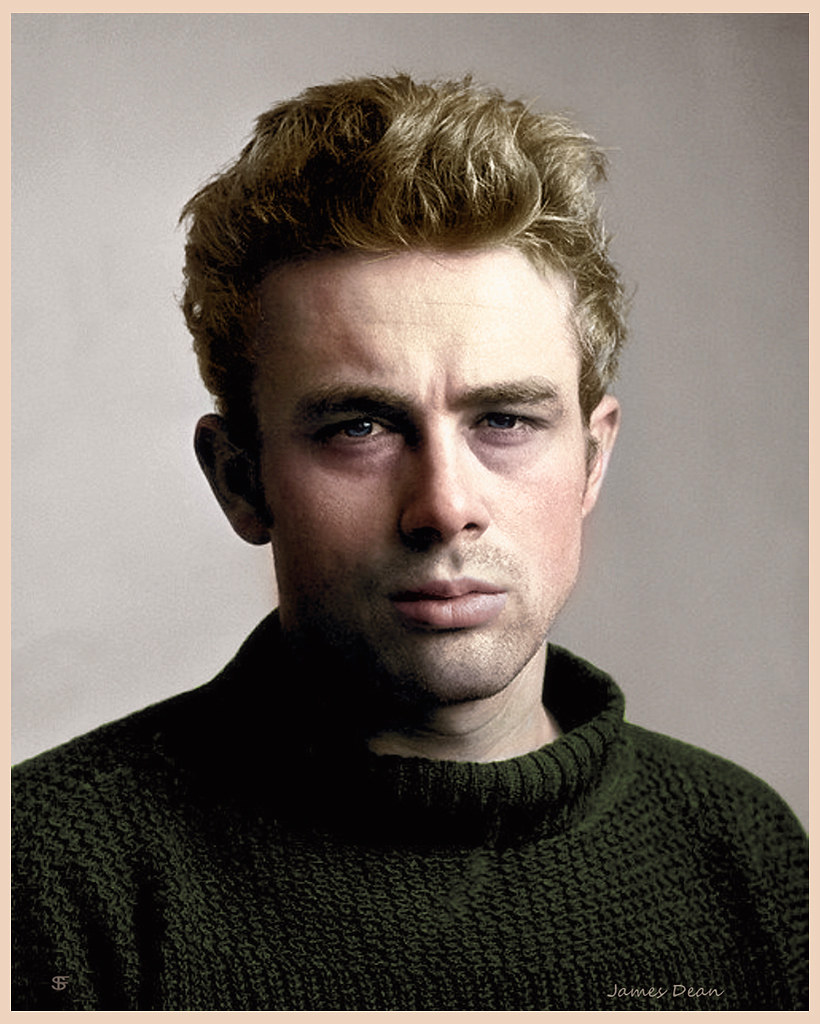
Kenneth Turan, a seasoned critic, aptly observed in 2005 that James Dean’s accident “catapulted Dean into a level of ‘live fast, die young’ fame so extraordinary.” This phrase, now synonymous with his name, perfectly encapsulates the phenomenon that surrounded his sudden departure. The confluence of his young age, striking good looks, immense acting ability, and the cataclysmic nature of his death created a perfect storm.
This potent combination rapidly transformed him from a rising star into an enduring legend, a status that “far exceeded what he might have achieved in life.” His image became the quintessential symbol of youthful rebellion, non-conformity, and tragic potential, resonating deeply with a generation searching for its own voice and identity.
Dean’s abrupt absence created a vacuum that Hollywood’s marketing machine and an entire generation of disaffected youth rushed to fill. He embodied a powerful cultural archetype, an ideal of restless energy and sensitivity that spoke volumes to the post-war teenage experience, setting a new standard for cool.
His legacy proves that a life “cut short at its peak can attain an immortality a long career rarely achieves.” The “live fast, die young” narrative, while tragic, provided a powerful framework for his enduring appeal, freezing him forever at the apex of his magnetic youth and enigmatic talent.
6. **The Architect of an Image: Dean’s Photographic Savvy**
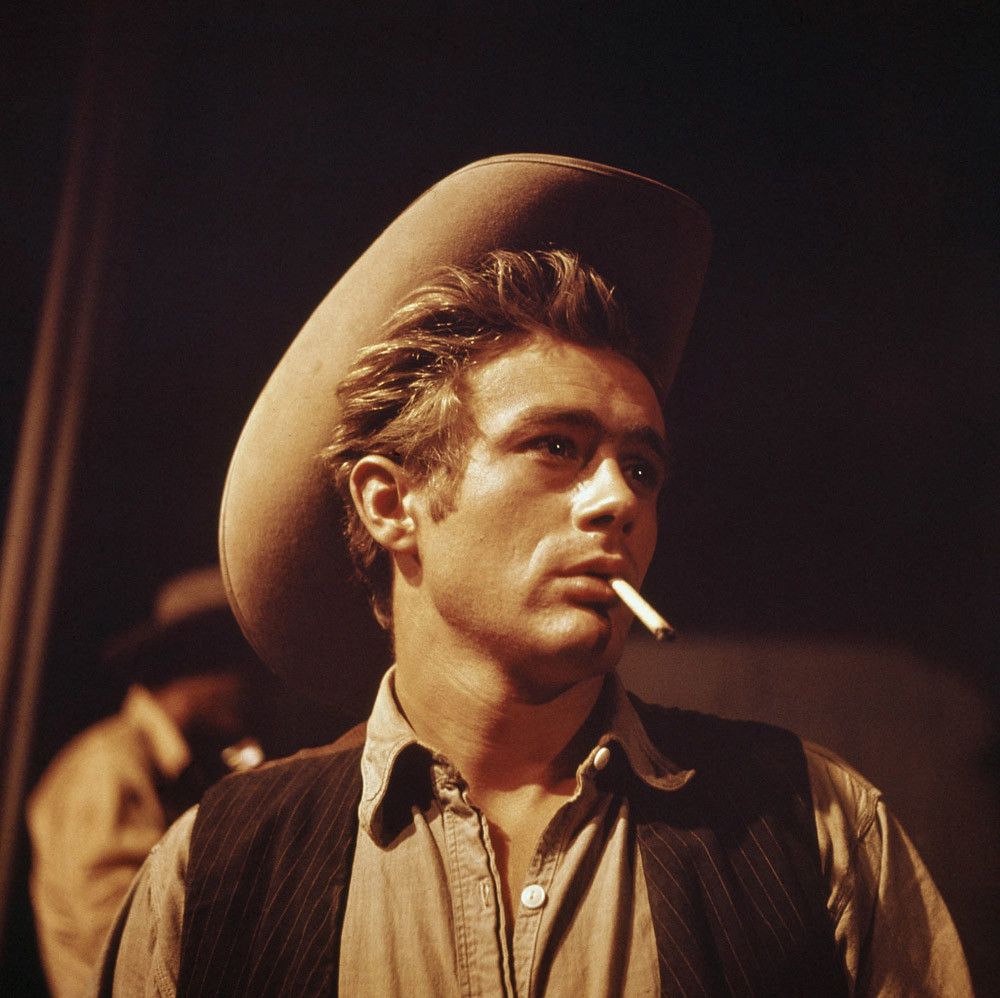
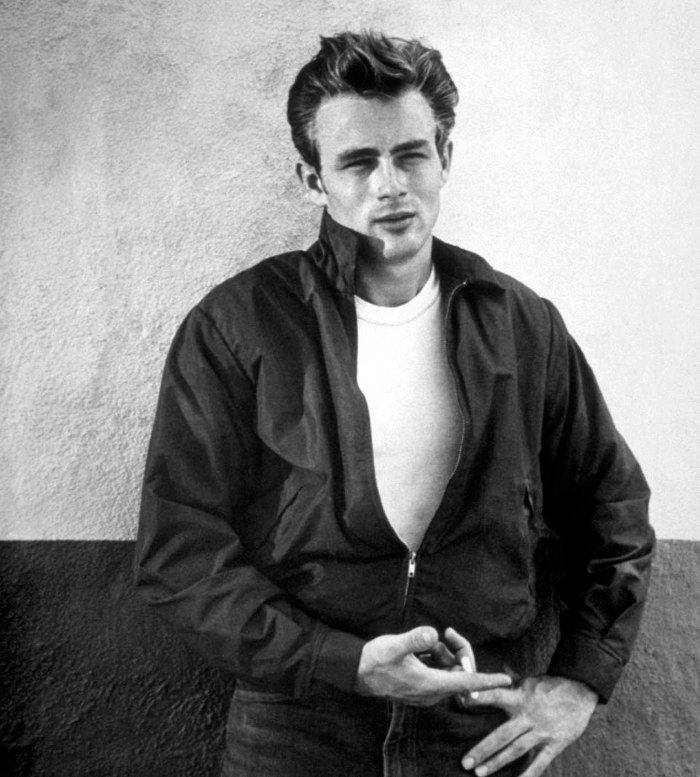
Beyond his transformative performances on screen, James Dean cultivated an equally powerful and enduring presence through still photography. It is, in fact, “difficult to think of another star who made such an impact with his still images,” a testament to his innate understanding of visual branding and self-presentation.
Dean was “photographed almost endlessly,” and remarkably, he looked “remarkable in just about every shot.” This was no mere accident of good fortune or natural photogenicity. He possessed a “preternaturally sophisticated” awareness of how to craft and control his public image, often reveling in being photographed off-set, a stark contrast to many of his contemporaries.
His ability to project a timeless coolness, whether in a white T-shirt, a leather jacket, or with a cigarette dangling from his pouty lips, created an aura that became instantly recognizable. These images were not just records of his existence; they were carefully composed statements that contributed significantly to his evolving mystique, becoming as central to his legend as his film roles.
His “timeless, almost androgynous good looks” and a “name as clean and uncluttered as his profile” were foundational elements of this visual impact. Dean understood the power of a single frame to convey emotion, rebellion, and an enigmatic depth, ensuring that his visual legacy would continue to captivate and inspire, decades beyond his final curtain call.
7. **The Cholame Crash Site: A Perpetual Shrine and Warning**
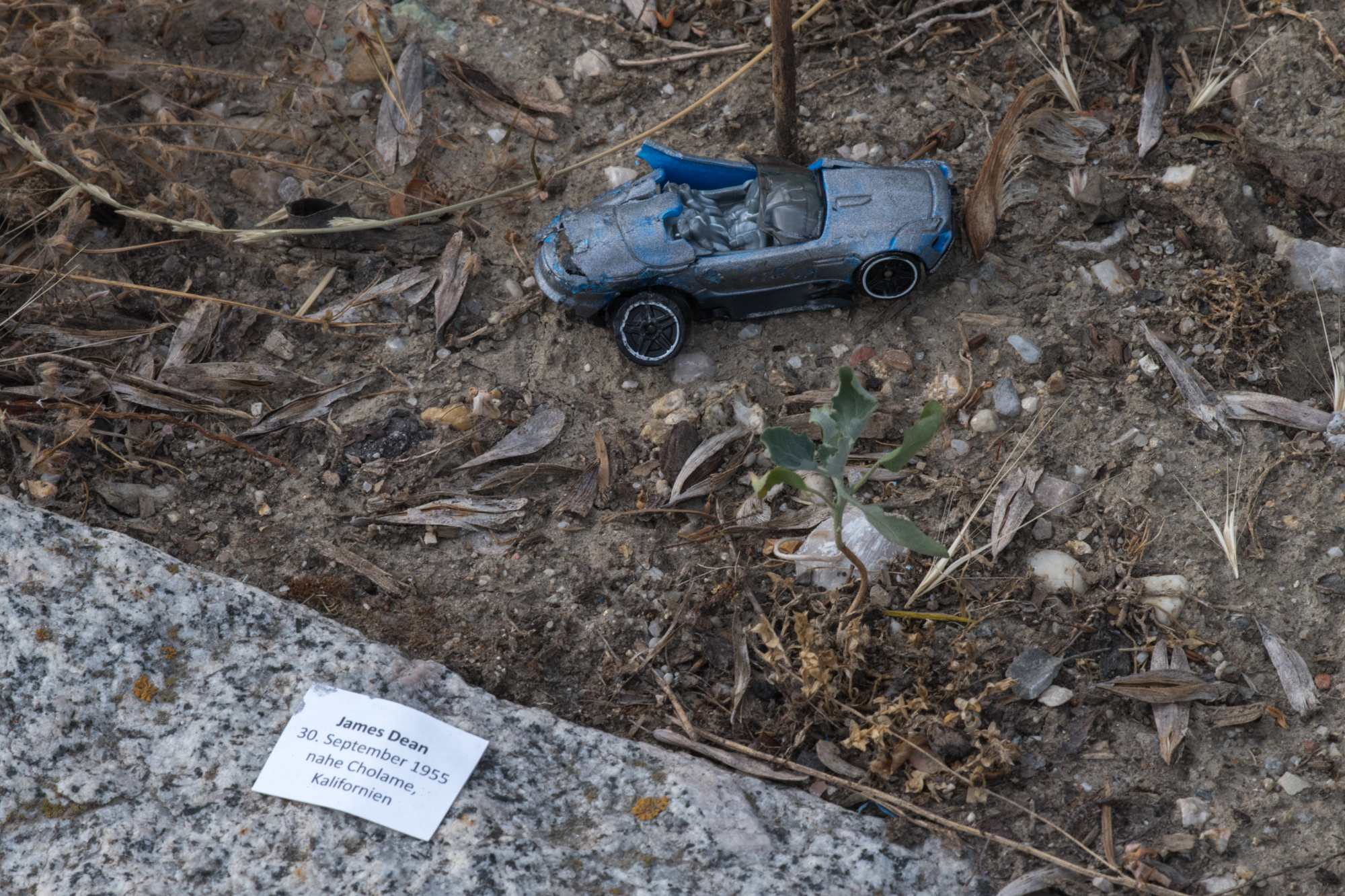
For decades, the desolate stretch of highway near Cholame, California, where James Dean’s Porsche “Little Bastard” met its tragic end, has drawn an almost religious pilgrimage from fans around the globe. This seemingly ordinary intersection, where State Highway 41 meets U.S. Route 466 (now Highway 46), transformed into hallowed ground, a silent testament to a life cut short and a legend born. Even after the original building at Blackwell’s Corner, Dean’s last stop, burned down long ago, devotees were “repeatedly caught trying to steal pieces of the old foundation,” a poignant indicator of the site’s enduring, almost sacred, significance.
The fatal crash point entered California lore not just as the scene of a celebrity’s demise, but as one of the state’s most famous traffic tragedies, a stark reminder of the highway’s perils. This notorious junction, often dubbed “Blood Alley” due to its history of frequent fatal accidents, transcended its mere geographical coordinates to become a powerful symbol of the dangerous allure of speed and destiny. Fans visit the site to commune with Dean’s ghost, leaving behind flowers, notes, and other personal tokens, transforming a tragedy into a site of communal mourning and continuous remembrance.
More than just a memorial, the site functions as a grim historical marker. The stories of Ron Nelson, the retired California Highway Patrol officer who arrived at the scene, and the casual questions still posed to cashiers at Blackwell’s Corner about “Jimmy Dean,” underscore how deeply this particular location is woven into the fabric of local legend and global fandom. It is a place where the past feels palpably present, where the echo of a sudden impact still reverberates in the minds of those who seek out the roots of a timeless myth.
8. **Revitalizing a Hallowed Spot: The Cholame Memorial’s New Lease on Life**
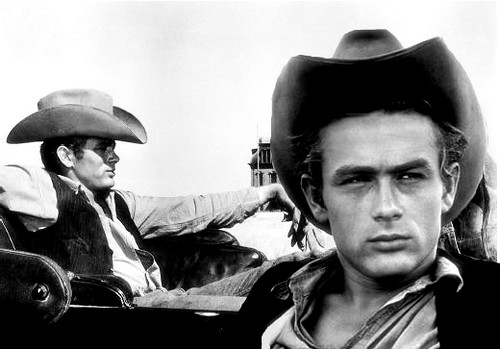
The enduring devotion to James Dean at his crash site led to the erection of a more formal memorial in 1977, spearheaded by Japanese superfan Seita Ohnishi. This monument has stood for nearly half a century, a visible beacon for fans, but like all things exposed to the elements and the touch of countless visitors, it began to show significant wear and tear, compounded by occasional vandalism. The sight of its slow deterioration was, for many enthusiasts, a source of profound sadness, signaling a potential fading of this tangible link to their idol.
Recognizing the urgent need for preservation, another dedicated Dean superfan, Neil Sheehan, stepped forward in late 2024 to initiate a comprehensive restoration effort. Sheehan coordinated a meticulous refurbishment from outside California, collaborating with local contractors to “disassemble and clean every part of the original steel sign.” This painstaking process also included landscaping the surrounding area and replacing any missing or damaged parts of the sign, benches, and plaques, bringing the memorial back to its former glory.
The scale of Sheehan’s personal commitment is remarkable: he financed the entire $30,000 cost of the refurbishment out of his own pocket. Furthermore, he has pledged ongoing financial support for bi-monthly landscaping and annual cleanings, ensuring the memorial’s sustained pristine condition for the foreseeable future. This passionate act of patronage reflects the profound, personal connection fans feel to Dean, transforming a deteriorating landmark into a vibrant, continuously cared-for testament to his enduring legacy, a place that “will stay looking good” for generations to come.

9. **Forging a New Path: The James Dean Memorial Highway**
The sustained focus on the Cholame crash site has also translated into official recognition and significant infrastructure improvements, fundamentally altering the very landscape where Dean’s fate was sealed. The intersection of Highways 41 and 46, famously dubbed “Blood Alley” due to its high incidence of fatal accidents, including Dean’s, has undergone a substantial reconstruction project. In June, Caltrans completed work on a new “flyover interchange,” a modern engineering solution designed to eliminate the perilous left turns that contributed to so many tragedies, effectively ending the dangerous legacy of the roadway.
Beyond these crucial safety enhancements, a more direct and lasting tribute to James Dean is now on the horizon. As the redevelopment of the “Y” progressed, the original state roadway signage marking the site of Dean’s death, installed in 2005, was carefully removed and now finds a place of honor in the James Dean Museum. In its stead, the California State Assembly has voted to pass Rep. Dawn Addis’ resolution to officially rename a four-mile stretch of Highway 46 the “James Dean Memorial Highway.”
This legislative act, awaiting final passage in the state Senate and slated for a ribbon-cutting in early 2026, marks a profound institutional acknowledgment of Dean’s cultural impact. It ensures that his name will be permanently etched into the very roadways that define his myth, transforming a site of tragedy into a continuous, public memorial. The highway, once a symbol of peril, will now also serve as a constant reminder of the young star whose dramatic life and death left an indelible mark on American consciousness, inviting future generations to ponder his legacy as they traverse the landscape.

10. **Fairmount, Indiana: The Enduring Heart of Dean’s Devotion**
While California holds the somber final chapter of James Dean’s life, his hometown of Fairmount, Indiana, serves as the vibrant, celebratory heart of his enduring legacy. Few towns, indeed, go “as all-out for their most famous son” as Fairmount, which has, for nearly five decades, hosted an annual festival dedicated to the late Hollywood heartthrob. This yearly gathering transcends a simple commemoration; it is a full-blown cultural immersion, drawing thousands of “Dean-iacs” who flock an hour north of Indianapolis every September.
The James Dean Festival is a spectacle of nostalgia, punctuated by a delightful array of “kitschy attractions worthy of a nostalgia-steeped carnival.” Attendees can enjoy a traditional fair with rides and ample popcorn, immerse themselves in the era with “Dancing in poodle skirts and rolled-up denim that evoke the 1950s,” or admire classic vehicles at an “antique car show, resplendent with Ford Mercury autos of ‘Rebel’ drag-race infamy.” The festival also features tribute band performances, often highlighting local talent, culminating in the crowning of a festival king and queen, embodying the communal spirit of celebration.
Christy Pulley Berry, the festival’s director, anticipates a crush of 25,000 visitors, a testament to the event’s widespread and sustained appeal. This fervent devotion in Fairmount, where Dean is affectionately known as “Jimmy” to locals, underscores a crucial aspect of his legend: his grounding in a real place, a community that nurtures his memory not just as a global icon, but as a beloved native son. It’s a place where the myth of James Dean is celebrated not just on screen, but through tangible, joyous community engagement, keeping his spirit alive in a uniquely personal way.
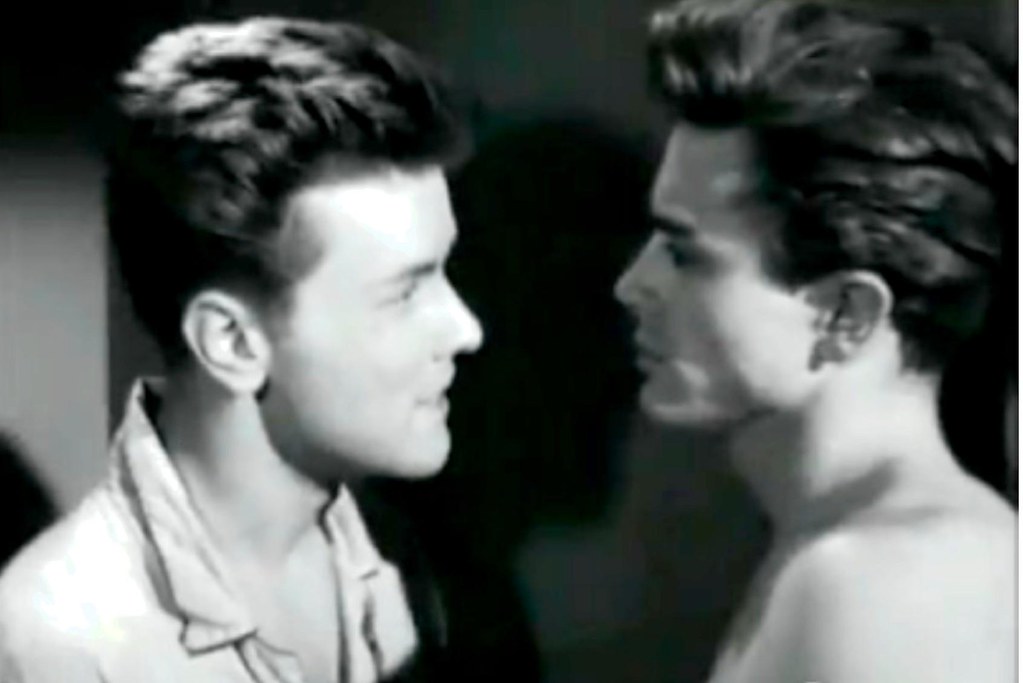
11. **The Mirror of Dean: Lookalike Contests and Immersive Fandom**
Among the many captivating attractions at the James Dean Festival in Fairmount, Indiana, the lookalike contest stands out as “the big draw” and a particular favorite of festival director Christy Pulley Berry. This event is far more than a casual competition; it’s a testament to Dean’s instantly recognizable image and the fervent desire of fans, young and old, to embody his iconic cool. The contest, which includes categories for both adults who witnessed his films in theaters and children whose parents were not even born when he died, showcases the cross-generational appeal of his persona.
The seriousness with which contestants approach this challenge is truly remarkable. Michael John Gross, a 24-year-old Gen Z fan and a three-time winner, exemplifies this dedication, describing his discovery of Dean’s style during a “transitional period” of self-discovery. Younger participants, like 14-year-old Cash Croy, meticulously study Dean’s movements and cinematic wardrobe, planning to wear a “scarlet ‘Rebel’-worthy jacket” because “whenever you think of James Dean, you think of race cars, red jackets or motorcycles.”
Some impersonators elevate the performance to an art form, going as far as to “recreate whole film scenes.” One memorable entrant doused himself in gooey molasses to simulate the iconic “Giant” scene where Dean’s character, Jett Rink, strikes oil. This level of immersive fandom highlights the desire not just to look like Dean, but to inhabit his roles, his essence, and his dramatic screen presence. These contests are a powerful, interactive expression of reverence, allowing fans to not only appreciate but actively participate in the perpetuation of the James Dean legend.
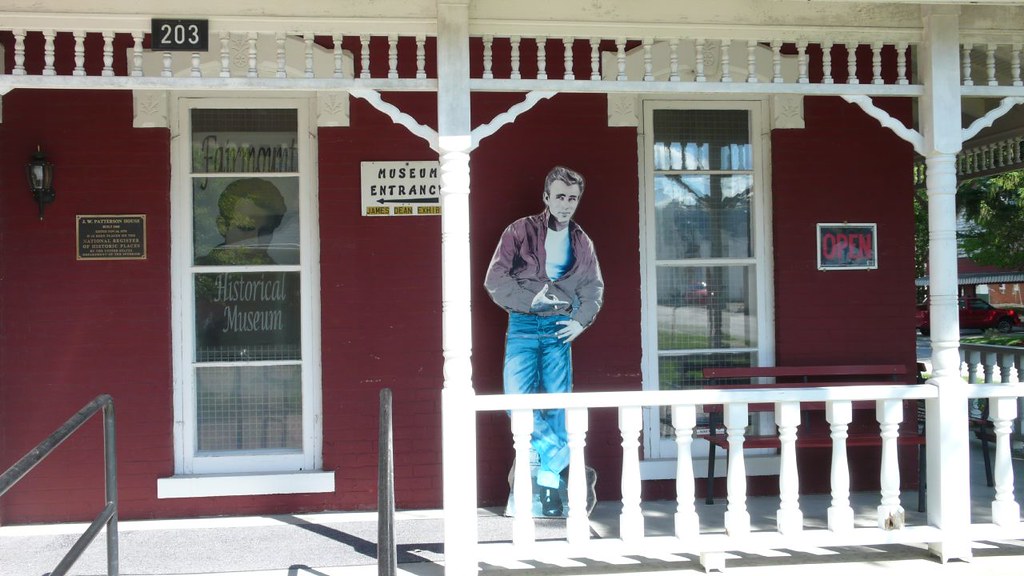
12. **Preserving the Mystique: Museums, Memorabilia, and Cross-Generational Appeal**
The collective effort to preserve James Dean’s legacy extends beyond memorials and festivals, finding a permanent home in dedicated institutions that safeguard his memory and extensive memorabilia. Fairmount, Indiana, proudly supports not only the James Dean Museum, directed by Christy Pulley Berry, but also the James Dean Gallery, a “Victorian space restored” by Massachusetts native David Loeher. Loeher, who moved to the “Norman Rockwell-looking town” in 1984, has amassed what is widely considered “among the largest private collections of Dean memorabilia in the world,” offering an unparalleled glimpse into the star’s life.
The newly expanded James Dean Museum, celebrating its 50th anniversary in a 2024 building with 4,000 of its 6,000 square feet devoted to Dean, houses particularly treasured items. Dean’s cousin, Marcus Winslow, shared exciting discoveries such as Dean’s “original motorcycle” found a few years ago. Even more intimately, the museum features a “1949 Ford that Dean used to drive his date to a school prom,” a story made more personal by Winslow’s revelation that the date was his wife’s sister, weaving Dean’s personal life directly into the fabric of local history.
This dedication to physical artifacts and personal anecdotes contributes significantly to Dean’s “preserved image of beauty” and his ongoing magnetism, building “cross-generational fan curiosity about a bygone era and a life still steeped in mystery.” His status as “this image of cool” endures, drawing young fans like Michael John Gross, who notes Dean “could be seen as a queer icon, too,” alluding to rumors of his biuality. This layering of interpretation, combined with his “golden age of American culture” appeal, ensures that Dean’s enigma continues to resonate deeply, making him a perpetual subject of fascination and a unifying icon for successive generations.
Seventy years may have passed since that fateful California evening, but James Dean’s star remains undimmed, a celestial constant in the ever-shifting firmament of pop culture. His brief, incandescent life, frozen forever at its zenith, continues to captivate, to provoke, and to inspire. From the solemn tributes at his crash site, now carefully restored and enshrined, to the jubilant celebrations in his Indiana hometown, complete with lookalike contests and meticulously preserved relics, his legacy is not merely remembered; it is actively, passionately lived. Dean’s raw talent, enigmatic charm, and the tragic poetry of his untimely departure have woven an immortal tapestry, proving that some legends, like a perfectly cast rebel, truly never go out of style.