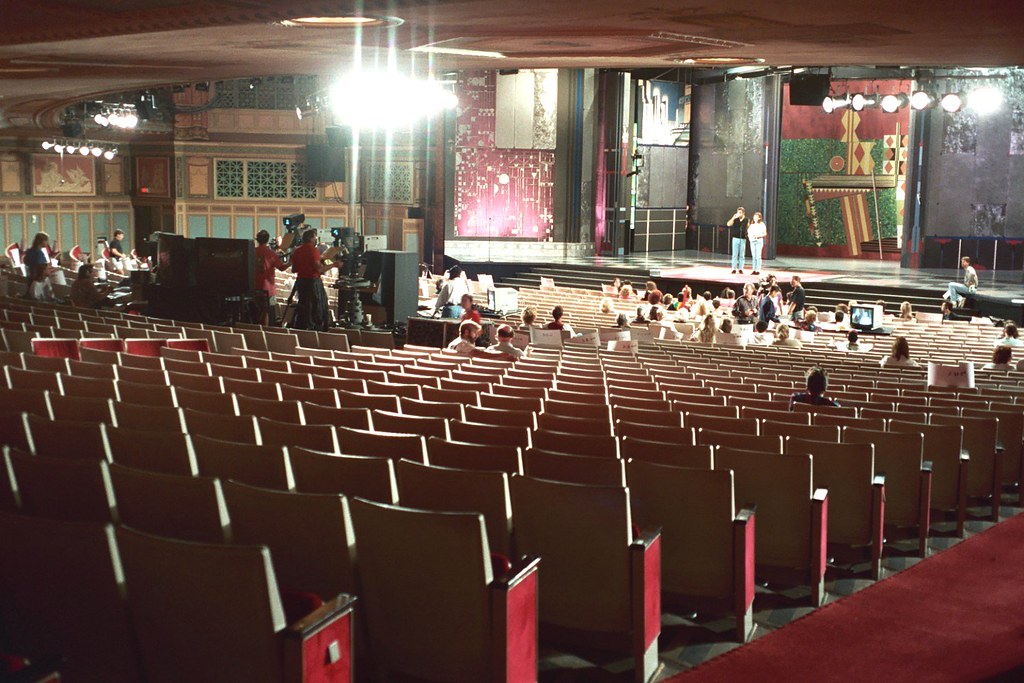
The United States has long been considered the ultimate prize for international musicians, a vibrant arena offering unparalleled touring infrastructure, massive audiences, and exposure to influential media. For countless artists across genres and continents, breaking into the U.S. market has been a career-defining aspiration, a beacon of opportunity. Yet, beneath the glimmering promise of the American stage, a storm of bureaucratic hurdles, escalating costs, and a chilling political atmosphere has been brewing, threatening to silence the very voices it once sought to attract.
In recent months, an increasing number of international artists have found themselves caught in a perplexing and often punitive system, leading to the heartbreaking cancellation of U.S. tours and showcases. The reasons are multifaceted, echoing a shared unease that transcends musical styles: a pervasive fear of detention, denial of entry, or becoming entangled in an unforgiving bureaucratic limbo. This unfolding crisis suggests that the “book” on international touring in the U.S. is not just being rewritten, but perhaps even discarded entirely.
The challenges artists face are not entirely new; the U.S. has historically been one of the most expensive and complex countries for touring performers. However, the current climate, marked by heightened political volatility, arbitrary enforcement, and an explicit indifference to cultural exchange, has intensified these long-standing issues, pushing artists and their support networks to a critical tipping point. We delve into the stories of several musicians who, despite their passion and meticulous preparation, were ultimately forced to choose caution over the stage, retreating from an American dream that had become too risky, too costly, or simply too unwelcoming.

1. **Shred Kelly**
Canadian indie-folk band Shred Kelly had diligently done everything “by the book,” meticulously preparing for their spring U.S. tour. They had secured an immigration lawyer, obtained their visas, and lined up a coveted slot at Idaho’s Treefort Music Festival, a significant opportunity booked in partnership with Music BC, a nonprofit promoting talent from British Columbia. This was not their first foray into international circuits, having already toured Europe seven times, the U.K. twice, and performed in the United States twice, all within eight years.
The financial and logistical investment for this tour was substantial, underscoring their commitment to breaking into a bigger market just south of home. Expedited processing for their visas alone cost Shred Kelly more than $5,000 CAD, alongside an additional $1,500 to join the American Federation of Musicians—a requirement for securing visa approval. The band spent weeks compiling a meticulous binder of documents, contracts, and tour dates, ready for presentation at the border, just in case they were detained or separated.
Despite their diligent preparation, an undercurrent of anxiety ran through the band. Vocalist and keyboard player Sage McBride noted, “But we’ve never received so many messages from people worried about our travel plans.” These concerns were amplified by a steady stream of alarming reports detailing the arrest and detention of other Canadian and European travelers at the U.S. border, including a Welsh backpacker, a Canadian actor on a work visa, and a German tourist, painting a grim picture of unpredictable enforcement and prolonged detentions.
The escalating unease culminated in a crucial band meeting in late March, just days before their scheduled Treefort debut. The question that had been silently weighing on everyone finally surfaced: “Do you think we should even go?” This internal debate reflected a broader sentiment among international artists grappling with the perceived instability and the very real risks associated with entering the U.S. under the prevailing conditions of “when it seems like the book is being rewritten.”
Ultimately, Shred Kelly made the difficult decision to cancel their Treefort appearance at the end of March, followed by all their remaining U.S. dates—three gigs in May, a string of summer shows, and another run in the fall. McBride articulated their reasoning, stating, “We weren’t confident with crossing the border. We needed more time. We couldn’t take the risk. It just didn’t feel like it was worth it.” Despite having their visas and gigs, the intangible element of trust had eroded, leading them to prioritize peace of mind over the potential rewards of the U.S. market, a potent symbol of how “fear is the new border.”
Read more about: Beyond the Limelight: 15 Celebrities Who Bravely Served in the Vietnam War
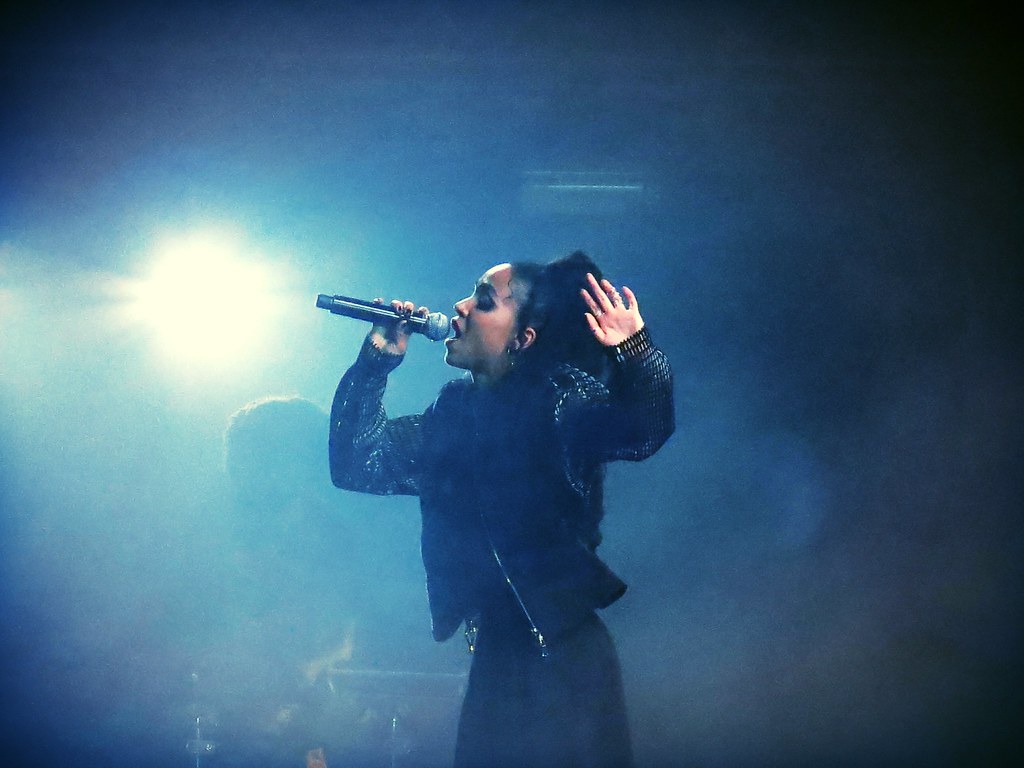
2. **FKA Twigs**
Even for artists possessing significant name recognition and robust legal teams, the U.S. immigration system can prove to be an insurmountable barrier. British singer-songwriter FKA Twigs, a celebrated artist with a global following, tragically experienced this firsthand just as her highly anticipated Euua tour was set to unfold. Her situation starkly illustrated that the complexities and costs of securing U.S. performance visas are not merely a burden for emerging acts but can ensnare even superstar talents within its notoriously byzantine framework.
The initial news brought a postponement of shows in major cities like New York, Chicago, and Toronto, attributed to “visa paperwork issues.” This early setback was undoubtedly a blow to both the artist and her dedicated fanbase, foreshadowing deeper troubles within the intricate U.S. entry process. FKA Twigs herself described the news as “heartbreaking,” a sentiment that resonated with many in the music industry who understood the immense effort and emotional investment behind planning such a demanding international tour.
Unfortunately, the initial postponement was not the end of the struggle. On April 5, citing “ongoing visa issues,” FKA Twigs took to social media to deliver the devastating announcement of the cancellation of all her remaining North American tour dates for April. This included high-profile appearances at festivals such as Ceremonia and Coachella, representing a significant loss for both the artist and the festivals themselves, and a testament to the persistent and unpredictable nature of these visa challenges.
Her case served as a high-profile example of how even meticulous planning and substantial budgets cannot fully insulate international artists from the capricious nature of the U.S. visa system. The O-1B visa, intended for individuals with “extraordinary ability” in the arts, and the P-1B, for members of internationally recognized performance groups, both demand months of preparation and thousands of dollars, yet provide no guarantee of smooth entry or timely processing, as FKA Twigs unfortunately discovered.
This cancellation underscored a critical point made by experts like Matt Covey, executive director of Tamizdat, that the bureaucratic gauntlet of sponsoring petitions, compiling mountains of supporting materials, obtaining consultation letters from labor unions, and navigating the often-lengthy wait times of USCIS can derail even the most established careers. Her experience highlighted how the process, often described as feeling “less like a process and more like a warning: ‘For some, proceed at your own risk.’ For others, ‘stay out’,” is becoming increasingly inhospitable for performers across the spectrum of fame.
Read more about: From Red Carpet Royalty To Public Pariahs: 14 Actors Who Lost Everyone’s Respect (And Why)

3. **UK Subs**
Beyond the labyrinthine visa application process, the final and often most unpredictable hurdle for international artists entering the U.S. lies at the port of entry itself. U.S. Customs and Border Protection holds the ultimate authority, possessing the power to deny entry on the spot, irrespective of prior visa approvals. This discretionary power introduces a chilling element of uncertainty, where a meticulously planned tour can crumble from an airport terminal after months, or even years, of preparation.
A stark illustration of this formidable power came in March 2025, when the British punk band UK Subs was denied entry to the U.S. following an exhausting 11-hour flight. Bassist Alvin Gibbs recounted a harrowing experience, stating he was detained for 25 hours before ultimately being deported. This incident sent ripples through the international touring community, highlighting the acute vulnerability of artists even after securing all necessary paperwork and enduring lengthy travel.
What made the UK Subs’ situation particularly concerning were the underlying suspicions surrounding the denial. Alvin Gibbs publicly stated his belief that his open public criticism of President Donald Trump may have played a significant role in his deportation. This introduced the unnerving possibility that political views, even expressed outside U.S. borders, could become grounds for exclusion, transcending purely immigration-related technicalities and delving into ideological scrutiny.
The incident resonated deeply with the broader atmosphere of “extreme vetting” introduced during Trump’s first term, which saw foreign artists facing mounting delays and heightened scrutiny. The State Department’s supplemental visa form DS-5535, for example, required applicants to submit extensive personal history, including social media handles and funding sources, raising profound concerns about surveillance and the potential for ideological screening. The UK Subs’ experience fueled fears that this scrutiny could extend to public opinion and artistic expression.
Their ordeal underscored a critical shift where border agents might be perceived as having increasing leeway to act on vague or unstated criteria, blurring the lines between immigration enforcement and ideological policing. For artists, this adds an entirely new layer of risk: not only must their paperwork be flawless, but their public persona and political leanings might also be under scrutiny, creating a chilling effect on artistic expression and participation in public discourse. As Andrew Cash, president of the Canadian Independent Music Association, observed, “Like, we always understood that U.S. border agents can look through your phone, your social media… But I had never heard of that actually happening. Until now.”
Read more about: The 12 SUVs Built to Last: Our Definitive Guide to Vehicles Guaranteed for 250,000 Miles
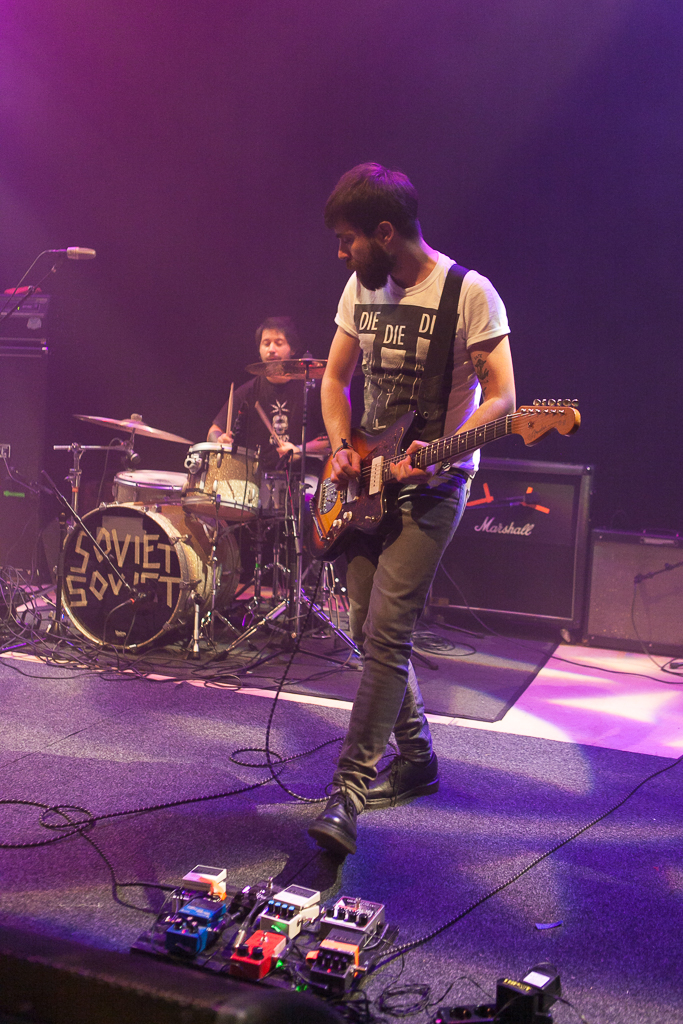
4. **Soviet Soviet**
The unpredictable nature of U.S. border entry, even for artists with approved visas, has unfortunately been a recurring theme, causing significant disruptions and financial losses across the music industry. The experience of the Italian post-punk band Soviet Soviet serves as another stark example of how, despite careful planning and official invitations, international tours can be abruptly and inexplicably derailed at the final gateway into the country, leaving artists stranded and their investments lost.
In 2017, Soviet Soviet arrived in the U.S. ready to perform at the renowned South by Southwest (SXSW) showcase, a pivotal platform for emerging and established artists alike. This festival is a crucial opportunity for international acts to gain exposure to the U.S. industry and audiences, making their presence there a testament to their rising profile and the significant investment they had already made in the tour, both financially and creatively.
However, their aspirations were shattered upon arrival. According to NPR, the band was deported due to “visa issues.” This outcome, following an international flight and with a major festival appearance looming, highlighted the immense, almost absolute, power wielded by U.S. Customs and Border Protection. It demonstrated that even with a purported “work visa” or equivalent approval, entry is not guaranteed until a border agent explicitly grants it, often without clear explanation.
The incident with Soviet Soviet contributed to a growing narrative among international artists and their teams: that the U.S. system, while demanding rigorous and costly preparation, still retains an arbitrary element at its final stage. This unpredictability creates a climate of profound risk, where thousands of dollars and months of planning can be nullified in a moment, often without clear recourse or consistent standards for appeal, fostering a sense of helplessness.
Their deportation, along with other similar cases, served as a potent warning about the precariousness of international touring in the U.S. It underscored that the journey involves a multitude of agencies and institutions, each with its own rules, fees, and timelines, and a single misstep or a seemingly inexplicable decision at the border can collapse an entire endeavor. This adds to the “red tape looks more like ribbon” comparison, but when an artist is denied entry, that ribbon can feel more like “razor wire.”
The challenges faced by artists like Shred Kelly, FKA Twigs, UK Subs, and Soviet Soviet reveal a system not just burdened by bureaucracy, but one increasingly influenced by political volatility and, at times, overt ideological scrutiny. As we delve deeper, it becomes clear that the impact extends beyond logistical nightmares, touching the very core of artistic freedom and cultural exchange. The stories that follow highlight how personal convictions, political expressions, and even identity are now factoring into whether international artists can share their gifts on American stages, leading to heartbreaking cancellations that ripple through the global music community.
Read more about: A Final Bow: Remembering 11 Iconic Stars We Lost in 2025

5. **Sir András Schiff**
The esteemed Hungarian-born pianist, Sir András Schiff, made an unequivocal statement by recently canceling all of his highly anticipated 2025 U.S. performances. His decision was not driven by visa complications or logistical hurdles, but by a profound moral stance, openly citing President Trump’s “unbelievable bullying” as the catalyst for his withdrawal. This was a striking example of an artist refusing to separate his craft from the political realities he observed, demonstrating a deep conviction that art and society are inextricably linked.
Schiff’s scheduled appearances included a prestigious stop at Walt Disney Concert Hall, a significant loss for Los Angeles audiences. The Los Angeles Philharmonic, like many other affected venues, was compelled to find a replacement, with Yefim Bronfman stepping in at a later date. Such cancellations, particularly from artists of Schiff’s stature, send a clear message about the perceived unwelcoming nature of the U.S. cultural landscape under current political conditions.
His public statement was a powerful admonition of contemporary American politics, rejecting the notion that artists should “just shut up and play.” Schiff passionately argued, “We do not live in an ivory tower where the arts are untouched by society. Arts and politics, arts and society are inseparable. Therefore, as artists, we must react to the horrors and injustices of this world.” He starkly questioned, “Have we learned nothing from the course of history — as recently as Europe in the 1930s? Perhaps not.”
This comparison to a dark chapter in European history underscored the gravity of his concerns, suggesting a disturbing resonance with a past where cultural expression was suppressed under totalitarian regimes. For Schiff, the prevailing political climate in America had created a fundamentally different “town” — one that he felt morally compelled to avoid. He concluded with a poignant declaration: “The American people have spoken — and we have heard them. Yes, indeed, there is a ‘new sheriff in town.’ Which has made it a very different ‘town’ — one that some of us no longer wish to visit. It is no longer obligatory.”
His actions serve as a powerful testament to the idea that cultural boycotts can be a legitimate form of protest, emphasizing that for some, the integrity of their artistic expression and personal values takes precedence over career opportunities, even in the world’s largest music market. This sentiment resonates deeply with many who believe that art has a vital role in critiquing power and upholding democratic ideals, even when it means making difficult sacrifices.
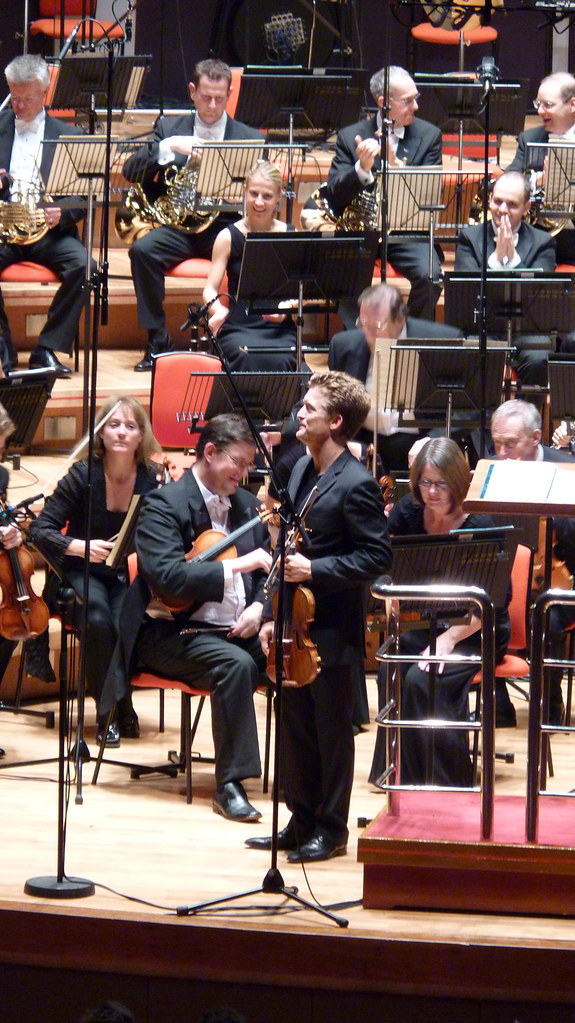
6. **Christian Tetzlaff**
Following closely on the heels of Schiff’s powerful statement, German violinist Christian Tetzlaff also found himself profoundly affected by the political atmosphere in the United States, describing a deeply unsettling experience during a performance in Chicago. He candidly shared with *The New York Times* that while in America, he felt “like a child watching a horror film,” a visceral reaction that speaks volumes about the palpable tension and unease permeating the country. This raw sentiment captured the fear that many international visitors, particularly artists, are now experiencing.
This deeply personal and unsettling feeling prompted Tetzlaff to make the difficult decision to cancel an entire eight-city U.S. tour with his eponymous quartet. This was not a minor adjustment but a comprehensive withdrawal from some of America’s most iconic cultural institutions. His canceled engagements included performances at the renowned Carnegie Hall and the Kennedy Center, both symbols of artistic excellence and global cultural exchange, as well as a stop at the Irvine Barclay Theatre in Orange County.
The cancellation of such high-profile concerts at revered venues highlights the significant cultural toll that this political climate is exacting. It is not just emerging artists grappling with entry; even established masters like Tetzlaff, who previously graced these stages, are now choosing to retreat. His decision underscored a growing concern within the international classical music community that the U.S. is becoming less hospitable, its political rhetoric casting a long shadow over its cultural prestige.
Tetzlaff’s experience, articulated with such evocative imagery, resonates with the broader sentiment of artists who feel that the current U.S. environment is antithetical to the open, collaborative spirit of the arts. His withdrawal, along with Schiff’s, suggests a tipping point where the discomfort and moral objections outweigh the professional benefits of touring in America. It’s a stark reminder that the “extreme vetting” extends beyond border checks to a psychological and emotional burden on performers.
His candid description of feeling like a “child watching a horror film” serves as a powerful metaphor for the bewildering and frightening unpredictability that many international visitors perceive in the U.S. today. This emotional impact is as significant as any bureaucratic or financial barrier, creating an environment where artistic sensitivity and a desire for peace of mind override the allure of American audiences, leaving a void on U.S. stages.
7. **Los Alegres del Barranco**
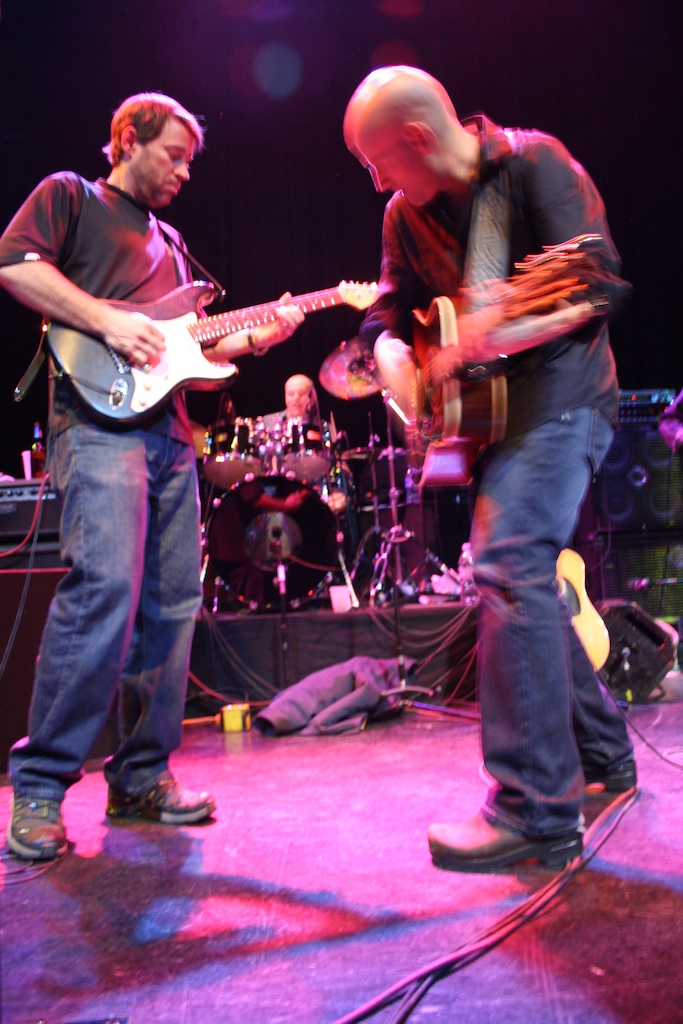
The consequences of perceived ideological clashes are not limited to the refined world of classical music; they extend vividly into other genres, demonstrating how swiftly artistic expression can collide with U.S. policy. The Mexican band Los Alegres del Barranco learned this lesson firsthand when their visas were abruptly revoked, following a performance where they sang a song praising a cartel kingpin. This incident dramatically intensified concerns within the touring community about the boundaries of free expression for international artists on American soil.
The State Department swiftly cited imagery from the controversial performance as justification for their decisive action. A top official made the administration’s stance unequivocally clear, declaring, “The last thing we need is a welcome mat for people who extol criminals and terrorists.” This firm position highlighted an emerging criterion for entry: not just legal compliance, but alignment with U.S. national security and public morality narratives, particularly concerning content deemed to glorify illicit activities.
This incident served as a stark warning to all international artists. It underscored that public statements, lyrics, or even visual elements of a performance, particularly if widely publicized, could be grounds for visa revocation or denial of entry, effectively chilling artistic expression. The implication is clear: what artists choose to “say — or sing” can now directly “cost you” your ability to perform in the United States, adding a layer of self-censorship to an already complex touring environment.
The revocation of Los Alegres del Barranco’s visas was part of a broader trend, as evidenced by a late March State Department action that saw more than 300 visas revoked, many in response to political activism by students. Critics viewed this as a “broader warning shot” for anyone whose speech, art, or affiliations might be deemed controversial by the current administration, demonstrating an expanding scope of governmental scrutiny beyond traditional immigration offenses.
For artists and their representatives, these actions create an untenable situation where the risks associated with artistic content—especially that which might be interpreted as politically or socially inflammatory by U.S. authorities—become too high. It raises profound questions about the universality of artistic freedom and whether the U.S. is truly committed to open cultural exchange when expressions that challenge its narratives can lead to immediate and severe professional repercussions.
8. **Bells Larsen**
The evolving landscape of U.S. immigration policy has not only impacted those with overtly political stances or controversial lyrics but has also begun to affect artists on a deeply personal level, particularly regarding identity. Canadian singer-songwriter Bells Larsen’s journey beautifully illustrates this, as his new album, *Blurring Time*, was a profoundly personal exploration of his gender identity, a project four years in the making. He painstakingly recorded tracks in both his pre-testosterone and post-deepened voice, creating a powerful harmony with his past self, offering a rare and vulnerable representation of the trans experience in media.
*Blurring Time* resonated deeply with fans, and with the album’s success, Larsen was preparing for his first U.S. tour, with eagerly awaited dates scheduled in major cities like New York, Boston, Los Angeles, and San Francisco. This tour represented not just a career milestone, but an opportunity to share his authentic self and his unique narrative with a broader audience, bridging geographical and cultural divides through his music.
However, in late March, his plans came to an abrupt and heartbreaking halt. Larsen received an email from the American Federation of Musicians, alerting him to a critical policy update from U.S. Citizenship and Immigration Services (USCIS) issued on April 2. This new policy explicitly stated that USCIS would only recognize two “biological es, male and female,” as assigned at birth. For Larsen, who had already legally changed his gender marker on his passport, this policy presented an insurmountable conflict.
After seeking urgent legal advice, Larsen was faced with an agonizing decision: he had no choice but to cancel his entire U.S. tour. “It’s really heartbreaking,” he shared, a sentiment echoing the deep disappointment and frustration felt by artists encountering such rigid and exclusionary policies. This specific instance highlights how seemingly innocuous bureaucratic changes can have devastating effects on individuals whose identities do not conform to narrow governmental definitions, effectively creating a new barrier to entry based on personal identity.
Larsen’s experience serves as a sobering reminder that the “book” on international touring in the U.S. is not merely being rewritten in terms of costs and logistics, but also in terms of who is deemed “welcome.” The explicit recognition of only two biological es by USCIS creates a chilling precedent, signaling that discriminatory policies could extend beyond political views to encompass personal identity, effectively sidelining artists whose very existence challenges these narrow definitions. For artists like Bells Larsen, the dream of an American stage has been rendered inaccessible by a policy that fundamentally misunderstands and disregards their authentic self.
The cultural toll of this evolving political landscape in the United States cannot be overstated. From the profound moral stances of classical maestros like Sir András Schiff and Christian Tetzlaff, who refuse to perform in what they perceive as an increasingly unwelcoming political climate, to the direct ideological policing faced by groups like Los Alegres del Barranco for their artistic content, and the deeply personal impact on artists like Bells Larsen due to discriminatory identity policies—the message is clear. America, once the ultimate prize and an unrivaled global stage, is making itself harder to access, not just through financial and bureaucratic hurdles, but through an atmosphere that stifles open expression and cultural diversity. While many still believe in the enduring power of cultural exchange, and some Canadian artists, as Andrew Cash stresses, are determined to continue, the reality for a growing number of international talents is that “the show must go on. But for more and more artists, it’s going somewhere else.” This retreat risks transforming the U.S. into a cultural blind spot, an ironic and self-imposed isolation in an interconnected world, demonstrating that a nation closing its borders to art ultimately shuts itself in.
:max_bytes(150000):strip_icc()/GettyImages-2153484937-6fd33d1db8754df6a82930c2dc7125ed.jpg "Chrissy Teigen’s Daring Style: How She Rocked Blazer With the Biggest Bow")