Owning a car brings with it a unique blend of freedom and responsibility. While the open road beckons, so too does the inevitable reality of maintenance and repairs. And let’s be honest, few things trigger that familiar knot of dread quite like an unexpected car repair bill. It’s a sudden expense that can swiftly drain your wallet, made worse by the fact that prices for motor vehicle repairs are currently skyrocketing, up 11.6% in the past year alone.
But here’s the empowering truth: you don’t have to passively accept every quote that comes your way. Just as you’d haggle for a good deal on a new car or a major appliance, the cost of fixing your vehicle can often be negotiated. It’s a skill that many drivers overlook or find intimidating, but with the right approach, you can gain significant control over your expenses and ensure you’re getting a fair price for quality work.
This in-depth guide is designed to transform you from a passive recipient of repair bills into a savvy negotiator, capable of saving hundreds of dollars. We’ll walk you through practical, actionable steps and insider tips to navigate the often-tricky world of auto repairs, empowering you to make informed decisions and secure the best possible deals. Let’s dive in and unlock the secrets to saving big on your next repair.

1. **Understand the Auto Repair Estimate**Before you can effectively negotiate anything, you need to understand the baseline – what exactly is an auto repair estimate? Simply put, it’s a written assessment provided by a repair shop or mechanic, detailing the expected costs to fix your vehicle. This document isn’t just a random number; it’s a guide outlining the necessary repairs, the specific replacement parts required, and the associated labor costs involved in getting your car back in shape.
Think of it as your initial roadmap for the repair journey. It gives you a clear idea of what to expect, the extent of the damage your vehicle has sustained, and the work that will be performed. By carefully reviewing this document, you equip yourself with the foundational knowledge needed to engage in any meaningful discussion with your chosen service provider.
Now, you might be wondering, “Are these auto repair estimates set in stone?” The honest answer is, not quite. While they are certainly intended to provide an accurate projection of the costs, the final bill can still vary. Several factors can influence the final amount, such as the discovery of additional problems once the repair process has begun, or the unexpected need for more expensive parts that weren’t initially anticipated.
This is precisely why good communication with your chosen repair shop is paramount. They should keep you informed in case there are any changes that may affect the initial estimate. Staying engaged and asking questions about any deviations from the original quote will help you avoid unwelcome surprises when it’s time to settle the bill. Being aware that estimates can fluctuate allows you to be prepared and proactive.
Read more about: Mechanic’s Crucial Warning: 15 Popular Vehicles That Turn into Costly Financial Traps Well Before 120,000 Miles

2. **Know What’s Negotiable (and What Isn’t)**One of the most crucial steps to successful negotiation is understanding which elements of an auto repair estimate are flexible and which are generally fixed. Not everything on your bill is open for discussion, and trying to haggle over non-negotiable items can be counterproductive. Being informed about these distinctions allows you to focus your efforts where they’ll have the most impact.
You often have room to negotiate the price for labor and parts. When you receive an auto repair price estimate, take the time to review the individual costs for both. In some instances, you may be able to secure a lower price if you can provide alternative parts that are of the same quality but come at a reduced cost. It’s worth noting, however, that not all repair shops are open to this, especially those with established relationships with specific parts suppliers. So, if you’re considering this, be prepared for potential refusal.
Beyond labor and parts, various associated fees might also be included in your estimate. These can take the form of diagnostic charges for identifying the problem or storage fees for keeping your vehicle on the premises. These are often potential negotiation points, particularly if you feel that certain fees are unnecessary or if you can locate another shop that offers the same services without these extra costs. You can also discuss and potentially negotiate the scope of work itself. By having a good understanding of the necessary repairs, you can engage in a meaningful conversation with your shop to determine which services are truly essential and which ones might be skipped, potentially reducing the overall cost.
On the flip side, some elements are typically non-negotiable. Market rates for skilled labor, for example, have limits. Technicians set their service prices based on expertise, experience, and prevailing market rates. Trying to significantly or drastically reduce labor costs may compromise the quality of the repair, and it’s crucial to balance cost considerations with the need for skilled, reliable work. If your repair is covered by insurance, the prices are subject to your policy’s dictates, making negotiation generally not an option as the shop works within the insurer’s framework. Lastly, emergency repair charges, for prioritizing immediate work, are usually fixed, leaving little room for negotiation. Knowing these boundaries helps you negotiate wisely and effectively.
3. **Do Your Homework & Research Thoroughly**Understanding the issue at hand is fundamentally important to bargaining car repair prices effectively. This process begins with an extensive analysis of the specific problem your vehicle is facing, whether it’s a mechanical issue, an electrical impairment, or cosmetic damage. Don’t rely solely on the mechanic’s initial assessment; empower yourself with knowledge.
Research the unique repairs needed and their identical costs. This means delving into online resources, utilizing repair cost estimators, or actively seeking multiple quotes from reputable repair shops. By encouraging clarity on the nature and extent of the repairs required, you equip yourself with the knowledge to assess fair pricing. This preparation also enables you to ask informed questions during discussions, providing transparency and preventing probable overcharging.
Moreover, a crucial part of your homework should involve your car’s owner’s manual. Reading your owner’s manual is essential for understanding your car’s maintenance needs and recommended service intervals. It provides valuable information on proper care and usage, including details on fluid types, tire strength, and routine inspections. By following the manufacturer’s guidelines outlined in the manual, you can perpetuate your vehicle’s lifespan and, more importantly, avoid unnecessary repairs, saving you both time and money in the long run.
Being informed allows you to differentiate between genuinely necessary repairs and those that might be add-ons. Don’t let anyone sell you add-on maintenance that is unnecessary. Basically, an accurate understanding of the issue, supported by thorough research, empowers you to maneuver negotiations confidently and secure a better price for car repairs. This proactive approach is the cornerstone of avoiding overpayment and ensuring your car receives only the service it truly needs.
Read more about: The CVT Conundrum: 10 SUVs Graded on Transmission Reliability – From Bulletproof to Breakdown-Prone
4. **Get Multiple Quotes & Leverage Competition**One of the most effective strategies for navigating car repair costs is to shop around and gather multiple estimates. Having multiple estimates gives you a significant advantage, empowering you to compare prices and services across different providers. This allows you to establish a pricing benchmark and gives you a better chance of finding a competitive offer that aligns with your budget and expectations.
To do this, contact multiple reputable shops in your area and request detailed estimates for the required repairs. Be specific about the work you need done to ensure you’re comparing apples to apples. Once you have these quotes in hand, you can use them as powerful leverage during negotiations with your preferred repair shop. Highlight any significant price differences you find and don’t hesitate to inquire about price matching or potential discounts.
By gathering quotes from competitors, you gain invaluable insight into the range of prices for the same services. This knowledge strengthens your bargaining power and demonstrates your preparedness, making you a more formidable negotiator. It also helps you identify if a particular shop is significantly overcharging or if a competitor is offering a genuinely better deal.
Beyond just physical quotes, there are also excellent online tools and forums that can give you a sense of how much people typically pay for the repair your car needs. For instance, “Always check RepairPal’s estimator for a fair price range on your service.” This provides an objective third-party reference point, further solidifying your position in negotiations. Remember, while the cheapest option isn’t always the best, getting multiple quotes ensures you’re not just accepting the first price you hear, but rather making an informed decision about value and quality.
Read more about: Your Ultimate Guide: 14 Lifehacker Strategies to Get the Absolute Best Price on a New Car
5. **Cultivate Loyalty and Build Relationships**In the realm of car repairs, an often-overlooked yet incredibly effective negotiation strategy is building a relationship and fostering loyalty with a specific repair facility. Some repair shops genuinely value loyalty, and if you’ve been a long-time customer with a good rapport, they may be far more willing to work with you on the auto repair price. This could manifest as offering direct discounts, finding alternative, more affordable solutions, or even flexible payment arrangements.
“The most likely scenario for successful negotiations is to have an ongoing relationship with a service shop,” emphasizes industry experts. As a repeat customer, that shop might be more inclined to help you by taking payments or reducing the price on one job in an effort to earn your continued business. This trust and familiarity create a cooperative environment where both parties benefit.
It’s also a “little-known fact on vehicle repairs just out of warranty” that “most manufacturer dealerships are able to offer assistance for customer loyalty.” This means even if your car’s warranty has just expired, a dealership might still be able to extend some goodwill, but you absolutely “just have to ask (politely).” This demonstrates that even in environments perceived as rigid, loyalty can open doors to unexpected savings.
If possible, it’s wise to start building your relationship with a shop when you need minor maintenance, such as an oil change or a tire rotation. The stakes are much lower with these types of routine services than when you’re facing a major, expensive repair. This allows you to get a feel for the shop, assess their trustworthiness and quality of work, and establish that crucial foundation of rapport before a significant issue arises. By consistently patronizing a single, reputable shop, you position yourself as a valued customer, giving you a distinct advantage when negotiation becomes necessary.
Read more about: Beyond the Big Screen: How Streaming-First Adaptations Are Redefining Video Game Success in Hollywood

6. **Strategically Supply Your Own Parts**One proactive way to potentially lower the overall cost of a car repair is to consider offering to supply the necessary parts yourself. This strategy can be particularly effective because repair shops often mark up the cost of parts to cover their overhead and profit margins. By taking on the responsibility of sourcing the parts, you might bypass this markup and secure them at a lower price.
To execute this, you’ll need to do some upfront research. Identify the exact parts needed for the repair and then investigate their prices from reputable suppliers or online retailers. Companies like Advanced Auto Parts or RockAuto can be good starting points for comparing prices. Once you have a clear understanding of the part costs, approach the repair shop with your proposal. Emphasize the savings they could incur by not having to source and mark up the parts themselves.
It’s crucial to ensure that any parts you provide are compatible with your vehicle and of high quality. Using inferior components may compromise the effectiveness or longevity of the repair, ultimately costing you more in the long run. Many drivers like to use OEM (Original Equipment Manufacturer) parts, which are identical to the original, ensuring perfect fit and function. However, in some situations, high-quality aftermarket parts might be perfectly fine and more budget-friendly. Either way, knowing exactly what’s going into your vehicle offers an additional layer of control.
While offering to supply your own parts demonstrates initiative and can potentially lead to a discounted labor rate from the repair shop, it’s important to be open to the shop’s policies and preferences. Not all mechanics or repair facilities may be willing to accommodate this arrangement, either due to their own warranty policies, concerns about part quality, or established relationships with their suppliers. Always confirm their willingness beforehand to avoid any misunderstandings. By exploring this option, you make a more informed decision about how to manage the costs of your repair.
Read more about: The Hidden Costs: Unmasking the Real Reasons Your Electric Bill Exploded After Bringing Home an EV
7. **Leverage Factual Information and Your Knowledge**In any negotiation, knowledge is power. When it comes to your car repair bill, this means more than just understanding the estimate; it means actively leveraging factual information to bolster your position. You’ve already done your homework by researching repair costs and getting multiple quotes, but don’t just keep that information to yourself. Present these findings confidently to your service provider. Highlighting typical repair costs or industry standards based on your research can significantly strengthen your bargaining power.
Having concrete data at your disposal isn’t just about showing you’ve done your research; it demonstrates your preparedness and ensures you’re not easily swayed by inflated prices. If you’ve found information about warranties or guarantees associated with certain parts or labor through your research, bring that up. For instance, if you know the market value of a particular repair or a standard labor rate in your area, share it. This transforms the conversation from a passive acceptance of a quote into an informed discussion based on objective benchmarks.
Moreover, if you have a solid understanding of cars and their mechanics, this knowledge can be a powerful negotiating tool. The context mentions that if “you’re knowledgeable about cars,” you can “use your knowledge to your advantage and negotiate the auto repair price.” This doesn’t mean you need to be a certified mechanic, but even a good grasp of how your car works and what repairs are genuinely necessary allows you to engage in a more meaningful dialogue. You can differentiate between essential repairs and “add-on maintenance that is unnecessary.”
However, it’s vital to approach this with caution and respect for the mechanic’s expertise. Effective negotiation requires clear communication and a mutual willingness to find the best solution. Instead of being confrontational, use your knowledge to ask informed questions, seek clarification, and express your understanding of the repair process. This fosters trust and makes it more likely that the repair shop will work with you to find a fair price, rather than feeling challenged. Being informed transforms you into an active participant in the repair process, not just a bystander.
Read more about: Forget the Big Screen: 14 War TV Shows That Deliver More Punch Than Any War Movie
8. **Ask for Discounts and Coupons**It might sound simple, but one of the most direct routes to saving money on car repairs is simply to ask for discounts. Many drivers overlook this straightforward approach, assuming prices are rigid, but as the context points out, “Just ask! Try saying, ‘I would give you approval for this repair if you could give me a break on the price.’ Trust me, it works.” Service advisors, often working on commission, would rather make a slightly smaller profit than lose your business entirely. A polite request can open doors to unexpected savings.
Beyond directly asking, be proactive in seeking out advertised discounts. Before you even drop off your vehicle, make it a habit to “visit the repair facility’s website for discounts and coupons.” Many shops offer seasonal promotions, online deals, or special offers for new customers. Signing up for a company’s email list can also be a goldmine for coupons. “Most legitimate companies will not spam you. They want to give high-quality offers to make sure you keep coming back,” so these emails are often worth checking.
Don’t forget to inquire about common loyalty or affiliation-based discounts. The context highlights that “Most places offer military, AARP, and AAA discounts, if requested.” If you’re part of any of these groups, always mention it and ask if there’s an applicable discount. These seemingly small reductions can add up, especially on a substantial repair bill. It’s an easy win that just requires a quick question.
Furthermore, some car dealerships might mail out service coupons or list discounts on their websites, even though they usually advertise fixed prices. It’s also mentioned that “Service advisors may also sometimes have discretionary budgets they can use to give breaks to customers, for example, if a car needs a repair and it’s only a few hundred miles out of warranty.” This reinforces the idea that there’s often flexibility if you just inquire. Being persistent yet polite about discounts is a key strategy for reducing your final bill.
Read more about: Navigating the Aisle Wars: Which Grocery Stores Truly Deliver Value in 2025, Plus Smart Shopping Strategies for Every Budget
9. **Emphasize Clear Communication**While you might think communication is just about explaining what’s wrong with your car, it’s a powerful negotiation tool. Clear and effective communication is absolutely vital when dealing with your car mechanic. When you bring your car to the shop, ensure you can explain the problem in detail, providing any relevant information or history. The more precise you are, the less chance there is for misunderstandings that could lead to additional, unnecessary costs. This proactive information sharing helps the mechanic accurately diagnose the issue and prevents costly guesswork.
During the negotiation process, don’t be afraid to ask questions. Actively listen to the mechanic’s explanations and inquire if anything is unclear. This isn’t just about understanding the repair; it shows that you’re engaged and paying attention to the details of the work being performed and the costs involved. Asking for a breakdown of costs—how much for parts versus labor—is a smart move. As the context suggests, “You can compare these prices with what you see online. If it looks like the quoted prices are too high, point that out to the repair shop and see if they can give you a better offer.”
Crucially, maintaining a respectful and polite demeanor throughout the conversation is essential. Being “pleasant” can accomplish more than being “disagreeable and aggressive.” The context advises, “More can be accomplished by being pleasant than by being disagreeable and aggressive. Most shops are becoming increasingly flexible to stay competitive. Just ask and be nice—you may be surprised how far that can get you!” A positive and cooperative attitude fosters a better environment for negotiation, making the mechanic more willing to work with you towards a fair resolution.
Remember, you have the right to take your time. Don’t feel pressured to make snap decisions on car repairs, especially when there’s a lot of money on the line. If you need to “take some time to think about it” or “shift your business elsewhere,” communicate that clearly and respectfully. This empowers you to make an informed decision without feeling rushed, ensuring you’re comfortable with both the proposed repairs and the associated costs.
Read more about: Navigating the Field: An Expert Review of 12 Tractor GPS Systems for Unrivaled Steering Accuracy and Efficiency

10. **Choose the Right Mechanic: Trust Over Price**Perhaps the single most important step in paying a fair price for car repairs isn’t a negotiation tactic at all, but a foundational decision: choosing the right mechanic. “To pay a fair price for car repairs, the No. 1 most important step is finding a good mechanic you can trust,” states Ben Preston, auto reporter at Consumer Reports. This underscores that reliability and honesty trump chasing the absolute lowest bid every time. A trustworthy shop, even if it charges a slightly higher (but fair) price, will save you money in the long run by performing necessary, quality repairs that last.
How do you find such a gem? “Use word of mouth,” Preston advises. “Ask your friends, ask your colleagues, see where people are going for that kind of work and then just keep going to the same place.” Beyond personal recommendations, “Pick your mechanic based on ratings, reviews, and referrals.” Research online platforms for customer feedback and ratings on local repair shops. Opting for a highly-rated and well-reviewed mechanic “escalation the likelihood of receiving quality service and fair pricing,” fostering confidence in the accuracy and rectitude of the repairs.
While “dealership repair shops tend to perform top-notch work,” once your car is out of warranty, you’ll “generally be better off with an independent mechanic that charges lower labor costs.” Dealerships sometimes have a reputation for higher prices and pushing unnecessary maintenance. A good independent mechanic, especially one experienced with your vehicle type, often provides better “bang for your buck” and can handle the vast majority of issues. However, for “really complicated issue[s],” a dealership might be best-equipped with specialized tools.
Building a relationship with a trusted mechanic is a long-term strategy for savings. As mentioned in the context, it’s helpful to “start building your relationship with a shop when you need minor maintenance like an oil change or a tire rotation.” This allows you to “get a feel for whether you like the shop” when the stakes are low, establishing trust before a major, expensive repair arises. This ongoing relationship can make a significant difference, as “the most likely scenario for successful negotiations is to have an ongoing relationship with a service shop.”
11. **Explore Car Repair Financing Options**Unexpected car repairs can hit your budget hard, sometimes requiring immediate attention even if you don’t have the cash readily available. This is where exploring car repair financing options can become a crucial part of managing those fortuitous expenses. Many repair shops understand this challenge and “offer financing plans or partner with financing companies to help customers cover repair costs.” It’s always worth inquiring about these solutions directly with your chosen shop.
Don’t just jump at the first offer, though. It’s essential to “Research these options and inspect payment plans or low-interest loans.” Understand the terms and interest rates associated with any financing agreements before committing. The goal is to make the repair feasible by spreading out the cost over time, but you don’t want to get caught in a high-interest trap that negates your savings.
Beyond shop-specific financing, consider other avenues. “some credit cards offer advertising financing for car repairs” or promotional 0% APR periods that could provide a short-term solution for larger bills. Just be mindful of when those promotional periods end and ensure you can pay off the balance before interest accrues. Utilizing financing wisely allows you to get essential repairs done without emptying your emergency fund, providing peace of mind and keeping your vehicle safe on the road.
Read more about: Don’t Buy a Car Without Asking Your Dealer 18 Questions
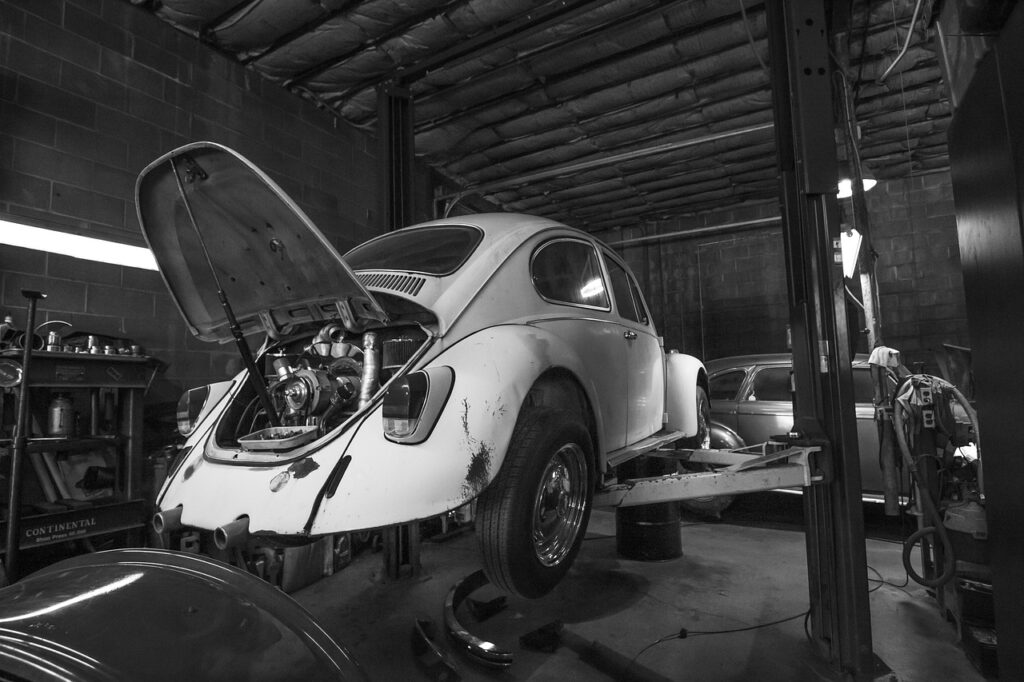
12. **Proactive Car Care: Maintenance and Transparency**The ultimate secret to negotiating your repair bill down by hundreds of dollars often lies in avoiding expensive repairs altogether, or at least minimizing their severity. This starts with proactive car care and staying on top of your vehicle’s maintenance needs. “Regularly scheduled maintenance, such as oil changes, tire rotations, and fluid checks, helps keep your vehicle running smoothly and classify probable issues before they expand.” By following your manufacturer’s approved maintenance schedule and addressing any small issues expeditiously, you can significantly extend your car’s lifespan and avoid unforeseen, costly expenses.
A key part of this proactive approach is familiarizing yourself with your vehicle’s owner’s manual. “Reading your owner’s manual is essential for understanding your car’s maintenance needs and recommended service intervals.” This valuable resource provides details on fluid types, tire pressure, and routine inspections. By adhering to these guidelines, you not only prolong your vehicle’s life but also gain the knowledge to “differentiate between genuinely necessary repairs and those that might be add-ons.” As the context warns, “Don’t let anyone sell you add-on maintenance that is unnecessary.” Being informed protects your wallet.
When you do need repairs, a simple request can foster transparency and prevent potential overcharging: “Ask for your old parts back in the box of the new parts.” This straightforward practice “ensures transparency and allows you to inspect the replaced components.” By verifying that the parts were indeed replaced and inspecting the old ones, you confirm the necessity of the repair and ensure you’re not paying for services not rendered. This builds trust between you and the repair shop, making you feel confident that you’re getting honest work for your money.
Ultimately, managing car repair costs is a holistic endeavor. It involves understanding your vehicle, diligently maintaining it, doing your homework before repairs, being a savvy negotiator, and selecting trustworthy professionals. By combining these proactive steps and negotiation tactics, you empower yourself to navigate the world of auto repairs with confidence, ensuring you get the best value for your hard-earned money and keep your ride running smoothly without breaking the bank.