The automotive landscape is transforming rapidly, with electric vehicles (EVs) and sophisticated hybrid models now a common sight. This growing shift towards electric mobility has made leasing an increasingly popular option for many drivers. Indeed, data from Edmunds reveals that just last April, over 40% of electric vehicles were leased, a significant surge compared to the previous year. Leasing offers an attractive pathway to new technology, often with lower monthly payments and the peace of mind of warranty coverage. However, in a market where innovation moves at lightning speed, making an informed leasing decision is more critical than ever, especially as the financial incentives that once sweetened these deals are themselves undergoing dramatic changes.
For a period, the federal EV lease tax credit, informally known as a “loophole” within the Inflation Reduction Act (IRA), substantially boosted the appeal of leasing electric vehicles. This unique classification of leased EVs as “commercial vehicles” enabled them to qualify for the full federal clean vehicle credit of up to $7,500. This allowed leased EVs to sidestep the stringent battery and sourcing requirements applied to purchased vehicles. While the credit officially accrued to the lessor—the dealer—many dealerships thoughtfully passed these savings on, translating into tangible benefits like reduced lease prices or rebates for consumers. This mechanism provided a distinct advantage, allowing lessees to tap into significant tax incentives without concern for personal income limits or the complexities of claiming such a credit on federal tax returns.
However, the favorable winds for these federal incentives are shifting dramatically. The recent enactment of Donald Trump’s “One Big, Beautiful Bill” (OBBB) is poised to eliminate many clean energy tax breaks, explicitly targeting the federal EV tax credit and the so-called “EV lease loophole.” New provisions within the OBBB are accelerating the phase-out of all federal EV tax incentives. This means that after September 30, 2025, both lessees and purchasers will be unable to claim a credit for any eligible vehicles not already in their possession. This impending deadline underscores the urgency of prudent decision-making; without the federal financial cushion, leasing a vehicle that’s already technologically obsolete or prone to reliability issues will have an even greater financial impact.
As a senior media editor observing the ebb and flow of technology and consumer trends, I understand the importance of making future-proof choices. This comprehensive guide is designed to help you navigate the 2025 leasing market by highlighting electric and hybrid models that, for various reasons, have fallen behind the curve. Whether due to lackluster performance, questionable reliability, outdated technology, or slow charging speeds, these vehicles might lead to lessee’s remorse. Drawing on insights and analyses, including those from Consumer Reports, we’ll pinpoint the “old technology models” you should definitely think twice about before signing a lease. Let’s delve into the first seven models you’ll want to approach with caution.
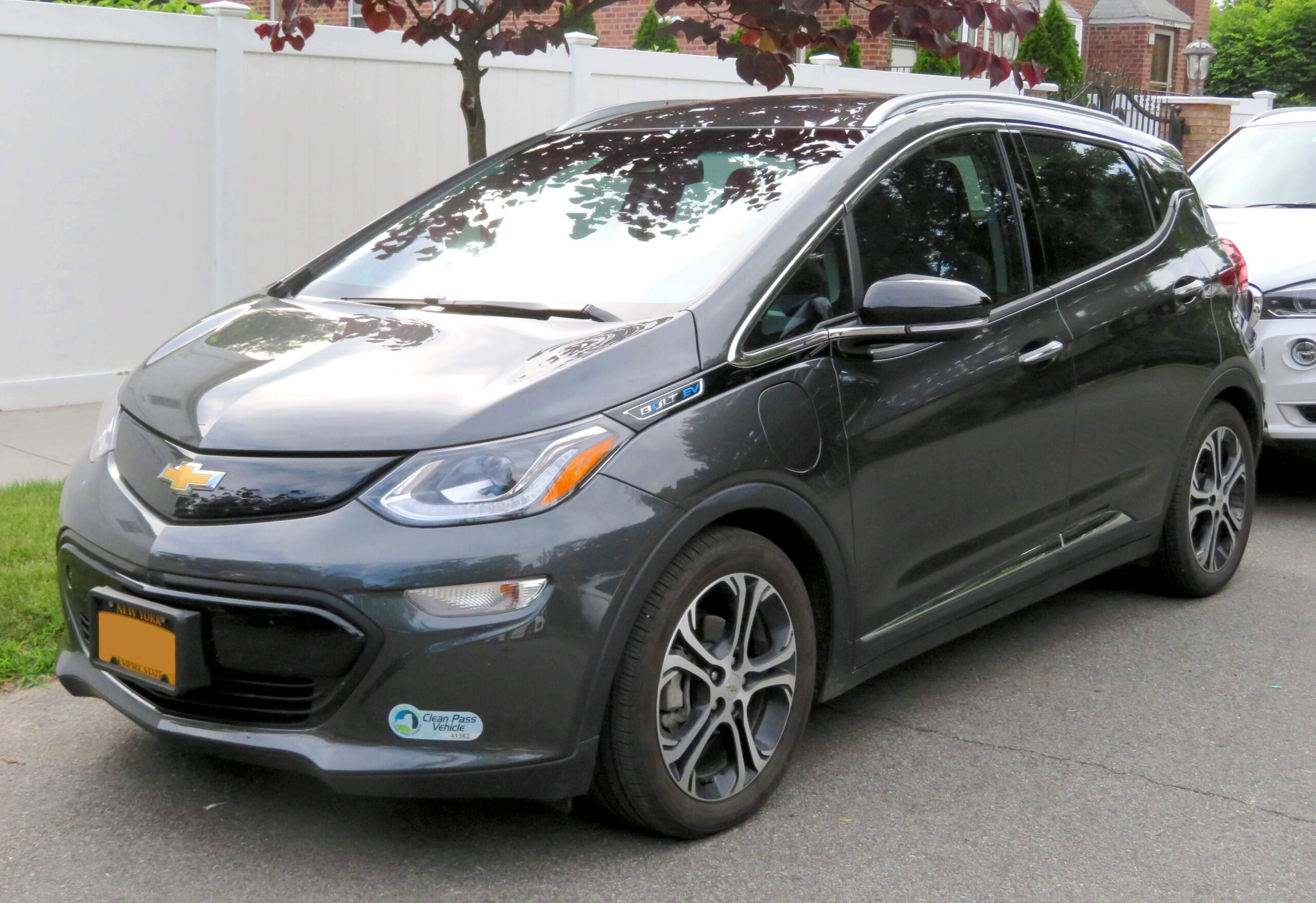
1. **Chevrolet Bolt EV**The Chevrolet Bolt EV, once a leader in affordable EVs, is clearly showing its age by 2025. Despite its budget-friendly price, the Bolt EV’s dated interior and limited features make it feel like a relic. When leasing, you commit to this experience, and starting with an already outdated feel is a significant drawback in a rapidly advancing market.
Its 259-mile range, while adequate, falls short of newer models offering more. Critically, the Bolt EV is notorious for slow charging times. This hinders practicality, especially on longer trips or when relying on public charging, diminishing the overall convenience of EV ownership.
The ride quality and cabin design also lag behind more modern competitors. For a vehicle once considered a solid entry, its slow charging and lackluster tech make it a less-than-smart choice for a 2025 lease. You deserve a vehicle that keeps pace with the present, not one stuck in the past.
Car Model Information: 2017 Mitsubishi Outlander ES
Name: Chevrolet Bolt EV
Caption: 2022 Chevrolet Bolt EV
Manufacturer: General Motors
Production: unbulleted list
ModelYears: unbulleted list
Class: Subcompact car
BodyStyle: hatchback
Layout: Front-engine, front-wheel-drive layout
Predecessor: Chevrolet Spark EV
Categories: 2020s cars, All Wikipedia articles in need of updating, All articles containing potentially dated statements, All articles with unsourced statements, Articles containing potentially dated statements from February 2018
Summary: The Chevrolet Bolt EV (marketed in Europe as Opel Ampera-e) is a battery electric subcompact hatchback manufactured and marketed by General Motors under its Chevrolet brand from late 2016 until late 2023, with a brief hiatus between mid-2021 and early 2022.
The first-generation Bolt was developed and manufactured with LG Corporation. Sales of the 2017 Bolt began in California in December 2016; it was released nationwide and international markets release in 2017. A rebadged European variant was marketed as the Opel Ampera-e in mainland Europe. In 2017, the Bolt was the second-best-selling plug-in car in the United States. It was named the 2017 Motor Trend Car of the Year, the 2017 North American Car of the Year, an Automobile magazine 2017 All Star, and was listed in Time magazine’s Best 25 Inventions of 2016. The Ampera-e was discontinued after 2018. By the end of 2020, GM had sold 112,000 Bolt and Ampera-e cars worldwide. The first-generation Bolt had been subject to at least three recalls due to battery fire risks.
In mid-2023, GM officials said they would discontinue the Bolt; after outcry, they announced plans for a next-generation model, which is expected to be revealed in 2025 for model year 2026.
Get more information about: Chevrolet Bolt
Buying a high-performing used car >>>
Brand: Chevrolet Model: Bolt EV
Price: $9,540 Mileage: 138,319 mi.
Read more about: Unsung Powerhouses: The Ford Engines That Quietly Redefined Performance and Stole the Mustang’s Thunder
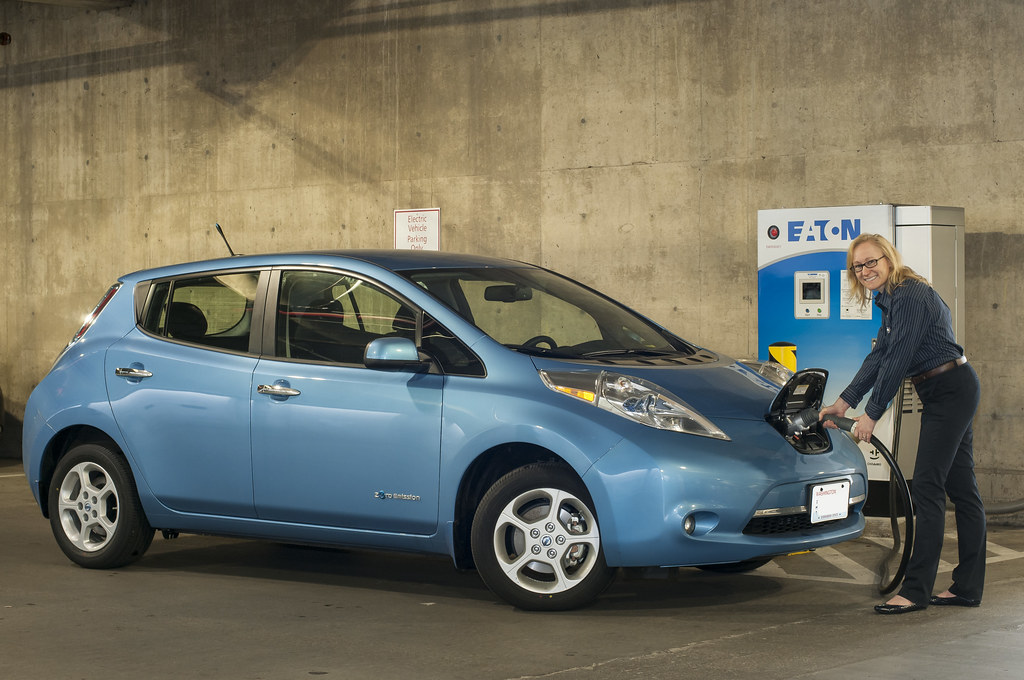
2. **Nissan Leaf**The Nissan Leaf, a pioneer in the EV movement, struggles with obsolescence by 2025. Its original 149-mile range now seems underwhelming, with many newer EVs doubling that distance. This limited range makes it unsuitable for anything beyond short daily commutes, impacting its versatility for lessees.
The interior is basic, and its tech features haven’t evolved. The infotainment system feels clunky, and safety tech appears to be an afterthought compared to modern standards. These shortcomings detract significantly from the user experience, especially over a multi-year lease.
Furthermore, the stiff and uninspired ride quality makes long drives less appealing. For a 2025 EV lease, numerous newer models offer superior range, better features, and a more enjoyable driving experience. Committing to a Leaf lease now means accepting rapidly diminishing returns on your automotive investment.
Car Model Information: 2015 Nissan Frontier PRO-4X
Name: Nissan Leaf
Caption: A second generation Nissan Leaf
Manufacturer: Nissan
Production: October 2010 – present
ModelYears: 2011–present
Class: Unbulleted list
BodyStyle: Unbulleted list
Layout: Front-engine, front-wheel-drive layout
Predecessor: Unbulleted list
Categories: 2020s cars, All articles containing potentially dated statements, All articles with dead external links, Articles containing Japanese-language text, Articles containing potentially dated statements from December 2015
Summary: The Nissan Leaf is a battery-electric car manufactured by Nissan, produced since 2010. It was offered exclusively as a 5-door hatchback until 2025, which since then has become a crossover SUV model. The term “LEAF” serves as a backronym to leading environmentally-friendly affordable family car. The Leaf was unveiled on 1 August 2009 as the world’s first mass market electric and zero-emission vehicle. Among other awards and recognition, it received the 2010 Green Car Vision Award, the 2011 European Car of the Year, the 2011 World Car of the Year, and the 2011–2012 Car of the Year Japan. The Leaf’s range on a full charge has been steadily increased from 117 km (73 miles) to 364 km (226 miles) (EPA rated) by the use of larger battery packs and several minor improvements. As of September 2021, European sales totalled more than 208,000, and as of December 2021, over 165,000 had been sold in the U.S., and 157,000 in Japan. Global sales across both generations totalled 577,000 by February 2022. The Leaf was the world’s all-time top selling plug-in electric car until it was surpassed in early 2020 by the Tesla Model 3.
Get more information about: Nissan Leaf
Buying a high-performing used car >>>
Brand: Nissan Model: Leaf
Price: $17,865 Mileage: 154,112 mi.
Read more about: Informed Decisions: The Car Brands With the Poorest Resale Value After Just Three Years
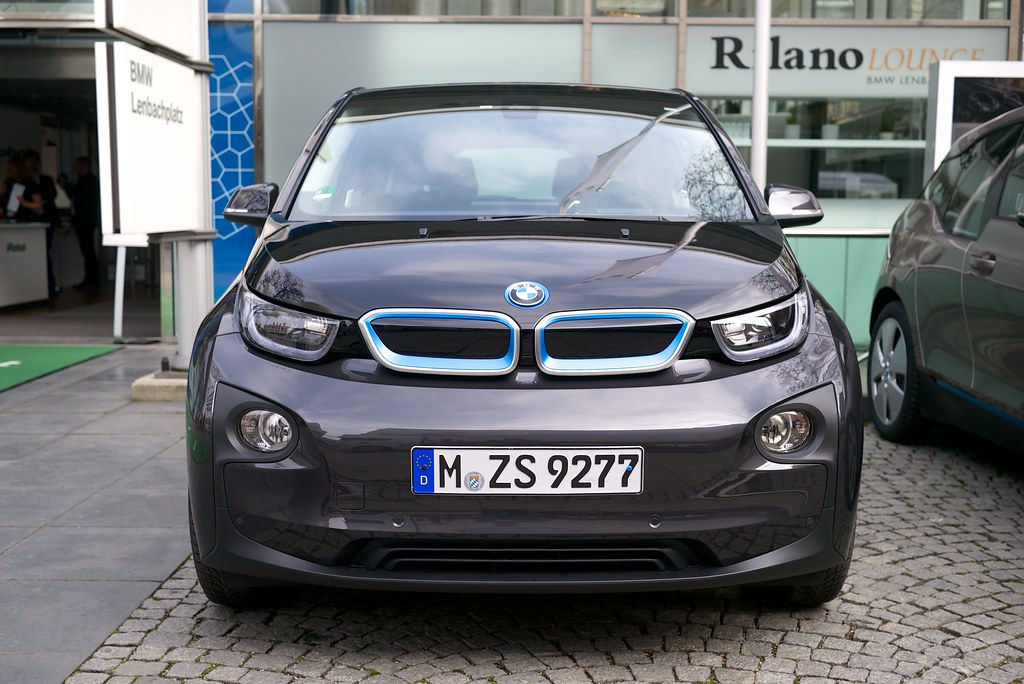
3. **BMW i3**The BMW i3, once lauded for its unique design and sustainable materials, is markedly dated by 2025. While its quirky aesthetic stands out, the 153-mile range is simply insufficient in today’s EV market where extended range is a fundamental expectation for new leases.
Practicality suffers due to its small cabin and cramped rear seats, compromising comfort and utility for passengers. Despite its eco-conscious interior, the overall feel and technological integration are outdated, failing to meet the high-tech, modern ambiance expected from a premium BMW brand.
For those seeking a truly functional electric vehicle in 2025, the BMW i3 is no longer recommendable. Its range anxiety, confined interior, and aging tech make it a poor lease choice. A premium lease should deliver cutting-edge luxury and performance, which the i3 struggles to provide.
Car Model Information: 2015 BMW i3 Base
Name: BMW i3
Manufacturer: BMW
ModelCode: I01
Production: September 2013 – August 2022 (250,000 units)
Assembly: Leipzig
Successor: BMW iX,BMW iX1,BMW i4
Class: Supermini
BodyStyle: hatchback
Doors: Suicide doors
Layout: Rear-motor, rear-wheel-drive
Chassis: Body-on-frame
Motor: BMW eDrive synchronous permanent magnet motor 125 kW
137 kW
Battery: kWh
ElectricRange: ampere hour,Convert,United States Environmental Protection Agency,Range extender (vehicle)
Engine: Straight-twin engine,range extender,9 L
Abbr: on
Transmission: Single speed with fixed ratio
Drivetrain: Series hybrid,plug-in hybrid,Range extender
Charging: Combo Coupler
Wheelbase: 2570 mm
Length: 3999 mm
Width: 1775 mm
Height: 1578 mm
Weight: 1195 kg
Sp: uk
Designer: Richard Kim (car designer)
ModelYears: 2014–2021 (North America)
Categories: All articles containing potentially dated statements, All articles with dead external links, Articles containing potentially dated statements from December 2019, Articles containing potentially dated statements from December 2021, Articles containing potentially dated statements from February 2014
Summary: The BMW i3 is an electric car that was manufactured by German marque BMW from 2013 to 2022. The i3 was BMW’s first mass-produced zero emissions vehicle and was launched as part of BMW’s electric vehicle BMW i sub-brand. It is a B-segment, high-roof hatchback with an electric powertrain. It uses rear-wheel drive via a single-speed transmission and an underfloor lithium-ion battery pack with an optional range-extending petrol engine.
Styled by Richard Kim, the i3 is a five-door with a passenger module of high strength, ultra-lightweight carbon fibre reinforced polymer adhered to an aluminium chassis, battery, drive system and powertrain. The body features two clamshell rear-hinged rear doors.
The i3 debuted as a concept at the 2011 International Motor Show Germany, and production began in September 2013 in Leipzig.
It ranked third amongst electric cars sold worldwide from 2014 to 2016. Its global sales totaled 250,000 units by the end of 2022. Germany was its biggest market with over 47,500 units delivered through December 2021, followed by the U.S. with over 45,000.
The i3 won two World Car of the Year Awards, selected as 2014 World Green Car of the Year and as 2014 World Car Design of the Year. The i3 received an iF Product Design Gold Award, and won UK Car of the Year 2014 and Best Supermini of 2014 in the first UK Car of the Year Awards.
Get more information about: BMW i3
Buying a high-performing used car >>>
Brand: BMW Model: i3
Price: $8,888 Mileage: 47,283 mi.
Read more about: Escape the Digital Dash: 14 Cars and Strategies for a Touchscreen-Free Driving Experience in 2024
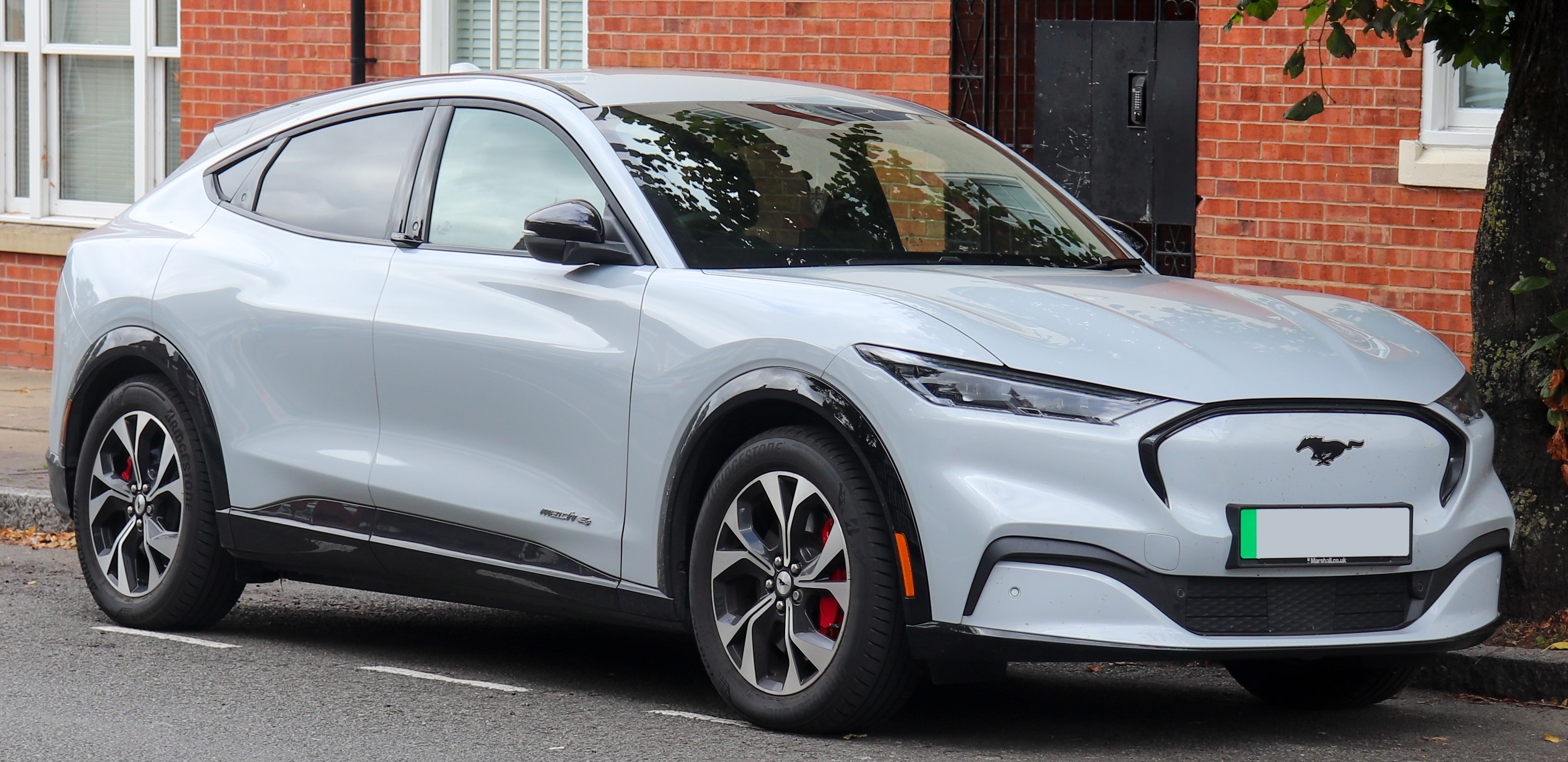
4. **Ford Mustang Mach-E (Standard Range)**The Ford Mustang Mach-E is an exciting EV, but its 2025 Standard Range (SR) model falls behind. While performance is solid, the 230-mile range is a tough sell when many competitors now offer over 300 miles. This limits flexibility and can lead to range anxiety for lessees.
Charging speeds for the SR Mach-E are not the quickest, leading to longer waits at fast-charging stations. Although the Mach-E boasts a stylish design and tech-forward interior, the Standard Range notably lacks the “punch” of its extended-range variants, diminishing the overall experience.
If your leasing goal is extended travel and minimal charging downtime, the Standard Range Mach-E might disappoint. Opting for this variant means settling for a compromised version. For a multi-year commitment, choosing a configuration that maximizes EV advantages is crucial, where the SR Mach-E regrettably falls short.
Car Model Information: 2022 Subaru Forester Premium
Name: Ford Mustang Mach-E
Manufacturer: Ford Motor Company
Production: 2021–present
ModelYears: 2021–present
Assembly: Unbulleted list
Designer: Unbulleted list
Class: Compact crossover SUV
BodyStyle: coupe SUV
Layout: Unbulleted list
Platform: Ford Global Electrified 1 platform
Motor: Synchronous motor#Permanent-magnet
Wheelbase: Convert
Length: Convert
Width: Convert
Height: Convert
Weight: Convert
ElectricRange: Convert
Battery: 68–98 kWh
Charging: unbulleted list
Powerout: Convert
Sp: us
ModelCode: CX727
Categories: 2020s cars, All-wheel-drive vehicles, All Wikipedia articles written in American English, All articles needing additional references, Articles needing additional references from January 2023
Summary: The Ford Mustang Mach-E is a battery electric compact crossover SUV produced by Ford. Introduced on November 17, 2019, it went on sale in December 2020 as a 2021 model. The Mach-E is part of the Mustang series, with its name inspired by the Mach 1 variant of the first-generation Mustang. The car won the 2021 North American SUV of the Year Award.
Get more information about: Ford Mustang Mach-E
Buying a high-performing used car >>>
Brand: Ford Model: Mustang Mach-E
Price: $26,935 Mileage: 35,053 mi.
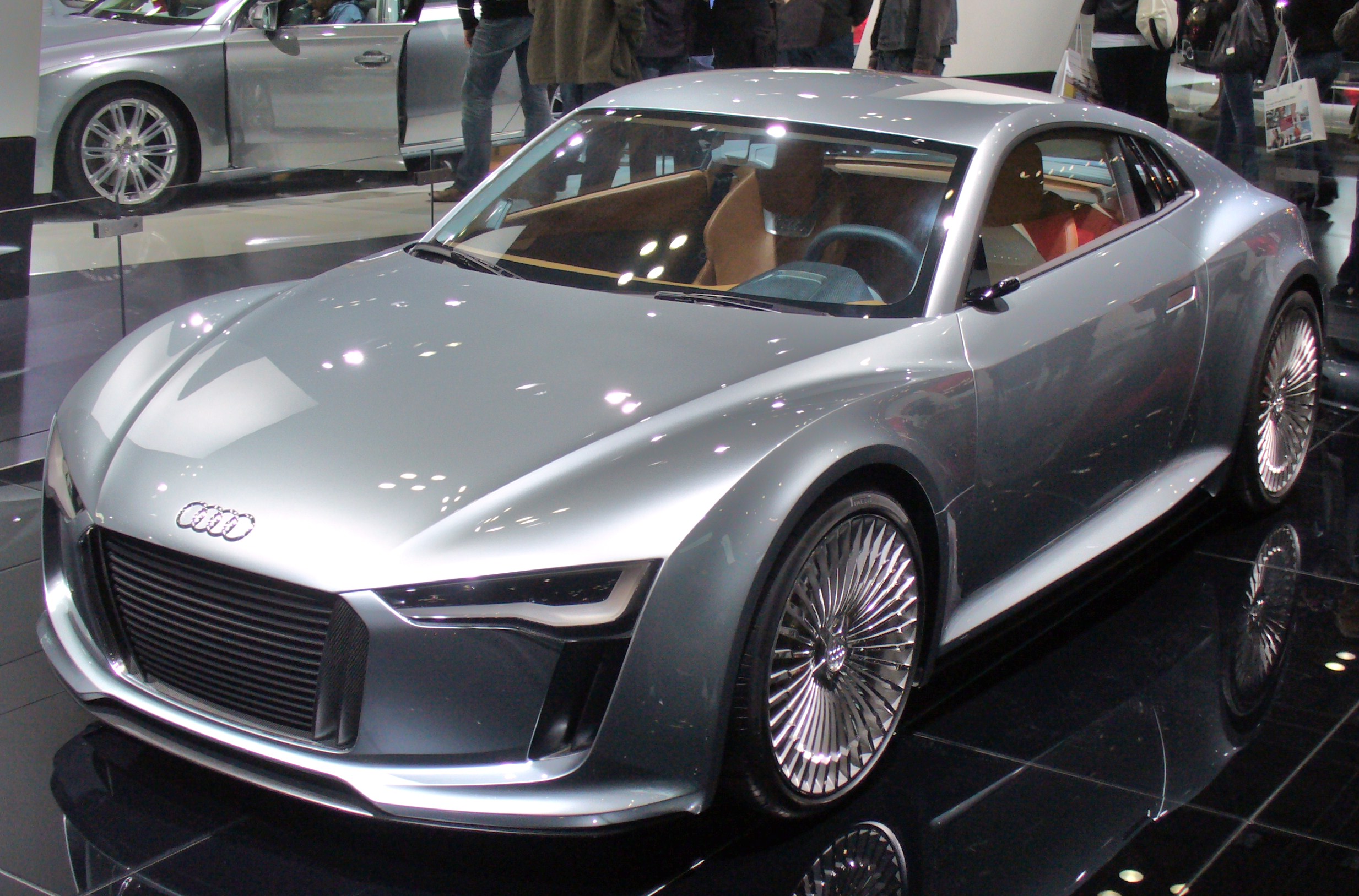
5. **Audi e-Tron**The Audi e-Tron, once a luxurious pioneer in electric SUVs, now feels dated by 2025. Its 222-mile range is insufficient compared to newer electric SUVs offering significantly greater distances, often exceeding 300 miles. This limited range diminishes its competitiveness for a premium lease.
While its interior boasts impressive materials and a smooth ride, the e-Tron’s technological foundation falters. The infotainment system is criticized for being outdated and lagging, detracting from the luxury experience. Its charging speeds are also slower than contemporary rivals, causing frustration on longer trips.
Given its premium price, consumers expect cutting-edge features and a future-proof design. In 2025, the e-Tron doesn’t meet these expectations. Leasing a luxury EV with outdated tech means a premium cost for an experience that no longer aligns with current luxury EV standards.
Car Model Information: 2024 Audi Q4 e-tron Premium Plus 50 quattro
Categories: All Wikipedia articles in need of updating, All pages needing cleanup, Articles needing cleanup from September 2025, Articles with short description, CS1 German-language sources (de)
Summary: The Audi e-tron is a series of electric and hybrid cars shown by Audi from 2009 onwards. In 2012 Audi unveiled a plug-in hybrid version, the A3 Sportback e-tron, released to retail customers in Europe in August 2014, and slated for the U.S. in 2015. A decade after the unveiling of the first e-tron concept at the 2009 International Motor Show Germany, Audi’s first fully electric e-tron SUV went into production in 2019.
The name has also been used on some racing cars.
Get more information about: Audi e-tron
Buying a high-performing used car >>>
Brand: Audi Model: e-Tron
Price: $30,998 Mileage: 19,435 mi.
Read more about: Driving the Future: An In-Depth Look at 14 Groundbreaking SUVs and Crossovers Arriving in 2025 & 2026
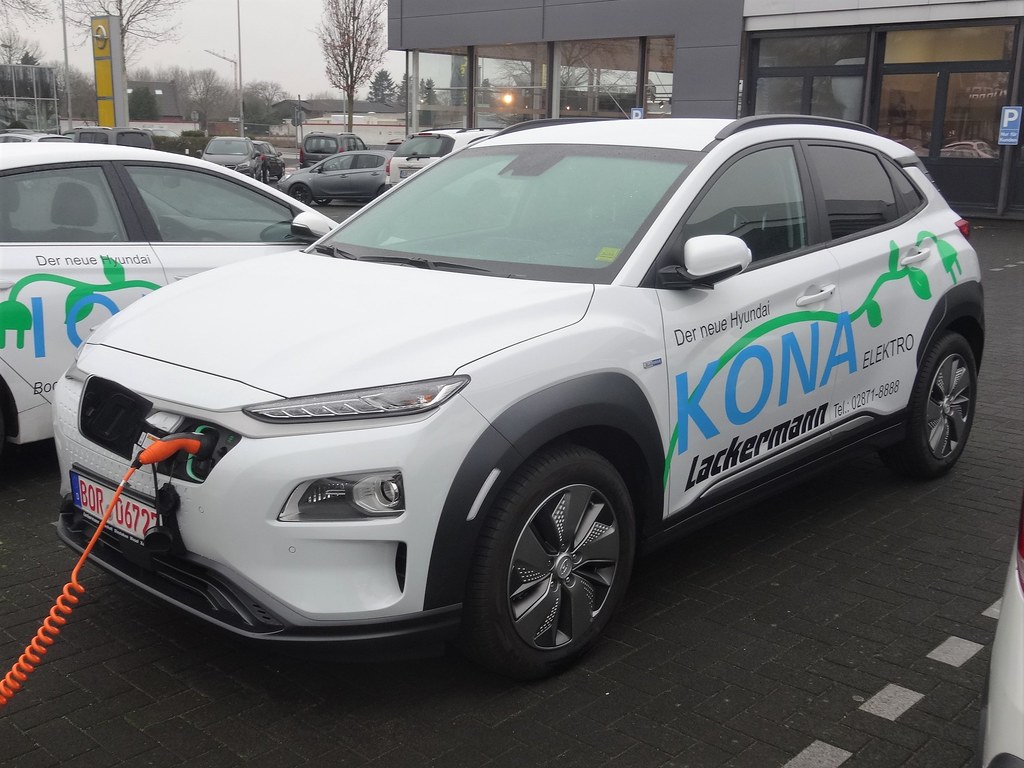
6. **Hyundai Kona Electric**The Hyundai Kona Electric, once a popular choice for budget-conscious EV buyers, reveals its limitations by 2025. While its 258-mile range is respectable, many newer EVs now offer greater range and significantly faster charging capabilities, making the Kona less competitive.
Its interior, though functional, feels cramped and lacks the modern, tech-rich aesthetic of newer electric models. This can make longer drives less comfortable. Additionally, its ride quality, while adequate for commuting, doesn’t match the refinement or dynamic performance of contemporary competitors.
The Kona Electric, despite its past prime, is definitively falling behind in 2025. The EV market is rapidly advancing with superior choices. Leasing a Kona now means opting for a vehicle outpaced by market developments, potentially leading to dissatisfaction long before your lease concludes.
Car Model Information: 2022 Subaru Forester Premium
Name: Hyundai Kona
Caption: Hyundai Kona N Line (SX2)
Manufacturer: Hyundai Motor Company
Aka: Hyundai Kauai (Portugal)
Production: 2017–present
ModelYears: 2018–present
Class: Subcompact crossover SUV
BodyStyle: SUV
Layout: ubl
Categories: 2020s cars, All-wheel-drive vehicles, All Wikipedia articles in need of updating, All Wikipedia articles written in British English, Articles containing Chinese-language text
Summary: The Hyundai Kona is a subcompact crossover SUV produced by the South Korean manufacturer Hyundai. The first-generation Kona debuted in June 2017 and the production version was revealed later that year. It is positioned between the Venue or Bayon and the Tucson in Hyundai crossover SUV line-up. The battery electric version called the Kona Electric (or Kona EV) was first launched in South Korea during the first half of 2018 and rolled out gradually worldwide afterwards.
Get more information about: Hyundai Kona
Buying a high-performing used car >>>
Brand: Hyundai Model: Kona Electric
Price: $26,935 Mileage: 35,053 mi.
Read more about: The 9 Most Fuel-Efficient SUVs in the Market Right Now: What Agencies and Mileage Logs Reveal for Budget Commuters
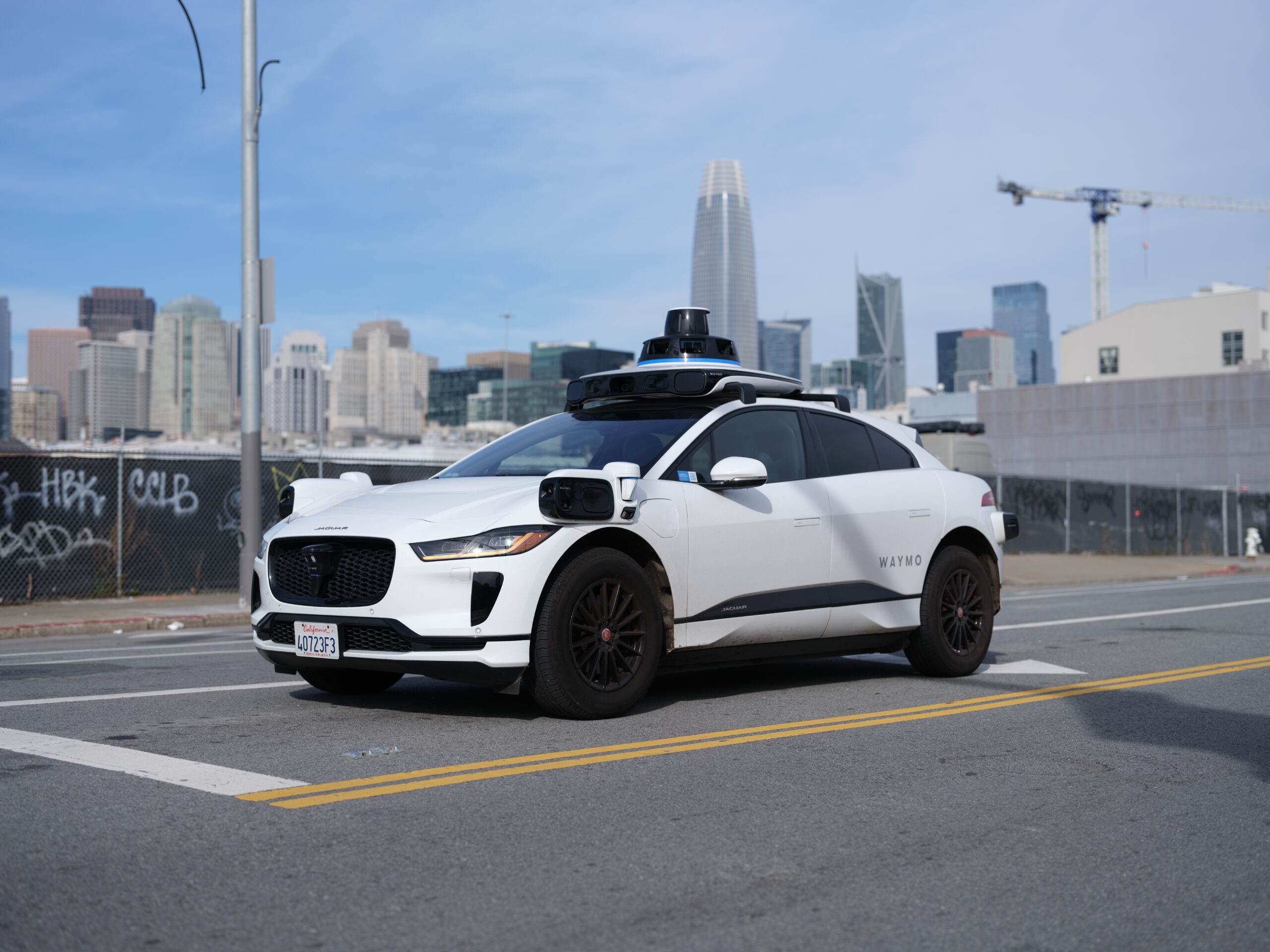
7. **Jaguar I-PACE**The Jaguar I-PACE, initially hailed as a stylish and performance-oriented electric SUV, feels considerably outdated by 2025. Its 246-mile range struggles against newer EVs that achieve far greater distances on a single charge, limiting its appeal for long-term leases.
Despite its beautifully crafted interior and excellent handling, the I-PACE’s infotainment system lags behind modern expectations. Slower response times and a less intuitive interface detract from the driving experience. Furthermore, its charging speeds are slower than current competitors, a potential dealbreaker for rapid charging needs.
The I-PACE, though still performing solidly in some aspects, is increasingly outclassed by more efficient and tech-savvy EVs offering better value. Leasing a luxury EV that struggles technologically means investing a premium for an experience that no longer meets current luxury EV innovation benchmarks.
Continuing our guide, we examine seven additional electric and hybrid models that present significant drawbacks, including slow charging, poor performance, and other issues making them unsuitable for leasing in 2025. As the landscape of incentives shifts dramatically, it’s more important than ever to choose a vehicle that truly offers value and avoids future regret.
Car Model Information: 2023 Jaguar I-PACE HSE EV400 AWD
Name: Jaguar I-Pace
Manufacturer: Jaguar Land Rover
Production: 2018–2024
Assembly: Magna Steyr
Designer: Ian Callum
Class: Compact crossover SUV#Luxury vehicles
BodyStyle: SUV
Layout: all-wheel-drive
Platform: Jaguar Land Rover car platforms#D7e
Motor: Permanent magnet synchronous motor
Abbr: on
Transmission: 1-speed direct-drive reduction
Battery: kW·h,Lithium-ion battery
ElectricRange: United States Environmental Protection Agency
Charging: 11kW AC (7.4kW “1-phase/32A only” AC 2018–2020),100 kW DC
Wheelbase: 2990 mm
Length: 4682 mm
Width: ubl
Height: 1565 mm
Weight: 2133 kg
Sp: uk
Categories: 2020s cars, All-wheel-drive vehicles, All Wikipedia articles written in British English, All accuracy disputes, All articles lacking reliable references
Summary: The Jaguar I-Pace (stylised as I-PACE) is a battery-electric crossover SUV produced by Jaguar Land Rover (JLR) under their Jaguar marque. The I-Pace was announced in March 2018, European deliveries began in June 2018 and North American deliveries started in October 2018. Amid slowing sales and a change in corporate vision, Jaguar has announced that the I-Pace will be discontinued by 2025.
Get more information about: Jaguar I-Pace
Buying a high-performing used car >>>
Brand: Jaguar Model: I-PACE
Price: $40,029 Mileage: 2,465 mi.
Read more about: Informed Decisions: The Car Brands With the Poorest Resale Value After Just Three Years
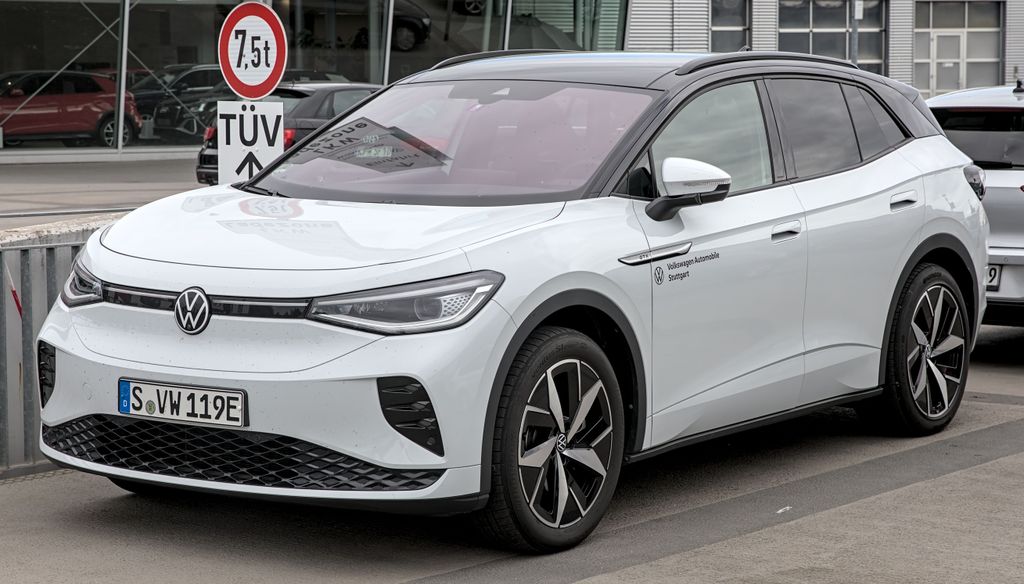
8. **Volkswagen ID.4**The Volkswagen ID.4 made a considerable splash as the automaker’s inaugural fully electric SUV, yet as we approach 2025, it’s unmistakably beginning to show its age. While its approximately 250-mile range remains decent for many drivers, it’s increasingly outpaced by a growing number of newer electric models that can go significantly farther on a single charge, limiting its appeal for those seeking maximum range.
Beyond its range, the ID.4’s interior, while functional, often feels somewhat plain, lacking the premium ambiance that consumers might expect given its price point. This is particularly noticeable when compared to rivals that have rapidly advanced in cabin design and material quality.
Another significant drawback for potential lessees is the infotainment system, which has been criticized for being clunky and slow to respond. This can lead to daily frustrations during navigation, media playback, or accessing vehicle settings, detracting from what should be a seamless, modern driving experience. While the ID.4 offers solid practicality and is generally easy to drive, its tech and performance features now lag behind more current competitors, making it a less compelling option in 2025’s increasingly crowded and competitive EV market.
Car Model Information: 2021 Volkswagen ID.4 Pro S
Name: Volkswagen ID.4/ID.5
Caption: 2020 Volkswagen ID.4 Pro
Manufacturer: Volkswagen
ModelCode: E21 (ID.4),E39 (ID.5)
Production: 2020–present
Assembly: ubl
Designer: Klaus Zyciora
Class: Compact crossover SUV
BodyStyle: SUV
Platform: Volkswagen Group MEB platform
Related: Volkswagen ID.3,Volkswagen ID.Buzz,Volkswagen ID.6,Škoda Enyaq,Audi Q4 e-tron,Cupra Tavascan,Ford Explorer EV,Ford Capri EV
Layout: Rear-motor, rear-wheel-drive
Motor: APP 550,Brushless DC electric motor
Battery: Lithium-ion battery
ElectricRange: 77-82 kWh, since 2024:,{{convert,263-291,mi,km,0,abbr=on
Charging: ubl
Wheelbase: 2765 mm
Abbr: on (ID.5)
Length: 4584 mm
Width: 1852 mm
Height: 1636 mm
Weight: convert
Powerout: Convert
ModelYears: 2021–present
Categories: All-wheel-drive vehicles, All Wikipedia articles in need of updating, All Wikipedia articles written in British English, Articles with short description, CS1 German-language sources (de)
Summary: The Volkswagen ID.4 and Volkswagen ID.5 are battery electric compact crossover SUVs produced by Volkswagen. Based on the MEB platform, the ID.4 is the second model of the Volkswagen ID. series. The production version of the ID.4 debuted in September 2020 as the first fully-electric crossover SUV under the Volkswagen brand, while the coupe-shaped variant of the ID.4 (akin to the Audi Q8 Sportback e-tron) is marketed as the Volkswagen ID.5 and was presented in November 2021.
The ID.4 is positioned by Volkswagen as a high-volume, mass-market electric vehicle — a car for “the millions, not the millionaires,” as the company claimed in its advertising. It was delivered to European customers from late 2020, and the first quarter of 2021 for the North American market.
The ID.4 was elected World Car of the Year 2021 over runner-ups Honda e and Toyota Yaris.
The vehicle was updated for model year 2024 to include a more powerful and efficient APP 550 electric motor with increased range, as well as heavily revised software and infotainment hardware.
Get more information about: Volkswagen ID.4
Buying a high-performing used car >>>
Brand: Volkswagen Model: ID.4
Price: $21,799 Mileage: 29,054 mi.
Read more about: Beyond the Shadows: An In-Depth Look at Why Modern Cars Are Being Stolen in Broad Daylight
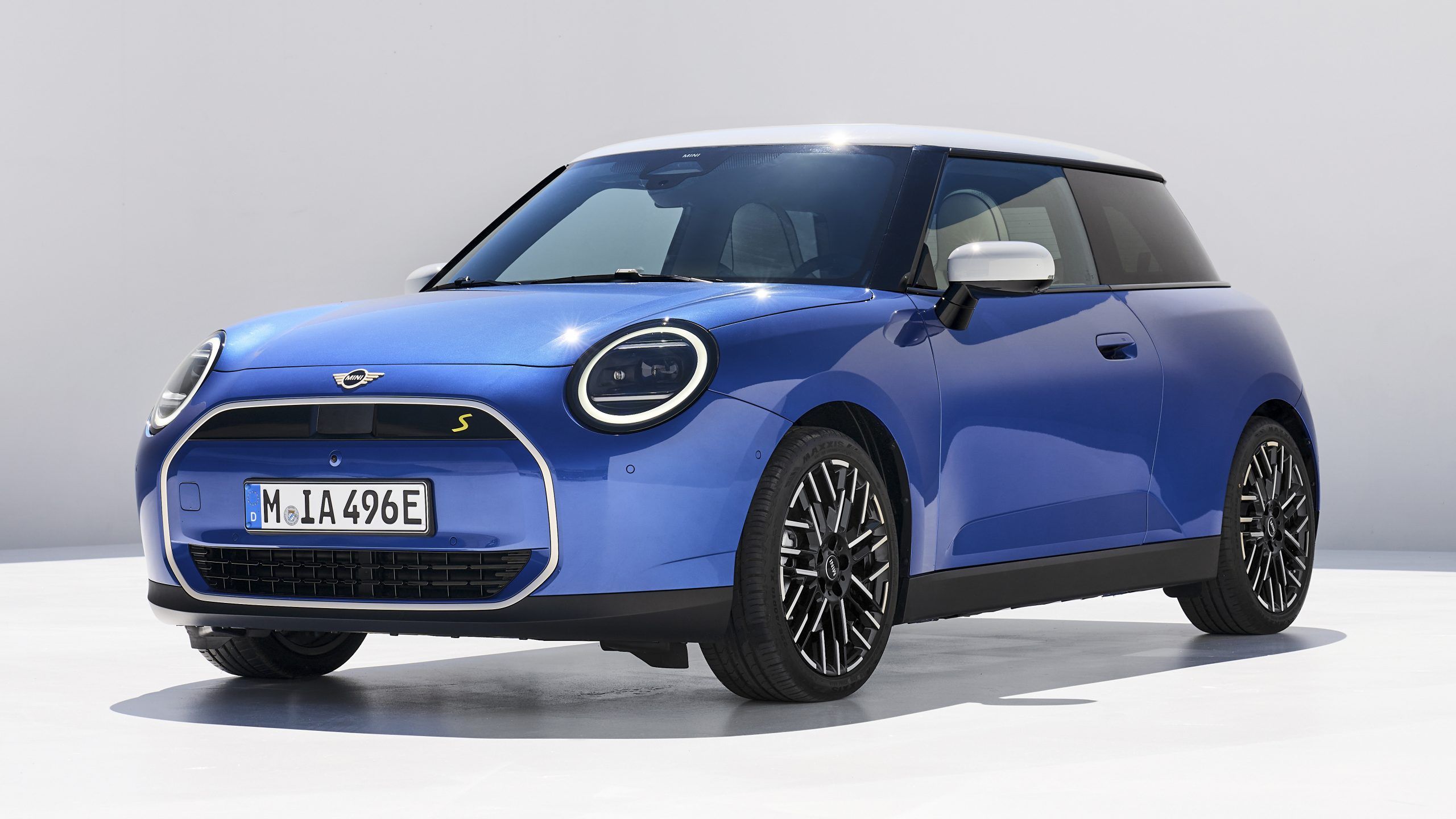
9. **Mini Electric SE**The Mini Electric, also known as the Mini Cooper SE, boldly translates the brand’s iconic style and agile handling into the electric vehicle world. However, by 2025, this charming EV is starting to feel considerably underwhelming, primarily due to its severely limited range. With just 114 miles on a single charge, it stands as one of the shortest-range options in its class, making it impractical for anything beyond urban commutes or very short trips.
While the Mini’s compact size and nimble handling make it an absolute joy to maneuver around congested city streets, it simply cannot compete with the burgeoning wave of newer electric cars. These modern alternatives often offer double or even triple the range, coupled with far more advanced technology and features that are essential for today’s discerning drivers.
Adding to its drawbacks, the interior, despite its distinctive Mini charm, often feels cramped, particularly for taller occupants or when carrying passengers. Moreover, the infotainment system, which should be a highlight of a contemporary vehicle, feels notably outdated, further detracting from what should be a premium and engaging driving experience. If your leasing goals include anything resembling versatility, greater space, or truly future-proof electric capability, the Mini Electric might leave you wanting significantly more in 2025.
Car Model Information: 2017 Mitsubishi Outlander ES
Name: Mini Electric
Caption: Mini Electric (pre-facelift)
Manufacturer: BMW
Aka: Mini Cooper SE
Production: 2019–present
ModelYears: 2020–2024
Assembly: ubl
Class: Subcompact car
BodyStyle: ubl
Layout: Front-engine, front-wheel-drive layout
Related: BMW i3
Transmission: Single speed with fixed ratio
Wheelbase: 2495 mm
Abbr: synchronous electric motor
Length: 3845 mm
Width: 1727 mm
Height: 1432 mm
Weight: 1365 kg
Predecessor: Mini E
Successor: Mini Hatch#Fourth generation
Sp: uk
Motor: 135 kW
Battery: 32.6 kWh
ElectricRange: 235 kilometres (144 miles WLTP)
Charging: Combined Charging System
Categories: All Wikipedia articles written in British English, Articles with short description, CS1 French-language sources (fr), CS1 German-language sources (de), Cars introduced in 2019
Summary: The Mini Electric (marketed as the Mini Cooper SE in all markets outside the United Kingdom) is a battery electric version of the third generation Mini Hatch that was launched in 2020 by German automaker BMW under the Mini marque. The drivetrain utilises technology developed for the earlier BMW i3.
Get more information about: Mini Electric
Buying a high-performing used car >>>
Brand: Mini Model: Electric SE
Price: $9,540 Mileage: 138,319 mi.
Read more about: The Definitive Guide to Work Van Longevity: Identifying Models That Last 400,000 Miles and Those That Fall Short

10. **Mercedes-Benz EQC**As one of Mercedes-Benz’s initial ventures into the luxury electric vehicle market, the EQC certainly promised opulence and a refined driving experience. Yet, by 2025, this pioneering model is unmistakably beginning to feel somewhat outdated. While it undeniably delivers a comfortable ride and features the high-tier materials expected from a Mercedes-Benz cabin, its 220-mile range is relatively modest. This figure pales in comparison to newer electric SUVs that now routinely push well past 300 miles on a single charge, impacting its competitiveness for premium lessees.
The EQC’s infotainment system, despite its luxurious facade, unfortunately lacks the intuitive design and rapid response speeds found in the latest technological offerings from rival brands. This can lead to a less seamless and more frustrating user experience, which is a significant detractor for a vehicle in this price bracket.
Furthermore, its charging speeds are also slower than some of its more contemporary rivals. This can become a significant deal-breaker for drivers who prioritize convenience and rapid replenishment on longer journeys, impacting the overall practicality and appeal of a luxury EV lease. For a vehicle demanding a premium price tag, the EQC struggles to stack up against the more advanced and feature-rich electric vehicles available in 2025, failing to meet modern benchmarks for luxury EV innovation.
Read more about: Beyond the Hype: The 15 Overpriced Cars and Brands That Experts Say You Should Absolutely Avoid in 2024-2025
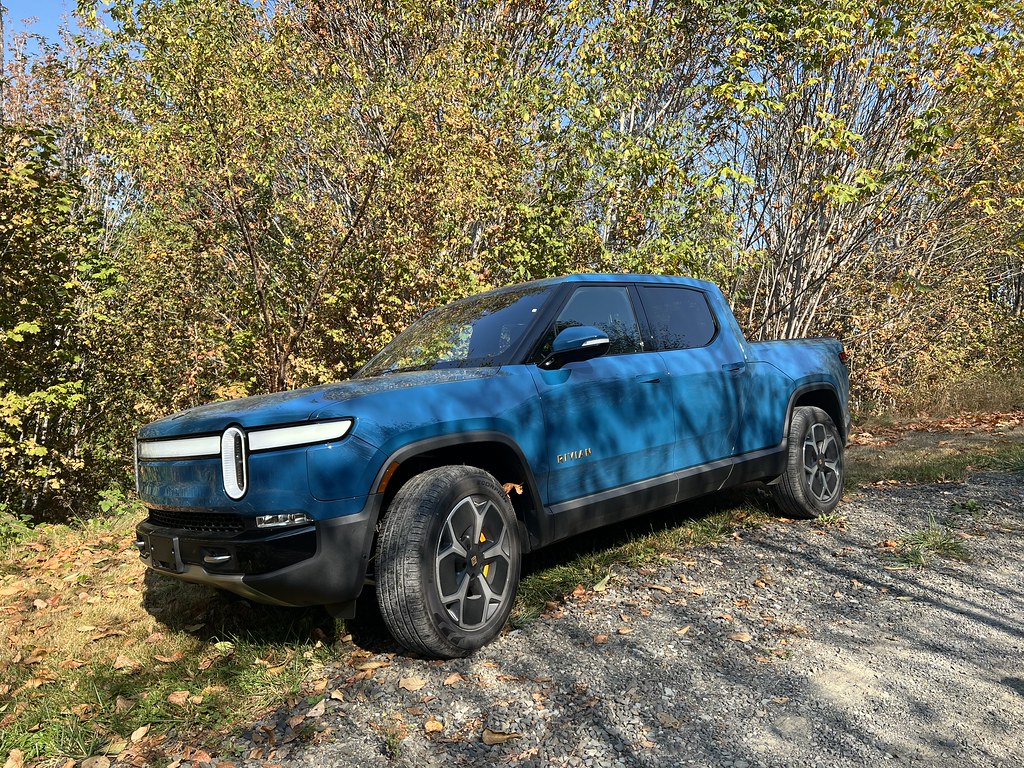
11. **Rivian R1T**The Rivian R1T initially captured significant attention as an innovative electric pickup truck, blending rugged utility with zero-emission propulsion. However, for those considering a lease in 2025, its reliability record presents a serious red flag. According to Consumer Reports, the R1T scores a dismal 22 out of 100 for reliability, a figure that should give any potential lessee pause, especially when committing to a multi-year agreement.
This low score is attributed to several critical “trouble spots” identified in the vehicle. These include persistent issues with the drive system, which is fundamental to an EV’s performance, as well as problems within the climate system. Additionally, owners have reported concerns with body hardware and recurring noises and leaks, which collectively point to a vehicle that may require frequent trips to the service center.
Leasing a vehicle typically offers peace of mind through warranty coverage and predictable costs, but a model prone to such widespread issues can quickly erode these benefits. The financial implications of downtime for repairs, even under warranty, coupled with the frustration of an unreliable vehicle, diminish the allure of the R1T. In an era where federal EV incentives are rapidly disappearing, investing in a high-priced electric truck with documented reliability concerns becomes an even riskier proposition. Lessees expect robust, dependable performance from a premium electric truck, and the R1T’s ongoing issues regrettably undermine this crucial expectation, making it a questionable choice for a 2025 lease.
Car Model Information: 2022 Rivian R1T Launch Edition
Name: Rivian R1T
Manufacturer: Rivian
Production: 2021–present
ModelYears: 2022–present
Assembly: Rivian Automotive,LLC
Designer: Jeff Hammoud
Class: Mid-size car,luxury car,pickup truck
BodyStyle: crew cab
Layout: unbulleted list
Related: Rivian R1S
Motor: Alternating current,Permanent magnet motor
Transmission: Single-speed
Battery: kWh,lithium-ion battery
ElectricRange: unbulleted list
Abbr: on
Charging: unbulleted list
Wheelbase: 135.9 in
Length: 217.1 in
Width: 81.8 in
Height: 75.7 in
Weight: cvt
Sp: us
Powerout: unbulleted list
Chassis: Body-on-frame
Categories: All Wikipedia articles written in American English, All articles with vague or ambiguous time, Articles with short description, Commons category link is on Wikidata, Electric trucks
Summary: The Rivian R1T is a battery electric mid-size light duty luxury pickup truck produced by the American company Rivian. The first production R1T was manufactured in Illinois on September 28, 2021, and was delivered to a customer. The official EPA range for the Rivian R1T (MY 2022–2024) ranges from 255–420 miles (410–676 km), depending on drivetrain, battery pack capacity and wheel size.
Get more information about: Rivian R1T
Buying a high-performing used car >>>
Brand: Rivian Model: R1T
Price: $55,000 Mileage: 26,131 mi.
Read more about: Illuminating the Road Ahead: 7 Top Headlight Bulb Upgrades for Enhanced Nighttime Driving Safety
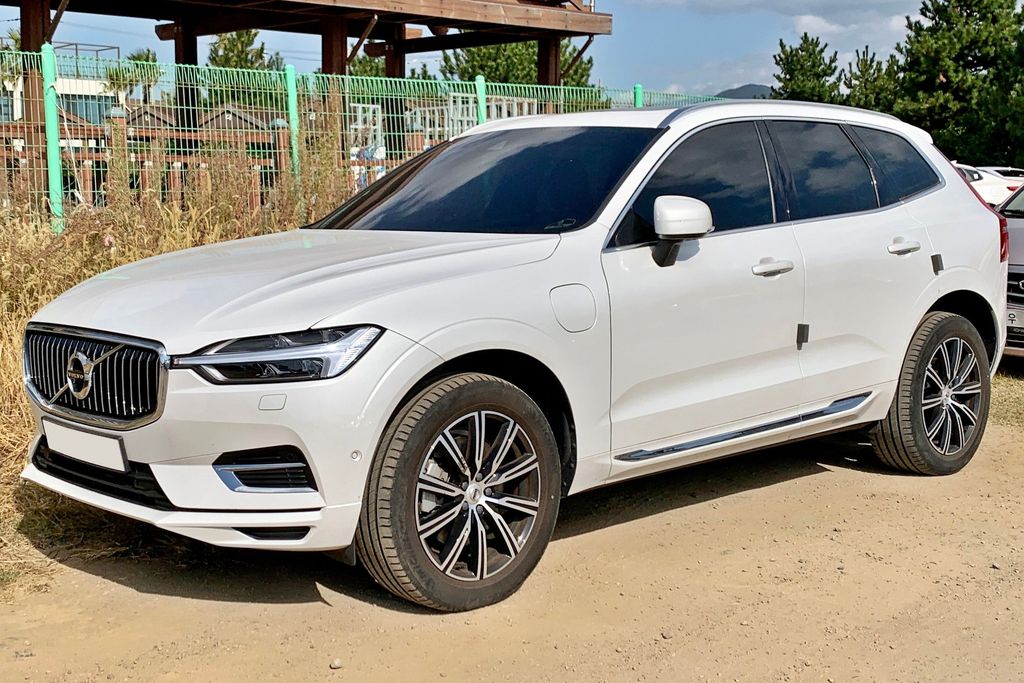
12. **Volvo XC60 Plug-In Hybrid**The Volvo XC60 Plug-In Hybrid combines Scandinavian luxury with the promise of electrified efficiency, offering an appealing package on paper. However, beneath its sophisticated exterior lies a worrying trend in reliability, making it a model to approach with extreme caution for a 2025 lease. Consumer Reports assigns the XC60 Plug-In Hybrid an alarming reliability score of just 21 out of 100, placing it among the least dependable vehicles.
The specific “trouble spots” for this model are particularly concerning given its plug-in hybrid nature. These issues include the EV battery itself, problems with EV charging, and failures in electrical accessories, all of which directly impact its core electrified functionality. Additionally, owners have reported difficulties with the climate system and in-car electronics, indicating a broader spectrum of potential frustrations.
For a lessee, these issues translate directly into potential headaches. Imagine consistently struggling with charging, experiencing reduced electric range, or dealing with malfunctioning climate controls or infotainment systems during your lease term. Such problems not only diminish the vehicle’s utility and your driving enjoyment but can also lead to frequent and inconvenient dealership visits, undermining the very reason many opt for a new vehicle lease. A premium plug-in hybrid should deliver seamless integration of its electric and gasoline powertrains, ensuring reliability and efficiency; the XC60 Plug-In Hybrid’s documented shortcomings fall far short of this expectation, making it a risky proposition as incentives wane.
Car Model Information: 2025 Volvo XC60 B5 Ultra Black Edition
Name: Volvo XC60
Caption: 2018 Volvo XC60 R-Design D5 P-Pulse
Manufacturer: Volvo Cars
Production: 2008–present
Class: Compact crossover SUV
BodyStyle: SUV
Layout: unbulleted list
Categories: 2010s cars, 2020s cars, All-wheel-drive vehicles, All Wikipedia articles written in British English, All articles with unsourced statements
Summary: The Volvo XC60 is a compact luxury crossover SUV manufactured and marketed by Swedish automaker Volvo Cars since 2008.
The XC60 is part of Volvo’s 60 Series of automobiles, along with the S60, S60 Cross Country, V60, and V60 Cross Country. The first generation model introduced a new style for the 60 Series models. Along with the rest of the line-up, the first-generation XC60 was refreshed in 2013. Similarly, the second-generation model, released in 2017, is the first in the series. The car was named Car of the Year Japan for 2017–2018.
Get more information about: Volvo XC60
Buying a high-performing used car >>>
Brand: Volvo Model: XC60
Price: $50,491 Mileage: 10,959 mi.
Read more about: The AWD Anxiety: 7 Crossovers Reviewed on Off-Road Grip – From Winter Warriors to Trailblazers and Road-Only Sliders
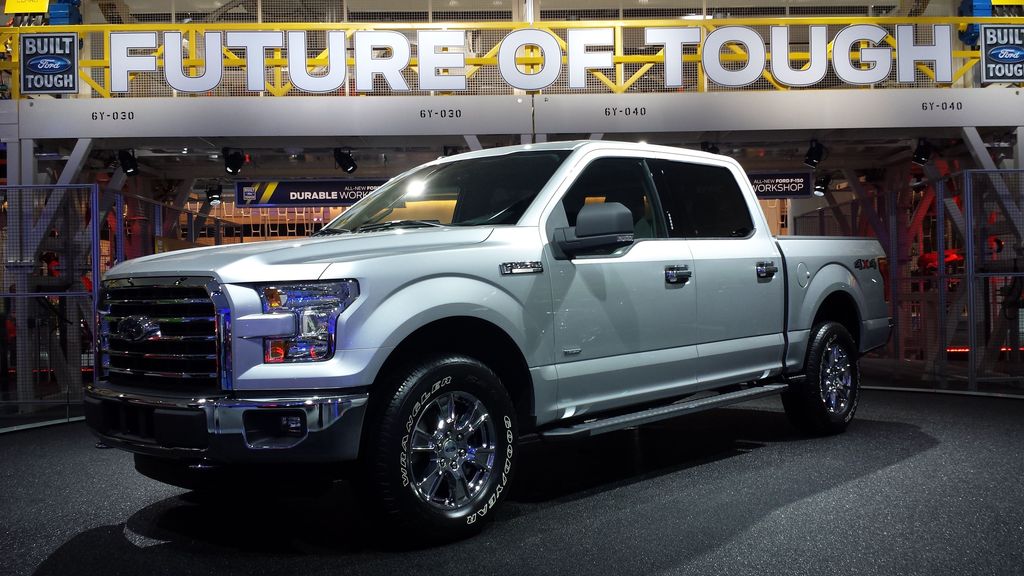
13. **Ford F-150 Hybrid**The Ford F-150 Hybrid sought to redefine the full-size pickup truck segment by introducing enhanced fuel efficiency without compromising its legendary utility. While the concept is certainly appealing, its real-world reliability paints a concerning picture for prospective lessees in 2025. This model suffers from an exceptionally low Consumer Reports reliability score of just 19 out of 100, indicating significant potential for owner dissatisfaction.
The list of “trouble spots” for the F-150 Hybrid is extensive and critically impacts its performance and durability. Key issues include the transmission, which is a foundational component for any truck, alongside significant problems with the electric system, the electric/hybrid battery itself, and various electrical accessories. These concerns are particularly problematic for a hybrid, as they undermine the very components designed to offer efficiency and modern performance.
Furthermore, owners have reported issues with the drive system, in-car electronics, and recurring noises and leaks, suggesting a multifaceted pattern of unreliability. For a vehicle that many rely on for work or demanding personal use, these problems can lead to substantial downtime and unexpected costs, even if covered under warranty. Leasing a truck prone to such comprehensive flaws means committing to potential ongoing frustrations and a vehicle that may frequently fall short of its intended capabilities. In an environment where the financial cushion of federal incentives is disappearing, leasing an F-150 Hybrid in 2025 represents an unwarranted gamble on a vehicle that simply hasn’t proven its long-term dependability.
Car Model Information: 2022 Subaru Forester Premium
Name: Ford F-Series
Caption: 2022 Ford F-150 Lariat Luxury
Manufacturer: Ford Motor Company
Aka: Ford Lobo (Mexico, 1992–present)
Production: 1948–present
Class: Pickup truck#Full-size pickup truck
Layout: Front-engine, rear-wheel-drive layout,rear-wheel drive
Predecessor: 1941 Ford
Categories: All-wheel-drive vehicles, All Wikipedia articles written in American English, All articles that may contain original research, All articles with unsourced statements, Articles that may contain original research from September 2020
Summary: The Ford F-Series is a series of light-duty trucks marketed and manufactured by the Ford Motor Company since model year 1948 as a range of full-sized pickup trucks — positioned between Ford’s Ranger and Super Duty pickup trucks. Alongside the F-150 (introduced in 1975), the F-Series also includes the Super Duty series (introduced in 1999), which includes the heavier-duty F-250 through F-450 pickups, F-450/F-550 chassis cabs, and F-600/F-650/F-750 Class 6–8 commercial trucks.
Get more information about: Ford F-Series
Buying a high-performing used car >>>
Brand: Ford Model: F-150 Hybrid
Price: $26,935 Mileage: 35,053 mi.
Read more about: The Untamed Road Ahead: Unpacking 9 Trucks Built to Conquer 300,000 Miles and Beyond for Savvy Buyers
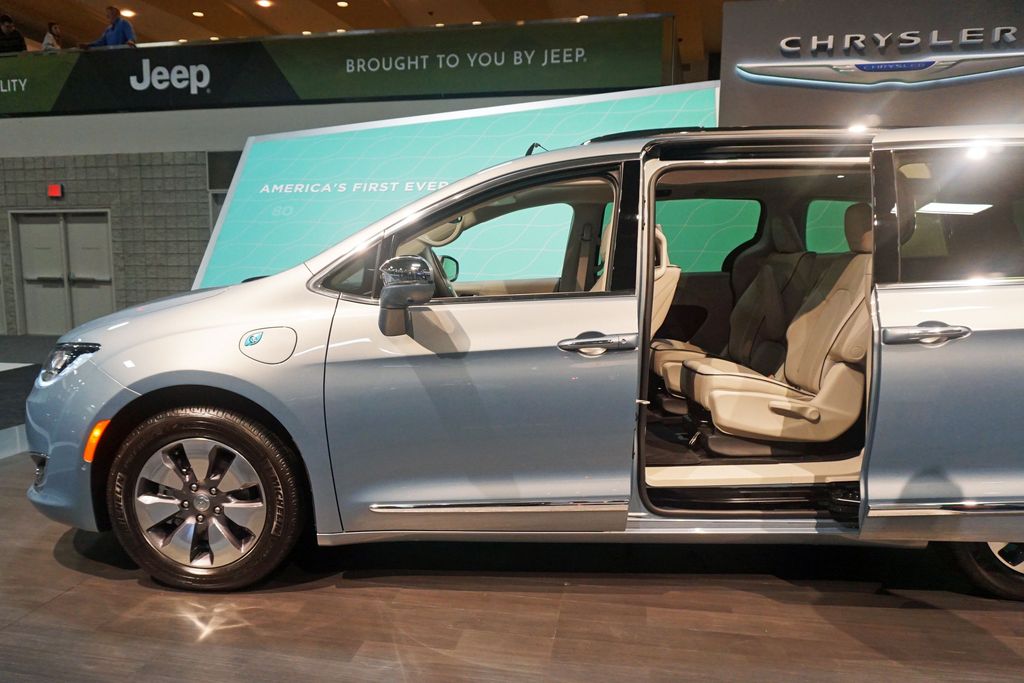
14. **Chrysler Pacifica Hybrid**The Chrysler Pacifica Hybrid stands out as one of the few minivan options offering plug-in hybrid efficiency, a feature that should appeal greatly to families looking to reduce fuel costs and environmental impact. However, for any family considering a 2025 lease, its reliability score is an undeniable deal-breaker. With a truly alarming score of just 14 out of 100 from Consumer Reports, the Pacifica Hybrid ranks among the absolute least reliable vehicles on the market, presenting an unacceptable risk.
The “trouble spots” for this minivan are profoundly concentrated within its critical hybrid powertrain components, signifying deep-seated engineering or manufacturing issues. These include severe problems with the electric/hybrid battery, difficulties with electric charging, and failures of the electric motor itself, which are all fundamental to the vehicle’s operation as a hybrid. Compounding these critical flaws are issues with the in-car electronics, which can further detract from a family’s daily driving experience.
For busy families, reliability is not just a preference; it’s a necessity. Frequent breakdowns, inability to charge, or loss of electric propulsion are more than mere inconveniences—they are major disruptions that can strand occupants or necessitate urgent, costly, and time-consuming dealership visits. Given that the primary appeal of a plug-in hybrid minivan is its combined efficiency and practicality, these persistent and severe reliability concerns fundamentally undermine its value proposition.
Leasing a Chrysler Pacifica Hybrid in 2025 means taking on an enormous financial and logistical burden, especially as the federal incentives that once sweetened these deals fade away. Despite the attractive notion of a fuel-efficient family hauler, its documented history of profound unreliability makes it a model that informed consumers should definitively steer clear of, ensuring peace of mind and predictable family transportation throughout their lease term.
Car Model Information: 2024 RAM 2500 Big Horn
Name: Chrysler Pacifica (RU)
Manufacturer: Chrysler (automotive brand)
Aka: Chrysler Voyager,Chrysler Grand Caravan (Canada, 2021–present)
Production: 2016–present
ModelYears: 2017–present
Assembly: Windsor, Ontario
Designer: Irina Zavatski,Winnie Cheung (interior)
Class: Minivan
BodyStyle: 5-door minivan
Layout: Front-engine, front-wheel drive,Front-engine, all-wheel drive
Platform: Compact U.S. Wide platform
Related: Chrysler 200#Second generation (2014–)
Engine: Chrysler Pentastar engine#3.6L,FCA Global Medium Engine
Motor: 2x electric motors (SiEVT main motor & motor generator; PHEV)
Transmission: ZF 9HP transmission,automatic transmission,Continuously variable transmission
Drivetrain: PHEV
ElectricRange: cvt
Battery: val,lithium-ion battery
Wheelbase: 3089 mm
Abbr: on
Order: flip (hybrid)
Length: 203.6 in
Width: 79.6 in
Height: convert
Weight: {{convert,1964,kg,lb,abbr=on,order=flip
Predecessor: Chrysler minivans (RT)
Categories: 2010s cars, All-wheel-drive vehicles, Articles with short description, CS1 Spanish-language sources (es), Cars introduced in 2016
Summary: The Chrysler Pacifica is a minivan produced by the Chrysler division of Stellantis since the 2017 model year. Replacing the Chrysler Town & Country, the Pacifica is the sixth generation of Chrysler minivans, taking its name from the 2004–2008 product line. Along with serving as the first minivan with a plug-in hybrid drivetrain, the Pacifica has also served as a platform for autonomous vehicle development.
For the 2020 model year, Chrysler repackaged the lower-trim versions of the Pacifica as a revived Chrysler Voyager, largely to expand fleet sales of the model line; following the retirement of the Dodge Grand Caravan, the Chrysler Voyager was introduced in Canada for 2021 as the Chrysler Grand Caravan (moving the nameplate from Dodge to Chrysler after 36 years). Following the retirement of the Chrysler 300 sedan, the Pacifica/Voyager/Grand Caravan is currently the only vehicle marketed by Chrysler.
Chrysler has assembled the Pacifica minivan (and the Voyager/Grand Caravan) in its Windsor Assembly facility in Ontario (home to Chrysler minivan assembly since 1983).
Get more information about: Chrysler Pacifica (minivan)
Buying a high-performing used car >>>
Brand: Chrysler Model: Pacifica Hybrid
Price: $44,553 Mileage: 42,501 mi.
Read more about: So You’re Driving a Brand-New Minivan? Here’s What Fellow Parents Are *Really* Thinking About Your Smart Ride.
As we navigate the swiftly evolving automotive market of 2025, the imperative to make informed leasing decisions has never been stronger. With significant federal incentives for electric and hybrid vehicles rapidly phasing out, the financial impact of choosing an outdated or unreliable model will be amplified. Our comprehensive guide underscores that while the allure of new technology or a good deal can be powerful, the long-term satisfaction of your lease hinges on the vehicle’s proven performance, modern features, and, crucially, its reliability. By steering clear of these models, you’re not just avoiding potential headaches; you’re safeguarding your investment and ensuring your chosen vehicle truly supports your lifestyle for the duration of your lease. Stay savvy, drive smart, and choose wisely to avoid any regrets on the open road.