Car collecting, for many, is a passionate pursuit, a quest to own a piece of automotive history that appreciates in value, offers a unique driving experience, or simply brings joy. Yet, this often rewarding hobby carries an inherent risk. Not every vehicle, despite initial fanfare or unique features, turns out to be a wise investment or a cherished possession. In fact, some cars, once heralded as innovative or stylish, have depreciated significantly or become burdensome to maintain, leading to a deep sense of regret for those who acquire them.
Automotive enthusiasts, driven by a love for engineering, design, and performance, often find themselves drawn to cars with a story. However, the narrative isn’t always one of triumph and increasing value. Sometimes, it’s a cautionary tale of vehicles that, for a myriad of reasons—from manufacturing flaws to poor market reception—simply failed to live up to expectations, leaving their owners with significant buyer’s remorse. These are the cars that, despite their place in history, are more often found gathering dust than commanding high prices at auction.
This authoritative guide delves into the unfortunate reality of car collecting, spotlighting vehicles that have consistently disappointed owners and collectors. We’ll explore why these models, from ambitious failures to compromised collaborations, became liabilities rather than assets, offering a detailed analysis that every automotive enthusiast should consider before making their next acquisition. Learning from these notable missteps can be an invaluable part of navigating the complex world of vehicle ownership and investment.
1. **Pontiac Aztek**
The Pontiac Aztek, produced from 2001 to 2005, stands as a polarizing figure in automotive design, often cited as a prime example of aesthetic ambition gone awry. General Motors attempted to create a versatile crossover SUV, blending the utility of an SUV with the practicality of a minivan. Unfortunately, its unconventional design, characterized by an unusual front fascia, plastic cladding, and awkward proportions, didn’t resonate with the public. It quickly cemented its place as a symbol of automotive design that simply missed the mark.
Despite its widely criticized aesthetics, the Aztek did offer a measure of practicality. Its spacious interior provided ample room for passengers and cargo, and its unique features, such as a pull-out cargo tray and an optional tent accessory, aimed to enhance its utility for outdoor enthusiasts. However, these functional attributes were consistently overshadowed by its polarizing visual presentation. The market’s rejection of its design was swift and unequivocal, ensuring its poor reception throughout its production run.
For collectors, the Aztek represents a curious anomaly rather than a prized possession. While fans of the TV series “Breaking Bad” might recognize it as Walter White’s vehicle, even this pop culture nod hasn’t significantly boosted its desirability or market value within the collector community. Most enthusiasts today view it primarily as a historical oddity, a vehicle more interesting for its infamy than for its potential as a appreciating asset, making it a regrettable purchase for those hoping for a future classic.
Its continued low market value and the general perception of its aesthetic flaws underscore the Aztek’s position as a vehicle that never quite found its stride. Collectors who bought into the idea of a quirky, underappreciated classic have often found their investment stagnating, leaving them with a car that garners more quizzical stares than admiring glances. It’s a stark reminder that sometimes, design boldness can backfire spectacularly, particularly in the unforgiving realm of automotive tastes.
Car Model Information: 2004 Pontiac Aztek 4dr All Purpose FWD
Name: Pontiac Aztek
Manufacturer: General Motors
Production: July 2000 – December 2004
Assembly: Ramos Arizpe
Designer: Tom Peters (chief designer: 1997)
Class: Mid-size crossover SUV
BodyStyle: SUV
Platform: GM U platform
Related: Buick Rendezvous
Layout: Front-engine, front-wheel-drive layout
Engine: General Motors 60° V6 engine#LA1,V6
Transmission: GM 4T65-E transmission,Automatic transmission
Wheelbase: 108.3 in (2,751 mm)
Length: 182.1 in (4,625 mm)
Width: 73.7 in (1,872 mm)
Height: 66.7 in (1,694 mm)
Weight: 3,779–4,043 lb (1,714–1,834 kg)
Predecessor: Pontiac Sunrunner
Successor: Pontiac Torrent
ModelYears: 2001–2005
Categories: All-wheel-drive vehicles, All articles needing additional references, All articles with unsourced statements, Articles needing additional references from October 2013, Articles with short description
Summary: The Pontiac Aztek is a mid-size crossover SUV marketed by General Motors introduced in 2000 for the model years 2001 through 2005. As a four-door crossover with front-wheel drive and optional all-wheel drive, the Aztek featured a four-speed automatic transmission with a V6 engine. Marketed by Pontiac as a “sport recreational vehicle,” the Aztek used a shortened platform shared with GM’s minivans (e.g., the Pontiac Montana) featuring 94 cubic feet of cargo room with its rear seats removed. The design employed conventional rear outswing doors rather than sliding doors, and a split rear tailgate, the lower section formed with seat indentations and cupholders. Other features included a front center console that doubled as a removable cooler, optional rear stereo controls in the cargo area, optional sliding cargo floor with grocery compartments, and optional camping package with an attachable tent and air mattress.
Get more information about: Pontiac Aztek
Buying a high-performing used car >>>
Brand: Pontiac Model: Aztek
Price: $995 Mileage: 0 mi.
Read more about: Aero Disasters and Proportional Misses: Unmasking 14 of the Ugliest Styling Blunders in SUV History
2. **DeLorean DMC-12**
The DeLorean DMC-12 is undeniably an iconic vehicle, largely owing to its starring role as a time machine in the seminal “Back to the Future” films. Its striking stainless steel body panels and distinctive gull-wing doors give it an instantly recognizable and futuristic appearance that continues to captivate enthusiasts. This cinematic legacy alone has ensured its place in popular culture, making it a dream car for many who grew up watching Marty McFly and Doc Brown’s adventures.
However, beyond its impressive screen presence and unique aesthetics, the DMC-12 harbored significant drawbacks that hindered its appeal as a collectible. Production, which occurred only between 1981 and 1983, was plagued by quality control issues. This meant that many vehicles left the factory with various imperfections, undermining the premium image the car sought to project. The performance, powered by a V6 engine, was also often described as underwhelming, failing to match the vehicle’s exotic looks.
For collectors, the DMC-12 frequently proves to be more trouble than it’s worth. Owners often encounter considerable difficulties in sourcing parts due to the car’s limited production run and the company’s tumultuous history. Furthermore, the vehicle’s inherent mechanical quirks and reliability challenges demand constant attention and specialized knowledge to keep it running smoothly. These maintenance burdens can quickly diminish the enjoyment of ownership, turning a dream car into a financial and logistical headache.
While its cinematic legacy is undeniably powerful, the practical drawbacks of the DMC-12 leave many collectors regretting their purchase. The car’s high maintenance costs, coupled with its performance shortcomings, mean that its value as an investment often falls short of expectations. It remains a fascinating piece of automotive history, a testament to bold vision, but for many, the reality of owning one is a stark contrast to its silver-screen glamour.
Car Model Information: 1982 Delorean DMC-12
Name: DMC DeLorean
Alt: 1983 DeLorean
Caption: 1983 DeLorean
Manufacturer: DeLorean Motor Company
Production: January 21, 1981 – December 1982
ModelYears: 1981–1983
Assembly: Dunmurry
Designer: Giorgetto Giugiaro
Class: Sports car
BodyStyle: coupé
Layout: Rear-engine, rear-wheel-drive layout
Doors: Gull-wing doors
Engine: 2.85 L
Abbr: on
Powerout: 130 hp
Transmission: 5-speed manual ,3-speed automatic
Wheelbase: 2413 mm
Length: 4267 mm
Width: 1988 mm
Height: 1140 mm
Weight: 1233 kg
Sp: us
Categories: 1980s cars, All Wikipedia articles written in American English, Articles with short description, Automobiles with backbone chassis, Automobiles with gull-wing doors
Summary: The DMC DeLorean is a rear-engine, two-seat sports car manufactured and marketed by John DeLorean’s DeLorean Motor Company (DMC) for the American market from 1981 until 1983—ultimately the only car brought to market by the fledgling company. The DeLorean is sometimes referred to by its internal DMC pre-production designation, DMC-12, although this was not used in sales or marketing materials for the production model.
Designed by Giorgetto Giugiaro, the DeLorean is noted for its gull-wing doors and brushed stainless-steel outer body panels, as well as its lack of power and performance. Though its production was short-lived, the DeLorean became widely known after it was featured as the time machine in the Back to the Future films.
With the first production car completed on January 21, 1981, the design incorporated numerous minor revisions to the hood, wheels and interior before production ended in late December 1982, shortly after DMC filed for bankruptcy and after total production reached an estimated 9,000 units.
Despite the car having a reputation for poor build quality and an unsatisfactory driving experience, the DeLorean continues to have a strong following, driven in part by the popularity of Back to the Future. 6,500 DeLoreans were estimated to still be on the road as of 2015.
Get more information about: DMC DeLorean
Buying a high-performing used car >>>
Brand: DeLorean Model: DMC-12
Price: $129,950 Mileage: 3,145 mi.
Read more about: Classic Cars That Looked Fast But Weren’t: The Ultimate Guide to Automotive Style Over Speed
3. **Yugo GV**
The Yugo GV, introduced to the American market in 1985, arrived with the promise of ultra-affordable and practical transportation. Marketed as a no-frills, economical subcompact car, it aimed to capture a segment of buyers seeking the absolute lowest entry point into new car ownership. Its straightforward design and basic features were intended to appeal to budget-conscious consumers who prioritized cost above all else.
Unfortunately, the Yugo GV quickly became infamous for its abysmal build quality and profound lack of reliability. It rapidly earned a reputation as one of the worst cars ever sold in the U.S., a label that stuck firmly throughout its brief tenure in the American market. Owners frequently reported a litany of mechanical failures, electrical problems, and general component breakdowns, leading to a deeply frustrating ownership experience.
Collectors who acquired a Yugo GV, perhaps hoping for a quirky or ironically charming addition to their collection, often found themselves embroiled in a cycle of constant repairs. Compounding the issue, the difficulty in sourcing parts for such a poorly regarded and short-lived model only added to the frustration. The ongoing battle against mechanical shortcomings and the struggle to find replacement components made the car a continuous drain on resources and patience.
Despite its notoriety, the Yugo GV’s poor reputation has not translated into any form of cult status or significant collector value. Unlike some other automotive failures that gain a niche following over time, the Yugo remains largely undesirable, viewed more as a warning than a curiosity. This lack of appreciation leaves many owners wishing they had invested their money elsewhere, reinforcing the Yugo GV’s status as a profoundly regrettable purchase in the collector car world.
Read more about: 14 Collectible Cars You Should Think Twice About Restoring: A Consumer’s Guide
4. **Cadillac Cimarron**
General Motors launched the Cadillac Cimarron, produced from 1982 to 1988, as a strategic attempt to penetrate the burgeoning compact luxury car market. At a time when European and Japanese manufacturers were gaining ground with smaller, refined vehicles, Cadillac aimed to offer a more accessible entry point into its prestigious brand. The intention was to combine Cadillac’s luxury cachet with the practicality and efficiency demanded by a new generation of buyers.
However, the Cimarron’s execution proved to be a colossal misstep. Rather than a bespoke luxury compact, it was essentially a rebadged Chevrolet Cavalier, GM’s humble economy car, with a higher price tag and a few Cadillac styling cues. This lack of genuine distinction and shared platform components did not sit well with Cadillac’s traditional customer base, who expected a level of engineering and refinement commensurate with the brand’s esteemed reputation. The clear badge engineering was a critical disappointment.
This car quickly became emblematic of severe brand mismanagement within General Motors. Customers felt cheated, paying a premium for what was fundamentally a dressed-up economy car. The Cimarron’s glaring lack of distinctive features, superior performance credentials, or genuine luxury enhancements rendered it highly undesirable among discerning luxury car buyers and, subsequently, collectors. It failed to offer anything unique that justified its premium pricing or the Cadillac nameplate.
Those who purchased the Cimarron with aspirations of owning a classic Cadillac experience were sorely disappointed. Its legacy is one of diluted brand identity and a cautionary tale of corporate shortcuts. For collectors, the Cimarron holds little appeal; its historical significance lies more in its representation of a corporate blunder than in any intrinsic value as a collectible. It stands as a stark reminder that superficial branding cannot compensate for a lack of substance and innovation.
Read more about: Beyond Glare: Unpacking the Most Controversial Car Design Features and Their Unforeseen Impacts on the Road and Culture
5. **Ford Edsel**
The Ford Edsel, launched with considerable fanfare in 1957, was intended to be a beacon of innovation and distinctive design, positioned as a new mid-range brand for the Ford Motor Company. It was the result of extensive market research and a massive investment, aiming to offer a car that stood out from the competition with unique styling and a fresh identity. Ford had high hopes for the Edsel, believing it would redefine the automotive landscape.
Unfortunately, the launch of the Edsel coincided with an economic recession, a significant downturn that immediately dampened consumer spending on new automobiles. Compounding this unfortunate timing, the Edsel’s distinctive styling, particularly its controversial horse-collar grille, was widely deemed unattractive by the public. What was intended to be innovative and eye-catching instead became a point of ridicule, leading to abysmal sales figures that quickly signaled its impending failure.
The public’s rejection of its design and the challenging economic climate led to the model’s discontinuation by 1960, a remarkably short production run for a car with such ambitious beginnings. The Edsel became a byword for commercial failure in the automotive industry, a stark reminder of how grand plans can unravel when market conditions and public taste do not align with product vision. Its short life and poor reception left a significant mark on Ford’s history.
Collectors who have acquired an Edsel often find themselves saddled with a vehicle that offers minimal appreciation potential. While it remains a fascinating, if notorious, piece of automotive history—a subject of academic studies on marketing failures—its market value continues to be low. It serves more as a cautionary tale of hubris and misjudgment in automotive development than as a prized collectible, leaving owners with an interesting conversation starter but a poor investment.
Car Model Information: 1959 Edsel Ranger
BirthName: Edsel Bryant Ford
Caption: Ford in 1921
BirthDate: [object Object]
BirthPlace: Detroit, Michigan
DeathDate: [object Object]
DeathPlace: Grosse Pointe Shores, Michigan
Occupation: Automobile executive
Title: Ford Motor Company
Spouse: [object Object]
Parents: Henry Ford,Clara Bryant Ford
Relations: Edsel Ford II
Children: Henry Ford II,Benson Ford,Josephine Ford,William Clay Ford Sr.
Categories: 1893 births, 1943 deaths, 20th-century American businesspeople, All Wikipedia articles written in American English, All articles with dead external links
Summary: Edsel Bryant Ford (November 6, 1893 – May 26, 1943) was an American business executive and philanthropist, who was the only child of pioneering industrialist Henry Ford and his wife, Clara Jane Bryant Ford. He was the president of the Ford Motor Company from 1919 until his death in 1943.
He worked closely with his father, as sole heir to the business, but was keen to develop cars more exciting than the Model T (“Tin Lizzie”), in line with his personal tastes. Even as president, he had trouble persuading his father to allow any departure from this formula. Only a change in market conditions enabled him to develop the more fashionable Model A in 1927. Edsel also founded the Mercury division and was responsible for the Lincoln-Zephyr and Lincoln Continental. He introduced important features, such as hydraulic brakes, and greatly strengthened the company’s overseas production.
Ford was a major art benefactor in Detroit and also financed Admiral Richard Byrd’s polar explorations. He died of stomach cancer aged 49. Henry Ford temporarily reassumed the presidency of Ford Motor Company on Edsel’s death, then Edsel’s eldest son, Henry Ford II, succeeded Henry as president of the company in 1945.
He was also a member of the board of directors of American IG, the American subsidiary of the German chemical conglomerate IG Farben.
Get more information about: Edsel Ford
Buying a high-performing used car >>>
Brand: Ford Model: Edsel
Price: $19,000 Mileage: 21,529 mi.
Read more about: From Blunders to Busts: Unpacking 7 of Automotive History’s Most Embarrassing New Model Launches
6. **AMC Pacer**
The AMC Pacer, produced from 1975 to 1980, represented an ambitious attempt by American Motors Corporation to revolutionize the compact car segment. It was conceived as a futuristic vehicle, boasting a uniquely wide body and an expansive glass area, giving it an unmistakable “fishbowl” aesthetic. The design aimed to create an exceptionally airy and spacious interior feel, a stark contrast to the typically cramped compacts of its era, and stood out visually from anything else on the road.
Despite its innovative and distinctive design, which garnered a certain level of intrigue, the Pacer suffered from significant functional drawbacks. It was notoriously underpowered, especially when equipped with its standard engines, struggling to provide adequate acceleration and performance in everyday driving. Furthermore, its design, while unique, contributed to poor fuel economy, a critical flaw at a time when consumers were becoming increasingly conscious of rising gasoline prices following the oil crises of the 1970s.
These performance and efficiency issues did not endear the Pacer to consumers, leading to lukewarm sales figures despite its initial novelty. While it has since earned a certain level of nostalgia and cult status due to its truly unique appearance, collectors often regret purchasing the Pacer primarily because of its persistent mechanical issues and limited market demand. Its unique aesthetic might draw attention, but the underlying practicalities often detract from the ownership experience.
The Pacer’s reputation for mechanical unreliability means that owning one often entails frequent trips to the repair shop. For collectors seeking a valuable or highly desirable classic, the Pacer rarely delivers on that front. It remains a vehicle that intrigues more for its oddity and the sheer audacity of its design than for its value as a sound collectible or a pleasurable driving machine, making it a purchase often accompanied by a sense of buyer’s remorse.
Read more about: The Wirecutter Guide to Flawless Gear Shifts: 15 Top Derailleurs and Tools for Crisp, Precise Cycling Performance
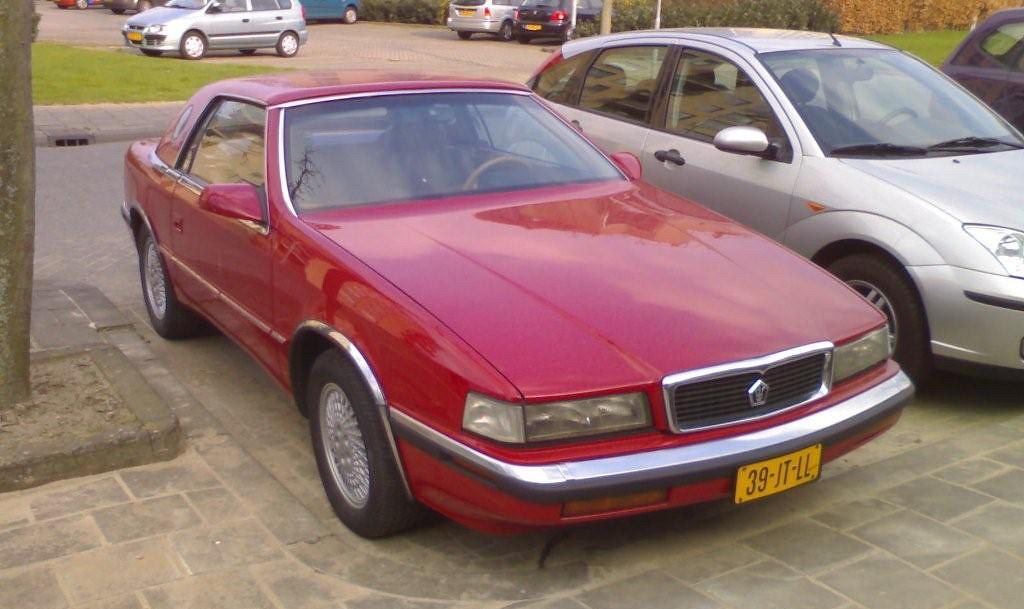
7. **Chrysler TC by Maserati**
The Chrysler TC by Maserati was a highly anticipated joint venture between American automotive giant Chrysler and the esteemed Italian luxury brand Maserati, produced from 1989 to 1991. The concept was to fuse Italian design and luxury with American engineering, creating a sophisticated grand touring car that would elevate Chrysler’s image and offer a truly unique product to discerning buyers. It aimed to deliver an exclusive, high-performance luxury experience.
However, despite the grand promises inherent in such a collaboration, the TC ultimately failed to deliver the genuine luxury experience and performance expected from a Maserati. Its Chrysler underpinnings, particularly those borrowed from the K-car platform, were too evident, undermining the car’s attempts at exclusivity and refinement. Instead of feeling like a bespoke Italian luxury car, it felt like a heavily modified Chrysler, a perception that severely damaged its market appeal.
The car’s lack of distinctive performance, which often struggled to justify its premium price tag, coupled with a tepid reception from both critics and consumers, sealed its fate. Many felt that it didn’t embody the best of either brand but rather a compromise that satisfied neither. The initial enthusiasm for the unique partnership quickly faded as the realities of the car’s shortcomings became apparent, particularly among those who expected genuine Maserati DNA.
Collectors who acquired the Chrysler TC by Maserati, hoping for a future luxury classic with significant investment potential, have been largely disappointed. Its value has not increased significantly over time, and its reputation remains marred by its perceived lack of authenticity and performance. This makes it a regrettable choice for those seeking a vehicle that combines heritage with appreciating value, highlighting the challenges of cross-cultural automotive collaborations that fail to fully integrate their supposed strengths.
Unpacking modern buyer’s remorse: Examining eight contemporary vehicles whose pervasive mechanical, reliability, and functional issues have solidified their place as poor investments for collectors and everyday drivers alike, leading to widespread dissatisfaction.
While the previous section highlighted early automotive missteps that led to regret, the challenges in car ownership are far from confined to the past. Many vehicles, even those with brand pedigree or initial hype, have likewise proven to be perpetual sources of frustration. They consistently fail to deliver the reliability, performance, or enduring value expected by owners and collectors. These are the cars that, despite varied origins, unite their owners in a shared sentiment of “if only I had known.”
This part of our deep dive focuses on eight additional models exemplifying modern buyer’s remorse. We’ll examine how persistent mechanical flaws, compromised user experience, and a disconnect between marketing promises and real-world performance have turned what might have been exciting purchases into ongoing liabilities. From microcars with limited modern utility to recent electric vehicles plagued by critical safety issues, these cars underscore thorough research beyond initial impressions.
Car Model Information: 2021 RAM 2500 Big Horn
Name: Chrysler TC by Maserati
Manufacturer: Maserati,Chrysler (division)
Production: 1988–1990
ModelYears: 1989–1991
Class: Grand tourer
Layout: Front-engine, front-wheel-drive layout
Predecessor: Imperial (automobile)#Sixth generation (1981–1983)
Successor: Chrysler Crossfire
Platform: Chrysler Q platform
BodyStyle: convertible
Engine: Chrysler 2.2 & 2.5 engine#Turbo II,Chrysler 2.2 & 2.5 engine#TC,Mitsubishi 6G7 engine#6G72
Transmission: manual transmission,TorqueFlite,Ultradrive
Weight: 3033 lb
Abbr: on
Wheelbase: 93.3 in
Length: 175.8 in
Width: 68.5 in
Height: 51.9 in
Assembly: Torino,Sparone,Milan
Categories: 1990s cars, All articles with unsourced statements, Articles with short description, Articles with unsourced statements from August 2025, Articles with unsourced statements from March 2021
Summary: The Chrysler TC by Maserati is a two-passenger, two-door convertible jointly developed by Chrysler and Maserati. Introduced at the 1986 Los Angeles Auto Show., the TC was positioned as a grand tourer using a “Q” body on a modified second-generation Chrysler K platform. After two years of development delays, the TC became available in late-1988 and a total of 7,300 units (the minimum required under the contract) were manufactured in Milan, Italy, through 1990. All cars sold as 1991 models were manufactured in 1990.
Get more information about: Chrysler TC by Maserati
Buying a high-performing used car >>>
Brand: Chrysler Model: TC by Maserati
Price: $33,564 Mileage: 45,952 mi.
Read more about: Where Are They Now? 7 Once-Dominant Car Brands Grappling for Survival in Today’s Volatile Market

8. **BMW Isetta**
The BMW Isetta, a distinctive microcar from the 1950s and 1960s, is instantly recognizable for its charming, bubble-like design and unique front-opening door. This innovative approach to compact transportation responded to post-war needs for economical personal mobility, with its visual appeal representing a quaint piece of automotive history and ingenious space-saving engineering.
However, for the modern collector, the Isetta presents a challenging proposition. Its inherent limitations in power and size make it profoundly impractical for contemporary driving, struggling to keep pace with traffic or offer adequate safety. What was once a functional city car now often feels more like a novelty item, charming to look at but less enjoyable to operate regularly.
Ownership of an Isetta often becomes a venture limited to niche enthusiasts who prioritize its historical significance over practical utility. The difficulty in finding suitable driving opportunities, coupled with its highly specialized appeal, can make it challenging to sell or enjoy regularly. For those seeking a collectible offering more than a static display, the Isetta can indeed become a source of regret.
Car Model Information: 1957 BMW Isetta 300 with Rollback Sunroof
Name: Isetta
Production: Iso Isetta (1953–56),BMW Isetta (1955–62),VELAM Isetta (1955–58),Romi-Isetta (1956–61)
Manufacturer: Iso Autoveicoli,BMW,VELAM,Romi
Layout: MR layout
BodyStyle: Cabriolet,Van,Pick-up
Categories: All articles with dead external links, Articles with dead external links from February 2018, Articles with permanently dead external links, Articles with short description, BMW vehicle series
Summary: The Isetta is an Italian-designed microcar initially manufactured in 1953 by the Italian firm Iso SpA, and subsequently built under license in a number of different countries, including Argentina, Spain, Belgium, France, Brazil, Germany, and the United Kingdom. The name Isetta is the Italian diminutive form of Iso, meaning “little Iso”. Because of its egg shape and bubble-like windows, it became known as a bubble car, a name also given to other similar vehicles.
In 1955, the BMW Isetta became the world’s first mass-production car to achieve a fuel consumption of 3 L/100 km (94 mpg‑imp; 78 mpg‑US). It was the top-selling single-cylinder car in the world, with 161,728 units sold.
Get more information about: Isetta
Buying a high-performing used car >>>
Brand: BMW Model: Isetta
Price: $36,997 Mileage: 4,901 mi.
Read more about: Unleash the Roar: 12 Iconic Convertibles That Defined Eras and Demand Attention on Every Road!
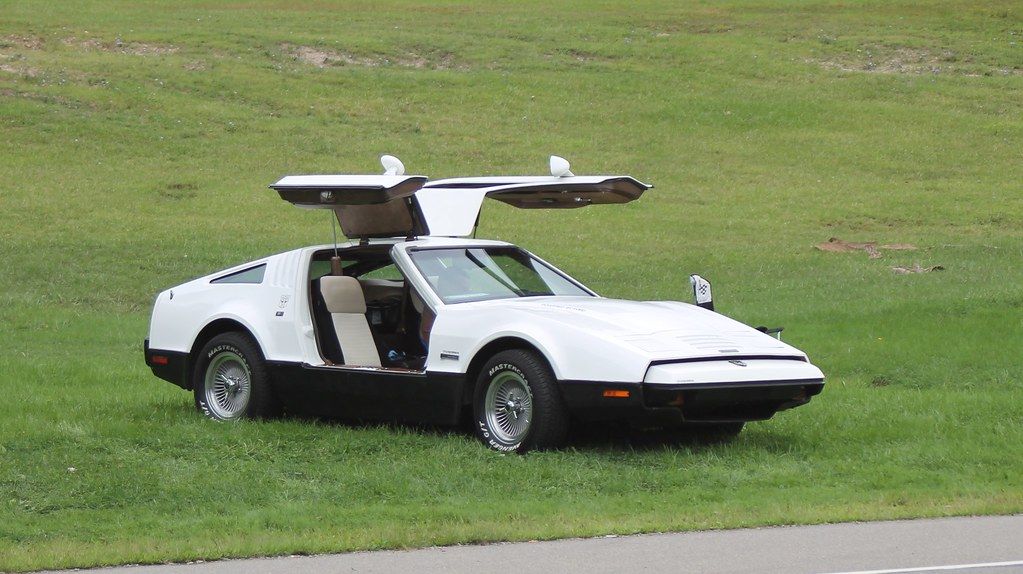
9. **Bricklin SV-1**
Conceived in the mid-1970s, the Bricklin SV-1 was a bold American sports car focused primarily on safety, highlighted by its “Safety Vehicle 1” designation. Its striking gull-wing doors and angular design gave it an exotic appearance, aiming to fuse performance with a revolutionary commitment to occupant protection.
Unfortunately, the SV-1’s production was severely hampered by quality control issues and persistent manufacturing delays. These problems led to a limited production run and contributed to the company’s financial collapse. The promise of a high-tech, safe sports car frequently dissolved into inconsistent build quality and components that simply did not hold up.
For collectors who have acquired a Bricklin, ownership often involves a constant battle with maintenance and parts availability. The car’s scarcity, combined with bespoke design elements and the company’s brief existence, means sourcing replacement components can be both difficult and expensive. This perpetuates frustration, turning a distinctive classic into a burdensome project.
Car Model Information: 1975 Bricklin SV-1
Name: Bricklin SV-1
Manufacturer: Bricklin Canada Ltd.,General Vehicles Inc.
Production: 1974–1976
ModelYears: 1974–1976
Assembly: Saint John, New Brunswick
Designer: Marshall Hobart,Herb Grasse
Class: Sports car
BodyStyle: hatchback
Layout: Front-engine, rear-wheel-drive layout
Engine: ubl ,AMC V8 engine#360
Transmission: ubl
Wheelbase: cvt
Length: cvt
Width: cvt
Height: cvt
Weight: cvt
Sp: us
Doors: Gull-wing doors
Categories: Articles with short description, Automobiles with gull-wing doors, CS1: long volume value, Cars introduced in 1974, Cars of Canada
Summary: The Bricklin SV-1 is a two-seat sports car produced by American businessman Malcolm Bricklin and his manufacturing company from 1974 until early 1976. The car was noteworthy for its gull-wing doors and composite bodywork of color-impregnated acrylic resin bonded to fiberglass. Assembly took place in Saint John, New Brunswick, Canada. The name SV-1 is an abbreviation of “safety vehicle one”. Bricklin company literature uses both the SV-1 and SV1 formats. To promote the car’s safety bona fides, the company touted such features as its integrated roll-over structure and energy-absorbing bumpers.
Get more information about: Bricklin SV-1
Buying a high-performing used car >>>
Brand: Bricklin Model: SV-1
Price: $36,485 Mileage: 34,002 mi.
Read more about: 14 Collectible Cars You Should Think Twice About Restoring: A Consumer’s Guide
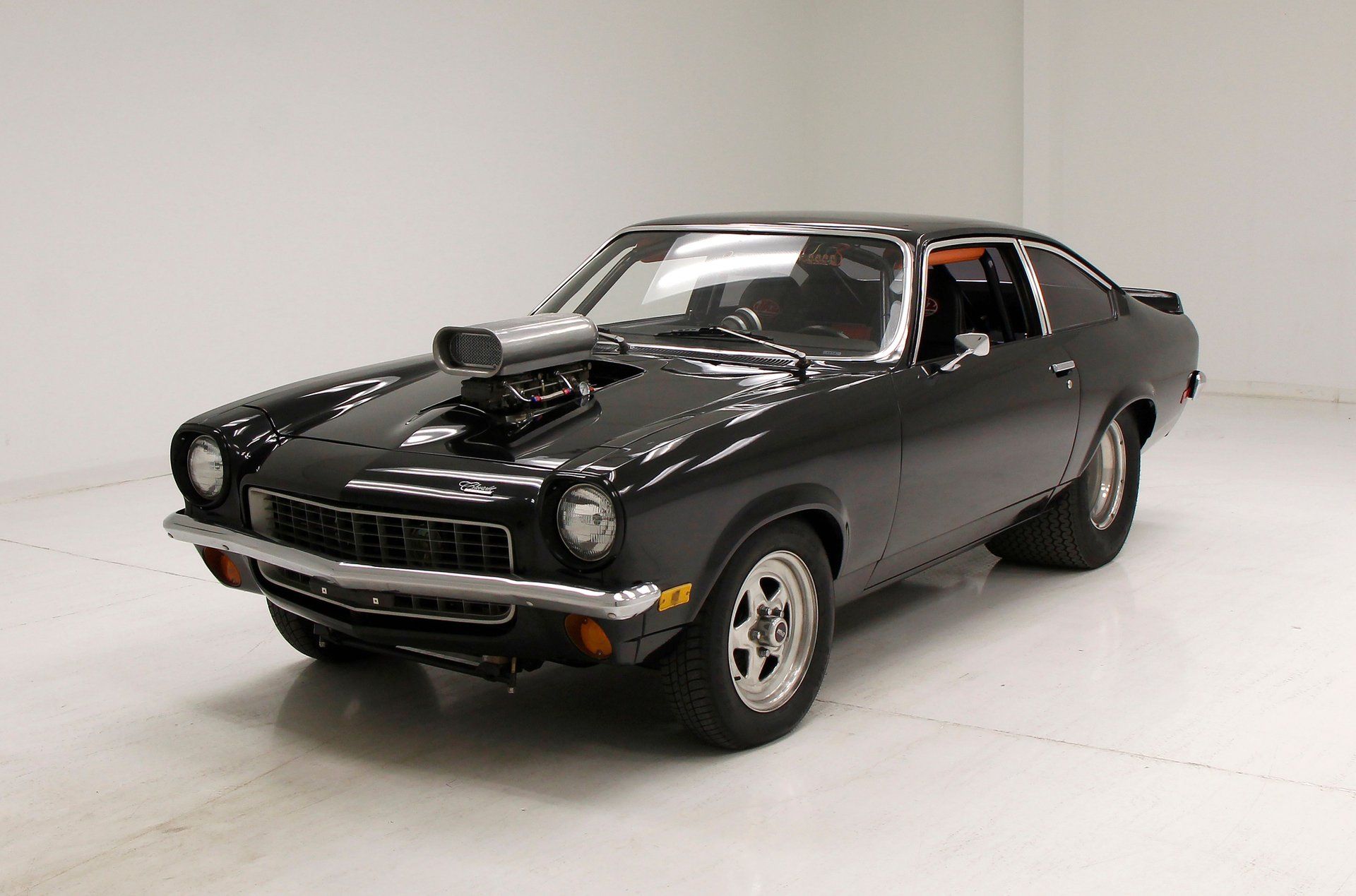
10. **Chevrolet Vega**
The Chevrolet Vega, introduced from 1970 to 1977, arrived with initial acclaim for its sleek styling and affordability in the compact car segment. It was positioned as a domestic answer to imported small cars, promising a modern and economical option for American buyers.
However, this initial optimism quickly dissolved as the Vega became notorious for persistent and severe reliability problems. Owners frequently reported critical issues, notably widespread rust and engine reliability woes. These flaws severely damaged its reputation, transforming it into a cautionary tale of automotive engineering.
For collectors venturing into Vega ownership, the path typically involves extensive and costly restoration work to address its inherent shortcomings. Despite the effort, its historical reputation for unreliability means even a perfectly restored example often struggles to achieve significant appreciation in value. The car’s original promise remains largely unfulfilled.
Car Model Information: 1976 Chevrolet Vega
Name: Chevrolet Vega
Caption: 1971 Chevrolet Vega
Aka: Vega 2300
Manufacturer: Chevrolet
Production: 1970–1977
ModelYears: 1971–1977
Assembly: Lordstown, Ohio
Predecessor: Chevrolet Corvair
Successor: Chevrolet Monza
Class: Subcompact car
BodyStyle: notchback,hatchback,station wagon,Panel van
Layout: FR layout
Platform: GM H platform (RWD)
Engine: {{cvt,2.3,L,cuin,0,Chevrolet 2300 engine
Transmission: manual transmission,4-speed manual,overdrive (mechanics),Torque-Drive 2-speed Powerglide requiring manual shifting,Powerglide,Turbo-Hydramatic
Wheelbase: cvt
Length: cvt
Width: cvt
Height: cvt
Weight: cvt
Related: Pontiac Astre,Chevrolet Monza,Pontiac Sunbird#First generation (1976–1980),Buick Skyhawk#First generation (1975–1980),Oldsmobile Starfire#Second generation (1975–1980)
Designer: Bill Mitchell (designer)
Categories: 1970s cars, All articles needing additional references, All articles with unsourced statements, Articles needing additional references from July 2023, Articles with short description
Summary: The Chevrolet Vega is a subcompact automobile manufactured and marketed by GM’s Chevrolet division from 1970 until 1977. Available in two-door hatchback, notchback, wagon, and sedan delivery body styles, all models were powered by an inline four-cylinder engine designed specifically for the Vega, with a lightweight aluminum alloy cylinder block. The Vega first went on sale in Chevrolet dealerships on September 10, 1970. Variants included the Cosworth Vega, a short-lived limited-production performance version introduced spring 1975.
The Vega received the 1971 Motor Trend Car of the Year. Subsequently, the car became widely known for a range of problems related to its engineering, reliability, safety, propensity to rust, and engine durability. Despite numerous recalls and design upgrades, Vega’s problems tarnished its reputation and that of General Motors. Production ended with the 1977 model year.
The car was named for Vega, the brightest star in the constellation Lyra.
Get more information about: Chevrolet Vega
Buying a high-performing used car >>>
Brand: Chevrolet Model: Vega
Price: $30,000 Mileage: 82,344 mi.
Read more about: Classic Cars That Looked Fast But Weren’t: The Ultimate Guide to Automotive Style Over Speed
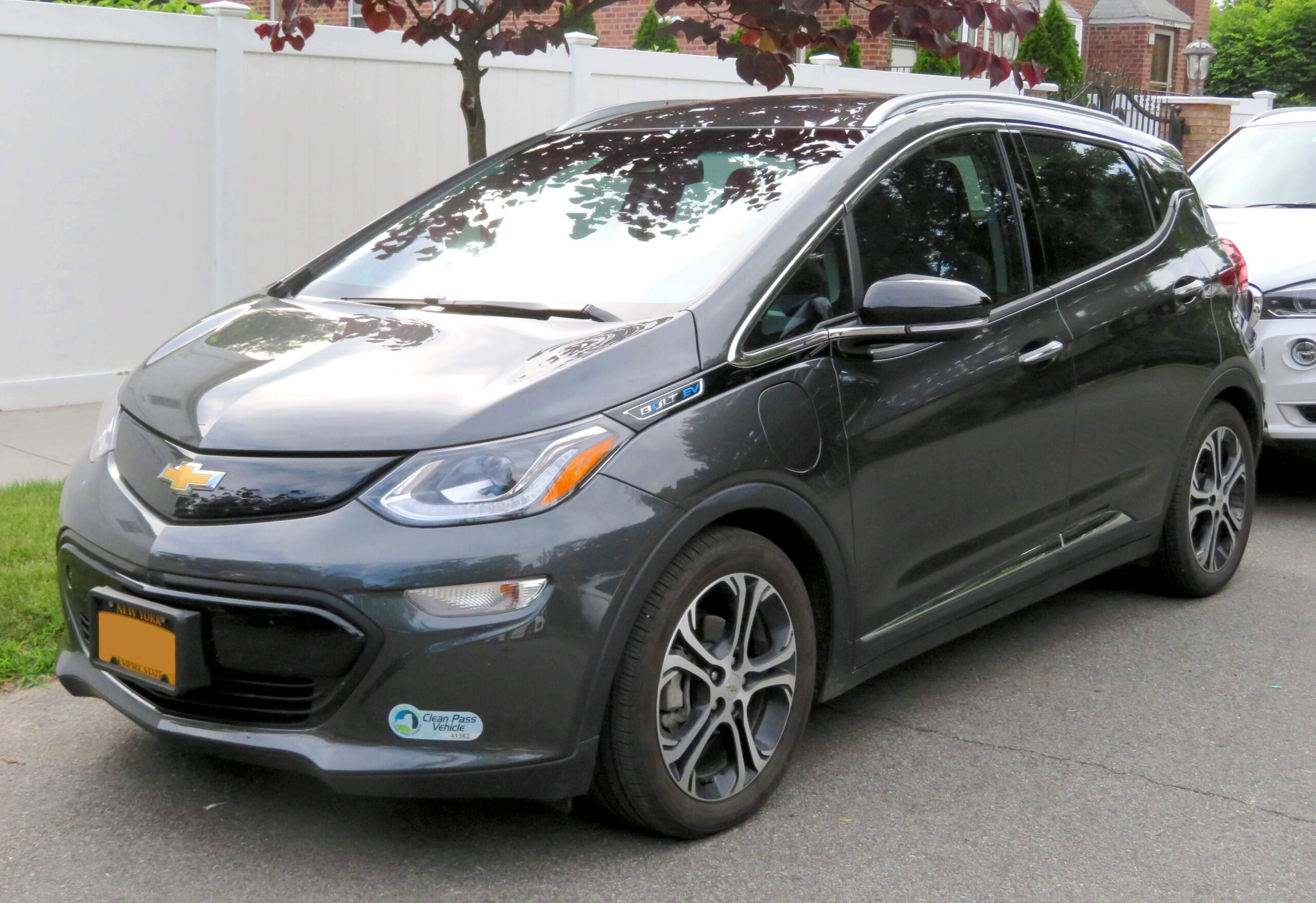
11. **Chevrolet Bolt**
The Chevrolet Bolt EV initially earned praise for its affordability and respectable electric range, presenting itself as a practical and accessible option for mainstream EV adoption. General Motors aimed to position it as a compelling entry, balancing performance and everyday usability.
However, the Bolt’s promising start was tragically overshadowed by battery-related fires. This critical safety issue led to massive recalls in both 2020 and 2021, severely undermining consumer confidence. The root cause was traced to lithium-ion batteries by LG, prone to short-circuiting, overheating, and igniting.
Beyond the serious battery fire risks, the Bolt also faced criticism for other aspects. Owners frequently cited “so-so” ride quality, limited rear passenger space, and adequate but unengaging handling. These factors, while less dramatic than the fire risk, contributed to a less-than-ideal ownership experience.
Car Model Information: 2018 Chevrolet Bolt EV LT
Name: Chevrolet Bolt EV
Caption: 2022 Chevrolet Bolt EV
Manufacturer: General Motors
Production: unbulleted list
ModelYears: unbulleted list
Class: Subcompact car
BodyStyle: hatchback
Layout: Front-engine, front-wheel-drive layout
Predecessor: Chevrolet Spark EV
Categories: 2020s cars, All Wikipedia articles in need of updating, All articles containing potentially dated statements, All articles with unsourced statements, Articles containing potentially dated statements from February 2018
Summary: The Chevrolet Bolt EV (marketed in Europe as Opel Ampera-e) is a battery electric subcompact hatchback manufactured and marketed by General Motors under its Chevrolet brand from late 2016 until late 2023, with a brief hiatus between mid-2021 and early 2022.
The first-generation Bolt was developed and manufactured with LG Corporation. Sales of the 2017 Bolt began in California in December 2016; it was released nationwide and international markets release in 2017. A rebadged European variant was marketed as the Opel Ampera-e in mainland Europe. In 2017, the Bolt was the second-best-selling plug-in car in the United States. It was named the 2017 Motor Trend Car of the Year, the 2017 North American Car of the Year, an Automobile magazine 2017 All Star, and was listed in Time magazine’s Best 25 Inventions of 2016. The Ampera-e was discontinued after 2018. By the end of 2020, GM had sold 112,000 Bolt and Ampera-e cars worldwide. The first-generation Bolt had been subject to at least three recalls due to battery fire risks.
In mid-2023, GM officials said they would discontinue the Bolt; after outcry, they announced plans for a next-generation model, which is expected to be revealed in 2025 for model year 2026.
Get more information about: Chevrolet Bolt
Buying a high-performing used car >>>
Brand: Chevrolet Model: Bolt
Price: $13,991 Mileage: 55,107 mi.
Read more about: Classic Cars That Looked Fast But Weren’t: The Ultimate Guide to Automotive Style Over Speed

12. **Hyundai Kona Electric**
Hyundai has, in recent years, established a strong reputation for innovative and well-received electric vehicles, demonstrating a clear commitment to the future. The Kona Electric, with its compact footprint and respectable range, initially seemed poised to continue this positive trend as a stylish and efficient urban EV solution.
Yet, despite the brand’s overall success in the EV sector, the Hyundai Kona Electric sadly emerged as one of its notable “clunkers.” Much like the Chevrolet Bolt, its history is marked by significant battery fires and subsequent recalls. Hyundai issued worldwide recalls in 2020 and 2021, taking drastic measures to mitigate fire risks by replacing battery packs.
Unfortunately, the battery problems, while paramount, were merely “the tip of the iceberg” for the Kona Electric. Owners and critics pointed to additional shortcomings that detract from the overall experience, suggesting a broader array of issues beyond the power source. The persistent challenges, even after battery replacements, led to a collective sentiment of “buyer beware!”
Car Model Information: 2021 RAM 2500 Big Horn
Name: Hyundai Kona
Caption: Hyundai Kona N Line (SX2)
Manufacturer: Hyundai Motor Company
Aka: Hyundai Kauai (Portugal)
Production: 2017–present
ModelYears: 2018–present
Class: Subcompact crossover SUV
BodyStyle: SUV
Layout: ubl
Categories: 2020s cars, All-wheel-drive vehicles, All Wikipedia articles in need of updating, All Wikipedia articles written in British English, Articles containing Chinese-language text
Summary: The Hyundai Kona (Korean: 현대 코나) is a subcompact crossover SUV produced by the South Korean manufacturer Hyundai. The first-generation Kona debuted in June 2017 and the production version was revealed later that year. It is positioned between the Venue or Bayon and the Tucson in Hyundai crossover SUV line-up. The battery electric version called the Kona Electric (or Kona EV) was first launched in South Korea during the first half of 2018 and rolled out gradually worldwide afterwards.
Get more information about: Hyundai Kona
Buying a high-performing used car >>>
Brand: Hyundai Model: Kona Electric
Price: $33,564 Mileage: 45,952 mi.
Read more about: Honda’s $30K Bet: Unpacking the Game-Changing EV Aiming to Redefine Affordable Electric Mobility in America
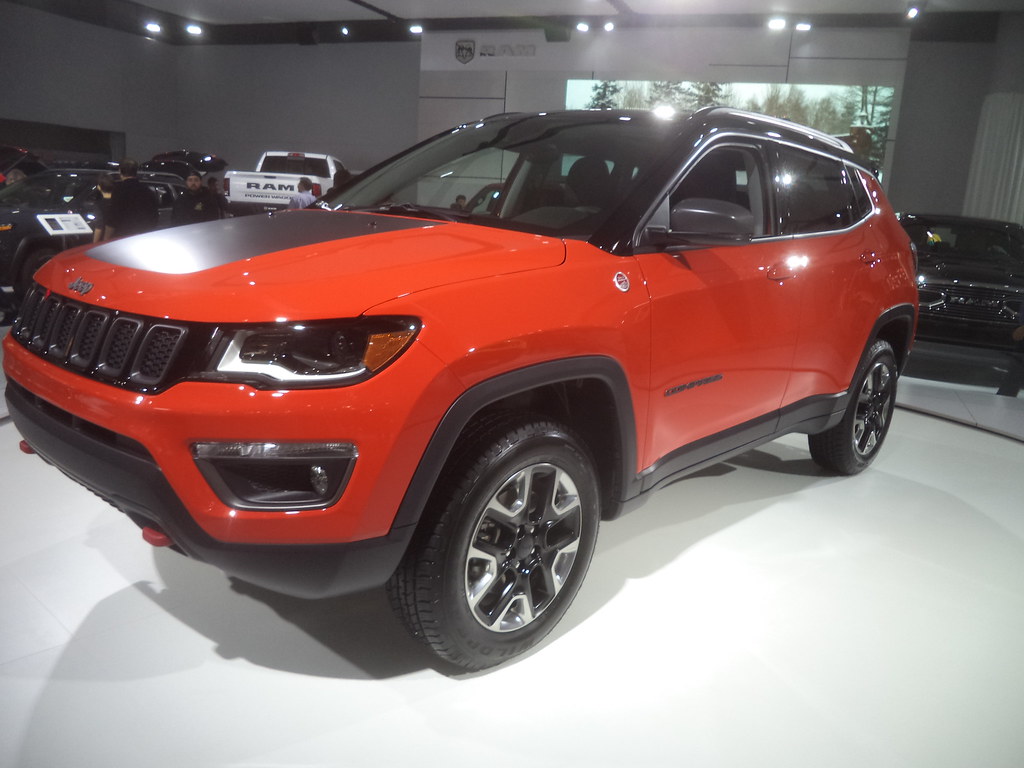
13. **Jeep Compass**
The Jeep Compass, a compact SUV, aims to blend the brand’s rugged adventurous spirit with urban practicality. However, across various model years, this vehicle has consistently presented owners with a litany of serious problems, earning it a reputation as a potential “migraine headache on wheels.”
One of the most frequently cited issues centers on the vehicle’s transmissions. Both the continuously variable transmission (CVT) and the 9-speed automatic transmissions have been known to experience “herky-jerky shifting” and, in many instances, catastrophic failure. Such critical component breakdowns lead to costly repairs and significant downtime.
Beyond the transmission woes, the Jeep Compass has also been criticized for poor engine performance, often feeling underpowered. Compounding this are reports of excessive oil consumption and persistent electrical system issues, manifesting in various malfunctions. These multiple points of failure create a compounding sense of dissatisfaction.
Car Model Information: 2020 Jeep Cherokee Latitude Plus
Name: Jeep Compass
Caption: 2019 Jeep Compass
Manufacturer: Jeep
Production: 2006–present
ModelYears: 2007–present
Class: Compact crossover SUV
BodyStyle: SUV
Layout: Front-engine, front-wheel-drive layout
Chassis: Unibody
Categories: 2010s cars, 2020s cars, All-wheel-drive vehicles, All Wikipedia articles written in American English, Articles with short description
Summary: The Jeep Compass is a compact crossover SUV, introduced in 2006 for the 2007 model year. The first generation Compass and Patriot, its rebadged variant, were among Jeep’s first crossover SUVs. The second-generation Compass debuted in September 2016 in Brazil and at the Los Angeles International Auto Show in November 2016, sharing a modified platform with the Renegade. It is positioned between the smaller Renegade and the larger Cherokee globally or the Commander in South America. The third-generation Compass debuted in May 2025, built on the STLA Medium by Stellantis, shared with other PSA Groupe vehicles.
Get more information about: Jeep Compass
Buying a high-performing used car >>>
Brand: Jeep Model: Compass
Price: $15,877 Mileage: 96,780 mi.
Read more about: Where Are They Now? 7 Once-Dominant Car Brands Grappling for Survival in Today’s Volatile Market
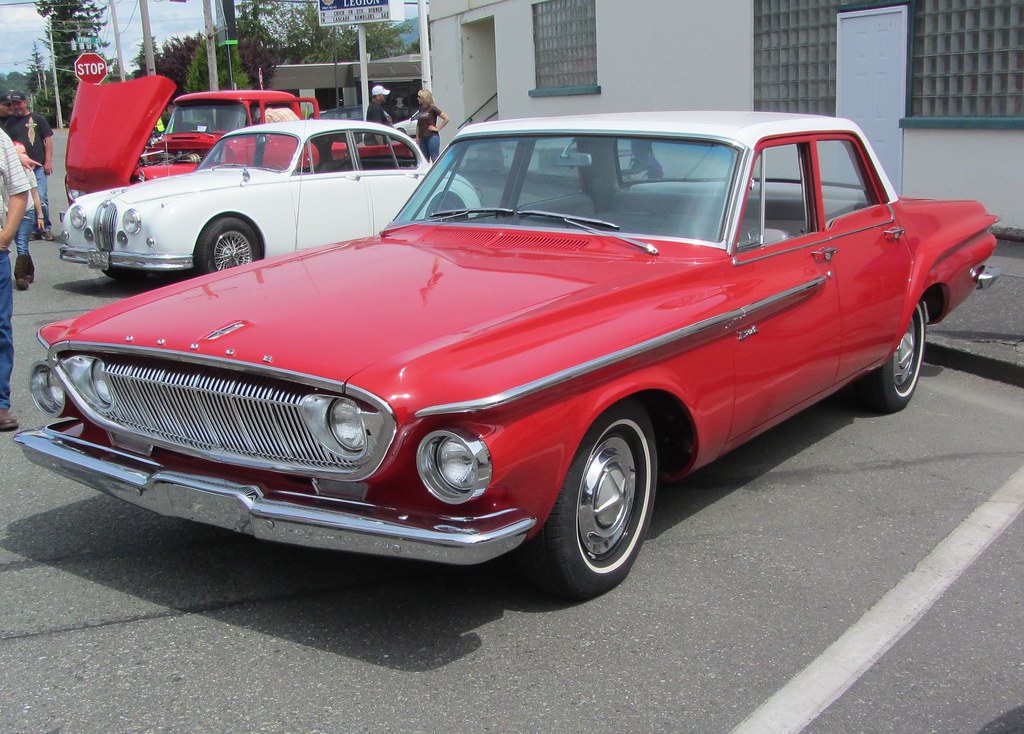
14. **Dodge Dart**
The Dodge Dart, a compact sedan introduced to revive a storied nameplate, presented itself as a modern, stylish, and efficient offering. However, its trajectory quickly deviated from this promise, becoming, as many owners attest, a “compact sedan with full-size car problems.”
The list of grievances for the Dodge Dart is extensive, touching nearly every critical component. From the transmission to the engine, suspension, and brakes, owners have reported a wide array of malfunctions and premature failures. These pervasive issues undermine the fundamental reliability and safety expected of a daily driver.
Such widespread dissatisfaction is not merely anecdotal. According to Consumer Reports, around six in ten buyers expressed dissatisfaction with the vehicle—a damning indictment of its overall quality and ownership experience. This high rate of buyer’s remorse points to a deeply flawed product that failed to meet basic expectations.
Car Model Information: 2016 Dodge Dart SXT/Rallye
Name: Dodge Dart
Caption: 1966 Dodge Dart GT 2-door hardtop
Manufacturer: Dodge
Production: 1959–1976 (US market)
ModelYears: 1960–1976 (US market)
Class: Full-size
Layout: FR layout
Predecessor: Dodge Coronet#Fourth generation (1957–1959)
Related: Plymouth Valiant,Chrysler Valiant,Dodge Phoenix
Successor: Dodge Aspen,Dodge Diplomat,Talbot Tagora
Categories: 1970s cars, All articles with unsourced statements, Articles with short description, Articles with unsourced statements from December 2023, Articles with unsourced statements from May 2025
Summary: The Dodge Dart is a line of passenger cars produced by Dodge from the 1959 to 1976 model years in North America, with production extended to later years in various other markets.
The production Dodge Dart was introduced as a lower-priced full-size model in 1960 and 1961, but became a mid-size car for one model year for 1962, and was then reduced to a compact for two generations, from 1963 to 1976.
Chrysler had first used ‘Dart’ name plates on two Italian styled show cars, in 1956 and 1957, before it became a Dodge model name. The Dart nameplate was resurrected for a Fiat-derived compact car that was introduced in 2012.
Get more information about: Dodge Dart
Buying a high-performing used car >>>
Brand: Dodge Model: Dart
Price: Not Priced Mileage: 124,701 mi.
Read more about: Beyond Myth and Legend: Unearthing 15 of the Rarest American Muscle Cars Ever Built
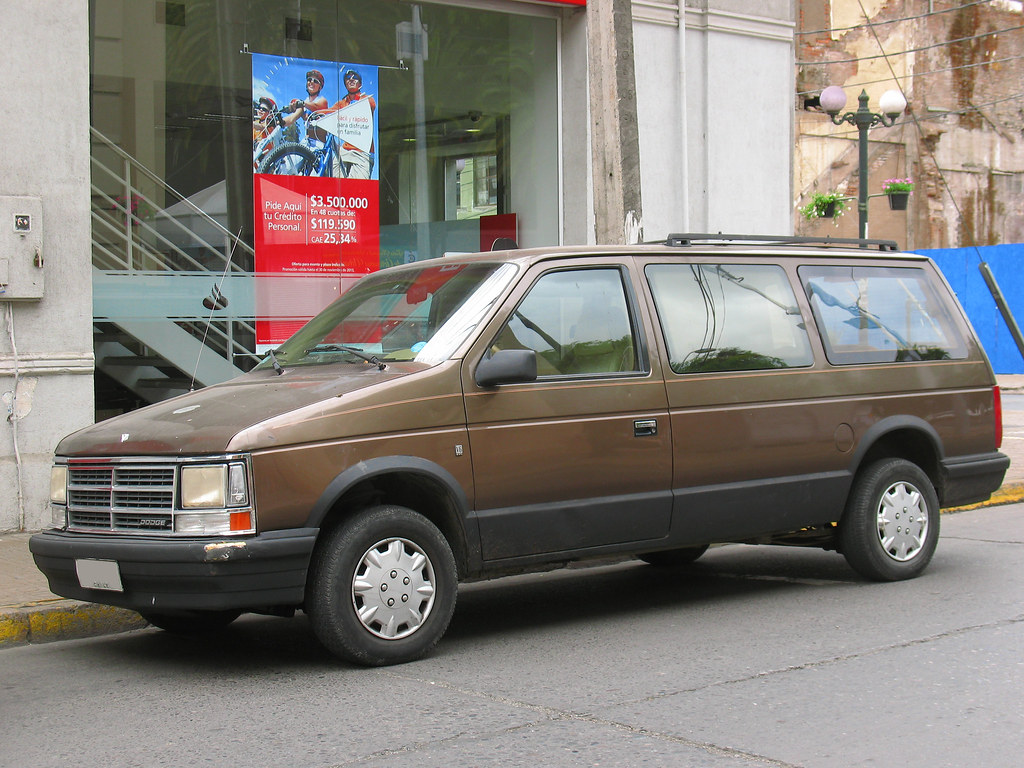
15. **Dodge Grand Caravan**
The Dodge Grand Caravan holds a unique place in automotive history, having served as a family hauler for generations. Yet, many owners discover these minivans are anything but “smooth driving,” often revealing a deeper layer of unreliability that tarnishes the family road trip experience.
A predominant and deeply frustrating complaint revolves around the transmission, with outright transmission failure being a common issue. Before reaching this critical point, these transmissions frequently exhibit symptomatic problems, including delayed gear engagement, rough shifting, and disconcerting slippage. Such chronic difficulties make the Grand Caravan an unreliable companion.
Adding to the mechanical woes, many owners also grapple with persistent electrical system problems, which can manifest in unpredictable ways. Coupled with reports of heavy oil consumption, these issues collectively contribute to an ownership experience riddled with unexpected expenses and inconvenient trips to the service center.
Car Model Information: 2005 Hummer H2 SUT
Caption: 2011 Dodge Grand Caravan Mainstreet
Name: Dodge Grand Caravan
Manufacturer: Chrysler Corporation,Daimler AG,Chrysler LLC,Chrysler Group LLC,FCA US LLC
Class: Minivan
Layout: FF layout,F4 layout
Production: November 2, 1983 –August 21, 2020
ModelYears: 1984–2020
Related: Plymouth Voyager,Chrysler Town & Country (minivan),Dodge Mini Ram,Chrysler Voyager,Volkswagen Routan
Assembly: Windsor, Ontario,Fenton, Missouri,Fenton, Missouri,Fuzhou
Successor: Dodge Journey,Chrysler Voyager
Categories: All-wheel-drive vehicles, All articles with unsourced statements, Articles with short description, Articles with unsourced statements from December 2017, Articles with unsourced statements from May 2009
Summary: The Dodge Caravan is a series of minivans manufactured by Chrysler from the 1984 through 2020 model years. The Dodge version of the Chrysler minivans, was marketed as both a passenger van and a cargo van (the only version of the model line offered in the latter configuration). For 1987, the model line was joined by the long-wheelbase Dodge Grand Caravan. Produced in five generations across 36 model years, the Dodge Caravan is the second longest-lived Dodge nameplate (exceeded only by the Dodge Charger). Initially marketed as the Dodge counterpart of the Plymouth Voyager, the Caravan was later slotted between the Voyager and the Chrysler Town & Country. Following the demise of Plymouth, the model line became the lowest-price Chrysler minivan, ultimately slotted below the Chrysler Pacifica.
Sold primarily in the United States and Canada, the Dodge Caravan was also marketed in Europe and other international markets under the Chrysler brand (as the Chrysler Voyager or Chrysler Caravan). From 2008 onward, Dodge marketed the model line only as the Grand Caravan; Ram Trucks sold a cargo-only version of the model line as the Ram C/V Tradesman. The model line was also rebranded as the Volkswagen Routan from 2009 through 2014.
After the 2020 model year, the Dodge Grand Caravan was discontinued, ending production on August 21, 2020. For 2021 production, the Grand Caravan nameplate was moved to Chrysler, which used it for a Canadian-market version of the Chrysler Pacifica (in the United States, the exact vehicle was marketed as the Chrysler Voyager).
For its entire production run, the Dodge Caravan/Grand Caravan was manufactured by Chrysler Canada (now Stellantis Canada) at its Windsor Assembly facility (Windsor, Ontario). From 1987 until 2007, the model line was also manufactured by Chrysler at its Saint Louis Assembly facility (Fenton, Missouri). Since their introduction in late 1983, over 14.6 million Chrysler minivans have been sold worldwide (including export versions and versions sold through rebranding).
Get more information about: Dodge Caravan
Buying a high-performing used car >>>
Brand: Dodge Model: Grand Caravan
Price: $19,995 Mileage: 138,619 mi.
Read more about: Unpacking Automotive Catastrophes: 12 Infamous Engineering Failures That Reshaped Car Safety
The journey through these vehicles, both classic and contemporary, reveals a consistent truth in the automotive world: not every flashy design, ambitious collaboration, or innovative concept translates into a reliable or rewarding ownership experience. From the charmingly impractical to the fundamentally flawed, these cars stand as stark reminders that the allure of a new purchase can quickly dissipate when faced with the realities of mechanical unreliability, design missteps, or simply a failure to meet modern driving demands. For enthusiasts and everyday buyers alike, these stories serve as crucial lessons, emphasizing the critical importance of looking beyond initial impressions and considering the long-term implications before making that eagerly anticipated—or potentially regretted—acquisition. Choose wisely, or you might find yourself wishing you could turn back time on your own automotive adventure.