The modern automotive landscape has largely conditioned us to expect unwavering reliability from our vehicles. Gone are the days when a morning start was a gamble, or a cross-country trip a feat of mechanical fortitude. Thanks to new technologies and major advances in reliability, the joys of modern motoring include the ability to get out of the driveway, press the starter button, and light the fires on our beloved whip, no matter the weather or time of day. This wasn’t always the case, even just a few years ago, when vehicle ownership often came with a greater degree of uncertainty regarding performance and longevity.
However, despite these significant strides, cars remain complicated machines, and problems can still happen. This is precisely why the experts at Consumer Reports consistently release a list of the most reliable and least reliable cars each year, serving as a vital resource for consumers. It is crucial to understand that for Consumer Reports, “least reliable” does not automatically imply a car that breaks down on the side of the road in a cloud of steam from the radiator, requiring immediate roadside assistance or costly emergency repairs.
Instead, the Consumer Reports team monitors twenty potential problem areas, ranging from minor issues like noisy brakes and damaged interior trim to severe issues like problems with the engine, gearbox, EV battery, and EV charging systems. These comprehensive evaluations provide a holistic view of a vehicle’s long-term ownership experience, beyond just initial purchase appeal. This article highlights specific compact cars and small SUVs that have earned the ‘least reliable’ label for 2024 based on this rigorous methodology, alongside models struggling to find buyers. Understanding these common pitfalls can save consumers hassle and their hard-earned money in the long run.

1. **Nissan Sentra**The Nissan Sentra has long been a well-known brand in the world of reasonably priced sedans, often lauded for its stellar gas mileage record. For many budget-conscious drivers, its efficiency makes it an attractive proposition for daily commuting and frugal operation. However, despite these appealing qualities, the Sentra unfortunately lands on the list of least reliable cars currently on the market, presenting a significant red flag for potential buyers.
According to thorough evaluations, the most common locations for problems to appear in the Nissan Sentra are within its critical electrical systems, the engine itself, and the transmission. These are not minor cosmetic flaws but rather core components that can lead to costly and inconvenient repairs, directly impacting the long-term ownership experience. Such issues can translate into unexpected downtime for maintenance, diminishing the perceived value and reliability of the vehicle.
Beyond the reliability concerns, the Sentra also struggles in terms of driving dynamics, which can significantly detract from the overall satisfaction of its owners. CarandDriver notes that the vehicle “has almost no go behind its show,” indicating a profound lack of power and responsiveness. This is compounded by a “noisy powertrain,” which can make for an unpleasant experience during acceleration or at highway speeds, further diminishing driver enjoyment.
Critics also point out that the Sentra’s “rivals are much more fun to drive,” highlighting a competitive disadvantage in a segment where driving engagement is increasingly valued. Despite its low starting price and an array of standard safety features, these advantages simply “aren’t enough to propel it to the top of the compact car class” when reliability and a more engaging driving experience are paramount. Consumers prioritizing a worry-free and enjoyable ride may find the Sentra falls short.
Car Model Information: 2023 Nissan Sentra SV
Name: Nissan Sentra
Caption: 2021 Nissan Sentra SR (B18; Canada)
Manufacturer: Nissan
Aka: Nissan Sunny
Production: 1982–present
Class: Subcompact car
Predecessor: Nissan Sunny#B310
Categories: 1990s cars, 2000s cars, 2010s cars, 2020s cars, All Wikipedia articles written in American English
Summary: The Nissan Sentra is a series of automobiles manufactured by the Japanese automaker Nissan since 1982. Since 1999, the Sentra has been categorized as a compact car, while previously it occupied the subcompact class. Until 2006, Sentra was a rebadged export version of the Japanese Nissan Sunny, but since the 2013 model year, Sentra is a rebadged export version of the Sylphy. The Sentra nameplate is not used in Japan. Many other countries in Latin America sell their versions of the Sunny as the Sentra. In Mexico, the first three generations of the Sentra were known as the Nissan Tsuru (Japanese for crane), and the B13 model was sold under that name until 2017, alongside the updated models badged as Sentra.
In North America, the Sentra currently serves as Nissan’s compact car, despite being rated as a mid-size car by the EPA due to its interior volume since the 2007 model year. While previous Sentras were subcompacts, the Sentra has grown over the years, with the Nissan Versa having replaced the Sentra in the entry-level area.
The Sentra name was created for Nissan by Ira Bachrach of NameLab, and Bachrach describes the origin as “Nissan wanted consumers to understand that it was quite safe even though it was small. The word Sentra sounds like central as well as sentry, which evokes images of safety.”
Get more information about: Nissan Sentra
Buying a high-performing used car >>>
Brand: Nissan Model: Sentra
Price: $19,990 Mileage: 30,595 mi.
Read more about: Mechanic’s Crucial Warning: 15 Popular Vehicles That Turn into Costly Financial Traps Well Before 120,000 Miles
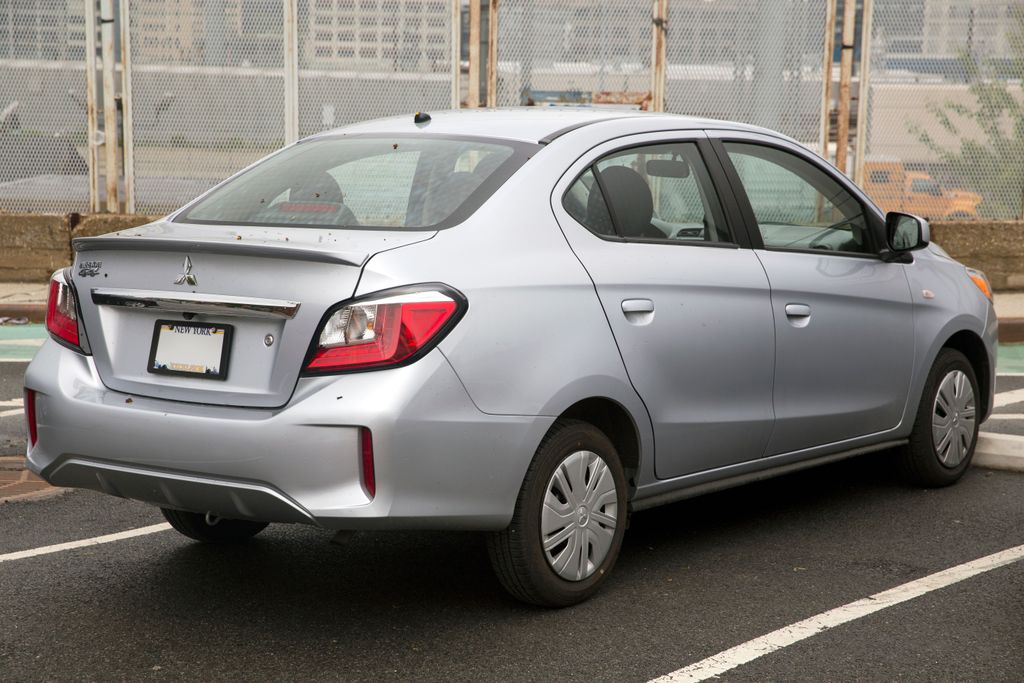
2. **Mitsubishi Mirage**The Mitsubishi Mirage stands as one of the last subcompact hatchbacks available on the market, often tempting drivers on a tight budget with a starting price under $18,000. For those seeking the absolute lowest entry point into new car ownership, the Mirage’s upfront cost can appear to be a compelling factor. However, this initial appeal masks significant compromises that buyers need to carefully consider before making a purchase.
Purchasers need to be acutely aware that while the Mirage might be cheap to acquire, it is not truly inexpensive in terms of its overall value proposition. The distinction is critical: rather than offering robust value at a low price, its affordability is often a reflection of its fundamental limitations and sacrifices in quality and performance. This often leads to a vehicle that feels rudimentary and under-equipped compared to many modern alternatives.
A primary complaint revolves around the Mirage’s severe lack of power, which makes the car frankly “not enjoyable to drive.” Its engine is frequently described in unflattering terms, with one notable assessment labeling it a “glorified golf cart.” This apt description highlights the vehicle’s “hilariously small three-cylinder, 78-hp engine,” which barely delivers adequate propulsion for even basic motoring tasks.
The limitations of this meager powertrain become glaringly obvious when considering typical driving scenarios. The Mirage is “barely powerful enough for short trips around town,” where low speeds and minimal demands might mask its deficiencies to some extent. However, it quickly proves inadequate for “let alone highway cruising,” where it struggles to keep up with traffic and can feel dangerously underpowered, especially during merges or overtakes.
Furthermore, potential buyers should note that “There have been no updates to suggest that the 2024 model year will be any better,” indicating a continued adherence to this underpowered formula. Therefore, for any consumer for whom “performance is important,” even in the context of a compact car, the clear recommendation is to “consider a car with more power” to avoid persistent frustration and a less than satisfactory driving experience.
Car Model Information: 2023 Mitsubishi Mirage Ralliart
Name: Mitsubishi Mirage
Caption: Mitsubishi Mirage (sixth generation)
Manufacturer: Mitsubishi Motors
Production: 1978–2003,2012–present
Class: Subcompact car
Layout: Front-engine, front-wheel-drive
Predecessor: Mitsubishi Lancer (A70)
Successor: Mitsubishi Lancer#Eighth generation (2000)
Categories: 1980s cars, 1990s cars, 2000s cars, 2010s cars, 2020s cars
Summary: The Mitsubishi Mirage is a range of cars produced by the Japanese manufacturer Mitsubishi from 1978 until 2003 and again since. The hatchback models produced between 1978 and 2003 were classified as subcompact cars, while the sedan and station wagon models, marketed prominently as the Mitsubishi Lancer, were the compact offerings. The liftback introduced in 1988 complemented the sedan as an additional compact offering, and the coupé of 1991 fitted in with the subcompact range. The current Mirage model is a subcompact hatchback and sedan and it replaces the Mitsubishi Colt sold between 2002 and 2012.
Get more information about: Mitsubishi Mirage
Buying a high-performing used car >>>
Brand: Mitsubishi Model: Mirage
Price: $16,980 Mileage: 11,832 mi.
Read more about: Go Green, Save Green: 14 Gas-Guzzlers You Absolutely Should Not Keep in 2025, According to Emissions Data and Auto Experts
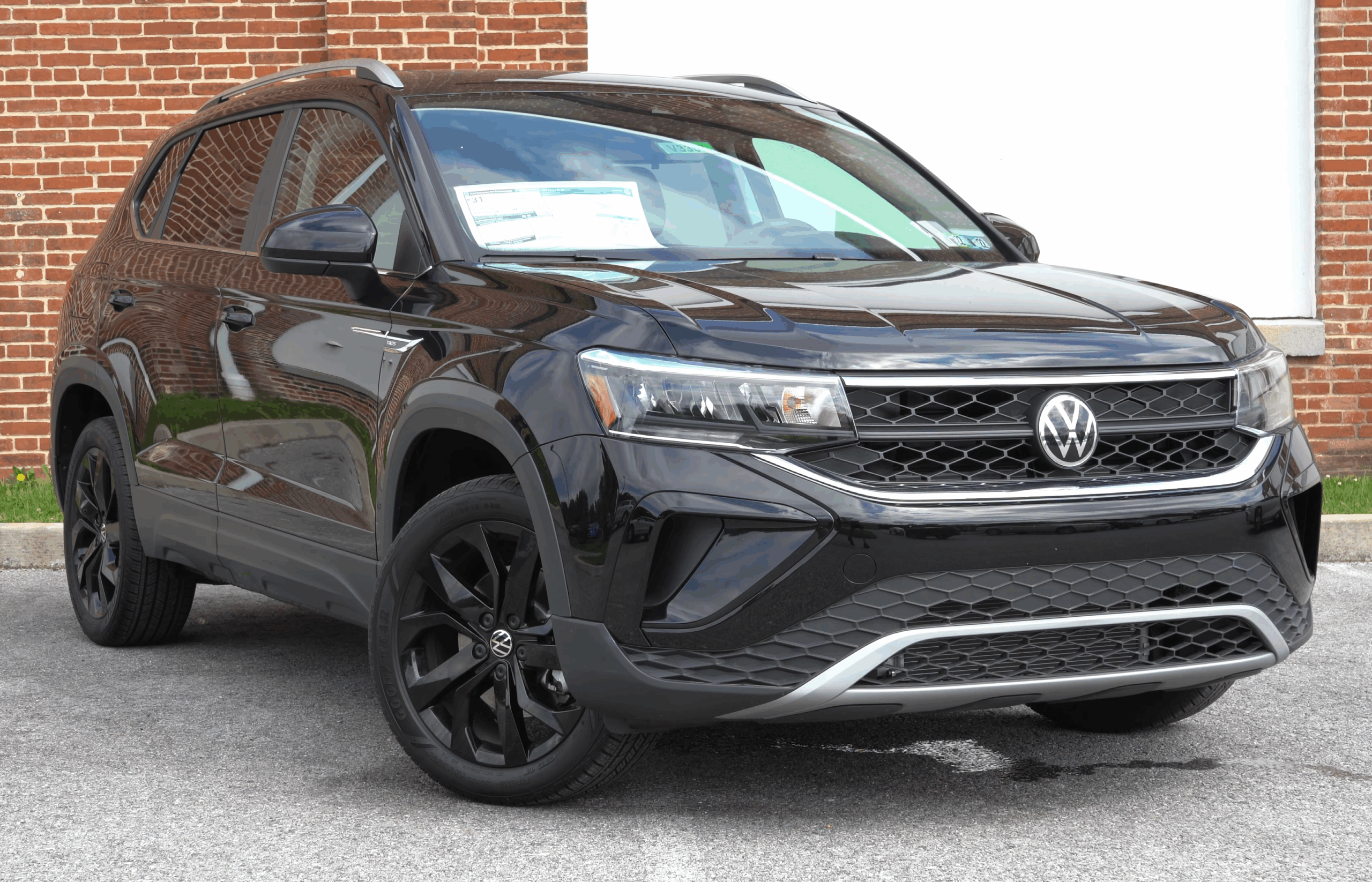
3. **Volkswagen Taos**The 2024 Volkswagen Taos enters the market as the company’s smallest and most recent SUV, positioned to cater to those seeking a compact utility vehicle with a European badge. All 2024 Taos versions are powered by a 1.5-liter turbocharged 4-cylinder engine, producing 158 hp and 184 lb-ft of torque. While this specification offers a decent balance for urban driving, it falls short when compared to the more robust offerings from competitors.
A notable drawback for the Taos is its limited powertrain selection. While many rivals offer a range of engine choices, including hybrid or more powerful upgrade options, the Taos does not. Consumers are restricted to this single engine choice, although they do have the flexibility to select between normal front-wheel drive (FWD) and all-wheel drive (AWD) configurations, which is a common expectation in this segment.
The transmission choice also varies depending on the drive configuration. AWD vehicles are equipped with a 7-speed DCT (dual-clutch transmission), which, while designed to shift faster, “frequently not smoothly.” This can result in a somewhat jarring or unrefined driving experience during acceleration or when navigating stop-and-go traffic. In contrast, FWD models utilize a conventional 8-speed automatic transmission, which typically offers smoother shifts but may lack the responsiveness of a well-tuned DCT.
Adding to the limitations, buyers should “be aware that the top-tier SEL variant is limited to AWD,” which removes choice for those who might prefer FWD at that trim level or who are seeking specific driving characteristics. These factors collectively contribute to the Taos appearing on reliability and consumer satisfaction watchlists.
Ultimately, the Taos’s inclusion on this list stems from several key aspects. It offers “less power than its rivals,” which can be a significant detractor for drivers seeking more spirited performance or confidence in diverse driving conditions. Moreover, the presence of “a single engine choice” limits its appeal to a broader audience who might prefer more customization or a different performance profile. These combined characteristics can lead to an ownership experience that falls below consumer expectations, making it less reliable in terms of overall satisfaction.
Car Model Information: 2022 Volkswagen Taos 1.5T S
Name: Volkswagen Taos/Tharu
Manufacturer: Volkswagen
Aka: Volkswagen Tharu
Production: ubl
Assembly: ubl
Designer: Klaus Zyciora
Class: Compact crossover SUV
BodyStyle: SUV
Layout: Front-engine, front-wheel-drive,Front-engine, all-wheel-drive
Platform: Volkswagen Group MQB A1
Related: SEAT Ateca,Škoda Karoq,Jetta VS5
Engine: Petrol engine,Turbocharger,1.4 L TSI 150 I4,1.5 L TSI 160 I4,Multi-point fuel injection,2.0 L TSI 190 I4
Transmission: Manual transmission
Battery: 44.1 kWh (e-Tharu)
ElectricRange: convert
Wheelbase: 105.9 in
Abbr: on
Order: 4453 mm
Length: 175.8 in
Width: 1841 mm
Height: convert
ModelYears: 2022–present
Categories: All-wheel-drive vehicles, All Wikipedia articles written in British English, Articles with short description, CS1 Brazilian Portuguese-language sources (pt-br), CS1 Mexican Spanish-language sources (es-mx)
Summary: The Volkswagen Taos is a compact crossover SUV marketed by Volkswagen. It was first released in October 2018 as the Volkswagen Tharu in China, while the Taos was released in October 2020 as a restyled version of the Tharu for the North American, South American, and Russian markets. In the brand’s lineup, the vehicle is positioned below the Tiguan, and in South America and China above the T-Cross. It is not marketed in core European market.
The Taos is named after Taos, New Mexico. The Tharu name is derived after the eponymous Tharu people, an ethnic group indigenous to Nepal and Northern India.
Get more information about: Volkswagen Taos
Buying a high-performing used car >>>
Brand: Volkswagen Model: Taos
Price: $19,500 Mileage: 10,385 mi.
Read more about: Steer Clear: 15 Cars You Absolutely Should Not Buy in 2025, According to Automotive Experts
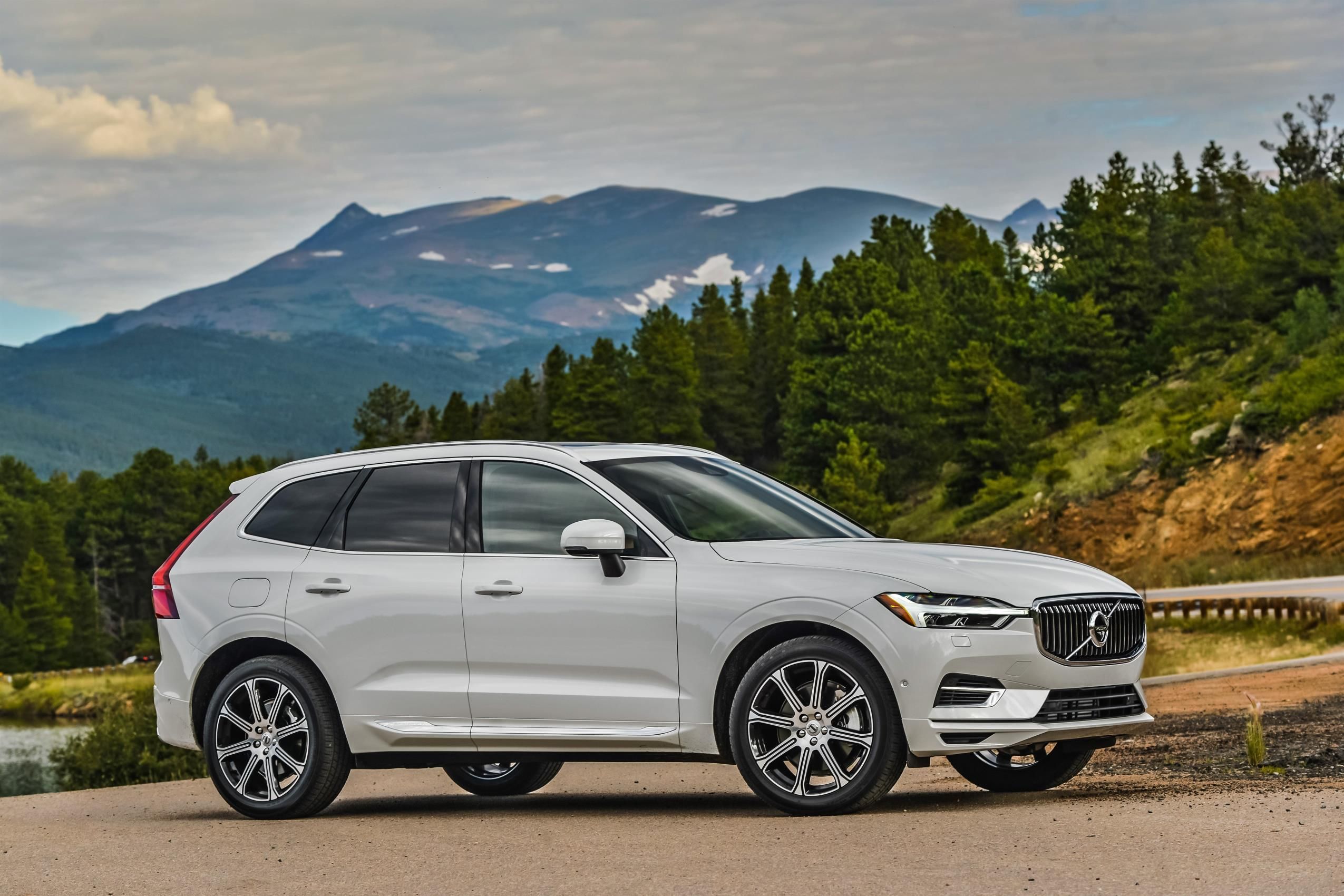
4. **Volvo XC60**The 2024 Volvo XC60 is presented as a small, luxurious SUV that distinctly embodies a European flair, attracting buyers with its sophisticated appeal. It boasts a “Scandinavian-inspired interior,” renowned for its minimalist design and premium materials, coupled with “strong safety ratings” that are a hallmark of the Volvo brand. Its “sophisticated appearance” makes it a preferred option for individuals seeking a distinct “European alternative to German hardware” in the competitive luxury compact SUV segment.
Under the hood, Volvo equips its XC60 trims with a 4-cylinder turbocharged engine, offering a balance of power and efficiency. The more reasonably priced B5 trims incorporate “Modest hybrid (MHEV) electric systems” that power various electrical components, enhancing fuel economy and smooth operation. These MHEV systems are efficiently mated to an 8-speed automatic transmission, which ensures the engine can send its full power to the wheels, providing a responsive and refined driving experience for daily use.
For those seeking even greater efficiency and a commitment to electrification, the considerably more expensive XC60 Recharge trims feature a plug-in battery-powered electric motor (PHEV) system paired with the turbo-4 engine. This advanced powertrain allows the XC60 Recharge models to achieve an impressive all-electric range of “up to 35 miles (56 km),” offering silent, zero-emission commuting for shorter journeys. This capability is a significant draw for environmentally conscious luxury buyers.
Despite its luxurious attributes, advanced technology, and strong safety profile, the Volvo XC60 appears on this list for specific reasons that impact its perceived reliability and market competitiveness. A notable limitation is that “it is only available with AWD,” which, while beneficial for traction in adverse conditions, might deter some buyers who prefer the simplicity and potentially better fuel economy of a FWD option, or who live in climates where AWD is not essential.
More significantly, the XC60 is noted as being “quite an old entry in the segment.” In the rapidly evolving compact luxury SUV market, an aging platform can translate to a lack of the very latest technological advancements or design trends seen in newer rivals. This can lead to a feeling of being outdated, potentially affecting long-term owner satisfaction and perceived reliability as components age and new models offer more cutting-edge features.
Car Model Information: 2025 Volvo XC60 B5 Ultra Black Edition
Name: Volvo XC60
Caption: 2018 Volvo XC60 R-Design D5 P-Pulse
Manufacturer: Volvo Cars
Production: 2008–present
Class: Compact crossover SUV
BodyStyle: SUV
Layout: unbulleted list
Categories: 2010s cars, 2020s cars, All-wheel-drive vehicles, All Wikipedia articles written in British English, All articles with unsourced statements
Summary: The Volvo XC60 is a compact luxury crossover SUV manufactured and marketed by Swedish automaker Volvo Cars since 2008.
The XC60 is part of Volvo’s 60 Series of automobiles, along with the S60, S60 Cross Country, V60, and V60 Cross Country. The first generation model introduced a new style for the 60 Series models. Along with the rest of the line-up, the first-generation XC60 was refreshed in 2013. Similarly, the second-generation model, released in 2017, is the first in the series. The car was named Car of the Year Japan for 2017–2018.
Get more information about: Volvo XC60
Buying a high-performing used car >>>
Brand: Volvo Model: XC60
Price: $50,491 Mileage: 10,959 mi.
Read more about: The AWD Anxiety: 7 Crossovers Reviewed on Off-Road Grip – From Winter Warriors to Trailblazers and Road-Only Sliders
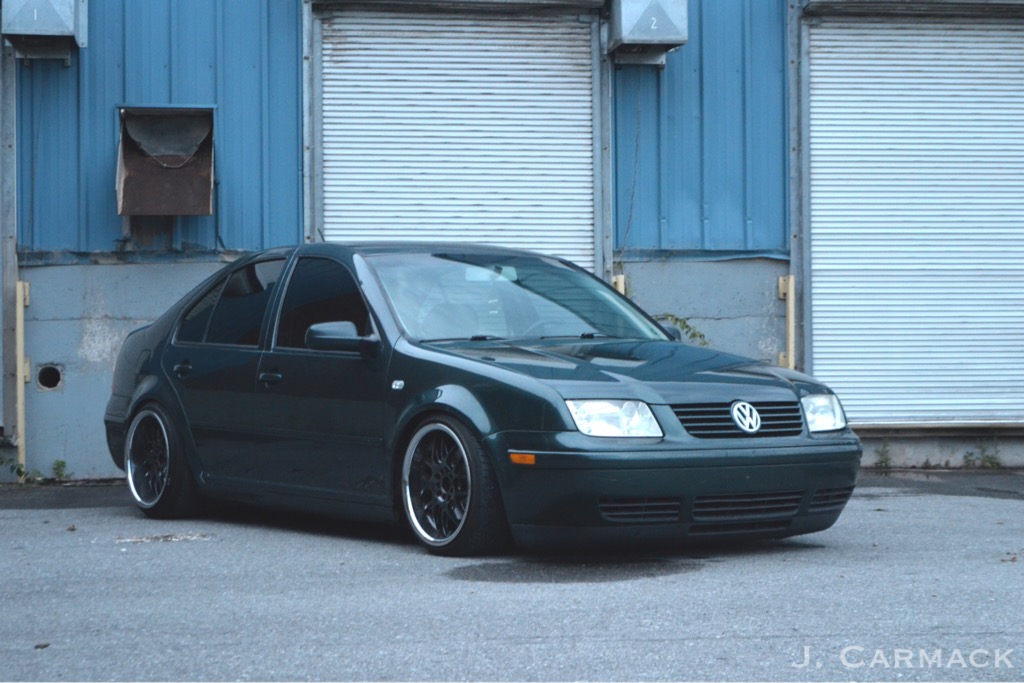
5. **Volkswagen Jetta**In today’s dynamic automotive world, compact sedans continue to hold a valuable place, offering a compelling blend of practicality and affordability. The Volkswagen Jetta exemplifies many of these desirable traits; they “tend to be at least somewhat entertaining to drive,” provide “a lockable trunk for added security,” are “reasonably priced to buy and operate,” and are “typically easy to park.” These characteristics make the Jetta a sensible choice for many consumers, particularly those navigating urban environments or seeking a reliable daily commuter.
Indeed, for a segment where straightforward utility and cost-effectiveness are key, these attributes should ideally make the Jetta a standout. However, despite its inherent practicality and the classic appeal of a compact sedan, the Jetta faces significant headwinds that land it on the less favorable side of consumer recommendations. It is observed that the vehicle is “growing old” in its current iteration, struggling to keep pace with the rapid advancements of its competitors.
A critical factor impacting its long-term value for owners is that “its resale values aren’t competitive.” This means that while the initial purchase price might be attractive, the depreciation hit over time can be substantial, making it a less financially sound investment in the long run compared to rivals that retain their value more effectively. For consumers, poor resale value translates directly into higher overall ownership costs.
Recognizing the need to remain competitive in the small sedan market, the Volkswagen Jetta will be equipped with additional standard features in 2024. A significant enhancement is that “All Jettas with automatic transmissions now come equipped with the IQ. Drive safety tech package as standard,” bolstering its safety credentials. This package includes advanced driver-assistance systems, aiming to provide a more secure and convenient driving experience for modern consumers.
The base engine for the 2024 Jetta models is a 1.5-liter 4-cylinder turbocharged engine, which produces a respectable 158 hp and 184 lb-ft of torque. This powertrain offers adequate performance for most daily driving scenarios, providing sufficient acceleration and efficiency. However, despite these efforts to refresh and enhance the model, the fundamental issues of an aging platform and uncompetitive resale values remain central to its inclusion on a list of vehicles to reconsider. The overall long-term reliability, as measured by Consumer Reports’ comprehensive criteria, suggests that while the Jetta offers practical advantages, its drawbacks in these key areas make it a less ideal choice for the discerning consumer in 2024.” , “_words_section1”: “1945
The automotive market is a dynamic landscape, and while reliability is paramount, a vehicle’s success also hinges on its ability to capture consumer interest and move off dealer lots. Beyond mechanical reliability, an oversupply of inventory or consistently slow sales can signal underlying issues with a model’s appeal, value proposition, or market positioning. Such factors directly impact a buyer’s potential for good deals, future resale value, and overall satisfaction. CarEdge’s market analysis provides crucial insights into these struggling models, identifying compact and niche vehicles that, for various reasons, are accumulating significant inventory levels across the nation.
Read more about: Driving the Narrative: The Iconic Vehicles of Stranger Things and Their Unseen Influence
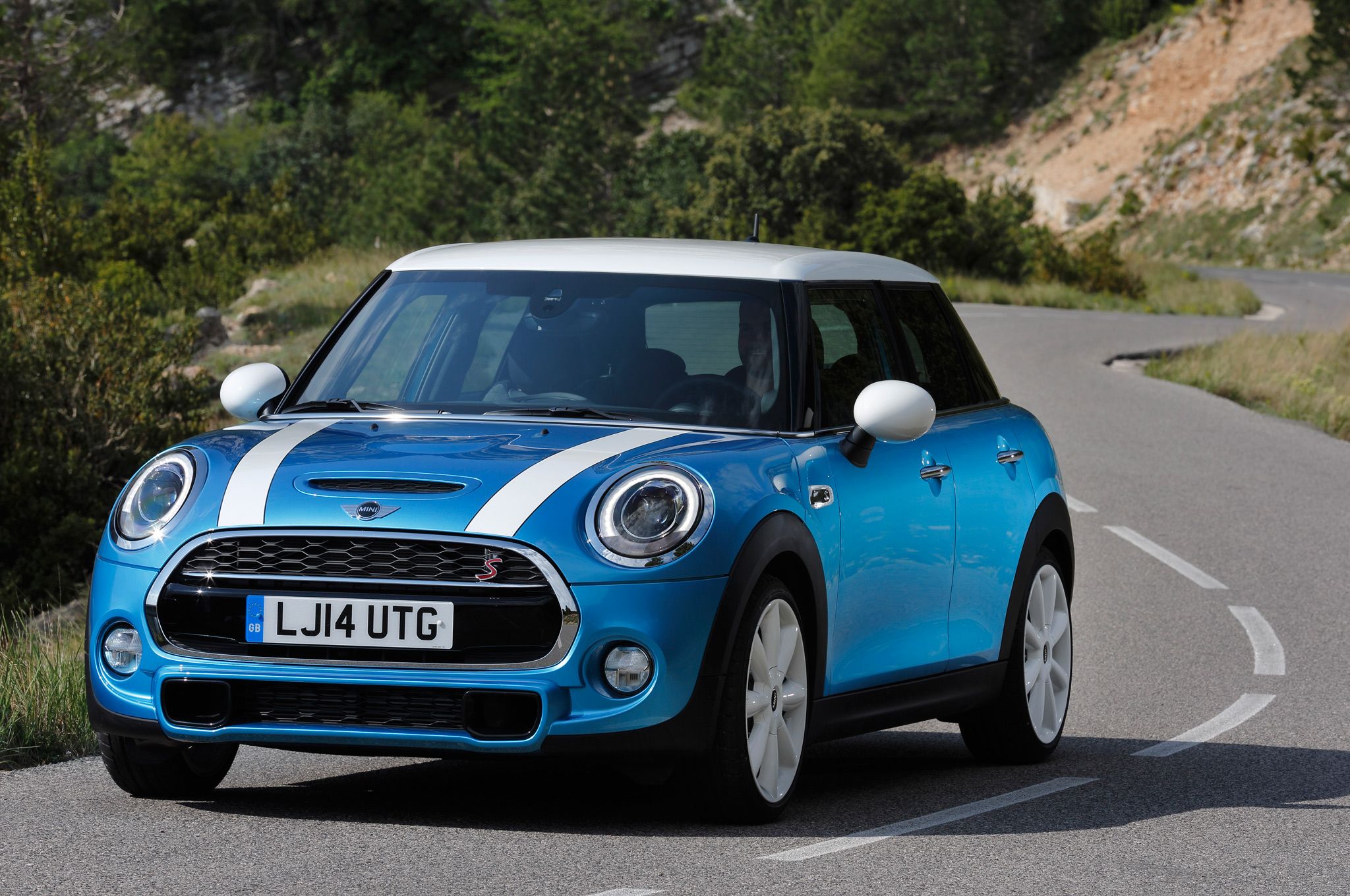
6. **Mini Cooper Hardtop**The Mini Cooper Hardtop, with its distinctive styling and engaging driving dynamics, saw an all-new generation unveiled for the 2025 model year, boasting revamped aesthetics and a standard 201-horsepower four-cylinder engine. Despite these significant updates, market data at the close of 2024 revealed a substantial 224-day supply of the Mini at dealerships. This considerable inventory backlog indicates that even a refreshed model can struggle to find its footing in a highly competitive market, raising a red flag for potential buyers.
This high inventory level for the Mini Cooper Hardtop is not entirely surprising, given historical consumer preferences in the United States. Americans have traditionally not “fallen for the charms of small cars en masse,” a trend that persists even as Mini models paradoxically “continue to get bigger every year.” The fundamental preference for larger, more spacious vehicles often overshadows the niche appeal of compact cars in the U.S. automotive landscape.
Beyond the general aversion to small cars, the Hardtop variant faces additional hurdles. It inherently lacks the “open-air appeal of its convertible sibling,” missing a key lifestyle differentiator that often draws buyers to the Mini brand. This absence narrows its market considerably, as many Mini enthusiasts are specifically looking for that unique convertible experience.
Furthermore, the Mini Cooper Hardtop’s pricing positions it in a challenging segment. With a “starting MSRP of $32,200 excluding fees,” it directly competes with “much larger, more practical car[s]” such as the “Toyota RAV4 or Kia Sportage.” For many consumers, the value proposition of a smaller, less versatile vehicle at a comparable price point simply doesn’t align with their purchasing priorities, making its premium feel less impactful.
For consumers, this combination of high inventory and a perceived value deficit suggests that while the Mini Cooper Hardtop offers a unique character, it demands a buyer who prioritizes brand distinctiveness and driving engagement over conventional practicality and cost-effectiveness. Shoppers considering this model should be aware of its current market standing, which could potentially open opportunities for negotiation but also implies a specific niche appeal rather than broad market demand.
Car Model Information: 2022 Mitsubishi Outlander
Name: Mini
Caption: 2024 Mini Cooper S (F66)
Alt: A 2024 Mini Cooper S with 3-door body style
Manufacturer: BMW
Aka: ubl
Production: 2001–present
ModelYears: 2002–present
Layout: Front-engine, front-wheel-drive layout
Class: Supermini
Predecessor: Mini,Austin Metro
Categories: 2010s cars, All Wikipedia articles written in British English, All articles to be expanded, Articles to be expanded from June 2025, Articles with short description
Summary: The Mini (stylised as MINI) supermini range, marketed under various names such as Mini Cooper, Mini Hatch, Mini Hardtop, Mini One, and Mini John Cooper Works, are a family of retro-styled three-door hatchback, two-door convertible, and five-door hatchback (since 2014). The range was introduced in July 2001, following the acquisition of the Mini brand by German automaker BMW.
BMW first unveiled the Mini hatch concept car at the 1997 Frankfurt International Motor Show, when the Mini brand was still part of the BMW-owned Rover Group. Developed as a successor to the original Mini, the styling of the concept car was well received by the public and further developed. The new Mini range was launched by BMW in 2001, one year after their sale of the Rover Group in March 2000, and the classic Mini’s discontinuation that same year. Under BMW ownership, the brand later grew its line-up by adding larger models such as the Clubman in 2007, the Countryman in 2010, the Paceman in 2012, and the Aceman in 2024.
The second generation was launched in 2006 and the third, adding a longer 4/5-door hatchback, in 2014. A two-door convertible version was added in 2004, followed by its second generation in 2008. With the launch of the fourth generation in 2024, the Mini Hatch has been renamed to Mini Cooper. BMW also developed several battery electric versions of the Mini, starting with the Mini E in 2009 developed only for field trials, followed by the mass-produced Mini Electric in 2019, and succeeded by the Mini Cooper E/SE in 2023 which uses a dedicated electric vehicle platform.
Mini models under BMW ownership are produced in Cowley, Oxfordshire, United Kingdom at Plant Oxford. Between July 2014 and February 2024, F56 3-door production was shared with VDL Nedcar in Born, Netherlands. The F57 convertible was exclusively assembled at the Born plant between 2015 and 2024. From 2024, all F65/66/67 combustion engined Mini hatch and convertible production will be centred at Oxford. Since late 2023, the electric Mini Cooper is developed and produced in China at the Spotlight Automotive joint venture facility in Zhangjiagang, Jiangsu.
Get more information about: Mini Hatch
Buying a high-performing used car >>>
Brand: Mini Model: Cooper Hardtop
Price: $21,595 Mileage: 44,296 mi.
Read more about: The Resurgent Roar: Unearthing Eight Forgotten Luxury Car Brands Poised for a Modern Comeback
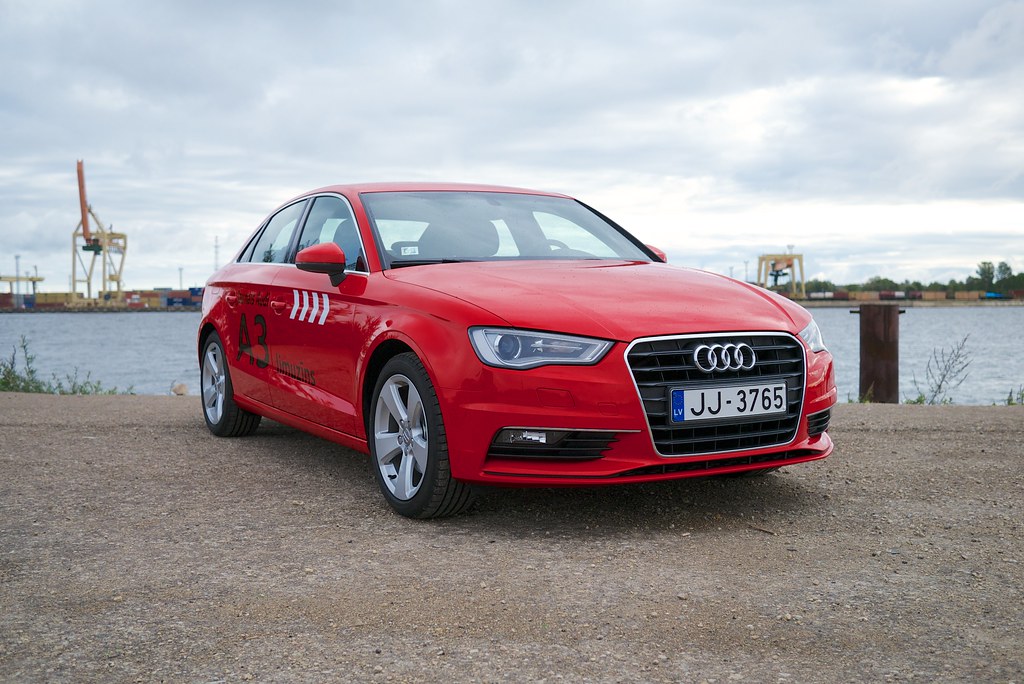
7. **Audi A3**In Europe, the Audi A3 stands as one of the brand’s most successful and popular models, a testament to its blend of compact luxury and performance. However, its reception in the American market tells a very different story, with the model consistently registering as a slow seller. By the end of 2024, U.S. dealers were grappling with an exceptionally high “468-day supply of examples in inventory,” a figure that underscores a significant disconnect between supply and actual consumer demand.
The latest generation of the A3 sedan, which launched in America for the 2022 model year, was positioned as one of Audi’s crucial “entry-level models,” intended to attract new buyers to the premium brand, alongside the Q3 crossover. This strategic placement should ideally facilitate stronger sales, acting as an accessible gateway into Audi’s luxury portfolio.
However, a stark comparison in sales figures reveals the A3’s struggle. While “Audi sold over 20,000 examples of the Q3 in 2024,” the combined sales for the A3 and its performance counterpart, the S3, amounted to “under 8,500 examples.” This significant disparity clearly indicates a strong preference among American consumers for compact luxury crossovers like the Q3 over their sedan equivalents, even within the same premium brand.
An inventory level of a “468-day supply” is not only “exceptionally high” but also raises serious questions about the model’s viability and market resonance. While it’s noted that this figure is “not an unprecedented figure” – with the widely criticized Dodge Hornet having previously peaked at a 517-day supply – it nevertheless signals a severe imbalance that can lead to aggressive discounting and, potentially, negative impacts on future resale values.
For prospective Audi buyers, this market situation for the A3 carries practical implications. While the A3 offers undeniable premium features and a refined driving experience, its consistently poor sales performance and the resulting oversupply mean that consumers prioritizing strong market demand and favorable depreciation curves might find it a less secure investment. Informed buyers may leverage this high inventory for better deals, but they should also consider the long-term market perception of a slow-selling model.
Car Model Information: 2022 Audi A3 40 Premium
Name: Audi A3
Caption: Audi A3 Saloon (4th generation)
Manufacturer: Audi
Production: 1996–present
Class: Small family car
BodyStyle: hatchback
Layout: Front-engine, front-wheel-drive layout
Sp: uk
Categories: 1990s cars, 2000s cars, 2010s cars, 2020s cars, All-wheel-drive vehicles
Summary: The Audi A3 is a small family car (C-segment) manufactured and marketed by the German automaker Audi AG since September 1996.
The first two generations of the Audi A3 were based on the Volkswagen Group A platform, while the third and fourth generations use the Volkswagen Group MQB platform.
Get more information about: Audi A3
Buying a high-performing used car >>>
Brand: Audi Model: A3
Price: $25,790 Mileage: 27,987 mi.
Read more about: Beyond the Headlines: Unpacking the Social Media Trends Taylor Swift Has Navigated and Challenged
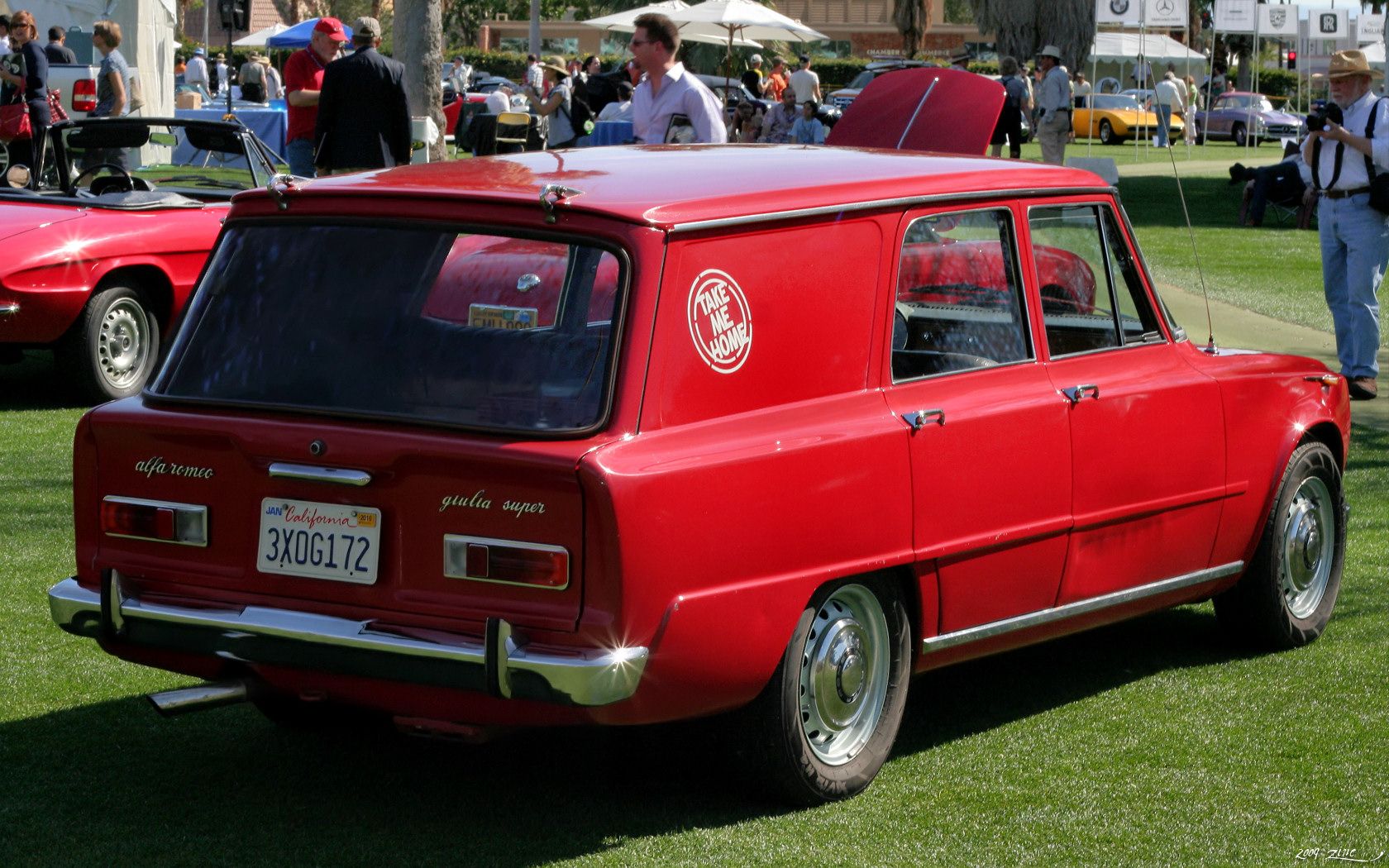
8. **Alfa Romeo Giulia**The Alfa Romeo Giulia, an Italian sports sedan launched back in 2017, has emerged as a “particularly problematic model” for the Stellantis conglomerate in terms of inventory management. Despite its distinctive design and spirited performance, the Giulia amassed a “285-day supply backlog” at dealerships by the end of 2024, indicating a substantial volume of unsold units.
Part of the challenge faced by the Giulia can be attributed to the “overall decline in popularity for sedans” across the automotive industry. Consumer preferences have steadily shifted towards SUVs and crossovers, a trend that has prompted “most major carmakers [to be] reducing or ditching their sedan lineups for years already,” in response to a shrinking buyer pool.
However, it’s evident that “other factors involved” are contributing significantly to the Giulia’s slow sales beyond just the market’s general shift away from sedans. A persistent concern that has shadowed the model “since its launch” is its reported “reliability issues.” Such concerns, even if perceived, can severely dampen consumer confidence and deter potential purchasers, regardless of a vehicle’s aesthetic or performance.
Adding to its struggles, “the Giulia’s ever-evolving competition has proved too tempting for potential buyers to resist.” The compact luxury sports sedan segment is fiercely contested, featuring numerous well-established rivals that often offer a more compelling blend of performance, cutting-edge technology, and a stronger reputation for reliability and customer service.
Therefore, while the Alfa Romeo Giulia provides an undeniable emotional appeal with its unique styling and engaging driving dynamics, consumers considering this vehicle should carefully weigh these advantages against its documented history of reliability concerns and its struggle to maintain market relevance, as reflected in its substantial unsold inventory. This situation suggests that, despite its charm, the Giulia may present greater long-term ownership challenges and depreciation risks than many of its competitors.
Car Model Information: 2022 Mitsubishi Outlander
Name: Alfa Romeo Giulia (Type 105)
Caption: Alfa Romeo Giulia Super
Manufacturer: Alfa Romeo
Production: 1962–1978
Assembly: Portello (district of Milan),Alfa Romeo Portello Plant,Milan
Designer: Giuseppe Scarnati
Class: Compact executive car
BodyStyle: notchback,Sedan (car)
Layout: Front-engine, rear-wheel-drive layout
Related: Alfa Romeo 105/115 Series Coupés,Alfa Romeo 1750 Berlina,Alfa Romeo Gran Sport Quattroruote,Alfa Romeo Spider
Engine: Alfa Romeo Twin Cam engine,1.6 L Twin Cam I4 (petrol),Perkins Engines
Transmission: Manual transmission
Wheelbase: 2510 mm
Abbr: on
Length: 4140 mm
Width: 1560 mm
Height: 1430 mm
Weight: convert
Predecessor: Alfa Romeo Giulietta (750/101)
Successor: Alfa Romeo Giulietta (116)
Sp: uk
Categories: 1970s cars, Alfa Romeo vehicles, Articles with short description, CS1 Italian-language sources (it), Cars introduced in 1962
Summary: Alfa Romeo Giulia (Italian pronunciation: [ˈdʒuːlja]) is the name of three not directly related model (line)s from Italian carmaker Alfa Romeo. The first were the four-door Type 105 entry-level compact executive sports sedans produced from 1962 to 1978; the second are the updated (mainly up-engined) Spider, Sprint, and Sprint Speciale Alfa Giuliettas, and in 2015, Alfa Romeo revived the Giulia name, again for a compact executive car (type 952).
Alfa Romeo was one of the first mainstream manufacturers to put a powerful engine in a light-weight 1 tonne (2,205 lb) four-door car for mass production. The Type 105 Giulia was equipped with a light alloy twin overhead camshaft four-cylinder engine similar to that of the earlier Giulietta (750/101) range, available in 1.3-litre (1,290 cc) and 1.6-litre (1,570 cc) versions. Various configurations of carburetors and tuning produced power outputs from about 80 to about 110 bhp (55 to 75 kW), coupled in most cases to 5-speed manual transmission.
Giulia sedans were noted for lively handling and impressive acceleration among small European four-door sedans of their era, especially considering modest engine sizes offered. The popular Super version with the twin carburettor 1.6 litre engine had a top speed of 170 km/h (106 mph) and accelerated from 0 to 100 km/h (62 mph) in about 12 seconds, better than many sports cars of the late 1960s and early 1970s. When leaving the factory all variations of the Giulia originally fitted either Pirelli Cinturato 165HR14 or 155HR15 tyres (CA67).
The styling of the three-box four-door sedan was somewhat wanting, with its three main volumes all truly square and boxy, softened only by detailing of the front and bonnet, roofline, and boot. Using a wind tunnel during development helped designers to find a remarkably aerodynamic shape with a drag coefficient of Cd=0.34, particularly low for a saloon of the era.
The Giulia Spider was succeeded by the Alfa Romeo Spider (105/115) in 1966.
Get more information about: Alfa Romeo Giulia
Buying a high-performing used car >>>
Brand: Alfa Romeo Model: Giulia
Price: $21,595 Mileage: 44,296 mi.
Read more about: The Real Cost of Speed: 14 Sports Cars & What Financial Experts REALLY Think About Your Investment
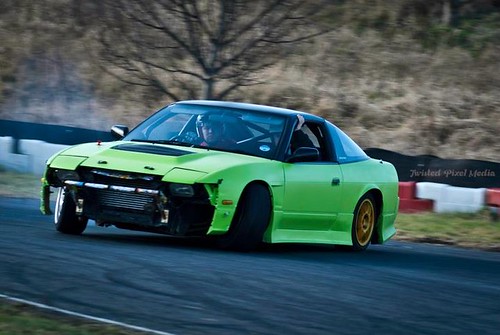
9. **Nissan Z**The Nissan Z, a highly anticipated addition to the sports car segment, achieved a notable milestone in 2024 by outselling its direct competitor, the Toyota Supra, with “more than 3,000 examples shifted throughout the year.” This sales victory, however, doesn’t tell the whole story, as a significant issue of high “inventory levels remain high” for the Z model across dealerships.
This paradox can be traced back to the Z’s initial market introduction. “When the Z first launched, inventory was scarce,” a situation that regrettably led many dealers to apply “eye-wateringly high markups.” One egregious instance from 2022 saw a dealer demanding “a $73,000 premium,” which was an amount “more than the car’s original MSRP,” severely alienating early potential buyers.
These aggressive dealer pricing strategies ultimately proved counterproductive and “hurt dealers in the long run.” As the initial “hype” surrounding the Z “died down” and new units became “more widely available,” dealerships found themselves with “inventory [that] has piled up,” struggling to move cars that had been initially overpriced or were now competing with a more abundant supply.
Even the subsequent introduction of the performance-focused “Nissan’s Z Nismo didn’t do enough to tempt those potential buyers back” who had either been deterred by the initial price gouging or had simply shifted their attention to other vehicles. Consequently, by the close of 2024, the Nissan Z was identified as “one of the cars with the highest inventory pileups on the market,” despite its improved sales figures.
Looking ahead to 2025, there is “hope for 2025” for the Z, as the “plenty of interest in the car” is clearly evidenced by its rising sales figures against a direct competitor. For consumers, this situation presents both an opportunity and a cautionary tale: While the “current glut of examples should be a temporary one” if dealers “don’t try any more tricks,” potential buyers should remain vigilant for fair pricing and avoid paying unwarranted premiums that initially contributed to this substantial inventory surplus.
Car Model Information: 2024 Nissan Z NISMO
Name: Nissan Z-car
Caption: 1970 Datsun 240Z (S30)
Aka: Nissan Fairlady Z (Japan)
Manufacturer: Nissan
Production: October 1969 – present
Assembly: ubl
Class: Sports car,Grand tourer
Layout: Front-engine, rear-wheel-drive layout,Front-engine, rear-wheel-drive layout#Front mid-engine, rear-wheel-drive layout
Predecessor: Datsun Sports
Categories: 1970s cars, 1980s cars, 1990s cars, 2000s cars, 2010s cars
Summary: The Nissan Z-series is a model series of sports cars manufactured by Nissan since 1969.
The original Z was first sold on October of 1969 in Japan as the Nissan Fairlady Z (Japanese: 日産・フェアレディZ, Hepburn: Nissan Fearedi Zetto) at Nissan Exhibition dealerships that previously sold the Nissan Bluebird. It was initially marketed as the Datsun 240Z for international customers. Since then, Nissan has manufactured seven generations of Z-cars, with the most recent—simply known as the Nissan Z—in production since 2022.
Main rival cars in the Japanese market included the Toyota Celica, Toyota Supra, Mitsubishi 3000GT and Mazda RX-7.
The earlier models of the Nissan Z were built at the Nissan Shatai plant in Hiratsuka until 2000, while the later models (350Z and 370Z) are built at Oppama (2002–2004) and Tochigi (2004–present). Known for their looks, reliability, performance and affordability, every Z car has been sold in Japan as the Fairlady Z and elsewhere under the names Nissan Fairlady Z (S30), Nissan Fairlady Z (S130), Nissan 300ZX, Nissan 350Z, Nissan 370Z and Nissan Z.
Get more information about: Nissan Z-car
Buying a high-performing used car >>>
Brand: Nissan Model: Z
Price: $51,391 Mileage: 1,570 mi.
Read more about: Go Green, Save Green: 14 Gas-Guzzlers You Absolutely Should Not Keep in 2025, According to Emissions Data and Auto Experts
While the allure of a new car is undeniable, a truly informed decision goes beyond initial impressions and manufacturer claims. Our deep dive into both reliability data from Consumer Reports and market performance metrics from CarEdge reveals a crucial truth: not all vehicles offer the same long-term value, peace of mind, or sustained appeal. Whether it’s persistent mechanical woes or a struggle to resonate with buyers, the cars highlighted in this comprehensive guide serve as critical examples of models that, for various reasons, you might be better off avoiding in 2024. By staying informed about these pitfalls, consumers can navigate the complex automotive market with greater confidence, ensuring their hard-earned money is invested in a vehicle that delivers satisfaction for years to come.