Pickup trucks have long been the workhorses of America, and for good reason. Whether you’re hauling lumber, towing a trailer, or just want to conquer the backroads with style, a good pickup truck can be your best companion. They’re the embodiment of grit and capability, designed to tackle the toughest jobs and stand up to whatever you throw at them. But as any true truck enthusiast knows, not all pickups are built the same.
Some are legends of reliability, clocking in hundreds of thousands of miles with just routine maintenance, becoming trusted companions for years on end. Others, well… they live more in the repair shop than on the road, consuming wallets and patience in equal measure. And if you’re a die-hard gearhead like me, there’s nothing more frustrating than shelling out thousands on unexpected repairs when you’d rather be upgrading performance parts or taking your rig off-road, chasing the next adventure.
This isn’t just a list; it’s a public service announcement for anyone who cherishes their weekends and their hard-earned cash. We’re not just talking about minor inconveniences here; we’re diving into the deep end of the oil pan, exploring 7 trucks that have earned a notorious reputation among mechanics – the ones that make seasoned technicians sigh, knowing a long, expensive day is ahead. These aren’t just vehicles; they’re wallet-draining, patience-testing, shop-floor-haunting specters that demand more than their fair share of attention. Buckle up, because we’re going full throttle into the world of reliability, lemons, torque, and truth, focusing on the first four notorious maintenance nightmares.
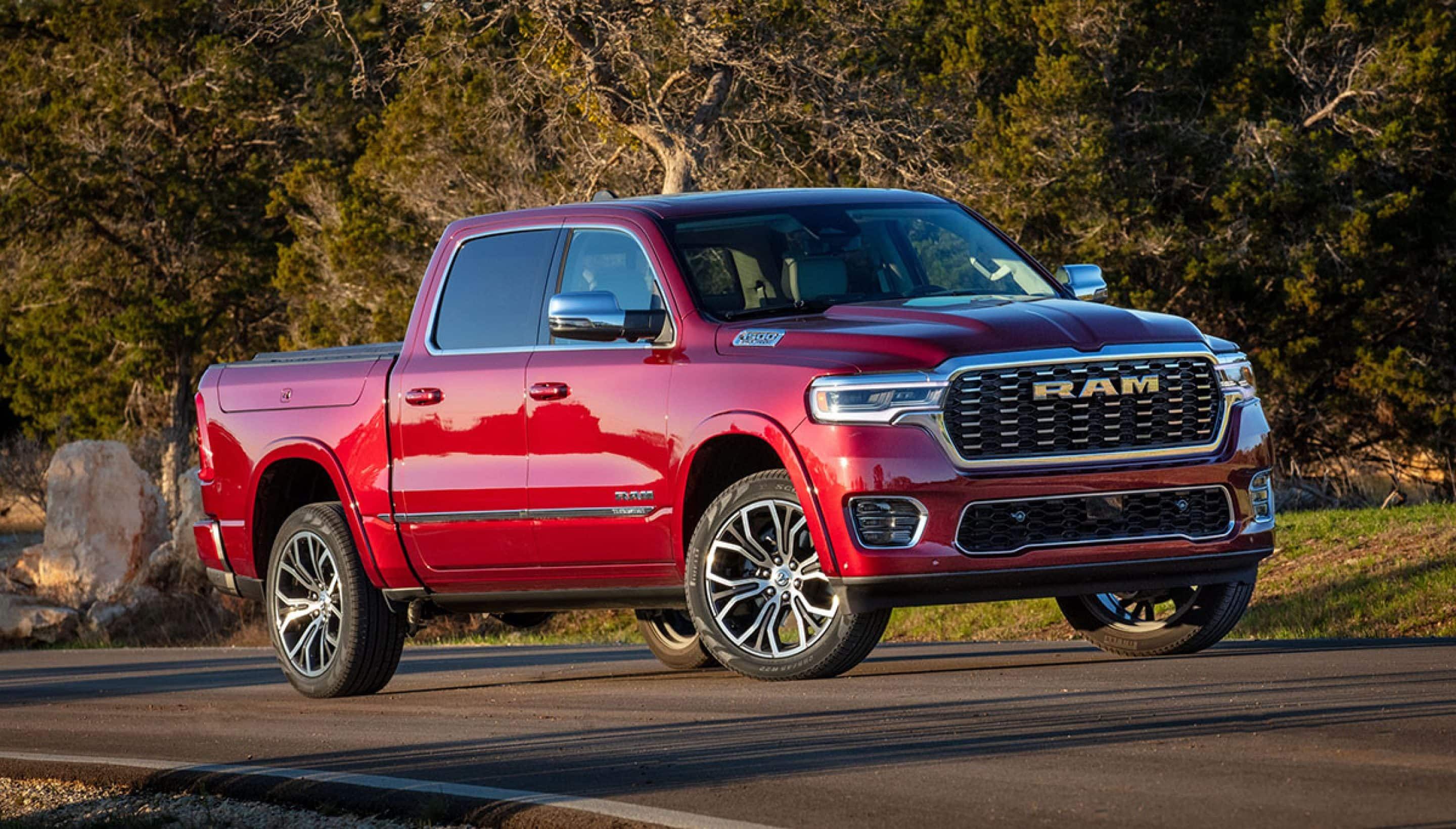
1. **RAM 1500 (2011–2013)**Let’s start with a classic heartbreaker. The RAM 1500 from 2011 to 2013 might have lured you in with its rugged styling and that undeniably comfy ride, a signature blend of luxury and utility that initially impressed. However, under the hood and throughout its systems, a world of pain awaited many unsuspecting owners, turning what should have been a powerful companion into a consistent source of frustration for mechanics.
These models are notoriously plagued with a trifecta of terror: relentless engine misfires, erratic and faulty electrical systems, and transmission problems so severe they frequently leave drivers stranded. It’s a combination that spells doom for reliability and skyrockets ownership costs, making these years particularly infamous on the shop floor. The promise of the HEMI power often gave way to the reality of its profound mechanical shortcomings.
Ah, that mighty 5.7L HEMI engine. While impressive in its power output, it proved to be a veritable mechanical minefield in these model years. It became notorious for issues like oil sludge buildup, camshaft failures that crippled performance, and persistent lifter tick. These aren’t just minor annoyances; they’re deep-seated issues that often require costly and extensive engine surgery, turning your powerful V8 into a very expensive, ofey orchestra of metallic groans.
And let’s not even get started on the air suspension system. It sounded like a brilliant feature for comfort and versatility in theory, offering a smoother ride and adjustable height for various conditions. But in practice, it developed a nasty habit of failing spectacularly, especially in challenging conditions like the dead of winter. Picture this: your truck suddenly deflates, leaving you grounded, immobile, and staring down a debt-inducing repair bill for parts and labor.
Owners of these particular model years frequently report an endless parade of warning lights on the dash, signaling a variety of electrical gremlins that are difficult to diagnose and even harder to eradicate. Beyond that, expect power window failures that make ordering at the drive-thru a nightmare, and sensors acting like they’re completely haunted by automotive poltergeists, giving false readings and triggering unnecessary alerts. Worse still, tracking down and replacing these specialized parts isn’t cheap, often demanding costly dealership visits that feel less like a repair and more like a ransom payment for your truck’s freedom. This generation of RAM has earned its reputation as a heartbreaker for a reason; it might tempt you with a lower sticker price on the used market, but trust us, mechanics know you’ll be paying for that ‘bargain’ tenfold in repair bills and lost weekends.
Car Model Information: 2025 RAM 1500 Limited
Name: Dodge Ram / Ram pickup
Caption: 2017 Ram 1500 Express
Manufacturer: Dodge
ModelYears: 1981–present
Production: October 1980 – present
Class: Pickup truck#Full-size pickup truck,Pickup truck#Heavy-duty pickup truck
Layout: Front-engine, rear-wheel-drive layout,rear-wheel drive
Predecessor: Dodge D series
Categories: 1990s cars, 2000s cars, 2010s cars, 2020s cars, All-wheel-drive vehicles
Summary: The Ram pickup (marketed as the Dodge Ram until 2010 when Ram Trucks was spun-off from Dodge) is a full-size pickup truck manufactured by Stellantis North America (formerly Chrysler Group LLC and FCA US LLC) and marketed from 2010 onwards under the Ram Trucks brand. The current fifth-generation Ram debuted at the 2018 North American International Auto Show in Detroit, Michigan, in January of that year.
Previously, Ram was part of the Dodge line of light trucks. The Ram name was introduced in October 1980 for model year 1981, when the Dodge D series pickup trucks and B series vans were rebranded, though the company had used a ram’s-head hood ornament on some trucks as early as 1933.
Ram trucks have been named Motor Trend magazine’s Truck of the Year eight times; the second-generation Ram won the award in 1994, the third-generation Ram heavy-duty won the award in 2003, the fourth-generation Ram Heavy Duty won in 2010 and the fourth-generation Ram 1500 won in 2013 and 2014, and the current fifth-generation Ram pickup became the first truck in history to win the award four times, winning in 2019, 2020, 2021 and most recently, 2025.
Get more information about: Ram pickup
Buying a high-performing used car >>>
Brand: RAM Model: 1500
Price: $60,728 Mileage: 9,105 mi.
Read more about: Beyond the Bells & Whistles: Why Your Next Car Might Still Be ‘Dumb’ (And Why That’s a Problem)

2. **Ford F‑150 (2004–2008)**Before the EcoBoost era redefined Ford’s approach to truck power, the Ford F‑150 was already synonymous with rugged capability and dominated sales charts for decades. However, the 2004–2008 generation, despite its popularity, had a particularly dark side, a secret life of mechanical woes that made many an owner regret their purchase and many a mechanic groan when one rolled into their bay. This was an era when the ‘Built Ford Tough’ mantra often felt more like a cruel joke.
The real villain in this narrative is none other than the three-valve 5.4L Triton V8 engine. On paper, this powerplant sounded tough and capable, but these engines became infamous for specific, catastrophic issues that plagued owners and repair shops alike. We’re talking about cylinder heads that practically ate spark plugs for breakfast, and, even more terrifying, catastrophic aluminum threading failures during routine maintenance. One wrong spark plug change could quickly escalate beyond a simple tune-up; you were risking stripping the head, a mistake that could easily lead to a soul-crushing $3,000+ repair bill that would turn your wallet inside out faster than a rogue tornado.
But the mechanical miseries of this F-150 didn’t stop with the engine. Beyond those infamous engine woes, the 4R100 transmission, particularly in super‑cab and super‑duty variants, earned a notorious reputation. It frequently exhibited symptoms of slipping, harsh shifts, or outright failure, especially if you dared to do what a truck is fundamentally designed for: heavy towing. Furthermore, many owners battled persistent leaky rear main seals, an unsightly and costly repair, which added to the list of constant drips from this generation. These issues were compounded by the ever-present threat of those dreaded cam phasers, which would sap performance, triggering notorious P0016 and P0021 codes that could easily leave you stranded on the side of the road, scratching your head in frustration.
As if dealing with engine and transmission failures wasn’t enough, electrical gremlins were a common side dish with this generation. Faulty door‑lock actuators that played peek-a-boo with your security, working one day and failing the next, and glitchy instrument clusters that gave you unreliable or outright false information, only added to the mounting headaches. Trying to diagnose and fix these intermittent electrical problems was a nightmare in itself, often requiring extensive, time-consuming troubleshooting. Mechanics consistently report this generation F‑150 as one of the most frequent shop visitors, racking up average annual repair costs that could easily rival those snobby, high-maintenance European luxury sedans. It’s a genuine shame, because the fundamental chassis and towing capacity of these trucks were actually quite solid. However, if you’re not prepared for a constant cycle of maintenance and unpredictable breakdowns, mechanics strongly advise you to steer clear of these specific model years, unless you own a significant stock in a parts store and enjoy living at the repair shop.
Car Model Information: 2024 Ford F-150 XLT
Name: Ford F-Series
Caption: 2022 Ford F-150 Lariat Luxury
Manufacturer: Ford Motor Company
Aka: Ford Lobo (Mexico, 1992–present)
Production: 1948–present
Class: Pickup truck#Full-size pickup truck
Layout: Front-engine, rear-wheel-drive layout,rear-wheel drive
Predecessor: 1941 Ford
Categories: All-wheel-drive vehicles, All Wikipedia articles written in American English, All articles that may contain original research, All articles with unsourced statements, Articles that may contain original research from September 2020
Summary: The Ford F-Series is a series of light-duty trucks marketed and manufactured by the Ford Motor Company since model year 1948 as a range of full-sized pickup trucks — positioned between Ford’s Ranger and Super Duty pickup trucks. Alongside the F-150 (introduced in 1975), the F-Series also includes the Super Duty series (introduced in 1999), which includes the heavier-duty F-250 through F-450 pickups, F-450/F-550 chassis cabs, and F-600/F-650/F-750 Class 6–8 commercial trucks.
Get more information about: Ford F-Series
Buying a high-performing used car >>>
Brand: Ford Model: F-150
Price: $40,999 Mileage: 45,515 mi.

3. **Nissan Titan (2004–2010)**Nissan’s ambitious bid to challenge the long-standing dominance of the American Big Three automakers with the Titan was, well, ambitious, to say the least. However, those early models, specifically from 2004 to 2010, ultimately left many enthusiasts fuming and mechanics grinding their teeth in frustration. While Nissan aimed for a slice of the lucrative full-size truck market, these initial Titans often delivered more headaches than horsepower, quickly earning a spot on the “mechanic’s dread” list.
The primary mechanical offender that plagued this generation was undoubtedly the 5.6L V8 engine. While it promised robust power, it suffered from notorious head-gasket failures, a critical flaw that often manifested around the 60,000-mile mark. What might start as an insidious, minor coolant leak could quickly escalate into seriously warped heads, effectively transforming your powerful V8 into a very expensive, albeit visually impressive, paperweight. While Nissan did, to their credit, offer warranty extensions to ease some of the financial pain for owners, once you were out of that protective coverage, you were squarely on your own for a truly hefty and inconvenient repair.
But the mechanical misfortunes with the early Titan didn’t stop with the engine. The truck’s five-speed automatic transmission also earned a rather unflattering reputation for harsh shifts and premature clutch pack wear. This problem was particularly exacerbated if you actually put the truck to work and asked it to do any serious towing or hauling, which, ironically, is precisely what a full-size pickup is designed for. These transmission issues could often lead to unpredictable driving dynamics and, ultimately, expensive rebuilds or replacements, adding another layer of financial burden to ownership.
Beyond the major powertrain headaches, owners and mechanics also had to contend with a parade of other frustrating failures. ABS sensor failures, for instance, could make your braking unpredictable and unreliable, posing a significant safety concern. Dash-cluster malfunctions, meanwhile, would leave you guessing about critical information like your current speed or fuel level, transforming every drive into a nervous guessing game. The electrical system was equally touchy, with owners frequently reporting phantom battery drains that left them stranded with a dead truck, and intermittent starter problems that made every morning a gamble, wondering if your Titan would even come to life.
And if you resided in a colder, salt-heavy climate, beware: rust-prone frames on these early Titans could accelerate structural decay if not treated promptly and diligently. Some owners even experienced frightening axle and U‑joint breakages when towing loads anywhere near the truck’s rated capacity, highlighting serious design or manufacturing weaknesses. While a brand like Subaru might build remarkably reliable rally cars, Nissan’s early Titan often felt less like a dependable workhorse and more like a poorly executed project car in disguise – one that required constant attention and poured cash into repairs, even if you hadn’t signed up for the DIY challenge. If you crave exclusivity and don’t mind pouring cash into repairs, tackling a used Titan from this era might be an eccentric choice, but for the average driver, mechanics would say to walk away before the head gasket blows.
Car Model Information: 2018 Nissan Titan SV
Name: Nissan Titan
Manufacturer: Nissan
Production: September 2003 – November 2024
ModelYears: 2004–2024
Assembly: Canton, Mississippi
Class: Pickup_truck#Full-size_pickup_truck
BodyStyle: 2-door pickup truck,4-door pickup truck
Layout: Front-engine, rear-wheel-drive layout
Platform: Nissan F-Alpha
Caption: 2021 Nissan Titan Crew Cab PRO-4X (Canada)
Categories: 2010s cars, 2020s cars, All-wheel-drive vehicles, All articles with unsourced statements, Articles with short description
Summary: The Nissan Titan was a full-size pickup truck manufactured in the United States for the North American market by Nissan, produced for the 2004–2024 model years.
Get more information about: Nissan Titan
Buying a high-performing used car >>>
Brand: Nissan Model: Titan
Price: $21,685 Mileage: 89,835 mi.

4. **Chevrolet Colorado (2004–2012)**The midsize Chevy Colorado, particularly its initial run from 2004 to 2012, initially presented itself with a lot of promise. It boasted a lighter weight, the option of a seemingly zippy V6, and the alluring prospect of frugal gas mileage, making it an attractive option in the growing midsize truck segment. However, appearances, as is often the case in the automotive world, can be incredibly deceiving. This generation quickly became infamous among mechanics for a laundry list of engine problems and other systemic issues, securing its place on our maintenance nightmare roster.
The core of the problem for these Colorados lay deep within their engines, specifically with notorious engine sludging and debilitating timing-chain tangle-ups. These critical issues plagued both the 2.8L four-cylinder and the 3.5L V6 engines offered in these models. What’s particularly frustrating is that many unsuspecting owners found themselves staring at a dead motor, not just after missed oil changes, but sometimes even when they had been meticulously following the recommended service schedules. Those plagued by Colorado woes often describe a bewildering symphony of mysterious misfires, ominous low oil‑pressure warnings that trigger anxiety, and persistent ticking lifters that will keep you up at night, wondering when the inevitable, catastrophic failure will finally happen. It’s a relentless mechanical anxiety that drains both bank accounts and mental peace.
And when that timing chain decides to stretch beyond its operational limits? Get ready for a truly dreadful auditory experience: a bent-valve symphony at start‑up, a harsh cacophony courtesy of Chevy’s interference-design mill. This isn’t just a noisy engine; it’s a sound that screams “expensive engine rebuild” louder than any car alarm, signaling that the engine’s internal components are now battling each other. It’s the kind of mechanical drama that leaves both owners and mechanics alike pulling their hair out in frustration, knowing that a significant and costly repair is absolutely unavoidable to get the truck running again.
The nightmares weren’t confined to the engine bay, either; the chassis and interior components of these Colorados also had their own set of persistent problems. Everyday use would often see the truck’s door hinges and window regulators commonly snap, turning routine tasks like opening a door or rolling down a window into frustrating struggles. Furthermore, critical suspension components like ball joints and control-arm bushings showed premature wear, leading to unnerving steering wander that makes driving a chore and incessant thumping noises over every bump, signaling a decaying ride quality. It’s a truck that wears out its welcome physically as much as it does mechanically.
To add insult to injury, the cosmetic durability of this generation was also lacking. Owners reported paint chipping easily and interior plastics cracking with disheartening frequency, making this truck look long in the tooth and utterly neglected years before it ever accumulated serious mileage. While the widespread availability of cheap aftermarket parts and an active online support community might soften the financial blow slightly, the constant parade of issues and the incessant trips to the mechanic will definitely test your DIY grit, if not your entire sanity. For mechanics, these Colorados represented a recurring challenge, a truck that was often more trouble than it was worth, no matter how cheap the replacement parts were. Truly a maintenance nightmare, through and through.
Car Model Information: 2024 Chevrolet Colorado Z71
Name: Chevrolet Colorado
Caption: 2024 Chevrolet Colorado Z71
Manufacturer: General Motors
Production: 2003–2012, 2014–present (US),2004–2020
(Thailand),2011–present (Brazil)
Class: Pickup truck,Pickup truck
Layout: Front-engine, rear-wheel-drive layout
Predecessor: Chevrolet S-10,Chevrolet D-Max,Holden Rodeo,Holden Ute
Aka: GMC Canyon,Holden Colorado
Categories: 2010s cars, 2020s cars, All-wheel-drive vehicles, All articles with dead external links, Articles with dead external links from November 2016
Summary: The Chevrolet Colorado (sharing mechanical commonality with the GMC Canyon) is a series of compact pickup trucks (mid-size since second generation) marketed by American automaker General Motors. They were introduced in 2004 to replace the Chevrolet S-10 and GMC S-15/Sonoma compact pickups. The Colorado is named after the U.S. state of Colorado, while the Canyon took its name from the deep chasm between cliffs.
Get more information about: Chevrolet Colorado
Buying a high-performing used car >>>
Brand: Chevrolet Model: Colorado
Price: $37,999 Mileage: 22,663 mi.
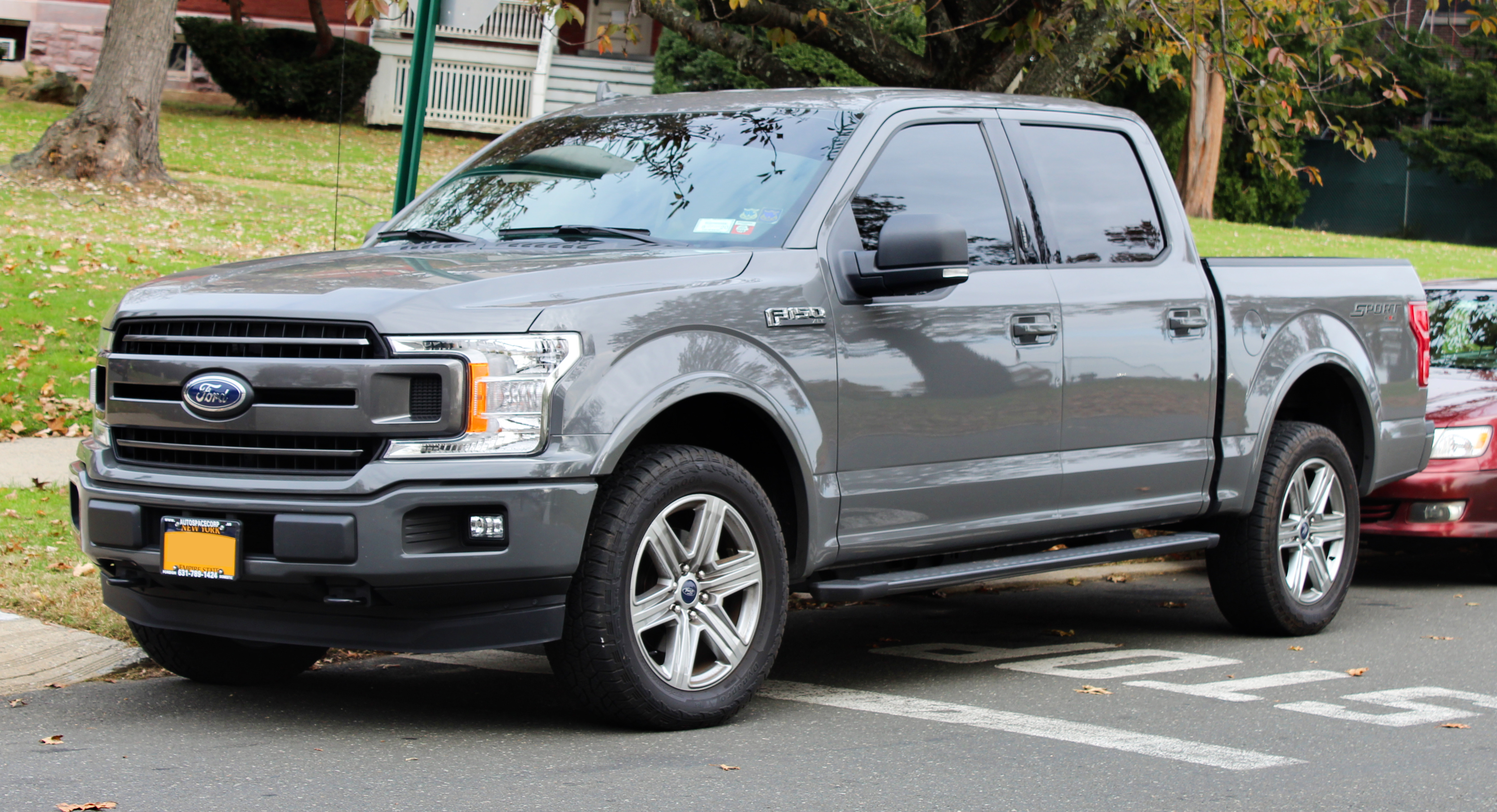
5. **Ford F‑150 (2015–2018 10‑Speed)**Alright, so you thought the 2004–2008 F-150s were bad? Ford, bless their hearts, came back swinging with their “next-gen” F-150s from 2015-2018, promising innovation and efficiency, especially with that shiny new 10R80 10-speed transmission. On paper, it sounded like a dream: silky shifts, improved fuel economy, and all the modern tech you could shake a wrench at. But as many owners and mechanics quickly discovered, this dream often turned into a wallet-draining, patience-testing nightmare.
The biggest culprit here was that much-hyped 10-speed transmission. Owners reported a slew of issues, from constant “gear-hunting” as the truck struggled to decide which ratio it wanted, to unsettling “slip-shocks” that felt like a swift kick to the powertrain. This wasn’t just an annoyance; these transmissions, particularly when paired with the 2.7L EcoBoost and 3.5L V6 engines, became notorious for overheating their mechatronic packs. The result? Warped components, a cascade of diagnostic P-codes, and the dreaded “limp mode” that would leave you crawling home, or worse, stranded on the side of the highway with a payload of resentment. Just imagine pulling a trailer, feeling that jolt, and knowing you’re looking at a $4,000-plus repair bill that could easily fund a decent performance upgrade for a *reliable* truck. Ouch.
But the transmission wasn’t the only headache that kept these F-150s in the bay. The EcoBoost engines in these model years, while powerful, had their own share of mechanical miseries. Turbocharger failures became a real thorn in owners’ sides, with small-turbo cartridges reportedly disintegrating and sending metal shards right into the compressor housing. That’s a quick and explosive way to say goodbye to your turbo, necessitating a hefty, unscheduled replacement. Moreover, the intercooler plumbing developed a nasty habit of springing leaks and experiencing boost-hose separations under hard driving, leading to a significant loss of power and efficiency. Suddenly, that promised turbocharged grunt was gone, replaced by a symphony of hisses and sputtering, a frustrating experience for any truck owner.
Adding insult to literal injury, the electrical gremlins that seem to plague many modern vehicles made a triumphant return in these F-150s. Owners lamented sync-module crashes that rendered their advanced infotainment systems useless, phantom wipers that would activate themselves vigorously in clear weather, and rear-view cameras that would simply quit working when you needed them most – like backing a trailer into a tight spot. And while the high-strength aluminum body panels were designed to be lightweight and corrosion-resistant, many found them to dent surprisingly easily, adding yet another layer of repair expense for even minor mishaps. Even frame-rail corrosion started to surface prematurely in trucks driven in salty states, showing that not all of Ford’s “Built Tough” promises held up over time.
Ford dealers often attempted temporary fixes, like resetting the transmission software, which might offer a brief reprieve from the constant gear-hunting. However, in most cases, the underlying issues inevitably returned, leading to more frustration, repeat visits to the shop, and a growing distrust in what was supposed to be a flagship product. For a supposedly “next-gen” F-150, these 2015–2018 models often felt more like an unfinished beta test than a perfected product, a frustrating reality for both owners and the mechanics who had to diagnose their intricate, intermittent faults. If you’re eyeing one of these, proceed with extreme caution, or better yet, keep looking for a model that won’t turn your weekends into a full-time repair project.
Car Model Information: 2024 Ford F-150 XLT
Name: Ford F-Series
Caption: 2022 Ford F-150 Lariat Luxury
Manufacturer: Ford Motor Company
Aka: Ford Lobo (Mexico, 1992–present)
Production: 1948–present
Class: Pickup truck#Full-size pickup truck
Layout: Front-engine, rear-wheel-drive layout,rear-wheel drive
Predecessor: 1941 Ford
Categories: All-wheel-drive vehicles, All Wikipedia articles written in American English, All articles that may contain original research, All articles with unsourced statements, Articles that may contain original research from September 2020
Summary: The Ford F-Series is a series of light-duty trucks marketed and manufactured by the Ford Motor Company since model year 1948 as a range of full-sized pickup trucks — positioned between Ford’s Ranger and Super Duty pickup trucks. Alongside the F-150 (introduced in 1975), the F-Series also includes the Super Duty series (introduced in 1999), which includes the heavier-duty F-250 through F-450 pickups, F-450/F-550 chassis cabs, and F-600/F-650/F-750 Class 6–8 commercial trucks.
Get more information about: Ford F-Series
Buying a high-performing used car >>>
Brand: Ford Model: F-150
Price: $40,999 Mileage: 45,515 mi.

6. **Ford F-150 (2011–2013 EcoBoost)**Speaking of EcoBoost headaches, let’s rewind a bit to the earlier generations, specifically the 2011–2013 Ford F-150s equipped with those pioneering EcoBoost engines. While Ford championed these turbocharged powerplants as the future of truck efficiency and power, the initial rollout was, shall we say, a bit rocky. The context itself warns us to “avoid the problematic early EcoBoost years (2011–2013),” a clear indicator that these trucks were frequent flyers on the tow-truck manifest and a consistent source of frustration for mechanics trying to tame cutting-edge tech.
The promise of V8 power with V6 fuel economy was undeniably enticing, but these early EcoBoost iterations often struggled with issues that mechanics quickly learned to dread. A common and particularly vexing complaint centered around condensation buildup within the intercooler, especially prevalent in humid climates. This accumulated moisture, instead of being harmlessly purged, could be sucked directly into the engine’s combustion chambers. The result? Violent misfires, a drastic reduction in power, and a phenomenon affectionately (or not-so-affectionately) dubbed “EcoBoost shudder.” It wasn’t just an inconvenience; it was a fundamental design challenge that made the truck unreliable and often dangerous under certain conditions, turning a powerful engine into a hesitant, sputtering mess when you least expected it.
Beyond the moisture-induced misfires, these early EcoBoost engines often wrestled with turbocharger longevity, proving that first-generation forced induction comes with its own set of trials. While later models faced similar challenges, the fundamental design and material choices in these earlier turbos meant they were highly prone to premature failure. Whether it was sticky wastegates, issues with oil coking that starved bearings, or the turbines themselves literally giving up the ghost, replacing turbos became a regular, and very expensive, item on the repair shop menu. Each blown turbo chipped away at the “cost-saving” promise of the EcoBoost, making owners question their initial investment and the mechanics groan at the sight of another F-150 with forced-induction woes.
Furthermore, the complex fuel system, vital for the precise operation of direct-injection turbocharged engines, presented its own set of vulnerabilities. High-pressure fuel pump (HPFP) failures and problematic fuel injectors were not uncommon, leading to rough running, persistent check engine lights, and dramatically diminished performance. Diagnosing these intricate issues required specialized diagnostic tools and a deep understanding of the new EcoBoost architecture, translating into higher labor costs, extended downtime for owners, and a hefty dose of head-scratching for technicians. It was a steep learning curve for everyone involved.
So, while later EcoBoost iterations saw significant refinements and improvements, these early 2011-2013 models were undeniably a challenging period for Ford, and an expensive, exasperating education for many unsuspecting owners. The sheer number of persistent issues, from misfires and hesitation to catastrophic turbo failures and intricate fuel system maladies, cemented their place as definitive early EcoBoost headaches. Mechanics would certainly advise you to proceed with extreme caution if you’re looking at one of these used F-150s; these are the years that taught many truck owners a hard, costly lesson about embracing cutting-edge engine technology too soon.
Car Model Information: 2024 Ford F-150 XLT
Name: Ford F-Series
Caption: 2022 Ford F-150 Lariat Luxury
Manufacturer: Ford Motor Company
Aka: Ford Lobo (Mexico, 1992–present)
Production: 1948–present
Class: Pickup truck#Full-size pickup truck
Layout: Front-engine, rear-wheel-drive layout,rear-wheel drive
Predecessor: 1941 Ford
Categories: All-wheel-drive vehicles, All Wikipedia articles written in American English, All articles that may contain original research, All articles with unsourced statements, Articles that may contain original research from September 2020
Summary: The Ford F-Series is a series of light-duty trucks marketed and manufactured by the Ford Motor Company since model year 1948 as a range of full-sized pickup trucks — positioned between Ford’s Ranger and Super Duty pickup trucks. Alongside the F-150 (introduced in 1975), the F-Series also includes the Super Duty series (introduced in 1999), which includes the heavier-duty F-250 through F-450 pickups, F-450/F-550 chassis cabs, and F-600/F-650/F-750 Class 6–8 commercial trucks.
Get more information about: Ford F-Series
Buying a high-performing used car >>>
Brand: Ford Model: F-150
Price: $40,999 Mileage: 45,515 mi.

7. **Ford Ranger (General Reliability Concerns)**Now, let’s talk about the Ford Ranger. It’s a name that conjures images of compact, practical utility, and it even makes an appearance on some “mechanics recommend” lists for its functionality and fuel economy. However, as our context subtly reveals, its recommendation isn’t always about stellar, class-leading reliability. “However, if a professional recommends it, it’s likely not because of reliability or its complex infotainment system. Hence, it doesn’t match the Chevy Colorado in reliability.” That’s a classic Jalopnik-style backhanded compliment if there ever was one, effectively placing it in a category where “general reliability concerns” become a valid point for a maintenance nightmare discussion, at least comparatively to its supposedly less reliable mid-size brethren.
While the Ranger might boast that it can get you to 300,000 miles with diligent maintenance, the critical caveat “doesn’t match the Chevy Colorado in reliability” is a telling sign for any discerning truck buyer. The Colorado, as we saw earlier, had its own well-documented laundry list of engine sludging and timing chain nightmares, so for the Ranger to fall short of *that* benchmark suggests a baseline of underlying issues that are significant enough to keep mechanics busy. It means owners of Rangers often deal with a higher frequency of smaller, yet persistent, issues that collectively add up to a frustrating and costly ownership experience, eroding confidence over time. These might not always be catastrophic engine failures every time, but they are certainly enough to make you familiar with your service advisor and the inside of the waiting room.
One of the immediately implied issues, as explicitly mentioned in the context, is its “complex infotainment system.” While not a mechanical failure in the traditional sense, a glitchy, complex, or unreliable infotainment system can absolutely be a persistent maintenance nightmare. Owners expect modern amenities to work seamlessly; when they don’t, it leads to infuriating dealership visits, costly software updates that may or may not solve the problem, or the outright replacement of expensive electronic modules. Mechanics often dread electrical and software issues more than tangible mechanical breaks, as they can be incredibly time-consuming to diagnose, requiring specialized tools and constantly updated software, turning what should be a simple interface into a technological headache that keeps the truck out of commission and the owner’s blood pressure unnecessarily high.
Moreover, the very fact that the Ranger is recommended primarily for its “overall performance and modern safety features” *instead* of its sterling reliability, speaks volumes about where its priorities, and ultimately its vulnerabilities, lie. It’s a fundamental compromise. You might get the capability and a suite of modern features, but you might also pay for it in frequent, if not catastrophic, repairs or persistent niggles that sap your enthusiasm. This distinction is crucial for a potential buyer looking for a true workhorse that can endure without constant attention. Mechanics appreciate a truck that’s easy to fix, but they’d rather not see it so often for the same, or a rotating cast, of minor issues that refuse to stay fixed. The Ranger, despite its loyal following, often found itself in the shop for a multitude of these smaller, yet incessant, problems that chipped away at its perceived durability and became a quiet burden for its owners.
So, while the Ranger is undoubtedly a capable truck for many applications, its underlying reliability concerns – particularly when compared to what are already considered problematic peers – and the frustration stemming from its potentially “complex infotainment system,” collectively qualify it as a subtle, but consistent, maintenance nightmare for those who prioritize uninterrupted uptime and truly low, unexpected costs. It might be able to reach impressive high mileage, but it often does so by demanding more attention, more patience, and more visits to the mechanic than its reputation might initially suggest.
As we’ve traversed the rocky, often oil-stained terrain of automotive reliability, from notorious engine failures to bewildering electrical gremlins and perplexing diagnostic mysteries, one truth becomes abundantly clear: not all pickups are created equal. We’ve unmasked eight trucks that, despite their rugged exteriors and promises of utilitarian grit, have earned a dreaded reputation among the folks who spend their days elbow-deep in oil and frustration. These aren’t just vehicles; they’re cautionary tales, testaments to the hidden costs of ownership that go far beyond the sticker price, reminding us that a cheap purchase can quickly become the most expensive relationship you’ve ever had.
Car Model Information: 2021 Ford Ranger XLT
Categories: All set index articles, Articles with short description, Cars introduced in 1982, Commons category link from Wikidata, Ford vehicles
Summary: The Ford Ranger is a compact or mid-size pickup marketed globally by Ford over a series of generations, varying between both in-house or outside development and manufacturing — and with a hiatus in North America from 2011–2018.
Debuting as a compact pickup in North America in 1982 for the 1983 model year, the Ranger was later introduced in some South American countries. From 1998 to 2011, the Ranger nameplate was used for models developed by Mazda for sale outside the North American market. In 2011, Ford introduced the first Ranger based on the T6 platform. Considered a mid-size pickup truck, the model was developed in-house by Ford Australia. In that same year, the North American-market Ranger was discontinued, leaving the T6 platform-based Ranger as the sole Ranger model worldwide.
For the 2019 model year, the Ranger was reintroduced in North America using the globally-marketed T6 model. It is manufactured at the Michigan Assembly Plant at Wayne, Michigan. The Ranger is smaller than the F-150 and larger than the Maverick in the Ford North American pickup truck range, while for markets outside the Americas it is typically the only Ford pickup offered for sale.
The second generation of the T6-based Ranger was released in 2021 for worldwide markets, using a revised T6 platform.
Get more information about: Ford Ranger
Buying a high-performing used car >>>
Brand: Ford Model: Ranger
Price: $27,900 Mileage: 47,882 mi.
The lessons learned here aren’t just for seasoned mechanics; they’re for every enthusiast, every homeowner, and every small business owner considering their next pickup. Whether it’s the early EcoBoost’s perplexing intercooler woes, the loping idle of a classic Chevy that defies explanation, the modern Ford F-150’s problematic 10-speed transmission, or the Ford Ranger’s subtle but persistent reliability issues, these trucks remind us that the road to reliable performance can be paved with unexpected repairs and endless trips to the shop. So, before you commit to that next big purchase, do your homework, listen to the seasoned pros who’ve seen it all, and choose a truck that’s truly built to last, not just built to look tough on a billboard. Your wallet, your precious weekends, and your sanity will undoubtedly thank you for it.