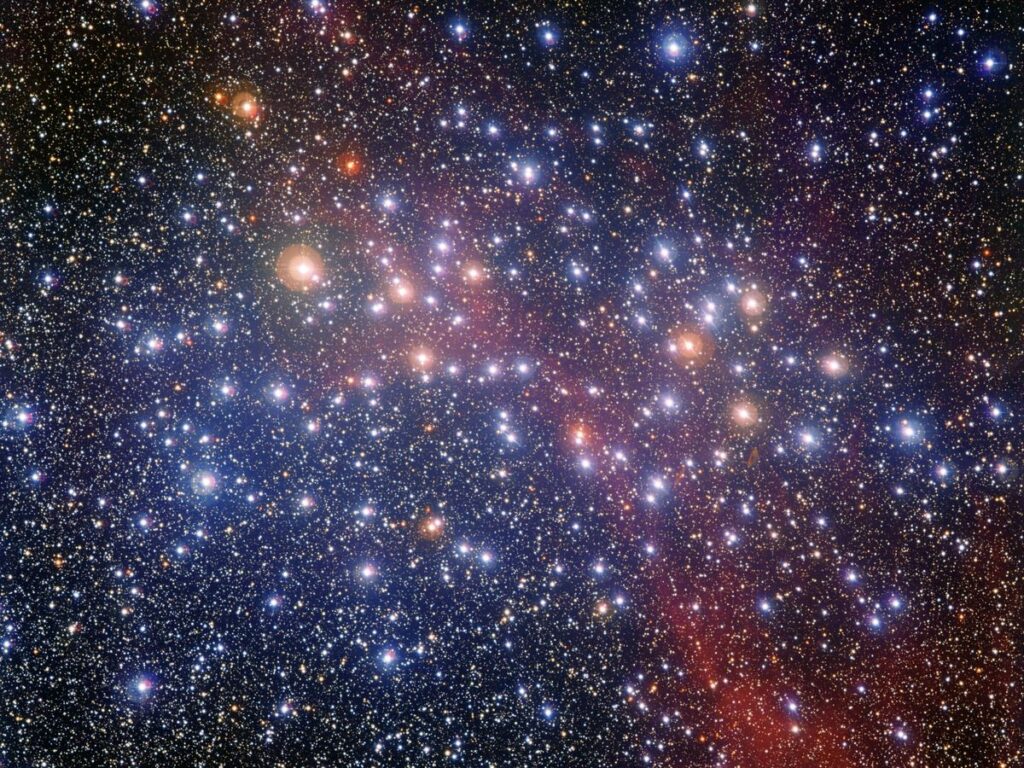
In the vast theater of the cosmos, there are performers whose grandeur dwarfs any earthly spectacle, whose roles span billions of years, and whose finales are quite literally stellar. These are the stars – not the figures gracing our silver screens, but the luminous spheroids of plasma that ignite and shape galaxies. Their stories are epic, their performances breathtaking, and their impact on the universe, profound. While they may not demand a five-million-dollar cameo, their existence is a cosmic production of unparalleled scale, demanding eons of gravitational collapse and thermonuclear fusion for their brilliant, yet ultimately fleeting, moments in the spotlight of the observable universe.
For millennia, humanity has looked to the night sky, captivated by these distant beacons. From ancient navigators charting courses by their steady glow to modern astrophysicists unraveling the quantum mechanics of their fiery cores, stars have been central to our understanding of the universe and our place within it. Their study is not merely academic; it is a profound journey into the very building blocks of existence, revealing how everything from the elements in our bodies to the structure of galaxies is intimately connected to these cosmic powerhouses.
This in-depth exploration will take you behind the cosmic curtain, beginning with the fundamental nature of stars and tracing the historical milestones of their discovery and understanding. We’ll delve into how early civilizations incorporated them into their cultures, witness the groundbreaking scientific inquiries that began to pull back the veil of mystery, and examine the sophisticated methods astronomers developed to measure, classify, and ultimately, comprehend these incredible celestial objects. Prepare for an insider’s look at the genesis of stars and the foundational science that laid the groundwork for our current cosmic knowledge.

1. **What is a Star? Unveiling the Cosmic Engines**At its most fundamental, a star is a luminous spheroid of plasma held together by its own self-gravity. This simple definition belies an astonishing complexity and power. The nearest and most familiar example for us is, of course, the Sun, a G-type main-sequence star. It serves as our primary laboratory for understanding the physical processes that govern these cosmic entities, offering insights into the immense distances that make other stars appear as mere fixed points of light in our night sky.
While only about 4,000 stars are visible to the eye from Earth—all of them nestled within our own Milky Way galaxy—the observable universe is estimated to contain a staggering 10^22 to 10^24 stars. This vast multitude represents an unimaginable scale of cosmic activity, each one a unique factory of energy and matter, contributing to the grand tapestry of space. They are the primary architects of light and heat across the cosmos.
The life of a star is a cycle of majestic transformation, commencing with the gravitational collapse of a gaseous nebula. These nebulae are primarily composed of hydrogen and helium, with only trace amounts of heavier elements, setting the initial conditions for a star’s evolutionary path. The star’s total mass is the main determinant of its future, dictating its lifespan and its ultimate fate, be it a quiet fade into obscurity or a dramatic, explosive end.
For the majority of its active life, a star shines brilliantly due to the relentless process of thermonuclear fusion. Within its core, hydrogen atoms are fused into helium, releasing an enormous amount of energy. This energy then traverses the star’s interior, radiating outward into outer space and making the star visible across unimaginable distances. When this fusion process eventually ceases, the star’s core transforms into a stellar remnant: a white dwarf, a neutron star, or, for the most massive, a black hole.
Crucially, stars are the universe’s alchemists. Stellar nucleosynthesis, occurring within stars or their remnants, is responsible for creating almost all naturally occurring chemical elements heavier than lithium. These elements, essential for the formation of planets and life itself, are then returned to the interstellar medium through processes like stellar mass loss or supernova explosions. This chemically enriched material is subsequently recycled, forming new generations of stars and planetary systems, thereby perpetuating the cosmic cycle.
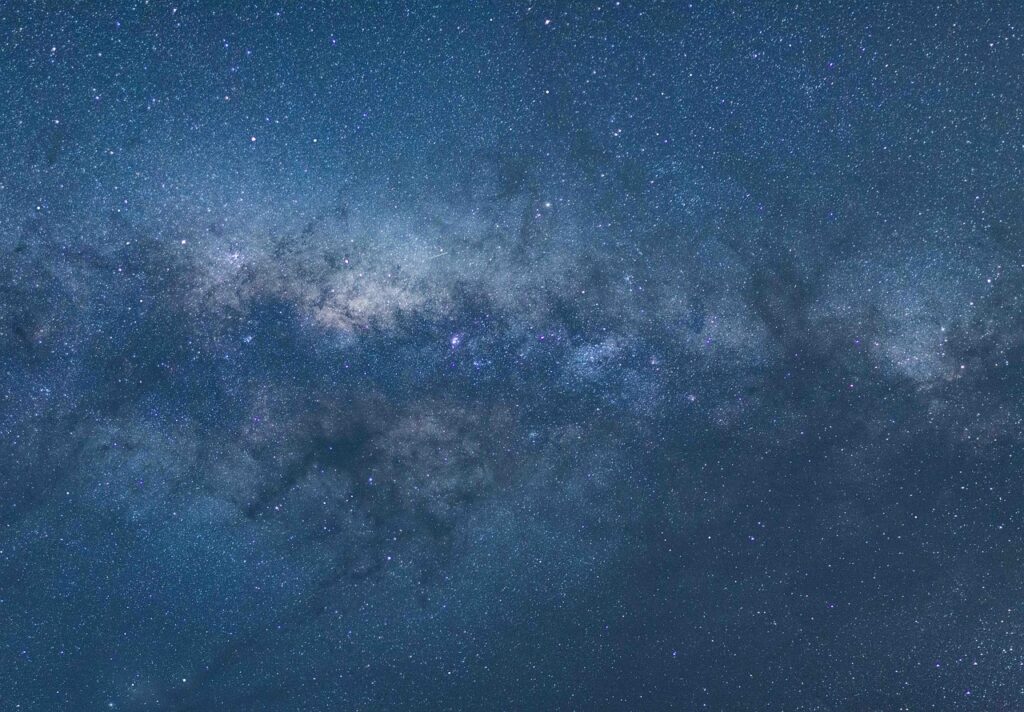
2. **A Storied Past: Stars Through the Lens of History**From the earliest human civilizations, stars have held an unparalleled importance, deeply embedding themselves into the fabric of cultures across the globe. Their constant, yet subtly shifting, presence in the night sky made them integral to a myriad of human practices, transcending mere observation to influence religion, art, and daily life. They were, in essence, humanity’s first universal clock and map.
Historically, stars were not just points of light; they were imbued with spiritual and practical significance. They played pivotal roles in religious practices, guiding divination rituals, and weaving their way into the rich tapestries of mythology. Beyond the mystical, stars were indispensable for celestial navigation and orientation, providing a reliable compass for travelers and explorers across continents and oceans long before modern instruments existed.
Furthermore, the regular motions of stars were crucial for marking the passage of seasons, a vital function for agricultural societies dependent on predictable climatic cycles. This astronomical understanding allowed civilizations to define and regulate their calendars, ensuring that planting, harvesting, and other seasonal activities were timed accurately. Even today, the Gregorian calendar, used globally, is a solar calendar fundamentally based on the Earth’s rotational axis relative to our local star, the Sun.
Early astronomers distinguished between “fixed stars,” whose positions on the celestial sphere appeared unchanging, and “wandering stars”—the planets—which visibly moved over days or weeks. Many ancient thinkers believed these fixed stars were permanently affixed to an immutable heavenly sphere. To make sense of the vast expanse, prominent stars were grouped into asterisms and constellations, serving as essential landmarks for tracking planetary motions and inferring the Sun’s position, thereby creating a foundational framework for astronomical observation.
Read more about: Blast from the Past: 6 ’60s TV Icons Who Deserved Their Own Spin-Offs
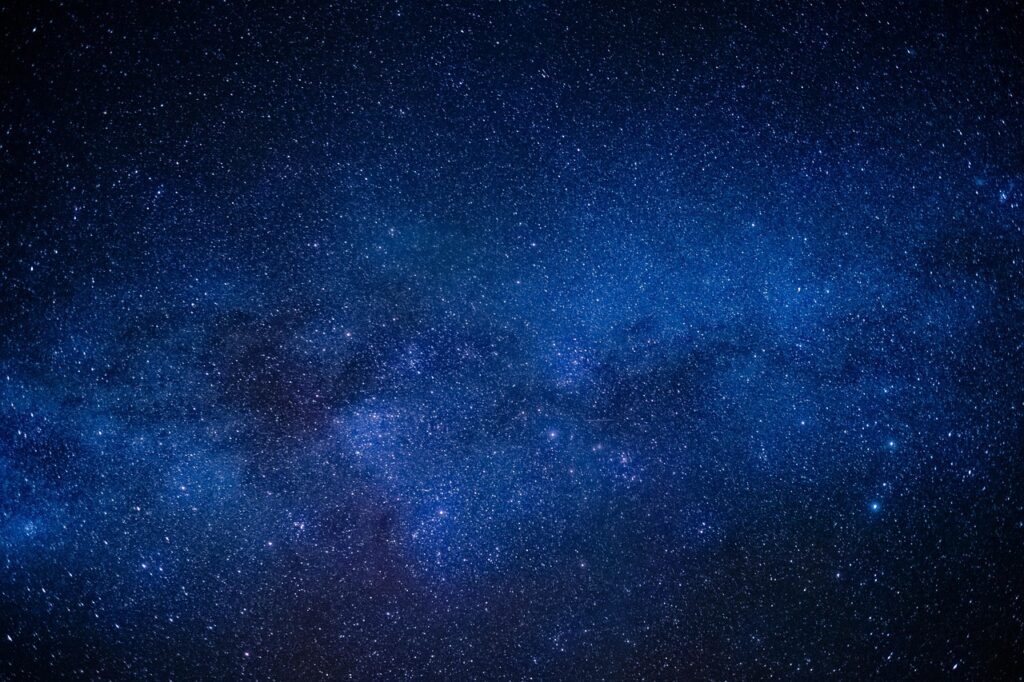
3. **The Dawn of Scientific Inquiry: Early Catalogues and Discoveries**The systematic observation and cataloging of stars represent some of humanity’s earliest scientific endeavors, providing a bedrock for all subsequent astronomical understanding. The earliest accurately dated star chart, a testament to ancient Egyptian astronomy, dates back to 1534 BC, demonstrating a sophisticated awareness of the celestial layout millennia ago. This early record highlights a methodical approach to documenting the night sky.
Following this, the ancient Babylonian astronomers of Mesopotamia compiled the earliest known star catalogues. These crucial records emerged in the late 2nd millennium BC, specifically during the Kassite Period (c. 1531 BC – c. 1155 BC). Such meticulous documentation laid the groundwork for future astronomical studies, allowing for the tracking of celestial phenomena and the gradual accumulation of knowledge about the ‘fixed’ points of light.
Greek astronomy significantly advanced this tradition. Aristillus, with the assistance of Timocharis, created the first star catalogue in Greek astronomy around 300 BC. This was later expanded upon by Hipparchus in the 2nd century BC, whose catalogue included an impressive 1,020 stars and became instrumental in assembling Ptolemy’s renowned star catalogue. Hipparchus is also credited with the discovery of the first recorded nova, a ‘new star’ appearing where none was before, a discovery that subtly challenged the prevailing belief in an immutable heaven. Indeed, many of the constellations and star names we use today have direct derivations from Greek astronomy.
Chinese astronomers, independently observing the heavens, were notably aware that new stars could appear, demonstrating an early empirical understanding of stellar variability. In 185 AD, they made the pioneering observation and documented a supernova, now identified as SN 185, predating Western records of such an event. Their contributions continued with observations of SN 1006, the brightest stellar event in recorded history, and SN 1054, which resulted in the iconic Crab Nebula, meticulously documented by both Chinese and Islamic astronomers. These detailed observations provided invaluable data points for understanding the dynamic nature of the cosmos.

4. **From Fixed Points to Dynamic Worlds: Unraveling Stellar Motion and Variability**While ancient views often held the heavens as immutable, the seeds of a more dynamic understanding were sown early on. Medieval Islamic astronomers, building upon previous knowledge, gave Arabic names to many stars still in use today. They innovated numerous astronomical instruments capable of computing stellar positions and established the first large observatory research institutes, primarily to produce comprehensive Zij star catalogues. Notably, the Persian astronomer Abd al-Rahman al-Sufi’s ‘Book of Fixed Stars’ (964) documented various stars, star clusters (like Omicron Velorum and Brocchi’s Clusters), and even galaxies such as the Andromeda Galaxy, demonstrating a sophisticated grasp of celestial structures. Abu Rayhan Biruni in the 11th century described the Milky Way as a multitude of nebulous stars, and Ibn Bajjah proposed it was composed of many stars appearing continuous due to atmospheric refraction, hinting at the vastness and composition of our galaxy long before telescopes made it obvious.
The European Renaissance brought a renewed scrutiny to the heavens, with early astronomers like Tycho Brahe identifying new stars, or novae, in the night sky. These observations were critical in challenging the long-held Aristotelian dogma of an unchanging celestial sphere, suggesting that the heavens were indeed mutable. By 1584, Giordano Bruno boldly suggested that stars were analogous to our Sun, possibly orbited by other planets, some perhaps even Earth-like—an idea previously entertained by ancient Greek philosophers like Democritus and Epicurus, and medieval Islamic cosmologists such as Fakhr al-Din al-Razi. This speculative leap laid the conceptual groundwork for a vast, populated universe.
By the 17th century, the idea that stars were distant suns gained widespread acceptance among astronomers. To account for why these stars didn’t exert a net gravitational pull on the Solar System, Isaac Newton, influenced by theologian Richard Bentley, proposed that they were equally distributed in every direction, providing a theoretical framework for cosmic equilibrium. This period also saw the first recorded observation of stellar variability when the Italian astronomer Geminiano Montanari noted changes in the luminosity of the star Algol in 1667, hinting at complex internal processes.
The 18th century marked a significant step forward with Edmond Halley’s publication of the first measurements of the proper motion of nearby “fixed” stars. His work conclusively demonstrated that these stars had indeed changed positions since the time of ancient Greek astronomers Ptolemy and Hipparchus, definitively proving that the celestial sphere was not static. William Herschel, in the 1780s, pioneered efforts to determine the distribution of stars, counting them along 600 lines of sight and deducing that star density increased towards the Milky Way core. He further made the groundbreaking discovery that some stars are not merely aligned by chance but are physically bound companions, forming binary star systems—a revelation that fundamentally altered our understanding of stellar dynamics. His son, John Herschel, extended this monumental study to the southern hemisphere, confirming his father’s findings.
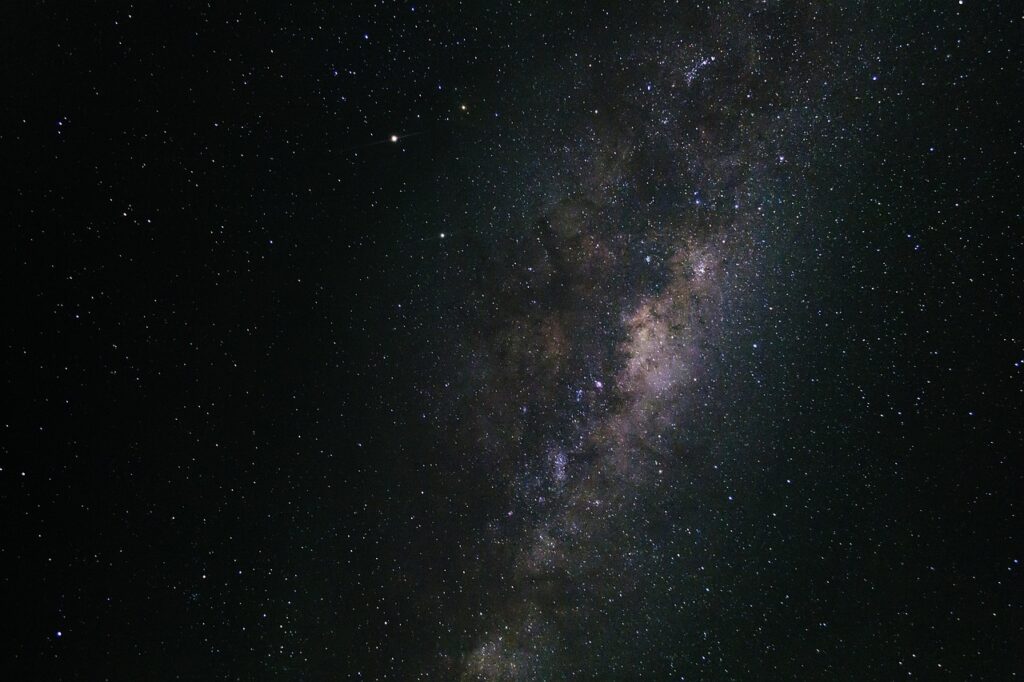
5. **Spectra and Classification: Deciphering a Star’s Identity**The 19th and early 20th centuries heralded a new era in understanding stars, moving beyond mere position and brightness to deciphering their intrinsic properties. The science of stellar spectroscopy, pioneered by Joseph von Fraunhofer and Angelo Secchi, revolutionized this field. By comparing the spectra of stars like Sirius to that of our Sun, they observed distinct differences in the strength and number of absorption lines – the dark lines in stellar spectra caused by the absorption of specific frequencies by the star’s atmosphere. These spectral fingerprints became the key to unlocking stellar composition.
Building on this foundational work, Secchi initiated a systematic classification of stars into spectral types in 1865, a rudimentary but crucial step towards organizing the vast diversity of celestial objects. This early system laid the groundwork for the more refined and comprehensive stellar classification scheme developed by Annie J. Cannon during the early 1900s. Her work, a monumental achievement in observational astronomy, categorized stars based on their spectral characteristics, which in turn correlated with their surface temperatures and evolutionary stages. This scheme, still largely in use today, brought order to the chaotic array of stellar observations.
The power of spectroscopy, combined with advances in quantum physics, enabled astronomers to delve deeper into the physical nature of stars. Quantum physics provided the theoretical framework to understand how atoms absorb and emit light, allowing scientists to accurately determine the chemical composition of a star’s atmosphere from its unique spectral lines. This meant we could not only classify stars but also understand what they were made of, revealing the surprising uniformity of hydrogen and helium dominance across the stellar population.
Further propelling the astrophysical study of stars, the Hertzsprung-Russell diagram was developed in 1913. This pivotal graphical tool plots a star’s luminosity against its spectral type (or temperature), revealing distinct patterns and evolutionary sequences. It allowed astronomers to visualize and understand the life cycles of stars in a coherent manner. In a landmark PhD thesis in 1925, Cecilia Payne-Gaposchkin cemented our understanding by first proposing that stars were made primarily of hydrogen and helium, a conclusion drawn directly from rigorous spectral analysis, thus overturning prevailing scientific thought and confirming the universe’s fundamental composition.
6. **Measuring the Immeasurable: Units and Distances in Stellar Astronomy**To truly grasp the scale and properties of stars, astronomers developed specialized units of measurement, allowing for effective communication and comparison across the vastness of space. While fundamental parameters can be expressed in SI or Gaussian units, it is often far more convenient and intuitive to express a star’s mass, luminosity, and radius in solar units, using the characteristics of our own Sun as a baseline. This makes it easier to conceptualize just how much larger, brighter, or more massive a given star is compared to a familiar reference point.
Recognizing the importance of standardized measurements, the International Astronomical Union (IAU) in 2015 defined a set of nominal solar values. These values, established as SI constants without uncertainties, serve as precise benchmarks for quoting stellar parameters. This includes the nominal solar luminosity (L☉ = 3.828 × 10^26 W) and the nominal solar radius (R☉ = 6.957 × 10^8 m). Although the Newtonian constant of gravitation (G) has a larger relative uncertainty, the IAU meticulously defined the nominal solar mass parameter (GM☉ = 1.327 1244 × 10^20 m^3/s^2) due to its much greater precision. Combining this parameter with the most recent (2014) CODATA estimate for G allows us to derive the solar mass (M☉) to be approximately 1.9885 × 10^30 kg. These nominal constants provide a stable reference point for future astronomical comparisons, even as observational uncertainties in other areas may slightly vary actual values.
For measuring immense cosmic distances, such as the radius of a giant star or the semi-major axis of a binary star system, the astronomical unit (AU) is frequently employed. This unit is approximately equal to the mean distance between the Earth and the Sun—about 150 million kilometers or 93 million miles. In 2012, the IAU solidified the astronomical constant by defining it as an exact length: 149,597,870,700 meters, ensuring universal precision in these critical distance measurements. Such exactitude is vital for the precise mapping of our celestial neighborhood and beyond.
The breakthrough in directly measuring stellar distances came in 1838 when Friedrich Bessel, using the parallax technique, successfully determined the distance to 61 Cygni, an astounding 11.4 light-years away. These parallax measurements were revolutionary, providing irrefutable evidence of the vast separation of stars in the heavens and dismantling earlier misconceptions about their relative proximity. Concurrently, the observation of double stars gained increasing importance throughout the 19th century. Friedrich Bessel’s observation of changes in Sirius’s proper motion in 1834 led him to infer the existence of a hidden companion, later confirmed. Edward Pickering further advanced this in 1899 by discovering the first spectroscopic binary, Mizar, observing the periodic splitting of its spectral lines over a 104-day period. Detailed observations of numerous binary systems by astronomers like Friedrich Georg Wilhelm von Struve and S. W. Burnham allowed for the determination of stellar masses through orbital computations, with Felix Savary providing the first solution for deriving binary star orbits from telescope observations in 1827. These developments underscored the dynamism and interconnectedness of stars, moving from static points to interacting systems.

7. **The Genesis Story: How Stars Are Born**The birth of a star is a monumental cosmic event, a process of gravitational collapse that transforms diffuse gas and dust into a brilliant, self-luminous powerhouse. This intricate dance begins with gravitational instability within vast, cold molecular clouds. These regions, though of higher matter density than the surrounding space, are paradoxically less dense than a vacuum chamber here on Earth. Yet, within these tenuous environments, the conditions are just right for stellar nurseries to flourish.
These instabilities are often triggered by external forces that compress the clouds, pushing matter together. Such catalysts include the powerful radiation from pre-existing massive stars, the expanding bubbles created by stellar winds or supernova remnants in the interstellar medium, the collision of different molecular clouds, or even the grand collision of entire galaxies, as seen in starburst galaxies. These cosmic disturbances provide the initial push, setting off the chain reaction that leads to star formation, much like a domino effect on a galactic scale.
When a region within a molecular cloud accumulates sufficient density to satisfy the criteria for Jeans instability, it begins an inexorable collapse under its own gravitational force. As this vast cloud of gas and dust shrinks, individual conglomerations, often seen as dense, opaque structures known as “Bok globules,” start to form. These globules are the immediate precursors to protostars, signifying the onset of their independent gravitational journey toward stellar ignition.
As a globule continues to collapse and its density rapidly increases, the immense gravitational potential energy is converted into heat, causing the internal temperature to soar dramatically. This process continues until the protostellar cloud approximately reaches a state of hydrostatic equilibrium, where the outward pressure generated by the increasing heat balances the inward pull of gravity. At this critical juncture, a protostar forms at the core, marking the true beginning of a star’s life. These pre-main-sequence stars are frequently enveloped by a swirling protoplanetary disk, the nascent birthplace of planets, and are primarily powered by the ongoing conversion of gravitational energy as they continue to contract. This period of gravitational contraction can last for approximately 10 million years for a star like our Sun, extending up to 100 million years for less massive red dwarfs, highlighting the varying timescales of stellar birth.
Early in their development, stars with masses less than 2 solar masses are known as T Tauri stars, while their more massive counterparts are classified as Herbig Ae/Be stars. A remarkable feature of these newly formed stars is their emission of powerful jets of gas along their axis of rotation. These jets, often visible as small patches of nebulosity known as Herbig–Haro objects, play a crucial role in the stellar birth process. They are thought to help reduce the angular momentum of the collapsing star, a necessary step for it to coalesce into a stable sphere. Furthermore, these energetic jets, in conjunction with the intense radiation emanating from nearby massive stars, contribute significantly to driving away the surrounding cloud material from which the star originally formed, clearing its immediate environment and allowing its nascent light to shine forth. These T Tauri stars then follow specific evolutionary paths, such as the Hayashi track and later the Henyey track for more massive stars, as they contract and gradually settle onto the main sequence, their long adult lives fueled by nuclear fusion now truly beginning. The fragmentation of collapsing clouds into multiple stars, common in binary systems, is also a key mechanism for distributing angular momentum, further illustrating the complex dynamics of stellar nurseries.
Having explored the genesis and foundational understanding of stars, from their cosmic definitions to the intricate processes of their birth, we now pivot to the epic cycles that define their existence. Stars are not static; their lives are grand narratives of enduring brilliance, dramatic evolution, and profound transformation. From their long “main sequence” adulthoods to explosive finales that seed the universe, each star follows a destiny dictated by its initial mass. This section delves into their active lives, varied aging and death paths, and the fascinating interplay binding them into complex systems and vast galactic structures.
Read more about: Beyond the Spotlight: Unveiling Adele’s London Roots and the Meticulous Crafting of a Voice Destined for Legend
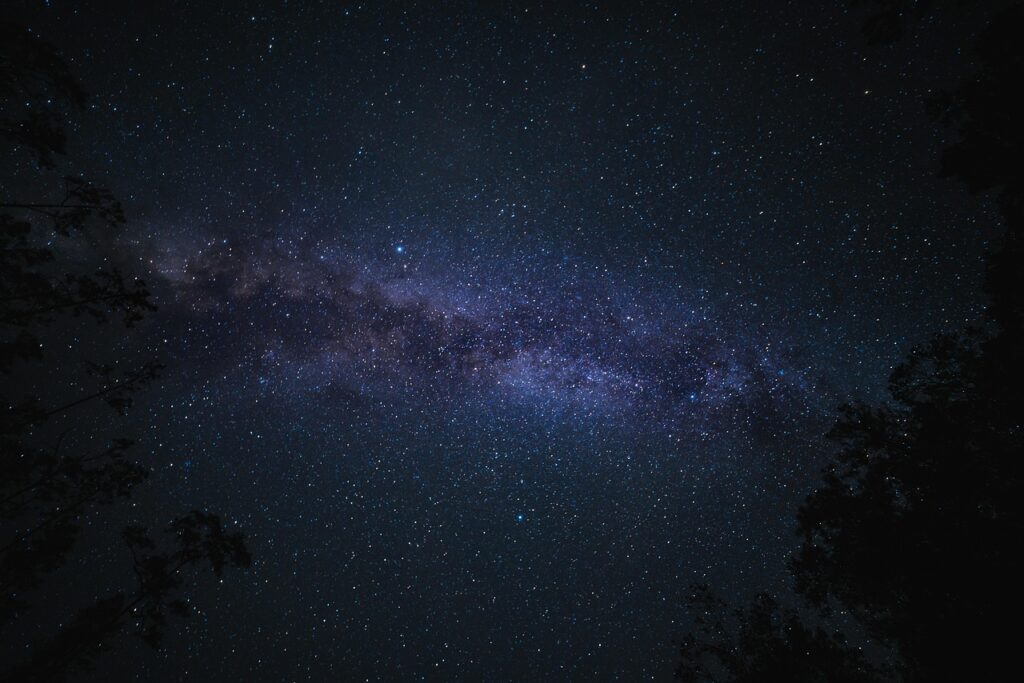
8. **The Main Act: A Star’s Enduring Main Sequence Life**Stars spend approximately 90% of their existence fusing hydrogen into helium in their cores, remaining on the main sequence. These are called dwarf stars; our Sun is a G-type main-sequence example. As helium accumulates in the core, the fusion rate, temperature, and luminosity slowly increase. Our Sun, for instance, has brightened by about 40% since joining the main sequence 4.6 billion years ago, illustrating this gradual evolution.
Every star emits a stellar wind, a continuous outflow of gas. For most stars, like the Sun (losing 0.01% of its mass over its lifespan), this mass loss is minor. However, very massive stars can lose 10^-7 to 10^-5 solar masses annually, significantly affecting their evolution. Stars initially over 50 solar masses may shed more than half their total mass while still on the main sequence.
A star’s main sequence duration depends on its fuel and consumption rate. Massive stars burn fuel rapidly, leading to short lives. Low-mass stars, like red dwarfs (less than 0.25 solar masses), consume fuel slowly and can fuse nearly all their mass. This allows them to last up to one trillion years, with the most extreme 0.08 solar mass examples enduring for about 12 trillion years. Since these lifespans exceed the universe’s current age, no stars under approximately 0.85 solar masses have yet left the main sequence.
Beyond mass, a star’s “metallicity” (elements heavier than helium) is crucial. Astronomers term all elements heavier than helium “metals.” Metallicity influences fuel burn time and magnetic field formation, which in turn impacts stellar wind strength. Older Population II stars have significantly lower metallicity than younger Population I stars, reflecting the chemical enrichment of molecular clouds over cosmic history as previous stellar generations die and release processed material.
Read more about: From Stardom to Screens: How 12 Viral Moments Reshape Public Perception Forever
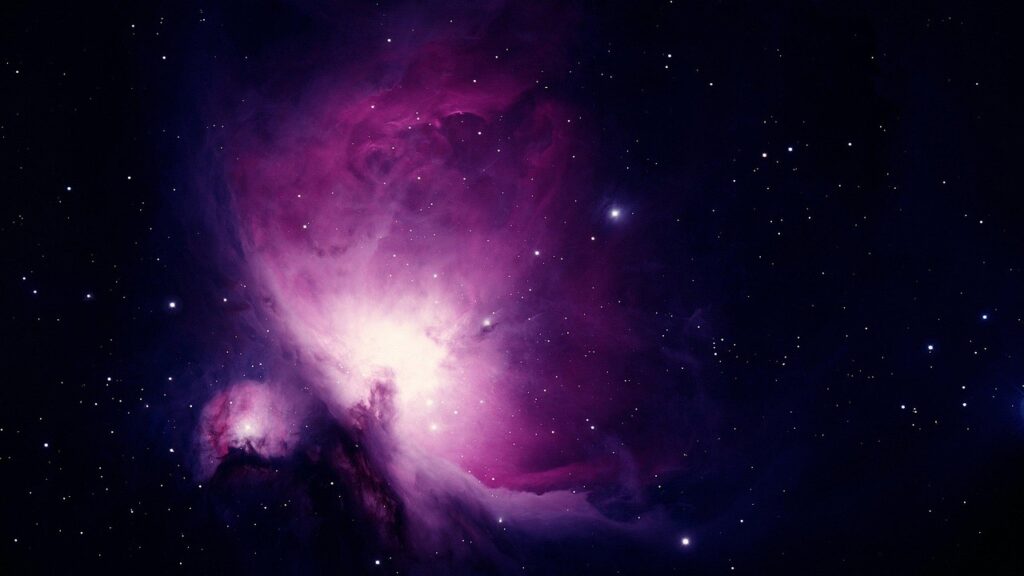
9. **Beyond the Main Sequence: The Dramatic Evolution of Lower-Mass Stars**When stars of at least 0.4 solar masses exhaust their core hydrogen, they embark on a dramatic post-main sequence journey. Core contraction ignites hydrogen fusion in a shell around the inert helium core, causing the star’s outer layers to expand and cool, forming a red giant. These expanding stars eject enriched mass into the interstellar medium, contributing to cosmic recycling. Our Sun, in about 5 billion years, will expand to approximately 1 astronomical unit, losing 30% of its mass.
As the hydrogen-burning shell adds helium, the core grows hotter and more massive. For red giants up to 2.25 solar masses, the helium core becomes degenerate before fusion. When critical temperature is reached, core helium fusion begins explosively in a “helium flash,” rapidly shrinking the star, increasing surface temperature, and moving it to the HR diagram’s horizontal branch. More massive stars, lacking degenerate cores, begin helium fusion smoothly, spending time in the “red clump” before reaching the horizontal branch.
Following core helium fusion, a star fuses helium in a shell around its carbon core, entering the asymptotic giant branch (AGB) phase, a highly luminous period akin to the earlier red-giant stage. AGB stars experience “thermal pulses” from core instabilities, causing luminosity variations and significant mass ejection. This intense mass loss eventually forms a spectacular planetary nebula, a glowing shell around the exposed hot core, expelling 50% to 70% of the star’s mass.
Because energy transport in AGB stars is largely convective, the ejected material, like carbon and oxygen “dredged up” from the core, enriches the interstellar medium. The planetary nebula then disperses, becoming raw material for future stars and planets. This dramatic stellar death ensures that “star stuff”—the heavy elements vital for life—is continuously recycled throughout the cosmos.
Read more about: Cosmic Dramas: Unveiling the Profound Forces That Transform a Star’s ‘Dream House’ Across Billions of Years

10. **Giants and Supergiants: The Explosive Lives of Massive Stars**Stars exceeding 9 solar masses follow a more dramatic path post-main sequence, expanding into blue, then often red, supergiants during their helium-burning phase. These are immense by volume, far larger than our Sun. Exceptionally massive stars (over 40 solar masses), like Alnilam, may bypass the red supergiant stage due to extreme mass loss. Instead, they can evolve into Wolf–Rayet stars, whose spectra show strong emission lines of heavy elements brought to the surface by convection or outer layer stripping, revealing their processed interiors.
Upon core helium exhaustion, a massive star’s core contracts further, reaching temperatures and pressures that fuse heavier elements. This occurs in “onion-like” layers within the core: carbon, then neon, oxygen, and finally silicon. Each shell fuses a different element, creating a complex, layered energy factory. Hydrogen fusion continues in the outermost shell, followed by helium, and so forth, sustaining intense nuclear reactions.
The culmination of nucleosynthesis in these stars is iron production. Iron nuclei are the most tightly bound, meaning further fusion beyond iron consumes energy, rather than releasing it. Thus, once a massive star’s core is predominantly iron, it can no longer generate fusion energy to counteract gravity, marking the end of its active life and setting the stage for its catastrophic demise.
Some massive stars, notably luminous blue variables, are highly unstable, violently shedding vast amounts of mass in “supernova impostor” events, brightening significantly. Eta Carinae, famous for its 19th-century “Great Eruption,” is a prime example. These dramatic mass-loss events often precede even more catastrophic stellar finales.

11. **The Ultimate Collapse: Supernovae and the Birth of Remnants**A star’s life ends in a profound collapse. For stellar remnants less than approximately 1.4 solar masses, after shedding outer atmospheres to form a planetary nebula, the core shrinks into a white dwarf. This Earth-sized object of electron-degenerate matter resists further compression. Without mass for additional fusion, white dwarfs slowly cool over eons, eventually becoming theoretical black dwarfs.
In massive stars, fusion continues until the iron core exceeds 1.4 solar masses, making it gravitationally unstable. The core then catastrophically collapses. Electrons are forced into protons, forming neutrons, neutrinos, and gamma rays. The resulting shockwave rebounds, causing the rest of the star to explode as a supernova—one of the universe’s most luminous events, briefly outshining entire galaxies.
Historically, “new stars” observed in the Milky Way, like SN 1054 (which formed the Crab Nebula), were supernovae. These explosions eject the star’s outer layers, rich in heavy elements, into the interstellar medium. This material is vital for forming new stars and rocky planets, fundamentally shaping the cosmos.
The post-supernova core remnant depends on the original star’s mass. It compresses into a neutron star (sometimes a pulsar or X-ray burster), where matter is neutron-degenerate. For the largest stars, with remnants over 4 solar masses, the collapse continues unimpeded, forming a black hole, the most extreme endpoint of stellar evolution.
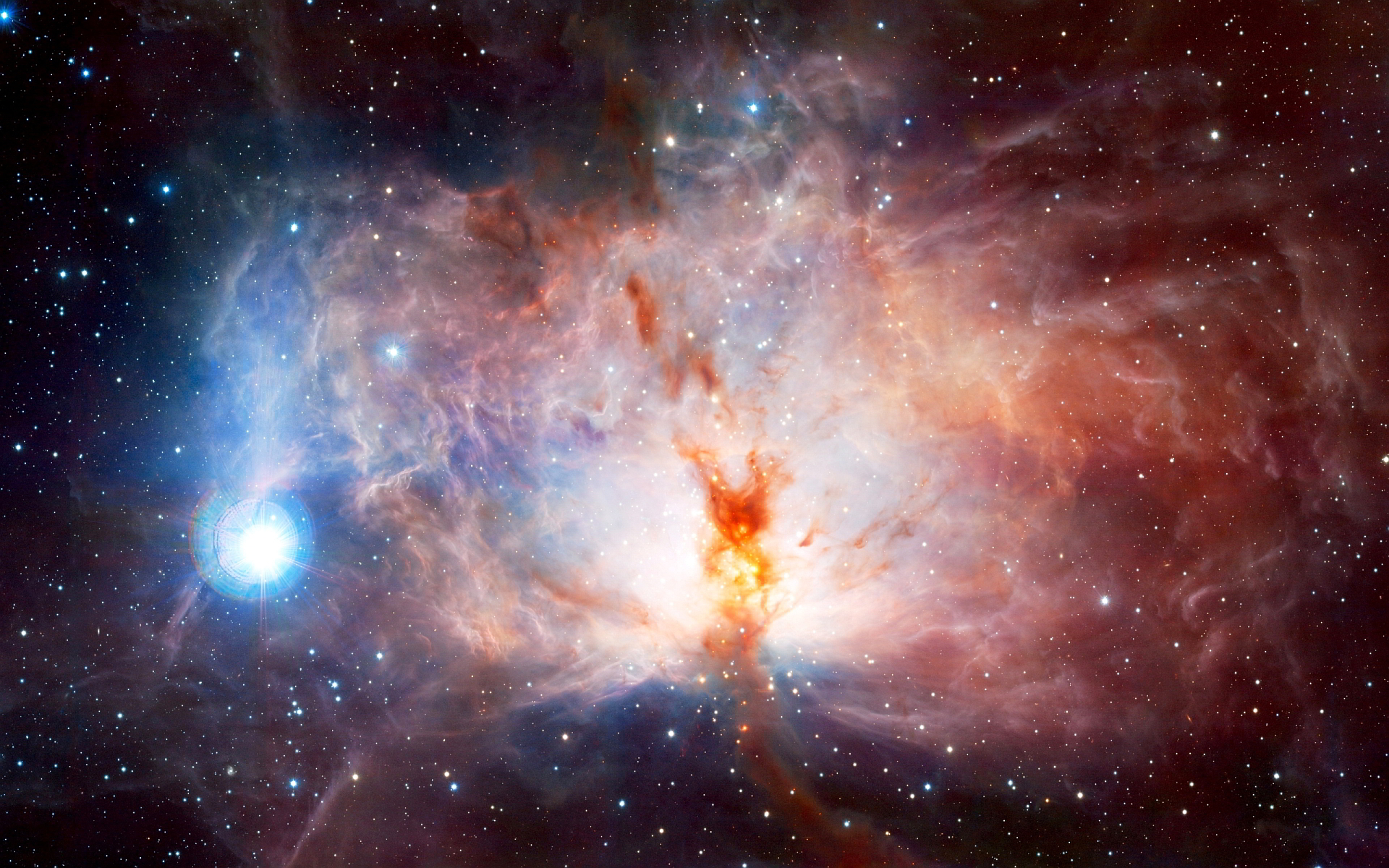
12. **Cosmic Partnerships: The Complex Dynamics of Binary Star Systems**While single stars are numerous, many, perhaps most, exist in multi-star systems, with binary stars (two gravitationally bound stars) being most common. Stellar evolution in binaries differs significantly from isolated stars, leading to unique phenomena. When an expanding red giant exceeds its Roche lobe, material can transfer to its companion.
This mass transfer creates diverse effects: contact binaries sharing a common envelope, cataclysmic variables, or “blue stragglers” appearing younger than their cluster. It can also cause the “Algol paradox,” where the more evolved star is actually less massive due to mass loss. This mechanism is crucial for Type Ia supernovae, thought to occur when a white dwarf accretes enough mass from a companion to trigger a thermonuclear explosion.
The prevalence of binary and higher-order star systems makes their evolution a critical research area. Around half of Sun-like stars and even more massive O and B class stars form in multiple systems. These close gravitational interactions profoundly influence novae, supernovae, stellar type formation, and cosmic chemical enrichment, thus fundamentally shaping galactic evolution.
The role of binary star evolution in forming advanced massive stars—like luminous blue variables, Wolf–Rayet stars, and core-collapse supernova progenitors—remains debated. Some astronomers suggest single massive stars cannot shed outer layers quickly enough to match observed numbers. Mass transfer via gravitational stripping in binary systems offers a compelling explanation for this discrepancy, highlighting the critical role of stellar partnerships in extreme evolutionary paths.
Read more about: The Mind-Blowing Science of Stars: Uncovering the Cosmic Truths Behind the Twinkle

13. **Stellar Grand Design: The Distribution and Clustering of Stars**Stars are not uniformly distributed; they group into colossal structures called galaxies, alongside interstellar gas and dust. A typical large galaxy like the Milky Way hosts hundreds of billions of stars. The observable universe contains over 2 trillion galaxies, most under 10% the Milky Way’s mass. In total, there are likely 10^22 to 10^24 stars—exceeding all sand grains on Earth. While most stars reside within galaxies, a significant 10% to 50% of starlight in large galaxy clusters comes from stars outside any specific galaxy.
Beyond galaxies, stars form smaller, gravitationally bound multi-star systems. Binaries are most common, but systems of three or more stars also exist, often hierarchically for stability. Larger groups are star clusters, from loose associations to open clusters (dozens to thousands) and massive globular clusters (hundreds of thousands). All orbit their host galaxy. Cluster stars typically share similar ages and compositions, originating from the same giant molecular cloud, making them ideal for studying stellar evolution.
Observations suggest many, if not most, stars initially formed in multiple-star systems. This is particularly true for very massive O and B class stars, with 80% believed to be part of such systems. The proportion of single stars increases with decreasing mass; only about 25% of red dwarfs have stellar companions. Given red dwarfs comprise 85% of all stars, over two-thirds of Milky Way stars are likely single red dwarfs.
A 2017 study of the Perseus molecular cloud offered insights: most newly formed stars were in binary systems. The best-fit model suggested all stars initially form as binaries, with some later splitting to become single. This implies stellar companionship is often the initial state of formation, and solitary stars may result from cosmic separation, a grand design stemming from the complex fragmentation and gravitational dynamics of stellar nurseries.
**Conclusion:**
Our celestial journey through the epic cycles of stars reveals a universe teeming with dynamic activity, where birth, life, and death are interwoven into a breathtaking cosmic tapestry. From the serene, enduring glow of main-sequence stars to the cataclysmic explosions of supernovae that forge the very elements of life, stars are not just distant points of light but the architects of everything we know. They are the alchemists, recyclers, and storytellers of the cosmos, their fates linked to the grand evolution of galaxies and the emergence of new worlds. The sophisticated interplay within binary systems and the majestic clustering of stars further illustrates that these celestial titans rarely exist in isolation, but rather in a continuous, interconnected dance. Each observation pushes the boundaries of our understanding, deepening our appreciation for the intricate physics governing these luminous spheroids. The study of stars is more than just astronomy; it’s a profound narrative of creation and transformation, continually reminding us of the universe’s boundless wonders and our own humble, yet intrinsically connected, place within its grand design.