Hollywood, the city of dreams and dazzling lights, often promises immortality through its stars. Yet, beneath the glittering facade, a darker narrative frequently unfolds—one of sudden ends, shattered careers, and lives tragically cut short. For some of Tinseltown’s brightest, their final curtain call came far too soon, shrouded in mystery and leaving behind an insatiable public hunger for answers that, decades later, remain elusive.
These are the stories that transcend mere headlines, evolving into enduring legends, cold cases, and subjects of fervent speculation. They probe the delicate balance between public persona and private pain, celebrity vulnerability and the pervasive reach of intrigue. Each unsolved death serves as a haunting reminder that even the most celebrated figures can be susceptible to fates as enigmatic as the roles they once played.
Join us as we embark on an in-depth journey, sifting through the layers of official reports, whispered theories, and overlooked details surrounding some of Hollywood’s most shocking and perplexing celebrity deaths. We seek not to provide definitive answers where none exist, but to illuminate the depths of these enduring mysteries, examining what we know, what we suspect, and why these stolen futures continue to captivate and confound us all.
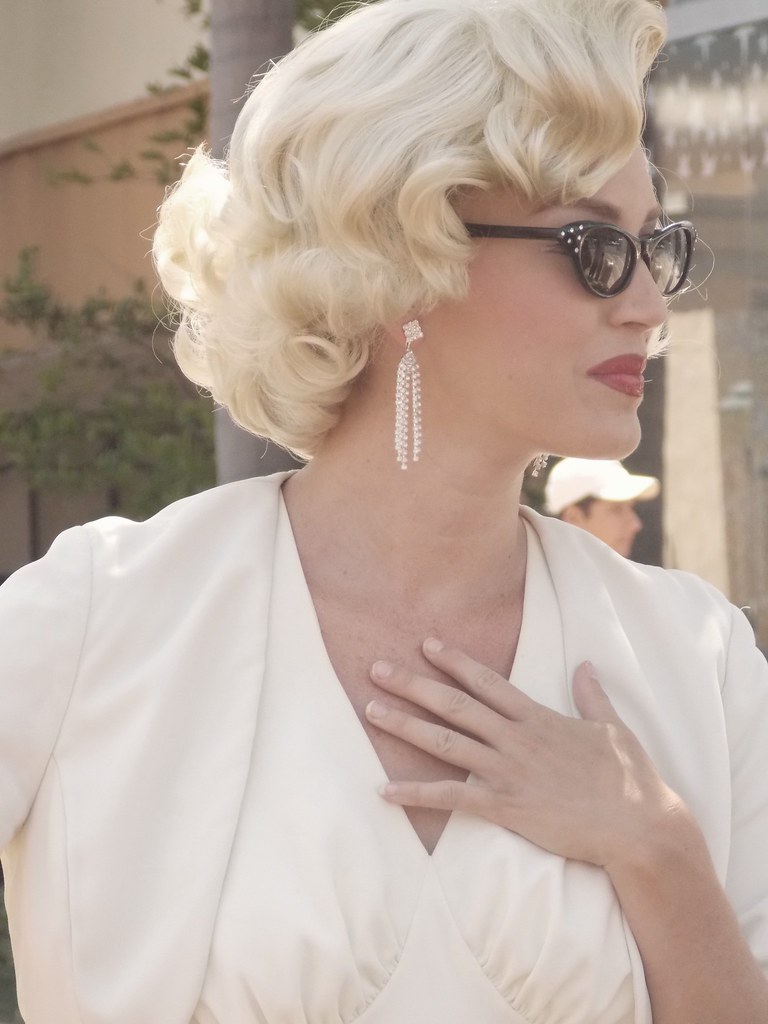
1. **Marilyn Monroe**
The world was shaken on August 5, 1962, when the iconic Marilyn Monroe was found dead at the age of 36 in her Los Angeles home. Her psychiatrist, Dr. Ralph Greenson, discovered her body in the bedroom of her Brentwood home. The official determination pointed to a barbiturate overdose, which was ultimately ruled a probable suicide. Yet, this conclusion has scarcely quelled the widespread doubts and an enduring web of conspiracy theories that have enshrouded her death for over half a century.
Monroe was rumored to have been involved in extramarital affairs with both President John F. Kennedy and his brother, Robert F. Kennedy. This alleged involvement forms the bedrock of many theories suggesting she did not take her own life but was, instead, murdered to prevent her from revealing these high-profile secrets. Some theorists propose she was forced to ingest the drugs that killed her, effectively silencing her for good. The fact that the CIA continues to maintain files on Monroe’s death only serves to deepen the intrigue and fuel the persistent belief that the full truth has yet to emerge.
Adding further layers to the mystery are the numerous inconsistencies and suspicious occurrences reported around the time of her death. Robert Kennedy was reportedly with Monroe the day she died, and some witness accounts suggest she was deeply upset by his attempts to sever ties, threatening to expose their relationship. Furthermore, observers have highlighted the oddity that while drugs were detected in Monroe’s blood, no pill residue was found in her stomach, which is unusual for an overdose. There were even conflicting reports regarding ambulance dispatches and whether Monroe was still alive when medical help arrived.
To complicate matters, some witnesses claim that Peter Lawford, JFK’s brother-in-law, destroyed a note Monroe had left behind, though its contents remain unknown. While biographer James Spada believes these suspicious events were part of a cover-up by the Kennedys to conceal their relationship, rather than a murder, the exact circumstances of how she died are destined to remain one of Hollywood’s most enduring enigmas. The pervasive sentiment is that it is unlikely anyone will ever truly know what happened that fateful night.
Read more about: The Hidden Hoard: Hollywood’s Most Valuable Props and the Prop Masters Who Knew Their True Worth
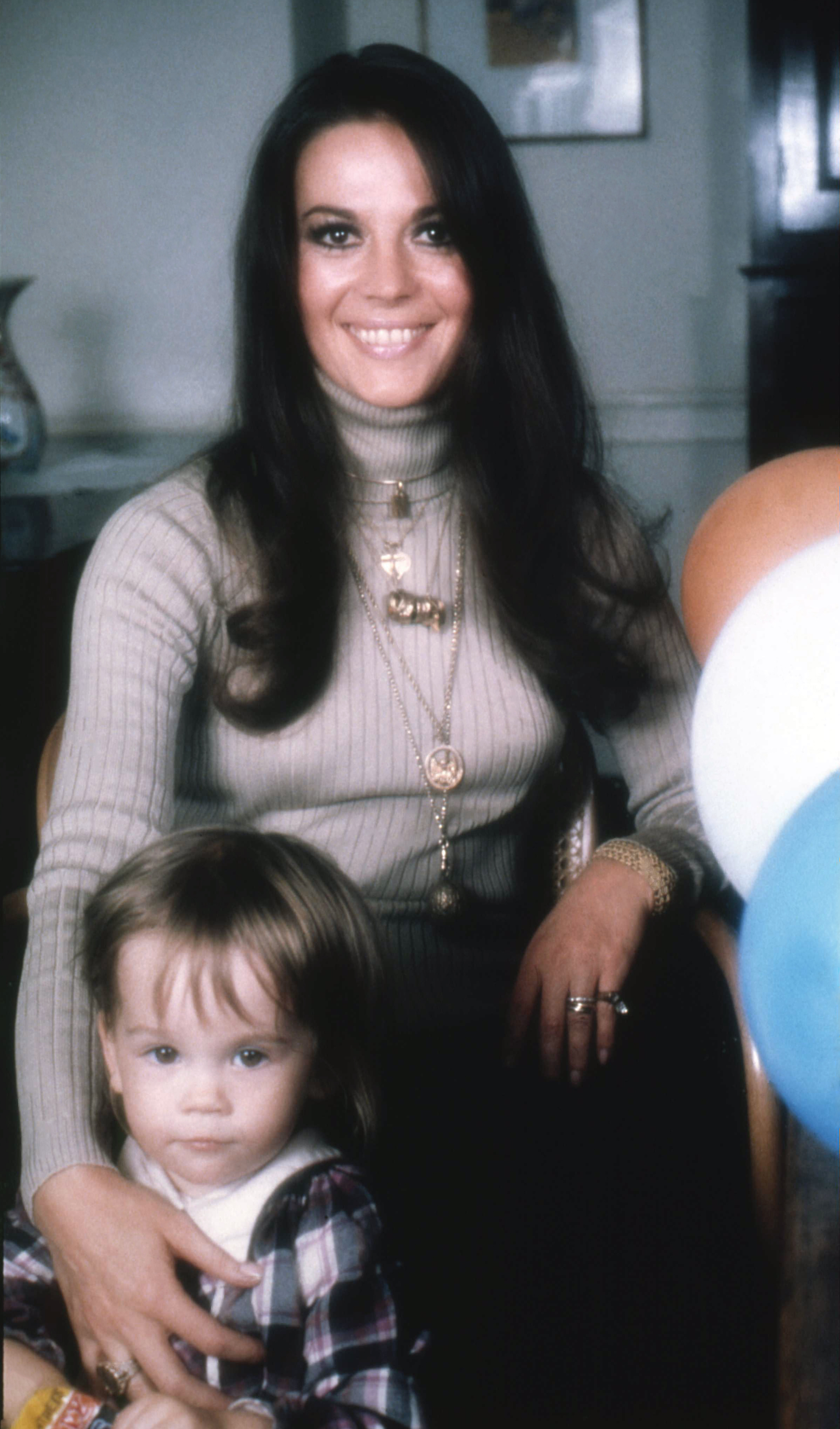
2. **Natalie Wood**
On November 29, 1981, the film star Natalie Wood tragically drowned while on a boating trip with her husband, Robert Wagner, to Santa Catalina Island. Wagner reported Wood missing after a night of drinking, and her body was discovered several hours later, floating face-down in the water, dressed in a flannel nightgown, down jacket, and socks. Initially, Wood’s death was ruled an accidental drowning, a conclusion that, much like Monroe’s, failed to satisfy all those seeking answers.
The initial ruling was complicated by the subsequent discovery of bruises on Wood’s body, prompting law enforcement to re-evaluate the case. These injuries led to a shift in focus, with investigators considering foul play and her husband, Robert Wagner, then 87, becoming a prime suspect. The mystery intensified when, in 2012, the Los Angeles Sheriff’s Department officially changed the cause of her death from “accidental drowning” to “drowning plus ‘undetermined factors,’” as reported by USA Today, indicating a profound lack of clarity surrounding the incident.
The public’s fascination with the case was reignited when Natalie Wood’s sister and the yacht’s skipper appeared on the Dr. Phil show, both claiming that Wagner had murdered the starlet. The captain of the boat, Dennis Davern, asserted that he knew details implicating Wagner, while Wood’s sister, Lana Wood, also spoke out about her suspicions. However, despite these vocal accusations and the change in official cause of death, the evidence has been deemed insufficient to support an arrest.
The circumstances surrounding Wood’s entry into the water remain a significant point of contention; no one admitted seeing how she fell or entered the water. A small inflatable dinghy was found beached nearby, and Wood’s body was discovered a mile from the boat at 8 a.m. the next morning. Wagner stated that Wood was not in bed when he retired for the night. The autopsy report, revealing bruises on her body, arms, and an abrasion on her left cheek, continues to fuel suspicions that her death was far from accidental, leaving this glamorous star’s final moments permanently shrouded in “undetermined factors.”
Read more about: Unpacking the ‘Why’: 12 Essential Reasons Directors Re-Shoot, Revise, and Reshape Key Scenes
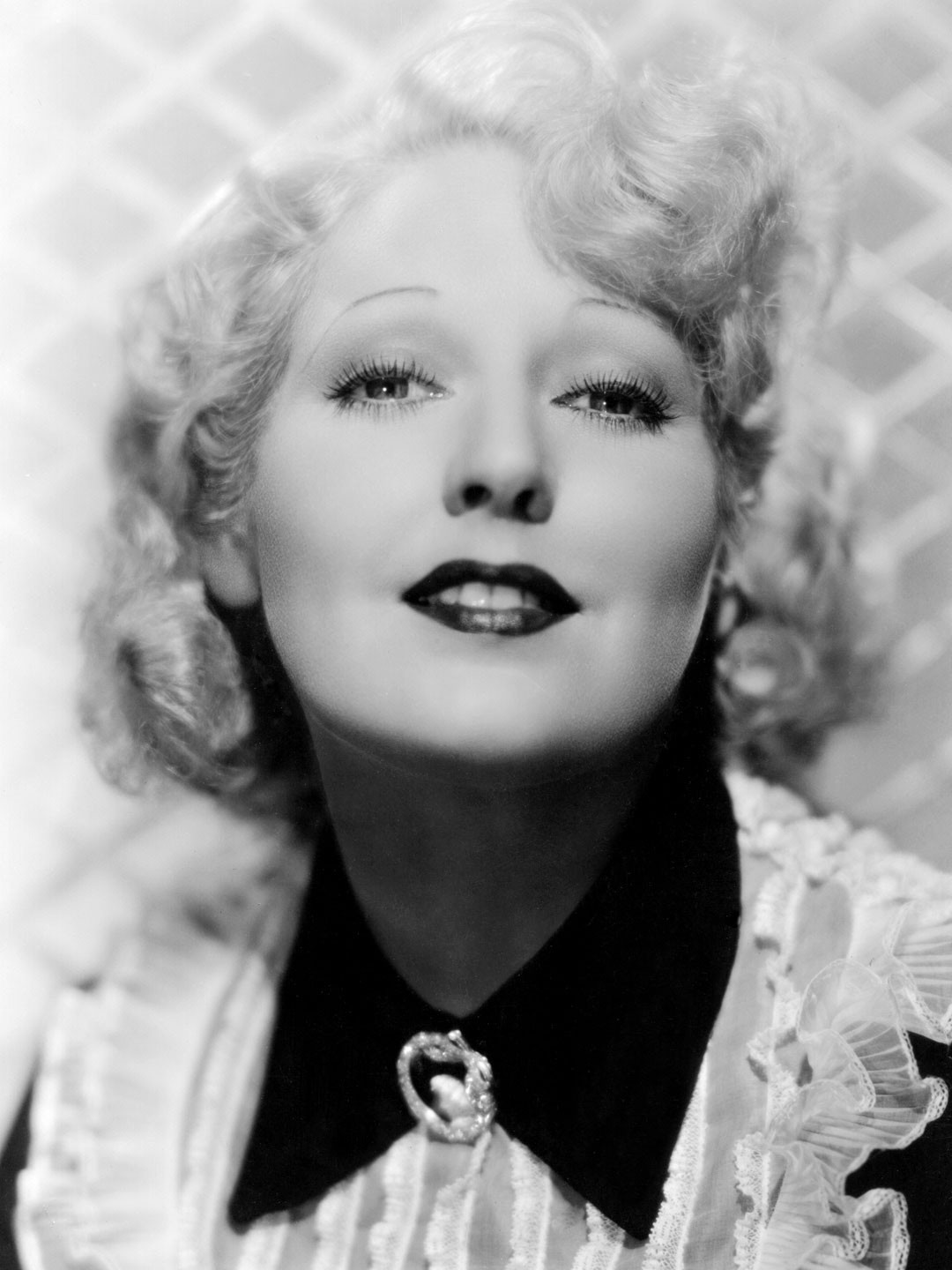
3. **Thelma Todd**
The life of American actress Thelma Todd, a vivacious star of the 1930s, ended mysteriously in 1935, at the age of 29. She was found dead in her Lincoln, slumped over the steering wheel, with the official cause attributed to carbon monoxide poisoning. However, this seemingly straightforward explanation quickly gave way to a labyrinth of confounding details and competing theories, preventing any definitive closure on her tragic demise.
Several facts immediately cast doubt upon the accidental carbon monoxide poisoning ruling. Crucially, the engine of her car was not running when she was discovered. More disturbingly, Todd’s throat exhibited signs of trauma, leading investigators to speculate that something, perhaps a hose or a pipe, had been forcibly inserted into her mouth by an assailant. Such details suggested a violent struggle or a deliberate act of murder, rather than a self-inflicted or accidental death, pointing to an unknown attacker.
The list of potential suspects in Todd’s death was varied and intriguing, encompassing figures from her personal and professional life. Her ex-husband, her current lover, and even the notorious gangster Lucky Luciano were all considered by authorities. The weeks leading up to her death had been particularly fraught, as she had reportedly received several threatening notes demanding a payment of $10,000, with the terrifying ultimatum of death if she failed to comply, as reported by the L.A. Times. These threats added a chilling dimension to the investigation, suggesting premeditation.
Despite the impaneling of a grand jury to investigate her death, the proceedings were ultimately unable to yield a conclusive outcome. The jury remained hopelessly split between those members who believed Todd had been murdered and those who adhered to the belief that her death was accidental. This division reflected the ambiguity of the evidence and the multitude of unanswered questions. To this day, the true nature of Thelma Todd’s death—whether a tragic accident or a sinister murder—remains one of Hollywood’s most frustrating and enduring cold cases.
Read more about: Loni Anderson Dies at 79: Celebrated TV Icon Remembered
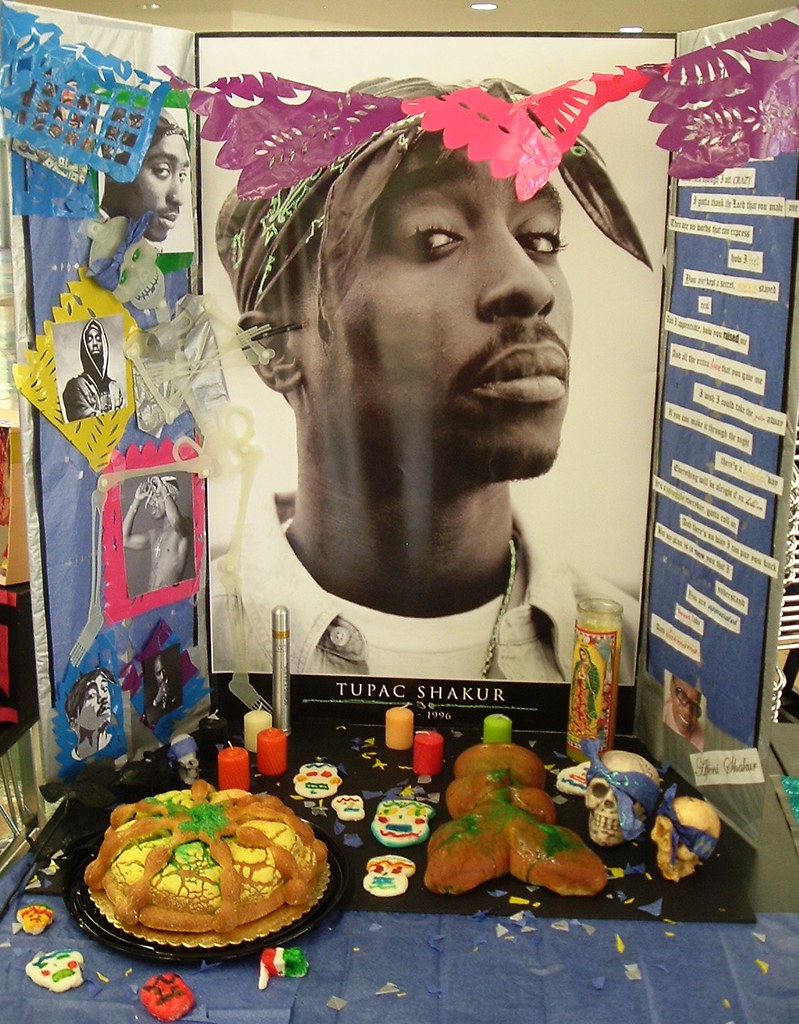
4. **Tupac Shakur**
The hip-hop world and beyond were rocked in 1996 when superstar Tupac Shakur was fatally wounded in Las Vegas. The incident occurred several days after a drive-by shooting that took place as Shakur was leaving a boxing event. This brutal act brought an abrupt and violent end to the life of one of music’s most influential and controversial figures, and the mystery surrounding his killer has persisted for decades, making it one of the strangest unsolved mysteries ever to occur in Nevada.
The narrative of Shakur’s final days is interwoven with a prior assassination attempt. According to History.com, “The story…begins with a failed attempt on his life two years earlier,” an attack which Shakur publicly blamed on producer Sean “Puff Daddy” Combs and rival rapper Christopher Wallace, famously known as “Notorious B.I.G.” This history of feuds and accusations painted a picture of deep-seated rivalries within the hip-hop community, suggesting a motive rooted in retribution and ongoing conflict.
Further deepening the intrigue, Christopher Wallace, Notorious B.I.G., was himself murdered just six months after Shakur’s death, also in a drive-by shooting in Los Angeles. The close proximity of these two high-profile killings immediately sparked theories of a connection, with many speculating that one was retaliation for the other. However, despite intense media scrutiny and numerous investigations, no arrest has ever been made in either case, leaving fans and investigators alike to grapple with endless possibilities and few concrete answers.
The unsolved nature of Tupac Shakur’s murder continues to fuel countless documentaries, books, and conspiracy theories. The absence of a definitive culprit, combined with the explosive accusations and the tragic death of his alleged rival, has cemented his case as a chilling reminder of the dark underbelly of fame and the persistent failure of justice in some of the most prominent criminal investigations. The streets of Las Vegas hold a secret that, for now, refuses to be unearthed.
Read more about: Beyond Coincidence: 13 Chilling Celebrity Death Predictions That Will Leave You Questioning Fate
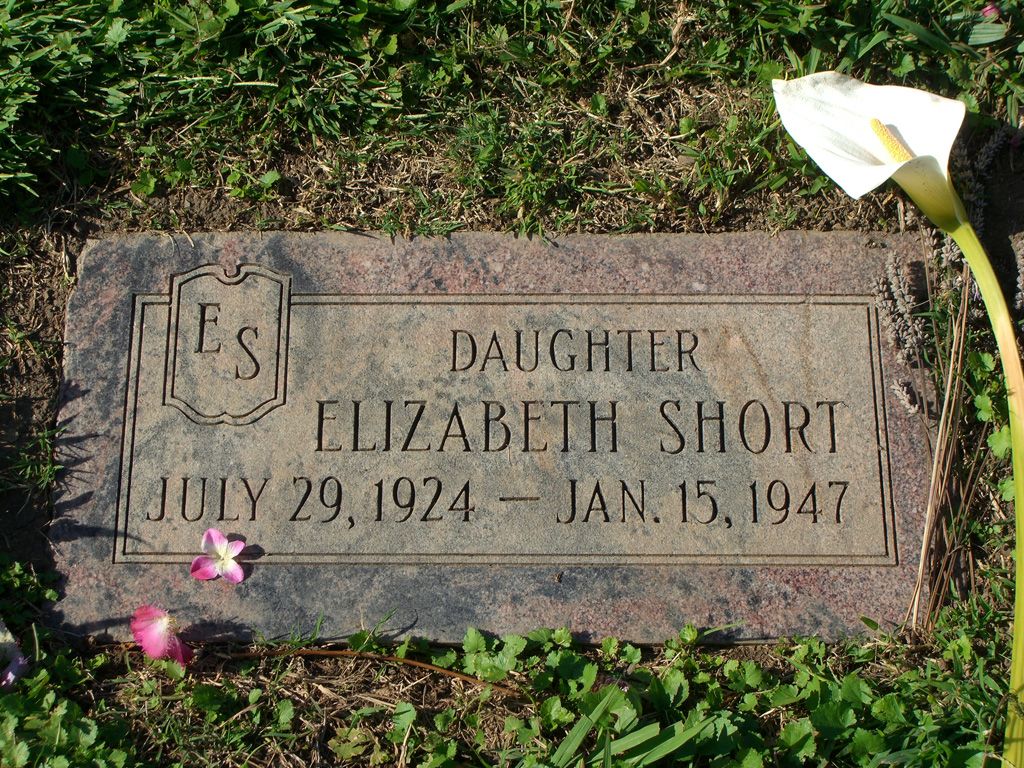
5. **Elizabeth Short (The Black Dahlia)**
The brutal murder of 22-year-old aspiring actress Elizabeth Short remains one of the most infamous and enduring cold cases in Los Angeles history. Her body was discovered on January 15, 1947, in a vacant lot near Leimert Park. The scene was horrifically gruesome: Short’s body had been bisected at her midsection, completely drained of blood, and meticulously cleaned of all evidence. Her face, too, bore deep gashes, presenting a macabre image that horrified the public and baffled investigators.
Such a sensational crime, involving an attractive victim and extreme violence, garnered immediate and intense press attention. The media quickly dubbed Short “The Black Dahlia,” a moniker thought to be a reference to her dark hair and the recent release of the Veronica Lake film, *The Blue Dahlia*. This dramatic title captured the public imagination and solidified the case’s place in popular culture, creating a lasting legend around the victim and the unsolved crime.
Investigators were faced with a daunting task, compiling a large suspect pool that included every man Short had ever dated. Additionally, medical students at LA area colleges were considered, given the surgical precision with which Short’s body had been severed, suggesting a perpetrator with anatomical knowledge. A later theory even proposed Dr. Walter Bayley, who lived near the discovery site and whose daughter was a friend of the Short family. He reportedly suffered from a brain disease that could have caused violence, and rumors circulated that he was being blackmailed over a misdeed.
The killer, in a chilling turn of events, actively followed the case in the papers, even mailing the contents of Short’s purse to an LA paper, taunting authorities. Despite decades of theories, allegations, and numerous leads, the killer was never found. In 2016, the son of a police officer who worked the original case claimed his father was the murderer, but this theory remains unproven. Given the vast suspect pool and the passage of time, the Black Dahlia murder is likely to forever remain one of L.A.’s oldest and most famous unsolved mysteries, a haunting symbol of justice denied.
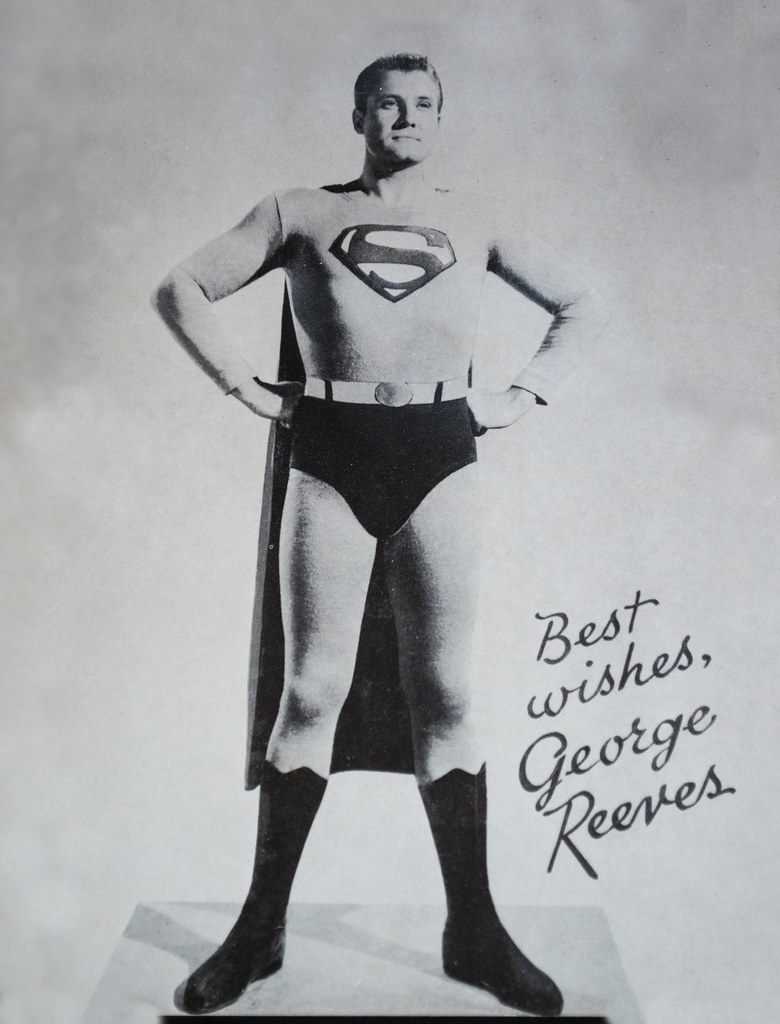
6. **George Reeves**
In 1959, American actor George Reeves, immortalized as Superman in the popular 1950s television series *Adventures of Superman*, met a perplexing end at the age of 45. He died of a gunshot wound to the head, and while his death was officially ruled a suicide, this conclusion has been widely disputed by many who believe he was either murdered or the victim of a tragic accidental shooting. The circumstances surrounding his death are rife with inconsistencies, fueling decades of speculation.
Those close to Reeves found the idea of him being suicidal difficult to reconcile with his character and demeanor. Several details of the case, upon closer examination, further complicate the suicide ruling. For instance, the position of the shell casings found at the crime scene did not align neatly with the trajectory expected if Reeves had shot himself. Furthermore, police discovered two gunshot holes in the floor, yet witnesses present at the time claimed to have heard only a single shot, creating an immediate contradiction.
Reeves’s fiancée, Leonore Lemmon, provided an explanation for the extra bullet holes, claiming they resulted from an accidental discharge days earlier. This explanation, however, struck many as overly convenient, particularly given Lemmon’s decision to leave town soon after Reeves’s death, reportedly using money he had set aside for their honeymoon. These actions raised eyebrows and invited suspicion, leading some to question her role or knowledge of the events.
Another significant theory points to Toni Mannix, a former lover of Reeves, who was allegedly still upset that he had left her for Lemmon. It is rumored that Mannix, with the help of her husband who reputedly had connections to the mob, orchestrated Reeves’s murder. A Hollywood publicist even claimed to have overheard Mannix confessing to her priest that she ordered the killing. Perhaps most unsettling, according to guests present that night, Lemmon seemingly predicted Reeves’s actions. After he went upstairs, she allegedly declared, “He is going to shoot himself.” When a noise like a drawer opening was heard, she added, “He is getting the gun out now and he is going to shoot himself.” It was then that the fatal shot rang out, cementing the case as a truly baffling and unresolved Hollywood tragedy.
Read more about: The Matrix’s Million-Dollar Spectacle: Deconstructing Two Iconic Scenes and Their Unprecedented Production Investment

7. **Johnny Stompanato**
The 1958 stabbing death of Johnny Stompanato, a notorious reputed mobster and bodyguard for L.A.’s Mickey Cohen, was unequivocally a homicide. Yet, the question of who wielded the knife — his glamorous film star girlfriend, Lana Turner, or her 14-year-old daughter, Cheryl Crane — has remained an enduring and murky mystery for over sixty years. The sensational nature of the case, involving Hollywood royalty and organized crime, turned it into a major television event, captivating audiences as Turner and Cohen both testified in court.
Stompanato was widely known for his violent tendencies, described as a blackmailer and allegedly abusive towards Turner. This history of domestic conflict provided a clear motive within the household, suggesting that the stabbing may have been a desperate act of self-preservation. Cheryl Crane, Turner’s daughter, was ultimately acquitted of the crime on the grounds of justifiable homicide, with the jury believing she acted to protect her mother from Stompanato’s aggression.
Despite the legal resolution, persistent rumors have circulated for decades suggesting a darker truth: that Lana Turner herself murdered Stompanato and deliberately arranged for her impressionable young daughter to take the blame. This theory posits that Turner, a major star known for films like *Peyton Place* and *The Postman Always Rings Twice*, sought to avoid prison time, save her illustrious career, and garner public sympathy by sacrificing her daughter’s reputation. The allure of Hollywood fame and the lengths to which some might go to protect it have always been central to these enduring whispers.
The truth of that night remains shrouded in uncertainty. While a jury believed Crane’s defense, the persistent rumors highlight a public reluctance to fully accept the official narrative. Today, only Cheryl Crane is still alive to potentially clarify the murky details of that dramatic night. However, she has remained silent on the matter, ensuring that the full, unvarnished truth of Johnny Stompanato’s death will likely never be known, leaving it as a compelling and tragic chapter in Hollywood’s history of unsolved mysteries.
Read more about: The Ghosts of Tinseltown: Unearthing the Fatal Car Crash That Rocked Hollywood, and 13 Forgotten Scandals That Defined an Era

8. **Bob Crane**
The shocking demise of Bob Crane, the beloved star of the 1960s sitcom *Hogan’s Heroes*, sent ripples of disbelief through Hollywood when he was found brutally murdered in his Scottsdale, Arizona, apartment in 1978. For many, his on-screen persona of the charismatic Colonel Robert Hogan was inextricably linked with his public image, making the grim discovery all the more jarring. His death, by bludgeoning with a weapon police suspected was a camera tripod, shattered this carefully curated image and immediately plunged his private life into the harsh glare of an intensely curious public.
The investigation quickly unearthed a sordid narrative far removed from his wholesome television role: Crane was deeply entangled in an underground scene, meticulously documenting his numerous escapades with the assistance of his longtime friend and audio-visual expert, John Henry Carpenter. These revelations painted a dark portrait of Crane’s personal life, suggesting a motive rooted in the dangerous secrets he harbored. Carpenter, a figure intimately connected to Crane’s illicit activities, swiftly became the prime and, ultimately, sole suspect in the murder, signaling a tragic intertwining of friendship and potential betrayal.
Despite the compelling circumstantial evidence, Carpenter was ultimately acquitted in his 1994 trial, a verdict that only deepened the shroud of mystery surrounding Crane’s death. With Carpenter’s passing in 1998, the possibility of ever definitively solving the case effectively vanished. The intricate web of Crane’s hidden life, his suspicious confidante, and the unresolved legal battle cemented his murder as one of Hollywood’s most unsettling cold cases, leaving behind a legacy of unanswered questions and a chilling testament to the unseen lives of public figures.
Read more about: Hollywood’s Blind Spots: How Studios Rejected ‘Pulp Fiction’ and 10 Other Iconic Films That Reshaped Cinema
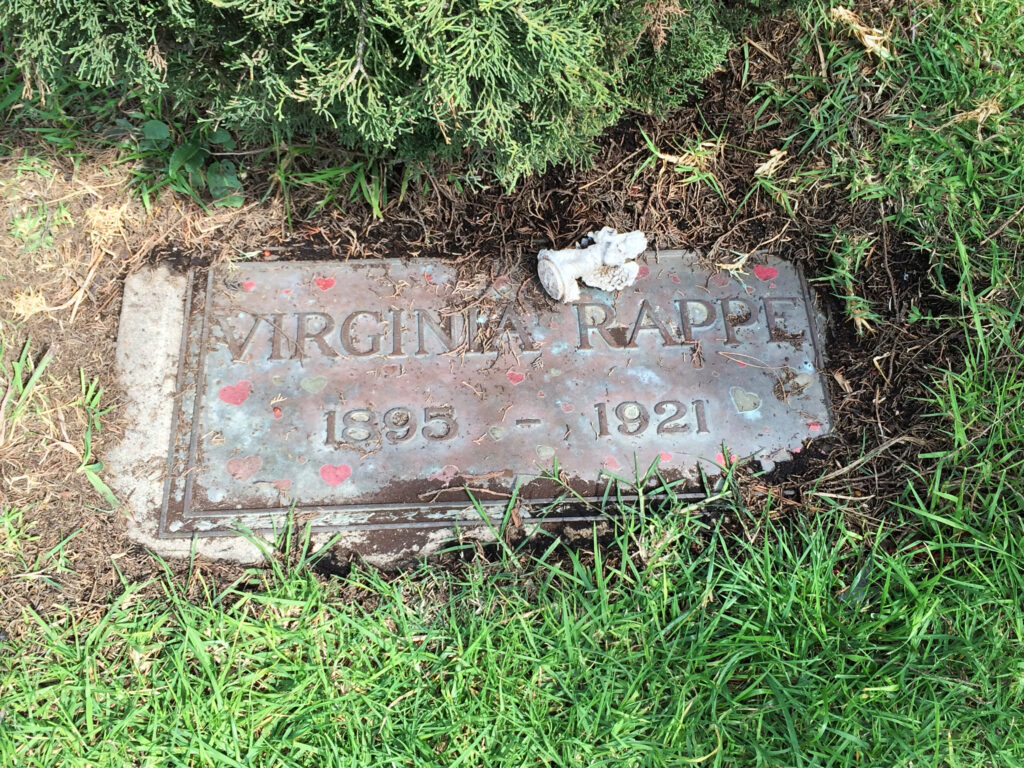
9. **Virginia Rappe**
In 1921, the vibrant, burgeoning world of silent film was rocked by the tragic death of actress Virginia Rappe, an event that ignited one of Hollywood’s earliest and most sensational scandals. Her death followed a raucous, Prohibition-era party in a San Francisco hotel suite, where copious amounts of illicit liquor flowed freely. The atmosphere of clandestine revelry took a dark turn when Rappe, in the company of Roscoe “Fatty” Arbuckle—a comedic titan of his era—was heard screaming from a private bedroom, her cries signaling a horrifying turn of events that would forever tarnish his illustrious career.
When other guests rushed in, they found Rappe, fully dressed, writhing in excruciating pain on the bed. In her agony, she reportedly uttered the damning words, “He did this to me,” pointing an accusatory finger at Arbuckle, though the reliability of the witness who relayed this statement would later be questioned. Rappe, who had a history of recurrent bladder infections, tragically succumbed to her internal injuries three days later, with the official cause of death attributed to a ruptured bladder and secondary peritonitis. The medical findings suggested a trauma so severe it defied the initial claims of a simple accident, fueling speculation of a violent assault.
Arbuckle, a figure of immense public adoration, was subsequently charged with Rappe’s murder, facing three grueling trials that captured the nation’s attention. While the first two ended in hung juries and the final in an acquittal, public opinion proved a far less forgiving judge, delivering a verdict from which Arbuckle’s career would never recover. Rumors persisted that he had either crushed her with his weight or raped her with a foreign object, causing the fatal trauma. The precise events of that fateful night remain shrouded in the mists of history, leaving a haunting question mark over the true nature of Virginia Rappe’s untimely and agonizing end.
Read more about: Cuffing Season is Here! We Found 13 Hollywood Hunks Who Are Still On The Market in 2024 & 2025!
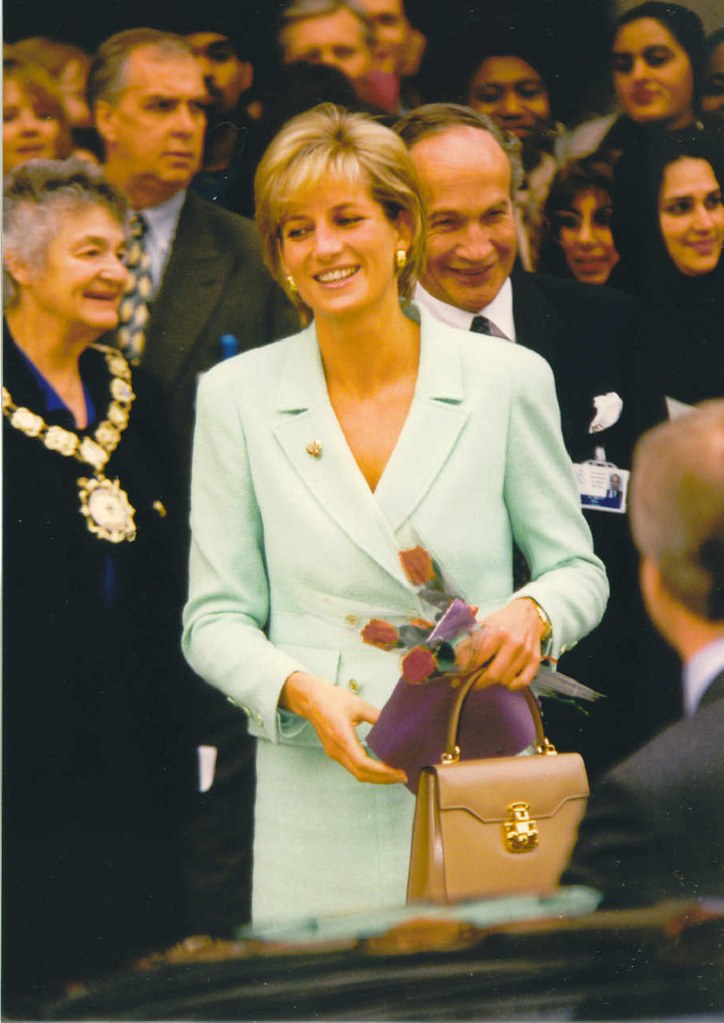
10. **Princess Diana**
The world collectively gasped on August 31, 1997, when news broke of the devastating car crash that claimed the life of Diana, Princess of Wales, in a Parisian tunnel. Her death, barely a year after her tumultuous divorce from Prince Charles, plunged a grieving world into shock and disbelief. Hauntingly, in the months preceding this tragedy, Diana had confided fears that she would be murdered, specifically by a staged vehicular accident, a premonition that cast an immediate and enduring pall of suspicion over the official narrative of a mere accident.
While subsequent investigations officially determined the crash to be an accident, largely attributed to a speeding driver fleeing aggressive paparazzi, a potent web of conspiracy theories swiftly took root. These theories often pointed fingers at the British Royal Family, alleging that the accident was orchestrated to prevent Diana from marrying her Muslim billionaire boyfriend, Dodi Al-Fayed, or from potentially bearing his child. This narrative tapped into a profound public distrust and a belief that powerful institutions might go to extreme lengths to protect their image and lineage.
The indelible question of whether Diana’s death was a tragic mishap or a premeditated act remains one of the most persistent and emotionally charged mysteries of our time. The insatiable public hunger for truth, fueled by the sheer magnitude of her global icon status, ensures that every detail, every rumor, and every new speculative twist continues to be dissected. Despite extensive inquiries, the true circumstances behind the Princess’s final, fateful journey continue to shadow the House of Windsor and keep the world guessing about what really transpired that night.
Read more about: Totally Rad Rewind: Can You Still Recognize These 14 Legendary 80s Icons Who Ruled the Decade?
11. **Jill Dando**
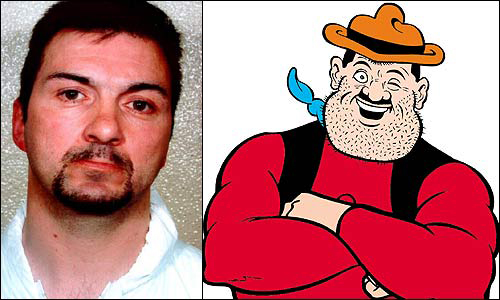
The assassination of Jill Dando, a celebrated British journalist and beloved television presenter for the BBC, on April 26, 1999, remains a chilling and profoundly baffling mystery that has haunted the United Kingdom for decades. Dando was killed by a single gunshot wound to the head on her doorstep in Fulham, London, an act of cold precision that left police and the public reeling. Her death, seemingly unprovoked and devoid of any obvious motive, immediately sparked Operation Oxborough, the largest murder inquiry since the infamous hunt for the Yorkshire Ripper.
The initial investigation led to the arrest and subsequent trial of Barry George, a local convicted offender, who was charged with Dando’s murder. The prosecution’s case leaned heavily on forensic evidence, specifically a minute particle of gun residue found on his coat. However, this crucial evidence was later discredited, leading to George’s acquittal after a lengthy legal battle. His exoneration intensified the public’s desperation for answers, highlighting the profound failure of the justice system to identify the true killer.
With the primary suspect cleared, a myriad of theories emerged, each more unsettling than the last. Speculation ranged from a meticulously planned political assassination, given Dando’s prominence in public life, to a ruthless gangland hit, or even the act of an obsessive stalker. The absence of a definitive culprit, combined with the dramatic twists and turns of the investigation, has cemented Jill Dando’s murder as arguably the U.K.’s most famous unsolved crime. It stands as a stark reminder that even the most high-profile cases can slip through the grasp of justice, leaving only lingering questions and profound sorrow.
12. **Bonnie Lee Bakley**
On May 4, 2001, the life of Bonnie Lee Bakley, then-wife of *Baretta* actor Robert Blake, came to a sudden and violent end as she sat in a parked car, waiting for her husband in Studio City, California. She was shot to death, a brutal act that immediately thrust the couple, and particularly Blake, into the unforgiving spotlight of a sensationalized murder investigation. The circumstances of her death, occurring just outside a restaurant after Blake had briefly re-entered to retrieve something, created an intricate and perplexing puzzle for authorities.
Robert Blake, a well-known actor, found himself at the center of the storm, facing criminal charges for Bakley’s murder. After a high-profile trial that captivated audiences, Blake was ultimately acquitted of the criminal charges, a verdict that hinged on the legal standard of proving guilt “beyond a reasonable doubt.” However, the legal saga did not end there. Bakley’s family subsequently pursued a civil suit against Blake, a proceeding with a lower burden of proof—a “preponderance of the evidence.” In the civil trial, Blake was held liable for Bakley’s wrongful death, ordered to pay millions in damages.
This stark contrast in verdicts left the public deeply divided and her death shrouded in an enduring ambiguity. The civil judgment, while not a declaration of criminal guilt, strongly implied Blake’s involvement, leaving many to wonder about the true events of that night. Without a confession or irrefutable criminal evidence, Bonnie Lee Bakley’s murder remains a haunting testament to the complexities of the justice system and the persistent chasm between legal accountability and conclusive truth, leaving her tragic end forever open to speculation.

13. **Brittany Murphy**
The sudden death of actress Brittany Murphy in 2009, at the tender age of 32, initially appeared to be a tragic but natural occurrence, attributed to pneumonia and drug intoxication after battling flu-like symptoms for several days. The vibrant young star, known for her energetic performances, was mourned by Hollywood, but the story took a profoundly darker turn just six months later when her husband, Simon Monjack, died under virtually identical circumstances. This unsettling pattern immediately ignited a blaze of suspicion among family members and the public alike.
The eerie parallel between their deaths raised grave questions that transcended the initial official ruling. Was this an unprecedented, tragic coincidence, a shared vulnerability to environmental factors, or something far more sinister? Speculation quickly mounted, encompassing possibilities ranging from murder to a murder-suicide scenario, each more disturbing than the last. The public struggled to reconcile the deaths of two relatively young individuals, mere months apart, from what were officially deemed natural causes.
Adding a chilling layer of intrigue, Murphy’s father publicly claimed that an independent toxicologist had found evidence of heavy metal poisoning, specifically arsenic, in his daughter’s system. This startling revelation suggested that Murphy might have been poisoned, further fueling theories of foul play. Despite these persistent claims and the unsettling circumstances, the police have never officially reopened the case, leaving a profound sense of unease and a gnawing doubt among those who struggle to accept that two healthy young individuals could succumb to such similar, perplexing fates without a more conclusive explanation.
Read more about: Gone Too Soon: Remembering 14 Iconic Actors Whose Legacies Live On Forever
The stories of these stolen futures, tragically cut short beneath the glittering facade of fame, serve as a stark reminder that even in the brightest spotlight, shadows lurk. From the unexplained bruises on a drowned movie star to the whisper of a potentate’s secrets, these cases refuse to be forgotten, perpetually challenging the official narratives and fueling an enduring public fascination. The persistent quest for truth in these intricate webs of circumstantial evidence and speculative motives continues, underscoring that for some of Hollywood’s brightest, the final act remains tragically, forever unwritten.”
Read more about: Inside the Studio: Deconstructing the 10 Essential Producer Roles Shaping Today’s Film and TV Landscape