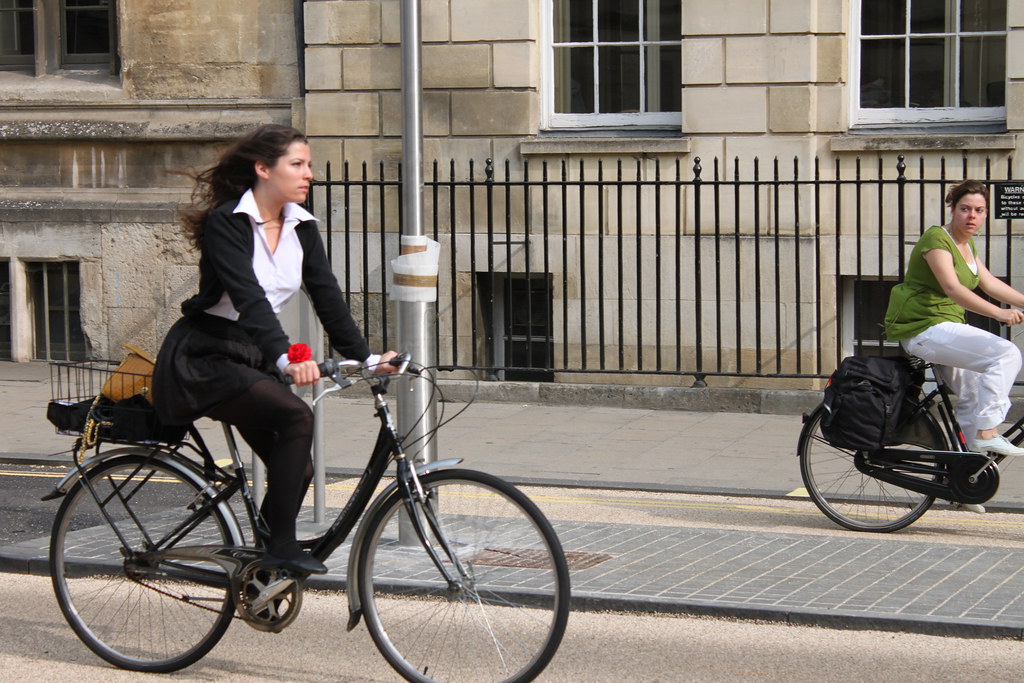
In a world that constantly pushes us towards quick fixes and restrictive diets, it’s refreshing to discover an activity that not only offers incredible body transformation but also integrates seamlessly into our daily lives. Cycling, often seen simply as a mode of transport or a leisurely hobby, is fast gaining recognition as a powerhouse exercise capable of profoundly reshaping your body and boosting overall well-being. This low-impact, incredibly versatile aerobic activity holds the potential for truly significant changes, far beyond what many might imagine.
So, can a consistent cycling routine truly change your body shape? The answer is a resounding yes! Cycling engages a wide array of muscle groups and kickstarts your cardiovascular system, leading to both aesthetic improvements and enhanced functional strength. The beauty of it lies in its accessibility and adaptability – whether you’re commuting, exploring trails, or getting a sweat on indoors, every pedal stroke is a step towards a stronger, leaner, and more energetic you.
While the journey of transformation is gradual, requiring consistency and dedication, the rewards are immense and long-lasting. Forget the fickle nature of dramatic, short-term changes; with cycling, you’re building a foundation for results that truly stick. We’re about to embark on an in-depth exploration of the myriad ways daily cycling can sculpt and redefine your physique, backed by expert insights and scientific findings, showcasing why this isn’t just exercise, but a lifestyle upgrade.
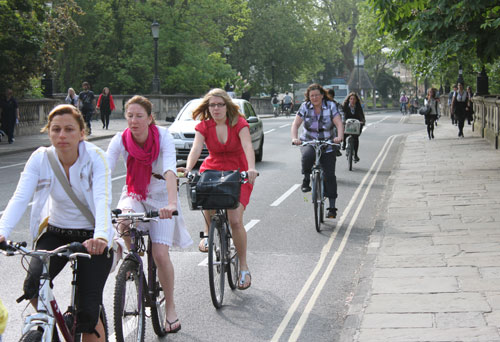
1. **Lower Body Muscle Development**When you think of cycling, your legs are undoubtedly the first thing that comes to mind, and for good reason! They are the absolute powerhouses, propelling you forward with every single pedal stroke. This consistent, rhythmic motion is a direct call to action for some of the largest muscles in your body, notably the quadriceps, which are the prominent muscles on the front of your thighs.
Dr. Sarah Johnson, a sports medicine specialist, sheds light on this, explaining that “As the quadriceps contract to push the pedals down, they undergo controlled stress, leading to muscle growth and toning over time.” This isn’t just about making your legs feel stronger; it’s about seeing visible changes, resulting in leaner, more defined muscle contours. It’s a remarkable process of sculpting that happens naturally as you ride.
But the benefits don’t stop with the quads. While they lead the charge, your glutes and hamstrings are equally vital players in this symphony of motion. As you exert force on the pedals, your gluteal muscles in your buttocks and the hamstrings at the back of your thighs are dynamically activated, working in perfect synergy to extend your hips and knees with each revolution. This continuous engagement stimulates significant muscle growth and toning, contributing to a truly sculpted and lifted posterior.
A comprehensive study published in the Journal of Science and Cycling specifically examined muscle activation during this activity, confirming that the glutes and hamstrings are deeply engaged throughout the entire pedal stroke. Dr. Emily Martinez, a certified fitness trainer, further emphasizes that “Cycling offers a unique way to target the glutes and hamstrings, promoting balanced muscle development in the lower body.” It’s a holistic approach to building powerful, well-defined legs and glutes.
Read more about: MotorTrend’s 2025 Warning: Don’t Trust These 11 Classic Car Prices Anymore

2. **Leg Shape and Strength**Beyond merely developing lower body muscles, cycling dramatically influences the overall shape and strength of your legs. This isn’t a one-size-fits-all outcome; the transformation can vary significantly based on your cycling style, intensity, and training focus. It’s about more than just getting stronger; it’s about shaping your legs to reflect your dedication and discipline.
For instance, if you observe top-level cyclists, you’ll notice variations. Road cyclists, often focused on endurance and efficiency over long distances, typically exhibit lean and slimmer legs. This is a testament to their aerobic training, building an impressive stamina base. On the other hand, track cyclists, who demand explosive power for short, intense bursts, often develop strikingly stacked and muscular legs, showcasing raw strength and definition.
The beauty is that you can tailor your cycling to achieve specific aesthetic and functional goals. If your aim is to build raw power and enhance strength, incorporating heavy resistance training or tackling hilly terrains for extended periods will challenge your muscles in new ways, promoting hypertrophy and a more muscular leg shape. The burning sensation you feel when climbing a steep incline is your muscles working hard to adapt and grow.
Conversely, if stamina and a leaner, more enduring physique are your priorities, building an aerobic base through many long rides at a comparatively low intensity is key. This approach promotes the production of aerobic cells and significantly develops cardiovascular fitness, leading to a more streamlined and resilient leg shape. It’s a journey of continuous improvement, where your legs become a living testament to your progress and commitment.
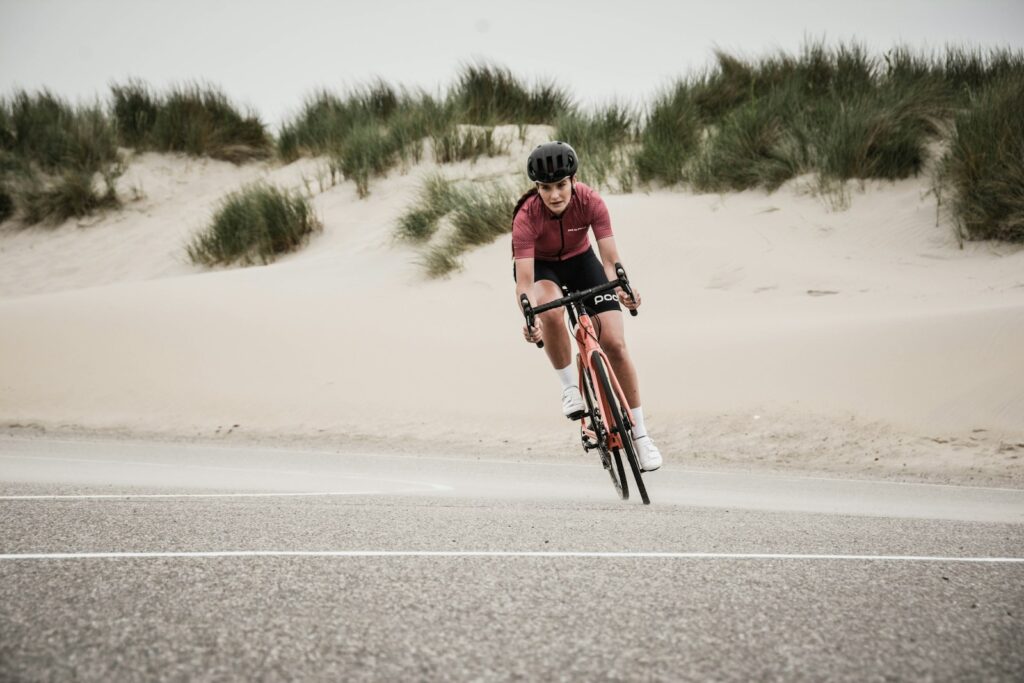
3. **Resistance Element & Fat Burning**One of the most compelling aspects of cycling is its powerful resistance element, which sets it apart from many other aerobic activities. This isn’t just about burning calories; it’s about actively building muscle as you shed fat, offering a dual advantage in body transformation. Every push against the pedals acts as a form of resistance training, stimulating muscle fibers to grow stronger and more defined.
The focal point of this resistance training is undoubtedly the muscles around the glutes, hamstrings, quads, and calves. These are constantly engaged in pushing, pulling, and stabilizing, leading to increased strength and toning in these areas. The resistance of the bike, whether it’s the gears on an outdoor cycle or the adjustable settings on an indoor one, directly contributes to muscle development across your lower body, sculpting a more athletic physique.
Furthermore, daily cycling is an incredibly potent tool for those looking to shed excess body fat and trim their waistlines. As a form of cardiovascular exercise, it’s a fantastic calorie burner, and when combined with a balanced diet, it creates the essential calorie deficit needed for weight loss. Dr. Mark Davis, an expert in nutrition and exercise physiology, emphasizes that “Consistent cycling, especially when combined with a balanced diet, creates a calorie deficit necessary for weight loss.” This isn’t just theoretical; research published in the Journal of Obesity supports these claims, revealing cycling’s effectiveness in reducing abdominal fat.
A study conducted by the University of Copenhagen demonstrated that participants who cycled regularly for 45 minutes at a moderate pace experienced significant reductions in body fat percentage, particularly around the abdominal area. This not only contributes to a slimmer waistline but also enhances overall body proportions, creating a leaner and more sculpted appearance. The resistance element coupled with the fat-burning potential makes cycling an exceptionally effective exercise for comprehensive body recomposition.
Read more about: Beyond the Spotlight: Exploring Musicians Whose Legacies Deepened After Their Time

4. **Improved Posture & Core Strength**Cycling’s transformative effects extend far beyond just shaping your legs and burning fat; it plays a crucial role in enhancing your overall body alignment and posture. Maintaining proper form while cycling isn’t passive; it demands active engagement from your core muscles, including your abdominals and lower back. This constant, subtle effort to stabilize yourself on the bike leads to remarkable improvements in core strength.
Dr. Lisa Roberts, a physical therapist, explains this beautifully: “As you stabilize your body on the bike, you naturally activate your core muscles to maintain balance and control. Over time, this leads to improved core strength, which plays a crucial role in maintaining good posture.” Think of your core as the central pillar of your body; a strong core provides the stability needed for every movement, both on and off the bike.
Research published in the Journal of Physical Therapy Science further validates these benefits, showing that cycling positively impacts participants’ postural control and balance. The continuous engagement of your core muscles throughout your ride strengthens the stabilizing muscles along your spine, naturally encouraging a more upright and aligned posture. This means less slouching and a more confident stance in your everyday life.
Moreover, a strong core is indispensable for efficient cycling. It’s what helps you transmit power from your upper body to your lower body, making your pedal strokes more effective and preventing unnecessary strain. Strong abdominals and back muscles support your spine, increase overall stability, and significantly enhance your comfort levels during longer rides. It’s a complete core workout that pays dividends in both your athletic performance and your daily well-being.
Read more about: Unleashing Velocity: How Innovation and Human Spirit Drive Cycling’s Quest for Record-Breaking Speed
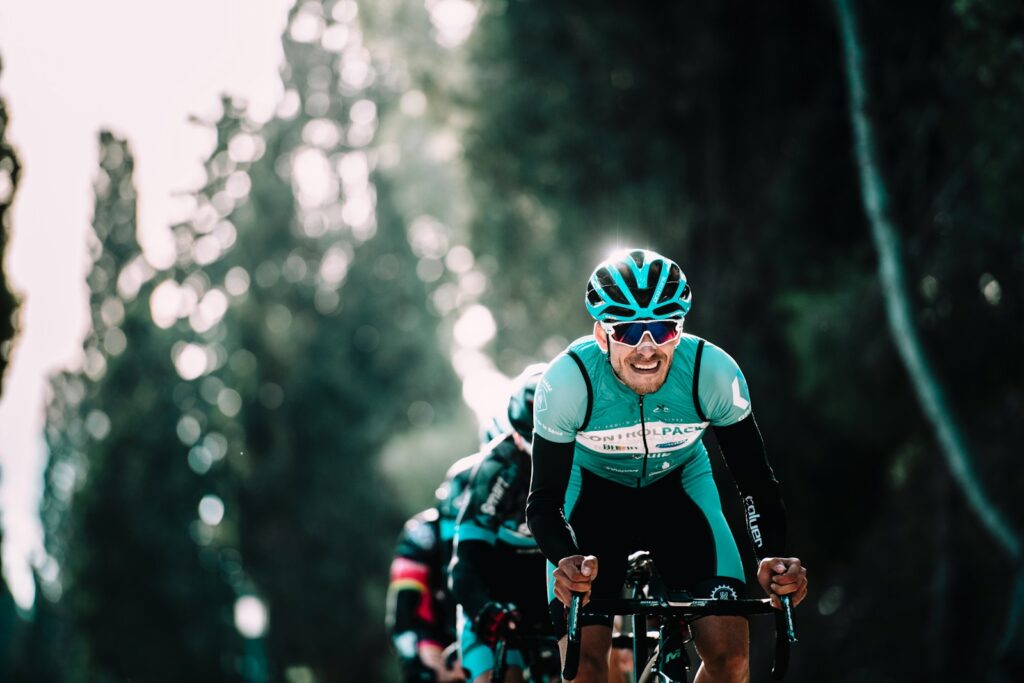
5. **Enhanced Cardiovascular Endurance**While the visible changes in muscle definition and body fat are certainly motivating, the internal transformation cycling brings to your cardiovascular system is equally, if not more, profound. Cycling isn’t just about sculpting muscles; it’s about building a stronger, more efficient heart, dramatically boosting your cardiovascular endurance and overall vitality.
Dr. Michael Turner, a distinguished cardiologist, highlights this crucial benefit, noting that “Regular cycling strengthens the heart and enhances its efficiency.” The sustained physical effort involved in cycling consistently elevates your heart rate, which, over time, improves its ability to pump blood effectively throughout your entire body. This means more oxygen reaching your muscles and tissues, leading to better performance in all physical activities and a greater capacity for sustained effort.
The European Journal of Preventive Cardiology has published studies investigating the effects of consistent cycling on cardiovascular health, yielding incredibly encouraging findings. Participants who regularly engaged in cycling experienced significant improvements in key heart health markers, including an increased aerobic capacity and a decreased resting heart rate. These are tangible signs of a heart that is working smarter, not harder.
This enhanced cardiovascular endurance translates into a more robust and energetic physique. You’ll find yourself able to sustain longer rides with less fatigue, tackle daily tasks with greater ease, and even notice improvements in your overall stamina for other forms of exercise. It’s a holistic boost to your internal engine, making you feel more vibrant and capable every single day.
Read more about: Beyond the Red Carpet: Unpacking the Extreme Diets and Regimens of Actors for Their Most Demanding Roles
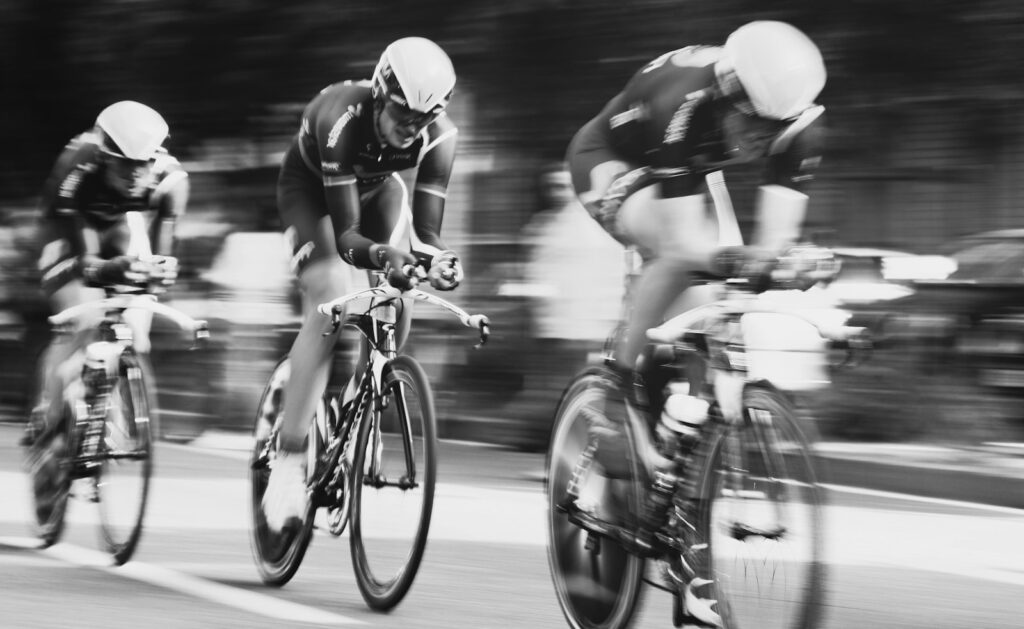
6. **Reduced Cellulite and Improved Circulation**The benefits of daily cycling extend beyond just muscle and cardiovascular health; they also contribute to a smoother, healthier appearance of your skin. This is particularly exciting for many, as cycling can have a favorable impact on the appearance of cellulite, thanks to its powerful effects on circulation throughout the body.
Dr. Ava Collins, a dermatologist, provides valuable insight into this: “Cycling promotes blood circulation throughout the body, which can have a favorable impact on the appearance of cellulite.” Enhanced blood flow is a critical factor in maintaining healthy skin. It efficiently transports vital oxygen and essential nutrients to skin cells, fostering robust tissue health and potentially minimizing the dimpled appearance that is often associated with cellulite.
Beyond just cellulite, the general improvement in circulation invigorates the skin, giving it a more radiant and healthy glow. Think of it as an internal spa treatment, where every pedal stroke contributes to better skin nourishment and waste removal. This systemic improvement in blood flow is a key player in maintaining overall tissue integrity and vitality, contributing to a youthful and healthy appearance.
A study published in the Journal of Cosmetic Dermatology explored the fascinating relationship between exercise and skin health, and its findings were compelling. Researchers discovered that regular aerobic exercise, including the rhythmic motion of cycling, had a positive influence on both skin elasticity and texture. The powerful combination of increased circulation and consistent muscle engagement induced by cycling works synergistically to contribute to smoother-looking skin, significantly enhancing the overall aesthetic appeal of the body. It’s a beautiful side effect of a truly beneficial exercise.
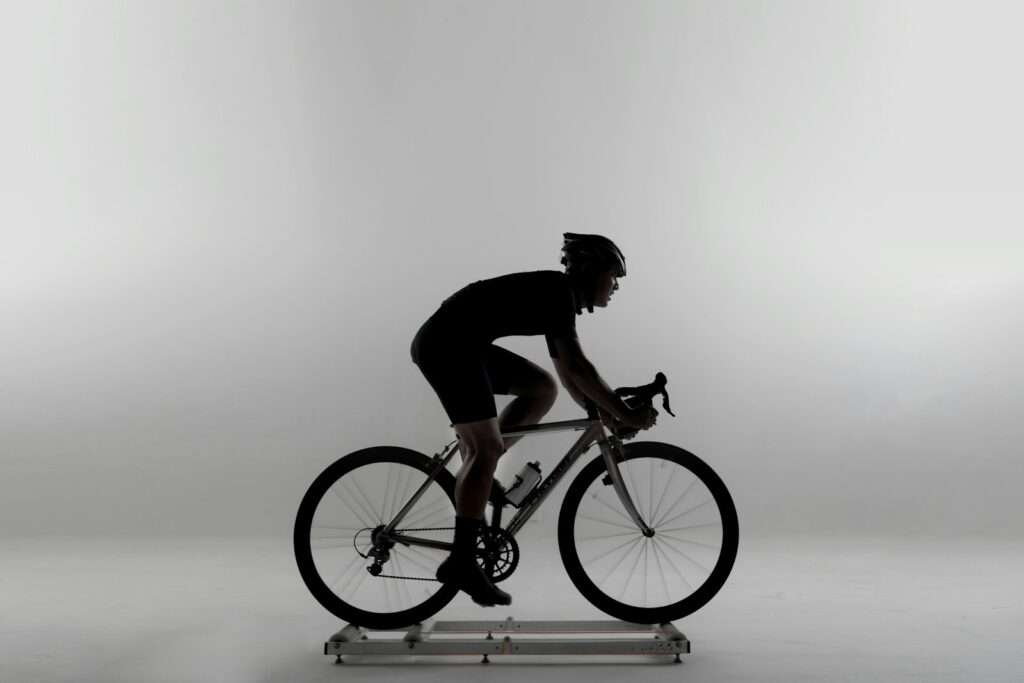
7. **Brain Power and Mental Well-being**While the physical transformations brought about by cycling are truly remarkable, it’s absolutely essential to acknowledge the profound mental and emotional benefits that accompany this activity. Cycling isn’t just a workout for your body; it’s a revitalizing journey for your mind, significantly boosting brain power and reducing stress levels, making you feel better from the inside out.
Dr. James Harris, a psychologist, eloquently emphasizes that “Cycling outdoors offers a unique opportunity for mental rejuvenation and stress reduction.” There’s something inherently therapeutic about connecting with nature, soaking in the changing scenery, and engaging in the rhythmic, almost meditative, physical activity of cycling. This combination creates a powerful antidote to the stresses of modern life, offering a genuine sense of peace and clarity.
This positive impact on mental well-being isn’t just a pleasant side effect; it can indirectly influence your attitudes toward exercise and healthy habits. When you feel good mentally, you’re far more likely to stick to your fitness goals and maintain a positive body image. It’s a virtuous cycle where physical activity feeds mental strength, and mental strength fuels continued physical activity, leading to sustained transformation.
Scientific research supports these observations. The Journal of Environmental Psychology, for instance, published a study that reinforced the notion that outdoor cycling can significantly enhance mental well-being. Participants who engaged in outdoor physical activities, like cycling, consistently reported lower levels of stress and experienced improved moods compared to those who exercised indoors. This emotional upliftment and stress relief are invaluable, contributing to an overall sense of well-being that truly amplifies the transformative potential of daily cycling, making you feel more balanced and joyful.
Read more about: 12 Hollywood Parents Who Are Totally Banning (Or Seriously Limiting!) Social Media for Their Kids
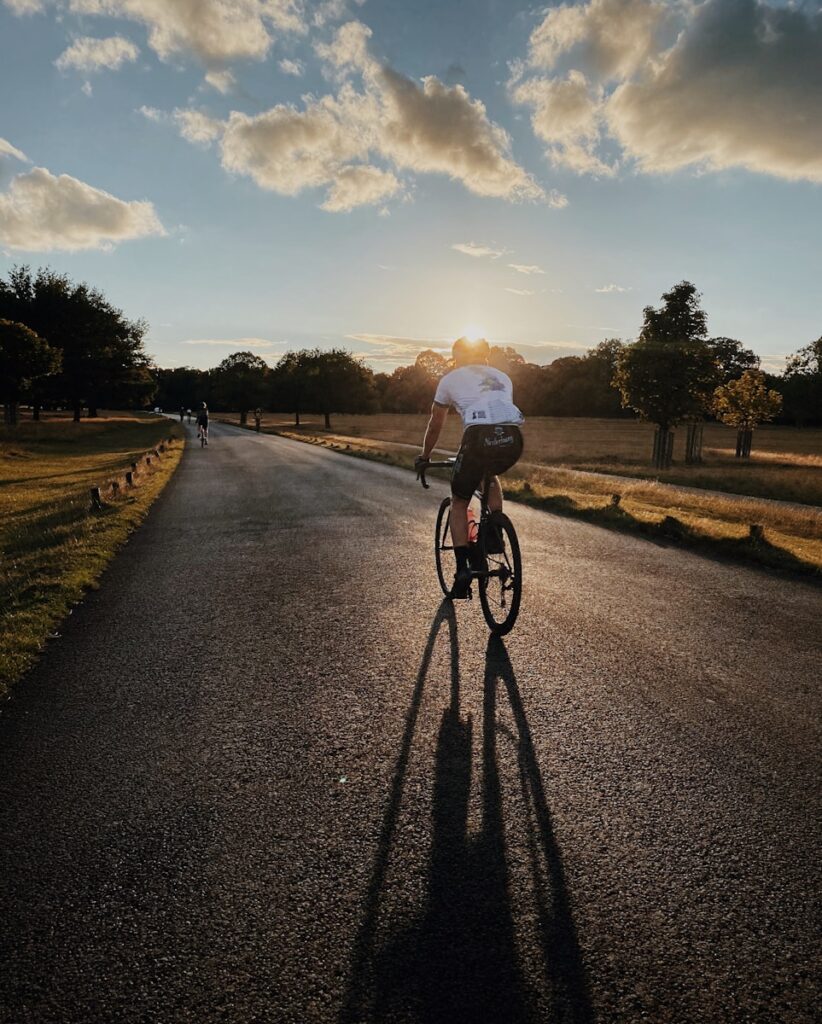
8. **Low-Impact Exercise for Joint Health**One of cycling’s most significant advantages, and a core reason why it’s accessible to such a wide range of individuals, is its inherently low-impact nature. This means you get an incredibly effective workout without placing undue stress on your joints, making it an ideal choice for sustained fitness, especially for those concerned about joint health or embarking on a new exercise journey after a long break.
Unlike high-impact activities such as running, which can put considerable strain on knees, ankles, and hips, cycling offers a smooth, fluid motion. When you’re on a bike, your weight is primarily supported by the saddle, specifically on the ischial tuberosity (a pair of bones in your pelvis), which significantly reduces the impact on your legs and feet. This is fantastic news for anyone with pre-existing joint concerns or age-related stiffness, allowing them to exercise comfortably and consistently.
Consider the statistics: runners often face a much higher incidence of muscle damage, with rates like 133-144% higher than cyclists in terms of DOMS (Delayed Onset Muscle Soreness) and inflammation. The continuous, cyclical motion of pedaling, without the jarring impact of striking the ground, minimizes the risk of muscle damage and injuries that are common in weight-bearing sports. This makes cycling a safer and more sustainable option for long-term physical activity.
While it’s true that cycling might not boost bone density as much as weight-bearing exercises, it’s still an excellent workout for strengthening the muscles that support your joints. And for those looking to enhance bone density, it can be effectively complemented with some additional resistance training in your routine. Ultimately, cycling provides a powerful, joint-friendly pathway to improved fitness, allowing you to stay active, build strength, and achieve your body transformation goals without unnecessary strain on your valuable joints.
Moving beyond the initial physical and mental boosts, consistent cycling unveils a deeper layer of transformation, directly impacting specific aesthetic goals, offering versatile training modalities, and crucially, demanding a strategic approach to recovery that locks in your gains for the long haul.
Read more about: Unlock Your Best Life: A Senior’s Comprehensive Guide to Exercise, Fitness, and Lasting Vitality

9. **Achieving a Flatter Stomach**One of the most sought-after body changes is a flatter, more toned midsection, and cycling is an excellent ally in this pursuit. While your abdominal muscles might not feel as intensely engaged as your legs during a ride, cycling’s aerobic nature is incredibly effective at burning overall body fat, including the stubborn fat around your belly. It creates the calorie deficit necessary for weight loss, and when fat stores diminish, your midsection naturally becomes leaner.
It’s fascinating to note that cycling at a low intensity can actually burn a higher *percentage* of fat compared to high intensity. However, for maximum overall calorie burn and significant fat loss, it’s wise to work at a moderate pace, making sure your workout feels challenging but sustainable. Incorporating interval training, where you alternate between bursts of high intensity and periods of recovery, can dramatically push your calorie burn and accelerate results, making every minute on the bike count.
Beyond just burning fat, cycling actively engages your abdominal muscles. As you climb, pull on the handlebars, descend, and maintain balance, your core muscles are constantly working to keep your body stable and centered on the bike. This natural, continuous engagement throughout your workout helps to strengthen and tone your abdominal muscles, paving the way for a visibly slimmer and more defined midsection. It’s a holistic approach to core fitness that sculpts your body without even needing to hit the gym for specific ab routines.
Read more about: Prepare to Be Shocked: 15 Celebs Whose Plastic Surgery Went Seriously Wrong
10. **Indoor Cycling: The Recumbent Bike Advantage**For those seeking a comfortable yet powerful indoor workout, the recumbent bike stands out as an exceptional option for body toning. This unique form of cycling is celebrated for providing a serious core workout, allowing you to engage major muscle groups while enjoying unparalleled comfort. Its design supports your back and distributes your weight, reducing strain and making it accessible for a wider range of fitness levels.
A recumbent bike workout comprehensively targets key muscle groups that contribute to a firm, muscular, and athletic physique. This includes your quadriceps, the muscles on the front of your thighs; your shins and calf muscles; your hamstrings at the back of your thighs; and your powerful glutes. By engaging these muscles with consistency, you’re not just exercising; you’re actively sculpting and strengthening your lower body for enhanced overall health and a visibly improved shape.
The beauty of recumbent biking is its ability to deliver nearly all the transformative benefits of outdoor cycling, but from the comfort and convenience of your home or gym. This means you can achieve muscle toning, cardiovascular enhancement, and fat burning regardless of weather conditions or time constraints. A small study even highlighted that healthy older women saw improvements in muscle strength, body shape, and functional abilities simply by incorporating this accessible form of biking into their routines, demonstrating its broad appeal and effectiveness.

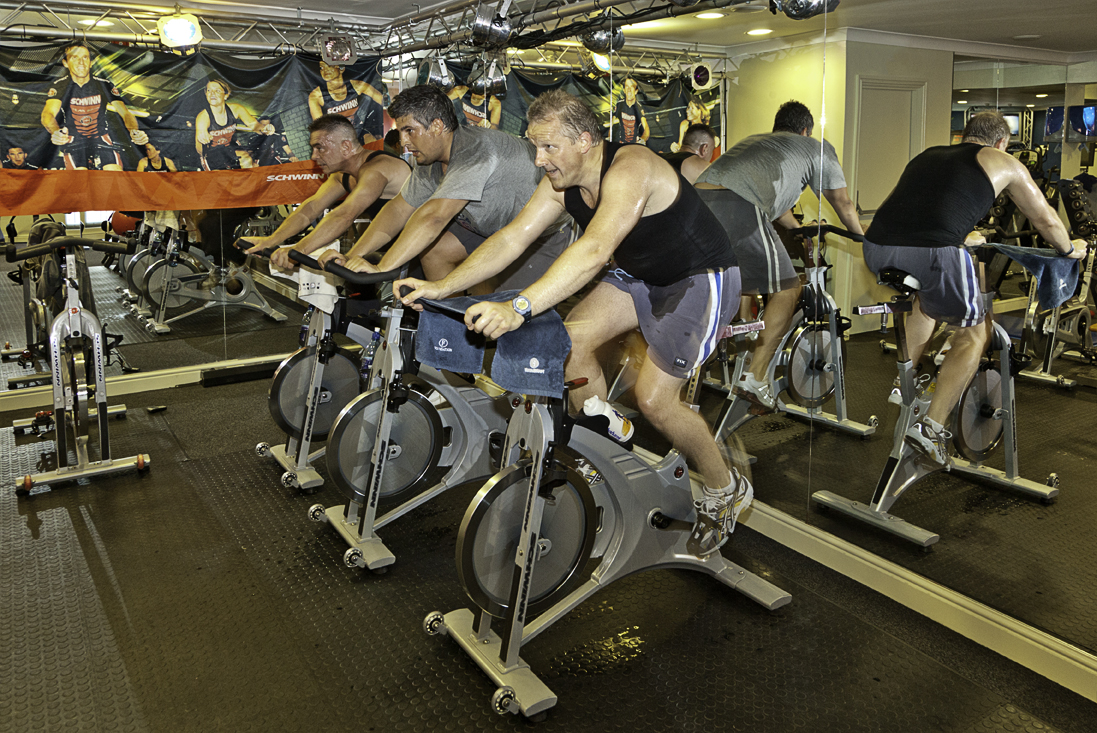
11. **Indoor Cycling: Comprehensive Body Changes**Indoor cycling, particularly classes like spin, has surged in popularity, offering an exhilarating and highly effective path to body transformation. It’s renowned for its incredible calorie-burning potential, with participants often scorching as much as 600 calories per session. This significant energy expenditure makes it a fantastic tool for weight loss, often being a primary motivator for many to jump on a stationary bike.
However, the true power of indoor cycling extends far beyond just shedding pounds; it’s a dynamic muscle builder and toner. For enhanced physical fitness, the focus should shift to muscle development, shape, and strength, which are the hallmarks of a cyclist’s physique. It’s crucial to understand that indoor cycling is much more than simply sitting and spinning; it’s an active engagement of diverse muscle groups that are built and toned through the process of propelling yourself and stabilizing your body.
Indoor cycling uniquely targets a wide array of muscles throughout your entire body, making it a truly comprehensive workout. From your core, glutes, and back, to your upper body, quadriceps, hamstrings, and legs, nearly every part is engaged. This is because you must actively engross your core and upper body to stabilize and maintain your position, demanding strength from your back for proper balance and posture. Meanwhile, your lower body muscles work tirelessly for efficient pedaling, getting into great shape in the process. It’s a total body workout that ensures every part of you contributes to your powerful new physique.

12. **E-biking: Assisted, Yet Impactful**E-biking, or electric biking, is rapidly gaining traction among exercise enthusiasts, naturally raising the question of its contribution to body transformation. While e-bikes provide assistance, making hills easier and longer distances more manageable, they are far from a passive ride. They fundamentally remain associated with lower body workouts, actively engaging your legs and glutes, pushing you towards a leaner, more muscular physique.
The assistance from an e-bike allows you to cover more ground or tackle more challenging terrain than you might on a traditional bike, potentially extending your workout duration and overall calorie expenditure. This sustained activity contributes significantly to muscle engagement, helping to bulk up your muscles over time and support weight loss goals. It’s a fantastic bridge for individuals who might be new to cycling, returning after a break, or facing physical limitations, enabling them to participate in consistent, impactful exercise.
Ultimately, e-biking ensures you’re still putting in substantial physical effort. The muscles in your legs are continually working against resistance, albeit with an electric boost. This sustained, active engagement drives muscle development, promotes fat burning, and contributes to a lean body shape. It proves that even with a little help, every pedal stroke on an e-bike is a meaningful step towards achieving your body transformation goals, making it an accessible and effective exercise for a diverse range of riders.
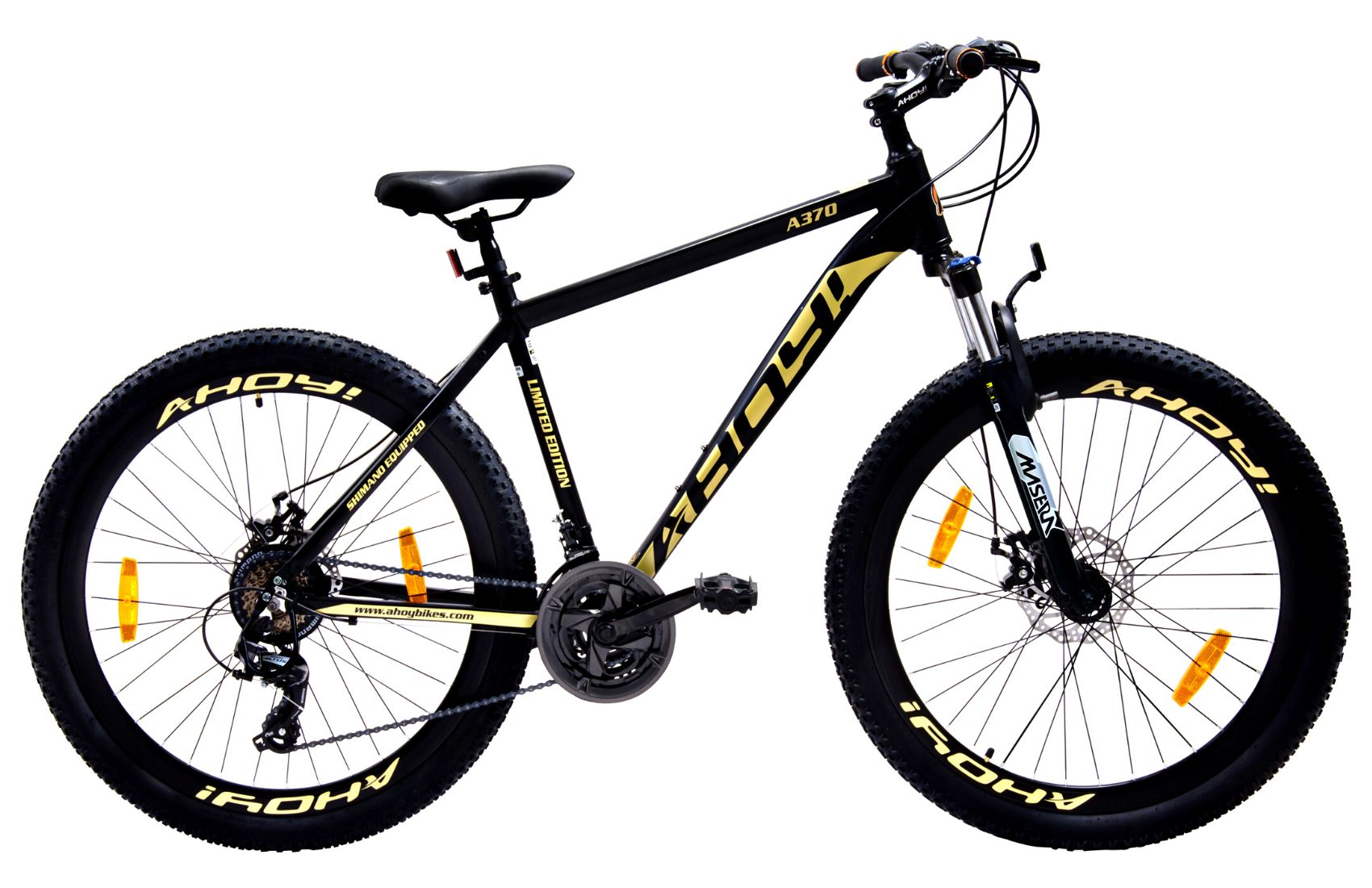
13. **Cycle Smarter, Not Longer: Time-Saving Transportation**In our increasingly busy lives, finding an exercise that seamlessly integrates with daily routines is a game-changer, and cycling offers an unparalleled advantage: it combines effective weight loss and body toning with invaluable time-saving transportation. No other exercise so perfectly merges the necessity of getting from point A to point B with the benefit of a full-body workout, making every commute an opportunity for self-improvement.
Consider the alternatives. Driving a car means battling traffic, endlessly searching for parking, and incurring costs for fuel and parking—all without a shred of exercise. Taking the bus involves walking to a stop, waiting, paying for a ticket, and navigating numerous stops, offering little to no physical activity. Both options consume precious time and provide zero fitness benefits, highlighting a significant missed opportunity for health and well-being.
Now, picture hopping on your bike. You bypass traffic, eliminate fuel costs, and arrive at your destination feeling energized and accomplished. This isn’t just transportation; it’s a dynamic workout where every pedal stroke contributes to muscle toning and comprehensive exercise. Cycling transforms your commute from a time-consuming chore into an efficient, invigorating part of your fitness regimen, allowing you to reclaim time while actively sculpting your body.
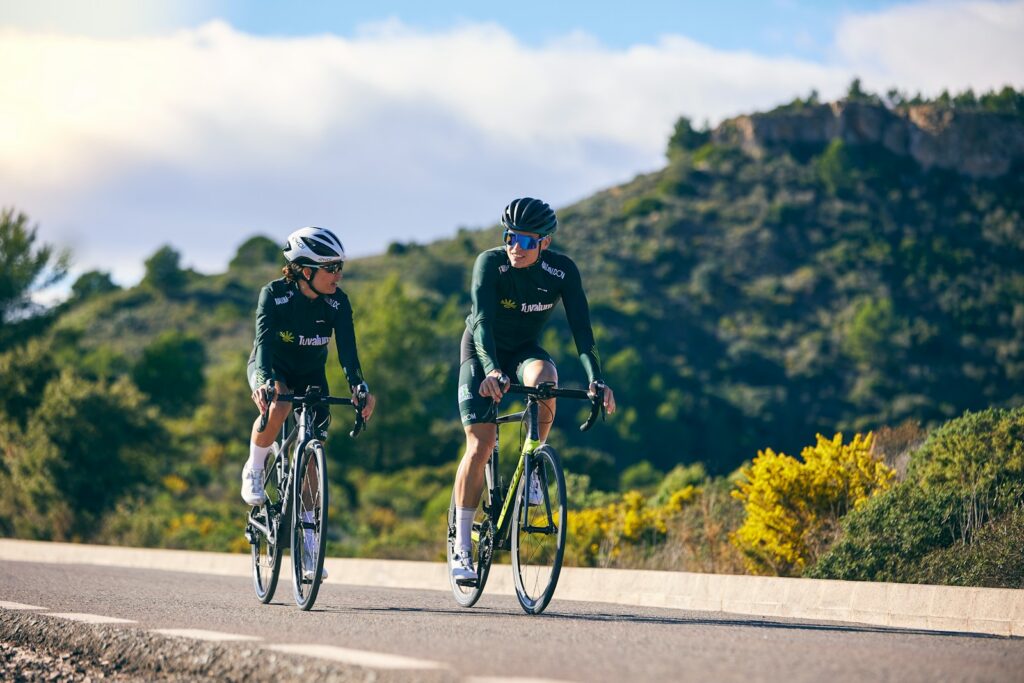
14. **Beyond the Bike: Comprehensive Health Benefits**While the visible transformations in body shape are incredibly motivating, the far-reaching health benefits of consistent cycling extend deep within your body, fundamentally enhancing your overall well-being. The American Heart Association (AHA) strongly advocates for regular aerobic exercise, like cycling, citing its profound ability to lower the risk of critical health issues. These include reducing the likelihood of heart disease, stroke, high blood pressure, dementia, type 2 diabetes, and several types of cancer, making cycling a powerful preventative medicine.
But the benefits don’t stop there. Regular exercisers, particularly cyclists, often report a cascade of positive effects that improve daily life significantly. This includes the ability to sleep more soundly, experiencing enhanced cognition and mental clarity, and noticing fewer symptoms of depression and anxiety. These individuals consistently report a better quality of life compared to those who seldom exercise or remain sedentary, underscoring cycling’s holistic impact on both physical and mental health.
The AHA recommends at least 150 minutes per week of moderate-intensity aerobic activity, a target easily achievable and often surpassed by incorporating cycling into your routine. By meeting or exceeding this recommendation, you’re not just moving your legs; you’re significantly enhancing your overall cardiovascular endurance, building a more resilient heart and lung system. This sustained commitment to cycling creates a healthier, more vibrant you, inside and out, making it one of the most beneficial lifestyle choices you can make for comprehensive health.
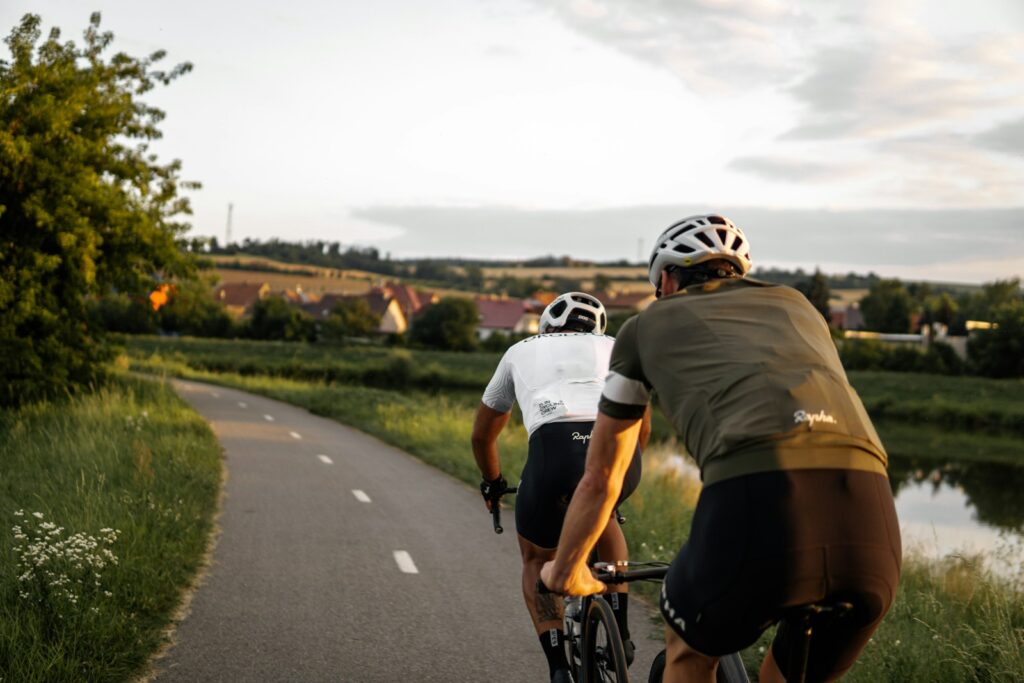
15. **Mastering Recovery: The Science-Backed Playbook for Sustainable Gains**While cycling is lauded for its low-impact nature, benefiting those with joint pain or age-related stiffness by supporting weight on the ischial tuberosity, and potentially aiding bone density through resistance work, truly maximizing your body transformation goes beyond the ride itself. The crucial, often overlooked, element is mastering recovery. Ignoring proper post-ride strategies can turn the transformative power of cycling into a “slow-motion car crash” on your body, leading to chronic fatigue and hindering your progress. Modern sports science reveals that every hard ride inflicts three major physiological stressors: muscle micro-trauma, gut barrier breakdown, and hormonal chaos, all of which need systematic attention.
To effectively transform damage into strength, a science-backed recovery timeline is your ultimate playbook. Immediately post-ride, within 0-30 minutes, carbohydrate priority is key. Aim for 1.0-1.2g of carbs per kg body weight per hour for up to four hours, with quick wins like a banana and thick bread with honey providing 20-30g to kick-start glycogen replenishment and blunt cortisol spikes. This rapid fueling is non-negotiable for setting the stage for repair.
Following this, the 0-2 hour window is critical for fluid and electrolyte restoration. You should aim to replace 150% of the weight lost during your ride, meaning approximately 1.5L of fluid per kilogram lost, complemented by 500-700mg of sodium per liter to normalize plasma volume and speed up creatine kinase clearance. Crucially, strategic protein timing comes in at the 90-120 minute mark, aiming for 0.3-0.4g per kg body weight (25-35g for most). This delayed protein intake is vital because slamming a lactose-heavy shake into a compromised intestine immediately after a hard ride can lead to bloating and prolonged inflammation, so waiting for gut reperfusion is a smart move.
Beyond immediate post-ride nutrition, sleep emerges as the ultimate, free performance enhancer. Prioritizing 8 hours of quality sleep is paramount, as each 90-minute sleep cycle releases pulses of growth hormone that direct amino acids towards essential tissue repair. Athletes consistently dropping below seven hours often exhibit chronically elevated evening cortisol and impaired glucose tolerance, underlining how vital routine sleep is for your endocrine system and, by extension, your power output. To optimize this, standardize your sleep schedule with consistent lights-out and wake times daily, maintain a cool bedroom environment (18-20°C), and implement a screen-free wind-down routine 60-90 minutes before bed, much like a training cool-down. Strategic 20-minute afternoon naps can further reinforce an anabolic state without disrupting your circadian rhythm. Adhering to a “48h Rule,” separating hard workouts by at least two days, also ensures adequate time for CK normalization, preventing cumulative catabolism and maintaining positive mood and motivation.
By strategically addressing these recovery elements, from immediate carbohydrate and fluid replacement to timed protein intake and optimized sleep, you’re not just recovering; you’re orchestrating a controlled demolition that systematically rebuilds and strengthens your body. This systematic approach transforms the hidden costs of cycling into profound adaptations, making you faster, leaner, and remarkably more resilient. It’s the essential, often-missed piece of the puzzle that ensures your cycling journey is one of sustainable growth and enduring transformation.
—
Well, there you have it; 15 positive effects of cycling on your body, proving that this versatile activity is far more than just a ride. From sculpting a powerful lower body and defining your core to enhancing mental well-being and boosting overall health, cycling offers a comprehensive blueprint for personal transformation. Whether you choose the open road, the comfort of indoor cycling, or the assisted ease of an e-bike, every pedal stroke is an investment in a stronger, leaner, and more vibrant you. Embrace consistency, fuel your body wisely, prioritize strategic recovery, and you’ll not only see changes but thrive through the journey, forging a body that reflects your dedication and spirit. This isn’t just about changing your body; it’s about upgrading your entire life, one exhilarating ride at a time.