There’s an undeniable magic to automotive design, a gravitational pull that draws us to sleek lines, bold statements, and the nostalgic charm of eras long past. We crave cars that capture our imaginations, vehicles that look fast, luxurious, or simply cool, even when they’re standing still. The very silhouette of a machine can stir something deep within us, promising adventure, prestige, or pure unadulterated speed.
But what happens when that allure is just skin deep? When the aggressive roar isn’t matched by the actual ride, and the iconic stance hides a multitude of sins beneath its glittering surface? This is where the rubber meets the road, or rather, where the aesthetic appeal dramatically outweighs the tangible performance, comfort, or even basic practicality that a vehicle should ideally offer.
Welcome to the fascinating, and sometimes frustrating, world of cars where style was unequivocally prioritized over substance. We’re talking about the automotive equivalent of a supermodel who trips over their own feet on the runway – stunning to behold, but a bit of a letdown in the execution. So buckle up, because we’re about to dive into the first half of a list that celebrates, and perhaps gently critiques, these dazzling but sometimes disappointing machines.
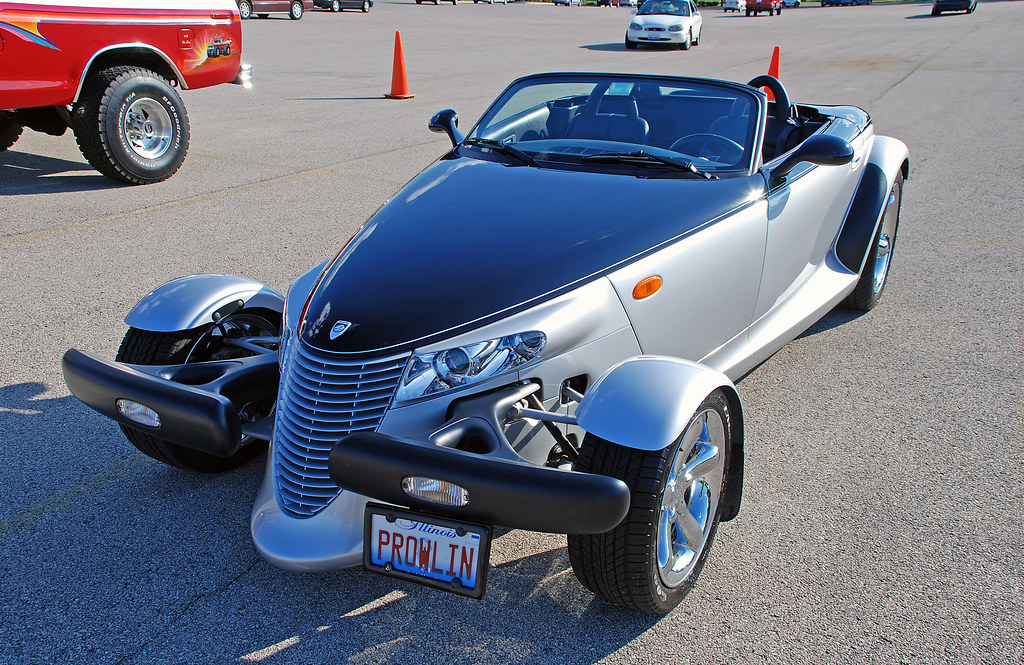
1. **Plymouth Prowler**If you love vintage style and a true head-turner, the Plymouth Prowler certainly catches the eye. It’s designed to look like a hot rod straight out of the 1930s, complete with open-wheel front fenders and a sleek, incredibly low body. This wasn’t just a car; it was a rolling statement, a deliberate nod to a bygone era of custom street machines that looked unlike anything else on the road.
However, it quickly becomes apparent that the Prowler prioritizes pure, unadulterated style over any serious performance credentials. Underneath that radical skin, you’ll find a 3.5-liter V6 engine, which, while adequate for cruising, simply isn’t powerful enough to live up to the car’s aggressive and sporty appearance. It felt like bringing a knife to a gunfight when its looks promised a bazooka.
Driving a Prowler is definitely a unique experience, centered far more around turning heads and soaking in the attention than chasing quarter-mile times. As one enthusiast succinctly put it, “Still glad they made it, but feels like it could have been so much more.” It was a vehicle designed to be admired, a piece of automotive sculpture first and a mode of transportation second.
Indeed, the Prowler was “so wild looking, so out-there — and so, so slow.” It stands as a prime example of a concept car brought to life, an audacious gamble on pure visual drama. For all its visceral appeal and nostalgic charm, the Plymouth Prowler truly defines the term ‘style over substance’, leaving many to wish for a powerplant that matched its audacious exterior.
Read more about: 16 Legendary Car Flops: The Vehicles Nobody Wanted

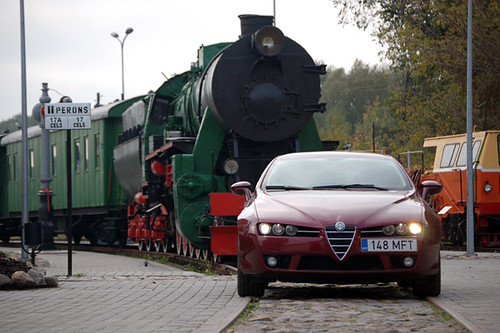
2. **Alfa Romeo Brera**The Alfa Romeo Brera stands out with a striking design that can only be described as a masterpiece by Giugiaro, with further refinements and craftsmanship from the legendary Pininfarina. From its aggressive front fascia to its taut, muscular lines and dramatic rear, it’s a car that prioritizes style in every conceivable curve and panel. This is a vehicle purpose-built to turn heads wherever it cruises.
While the Brera’s driving experience is engaging, largely thanks to its weighty and communicative steering, it was never engineered to be the fastest or the sharpest tool in the shed when it came to outright performance. Its beautiful form did not necessarily translate into a beast on the track, which some enthusiasts found surprising given its dramatic Italian styling.
What you do get with the Brera is a comfortable and surprisingly composed ride that handles road imperfections with admirable grace. This characteristic makes it an excellent GT cruiser, perfect for long, stylish journeys across continents, rather than a precision instrument built for tearing up a race circuit. It was a grand tourer with an emphasis on grand aesthetics.
So, while the Brera unquestionably delivered on visual panache and that undeniable Alfa charm, it serves as a prime example of a car where emotional appeal decisively trumped raw, quantifiable performance. It’s the kind of car you buy to admire in your driveway and on leisurely Sunday cruises, rather than for attacking apexes with abandon.
Car Model Information: 2021 Genesis GV80 2.5T
Name: Alfa Romeo Brera,Alfa Romeo Spider
Manufacturer: Fiat Auto
Production: 2005–2010 (Brera),2006–2010 (Spider)
Assembly: San Giorgio Canavese,Province of Turin
Layout: Front-engine, front-wheel-drive layout,Front-engine, four-wheel-drive layout
Platform: GM/Fiat Premium platform
Engine: Fiat Pratola Serra modular engines#Applications on Alfa Romeo vehicles,Alfa Romeo JTS engine,V6 engine,Fiat JTD engine,Straight-five engine
Transmission: Manual transmission,Selespeed,AWTF-80 SC
Class: Grand Tourer
BodyStyle: 2+2 (car body style),Roadster (automobile)
Predecessor: Alfa Romeo GTV and Spider
Wheelbase: 2528 mm
Abbr: on (Spider)
Length: 4410 mm
Width: 1830 mm
Height: 1341 mm
Weight: convert
Designer: Giorgetto Giugiaro,Pininfarina,Centro Stile Alfa Romeo (interior)
Related: Alfa Romeo 159
Categories: 2010s cars, Alfa Romeo vehicles, All-wheel-drive vehicles, Articles with short description, CS1: unfit URL
Summary: The Alfa Romeo Brera and the Alfa Romeo Spider (Type 939) are grand tourers using the GM/Fiat Premium platform, manufactured by Pininfarina and marketed by Alfa Romeo as a 2+2 coupé and roadster respectively.
12,488 units of the Spider and 21,786 units of the Brera were made with production ending in late 2010 and inventory remaining into 2011.
The name ‘Brera’ appears to come from the Brera district of Milan, which is known for being an artistic area and is sometimes referred to as the ‘Milanese Montmartre’. Alfa Romeo was established in Milan in 1910.
Get more information about: Alfa Romeo Brera and Spider
Buying a high-performing used car >>>
Brand: Alfa Romeo Model: Brera
Price: $34,319 Mileage: 36,145 mi.
Read more about: Beyond the Hype: 10 Undervalued Sports Cars Primed to Skyrocket in Value Soon, According to Experts
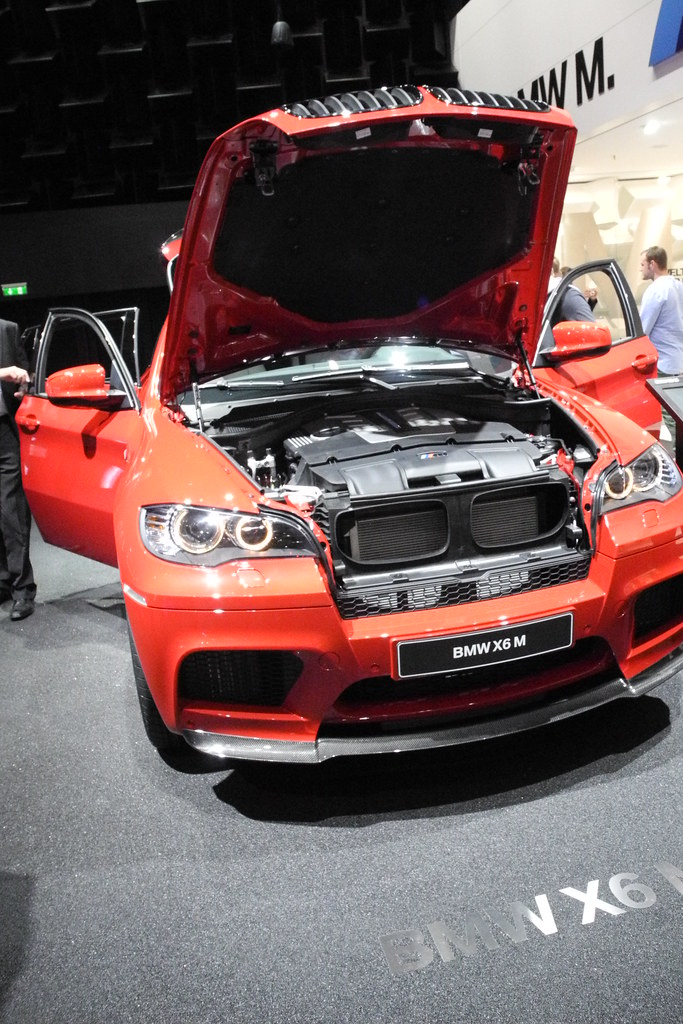
3. **BMW X6**The BMW X6 immediately grabs attention with its bold, coupe-like design, attempting to blend the rugged toughness of an SUV with the sleek, sporty style of a coupe. You’ll notice sharp lines, an imposing grille, and unique features like its panoramic glass roof, all contributing to a sleek, modern, and undeniably aggressive look. It was, and still is, designed to make a statement.
However, this intense focus on groundbreaking style often meant that the actual driving experience didn’t quite live up to the aggressive appearance it projected. For a vehicle with BMW’s sporting pedigree, the X6 often felt like a compromise, sacrificing some of the brand’s renowned driving dynamics for its distinctive silhouette. It was a visual heavyweight that didn’t always punch like one.
Many, including passionate car observers, found the concept itself to be a “Frankenstein’s mishmash of vehicle classes” that ultimately “ends up as the worst of all worlds.” It attempts to be a sports car but carries the high center of gravity of a large SUV. Simultaneously, it presents as a luxury vehicle but often delivers the harsh, uncompromising ride of a sports car.
One particularly pointed critique highlighted its impracticality: “It’s an SUV that can’t carry anything or even more than 2 people in comfort with that sharply sloping roofline. It’s an off-roader with low profile sidewalls and an 80K starting price.” The sentiment was clear: this was a vehicle designed to seem “cool,” but even that was debatable for some. The X6 was a car that raised eyebrows, but not always for the right reasons.
Car Model Information: 2023 BMW X6 xDrive40i
Name: BMW X6
Caption: BMW X6 (G06)
Manufacturer: BMW
Production: December 2007 – present
ModelYears: 2008–present
Class: Executive car,crossover SUV
BodyStyle: coupé SUV
Layout: Front-engine, four-wheel-drive
Related: BMW X5
Categories: 2000s cars, 2010s cars, 2020s cars, All-wheel-drive vehicles, All Wikipedia articles written in British English
Summary: The BMW X6 is a mid-size luxury crossover SUV by German automaker BMW. The BMW X6 is the originator of the sports activity coupé (SAC), referencing its sloping rear roof design. It combines the attributes of an SUV (high ground clearance, all-wheel drive and all-weather ability, large wheels and tires) with the stance of a coupé (styling featuring a sloping roof). It is built in BMW’s North American plant in Greer, South Carolina alongside the BMW X5, whose platform it shares. Prior to the release of the X7, the X6 was considered a flagship SUV for BMW.
The first generation (E71) was released for sale in April 2008 for the 2008 model year, while the second-generation X6 (F16) was launched at the Paris Motor Show in 2014. The third-generation X6 was revealed in July 2019.
Get more information about: BMW X6
Buying a high-performing used car >>>
Brand: BMW Model: X6
Price: $63,487 Mileage: 13,679 mi.
Read more about: Beyond the Bump: 14 Critical Signs Your Car’s Suspension is Failing Prematurely and How to Tackle Costly $1500 Repairs
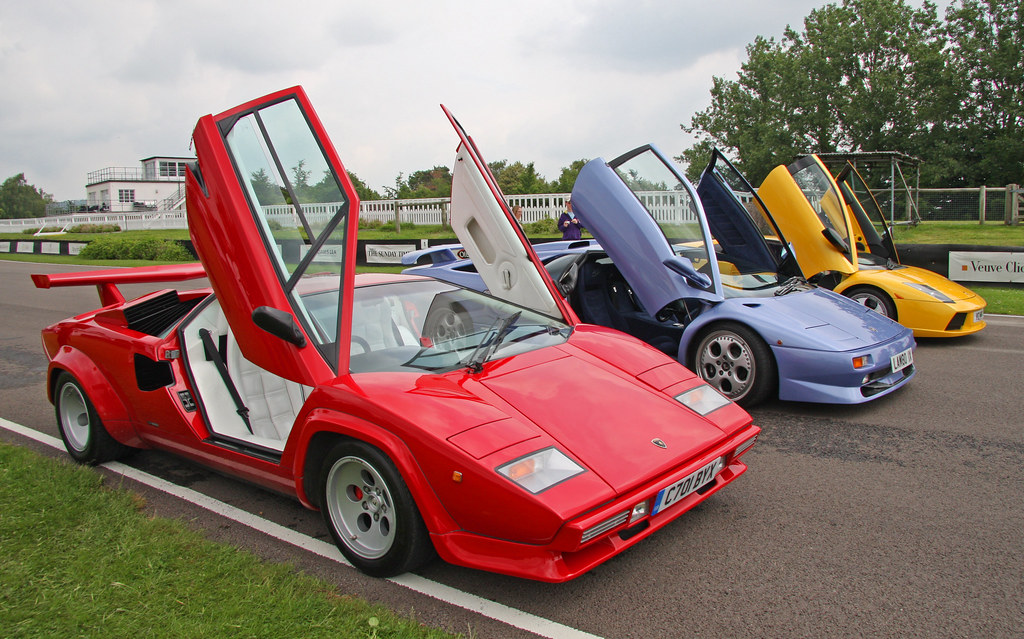
4. **Lamborghini Countach**The Lamborghini Countach is, without a doubt, one of the most iconic cars ever conceived, instantly recognizable for its striking, angular design and those dramatic, unforgettable scissor doors. When you look at it, you don’t just see a car; you see a bold, audacious statement of automotive bravado from the 1970s and ’80s, a pure wedge of fantasy that graced countless bedroom walls.
While its exterior might make it look like an absolute dream to drive, the reality behind the wheel was often a stark contrast. The interior was notoriously cramped, offering very little in the way of comfort or practicality for anything beyond very short trips. Ergonomics seemed to be an afterthought in the pursuit of visual impact, with drivers often having to reverse by sitting on the door sill.
The Countach’s allure was fundamentally about making an impression and projecting an attitude, rather than offering a refined or even practical driving experience. As one enthusiast mused, “Countach, Hands down. But we loved the style so much it didn’t matter. I mean, do you really need to see behind you while reversing? Is that substantively adding to the car’s function?” For the Countach, the answer was a resounding ‘no’.
The sheer audacity of its design was enough to make us forgive—or at least overlook—its ergonomic shortcomings and challenging driving dynamics. It was never meant to be a comfortable daily driver; it was built to drop jaws and shatter expectations purely through its aesthetics. This supercar was, and remains, a poster child for automotive excess, a pure visceral statement that screamed “look at me!” And boy, did we look.
Car Model Information: 1989 Lamborghini Countach 25th Anniversary
Name: Lamborghini Countach
Caption: Lamborghini Countach LP5000 QV
Manufacturer: Lamborghini
Production: 1974–1990
Assembly: Sant’Agata Bolognese
Designer: Marcello Gandini
Class: Sports car
BodyStyle: coupe
Layout: Longitudinal engine,mid-engine,rear-wheel-drive
Related: Lamborghini LM002
Engine: Lamborghini V12,V12 engine,LP400, LP400 S: {{cvt,3929,cc,L,1,disp=flip
Transmission: synchromesh,Manual transmission
Wheelbase: 96.46 in
Abbr: on (LP5000QV)
Order: flip
Length: 162.99 in
Width: LP 400: {{cvt,74.28,in,mm,0,abbr=on,order=flip
Height: 42.13 in
Weight: {{convert,1300.5,kg,lb,0,abbr=on
Predecessor: Lamborghini Miura
Successor: Lamborghini Diablo
Doors: Scissor doors
Sp: uk
Categories: 1980s cars, 1990s cars, All articles with unsourced statements, Articles containing Italian-language text, Articles containing Piedmontese-language text
Summary: The Lamborghini Countach ( KOON-tahsh) is a rear mid-engine, rear-wheel-drive sports car produced by the Italian automobile manufacturer Lamborghini from 1974 until 1990. It is one of the many exotic designs developed by Italian design house Bertone, which pioneered and popularized the sharply angled “Italian Wedge” shape.
The wedge style was introduced to the public in 1970 with the Lancia Stratos Zero concept car. The first showing of the Countach prototype was at the 1971 Geneva Motor Show, as the Lamborghini LP500 concept.
The “Countach” nameplate was reused for the Sián-based limited-production hybrid-electric model called the Countach LPI 800-4 in 2021.
Get more information about: Lamborghini Countach
Buying a high-performing used car >>>
Brand: Lamborghini Model: Countach
Price: Not Priced Mileage: 7,493 mi.
Read more about: 12 Iconic Rides: The Vintage Cars That Defined the 1980s Automotive Landscape
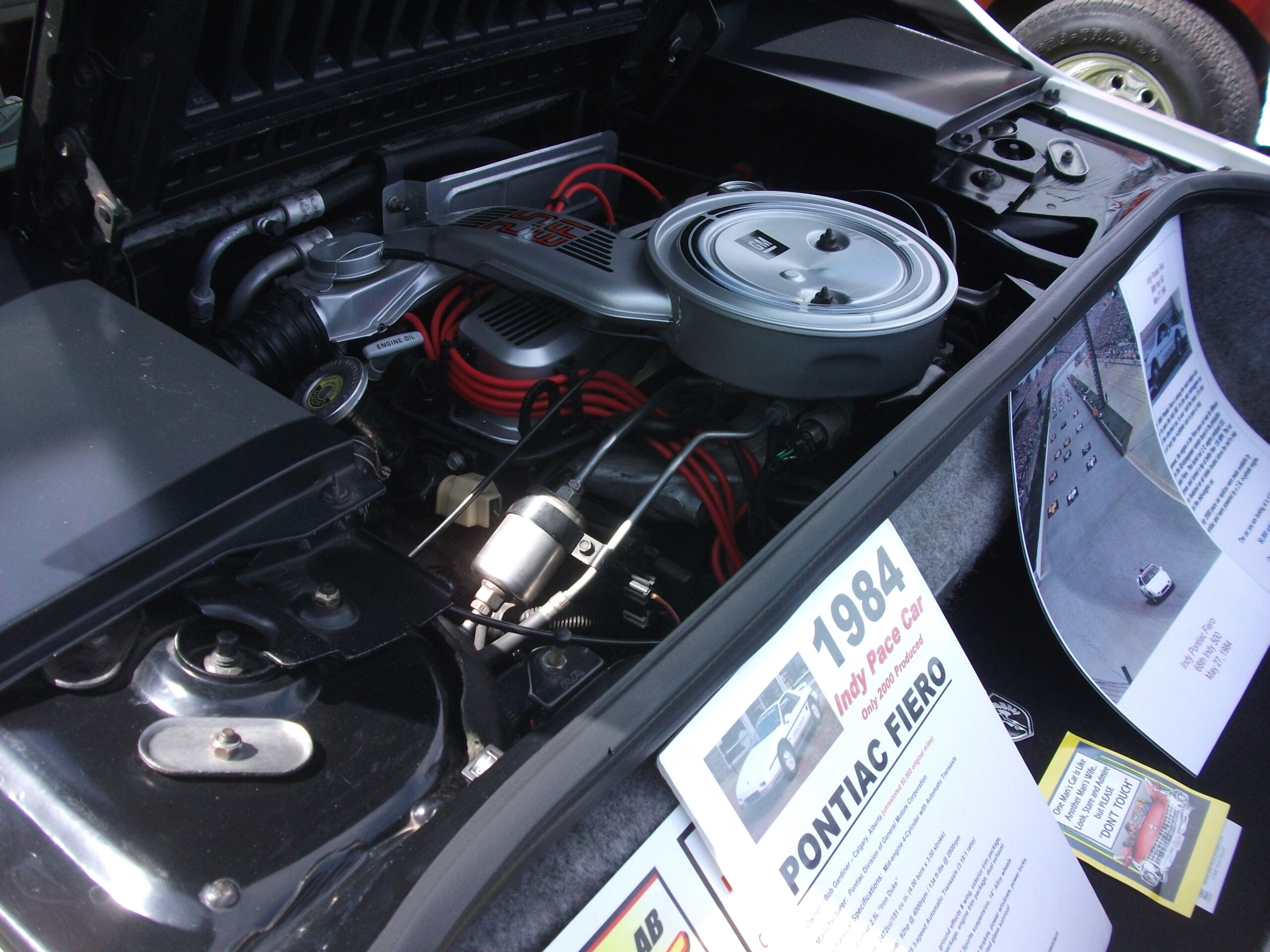
5. **Pontiac Fiero**The Pontiac Fiero burst onto the scene in the 1980s, capturing many eyes with its genuinely sporty look and innovative mid-engine design. It was marketed as a budget-friendly sports car with a focus on fuel economy, a novel concept at the time that aimed to stand out from the typical, often gas-guzzling, performance cars of the era. Its appearance promised nimble handling and exciting drives.
However, while many appreciated its unique style, the Fiero quickly developed a reputation for persistent reliability issues that plagued its early models. Furthermore, its performance didn’t quite deliver the excitement promised by its sporty aesthetics. While the chassis was remarkably well-designed, some crucial mechanical parts simply didn’t match up to its potential or its looks.
Drivers often found the Fiero to be underpowered, which was a significant disappointment for a car designed to look like a sports machine. It was also, at times, uncomfortable, and its handling, particularly in the earlier iterations, didn’t always inspire the confidence or enjoyment that enthusiasts craved from a mid-engine layout. The dream of an affordable exotic often turned into a rather ordinary reality.
Indeed, as one commenter put it, the Fiero represents “Pontiac at its peak style over substance.” While later models did address some of the car’s shortcomings, the early Fiero serves as a prime example of a vehicle where ambitious styling and an innovative layout outpaced its practical execution and performance capabilities. If you were drawn to its retro flair, the Fiero offered a cool, budget-friendly vintage vibe, but you simply couldn’t expect it to deliver high performance like more serious sports cars.
Car Model Information: 1988 Pontiac Fiero Formula
Name: Pontiac Fiero
Caption: 1988 Fiero Formula
Manufacturer: Pontiac (automobile)
Production: August 1983 – August 16, 1988,370,168 produced
ModelYears: 1984 – 1988
Successor: Pontiac Solstice
Assembly: Pontiac, Michigan
Designer: Hulki Aldikacti,George Milidrag
Class: Sports car
BodyStyle: fastback,notchback
Platform: GM P platform
Layout: Rear mid-engine, rear-wheel-drive layout
Engine: {{cvt,151,CID,L,1,disp=flip,Iron Duke engine#LR8,Inline-four engine
Transmission: Turbo-Hydramatic 125,Manual transmission,Getrag 282 transmission,Isuzu
Wheelbase: 2373 mm
Abbr: on
Length: 4072 mm
Width: 1750 mm
Height: 1191 mm
Weight: 1116 to
Categories: All articles with unsourced statements, Articles with short description, Articles with unsourced statements from February 2012, Articles with unsourced statements from July 2024, Articles with unsourced statements from September 2011
Summary: The Pontiac Fiero is a rear mid-engine, light sports car manufactured and marketed by Pontiac for model years 1984 – 1988. Intended as an economical commuter car with modest performance aspirations, it was Pontiac’s first two-seater since their 1926 to 1938 coupes, and the first mass-produced, rear mid-engine car by any American manufacturer.
In addition to using 4- and 6-cylinder engines to help Pontiac meet America’s ‘CAFE’ average fuel economy requirements, the Fiero’s chassis and structure technology used non-load-bearing, composite body-panels, contributing to the car’s light-weight and its unique selling proposition. Pontiac engineers modified the design over its life to enhance its performance and reposition the two-seater closer to the implications of its sporty configuration.
The Fiero 2M4 (two-seat, mid-engine, four-cylinder) placed on Car and Driver magazine’s Ten Best list for 1984, and was the Official Pace Car of the Indianapolis 500 for 1984.
A total of 370,168 Fieros were manufactured over five years’ production, its mild performance, reliability and safety issues becoming points of criticism. The Fiero was discontinued after annual sales fell steadily.
Get more information about: Pontiac Fiero
Buying a high-performing used car >>>
Brand: Pontiac Model: Fiero
Price: $11,000 Mileage: 101,027 mi.
Read more about: Unpacking Automotive Catastrophes: 12 Infamous Engineering Failures That Reshaped Car Safety
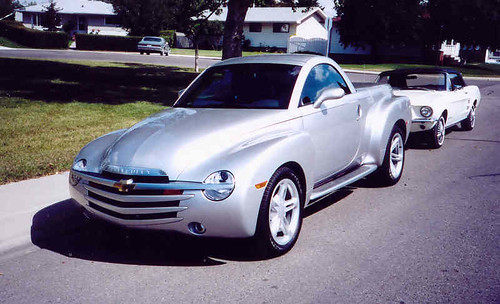
6. **Chevrolet SSR**If you appreciate truly unique retro style, the Chevrolet SSR (Super Sport Roadster) couldn’t help but catch your eye. It was an audacious blend of a 1940s pickup truck aesthetic with modern features, most notably a retractable hardtop roof. This wasn’t just a vehicle; it was a conversation piece, a rolling sculpture that seemed to defy categorization and certainly stood out in any parking lot.
The SSR was definitely not your typical pickup truck. It was a convertible with a distinctive, quirky design that undeniably put style far ahead of any conventional performance metrics or utility. The very concept felt like a whimsical flight of fancy from the design studio, green-lit purely for its visual impact rather than its sales projections or raw capability.
While it could be undeniably fun for short, leisurely drives or as a collector’s item, the SSR was never engineered to compete with traditional, hardworking pickups in terms of hauling capacity, towing, or ruggedness. Its charm, its entire raison d’être, lay almost exclusively in its head-turning looks and its ability to evoke a bygone era of automotive cool.
Its unique design meant it whispered (or perhaps shouted) “weekend toy” rather than “workhorse.” For sheer audacity and retro-futuristic charm, the SSR is a winner, a delightful oddity that unapologetically puts visual flair front and center. But if you were looking for a truly capable pickup, well, you were definitely looking in the wrong place.
Car Model Information: 2004 Chevrolet SSR LS
Name: Chevrolet SSR
Manufacturer: Chevrolet
Production: 2003–2006
ModelYears: 2003–2006
Assembly: Lansing, Michigan
Class: Pickup truck
BodyStyle: ubl
Platform: GMT360
Related: ubl
Layout: Front-engine, rear-wheel drive layout
Engine: ubl
Transmission: ubl
Wheelbase: 116.0 in
Abbr: on
Length: ubl
Width: 78.6 in
Height: ubl
Designer: ubl
Categories: All articles needing additional references, All articles with unsourced statements, Articles needing additional references from July 2008, Articles with short description, Articles with unsourced statements from August 2023
Summary: The Chevrolet SSR (Super Sport Roadster) is a retro-styled and retractable hardtop convertible pickup truck manufactured by Chevrolet between 2003 and 2006.
During the 2003 and 2004 model years, the SSR used General Motors’ 5.3 L 300 hp (224 kW; 304 PS) Vortec 5300 V8. Performance was 7.7 seconds for 0–60 mph (0–97 km/h) with a 15.9 second 1⁄4 mile (402.3 m) time at 86.4 mph (139.0 km/h).
For the 2005 model year, the SSR used the 390 hp (291 kW; 395 PS) LS2 V8 engine also used in the C6 Corvette, Trailblazer SS, and Pontiac GTO, now offering a manual transmission option, the six-speed Tremec, for the first time. Performance improved dramatically with the LS2; the 6-speed manual version had an advertised 0–60 mph (97 km/h) acceleration time of 5.29 seconds. In addition, GM badges were added to the vehicle.
For 2006, output of the LS2 increased to 395 hp (295 kW; 400 PS).
Get more information about: Chevrolet SSR
Buying a high-performing used car >>>
Brand: Chevrolet Model: SSR
Price: $21,499 Mileage: 54,685 mi.
Read more about: Heavy Hauling’s Champion: 13 Key Strengths Where Diesel Still Beats Electric Trucks

7. **Audi TT (early models)**When you first cast your eyes upon the early Audi TT, what immediately stands out is its impeccable sense of style. Its clean, Bauhaus-inspired design gave it a unique, timeless look that continues to be appreciated by many drivers and design enthusiasts even today. It was a masterclass in minimalist sophistication, making a powerful visual statement without resorting to overt aggression or unnecessary flourishes.
However, it’s crucial to understand that the TT, despite its sporty appearance, was not initially conceived or built as a pure, hardcore sports car. It certainly offered decent performance for its class, with capable engines and surefooted handling, but its primary focus was squarely on its sharp, bold design rather than delivering raw, unbridled driving thrills that could rival more track-focused machines.
If your priority was a car with striking style that consistently turns heads and exudes a sophisticated aesthetic, then the early TT absolutely fit the bill perfectly. It was a triumph of industrial design, a sculpted masterpiece that looked fast even when it was standing still. This was the automotive equivalent of an impeccably tailored suit – sharp, sophisticated, and undeniably stylish.
Yet, if you approached the early TT expecting it to go head-to-head with purebred performance cars on a race circuit, you might have left feeling a little underwhelmed. It proved that a car could be a design icon without necessarily being a performance titan, positioning itself as a beautiful object first and a driving machine second. The early TT remains a testament to the power of design to elevate a car beyond its mere mechanics.
Now, let’s roll into the second half of our list, continuing our exploration of vehicles that boldly sacrificed practical considerations on the altar of design. We’re talking about cars that, for all their visual drama and undeniable cool factor, might leave you scratching your head when it comes to the actual driving experience. It’s a testament to the power of design that these machines, despite their shortcomings, still hold a special place in automotive lore.
Car Model Information: 2018 Audi TT 2.0T
Name: Audi TT
Caption: 2019 Audi TT Sport 40 TFSi
Manufacturer: Audi AG
Production: October 1998 – November 2023
ModelYears: 1999–2023
Assembly: Győr
Class: Sports car
BodyStyle: coupé
Layout: unbulleted list
Platform: Volkswagen Group A platform,Volkswagen Group MQB platform
Sp: uk
Categories: 2+2 coupés, 2000s cars, 2010s cars, 2020s cars, All-wheel-drive vehicles
Summary: The Audi TT is a production front-engine, 2-door, 2+2 sports coupé and roadster, manufactured and marketed by Audi from 1998 to 2023 across three generations.
For each of its three generations, the TT has been based on consecutive generations of Volkswagen’s “Group A” platforms, starting with its “PQ34” fourth generation. The TT shares powertrain and suspension layouts with its platform mates, including the Audi A3, like a transversely mounted front-engine, powering front-wheel drive or four-wheel drive, and fully independent suspension using MacPherson struts in front.
The TT’s first two generations were assembled by Audi’s Hungarian subsidiary, one of the world’s largest engine manufacturing plants, using bodyshells manufactured and painted at Audi’s Ingolstadt plant and parts made entirely by the Hungarian factory for the third generation.
The last of the 662,762 Audi TTs was manufactured in November 2023.
Get more information about: Audi TT
Buying a high-performing used car >>>
Brand: Audi Model: TT
Price: $21,980 Mileage: 110,607 mi.
Read more about: Beyond the Hype: 14 Notorious Electric Car Failures, Battery Blunders, and Range Misses That Hindered EV Adoption
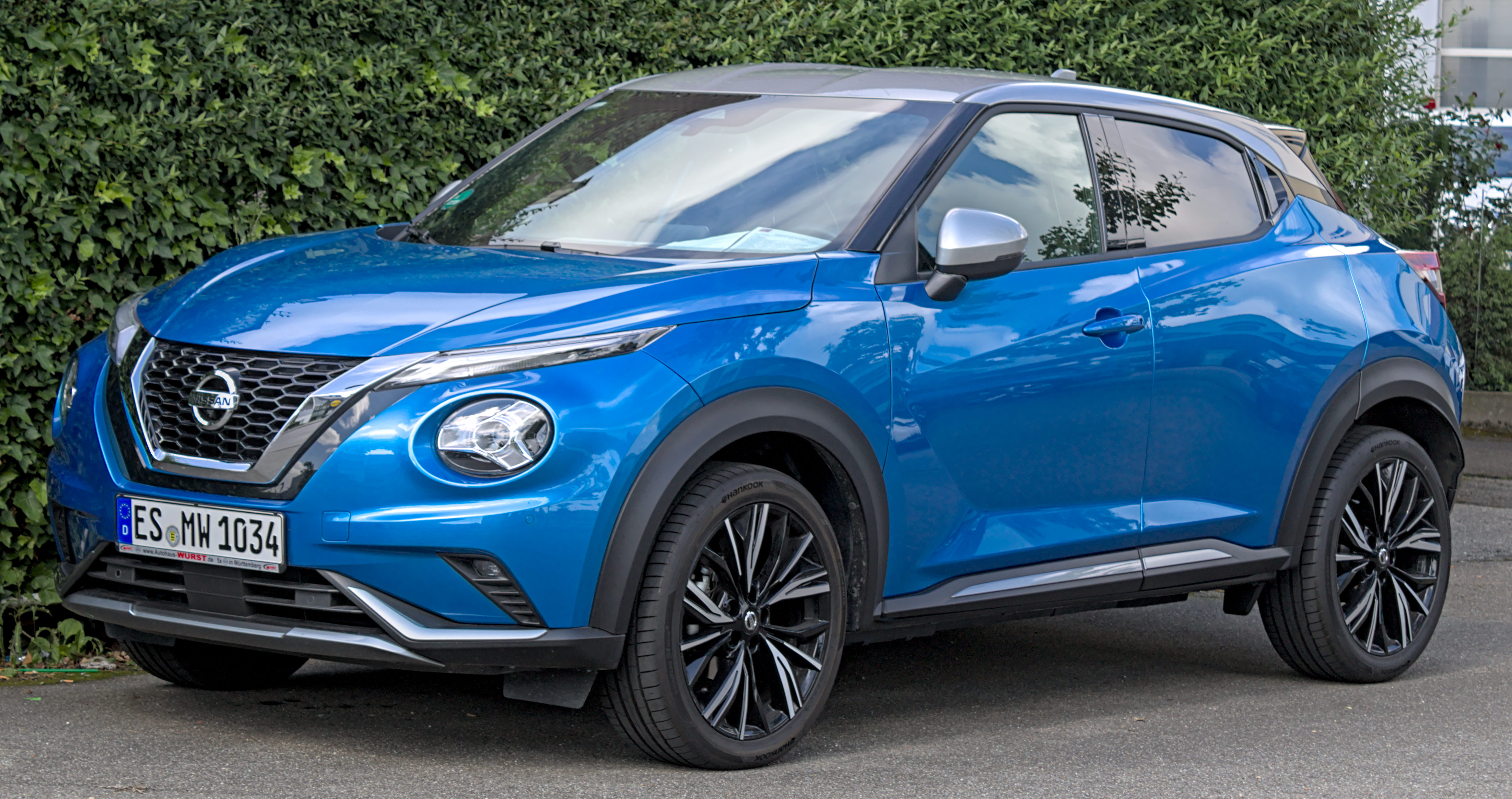
8. **Nissan Juke (first generation)**Let’s be honest, the first-generation Nissan Juke was never going to win any beauty contests in the traditional sense, but you’d be hard-pressed to ignore it. Its design was a wild, bold statement, featuring those massive wheel arches and a dramatically sloping roofline that made it undeniably distinctive. It was a vehicle that screamed, “Look at me!” even if it wasn’t always clear *what* exactly you were looking at.
This unapologetic styling, however, came with a few rather significant compromises. Step inside, and you’d quickly notice that space and practicality were quite limited, especially when you opened the boot. And let’s not even get started on the visibility issues, which certainly weren’t helping anyone navigate tight parking spots or crowded streets.
Despite these quirks and the divisive opinions on its looks, the Juke carved out its own niche. It proved that a car didn’t have to be universally beloved to be memorable. Whether you found its design refreshingly avant-garde or just plain odd, it stuck with you, making a lasting impression in a sea of more conservative crossovers.
Ultimately, the Juke was a triumph of audacity. It was a car designed to stand out, to spark conversation, and to be distinctly, uncompromisingly itself. And in the world of ‘style over substance’, sometimes that’s all it takes to make an icon – even if it handles like a confused bulldog.
Car Model Information: 2013 Nissan Juke SL
Name: Nissan Juke
Caption: Nissan Juke (F16)
Manufacturer: Nissan
Production: 2010–present
Class: Subcompact crossover SUV
BodyStyle: Sport utility vehicle
Layout: Front-engine, front-wheel-drive layout,Front-engine, four-wheel-drive layout
Categories: 2020s cars, All-wheel-drive vehicles, All Wikipedia articles written in British English, All articles with unsourced statements, Articles containing Japanese-language text
Summary: The Nissan Juke (Japanese: 日産・ジューク, Hepburn: Nissan Jūku) is a subcompact crossover SUV (B-segment) produced by the Japanese car manufacturer Nissan since 2010. Debuted as a production vehicle at the 2010 Geneva Motor Show in March, it was introduced to North America at the 2010 New York International Auto Show to be sold for the 2011 model year as the smallest crossover in Nissan’s lineup prior to the introduction of the Nissan Magnite in 2020.
The second-generation model was revealed for the European market in September 2019, offering larger dimensions by utilising the newer Renault–Nissan CMF-B platform. The second generation marks the withdrawal of the model from most markets outside Europe and Australasia to make way for the Nissan Kicks.
The name “juke” means to “dance or change directions demonstrating agility”, and is also derived from the word “jukebox”.
Get more information about: Nissan Juke
Buying a high-performing used car >>>
Brand: Nissan Model: Juke
Price: $6,936 Mileage: 119,970 mi.
Read more about: Aero Disasters and Proportional Misses: Unmasking 14 of the Ugliest Styling Blunders in SUV History
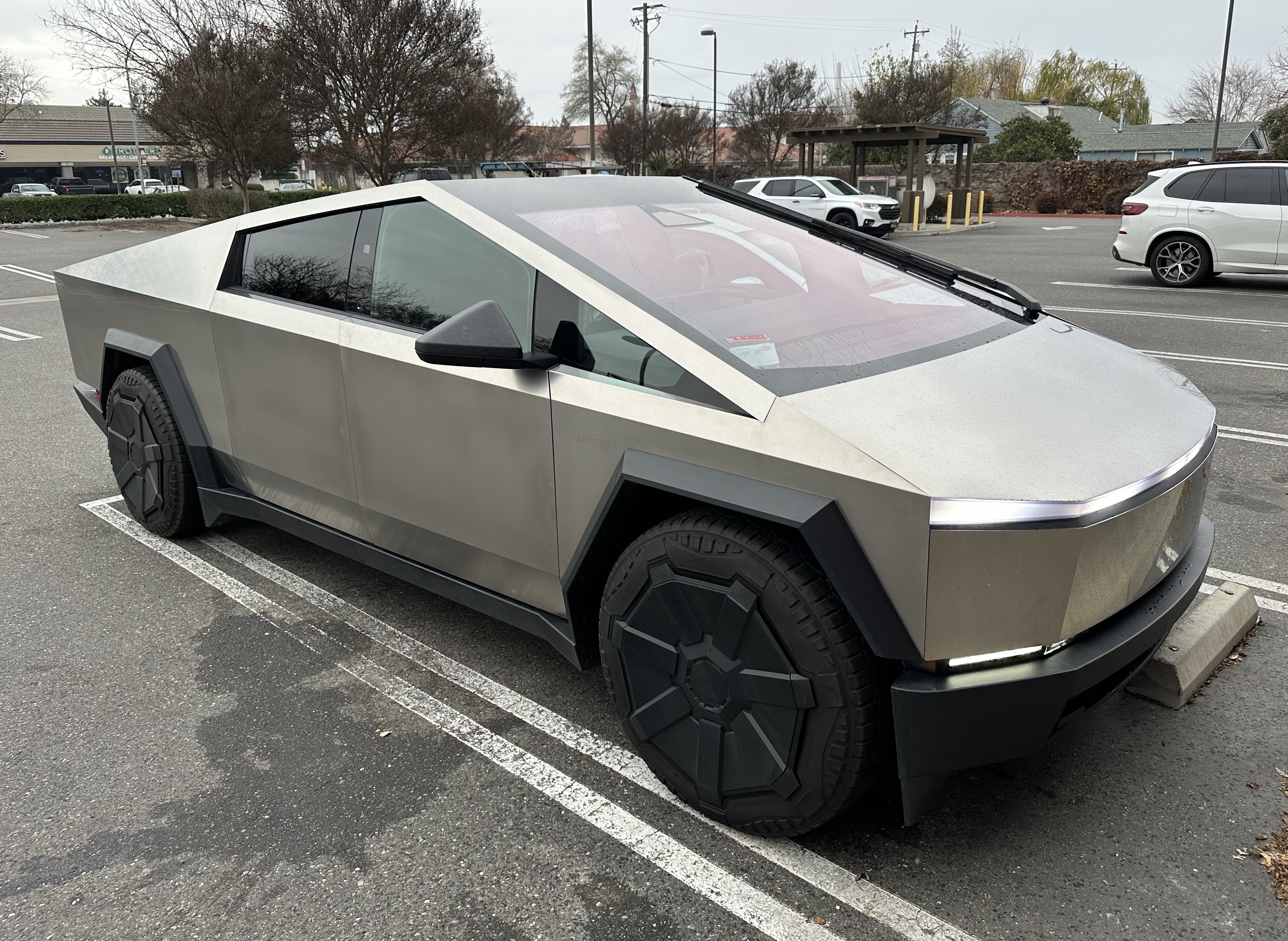
9. **Tesla Cybertruck**Talk about making an entrance! The Tesla Cybertruck doesn’t just stand out; it arrives with the subtlety of a sledgehammer to a delicate sculpture garden. Its design looks more like a concept vehicle that accidentally rolled off a sci-fi movie set than a traditional pickup truck, featuring a sharp, angular shape directly inspired by retro wedge styles from the 1970s. It’s an absolute conversation starter, whether you like the conversation or not.
While Tesla promises an exterior built for extreme durability – we’re talking stainless steel and armored glass – many people find its style to be incredibly polarizing. You either love its dystopian, minimalist aesthetic, or you’re convinced it was designed in Minecraft. There’s no middle ground with this metallic beast, which is precisely its charm for some.
The big question, of course, revolves around its actual *substance*. As one keen observer put it, “It’s tough for a vehicle to have any substance when we still haven’t seen one in the wild. Do they perform? Are they watertight? Who knows?” It’s a valid point; a vehicle can make all the statements it wants, but until it delivers on the road, it’s mostly just a very angular vision.
If your primary goal is to make an unforgettable statement and own a piece of future-shock design, the Cybertruck definitely fits the bill. It’s a truck that embodies the mantra of ‘style first’, promising a radical new direction for utilitarian vehicles. Just don’t ask about its real-world performance until more are actually out there.
Car Model Information: 2024 Tesla Cybertruck All-Wheel Drive
Name: Tesla Cybertruck
Caption: 2024 Tesla Cybertruck, Foundation Series
Manufacturer: Tesla, Inc.
Production: November 2023 – present
ModelYears: 2024–present
Assembly: Austin, Texas
Designer: unbulleted list
Class: Pickup truck
BodyStyle: crew cab
Layout: unbulleted list
Transmission: Single-speed fixed (15:1 ratio)
ElectricRange: cvt
Wheelbase: cvt
Length: cvt
Width: cvt
Height: cvt
Weight: Unbulleted indent list
Sp: us
Charging: unbulleted list
Battery: val
Motor: unbulleted indent list
Categories: 2020s cars, All-wheel-drive vehicles, All Wikipedia articles written in American English, All articles containing potentially dated statements, All articles with unsourced statements
Summary: The Tesla Cybertruck is a battery-electric full-size pickup truck manufactured by Tesla, Inc. since 2023. It was first unveiled as a prototype in November 2019, featuring a distinctive angular design composed of flat, unpainted stainless steel body panels, drawing comparisons to low-polygon computer models.
Originally scheduled for production in late 2021, the vehicle faced multiple delays before entering limited production at Gigafactory Texas in November 2023, with initial customer deliveries occurring later that month. As of 2025, three variants are available: a tri-motor all-wheel drive (AWD) model marketed as the “Cyberbeast”, a dual-motor AWD model, and a single-motor rear-wheel drive (RWD) “Long Range” model. EPA range estimates vary by configuration, from 320 to 350 miles (515 to 565 km).
As of 2025, the Cybertruck is sold in the United States, Mexico, Canada and South Korea. The Cybertruck has been criticized for its production quality and safety concerns while its sales have been described as disappointing.
Get more information about: Tesla Cybertruck
Buying a high-performing used car >>>
Brand: Tesla Model: Cybertruck
Price: $75,395 Mileage: 2,133 mi.
Read more about: 14 Brand Rebrands and Logo Disasters That Had Everyone Talking (and Cringing!)
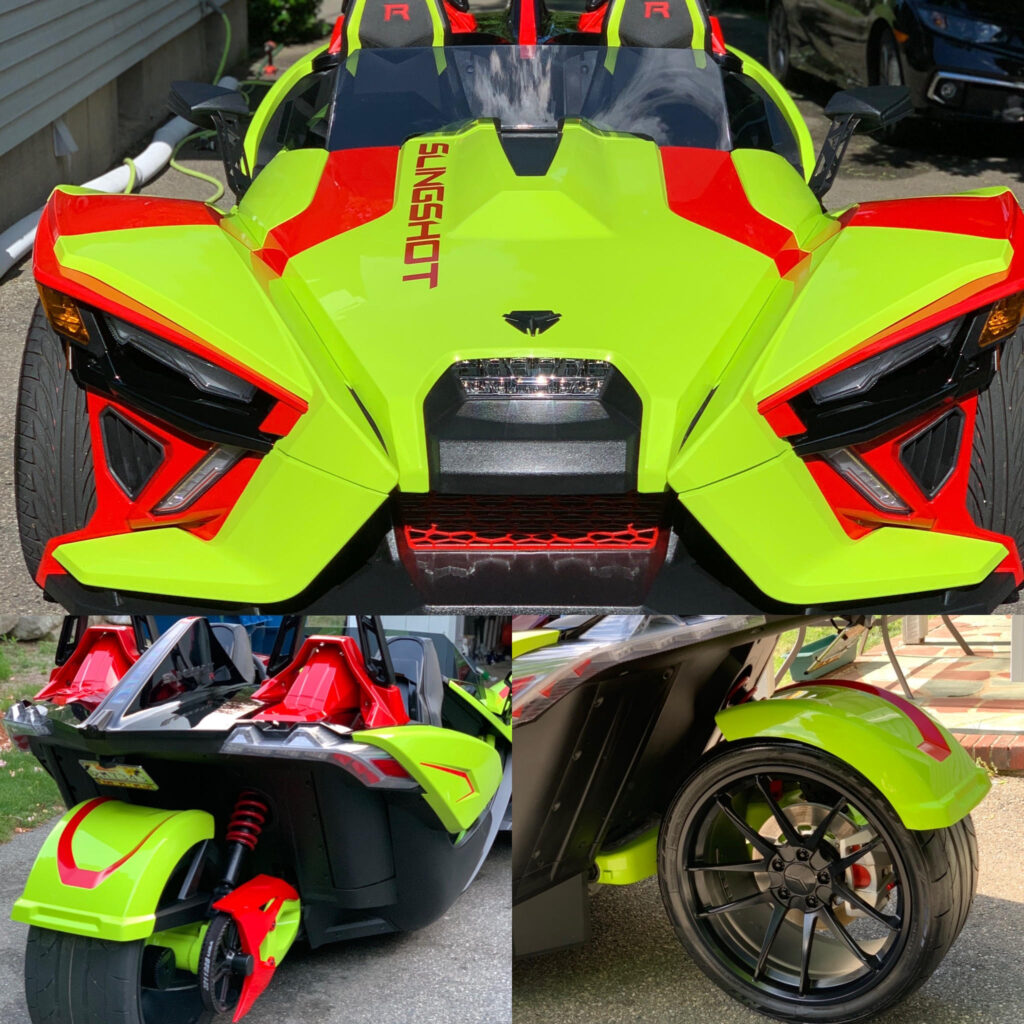
10. **Polaris Slingshot**Now, if you want to turn heads with extreme prejudice, the Polaris Slingshot is your weapon of choice. This thing isn’t just a car; it’s a three-wheeled, open-cockpit spectacle that looks like it escaped from a Hot Wheels convention. Its design is bold, wild, and utterly unique, guaranteeing you’ll be the center of attention wherever you go.
While it definitely offers a fun, sporty feel, the Slingshot unequivocally prioritizes pure, unadulterated style and excitement over mundane concerns like comfort or practicality. This is a machine built for thrills and visual impact, not for grocery runs or long-distance touring. Think of it as a street-legal go-kart on steroids.
You’ll quickly realize that a helmet is usually a mandatory accessory, underscoring its closer kinship to a motorcycle than a traditional car. It’s an experience more than a commute, a ride for short, exhilarating bursts rather than comfortable, insulated journeys. As one commenter wondered, “I guess the performance isn’t as horrible as other cars on the list, but that is a TON of style and I’ve never seen one flying down the highway or a backroad.”
For those who crave a flashy ride that demands attention, the Slingshot certainly delivers. It’s a niche vehicle designed for pure visual drama and the thrill of the open air, a standout on the road for its audacious looks. Just don’t expect it to replace your daily driver, unless your daily drive involves a lot of showing off.
Read more about: Whispers on Wheels: Unveiling the Private Car Choices of Hollywood’s Elite for Their Personal Lives
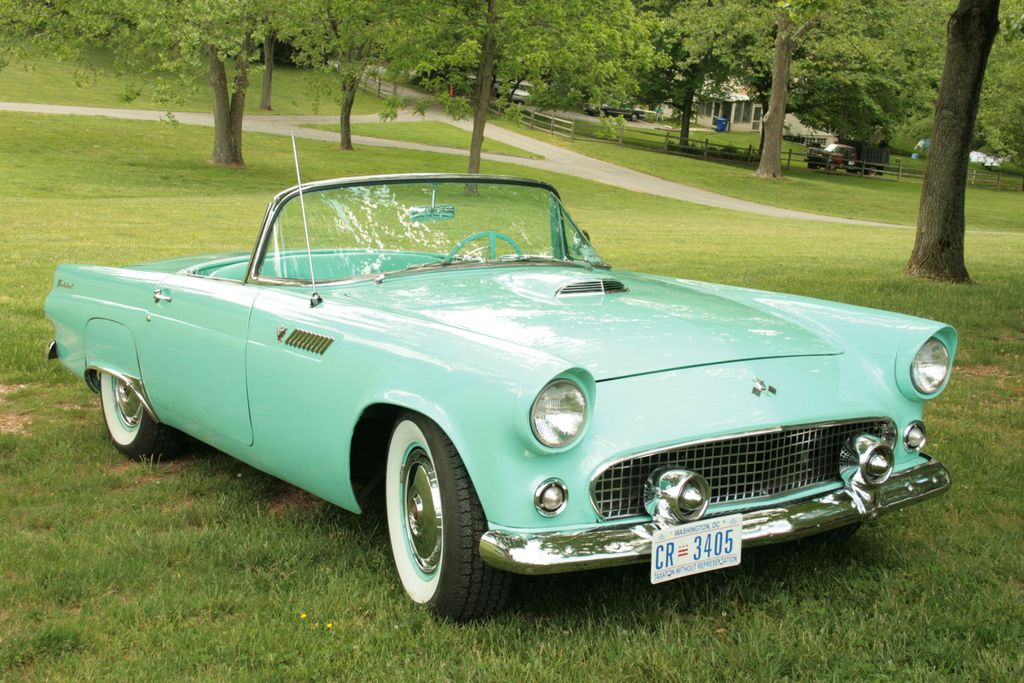
11. **Ford Thunderbird (retro revivals)**Ah, the Ford Thunderbird retro revivals – a noble attempt to recapture the magic of a bygone era. If you’re a fan of classic American style, these cars definitely caught your eye with their sleek lines and iconic silhouette, updated with just enough modern touches to feel contemporary. They were designed to evoke nostalgia, to make you feel like you were cruising into a simpler, cooler time.
However, while the looks undeniably brought back that ’50s and ’60s charm, many found that the performance didn’t quite match the bold design. It was a case where the car was more about reliving memories and enjoying a stylish presence than about delivering raw power or cutting-edge driving dynamics. It looked the part of a powerful cruiser, but didn’t always act like it.
This particular model serves as a prime example of how retro revivals often prioritize visual flair above all else. You were buying a cool, stylish ride with a distinct vintage vibe, a car that made a statement about your appreciation for automotive history. The driving experience, while pleasant enough for cruising, was rarely described as exhilarating.
So, if you were looking for a weekend cruiser that turned heads and transported you back to a different automotive age, the Thunderbird revival certainly delivered. It was a stylish nod to the past, a triumph of aesthetic homage, even if it wasn’t setting any new benchmarks in performance.
Car Model Information: 2003 Ford Thunderbird Premium
Name: Ford Thunderbird
Caption: 1957 Thunderbird
Manufacturer: Ford Motor Company
Production: unbulleted list
ModelYears: unbulleted list
Class: unbulleted list
Layout: Front-engine, rear-wheel drive layout
Categories: 1960s cars, 1970s cars, 1980s cars, 1990s cars, 2000s cars
Summary: The Ford Thunderbird is a personal luxury car manufactured and marketed by Ford Motor Company for model years 1955 to 2005, with a hiatus from 1998 to 2001.
Ultimately gaining a broadly used colloquial nickname, the T-Bird, the model was introduced as a two-seat convertible, subsequently offered variously in a host of body styles including as a four-seat hardtop coupe, four-seat convertible, five-seat convertible and hardtop, four-door pillared hardtop sedan, six-passenger hardtop coupe, and five-passenger pillared coupe, before returning in its final generation, again as a two-seat convertible.
At its inception, Ford targeted the two-seat Thunderbird as an upscale model. The 1958 model year design introduced a rear seat and arguably marked the expansion of a market segment that came to be known as personal luxury cars, positioned to emphasize comfort and convenience over handling and high-speed performance.
Get more information about: Ford Thunderbird
Buying a high-performing used car >>>
Brand: Ford Model: Thunderbird
Price: $13,900 Mileage: 49,430 mi.

12. **Mini Cooper (early 2000s)**When BMW relaunched the Mini in 2001, they nailed the brief: capture the iconic spirit of the classic Mini but modernize it with contemporary style. The result was a car that instantly stood out, brimming with personality and a playful, retro-futuristic aesthetic that charmed drivers worldwide. It was small, it was cheeky, and it was undeniably cool.
Yet, for all its undeniable curb appeal and nimble handling around town, the early 2000s Mini Cooper was never really built to outpace its more serious competitors on the open road. It was fun, yes, but not a performance titan. Its compact size made parking a dream, but the interior space, while cleverly packaged, could still feel a bit tight for some.
This was a car that offered personality in spades. It wasn’t about raw speed or groundbreaking efficiency; it was about the experience, the charm, and the sheer joy of driving something so distinctive. The Mini brand itself became a lifestyle choice, an accessory as much as a mode of transport.
So, while its performance might not have won any drag races, the early Mini Cooper was a masterclass in design and brand reinvention. It proved that sometimes, a car’s character and unforgettable style are far more compelling than its measurable metrics. It truly embodied ‘style over substance’ in the most adorable way.
Car Model Information: 2012 MINI Cooper S Base
Categories: All set index articles, Articles with short description, Set index articles on cars, Short description is different from Wikidata
Summary: Mini Cooper may refer to:
Performance Cars of the original Mini series with uprated drive train and brakes, called the “Mini Cooper”, made by the British Motor Corporation and also the successors 1961–1971, and 1990–2000
Cars of the Mini (marque), including several different models produced by BMW since 2000 with the “Mini Cooper” title:
Mini Hatch, introduced in early 2000, second generation from 2006, third generation from 2014, and fourth generation from 2024, changing the model name to MINI Cooper.
Mini Clubman (2007–2024)
Mini Countryman
Mini Coupé (2011–2015) and Roadster (2012–2015)
Mini Paceman (2012–2016)
Mini Aceman
Get more information about: Mini Cooper
Buying a high-performing used car >>>
Brand: Mini Model: Cooper
Price: $7,987 Mileage: 103,968 mi.
Read more about: The Uncanny Valley of Cinema: Why Modern Action Movies (and So Many Others) All Look the Same
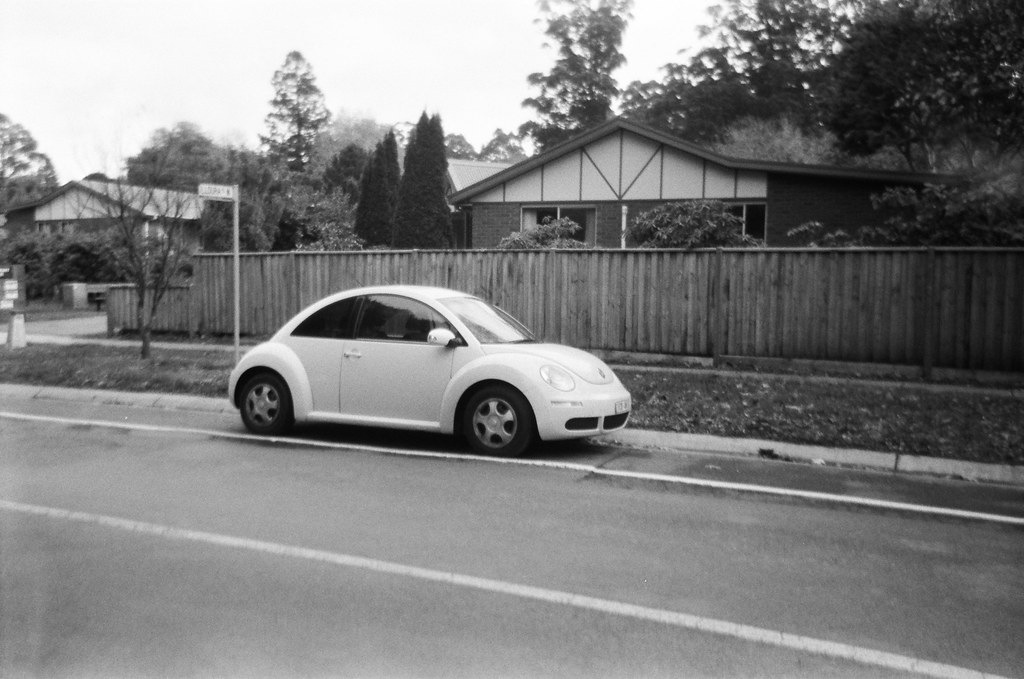
13. **Volkswagen New Beetle**The Volkswagen New Beetle arrived with an undeniable wave of nostalgia, offering a charming, modernized nod to the beloved classic from the 1960s. It was cute, it was cheerful, and it exuded a fun, retro vibe that instantly appealed to a wide audience. This was a car designed to make you smile, to evoke simpler times with its iconic, bubbly silhouette.
However, beneath that endearing exterior, the New Beetle primarily focused on style rather than performance prowess. While it looked the part of a playful roadster, it didn’t exactly set the world on fire with its power or driving excitement. You might have found it a bit anemic compared to other cars in its class, often leaving you wanting more under the hood.
It was a delightful touch for those who loved vintage aesthetics, but you had to manage your expectations when it came to modern car features or exhilarating dynamics. The interior, while unique, often prioritized form over absolute function, reflecting its stylistic leanings. It was a commitment to a look, more than a commitment to a blistering drive.
Ultimately, the Volkswagen New Beetle served as a friendly, fashionable tribute to its heritage. It was a feel-good car, a visual comfort blanket, and a strong reminder that sometimes, simply looking good and charming everyone is substance enough.
Car Model Information: 2021 Maserati Ghibli S Q4 GranSport
Name: Volkswagen New Beetle
Caption: 1998–2005 New Beetle (pre-facelift)
Manufacturer: Volkswagen
Aka: Volkswagen Beetle (Mexico),Volkswagen Bjalla (Iceland)
Production: October 1997 – July 2011
ModelYears: 1998–2010
Assembly: Wolfsburg,Puebla, Puebla,Hai Phong
Designer: J Mays
Class: Compact car
BodyStyle: hatchback
Platform: Volkswagen Group A platform#A4 (PQ34)
Related: Volkswagen Golf Mk4,Volkswagen CityJetta
Layout: Front-engine, front-wheel-drive layout,front-wheel drive,4motion,all-wheel drive
Engine: Straight-4,Multi-valve
Transmission: automatic transmission
Wheelbase: 2515 mm
Abbr: on
Length: 4129 mm
Width: 1721 mm
Height: 59.5 in
Order: flip (convertible)
Predecessor: Volkswagen Beetle
Successor: Volkswagen Beetle (A5)
Categories: 1990s cars, 2000s cars, 2010s cars, All articles with unsourced statements, Articles with short description
Summary: The Volkswagen New Beetle is a compact car introduced by Volkswagen in 1997, drawing heavy inspiration from the exterior design of the original Beetle. Unlike the original Beetle, the New Beetle has its engine in the front, driving the front wheels, with luggage storage in the rear. It received a facelift in 2005 and was in production until 2011, nearly fourteen years since its introduction.
In the 2012 model year, a new Beetle model, the Beetle (A5), replaced the New Beetle. Various versions of this model continued to be produced in Puebla, Mexico, until the final car left the assembly line on 10 July 2019.
Get more information about: Volkswagen New Beetle
Buying a high-performing used car >>>
Brand: Volkswagen Model: New Beetle
Price: $33,440 Mileage: 24,509 mi.
Read more about: Beyond the Rebel Yell: 12 Surprising Facts About James Dean You Never Knew
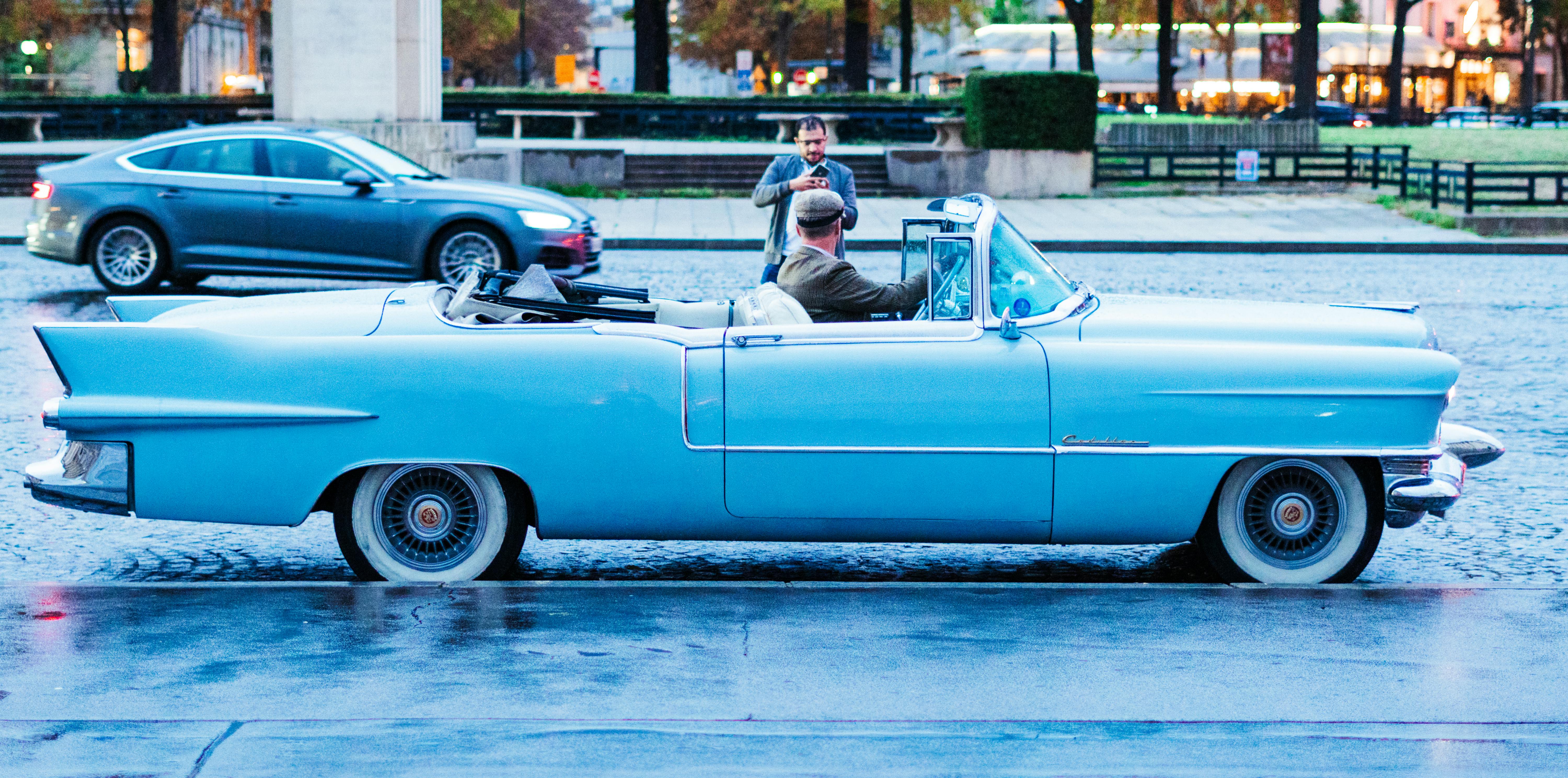
14. **Cadillac Eldorado (retro styling era)**The Cadillac Eldorado from its various “retro styling eras” was a rolling declaration of American luxury and bravado. When you first laid eyes on one, you couldn’t help but notice its bold design choices – the sharp lines, extravagant details, and sheer road presence that announced Cadillac’s determination to stand out. These cars were designed to make an impression, sometimes a colossal one.
The emphasis here was unequivocally on spectacle and making a statement, often at the expense of pure, unadulterated driving performance. You might have appreciated the sumptuous luxury touches within, but some of the features and overall engineering often felt more like style over genuine substance, or at least a quirk of grand ambition.
These Eldorados were built for cruising, for making a grand entrance, and for asserting their undeniable presence on the road. The driving experience, while comfortable and insulated, could sometimes be described as ponderous, with handling that emphasized stately progress over sporty agility. It was an exercise in automotive theater, designed to be seen and admired.
So, for those who valued opulence, distinctive styling, and the sheer audacity of a classic American land yacht, the retro Eldorado delivered. It was a powerful testament to the idea that sometimes, the biggest statement a car can make is purely visual, even if that meant a few engineering eccentricities came along for the ride.
Car Model Information: 1976 Cadillac Eldorado Convertible
Caption: 1963 Cadillac Eldorado Convertible
Name: Cadillac Eldorado
Manufacturer: Cadillac
Production: 1952–2002
Layout: Front-engine, rear-wheel-drive layout
Aka: Cadillac Fleetwood Eldorado
Class: Personal luxury car
Successor: Cadillac CTS
Categories: 1960s cars, 1970s cars, 1980s cars, 1990s cars, 2000s cars
Summary: The Cadillac Eldorado is a luxury car manufactured and marketed by the Cadillac Motor Car Division of General Motors from 1952 until 2002, over twelve generations.
The Eldorado was at or near the top of the Cadillac product line. The original 1953 Eldorado convertible and the Eldorado Brougham models of 1957–1960 had distinct bodyshells and were the most expensive models offered by Cadillac during those years. The Eldorado was never less than second in price after the Cadillac Series 75 limousine until 1966. Beginning in 1967, the Eldorado retained its premium position in the Cadillac price structure, but was manufactured in high volumes on a unique, two-door personal luxury car platform.
The Eldorado carried the Fleetwood designation from 1965 through 1972, and was seen as a modern revival of the pre-war Cadillac V-12 and Cadillac V-16 roadsters and convertibles.
Get more information about: Cadillac Eldorado
Buying a high-performing used car >>>
Brand: Cadillac Model: Eldorado
Price: $28,499 Mileage: 31,898 mi.
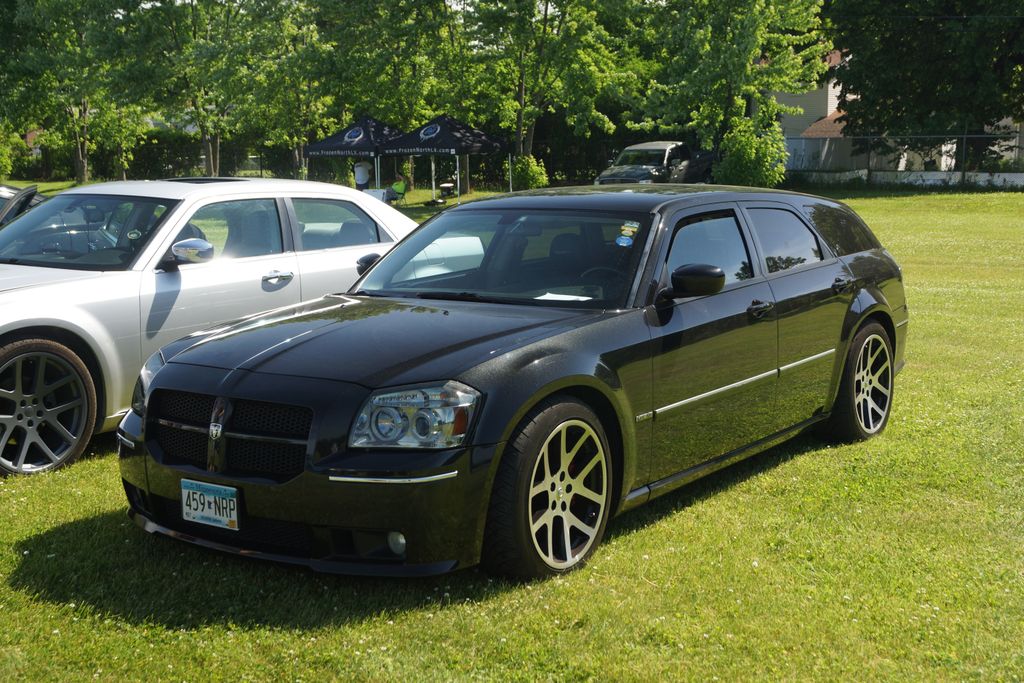
15. **Dodge Magnum**The Dodge Magnum from its retro-inspired iterations truly understood the assignment: grab attention with bold, late-’70s American muscle car vibes. From its aggressive front-end styling to its imposing stance, this car was designed to scream “look at me!” before you even heard its engine. It was an unmistakable presence on the road, a visual throwback to a powerful era.
However, the Magnum’s undeniable appeal was largely rooted in its appearance rather than its performance metrics. While it looked like it could dominate the road, the reality under the hood often told a different story. It projected an image of raw power and speed, but the actual driving experience didn’t always live up to that aggressive promise.
You might have found yourself admiring specific design elements like the rare T-tops or unique “Magnum Force” decals, which further emphasized its stylistic intentions. These touches were all about enhancing the visual impact, reinforcing the car’s cool factor, rather than improving its lap times or cornering ability.
Ultimately, the Dodge Magnum was a cool ride, a stylish homage to a legendary era of American automotive design. But if you were expecting it to truly dominate on the road, matching its aggressive looks with equally aggressive performance, you might have been left wanting. It was a car that looked like a king, even if it drove more like a very stylish duke.
Car Model Information: 2000 Dodge Ram 1500
Name: Dodge Magnum
Caption: 2008 Dodge Magnum SE, Stone White
Production: 1978–1979, 1979–1981,1981–1988, 2005–2008,
ModelYears: 1978–1979,1979–1981,1981–1988,2005–2008
Manufacturer: Chrysler Corporation
Categories: 1980s cars, 2000s cars, All articles with unsourced statements, Articles with short description, Articles with unsourced statements from August 2025
Summary: The Dodge Magnum is a nameplate used by several Dodge vehicles, at different times and on various markets. The name was first applied to a large Chrysler B platform-based 2-door coupe marketed from 1978 to 1979 sold in the United States and Canada. From the 2005 to the 2008 model years, the nameplate was revived for a Charger-based station wagon on the rear-wheel drive Chrysler LX platform, produced in Canada and sold on the American and Canadian market.
In Brazil, the Magnum was a top-of-the-line version of the local Dodge Dart, produced from 1979 to 1981.
In Mexico, the Dodge Magnum was a sporty rear-wheel drive two-door car based on Chrysler’s M-body (American Dodge Diplomat/Plymouth Gran Fury). From 1983 to 1988 Dodge marketed a sporty two-door K-car as the “Magnum”, with an available turbocharger engine from 1984 on.
Get more information about: Dodge Magnum
Buying a high-performing used car >>>
Brand: Dodge Model: Magnum
Price: $11,995 Mileage: 66,331 mi.
As we wrap up this journey through the dazzling yet sometimes disappointing world of style-over-substance cars, it’s clear that automotive design holds an almost hypnotic power. Whether it’s the audaciousness of a Cybertruck, the retro charm of a New Beetle, or the pure spectacle of a Polaris Slingshot, these vehicles prove that looks can often be enough to captivate our hearts and imaginations. They remind us that while performance metrics and practicality are crucial, there’s a unique joy in appreciating a car simply for its visual artistry and the bold statement it makes. Sometimes, just looking amazing is its own kind of substance, and these cars nailed it, even if they couldn’t quite nail the quarter-mile. Now, which one would you pick for a leisurely, head-turning cruise?