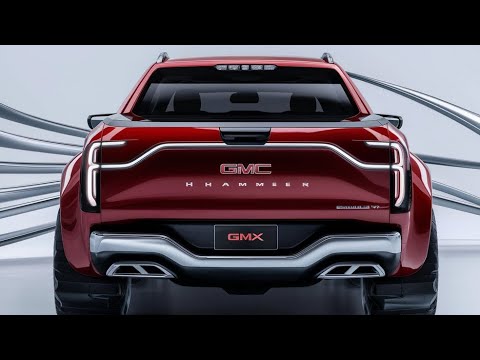
The automotive landscape is undergoing a profound transformation, spearheaded by the advent of electric pickup trucks that promise both formidable utility and sustainable power. In this burgeoning segment, two titans have emerged, each carving a distinct path towards the future: the Ford F-150 Lightning, an electrified iteration of America’s perennial bestseller, and the Tesla Cybertruck, a vehicle that seems to have materialized directly from a sci-fi epic. These aren’t merely new trucks; they represent divergent philosophies on what an electric pickup should be, clashing in a highly anticipated contest for market dominance and consumer loyalty.
For too long, the narrative surrounding the Cybertruck was tightly controlled, shaped by hyperbolic rhetoric and restricted access. However, with enough units now delivered, rigorous, independent evaluations by outlets like MotorTrend, armed with the necessary resources and expertise, have finally brought objective data to the forefront. This critical assessment places the mainstream dual-motor Cybertruck directly against its closest electric lifestyle pickup rivals: the 2022 Truck of the Year-winning Rivian R1T and the 2023 TOTY winner, the Ford F-150 Lightning. Such comprehensive testing allows us to move beyond speculation and delve into the intricate details that truly define these cutting-edge machines.
Our deep dive into these vehicles encompasses a grueling four-day regimen, meticulously measuring objective performance, assessing cargo utility, navigating disparate user interfaces, enduring urban traffic, undertaking demanding towing trials, and even scaling California’s challenging Pilot Rock Trail. This exhaustive comparative analysis seeks to unravel which of these luxury lifestyle electric pickup trucks stands as the most compelling choice for the discerning, forward-thinking consumer, examining every facet from their radical designs to their intricate technological underpinnings. The stage is set for an unprecedented showdown, revealing the true capabilities and practical implications of these electric behemoths.

1. **Design and Aesthetics: A Visual Revolution or Familiarity?**
When it comes to visual identity, the Ford F-150 Lightning and the Tesla Cybertruck could not be more diametrically opposed, embodying two entirely different schools of thought in automotive design. The F-150 Lightning deliberately embraces familiarity, retaining the classic design elements that have defined Ford’s iconic F-series for decades. It shares body panels with its gasoline-powered siblings, ensuring that long-time Ford enthusiasts and traditional truck buyers feel right at home with its conventional pickup appearance, albeit with modern electric enhancements. This approach minimizes the learning curve and appeals to those who prefer a proven aesthetic with an electrified powertrain.
In stark contrast, the Cybertruck is an unapologetic disruptor, boasting a futuristic design characterized by sharp angles, a heavily creased stainless-steel exoskeleton, and a silhouette that is utterly unique in the automotive world. Its unconventional look is inherently polarizing, designed to attract consumers who are drawn to cutting-edge aesthetics and who see their vehicle as a statement of innovation and defiance against traditional norms. This bold departure from established truck design creates a visual spectacle, instantly recognizable and a guaranteed head-turner on any road.
This deliberate aesthetic divergence extends into the interiors as well. The Lightning’s cabin mirrors the conventional F-150 layout, offering a spacious and user-friendly environment with advanced technology integrations that feel intuitive to existing truck owners. It prioritizes comfort and an established sense of luxury. The Cybertruck, on the other hand, embraces an abject minimalism, complementing its radical exterior with a stark, almost spartan interior dominated by an 18.5-inch touchscreen that serves as the central control hub for nearly all vehicle functions. This approach is decidedly digital native, appealing to those who appreciate clean lines and a highly centralized, screen-centric interface, even if it introduces a steeper learning curve for some.
MotorTrend’s observations further highlight this contrast, noting that the F-150 Lightning looks and feels “normal,” making it incredibly easy to acclimate to. Its status as a perennial American bestseller reinforces this sense of familiarity. The Cybertruck, however, actively seeks to disrupt this norm, presenting a learning curve so steep that testers expressed concern for casual users, like Turo renters, who might not receive adequate familiarization. This extends to visibility, where the Cybertruck’s sheer size and unique glazing lead to significant blind spots and a “bunker visibility” that contrasts sharply with the Lightning’s more traditional and practical sightlines.
Car Model Information: 2018 Honda Accord EX
Name: Ford F-150 Lightning
Manufacturer: Ford Motor Company
Related: Ford F-Series (fourteenth generation)
Assembly: Dearborn, Michigan
ModelYears: 2022–present
Production: April 2022 – present
Layout: Dual-motor, four-wheel-drive
Platform: Ford T platform#T3
Class: Pickup truck
Sp: us
Battery: lithium-ion
Motor: permanent magnet motor
ElectricRange: Unbulleted list
Abbr: on (extended battery)
Powerout: Unbulleted list
Charging: Unbulleted list
Designer: Unbulleted list
Wheelbase: cvt
Length: cvt
Width: cvt
Height: cvt
Weight: cvt
Categories: All Wikipedia articles in need of updating, All Wikipedia articles written in American English, All articles containing potentially dated statements, All articles with unsourced statements, Articles containing potentially dated statements from June 2022
Summary: The Ford F-150 Lightning is a battery electric full-size light duty truck unveiled by the Ford Motor Company in May 2021 as part of the fourteenth generation Ford F-Series. Four models have been announced, and all models initially will be dual-motor, four-wheel-drive, with EPA range estimates of 240–320 mi (390–510 km). A commercial-grade version of the all-wheel drive (AWD) truck is sold in the United States, with higher-power/trim/range models also sold. The F-150 Lightning began production on April 26, 2022.
Get more information about: Ford F-150 Lightning
Buying a high-performing used car >>>
Brand: Ford Model: F-150 Lightning
Price: $21,578 Mileage: 36,361 mi.

2. **Performance: Raw Power and Track Dominance**
When it comes to raw acceleration, the electric pickup segment is proving that utility doesn’t have to come at the expense of blistering speed. The dual-motor Cybertruck, positioned as the mid-level variant, effectively splits the power and weight-to-power difference between its rivals, the Rivian R1T and the Ford F-150 Lightning. In MotorTrend’s objective performance tests, this translated into highly competitive straight-line speed. The Cybertruck reached the 60 mph mark in a brisk 3.8 seconds, placing it squarely between the Rivian R1T’s scorching 3.3 seconds—which notably “squealed all four tires”—and the F-150 Lightning’s respectable 4.1 seconds. This demonstrates a formidable capability, pushing the boundaries of what consumers expect from a pickup truck.
The quarter-mile times further underscore these performance hierarchies. The Rivian R1T maintained its lead, clocking in at 12.1 seconds, a testament to its expertly calibrated power delivery. The Cybertruck followed closely behind at 12.4 seconds, showcasing its impressive propulsion system. The F-150 Lightning completed the quarter-mile in 12.8 seconds, still a remarkably quick time for a vehicle of its size and utility. Notably, the Cybertruck posted the highest trap speed in the quarter-mile test, reaching 110.3 mph, marginally outpacing the R1T’s 109.8 mph and significantly exceeding the F-150’s 106.0 mph. This high trap speed suggests substantial power retention through the quarter-mile, indicating robust high-end performance.
Beyond the dual-motor configuration, the Cybertruck’s top-tier Cyberbeast variant promises even more extreme performance, boasting 845 horsepower and an astonishing 0 to 60 mph acceleration in just 2.6 seconds. This places it firmly in supercar territory, utterly redefining expectations for what a pickup truck can achieve. The F-150 Lightning, while not as extreme, offers a potent 580 hp with its extended-range battery, still making it the fastest production F-150 to date. These figures highlight the significant performance advantages that electric powertrains bring to the pickup truck segment, offering a blend of utility and exhilaration previously unimaginable.
Car Model Information: 2024 Tesla Cybertruck All-Wheel Drive
Name: Tesla Cybertruck
Caption: 2024 Tesla Cybertruck, Foundation Series
Manufacturer: Tesla, Inc.
Production: November 2023 – present
ModelYears: 2024–present
Assembly: Austin, Texas
Designer: unbulleted list
Class: Pickup truck
BodyStyle: crew cab
Layout: unbulleted list
Transmission: Single-speed fixed (15:1 ratio)
ElectricRange: cvt
Wheelbase: cvt
Length: cvt
Width: cvt
Height: cvt
Weight: Unbulleted indent list
Sp: us
Charging: unbulleted list
Battery: val
Motor: unbulleted indent list
Categories: 2020s cars, All-wheel-drive vehicles, All Wikipedia articles written in American English, All articles containing potentially dated statements, All articles with unsourced statements
Summary: The Tesla Cybertruck is a battery-electric full-size pickup truck manufactured by Tesla, Inc. since 2023. It was first unveiled as a prototype in November 2019, featuring a distinctive angular design composed of flat, unpainted stainless steel body panels, drawing comparisons to low-polygon computer models.
Originally scheduled for production in late 2021, the vehicle faced multiple delays before entering limited production at Gigafactory Texas in November 2023, with initial customer deliveries occurring later that month. As of 2025, three variants are available: a tri-motor all-wheel drive (AWD) model marketed as the “Cyberbeast”, a dual-motor AWD model, and a single-motor rear-wheel drive (RWD) “Long Range” model. EPA range estimates vary by configuration, from 320 to 350 miles (515 to 565 km).
As of 2025, the Cybertruck is sold in the United States, Mexico, Canada and South Korea. The Cybertruck has been criticized for its production quality and safety concerns while its sales have been described as disappointing.
Get more information about: Tesla Cybertruck
Buying a high-performing used car >>>
Brand: Tesla Model: Cybertruck
Price: $75,395 Mileage: 2,133 mi.
Read more about: All Show, No Go: Unmasking the Classic Muscle Cars That Dazzled with Style But Disappointed on the Dragstrip
3. **Braking Systems: Halting Power Under Pressure**
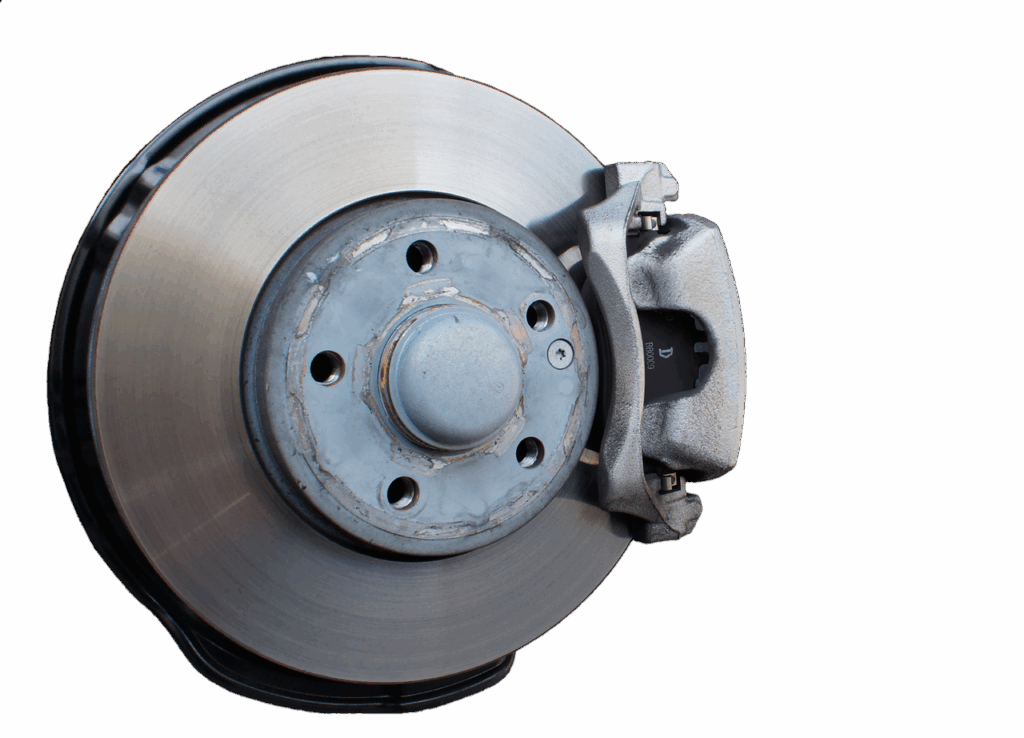
While accelerating rapidly is exhilarating, the ability to stop with precision and consistency is paramount for any vehicle, especially large, heavy electric pickups. In MotorTrend’s braking tests from 60 mph, all three trucks—the Cybertruck, F-150 Lightning, and Rivian R1T—demonstrated tightly clumped stopping distances, indicating a generally high standard across the board. The Ford F-150 Lightning and the Rivian R1T both recorded impressive 123-foot performances, showcasing their effective braking capabilities under ideal conditions. This parity in stopping power is a crucial factor for driver confidence and safety, especially when considering the substantial mass these vehicles carry.
However, nuances emerged under repeated stress. The F-150 Lightning, being the heaviest of the trio, exhibited considerable front-end dive during braking due to its steel suspension. Furthermore, its brake pads started smoking after just one stop, and subsequent stops saw distances stretch by an additional 6–7 feet. This suggests that while capable in a single-stop scenario, the Lightning’s braking system might be more susceptible to fade and reduced performance under sustained, demanding use, which could be a concern for owners who frequently encounter emergency braking situations or tow heavy loads.
The Cybertruck presented a different tactile experience, with its brake pedal feeling softer and traveling farther than those in the other trucks. Despite this, its body control during braking was excellent, a testament to its sophisticated chassis management. Although its stopping distance was slightly longer at 126 feet, the Cybertruck’s brakes demonstrated remarkable consistency, maintaining their performance across multiple stops. This consistency, even with a slightly longer distance, can be reassuring, as it allows drivers to predict and rely on the truck’s braking behavior without unexpected degradation. The Rivian R1T emerged as the standout in this category, offering the best braking performance with a short stroke, a firm pedal feel, and notably, no discernible dive, providing a highly confident and predictable stopping experience.
Car Model Information: 2018 Honda Accord EX
Name: Ford F-150 Lightning
Manufacturer: Ford Motor Company
Related: Ford F-Series (fourteenth generation)
Assembly: Dearborn, Michigan
ModelYears: 2022–present
Production: April 2022 – present
Layout: Dual-motor, four-wheel-drive
Platform: Ford T platform#T3
Class: Pickup truck
Sp: us
Battery: lithium-ion
Motor: permanent magnet motor
ElectricRange: Unbulleted list
Abbr: on (extended battery)
Powerout: Unbulleted list
Charging: Unbulleted list
Designer: Unbulleted list
Wheelbase: cvt
Length: cvt
Width: cvt
Height: cvt
Weight: cvt
Categories: All Wikipedia articles in need of updating, All Wikipedia articles written in American English, All articles containing potentially dated statements, All articles with unsourced statements, Articles containing potentially dated statements from June 2022
Summary: The Ford F-150 Lightning is a battery electric full-size light duty truck unveiled by the Ford Motor Company in May 2021 as part of the fourteenth generation Ford F-Series. Four models have been announced, and all models initially will be dual-motor, four-wheel-drive, with EPA range estimates of 240–320 mi (390–510 km). A commercial-grade version of the all-wheel drive (AWD) truck is sold in the United States, with higher-power/trim/range models also sold. The F-150 Lightning began production on April 26, 2022.
Get more information about: Ford F-150 Lightning
Buying a high-performing used car >>>
Brand: Ford Model: F-150 Lightning
Price: $21,578 Mileage: 36,361 mi.

4. **Handling and Agility: The Figure-Eight Challenge**
The true measure of a vehicle’s dynamic capabilities often lies beyond straight-line acceleration and braking; it’s in how it navigates a combination of cornering, braking, and acceleration on a closed course. The MotorTrend figure-eight test is a crucible for handling, and here, the inherent design and tire choices of each electric pickup played a significant role in their comparative performances. The Rivian R1T, equipped with highway-focused Pirelli Scorpion Zero all-season tires, waltzed to a winning 25.9-second lap with an impressive 0.72 g average. This performance was a substantial 0.9 seconds ahead of the Ford F-150 Lightning and a significant 1.4 seconds better than the Tesla Cybertruck, indicating the R1T’s superior agility and grip in dynamic maneuvers.
One of the contributing factors to the Cybertruck’s performance in this test was its ostensibly off-road-focused Goodyear Wrangler Territory RT tires, which are not optimized for asphalt grip. Furthermore, the test team reported a critical limitation: the inability to switch stability control off in the Tesla. This severely restricted the maximum power available when the steer-by-wire yoke was not pointed straight ahead, hindering its ability to fully exploit its power reserves during cornering. This highlights a potential trade-off in Tesla’s control strategy, prioritizing safety and stability over unbridled dynamic performance, particularly in controlled track environments. The F-150 Lightning, equipped with touring tires, performed adequately but could not match the R1T’s composed and tenacious grip.
Despite the Cybertruck’s relative struggle with outright grip and stability control limitations, Tesla’s innovative steer-by-wire helm, which test-meister Chris Walton quickly acclimated to, received praise for its limited range of motion in this test. This Nintendo Switch-like interface, while unconventional, offers precise control with minimal input, potentially reducing driver fatigue and enhancing maneuverability in certain scenarios. However, the overall performance disparity underscores that for dynamic handling on pavement, tire choice and stability system calibration are paramount, and the Cybertruck’s off-road oriented setup and rigid electronic nannies presented clear disadvantages in this specific metric, even against its own four-motor sibling without the benefit of torque vectoring.
Car Model Information: 2022 Rivian R1T Launch Edition
Name: Rivian R1T
Manufacturer: Rivian
Production: 2021–present
ModelYears: 2022–present
Assembly: Rivian Automotive,LLC
Designer: Jeff Hammoud
Class: Mid-size car,luxury car,pickup truck
BodyStyle: crew cab
Layout: unbulleted list
Related: Rivian R1S
Motor: Alternating current,Permanent magnet motor
Transmission: Single-speed
Battery: kWh,lithium-ion battery
ElectricRange: unbulleted list
Abbr: on
Charging: unbulleted list
Wheelbase: 135.9 in
Length: 217.1 in
Width: 81.8 in
Height: 75.7 in
Weight: cvt
Sp: us
Powerout: unbulleted list
Chassis: Body-on-frame
Categories: All Wikipedia articles written in American English, All articles with vague or ambiguous time, Articles with short description, Commons category link is on Wikidata, Electric trucks
Summary: The Rivian R1T is a battery electric mid-size light duty luxury pickup truck produced by the American company Rivian. The first production R1T was manufactured in Illinois on September 28, 2021, and was delivered to a customer. The official EPA range for the Rivian R1T (MY 2022–2024) ranges from 255–420 miles (410–676 km), depending on drivetrain, battery pack capacity and wheel size.
Get more information about: Rivian R1T
Buying a high-performing used car >>>
Brand: Rivian Model: R1T
Price: $57,488 Mileage: 13,458 mi.
5. **Range and Charging Ecosystems: Miles on the Road and Recharging Strategy**
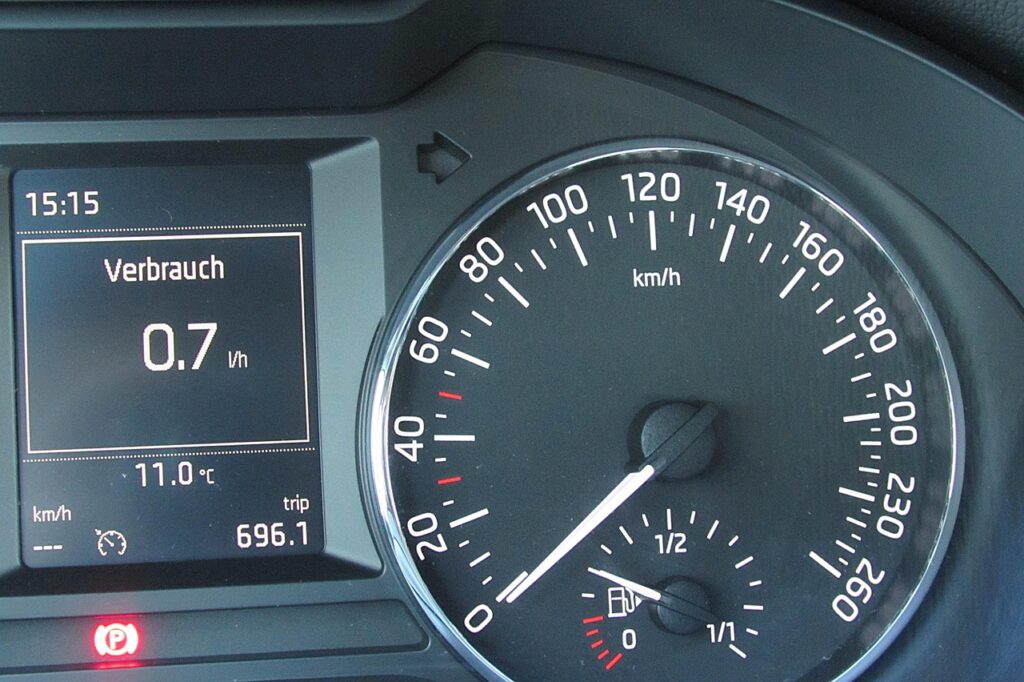
For any electric vehicle, particularly those designed for utility and adventure, range and the convenience of charging are critical considerations for prospective owners. On paper, all three contenders—the Rivian R1T, Tesla Cybertruck, and Ford F-150 Lightning—clear the impressive 300-mile range barrier, alleviating many range anxiety concerns. The Rivian’s substantial 141-kWh battery pack initially gives it an 80-mile theoretical advantage over the Ford. However, real-world testing often tells a different story. In MotorTrend’s 70-mph MT Road-Trip Range test, which utilizes 95 percent of a full charge, the Rivian R1T delivered a robust 264 miles. The Tesla Cybertruck and the Ford F-150 Lightning notched very similar real-world figures of 224 and 222 miles, respectively, on the open road, narrowing the perceived gap significantly and bringing practicality to the forefront.
When it comes to recharging, the infrastructure and charging speed become pivotal. At Tesla’s Superchargers, the Cybertruck’s preconditioned battery can accept 250 kW of power within a minute of plugging in, offering the most range of the trio after a swift 15 minutes of charging. This rapid initial charge provides a significant advantage for quick top-ups during long journeys. However, for extended charging sessions, the Rivian R1T’s flatter power curve allows it to add more miles at the 30- and 45-minute marks, indicating a more sustained charging rate over time. The F-150 Lightning, while not leading in speed, also offers competitive charging solutions, with its 80-amp AC charging capable of a full charge in about eight hours.
Historically, Tesla’s Supercharger network provided an unmatched advantage for long-distance travel. This landscape is rapidly changing, as Rivians and Fords can now plug into most Superchargers using an adapter, democratizing access to this once-exclusive network. Ironically, as of the writing of the context, the Cybertruck isn’t compatible with CCS stations, which means the Rivian R1T and F-150 Lightning actually offer more places to plug in overall. This broader compatibility provides a practical edge for non-Tesla electric truck owners. The context also notes that if Ford were to refine the Lightning’s in-car route planner to intelligently avoid slow or unreliable stations, it would represent a significant user experience coup, further enhancing its long-distance charging appeal and convenience for drivers.
Car Model Information: 2022 Rivian R1T Launch Edition
Name: Rivian R1T
Manufacturer: Rivian
Production: 2021–present
ModelYears: 2022–present
Assembly: Rivian Automotive,LLC
Designer: Jeff Hammoud
Class: Mid-size car,luxury car,pickup truck
BodyStyle: crew cab
Layout: unbulleted list
Related: Rivian R1S
Motor: Alternating current,Permanent magnet motor
Transmission: Single-speed
Battery: kWh,lithium-ion battery
ElectricRange: unbulleted list
Abbr: on
Charging: unbulleted list
Wheelbase: 135.9 in
Length: 217.1 in
Width: 81.8 in
Height: 75.7 in
Weight: cvt
Sp: us
Powerout: unbulleted list
Chassis: Body-on-frame
Categories: All Wikipedia articles written in American English, All articles with vague or ambiguous time, Articles with short description, Commons category link is on Wikidata, Electric trucks
Summary: The Rivian R1T is a battery electric mid-size light duty luxury pickup truck produced by the American company Rivian. The first production R1T was manufactured in Illinois on September 28, 2021, and was delivered to a customer. The official EPA range for the Rivian R1T (MY 2022–2024) ranges from 255–420 miles (410–676 km), depending on drivetrain, battery pack capacity and wheel size.
Get more information about: Rivian R1T
Buying a high-performing used car >>>
Brand: Rivian Model: R1T
Price: $57,488 Mileage: 13,458 mi.

6. **Towing Capabilities: Hauling Heavy Loads**
For pickup trucks, regardless of their propulsion system, towing capacity remains a cornerstone of their utility and appeal. On paper, both the Rivian R1T and the Tesla Cybertruck boast an impressive rated capacity of 11,000 pounds, surpassing lower-spec F-150 Lightnings by a significant 1,000 pounds. The F-150 Lightning Platinum, for comparison, is rated for 8,500 pounds, although some models can reach 10,000 pounds. While these figures are formidable, MotorTrend realistically surmised that “few owners will have the patience to tow very much or very far” with electric vehicles, due to the inherent range reductions that occur during heavy towing.
To put these capacities to the test, MotorTrend hitched a lithe, 3,170-pound, aero-slippery Bowlus Volterra camping trailer to each truck. They embarked on a 110-mile loop, comprising 65 percent highway and 35 percent rural roads, maintaining an average speed of 50 mph. In this real-world towing test, the range dropped by approximately a third in both the Ford and Tesla, while the Rivian saw a quarter reduction. This meant each truck ended up at roughly half its EPA combined range figure, illustrating the significant impact towing has on electric vehicle efficiency. This empirical data is crucial for prospective buyers, highlighting that even lightweight trailers drastically affect travel distance.
Despite the relatively featherweight nature of the trailers, the test revealed significant differences in towing dynamics. The Ford and Tesla were “kicked around” considerably on a lumpy stretch of pavement, suggesting less composed trailer management under uneven road conditions. In stark contrast, the Rivian R1T felt “imperturbable,” maintaining remarkable stability and control throughout the test. The R1T also offered intuitive features like a screen displaying estimated trailer weight, towing efficiency, and range, alongside integrated trailer-brake gain adjustment. The Cybertruck, while struggling with stability, shone in the ease of reversing the trailer, thanks to its rear-wheel and variable-ratio steer-by-wire steering system, which allowed for precise placement. However, its “kooky triangle mirrors” were deemed antithetical to towing, and the deeply inset hitch location posed compatibility issues for variable-height ball adapters. Additionally, its rearview camera lacked the essential trailer-hitch aligning line provided by the other trucks. Ford earned praise for its automated trailer hitch alignment and reversing features, though it failed to detect trailer disconnection, continuously estimating towing range until manually reset.
Car Model Information: 2022 Rivian R1T Launch Edition
Name: Rivian R1T
Manufacturer: Rivian
Production: 2021–present
ModelYears: 2022–present
Assembly: Rivian Automotive,LLC
Designer: Jeff Hammoud
Class: Mid-size car,luxury car,pickup truck
BodyStyle: crew cab
Layout: unbulleted list
Related: Rivian R1S
Motor: Alternating current,Permanent magnet motor
Transmission: Single-speed
Battery: kWh,lithium-ion battery
ElectricRange: unbulleted list
Abbr: on
Charging: unbulleted list
Wheelbase: 135.9 in
Length: 217.1 in
Width: 81.8 in
Height: 75.7 in
Weight: cvt
Sp: us
Powerout: unbulleted list
Chassis: Body-on-frame
Categories: All Wikipedia articles written in American English, All articles with vague or ambiguous time, Articles with short description, Commons category link is on Wikidata, Electric trucks
Summary: The Rivian R1T is a battery electric mid-size light duty luxury pickup truck produced by the American company Rivian. The first production R1T was manufactured in Illinois on September 28, 2021, and was delivered to a customer. The official EPA range for the Rivian R1T (MY 2022–2024) ranges from 255–420 miles (410–676 km), depending on drivetrain, battery pack capacity and wheel size.
Get more information about: Rivian R1T
Buying a high-performing used car >>>
Brand: Rivian Model: R1T
Price: $57,488 Mileage: 13,458 mi.
Read more about: Beyond the Sticker Price: A Comprehensive Consumer Reports Guide to the 2015 Ford F-150’s True Cost and Value

7. **Off-Road Aptitude: Conquering the Wild or Sticking to Pavement?**
Prior to its official launch, the Cybertruck was frequently heralded as an almost indestructible, apocalypse-proof vehicle, designed to traverse any terrain. Its aggressive Goodyear Wrangler Territory RT tires, with their distinctively gnarly look, certainly reinforce this rugged perception. However, real-world testing on challenging trails quickly revealed a different story; these tires, with a shallower tread depth of 9/32 versus 14/32 of an inch on comparable Chevy Silverado 1500 ZR2 support vehicles, rapidly caked with dirt. This led to them sliding across muddy slopes and spinning precisely where other trucks, even those with ostensibly more on-road oriented tires, found ample grip. This stark performance difference suggests that true off-road enthusiasts should factor in a tire upgrade, accepting a potential trade-off in on-road grip and energy efficiency.
Adding to the Cybertruck’s off-road challenges are its camera systems, which prove less effective than ideal for precise navigation on difficult terrain. The forward camera’s fish-eye view is aimed too far ahead, making it impractical for accurately placing tires on specific obstacles, a crucial element in technical off-roading. Similarly, the B-pillar cameras, pointing at the backs of the front tires, offer little to no additional utility for obstacle avoidance. While the F-150’s forward camera is better aimed, it also suffers from intermittent failures during back-and-forth maneuvers and shuts off above 5 mph, indicating that neither vehicle has fully mastered the art of off-road camera assistance.
One particularly demanding V-notch trail, featuring a large boulder and extreme frame twists, underscored the Cybertruck’s limitations. Lacking activated locking differentials—despite claims of their installation—the Cybertruck struggled significantly on this obstacle. Furthermore, Tesla’s control strategy does not permit the nuanced technique of gently releasing the brake while simultaneously squeezing the accelerator, a method vital for controlled progress in challenging off-road scenarios, as power is simply cut if both pedals are pressed. Compounding these issues, the Cybertruck notably lacks a spare tire and crucial assist handles, which are essential for climbing aboard when the suspension is jacked up, raising serious questions about its practical expedition readiness.
In stark contrast, both the Ford F-150 Lightning and the Rivian R1T demonstrated superior off-road capabilities in the same demanding environment. The F-150, despite its tires coming off the ground almost as much as the Cybertruck’s, maintained steady progress thanks to its effective rear locker. The Rivian R1T stood out further, with its abundant suspension articulation ensuring its rubber remained consistently on the ground, while its braking system adeptly managed traction. These observations clearly highlight the Cybertruck’s current shortcomings in extreme off-roading, suggesting that its “apocalypse-proof” image requires significant practical enhancements to live up to the hype.
Car Model Information: 2024 Tesla Cybertruck All-Wheel Drive
Name: Tesla Cybertruck
Caption: 2024 Tesla Cybertruck, Foundation Series
Manufacturer: Tesla, Inc.
Production: November 2023 – present
ModelYears: 2024–present
Assembly: Austin, Texas
Designer: unbulleted list
Class: Pickup truck
BodyStyle: crew cab
Layout: unbulleted list
Transmission: Single-speed fixed (15:1 ratio)
ElectricRange: cvt
Wheelbase: cvt
Length: cvt
Width: cvt
Height: cvt
Weight: Unbulleted indent list
Sp: us
Charging: unbulleted list
Battery: val
Motor: unbulleted indent list
Categories: 2020s cars, All-wheel-drive vehicles, All Wikipedia articles written in American English, All articles containing potentially dated statements, All articles with unsourced statements
Summary: The Tesla Cybertruck is a battery-electric full-size pickup truck manufactured by Tesla, Inc. since 2023. It was first unveiled as a prototype in November 2019, featuring a distinctive angular design composed of flat, unpainted stainless steel body panels, drawing comparisons to low-polygon computer models.
Originally scheduled for production in late 2021, the vehicle faced multiple delays before entering limited production at Gigafactory Texas in November 2023, with initial customer deliveries occurring later that month. As of 2025, three variants are available: a tri-motor all-wheel drive (AWD) model marketed as the “Cyberbeast”, a dual-motor AWD model, and a single-motor rear-wheel drive (RWD) “Long Range” model. EPA range estimates vary by configuration, from 320 to 350 miles (515 to 565 km).
As of 2025, the Cybertruck is sold in the United States, Mexico, Canada and South Korea. The Cybertruck has been criticized for its production quality and safety concerns while its sales have been described as disappointing.
Get more information about: Tesla Cybertruck
Buying a high-performing used car >>>
Brand: Tesla Model: Cybertruck
Price: $75,395 Mileage: 2,133 mi.

8. **Cargo Solutions: Utility, Innovation, and Practicality**
When it comes to cargo carrying, the Ford F-150 Lightning benefits immensely from Ford’s many decades of class dominance and extensive experience in truck design. Its bed is not only capacious but also highly accessible, featuring a power-opening and -closing tailgate complete with a pull-out step—a testament to thoughtful engineering aimed at enhancing user convenience. Critically, tie-downs are strategically placed exactly where an owner would need them, and both the bed and the front trunk (frunk) are generously sized and equipped with practical power outlets. Moreover, the design allows taller individuals to comfortably reach over the side rails to access items within the bed, reflecting a deep understanding of real-world truck usage.
The Rivian R1T, while undeniably innovative, presents a different approach to cargo management, aligning with its outdoor adventure mission. Its storage compartments are generally smaller than those of its competitors, necessitating the use of the unique gear tunnel to accommodate test and photo equipment that would easily stow under the tonneaus of the Ford and Tesla. While its numerous stowage bins are well-suited for smaller adventure-related gear, the in-bed spare tire proves exceptionally cumbersome to extract, and the absence of climbing assists makes accessing the bed more challenging. Although it lacks a 240-volt outlet, a built-in air compressor offers a practical convenience for adventurers.
The Tesla Cybertruck offers its own distinctive solutions for cargo, which, like its overall design, prioritizes innovation but sometimes at the expense of traditional utility. Our gear stacked taller in the Cybertruck’s bed, a characteristic that conveniently made issues with rear visibility moot, given its inherent limitations in that regard. The L-track bed rail system provides versatile tie-down accessories, but users must remember to position front-of-bed ratchet straps before loading, as access becomes impossible once the bed is full. Furthermore, the heavily creased stainless-steel side rails, while contributing to its unique aesthetic, prevent the easy shoveling of materials like mulch over the side, a common practice in other trucks. The integrated roller-shutter tonneau cover provides excellent security, and the body’s reported ability to withstand bullets adds to its rugged, if unverified, mystique.
Ford’s Mega Power Frunk is a standout feature, demonstrating a highly practical application of the space liberated by an electric powertrain. Measuring an impressive 14.1 cubic feet, it’s larger than the trunk of a Toyota Corolla sedan, offering substantial secure storage. This front trunk is further enhanced with multiple 120-volt outlets, along with USB-A and USB-C ports, transforming it into a versatile power hub for tools, camping gear, or even tailgating essentials. This thoughtful integration of power and storage in an easily accessible location adds significant value and flexibility, underscoring the Lightning’s commitment to robust, everyday utility.
Car Model Information: 2024 Honda Civic LX
Name: Ford F-150 Lightning
Manufacturer: Ford Motor Company
Related: Ford F-Series (fourteenth generation)
Assembly: Dearborn, Michigan
ModelYears: 2022–present
Production: April 2022 – present
Layout: Dual-motor, four-wheel-drive
Platform: Ford T platform#T3
Class: Pickup truck
Sp: us
Battery: lithium-ion
Motor: permanent magnet motor
ElectricRange: Unbulleted list
Abbr: on (extended battery)
Powerout: Unbulleted list
Charging: Unbulleted list
Designer: Unbulleted list
Wheelbase: cvt
Length: cvt
Width: cvt
Height: cvt
Weight: cvt
Categories: All Wikipedia articles in need of updating, All Wikipedia articles written in American English, All articles containing potentially dated statements, All articles with unsourced statements, Articles containing potentially dated statements from June 2022
Summary: The Ford F-150 Lightning is a battery electric full-size light duty truck unveiled by the Ford Motor Company in May 2021 as part of the fourteenth generation Ford F-Series. Four models have been announced, and all models initially will be dual-motor, four-wheel-drive, with EPA range estimates of 240–320 mi (390–510 km). A commercial-grade version of the all-wheel drive (AWD) truck is sold in the United States, with higher-power/trim/range models also sold. The F-150 Lightning began production on April 26, 2022.
Get more information about: Ford F-150 Lightning
Buying a high-performing used car >>>
Brand: Ford Model: F-150 Lightning
Price: $25,547 Mileage: 18,825 mi.
Read more about: Driving Forward: The 15 Must-Have Car Accessories Drivers Are Actually Using in 2025

9. **Living With Each Truck: The Daily Drive and User Experience**
Spending time behind the wheel of the Ford F-150 Lightning reveals a vehicle that is remarkably easy to acclimate to. Having spent a year or more with two Lightning models, our testers consistently noted how “normal” it looks and feels, ensuring a seamless transition for anyone familiar with America’s perennial best-selling truck. This immediate sense of familiarity, coupled with a well-established interior layout and intuitive controls, minimizes the learning curve and allows owners to quickly feel at home, whether navigating urban traffic or embarking on longer journeys. It’s a design philosophy that prioritizes user comfort and established expectations.
In stark contrast, the Cybertruck demands a fundamental reorientation from its drivers, presenting a learning curve so steep that it raises genuine concerns for casual users, such as those renting through services like Turo, who may not receive adequate familiarization. Imagine venturing into a large puddle and experiencing complete visibility obstruction from the splash, only to realize that activating the “giga-wiper” requires a two-step process: first, thumbing a tiny button on the steering wheel, then looking down at the central screen to select a wiper setting from a pop-up menu. These intricacies, while potentially mastered by daily drivers, represent a significant departure from conventional truck operation and can be bewildering in critical moments.
Beyond control activation, the Cybertruck’s unique design creates substantial visibility challenges. Given the sheer size and surface area of its glazing, the truck is remarkably difficult to see out of, earning it the descriptor “bunker visibility.” The thick A- and B-pillars obscure significant portions of the driver’s view, particularly when turning. Even with the tonneau cover open, incurring a 10 percent aero penalty, the rear offers only a “gun-slit view” of what’s directly behind. The laughably small inside rearview mirror provides little utility, showing only the tires and bumper of a following vehicle for anyone over 5 feet tall. Tesla’s current “fix” — a similarly small rearview camera image projected at the top of the center screen — is an insufficient substitute, prompting strong encouragement for the implementation of a proper, full-size digital rearview mirror in a conventional location.
Even our resident Model Y chaperone, deeply fluent in Tesla’s control strategies, found various Cybertruck functions tricky to discover and remember, highlighting that these idiosyncrasies extend beyond mere novelty. While daily owners may eventually master these differences, the experience for cohabitants or occasional users remains a significant hurdle. Meanwhile, the Rivian R1T, while generally intuitive, is not without its own “infuriating faults,” chiefly cited as the absence of a resume function for the cruise control and a lack of lane centering capabilities on unmapped highways, pointing to ongoing refinements needed across the board in the evolving electric truck segment.
Read more about: Tesla’s Groundbreaking 2025 Updates: Unveiling 14 Hidden Features Redefining the Driving Experience

10. **Comfort and Convenience: Crafting the Cabin Experience**
The F-150 Lightning Platinum trim embodies traditional luxury and an abundance of conveniences, offering a cabin environment designed for maximum comfort and familiarity. It spoils occupants with rich leather upholstery, elegantly accented with contrast stitching and tasteful wood trim. Advanced features like Ford’s BlueCruise hands-free highway driving system underscore its commitment to reducing driver fatigue on long hauls. Furthermore, heated and cooled seating throughout, plush multi-adjustable seats, and integrated parking sensors collectively create a sophisticated and effortlessly comfortable experience, mirroring the high standards expected from a top-tier F-Series truck.
In stark contrast, the Tesla Cybertruck delivers an aesthetic of “abject minimalism,” reflecting its radical exterior design within its cabin. The interior features ultra-bright white contrast upholstery, thoughtfully accented with subtle LED lighting, creating a modern, almost stark environment. The three-place rear bench provides lateral support for the center rider, though the seats are noticeably firmer than those found in the Ford. Rear-seat passengers are treated to their own dedicated screen, and with Tesla’s Premium Connectivity package, they can enjoy a suite of entertainment options including video or music streaming, “Caraoke,” and internet browsing, cellular LTE signal permitting, transforming the rear cabin into a mobile entertainment hub.
The Rivian R1T positions itself intelligently, bridging the gap between the Lightning’s traditional opulence and the Cybertruck’s stark minimalism. Its interior design incorporates plenty of open-pore wood, luxurious leather, and genuine metal accents, creating a refined yet adventure-ready atmosphere. The inclusion of sisal-look floormats further hints at its rugged outdoor mission while maintaining a premium feel. While Rivian currently includes LTE connectivity, it plans to transition to a subscription model, aligning with practices already adopted by Tesla and Ford. Notably, Ford’s screen also includes several engaging games designed to amuse front occupants during charging sessions, adding a touch of playful convenience.
Car Model Information: 2024 Honda Civic LX
Name: Ford F-150 Lightning
Manufacturer: Ford Motor Company
Related: Ford F-Series (fourteenth generation)
Assembly: Dearborn, Michigan
ModelYears: 2022–present
Production: April 2022 – present
Layout: Dual-motor, four-wheel-drive
Platform: Ford T platform#T3
Class: Pickup truck
Sp: us
Battery: lithium-ion
Motor: permanent magnet motor
ElectricRange: Unbulleted list
Abbr: on (extended battery)
Powerout: Unbulleted list
Charging: Unbulleted list
Designer: Unbulleted list
Wheelbase: cvt
Length: cvt
Width: cvt
Height: cvt
Weight: cvt
Categories: All Wikipedia articles in need of updating, All Wikipedia articles written in American English, All articles containing potentially dated statements, All articles with unsourced statements, Articles containing potentially dated statements from June 2022
Summary: The Ford F-150 Lightning is a battery electric full-size light duty truck unveiled by the Ford Motor Company in May 2021 as part of the fourteenth generation Ford F-Series. Four models have been announced, and all models initially will be dual-motor, four-wheel-drive, with EPA range estimates of 240–320 mi (390–510 km). A commercial-grade version of the all-wheel drive (AWD) truck is sold in the United States, with higher-power/trim/range models also sold. The F-150 Lightning began production on April 26, 2022.
Get more information about: Ford F-150 Lightning
Buying a high-performing used car >>>
Brand: Ford Model: F-150 Lightning
Price: $25,547 Mileage: 18,825 mi.
Read more about: The Indispensable Arsenal: Unpacking the Ultimate Tool Kit for Every Man (And What’s Missing From Yours)

11. **Strategic Pricing and Value: The Investment Perspective**
The Ford F-150 Lightning is strategically priced to offer a more accessible entry point into the burgeoning electric pickup market, aiming to appeal to a broader segment of consumers, particularly those accustomed to traditional gasoline-powered F-150s. The base model, the Pro trim, starts at approximately $49,875 (2025 model year data), making it a relatively budget-friendly option within the electric truck segment. Higher trims, such as the Lariat Extended Range, are priced around $85,974. With potential incentives, such as a $7,500 federal tax rebate, the effective price can be further reduced, positioning the Lightning competitively and making the transition to an electric pickup more financially feasible for many traditional truck buyers. This approach minimizes the financial leap for those embracing electrification.
Ford’s value proposition for the F-150 Lightning is deeply rooted in familiarity, utility, and an established ecosystem. It maintains the recognizable design and robust functionality of Ford’s best-selling F-150 lineup, ensuring a seamless transition for existing customers. The truck offers practical features such as a spacious interior, the innovative Mega Power Frunk, and advanced towing capabilities, all backed by Ford’s extensive charging network, which now includes access to most Superchargers via an adapter. These attributes collectively cater to users who prioritize the reliability and proven functionality of traditional pickups while embracing the undeniable benefits of electrification, leading to a favorable total cost of ownership through savings in fuel and maintenance over time.
The Tesla Cybertruck, in stark contrast, adopts a premium pricing approach that aligns with its position as a high-tech, futuristic offering. The Dual Motor All-Wheel Drive model starts at a higher price point of $82,235 (2025 model year data), while the top-tier Cyberbeast variant commands a price up to $102,235. This pricing strategy reflects not only its advanced features and cutting-edge performance capabilities but also its unique and highly distinctive design. It positions the Cybertruck as a luxury-lifestyle electric pickup, specifically targeting early adopters and tech enthusiasts who are willing to invest in groundbreaking technology and an aesthetic that defies conventional automotive norms.
The Cybertruck’s value proposition is centered around innovation, a distinctive aesthetic, and state-of-the-art performance technology. Its features include an impressive maximum towing capacity of 11,000 pounds, superior to the Lightning’s 10,000 pounds, and a suite of advanced performance technologies like steer-by-wire and an adaptive air suspension. These elements appeal strongly to consumers who seek a vehicle that combines formidable utility with a genuinely futuristic design and leading-edge technology. However, it’s important to acknowledge that its unconventional, polarizing design has not resonated universally with traditional truck buyers, and production challenges have undeniably impacted its availability and market perception since its initial reveal.
Car Model Information: 2024 Honda Civic LX
Name: Ford F-150 Lightning
Manufacturer: Ford Motor Company
Related: Ford F-Series (fourteenth generation)
Assembly: Dearborn, Michigan
ModelYears: 2022–present
Production: April 2022 – present
Layout: Dual-motor, four-wheel-drive
Platform: Ford T platform#T3
Class: Pickup truck
Sp: us
Battery: lithium-ion
Motor: permanent magnet motor
ElectricRange: Unbulleted list
Abbr: on (extended battery)
Powerout: Unbulleted list
Charging: Unbulleted list
Designer: Unbulleted list
Wheelbase: cvt
Length: cvt
Width: cvt
Height: cvt
Weight: cvt
Categories: All Wikipedia articles in need of updating, All Wikipedia articles written in American English, All articles containing potentially dated statements, All articles with unsourced statements, Articles containing potentially dated statements from June 2022
Summary: The Ford F-150 Lightning is a battery electric full-size light duty truck unveiled by the Ford Motor Company in May 2021 as part of the fourteenth generation Ford F-Series. Four models have been announced, and all models initially will be dual-motor, four-wheel-drive, with EPA range estimates of 240–320 mi (390–510 km). A commercial-grade version of the all-wheel drive (AWD) truck is sold in the United States, with higher-power/trim/range models also sold. The F-150 Lightning began production on April 26, 2022.
Get more information about: Ford F-150 Lightning
Buying a high-performing used car >>>
Brand: Ford Model: F-150 Lightning
Price: $25,547 Mileage: 18,825 mi.
Read more about: The Unseen Cost: How Your Car’s Color Choice Significantly Impacts Its Resale Value

12. **Critical Safety Features: Protecting Occupants and Pedestrians**
Safety is a paramount concern for any vehicle, especially large, heavy electric pickup trucks, and recent independent evaluations have shed significant light on how these vehicles perform under duress. The Insurance Institute for Highway Safety (IIHS) released a video comparing the crash test performance of the Cybertruck and the F-150 Lightning, with a notable outcome. The Cybertruck earned a “Good” rating in the updated moderate overlap front crash test, while the F-150 Lightning received a “Poor” rating. Raul Arbelaez, Vice President of the IIHS Vehicle Research Center, highlighted major concerns for rear-seated occupants in the Lightning, citing issues such as the side curtain airbag getting caught on the B-pillar, high neck tension on the rear dummy, elevated chest injury measures, and seatbelt submarining, which can cause soft tissue injuries in the abdominal region.
The Cybertruck’s performance in these rigorous tests proved to be a “different story,” as Arbelaez noted, performing “really well.” It outshone the Lightning in several critical categories, specifically in rear passenger injury measures for both head/neck and thigh, as well as driver injury measures concerning the leg/foot. Furthermore, the Cybertruck demonstrated superior rear passenger restraints and dummy kinematics, along with better ease of use for seat belts and child restraints (LATCH). This comprehensive performance was sufficient to earn it a coveted “Good” rating in this highly challenging crash scenario, reinforcing its robust structural integrity and occupant protection capabilities.
Beyond occupant protection, both trucks were also evaluated for pedestrian crash avoidance, an increasingly important metric in modern vehicle safety. In this regard, both vehicles performed commendably. The Cybertruck excelled, successfully avoiding every crash scenario during both daytime and nighttime testing, showcasing its advanced sensor suite and autonomous emergency braking systems. The F-150 Lightning also earned an overall “Good” rating in this category, demonstrating strong performance, though it was unable to avoid every impact scenario, indicating a slight edge for the Tesla in this specific aspect of active safety.
One area where the Cybertruck received a setback was in its headlight performance, earning a “Poor” rating from the IIHS due to excessive glare. This is a crucial detail, as effective and properly aimed headlights are vital for nighttime visibility and preventing hazards for oncoming drivers. However, the IIHS noted that this issue should be “relatively easy to fix,” suggesting a software or minor hardware adjustment could resolve it. In comparison, the F-150 Lightning received an “Acceptable” rating for its headlights, indicating a more balanced performance in this area. Despite this minor flaw, the Cybertruck’s overall safety record continues to grow impressively, having previously secured five-star safety ratings for both driver and passenger, as well as an overall five-star rating from the National Highway Traffic Safety Administration (NHTSA).
Read more about: Consumer Reports Guide: Top 14 Cars of 2024-2025 Redefining Safety with Cutting-Edge Technology and Unbiased Crash Test Results
Ultimately, the choice between these electric behemoths transcends simple specifications. It’s a testament to diverging visions for the future of utility vehicles. The Ford F-150 Lightning offers a reassuring embrace of tradition, subtly electrified, providing a familiar yet powerful path for loyalists. The Tesla Cybertruck, on the other hand, is a bold, disruptive statement, a technological leap that demands adaptation but promises an experience unlike any other. The Rivian R1T, meanwhile, carves its niche as an adventure-optimized blend of capability and refined design. As the electric pickup market continues its rapid expansion, these pioneering vehicles not only redefine performance and utility but also challenge consumers to envision what a truck can truly be in an electrified era. The true winner will be the one that best aligns with individual priorities, whether that’s comfort in the known, a daring jump into the unknown, or a balanced pursuit of sophisticated exploration.