The recent surge in Tesla’s third-quarter sales has ignited a fresh debate across financial markets and the broader electric vehicle industry: Is this a genuine turning point for Elon Musk’s automotive empire, or merely a temporary reprieve in a challenging year? After months of boycotts and declining demand that saw the company’s market share erode against an increasingly competitive landscape, the reported jump offers a complex narrative that demands a closer look beyond the headline figures. This development arrives amidst a backdrop of fluctuating investor sentiment, intensified competition, and ongoing controversies surrounding Tesla’s prominent CEO.
The trajectory of Tesla’s performance throughout the year has been anything but smooth, marked by significant plunges in sales and profits that raised concerns about the brand’s enduring appeal. While the latest numbers suggest a potential stabilization, or even a nascent recovery, a detailed analysis reveals that much of this momentum is attributable to external market forces rather than a fundamental shift in consumer perception or a sudden boost in the company’s intrinsic demand. Understanding the underlying factors behind this recent uptick, and the persistent headwinds still facing the company, is crucial for assessing Tesla’s true path forward.
This article delves into the intricate details of Tesla’s recent sales performance, dissecting the various elements that contributed to its third-quarter jump. We will explore the immediate catalysts that spurred consumer buying, compare Tesla’s growth against its rapidly advancing rivals, and critically examine the continued, and often detrimental, influence of Elon Musk’s public activities on the brand’s global standing. By presenting a data-driven and analytical perspective, we aim to provide a comprehensive overview of the current state of affairs for the electric vehicle giant.
1. **Q3 Sales Rebound & Context**Tesla, the electric vehicle giant led by Elon Musk, reported a notable increase in car sales during the third quarter, spanning the three months through September. The company announced on Thursday that its car sales jumped 7% during this period, following a year characterized by significant plunges. This surge culminated in sales hitting 497,099 vehicles, a considerable increase when compared to the 462,890 vehicles sold in the same period last year.
This latest figure presented a surprising outcome for many market observers, as analysts had largely anticipated a small drop in sales, projecting figures around 456,000 units. The actual performance, surpassing these conservative expectations, initially provided a much-needed boost of optimism. It hinted at a potential reversal of the downward trend that had plagued Tesla’s sales for a substantial portion of the year, offering a glimmer of hope to investors.
However, the celebration was tempered by immediate skepticism regarding the sustainability of this growth. Despite the initial sharp rise in Tesla stock on the news, it ultimately closed the day down around 5%. This volatility underscored a prevalent apprehension among investors and analysts alike, who questioned whether the reported jump genuinely signaled a turnaround or was merely an anomalous event influenced by specific, time-bound factors rather than a robust, organic resurgence in demand for the brand.
The broader context of these numbers is critical for a complete understanding. While a 7% increase is positive in isolation, it needs to be evaluated against the backdrop of earlier, more challenging periods for the company. This performance comes after multiple quarters of declining sales, suggesting that any recovery, if indeed it is one, is emerging from a notably low base, making a single quarter’s jump less indicative of a sustained reversal.
Read more about: Elon Musk’s $1 Billion Bet: How a CEO’s Bold Stock Purchase Erased Tesla’s 2025 Losses and Ignited a Bullish Revival
2. **The US Tax Credit Catalyst**A significant factor underpinning Tesla’s third-quarter sales jump, particularly within the United States market, was the impending expiration of a substantial federal tax credit. American consumers were keen to capitalize on a $7,500 incentive for electric vehicle purchases, which was set to conclude on September 30. This looming deadline created a pronounced urgency among buyers, prompting a rush to finalize orders before the benefit disappeared.
This consumer behavior was not unique to Tesla; the financial incentive spurred a broader surge in buying across the entire electric vehicle sector. The federal tax credit effectively reduced the upfront cost of EVs, making them more accessible and appealing to a wider segment of the population. Consequently, the third quarter witnessed an artificial spike in demand that benefited all EV manufacturers operating in the U.S. market.
The impact of this expiring credit introduces a critical caveat to Tesla’s reported sales growth. Experts and industry executives widely anticipate that without the continued benefit of such federal incentives, electric vehicle sales across the board are likely to experience a slump in the coming months. This dependency on government subsidies highlights a vulnerability for Tesla, as its recent performance was significantly bolstered by a temporary external factor rather than purely organic demand.
Morningstar’s Seth Goldstein noted that the company faces “big challenges,” emphasizing that “The current product lineup is at market saturation and Tesla will need the new affordable vehicle to grow deliveries.” This sentiment suggests that once the incentive-driven boost dissipates, Tesla may face renewed pressure to stimulate sales through other means, such as price adjustments or new product introductions, to counteract a potential demand vacuum.
Read more about: Unpacking Automotive Catastrophes: 12 Infamous Engineering Failures That Reshaped Car Safety
3. **Outperformed by Rivals**While Tesla’s 7% sales increase in the third quarter appeared positive on its own, a comparative analysis with other electric vehicle manufacturers reveals a more nuanced picture. Many of Tesla’s direct rivals and broader EV market competitors reported even more substantial sales growth during the same period, indicating that the industry-wide surge, driven in part by the expiring tax credits, benefited them disproportionately.
For instance, Rivian Automotive, a prominent competitor in the electric truck and SUV segment, reported a remarkable 32% increase in sales during the third quarter. This figure significantly outpaced Tesla’s growth rate, underscoring the intense competitive pressures facing Musk’s company. Similarly, traditional automakers transitioning into the EV space also demonstrated strong performances.
Ford, for example, announced a 30% rise in its electric vehicle sales in the United States, showcasing the growing traction of models like the Mustang Mach-E. General Motors reported that its electric vehicle sales more than doubled, demonstrating rapid expansion in its EV portfolio, including models like the Chevrolet Equinox EV. Hyundai also saw its electric vehicle sales double, further highlighting the widespread nature of the Q3 EV market surge and the strength of other players.
Even more strikingly, Volkswagen of America’s electric vehicle sales more than tripled, even as its total sales experienced a 6% decline. These figures collectively suggest that while the rising tide lifted all boats in the EV market during Q3, Tesla’s boat did not rise as high as many of its contemporaries. This competitive landscape implies that Tesla’s turnaround is, at best, partial and relative, rather than indicative of a dominant or exclusive recovery in market leadership.
Read more about: The Curious Divide: Why Certain Cars Spark Driver Outrage But Executive Approval – An In-Depth Look at Automotive Satisfaction and Scorn
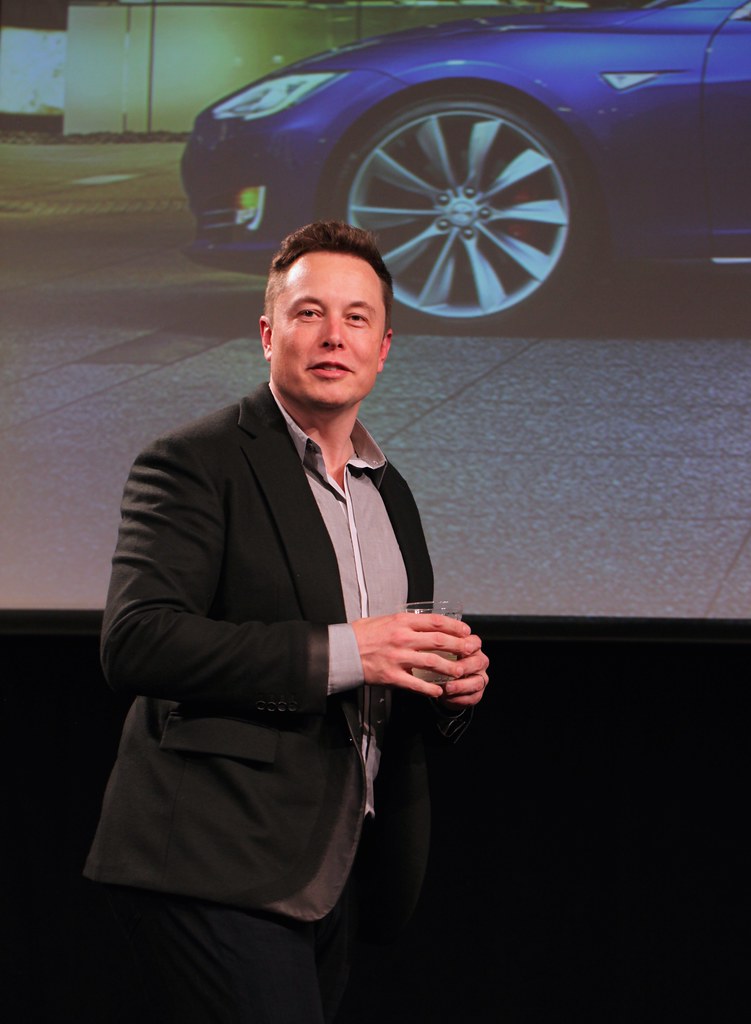
4. **Elon Musk’s Political & Social Impact**A recurring and arguably deepening challenge for Tesla’s brand appeal and sales performance stems directly from the controversial public persona and actions of its CEO, Elon Musk. His outspoken embrace of U.S. President Donald Trump and far-right politicians in Europe has alienated vast segments of potential customers, leading many to associate the Tesla brand with Musk’s polarizing ideology rather than solely with its innovative technology.
This political entanglement is not a new development, but its impact appears to be enduring. Even after Musk’s decision in April to formally leave the Trump administration, a move cheered by some investors hoping for a de-escalation of political controversy, he has remained heavily involved in social and political wars. This continued engagement, often expressed through his active presence on social media platforms like X, continues to create friction with potential car buyers who disagree with his views.
A recent example of this involved Musk’s public declaration on X that he was canceling his Netflix subscription. He cited what he termed “transgender woke agenda,” specifically taking offense with the show “Dead End: Paranormal Park,” which features a transgender character. Such public pronouncements on sensitive social issues, coupled with his response to posts criticizing the show’s creator, reinforce an image that, for many, becomes inextricably linked to the Tesla brand.
The long-term repercussions of Musk’s public stances are beginning to solidify into measurable sentiment. An AP-NORC poll indicated that approximately half of U.S. adults hold an unfavorable opinion of Tesla, a figure that notably includes 30% of Republicans. This widespread negative perception suggests that the impact of Musk’s political and social interventions is not confined to a niche demographic but has seeped into broader consumer attitudes, posing a persistent drag on sales and brand loyalty.
Read more about: Elon Musk’s Blueprint: Deconstructing the Core Productivity Rules Reshaping Twitter’s Operational DNA
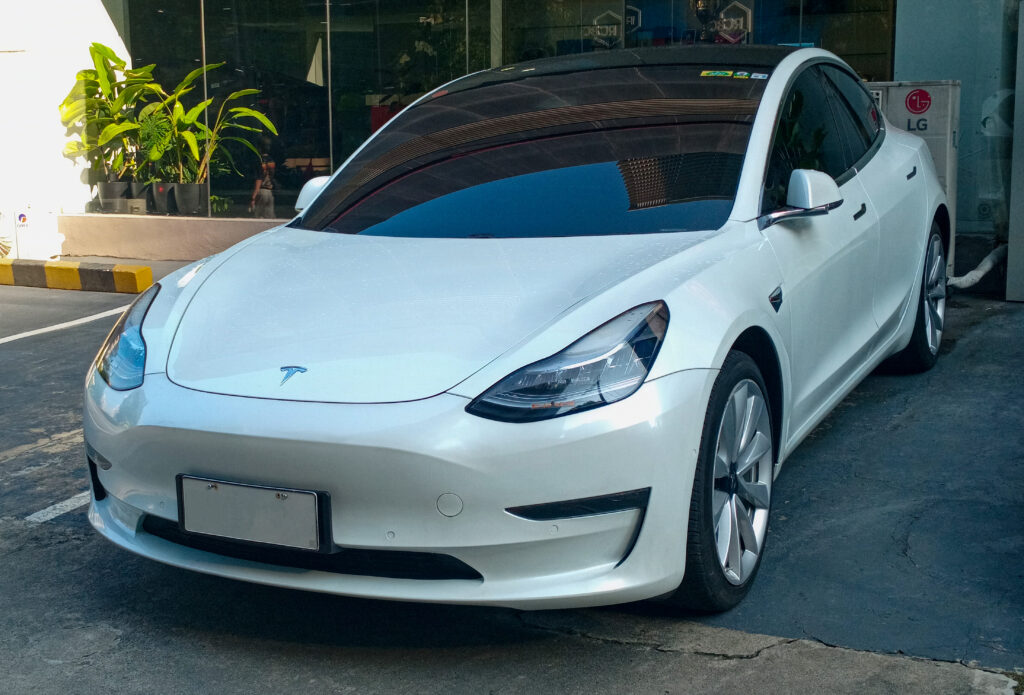
5. **European Market Contraction**The repercussions of Elon Musk’s political views have been particularly pronounced and damaging for Tesla’s market performance in Europe. The anti-Musk backlash across the continent has been fierce, directly contributing to a dramatic plunge in sales figures. After he publicly voiced support for far-right politicians in Europe, sales plummeted a staggering 40% in more than two dozen countries.
Musk’s comments were not subtle; he referred to a British prime minister as an “evil tyrant” who, in his view, belonged in prison. He also directly addressed Germans, stating that “things will get very, very much worse” in their country if they did not vote for the anti-immigrant Alternative for Germany party. These highly controversial and direct political interventions ignited widespread public anger and led to significant consumer boycotts.
The public’s strong reaction manifested in visible protests across several European cities. In Milan, an effigy of the billionaire was controversially hanged, while posters appeared in London likening him to a Nazi. These extreme forms of protest underscore the depth of negative sentiment and the extent to which Musk’s personal brand has become a liability for Tesla in a crucial and expanding electric vehicle market.
Data further corroborates this severe downturn. Registrations of new Teslas in the European Union slumped 43% in the first eight months of the year compared to the same period in 2024. This dramatic decline occurred even as the overall sales of electric vehicles across Europe rose by 25%, according to the European Automobile Manufacturers’ Association. This stark contrast highlights how Tesla is actively losing ground in a market that is otherwise growing, directly contradicting the general positive trend for EVs.
Robyn Denholm, the head of Tesla’s board of directors, when questioned about the impact of Musk’s politics, reportedly told Bloomberg that she was unsure if his actions have had any effect on the company’s finances. However, the quantifiable sales data from Europe, demonstrating such significant contractions against a rising tide of EV adoption, presents a compelling counter-argument to this assessment.
Read more about: America Unveiled: A Deep Dive into the United States’ Enduring Story, Landscapes, and Institutions
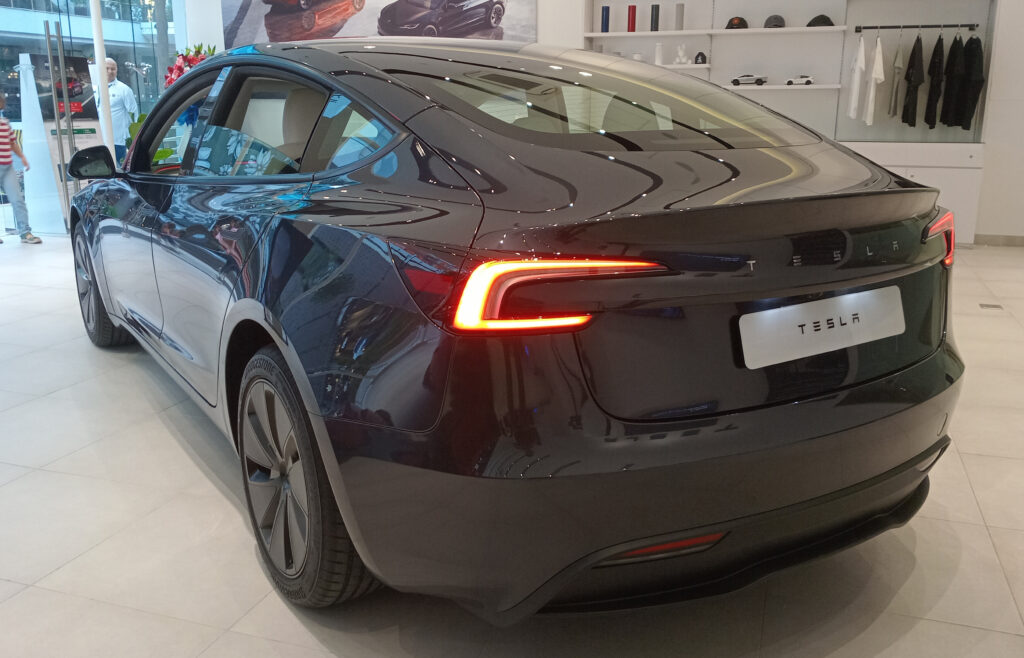
6. **The Weight of Q1 and Q2 Declines**To fully appreciate the context of Tesla’s third-quarter sales rebound, it is essential to consider the company’s performance in the preceding quarters, which were characterized by significant downturns. The first three months of the year saw a substantial 13% drop in sales, a period when Elon Musk was notably involved in leading cost-cutting efforts within the Trump administration’s Department of Government Efficiency. This early decline set a challenging tone for the year.
The negative trend continued into the second quarter, covering the three months through June, where sales plunged by another 13%. This period recorded 384,122 deliveries, a notable decrease from 443,956 in the same three months of the prior year. These consistent declines painted a picture of a company struggling to maintain momentum, despite hopes among investors that sales would recover after Musk formally left his government role during this quarter.
Beyond just unit sales, the company’s financial health also showed considerable strain. Tesla reported that profits for the previous quarter fell 16%. In the first quarter of the year, net income experienced an even more dramatic drop, falling by 71%. These figures highlight that the sales challenges were translating directly into significant impacts on the company’s profitability, raising alarms among stakeholders and underlining the pressures on Tesla’s bottom line.
The cumulative effect of these consecutive quarterly declines means that any single-quarter rebound, such as the 7% jump in Q3, needs to be viewed against a backdrop of deeply eroded sales and profitability. While an uptick is welcome, it represents a climb back from a significantly lower base, rather than an acceleration from sustained growth. This historical context suggests that Tesla faces an uphill battle to regain its previous trajectory and reassure the market of its long-term stability and growth prospects.
The recent sales jump, however, is merely one piece of a much larger, intricate puzzle that defines Tesla’s current strategic landscape. To truly comprehend the company’s trajectory, one must look beyond quarterly figures and delve into the broader forces at play, from evolving investor perceptions and ambitious technological diversifications to the critical need for product innovation and the relentless march of global competition. The path forward for Elon Musk’s empire is fraught with challenges and opportunities that will shape its role in the future of mobility.
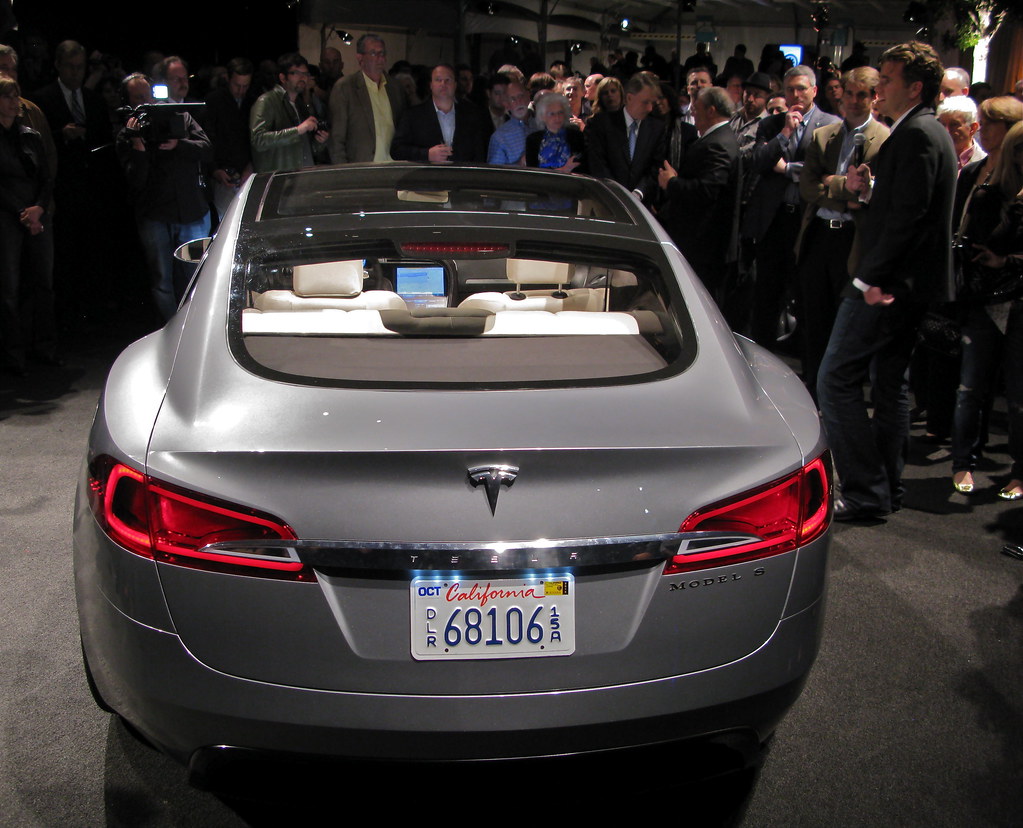
7. **Fluctuating Investor Sentiment**Tesla’s financial performance has been a rollercoaster for investors, characterized by periods of intense optimism quickly followed by sharp corrections and deep skepticism. The immediate aftermath of the Q3 sales announcement exemplified this volatility: despite the headline figure, Tesla stock initially rose sharply but closed the day down around 5%, signaling a profound uncertainty among market participants about the sustainability of the reported growth.
Industry observers, such as Telemetry Insight’s Sam Abuelsamid, quickly characterized the sales jump as “more a blip for Tesla than the restart of growth,” reflecting a widespread sentiment that the underlying demand issues remain unresolved. Even typically bullish analysts like Dan Ives of Wedbush Securities exercised caution, acknowledging that there are “still demand issues” that temper the enthusiasm generated by a single quarter’s improved figures. This underscores a persistent fragility in market confidence.
Paradoxically, investor optimism had surged in the weeks leading up to the Q3 report, driving the stock up by a remarkable 34% in September alone. This speculative rally was largely fueled by bets on Elon Musk’s promised new, cheaper version of the bestselling Model Y and his apparent renewed focus on the company. Such sharp swings indicate that Tesla’s valuation is heavily influenced by future promises and CEO-driven narratives, often overshadowing current financial realities.
The ongoing volatility in Tesla’s stock reflects a deeper investor uncertainty regarding the company’s long-term prospects. With profits down 16% in the previous quarter and a continued loss of market share, the market is grappling with whether the Q3 rebound signifies a genuine turnaround or merely a temporary reprieve. The company’s fortunes remain closely tied to a complex interplay of product strategy, competitive dynamics, and the polarizing persona of its CEO.
Read more about: The Trillion-Dollar Nexus: How Three Tech Titans’ Fortunes Now Rival Warren Buffett’s Berkshire Hathaway
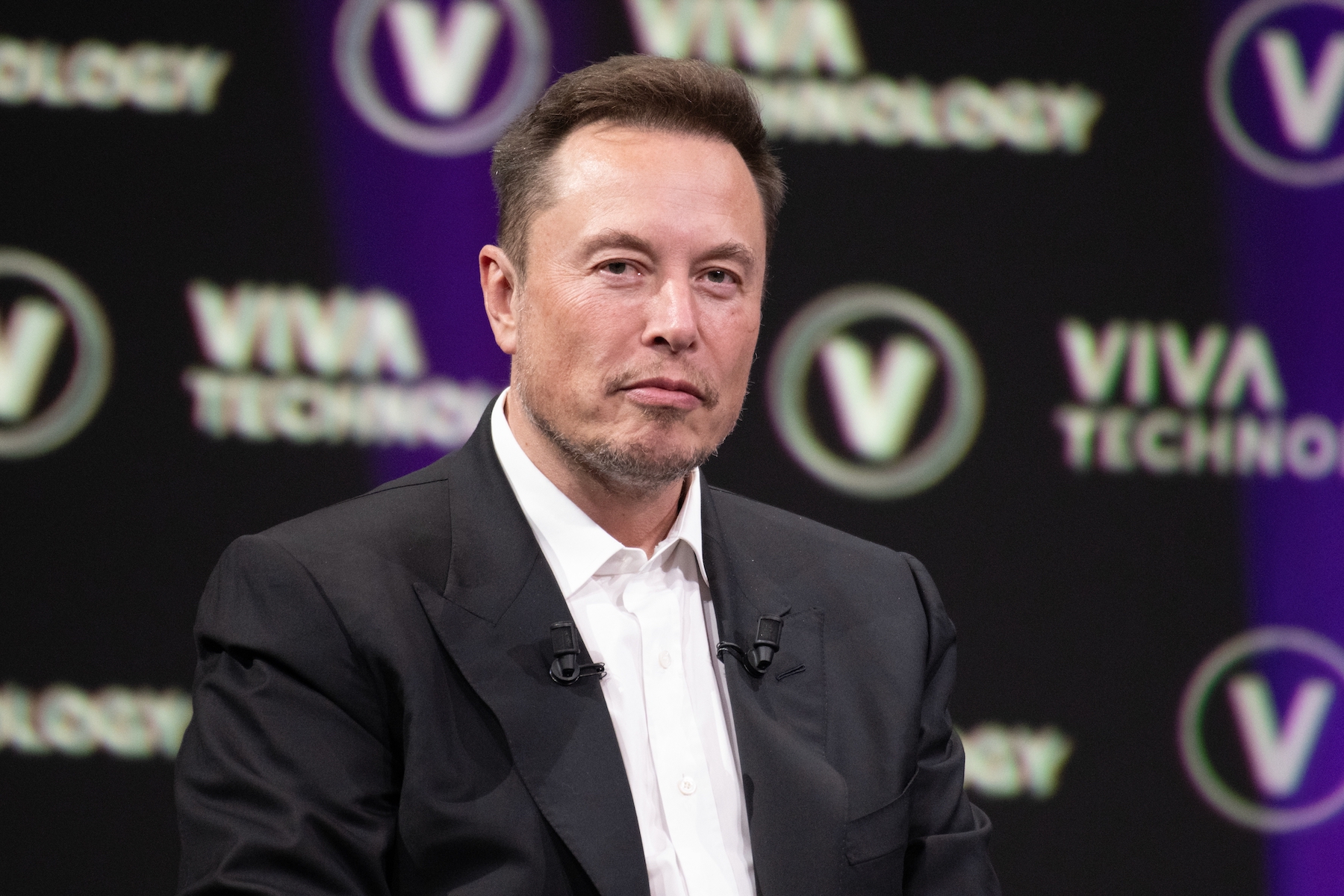
8. **Elon Musk’s Diversification into Robotaxis and AI**Beyond its core automotive business, Tesla under Elon Musk has increasingly focused on an ambitious strategy of diversification, notably channeling significant attention and investment into artificial intelligence and autonomous technologies. This strategic pivot aims to shift investor focus away from traditional car sales metrics towards more futuristic, high-potential ventures like the rollout of its driverless robotaxi service and the development of Optimus humanoid robots.
Musk has actively promoted the vision of a widespread robotaxi service, which commenced with a test-run in Austin in June. This initiative promises to revolutionize urban transportation by offering autonomous rides without a human driver, with plans for launches in several other cities earmarked for the end of next year. Alongside this, the Optimus robots are being developed for applications ranging from factory work to household chores, embodying Tesla’s broader ambition in general-purpose AI and robotics.
However, these ventures, while captivating, remain in their very early stages of development and deployment. They represent substantial long-term bets rather than immediate revenue generators, and face numerous regulatory, technical, and safety hurdles that could delay widespread adoption. The narrative around these innovations often acts as a significant driver of investor interest, yet their tangible contribution to Tesla’s bottom line is still largely prospective.
This shift in focus implies a de-emphasis on new vehicle models, which has its own set of challenges for the automotive division. While promising a future of autonomous fleets and robotic labor, the immediate financial performance of the company is still predominantly linked to vehicle sales. The success of this diversification strategy will be critical in shaping Tesla’s identity and profitability beyond its current automotive market presence.
9. **Controversies Surrounding His Potential Trillion-Dollar Pay Package**Adding another layer of complexity to Tesla’s narrative is the controversy surrounding an unprecedented compensation package proposed for Elon Musk by the company’s board of directors. This pay offer, unveiled last month, stipulates a structure that could allow Musk to earn an astonishing $1 trillion if he achieves certain ambitious financial goals for Tesla over the next several years.
Such a figure is without precedent in U.S. corporate history, especially for companies already known for their outsized CEO compensations. The sheer scale of the potential payout immediately drew sharp criticism, with figures like Pope Leo publicly lamenting the widening income gaps, highlighting the stark contrast between executive wealth and broader societal economic realities. This level of compensation further intertwines Musk’s personal fortune with Tesla’s corporate performance.
If Musk were to meet these demanding financial objectives, he would not only surpass his own existing financial records but potentially establish a new benchmark for individual wealth. He previously became the first person to hit $500 billion in net worth, according to Forbes magazine’s rich list, underscoring his already formidable financial standing and the company’s capacity for extreme valuation.
The pay package itself has not been without scrutiny, particularly given that Robyn Denholm, the head of Tesla’s board of directors who approved it, has herself garnered nearly $700 million in compensation for her board service since 2014. This situation has generated further criticism and raises questions about governance and executive oversight, linking the company’s financial decisions to a broader public discourse about fairness and corporate accountability.
Read more about: Elon Musk’s $1 Billion Bet: How a CEO’s Bold Stock Purchase Erased Tesla’s 2025 Losses and Ignited a Bullish Revival

10. **Critical Need for New Vehicle Models Amidst an Aging Lineup**A significant strategic challenge facing Tesla, despite its forays into AI and robotics, is the critical need to refresh its automotive product lineup. Experts within the industry have repeatedly pointed out that the company’s current portfolio is nearing market saturation. Morningstar’s Seth Goldstein concisely articulated this concern, stating, “The current product lineup is at market saturation and Tesla will need the new affordable vehicle to grow deliveries.”
Musk has, in response, promised the introduction of a cheaper electric vehicle model, with expectations that it would boost sales and reignite demand. However, the timeline for this crucial release remains uncertain, with production not anticipated to ramp up until late 2025. This extended waiting period leaves a considerable gap in Tesla’s product cycle, potentially allowing competitors to gain further ground with fresher offerings.
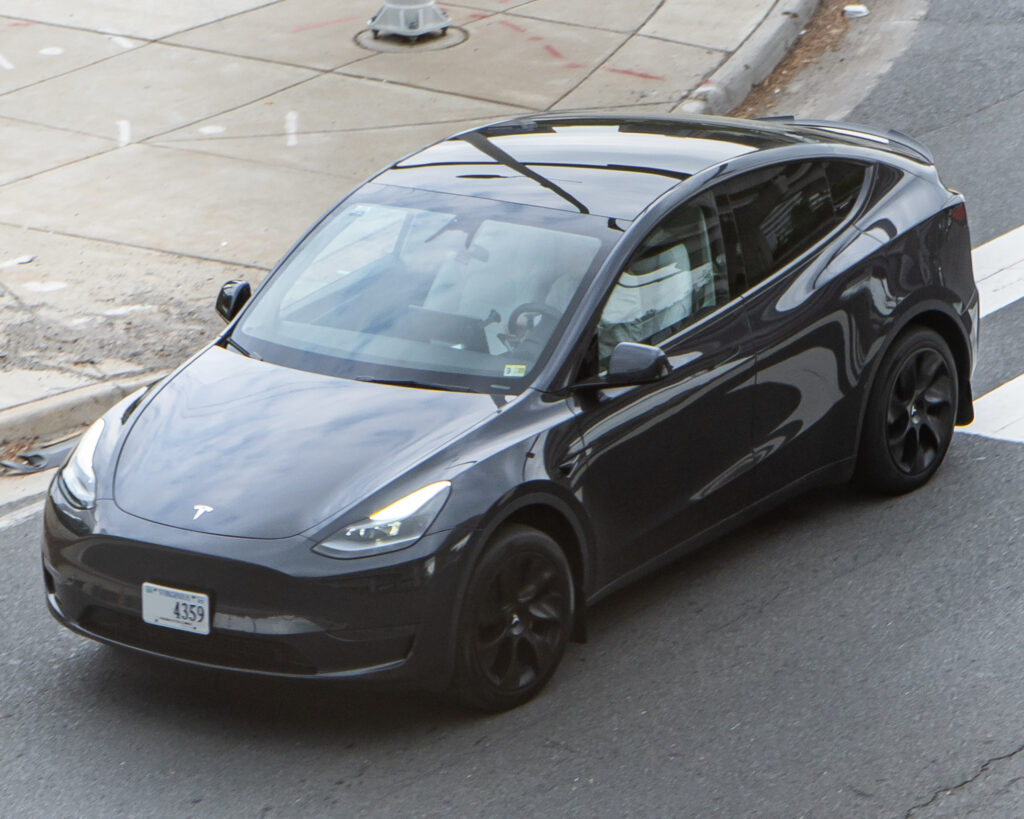
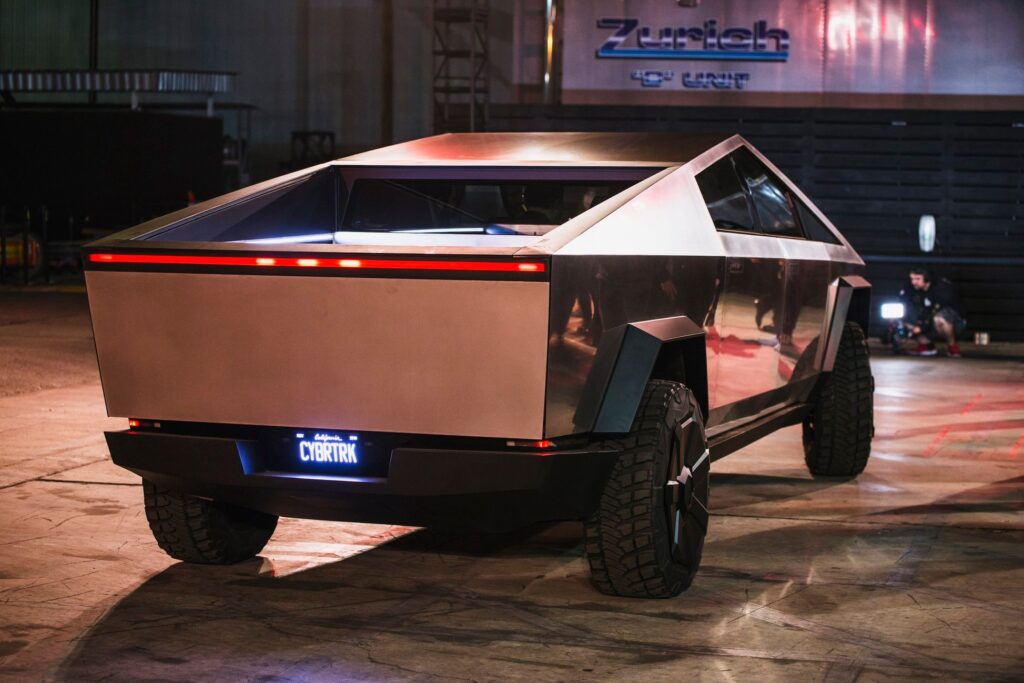
Currently, Tesla’s sales heavily rely on its aging Model 3 sedan and Model Y sport utility vehicle. While these have been best-selling vehicles, their design and technology have done little to excite fresh interest in a rapidly evolving market. Even the company’s newest vehicle, the Cybertruck, has reportedly sold poorly, failing to generate the widespread enthusiasm or sales volume needed to significantly bolster the brand.
The absence of genuinely new and compelling models is particularly problematic in markets where competition is fierce and consumers are increasingly presented with diverse, innovative, and often more affordable alternatives. This aging lineup leaves Tesla vulnerable to rivals that are consistently introducing fresh designs and advanced features, making product innovation an imperative for sustained growth rather than an option.
Read more about: Don’t Get Stuck at the Pump: These 10 Gas-Guzzling SUVs Are Budget-Busters in 2025
11. **Intensifying Global Competition**The global electric vehicle market is rapidly evolving, marked by an intensifying competitive landscape that poses a formidable challenge to Tesla’s market dominance. While Tesla’s Q3 sales jump was notable, it was overshadowed by the even more substantial growth reported by many of its rivals, indicating a widespread surge in EV adoption that is benefiting a diverse array of manufacturers more significantly.
This competition is particularly fierce in Europe, a critical market where Chinese EV giant BYD has notably taken a significant bite out of Tesla’s market share. Data from the European Automobile Manufacturers’ Association revealed a stark contrast: Tesla sales plunged 28% in May across 30 European countries, even as the overall market for electric vehicles expanded sharply. This trend points to Tesla actively losing ground in a growing sector.
European automakers are also aggressively entering the EV space, offering compelling alternatives. Brands like Volkswagen, Renault, and BMW are launching electric vehicles that often sell for significantly less than Teslas, some even incorporating newer technology such as digital displays embedded in windshields. This combination of affordability and innovation from established players is eroding Tesla’s competitive edge.
In China, the world’s largest EV market, Tesla is facing an uphill battle against formidable domestic producers such as BYD and Geely. These local competitors are successfully capturing market share by offering cheaper, fresher models that are specifically tailored to local buyers’ preferences. Even BYD, which had previously demonstrated rapid growth, has recently experienced a falter in sales within its home market, underscoring the relentless and dynamic nature of global EV competition.
Read more about: Beyond the Surface: Unpacking the Critical Dangers and Controversies Surrounding Pornhub for Informed Consumers

12. **Early Challenges Faced by its Autonomous Driving Initiatives**Tesla’s ambitious push into autonomous driving, particularly its robotaxi service, is heralded by Elon Musk as a cornerstone of the company’s future, yet these initiatives are currently navigating significant early challenges. The test-run of the robotaxi service in Austin, Texas, which began in June, has already encountered several operational hitches that underscore the complexities of deploying such advanced technology.
Reports from the early stages of this service have detailed instances of cabs stopping suddenly for no apparent reason and, in at least one documented case, a Tesla cab being observed driving in the opposing lane. These incidents, while potentially isolated, have drawn the scrutiny of federal car safety regulators, adding a layer of regulatory oversight and public concern regarding the nascent technology’s reliability and safety.
Despite these initial setbacks, Elon Musk has maintained an optimistic outlook, asserting that the robotaxi service will quickly roll out anyway, with plans for launches in several other cities by the end of next year. However, consumer confidence in these groundbreaking innovations remains tentative, largely due to the high-profile nature of any reported mishaps and the inherent public apprehension surrounding fully autonomous vehicles.
The reality is that these sophisticated autonomous driving technologies are still very much in their developmental stages. They face not only considerable technical hurdles in achieving consistent and foolproof operation across diverse environments but also a labyrinth of regulatory challenges globally. For Tesla, converting its visionary autonomous capabilities into a reliable and widely accepted revenue stream will require overcoming these early, critical obstacles and building sustained public trust.
Read more about: Navigating the New Road Ahead: How Sweeping U.S. Traffic Law Reforms Will Impact Millions of American Drivers Starting July 1, 2025
The narrative surrounding Tesla’s recent sales jump is undoubtedly complex, a blend of fleeting positive momentum and persistent underlying challenges. While the third quarter offered a glimmer of optimism, propelled largely by temporary U.S. tax incentives and an industry-wide surge, it does not erase the significant headwinds the company faces. Elon Musk’s personal controversies continue to alienate key markets, particularly in Europe, and the company’s reliance on an aging vehicle lineup leaves it vulnerable to a rapidly innovating and fiercely competitive global EV landscape. The true test for Tesla’s long-term stability and growth will hinge less on short-term market fluctuations and more on its ability to deliver genuine product innovation, navigate the complexities of its ambitious AI and robotics ventures, and regain broad consumer trust in an increasingly scrutinized market.