Austin, Texas, has quickly become a focal point in the burgeoning world of autonomous vehicles, transforming into a ground zero for this cutting-edge technology. With its permissive regulatory environment, abundant wide, straight roads, and generally favorable weather, the Lone Star State has drawn prominent players like Waymo and Zoox to establish their operations. However, when Tesla, under the audacious leadership of Elon Musk, joined this competitive landscape earlier this summer with its long-awaited robotaxi service, the narrative swiftly pivoted from triumphant declarations to unsettling questions.
Initially heralded as a significant stride towards a nationwide robotaxi rollout, the service, which commenced on July 1, was presented by many as a testament to Musk’s visionary ambitions. Yet, the initial fanfare surrounding the launch has rapidly given way to a more critical examination. New information, unearthed and reported, has revealed that the FSD-equipped Model Ys navigating the streets of Austin have already been entangled in a series of accidents, sparking concerns and drawing the attention of both the public and federal regulators.
This article delves into the early days of Tesla’s robotaxi venture, dissecting the critical issues that have emerged within its nascent operation. From the specifics of the reported crashes and the company’s approach to data disclosure, to a stark comparison with more established autonomous driving competitors and the regulatory responses that have followed, we aim to provide an in-depth, critical analysis, reflecting the tone and analytical rigor expected of The Verge. This is not just about technology on the road; it’s about the promise, the peril, and the profound societal impact of a future where cars drive themselves.
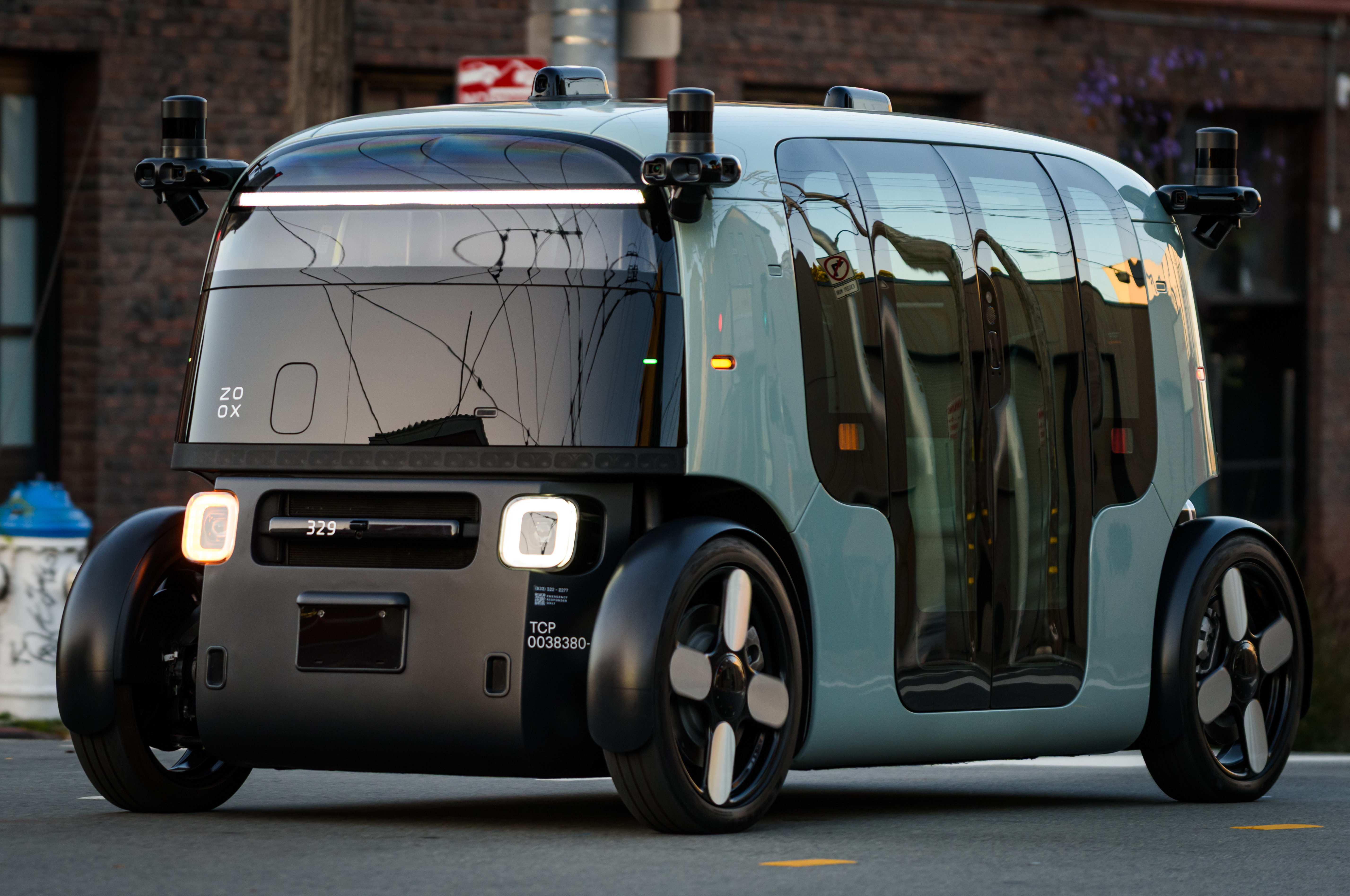
1. **The High-Stakes Austin Robotaxi Launch**Tesla’s much-anticipated robotaxi service officially commenced its operations in Austin, Texas, on July 1, a moment framed by many as a monumental triumph for Elon Musk and a pivotal first stride in a projected nationwide robotaxi rollout across the United States. This launch added Tesla to a growing roster of autonomous vehicle companies, including established rivals like Waymo and Zoox, already testing and operating in the Texas capital.
Despite the significant implications Musk places on his robotaxi project, its debut was notably low-key. The initial access was limited, extended predominantly to a select group of invited analysts, influencers, and shareholders who participated in paid rides. Interestingly, each ride was priced at $4.20, a number frequently associated with Musk, adding a peculiar detail to the launch.
Musk himself publicly acknowledged the milestone, extending congratulations to Tesla’s artificial intelligence and chip design teams in a post on X. He described the launch as the “culmination of a decade of hard work,” underscoring the long-term effort and ambition behind this endeavor. However, the initial positive sentiment quickly began to unravel as critical information regarding the service’s performance started to emerge.
Read more about: Tesla’s Software Frontier: Unpacking the Promises, Hidden Perks, and Critical Pitfalls for Owners

2. **Unsettling Early Accident Reports**Barely weeks into its highly anticipated launch, Tesla’s robotaxi service in Austin became embroiled in controversy following reports of multiple accidents. Recent data, meticulously uncovered by Forbes, initially listed no fewer than three accidents occurring on July 1, though it was later clarified that these incidents transpired at various points throughout the same month, painting a concerning picture for a service still in its infancy.
Details of these early mishaps, though partially redacted by Tesla, provide a glimpse into the operational challenges. The first recorded incident, occurring at 3:45 a.m. on an unspecified July date, involved a Model Y that was “stopped (while going straight) and damaged on the rear-right by an SUV front right. Police were called.” This particular crash suggested a scenario where the robotaxi was potentially a victim of another driver’s error.
However, subsequent incidents raised more direct questions about the Tesla’s autonomous capabilities. A second crash, logged at 12:20 p.m., reported that “Tesla hit a stationary object with front-right at 8mph. Minor injuries, no hospital. Police called. Tesla was towed away.” This incident, specifically, points to a potential failure of the robotaxi’s detection or avoidance systems, particularly at a relatively low speed.
Adding to the series of unfortunate events, a third accident at 3:15 p.m. involved a “Tesla rear-right contacted front-right of an SUV while Tesla was making right turn, going 2 mph. No police.” This low-speed collision during a turning maneuver further highlighted instances where the autonomous system struggled to navigate real-world driving complexities. Additionally, Forbes noted that a fourth, unreported crash occurred in a parking lot, where video footage showed a robotaxi’s tire hitting the front side of a parked car, raising questions about incident reporting protocols for damage perceived as minor or occurring on private property.
Read more about: Tesla’s Software Frontier: Unpacking the Promises, Hidden Perks, and Critical Pitfalls for Owners
3. **The Veil of Redaction: Tesla’s Data Secrecy**One of the most immediate and significant concerns arising from the early robotaxi incidents is Tesla’s approach to information disclosure. A substantial portion of the critical details surrounding these reported accidents has been redacted from the company’s official reports. Tesla has cited the protection of proprietary information as the basis for these redactions, effectively drawing a veil of secrecy over the specifics of what transpired.
This lack of transparency stands in stark contrast to the expectations typically placed on autonomous vehicle developers, whose operations are under intense public and regulatory scrutiny. The redactions make it exceptionally challenging for independent analysts, the media, and the public to conduct a thorough and objective assessment of the incidents, hindering a complete understanding of the robotaxis’ performance and potential liabilities.
Such an opaque reporting mechanism raises fundamental questions about accountability and public trust in a technology that is still very much in its experimental phase on public roads. While the Austin Police Department has stated its practice of sharing potential legal or safety concerns with companies and reviewing their resolutions through regular meetings, the specifics of these discussions, and the underlying data that informed them, largely remain inaccessible to external parties.
4. **Discrepancy in Miles: Tesla vs. Waymo**The limited operational data provided by Tesla for its Austin robotaxi service presents a striking contrast when compared to the established benchmarks set by leading autonomous vehicle companies. By the end of July, Elon Musk announced that Tesla’s robotaxis had logged approximately 7,000 miles of testing. This figure, while a starting point, is notably minuscule in the broader context of autonomous driving development and deployment.
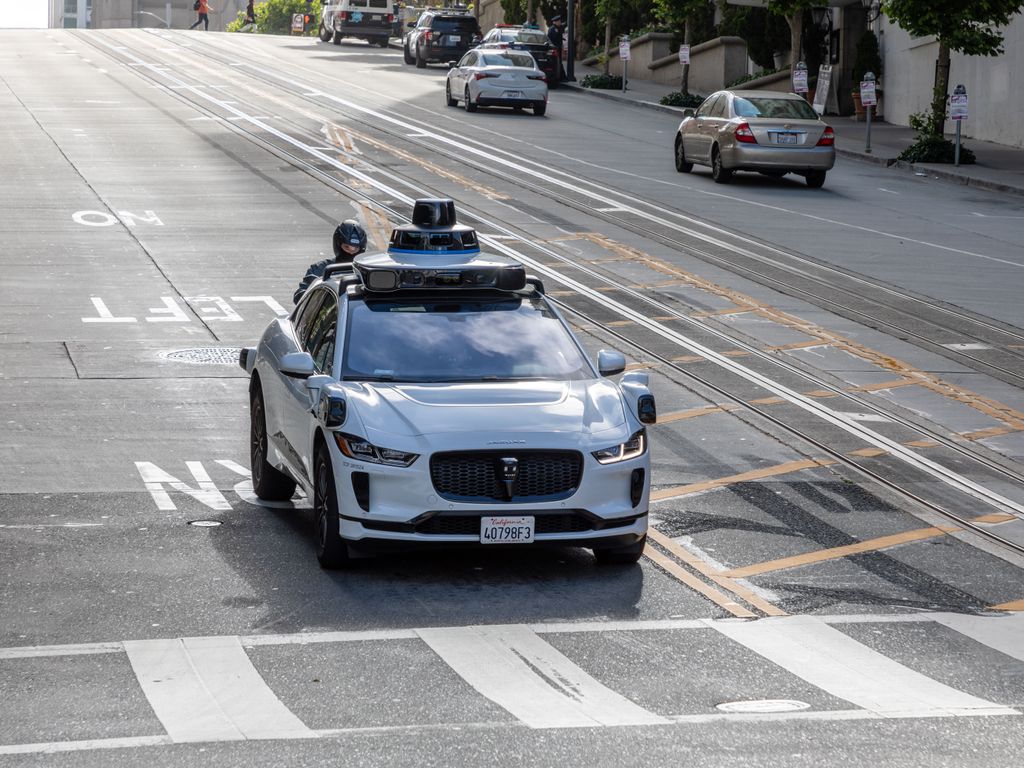
To put Tesla’s mileage into perspective, Waymo, a pioneer in the autonomous vehicle space, has accumulated a staggering more than 96 million miles of driving since its introduction several years ago. This vast difference in operational experience highlights a significant gap in the maturity and real-world exposure of the respective technologies. The sheer volume of miles driven by Waymo’s vehicles provides an unparalleled dataset for refining their systems and validating their safety.
This disparity is further underscored by safety figures. ArsTechnica reported that Waymo recorded 60 serious accidents—incidents that either deployed airbags or caused injuries—over its first 50 million miles. While any accident is concerning, Waymo’s incident rate, when scaled, is considerably lower than what Tesla is experiencing in its initial phase. Jonathan M. Gitlin, Automotive Editor at Ars Technica, explicitly stated that Waymo’s crash rate is “more than two orders of magnitude lower” than Tesla’s.
Experts in the autonomous vehicle industry, such as Brad Templeton, a consultant who previously worked on Google’s self-driving car project, emphasize that “What matters is not individual demonstrations. It’s statistics.” Tesla’s current record in Austin, still in its infancy with just 7,000 miles and multiple reported crashes, graphically illustrates just how formidable the learning curve may prove to be for the company to achieve competitive levels of safety and reliability.

5. **On-Road Erraticism: Viral Videos and Public Safety Concerns**The initial rollout of Tesla’s robotaxi prototype service in Austin quickly sparked a wave of viral videos circulating online, showcasing numerous instances where the vehicles appeared to behave erratically, unpredictably, or in direct violation of traffic laws. These publicly shared video accounts swiftly transformed the narrative around the launch from one of technological marvel to one of pressing public safety concern, despite Musk’s teams’ best efforts.
Multiple videos documented alarming behavior: a Tesla robotaxi was seen moving into a lane clearly marked with a yellow arrow for left turns only, only to proceed straight through the intersection, entering an opposing lane on the other side. The car seemed to hesitate, swerving several times with the steering wheel jerking back and forth, before continuing in the opposing lane for a full ten seconds. While the passenger, money manager Rob Maurer, shrugged off the incident by stating, “There are no vehicles anywhere in sight, so this wasn’t a safety issue. I didn’t feel uncomfortable in the situation,” such maneuvers are unequivocally illegal and inherently dangerous, irrespective of immediate traffic conditions.
Other footage captured a Tesla stopping abruptly twice in the middle of the road, ostensibly in response to the flashing lights of police cars that were, in fact, parked on side roads and responding to an unrelated event, far from the robotaxi’s immediate path. Further incidents found by NBC News through analysis of online videos included a robotaxi dropping off a passenger in the middle of an intersection, driving on the wrong side of a double yellow line, and several examples where the vehicles were traveling faster than the posted speed limit.
In total, NBC News identified 13 instances in online videos where a Tesla robotaxi appeared to either break traffic rules or make a significant error. This visual evidence has fueled considerable skepticism among industry experts. Sam Abuelsamid, a Telemetry Insight expert in car technology, unequivocally stated, “The system has always had highly erratic performance, working really well a lot of the time but frequently making random and inconsistent but dangerous errors. This is not a system that should be carrying members of the public or being tested on public roads without trained test drivers behind the wheel.” These widespread visual accounts underscore the immediate and tangible safety concerns associated with Tesla’s current robotaxi operations.
6. **Federal Scrutiny: NHTSA’s Immediate Inquiry**The proliferation of videos showcasing Tesla robotaxis exhibiting erratic behavior and apparent traffic violations did not go unnoticed by federal authorities. In a swift response, the U.S. National Highway Traffic Safety Administration (NHTSA) formally contacted Tesla just a day after the service’s launch, explicitly stating that it was “aware of the referenced incidents and is in contact with the manufacturer to gather additional information.” This proactive engagement from the principal federal safety regulator signifies the gravity of the public concerns raised by the early operational missteps.
NHTSA’s statement clarified its role, emphasizing that the agency “does not pre-approve new technologies or vehicle systems.” Instead, manufacturers are responsible for certifying that each vehicle adheres to NHTSA’s rigorous safety standards, and the agency’s mandate involves investigating incidents that point to potential safety defects. This means that while Tesla launched its service, the onus remains on the company to ensure its compliance and safety, with NHTSA serving as the vigilant oversight body.
The agency further stressed its commitment to taking action, stating, “Following an assessment of those reports and other relevant information, NHTSA will take any necessary actions to protect road safety.” This assertion implies a comprehensive review process, potentially leading to significant regulatory interventions if major issues are substantiated. The very fact of NHTSA’s inquiry, as noted in various reports, could raise serious questions about Elon Musk’s long-standing and often bullish pronouncements that Tesla’s robotaxis are inherently safe.
Jason Turchin, a Florida-based product liability lawyer with experience in vehicle cases, characterized NHTSA’s contact with Tesla as a clear warning: “What it sounds like is that they’re in the phase right now, of like, ‘We’re watching you. We’re aware of this potential, and we need reassurance that this is not the case.’” This regulatory attention underscores the critical period Tesla now faces, as it navigates the technical challenges of autonomous driving under the direct gaze of federal safety watchdogs.
Navigating the complexities of autonomous driving demands a multi-faceted analysis, particularly when a company as influential as Tesla enters the fray with such ambitious declarations. While the initial operational missteps in Austin have cast a shadow, a deeper dive into the underlying technology, regulatory environment, and historical context reveals the systemic challenges facing Tesla’s robotaxi ambitions. This second section dissects these critical elements, providing a comprehensive understanding of why Tesla’s revolution looks less like a triumphant march and more like a potential recall in the making.
7. **The Unique Technological Approach: Cameras Over Lidar**Tesla’s approach to autonomous driving is a significant outlier in the industry, fundamentally diverging from most of its competitors. The company relies primarily on an array of monocular cameras, eschewing the use of lidar and radar sensors that are standard equipment for rivals like Waymo, Zoox, and Cruise. This “vision only” strategy, passionately championed by Elon Musk, is predicated on the belief that a purely camera-based system, much like human sight, is the most efficient and cost-effective path to achieving true artificial intelligence in driving.
The theoretical advantage of this camera-centric system is its potential for scalability and lower hardware costs, envisioning a future where every Tesla vehicle could, in essence, become a robotaxi through software updates alone. However, this reliance on a single sensor modality for its Full Self-Driving (FSD) software means the system must infer crucial environmental data, such as depth and the precise location of obstacles, from two-dimensional visual inputs. This computational challenge is immense and, according to many industry experts, introduces inherent limitations and vulnerabilities.
Critics frequently point out that by not fusing data from diverse sensors like lidar—which provides precise depth mapping—and radar—which offers robust all-weather capabilities—Tesla’s system lacks critical redundancies. This absence can make the vehicles particularly vulnerable in complex driving scenarios, adverse weather conditions, or low-visibility environments, where a camera’s perception might be compromised. Previous federal investigations into FSD’s response in such challenging conditions underscore the persistent concerns surrounding this unique technological gamble.
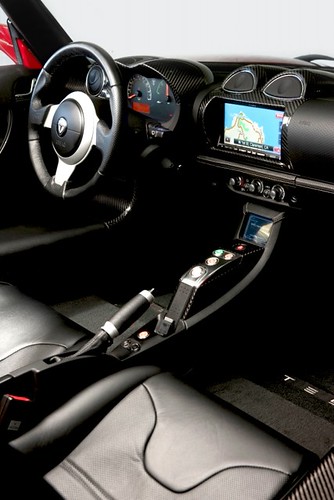
8. **The Human Element: Safety Monitors in the Hot Seat**Despite the futuristic promise embedded in the term “robotaxi,” Tesla’s initial service in Austin has been notably tethered to human oversight. Each prototype robotaxi operating on Austin’s streets includes a company employee positioned in the front passenger seat. This individual’s crucial role is that of a safety monitor, equipped with a button designed to halt the vehicle instantly should any safety concerns arise, effectively serving as a fail-safe for the experimental autonomous software.
This arrangement starkly underlines the prototype nature of Tesla’s robotaxi deployment. While Tesla proudly states that “no human is in the driver’s seat,” the presence of a dedicated safety monitor in the passenger seat indicates that the system is not yet deemed robust or reliable enough for truly unsupervised operation carrying public passengers. It suggests an ongoing need for a human safety net, which contrasts with the fully driverless services offered by some competitors in other markets.
The distinction between Tesla’s widely available “supervised” FSD technology and this supposedly “unsupervised” robotaxi iteration, even with a monitor, creates a blurring of responsibility. Experts like Sam Abuelsamid, a Telemetry Insight expert in car technology, have vocally questioned this setup. Abuelsamid explicitly stated that a system demonstrating “random and inconsistent but dangerous errors” should not be transporting the public without “trained test drivers behind the wheel,” highlighting a fundamental disagreement on the appropriate level of human engagement for a system in this developmental stage.
The historical context of Tesla’s FSD software, where the human driver was ultimately deemed “responsible for not hitting anything,” further complicates the safety monitor’s role. Instead of actively driving or being poised for immediate intervention from the driver’s seat, the passenger-side monitor’s position is more reactive. This setup raises questions about the efficiency and speed of intervention in rapidly evolving dangerous situations, and whether it truly provides the level of safety assurance expected from autonomous vehicle deployment.
9. **Texas: A Regulatory Wild West for Autonomous Vehicles**Austin, Texas, didn’t become the chosen launchpad for Tesla’s robotaxi service by accident; its “permissive regulatory environment” played a pivotal role. The Lone Star State stands in stark contrast to more stringently regulated areas, like California, which once served as an early test bed but has since adopted more comprehensive rules for autonomous vehicles. Texas’s landscape of “minimal rules surrounding autonomous vehicles” has indeed made it an attractive destination for various companies, including Waymo, Zoox, and now, Tesla, to establish and expand their operations.
However, this lenient regulatory framework comes with significant trade-offs, particularly concerning transparency and public accountability. Under current Texas laws, Tesla is “not required to report such information to regulators at any level of government” regarding crucial operational metrics. This includes data on the total miles driven by the robotaxis or the frequency with which safety employees need to intervene to prevent incidents. Such a lack of mandatory disclosure creates a considerable information vacuum, impeding any independent, objective assessment of the service’s actual safety and performance for the public and external regulatory bodies.
Local officials have not been silent on this issue. Austin City Council member Vanessa Fuentes has openly criticized Tesla’s apparent disregard for local engagement, asserting, “Tesla has had no regard for public input or working with our city, and unfortunately, I’m not OK having this done at the expense of Austinites’ safety.” While Tesla might not be legally mandated to coordinate with city government, the absence of such engagement fosters distrust and raises questions about a technology operating in public spaces without sufficient community dialogue or local governmental oversight.
The evolving landscape of even Texas’s permissive environment suggests a shift towards increased regulation. Texas State Representative Vikki Goodwin urged Tesla to exercise caution and pointed to a new law regarding autonomous vehicles scheduled to take effect on September 1. Although Tesla opted against delaying its Austin launch until the new law’s implementation, the company reportedly committed to updating its policies to ensure compliance, indicating that the era of minimal oversight, even in Texas, is gradually giving way to more structured requirements.
10. **A Troubled Past: Historical FSD Issues and Recalls**The recent operational hiccups and reported accidents involving Tesla’s robotaxis in Austin are not entirely novel; they resonate with a longer, often contentious history concerning the company’s Full Self-Driving (FSD) software. Federal regulatory bodies, including the NHTSA, have a track record of investigating Tesla’s FSD system, particularly how it performs in challenging conditions such as low visibility. These inquiries have stemmed from multiple accidents, including one that tragically resulted in a fatality, underscoring persistent and serious safety concerns.
This problematic history includes significant regulatory actions, most notably a recall of 2.4 million Tesla vehicles directly linked to issues with the FSD software. Such a large-scale recall is a stark indicator of fundamental deficiencies that have necessitated direct intervention from safety watchdogs. The recurring nature of these incidents, especially in complex or adverse environments, highlights deeply entrenched difficulties in achieving consistent and reliable operation from a vision-only autonomous system.
Beyond formal investigations and recalls, FSD has frequently been characterized by industry experts as having “highly erratic performance.” As Sam Abuelsamid articulated, while the system might demonstrate impressive capabilities “a lot of the time,” it is also prone to “random and inconsistent but dangerous errors.” This pattern suggests a foundational instability that, despite continuous software updates and iterations, appears to persist and manifest in new applications of the technology, including the current robotaxi service.
The company’s past performance stands in stark contrast to the ambitious rhetoric often put forth by Elon Musk. For nearly a decade, Musk has boldly claimed that FSD possesses the capability to drive coast-to-coast unaided, a challenging feat that Tesla has conspicuously never publicly attempted or demonstrated. A particularly revealing incident saw two Tesla owners embark on a planned FSD-powered journey from Los Angeles to Jacksonville, Florida, only for their vehicle to crash into road debris a mere 60 miles in, crippling the car’s suspension and offering a tangible illustration of the chasm between CEO pronouncements and the system’s real-world capabilities.
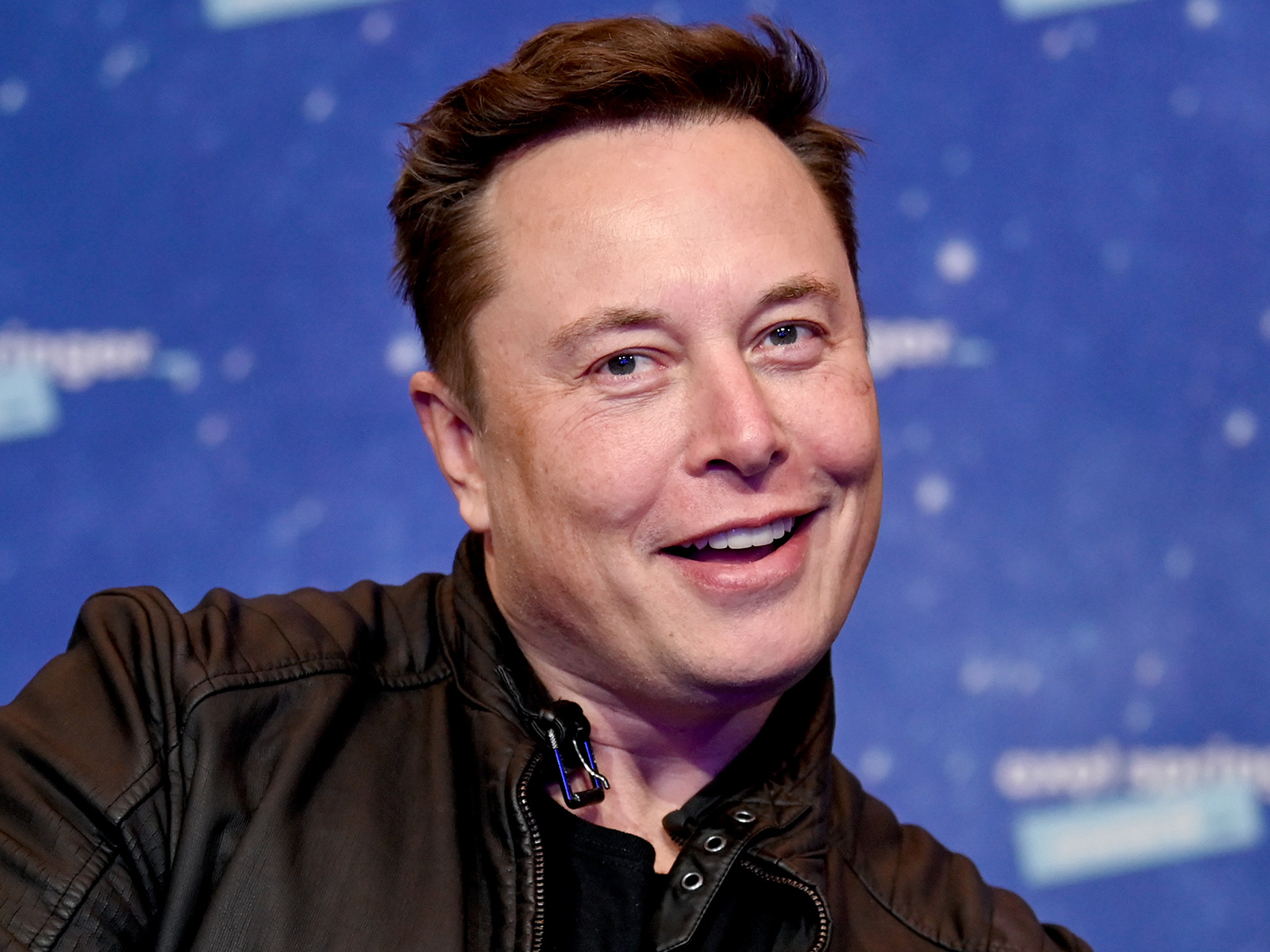
11. **Elon Musk’s Grand Vision vs. Ground-Level Reality**Elon Musk has consistently painted an extraordinarily ambitious and often hyperbolic picture of Tesla’s autonomous future, placing robotaxis squarely at its core. His pronouncements have been bold, claiming that Tesla’s FSD system is inherently safer than human drivers and promising a vast deployment of “hundreds of thousands” of robotaxis on roads by the end of next year. These projections have fueled investor enthusiasm and solidified a fervent base of supporters eager for the paradigm shift he envisions.
However, the reality of the Austin launch presents a significant and immediate challenge to these sweeping visions. Initiating the service with a modest fleet of “10-20 vehicles” and highly restricted access for a select group of influencers and shareholders is a stark deviation from the widespread, fully autonomous network Musk often describes. This limited, almost ceremonial, rollout is a far cry from the pervasive, seamless robotaxi revolution that has been anticipated and promised for years.
The series of early accidents, the proliferation of viral videos showcasing erratic driving, and the swift federal scrutiny from NHTSA directly undermine Musk’s assertions of inherent safety. These real-world incidents introduce substantial doubt regarding the immediate readiness and reliability of the technology, suggesting that the journey from prototype to pervasive robotaxi service is laden with far more intricate technical, operational, and regulatory hurdles than the company often publicly acknowledges. The gap between the aspiration and the application is becoming increasingly evident.
Even among financial analysts, who initially reacted positively to the launch, a sense of caution swiftly took hold. Tesla’s stock experienced a retreat following the news of NHTSA’s inquiry, signaling a growing awareness among investors that the path to robotaxi dominance is not as straightforward or as rapid as Musk frequently suggests. Moreover, internal warnings, reportedly indicating that the “Cybercab may never be profitable,” further complicate the narrative of an inevitable and profitable autonomous triumph, introducing a layer of skepticism even within Tesla’s own strategic considerations.
12. **Mounting Skepticism: Local Officials, Experts, and Rivals**The initial burst of enthusiasm surrounding Tesla’s robotaxi debut has rapidly given way to a palpable wave of skepticism from a diverse array of stakeholders. Local officials in Austin are increasingly vocal, echoing the “very angry” sentiments of their constituents who are witnessing “chaos unfold” on their streets. Austin City Council members Vanessa Fuentes and Zo Qadri have been particularly outspoken, with Fuentes explicitly stating her belief that the technology is “unsafe for Austinites” and calling for the service to be temporarily halted.
Industry experts, many of whom have long expressed reservations about Tesla’s distinct technological approach, find their warnings substantiated by the tangible mishaps. Sam Abuelsamid, a prominent authority in car technology, unequivocally asserts that the system’s documented “highly erratic performance” and propensity for “dangerous errors” means it “should not be carrying members of the public or being tested on public roads without trained test drivers behind the wheel.” Brad Templeton, an autonomous vehicle consultant, underscores that for robotaxis, “statistics” are the true measure of safety, a metric where Tesla’s nascent Austin operation is demonstrably lagging.
This growing skepticism is amplified by direct comparisons to more established competitors. Waymo, a pioneer in the autonomous vehicle space, boasts an operational record of over 96 million miles and has logged 10 million paid rides, demonstrating a maturity and scale that Tesla has yet to achieve. Notably, Waymo’s reported crash rate is “more than two orders of magnitude lower” than what Tesla is experiencing in its initial Austin phase. This stark contrast provides a powerful counter-narrative, illustrating a path to autonomy that appears more thoroughly validated and reliable.
The discourse has even spilled over into online forums, with platforms like Reddit witnessing heated “clashes” between ardent Tesla and Waymo fans. Accusations of “Tesla apologist propaganda” highlight a deep ideological divide, where the perceived “flawless” and “seamless” future proclaimed by Tesla’s most fervent supporters collides with the observable reality and expert analysis. Despite occasional calls for a truce, the prevailing sentiment among many in the broader industry and local governance leans heavily towards caution and concern.
Ultimately, the nascent reality unfolding in Austin suggests that Tesla confronts not only significant technological hurdles but also a formidable challenge in cultivating public and regulatory trust. The narrative of an imminent, seamless robotaxi revolution is being subjected to rigorous re-evaluation in the harsh light of real-world incidents, expert critiques, and the lived experiences of local communities. This confluence of factors points towards a journey that appears far longer, more complex, and more arduous than initially envisioned, signaling a crucial moment for Tesla’s ambitious push into autonomous ride-hailing.