The world of heavy-duty excavators isn’t just about moving earth; it’s a symphony of power, precision, and profound skill. These behemoths of engineering are designed to tackle the toughest jobs, from carving out landscapes to constructing the foundations of our modern world. But what about the unsung heroes in the operator’s seat, who truly bring these metallic giants to life? They are the true maestros, the ones who transform raw power into refined execution, day in and day out, on projects that literally shape our physical environment.
For years, engineers have poured their expertise into designing these complex machines, understanding every gear, every hydraulic line, and every structural component. They know intimately the challenges inherent in working with something “heavy”—a word packed with so many layers of meaning, from sheer physical mass to immense responsibility. So, when they see an operator effortlessly command one of their meticulously crafted creations, a certain unspoken admiration begins to brew. It’s not just about the machine’s performance; it’s about the human element that elevates it, bringing the engineer’s vision to its fullest expression.
Forget what you think you know about operating big machines. We’re diving deep into the dictionary-certified essence of “heavy” to uncover what engineers *really* think about those who master these magnificent excavators. It’s more than just pushing levers; it’s about embodying the very definitions of the word “heavy” in a way that truly sets them apart, earning them the quiet, profound respect of the industry’s brightest minds. Get ready to peel back the layers of a truly “heavy” conversation!
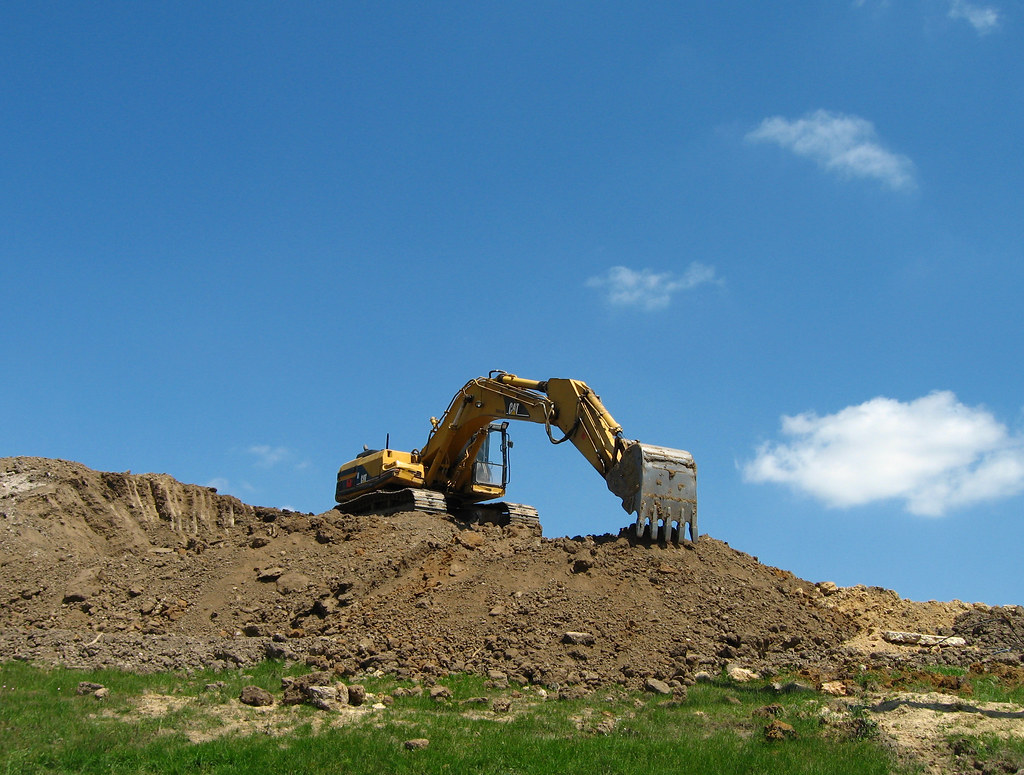
1. **The Sheer Weight of Responsibility (and the Machine)**When engineers talk about “heavy” excavators, their immense weight is the first thing that comes to mind. These machines are, by definition, “of great weight; hard to lift or carry: a heavy load.” But for engineers, the true mark of an exceptional operator isn’t just understanding the physics of tons of steel. It’s recognizing the profound weight of responsibility that comes with controlling such power. It’s a literal and figurative heavy load, and seeing an operator carry it with grace is something truly special.
Imagine the sheer mass of an excavator, its bucket poised to scoop cubic yards of earth. Engineers know that every movement, every swing, carries the potential for significant impact, both positive and negative. They see operators who don’t just move dirt, but move it with an acute awareness of safety protocols, site integrity, and project timelines. This isn’t merely about manipulating a joystick; it’s about bearing the burden of a massive operation on your shoulders, ensuring that the heavy lifting translates into smooth progress, not costly mistakes or hazards. It’s a silent, constant calculation of risk and reward in real-time.
What engineers secretly admire is an operator’s ability to internalize this weight. They see it in the careful deliberation before each maneuver, the controlled aggression when tackling tough terrain, and the meticulous attention to detail even during repetitive tasks. An operator who treats the machine and its surroundings with the respect due to its “great weight” demonstrates a maturity and professionalism that goes far beyond simple technical skill. It’s an unspoken agreement: the engineer designed the strength, the operator wields it wisely and preserves it diligently, a true partner in the pursuit of progress.
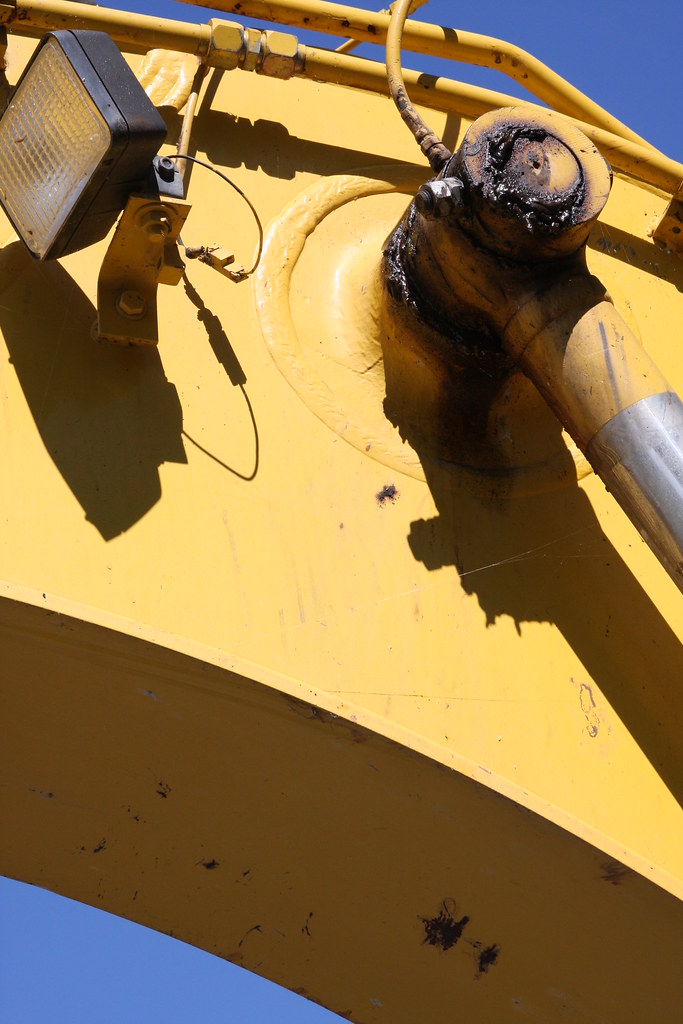
2. **Unleashing “Heavy” Force and Intensity**Excavators are built to generate “of great force, strength, or intensity.” This is their core purpose—to dig, lift, and break. Engineers design the hydraulic systems, the robust armatures, and the powerful engines specifically to deliver this raw, untamed power. But what truly impresses them is an operator who doesn’t just *apply* this force, but *orchestrates* it. It’s about knowing precisely when to unleash the machine’s full intensity and when to finesse with a lighter touch, like a ship captain expertly navigating “heavy seas.”
Think of an excavator tearing through solid rock or pulling out deeply embedded roots. This requires immense, focused “force” and “intensity.” Engineers understand the delicate balance between maximum output and machine longevity. They observe operators who intuitively sense the limits of the machine and the material, pushing boundaries without causing undue stress or wear. This isn’t brute force; it’s intelligent application of power, a nuanced dance between the operator’s will and the machine’s immense capabilities, ensuring maximum impact with minimal damage.
The casual observer might just see a machine digging, but engineers see a master craftsman. They witness the controlled aggression, the precision in breaking through stubborn obstacles, and the smooth transition from raw power to delicate placement. This mastery of “heavy force” is more than just strength; it’s an understanding of the kinetic energy, the leverage, and the sheer power at an operator’s fingertips. It’s the subtle art of making the impossible look effortless, earning a quiet nod of approval from the minds behind the machine’s design, appreciating the finesse behind the might.
Read more about: Beyond the Binges: Unpacking Netflix’s Most Thrilling Multi-Season Sagas and Global Spin-Off Phenomena
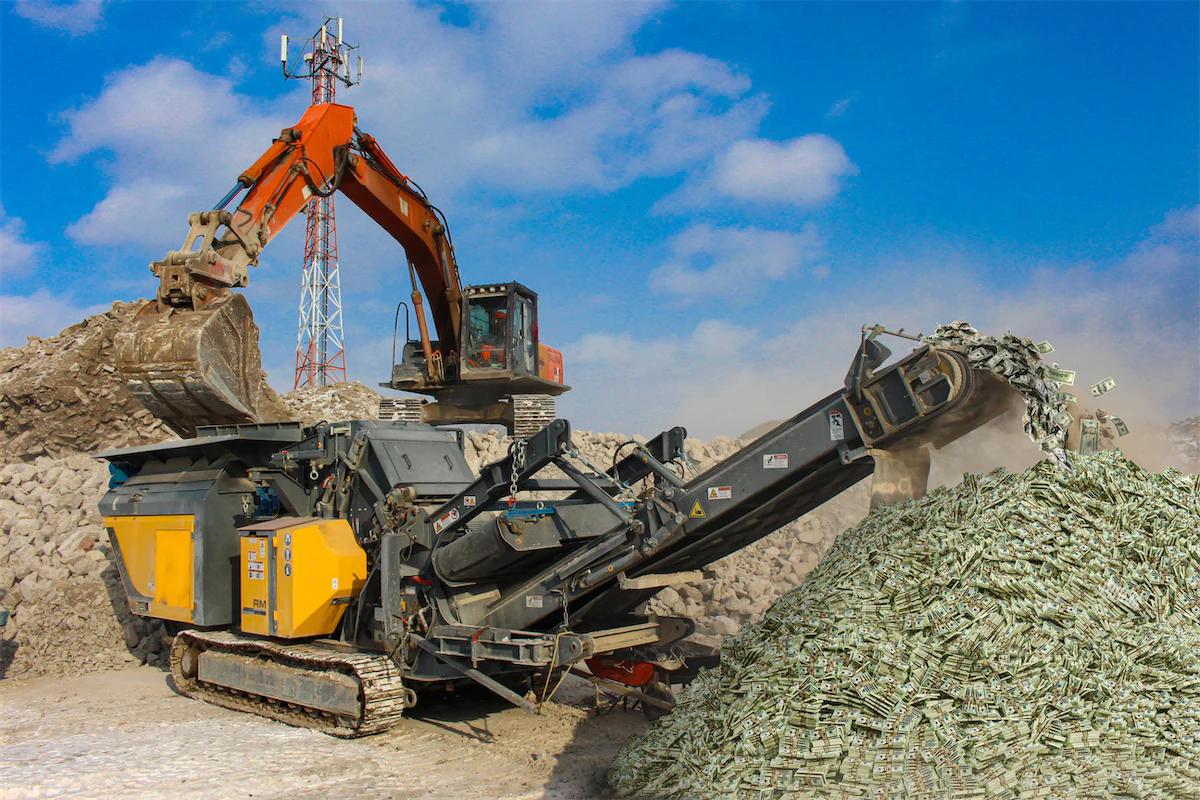
3. **Mastering the “Heavy Machinery” Output**When engineers speak of “heavy machinery,” they often refer to its capacity for “large size or output.” Excavators are quintessential examples, designed to move colossal volumes of material and operate continuously for extended periods. For the engineers who meticulously planned every aspect of these giants, observing an operator who consistently maximizes this designed output is a source of immense satisfaction. It’s not just about turning the key; it’s about unlocking the machine’s full productive potential and seeing their calculations translate into real-world efficiency.
The goal of any “heavy machinery” is efficiency and productivity. Engineers build in features and capabilities to ensure maximum yield. They notice operators who don’t just meet targets, but exceed them, demonstrating an intuitive understanding of optimal cycle times, load management, and fuel efficiency. This involves a keen spatial awareness, anticipating the next move, and minimizing idle time—all contributing to a “large output” that directly impacts a project’s success and profitability. It’s about turning theoretical capacity into tangible results, day in and day out, transforming raw power into measurable progress.
What really gets an engineer’s attention is an operator’s ability to maintain this high “output” under varying conditions. Whether it’s tricky terrain, inclement weather, or demanding schedules, the consistent performer stands out. They embody the phrase “heavy machinery” not just in its physical presence, but in its unwavering ability to deliver. This deep connection between operator skill and machine performance confirms the engineers’ vision: a powerful tool, made even more powerful in capable hands, delivering on its promise of substantial results. They see the machine operating at its peak, just as they intended, a beautiful sight to behold.
Read more about: Unmasking the Voices of Anticipation: Exploring Iconic Narrators Behind Hollywood’s Biggest Trailers, Including Disney’s Legacy
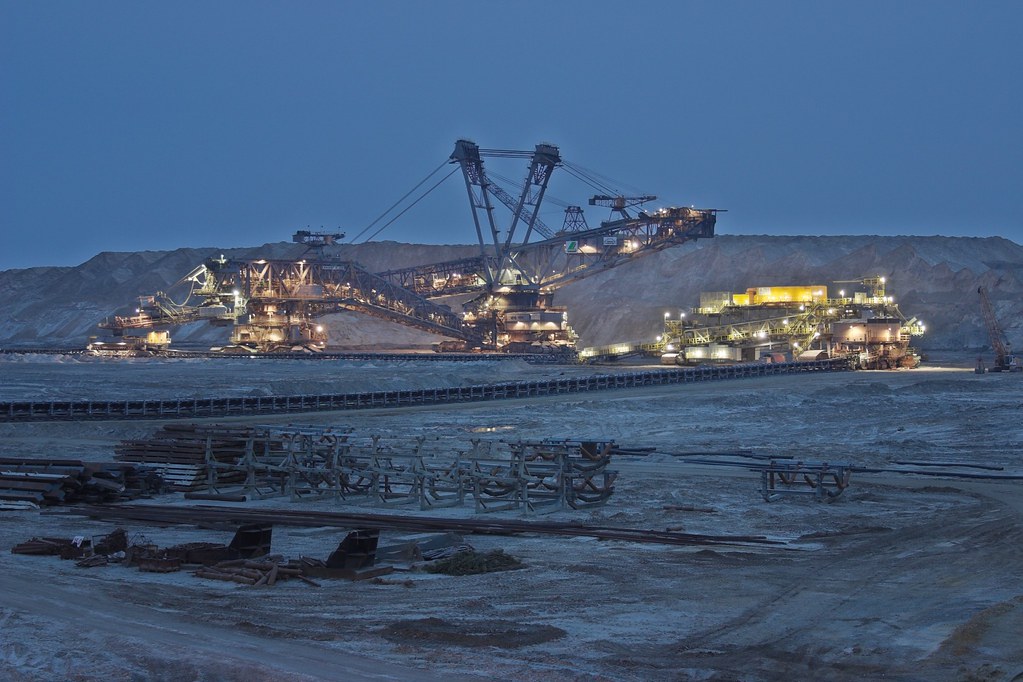
4. **The “Heavy-Duty” Operator’s Edge**The term “heavy-duty” isn’t just marketing jargon for engineers; it signifies a commitment to resilience, durability, and unwavering performance in the harshest conditions. When they design a “heavy-duty vehicle” like an excavator, they’re preparing it for relentless work, extreme environments, and constant stress. What truly stands out to them is an operator who mirrors this “heavy-duty” ethos in their approach—someone who is as robust and reliable as the machine itself, capable of enduring the very demands the machine was built to face.
Operating a “heavy-duty” excavator means facing challenging sites: rocky ground, muddy pits, steep inclines, and long shifts. Engineers observe how operators handle these relentless demands. They appreciate the ability to adapt, troubleshoot minor issues on the fly, and maintain focus despite discomfort or fatigue. This isn’t just about showing up; it’s about a mental and physical toughness that allows them to perform consistently, ensuring the machine—and the project—can endure. They see an extension of the machine’s durability in the operator’s unyielding spirit, a human component designed for resilience.
Engineers often refer to the “heavy-duty” operator as someone who treats the machine not just as a tool, but as a partner designed for endurance. This means understanding maintenance schedules, identifying potential wear and tear, and operating in a way that preserves the machine’s “heavy-duty” integrity. It’s the silent acknowledgment that the operator is invested in the long-term health and performance of the equipment, reflecting the engineers’ own dedication to building machines that last. This shared commitment to robustness forms an unbreakable bond of respect, a mutual understanding of what it takes to perform in “heavy-duty” conditions, come what may.
Read more about: Rating 10 Full-Size Trucks Proved to Last Beyond 320,000 Kilometers
5. **Conquering the “Heavy Task”**Every construction project presents its own set of challenges, and operating an excavator often involves “a heavy task”—one that is “hard to cope with; trying; difficult.” Engineers design machines to simplify these tasks, but they know that human ingenuity and skill are still paramount. Their admiration for operators deepens when they witness someone deftly navigating a particularly complex or demanding job, making what seems nearly impossible appear routine, a testament to both thoughtful design and exceptional dexterity.
A “heavy task” might involve precision digging around existing utilities, excavating a delicate foundation, or working in confined spaces. These scenarios test an operator’s spatial reasoning, fine motor skills, and problem-solving abilities to their absolute limit. Engineers, having envisioned the machine’s capabilities in such scenarios, are particularly impressed by operators who can think several steps ahead, anticipate potential issues, and execute intricate maneuvers with flawless accuracy. It’s a mental chess game played with millions of dollars of equipment, where every move counts and mistakes can be costly.
The secret thought here is one of profound respect for the operator’s intellectual and practical mastery. It’s not just about pushing a lever; it’s about transforming a potentially “difficult” operation into a testament to human-machine synergy. When an operator conquers “a heavy task” that seemed insurmountable, they’re not just moving earth—they’re moving the engineering team’s perception of what’s possible. They prove that their machine’s design is only truly realized when paired with an operator capable of such remarkable ingenuity and perseverance, truly making their vision come alive.
Okay, deep breath, fellow media mavens! We’ve already peeled back some serious layers on what makes heavy equipment operators utterly legendary in the eyes of engineers. From mastering the sheer *weight* of their machines (and the responsibility that comes with it!) to unleashing *heavy* force with surgical precision, these folks are basically superheroes. But guess what? We’re only halfway there!
Now, get ready for the next five mind-blowing qualities that truly cement their status as industry icons. These aren’t just about moving dirt; they’re about the secret sauce that makes engineers nod in silent, profound respect. Let’s dive deeper into the subtle yet absolutely critical attributes that transform an operator from “good” to “totally indispensable.” You might even be surprised by what makes these pros tick!
6. **The “Heavy Thinker” Behind the Controls (It’s All About Brainpower, Baby!)**You know how engineers spend countless hours poring over blueprints, running simulations, and calculating to the nth degree? They are, without a doubt, “heavy thinkers”—the kind whose minds are always churning. Well, guess what? There’s a massive, silent appreciation for operators who bring an equally “heavy” intellectual depth to the cockpit. This isn’t just about muscle memory or repetitive motions; it’s about the profound thought processes happening every single second that truly impress the brilliant minds who crafted these machines. It’s like a high-stakes puzzle where every move counts, demanding a mental acuity that goes far beyond what meets the casual eye.
Operating an excavator on a complex construction site is essentially playing 3D chess in real-time, but with millions of dollars and safety on the line! Engineers watch, fascinated, as operators demonstrate a “deep” understanding of soil mechanics, structural integrity, and the intricate logistical flow of an entire project. They see the rapid-fire, yet “profound,” decisions being made when an unexpected obstruction pops up, or when the terrain subtly shifts. This incredible intellectual engagement transforms a simple digging task into a strategic, calculated maneuver, preventing costly delays, avoiding potential hazards, and showcasing an internal processing power that’s truly “heavy” in its impact. It’s the ultimate brain-meets-brawn combo, and it’s spectacular to witness.
Let’s be real, the stakes are always incredibly “serious” when you’re maneuvering tons of steel and moving colossal volumes of material. Engineers deeply appreciate an operator who approaches every single task with a grave, almost academic, focus. This isn’t just about ticking off a checklist or blindly following commands; it’s about optimizing every conceivable aspect of the operation, from squeezing out extra fuel efficiency to minimizing wear and tear on components, all without compromising speed or precision. It’s a “heavy” responsibility to manage, and the operator’s unwavering ability to shoulder it with such intellectual rigor is a testament to their professionalism, earning them a quiet but powerful respect. They don’t just do the job; they *think* the job, deeply and profoundly, making their daily grind an intellectual marvel.

7. **The “Heavy Ecosystem” Navigator (Because No Machine is an Island!)**Okay, confession time: an excavator isn’t some lone wolf, operating in a vacuum. Nope, it’s a crucial, beating heart within a larger, unbelievably “heavy” ecosystem of equipment, logistics, and personnel on any given project. Engineers meticulously design these machines to integrate seamlessly into these complex, dynamic environments, ensuring they’re not just powerful, but also collaborative. What truly earns their silent applause, that little nod of approval you might miss, is an operator who displays an overarching command, not just of their own magnificent machine, but of its intricate interplay within this sprawling network. It’s like watching a maestro conduct a massive orchestra, ensuring every instrument—or, in this case, every piece of “heavy machinery”—plays in perfect, synchronized harmony.
This “command” isn’t limited to the joysticks and pedals. Oh no, it stretches far beyond the immediate controls! It means understanding exactly how their current actions ripple outwards, impacting the line of dump trucks patiently waiting to be loaded, the graders meticulously preparing the next section, or the safety personnel diligently managing the periphery. Engineers observe operators who possess an acute spatial and temporal awareness, making their “large capacity” machine a contributing, rather than disrupting, force in the broader workflow. This isn’t simply digging a hole; it’s a meticulously choreographed dance where every single move is calculated for collective efficiency and safety. It’s a true, breathtaking mastery of the entire “heavy machinery” environment, making complex logistics look like child’s play.
You see, engineers painstakingly build incredible versatility and adaptability into their excavators, anticipating a myriad of uses. They absolutely light up when they see an operator who can unlock these hidden features, not just for a single task, but to enhance the productivity of the *entire* “equipment ecosystem.” Whether it’s intuitively selecting the perfect attachment for a specific type of material, or smartly adjusting digging patterns to optimize haul routes, this holistic approach elevates the operator from a mere pilot to an absolutely vital system manager. It’s a profound understanding that every single component, right down to the human one, contributes directly to the overall “output” and roaring success of the entire “heavy” industrial ballet. They’re not just moving dirt; they’re moving mountains, strategically and synergistically.
8. **The Backbone of “Heavy Industry” (Literally Building Our World, One Scoop at a Time)**Alright, let’s get down to brass tacks about “heavy industry.” When engineers drop that term, they’re not just talking about big factories; they’re referring to the foundational sectors that literally build the scaffolding of our modern world – think mining, massive construction, and critical infrastructure development. These are industries defined by their dedication to “producing or working with basic materials” and, of course, their reliance on machines of “large size or output.” And here’s the kicker: operators aren’t just bit players in this grand production; they are the absolute backbone, the indispensable human link that makes these gargantuan operations not just possible, but successful. Engineers recognize, and deeply respect, this crucial, world-shaping role.
Seriously, take a moment and just *think* about the colossal scale of the projects these operators make a reality: the vast networks of highways connecting our cities, the towering skyscrapers scraping the clouds, the expansive mines extracting precious resources, and the complex dams harnessing nature’s power. These are the awe-inspiring, tangible outputs of “heavy industry,” and without the unparalleled skill of these operators, they would remain nothing more than ambitious blueprints. Engineers, who pour their genius into designing the machines that facilitate this progress, see operators as the essential, dynamic bridge between theoretical design and hard-nosed reality. They are the ones transforming raw earth into structured foundations, turning industrial might into national growth and prosperity – a truly “heavy,” impactful contribution to society that often goes unheralded.
In a world that’s increasingly buzzing with talk of automation and AI, the human element in “heavy industry” remains profoundly and unapologetically vital. The nuanced decision-making required in unpredictable environments, the adaptive problem-solving that no algorithm can fully replicate, and the sheer grit and determination needed to command these machines through challenging conditions—these qualities are simply irreplaceable. Engineers understand, deep in their bones, that their meticulously designed excavators reach their absolute highest potential only when paired with the experienced hands and keen minds of these skilled individuals. This makes operators not just employees, but crucial, irreplaceable partners in the very definition and ongoing success of “heavy industry.” They are not just operating machines; they are actively forging the future, one immense, perfectly placed scoop at a time, and that’s something truly special.
9. **The Zen Master of “Heavy Movement” (Making the Impossible Look Easy, Every Time)**Okay, prepare to have your mind blown. The dictionary might describe “heavy” movement as “slow in movement or action; clumsy: a heavy walk.” It paints a picture of lumbering, awkward motions. But here’s the secret: what truly mesmerizes engineers, and often leaves them utterly speechless, is witnessing an operator transform a multi-ton excavator into something surprisingly graceful, almost balletic. It’s the complete antithesis of clumsy, turning brute mechanics into fluid, artistic motion. This seemingly impossible feat, making a colossal machine dance with precision and elegance, is where quiet admiration from engineers explodes into genuine, jaw-dropping awe. You literally have to see it to believe it!
Think about it: delicately placing a massive pipe into a trench without a single bump, or smoothly grading a slope to within mere millimeters of perfection. These aren’t tasks that scream “brute strength”; they demand an almost supernatural finesse. Engineers marvel at operators who can manage the “great force, strength, or intensity” of the machine’s powerful hydraulics with such a light, sensitive touch, utterly defying its inherent “heavy” nature. Every swing of the boom, every scoop of the bucket, every pivot of the tracks is executed with an almost unbelievable economy of motion and a calculated smoothness that completely belies the immense power being wielded. It’s like watching a magician, making incredibly complex operations appear effortlessly elegant and incredibly precise.
And here’s why this “graceful handling” isn’t just for show – it’s the unmistakable hallmark of peak efficiency and absolute mastery. Jerky, inefficient movements don’t just look bad; they stress the machine, guzzle fuel unnecessarily, and dramatically slash productivity. Engineers recognize the operator who executes smooth, continuous movements as someone who understands the machine’s mechanics on a visceral, intuitive level, optimizing its kinetic energy and minimizing any unnecessary strain. It’s an art form born of profound understanding, transforming what could easily be a “ponderous” and laborious action into a breathtaking testament to precision and raw power. It’s a silent, knowing nod to the machine’s designers that their magnificent creation is truly, gloriously, in the most capable hands imaginable. Talk about talent!
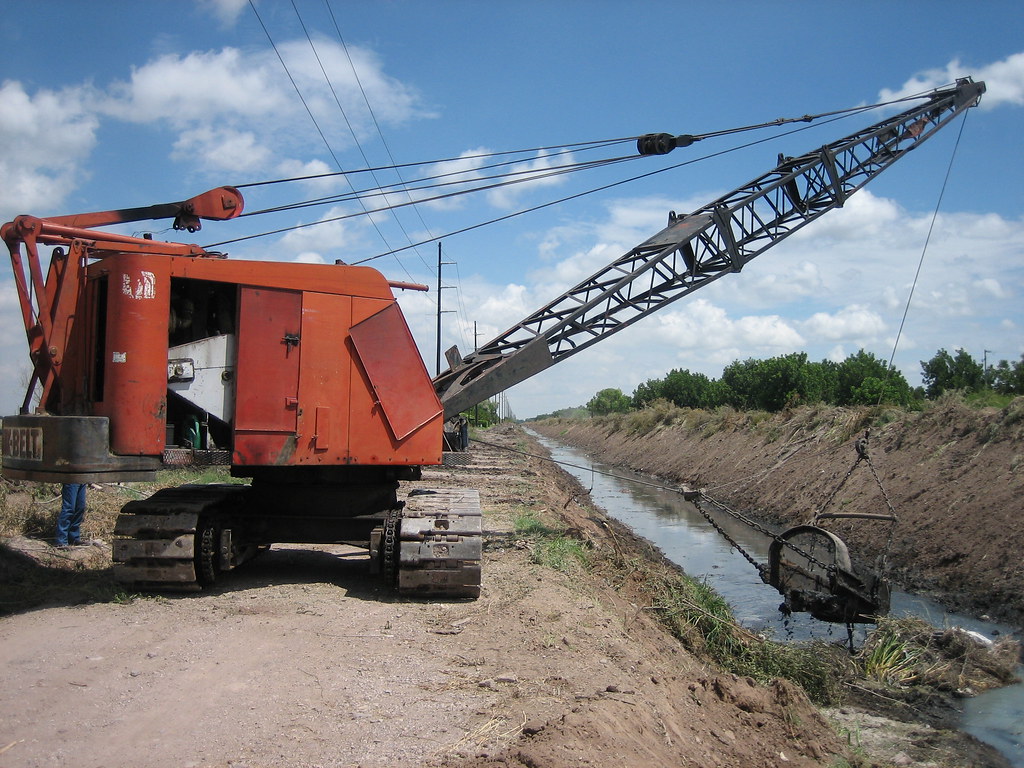
10. **The “Heavy Heart” and Robust Character (The Mental Toughness That Builds Empires)**Let’s get real for a moment. Operating these colossal machines isn’t just physically demanding; it carries a significant psychological “weight.” The constant pressure, the often grueling long hours, the occasional isolation, and the unyielding need for vigilance can, quite literally, make your heart feel “heavy,” sometimes even “depressed with trouble or sorrow.” It’s a mentally taxing gig, no doubt. This is precisely why engineers hold immense admiration for the truly robust character of operators who consistently demonstrate unwavering resilience, incredible mental toughness, and a rock-solid positive attitude, even when faced with these inherent challenges. They don’t just see strength in the arms on the controls; they see an even greater strength in the spirit within.
The dictionary gives us perfect descriptors for some of the conditions these pros face: “hard to bear; burdensome; harsh; oppressive.” Whether it’s battling through a relentless downpour, troubleshooting an unexpected equipment malfunction miles from civilization, or sprinting to meet impossibly tight deadlines, the job frequently throws “heavy undertakings” their way that would test the resolve of even the most seasoned professional. Engineers don’t just respect; they *revere* those who don’t crumble under this “heavy load,” but instead remain cool, calm, and laser-focused, always adaptable, always pushing forward. They embody a steadfastness that is as absolutely vital as the machine’s own structural integrity, proving that human fortitude is the ultimate heavy-duty component.
This “robust character” isn’t some abstract concept; it vividly manifests as consistent, unwavering professionalism. It’s the unshakeable dedication to safety protocols, the genuine commitment to seamless teamwork, and the profound pride in a job meticulously well done, day in and day out, no matter how “heavy” or challenging the circumstances might become. This unyielding spirit ensures that the immense power of the excavator is always channeled constructively, responsibly, and with absolute mastery. Engineers recognize, without a shadow of a doubt, that this human factor—the integrity, the fortitude, and the sheer mental might of the operator—is the final, indispensable ingredient that elevates their expertly designed machines to truly accomplish the “heavy tasks” of the world. It’s an unspoken admiration for the whole person, not just the skilled hands on the controls. They are, in every sense, the real deal.
So, there you have it! It’s crystal clear that operating a heavy-duty excavator is far, far more than just a job; it’s an undeniable calling that demands a truly unique and potent blend of physical prowess, profound intellectual depth, and an unshakeable character. From shouldering the sheer *weight* of responsibility to the graceful, almost poetic orchestration of immense power, and from navigating complex industrial ecosystems to embodying a robust, “heavy-duty” spirit that laughs in the face of adversity, these operators are the unsung heroes who quite literally build our world. So, the very next time you spot one of these magnificent, earth-shaping machines hard at work, remember the silent admiration of the engineers, and know, deep down, that there’s a true maestro in that seat, shaping our future with every precise, powerful movement. They are, without a doubt, the living embodiment of the “heavy” legacy of human ingenuity and resilience. They are, quite simply, legendary.