The world of innovation is often painted with broad strokes of success, tales of visionary breakthroughs that transform industries and everyday life. Yet, beneath the gleaming veneer of triumphs lies a vast, often unspoken, graveyard of ambitious projects that stumbled, faltered, and ultimately failed. These are not merely footnotes in history; they are invaluable lessons, tangible proofs that even the most brilliant minds and powerful corporations are susceptible to miscalculation, market misjudgment, and the inherent unpredictability of progress.
Psychologist Samuel West, the driving force behind the Museum of Failure, reminds us that “Ninety percent of startups fail. Ninety percent of innovation fails.” This stark reality underscores the profound importance of embracing failure as an essential crucible for true breakthrough. His museum, now on view at Industry City in Sunset Park, Brooklyn, serves as a powerful testament to this philosophy, showcasing a fascinating collection of products that, despite significant investment and sometimes groundbreaking ideas, never quite made it. It’s a place designed to “destigmatize failure,” revealing the complex tapestry of reasons why promising prototypes often get scrapped mid-testing or meet an ignominious end.
From products that simply didn’t understand their target users to those that were victims of overhype or disruptive market forces, the stories of these design failures are as compelling as any success story. They offer a unique lens through which to appreciate the intricate dance between engineering ingenuity, market dynamics, and human behavior. Join us as we survey some of the biggest design fails in modern history, beginning with seven iconic examples that stand as monuments to lessons hard-learned in the relentless pursuit of innovation.

1. Colgate Kitchen Entrees
Colgate, a name synonymous with oral hygiene, made a truly perplexing foray into the culinary world with Colgate Kitchen Entrees in the early 1980s. The company, facing stiff competition from Proctor & Gamble in the personal care market, decided to diversify its portfolio, believing its brand recognition alone would be enough to launch a line of TV dinners. This decision, in retrospect, highlights a fundamental misjudgment of brand perception and consumer psychology.
The marketing strategy targeted college students and working parents, groups often looking for convenient meal options. However, the disconnect in the consumer’s mind was immense. The idea of associating the taste of beef lasagna or other frozen meals with a company primarily known for toothpaste proved to be an insurmountable hurdle. Consumers simply could not “connect the dots between clean teeth and tasty beef lasagna,” leading to a profound lack of appetite for the product.
The failure was swift and undeniable, with the line of Kitchen Entrees soon pulled from shelves. This particular misstep was so impactful that Colgate reportedly took extraordinary measures, removing all mentions of the Kitchen Entrees from its official website. It serves as a stark reminder that brand equity, while valuable, does not automatically translate across vastly different product categories, especially when the core association is so deeply ingrained and incongruous.

2. Sony Betamax
In the burgeoning era of home video, Sony’s Betamax format emerged as an early frontrunner, boasting superior picture quality compared to its competitor, VHS. Launched with the promise of bringing cinematic experiences into the living room, Betamax tapes initially dominated the nascent home video market. However, Sony’s singular focus on technical superiority overshadowed a crucial understanding of consumer behavior and market needs, ultimately sealing its fate.
The pivotal miscalculation lay in Sony’s design philosophy regarding tape length. As UK journalist Jack Schofield observed, Sony opted for “smaller, neater tapes that lasted for an hour,” believing consumers would prioritize compact design and higher fidelity for shorter viewing experiences. This was in stark contrast to VHS manufacturers, who utilized “basically the same technology with a bulkier tape that lasted two hours.” This seemingly minor difference proved to be a decisive factor in the format war.
Consumers, it turned out, primarily desired the ability to record entire movies or live sporting events without interruption. The two-hour capacity of VHS tapes perfectly met this demand, even if it meant a slight compromise on picture quality. Betamax’s hour-long limitation forced users to choose between recording only part of a program or changing tapes mid-recording, an inconvenience that quickly alienated potential buyers. Despite its technical prowess, Betamax’s failure to grasp the practical, real-world application consumers sought in a home video recorder ultimately led to its market demise.
Read more about: Beyond the Orphanage: An In-Depth Look at the Grand Production and Enduring Legacy of John Huston’s 1982 Musical Film ‘Annie’

3. Apple Pippin
Before Apple revolutionized personal computing and mobile communication, it made a less celebrated, albeit significant, foray into the gaming console market with the Apple Pippin. Launched in 1996, this console was a collaborative effort, manufactured and marketed by the Japanese toy company Bandai. It represented an attempt by Apple to leverage its brand into the rapidly expanding interactive entertainment sector, a vision that, unfortunately, was marred by several critical miscalculations.
The Pippin faced an immediate uphill battle due to its exorbitant price point. Retailing at $400, it was significantly more expensive than its primary competitor, the Nintendo 64, which offered a more compelling gaming experience at a much lower cost. This pricing strategy severely limited its appeal to the mass market, especially considering the relatively nascent state of console gaming where affordability and a strong game library were paramount for success.
Compounding the price issue was a critical scarcity of available games. A console, no matter how technologically advanced, is only as good as the software it runs, and the Pippin simply lacked a diverse and engaging library to justify its cost. When Steve Jobs famously returned to Apple in 1997, the Pippin was among several non-core products that were swiftly discontinued. Its brief existence serves as a testament to the fact that even a revered brand like Apple can misjudge a market, particularly when it comes to the intricate ecosystem of third-party developer support and competitive pricing essential for a successful gaming platform.
Read more about: 12 Film Deaths That Stayed With Us: Devastating Scenes From Cinema’s Most Unforgettable Fare
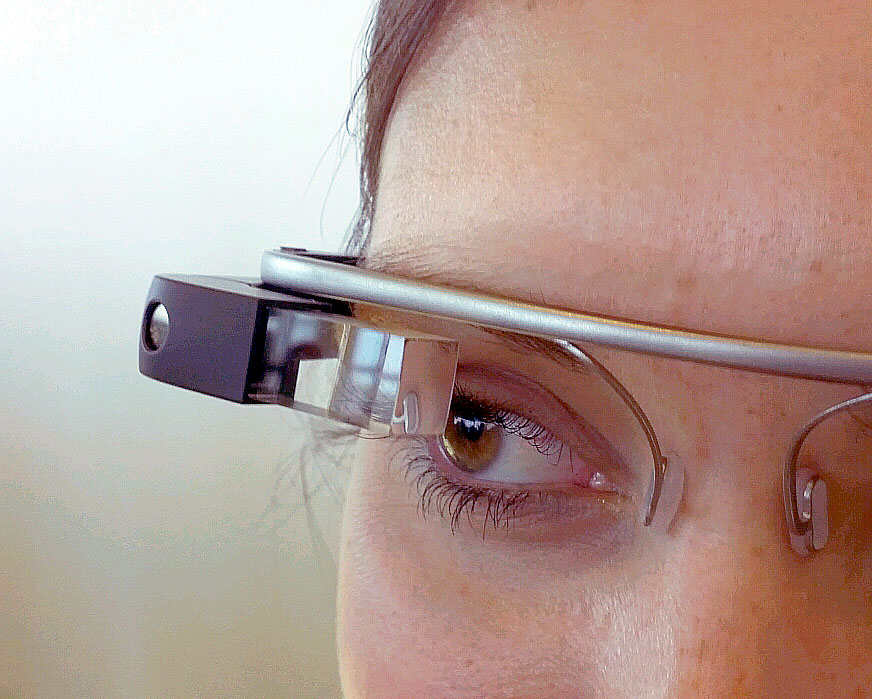
4. Google Glass
Few prototypes have generated as much initial excitement and subsequent public backlash as Google Glass. Introduced in 2013, the wearable device promised a revolutionary way to surf the web via voice command, overlaying digital information onto the wearer’s field of vision. The concept captured the imagination of many, suggesting a future where technology seamlessly integrated with daily life, but the reality of its implementation quickly unveiled a host of unforeseen challenges.
The technology itself, while innovative, was never fully perfected for widespread consumer adoption. Beyond the technical hurdles, the device was plagued by a prohibitive $1,500 price tag, positioning it as a luxury item rather than an accessible tool. More critically, Google Glass ignited a firestorm of privacy concerns. The integrated camera, capable of discreetly recording video and taking photos, led to public anxiety about surveillance and personal space, transforming wearers into objects of suspicion and derision.
The social stigma associated with the device was profound, with users pejoratively dubbed “Glassholes.” This public antipathy led to outright bans in numerous social and commercial settings, including casinos, locker rooms, and movie theaters, effectively creating an environment hostile to its use. Despite its initial futuristic appeal, the combination of high cost, unperfected technology, and overwhelming privacy concerns ultimately prevented Google Glass from ever finding its footing with the general public, leading to its sales discontinuation in March 2023.
Read more about: Unlocking the Empire: Kendall Jenner’s Journey from Reality TV Star to Global Fashion & Business Mogul

5. Atari’s ET the Video Game
The Atari 2600 tie-in game for the blockbuster film “E.T. the Extra-Terrestrial” stands as a monumental cautionary tale in video game development, widely considered one of the worst video games of all time. Despite the immense popularity of the movie, the game suffered from a disastrous combination of rushed development, poor gameplay mechanics, and subpar graphics, even by 1983 standards, contributing significantly to the infamous video game crash of that era.
The primary factor in its downfall was an impossibly tight development schedule. Game designer Howard Scott Warshaw, who had previously adapted “Raiders of the Lost Ark” successfully for Atari, was given a mere “five-and-a-half weeks” to create the entire game. This truncated timeline left little room for refinement, extensive testing, or creative polish, forcing compromises that severely impacted the final product’s quality.
Players quickly discovered a game that was repetitive, frustratingly difficult to navigate, and visually unappealing. The widespread dissatisfaction reached legendary proportions, embedding Atari’s E.T. into pop culture urban lore. The myth of millions of unsold cartridges being buried in a New Mexico landfill, which actually had “a kernel of truth to it,” perfectly encapsulates the public’s revulsion. This product’s failure serves as a stark warning about the perils of sacrificing quality for expediency in the pursuit of a quick market tie-in.

6. TwitterPeek
In an age saturated with multi-functional smartphones, the concept of a dedicated device solely for Twitter seems baffling today, yet that was precisely the premise of the TwitterPeek. Launched in November 2009 with a $100 price tag, this handheld gadget aimed to cater specifically to the burgeoning social media platform’s user base. However, its severely limited functionality and flawed execution made it an instant candidate for the Museum of Failure.
The core problem with the TwitterPeek was its extreme lack of utility. It could “only send and receive tweets,” completely omitting basic smartphone features like making calls, receiving text messages, or sending emails. Even its sole purpose, Twitter access, was poorly implemented. The device’s screen displayed “only the first 20 characters of a message,” requiring users to engage in “a lot of slow scrolling” to read a full tweet, and frustratingly, it provided no access to linked websites, a critical component of Twitter’s utility.
Perhaps the most damning indictment was that “anyone with a smartphone could already access Twitter” more efficiently and comprehensively. This rendered the TwitterPeek redundant and obsolete from the moment of its release. Gizmodo’s 2009 assessment that it was “so dumb it makes my brain hurt” perfectly captured the collective sentiment. Its short-lived existence concluded just three years later when support for all Peek devices was terminated, solidifying its status as a technological curiosity rather than a useful innovation.
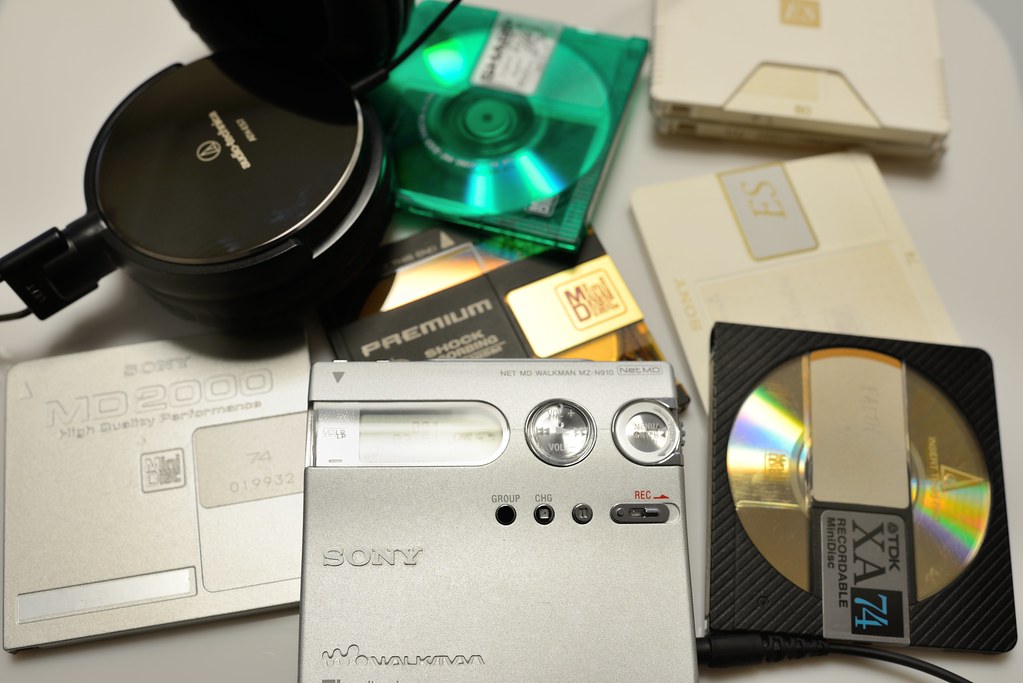
7. Sony Minidisc
Sony’s second entry on this list, the MiniDisc, arrived in 1992 with the ambitious goal of bridging the gap between CDs and cassette tapes. It was marketed as a revolutionary portable audio format, offering the “crystal clear sound quality of a CD without the risk of scratches or skips,” due to its smaller, encased disc design. Positioned as a superior alternative for portable music, it promised durability and high fidelity, but ultimately failed to capture the market’s imagination.
The MiniDisc’s primary hurdle was its steep initial price point, costing $500 upon launch. This made it an expensive luxury for most consumers, particularly when compared to the well-established and more affordable CD players and cassette recorders already prevalent in the market. Furthermore, the format struggled with a crucial chicken-and-egg problem: “few albums were released on the platform,” limiting the content available for playback and diminishing its overall appeal to music enthusiasts.
By the late 1990s, the technological landscape shifted dramatically, sealing the MiniDisc’s fate. The widespread arrival of recordable CDs, which offered similar audio quality and greater capacity at a lower cost, directly competed with its core value proposition. Soon after, the emergence of MP3 players, offering unprecedented portability and digital flexibility, rendered the MiniDisc largely obsolete. Despite its innovative design and sound quality, the MiniDisc became a classic example of a product that was both too expensive and too late to establish itself before being outmaneuvered by rapidly evolving digital technologies.
Read more about: Gone but Not Forgotten: Unearthing 11 Vintage Tech Gadgets That Time Left Behind
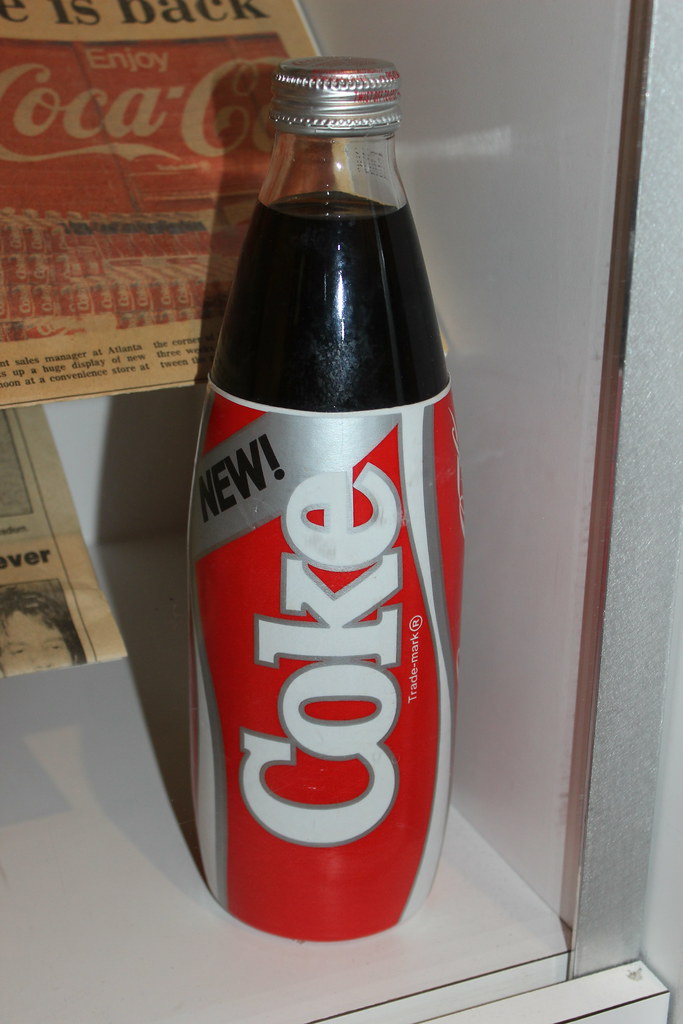
8. New Coke
In 1985, Coca-Cola, a beverage synonymous with American culture and a global icon, made a decision that would send shockwaves through the consumer market: it reformulated its signature soft drink. This bold move, dubbed “New Coke,” was the culmination of countless taste tests, which had consistently shown consumers preferred the new formula over the old Coca-Cola, and even over its primary competitor, Pepsi. Based on seemingly robust data, the company proceeded with the change, anticipating a renewed dominance in the fiercely competitive soda industry.
However, the scientific data failed to account for a deeply ingrained emotional connection consumers had with the original product. The public outcry was immediate, passionate, and overwhelming. Far from a simple product change, it was perceived as an assault on tradition, a fundamental alteration of something “an integral part of their lives, their very identities,” as Snopes articulated. This emotional dimension, often overlooked in market research focused purely on taste, proved to be a critical blind spot for Coca-Cola’s leadership.
The sheer volume and intensity of consumer dissatisfaction forced Coca-Cola to backtrack with unprecedented speed. After just three months, the company brought back its original formula, rebranding it “Coke Classic.” The episode stands as a powerful testament to the unforeseen complexities of brand loyalty and emotional attachment, demonstrating that even a product’s objective quality can be overshadowed by its cultural significance. It taught a vital lesson in understanding the profound, almost visceral, relationship consumers can develop with established brands.
Read more about: Laughing All the Way to Legend: 15 Iconic TV Scenes Where Comedians Totally Lost It on Live TV

9. Segway.
The Segway Personal Transporter arrived on the scene in 2001 amidst an unprecedented wave of hype, promising to revolutionize urban mobility. Inventor Dean Kamen famously fueled this anticipation, claiming the Segway “will be to the car what the car was to the horse and buggy.” This lofty declaration, combined with an air of secrecy that kept details from the press, regulators, and even early investors, built expectations to an almost impossible height, setting the stage for an equally dramatic fall.
Despite its innovative self-balancing technology and futuristic appeal, the Segway struggled to find its place in the market. It was a product caught between worlds: too slow and cumbersome for great distances, yet too large and often legally ambiguous for pedestrian areas. Its hefty price tag further alienated potential everyday users. The fundamental question of “who its intended user was” remained largely unanswered, leading to a fragmented adoption by niche markets like tour groups and security personnel, a far cry from its envisioned mass appeal.
Ultimately, the “perfect storm” that led to the Segway’s defeat included not only its overhype and the inventor’s leadership hubris but also its practical limitations and an inability to integrate seamlessly into existing urban infrastructure. The image of the “Paul Blart: Mall Cop” character, rather than a symbol of urban sophistication, inadvertently cemented its image as a somewhat quirky, even awkward, device. With only about 140,000 units sold before production ceased in 2020, the Segway serves as a potent example of how grand visions can falter when practical application, market fit, and public perception diverge from initial expectations.
Read more about: Powering the Ride: A Deep Dive into the World’s 15 Largest Motorcycle Brands and Their Global Impact

10. Microsoft Zune
In the wake of Apple’s wildly successful iPod, which debuted in 2001 and quickly dominated the digital music player market, Microsoft attempted to carve out its own slice of the pie with the Zune. Launched five years later, the Zune aimed to compete by offering a larger screen, a built-in radio tuner, and even a unique song-sharing feature. On paper, these additions seemed like viable differentiators, but the Zune faced an uphill battle against an entrenched and beloved competitor that had already mastered the “cool” factor.
Beyond the struggle for aesthetic and cultural relevance, the Zune was plagued by a critical design oversight that led to a memorable, widespread failure. Its internal clock was not programmed to properly handle leap years. Consequently, at the stroke of midnight on December 31, 2008, “tens of thousands of Zunes just froze up,” becoming inoperable. This technical glitch, affecting a significant portion of its user base simultaneously, became a symbol of the product’s fundamental flaws and Microsoft’s struggle to match Apple’s polish.
Despite Microsoft’s persistent efforts, including “dumping tens of millions of dollars into marketing campaigns,” the Zune never gained significant traction. It couldn’t overcome the iPod’s market lead, brand loyalty, or its own technical missteps. By the time production ceased in 2011, the Zune had captured “barely an eighth of the iPod’s market share,” illustrating the formidable challenge of entering a mature market dominated by an iconic product, especially when saddled with both a lack of compelling differentiation and embarrassing technical failures.
Read more about: Microsoft’s Enduring Legacy: A Deep Dive into Five Decades of Innovation, Market Dominance, and Strategic Evolution

11. Febreze Scentstories
Proctor & Gamble, a titan in household products, ventured into new aromatic territory in 2004 with Febreze Scentstories. This innovative device was envisioned as a sophisticated, high-definition air freshener, akin to a “CD player for your nose.” It housed five complementary scents within interchangeable discs, designed to alternate every half hour to create an aromatic “symphony.” The concept aimed to elevate home fragrance beyond simple sprays or static scented candles, offering a dynamic and evolving sensory experience.
However, consumers found themselves confused by the novelty and complexity of the Scentstories system. The device’s “clunky design” and the effort required to understand its rotating scent profiles seemed like “too much trouble to deal with.” The core value proposition—an alternating, complex scent experience—did not resonate widely enough to justify the product’s form factor or the learning curve involved. Even the endorsement of celebrity spokesperson Shania Twain, who had “signature Scentstories like ‘Shania’s Wishes for Spring’,” couldn’t stimulate sales.
The failure of Scentstories highlighted a critical disconnect between innovative concept and consumer readiness. While it didn’t achieve commercial success, its legacy isn’t entirely one of futility. A Proctor & Gamble executive acknowledged that it “paved the way for so many things moving forward,” suggesting that the insights gained from this ambitious, albeit unsuccessful, venture helped the company better understand “how consumers are using fragrances at home,” contributing to the evolution of future product development in the home fragrance market.

12. Volvo’s Itera bicycle
In the early 1980s, the renowned Swedish automaker Volvo attempted a surprising diversification into the bicycle industry with the Itera. Their ambitious goal was to modernize bicycle manufacturing by replacing traditional metal frames with those built from “injection-molded plastic.” This approach promised innovative design and perhaps a new era of lightweight, mass-producible bicycles. However, this seemingly forward-thinking concept quickly encountered a series of fundamental engineering and market realities.
The manufacturing process for the plastic frames proved “much higher than anticipated,” leading to an Itera bicycle with a final price tag “twice what Volvo had planned.” This exorbitant cost immediately positioned the Itera out of reach for many casual cyclists, who could find more affordable and traditionally constructed alternatives. Compounding the pricing problem was a severe oversight in the engineering team’s understanding of a bicycle’s practical environment: they apparently “didn’t realize bicycles are usually kept outside.”
This critical design flaw meant the plastic frames were not robust enough to withstand typical outdoor conditions. As Samuel West noted, “They melted and cracked in the heat,” rendering the bicycles unusable and unsafe for their intended purpose. The Itera became a textbook example of a company, despite its engineering prowess in another industry, failing to grasp the specific environmental and usage demands of a new product category, leading to a spectacular and costly design failure rooted in material science and user context.
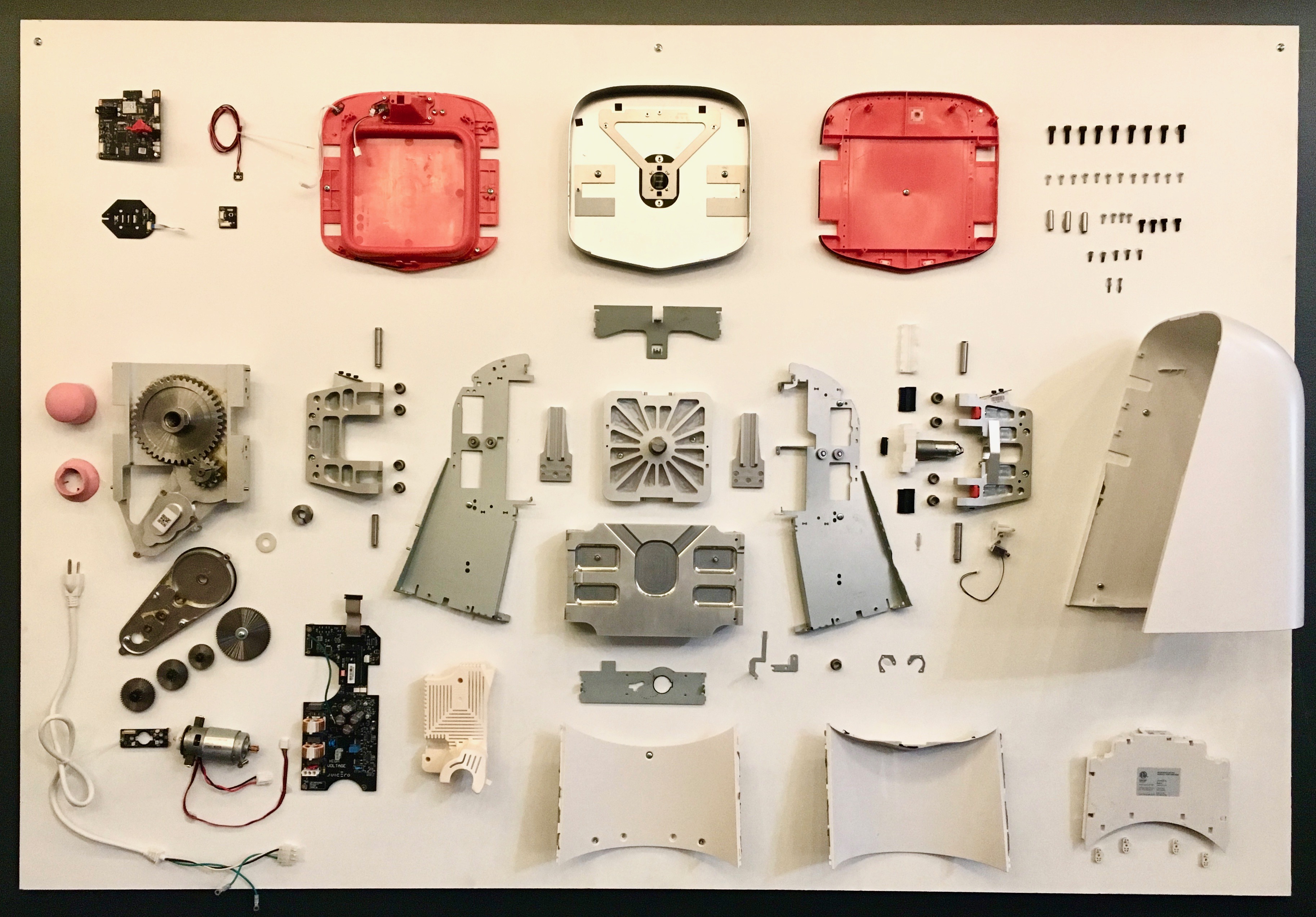
13. The Juicero Press
The Juicero Press, a Wi-Fi-enabled cold-press juicer, emerged from Silicon Valley in 2017 with audacious claims, promising to do for juicers “what Steve Jobs did for personal computers.” Raw-foods crusader Doug Evans, its founder, successfully impressed venture capitalists, securing “nearly $120 million from investors like Google, Kleiner Perkins, and Campbell Soup.” The $700 price tag positioned it as a luxury appliance, leveraging the allure of cutting-edge technology and a health-conscious lifestyle.
However, the core functionality of the Juicero Press was fundamentally misunderstood, or perhaps, intentionally obscured. Users were required to insert proprietary pouches filled with “pre-crushed fruit and vegetables” into the device, which then “extracted the liquid.” This system presented immediate logistical challenges, as these “produce packs” had to be ordered directly from Juicero and “couldn’t be frozen or filled with preservative,” making distribution a persistent problem and limiting user flexibility.
The ultimate undoing of the Juicero Press came with a startling revelation: people discovered “you could just squeeze the pouches with your hand and get the same result” as the expensive machine. This exposed the device as largely superfluous, rendering its advanced technology and high price tag entirely unjustifiable. The Juicero, a poster child for over-engineered solutions to non-existent problems and perhaps a case of leadership hubris, went out of business after “just a year and a half,” leaving behind a significant cautionary tale about market timing and understanding genuine consumer needs.
These 13 tales of ambition, innovation, and ultimate failure serve as profound reminders that the path to progress is rarely linear. From misjudged consumer psychology to unforeseen technological shifts and the undeniable impact of human perception, each scrapped prototype offers a critical lesson in foresight, adaptability, and humility. They underscore the museum’s philosophy: that true breakthroughs often emerge from the ashes of these “significant fails,” shaping our understanding of what works, what doesn’t, and why—ultimately refining the very art of invention.