In the world of trucks, reliability isn’t just a desirable trait; it’s an absolute necessity. A truck is often a workhorse, a family hauler, and a loyal companion that owners depend on for daily tasks and long hauls. When the heart of that machine—the engine—falters, the consequences can be catastrophic, destroying not only vehicle performance but also the trust built over decades between manufacturers and their loyal customers.
Automotive history is replete with examples of groundbreaking engineering, but it also carries the scars of ambitious designs gone awry. These are stories of engines that, despite their initial promise or the prestigious badges they wore, succumbed to inherent flaws, cost-cutting measures, or simply a lack of thorough testing. Such failures led to widespread frustration, staggering repair bills, and even permanent shifts in consumer loyalty.
We embark on a journey through some of the most infamous truck engine failures, dissecting the design missteps and manufacturing oversights that transformed potential powerhouses into cautionary tales. These are the engines that mechanics still discuss with a mixture of dread and disbelief, the ones that irrevocably damaged the reputations of America’s biggest automakers and left a lasting mark on the industry. Let’s delve into the top contenders for the worst truck engines ever produced, starting with some truly legendary disasters.
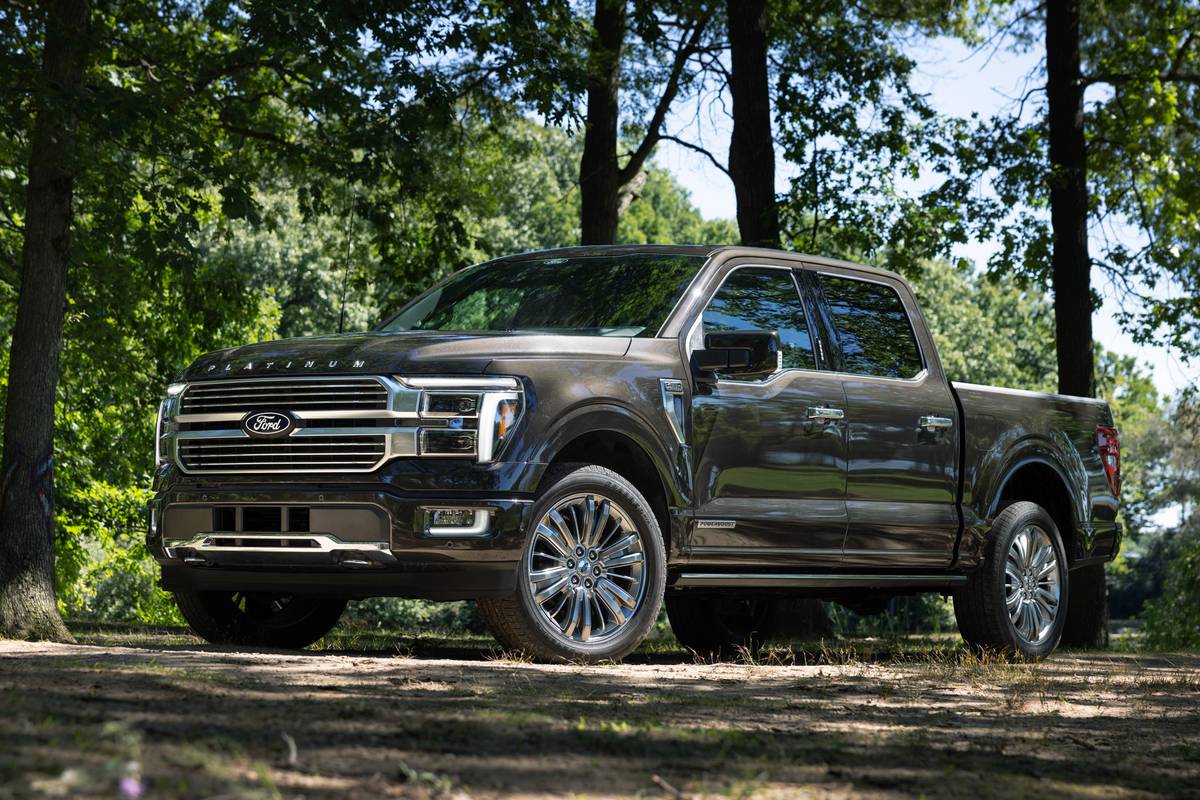
1. **The Ford 5.4L Triton V8: A Countdown to Catastrophic Repair**The Ford 5.4L Triton V8 engine earned its notorious reputation as arguably the worst truck engine ever conceived, primarily due to a series of spectacular design flaws that left owners reeling. From its introduction, this engine seemed destined to become a liability, consistently vexing drivers and mechanics alike with its persistent issues.
Perhaps its most infamous problem was the alarming tendency for spark plugs to eject themselves from the cylinder head. This wasn’t an isolated incident; it became so common that Ford dealers were compelled to develop specialized tools specifically to address this recurring and costly failure. The thought of a spark plug launching itself out of an engine cylinder is enough to send shivers down any truck owner’s spine, highlighting a fundamental flaw in its design.
Adding to the misery, the 5.4L Triton V8 was plagued by timing chain failures. These breakdowns often occurred without warning, leading to severe internal engine damage or even complete engine destruction. The constant anxiety of potential timing chain failure turned every drive into a gamble for owners, knowing a ticking sound could be a countdown to expensive repairs.
Beyond these critical issues, the engine developed a distinctive ticking sound. For many, this audible warning became an ominous soundtrack to their truck ownership experience, signaling impending costly repairs or, in the worst cases, the need for a complete engine replacement. The cumulative effect of these problems made the 5.4L Triton V8 a truly disastrous chapter in Ford’s truck engine history.
Car Model Information: 2021 Maserati Ghibli S Q4 GranSport
Name: Ford Super Duty,(F-250/F-350/F-450/F-550/F-600)
Caption: 2020 Ford F-250
Manufacturer: Ford Motor Company
Production: January 5, 1998–present
ModelYears: 1999–present
Class: pickup truck
Layout: Front-engine, rear-wheel-drive layout
Predecessor: Ford F-Series (ninth generation)
Categories: 2000s cars, 2010s cars, All-wheel-drive vehicles, All articles with bare URLs for citations, Articles with bare URLs for citations from August 2024
Summary: The Ford Super Duty (also known as the Ford F-Series Super Duty) is a series of heavy-duty pickup trucks produced by the Ford Motor Company since the 1999 model year. Slotted above the consumer-oriented Ford F-150, the Super Duty trucks are an expansion of the Ford F-Series range, from F-250 to the F-600. The F-250 through F-450 are offered as pickup trucks, while the F-350 through F-600 are offered as chassis cabs.
Rather than adapting the lighter-duty F-150 truck for heavier use, Super Duty trucks have been designed as a dedicated variant of the Ford F-Series. The heavier-duty chassis components allow for heavier payloads and towing capabilities. With a GVWR over 8,500 lb (3,900 kg), Super Duty pickups are Class 2 and 3 trucks, while chassis-cab trucks are offered in Classes 3, 4, 5, and 6. The model line also offers Ford Power Stroke V8 diesel engines as an option.
Ford also offers a medium-duty version of the F-Series (F-650 and F-750), which is sometimes branded as the Super Duty, but is another chassis variant. The Super Duty pickup truck also served as the basis for the Ford Excursion full-sized SUV.
The Super Duty trucks and chassis-cabs are assembled at the Kentucky Truck Plant in Louisville, Kentucky, and at Ohio Assembly in Avon Lake, Ohio. Prior to 2016, medium-duty trucks were assembled in Mexico under the Blue Diamond Truck joint venture with Navistar International.
Get more information about: Ford Super Duty
Buying a high-performing used car >>>
Brand: Ford Model: 5.4L Triton V8
Price: $33,440 Mileage: 24,509 mi.

2. **The Ford 6.0L Powerstroke Diesel V8: The Diesel Reputation Destroyer**The Ford 6.0L Powerstroke Diesel V8 stands as one of Ford’s most catastrophic engineering failures, single-handedly damaging the brand’s diesel reputation for years to come. Introduced in the early 2000s, this engine promised robust performance but delivered a litany of reliability issues that quickly turned it into a nightmare for truck owners.
One of the most widespread and costly problems involved head gasket failures. These frequently occurring breakdowns were a source of immense frustration and significant repair expenses. Owners often found themselves facing repeated trips to the service bay, undermining the very notion of diesel durability.
Beyond head gaskets, the 6.0L Powerstroke suffered from critical oil cooler problems. These issues often led to overheating, which in turn could destroy other vital engine components. The cascading effect of these failures contributed to the engine’s widespread unreliability and its reputation for being a money pit.
Injector failures also became exceptionally common, reaching a point where owners began to expect them rather than fear them. This engine’s consistent shortcomings forced Ford to confront a significant crisis of confidence among its truck customers, many of whom had previously sworn by the Powerstroke name. Its problematic legacy is still deeply felt in the trucking community today.
Car Model Information: 2021 Maserati Ghibli S Q4 GranSport
Name: Power Stroke engine
Caption: 6.4 Powerstroke as installed in a Ford Super Duty
Aka: Ford Powerstroke
Manufacturer: Navistar International
Production: 1994–present
Configuration: V8 engine,Inline-five engine,V6 engine
Predecessor: International Harvester IDI
Fueltype: Diesel engine
Displacement: 3.0 L
Abbr: on
Order: flip
Bore: 95 mm
Stroke: 105 mm
Block: Cast iron
Head: Cast iron,Aluminum (reverse flow)
Valvetrain: Pushrod engine,DOHC,Multi-valve#Four valves
Timing: Gear (7.3, 6.0, 6.4, 6.7 L),Belt (3.0 L)
Compression: 17.5:1, 18.0:1
Turbocharger: Garrett AiResearch,Variable-geometry turbocharger
Fuelsystem: HEUI,Fuel injection#Direct injection systems
Coolingsystem: Radiator (engine cooling)
Oilsystem: High-pressure oil pump
Weight: convert
Power: convert
Torque: convert
EmissionsControl: Robert Bosch GmbH,Diesel particulate filter,Exhaust gas recirculation
Categories: All articles needing additional references, All articles with dead external links, Articles needing additional references from July 2020, Articles needing additional references from October 2024, Articles with dead external links from December 2017
Summary: Power Stroke, also known as Powerstroke, is the name used by a family of diesel engines for trucks produced by Ford Motor Company and Navistar International (until 2010) for Ford products since 1994. Along with its use in the Ford F-Series (including the Ford Super Duty trucks), applications include the Ford E-Series, Ford Excursion, and Ford LCF commercial truck. The name was also used for a diesel engine used in South American production of the Ford Ranger.
From 1994, the Power Stroke engine family existed as a re-branding of engines produced by Navistar International, sharing engines with its medium-duty truck lines. Since the 2011 introduction of the 6.7 L Power Stroke V8, Ford has designed and produced its own diesel engines. During its production, the Power Stroke engine range has been marketed against large-block V8 (and V10) gasoline engines along with the General Motors Duramax V8 and the Dodge Cummins B-Series inline-six.
Get more information about: Ford Power Stroke engine
Buying a high-performing used car >>>
Brand: Ford Model: Powerstroke Diesel V8
Price: $33,440 Mileage: 24,509 mi.
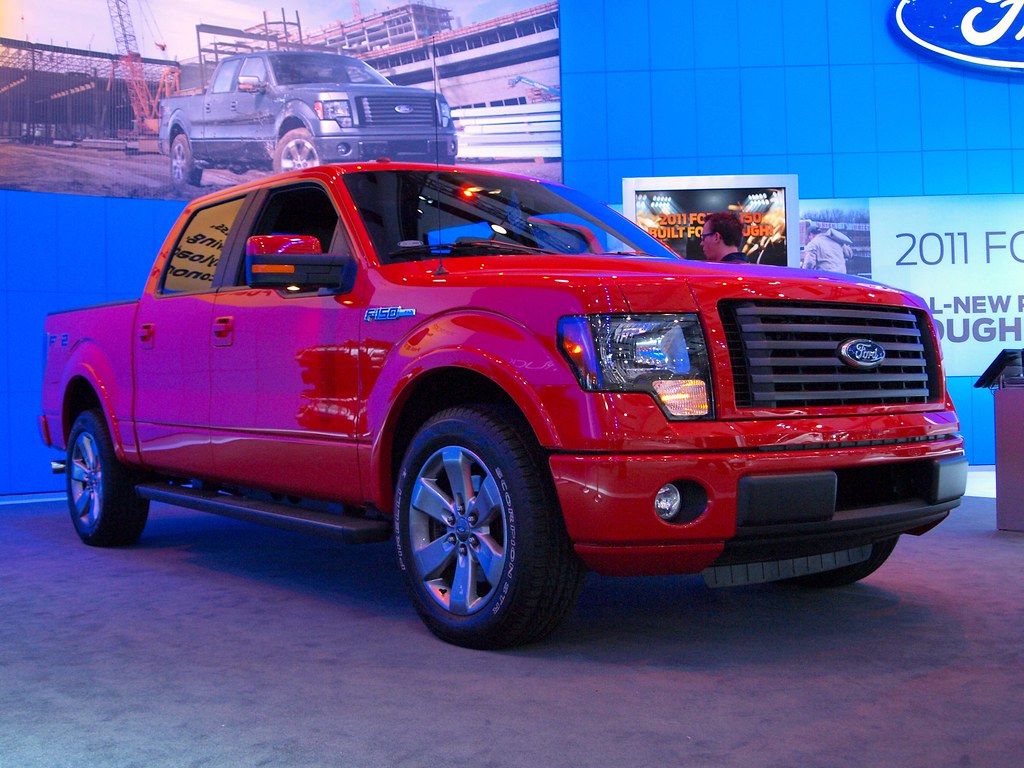
3. **The Ford 6.4L Powerstroke Diesel V8: Emissions, Expense, and Engine Death**Following in the troubled footsteps of its predecessor, the Ford 6.4L Powerstroke Diesel V8 embodied everything that could go wrong with modern diesel emissions systems. While designed to meet stricter environmental standards, its inherent complexity introduced a host of new and expensive problems for truck owners.
The engine featured a complicated dual turbo system that, unfortunately, seemed purpose-built to fail expensively. These turbocharger issues often resulted in reduced power, increased fuel consumption, and, most critically, incredibly high repair costs. The sheer intricacy of the system made even minor repairs a significant financial burden.
Radiator problems were another frequent occurrence, leading to severe overheating and, in many cases, complete engine failure. This vulnerability to critical cooling system issues meant that a seemingly minor component failure could lead to catastrophic damage to the entire powerplant, an unacceptable risk for a heavy-duty truck engine.
Repair costs for the 6.4L Powerstroke regularly exceeded $10,000, quickly destroying the resale value of vehicles equipped with this engine. For many, owning a truck with this Powerstroke meant constant financial strain and uncertainty, solidifying its place as a prime example of engineering that was more trouble than it was worth.
Car Model Information: 2021 Maserati Ghibli S Q4 GranSport
Name: Power Stroke engine
Caption: 6.4 Powerstroke as installed in a Ford Super Duty
Aka: Ford Powerstroke
Manufacturer: Navistar International
Production: 1994–present
Configuration: V8 engine,Inline-five engine,V6 engine
Predecessor: International Harvester IDI
Fueltype: Diesel engine
Displacement: 3.0 L
Abbr: on
Order: flip
Bore: 95 mm
Stroke: 105 mm
Block: Cast iron
Head: Cast iron,Aluminum (reverse flow)
Valvetrain: Pushrod engine,DOHC,Multi-valve#Four valves
Timing: Gear (7.3, 6.0, 6.4, 6.7 L),Belt (3.0 L)
Compression: 17.5:1, 18.0:1
Turbocharger: Garrett AiResearch,Variable-geometry turbocharger
Fuelsystem: HEUI,Fuel injection#Direct injection systems
Coolingsystem: Radiator (engine cooling)
Oilsystem: High-pressure oil pump
Weight: convert
Power: convert
Torque: convert
EmissionsControl: Robert Bosch GmbH,Diesel particulate filter,Exhaust gas recirculation
Categories: All articles needing additional references, All articles with dead external links, Articles needing additional references from July 2020, Articles needing additional references from October 2024, Articles with dead external links from December 2017
Summary: Power Stroke, also known as Powerstroke, is the name used by a family of diesel engines for trucks produced by Ford Motor Company and Navistar International (until 2010) for Ford products since 1994. Along with its use in the Ford F-Series (including the Ford Super Duty trucks), applications include the Ford E-Series, Ford Excursion, and Ford LCF commercial truck. The name was also used for a diesel engine used in South American production of the Ford Ranger.
From 1994, the Power Stroke engine family existed as a re-branding of engines produced by Navistar International, sharing engines with its medium-duty truck lines. Since the 2011 introduction of the 6.7 L Power Stroke V8, Ford has designed and produced its own diesel engines. During its production, the Power Stroke engine range has been marketed against large-block V8 (and V10) gasoline engines along with the General Motors Duramax V8 and the Dodge Cummins B-Series inline-six.
Get more information about: Ford Power Stroke engine
Buying a high-performing used car >>>
Brand: Ford Model: 6.4L Powerstroke Diesel V8
Price: $33,440 Mileage: 24,509 mi.
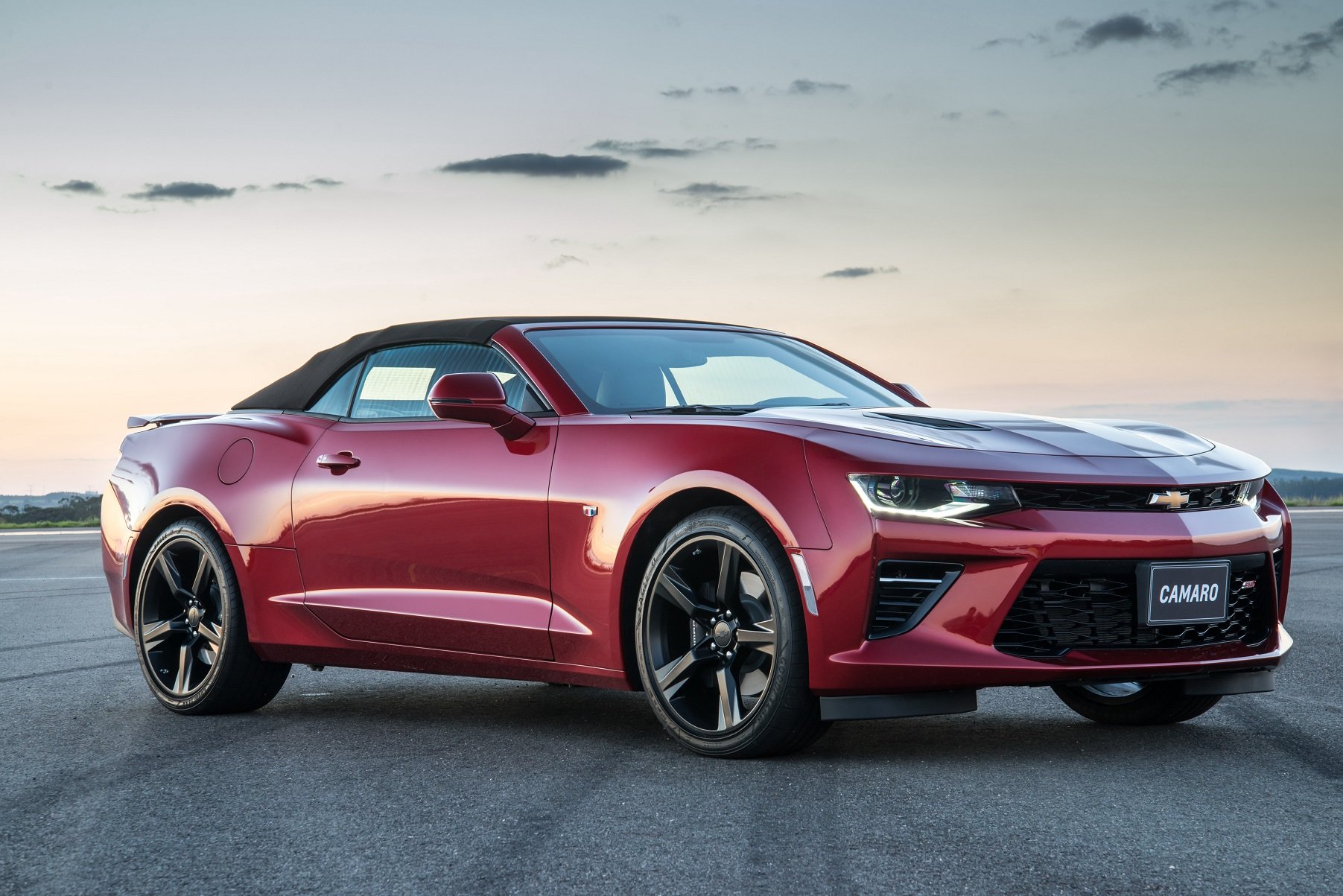
4. **The Chevrolet 5.3L V8: The V8 Ruined by Technology**The Chevrolet 5.3L V8 engine provided a perfect case study in how advanced technology, when improperly implemented, could ruin a previously reliable V8 platform. While the V8 configuration has long been a staple of American trucks, the introduction of Active Fuel Management (AFM) turned this engine into a serious problem child.
AFM, designed to improve fuel economy by deactivating cylinders, ironically turned oil consumption into a rampant issue. Owners frequently reported needing to add oil between regular changes, raising concerns about engine longevity and potential damage. This excessive oil consumption was a constant headache and a significant design flaw.
Lifter failures became so common that they spurred the development of aftermarket bypass kits, allowing owners to circumvent the problematic AFM system entirely. These lifter issues often led to noticeable engine noise, reduced performance, and, if left unaddressed, could cause severe internal engine damage, necessitating expensive repairs.
Furthermore, the increased complexity of the engine’s design made even routine maintenance and more significant repairs both expensive and time-consuming. The 5.3L V8, particularly in its AFM-equipped versions, demonstrated that sometimes, simplicity and proven reliability are preferable to overly ambitious technological advancements that aren’t fully debugged.
Car Model Information: 2021 Maserati Ghibli S Q4 GranSport
Name: Chevrolet small-block engine
Caption: #L98
Aka: ubl
Manufacturer: General Motors
Production: ubl
Configuration: V8 engine
Block: Cast iron,aluminum
Head: Cast iron, aluminum
Bore: ubl
Abbr: on
Stroke: ubl
Displacement: ubl
Disp: flip
Valvetrain: ubl
Fueltype: Gasoline
Fuelsystem: Carburetor,fuel injection
Coolingsystem: Radiator (engine cooling)
Timing: Chain
Power: convert
Torque: convert
Weight: convert
Predecessor: Chevrolet Series D,Cadillac V8 engine#OHV,Oldsmobile V8 engine#Generation I
Successor: LS based GM small-block engine
Categories: All Wikipedia articles needing clarification, All articles needing additional references, All articles that may contain original research, All articles to be expanded, All articles with dead external links
Summary: The Chevrolet small-block engine is a series of gasoline-powered V8 automobile engines, produced by the Chevrolet division of General Motors in two overlapping generations between 1954 and 2003, using the same basic engine block. Referred to as a “small-block” for its size relative to the physically much larger Chevrolet big-block engines, the small-block family spanned from 262 cu in (4.3 L) to 400 cu in (6.6 L) in displacement. Engineer Ed Cole is credited with leading the design for this engine. The engine block and cylinder heads were cast at Saginaw Metal Casting Operations in Saginaw, Michigan.
The Generation II small-block engine, introduced in 1992 as the LT1 and produced through 1997, is largely an improved version of the Generation I, having many interchangeable parts and dimensions. Later generation GM engines, which began with the Generation III LS1 in 1997, have only the rod bearings, transmission-to-block bolt pattern and bore spacing in common with the Generation I Chevrolet and Generation II GM engines.
Production of the original small-block began in late 1954 for the 1955 model year, with a displacement of 265 cu in (4.3 L), growing over time to 400 cu in (6.6 L) by 1970. Among the intermediate displacements were the 283 cu in (4.6 L), 327 cu in (5.4 L), and numerous 350 cu in (5.7 L) versions. Introduced as a performance engine in 1967, the 350 went on to be employed in both high- and low-output variants across the entire Chevrolet product line.
Although all of Chevrolet’s siblings of the period (Buick, Cadillac, Oldsmobile, Pontiac, and Holden) designed their own V8s, it was the Chevrolet 305 and 350 cu in (5.0 and 5.7 L) small-block that became the GM corporate standard. Over the years, every GM division in America, except Saturn and Geo, used it and its descendants in their vehicles. Chevrolet also produced a big-block V8 starting in 1958 and still in production as of 2024.
Finally superseded by the GM Generation III LS in 1997 and discontinued in 2003, the engine is still made by a General Motors subsidiary in Springfield, Missouri, as a crate engine for replacement and hot rodding purposes. In all, over 100,000,000 small-blocks had been built in carbureted and fuel injected forms between 1955 and November 29, 2011. The small-block family line was honored as one of the 10 Best Engines of the 20th Century by automotive magazine Ward’s AutoWorld.
In February 2008, a Wisconsin businessman reported that his 1991 Chevrolet C1500 pickup had logged over one million miles without any major repairs to its small-block 350 cu in (5.7 L) V8 engine.
All first- and second-generation Chevrolet small-block V8 engines share the same firing order of 1-8-4-3-6-5-7-2.
Get more information about: Chevrolet small-block engine (first- and second-generation)
Buying a high-performing used car >>>
Brand: Chevrolet Model: 5.3L V8
Price: $33,440 Mileage: 24,509 mi.
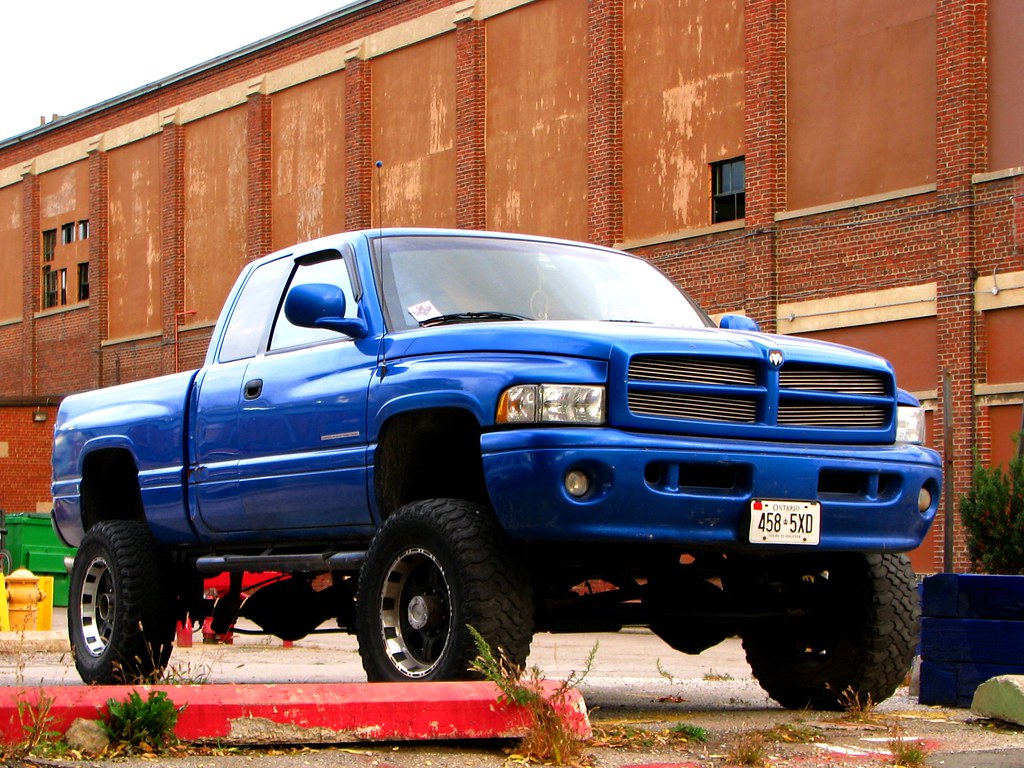
5. **The Ram 3.0L EcoDiesel V6: Importing European Engine Woes**The Ram 3.0L EcoDiesel V6, an Italian-sourced engine, unfortunately brought a host of European problems to American trucks, tarnishing the EcoDiesel’s reputation for efficiency and torque. While initially promising, its long-term reliability proved to be a significant challenge for many Ram owners.
EGR (Exhaust Gas Recirculation) system failures and turbocharger issues became the norm rather than the exception. The EGR system, critical for emissions control, frequently malfunctioned, leading to check engine lights and reduced engine performance. Turbocharger breakdowns also caused significant power loss and costly repair bills.
Perhaps most frustratingly, the entire emissions control system seemed poorly designed, creating endless check engine lights and forcing owners into a cycle of diagnostic tests and expensive component replacements. This constant battle with emissions-related problems eroded owner confidence and added substantial ownership costs.
Repair costs for these persistent issues often exceeded the engine’s perceived benefits in terms of fuel economy and torque. The Ram 3.0L EcoDiesel V6 became a prime example of how even a robust engine, when burdened with problematic auxiliary systems, can quickly fall from grace and become a source of frustration rather than satisfaction.
Car Model Information: 2012 RAM 1500 ST
Name: Ram Trucks
Logo: Ramchryslerlogo.png
FormerName: Dodge Ram
Type: division (business)
LocationCity: Auburn Hills, Michigan
Foundation: [object Object]
AreaServed: North America, Middle East, Latin America, Europe, Southeast Asia, Oceania, and Angola
Industry: Automobile
Predecessor: Graham Brothers,Fargo Trucks,Plymouth (automobile)#Plymouth trucks
KeyPeople: Tim Kuniskis (CEO)
Products: Truck
Parent: Chrysler
Homepage: https://www.ramtrucks.com/|ramtrucks.com
Categories: 2010 establishments in Michigan, All Wikipedia articles written in American English, All articles with unsourced statements, Articles with short description, Articles with unsourced statements from July 2024
Summary: Ram Trucks (stylized as RAM) is an American brand of light to mid-weight pickup heavy duty trucks and other commercial vehicles, and a division of Stellantis North America (previously Chrysler Group LLC). It was established in a spin-off of Dodge in 2009 using the name of the Ram pickup line of trucks. Ram Trucks’ logo was originally used as Dodge’s logo. New series Ram 1500 pickups are made at Sterling Heights Assembly in Sterling Heights, Michigan. Since its inception, the brand has used the slogan “Guts. Glory. Ram.”
Get more information about: Ram Trucks
Buying a high-performing used car >>>
Brand: Ram Model: Truck
Price: $16,993 Mileage: 122,795 mi.
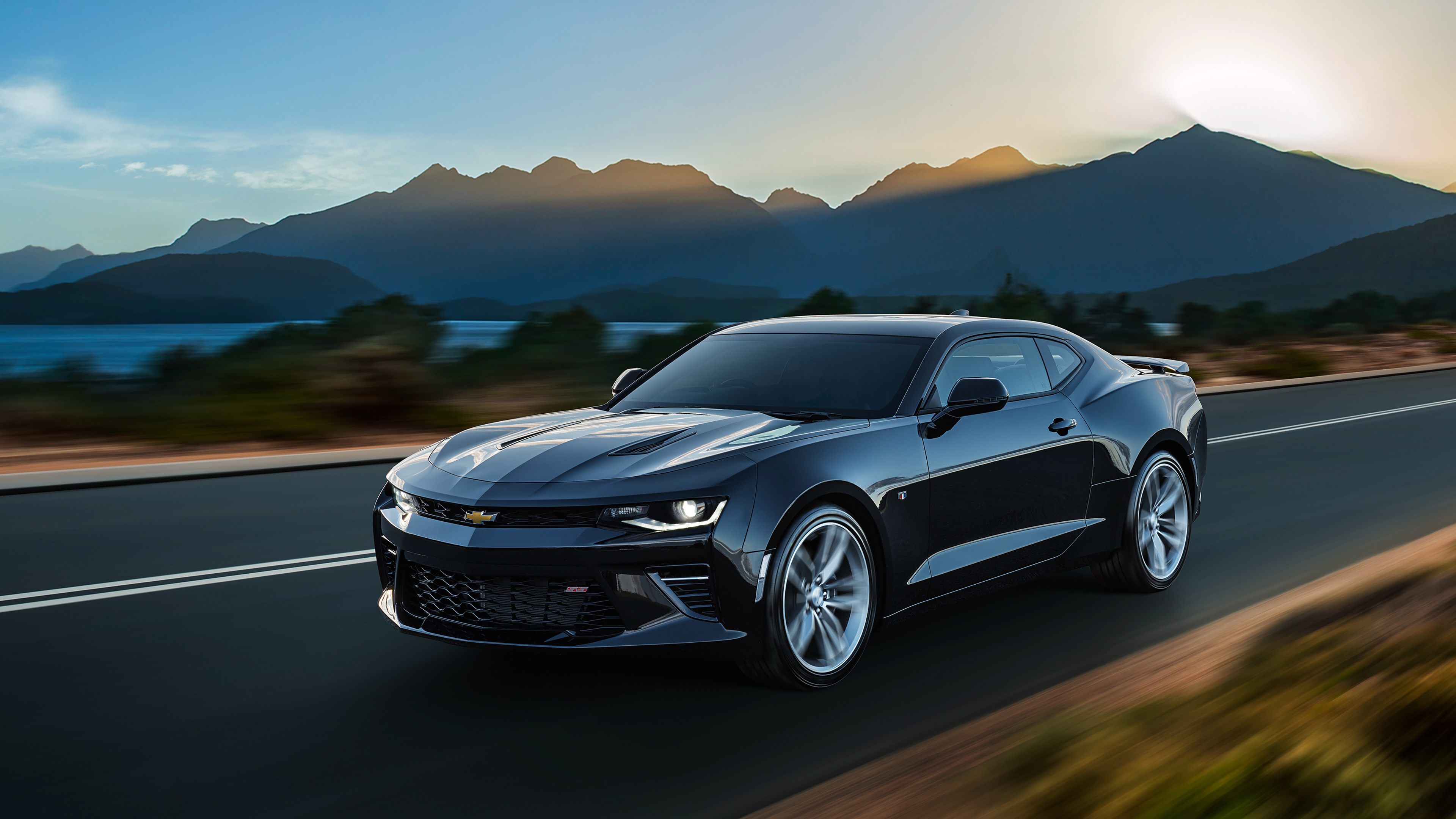
6. **The Chevrolet/GMC 5-Cylinder Atlas: GM’s Vibrating, Leaking Oddity**General Motors’ experiment with a five-cylinder engine in the form of the Atlas unit created an engineering oddity that many argue should never have progressed beyond the drawing board. Intended for mid-size trucks like the Chevrolet Colorado and GMC Canyon, this engine was plagued by fundamental issues that made the ownership experience miserable.
One of its most prominent problems was constant vibration. This persistent tremor made the driving experience uncomfortable and unpleasant, eroding the sense of refinement and stability typically expected from a modern truck engine. The lack of smooth operation was a consistent complaint among owners.
Adding to the mechanical woes, multiple oil leaks turned owners’ driveways into environmental hazards. These leaks often indicated deeper underlying issues within the engine’s construction, leading to concerns about its long-term integrity and reliability. Constant fluid loss necessitated frequent monitoring and costly sealing efforts.
Furthermore, the unusual design of a five-cylinder engine made finding qualified mechanics for repairs a challenging and often frustrating endeavor. Many service centers were less familiar with its intricacies, driving up labor costs and increasing repair times. The Atlas engine, with its vibrations, leaks, and specialized repair needs, stood as a testament to an experimental design that failed to deliver on its promise.
Continuing our chronicle of calamity, we now turn our attention to seven more truck engines that have earned a notorious place in automotive history. These powerplants, despite their initial promise or the reputable badges they carried, became synonymous with unreliability, design flaws, and exasperating repair bills. Their stories serve as potent reminders that even the most ambitious engineering can falter, transforming what should be a robust workhorse into a frustrating liability for owners.
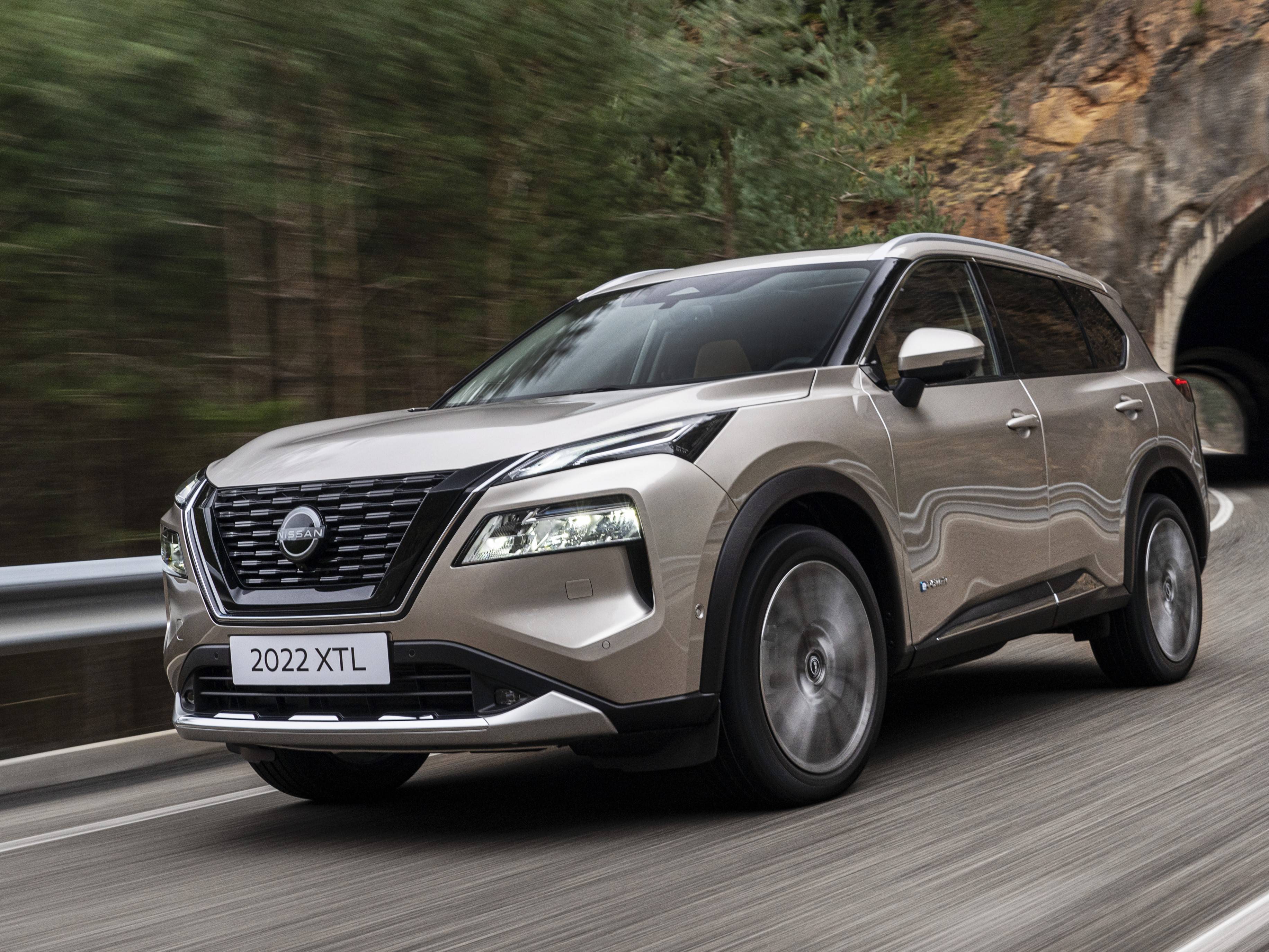
7. **The Nissan 5.0L Cummins V8: A Prestigious Partnership’s Costly Downfall**When Nissan announced its partnership with Cummins for a 5.0L V8 diesel engine, the automotive world held its breath in anticipation. This collaboration promised the best of both worlds: Nissan’s commitment to innovation blended with Cummins’ legendary diesel expertise. However, the reality proved far less glorious, demonstrating that even a prestigious alliance can sometimes yield disastrous results, severely disappointing truck owners who had high hopes for this powerful new offering.
Despite the significant engineering resources poured into its development, the Nissan 5L Cummins V8 conspicuously failed to deliver on its promised fuel economy figures. Owners quickly realized that the impressive torque came at a steep cost at the pump, eroding one of the primary advantages typically associated with diesel powertrains. This discrepancy between expectation and reality became a major source of contention, leading to widespread dissatisfaction.
Beyond the fuel economy woes, the engine developed a troubling reputation for requiring exceptionally expensive and frequent maintenance. What should have been routine service often ballooned into significant financial burdens, turning ownership into a constant negotiation with repair bills. The complexity of its design meant that even seemingly minor issues necessitated specialist attention, adding to the overall cost of upkeep.
Perhaps most critically, turbocharger failures became so alarmingly common that many owners developed a genuine fear of highway driving. The sudden loss of power on a busy interstate, coupled with the immense cost of replacing failed turbochargers, transformed long-distance journeys into stressful gambles. These persistent mechanical issues cemented the 5.0L Cummins V8’s place as a powerful, yet ultimately problematic, chapter in Nissan’s truck history.
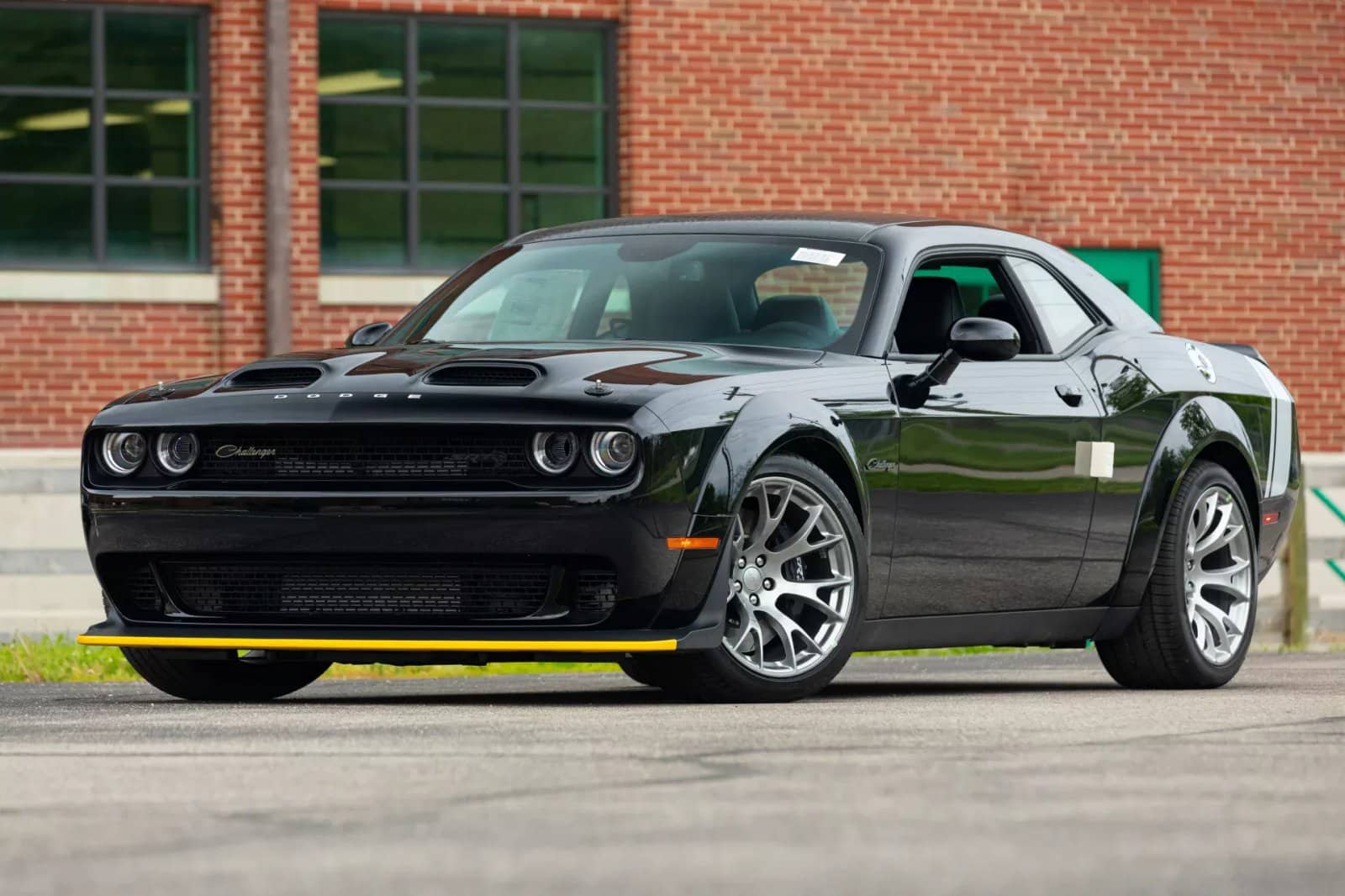
8. **The Dodge 4.7L V8: Newer Doesn’t Always Mean Better**In the automotive realm, the adage that newer technology inherently means better reliability often proves true. However, the Dodge 4.7L V8 engine stands as a stark counter-example, emphatically proving that progress isn’t always linear. Introduced as a more modern alternative, this engine quickly developed a reputation for being profoundly unreliable, leaving many owners to question the wisdom of its design and engineering choices, especially compared to the simpler V8s it aimed to replace.
A significant and terrifying flaw of the 4.7L V8 was its alarming propensity for valve seat failures, which could occur with virtually no warning. These sudden catastrophic breakdowns often resulted in immediate and irreversible engine destruction, forcing owners into the painful decision of expensive rebuilds or complete engine replacements. The prospect of an engine failing in an instant, without any prior symptoms, generated profound anxiety among drivers.
Adding to the list of deep-seated problems, the engine suffered from an alarming rate of oil sludge accumulation. This thick, tar-like deposit would build up internally at an accelerated pace, often even when owners diligently followed recommended maintenance schedules and oil change intervals. The sludge could block oil passages, starve critical components of lubrication, and ultimately lead to premature engine wear and failure, highlighting a fundamental flaw in its lubrication or cooling design.
Furthermore, the cooling system design of the 4.7L V8 was fundamentally problematic, practically guaranteeing warped cylinder heads over time. This design deficiency meant that maintaining optimal engine temperatures was an uphill battle, making long-term reliability an impossible dream for many. The combination of unpredictable valve seat failures, relentless oil sludge, and compromised cooling system design ensured that this engine remained a persistent source of frustration, forever tarnishing its potential.
Car Model Information: 2025 Subaru Outback Premium
Categories: All Wikipedia articles needing clarification, All articles needing additional references, All articles to be expanded, All articles with unsourced statements, Articles needing additional references from June 2010
Summary: The Chrysler Hemi engine, known by the trademark Hemi or HEMI, is a series of high-performance American overhead valve V8 engines built by Chrysler with hemispherical combustion chambers. Three generations have been produced: the FirePower series (with displacements from 241 to 392 cu in (3.9 to 6.4 L) from 1951 until 1958; a 426 cu in (7.0 L) race and street engine from 1964 through 1971; and family of advanced Hemis (displacing between 5.7 and 6.4 L (348 and 391 cu in) since 2003.
Although Chrysler is most identified with “Hemi” as a marketing term, many other auto manufacturers have incorporated Hemispherical cylinder head designs.
During the 1970s and 1980s, Chrysler also applied the term Hemi to their Australian-made Hemi-6 Engine, and a 4-cylinder Mitsubishi 2.6 L engine installed in various North American market vehicles.
Get more information about: Chrysler Hemi engine
Buying a high-performing used car >>>
Brand: Dodge Model: 4.7L V8
Price: $32,439 Mileage: 5,116 mi.
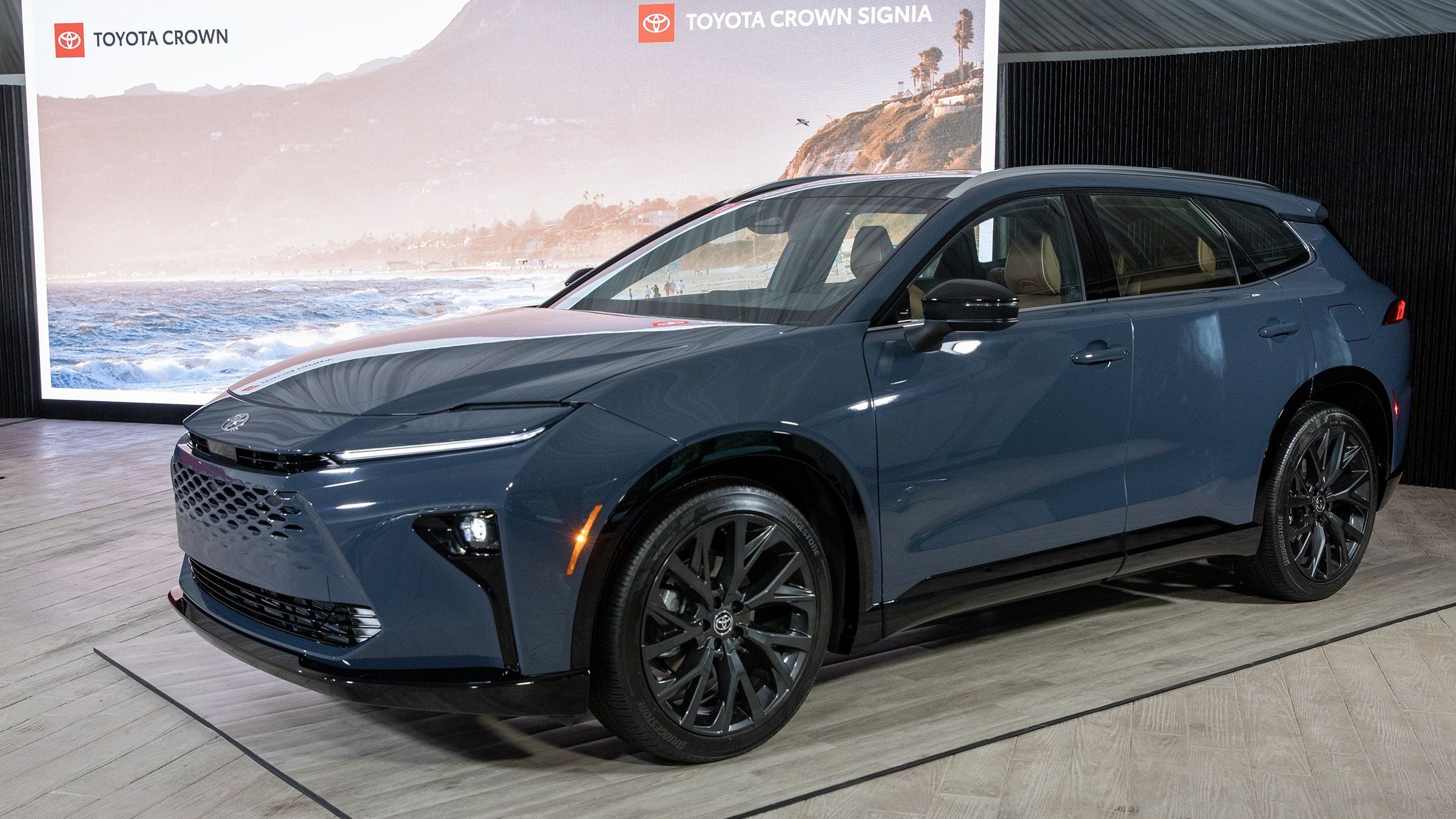
9. **The Toyota 3VZ-E 3.0L V6: A Stain on Toyota’s Reliability Legacy**Toyota’s name is practically synonymous with reliability, a reputation meticulously built over decades of producing dependable vehicles. Yet, even the most esteemed manufacturers can have their missteps, and the 3VZ-E 3.0L V6 engine stands as a significant blemish on Toyota’s otherwise stellar record. This particular V6, once widely used in popular trucks and SUVs, became infamous for a series of chronic issues that severely undermined owner confidence and challenged the brand’s core identity.
At the top of its litany of problems were head gasket failures, which occurred with a shocking and disheartening regularity, particularly after the vehicles surpassed the 100,000-mile mark. This issue was exacerbated by Toyota’s decision to discontinue asbestos gaskets, which in hindsight, appeared to leave the engine vulnerable to premature failure. The resulting repairs were not only extensive but also incredibly costly, often running into thousands of dollars and pushing owners to the brink of financial frustration.
Compounding the head gasket crisis, the 3VZ-E suffered from inherent cooling system design flaws. These deficiencies made the engine highly susceptible to chronic overheating, a dangerous condition that could lead to cascading damage if not meticulously monitored and managed. This constant battle against elevated temperatures further stressed the already fragile head gaskets, creating a vicious cycle of repair and worry for owners.
Moreover, for an engine intended for truck applications, its meager 150 horsepower output often proved profoundly inadequate. This lack of power meant that even moderately demanding tasks like towing or hauling became a struggle, undermining the very utility expected from a truck. The combination of a fragile cooling system and insufficient power made it a less-than-ideal choice for its intended purpose, disappointing those who needed a robust workhorse.
While some exceptionally diligent owners, through vigilant maintenance and constant monitoring of engine temperatures, managed to coax high mileage out of their 3VZ-E units, this was often the exception rather than the rule. The engine’s notorious propensity for developing thick oil sludge, particularly in neglected or poorly maintained units, had a devastating effect, often turning otherwise salvageable vehicles into economically worthless scrap. Even the most meticulous care could not always guarantee immunity from its inevitable and costly failures, making it a true anomaly in Toyota’s history.
Car Model Information: 2021 Maserati Ghibli S Q4 GranSport
Name: Toyota 4Runner
Caption: 2025 Toyota 4Runner TRD Sport (N500)
Manufacturer: Toyota
Aka: Toyota Hilux Surf (Japan, 1983–2009)
Production: October 1983 – present
ModelYears: 1984–present (US)
Class: unbulleted list
Layout: unbulleted list
Chassis: Body-on-frame
Successor: unbulleted list
Categories: 1990s cars, 2000s cars, 2010s cars, 2020s cars, All-wheel-drive vehicles
Summary: The Toyota 4Runner is an SUV manufactured by the Japanese automaker Toyota and marketed globally since 1984, across six generations. In Japan, it was marketed as the Toyota Hilux Surf (Japanese: トヨタ・ハイラックスサーフ, Hepburn: Toyota Hairakkususāfu) and was withdrawn from the market in 2009. The original 4Runner was a compact SUV and little more than a Toyota Hilux pickup truck with a fiberglass shell over the bed, but the model has since undergone significant independent development into a cross between a compact and a mid-size SUV. All 4Runners have been built in Japan at Toyota’s plant in Tahara, Aichi, or at the Hino Motors (a Toyota subsidiary) plant in Hamura.
The name “4Runner” was created by copywriter Robert Nathan with the Saatchi & Saatchi advertising company as a play on the term “forerunner”. The agency held contests to invent new names for Toyota’s forthcoming vehicles. According to Toyota, the “4” described the vehicle’s 4-wheel drive system while “Runner” was a reference to its all-terrain capabilities and how it could “run” off-road.
For some markets, the Hilux Surf was replaced in 2005 by the lower cost but similar Fortuner, which is based on the Hilux platform.
As of 2021, the 4Runner is marketed in the Bahamas, Bolivia, Canada, Chile, Colombia, Costa Rica, El Salvador, Guatemala, Panama, Peru, the United States and Venezuela. Many markets that did not receive the 4Runner, such as Europe and the Middle East, instead received the similarly designed Land Cruiser Prado, another SUV that shared many of the same components.
The 4Runner came in at number five in a 2019 study by iSeeCars.com ranking the longest-lasting vehicles in the US. The 4Runner had 3.9 percent of vehicles over 200,000 miles (320,000 km), according to the study.
Get more information about: Toyota 4Runner
Buying a high-performing used car >>>
Brand: Toyota Model: 3VZ-E 3.0L V6
Price: $33,440 Mileage: 24,509 mi.

10. **The Ford 2.7L EcoBoost V6: Persistent Turbocharged Problems**Ford’s EcoBoost line promised a revolutionary blend of power and efficiency, leveraging advanced turbocharging and direct injection technologies. However, for the 2.7L EcoBoost V6, this ambitious design path unfortunately continued Ford’s tradition of problematic turbocharged engines, proving that sophisticated engineering, if not perfectly executed, can introduce a new set of frustrating and expensive issues for truck owners.
A central flaw of this smaller EcoBoost engine was the persistent problem of carbon buildup on the intake valves. The direct injection system, while efficient, failed to wash the backs of the valves with fuel, allowing carbon deposits to accumulate over time. This buildup progressively choked the engine’s performance, reduced fuel efficiency, and could eventually render the system nearly useless, necessitating costly and intensive cleaning procedures.
Adding to the operational headaches, the 2.7L EcoBoost developed an alarming reputation for excessive oil consumption. Owners frequently reported needing to top off their oil levels between regular service intervals, sometimes even having to carry spare oil on trips just to ensure the engine remained adequately lubricated. This excessive consumption raised serious concerns about the engine’s long-term health and the potential for premature wear on internal components.
Furthermore, the timing chain in many 2.7L EcoBoost units exhibited premature wear, a critical issue that could quickly escalate into catastrophic engine damage. A worn timing chain could lead to improper valve timing, misfires, and, in the worst cases, complete engine destruction. For owners, this premature wear transformed their engine into a ticking time bomb of potential repair costs, creating a constant undercurrent of anxiety about their vehicle’s longevity and reliability.
Car Model Information: 2021 Maserati Ghibli S Q4 GranSport
Name: Ford EcoBoost engine
Manufacturer: Ford Motor Company
Aka: TwinForce (obsolete),EcoBoost SCTi,GTDi
Production: 2009–present
Predecessor: ubl
Configuration: Straight-3,Straight-4
Displacement: Cubic inch displacement#Engine displacement
Bore: V6 3.5: 3.64 in (92.5 mm),V6 3.0: 3.36 in (85.3 mm),V6 2.7: 3.30 in (83 mm),I4 2.3: 3.45 in (87.55 mm),I3 1.5: 3.31 in (84 mm),I3 1.0: 2.83 in (71.9 mm)
Stroke: V6 3.5: 3.41 in (86.7 mm),V6 3.0: 3.39 in (86 mm),V6 2.7: 3.30 in (83 mm),I4 2.3: 3.7 in (94.0 mm),I4 2.3 “MPC”: 4.0 in (102 mm),I4 2.0: 3.27 in (83.1 mm),I4 1.6: 3.2 in (81.4 mm),I3 1.5: 3.54 in (90 mm),I3 1.0: 3.2 in (82 mm)
Weight: V6 3.5: 449 lbs (203 kg),V6 3.0: 445 lbs (202 kg),V6 2.7: 440 lbs (200 kg),I4 2.0: 328 lbs(149 kg),I4 1.6: 251 lbs (114 kg),I3 1.0: 213 lbs (97 kg)
Block: Compacted graphite iron
Head: Aluminum
Valvetrain: DOHC
Turbocharger: Borg Warner
Fuelsystem: Gasoline direct injection
Management: CAN-Bus
Fueltype: Gasoline
Oilsystem: Wet sump
Coolingsystem: Radiator (engine cooling)
Compression: V6 3.5: 10.0:1(10.5:1 MY2017),V6 3.0: 9.5:1,V6 2.7: 10.3:1,I4 2.3: 9.5:1
,I4 2.3 “MPC”: 10.6:1,I4 2.0: 10.0:1,I4 1.6: 10.0:1,I3 1.5: 9.7:1
Categories: 2009 introductions, All Wikipedia articles in need of updating, All articles to be expanded, All articles with bare URLs for citations, All articles with dead external links
Summary: EcoBoost is a series of turbocharged, direct-injection gasoline engines produced by Ford and originally co-developed by FEV Inc. (now FEV North America Inc.). EcoBoost engines are designed to deliver power and torque consistent with those of larger-displacement (cylinder volume) naturally aspirated engines, while achieving up to 20% better fuel efficiency and 15% fewer greenhouse emissions, according to Ford. The manufacturer sees the EcoBoost technology as less costly and more versatile than further developing or expanding the use of hybrid and diesel engine technologies. EcoBoost engines are broadly available across the Ford vehicle lineup.
Get more information about: Ford EcoBoost engine
Buying a high-performing used car >>>
Brand: Ford Model: 2.7L EcoBoost V6
Price: $33,440 Mileage: 24,509 mi.
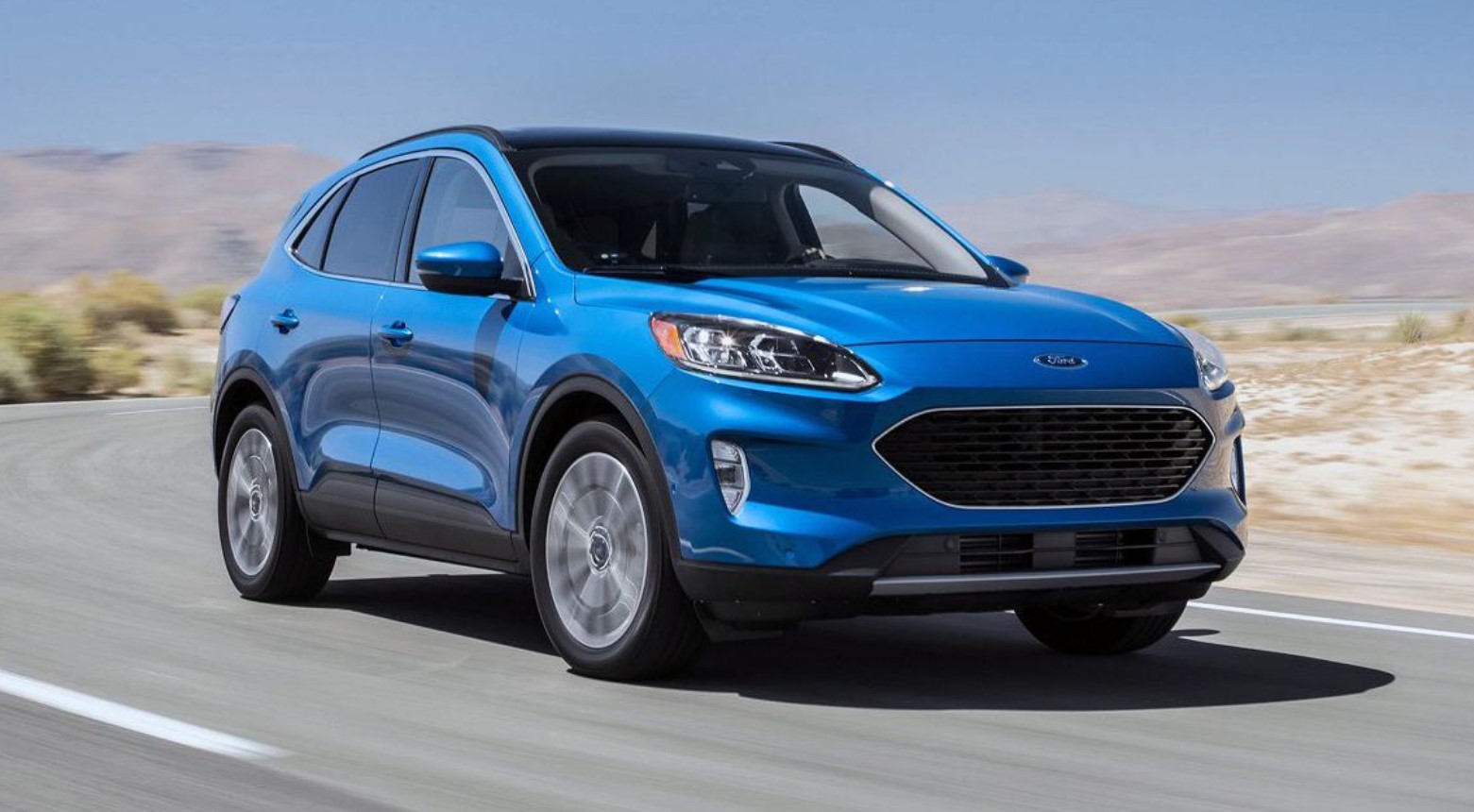
11. **The Ford 3.5L EcoBoost V6 (First Generation): Marketing Hype Meets Engineering Reality**The debut of Ford’s first-generation 3.5L EcoBoost V6 was met with significant marketing fanfare, promising impressive power figures and surprising fuel economy for a truck engine. It was poised to be a game-changer, but as many early adopters soon discovered, the reality of its engineering unfortunately struggled to live up to the ambitious marketing hype. This engine became a quintessential example of how cutting-edge technology, when rushed or improperly designed, can introduce a host of unforeseen and costly problems.
One of the most widespread and concerning issues that plagued 2010-2014 models of the 3.5L EcoBoost was timing chain stretching. This problem became so incredibly common that Ford dealerships were reportedly forced to stock replacement parts in anticipation of regular failures, indicating the sheer scale of the design flaw. A stretched timing chain could lead to a host of engine maladies, from reduced performance to catastrophic internal damage, placing a heavy burden on owners.
Another significant drawback stemmed from the engine’s direct injection system, which, much like its 2.7L sibling, led to severe carbon buildup on the intake valves. This accumulation progressively choked engine performance, causing noticeable power loss and decreased fuel efficiency over time. The carbon deposits, unaided by the cleansing action of fuel flowing over the valves, became a persistent maintenance challenge that required specialized and often expensive interventions to resolve.
Further complicating matters, early 2011-2012 models suffered from troublesome intercooler condensation issues. This design flaw could lead to water accumulation within the intercooler, which, when ingested by the engine, could cause dangerous and unexpected stalling, particularly under humid conditions or during heavy acceleration. Such sudden power loss posed significant safety risks and left drivers feeling profoundly uneasy about their vehicle’s dependability.
Additionally, the ignition system in the first-generation 3.5L EcoBoost was found to wear out prematurely when compared to naturally aspirated engines, necessitating more frequent and costly maintenance. This accelerated wear added another layer of expense and inconvenience to ownership, contradicting the expectation of robust performance. The ultimate disappointment was often discovered when owners realized that the advertised 365-horsepower rating only reliably materialized with premium fuel and under nearly perfect operating conditions, highlighting a significant disparity between promotional claims and everyday driving reality.
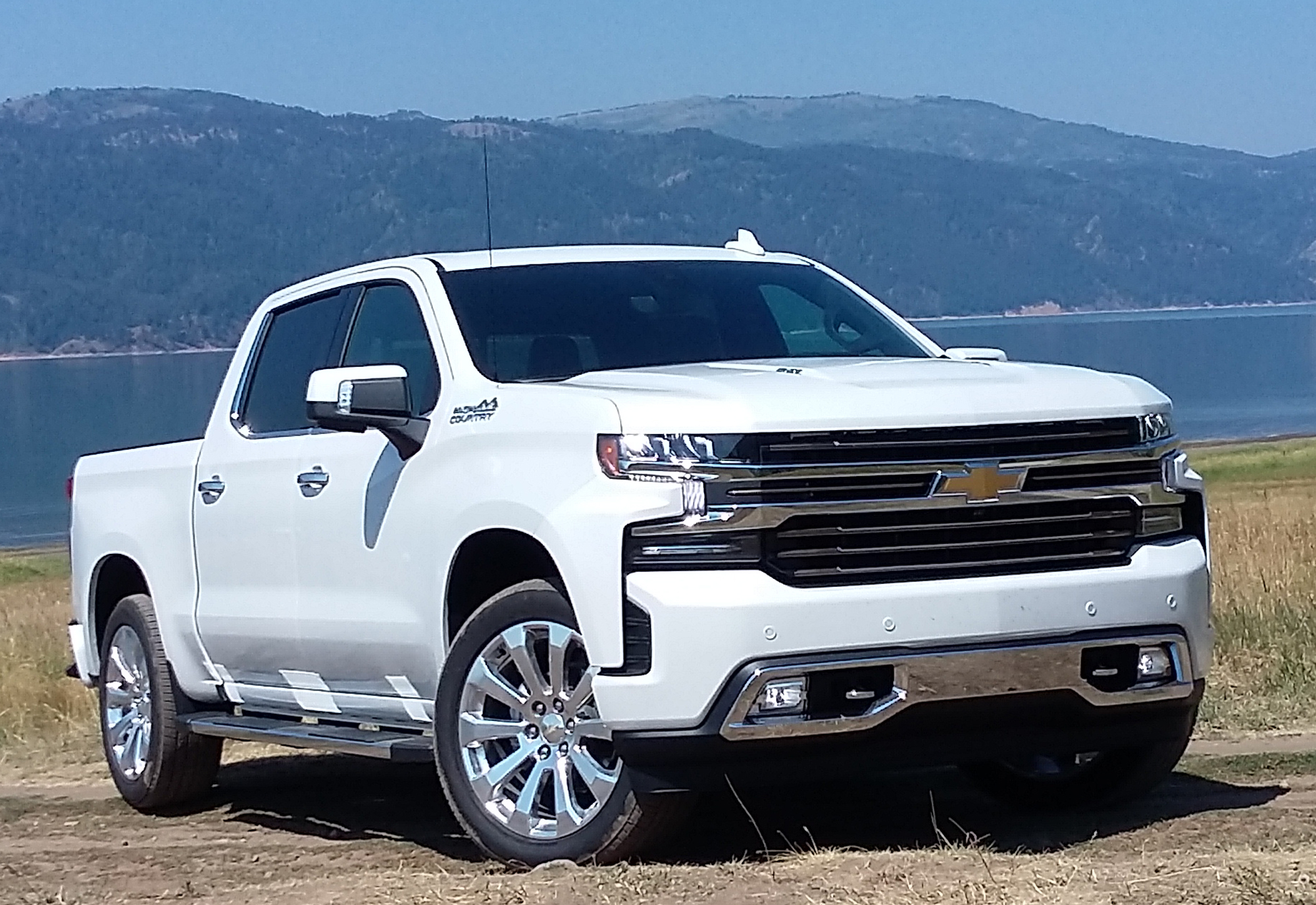
12. **The Chevrolet 6.2L Diesel V8: The Efficiency-Focused Underperformer**In the pursuit of greater fuel efficiency, Chevrolet introduced the 6.2L Diesel V8, an engine that embodied a rather curious paradox. While undeniably focused on economy, it unfortunately arrived as an underpowered unit that often struggled to perform the very tasks expected of a truck engine. This design choice, prioritizing miles per gallon over raw grunt, created an engine that was both innovative in its intent and frustrating in its practical application, challenging the traditional notions of diesel power.
The engine’s output was, to put it mildly, embarrassing for a V8 diesel, producing a mere 130 horsepower. To further complicate matters, its torque was deliberately limited to 300 ft-lbs to enhance longevity, a decision that severely hampered its utility. As a result, this engine frequently struggled to move even empty trucks with any real authority, let alone when loaded, leading to widespread complaints about its lack of pulling power.
While the 6.2L Diesel V8 could achieve an impressive 25-30 miles per gallon when operating flawlessly and not being overtaxed, its reliability was far from guaranteed. Owners were frequently left stranded without warning due to critical issues such as injection pump failures, which were notorious for disrupting the fuel delivery system. Harmonic damper problems and potential crankshaft issues also contributed to its reputation for unpredictable breakdowns, leaving drivers in precarious situations.
Adding to the list of frustrations, the engine was often plagued by excessive noise and vibration, transforming every drive into an uncomfortable and unpleasant ordeal. This lack of refinement made long journeys particularly arduous, detracting significantly from the overall ownership experience. Despite these considerable drawbacks, its primary, and perhaps only, saving grace was indeed its remarkable fuel efficiency, but only in those rare instances when it wasn’t being asked to work hard or experiencing mechanical issues.
Car Model Information: 2021 Maserati Ghibli S Q4 GranSport
Name: General Motors–Detroit Diesel V8
Manufacturer: General Motors
Configuration: V8 engine
Production: 1981 (limited),1982–2002
Predecessor: Oldsmobile Diesel engine#LF9,Convert
Successor: Duramax V8 engine
Bore: 6.2 L: {{Convert,3.98,in,mm,1,abbr=on
Stroke: 6.2 L: {{Convert,3.8,in,mm,1,abbr=on
Displacement: {{Convert,379,cid,L,1,order=flip,abbr=on
Block: Cast iron
Head: Cast iron
Valvetrain: Overhead valve engine
Turbocharger: BorgWarner
Fuelsystem: 1993 and older: Mechanical rotary pump,1994 and newer: Electronic rotary pump
Fueltype: Diesel fuel
Coolingsystem: Radiator (engine cooling)
Power: Convert
Torque: Convert
Compression: 21.5:1, Marine 18.0:1
EmissionsControl: Exhaust gas recirculation
Redline: 3,600
Idle: 550 ± 25
Categories: Articles with hAudio microformats, Articles with short description, CS1: unfit URL, Commons category link from Wikidata, Detroit Diesel engines
Summary: The General Motors–Detroit Diesel V8 engine is a series of diesel V8 engines first introduced by General Motors for their C/K pickup trucks in 1982. Developed in collaboration with GM subsidiary Detroit Diesel, the engine family was produced by GM through 2002, when it was replaced by the new Duramax line. AM General’s subsidiary General Engine Products (GEP) still produces a military variant of this engine for the HMMWV.
The General Motors light-truck 6.2L and 6.5L diesel engines were optional in many 1982 through 2002 full-size GM pickups, SUVs, and vans. They were also available in motor homes. The engine was standard on AM General’s military HMMWV, civilian Hummer H1, and the 1980s GM military Commercial Utility Cargo Vehicle.
Get more information about: Detroit Diesel V8 engine
Buying a high-performing used car >>>
Brand: Chevrolet Model: 6.2L Diesel V8
Price: $33,440 Mileage: 24,509 mi.
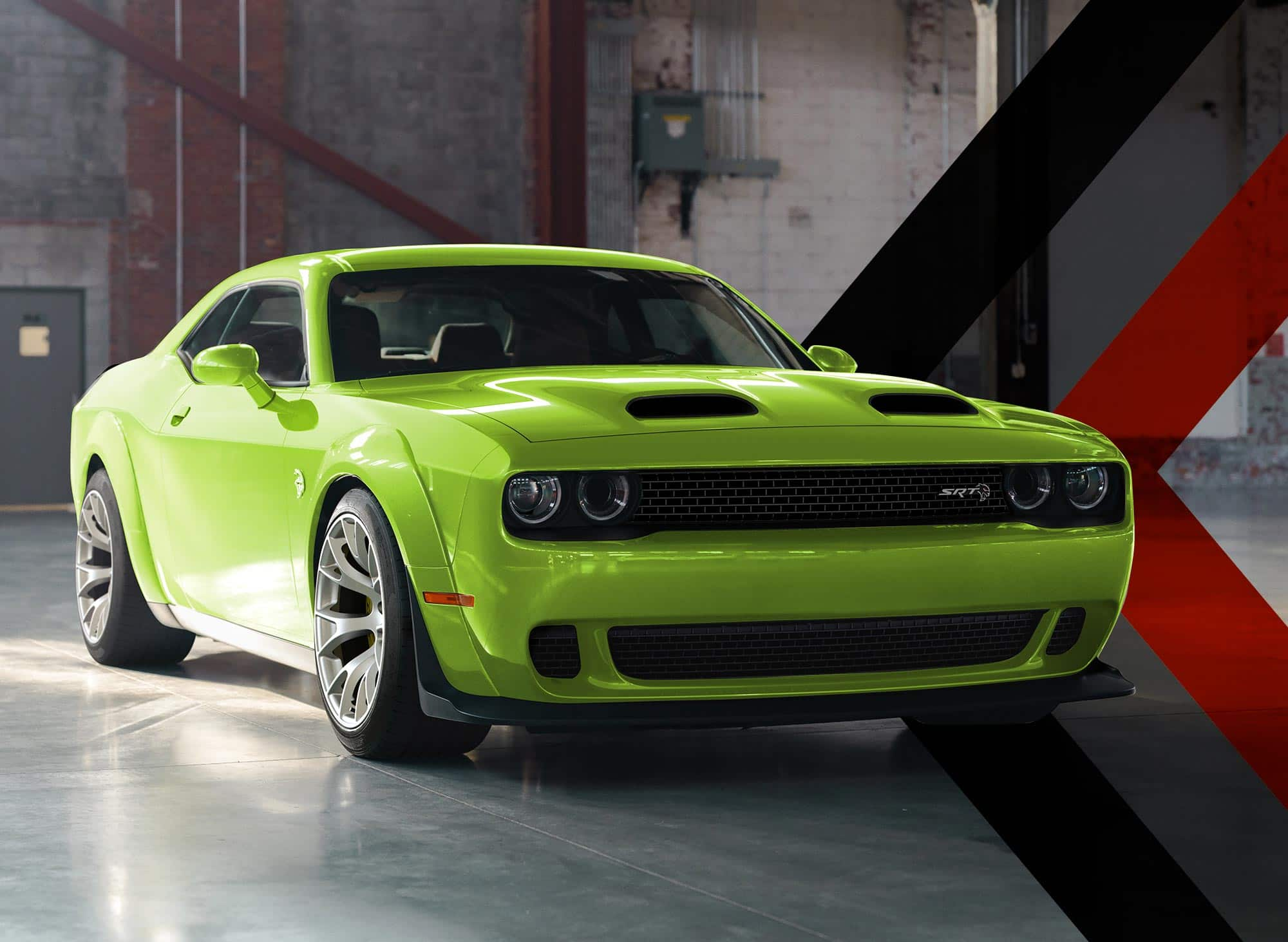
13. **The Dodge 3.7L Magnum V6: The True Cost of Cost-Cutting Engineering**The Dodge 3.7L Magnum V6 serves as a textbook case of what happens when cost-cutting measures take precedence over robust engineering. Designed to be an economical option, this engine unfortunately became a prime example of everything that could go wrong with such an approach. It delivered a deeply frustrating ownership experience, exemplifying the true, long-term cost of short-sighted manufacturing decisions that ultimately compromise quality and reliability.
This engine’s performance, particularly in truck applications, was notoriously underwhelming, producing a rather pathetic 210 horsepower. Compounding this power deficit was its surprising inefficiency; it guzzled fuel with the appetite of a much larger V8, completely negating any perceived economic benefits. This combination of underperformance and poor fuel economy made it a truly inadequate and disappointing choice for any vehicle, let alone a truck demanding consistent power and reasonable efficiency.
One of the most debilitating issues for the 3.7L Magnum V6 was its chronic valve seat failures. These breakdowns led directly to compression loss, significantly impairing engine performance and efficiency. Furthermore, issues with stuck lifters and problematic valve lash adjusters created additional headaches, often manifesting as audible ticking noises and further degrading the engine’s overall health and smooth operation, indicating deep-seated mechanical frailties.
Adding to its woes, the engine was prone to generating excessive heat, a condition that rapidly broke down engine oil. This accelerated oil degradation resulted in severe oil consumption issues, with some exasperated owners reporting the need to add a full quart of oil as frequently as every 1,000 miles. This constant monitoring and topping-off became a frustrating routine, underscoring the engine’s fundamental design flaws and its inability to maintain optimal operating conditions.
While a select few owners, through meticulous and incredibly frequent maintenance, managed to extend the life of their 3.7L Magnum V6 engines to around 200,000 miles, this was a hard-won victory. For the vast majority, this engine proved to be far less durable, often requiring complete and expensive rebuilds well before reaching that mileage milestone. Its legacy remains one of compromised performance and persistent mechanical issues, a stark reminder of the perils of engineering driven primarily by budget constraints rather than long-term reliability.
Car Model Information: 2000 Dodge Ram 1500
Name: Dodge Magnum
Caption: 2008 Dodge Magnum SE, Stone White
Production: 1978–1979, 1979–1981,1981–1988, 2005–2008,
ModelYears: 1978–1979,1979–1981,1981–1988,2005–2008
Manufacturer: Chrysler Corporation
Categories: 1980s cars, 2000s cars, All articles with unsourced statements, Articles with short description, Articles with unsourced statements from August 2025
Summary: The Dodge Magnum is a nameplate used by several Dodge vehicles, at different times and on various markets. The name was first applied to a large Chrysler B platform-based 2-door coupe marketed from 1978 to 1979 sold in the United States and Canada. From the 2005 to the 2008 model years, the nameplate was revived for a Charger-based station wagon on the rear-wheel drive Chrysler LX platform, produced in Canada and sold on the American and Canadian market.
In Brazil, the Magnum was a top-of-the-line version of the local Dodge Dart, produced from 1979 to 1981.
In Mexico, the Dodge Magnum was a sporty rear-wheel drive two-door car based on Chrysler’s M-body (American Dodge Diplomat/Plymouth Gran Fury). From 1983 to 1988 Dodge marketed a sporty two-door K-car as the “Magnum”, with an available turbocharger engine from 1984 on.
Get more information about: Dodge Magnum
Buying a high-performing used car >>>
Brand: Dodge Model: Magnum
Price: $11,995 Mileage: 66,331 mi.
Reflecting on the catalogue of calamities we’ve explored, it’s abundantly clear that the impact of these engine disasters transcends mere mechanical failure. They represent profound lessons for the automotive industry, highlighting the delicate balance between innovation, cost-efficiency, and consumer trust. Each of these engines, from Ford’s ill-fated Powerstrokes to Toyota’s uncharacteristic misstep, irrevocably damaged the reputations of America’s biggest automakers, leaving scars that in some cases took years to heal. The stories of these mechanical nightmares underscore a crucial truth: at the heart of every great vehicle lies a reliable engine, and when that heart falters, the ripple effects can be catastrophic, leading to class-action lawsuits, massive recalls, and a permanent shift in consumer loyalty. Ultimately, these tales serve as cautionary reminders that in the relentless pursuit of automotive excellence, thorough engineering and unwavering reliability must always remain paramount.