Racing, at its heart, is a glorious, noisy, and often dangerous dance between man and machine. We pour over lap times, celebrate daring overtakes, and cheer on the incredible feats of engineering that propel these magnificent beasts around the track. Beneath the sleek bodywork and roaring exhaust notes lies the true hero of the show: the engine, a marvel of power, precision, and barely contained violence, always pushing the boundaries of what’s mechanically possible.
But sometimes, those boundaries push back. There’s a certain primal, almost terrifying beauty in witnessing a race engine — a symphony of thousands of meticulously crafted parts — decide it’s had enough and explode in a blaze of glory, smoke, and shattered dreams. It’s the ultimate expression of automotive drama, a stark reminder of the immense forces at play and the fragile line between victory and vaporized metal. These aren’t just mechanical failures; they’re spectacles that etch themselves into the annals of motorsports, often with heartbreaking consequences for the drivers and teams involved.
So, buckle up, gearheads, because we’re about to take a deep dive into some of the most spectacular, frustrating, and downright legendary engine blowouts that have graced — or perhaps, disgraced — the world’s most hallowed race circuits. We’re talking about moments where the heart of the machine gave out in the most unforgettable ways, leaving behind trails of oil, fire, and a collective gasp from fans who knew they’d just witnessed something truly epic. Get ready for a journey through raw power, sudden vulnerability, and the enduring stories behind the moments when the engines just… let go.
1. **Jenson Button’s Heartbreak at the 2006 Australian Grand Prix**
Imagine this: you’ve battled for an entire race, pushing your machine to its absolute limit, lap after agonizing lap. The checkered flag is almost within sight, just a single, glorious corner away. That’s the exact, gut-wrenching scenario Jenson Button faced at the 2006 Australian Grand Prix, a moment that perfectly encapsulates the brutal capriciousness of motorsports.
His Honda engine, which had faithfully served him for nearly two hours, chose that precise, most excruciating moment to stage its dramatic exit from the race. Emerging from the final corner, the car lurched, plumes of smoke billowed from the rear, and the once-mighty power unit simply… stopped. Not with a whimper, but with a sudden, emphatic bang that signaled the end of his charge.
It wasn’t just a DNF; it was a public execution of his race, a vivid reminder that in racing, it truly isn’t over until you cross that line. Button, visibly deflated, watched as other cars streamed past, his dreams of a points finish, or perhaps even a podium, evaporating with the last wisps of engine smoke. It was a brutal lesson in the fragility of even the most advanced engineering, delivered with maximum dramatic effect right at the climax of the event.
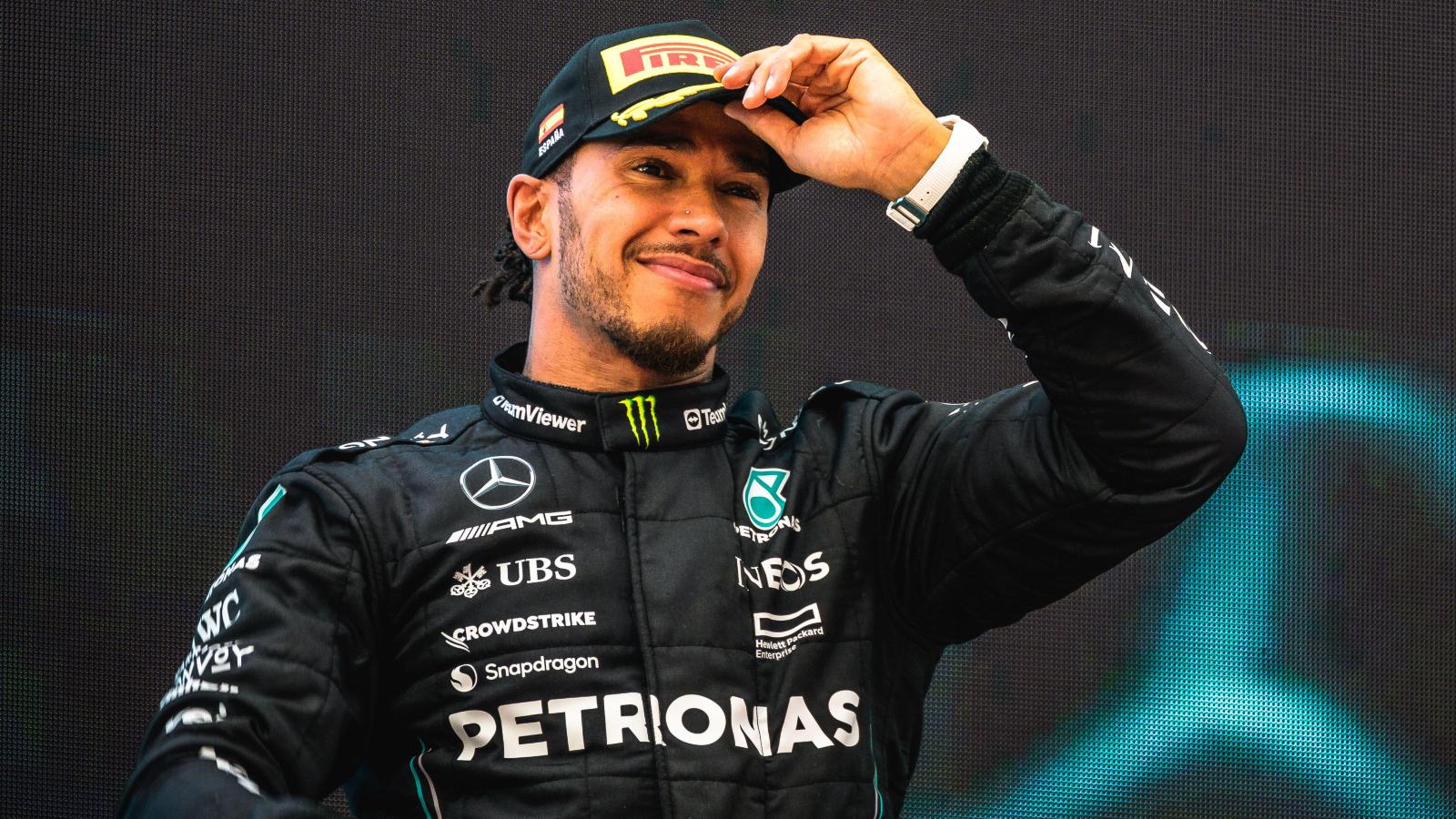
2. **Lewis Hamilton’s Quiet Despair at the 2016 Malaysian Grand Prix**
Not all engine blowouts arrive with a theatrical explosion or a fiery inferno. Sometimes, the most memorable failures are those that carry a deeper emotional weight, stripped of overt spectacle, yet packed with raw human disappointment. This was precisely the case for Lewis Hamilton at the 2016 Malaysian Grand Prix.
Hamilton, then locked in a fierce championship battle, was dominating the race, cruising comfortably out front when his power unit decided to call it a day. There wasn’t a huge amount of smoke and flames from his Mercedes; instead, it was a more insidious, terminal mechanical failure. The car simply lost power, forcing him to pull over, the unmistakable silence of a dead engine filling the air where a moment before, a roaring V6 hybrid had been.
What made this retirement so incredibly memorable was his unvarnished reaction. His pain and disappointment over team radio and in his body language were palpable, transmitting directly to every fan watching. You could feel the weight of his championship hopes taking a direct hit, the sheer frustration of a victory snatched away by circumstances utterly beyond his control. It was a raw, unfiltered glimpse into the heart of a champion, showing that even without fire, an engine failure can leave a devastating emotional scar.
3. **The Fiery End for the No.91 Porsche at Le Mans**
The 24 Hours of Le Mans is the ultimate crucible for man and machine, a relentless test of endurance, speed, and reliability. To survive, let alone win, requires not just pace but an almost supernatural resilience from every component. When an engine fails at Le Mans, it’s not just a retirement; it’s the crushing end of a monumental effort, often after hours of grueling competition.
In a race where every second, every component, every drop of fuel is meticulously managed, a catastrophic engine failure is the most definitive statement of “game over.” The sight of the No.91 machine, once a symbol of German engineering prowess, succumbing to a fiery demise, immediately spoke volumes about the immense stresses placed on these cutting-edge power units. Flames erupting from the rear of a car that has been pounding around La Sarthe for hours signifies a deep, fundamental breach in its mechanical integrity.
The retirement of the No.91 Porsche from the Le Mans 24 Hours due to this spectacular, fiery engine failure wasn’t just a loss of a potential result. It was the sudden, brutal cessation of a team’s dream, the culmination of countless hours of preparation, strategy, and pure physical effort. In the relentless pursuit of victory at the world’s greatest endurance race, even the mighty Porsche found its limits in a blaze that will certainly be etched into the memory of those who witnessed it.

4. **Daniel Ricciardo’s Miraculous Finish at the 2014 Bahrain Grand Prix**
Sometimes, an engine blowout isn’t just about the failure itself, but about the sheer defiance and ingenuity involved in its immediate aftermath. Daniel Ricciardo’s experience at the 2014 Bahrain Grand Prix offers a fantastic, if terrifying, example of this. While Jenson Button’s engine failure left him just shy of the finish line, Ricciardo somehow managed to snatch a classified finish from the jaws of utter mechanical destruction, a feat that speaks volumes about his tenacity and a touch of luck.
As Ricciardo crossed the line at the end of the race, his engine decided to stage its own dramatic exit, blowing up in a spectacular fashion. The sight of smoke and debris trailing from the back of his car as it cleared the finish line must have been a chaotic blend of relief and terror. It’s one thing for an engine to let go on track; it’s another entirely for it to do so at the precise moment you’ve accomplished the bare minimum requirement for a result.
This wasn’t a clean, clinical shutdown. This was a full-blown, fire-and-brimstone mechanical explosion, yet the car had just enough momentum, or perhaps Ricciardo just enough presence of mind, to get it across the decisive marker. It’s a moment that highlights the fine line between complete disaster and a grudging classification, a testament to the fact that sometimes, even a dead engine can carry you just that extra, crucial yard.

5. **Martin Brundle’s Silverstone Nightmare: 1994 British Grand Prix**
There’s nothing quite like a home race. The roar of the crowd, the familiar tarmac, the intense desire to perform for your countrymen – it all adds up to an electrifying atmosphere. For Martin Brundle, the 1994 British Grand Prix at Silverstone was meant to be one such occasion, a chance to shine on hallowed ground.
Instead, it became an instant, gut-wrenching nightmare, proving that sometimes, a race can be over before it even truly begins, in the most spectacular and heartbreaking way. As the lights went out and the field surged forward, Brundle’s McLaren, still sitting on the grid, erupted in a violent display of mechanical failure. His engine failed dramatically on the start line, with fierce flames bursting from the back of his car. The irony of such a catastrophic failure occurring literally at the genesis of the race, before he had even moved an inch, was devastating.
The sight of his McLaren engulfed in flames while other cars roared past was a stark, almost cartoonish portrayal of racing misfortune. It wasn’t just a breakdown; it was an explosive immolation of his chances, a fiery exclamation mark on a weekend that promised so much. Brundle’s race, and his dreams for Silverstone, went up in smoke, illustrating that in the world of high-octane motorsports, even the smallest component can bring a grand ambition crashing down in a most memorable way.

6. **Valentino Rossi’s Dramatic Mugello Meltdown: 2016 MotoGP**
MotoGP is a realm where the limits of human skill and mechanical prowess are constantly redefined. Riders push their machines to the absolute edge, leaning into turns at impossible angles, and relying on every single horsepower. When an engine failure strikes in MotoGP, it’s not just a mechanical incident; it’s a dramatic, highly visual collapse of the carefully balanced partnership between rider and bike, often at frightening speeds.
Valentino Rossi’s dramatic engine failure at his home race, Mugello, in 2016, was one such unforgettable moment. Rossi, “The Doctor,” a living legend and a hero to the Italian faithful, was battling hard at a track he adored, in front of a partisan crowd that worshipped him. His Yamaha’s engine failed dramatically, unleashing a spectacular plume of smoke that instantly dashed his hopes.
While the sheer volume of smoke might not quite match the explosive power of a Formula 1 engine going pop, the sight of a top-tier MotoGP bike trailing thick, white vapor at speed is still a truly breathtaking and heartbreaking spectacle. The sudden loss of power, the frantic scramble to safely pull off track, and the visible disappointment of one of the sport’s greatest figures made this more than just a mechanical fault. It was a tragic ballet of a dream deferred, unfolding on home soil. Rossi’s Mugello meltdown was a stark reminder that even the greatest riders, on the most advanced machinery, are ultimately at the mercy of the unseen forces churning within their power plants. It was a truly epic failure, etched into the collective memory of the Tifosi and MotoGP fans worldwide.
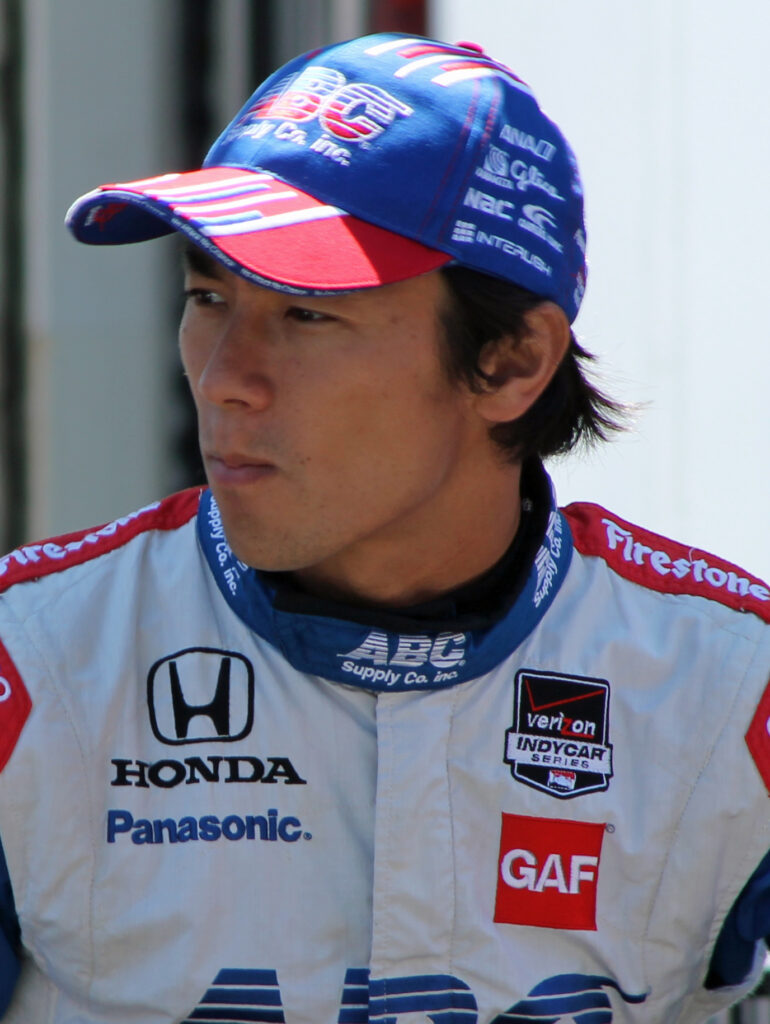
7. **Takuma Sato’s Monaco Chaos: The Honda V10’s Costly Tendency**
Monaco. The very name evokes images of glamour, precision, and the terrifyingly narrow margins of error that define street circuit racing. For Takuma Sato at the Monaco Grand Prix, a circuit where a millimeter can mean the difference between glory and a shunt, his Honda V10 engine decided to stage a truly spectacular, and costly, implosion. This wasn’t just a failure for one driver; it was an incident that cascaded into chaos, demonstrating the ripple effect of mechanical mayhem.
Honda’s V10 engines from that era had a certain… reputation. They were powerful, yes, but they also had a tendency of blowing up with alarming frequency, often in a grand, smoky fashion. For Sato, this inherent characteristic manifested at the worst possible moment: on lap three, in the treacherous confines of the swimming pool section. The sudden, violent failure of his engine created an instant, impenetrable blanket of smoke, rendering visibility to zero for anyone behind him.
The result was almost inevitable in the tight confines of Monaco. That blanket of smoke, a direct consequence of Sato’s blown engine, caused a huge crash involving David Coulthard and Giancarlo Fisichella. It was a dramatic, multi-car pile-up triggered by a single power unit giving up the ghost. This incident serves as a powerful testament to how a single, catastrophic engine failure can not only end one driver’s race but also unleash a domino effect of destruction, turning an already perilous circuit into an absolute nightmare.
As we continue our journey through the annals of automotive catastrophe, it becomes clearer that these aren’t just mechanical incidents; they’re pivotal moments, often charged with drama, frustration, and sometimes, a bizarre twist of fate. We’ve seen the heartbreak, the fire, and the sheer unpredictability. Now, let’s peel back the layers on another seven unforgettable engine blowouts that have cemented their place in racing lore, showcasing the sheer power and sudden fragility of these incredible machines. These are the moments that truly define the razor’s edge upon which racing lives.

8. **Sebastian Vettel’s Pre-Race Demise at 2016 Bahrain Grand Prix**
Imagine the pre-race tension, the roar of the crowd, the anticipation building as the grid prepares for the spectacle of a Formula 1 Grand Prix. All eyes are on the champions, the front-runners, the drivers poised to battle for victory. For Sebastian Vettel at the 2016 Bahrain Grand Prix, that exhilarating build-up culminated in a truly deflating, spectacular non-event – his engine deciding to check out before the race even began.
Indeed, Vettel’s engine didn’t even make the start of the race. It failed in spectacular fashion during the warm-up lap, transforming his powerful Ferrari into a mobile smoke machine before it could even line up on the grid. It’s a moment that captures the cruel irony of motorsport, where weeks of preparation and millions of dollars in engineering can literally go up in smoke in the blink of an eye, often without even the chance to compete.
The sight of a championship contender pulling over on the warm-up lap, plumes of exhaust smoke trailing from a once-pristine machine, is a stark reminder of the immense pressures these engines endure. For Vettel, a driver known for his meticulous preparation, it must have been a crushing blow, a pre-race psychological knockout that left him, and his team, utterly gutted. It’s not just a retirement; it’s a public execution of a weekend’s hopes before the red lights have even had a chance to go out.
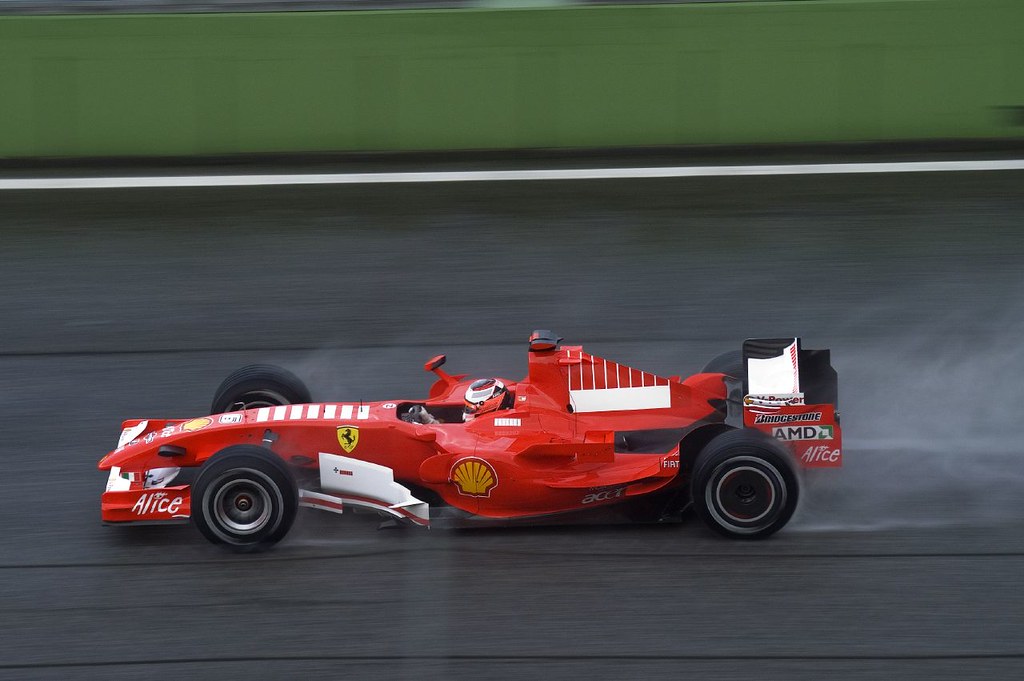
9. **Kimi Raikkonen’s Fiery Exit at 2004 Bahrain Grand Prix**
When you talk about V10 Formula 1 engines, you’re talking about an era of unbridled, visceral power, engines that screamed to dizzying RPMs and often, in their final glorious moments, let go in a truly memorable way. Kimi Raikkonen, “The Iceman,” a driver whose unflappable demeanor belied the inferno beneath him, experienced this firsthand at the 2004 Bahrain Grand Prix.
The McLaren Mercedes V10 under Raikkonen’s command did precisely what these high-strung, borderline-fragile masterpieces often did: it let go in a big way. The incident at Bahrain that year wasn’t a gentle cough; it was a dramatic, fiery spectacle that brought Kimi’s race to an emphatic end. The visual of flames erupting from the rear of an F1 car, leaving behind a trail of oil and smoke, is one that burns into the memory of every fan.
This wasn’t an isolated incident for the V10 era. These engines were pushed to their absolute limits, extracting every last ounce of horsepower, and sometimes, they just couldn’t take it anymore. Raikkonen’s retirement that day was a testament to the brutal demands of peak-performance racing, a vivid illustration of the fine line between mechanical brilliance and explosive failure. It was a harsh lesson, delivered with characteristic V10 ferocity.
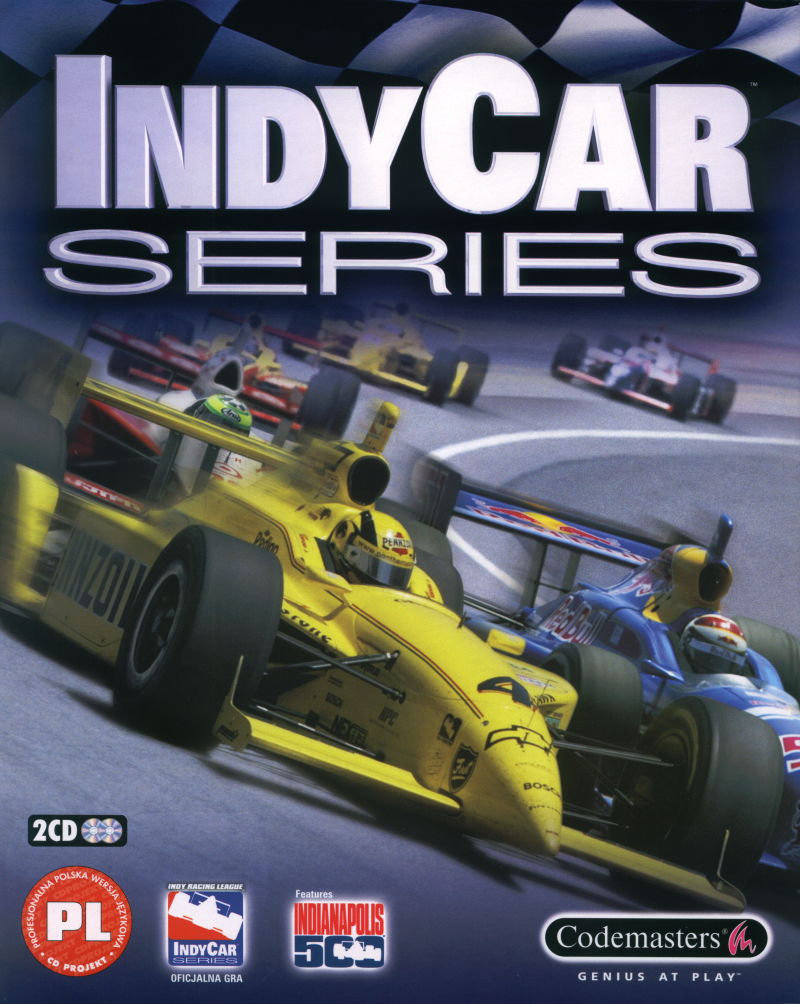
10. **Ryan Hunter-Reay’s IndyCar Inferno**
IndyCar racing, with its terrifying speeds and unforgiving oval circuits, demands absolute perfection from both driver and machine. When an engine failure strikes in this world, it’s not just about lost lap times; it’s about managing a rapidly disintegrating beast at speeds that defy belief. Ryan Hunter-Reay, a seasoned competitor, found himself in just such a predicament, though perhaps with a slightly delayed fuse.
While the IndyCar cameras caught his engine failure as it was “winding down,” the context makes it clear that this was no gentle fade. This was a dramatic incident, the kind of spectacular mechanical self-immolation that leaves an indelible mark. For an IndyCar power unit to fail so definitively, transforming the rear of the machine into a fiery, smoke-belching mess, speaks volumes about the incredible stress placed upon these engines through an entire race distance.
It highlights the stark contrast between the relatively calm “winding down” and the eventual, horrifying reality of an engine that has reached its absolute breaking point. Hunter-Reay, undoubtedly, had to wrestle his crippled car to a safe stop, a high-stakes endeavor when you’re dealing with internal combustion run amok. These moments underscore the constant dance with danger that defines open-wheel racing, where even a momentary lapse of mechanical integrity can turn victory dreams into a fiery nightmare.

11. **James Cole’s BTCC Blaze at Donington**
The British Touring Car Championship (BTCC) is renowned for its door-to-door, fender-bending action, a thrilling spectacle of tin-top gladiators battling for every inch. In such close-quarters combat, every component is pushed to the limit, and sometimes, those limits are spectacularly exceeded. James Cole, driving his Subaru BTCC racer, found this out in the most alarming way when his car unexpectedly went up in flames at Donington.
“James Cole’s Subaru BTCC racer went up in flames at Donington earlier this year after a problem with his engine.” This concise description belies the sheer terror and drama of a touring car becoming an inferno. Unlike open-wheelers where engines are more exposed, a touring car fire can quickly engulf the cockpit, trapping the driver in a rapidly escalating blaze. It’s a terrifying scenario that demands immediate, decisive action.
The sight of a touring car, designed for robust on-track contact, succumbing to a fiery engine failure is particularly unsettling. It’s a testament to the internal combustion power unit failing catastrophically, creating a visible, destructive spectacle for all to witness. Such an event requires incredible bravery from the driver to safely extract themselves, and significant work from the team to literally pick up the pieces and rebuild.
Car Model Information: 2022 Volkswagen Tiguan 2.0T SE
Name: Subaru Impreza WRX STI
Caption: 2011 Subaru Impreza WRX STI Sedan (3rd generation)
Manufacturer: Subaru
Production: 1994–2014
Assembly: Ōta, Gunma
Predecessor: Subaru Legacy (first generation)
Successor: Subaru WRX STI
Class: Sport compact,World Rally Car
BodyStyle: Compact Sedan, Coupe, Wagon, Hatchback
Layout: Front-engine design
Engine: Subaru EJ engine
Categories: All-wheel-drive vehicles, All articles needing additional references, All articles with unsourced statements, Articles needing additional references from July 2025, Articles with short description
Summary: The Subaru Impreza WRX STI is a high performance model of the Subaru Impreza compact car line, manufactured by Japanese automaker Fuji Heavy Industries Subaru.
In 1988, FHI created Subaru Tecnica International (STi) as its motorsport division to develop and compete in the FIA World Rally Championship and other motorsports activities. Following the introduction of the first generation Impreza in November 1992 and the following year’s debut of the Group A rally car into the WRC, an ‘STi version’ was made commercially available in January 1994 as a homologation model under FIA regulations. Thereafter, subsequent evolutions dubbed STi Version or simply STI were manufactured and sold alongside the Impreza model lineup initially in Japan only and later in selected world markets. As the STi or STI model was typically the highest spec of the Impreza, it has become popular with performance enthusiasts, tuners and amateur racers in many motorsports disciplines especially rallying and circuit driving.
FHI has released many different models and versions including special limited editions of the WRX STI. However many of these versions were and are only available in the Japanese Domestic Market. Although the concept behind the STI model is taking a base model such as the Impreza or Legacy and further developing it for high performance, STI models fall mainly into 2 categories. The first is a fully developed and tested model with the purpose of homologating it for motorsports which is sold as a street legal road car. The second is a complete car pre-fitted from the factory with parts that are available from the STI catalogue and marketed as a ‘Tuned by STI’ model. Spin-off models with mainly cosmetic additions or alterations are also marketed usually in limited quantities.
Get more information about: Subaru Impreza WRX STI
Buying a high-performing used car >>>
Brand: Subaru Model: BTCC racer
Price: $19,595 Mileage: 63,937 mi.
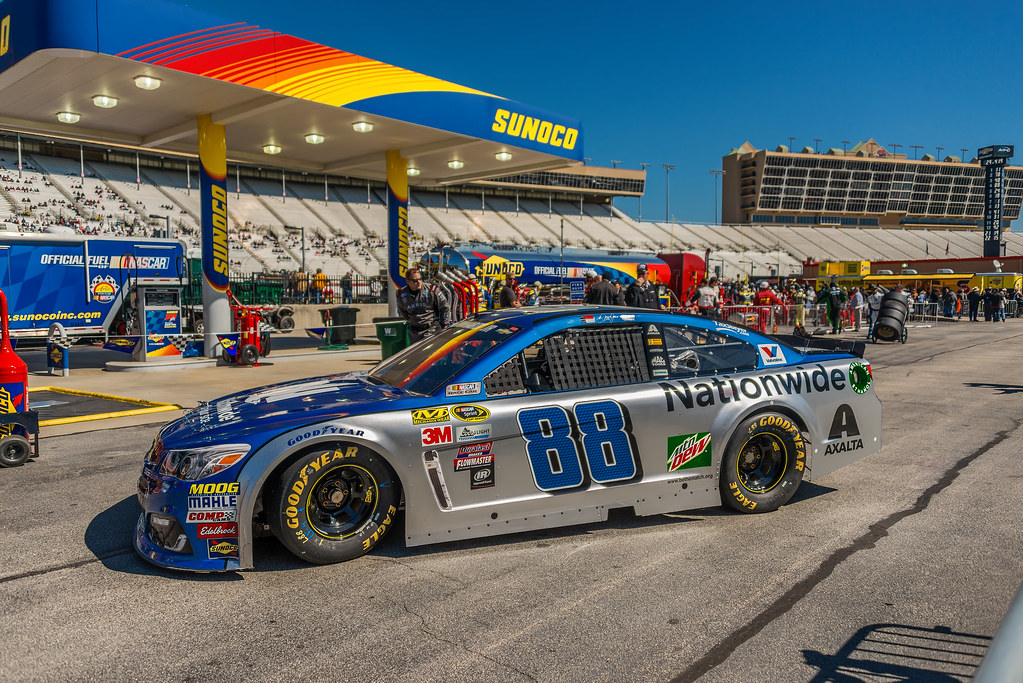
12. **Dale Earnhardt Jr.’s Michigan Misery (2013)**
In NASCAR, the roar of the V8 engine is the soundtrack to American motorsport, a symbol of power and relentless speed. But even these robust machines, designed for brutal endurance, can falter, and when they do, especially late in a race, it’s pure heartbreak. Dale Earnhardt Jr., one of NASCAR’s most beloved figures, experienced this particular brand of misery at the Michigan race in 2013.
His engine failed late in the Michigan race, “much to the frustration of his team.” This brief statement speaks volumes. A late-race engine failure in NASCAR is more than just a mechanical incident; it’s a gut punch. It’s hours of careful strategy, intense competition, and a driver pushing their limits, all evaporating in a puff of smoke. For Dale Jr., a fan favorite constantly battling for wins and championships, such a failure was particularly agonizing, coming as it did when a strong result was within reach.
The team’s frustration would have been palpable, a collective groan echoing through the pit box as their chances for victory, or at least a strong points finish, vanished. These moments are etched into the memories of both fans and competitors, painful reminders that in the high-stakes world of NASCAR, victory is never guaranteed, and mechanical reliability is as crucial as driver skill, right up until the very last lap.
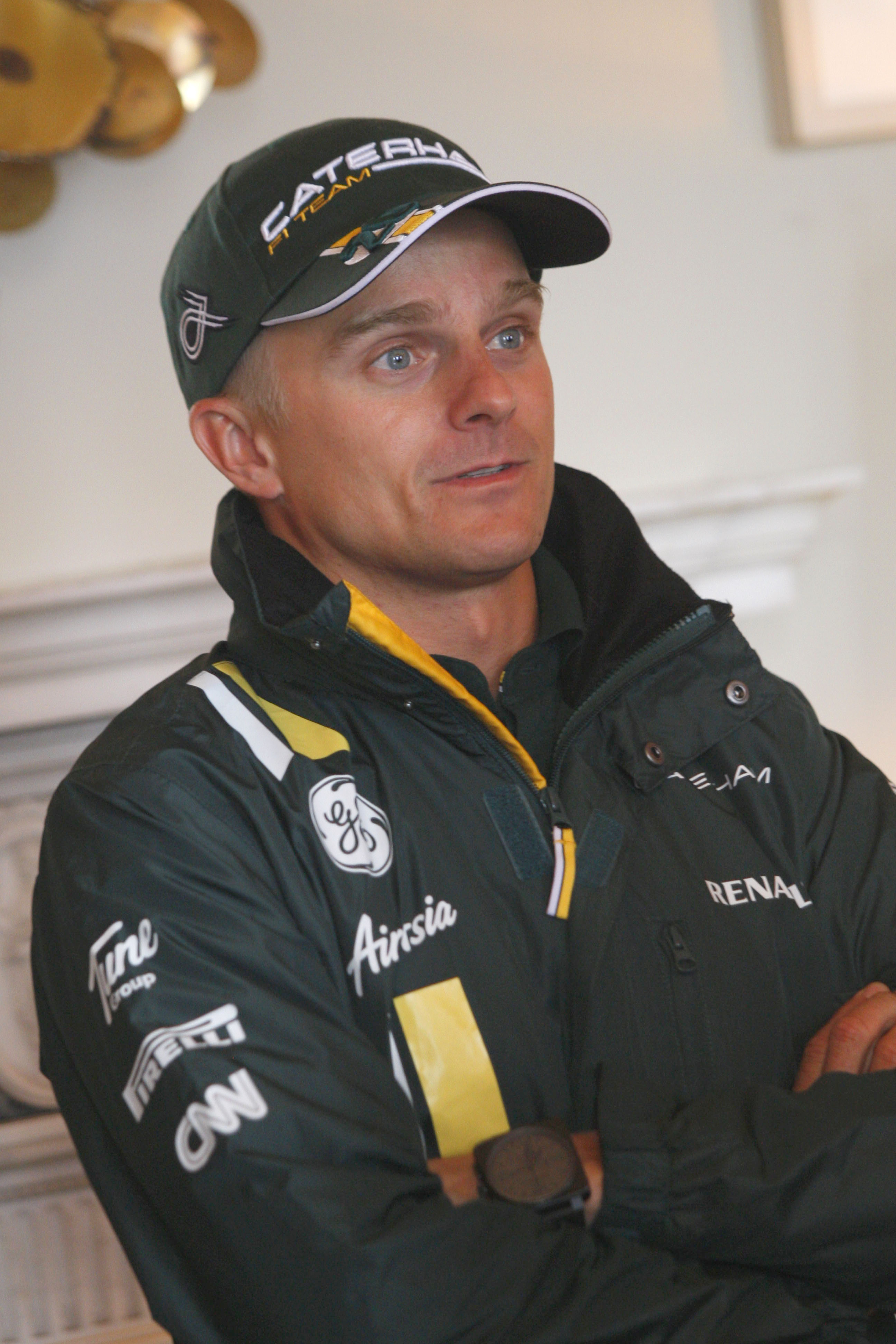
13. **Heikki Kovalainen’s DIY Firefighting at 2010 Singapore Grand Prix**
Some engine blowouts are dramatic, some are devastating, and some, like Heikki Kovalainen’s incident at the 2010 Singapore Grand Prix, are just plain bizarre and instantly iconic. The Singapore GP is already one of the most challenging races on the calendar, a grueling night event on a tight street circuit, but Kovalainen managed to add an entirely new layer of unforgettable drama to his particular retirement.
“Heikki Kovalainen’s car caught fire during the 2010 Singapore GP after an engine issue and he turned firefighter to put it out!” Let that sink in for a moment. Instead of merely pulling over and allowing the marshals to handle the blaze, Kovalainen, seeing his Lotus engulfed in flames due to an engine issue, took matters into his own hands. He grabbed a fire extinguisher from a marshal and began battling the fire himself.
This extraordinary act of improvisation and self-preservation turned a potentially routine, if spectacular, engine fire into a moment of pure legend. It highlighted not only the immense danger drivers face when mechanical failures lead to an inferno but also their incredible presence of mind and resourcefulness under pressure. Kovalainen’s impromptu firefighting display is a testament to the wild, unpredictable nature of racing and the unforgettable characters it produces.

14. **Nigel Mansell’s Phoenix Spin (1990)**
Nigel Mansell, affectionately known as “Il Leone” (The Lion) for his aggressive and fearless driving style, was a force to be reckoned with in Formula 1. He lived on the limit, and sometimes, those limits bit back with spectacular consequences. At the 1990 Phoenix F1 race, Mansell found himself in a truly perilous situation when his engine decided to detonate, sending him into a terrifying, oil-slicked spin.
“Nigel Mansell’s engine failed during the 1990 Phoenix F1 race and the flames and oil caused him to go spinning around, but he managed to (somehow) avoid the barrier.” This is the kind of incident that makes you appreciate the raw skill and split-second reflexes of F1 drivers. An engine failure at speed is bad enough, but when it also spews oil and flames, sending the car into an uncontrollable spin, it becomes a life-or-death dance on the very edge of disaster.
That Mansell “managed to (somehow) avoid the barrier” is a testament to his car control and perhaps a touch of luck, transforming what could have been a catastrophic impact into a dramatic, yet ultimately non-damaging, retirement. It perfectly encapsulates the perilous nature of Formula 1 in that era, where drivers were constantly pushing machinery that was powerful but often fragile, navigating a hair’s breadth between heroic recovery and devastating crash.
These engine blowouts, whether they come with a bang or a whimper, in a blaze of glory or a plume of smoke, are more than just mechanical failures. They are the punctuation marks in the grand narrative of motorsport, visceral reminders of the power, the passion, and the peril that define racing. They remind us that beneath the gloss and the speed, there’s always an element of untamed, unpredictable violence waiting to erupt from within the heart of the machine. They are moments of raw drama, etched into history, forever reminding us why we can’t take our eyes off the track – because sometimes, the engine itself steals the show in the most spectacular way possible.