In the glittering world of entertainment, where fame and fortune often seem boundless, the relationship between a star and their management team is paramount. This crucial partnership, built on trust and strategic guidance, is meant to navigate the complex financial landscapes of endorsements, tours, and investments. However, as the stakes grow higher, so too does the potential for devastating betrayal, turning what should be a symbiotic alliance into a bitter legal battleground.
Indeed, behind the captivating headlines of celebrity success stories, there’s a lesser-told narrative of high-stakes financial disputes. When millions of dollars are on the line, and trust is shattered, some of the biggest names in music, film, and television have found themselves compelled to take legal action against the very individuals entrusted with their financial well-being. These aren’t just minor disagreements; they are often explosive lawsuits alleging mismanagement, embezzlement, and even outright fraud, exposing the darker side of Hollywood’s financial dealings.
This article delves into the intricate cases where stars, from music legends to Oscar winners, have confronted their managers and financial advisors in court. We explore the allegations, the counter-claims, and the often-surprising outcomes, providing a detailed look at how these financial disagreements unfolded and the significant impact they had on the careers and personal lives of those involved. It’s a testament to the fact that even with immense wealth, vigilance remains an indispensable asset.

1. Angus & Julia Stone
Australian folk-pop duo Angus & Julia Stone found themselves embroiled in a significant legal dispute with their longtime manager and his associated company. The core of their claim, which was set to return to court, centered on allegations of being overcharged in management fees. This type of dispute, though seemingly technical, can have profound financial implications for artists whose careers depend on careful fiscal stewardship.
Their decision to part ways with their manager the previous year underscored the severity of the disagreement. While the exact details of the alleged overcharging remain a subject of legal contention, the initiation of legal action by the popular musical act highlights a growing trend of artists scrutinizing their management contracts with unprecedented rigor.
For a musical group, management fees represent a substantial portion of their earnings, covering everything from touring logistics to recording deals. When trust erodes, and suspicion arises regarding the fairness or transparency of these charges, legal recourse often becomes the only viable path to seek rectification and ensure their financial interests are protected.
This case exemplifies the ongoing tension between artists and their representatives, particularly concerning the allocation and transparency of funds. As the music industry continues to evolve, the clarity and fairness of management agreements are increasingly scrutinized, making cases like that of Angus & Julia Stone critical precedents for future artist-manager relationships.
Read more about: Conchata Ferrell: Celebrating a Life of Laughter, Grit, and Unforgettable Roles

2. Coldplay
The globally renowned band Coldplay also faced a significant legal entanglement with their former manager, Dave Holmes. Holmes, who had managed the band with Phil Hervey from 2000 until 2022, found his contract not extended, prompting a legal battle where he sought substantial commission payments from the band’s unreleased albums.
Holmes went to court, claiming he was due £10 million in commission from Coldplay’s tenth and eleventh albums, for which he had negotiated significant advances (£35 million for the tenth, and £15 million each for the eleventh and twelfth). This claim emerged after Holmes’s tenure with the band concluded, signaling a fundamental disagreement over past and future financial obligations.
Coldplay, however, swiftly countersued their former manager for £14 million, alleging a series of critical “bungles” that occurred during their massively successful Music Of The Spheres tour. These alleged errors pointed to significant financial losses and operational inefficiencies that the band attributed directly to Holmes’s management.
Among the specific allegations were the purchase of 16 custom stage pylons for lighting and video, which cost an exorbitant £10.6 million but ultimately proved unusable. Furthermore, a jet screen acquired for £9.7 million was reportedly too large for its intended purpose and was only utilized for ten of the 165 shows on the extensive world tour, representing a considerable waste of resources and highlighting potential mismanagement of tour logistics and budgeting.
Read more about: Jennifer Lopez’s $5 Million Wedding Shocker: The Bruno Mars Fee That Never Was and Her Eventful Road to Love

3. The Rolling Stones vs. Allen Klein
The legendary rock band The Rolling Stones experienced a protracted and bitter legal struggle with their former co-manager, Allen Klein, a New Yorker known for his tough negotiating tactics. Klein served as co-manager from 1965 to 1970, alongside original managers Andrew Loog Oldham and Eric Easton, making significant deals on the band’s behalf initially.
Klein notably increased the Stones’ royalty share and bought out Oldham and Easton’s portion for $750,000, which would be approximately $6.68 million today. He also renegotiated their contract with Decca Records, securing a guaranteed $2.6 million (or $24.9 million in current value) compared to the previous $300,000. This initial financial prowess was, however, overshadowed by serious allegations of financial impropriety.
The band accused Klein of diverting multi-million pound payments into his U.S. account rather than their U.K. account. Perhaps even more critically, they alleged that Klein neglected to pay their taxes for five years, a serious oversight that ultimately forced the band into tax exile in France in 1971. These actions formed the basis of their deep mistrust and subsequent legal battles.
After sacking Klein, the Stones set up Rolling Stones Records and eventually counter-sued him. Over the course of a ten-year legal battle, The Stones secured $1.2 million in unpaid U.S. royalties in 1972, followed by another $1 million three years later. Later, in 1984, Mick Jagger and Keith Richards initiated further legal action to break their publishing agreement with ABKCO, Klein’s company, alleging ongoing non-payment of royalties for their iconic catalog, demonstrating the enduring financial disputes that plagued their relationship.
Read more about: Decoding Your Wealth: What the Average 60-Something American Has in Net Worth and How You Compare

4. The Beatles vs. Allen Klein
The iconic band The Beatles also fell under the management of Allen Klein during a tumultuous period following the death of their original manager, Brian Epstein. Epstein’s death in 1967 left a void, and the band’s attempt to manage their affairs through Apple Corps led to financial disarray, with John Lennon lamenting they would be “broke in six months.”
Klein entered The Beatles’ orbit in January 1969, quickly winning over John Lennon, who saw a kindred spirit in the tough-talking, working-class New Yorker. Klein promised to generate substantial wealth for the band and even fund Yoko Ono’s art exhibition, swaying Lennon, George Harrison, and Ringo Starr to sign with him, despite Paul McCartney’s strong reservations and his father-in-law’s warnings about Klein.
Initially, The Beatles appointed both Paul’s choice (Lee Eastman) as attorney and Klein as interim manager, but the ensuing “huge rows” between the two led to Eastman’s dismissal. Klein then secured a three-year deal as the band’s sole business manager. His first major move was to sack all employees at Apple and replace them with his own team, centralizing control.
Allegations against Klein soon mounted, including published reports that he pocketed proceeds from George Harrison’s “The Concert For Bangladesh.” Even John Lennon, initially a strong supporter, was forced to admit, “Paul was right on that one,” regarding Klein’s integrity. After being sacked in 1973, Klein sued for $19 million, but a 1977 decision saw him awarded $4.2 million while having to pay The Beatles $800,000, underscoring the legal complexity and financial recovery made by the band from their former manager.

5. Guy Sebastian vs. Titus Day
Australian music star Guy Sebastian, the winner of Australian Idol, became entangled in a significant legal battle with his former manager, Titus Day, and Day’s company, 6 Degrees Group. The dispute, which emerged in 2017, fourteen years after Sebastian first joined Day’s management, centered on serious allegations of embezzlement.
Sebastian claimed he had been embezzled to the tune of $620,000, leading to a high-profile court case. Day, in turn, counter-sued, asserting that he was also owed money by the singer. The complexity of their financial dealings and the breakdown of trust between the artist and his manager became a focal point of public interest.
The case culminated in June 2022 when a jury in the District Court of NSW found Day guilty of 34 of 47 fraud-related charges. It was revealed that Day had allegedly used some of Sebastian’s money, including approximately $187,000 earned from a gig supporting Taylor Swift, to purchase shares in a company called My Medical Records, a clear instance of funds being diverted without authorization.
However, the legal saga continued as Day appealed against all verdicts, resulting in all convictions being quashed. Despite this, Day has consistently maintained his innocence throughout the proceedings. This ongoing legal back-and-forth highlights the intricate challenges and prolonged nature of financial fraud cases within the entertainment industry.

6. Shannen Doherty
Actress Shannen Doherty initiated a lawsuit in 2015 against her business management company, Tanner, Mainstain, Glynn & Johnson, though her concerns extended beyond typical business affairs. The core of her lawsuit alleged that the firm failed to properly secure her health insurance, a critical service expected from a business manager.
According to court documents, Doherty claimed that Mainstain neglected to pay her insurance premium to the Screen Actors Guild. This oversight had grave consequences for the actress. When she was eventually able to re-enroll in insurance, she received a devastating diagnosis of breast cancer.
Doherty’s legal team argued that the cancer, if detected earlier, “could have been stopped if she had seen a doctor earlier.” This powerfully underscored the profound personal impact of her business manager’s alleged negligence, transforming a financial oversight into a life-threatening delay in medical care.
The lawsuit was ultimately settled out of court in 2016 for an undisclosed amount. While the financial terms remained private, the case served as a stark reminder of the extensive responsibilities entrusted to business managers, especially concerning crucial aspects of their clients’ well-being, and the severe repercussions when those duties are allegedly neglected.
Read more about: Remembering the Icons: We Bid Farewell to 13 American Figures Who Left an Indelible Mark in 2024
7. Nicolas Cage
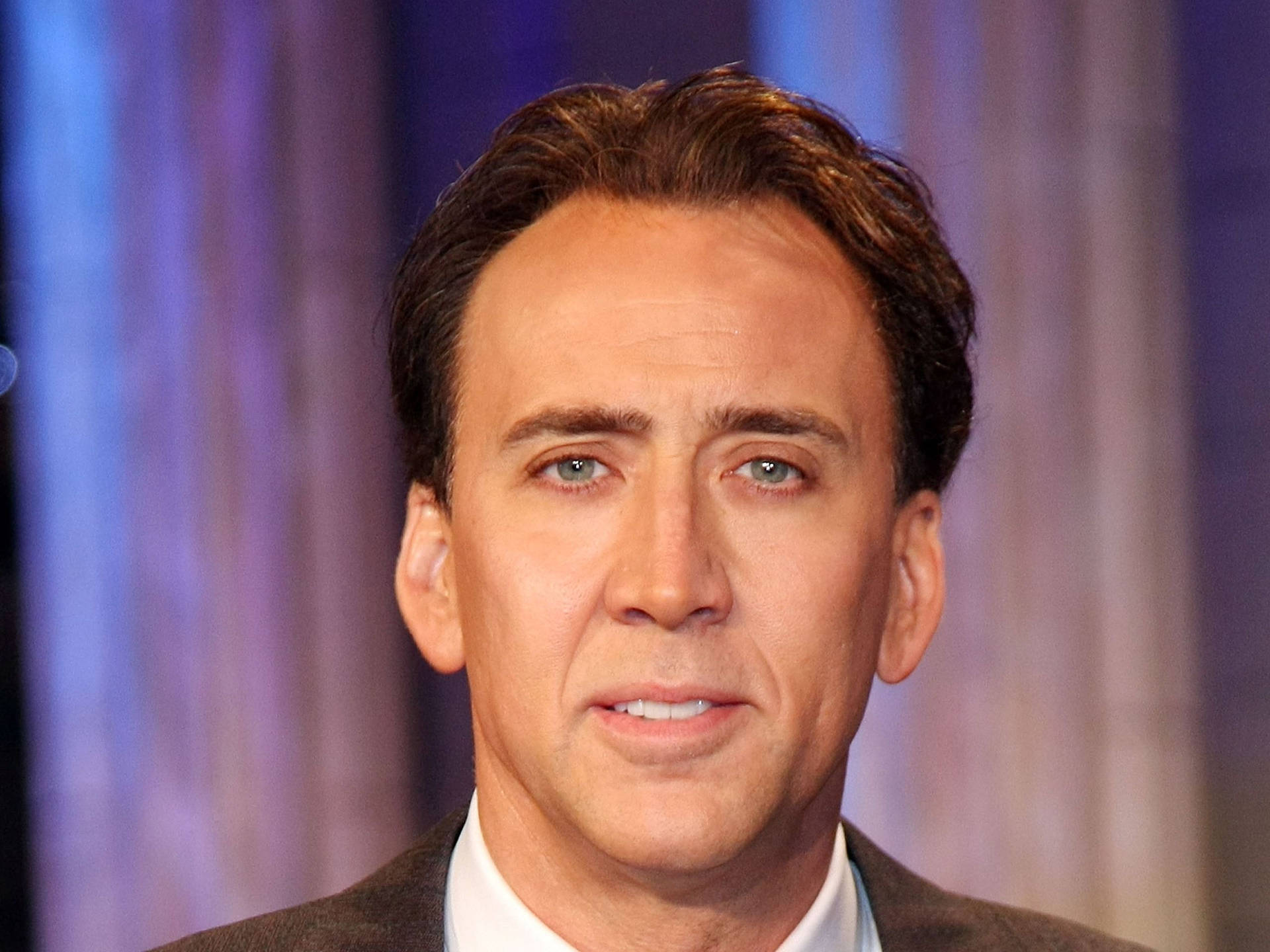
Academy Award-winning actor Nicolas Cage pursued legal action against his former business manager, Samuel J. Levin, and Levin’s firm, seeking $20 million. Cage alleged that Levin provided him with poor financial advice and actively mismanaged his substantial earnings, leading to significant financial hardship for the star.
Levin, who had managed Cage’s finances from 2001 to 2008, responded with a countersuit. In his defense, Levin claimed that the actor’s own extravagant and “lavish lifestyle” was the primary cause of his financial difficulties. He asserted that he had repeatedly warned Cage that his spending habits needed to be scaled back considerably.
Court documents filed by Levin further stated that Nicolas Cage was “already ‘deeply in debt'” even before he began working for the actor. Levin alleged that Cage had “already squandered tens of millions of dollars he had earned as a movie star,” painting a picture of pre-existing financial challenges exacerbated by unchecked spending.
Despite the serious allegations and counter-allegations, both cases were eventually dismissed. The outcome highlights the complexities inherent in celebrity financial disputes, where responsibility for financial woes can often be debated between the star’s personal choices and their manager’s professional guidance, leaving the true extent of each party’s culpability unresolved in the public record.
Read more about: Beyond the Castle: Unpacking Disney’s Surprisingly Robust History of R-Rated Cinema and Its Streaming Future

8. The Kid LAROI vs. Daniel “Zig” Annor
In January 2018, the then-unknown Australian artist The Kid LAROI (Charlton Howard) inked a three-year global deal with Daniel “Zig” Annor, Managing Director of Sydney-based ART Management Group. This agreement included a two-year extension option in 2021. Annor was to receive 20 percent of gross income from LAROI’s recordings and merchandising, plus net income from live performances, establishing an early partnership for the burgeoning artist.
As The Kid LAROI’s career rapidly accelerated, his relationship with Annor deteriorated. Annor alleged he was sidelined and dismissed in March 2019, prior to the extension period. This perceived breach led Annor to initiate legal action in the Supreme Court, seeking compensation.
The lawsuit claimed significant losses of income until 2023, alongside unpaid commission. This case highlights the substantial financial implications when management agreements, even early-stage ones, are abruptly terminated. It underscores the critical need for clear contractual terms and dispute resolution mechanisms in the fast-paced music industry to safeguard all parties involved.

9. Grant Thomas Management vs. Bardot
Sydney-based Grant Thomas Management (GTM), known for managing Crowded House, was enlisted by Screentime in 1999 to oversee Bardot, the pop group formed through the *Popstars* TV show. The show garnered 2.6 million viewers, launching Bardot to immediate fame and making GTM’s role crucial for leveraging their success.
GTM’s services were terminated within a year, leading Thomas to sue Screentime and Bardot’s company, Five Divas, for $750,000 in April 2004. He alleged breach of contract and demanded 24 percent of Bardot’s income. Screentime countersued, citing GTM’s alleged failures, including not arranging a tour to capitalize on the band’s popularity or securing a slot at the 2000 Sydney Olympics. They also cited GTM’s continued relationship with a sacked band member accused of stealing money.
The NSW District Court awarded Thomas $129,561. Judge Stephen Walmsley stated the personal relationship breakdown was an insufficient reason for contract termination, affirming GTM’s commitment. Screentime was also awarded $88,000. This complex ruling highlights intricate legal accountability where both parties may share responsibility.
Bardot disbanded in April 2002 after two and a half years, due to declining album sales and members pursuing solo careers. Former member Belinda Chapple later revealed that while members earned a meager $35 daily, Bardot generated an estimated $27 million profit for others. This stark financial disparity underscores often-unbalanced structures within entertainment, particularly for emerging artists.
10. Jimi Hendrix vs. Mike Jeffery
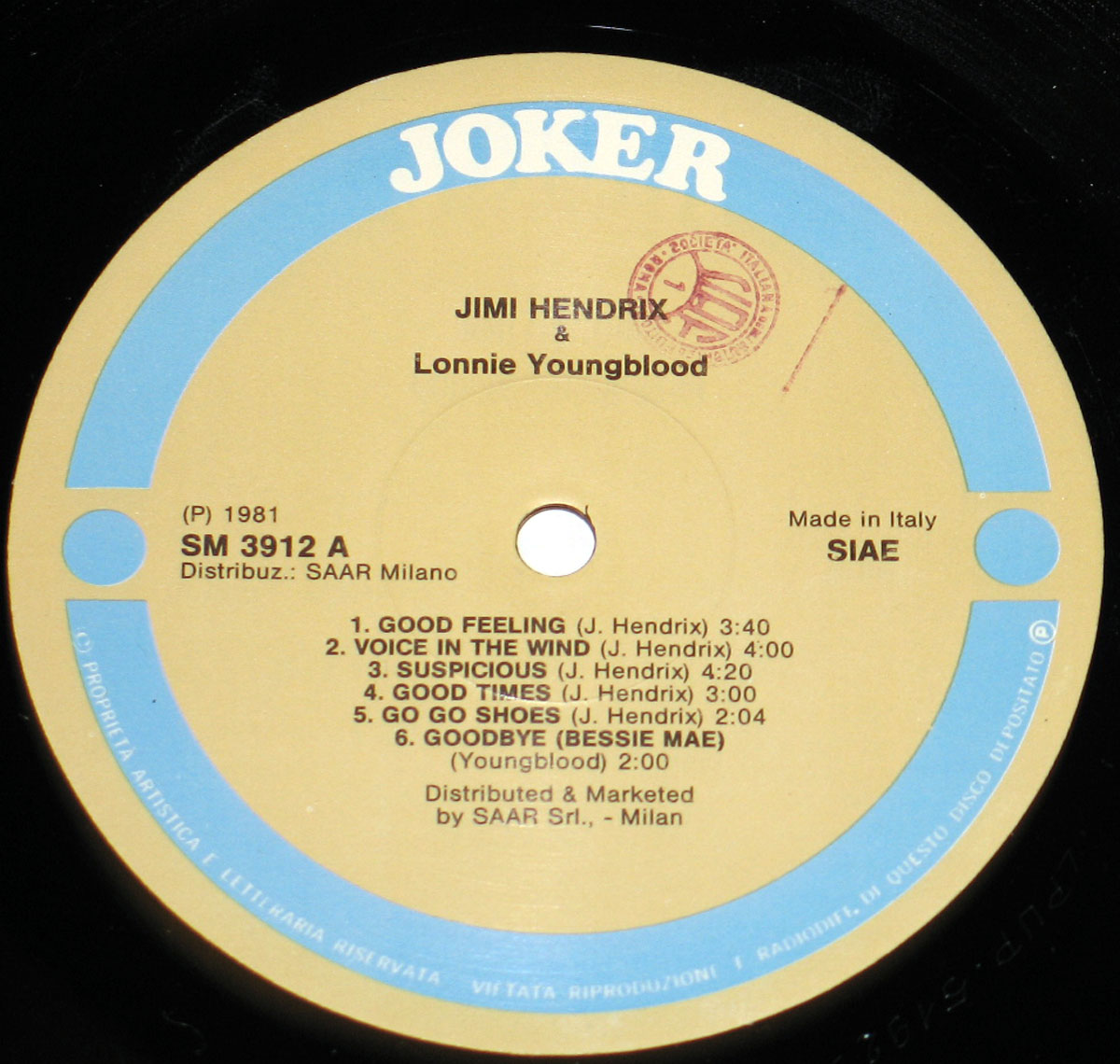
Jimi Hendrix was managed creatively by Chas Chandler, with Mike Jeffery providing financial backing. Jeffery’s aggressive negotiating style helped make Hendrix the highest-earning act of the 1960s, notably securing $18,000 for his 1969 Woodstock performance, equivalent to approximately $130,000 today.
Despite this success, Jeffery’s management faced severe allegations. Speculation linked him to the mob and the CIA, with claims he siphoned significant portions of Hendrix’s income into offshore accounts. Bassist Noel Redding was reportedly dismissed after questioning these financial practices, indicating a manager prioritizing personal gain over artist transparency.
Conspiracy theories further marred Jeffery’s legacy, including claims of the mob kidnapping Hendrix to force Jeffery into repaying debts. These unsettling rumors, alongside later allegations in a book that Jeffery murdered Hendrix for insurance, highlight the deep distrust and dangerous associations surrounding his financial dealings.
Jeffery himself was reportedly paranoid about dying in a plane crash. He tragically died in a mid-air collision over Nantes, France, on March 5, 1973, just days before his 40th birthday. His controversial career and mysterious death underscore the perils of unchecked financial power in the music business.

11. 5 Seconds Of Summer vs. YM&U Group
In early 2021, Australian pop-punk band 5 Seconds Of Summer (5SOS) switched management from London-based Modest! to the US-based YM&U Group, seeking LA-centric representation. YM&U Group, which manages Chet Faker and Steve Aoki, presented a robust platform for 5SOS’s global expansion.
However, the relationship quickly dissolved after only seven months. YM&U Group issued two invoices totaling $412,500, which the band refused to pay. This led to a lawsuit in December 2021, with YM&U Group suing for $2.5 million in unpaid commissions and punitive damages.
The lawsuit cited “multiple lucrative deals” YM&U Group claimed to have negotiated, including a $10 million BMG deal and a $1.5 million merchandising agreement with Bravado International Group. The firm argued entitlement to commissions despite the early contract termination.
The lawsuit also implicated Benjamin Evans, 5SOS’s original manager, accusing him of encouraging the band’s non-payment. This complex dispute eventually resulted in an out-of-court settlement. The case highlights challenges in management transitions and the critical need for clear contracts when substantial sums are at stake.

12. Queen vs. Trident Studios
Trident Studios, a London recording facility, signed nascent band Queen, allowing them to record for free while retaining music rights. Co-founder Norman Sheffield reluctantly managed Queen, a decision Brian May later deemed “probably the worst.” Trident funded early equipment and promo videos for four years.
Despite Trident’s support, Queen’s debut album initially faced rejection. Members endured financial hardship on £20 weekly, contrasting with Sheffield’s expensive lifestyle, fostering resentment. They believed their deal stifled growth and compensation.
After rejections, Sheffield launched Trident Records, licensing *Queen II* and *Sheer Heart Attack*. Following *Sheer Heart Attack*’s global success, Queen left Trident for EMI and a new manager. Brian May noted they were “not only poor, but we were in debt,” indicating dissatisfaction with Trident’s financial terms.
The band’s frustration peaked with “Death On Two Legs” from *A Night At The Opera* (1975), a scathing attack on Sheffield. He sued, leading to an out-of-court settlement. Despite the acrimony, Trident launched Queen. Their eventual monumental success, with millions in sales and substantial net worth, attests to their perseverance beyond early financial disputes.

13. Chance The Rapper vs. Pat Corcoran
In 2013, Chance The Rapper (Chancelor Bennett) and long-time manager Pat Corcoran entered into a significant oral agreement. This informal arrangement entitled Corcoran to 15 percent of net profits from merchandise, tours, record sales, branding deals, endorsements, and film/TV ventures. While common for emerging artists, such oral contracts lack formal protections, posing challenges in high-stakes environments.
The partnership, crucial to Chance The Rapper’s rise, broke down in 2020. Corcoran subsequently claimed he was owed a substantial $3 million in commissions. The absence of a clear, legally binding written contract complicated this financial dispute, turning a business arrangement into a complex legal battle.
This case highlights the complexities in entertainment industry relationships, especially with fame and fortune involved. It underscores the critical need for artists and representatives to formalize financial arrangements with clear, documented contracts from the outset. This mitigates future conflicts, protects financial interests, and provides accountability, preventing million-dollar disputes over alleged unpaid commissions.

14. Rihanna
In 2012, global superstar Rihanna sued her accounting firm, Berdon LLP. The lawsuit alleged significant financial mismanagement, including improper tax filing and “exorbitant” commissions that she claimed caused substantial financial losses. Such accusations against a trusted financial advisor indicate a profound breach of fiduciary duty.
Rihanna specifically contended that Berdon LLP levied above-standard commission rates, directly causing major financial setbacks during her 2010 “Last Girl on Earth Tour.” The lawsuit highlighted that while Rihanna experienced losses, the firm concurrently generated millions in revenue, suggesting disproportionate benefit.
Berdon LLP, in its defense, attributed Rihanna’s financial difficulties to her own “spending habits,” a common defense in celebrity financial disputes. The lawsuit was ultimately resolved through an out-of-court settlement, terms undisclosed. This outcome, though common, serves as a cautionary tale for artists to maintain rigorous oversight of financial representatives and personal expenditures.
Read more about: Taylor Swift’s Political Evolution: Unpacking Her Journey From Apolitical Silence to Influential Endorsement
The myriad of cases presented, from music legends battling over publishing rights to pop sensations disputing tour finances, reveal a consistent theme: the profound impact of shattered trust in the star-manager relationship. Whether through alleged embezzlement, negligent advice, or exorbitant fees, these high-stakes legal battles underscore that immense wealth does not automatically guarantee financial security. They serve as critical lessons for both established icons and aspiring talents alike, emphasizing that meticulous financial oversight, clear contractual agreements, and unwavering vigilance remain the most crucial assets in safeguarding a celebrity’s career and legacy. As the entertainment industry continues to evolve, these precedents will undoubtedly shape future dealings, advocating for greater transparency and accountability from all parties involved.