Public relations disasters represent some of the most formidable challenges any company can face. These are not mere bumps in the road but seismic events that severely damage a company’s reputation, often stemming from poor communication, critical product failures, or deeply controversial actions. In today’s hyper-connected digital age, where social media and 24/7 news cycles relentlessly fuel information dissemination, such incidents can escalate with breathtaking speed.
Companies that falter in managing these crises effectively often find themselves grappling with a cascade of negative outcomes. These include significant financial losses, a dramatic erosion of consumer trust, and enduring, often irreversible, damage to their cherished brand image. Understanding the genesis and evolution of these infamous PR disasters offers invaluable insights into effective corporate communication and robust crisis management.
We embark on an insightful journey through 15 of the most damaging public relations crises in corporate history. Each case serves as a powerful cautionary tale, illustrating how even established brands can stumble, and how their responses dictate the long-term health of their public standing and bottom line. By dissecting these monumental failures, we uncover critical lessons that underscore the paramount importance of transparency, empathy, and proactive strategy in safeguarding a brand’s reputation.
1. **Pepsi’s Kendall Jenner Ad (2017) – Tone-Deaf Activism**In 2017, Pepsi launched an advertisement featuring Kendall Jenner that swiftly became one of history’s most criticized PR campaigns. The commercial showed Jenner joining a protest and offering a Pepsi to a police officer, seemingly resolving tensions between protesters and law enforcement. This depiction drew immediate widespread condemnation.
Critics accused the ad of trivializing serious social justice movements, particularly Black Lives Matter, reducing complex issues to a marketing gimmick. The sentiment was that Pepsi exploited activism as a marketing tool, lacking understanding of the gravity of the issues portrayed. It was seen as a superficial attempt to connect with a socially conscious audience.
Facing intense public backlash, Pepsi issued an apology and pulled the advertisement. The company acknowledged its failure to capture the right tone. This incident damaged Pepsi’s credibility and ignited broader concerns about using activism for commercial purposes, prompting other brands to re-evaluate their approaches to social issues in advertising.
Read more about: Navigating the Fallout: 14 Notorious PR Disasters That Tested Brands and Trust

2. **United Airlines’ Passenger Dragging Incident (2017) – Forced Removal Gone Wrong**April 2017 marked a significant public relations catastrophe for United Airlines. A viral video showed Dr. David Dao being forcibly dragged off a flight by airport security after United overbooked the flight and requested passengers to volunteer seats. Dr. Dao refused, was physically removed, and sustained injuries.
The footage spread globally, provoking widespread outrage. Many accused United of severe passenger mistreatment. United’s initial response only exacerbated the backlash; statements defended staff actions, dismissing public anger. CEO Oscar Munoz’s initial statement minimized the severity, deepening public betrayal.
United Airlines eventually issued a comprehensive apology and settled with Dr. Dao, but reputational damage was substantial. The incident became a stark cautionary tale for the airline industry, underscoring the need for humane overbooking handling. It powerfully demonstrated social media’s immense power in shaping public opinion in real-time.

3. **BP’s Deepwater Horizon Oil Spill (2010) – Poor Crisis Communication**The Deepwater Horizon oil spill in April 2010 stands as one of history’s largest environmental disasters. A blowout on BP’s drilling rig in the Gulf of Mexico killed 11 workers, releasing millions of barrels of oil. The environmental impact devastated marine life, local economies, and tourism.
BP’s crisis handling was universally criticized for poor communication and transparency. The response was slow and inadequate. CEO Tony Hayward became a focal point of public ire due to his infamous comment: “I’d like my life back,” seen as insensitive given the suffering.
BP was accused of downplaying the spill’s scale and delaying decisive action. The company faced billions in fines and legal settlements. Its reputation was severely tarnished, turning the spill into a textbook example of how mishandling a crisis amplifies outrage, leading to profound long-term financial and brand damage.
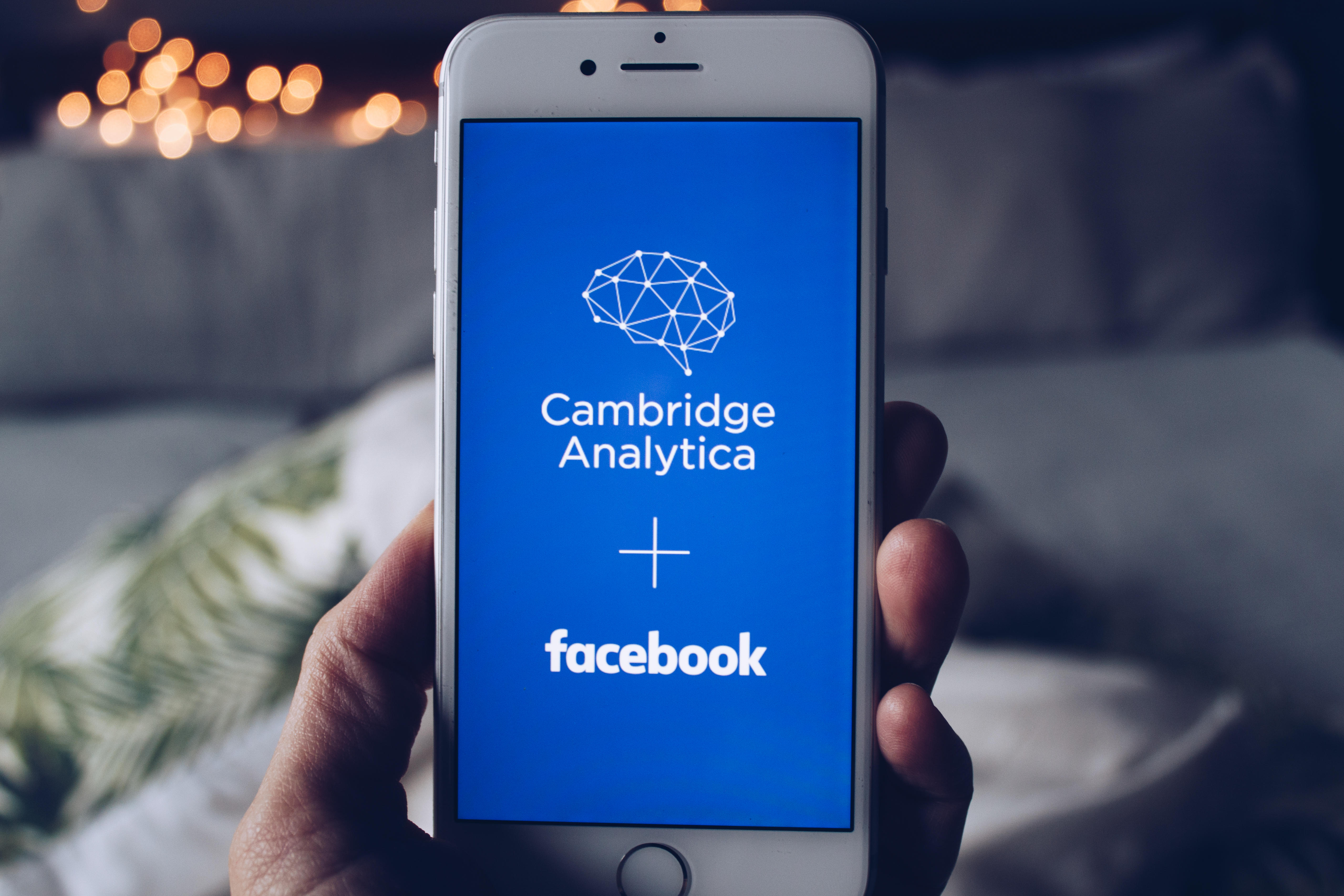
4. **Facebook and the Cambridge Analytica Scandal (2018) – Data Privacy Breach**In 2018, Facebook plunged into a monumental PR crisis. Cambridge Analytica, a political consulting firm, illicitly harvested personal data of over 87 million Facebook users without consent. This data was used for targeted political advertising, triggering profound global concerns about privacy violations and ethical data use.
The scandal sparked an intense worldwide conversation on data protection. Facebook initially downplayed the breach, intensifying backlash. CEO Mark Zuckerberg testified before Congress, facing questions on data security and ethical frameworks.
Despite Facebook’s subsequent efforts to enhance privacy policies, its credibility suffered a severe and lasting blow. The crisis sparked the #DeleteFacebook hashtag, with users abandoning the platform. The scandal forced widespread changes in how tech companies manage user data, reinforcing the critical importance of transparency and robust accountability in data privacy practices.
5. **Volkswagen’s Emissions Scandal (2015) – Deception Exposed**Volkswagen faced a colossal scandal in 2015 when it was discovered the company installed illegal “defeat device” software in its diesel vehicles. This software detected emissions tests, temporarily reducing pollutants. Under normal conditions, vehicles emitted far beyond legal limits, deceiving regulators and consumers.
The revelation triggered legal actions globally, including lawsuits and colossal regulatory fines. Several high-ranking executives, including the CEO, resigned. Volkswagen’s reputation, built on engineering excellence, suffered immense damage as customers and environmentalists felt betrayed by the company’s elaborate deceit and disregard for regulations.
The financial ramifications were staggering, costing Volkswagen over $30 billion in fines and compensation, alongside a severely tarnished brand image. This incident serves as a grim cautionary tale regarding corporate integrity and the devastating long-term consequences of unethical business practices, especially when environmental responsibility is critical to consumers.
Read more about: Beyond the Showroom Shine: 14 Automotive Design Fails That Rocked the Industry

6. **Samsung Galaxy Note 7 Explosions (2016) – Recall Crisis**In 2016, Samsung confronted one of the most expensive product recalls in history with its Galaxy Note 7 smartphone. Numerous reports surfaced globally of devices catching fire due to fatally flawed batteries. Users suffered burns, and incidents of fires in cars and homes were widely reported.
The issue escalated severely, leading airlines worldwide to ban the Note 7 due to explosion risk. Samsung’s initial attempts to replace affected devices backfired spectacularly when replacement phones also ignited, proving the problem was systemic.
Samsung was compelled to recall over 2.5 million devices, leading to the permanent discontinuation of the Note 7 line. Despite efforts and an apology, damage to its brand was profound. The recall cost Samsung billions and tarnished its reputation for years, a textbook case of how poor quality control and crisis communication can spiral catastrophically.
Read more about: Navigating the Fallout: 14 Notorious PR Disasters That Tested Brands and Trust

7. **Elon Musk’s “Pedo Guy” Tweet (2018) – CEO Social Media Blunder**In 2018, Tesla CEO Elon Musk faced a significant PR crisis due to a highly controversial tweet. Musk publicly referred to Vernon Unsworth, a British cave diver from the Thai cave rescue, as a “pedo guy.” This inflammatory comment followed Unsworth’s criticism of Musk’s rescue efforts.
Musk’s tweet was widely condemned, leading to a high-profile defamation lawsuit. Initially, Musk doubled down on his comments but eventually apologized after a court ruled in favor of Unsworth, signaling a forced retreat.
The incident caused a dip in Tesla’s stock price. Musk’s impulsive actions raised serious concerns about CEOs engaging publicly on social media without considering potential fallout. This event became a prime example of how influential figures suffer reputational damage from unbridled online behavior, illustrating social media’s critical role in corporate crisis management.
8. **H&M’s “Coolest Monkey in the Jungle” Ad (2018) – Racially Insensitive Marketing**In 2018, fashion retailer H&M faced a severe public relations backlash concerning a controversial advertisement. The ad featured a Black child modeling a hoodie inscribed with the phrase “Coolest Monkey in the Jungle.” This campaign immediately ignited widespread outrage across social media platforms.
Critics were swift to condemn the ad, accusing H&M of profound racial insensitivity and of perpetuating harmful, deeply offensive stereotypes. The controversy resonated so strongly that even celebrities, including The Weeknd, who maintained a partnership with H&M, publicly distanced themselves and denounced the campaign, amplifying its negative reach.
H&M responded by quickly issuing an apology and removing the advertisement from all channels. However, the reputational damage to the brand was already substantial. Many argued that the incident exposed a significant lack of cultural awareness and sensitivity within the company’s marketing and decision-making processes.
This crisis underscored the critical importance of diversity within internal decision-making roles. It also highlighted the considerable risks brands face when cultural nuances are overlooked or misunderstood in advertising, emphasizing the necessity of rigorous review processes to prevent such missteps. While H&M subsequently committed to enhancing diversity in its campaigns, the controversy left a lasting blemish on its public image.
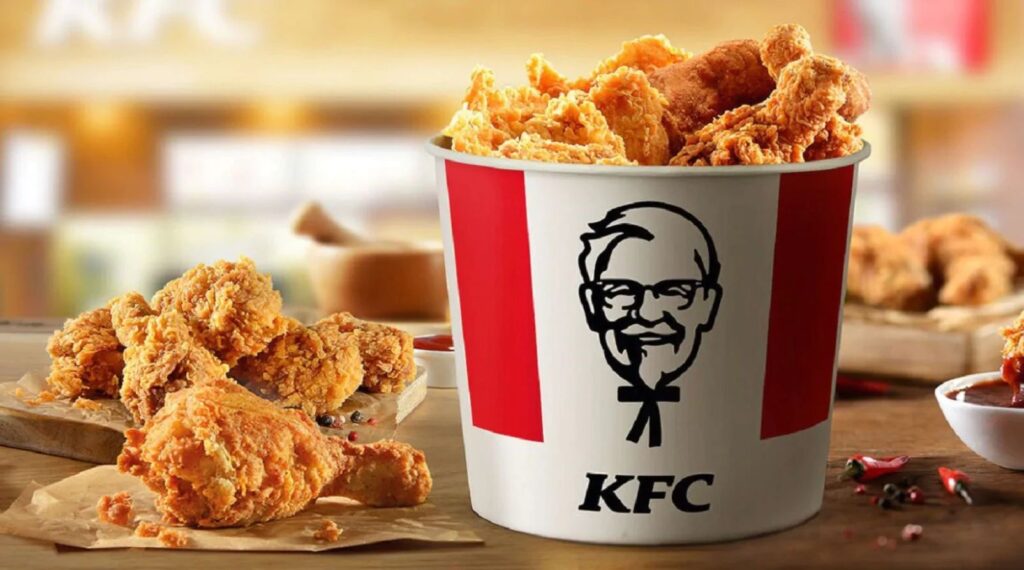
9. **KFC’s Chicken Shortage in the UK (2018) – Supply Chain Nightmare**In February 2018, KFC in the UK encountered an unprecedented crisis when a logistical breakdown led to a widespread chicken shortage across a majority of its 900 stores. This dramatic disruption stemmed from the company’s recent switch to a new delivery contractor, DHL, which subsequently experienced significant operational failures in its supply chain.
The consequences were immediate and severe: numerous KFC outlets were forced to close their doors, while others could only offer drastically limited menu options, frustrating countless customers. Social media quickly became a hub for a flurry of complaints, with the public expressing their dismay and confusion over the sudden lack of their favorite fried chicken.
However, in a move that became a masterclass in crisis communication, KFC deployed a quick and notably clever public relations response. They ran a full-page newspaper advertisement featuring an empty KFC bucket, with the letters “FCK” prominently replacing the iconic KFC logo. This bold, self-deprecating approach effectively diffused much of the public’s anger.
This innovative strategy, which transformed a potentially devastating situation into a distinctive branding opportunity, proved highly effective. While the supply chain disruption was undoubtedly costly for KFC, their humorous and transparent handling of the crisis enabled a remarkably swift recovery, ultimately strengthening customer loyalty rather than eroding it.
Read more about: Navigating the Fallout: 14 Notorious PR Disasters That Tested Brands and Trust
10. **Gillette’s “The Best Men Can Be” Ad (2019) – Divisive Messaging**Gillette launched its “The Best Men Can Be” advertising campaign in 2019, an initiative designed to address pressing societal issues such as toxic masculinity and male behavior, particularly in the context of the burgeoning #MeToo movement. The campaign aimed to encourage men to uphold higher standards of conduct and responsibility.
The advertisement, however, quickly polarized public opinion. While a segment of the audience applauded Gillette for taking a definitive stand on such critical social issues, a massive backlash erupted from others, particularly prominent on social media platforms. Critics argued that the ad was overly preachy and unfairly portrayed men in a broadly negative light.
This criticism led to accusations of “virtue signaling” and attempts to politicize everyday shaving products, resulting in a significant portion of Gillette’s traditional customer base feeling alienated. Some even called for a boycott of the brand, highlighting the potential risks of entering sensitive social debates in advertising.
Conversely, a considerable number of observers praised Gillette for its courage in tackling important social questions and for acknowledging the brand’s potential role in shaping perceptions of masculinity. Despite the intense controversy, Gillette reported that the campaign successfully generated substantial media buzz. The incident vividly demonstrated the delicate balance brands must meticulously strike when engaging with complex social issues in their marketing strategies.
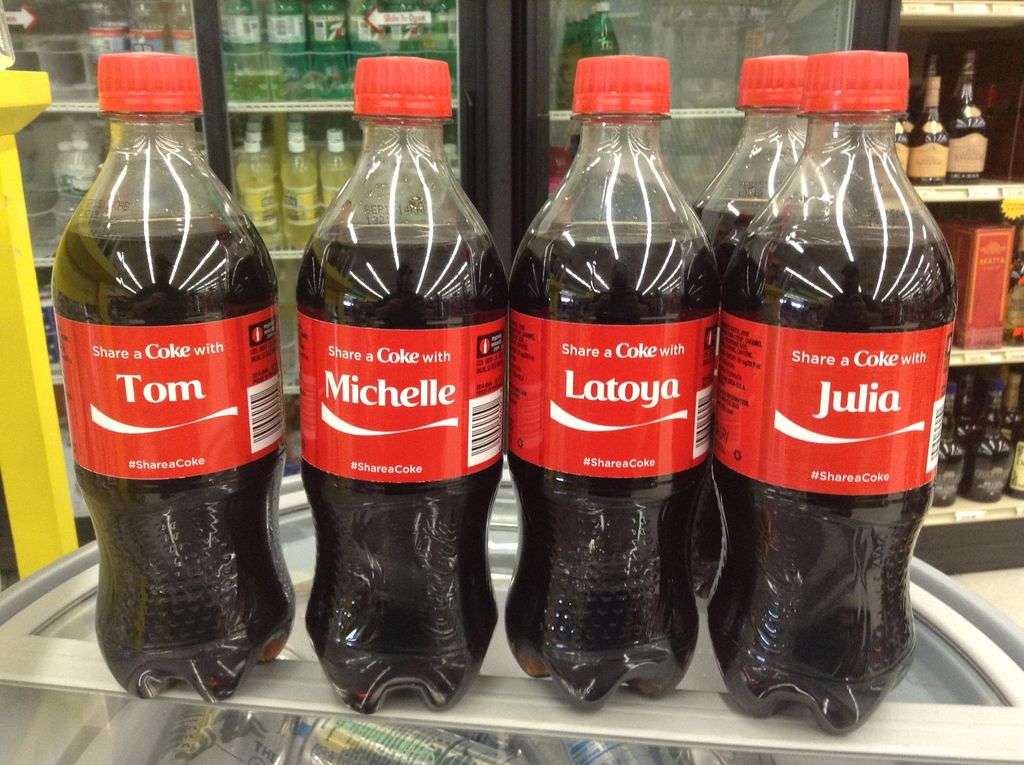
11. **Coca-Cola’s New Coke (1985) – Marketing Blunder**In 1985, Coca-Cola embarked on what would become one of the most infamous public relations missteps in corporate history: the introduction of “New Coke.” This decision involved a radical reformulation of its classic flagship soda, driven by the belief, based on extensive taste tests, that a sweeter version would appeal more broadly and outperform the original recipe.
However, the public’s reaction to this change was overwhelmingly negative and intensely passionate. Generations of loyal Coca-Cola drinkers were not only upset but felt a deep sense of betrayal, perceiving that the company was abandoning its beloved and iconic formula. This profound consumer discontent quickly manifested in widespread protests and fervent demands for the immediate return of the original beverage.
The backlash escalated so severely that, within a mere three months, Coca-Cola was compelled to capitulate to public demand. The company re-introduced its original formula, aptly named “Coca-Cola Classic,” alongside the new version. The “New Coke” debacle served as a stark lesson, illustrating the inherent dangers of altering a cherished brand and showcasing the immense power of deep-seated consumer loyalty in driving a brand’s sustained success.
Despite this initial, spectacular failure, Coca-Cola skillfully managed to recover its standing. Paradoxically, the entire episode ultimately transformed into a marketing success, as the reintroduction of “Classic” reinvigorated consumer engagement and reaffirmed the enduring power of the original brand, teaching valuable lessons in brand guardianship and customer connection.
Read more about: Navigating the Fallout: 14 Notorious PR Disasters That Tested Brands and Trust

12. **Apple’s Antennagate (2010) – iPhone 4 Reception Issues**Apple found itself in a significant public relations crisis in 2010 following the launch of its highly anticipated iPhone 4. The device quickly became plagued by widespread reception problems, an issue that swiftly became known as “Antennagate.” Users discovered that merely holding the phone in a specific way, particularly by gripping the lower left corner, could cause signal drops due to the innovative but flawed external antenna design.
As complaints mounted and the issue gained traction across media and online forums, Apple initially attempted to downplay the problem. This approach, however, only served to exacerbate the frustration among its customer base. The escalating public pressure eventually led to a high-profile press conference where then-CEO Steve Jobs publicly acknowledged the design flaw.
In a move to mitigate the damage and address customer concerns, Apple offered free bumper cases to all affected iPhone 4 users. These cases were designed to prevent direct contact with the antenna, thereby resolving the reception issues. While the “Antennagate” incident did not inflict long-term damage on Apple’s overall reputation for innovation and quality, it posed a critical challenge.
The episode became a powerful demonstration of the challenges involved in managing product flaws in the burgeoning era of social media, where consumer feedback can rapidly go viral and shape public perception. Apple’s transparent admission, followed by its prompt and pragmatic solution, underscored the vital importance of transparency and swift action in effective crisis management, ultimately helping to stem more severe reputational fallout.
Read more about: Navigating the Fallout: 14 Notorious PR Disasters That Tested Brands and Trust

13. **Snapchat’s “Would You Rather” Ad (2018) – Insensitive Content**In 2018, Snapchat was engulfed in a major public relations disaster stemming from an advertisement displayed on its platform. The ad featured a “Would you rather” game, presenting users with a deeply disturbing choice: “Slap Rihanna” or “Punch Chris Brown.” This content was a direct and incredibly insensitive reference to the infamous 2009 assault committed by Chris Brown against Rihanna.
The ad was met with immediate and widespread condemnation, with users expressing outrage at its blatant trivialization of domestic violence. The controversy escalated significantly when Rihanna herself publicly addressed the ad on Instagram, vehemently expressing her disgust and demanding accountability from the platform.
Snapchat responded rapidly, pulling the advertisement and issuing an apology, yet the damage to its reputation was already profound. The company faced intense criticism for allowing such insensitive and harmful content to run, particularly given its large demographic of younger users, who are highly impressionable.
The incident resulted in a notable decline in Snapchat’s stock price and raised serious questions regarding the platform’s advertising content screening and approval processes. It served as a stark and painful reminder of the absolute necessity for brands to exercise extreme caution and cultural sensitivity when creating, reviewing, and approving any advertising content, especially concerning violence or sensitive social issues.
Read more about: Navigating the Fallout: 14 Notorious PR Disasters That Tested Brands and Trust
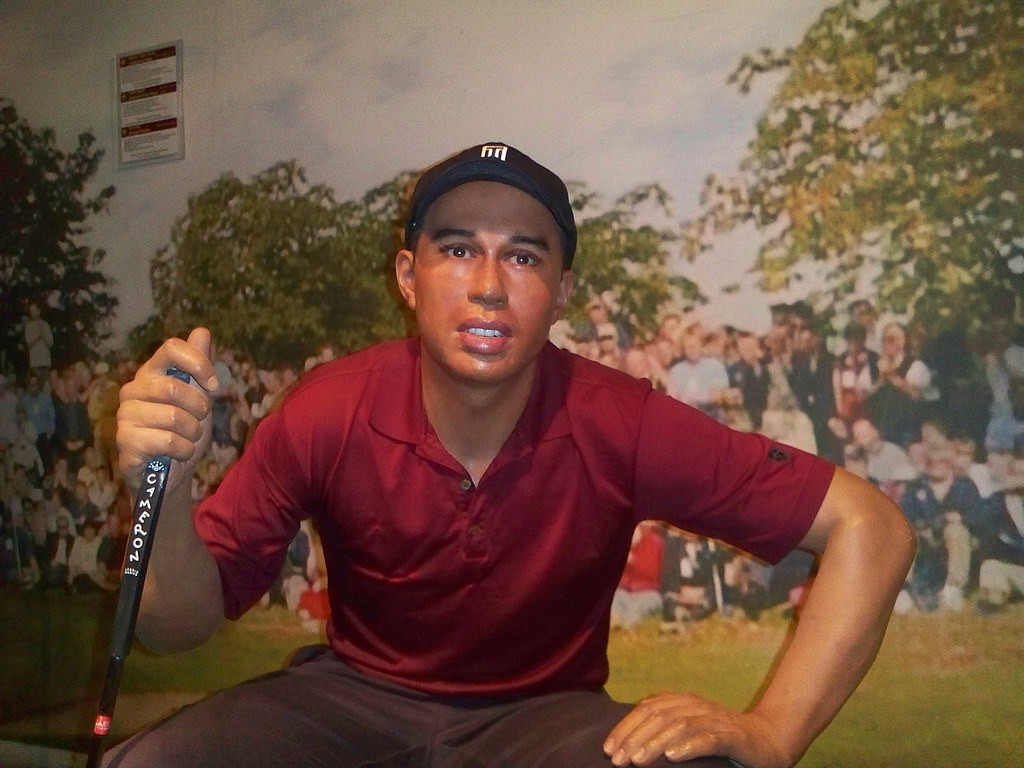
14. **Tiger Woods’ Infidelity Scandal (2009) – Personal Life Exposed**In 2009, the world of professional sports, and particularly the iconic image of golf superstar Tiger Woods, was rocked by a monumental public relations disaster. The scandal began subtly with a car accident outside Woods’ home, but quickly spiraled into a global news event as revelations about his multiple extramarital affairs came to light, shattering his meticulously crafted public persona.
Woods’ image, meticulously built over years on a foundation of unparalleled athletic success, family values, and lucrative endorsement deals, suffered a catastrophic blow. The fallout was swift and financially devastating: numerous major sponsors, including Gatorade, Accenture, and AT&T, quickly severed their ties with him, leading to the loss of millions of dollars in endorsement revenue.
In the immediate aftermath, Woods took an extended and indefinite break from professional golf to focus on addressing his personal life and family issues. He later issued a public apology, acknowledging his mistakes and expressing remorse for the harm caused. This was a critical step in his long journey toward personal and professional rehabilitation.
Despite the severe damage to his reputation and career, Tiger Woods eventually embarked on a remarkable comeback, both in his personal life and on the golf course, defying many expectations. The scandal remains a powerful reminder that public figures, particularly those whose brand relies heavily on their personal image, must diligently guard their private lives, as any misstep can have far-reaching and devastating consequences for their public standing and financial viability.
Read more about: Navigating the Fallout: 14 Notorious PR Disasters That Tested Brands and Trust

15. **Abercrombie & Fitch’s Controversial Marketing (2000s) – Exclusive and Offensive Messaging**Throughout the 2000s, Abercrombie & Fitch frequently found itself at the epicenter of several public relations controversies, primarily due to its marketing strategies which were widely perceived as exclusionary, elitist, and often offensive. The brand cultivated a distinct image that resonated negatively with a broad segment of consumers.
Throughout the 2000s, Abercrombie & Fitch frequently found itself at the epicenter of several public relations controversies, primarily due to its marketing strategies which were widely perceived as exclusionary, elitist, and often offensive. The brand cultivated a distinct image that resonated negatively with a broad segment of consumers.
The controversies intensified significantly in 2006 when then-CEO Mike Jeffries made headlines with highly divisive statements, openly declaring that Abercrombie primarily targeted “cool, good-looking people” and explicitly stated the brand’s disinterest in selling to anyone who was “not as hot.” This declaration profoundly alienated a vast number of customers.
Many felt that the brand’s marketing actively perpetuated harmful body image standards and fostered an exclusionary culture. Additionally, the company’s advertisements, which frequently featured scantily clad models, drew considerable criticism for their overtly ualized nature, especially given the brand’s significant appeal to a younger, often adolescent, audience.
Over time, the cumulative backlash against Abercrombie & Fitch grew in intensity, directly impacting the brand’s commercial success and leading to a significant plummet in sales. In response to mounting pressure and declining performance, the company eventually attempted to rebrand itself, shifting its focus towards inclusivity and expanding its range of sizes. However, the deeply ingrained damage to the brand’s image had lasting and significant effects on its customer base and overall reputation, serving as a cautionary tale in brand positioning and consumer respect.
As we’ve journeyed through these 15 profound public relations crises, it becomes abundantly clear that strategic public relations forms an utterly critical aspect of modern business operations. The ability to anticipate, navigate, and effectively respond to potential crises is what ultimately ensures a brand remains resilient in the face of adversity. While PR disasters can indeed inflict far-reaching damage on a company’s reputation, the overarching lesson is that recovery is not just possible, but achievable with the right strategies firmly in place.
Businesses today must proactively invest in robust crisis communication plans, gain a deep and nuanced understanding of their diverse audiences, and consistently uphold ethical, transparent practices. The collective insights gleaned from these past monumental failures powerfully underscore the paramount importance of anticipating problems before they escalate, responding swiftly and authentically when they do, and, crucially, committing to continuous learning from every mistake. In doing so, organizations can transform even the most challenging moments into opportunities for profound growth, reinforcing brand loyalty and cementing enduring public trust.