There are legends whispered through the annals of music history, tales of extraordinary talent burning so brightly, so fiercely, that it seems destined for an early fade. Among these, few narratives grip the public imagination quite like the enigmatic ’27 Club.’ It’s an informal, almost mythical, assembly of popular musicians and other celebrities whose lives, for reasons that range from the tragic to the deeply mysterious, came to an abrupt halt at the tender age of 27. This notion has woven itself deeply into the fabric of popular culture, celebrity journalism, and entertainment lore, suggesting a grim statistical anomaly for those who push artistic boundaries and often, personal safety.
This perceived phenomenon, which crystallized into the ’27 Club’ in the public consciousness, attributes a special, almost fated, significance to these untimely deaths. The narratives surrounding these figures often intertwine with high-risk lifestyles, tales of drug and alcohol abuse, or violent circumstances, be it homicide, suicide, or tragic accidents. While scientific research has refuted claims of a statistical spike at this age, the cultural interpretation of these events has given rise to an urban myth of staggering power, shaping collective memory and boosting the visibility of those who found their final resting place at 27.
Today, we embark on an intriguing journey through the early days and enduring legacy of this curious club. We’ll delve into the lives and deaths of some of its most iconic members, explore how the myth took hold, and examine the profound impact these stories continue to have on our understanding of fame, fortune, and the fragile nature of genius. Prepare to uncover the fascinating, often heart-wrenching, facts behind the legend that refuses to die.

1. **Cultural Perception: Understanding the widespread belief in the 27 Club.**The idea of the ’27 Club’ might feel ancient, but its modern cultural prominence is surprisingly more recent than many assume. While individual deaths at this age drew comment earlier, it wasn’t until Kurt Cobain’s tragic passing in 1994 that the concept truly solidified in the popular zeitgeist. This timing aligns perfectly with the burgeoning influence of the internet and a more sensationalist celebrity journalism, which amplified these coincidences into a widespread cultural narrative. Collective storytelling and media reinforcement effectively transformed a series of unrelated events into a lasting, almost sacred, myth.
The phenomenon became a shorthand for a particular kind of rock star narrative: the troubled genius, living on the edge, burning out rather than fading away. It speaks to a certain romanticized view of artistic intensity and self-destruction, particularly appealing in rock and roll’s rebellious ethos. This cultural interpretation has been so potent that, even facing scientific refutation, belief in the 27 Club persists, a testament to the power of a compelling story. It’s a classic example of how urban myths, once ingrained, can shape our understanding of reality, regardless of empirical evidence.
It’s not just a casual observation; the 27 Club has become a perennial subject in popular culture, from documentaries and books to widespread discussion. Its allure lies in the human tendency to find patterns and meaning, even where none statistically exist. The shared age creates an emotional link, suggesting a common thread or even a curse, adding a layer of tragic destiny to the already poignant stories of artists who left us far too soon. This collective fascination ensures that every new celebrity death at 27 inevitably sparks a fresh wave of discussion about the club.
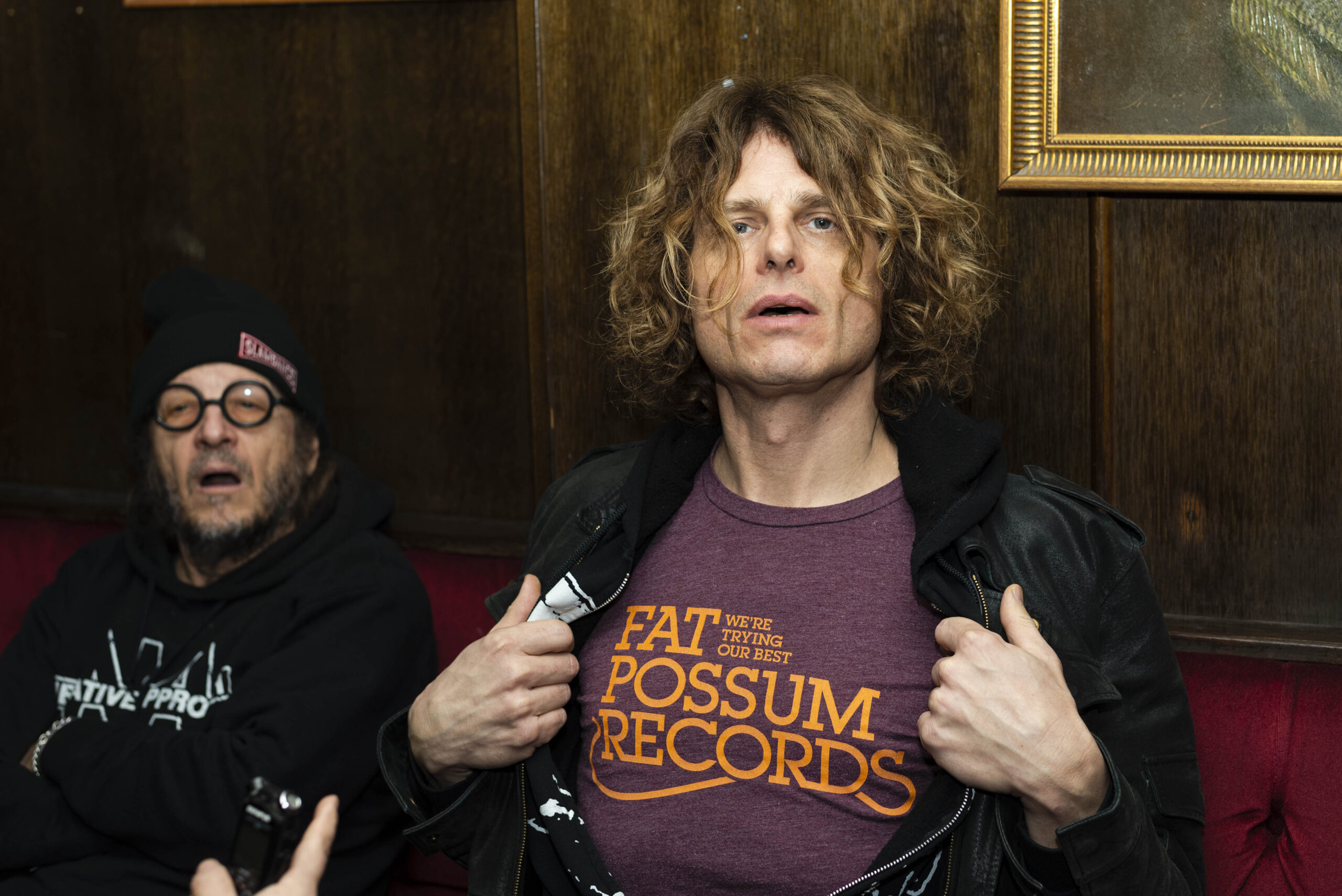
2. **The Genesis of the “Stupid Club”: Brian Jones**The tragic period between 1969 and 1971 saw an alarming number of popular musicians die at age 27, laying the groundwork for what would eventually become the notorious 27 Club. Among the earliest figures whose death contributed to this burgeoning legend was Brian Jones, the enigmatic founder, guitarist, and multi-instrumentalist of the Rolling Stones. Jones died on July 3, 1969, by drowning. His passing, under mysterious circumstances, was one of the first high-profile rock star deaths at this specific age to capture public attention and sow the seeds of a perceived pattern.
Jones’s life was as colorful and tumultuous as his music. He was instrumental in shaping the early sound and image of the Rolling Stones, pushing their blues-rock influences and experimenting with a wide array of instruments. However, his personal life was plagued by drug abuse and increasingly erratic behavior, leading to his departure from the band just weeks before his death. His demise at 27, a vibrant talent extinguished prematurely, immediately fueled speculation and added a dark layer to the burgeoning rock mythology of the late 1960s.
His inclusion in the nascent “27 Club” narrative underscored the perceived dangers of the rock and roll lifestyle. For many, Jones’s death was not just a personal tragedy but a symptom of the excesses and pressures that came with immense fame in that era. As one of the original four (alongside Hendrix, Joplin, and Morrison) who died in close succession, his story is critical to understanding how the initial coincidence began to transform into a cultural phenomenon, a cautionary tale echoing through generations of musicians.
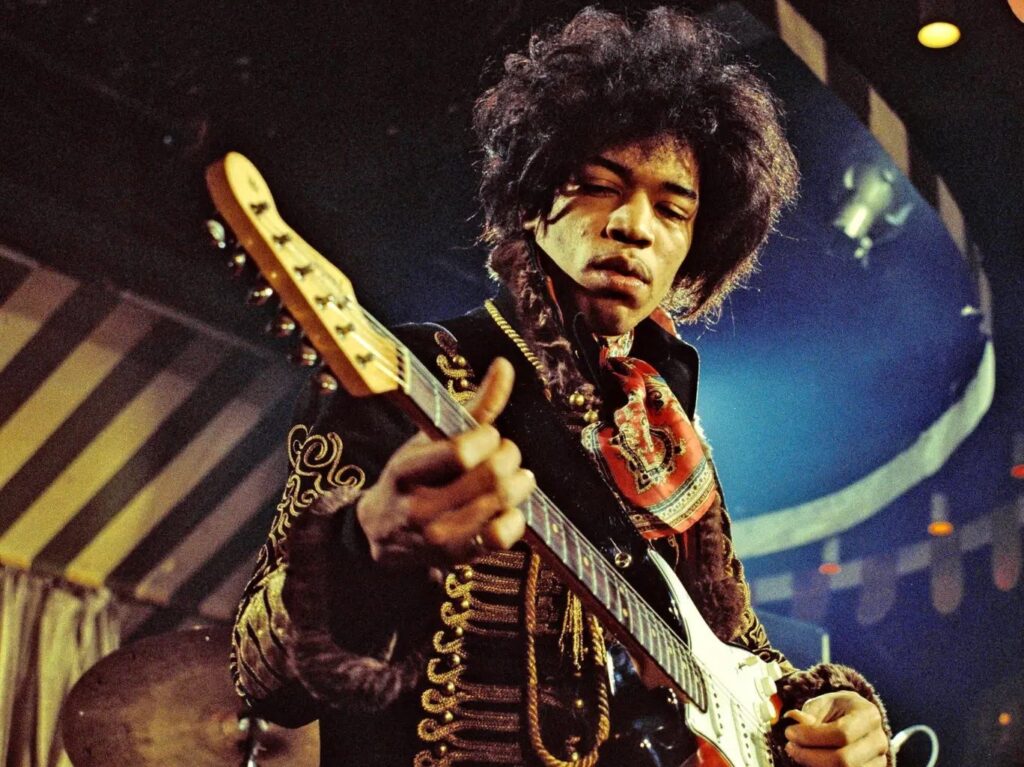
3. **Jimi Hendrix: A Virtuoso’s Final Chord**Just over a year after Brian Jones’s death, the music world was rocked by another seismic loss: Jimi Hendrix. The pioneering electric guitarist, singer, and songwriter of the Jimi Hendrix Experience and Band of Gypsys, Hendrix died on September 18, 1970, at the age of 27, due to asphyxia resulting from drug use. His passing was a profound shock, ending the career of an artist widely considered one of the most influential guitarists in the history of popular music, someone who had redefined the very sound and possibilities of the instrument.
Hendrix’s virtuosity was unparalleled; his innovative techniques and psychedelic soundscapes captivated audiences worldwide. He was a force of nature on stage, transforming the electric guitar into an extension of his soul. His sudden death, coming at the peak of his creative powers, amplified the sense of tragic loss. It was yet another instance of an immense talent being consumed by the darker side of fame, specifically the prevalent drug culture of the late 1960s, drawing a chilling parallel with Jones’s fate.
His inclusion cemented the idea that 27 might indeed be a cursed age for rock’s luminaries. The media at the time noted the coincidence, and Hendrix’s iconic status ensured his death would forever be linked with the age. He became an integral part of what would later be affectionately, if morbidly, dubbed the “holy trinity” of 1960s rock, a triumvirate of prodigious talents who all departed at the fateful age of 27, leaving behind an indelible, yet incomplete, musical legacy.

4. **Janis Joplin: The Raw Voice Silenced Too Soon**Mere weeks after Jimi Hendrix’s death, the rock and roll community suffered another devastating blow: Janis Joplin. The powerhouse lead vocalist and songwriter for Big Brother and the Holding Company, the Kozmic Blues Band, and Full Tilt Boogie Band, Joplin passed away on October 4, 1970, at the age of 27. Her cause of death, like Hendrix’s, was a drug overdose, deepening the grim pattern that was beginning to emerge and terrifying many within the music industry about the pressures and perils of their lifestyle.
Joplin was a force of nature, known for her raw, blues-infused voice and electrifying stage presence. She shattered conventions, becoming one of the most iconic female rock stars of her era. Her music was a conduit for intense emotion, often reflecting her own struggles and vulnerabilities. Her death, so close to Hendrix’s and at the same identical age, amplified the growing sense of dread and reinforced the emerging “27 Club” narrative as a tangible, if inexplicable, phenomenon.
Her inclusion in this tragic roster further solidified the club’s initial core members. She, along with Jones, Hendrix, and later Morrison, became the foundational figures, the original tragic heroes who seemed to embody a dark destiny tied to their 27th year. Joplin’s untimely departure left a gaping void in music, silencing one of rock’s most authentic and expressive voices, and adding another poignant layer to the developing myth of the 27 Club.
Read more about: Unleashed Fury: The Pioneering Women Who Shaped Rock’s Essential Power and Fierce Legacy
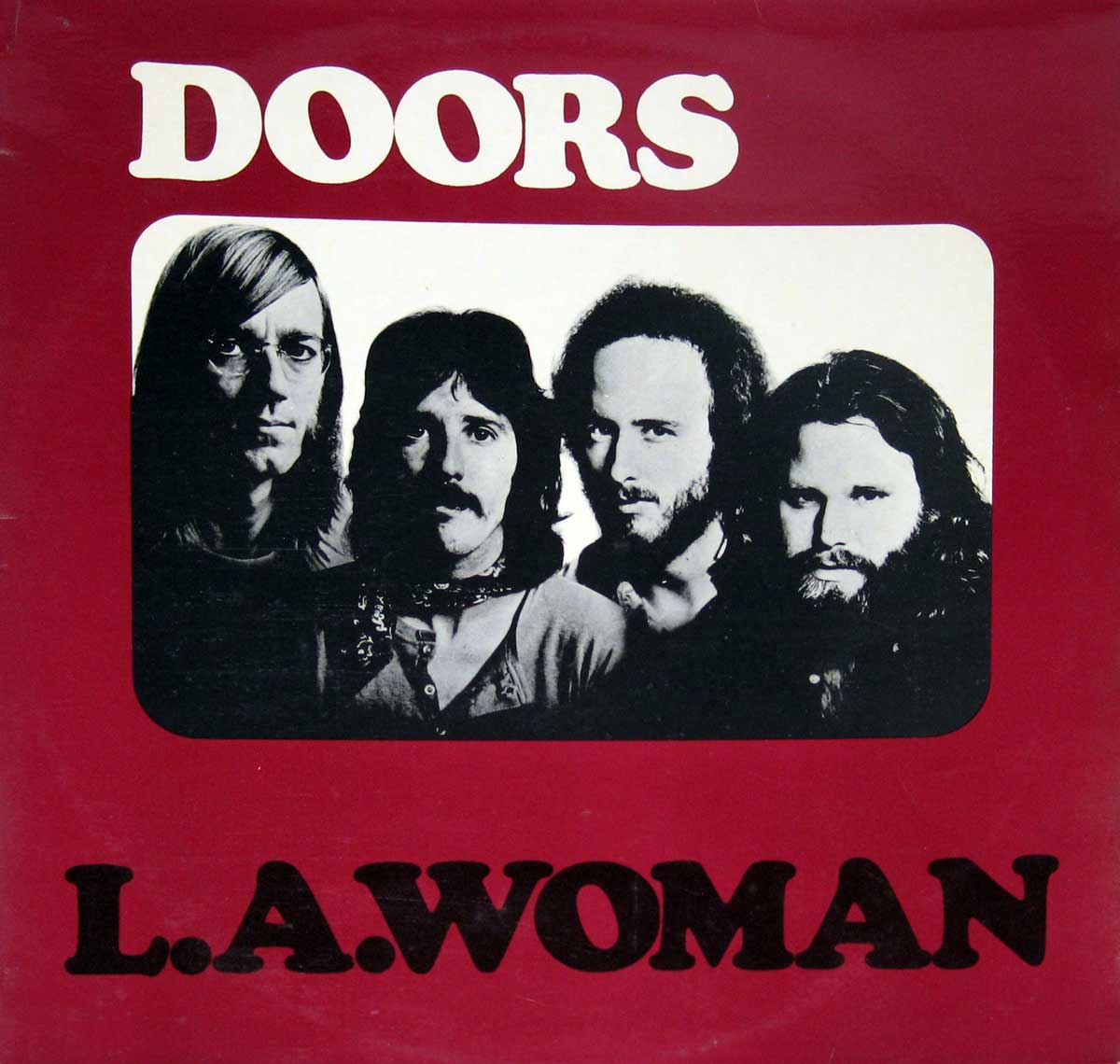
5. **Jim Morrison: The Enigmatic Poet and His Last Act**The year 1971 brought yet another shocking loss at the age of 27, cementing the “holy trinity” of the late 1960s rock scene: Jim Morrison. The charismatic singer, lyricist, and leader of The Doors, Morrison died on July 3, 1971, with his cause of death officially listed as heart failure, though the circumstances in Paris remain shrouded in some mystery and debate. His death, mirroring the age of Jones, Hendrix, and Joplin, appeared to complete a chilling pattern, making the “27 Club” an undeniable subject of discussion.
Morrison was a complex figure, a rock and roll poet whose lyrics often explored themes of death, rebellion, and existentialism. His powerful stage presence and enigmatic persona made him an icon, but he also struggled with alcohol and drug abuse, frequently pushing himself to the brink. His move to Paris in 1971, seeking a change of pace and a new artistic direction, only added to the mystique surrounding his final days and ultimately, his death.
With Morrison’s passing, the collective consciousness began to truly grapple with the idea of a “27 Club.” The nearly sequential deaths of these four monumental talents within a span of just two years, all at the same age, became too striking to ignore. It solidified the cultural perception of a dark, almost fated, milestone for rock stars, a powerful narrative that would only grow stronger with time and subsequent tragic additions.
Read more about: Beyond the ’27 Club’: This Artist’s AI Reveals How 12 Rock Legends Would Look Today!
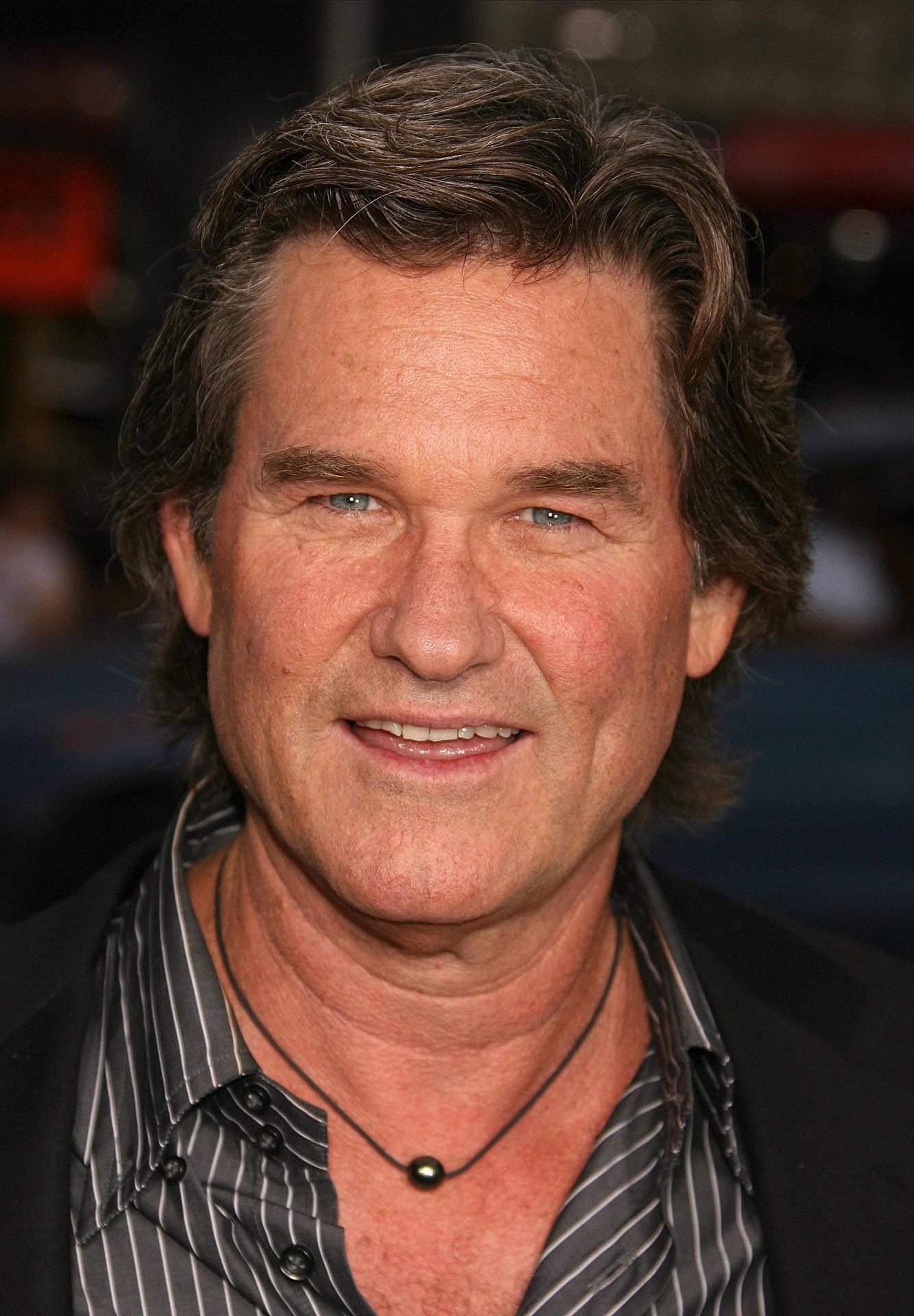
6. **Kurt Cobain: A Generation’s Voice and the Club’s Popularization**While the initial cluster of deaths in the late ’60s and early ’70s sparked comment, it was the tragic suicide of Kurt Cobain in April 1994, at the age of 27, that truly propelled the idea of the 27 Club into the popular zeitgeist. Cobain, the founding member, lead singer, guitarist, and songwriter of Nirvana, was the voice of a generation, a reluctant icon whose raw, angsty music resonated deeply with millions. His death was a monumental cultural shock, and its timing reignited the dormant “27 Club” theory with unprecedented force.
Biographer Charles R. Cross claims that “the launch of the Club concept” can be traced to the growing influence of the Internet and sensational celebrity journalism in the years following Cobain’s death. The media eagerly drew parallels between Cobain and the earlier rock legends. A poignant statement from Cobain’s mother, Wendy Fradenburg Cobain O’Connor, quoted in a local newspaper and then carried worldwide by the Associated Press, famously stated: “Now he’s gone and joined that stupid club. I told him not to join that stupid club.”
Many contemporary journalists interpreted her words as a direct reference to the infamous untimely deaths of fellow rock musicians like Hendrix, Joplin, and Morrison, solidifying the club’s narrative in the public mind. While the intended meaning of her quote is disputed—some suggesting she referred to a “tragic family matter” of suicides, or other young Seattle rock musicians—its impact on the 27 Club’s popularity was undeniable. Cobain’s death transformed the club from a curious coincidence into a pervasive, enduring cultural meme, ensuring its place in rock and roll lore for decades to come.

7. **Amy Winehouse: The Resurgence of the Legend in the New Millennium**Seventeen years after Kurt Cobain’s death cemented the 27 Club in popular culture, the tragic passing of Amy Winehouse in July 2011, also at the age of 27, caused a renewed and intense swell of media attention devoted to the phenomenon. Winehouse, a gifted singer-songwriter known for her soulful voice and distinctive style, died from alcohol poisoning. Her death felt like a haunting echo of the past, proving that the club’s allure was far from fading and could ensnare artists across different musical genres and eras.
Winehouse’s struggles with addiction were well-documented and tragically public, leading to a pervasive sense of foreboding about her health. Her personal assistant, Alex Haines, had even told the British press three years prior that Winehouse, then 25, feared she would join the “27 Club.” He recounted her saying, “She reckoned she would join the 27 Club of rock stars who died at that age. She told me, ‘I have a feeling I’m gonna die young.'” This chilling premonition made her death at 27 even more impactful and seemingly fated.
Her addition to the list brought the 27 Club firmly into the 21st century, demonstrating its continued power as a cultural touchstone. For a new generation, Winehouse’s passing at this specific age reinforced the idea that the “curse” was not just a relic of the 60s and 90s, but a timeless, tragic pattern. It served as a stark reminder of the immense pressures of fame and the devastating consequences of addiction, ensuring the 27 Club narrative continues to captivate and mournful fascinate.

8. **Robert Johnson: Tracing the Club’s Roots to the Blues.**Before the ’27 Club’ became a widely recognized cultural touchstone, there were figures whose untimely deaths at this fateful age hinted at a deeper, more enduring pattern. One such enigmatic figure is the legendary blues musician Robert Johnson. While his passing in 1938 significantly predates the widespread recognition of the ’27 Club’ concept, many sources now retroactively include him as one of its earliest and most influential members, effectively tracing the club’s roots deep into the heart of American blues.
Johnson’s story is itself steeped in myth, famously linked to a Faustian bargain at the crossroads for his prodigious guitar skills. His life was short but his musical impact immense, leaving behind a body of work that profoundly influenced generations of rock and roll musicians. Although the specifics of his death at 27 years and 100 days remain shrouded in some mystery, it adds to the haunting aura surrounding his legacy, making him a poignant, if anachronistic, inaugural member of this tragic roster.
His inclusion highlights how the allure of the 27 Club extends beyond mere coincidence. It suggests a timeless narrative of genius cut short, a pattern that resonates even across different eras and genres. By acknowledging Johnson, the club transcends its more immediate rock and roll origins, solidifying its status as a broader cultural phenomenon tied to the fragile brilliance of artists who, for whatever reason, don’t live to see old age.

9. **Jean-Michel Basquiat: Expanding the Club Beyond Music.**Initially, the ’27 Club’ was almost exclusively associated with popular musicians, particularly those from the tumultuous rock scenes of the late 1960s and early 1990s. However, as the phenomenon gained cultural traction, its scope began to expand, encompassing other creative luminaries who also met their demise at this specific age. One significant figure in this expansion is Jean-Michel Basquiat, an artist primarily renowned as a painter and graffiti artist, rather than a musician.
Basquiat’s vibrant and challenging artwork captured the spirit of the 1980s New York art scene, propelling him to international fame. While his primary contribution was visual art, he did have a music career, albeit one described as ‘relatively brief and obscure,’ including forming the band Gray. His death in August 1988, at 27 years and 234 days, due to a drug overdose, drew undeniable parallels to the high-risk lifestyles often associated with the club’s musical members.
The inclusion of artists like Basquiat underscores a crucial aspect of the 27 Club: it’s not solely about musical talent, but about the broader narrative of intense creativity, societal pressures, and often, the tragic consequences of living life on the edge. His presence broadens the club’s definition, demonstrating its capacity to encompass prodigious talents from various artistic disciplines who share that peculiar, fateful age of departure. This expansion helps cement the club’s perceived universality, a grim testament to the commonalities in the lives of certain celebrated figures.

10. **Jonathan Brandis: An Actor’s Place in the Narrative.**The ’27 Club’ continued to widen its embrace, moving beyond music and visual arts to include actors who, too, tragically passed away at this enigmatic age. Actor Jonathan Brandis is one such individual, whose name appears on lists of 27 Club members, notably compiled by publications like Rolling Stone. His inclusion serves as another powerful reminder that the narrative isn’t confined to a single creative outlet, but rather extends to the broader world of celebrity and the unique pressures it entails.
Brandis was an American actor whose career began early, establishing him as a well-known figure, particularly in his youth. His death by suicide in November 2003, at 27 years and 213 days, added a poignant entry to the growing list of non-musicians linked to the club. For many, his story highlighted the intense scrutiny and emotional demands placed upon young actors, making his passing resonate deeply with the existing lore of the 27 Club.
His story contributes to the collective understanding of the ’27 Club’ as a phenomenon that transcends artistic boundaries. It signifies that the perceived curse or tragic pattern isn’t exclusive to the music world’s specific perils, but rather a more general observation about the lives of public figures who navigate intense fame and its accompanying challenges. Brandis’s inclusion reinforces the idea that an early, tragic end at 27 can touch any celebrated individual, regardless of their specific craft.

11. **Anton Yelchin: A Modern Actor’s Unfortunate Link.**In more recent times, the ’27 Club’ tragically added another actor to its spectral ranks: Anton Yelchin. Known primarily for his compelling work in film, including his role as Chekov in the Star Trek reboot series, Yelchin’s sudden death in a car crash in June 2016, at 27 years and 100 days, instantly linked him to the infamous legend. His passing brought the club’s narrative into the modern era, showing its continued relevance and ability to capture public attention with each new, high-profile addition at this specific age.
Yelchin, a talented and versatile performer, had also dabbled in music, having played in a punk rock band. However, it was his acting career that brought him widespread recognition and made his tragic death resonate so widely. The media, upon news of his passing, quickly drew connections to the 27 Club, highlighting the enduring power of this cultural conception and its ability to transcend genre.
His death reinforced the idea that the ‘curse’ was not a relic of the past, confined to rock stars of earlier decades, but a potentially ongoing, modern phenomenon affecting contemporary figures across different artistic domains. This perception, though scientifically unproven, maintains its grip on the public imagination, demonstrating the potent influence of established narratives.
Yelchin’s case is particularly striking as it occurred long after the initial cluster of rock deaths that founded the club, and well after scientific studies had refuted the statistical claims. Yet, his death at 27 still prompted widespread discussion and sadness specifically framed within the context of the club. This demonstrates the powerful ’27 Club effect’ in action – how cultural memory and media reinforcement continue to shape our perception of these untimely deaths, giving them a significance that data alone might not support.

12. **The White Lighter Myth: Investigating the Smoking Gun Urban Legend.**Beyond the list of individuals, the ’27 Club’ has also given rise to fascinating and persistent urban legends that further intertwine with its tragic narrative. One of the most curious is the ‘white lighter myth’ or ‘white lighter curse,’ which posits that several prominent musicians and artists died while supposedly in possession of a white disposable cigarette lighter. This urban legend claims that these white lighters are associated with bad fortune, becoming a morbid token in the club’s lore.
The myth predominantly revolves around the deaths of core 27 Club members such as Jimi Hendrix, Janis Joplin, Jim Morrison, and Kurt Cobain, suggesting a dark, almost fated connection between their tragic ends and this seemingly innocuous item. It has even found its way into cannabis culture, where the avoidance of white lighters is sometimes practiced as a superstition, adding to the mystique of its alleged bad luck. The idea of a ‘smoking gun’ object, even one as mundane as a lighter, adds a layer of eerie detail to the club’s narrative.
However, like many compelling urban legends, the white lighter myth does not stand up to factual scrutiny. In 2017, Snopes, the renowned fact-checking website, published an article directly discrediting the theory. Their meticulous research into manufacturing timelines brought a crucial historical detail to light, puncturing the heart of the superstition.
Their findings revealed that the widely recognized Bic brand did not even begin producing white disposable lighters until 1973, which was several years after the deaths of Jimi Hendrix, Janis Joplin, and Jim Morrison. Furthermore, disposable lighters from other companies were not broadly available during that earlier period, effectively dismantling the core premise of the myth and showcasing how cultural stories can outpace verifiable facts.

13. **Scientific Scrutiny: Unpacking the Data Behind the Legend.**Despite the compelling narratives and enduring cultural grip of the ’27 Club,’ a crucial question persistently arises: is there any scientific basis to this phenomenon? The widespread belief that celebrity deaths are statistically more common at 27 is, in fact, an urban myth, one that has been consistently refuted by scientific research. This disjunction between popular belief and empirical evidence is one of the most intriguing aspects of the club’s legacy.
One significant study, conducted by university academics and published in the British Medical Journal in December 2011, directly addressed the claim. Their retrospective cohort study meticulously examined death rates among musicians and concluded that there was no statistically significant increase in the risk of death specifically at the age of 27. Their findings instead indicated equally small increases in death rates at other ages, such as 25 and 32, suggesting no unique vulnerability at 27.
The study did, however, offer a broader, more nuanced insight: young adult musicians, as a general population group, exhibit a higher death rate than the general young adult population. The researchers thoughtfully surmised that “fame may increase the risk of death among musicians, but this risk is not limited to age 27.” This points to the intense pressures and often risky lifestyles associated with fame, rather than a specific age, as the more salient factors contributing to elevated mortality rates.
Further supporting this statistical debunking, a 2014 article at The Conversation presented compelling evidence suggesting that popular musicians are actually most likely to die at the age of 56, at a rate of 2.2% compared to a lesser 1.3% at 27. These collective findings robustly challenge the notion of a ‘cursed’ age, grounding the discussion in statistical reality and providing a clearer picture of the actual risks involved.

14. **The “27 Club Effect”: The Power of Cultural Memory and Narrative.**If scientific research largely debunks the statistical claims of the ’27 Club,’ why does the myth persist with such remarkable vigor? The answer lies in what a subsequent statistical analysis termed the “27 Club effect.” This phenomenon demonstrates how the myth itself, far from being a mere collection of coincidences, has actively shaped cultural memory by boosting the visibility and cultural prominence of those who die at 27. It’s a powerful feedback loop where the story reinforces its own perceived reality.
This “27 Club effect” reflects the profound power of collective storytelling and media reinforcement in transforming otherwise unrelated events into lasting cultural narratives. When a celebrity dies at 27, the existing framework of the club provides an immediate, compelling context, making the event more memorable and significant in the public imagination. The media then, in turn, amplifies these connections, further embedding the myth into our shared consciousness.
Essentially, the legend has a self-fulfilling quality in cultural terms. Even without a statistical anomaly, the sheer weight of discussion, documentaries, and popular culture references ensures that deaths at 27 are highlighted, remembered, and perpetually linked, creating a powerful narrative that overshadows the dry facts of statistical analysis. It’s a testament to how deeply we are drawn to patterns and meaning, even when the evidence for them is purely anecdotal or culturally constructed.
**Conclusion: Reflecting on the Enduring Allure and Reality of the 27 Club.**
From the raw blues of Robert Johnson to the poignant struggles of Amy Winehouse, and encompassing talents from canvas to cinema, the ’27 Club’ remains a deeply unsettling yet endlessly fascinating chapter in the annals of celebrity lore. What began as a series of eerie coincidences among rock legends has evolved into a pervasive cultural narrative, a ghost story whispered through generations of fans and artists alike. We’ve seen how this notion solidified into public consciousness, fueled by iconic figures and amplified by media attention, particularly after the seismic shock of Kurt Cobain’s death.
Yet, as we peel back the layers of mystique, the cold light of scientific scrutiny reveals a different truth. Statistically, age 27 holds no unique peril for famous musicians or celebrities; the patterns we perceive are often a testament to our human desire for meaning and connection, even in tragedy. The ‘white lighter myth’ stands as a vivid example of how easily intriguing fictions can take root and thrive, even in the face of readily available facts. This isn’t to diminish the very real tragedies of these lost lives, but rather to understand the mechanics of how legends are born and sustained.
The true legacy of the ’27 Club’ isn’t a statistical curse, but rather a powerful “cultural effect”—a testament to the enduring influence of collective memory and compelling narratives. It reminds us that while facts provide the skeleton of truth, stories breathe life into our understanding of the world, shaping how we remember, mourn, and ultimately, find meaning in the complex, often heartbreaking, lives of those who leave us too soon. The club, then, is less about a fated age and more about the enduring power of myth in a world captivated by fame’s fleeting, yet profound, embrace.