The world of popular music, often celebrated for its vibrant artistry and global reach, is also a complex arena fraught with legal intricacies, particularly when it comes to the vast catalog of unreleased material. Behind every chart-topping hit and critically acclaimed album lies a trove of demos, outtakes, and early recordings—pieces of creative work that, while often unheard by the public, carry immense artistic and commercial value. These hidden gems can become the focal point of high-stakes legal battles, underscoring the critical importance of intellectual property rights in an industry where creative control and ownership are paramount.
Recent high-profile lawsuits involving prominent pop stars highlight an increasing trend of artists aggressively protecting their unreleased works. From multi-million dollar disputes over vocal tracks recorded decades ago to legal action against digital imposters seeking unauthorized access, the stakes are continually rising. These cases not only shed light on the challenges artists face in safeguarding their creative assets in the digital age but also emphasize the intricate legal frameworks designed to grant creators exclusive rights over their original works, whether publicly released or not. This article delves into these burgeoning legal landscapes, examining specific celebrity cases and the foundational principles governing such disputes, to illuminate the critical battles waged to preserve the integrity and ownership of pop music’s most elusive treasures.
1. Steve Perry’s Lawsuit: The Central Conflict
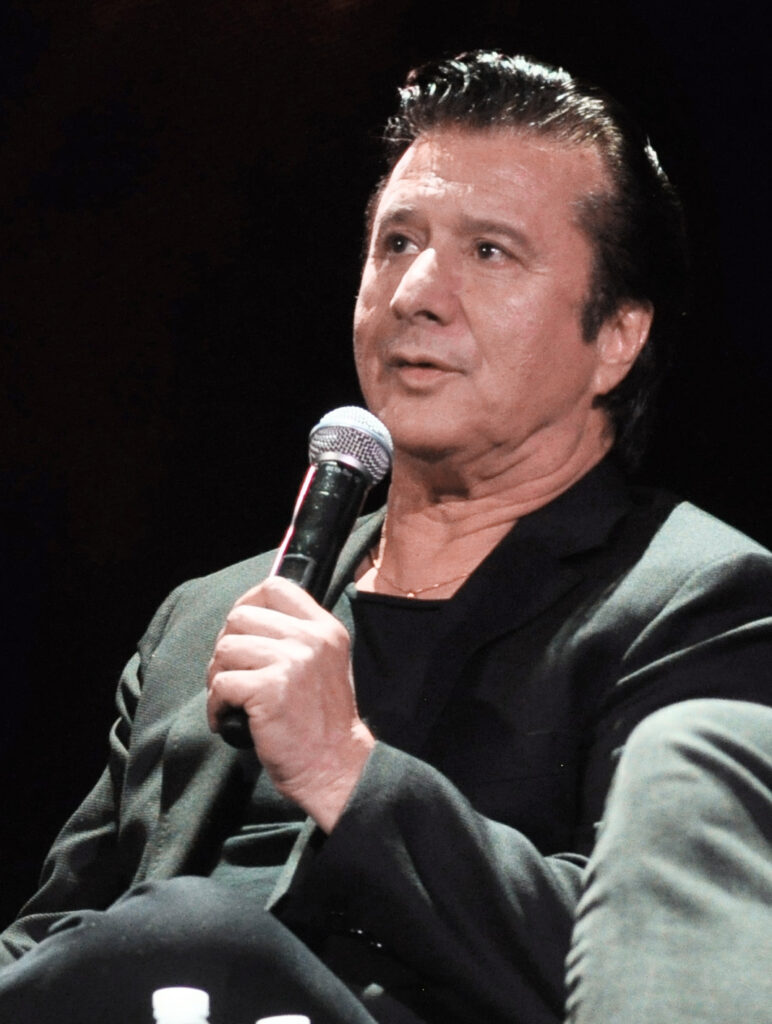
Former Journey frontman Steve Perry finds himself at the heart of a significant legal dispute, asserting his rights over vocal recordings he made in a garage approximately two decades ago. This ongoing battle, which a California judge recently allowed to proceed by denying a motion to dismiss, underscores the profound value and contested ownership that can surround even seemingly raw, unreleased musical material. Perry’s complaint targets musician Phil Brown, alleging that Brown intends to release these collaborative demos without Perry’s explicit permission, a move Perry argues violates their prior agreement stipulating his control over the “exploitation of the musical compositions.”
Perry’s core contention is that he never intended for these particular vocal tracks to be integrated into a larger sound recording where any other party would possess a copyright interest. This highlights a common tension in collaborative projects, where initial, often casual, recordings can later become subject to intense ownership disputes. Contractual agreements are crucial in the music industry for clarifying rights, though their interpretation can often lead to further contention.
The dispute escalated after Perry released his solo album “Traces” in October, when Brown’s manager, Brenda Bann, allegedly began promoting Brown’s upcoming album on social media using photos of Perry and a clip from one of the contested recordings. Perry’s subsequent cease and desist demands were reportedly ignored, leading to this lawsuit seeking a court declaration regarding ownership, damages for publicity rights violations, and claims of false endorsement. The court notably granted a temporary restraining order in November, explicitly barring Brown from releasing the works, signifying the immediate threat perceived by Perry.

2. Phil Brown’s Defense: Joint Authorship and Public Interest
In response to Steve Perry’s claims, Phil Brown mounted a robust defense, including a motion to strike the singer’s right of publicity claims under California’s anti-SLAPP statute. Brown’s legal strategy argued that the social media statements made by Brenda Bann constituted “protected speech on a matter of public interest.” This defense often seeks to protect individuals from lawsuits designed to silence critical speech, but its applicability in commercial disputes involving personal likeness and endorsement can be a complex legal question.
Brown further complicated the narrative by asserting that Brenda Bann is his girlfriend, not his manager. This distinction, in Brown’s view, might reframe the nature of the social media posts, potentially positioning them as personal expressions rather than purely commercial endorsements, and thus more readily protected by fair use doctrines. However, the legal weight of such a distinction in the context of promoting an album, regardless of the poster’s relationship to the artist, remains subject to judicial scrutiny.
Central to Brown’s overall argument is his assertion that he has “at all times maintained both creative and physical control” over the recordings. This claim directly challenges Perry’s stated contractual control and his original intent for the vocal tracks. Brown’s position implies he possesses the inherent right to “license, sell or otherwise monetize the works without Perry’s consent,” reflecting a fundamental disagreement over intellectual property rights in collaborative creative endeavors. The resolution of this core dispute will likely hinge on the interpretation of their original agreement and the specific contributions made to the demos.
3. The Court’s Ruling: Judge Walter’s Denial of Dismissal
U.S. District Judge John Walter delivered a significant setback to Phil Brown’s defense by denying his motion to dismiss Steve Perry’s claims, indicating the court found Perry’s arguments compelling enough to warrant further legal proceedings. This ruling signals a reasonable probability that Perry could ultimately prevail on his right of publicity claims, allowing the case to move forward to discovery and potentially a trial rather than being summarily concluded.
Judge Walter’s decision specifically highlighted the unauthorized use of Perry’s name and likeness as a key factor. He noted, “For example, Plaintiff has demonstrated Defendant’s unauthorized use of Plaintiff’s name and likeness on Twitter and Facebook to promote Defendant, Defendant’s band, and Defendant’s upcoming album.” This observation is central to claims of violation of publicity rights, which protect an individual’s exclusive right to control the commercial use of their identity, recognizing the commercial exploitation of Perry’s image without his consent.
The judge further elucidated that this “unauthorized commercial use of Plaintiff’s name and likeness in an effort to mislead and confuse the public by capitalizing on Plaintiff’s name and reputation demonstrates that Plaintiff will likely prevail on his right of publicity claims.” Importantly, Judge Walter also addressed Brown’s assertion of joint authorship, stating that “even if he is able to prevail on this argument, it would not bar Plaintiff’s right of publicity claims,” thereby clearly distinguishing the copyright of the composition from the right of publicity concerning an individual’s identity.

4. Jurisdictional Considerations: Targeting the Forum State
Phil Brown sought to have the entire complaint dismissed on jurisdictional grounds, contending that the California federal court lacked personal jurisdiction over him due to his residence in Tennessee and allegedly insufficient contact with California. Establishing personal jurisdiction is a fundamental requirement for any court to adjudicate a dispute, ensuring fairness and due process by requiring a defendant to have certain minimum contacts with the forum state.
However, U.S. District Judge John Walter disagreed, finding that Brown was aware Steve Perry lived in California, and therefore, Brown’s actions were “aimed at the forum state.” This concept of “purposeful availment” suggests that by intentionally directing activities toward residents of a state, even from a distance, a defendant can establish sufficient contacts to be subject to that state’s jurisdiction. In this context, the social media posts promoting Brown’s album using Perry’s image, originating from Brown, were deemed to have targeted Perry, a California resident.
Furthermore, Judge Walter emphasized that the “alleged harm to Perry’s trademark and reputation would be suffered in California,” reinforcing the jurisdictional nexus. When a California resident’s rights are allegedly infringed upon, and their reputation potentially damaged within that state, a California court often has a legitimate interest in presiding over the case. The judge explicitly stated he “didn’t reach the issue of whether Brown’s social media posts were a fair use,” reserving that for a later stage such as summary judgment, implying the need for more factual development.

5. Sia’s Battle Against Imposters: Protecting Unreleased Material
While Steve Perry’s case highlights disputes over ownership and control of existing unreleased demos, Sia is engaged in an equally critical battle: fending off an unidentified imposter attempting to gain unauthorized access to her unreleased music. Sia has filed a lawsuit against an individual, referred to as Jane/John Doe, who is allegedly posing as the singer online and sending emails in an attempt to compromise her valuable creative assets, illustrating the vulnerabilities artists face in the digital realm.
The complaint details that the imposter has been emailing numerous persons within the music industry acquainted with Sia, fraudulently identifying the sender as Sia herself from an email address containing Sia’s name. Under this deceptive guise, the person has been “fraudulently asking the acquaintances to send the person recordings of the plaintiff performing that are not publicly available.” This tactic represents a sophisticated attempt to circumvent traditional security measures by exploiting personal connections and trust within the industry, targeting individuals who might legitimately possess such sensitive material.
Sia’s lawsuit seeks punitive damages from the imposter on multiple grounds, including email spoofing, identity theft, and invasion of privacy. While the culprit’s identity remains largely unknown, the complaint indicates the imposter resides in California. As Sia prepares for her first solo project in eight years, “Reasonable Woman,” this legal battle serves as a stark reminder of the constant vigilance required to safeguard unreleased music in an increasingly interconnected and permeable digital world, where the lure of exclusive content can drive illicit activities.

6. Copyright Basics for Musical Works: The Legal Foundation
At the core of all disputes concerning musical works, whether released or unreleased, lies copyright law—the fundamental legal framework granting creators exclusive rights to their original compositions. Understanding copyright is crucial for musicians and composers aiming to protect their creative output, as it empowers artists to dictate how their music is used, distributed, and monetized, ensuring they retain control over their intellectual property and can financially benefit from their artistry.
In the United States, the primary legal instrument governing these rights is the Copyright Act of 1976. A critical aspect is that a musical work receives copyright protection from the precise moment it is “fixed in a tangible medium.” This means that as soon as a melody is recorded, whether as a raw vocal track or written as sheet music, it automatically becomes protected. This immediate protection, without the need for formal registration at the moment of creation, offers a broad shield for burgeoning works.
The exclusive rights bestowed upon copyright holders are comprehensive, including the sole authority to reproduce, prepare derivative works, distribute copies, perform publicly, and display publicly. These expansive rights are the mechanisms through which creators can license their music for various commercial applications, such as in films, advertisements, or on streaming platforms, and subsequently collect royalties. The duration of copyright protection for musical works created after January 1, 1978, extends for the life of the author plus an additional 70 years, providing long-term security and financial benefit for the creator and their heirs, underpinning artists’ ability to pursue legal action.

7. Protecting Unreleased Music: Proactive Measures
While copyright protection begins automatically upon fixation, safeguarding unreleased music effectively requires artists to implement proactive measures that go beyond mere automatic legal entitlement. These additional steps are designed to strengthen the legal shield around their creative assets, making it more difficult for unauthorized parties to exploit or compromise their work. In an era where music can easily be shared and leaked, a comprehensive protection strategy is indispensable for maintaining control and value.
One highly effective method involves meticulous documentation of the creation process. Artists and producers should maintain detailed records of drafts, recording sessions, instrumental layers, vocal takes, and any revisions made throughout the development of a musical piece. Such comprehensive documentation serves as vital evidence of originality and the timeline of creation, which can be invaluable in the event of potential legal disputes. Having a clear, verifiable history of a work’s genesis can significantly bolster an artist’s claims of ownership and creative control against challenges.
Furthermore, musicians often employ nondisclosure agreements (NDAs) when collaborating with other individuals, such as producers, engineers, or session musicians. These legally binding agreements prevent collaborators from disclosing, sharing, or exploiting the music without the primary artist’s explicit permission. NDAs are particularly crucial during the early stages of production, when ideas are freely exchanged and the risk of unauthorized disclosure is significantly heightened. By ensuring all parties are legally bound to confidentiality, artists can exercise greater control over who has access to their unpublished and potentially highly valuable works, providing a crucial layer of security against unauthorized release and commercial exploitation.
The preceding discussion illuminated the foundational legal principles safeguarding creative works and initial proactive measures artists employ. However, protecting unreleased music effectively in the contemporary landscape necessitates a multifaceted approach, extending beyond automatic copyright protection to encompass formal registration, advanced technological solutions, and strategic licensing. These additional layers of defense are critical for artists navigating an industry increasingly prone to unauthorized leaks and digital exploitation, ensuring their intellectual property retains its value and integrity until its intended release. The following sections delve into these essential strategies and examine notable instances where compelling unreleased tracks captivated audiences despite never seeing official album inclusion.
8. Formalizing Protection: Copyright Registration’s Strategic Role
While copyright protection inherently attaches to a musical work upon its fixation in a tangible medium, artists are often advised to pursue formal registration with the U.S. Copyright Office. This step, while not mandatory for initial protection, provides substantial legal advantages that can prove invaluable in disputes over unreleased material. Registration establishes a public record of the copyright claim, offering clear evidence of ownership and the work’s creation date, which can be critical for establishing priority in legal challenges.
Formal registration also serves as a prerequisite for filing an infringement lawsuit in federal court. Without it, an artist may be unable to seek legal recourse for unauthorized use. More significantly, successful registration opens the door to statutory damages and the recovery of attorney’s fees in the event of litigation. These financial incentives not only offer more robust compensation to the copyright holder but also act as a powerful deterrent against potential infringers, who face considerably higher penalties for unauthorized exploitation of registered works.
Therefore, for artists holding valuable unreleased material, the decision to formally register their works is a strategic one. It significantly strengthens their legal position, providing a clearer path to enforce their rights and secure appropriate compensation if their intellectual property is compromised. This formal layer of protection complements the automatic rights of copyright, offering a comprehensive shield against unauthorized dissemination.

9. Technological Frontiers in Safeguarding Unreleased Music
Beyond legal frameworks and contractual agreements, technology has emerged as a crucial ally for artists aiming to protect their unreleased music. The digital age, while complicating control over creative assets, simultaneously offers sophisticated tools designed to secure and track musical works. These technological safeguards provide an essential layer of defense against unauthorized distribution and leaks, reinforcing artists’ control over their valuable material.
Among the most effective technological solutions are digital watermarking and encryption tools. Digital watermarking embeds unique, imperceptible identifiers within audio files, allowing artists to trace the origin of any unauthorized leak. Encryption, conversely, scrambles the data within a file, rendering it inaccessible without a specific key, thus protecting the music during transmission or storage. These methods collectively enhance the security of unreleased tracks, making it significantly harder for them to be illicitly copied or shared without detection.
Furthermore, specialized digital management solutions, such as those offered by services like TuneCore and Songtrust, provide artists with comprehensive tools to monitor and manage their music, even prior to official release. These platforms enable creators to track where and how their works are being used online, offering real-time insights into potential unauthorized activities. By leveraging these technologies, artists can maintain tighter control over their intellectual property, swiftly identifying and addressing any misuse of their unreleased creative assets.

10. The Legal Ramifications of Unauthorized Sharing of Unreleased Music
The unauthorized sharing of unreleased music represents a direct challenge to an artist’s intellectual property rights and can trigger significant legal consequences for all parties involved. In an era where digital distribution is instantaneous and widespread, understanding these ramifications is paramount for both creators seeking to protect their work and individuals considering disseminating unacknowledged material.
When unreleased tracks are shared without explicit permission, copyright infringement claims are a primary legal outcome. Such actions violate the exclusive rights granted to copyright holders, including the rights to reproduce, distribute, and perform their works. These violations can lead to formal lawsuits, where the copyright owner may seek various forms of relief, including monetary compensation for damages incurred, or an injunction to legally prohibit any further unauthorized distribution of the music.
The potential for financial penalties is substantial, particularly if the infringed work is a registered copyright. Beyond monetary awards, an unauthorized leak can cause irreparable harm to an artist’s career, undermining release strategies, diminishing the commercial value of a project, and eroding trust within their professional network. The legal landscape is replete with cases demonstrating how artists have taken decisive legal action to regain control and mitigate the damage caused by premature or illicit disclosures of their work.

11. Digital Platforms: Navigating the Complexities of Protection
The advent of digital platforms and the internet has fundamentally reshaped the music industry, offering unprecedented avenues for global reach and fan engagement. Simultaneously, these very platforms have introduced complex challenges for artists striving to protect their unreleased music, creating new vulnerabilities for unauthorized sharing and content leaks. The ease with which digital files can be copied, uploaded, and distributed across the web necessitates sophisticated strategies to maintain control.
Platforms such as YouTube, SoundCloud, and various social media channels, while essential for promotion, can inadvertently become conduits for illicit music dissemination. An unreleased demo, once uploaded, can quickly spread across multiple platforms, making it exceedingly difficult for artists to contain its unauthorized circulation. This digital permeability demands continuous vigilance and a proactive approach to content monitoring.
To combat this, artists increasingly rely on digital rights management (DRM) tools and the platform’s own take-down procedures. Many major platforms have established mechanisms for copyright holders to report and request the removal of infringing content. While effective, these tools require artists and their teams to actively monitor the vast digital landscape, identifying and acting upon unauthorized uploads swiftly to reclaim control over their valuable, unreleased intellectual property.

12. Advanced Technological Solutions for Infringement Prevention
As the digital landscape evolves, so too do the methods for protecting unreleased music from infringement, with advanced technological solutions offering unprecedented levels of security and traceability. Innovations like blockchain technology and artificial intelligence (AI) are now being leveraged to fortify artists’ control over their creative assets, providing robust mechanisms to deter unauthorized use and monitor online activity.
Blockchain technology presents a secure and transparent method for tracking music ownership and transactions. By embedding unique blockchain identifiers within musical works, artists can establish immutable records of their intellectual property. This distributed ledger system creates a verifiable and unalterable history of ownership and creation, significantly deterring potential infringers due to the inherent traceability of these digital fingerprints. Such transparency can prove invaluable in establishing legal claims and verifying provenance.
Complementing blockchain, artificial intelligence (AI) is increasingly employed to monitor online platforms for unauthorized use. AI-driven tools possess the capacity to scan immense volumes of data across the internet, accurately identifying and flagging unauthorized uploads or leaks of musical content. Services like Audible Magic and Pex utilize sophisticated content recognition technology to detect unlicensed material, providing artists with timely alerts. This proactive monitoring enables swift intervention, allowing copyright holders to initiate take-down procedures and protect their rights effectively.

13. Licensing Platforms: Facilitating Legitimate Commercial Use
While robust protective measures are essential for unreleased music, artists also need avenues to enable legitimate commercial use, ensuring fair compensation and maintaining control. Licensing platforms play a crucial role in this ecosystem, acting as intermediaries that connect creators with opportunities for their music to be utilized legally in various media, thereby generating revenue while safeguarding intellectual property.
Platforms such as Songtradr and Musicbed exemplify this function, offering comprehensive services that facilitate legitimate music licensing. These platforms allow artists to register their works—including unreleased material, under specific agreements—making them available for use in films, advertisements, video games, or other commercial projects. This structured approach ensures that any commercial exploitation of an artist’s music is properly authorized and that the creator receives due compensation through royalties and licensing fees.
By engaging with these platforms, artists gain an additional layer of protection. These services meticulously manage rights, negotiate terms, and track usage, ensuring compliance with licensing agreements. This not only broadens the reach and commercial potential of an artist’s music but also reinforces their control over how and where their creations are used, transforming potentially illicit sharing into legitimate, revenue-generating partnerships, and safeguarding the value of their unreleased repertoire.

14. Case Study: Britney Spears’ “Unbroken” and the Unreleased Gold
The realm of pop music is often characterized by the sheer volume of material recorded for a single album, with many tracks, despite their quality, ultimately left off the final cut. One notable example that continues to fascinate fans is Britney Spears’ unreleased demo, “Unbroken.” This track has gained a reputation among fans as a standout piece, with many lamenting its omission from her official discography, particularly in comparison to some tracks that made her “Britney Jean” album (2013).
“Unbroken” embodies the energetic, electro-pop aesthetic that characterized Spears’ “Femme Fatale” (2011) era. Its distinctive pink and punchy vibe, coupled with a high-energy, almost video game-like chorus, resonates deeply with listeners, creating a memorable and infectious sound. The perceived quality of this rough cut often leaves fans imagining the immense potential of a fully polished version, intensifying the disappointment of its unreleased status.
Such instances highlight a common industry phenomenon: artists record dozens, sometimes hundreds, of songs for an album, with only a select few making the final tracklist. The reasons for these exclusions can vary, from artistic direction and thematic coherence to commercial considerations or simply a preference for other tracks. Regardless, “Unbroken” stands as a testament to the wealth of high-quality music that sometimes remains hidden in an artist’s vault, stirring conversations about creative decisions and the elusive nature of pop music production.

15. Further Unreleased Gems: A Glimpse into Pop’s Hidden Catalog
Britney Spears’ “Unbroken” is far from an isolated case; the archives of pop music are rich with compelling unreleased tracks from iconic artists that, for various reasons, never made it onto official studio albums. These hidden gems offer a tantalizing glimpse into different creative directions, experimental sounds, or simply high-quality material that didn’t fit a particular album’s narrative or commercial strategy. Their existence often becomes the stuff of legend among dedicated fans, sparking discussions about what could have been.
Lady Gaga’s “Out of Control” (2008), for instance, presents an R&B-infused slow-burner that, while captivating, starkly contrasts with the decadent future-pop of her debut album, “The Fame.” Similarly, Beyoncé’s “Lost Yo Mind” (2006) captures her signature power-girl hip-hop, echoing the vibrancy of her “B’Day” era, yet remained unreleased. These tracks demonstrate the breadth of an artist’s creative output, often extending beyond the confines of their well-known personas or album themes.
Madonna’s “Latte” (2008), with its palpable warmth, could have offered a distinct emotional depth to her otherwise more cold and detached album, “Hard Candy.” Rihanna’s “Bubble Pop” (2009) showcases an ’80s Eurodance bombast, perhaps deemed too “PG” for her edgier “Rated R” period. Even more recently, Ariana Grande’s “Pink Champagne” (2013), a cheeky, sugar-coated tune, was released on YouTube but not commercially, while Kesha’s “Guilty Pleasure” (2010) with its quintessential party-girl kitsch, never found its place on “Animal.” These examples underscore the dynamic tension between creative abundance and the selective process of album curation, leaving fans to ponder the artistic paths not taken.
The intricate legal and technological battles over unreleased music, coupled with the revelation of stellar unreleased tracks, paint a vivid picture of the music industry’s evolving landscape. As artists continue to create at a prolific pace, the imperative to protect their intellectual property—from initial demo to potential global release—remains a cornerstone of their professional journey. The stories of artists like Steve Perry and Sia, alongside the compelling unreleased works of numerous pop stars, serve as potent reminders of the enduring value of creative control and the continuous vigilance required to safeguard music’s hidden treasures in an increasingly interconnected and legally complex world.