The timing belt is an unsung hero lurking beneath your car’s hood, orchestrating the precise ballet of engine components that allows your vehicle to run smoothly. Often out of sight and out of mind, this humble component is absolutely central to the longevity and performance of your engine. Yet, despite its critical role, many car owners unwittingly fall into traps that can lead to devastating and expensive repairs, turning a seemingly simple maintenance task into a financial nightmare.
At Consumer Reports, our mission is to arm you with the knowledge to make informed decisions and avoid costly mistakes. When it comes to the timing belt, there’s one overriding principle, one critical error, that stands above all others: attempting a do-it-yourself timing belt replacement without the specialized knowledge, tools, and experience required. This single misstep can transform a preventative measure into a catastrophic engine failure, leaving you stranded and facing repair bills that dwarf the cost of professional service.
In this comprehensive guide, we’ll delve deep into the intricacies of timing belt maintenance, breaking down the essential information you need to protect your investment. We’ll uncover the crucial signs of wear, decode manufacturer guidelines, and illuminate the dire consequences of neglect, all to empower you to keep your engine running efficiently and reliably for years to come.

1. The Foundation: Understanding Your Timing Belt
To appreciate the importance of proper timing belt maintenance, one must first understand its fundamental role within your engine. The timing belt is a critical component that synchronizes the rotation of the crankshaft and camshaft, ensuring that the engine’s valves open and close at the proper times during each cylinder’s intake and exhaust strokes. This precision dance of moving parts is essential for optimal engine performance and efficiency, a perfectly choreographed sequence that dictates every combustion cycle.
Without this precise synchronization, the engine cannot run efficiently, and serious damage can occur. The timing belt also frequently drives other components such as the water pump, ensuring the engine’s cooling system functions correctly. Its location is typically in the front of the engine, usually hidden behind a protective cover, making visual inspection a task that often requires professional assistance.
Over time, timing belts can stretch, crack, or wear down due to the constant stress of engine operation. The rubber composition of most timing belts makes them susceptible to degradation from heat, oil contamination, and simple aging. Understanding these wear patterns is crucial for timely replacement and avoiding engine damage, ensuring that this vital synchronizer continues its job flawlessly.
One common misconception is that timing belts only wear from use. In reality, even a car that sits idle can experience timing belt deterioration. Environmental factors such as extreme temperatures and humidity can accelerate the aging process of the rubber compounds in the belt, meaning that age, not just mileage, is a critical factor in determining when replacement is due. The belt’s function is non-negotiable for engine health.
Read more about: Smart Shopper Alert: 10 Affordable Hatchbacks That Turn into Costly Service Demons After Seven Years
2. The Ultimate Taboo: Never Attempt DIY Timing Belt Replacement Without Expertise
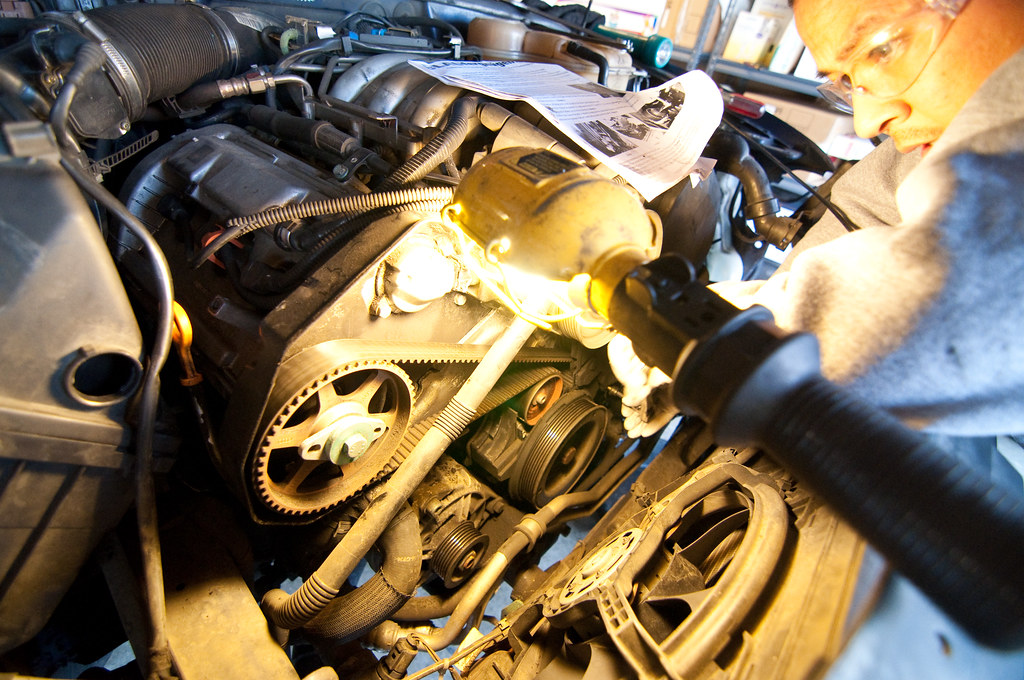
The single most critical mistake you can make regarding your car’s timing belt is attempting a do-it-yourself replacement without the necessary specialized knowledge, precise tools, and hands-on experience. The timing belt replacement process is not a casual garage endeavor; it requires intricate understanding of engine mechanics and exact alignment procedures. A misaligned timing belt, or one installed with incorrect tension, can lead to immediate and catastrophic engine damage, costing you far more than any perceived savings from a DIY attempt.
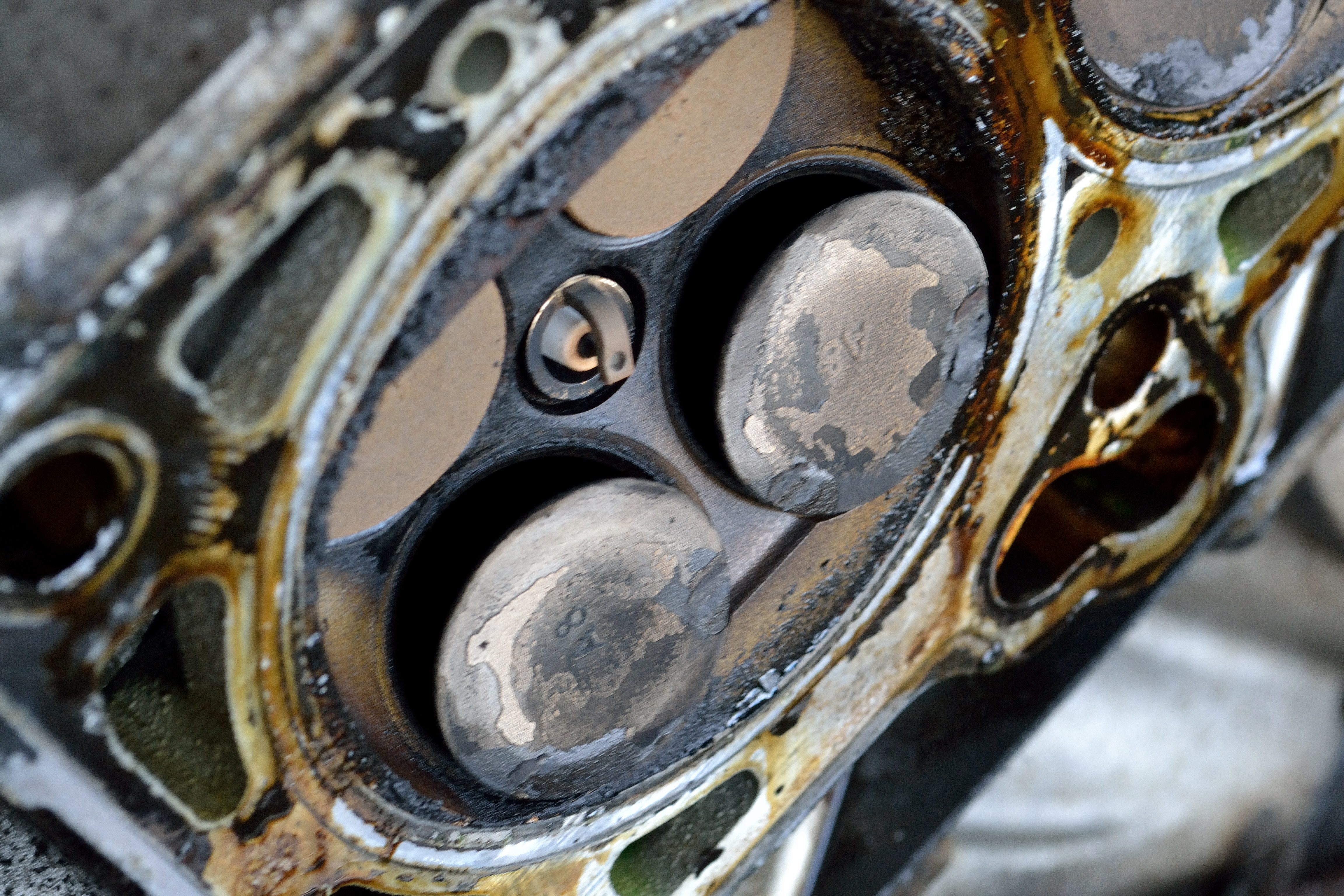
A misaligned timing belt can lead to a range of problems, from minor performance issues to complete engine failure. If the valves are open when the piston reaches its top dead center, the piston can collide with the valve, causing it to bend. Bent valves are a serious problem that requires extensive engine repair, highlighting the delicate balance the timing belt maintains within the engine’s operation.
Furthermore, improper installation can disrupt the precise timing of the combustion process, leading to engine misfires. This can result in rough idling, a noticeable loss of power, and an increase in fuel consumption, significantly impacting your vehicle’s drivability and efficiency. In severe cases, a misaligned timing belt can even cause the engine to seize up completely, as pistons and valves repeatedly collide, leading to extensive internal damage that is often irreparable or prohibitively expensive to fix.
The most extreme consequence of a misaligned timing belt is complete engine failure. This often necessitates a costly engine replacement or rebuild, leaving you stranded and with a hefty repair bill that far exceeds the preventative cost of professional maintenance. The reasons for such misalignment usually stem from improper installation—a lack of experience, inadequate tools, or simply overlooking crucial steps in a complex installation process. This is why professional installation is not just recommended, but often critical.

3. Critical Wear Indicators: What Your Timing Belt is Telling You
Recognizing when it’s time to replace your timing belt is paramount to preventing engine damage, and your vehicle often provides subtle, and sometimes not-so-subtle, clues. While some signs are obvious, others require a keen eye and a thorough understanding of your vehicle’s specific needs. Being proactive in identifying these indicators can save you from a major breakdown and a substantial repair bill.
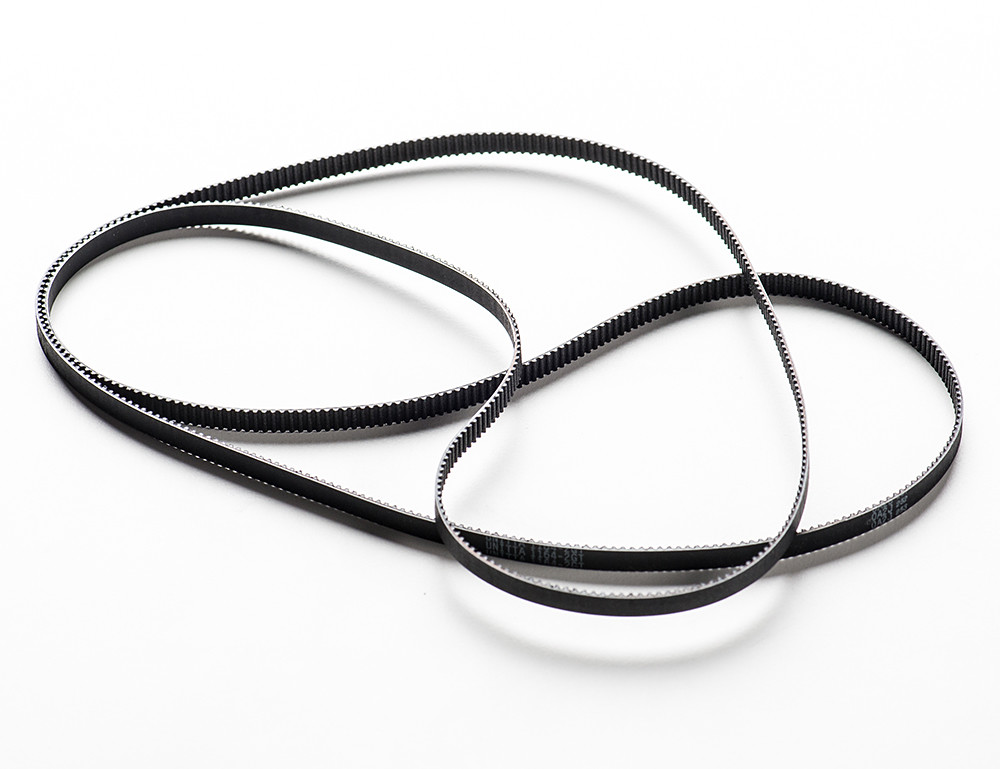
Visual inspection can provide valuable insights into the condition of your timing belt, though it often requires removing the timing belt cover, which is a task best left to a professional. However, if visible, look for clear signs of degradation. Cracks or fraying along the belt’s edges are definite red flags, indicating the rubber is deteriorating and losing its integrity. Glazing or shininess on the belt’s surface suggests excessive friction or heat, which can lead to premature wear and potential slipping.
Perhaps the most alarming visual cues are missing teeth or visible wear on the belt’s inner surface. The teeth are crucial for maintaining the precise synchronization of the crankshaft and camshaft. Any damage here means the belt is losing its grip, making engine timing highly unreliable. Oil contamination is another significant issue, as oil can cause premature degradation of the rubber compounds, weakening the belt and making it prone to failure even before its expected lifespan. Even if you don’t remove the cover yourself, understanding these signs empowers you to ask the right questions during professional inspections.
However, it’s important to note that not all wear is visible without removing the timing belt cover. This is why adhering to manufacturer guidelines and seeking professional inspections at recommended intervals is crucial, as internal degradation might be occurring even if the external surface appears fine. Regular, informed attention to these details is your best defense against unexpected timing belt failure.
4. Decoding Manufacturer Replacement Intervals: Your First Line of Defense
In the realm of vehicle maintenance, few guidelines are as critical as the manufacturer-specified timing belt replacement intervals. These are not arbitrary numbers but are instead derived from extensive testing and engineering data unique to each vehicle’s make and model. Ignoring these recommendations is akin to playing a high-stakes game of chance with your engine, and it’s a gamble you simply cannot afford to lose.
Each car manufacturer specifies unique timing belt replacement intervals based on extensive testing and engineering data. These intervals can vary widely between makes and models, underscoring the importance of consulting your specific vehicle’s documentation. For instance, some high-performance engines may require replacement as early as 50,000 miles, while others can safely operate for up to 100,000 miles or more before a new belt is needed. There is no universal “one size fits all” rule.
Many car owners rely solely on mileage to determine when to replace their timing belt. While this is a good starting point, it’s not always the most accurate method. Age is also a significant factor; even if your car hasn’t reached the mileage threshold, the rubber components of the belt degrade over time due to environmental factors like extreme temperatures and humidity. A vehicle that primarily sits idle in a hot garage could experience as much timing belt degradation as one driven frequently, emphasizing the need for a comprehensive approach to maintenance scheduling.
To accurately determine your vehicle’s replacement schedule, you must consult your owner’s manual or contact a certified dealership. These resources provide the definitive guidance specific to your car, considering all factors like engine type and operating conditions. Furthermore, many modern vehicles also have onboard diagnostic systems that can alert you when it’s time for a timing belt service, often through a ‘check engine’ light or a specific service indicator, providing an additional layer of protection and prompting for timely action.
5. Engine Performance Clues: When to Suspect Timing Belt Trouble
Beyond visual inspections and mileage markers, your engine’s performance can offer significant clues about the health of its timing belt. Pay close attention to any changes in how your vehicle drives, sounds, or feels, as these symptoms can be early warnings of a deteriorating or misaligned timing belt. Ignoring these signals can escalate a minor issue into a major engine catastrophe, making vigilance a key component of preventative maintenance.
One of the more common indicators of timing belt issues is engine misfires. These occur when the timing belt slips on the camshaft drive, causing the cylinders to open and close out of sync, leading to incomplete combustion. This manifests as poor engine performance and noticeable shaking or jerking during acceleration. Misfires can also increase emissions and reduce fuel efficiency, making them a critical issue to address not just for performance, but also for environmental impact and your wallet.
Unusual engine noises, particularly a ticking sound from the engine bay, are another tell-tale sign. This ticking noise often signals that the timing belt is worn or the tension is off, resulting from the belt not moving smoothly over the pulleys. This noise is usually more noticeable at idle or low RPMs and can indicate the belt is losing its proper path or tension, potentially causing further damage if left unaddressed. A deeper rattling or knocking sound could signify even more severe internal issues.
Other symptoms include a noticeable decreased fuel efficiency or a loss of power. A worn timing belt causes the engine to run inefficiently, consuming more fuel to produce the same power, resulting in a noticeable increase in consumption and a decrease in overall mileage. You might also experience difficulty starting the engine or frequent misfires, exhaust smoke, or oil leaks around the timing belt cover. These signs may indicate that your timing belt is slipping or has become misaligned, potentially leading to more severe engine problems if left unaddressed, ultimately threatening the engine’s very ability to function.

6. The Dire Consequences: What Happens When a Belt Fails
Procrastinating on timing belt replacement or failing to install it correctly can have dire consequences for your engine and, more critically, your wallet. Understanding the potential outcomes of belt failure isn’t just about technical knowledge; it’s about motivating you to prioritize this critical maintenance task, because the alternative is often a completely destroyed engine. The stakes are incredibly high when it comes to this seemingly simple rubber component.
In interference engines, which are common in many modern vehicles, the pistons and valves occupy the same space in the cylinder at different times during the engine cycle. The timing belt is the essential safeguard that ensures they never meet. If the belt snaps, these meticulously synchronized components can collide with incredible force, causing catastrophic damage. This isn’t just a minor malfunction; it’s an event that can instantly render your engine useless.
The result of such a collision can include bent or broken valves, which are frequently the first components to suffer damage. This often leads to further destruction of pistons or cylinder walls, as the uncontrolled movement of these parts smashes into each other. Ultimately, the camshaft or other internal engine components can be utterly destroyed, turning a functioning engine into a collection of mangled metal. The repercussions are far-reaching and deeply destructive.
In many cases, the damage is so severe that a complete engine replacement is deemed more cost-effective than attempting repairs. The labor and parts required to fix bent valves, damaged pistons, and potentially a ruined cylinder head can easily exceed the value of the vehicle itself. This grim reality underscores the importance of timely timing belt replacement, making it not just a matter of routine maintenance, but a critical investment in your vehicle’s overall operational lifespan and your financial well-being, avoiding an entirely new engine at considerable expense.

7. Secondary System Failures Triggered by Belt Breakage
The failure of a timing belt extends its destructive reach far beyond the immediate damage to pistons and valves, initiating a cascade of failures throughout other critical engine components. This seemingly isolated incident can quickly snowball into a much more complex and expensive repair scenario, underscoring the interconnectedness of your vehicle’s intricate systems. Neglecting one component can jeopardize many others, transforming a single point of failure into a widespread systemic crisis within your engine bay.
One of the most immediate and critical secondary failures involves the water pump. In many vehicles, the timing belt directly drives the water pump, essential for circulating coolant and maintaining optimal engine temperature. If the timing belt snaps, the water pump ceases to function, leading to rapid engine overheating. This can cause severe damage to the cylinder head, head gasket, and other temperature-sensitive engine parts, adding significantly to the eventual repair bill and compounding the initial problem.
Beyond the cooling system, other auxiliary components can be impacted. The sudden, violent stop or seizure of the engine due to timing belt failure can place immense stress on other belts and pulleys, or even internal components like the oil pump. Oil starvation, if the oil pump is affected, leads to accelerated wear on critical engine bearings. These compounding issues highlight why timing belt failure is rarely a singular event, transforming a potentially contained problem into extensive, multifaceted damage that requires comprehensive and costly intervention.
8. Cost Analysis: Preventive Replacement vs. Engine Overhaul
The financial implications of timing belt failure can be truly staggering, making the decision to undertake preventive maintenance a fundamentally sound financial strategy. Many car owners might hesitate at the upfront cost of a timing belt replacement, but a detailed cost analysis unequivocally demonstrates the overwhelming economic advantage of proactive service over reactive repairs. It’s a clear case where a modest preventive expense can avert a devastating financial outlay.
Consider the stark contrast in costs: a preventive timing belt replacement, typically ranging from $500 to $2000, covers the belt, tensioners, pulleys, and labor. This sum, while significant, pales in comparison to the expenses incurred after a catastrophic belt failure. If the timing belt breaks, especially in an interference engine, you could be looking at repair bills for bent valves, damaged pistons, or even a complete engine replacement. These repairs can easily push costs well into the thousands, often exceeding $3000, and sometimes even the entire value of the vehicle.
This makes timely replacement not just routine maintenance, but a critical investment in your vehicle’s overall operational lifespan and your financial well-being. The initial outlay for a preventive timing belt service is a mere fraction of what you might face for engine overhaul or replacement after a belt failure. By adhering to manufacturer guidelines and investing in scheduled maintenance, you effectively insure your engine against catastrophic breakdowns, ensuring reliability without the shock of an entirely new engine at considerable expense.
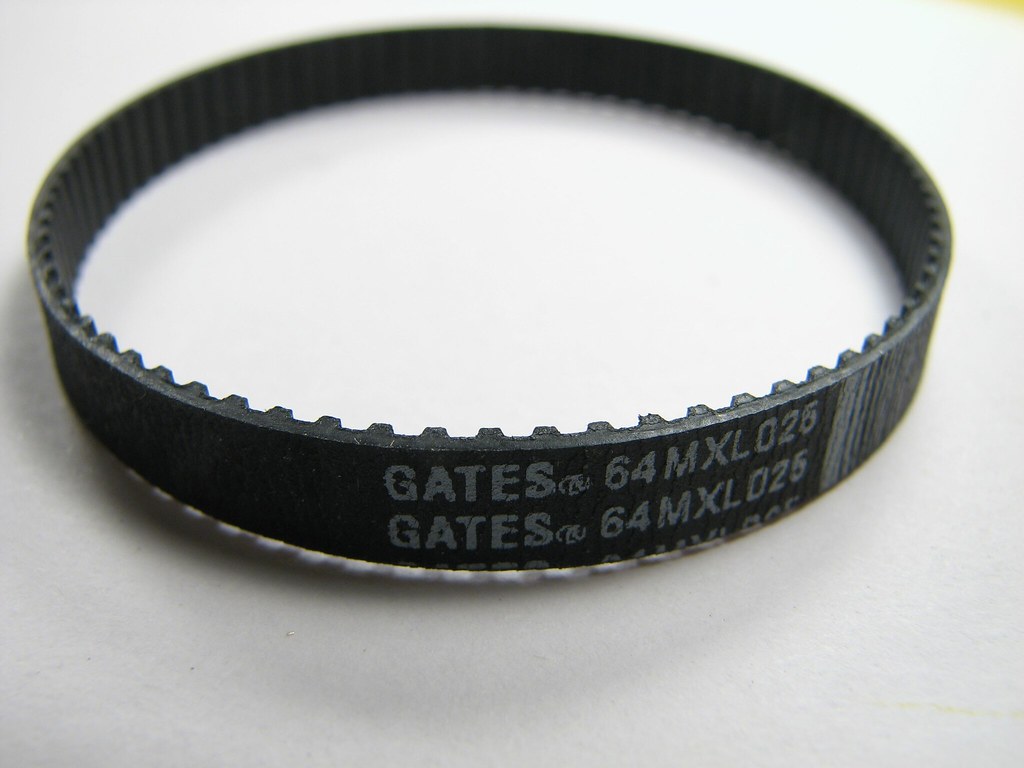
9. Precision Timing in Belt Tensioning Procedures
Proper tensioning of the timing belt is a meticulous procedure, as critical as the replacement itself, striking a delicate balance for optimal engine function. A belt that is too loose can slip, causing engine timing to be off, leading to inefficiencies, misfires, and potential internal damage. Conversely, an overtightened belt can lead to premature wear of the belt and increased stress on vital engine bearings, ultimately shortening the lifespan of multiple components. Achieving this precise tension is paramount for maintaining engine health.
Professional mechanics employ specialized tools to ensure correct tension. These are not guesswork instruments; they are precise devices designed to measure belt deflection accurately, ensuring the belt operates within manufacturer specifications. Tools include traditional tension gauges and advanced sonic tension meters, which measure the belt’s frequency to provide exact tension readings. Additionally, many engine models require manufacturer-specific tensioning tools designed for unique pulley designs and tensioner mechanisms, ensuring exact compliance with engineering specifications.
For DIY enthusiasts, this precise aspect serves as a stark warning. Attempting to tension a timing belt without the appropriate specialized tools and in-depth knowledge is a risky endeavor. Even slight miscalculations in tension can lead to significant engine performance issues, from subtle reductions in power and fuel efficiency to severe, irreparable engine damage. Accuracy cannot be compromised in this task, making professional intervention not just recommended, but often essential for the long-term health of your vehicle.
_GTCP36-150_APU2.JPG)
10. Synchronizing Auxiliary Components During Belt Service
Replacing the timing belt offers a prime opportunity for comprehensive engine care by servicing related components that become accessible during the process. This strategic approach ensures that not only is the core timing mechanism refreshed, but all interdependent parts are also brought up to par, preventing future issues that might necessitate repeating much of the labor. It effectively optimizes both cost and vehicle downtime by addressing multiple wear items efficiently within a single service.
One critical integration is the replacement of the water pump, especially if driven by the timing belt. The rationale is compelling: much of the labor to access and replace the water pump overlaps directly with timing belt service, significantly reducing overall labor costs compared to separate repairs. This also prevents a new timing belt from being damaged by a subsequently failing water pump, ensuring critical components in the same operational area have a similar lifespan, enhancing long-term engine reliability.
Equally important is the inspection and potential replacement of tensioner and idler pulleys, which guide the timing belt and maintain proper tension. Signs of wear like unusual noises, vibrations, visible damage, or stiffness are clear indicators for replacement. Ensuring these components are optimal is paramount, as a worn pulley can compromise the new timing belt’s integrity, leading to premature failure and undermining the entire replacement effort. This integrated approach minimizes future breakdowns from related parts, providing a holistic solution for engine longevity.
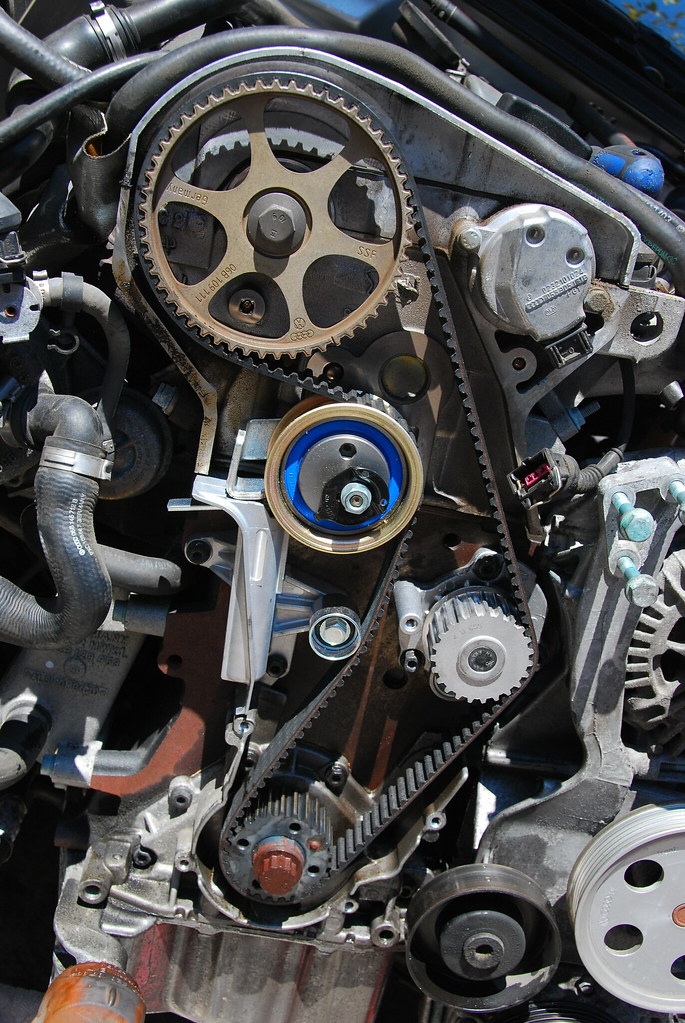
11. Camshaft and Crankshaft Alignment Techniques
At the core of a successful timing belt replacement lies the absolute necessity of precise alignment for the camshaft and crankshaft. These two critical engine components dictate the rhythm of your engine’s internal processes, ensuring valves open and close in perfect synchronization with piston movement. Even the slightest deviation, often measured in fractions of a millimeter, can throw the entire engine’s operation into disarray, underscoring why this step is utterly foundational to engine health and performance.
Professional mechanics follow a rigorous procedure to achieve this pinpoint accuracy. The process begins by rotating the engine to the top dead center (TDC) position for cylinder one, serving as a baseline. Mechanics then meticulously align timing marks on both the camshaft and crankshaft pulleys, indicators specific to each manufacturer. To secure components during installation, specialized alignment pins or tools are used to lock them in place. A critical final check of all timing marks is performed once the new belt is installed, before engine reassembly.
The consequences of misalignment are far-reaching and detrimental. A misaligned timing belt results in immediate issues like poor engine performance, characterized by sluggish acceleration or a general lack of power. It also increases exhaust emissions due to inefficient combustion and, most critically, carries the inherent risk of severe engine damage. In interference engines, even minor misalignment can lead to pistons colliding with valves, bending or breaking them, necessitating extensive, costly repairs that are entirely avoidable with careful alignment.
Read more about: Car Experts Warn: Ignoring These 9 Crucial Buttons and Parts Could Be Costing You Thousands – And Jeopardize Your Safety
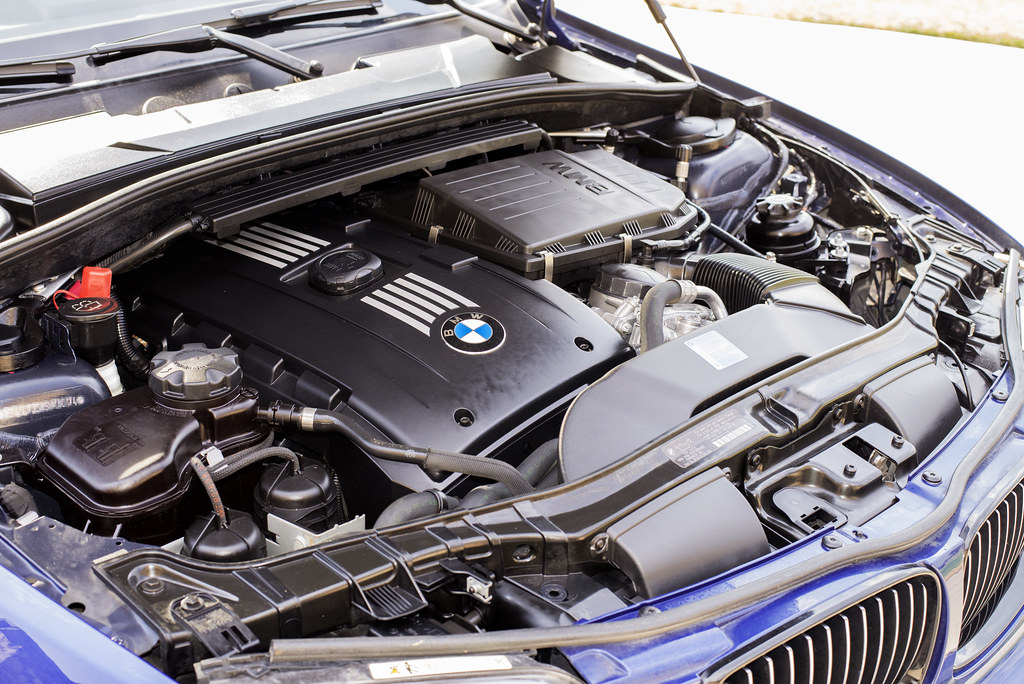
12. Recalibrating Engine Management Systems Post-Replacement
Following a timing belt replacement, the final crucial step in many modern vehicles involves the recalibration of the engine management system. While not universally required, for certain models, this is essential to ensure the engine operates as intended with its newly synchronized timing. Skipping this often-overlooked step can diminish the benefits of the meticulous mechanical work, leaving your vehicle’s performance suboptimal and potentially triggering persistent issues.
The recalibration process re-establishes harmonious communication between the engine’s physical components and its electronic brain, the engine control module (ECM). This may involve resetting various engine control modules, clearing learned parameters based on the old belt’s condition. Furthermore, any fault codes triggered during service, or those related to timing deviations, must be cleared. In some instances, a ‘relearn procedure’ for parameters like idle speed or fuel mixture allows the ECM to adapt to the refreshed engine timing.
Failing to perform these recalibration steps, when required, can lead to a host of persistent issues that might be mistakenly attributed to a faulty installation. These problems manifest as poor engine performance, where the vehicle doesn’t run smoothly or powerfully, or reduced fuel efficiency. Most frustratingly, it can cause a persistent ‘check engine’ light, indicating an unresolved issue that is merely an unaddressed electronic recalibration, not a mechanical flaw. Always consult your vehicle’s service manual or a professional mechanic to confirm recalibration needs for your specific model.
By understanding the intricate mechanics of your timing belt and adhering to a rigorous preventive maintenance schedule, you can steer clear of the single most damaging mistake: neglecting its proper care. The meticulous procedures involved in professional timing belt service—from precise tensioning and component synchronization to post-replacement recalibration—are not merely optional upgrades, but critical safeguards that protect your engine from devastating failure. Invest wisely in this foundational maintenance, and your vehicle will reward you with reliable performance, exceptional longevity, and the avoidance of repair bills that could easily run into the thousands. Don’t let a small component lead to a monumental repair; empower yourself with knowledge and choose proactive protection for your invaluable automotive investment.