Owners of luxury automobiles invest significantly in their high-value assets, yet a common oversight can lead to substantial financial exposure: a failure to fully comprehend the specific exclusions embedded within their insurance policies. These specialized policies, while designed to safeguard expensive vehicles, contain explicit limitations that, if overlooked, can render coverage void during critical moments, potentially leading to a “$50,000 mistake” or more significant financial repercussions. Understanding these intricate policy details is not merely a formality but a fundamental component of robust risk management and informed luxury car ownership.
Indeed, the complexities of luxury car insurance extend far beyond the standard liability and collision coverage. While “luxury car insurance offers the same coverage as standard car insurance,” as the data from CarInsurance.com Insights indicates, “many luxury car buyers purchase higher limits and additional endorsements.” However, even with elevated coverage levels and bespoke endorsements like new car replacement or original parts coverage, a deep dive into what is *not* covered – the exclusions – is paramount. These exclusions are strategically placed by insurers to manage their unique risk exposure associated with high-value vehicles and specialized usage scenarios.
This in-depth exploration will dissect key common exclusions that frequently impact luxury car owners, providing a comprehensive guide to identifying and understanding these potential pitfalls. From geographical boundaries to specific vehicle modifications, and from authorized driver stipulations to restrictions on vintage models, we will systematically examine how these clauses operate. The objective is to equip luxury car owners with the knowledge necessary to navigate their policies effectively, ensuring continuous and robust protection for their prized possessions and avoiding unexpected claim denials.
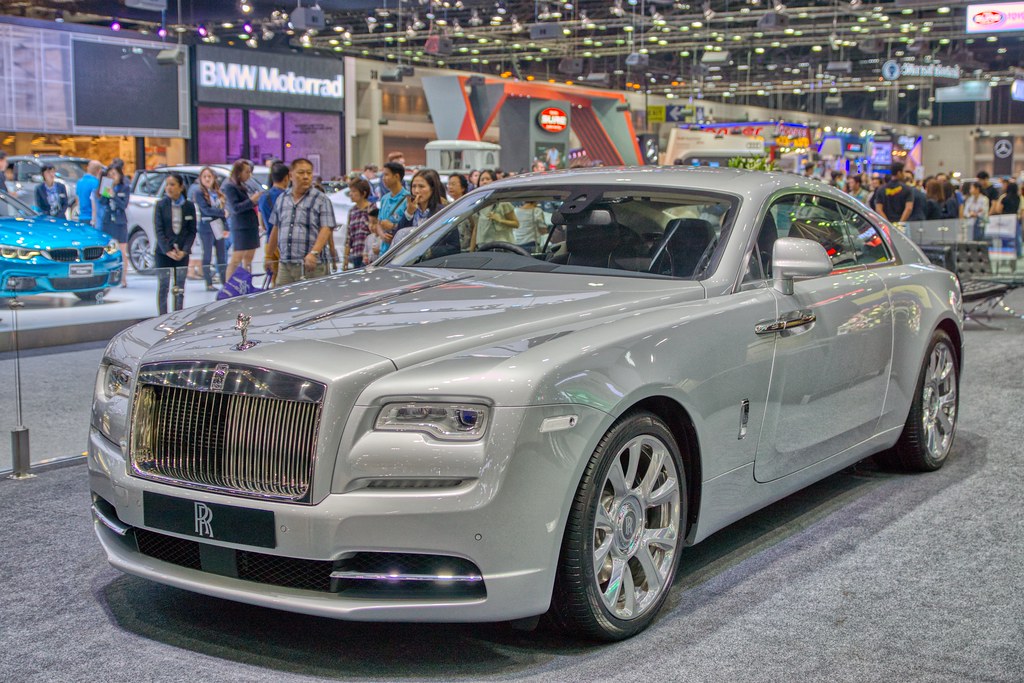
1. **Common Exclusions in Luxury Car Insurance Policies**Luxury car insurance policies, like all insurance contracts, feature a set of common exclusions that delineate circumstances under which coverage will not apply. These clauses are fundamental to the insurer’s risk management framework, safeguarding them against unforeseen liabilities that arise from the unique risks associated with high-value vehicles and specialized operational contexts. A thorough understanding of these general exclusions is the first step toward comprehensive protection.
Typically, these foundational exclusions explicitly state that damages resulting from illegal activities or intentional acts are not covered. This underscores a core principle of insurance: policies are designed to cover accidental losses, not those intentionally caused or incurred through unlawful conduct. Adherence to legal compliance is therefore an implicit, yet critical, condition for maintaining policy validity and ensuring claims are honored.
Moreover, a significant area of common exclusion pertains to acts of neglect. For instance, policies frequently exclude coverage for damages that stem from a failure to maintain the vehicle properly. This can encompass issues leading to mechanical failures or accidents directly attributable to lax upkeep. Such exclusions incentivize responsible vehicle ownership and regular maintenance, as neglect can directly jeopardize an owner’s ability to successfully file a claim.
Additionally, high-risk recreational or competitive activities are almost universally excluded from standard luxury car insurance policies. “Luxury car insurance policies frequently do not cover damages from racing, off-road adventures, or participation in competitive events.” These activities are classified as inherently higher risk, and their exclusion serves to mitigate the insurer’s exposure to the elevated probability of severe damage or loss. Owners contemplating such pursuits must seek specialized supplementary protection.
Recognizing and clarifying these common exclusions is indispensable for owners of luxury vehicles. It empowers them to implement superior risk management strategies and make informed decisions when selecting appropriate coverage options. By understanding potential gaps, owners can proactively seek additional endorsements or specialized policies to ensure their investment remains adequately protected under all foreseeable circumstances.
Read more about: Consumer’s Essential Guide: 14 Dealer Add-Ons and Fees to Approach with Caution (or Avoid Entirely)
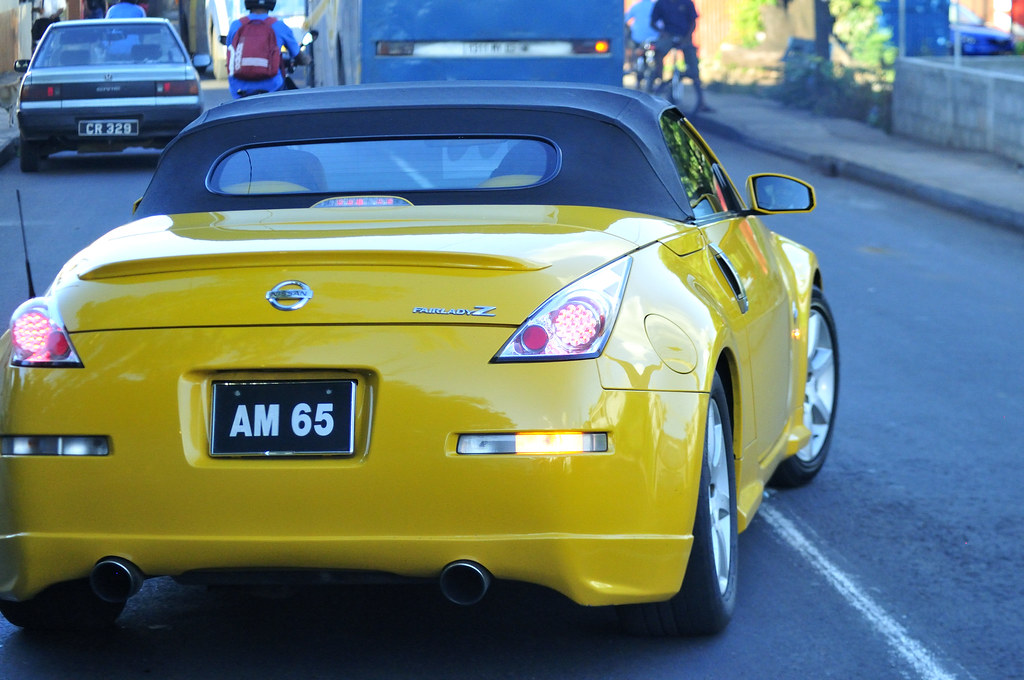
2. **Geographical Restrictions and Policy Exclusions**Geographical restrictions constitute a critical category of exclusions within luxury car insurance policies, clearly defining the specific regions and territories where coverage remains valid. These restrictions are strategically implemented to prevent insurers from covering claims that originate outside designated areas, thereby effectively managing and reducing their overall risk exposure. It is of paramount importance for policyholders to meticulously review these geographical limitations, as failure to do so can lead to unexpected and costly surprises when filing a claim.
Most insurance policies explicitly exclude coverage when a luxury vehicle is operated in certain countries or zones, particularly those where legal frameworks, safety standards, or prevailing socio-economic conditions differ markedly from the insured region. Such restrictions often extend to areas identified as being prone to natural disasters, political unrest, or elevated crime rates. The rationale behind these exclusions is clear: these conditions inherently increase the insurer’s risk profile for theft, damage, or liability claims.
Furthermore, policy exclusions may specify more granular geographic boundaries, potentially limiting coverage to within particular countries, states, or even specific cities. For luxury car owners who frequently travel, or those contemplating relocation with their high-value vehicle, a diligent review of these restrictions is non-negotiable. Non-compliance with these stipulations can have severe consequences, ranging from the voidance of the entire policy to a significant limitation of coverage, leaving the owner financially vulnerable.
Key aspects pertaining to geographical restrictions and policy exclusions demand careful consideration. Firstly, coverage may become entirely invalid if an incident occurs outside the designated insured region. Secondly, areas susceptible to natural disasters or regional instability are often demarcated as exclusion zones, nullifying coverage for damages incurred within them. Lastly, any planned travel beyond the stipulated covered areas necessitates proactive engagement with the insurer to either notify them of the change or to secure additional, temporary coverage specifically tailored for the expanded geographical scope. This proactive approach is essential for maintaining continuous protection.
Read more about: Unveiling America’s Heritage: A Deep Dive into the National Register of Historic Places and Its Enduring Legacy
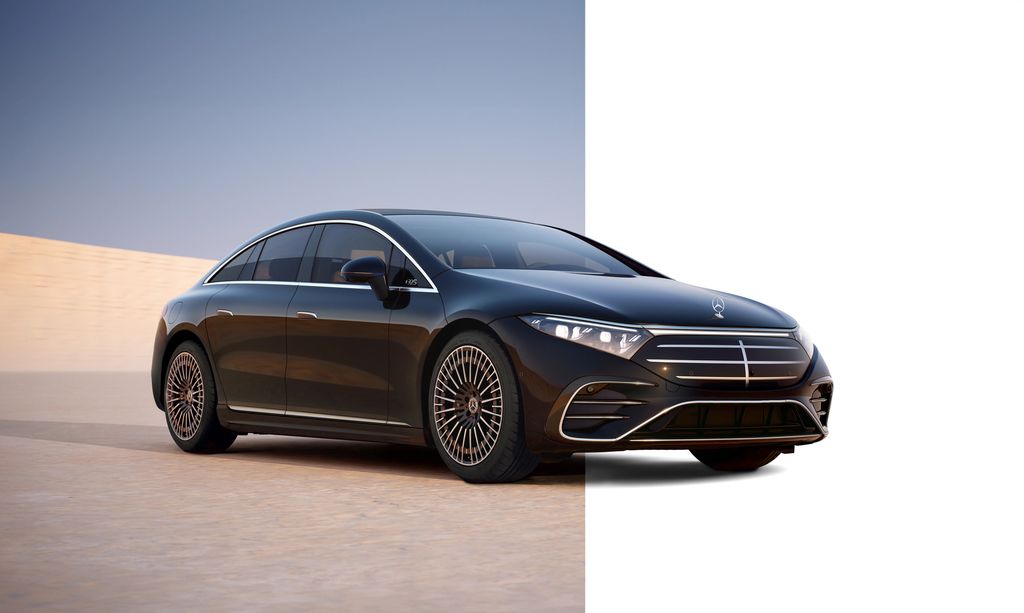
3. **Modifications and Customizations**The allure of luxury vehicles often lies in their potential for personalization, yet modifications and customizations can profoundly impact the validity and scope of an insurance policy. Insurance providers frequently incorporate exclusions for unauthorized alterations that have not been formally declared and approved prior to their implementation. These modifications can range from performance-enhancing engine upgrades and suspension alterations to aesthetic changes such as custom bodywork or specialized paint jobs.
Insurers typically regard undeclared alterations as increasing the inherent risk of damage or theft. Changes to a vehicle’s original specifications can directly affect its safety profile, performance characteristics, and overall market value, all of which are critical factors in actuarial risk assessment. Consequently, insurers reserve the right to limit or outright deny claims that are directly or indirectly related to these unapproved modifications, potentially leaving the owner responsible for significant repair or replacement costs.
Moreover, a substantial number of policies contain clauses that exclude coverage if modifications compromise the vehicle’s compliance with established safety regulations or manufacturer standards. Even seemingly innocuous customizations, such as aftermarket rims or altered exhaust systems, can fall under this purview. It is therefore imperative that luxury car owners meticulously disclose all modifications during the initial policy application process, and subsequently throughout the policy term, to circumvent potential exclusions and ensure the ongoing validity of their coverage.
Failing to declare modifications carries a considerable risk, potentially leading to outright claim denials or a reduction in the payout amount should an accident or incident occur. To mitigate these risks, it is highly advisable for luxury car owners to thoroughly scrutinize their policy documents, gaining a clear understanding of all specific exclusions related to vehicle modifications. Open and transparent communication with the insurer regarding any planned or executed modifications is a prudent strategy, helping to maintain comprehensive coverage and avert unexpected out-of-pocket expenses.
Read more about: Tom Brady’s Post-NFL Fleet: A GQ Look Inside the GOAT’s Million-Dollar Car Collection
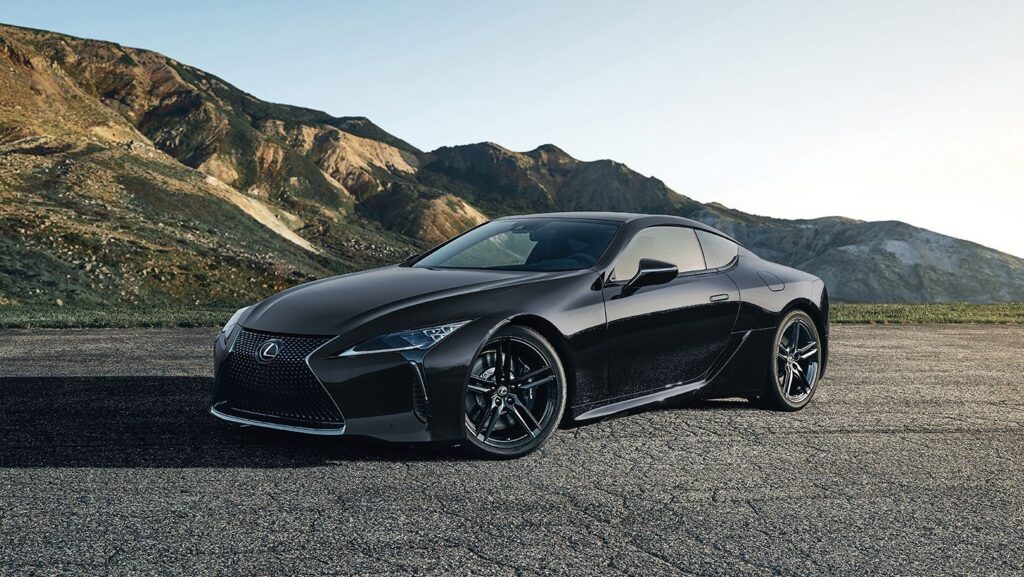
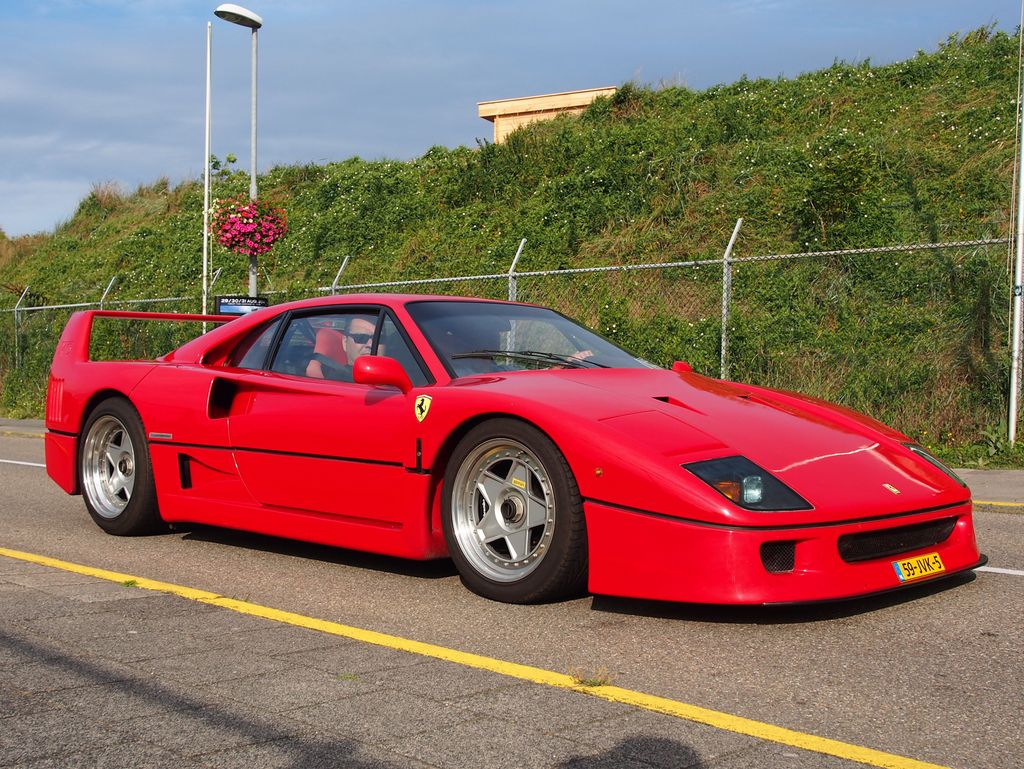
4. **Vintage and Classic Vehicle Restrictions**Luxury car insurance policies frequently incorporate specialized restrictions pertaining to vintage and classic vehicles, which are distinct from those applied to contemporary luxury models. These restrictions are primarily designed to manage the elevated risks and unique characteristics associated with older, often irreplaceable, automobiles. Insurers often impose limitations on the usage patterns of such vehicles, commonly excluding coverage for vintage or classic cars that are utilized frequently or as primary daily transportation. This emphasizes an expectation of limited usage, typically for special occasions, exhibitions, or leisurely drives, rather than routine commuting.
Furthermore, many policies specifically restrict coverage for vintage and classic vehicles that have undergone significant modifications. While restorations are often necessary for these automobiles, extensive customizations that deviate substantially from the vehicle’s original factory specifications can alter its structural integrity, performance capabilities, and overall risk profile. Such alterations have the potential to increase liability and present new risks that the insurer may not be prepared to cover under standard terms. This can lead to specific exclusions if the insurer determines that the vehicle’s altered state falls outside their accepted parameters for classic or vintage coverage.
It is crucial for owners to recognize that the scope of coverage for vintage and classic cars exhibits considerable variability across different insurance providers. Many specialty insurers catering to this niche market often demand comprehensive documentation regarding the vehicle’s condition, provenance, and appraised value. Policyholders are strongly advised to meticulously review their insurance contracts to gain a precise understanding of all specific exclusions related to vintage and classic vehicles, thereby ensuring that their valuable asset is adequately protected within the stipulated limits of their specialized insurance coverage.
Read more about: From Mechanical Whiskers to Mobile Jukeboxes: Unearthing 13 of the Weirdest Features in Vintage American Cars
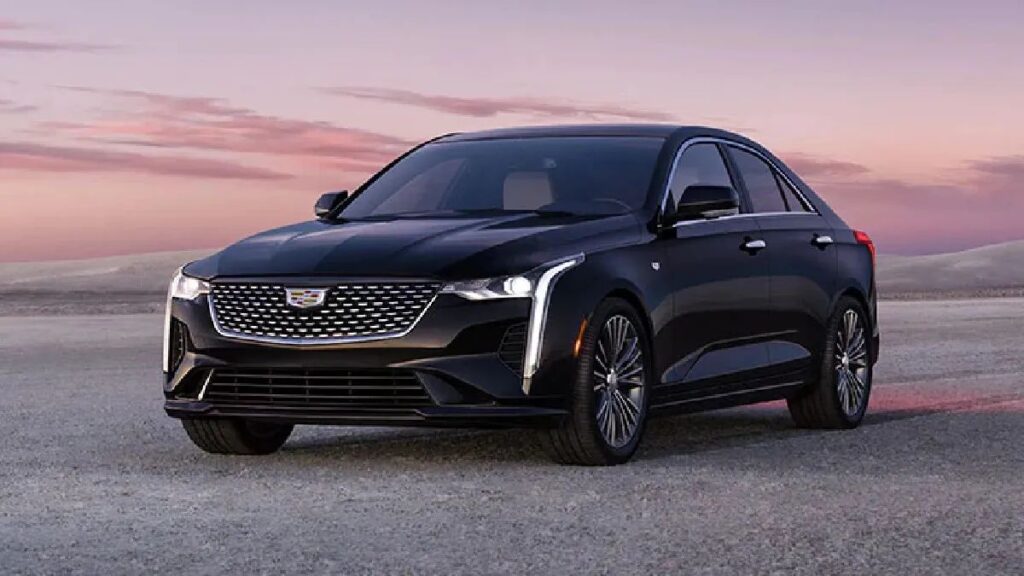
5. **Unauthorized Use by Third Parties**The unauthorized use of a luxury vehicle by third parties represents a significant area of exclusion within insurance policies, designed to prevent fraudulent claims and ensure accountable vehicle operation. This exclusion pertains to situations where individuals other than the designated insured driver operate the luxury vehicle without explicit permission or legal authority from the policyholder. Such scenarios are commonly and explicitly addressed in policy documents.
Insurance companies typically stipulate that any driver who lacks explicit authorization from the policyholder is classified as an unauthorized user. This broad definition can encompass a range of circumstances, from a friend borrowing the car without prior approval to a family member who is not listed or approved on the policy. In such instances, if the vehicle is involved in an accident or sustains damages while under unauthorized operation, the insurance company will frequently invalidate claims related to those incidents.
To further clarify, common exclusions related to unauthorized use often include specific stipulations. These may involve situations where the vehicle is operated by individuals who do not possess a valid driver’s license, or by persons who have been explicitly excluded by name within the policy documents. Additionally, coverage may be voided if the vehicle is used for unapproved activities or driven beyond the agreed geographical areas, as outlined elsewhere in the policy. These conditions collectively reinforce the insurer’s intent to cover only authorized and responsible usage.
Policyholders of luxury cars bear the responsibility of ensuring that only authorized drivers are listed on their policy and that any instance of unauthorized use is promptly reported to the insurer. Proactive management of who drives the vehicle, coupled with stringent adherence to policy guidelines, is essential to avoid potential claim denials and maintain the overall validity and efficacy of the insurance coverage for a high-value asset.
Read more about: Beyond the Pixels: Iconic Characters and the High-Stakes Legal Battles Defining the Video Game Industry
6. **Driver’s Age and Experience Limitations**Luxury car insurance policies frequently incorporate specific limitations regarding a driver’s age and their level of driving experience. These stipulations are a critical component of risk management for insurers, directly addressing the statistical correlation between younger or less experienced drivers and a higher probability of accidents. Such drivers are often identified as presenting an increased likelihood of claims, thus necessitating careful consideration within the policy framework.
Typically, these policies will restrict coverage for drivers who fall below a specified age threshold, which is commonly set at 25 years, unless they satisfy certain additional experience criteria. The establishment of this age benchmark aims to mitigate the risks associated with inexperienced individuals operating high-value and often high-performance vehicles. By setting such a threshold, insurers endeavor to reduce their potential liability for accidents and damages that are statistically more prevalent among younger, less seasoned drivers.
Moreover, insurance providers often mandate that drivers hold a valid license for a minimum duration before they can be covered under the policy. This minimum period serves as an indicator of the driver’s accumulated driving experience, which insurers consider an essential factor in their comprehensive assessment of risk levels. A longer period of licensed driving typically suggests greater familiarity with road conditions and driving practices, thereby reducing perceived risk.
Failure to meet these crucial age and experience requirements will almost invariably result in the application of exclusions. Consequently, policyholders are strongly advised to meticulously verify these conditions before securing luxury car insurance or allowing any driver to operate their vehicle. A thorough understanding of these limitations ensures that all drivers receive appropriate coverage and helps to prevent unexpected claim denials that could arise due to non-compliance with age or experience constraints.
Read more about: Tesla’s Robotaxi Revolution: A Critical Look at Early Crashes, Regulatory Scrutiny, and the Road Ahead
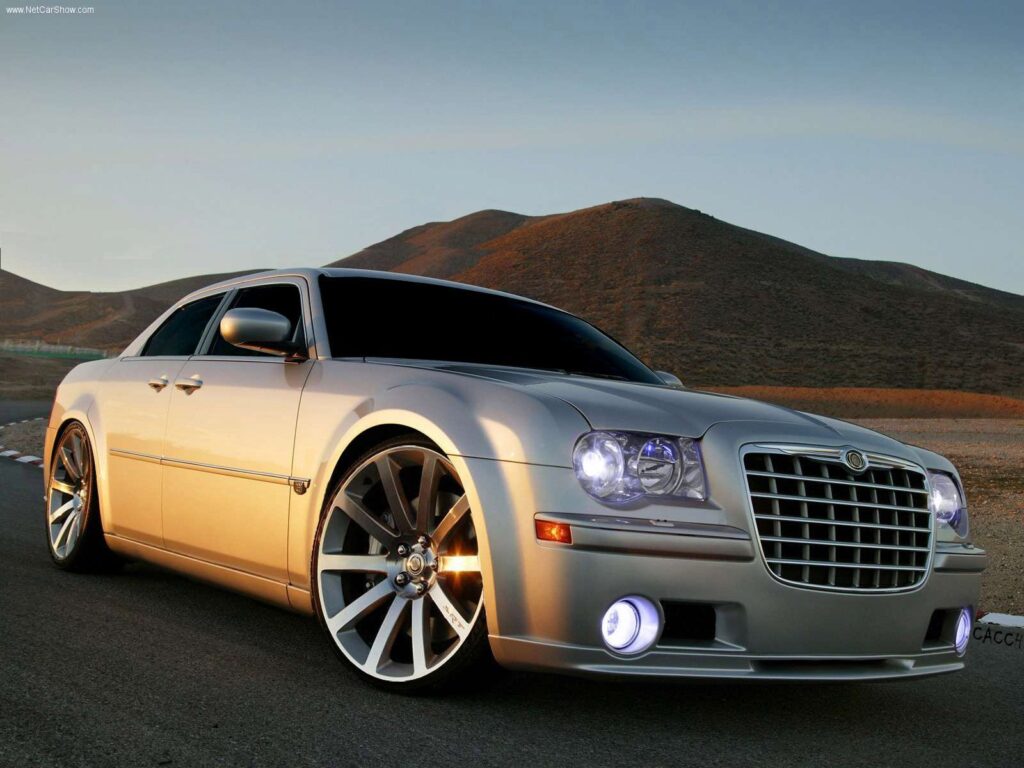
7. **High-Risk Activities Not Covered**Participation in high-risk activities is almost universally excluded from standard luxury car insurance policies to mitigate the insurer’s exposure to significant liabilities. These activities encompass competitive racing events, rally driving, and off-road adventures, all of which substantially increase the likelihood of damage or injury. The inherent risks associated with such pursuits fall outside the scope of conventional coverage, compelling insurers to explicitly list them as exclusions.
Insurance providers often specify that vehicles utilized in such activities are not covered during the event itself. Engaging in these high-risk activities without proper, specialized coverage can lead to outright denial of claims in the event of an accident or loss. It is always advised that owners proactively disclose planned participation in any high-risk activity beforehand, as non-disclosure can severely jeopardize coverage validity.
For competitive events specifically, luxury car insurance policies frequently state that coverage is invalid when the vehicle is used in racing, track days, or timed competitions. Such activities are considered profoundly high-risk and are fundamentally incompatible with standard insurance provisions. If a vehicle is involved in a competitive event, any repairs or liabilities incurred are generally not covered by the primary policy, irrespective of the vehicle’s value or the policyholder’s usual coverage level.
Similarly, insurance policies for luxury cars typically exclude coverage for participation in rallies and off-road adventures. These events significantly elevate the risk of accidents, severe damage, or complete loss, scenarios which standard policies are not designed to cover. Insurers view these types of events as distinct from regular driving and risk management profiles, which is why coverage is often explicitly voided in such situations.
Therefore, owners contemplating engaging in rallies, off-road adventures, or similar high-risk activities must consult their policies carefully. Proactive measures, such as obtaining additional coverage or specialized policies tailored for such events, are highly advisable. This strategic approach helps mitigate financial exposure and ensures that comprehensive coverage remains valid, providing peace of mind and proper risk management for specialized automotive pursuits.
Read more about: Signs of a Blood Clot You Should Never Ignore, According to Medical Experts
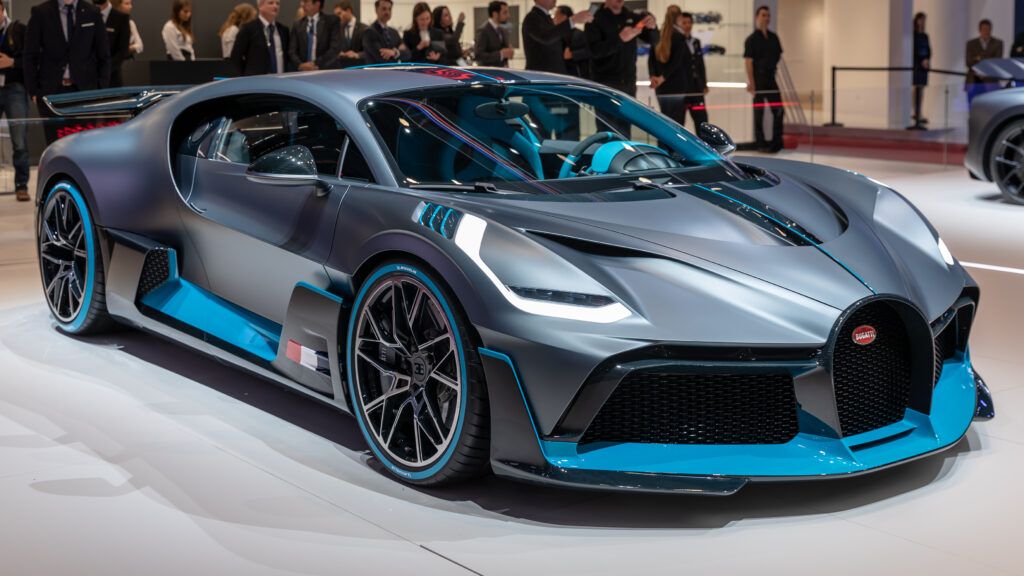
8. **Exclusions Due to Policy Breaches**Policy breaches represent a critical category of exclusions that can significantly affect the coverage scope of a luxury car insurance policy. When policyholders fail to adhere to established terms and conditions, insurers may invoke specific exclusions that eliminate coverage for certain incidents. Understanding these breaches is paramount for luxury car owners to avoid unwarranted claim denials and maintain their policy’s integrity.
Examples of material policy breaches often include providing inaccurate information during the initial application process or failing to disclose previous accidents or significant driving history details. Such violations can lead to the nullification of the entire policy, especially if the misrepresentations are deemed material to the insurer’s risk assessment. Insurers frequently reserve the right to deny claims directly arising from these breaches, leaving the policyholder exposed to substantial financial liability.
Furthermore, violating stipulated usage restrictions, such as exceeding agreed-upon annual mileage limits or operating the vehicle outside authorized geographical areas, can also result in the application of exclusions. These conditions are typically clearly outlined within the policy documents to manage the insurer’s risk exposure. Maintaining strict compliance with all policy terms and conditions is essential for ensuring continued coverage and significantly reducing the likelihood of future claim disputes.
Overall, breaches of policy conditions or terms are considered serious matters in luxury car insurance, with the potential to void comprehensive coverage. Policyholders should meticulously review their policy documents and adhere to all specified conditions to ensure their high-value asset receives uninterrupted and comprehensive protection. This diligence forms a cornerstone of effective insurance management and prevents unforeseen liabilities.
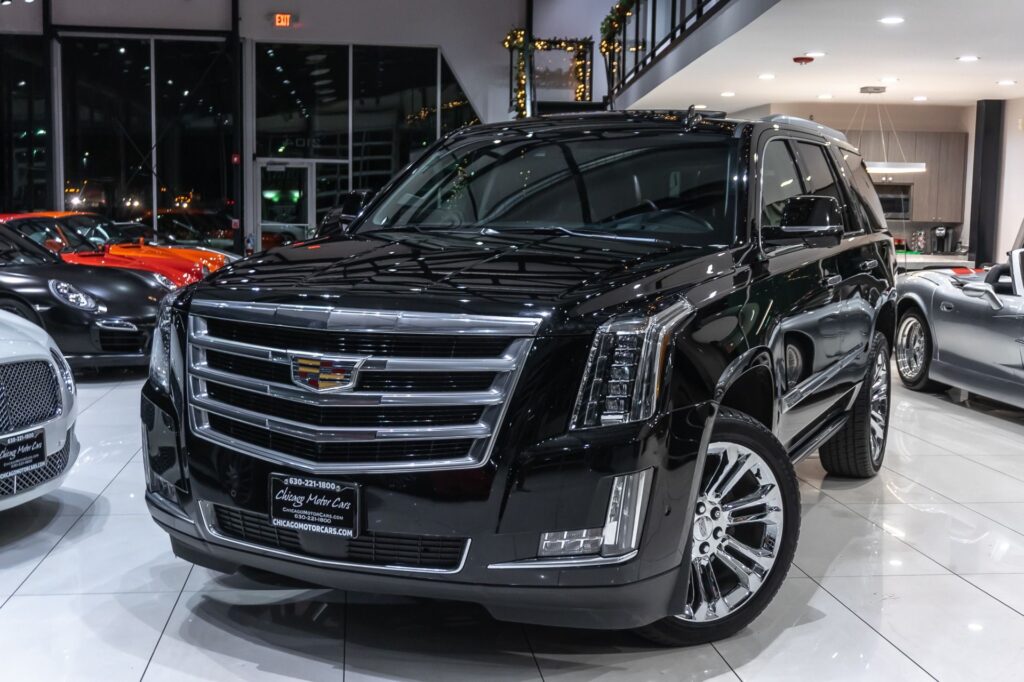
9. **Insurance Exclusions Related to Theft and Vandalism**Insurance exclusions related to theft and vandalism often specify particular scenarios where coverage does not apply to luxury cars, underscoring the critical importance of proper vehicle security. Most policies explicitly exclude theft or vandalism if the vehicle is left unlocked or unattended in unsecured locations. This clause incentivizes policyholders to take reasonable precautions to protect their valuable assets against common risks.
Additionally, many policies do not extend coverage to theft or vandalism resulting from widespread civil unrest, such as protests, riots, or similar disruptive events. These occurrences are typically deemed high-risk and beyond the scope of standard coverage provisions. Owners must meticulously review their policy details to understand if coverage is limited or entirely excluded during such volatile situations, as specialized protection might be required.
It is also a common policy stipulation for coverage to be excluded if the luxury vehicle is involved in illegal activities at the time of theft or vandalism. Engaging in any unlawful acts can void coverage, even if the vehicle itself was stolen or vandalized during the incident. This reinforces the principle that insurance policies are designed to cover legitimate losses, not those resulting from criminal enterprise or complicity.
Finally, some policies restrict coverage if the insurer determines that owner negligence directly contributed to the theft or vandalism. For example, failing to activate an installed anti-theft device or, crucially, leaving the vehicle’s keys unattended inside the car, may lead to a claim denial. Luxury car owners are therefore strongly advised to adhere diligently to all recommended security measures and policy guidelines to avoid triggering such exclusions and to ensure their claims are honored.
Read more about: The Untapped Car Insurance Loophole That Could Slash Your Premiums by Up to 45 Percent This Year
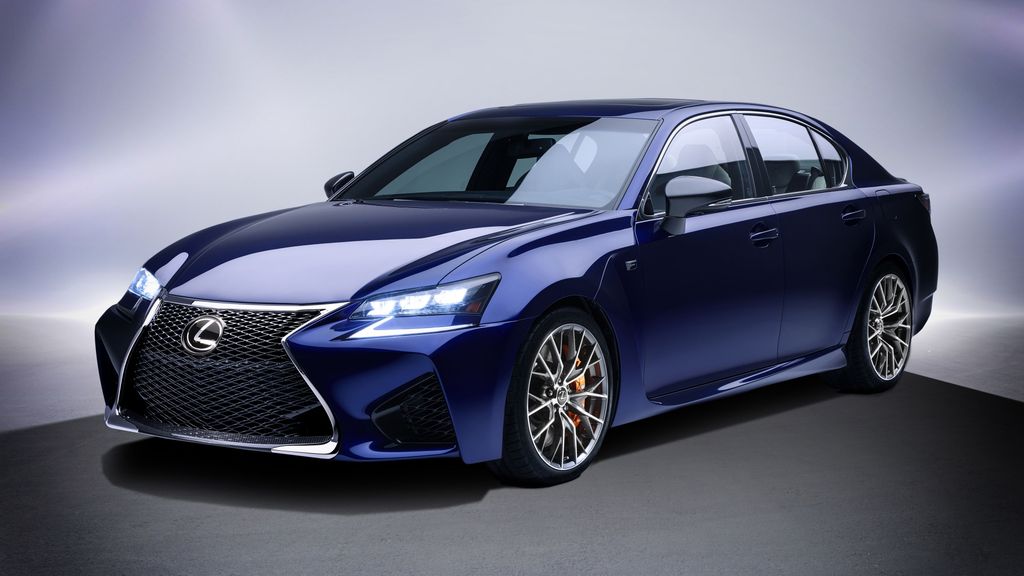
10. **Maintenance and Care-Related Exclusions**Maintenance and care-related exclusions explicitly detail situations where damage or issues arising from the vehicle’s upkeep are not covered by the luxury car insurance policy. These clauses are fundamentally designed to encourage proper vehicle maintenance and to protect insurers from claims for damages that are preventable through responsible ownership. Neglecting routine maintenance, such as timely oil changes, regular brake inspections, or necessary tire replacements, can void coverage if subsequent issues occur due to deterioration directly caused by this lack of care.
Furthermore, damages resulting from improper servicing or repairs performed outside authorized or certified service centers are typically excluded from coverage. This provision emphasizes the critical importance of adhering to manufacturer-recommended service schedules and utilizing qualified, authorized professionals for all maintenance and repair work. This ensures that repairs are performed to appropriate standards, minimizing the risk of consequential damage that the insurer would otherwise be obligated to cover.
Policies may also contain exclusions for damages resulting from owner negligence, such as a persistent failure to address illuminated warning lights on the dashboard or ignoring known mechanical problems. These instances indicate a disregard for the vehicle’s operational health, and insurers will often view such omissions as a breach of the implied duty of care expected from a luxury car owner. Such negligence can directly lead to the denial of claims related to those issues.
Understanding these maintenance-related exclusions is crucial for luxury car owners in maintaining their vehicles responsibly and ensuring continuous policy validity. Regular and diligent maintenance not only preserves the vehicle’s performance and enhances its safety but also plays a pivotal role in preventing costly repairs that could otherwise be explicitly excluded from insurance coverage. This proactive approach safeguards both the vehicle’s longevity and the owner’s financial investment.
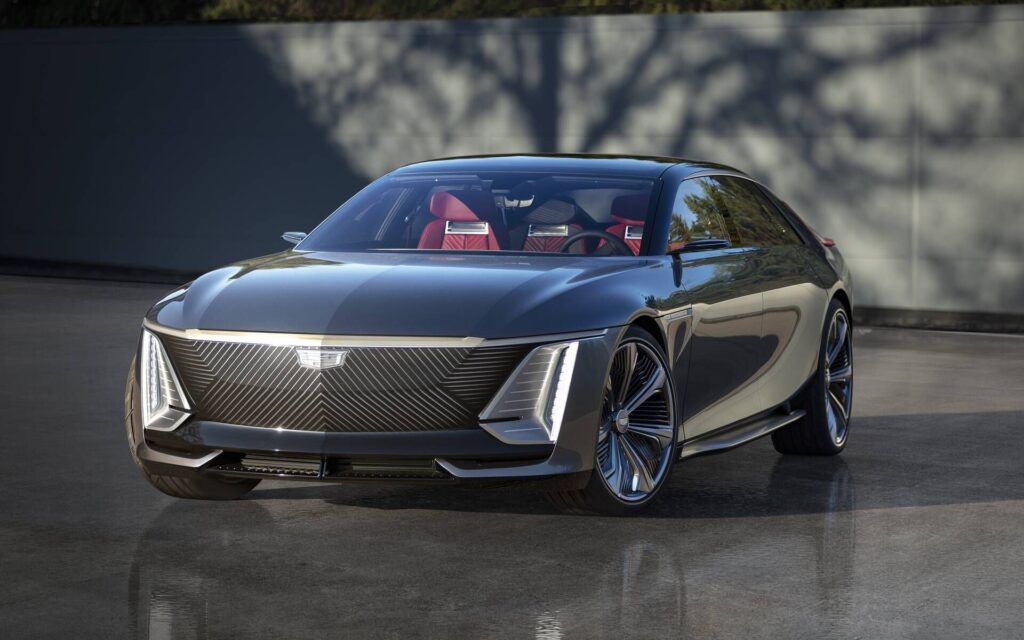
11. **Special Conditions and Exceptions in Liability Coverage**Special conditions and exceptions in liability coverage are pivotal elements that precisely define the scope of protection provided by luxury car insurance policies. These conditions specify particular circumstances where liability coverage may be significantly limited or entirely excluded, ensuring absolute clarity for both the insurer and the policyholder regarding their respective obligations. A thorough understanding of these nuances is fundamental to effective risk management.
Typically, liability coverage may not apply if the driver breaches specific policy terms or engages in activities expressly prohibited by the insurance contract. For instance, operating the vehicle outside authorized geographical regions or under unapproved conditions, such as using a personal luxury vehicle for commercial purposes without an appropriate endorsement, can void certain liability guarantees. These exceptions are meticulously designed to promote responsible usage and to safeguard the insurer against undue and unforeseen risks that fall outside their actuarial models.
Additionally, many policies contain stringent exclusions related to legal or regulatory breaches, most notably driving under the influence of alcohol or narcotics. Such egregious violations of traffic laws and societal norms often result in the immediate and unequivocal nullification of liability coverage, regardless of the policyholder’s otherwise impeccable driving record or the vehicle’s value. This provision starkly emphasizes the paramount importance of adhering to all legal standards and responsible operating practices.
Therefore, understanding these special conditions and exceptions is indispensable for mitigating unforeseen claim denials and ensuring comprehensive protection within the luxury car insurance policy framework. Policyholders must proactively familiarize themselves with these intricate clauses to prevent costly oversights that could leave them financially vulnerable in the event of an incident where liability coverage is unexpectedly withheld. Informed adherence to these terms is a hallmark of prudent luxury car ownership.
Read more about: Buyer Beware: Identifying 10 SUVs That Endure vs. Those That Become Maintenance Nightmares Past 150,000 Miles
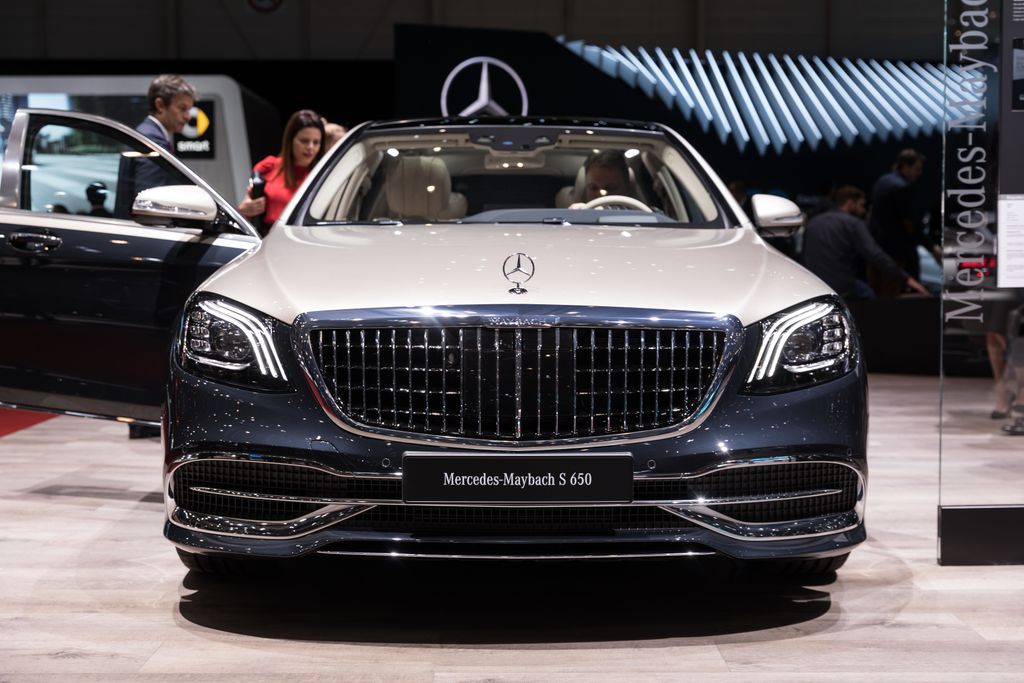
12. **How to Navigate and Mitigate Policy Exclusions in Luxury Car Insurance**To effectively navigate and mitigate the array of policy exclusions prevalent in luxury car insurance, a proactive and informed approach is absolutely vital. The foremost step involves thoroughly reviewing the policy details before signing any agreement, moving beyond merely focusing on premiums or basic coverage limits. Consulting with an experienced insurance expert can prove invaluable in clarifying ambiguous clauses and identifying potential gaps in coverage that might otherwise be overlooked, ensuring a comprehensive understanding of what is and isn’t covered.
Maintaining a meticulously detailed record of all vehicle modifications, a comprehensive history of maintenance, and an accurate log of usage can significantly reduce disputes related to exclusions. Insurance providers frequently assess these details during claims processes, and transparency regarding such aspects minimizes the risk of denial attributable to undisclosed alterations or neglect. This documentation serves as verifiable evidence of responsible ownership.
Furthermore, it is prudent to proactively address plans for high-risk activities, such as participation in car rallies or off-road adventures, by actively seeking specialized coverage or specific endorsements. Engaging openly and comprehensively with insurers about your unique needs and lifestyle can often lead to the development of tailored policies that better suit your luxury vehicle ownership and usage patterns, ensuring coverage where standard policies would exclude it.
Finally, continuous and transparent communication with your insurer is non-negotiable. Timely updates on any significant changes in vehicle status, such as new modifications, or alterations in driving habits, such as increased mileage or usage locations, are critical. This proactive engagement helps keep your coverage comprehensive, aligned with your current needs, and prevents any grounds for policy invalidation due to changed circumstances. An informed and proactive approach optimizes protection and diminishes the potentially costly impact of policy exclusions.
Read more about: Watch Out! 15 Cars That Could Drain Your Wallet with Costly Repairs Down the Line
Understanding the intricacies of luxury car insurance exclusions is not merely a bureaucratic exercise; it is the definitive rule that separates astute owners from those prone to a “$50,000 mistake.” By meticulously dissecting what policies do not cover, from geographical boundaries to high-risk activities and maintenance protocols, owners are empowered to fortify their investment. The sophisticated world of luxury automobiles demands an equally sophisticated approach to its safeguarding, ensuring that your prized possession remains truly protected against the unforeseen. This vigilance transforms potential pitfalls into manageable risks, upholding the value and enjoyment of your extraordinary vehicle.