Remember when a visit to the mechanic was a relatively quick affair? A fluid change, a minor adjustment, and you were back on the road by dinner. Those days, it seems, are increasingly a relic of the past. Today, getting your vehicle repaired, even for seemingly simple issues, can feel like an automotive hostage crisis, marked by frustratingly long wait times and an unsettling sense of uncertainty.
Across the United States, drivers are contending with unprecedented delays, turning routine maintenance and unexpected breakdowns into significant life disruptions. According to J.D. Power’s 2024–25 Customer Service Index, owners of mass-market vehicles now face an average wait of 5.2 days just to secure an appointment. This isn’t just about a few isolated incidents; it’s a pervasive new normal affecting everything from daily commuters to cherished weekend rides.
The truth behind these extended waits isn’t a single, easily identifiable culprit. Instead, it’s a complex tapestry woven from global challenges, technological advancements, and shifts within the automotive service industry. We’ve delved into the heart of the matter, sifting through frustrated driver forums and insights from shop owners, to identify the core issues. Join us as we explore 12 significant reasons why your vehicle might be spending more time collecting dust at the shop than on the open road.
1. **Global Supply Chain Issues & Parts Shortages**Gone are the days when a mechanic could “snap their fingers and a part would materialize by noon,” getting you back on the road by dinner. Today, a critical component—be it a simple hose, a specialized sensor, or even a glorified washer—can be stuck indefinitely. It might be languishing in a warehouse two states away, or worse, “enjoying a scenic detour via the Suez Canal on a cargo ship,” highlighting the fragility of international logistics.
These “global supply chain messes,” compounded by persistent shipping delays and the “sheer audacity of discontinued inventory,” have fundamentally altered expectations. What once promised “overnight delivery” has now morphed into a hopeful, often unfulfilled, prediction of “maybe next week, if we’re lucky, and if Jupiter aligns with Mars.” Finding even basic parts, such as brake pads or alternators, has become notoriously difficult, sometimes likened to “finding a coherent politician.” One individual even recounts the personal frustration of waiting “months for mechanics to find me a replacement bumper.”
The measurable impact of these part-induced delays is significant and well-documented. A “2022 industry report grimly shows average collision-repair cycle times ballooned from 12 days pre-pandemic to nearly 17 days.” This substantial increase is directly attributed to these “part-induced purgatories.” When repair shops are at the mercy of delayed or unavailable components, the daily lives of vehicle owners inevitably grind to a halt.
To mitigate constant rescheduling and manage customer expectations, repair shops have increasingly adopted a new strategy. They “may even delay scheduling repair appointments until they’re sure they have the required parts on hand.” While a logical operational choice, this practice inherently extends the initial “wait for an appointment” phase, compounding the overall delay for drivers and adding to the stress of being without essential transportation.
Read more about: 12 Critical Factors Making Work Trucks Unreliable in 2025: An Essential Fleet Manager’s Guide

2. **Labor Shortages & Technician Drain**A profound “national shortage of car repair technicians” is creating significant bottlenecks across the automotive repair industry. It appears that “most kids these days prefer coding TikTok dances to busting knuckles under a leaky oil pan,” a stark reflection of shifting career interests. This demographic trend is exacerbated by an aging workforce, with experienced, older mechanics “retiring in droves,” taking with them “decades of hard-won knowledge.”
The statistics underscore the severity of this workforce crisis. The U.S. is projected to face “a shortage of roughly 971,000 mechanics by 2028.” Adding to this, the “Bureau of Labor Statistics confirm[s] around 67,800 openings for auto service techs each year through 2033.” This substantial imbalance between the dwindling supply of qualified talent and the steady demand for automotive service places immense strain on the remaining technicians.
Consequently, many shops are “operating short-staffed, with one or two overworked souls doing the work of five.” This intense workload means that “every job takes longer.” It paints a vivid picture of a mechanic “probably working on his fifth Red Bull, shouldering the burden of two apprentices, a journeyman, and the hopes of a dwindling industry, all while considering a career as a barista.” The sheer volume of work per individual technician directly extends the time each vehicle spends in the service bay.
Recognizing this critical talent gap, the industry is making proactive efforts to rebuild its workforce. “Body shops nationwide are investing in recruiting and training new talent to enter the industry.” A notable example is Caliber Collision, which established the “Changing Lanes Career Skills Program.” This initiative offers “a 15-week training program at no cost for service members looking to transition into a career in the collision repair and auto body industry,” representing a vital attempt to cultivate new skilled technicians.
Read more about: 15 Classic Cars You Might Want To Skip: An Expert Guide for Discerning Collectors
3. **Increasing Vehicle Complexity & Specialized Tools**Today’s automobiles are less “mechanical marvel” and more “rolling supercomputer.” While beneficial for advanced features like lane assist and backup cameras, this increasing complexity introduces formidable challenges when issues arise. Diagnosing problems is no longer as straightforward as “pop the hood and listen for the clunk.” It now requires an intricate understanding of highly integrated and sophisticated systems.
The diagnostic process for modern vehicles demands specialized tools and an ever-evolving knowledge base. Mechanics often need “factory scan tools, specialized software that costs more than your first car, and a deep, constantly updated knowledge of complex systems that would make a NASA engineer sweat.” This technological arms race necessitates continuous investment in cutting-edge equipment and ongoing training for technicians to stay current.
Many smaller repair shops, in particular, face significant limitations in this regard. They “simply don’t have the gear or the training budget to handle it right away,” leading to considerable delays in service. A “check engine” light is no longer a simple indicator; it often acts as “a cryptic message from Skynet.” Finding a shop adequately equipped and knowledgeable enough to accurately interpret and resolve these complex digital signals, rather than just “clear[ing] the code and tell[ing] you to drive it ’til it blows,” is a growing concern for consumers.
The undeniable trend towards “increasingly high-tech and difficult to repair” vehicles inherently extends the time required for both diagnosis and repair. As cars become more deeply integrated with sophisticated electronics and software, the margin for error shrinks, and the demand for specialized diagnostic acumen grows exponentially. This directly contributes to longer service intervals and frustratingly extended wait times for drivers awaiting a precise and effective solution.
Read more about: The Single Most Important Question to Ask When Buying a Used Electric Car: A Comprehensive Guide for Savvy Consumers

4. **Dealership Backlogs & Warranty Prioritization**Many consumers operate under the misconception that taking their vehicle to a dealership ensures “faster service and VIP treatment.” This belief, however, is often far from the reality. “These big-name shops often have long backlogs,” particularly for “newer or high-tech models.” It’s not uncommon for customers to be informed that the dealership “can’t even look at your car for a week.”
A primary driver of these pervasive dealership bottlenecks is their internal prioritization structure. Dealerships frequently “prioritize warranty jobs from manufacturers over paying customers.” This strategic decision is influenced by the fact that “they get paid by the manufacturer for those ‘free’ warranty fixes,” making these jobs financially advantageous or contractually obligated. Consequently, a customer’s “urgent brake job just became a low priority” in the service queue.
This system of prioritization, when combined with existing “parts delays and overbooked techs,” creates a perfect storm where “even simple jobs can drag out.” Securing an appointment at a dealership can be likened to “trying to schedule a meeting with a mythical creature,” vividly illustrating the difficulty in accessing timely service. The dealership business model, intricately linked to manufacturer warranties, inadvertently works against the immediacy of consumer needs.
Given this reality, consumers might consider alternative options. “Unless you’re dealing with a recall,” which often mandates dealership service, it “may be better to just skip the high prices at the ‘stealership’ and find a local mechanic.” While waiting might still be a factor at independent shops, the potential for “half the price” offers a considerable financial incentive, allowing consumers to navigate extended repair periods with some economic relief.
5. **Surge in Recalls**The sheer volume of vehicle recalls in recent years has become an unprecedented operational challenge for the automotive repair sector. “Over 3.5 million vehicles were recalled in 2025 already,” a staggering figure indicative of a systemic issue. This surge is largely attributable to the proliferation of “more electronics, cutting-edge (and sometimes flawed) components, and complex systems crammed into vehicles.” While it is commendable that manufacturers are addressing potential safety defects, this phenomenon is “clogging the repair pipeline something fierce.”
These widespread recalls impose a substantial burden on dealerships and certified repair shops. These facilities are compelled to spend “valuable hours doing recall work for free” for the customer, although they receive reimbursement from the manufacturer. This necessary allocation of resources directly translates to “less availability for everyday repairs.” Consequently, a routine “simple oil change just got bumped for 15 cars needing airbags that could decapitate occupants,” a stark illustration of how critical safety recalls inevitably take precedence.
The impact of recalls extends beyond merely diverting technician time. In many instances, “some shops won’t even touch your car until the recall is cleared.” This policy effectively traps consumers in a waiting game, transforming their vehicle into “a ticking time bomb and a logistical nightmare simultaneously” for its owner. The imperative of adhering to these safety mandates creates a significant bottleneck that cannot be bypassed, adding to overall repair wait times.
Reinforcing the systemic nature of the problem, the high frequency of recalls places immense pressure on repair facilities. This constant influx of manufacturer-mandated work consumes valuable bay space and technician hours that would otherwise be dedicated to routine maintenance or other pressing repair work. Until these broad industry-wide issues are resolved, recalls will continue to be a significant, unavoidable factor contributing to longer vehicle repair timelines for the average motorist.
Read more about: Your Winter Car Battery Survival Guide: 12 Smart Accessories for Cold Weather Performance
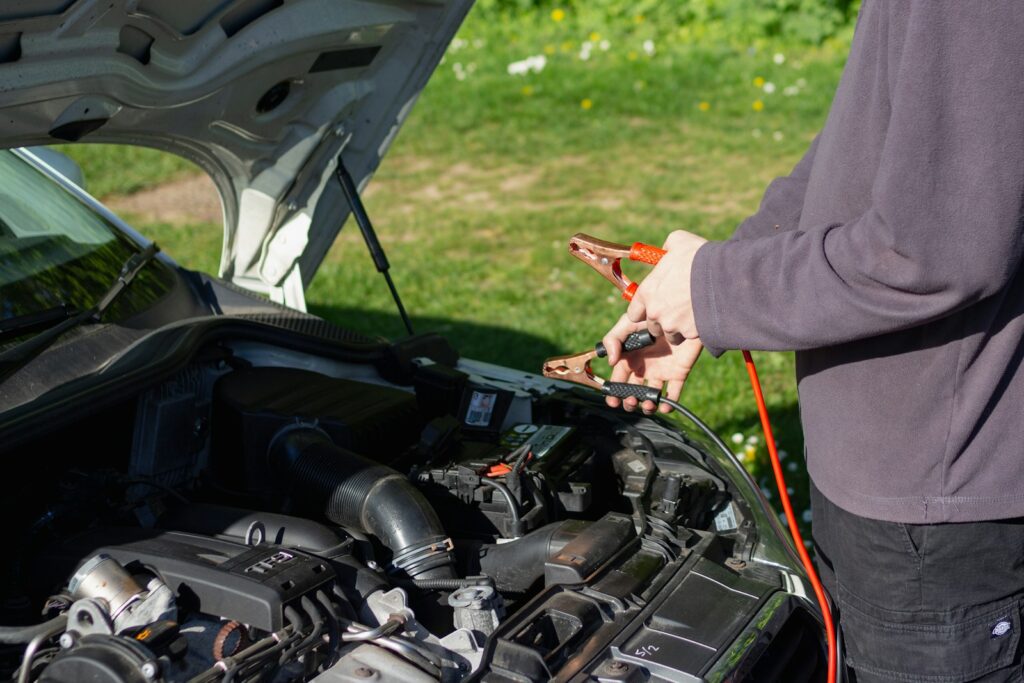
6. **Outdated Shop Equipment Slows It All Down**The technological chasm between modern vehicles and the equipment used to service them represents a significant source of delay in the repair process. “Not all shops are created equal” when it comes to their technological infrastructure. Some facilities are “still trying to diagnose 2020s vehicles with 15-year-old lifts and diagnostic machines from the early 2000s that probably run on Windows XP.” This stark disparity between current automotive technology and antiquated tools immediately suggests inherent inefficiencies.
Contemporary vehicles demand a level of “speed, accuracy, and efficiency that outdated gear just can’t deliver.” Attempting to resolve complex electronic issues with rudimentary tools is an exercise in futility; as the adage goes, “You can’t fight a computer problem with a hammer, no matter how much you want to.” This fundamental mismatch between vehicle sophistication and diagnostic capability severely hampers effective and timely repairs.
When repair tools and diagnostic systems are “behind the times,” the entire repair process inevitably “suffers too.” For example, attempting to “scan a modern CAN bus with a potato isn’t going to cut it” illustrates the impossibility of accurate diagnosis and repair without current, specialized technology. This often leads to extended diagnostic procedures, delays in identifying the correct fix, and potentially even misdiagnoses that prolong the overall repair duration.
The substantial financial investment required to keep pace with evolving automotive technology poses a considerable challenge, particularly for smaller, independent shops. However, the failure to invest in up-to-date equipment directly impedes efficiency and prolongs repair times for consumers. Drivers often unknowingly bear the brunt of this technological lag, experiencing frustratingly longer waits as their vehicles sit idle, awaiting a diagnosis or repair that modern tools could expedite significantly.
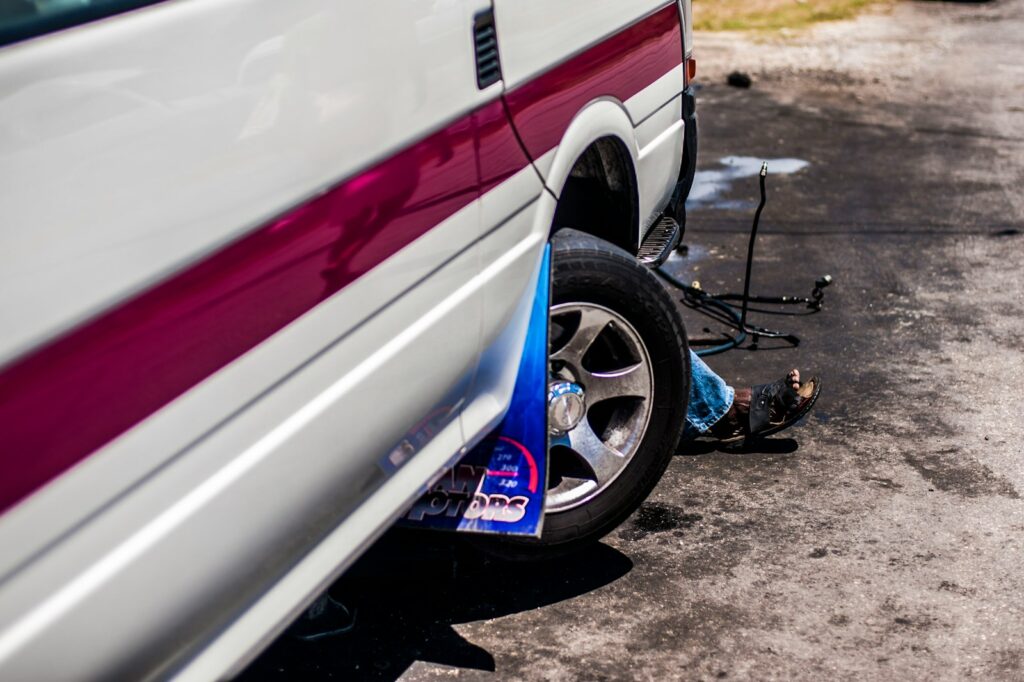
7. **Insurance Company Procedures Prolong the Process**If your vehicle repair stems from an accident, you’ve likely entered a bureaucratic bottleneck where your car sits idle, awaiting crucial approvals. Insurance adjusters often engage in a prolonged back-and-forth with body shops, negotiating costs and demanding multiple estimates for parts that clearly require replacement. This administrative ping-pong can stretch over days or even weeks, effectively holding your vehicle in limbo.
During this protracted approval process, your car remains an “expensive paperweight,” occupying valuable shop space without active repair work. The shop’s hands are often tied, unable to commence repairs until they receive explicit authorization from the insurance provider. This waiting game can be particularly frustrating, as the delay is purely administrative, not mechanical.
Should a dispute arise between the repair shop and the insurance company regarding costs or the scope of work, the timeline can extend even further. Such disagreements can push back the repair schedule by weeks, leaving you without your essential transportation for an indefinite period. This process highlights how external, non-mechanical factors significantly influence repair durations.
From a consumer’s perspective, this means managing not just the vehicle’s damage but also the complex, often slow, insurance claim process. While some insurers, like Lemonade Car, aim to streamline their damage reporting and approval, the inherent need for detailed assessments and authorizations remains a common source of repair delays. Understanding these procedural hurdles can help set more realistic expectations for accident-related repairs.
Read more about: Unmasking the Money Pits: 10 Luxury Cars That Spring Costly Repairs on Owners and How to Prepare
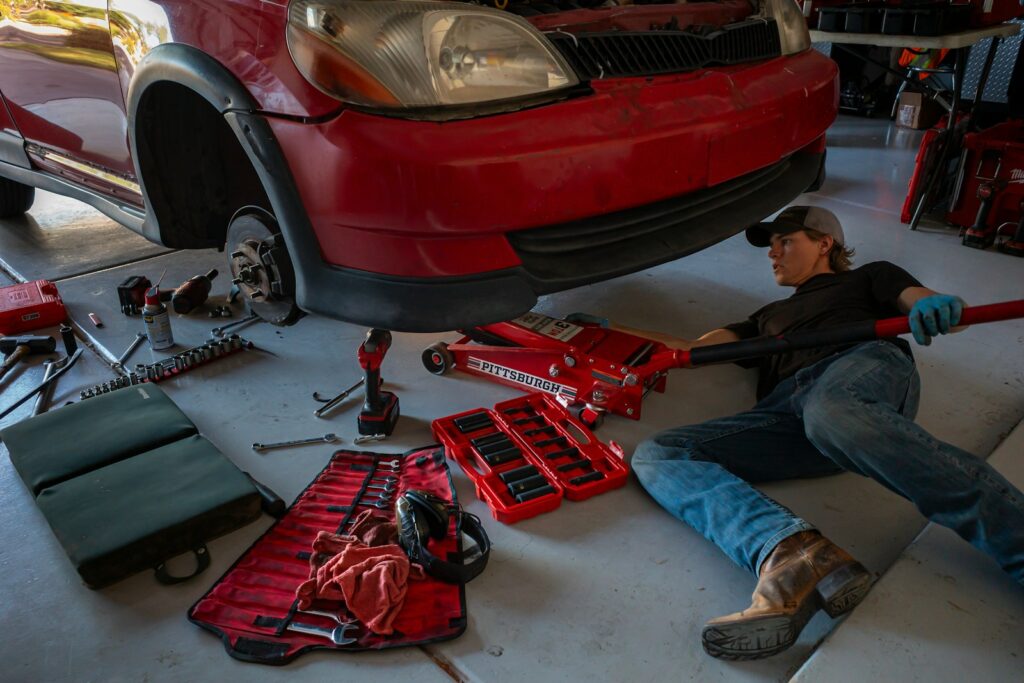
8. **DIY Diagnostics Gone Wrong Create More Work**In an age of abundant online tutorials and readily available diagnostic tools, many vehicle owners attempt to identify and even fix issues themselves before bringing their cars to a professional. While enthusiasm for self-sufficiency is commendable, these do-it-yourself (DIY) diagnostic and repair attempts frequently backfire, creating additional work and delays for mechanics.
Vehicles arriving at a shop “half-disassembled, with the wrong parts installed, or with an entirely wrong idea of the problem” are not uncommon. Mechanics then face the challenge of not only diagnosing the original issue but also undoing the customer’s “fix.” This remedial work adds significant, unforeseen time to the repair process, delaying the actual solution.
Modern vehicles are complex systems that require specialized knowledge and equipment for accurate diagnosis and repair. What might seem like a simple part replacement can often have cascading effects if not handled correctly. An incorrect amateur repair can obscure the true problem or introduce new ones, making the professional diagnostic process considerably more difficult and time-consuming.
Professional mechanics often view a “customer fixed it” car as one of the most challenging types of jobs. The time spent rectifying previous amateur attempts could have been dedicated to addressing the core issue. While consumer curiosity is understandable, attempting complex repairs without proper training and tools invariably adds to the overall time your car spends in the shop.
Read more about: Unlocking the Mystery: Why Your Car Key Fob Replacement Can Cost Hundreds of Dollars

9. **Shops Prioritize High-Profit Repairs**Fundamentally, auto repair shops are businesses, and like any business, they operate with profit motives and financial pressures. This reality often translates into a prioritization strategy where higher-value, more lucrative jobs are given precedence over smaller, less profitable repairs. Your routine brake pad replacement, for instance, may take a back seat to a major engine overhaul.
An extensive transmission service, an engine rebuild, or significant bodywork typically involves more labor hours and higher-priced parts, generating a larger revenue stream for the shop. In an environment where operational costs, such as rent and specialized equipment, are substantial, focusing on these “bigger tickets” is a necessary business decision to maintain financial viability.
This prioritization means that while your vehicle sits in the lot awaiting a relatively simple fix, bays are occupied with more complex, high-dollar projects. It’s not a personal slight against the customer, but rather a strategic allocation of resources. The “blown transmission” will inevitably command more immediate attention than a “sputtering exhaust,” given the economic realities of the shop.
While this approach keeps the lights on and ensures the shop’s long-term existence, it directly impacts customers with minor issues, pushing their vehicles further down the queue. Understanding that shops must balance their workload with their financial imperatives can provide insight into why certain repairs experience longer wait times, especially for seemingly straightforward problems.
Read more about: Unmasking the Trust Deficit: Why Car Dealerships Are Struggling to Connect with Today’s Buyers and How They Can Rebuild Confidence
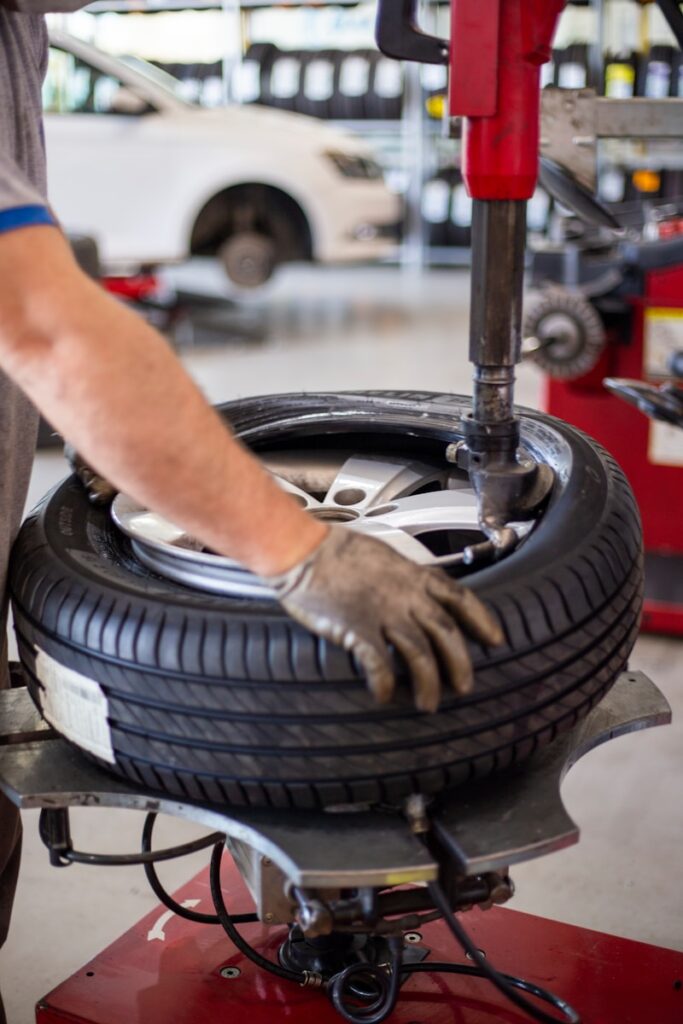
10. **Miscommunication Between Shops and Customers**Delays in vehicle repair aren’t always attributable to parts shortages or technician scarcity; sometimes, the simplest human element – communication – is the culprit. A breakdown in clear, consistent dialogue between the customer and the repair shop can inadvertently add significant time to the repair process, much like a misunderstanding in any relationship.
Instances of miscommunication include a shop waiting for customer approval on an additional repair, only to find their calls unreturned for days. Conversely, a customer might assume work is progressing while the technician is still seeking clarification on the exact nature of a vague “squeak” or “rattle.” Crucial details can easily be lost in translation, leading to incorrect work being prioritized or unnecessary diagnostic time.
When information is not clearly conveyed or accurately understood, the wrong repairs might be initiated, or the diagnosis might be prolonged. For example, if a customer vaguely describes a noise, the shop might investigate brakes when the issue lies elsewhere. This necessitates revisiting the problem, which costs precious time and resources that could have been avoided with better communication.
Effective communication, though seemingly straightforward, is critical for an efficient repair process. Both parties must ensure that concerns are explicitly stated, questions are answered promptly, and authorizations are given in a timely manner. The absence of such clear exchanges can create unforeseen delays, turning a relatively minor issue into a prolonged ordeal purely due to informational gaps.
Read more about: A Lesson in Regret (and Laughter): 11 Wild Tattoo Fails and the Seriously Unforgettable Stories Behind Them
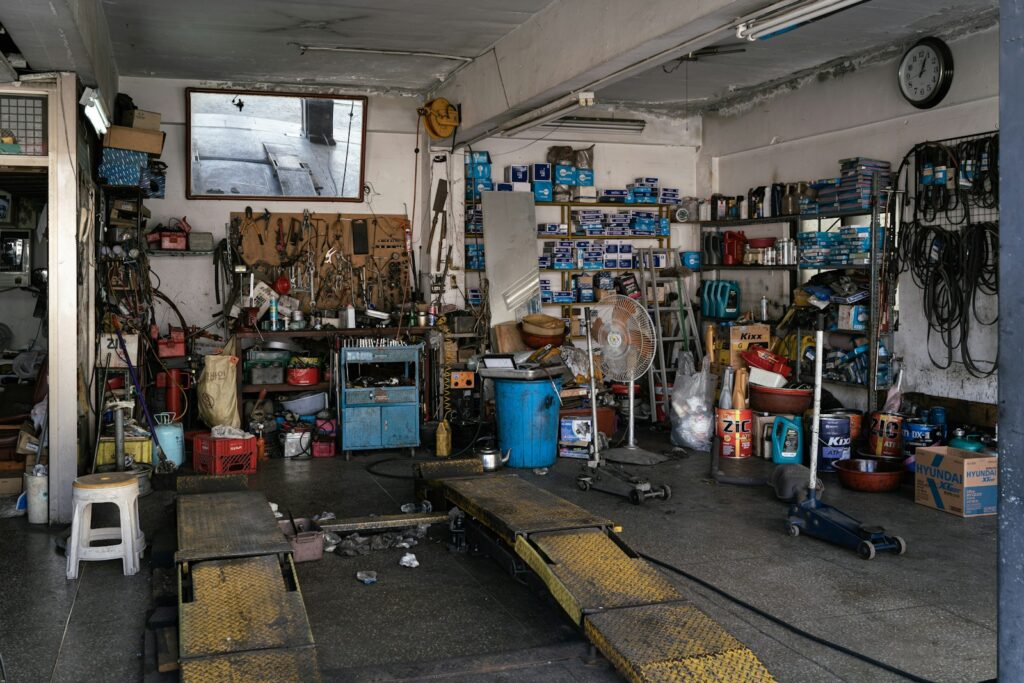
11. **The “Stacked Lot” Problem Creates Logistical Headaches**Many repair shops, particularly smaller independent facilities, face a perennial challenge known as the “stacked lot” problem. This refers to the common sight of parking lots overflowing with vehicles, parked in a dense, almost Tetris-like formation, awaiting service. This isn’t just a sign of a busy shop; it’s a significant logistical hurdle that directly contributes to extended repair times.
These packed lots are a symptom of multiple delays: vehicles waiting for elusive parts, cars held hostage by tardy insurance approvals, or simply a queue for an available technician. Each of these factors contributes to a backlog of stationary vehicles. While one car waits, it occupies space, making it difficult for technicians to access other vehicles for diagnosis or repair.
For a mechanic to begin work on your car, several other vehicles might need to be painstakingly moved out of the way. This maneuverability issue consumes valuable technician time that could otherwise be spent on actual repairs. It transforms a simple task like pulling a car into a bay into a time-consuming logistical exercise, particularly in shops with limited physical space.
The “stacked lot” is a visual manifestation of the systemic and operational bottlenecks plaguing the automotive repair industry. It highlights how factors like supply chain inefficiencies and administrative delays not only postpone repairs but also create physical constraints that further impede the flow of work, pushing back timelines for all customers.

12. **High Demand for Routine Maintenance Overwhelms Shops**Beyond major repairs or accident-related work, a significant and often overlooked reason for extended wait times is the sheer volume of routine maintenance appointments. Services like oil changes, tire rotations, brake pad replacements, and battery checks fill up repair schedules at an astonishing rate, consuming a large chunk of available technician time and bay space.
These everyday maintenance tasks, though individually quick, collectively create a constant influx of vehicles. This high demand for routine services means that a shop’s schedule can become “booked solid,” leaving little immediate capacity for more involved or unexpected repairs. Your complex suspension work or an elusive electrical issue can easily get pushed further down the list.
Think of it as trying to schedule an appointment with a doctor during peak flu season; the waiting room is packed with individuals seeking care for common ailments, making it difficult for those with more serious, unexpected conditions to be seen promptly. This analogy holds true for auto shops, where the volume of mundane tasks often overshadows the urgency of more intricate repairs.
This phenomenon contributes to the overall backlog, as technicians are constantly busy with a steady stream of routine jobs. While these services are essential for vehicle longevity, their pervasive demand means that any unexpected repair, regardless of its simplicity or complexity, must contend with an already crowded schedule, thereby lengthening wait times for everyone.
***
Navigating the current landscape of vehicle repair can feel like an unending challenge, fraught with uncertainty and frustrating delays. The days of quick fixes and immediate turnarounds are, for many, a distant memory, replaced by a complex web of logistical, operational, and communication hurdles. Yet, understanding these underlying factors is the first step toward reclaiming some control in an often-unpredictable situation.
While many of the systemic issues causing these delays are beyond your immediate influence, proactive measures can significantly mitigate the impact on your own vehicle. Building a relationship with a trusted mechanic, maintaining open communication, and being realistic about repair timelines are important strategies. However, the most potent defense against automotive purgatory lies in preventative action.
Regular, diligent vehicle maintenance is paramount. Simple habits, such as checking oil levels monthly, monitoring tire pressure, listening for unusual noises, and timely fluid changes, can prevent minor issues from escalating into major, time-consuming repairs. Addressing potential problems early, before they become critical failures, dramatically reduces your reliance on a system currently struggling with demand. By taking charge of routine care, you empower yourself, minimizing the chances of your vehicle becoming another statistic in the ever-growing queue for service. Because in today’s automotive world, ensuring your car’s health is the ultimate hedge against frustrating waits.