
It’s a familiar scene, isn’t it? The buzz of a vibrant production set, the intense focus of cast and crew, the dazzling lights, the endless takes, and the constant flow of energy. But amidst all the glamour and hard work that goes into creating our favorite hit shows, there’s often a quiet, pervasive health saboteur lurking in plain sight: sugary drinks. While we might associate “set rules” with script adherence or camera angles, a growing body of evidence makes an ironclad case for a different kind of directive – one that bans sugary beverages outright.
Think about it: the demanding environment of a production set requires peak performance, sustained energy, and unwavering focus. Yet, the very drinks often consumed for a quick “pick-me-up” are actually undermining these goals, setting the stage for a host of health problems that can silently impact everyone from the lead actor to the grips. It’s a reality check that’s long overdue, especially when you consider the cumulative effects of daily consumption.
So, what exactly are these compelling reasons? We’re talking about more than just a passing health trend; these are fundamental health realities, backed by solid research and public health recommendations, that justify a complete overhaul of beverage choices in high-stakes, high-pressure environments. Let’s dive into the seven critical insights that should serve as the blueprint for healthier production sets, starting with the immediate and long-term consequences of these deceptively sweet concoctions.
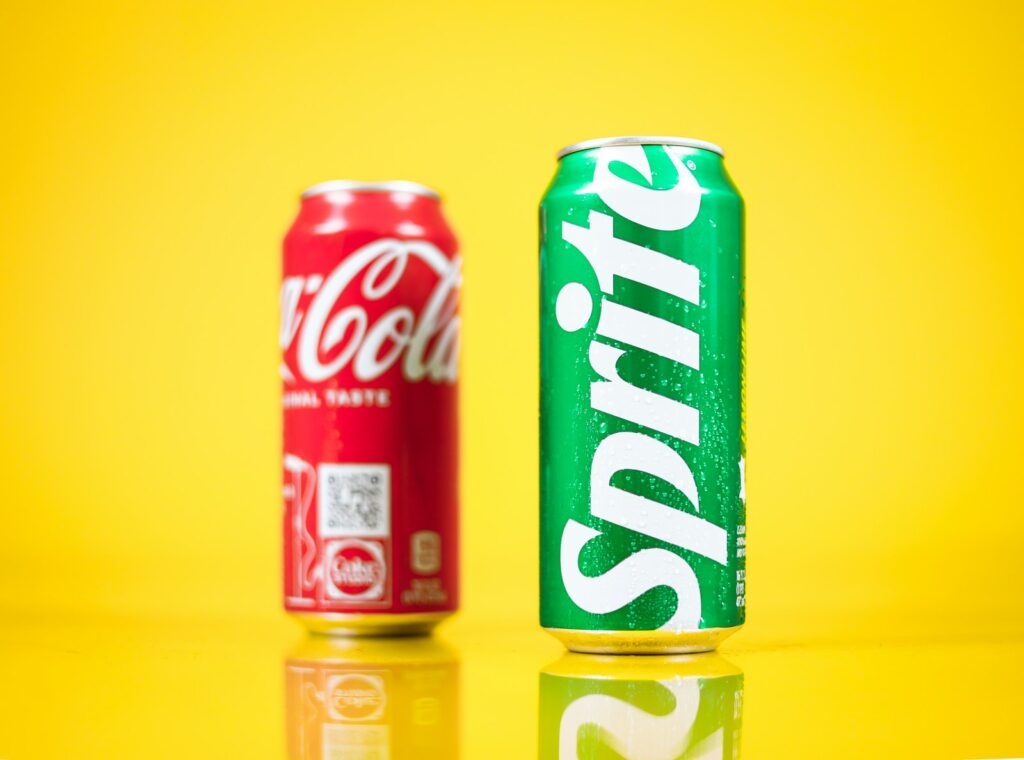
1. **The Silent Saboteur: Sugary Drinks and Widespread Health Catastrophes**When we talk about sugary drinks, we’re not just singling out sodas from your childhood. This category is expansive, covering an alarming array of common beverages that have become deeply ingrained in our daily routines. The context makes it clear: “Sugary drinks are the leading source of added sugars in the American diet.” This includes the obvious culprits like “regular sodas, fruit drinks, sports drinks, energy drinks, and sweetened waters.” But it also extends to less suspected options like “the flavored coffees we grab on the way to work and sweet drinks we order when eating out.” Even adding sugar and flavored creamer to your coffee or tea at home counts, turning what might seem like innocent habits into significant sugar bombs.
The shocking truth is, this pervasive presence of added sugars isn’t just a matter of empty calories; it’s a direct pathway to serious, chronic health issues. The research is unequivocal: “People who often drink sugary drinks are more likely to experience health problems.” These aren’t minor inconveniences; they are debilitating conditions that can dramatically impact quality of life and productivity. For anyone working long hours on a demanding set, maintaining optimal health is paramount, and regular consumption of these beverages chips away at that foundation.
The health problems linked directly to frequent sugary drink consumption are extensive and concerning. We’re talking about “weight gain, obesity, type 2 diabetes, heart disease.” Imagine the cumulative stress these conditions place on individuals and the healthcare system. On a hit show set, where physical and mental stamina are essential, such health risks become a very real liability, potentially leading to increased sick days, decreased performance, and a general decline in overall well-being. It’s a cascade effect that starts with a seemingly innocuous drink.
Obesity, in particular, is a complex problem that requires a “multi-pronged solution,” as highlighted by public health officials. Sugary drinks contribute significantly to this epidemic. By cutting out just “two regular sodas per day,” an individual could “reduce total calories by 2,100 in a week and help reduce sugar intake.” This simple act, if adopted by an entire production crew, could lead to monumental health improvements, fostering a healthier and more energetic workforce, ready to tackle the rigors of filmmaking without the silent burden of avoidable health issues.
The implications for a professional environment are stark. Providing readily available sugary drinks on set is akin to sanctioning habits that lead to chronic illness. Implementing a ban isn’t just about personal choice; it’s about creating a supportive, health-conscious environment where employees are empowered to make healthier decisions, free from the constant temptation of easily accessible, yet harmful, options. It’s a proactive step towards safeguarding the long-term health and vitality of the entire team.

2. **Beyond the Major Ailments: Dental Decay, Gout, and Systemic Damage**While the headlines often focus on the big players like obesity and type 2 diabetes, the detrimental impact of sugary drinks extends far beyond these widely recognized conditions. There are other, equally unpleasant and debilitating health problems that frequently get overlooked in the broader discussion. These include “cavities, and gout, a type of arthritis.” These issues might not always be life-threatening in the same way heart disease is, but they significantly diminish quality of life and can certainly impair one’s ability to perform effectively, especially in a physically demanding job like working on a film set.
Let’s talk about cavities, because they are a very direct and visible consequence. The sugar in these drinks creates an ideal environment for bacteria in the mouth, leading to tooth decay. As one child poignantly put it when asked about the dangers of too much sugar, “It can rot your teeth.” This seemingly simple answer speaks volumes about a problem that can cause pain, necessitate expensive dental work, and impact overall oral health, which is surprisingly linked to many other systemic health issues. A toothache can certainly derail a day on set, making focus and performance nearly impossible.
Then there’s gout, a type of arthritis that causes sudden, severe attacks of pain, swelling, redness, and tenderness in the joints, most often in the big toe. While traditionally associated with certain dietary patterns, research has increasingly linked high fructose consumption, common in sugary drinks, to an increased risk of gout. It’s a painful condition that can strike without warning, making physical activity, or even just standing for long periods on set, excruciatingly difficult. An unexpected flare-up could sideline a key crew member or even an actor, causing significant delays and costs to a production.
The broader, systemic damage caused by excessive sugar intake is also something that cannot be ignored. The San Antonio public health director powerfully summarizes this, stating that drinking sugar “is bad for your brain, your teeth, your stomach, your weight, and if you have a chronic disease, it’s bad for that, too.” This comprehensive statement covers virtually every major system in the body, emphasizing that sugary drinks aren’t just a superficial concern but a deep-seated threat to overall physiological function. This holistic view of harm underlines the urgency for a ban.
Considering the multifaceted challenges presented by these less-talked-about but still very serious health issues, a production set implementing a ban on sugary drinks isn’t just making a statement about major chronic diseases. It’s making a commitment to the holistic well-being of its people, ensuring they are free from the preventable pain of cavities and gout, and that their brains and stomachs are functioning optimally. It’s a testament to a comprehensive approach to health, recognizing that even seemingly minor health concerns can have major professional repercussions.
3. **The Unacceptable Risk: Zero Tolerance for Added Sugars in Young Children’s Diets**While the hustle and bustle of a hit show set might not immediately bring to mind toddlers and infants, the stark dietary guidelines for the youngest members of our population serve as a profound testament to the inherent dangers of added sugars for everyone. It’s a foundational principle: “Children younger than 2 years should not have any added sugars in their diet.” This isn’t a recommendation for moderation; it’s a clear, unequivocal ban. It underscores the severity with which health authorities view added sugars, especially during critical periods of development.
This “zero tolerance” policy for children under two is not arbitrary. It reflects a deep understanding of how rapidly developing bodies and brains process sugars, and the potential for long-lasting negative impacts on their health, metabolism, and even taste preferences. Early exposure to added sugars can prime children for a lifetime of unhealthy eating habits and an increased risk of the chronic diseases we’ve already discussed. It’s about setting the stage for healthy development, free from the metabolic disruptions caused by unnecessary sugar intake.
Think about the implications of such a strict guideline. If added sugars are considered so harmful that they are completely off-limits for infants and toddlers, it should serve as a powerful warning for older children and adults too. While adult bodies might be more resilient, the underlying biochemical mechanisms that make sugar problematic don’t magically disappear with age. The early childhood directive acts as a gold standard, highlighting the extreme caution that should be applied to added sugars across all age groups, albeit with slightly different allowances for older individuals.
On a production set, even if toddlers aren’t the primary demographic, this rule embodies a crucial philosophical stance. It communicates that if something is demonstrably harmful to the most vulnerable among us, it should be treated with extreme caution for everyone else. Adopting a “zero added sugar” policy for drinks on set, even for adults, sends a clear message: the production prioritizes the fundamental health principles that protect even the youngest, thereby promoting the highest standard of wellness for the entire crew. It’s a powerful symbolic and practical step towards a healthier environment, setting a precedent that underscores the seriousness of sugar’s impact.

4. **The Daily Calorie Trap: How Sugary Drinks Shatter Adult Dietary Guidelines**Moving beyond the strictest guidelines for children, the recommendations for adults also paint a clear picture of the pervasive problem posed by sugary drinks. For individuals aged “2 and older,” the advice is to “limit added sugars to less than 10% of total daily calories.” This provides a measurable, actionable target for healthy eating. But here’s the kicker: for many, sugary drinks make this guideline incredibly difficult, if not impossible, to achieve, often without them even realizing it.
Let’s put this into perspective with some concrete numbers. If someone follows a typical 2,000-calorie diet, which is a common benchmark, then “no more than 200 of those calories should come from added sugars.” To translate that further, “200 calories is equal to about 12 teaspoons of added sugar.” Now, consider your average 12-ounce soda. A “12-ounce regular soda has more than 10 teaspoons of added sugar. That’s more than 150 calories from sugar.” See the problem? A single regular soda can consume a significant portion of your daily recommended added sugar intake, leaving very little room for any other dietary sources of sugar.
The real challenge is that many people don’t stop at one sugary drink, nor do they often account for the added sugars hidden in other foods throughout their day. “CDC research found about 30% of Americans 2 and older eat and drink high amounts of added sugar (more than 15% of daily calories from added sugar) each day.” This staggering statistic reveals a widespread issue of overconsumption, where the easy availability of sugary beverages significantly pushes people beyond healthy limits, setting them up for increased health risks without perhaps realizing the full extent of the caloric and sugar overload they are consuming from drinks alone.
For a demanding environment like a film set, where long hours, irregular schedules, and high stress are common, the temptation for quick energy boosts from sugary drinks is ever-present. However, these drinks provide fleeting energy followed by a crash, contributing to fatigue, decreased concentration, and an increased likelihood of making unhealthy food choices later. Breaking this cycle is crucial. The good news is that even small changes can have a massive impact: “Cutting out two regular sodas per day would reduce total calories by 2,100 in a week and help reduce sugar intake.”
Therefore, instituting a ban on sugary drinks on set isn’t about arbitrary restrictions; it’s about making the healthy choice the easy choice, especially when individuals are under pressure. It’s a policy that directly supports adherence to expert dietary guidelines, helping crew members avoid inadvertently sabotaging their own health and energy levels. By removing these high-calorie, high-sugar options, a production set can foster an environment where staying within daily sugar limits is not a daily battle, but a natural outcome of the available choices, leading to better sustained energy and overall well-being for everyone involved in bringing a hit show to life.

5. **The Multi-Million-Dollar Marketing Machine: Selling a Sweet Deception**We live in a world where advertising reigns supreme, and the beverage industry is a master of this domain. They funnel colossal sums into “multi-million-dollar ad campaign[s] promoting the good-feeling, popularity-increasing, basketball dunk-improving, wing-sprouting effects of sugar-sweetened beverages.” These aren’t just ads; they’re meticulously crafted narratives designed to intertwine sugary drinks with our deepest aspirations. Whether it’s portraying soda as a social lubricant or an energy drink as a performance enhancer, these messages bypass rational thought, convincing us these sweet concoctions are essential for success and vitality.
The insidious nature of this marketing lies in its ability to subtly misdirect public perception, often presenting unhealthy products as beneficial. Consider the widespread misconception around sports drinks. The Big Bang Theory scene where even geniuses consumed them alongside healthy meals illustrates how “A lot of people think sports drinks are healthy.” This common, yet incorrect, belief isn’t accidental. It’s a testament to marketing success, blurring the lines between genuine wellness and perceived health benefits. We are led to believe these brightly colored liquids are indispensable, even when “the most rigorous thing these geniuses had done that day was argue about which was better – string theory or quantum theory.”
This sophisticated marketing has also strategically expanded the definition of what constitutes a “sugary drink.” Public health officials once clearly warned about soda, and the message was understood. However, with the “explosion of new commercial drink products over the past few years,” the term evolved to “sugar-sweetened beverages.” This now includes “energy drinks, sports drinks, sweet coffee, sweet tea, and even some juices.” While accurate, this broader term has unintentionally “diluted the public’s understanding that drinking sugar is bad for you.” The sheer variety and novelty make the problem feel less specific and harder for consumers to pinpoint.
The pervasive influence of these marketing strategies extends far beyond traditional advertisements, embedding itself into our daily lives. They influence product placement in stores, restaurants, and even popular culture, including our favorite TV shows. This constant visual and narrative reinforcement normalizes sugary drink consumption, making it appear acceptable and even desirable. Such a formidable challenge demands more than just education; it requires a proactive effort to reshape the landscape of beverage availability and perception. Implementing a ban on a production set becomes a powerful statement, pushing back against this pervasive influence and prioritizing genuine health.

6. **The Subtle Persuasion: Media Normalization and Unrealistic Expectations**Beyond direct advertising, the media we consume plays a significant, often unnoticed, role in normalizing sugary drink consumption. New research from the School of Public Health’s Project EAT offers a concerning look into this phenomenon. Their study found that while “almost half of the beverages shown in popular television shows viewed by adolescents contained alcohol,” “sugar-sweetened beverages, such as soda, were present in 11 percent of the shows.” This consistent visual presence subtly but powerfully shapes perceptions and habits, particularly for young audiences.
The persuasive power of television programming goes deeper than quick commercials. As lead author Marla Eisenberg notes, “evaluating television programming could be even more telling than analyzing ads because television shows hold the attention of kids for longer periods of time.” Unlike ads, which are “often skipped,” content within a show is actively chosen. This sustained exposure means that “the more prevalent alcoholic or sugar-sweetened drinks are in popular television shows, the more normative their use seems to the kids and teens who are watching.” It blurs the line between fiction and reality, making unhealthy choices appear mainstream.
What’s particularly troubling is how these drinks are portrayed in relation to characters’ health. Dr. Eisenberg’s study found that “overweight characters were no more likely to be shown in scenes with sugar-sweetened beverages than non-overweight characters.” This seemingly innocuous detail carries significant implications for impressionable young viewers. It creates a subtle but powerful disconnect between cause and effect, implying that one can indulge in these drinks without experiencing common physical consequences. This lack of realistic representation can be incredibly damaging.
These “unrealistic expectations for youth” are a serious public health issue. Eisenberg explains, “By showing people who are not overweight consistently drinking sugary drinks, adolescent viewers might be left thinking they can do the same thing without the consequence of weight gain.” This dangerous narrative, especially for an audience highly susceptible to media influence and body image pressures, undermines crucial health education efforts. It promotes a distorted view of healthy eating and drinking habits, making it harder for young people to make informed choices.
While more direct research is valuable, Eisenberg believes there’s already “enough evidence for educators and community programs to encourage healthy beverage choices at a young age.” It’s a call to action for health professionals “in clinical and school settings [to] talk to kids and parents about the drinks shown in TV shows, and the potential for these drinks to impact health.” Establishing healthy norms early can “set kids up to make healthier decisions throughout their lives.” For a production set, this means taking responsibility for the environment they create, setting a positive example that echoes far beyond their gates.

7. **The Unseen Hook: Addictive Ingredients and Breaking the Habit**Beyond slick marketing and subtle media portrayals, there’s a more physical reason why breaking up with sugary drinks can be tough: addictive ingredients. The beverage industry, in a move reminiscent of other public health battles, “has added an addictive substance – caffeine – to many of these drinks, making them even more appealing and difficult to quit.” This isn’t accidental; it’s a calculated strategy to increase consumption and foster dependence. It means that simply wanting to cut back isn’t always enough, as your body might be craving more than just a sweet taste.
Energy drinks are a prime example of this deliberate formulation. They are “often marketed as products that increase energy,” but their power comes from more than just sugar. In addition to “added sugar, these products may also contain large amounts of caffeine and other legal stimulants.” This potent combination creates a powerful, short-lived surge of energy, often followed by a crash, perpetuating a cycle of consumption. “Concerns have been raised about the potential health risks of these products, especially for young people,” highlighting the ethical dilemmas of promoting such dependency-forming beverages.
On a demanding film set, where calls can be early, days are long, and pressure relentless, the allure of a “quick pick-me-up” from an energy drink or a super-sweet coffee is incredibly strong. It’s easy to grab the immediate, albeit temporary, boost without considering long-term impact or underlying reasons for fatigue. Relying on these sugary, caffeinated concoctions can mask deeper issues, such as dehydration, which “is often a reason for low energy.” Addressing the root cause rather than patching it with sugar and stimulants is crucial for sustained well-being.
Breaking the habit of reaching for these addictive and unhealthy options requires a proactive approach, both individually and structurally. The good news is, there are plenty of satisfying alternatives that genuinely support sustained energy and health. Instead of energy drinks, consider “Plain or unsweetened flavored water,” perhaps with “berries or slices of lime, lemon, or cucumber,” or even “basil, and blackberry.” “Unsweetened tea,” available in “naturally caffeinated varieties,” and “Hot or iced coffee, unsweetened of course!” are excellent choices. For a natural boost, “100% fruit or vegetable juice” offers nutrients, and sometimes, “Whole fruit” can provide “as much of a boost as a drink.”
Ultimately, establishing a set of rules that ban sugary drinks isn’t just about removing bad choices; it’s about empowering better ones. It’s about creating an environment where healthy habits are not just encouraged, but made easy and accessible. Simple tricks like not stocking up on sugary drinks, instead keeping “a jug or reusable bottles of cold water in the fridge,” make a difference. At the coffee shop, “skip the flavored syrups and whipped cream” and choose “low or fat-free milk or unsweetened milk alternatives” or “black coffee.” At the store, “read the Nutrition Facts label.” On the go, “carry a reusable water bottle” and refill it. These policies and personal choices combine to create a culture where well-being truly comes first, demonstrating that a hit show can also be a healthy show.
So there you have it – seven undeniable rules that form an ironclad case for rigorously banning sugary drinks from any demanding professional environment, especially one as intense as a hit show’s production set. We’ve journeyed through the profound health realities, from safeguarding against chronic diseases and preventing silent dental and joint issues, to protecting our youngest citizens and empowering adults to meet their daily dietary guidelines. But our exploration went deeper. By proactively countering the relentless “multi-million-dollar ad campaign[s]” of the beverage industry, by dismantling the subtle yet pervasive “media normalization” of unhealthy consumption, and by acknowledging the deeply “addictive substance[s]” like caffeine woven into many of these drinks, we can truly empower individuals to make authentically healthier choices. This comprehensive approach isn’t merely about imposing restrictions; it’s about fundamentally transforming an environment to foster sustained energy, unwavering focus, and a thriving sense of overall well-being for every single person who pours their heart, talent, and soul into creating something extraordinary. Prioritizing holistic health isn’t a limitation but, unequivocally, a foundational pillar for enduring success, unparalleled creativity, and a truly vibrant, high-performing set.