
Modern automobiles are marvels of engineering, intricate systems where thousands of parts must operate in perfect synchronization for safe and reliable transportation. Drivers today often assume a baseline of safety and functionality, a confidence built on decades of innovation and stringent manufacturing standards. Yet, beneath the sleek exteriors and advanced features, lies a complex reality: when even a single component falters due to a defect, the consequences can quickly escalate from an inconvenience to a catastrophic event, turning a routine commute into a life-threatening disaster.
Indeed, the threat of mechanical failure remains a palpable concern for every driver. Data from the National Highway Traffic Safety Administration (NHTSA) reveals a sobering truth: defective parts are responsible for 2% of all auto accidents annually, an alarming statistic that translates to more than 44,000 incidents each year. This isn’t just about minor inconveniences; it’s about severe, potentially fatal injuries stemming from issues that are often beyond a driver’s ability to foresee or prevent. In 2023 alone, over 30 million vehicles were recalled due to safety concerns, underscoring the pervasive nature of these challenges.
Understanding these critical failure points is not merely an academic exercise; it is an essential step towards informed driving and proactive maintenance. As a publication dedicated to consumer safety and practical insights, we believe in shedding light on the mechanical failures that most commonly undermine vehicle reliability and compromise driver safety. We delve deep into the most catastrophic component failures, offering a clear, factual analysis designed to equip you with the knowledge needed to recognize risks, understand their implications, and ultimately, safeguard yourself and your loved ones on the road.
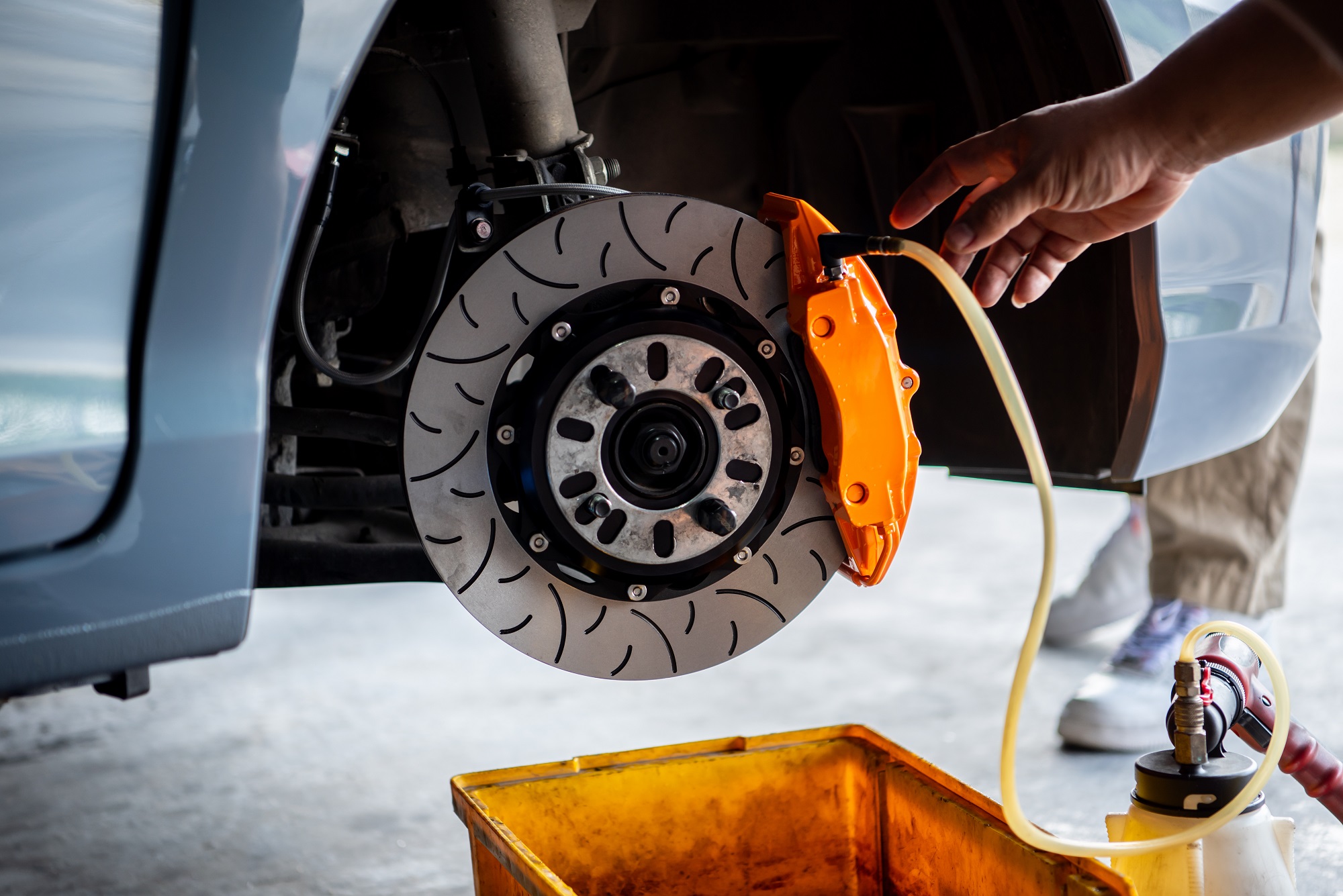
1. **Brake Failures**Perhaps no component is as critical to immediate safety as a vehicle’s braking system. Faulty brakes represent one of the most dangerous defects a car can possess, directly compromising a driver’s fundamental ability to halt the vehicle in a timely manner. The failure of brakes, whether partial or complete, can instantly transform a predictable driving situation into an emergency, leaving a driver with little to no control over their vehicle’s momentum and trajectory.
Common issues that undermine brake performance are varied and insidious. These can range from severely worn brake pads and discs, which gradually diminish stopping power over time, to more sudden and alarming defects such as malfunctioning anti-lock braking systems (ABS) or compromised brake lines. Leaks in brake lines, for instance, can allow vital brake fluid to drain away, leading to a significant loss of hydraulic pressure and, consequently, a severe reduction in braking efficacy. When the ABS, designed to prevent wheel lock-up during hard braking and maintain steering control, fails, it can lead to dangerous skids and a complete loss of vehicle command.
The statistical impact of brake failures is stark and undeniable. According to an NHTSA survey, defective brakes were responsible for 22% of all car accidents attributable to mechanical failure. This makes them a significant contributing factor, particularly in rear-end collisions, where the inability to stop within a safe distance results in vehicles colliding with those ahead. The suddenness with which a brake system can fail, often without prior warning, renders these accidents uniquely unavoidable for even the most cautious drivers, who are suddenly confronted with an uncontrollable descent into danger.
To mitigate these profound risks, vigilant and routine maintenance of your vehicle’s braking system is paramount. It is not enough to wait for obvious warning signs; a proactive approach is essential. Experts recommend a thorough inspection of your brakes at least once every 30,000 miles, as this represents the typical minimum lifespan for brake pads. During these inspections, mechanics can assess not only the wear on pads and rotors but also the integrity of hydraulic lines and the functionality of complex ABS components. Paying attention to any changes in brake feel—such as sponginess, grinding noises, or a pulling sensation—can be an early indicator of developing problems.
Ultimately, understanding the intricate workings of your braking system and adhering strictly to maintenance schedules is your best defense against catastrophic failure. A mechanic can identify thinning brake pads or other brake-related issues during routine servicing, providing you with the critical information needed to address problems before they escalate. Ensuring the hydraulic system’s integrity, including adequate fluid levels and leak-free lines, is just as crucial as monitoring physical wear. This diligence helps ensure that when you depress that pedal, your car responds reliably, providing the stopping power necessary to prevent accidents and protect lives.
Read more about: Unpacking Automotive Catastrophes: 12 Infamous Engineering Failures That Reshaped Car Safety
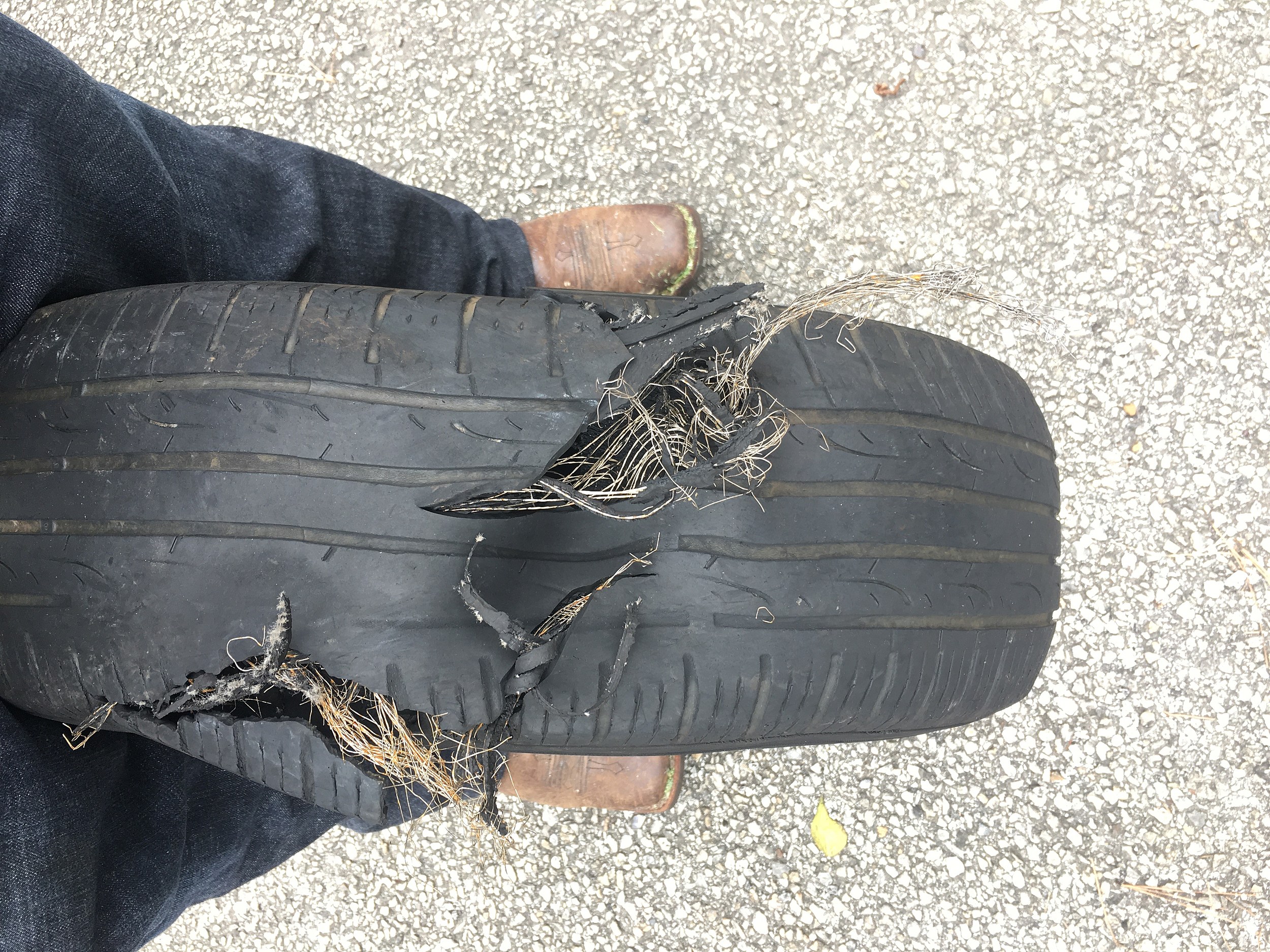
2. **Tire Defects**Beyond the brakes, tires serve as a vehicle’s sole point of contact with the road, making their integrity absolutely fundamental to safety and control. Defective tires are a leading cause of vehicle instability and accidents, often manifesting in sudden, dramatic failures like blowouts that can instantly snatch control from a driver’s hands. These incidents are particularly treacherous at high speeds or during adverse weather conditions, where a momentary loss of traction can lead to devastating consequences on the roadway. The NHTSA’s surveys highlight this peril, attributing a substantial 35% of all accidents due to mechanical failure to tire and wheel-related problems, underscoring their prominence in the realm of vehicular hazards.
Tire blowouts, in particular, represent an immediate and severe threat. These violent ruptures can occur for a variety of reasons, including a tire being worn beyond its safe limits, incorrect inflation (either under or over), punctures from road debris, or even sudden and drastic temperature fluctuations that stress the tire’s structure. When a tire suddenly bursts, it drastically and instantaneously compromises the vehicle’s ability to maintain a stable trajectory. The vehicle may swerve violently, making it incredibly difficult for the driver to steer, brake, or accelerate effectively, often leading to a total loss of control and subsequent collision.
However, the dangers extend beyond sudden blowouts to the more gradual, yet equally perilous, issue of worn tires. As tires accumulate mileage, their tread naturally wears thin, diminishing their crucial grip on the road surface. This reduction in tread depth significantly increases the risk of slipping, extends braking distances, and lessens the tire’s responsiveness to steering inputs. A particularly critical problem arises during inclement weather: worn tires are highly susceptible to hydroplaning, or aquaplaning, where a layer of water between the tire and the road causes the vehicle to slide uncontrollably. In regions prone to heavy rainfall, such as Florida during its rainy season, hydroplaning due to worn tires is a major contributing factor to car accidents, turning wet roads into unpredictable hazards.
Preventing tire-related mechanical failures demands consistent attention and proactive measures. It is imperative to replace tires well before they reach their minimum safe tread depth, as defined by wear indicators. Furthermore, maintaining optimal tire pressure, as specified by the vehicle manufacturer, is not merely a recommendation but a necessity. Both underinflation and overinflation can compromise a tire’s structural integrity, increase wear, and heighten the risk of failure. Regular checks of tire alignment are also crucial; poorly aligned wheels not only lead to uneven and accelerated tire wear but can also negatively impact handling, setting the stage for potential loss of control.
Beyond routine checks, drivers should also be alert to signs of manufacturing defects or recalls pertaining to their specific tire models. Evidence of impact damage from potholes or debris, as well as any unusual wear patterns, warrants immediate professional inspection. By ensuring that tires are always in excellent condition—properly inflated, with sufficient tread, and free from defects—drivers can significantly reduce the risk of catastrophic tire failure, maintaining vital traction and control in all driving conditions and safeguarding against a leading cause of mechanical accident.
Read more about: Decoding Failure: 15 Critical Assembly Line Flaws That Impacted Millions of Vehicles

3. **Steering System Malfunctions**The steering system is the direct link between a driver’s intentions and the vehicle’s direction, making its flawless operation indispensable for safe travel. Malfunctions within this complex network of components can range from subtle annoyances to critical failures, ultimately leading to a complete loss of directional control. Problems such as defective power steering components, a loose steering column, or issues with the steering rack and tie rods, can render a vehicle difficult or even impossible to steer. This is especially dangerous at high speeds or when a driver needs to make rapid evasive maneuvers around obstacles, transforming an unexpected event into an unavoidable crash.
Interestingly, the NHTSA’s report groups steering and suspension problems with transmission and engine-related issues, noting that this combined category accounts for only 3% of traffic accidents attributed as the critical reason. While this percentage might seem lower than brake or tire failures, it belies the profound danger these malfunctions pose. One reason for this lower citation rate is the inherent difficulty in documenting and identifying steering or suspension problems post-crash. Unlike a clearly blown tire or obviously worn brake pads, issues with suspension components or intricate steering mechanisms can be harder to differentiate from the damage sustained in the impact itself, often making their role in the accident’s causation less apparent to initial investigators.
Despite the challenges in post-crash identification, the real-world impact of steering and suspension failures can be devastating. A compromised steering system can cause a driver to lose control over their vehicle at the most inopportune moments, such as navigating a sharp curve or attempting to avoid another vehicle. Similarly, problems within the suspension system—including issues with shock absorbers, struts, control arms, and ball joints—can compromise vehicle stability, handling, and overall control, particularly on uneven surfaces or during sudden movements. These issues can lead to unpredictable vehicle behavior, making it incredibly difficult for a driver to maintain their intended path and respond safely to changing road conditions.
Given the potentially catastrophic outcomes, routine vehicle maintenance stands as the most effective defense against steering and suspension issues. Regular, comprehensive inspections are crucial to detect the subtle signs of wear and tear or manufacturing defects before they escalate into dangerous failures. Mechanics can evaluate key components like control arms and ball joints, check for proper alignment, and identify any structural damage from prior incidents that could compromise the system’s integrity. Such inspections should ideally be part of your vehicle’s scheduled maintenance, providing a proactive opportunity to address potential problems.
Furthermore, many mechanics offer free OBD-II (On-Board Diagnostics) system checks, which can be invaluable in identifying electronic error codes related to the steering or suspension system. While not all issues will trigger a diagnostic code, these checks, coupled with a thorough physical inspection, can provide a comprehensive picture of your vehicle’s health. By diligently adhering to maintenance schedules, opting for detailed inspections, and staying alert to any changes in your vehicle’s handling or steering feel, drivers can significantly reduce the risk of a catastrophic steering system malfunction and maintain critical control over their vehicle.
Continuing our exploration of mechanical failures that undermine vehicle reliability and safety, we now shift our focus to crucial components that affect visibility, power delivery, and overall operational integrity. These are often overlooked until they fail, yet their role in contributing to accidents is significant, impacting a driver’s ability to perceive their surroundings, maintain speed, or even keep the engine running. Understanding these less immediately obvious, but equally dangerous, points of failure is vital for comprehensive driver safety.
Read more about: Think Smart: 10 Budget Small Cars – Why Some Are Reliability Legends While Others Are Best Avoided in 2026

4. **Defective Lights**In conditions of low visibility, such as nighttime, dense fog, or during severe storms, the ability to see and be seen on the road is fundamentally dependent on a vehicle’s lighting system. Defective headlights, brake lights, or turn signals do more than just hinder a driver’s personal vision; they critically impair communication between vehicles, vastly increasing the likelihood of accidents. This is particularly true when adverse weather or darkness masks other visual cues, making functional lights indispensable.
The implications of compromised lighting extend beyond mere inconvenience. Without adequately functioning headlights, a driver’s effective range of vision is drastically cut, making it harder to spot obstacles, pedestrians, or even the road itself. Conversely, if taillights or brake lights are faulty, your vehicle becomes significantly less visible to drivers behind you, escalating the risk of being rear-ended. This danger intensifies during inclement weather or at night, where the contrast between a functioning and a non-functioning lighting system can mean the difference between a safe distance and an unavoidable collision.
Beyond simply illuminating the path, vehicle lights serve a crucial communicative purpose, even in broad daylight. Turn signals, often referred to as blinkers, are the primary means by which drivers signal their intentions to change lanes, turn, or slow down. A non-operational turn signal can lead to unannounced maneuvers, creating confusion for other drivers who cannot anticipate your actions. This breakdown in communication dramatically increases the risk of side-swipes or collisions during lane changes and turns, demonstrating that even a small lighting defect can have far-reaching safety consequences.
Proactive maintenance of your vehicle’s lighting system is a simple yet effective safety measure. Regularly checking that all exterior lights—headlights (both high and low beam), taillights, brake lights, and turn signals—are clean and functioning correctly should be a part of your routine vehicle inspection. Replacing burnt-out bulbs promptly is essential, and drivers should also be aware of potential electrical issues that might cause intermittent failures. Ensuring your vehicle is fully illuminated and communicating your intentions clearly to others is a foundational aspect of road safety.
Read more about: Unpacking Automotive Catastrophes: 12 Infamous Engineering Failures That Reshaped Car Safety

5. **Windshield Wipers**The importance of windshield wipers in maintaining clear visibility, especially in challenging driving conditions, cannot be overstated. When rain or snow descends, or when road spray and debris obscure the view, functional windshield wipers become an essential safeguard against accidents. They are the frontline defense for preserving a driver’s sight, allowing them to perceive the road ahead and react appropriately, making them critical for safe navigation through adverse weather.
However, the efficacy of this critical system can diminish over time. Worn-out wiper blades, characterized by cracking, splitting, or hardened rubber, are less effective at clearing water and debris from the windshield. Instead of a clean sweep, they leave streaks or missed spots, which significantly obstruct vision and force drivers to strain their eyes or slow down dangerously. A far more immediate and alarming hazard arises if the motors controlling the wipers malfunction or break completely. The sudden, complete loss of vision this causes, particularly at high speeds or in heavy traffic, can lead to an instantaneous and unavoidable crash, turning a minor mechanical issue into a catastrophic event.
Regular inspection and timely replacement of windshield wiper blades are straightforward maintenance tasks that yield significant safety dividends. Experts recommend checking your wiper blades once a month, or immediately if you notice reduced effectiveness, such as streaking or chattering. Most auto parts stores provide guidance on selecting the correct blades for your specific vehicle make and model. Furthermore, ensuring that your windshield wiper fluid reservoir is adequately filled is also crucial, as a clear windshield often requires both effective blades and sufficient cleaning solution to remove grime and enhance visibility.
Integrating windshield wiper checks into your routine vehicle maintenance, perhaps during every oil change or before seasonal weather changes, can prevent a dangerous reduction in visibility. This proactive approach ensures that when you encounter heavy rain or dirty roads, your vehicle’s wipers are prepared to provide the clear view necessary for safe operation. Neglecting this seemingly minor component can unexpectedly compromise your ability to see and react, putting you and others on the road at unnecessary risk.
Read more about: Essential Driver’s Guide: Proactive Steps to Prevent Windshield Cracks and Keep Minor Damage from Spreading
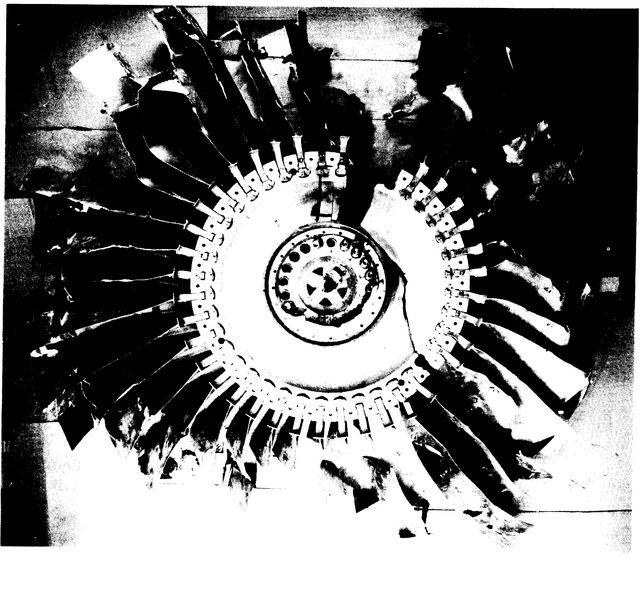
6. **Engine Failure**While modern car engines are engineered for remarkable durability and often require minimal maintenance for years of reliable service, they are not immune to catastrophic failures. Such failures can range from inconvenient breakdowns that leave a driver stranded to far more dangerous scenarios where the vehicle stalls unexpectedly in the middle of a busy roadway. This sudden loss of power and control can directly precipitate an accident, particularly when a driver is navigating traffic or attempting to cross an intersection.
One of the most common precursors to engine failure, and a significant safety concern, is overheating. The car’s liquid cooling system is designed to dissipate the immense heat generated by the combustion process. If this system malfunctions—due to a leak, a faulty water pump, or a blocked radiator—the engine’s temperature can soar, indicated by the gauge shifting towards the red zone. Without proper cooling, the extreme heat can warp critical engine components, leading to irreversible damage, complete engine failure, and the sudden immobilization of the vehicle, posing an immediate accident risk.
Equally vital to engine health is proper lubrication, provided by engine oil. Oil reduces friction between numerous rapidly moving metal parts within the engine, preventing them from scraping and grinding, which would generate excessive heat and wear. A lack of sufficient oil, whether from neglecting routine oil changes that replenish degraded oil or from an undetected oil leak, can quickly lead to critically low oil pressure. This deprives essential components of lubrication, causing rapid wear, severe damage, and ultimately, engine failure. Such a sudden cessation of engine function, particularly at speed, eliminates a driver’s ability to maintain momentum or power critical safety features, dramatically increasing accident potential.
A particularly insidious and often overlooked component that can trigger catastrophic engine failure is the Positive Crankcase Ventilation (PCV) valve. This small check valve, frequently made of plastic in newer vehicles, plays a crucial role in regulating blow-by gases—combustion byproducts that escape past piston rings. It redirects these gases back into the intake manifold to be re-burned, serving an important emissions control function. However, when a plastic PCV valve degrades and fails, especially if it sticks in the open position, it creates an uncontrolled pathway for engine oil to be drawn into the combustion chambers.
Unlike air, oil is largely incompressible. If enough liquid oil floods a cylinder, the engine can suffer from “hydrolock,” a condition where the piston attempts to compress an incompressible fluid, leading to immense pressure. This often results in bent or thrown connecting rods, punctured engine blocks, or other severe internal damage—an “engine explosion” in layman’s terms. This catastrophic outcome, which can cost thousands in repairs or necessitate an entire engine replacement, stems from a part that costs as little as $10-30 to replace. Blue or white smoke from the tailpipe, rough idling, engine misfires, a check engine light with lean mixture or misfire codes (P0171, P0300 series), or excessive vacuum suction/sludgy residue under the oil cap are all potential warning signs. Checking and replacing the PCV valve every 60,000 miles, regardless of vague manufacturer maintenance schedules, is a prudent, cost-effective preventative measure against what can be an exceptionally destructive failure.
Read more about: Unleash the Roar: 12 Iconic Convertibles That Defined Eras and Demand Attention on Every Road!

7. **Transmission Issues**The transmission is the heart of a vehicle’s power delivery system, translating engine power into usable motion for the wheels. Its proper functioning is paramount for smooth acceleration, deceleration, and overall vehicle control. When transmission problems arise, they can manifest as slipping gears, an inability to shift properly, unexpected acceleration, or a sudden loss of power. Each of these scenarios can dangerously compromise a driver’s control over the vehicle, creating significant accident risks on the road.
A malfunctioning transmission can leave a driver in a precarious situation, especially in dynamic driving environments. Imagine attempting to merge onto a highway or cross a busy intersection only to experience a sudden loss of power or an unexpected lurch forward due to slipping gears. These erratic behaviors make it incredibly difficult for a driver to maintain their intended speed or trajectory, increasing the likelihood of collisions with other vehicles. The inability to accelerate quickly when needed, or to smoothly decelerate, removes a critical layer of safety and responsiveness from the vehicle.
Automotive engineers investigating transmission failures typically scrutinize several key areas to pinpoint the root cause. This includes a thorough examination of fluid levels and any signs of contamination, which can indicate internal wear or overheating. They also assess the functionality of clutches and gears, looking for signs of wear, damage, or improper engagement. Furthermore, experts analyze the Transmission Control Module (TCM) for error codes or malfunctions, as this electronic component governs many of the transmission’s operations. Evidence of manufacturer recalls or known defects for a particular transmission model also forms a crucial part of the investigation.
Regular vehicle maintenance, including adherence to recommended transmission fluid service intervals and prompt attention to any unusual shifting behavior or noises, is vital in preventing catastrophic transmission failures. While engines are often the focus of preventative care, the transmission’s complexity and critical role in power transfer demand equal diligence. Ensuring this complex system operates reliably helps maintain consistent power delivery and predictable vehicle behavior, which are foundational elements of safe driving and overall operational reliability.
Read more about: Stop the Mistake: The 14 Vehicles Industry Insiders Are Steering Clear Of as Tariffs Reshape the Auto Market
The seemingly minor components within your vehicle collectively uphold its structural and operational integrity. From ensuring clear visibility with functioning lights and wipers to safeguarding the very heart of propulsion through a healthy engine and transmission, each element contributes significantly to your safety. While driver actions are often the primary focus in accident prevention, the catastrophic potential of component failures underscores the critical importance of proactive maintenance and informed vigilance. Understanding these common mechanical vulnerabilities empowers you not only to recognize potential issues early but also to advocate for thorough servicing, thereby significantly mitigating the risks of unexpected failures on the road and fostering a safer driving experience for everyone.