In the vast landscape of global philanthropy, few institutions command as much attention and have driven as much change as the Bill & Melinda Gates Foundation. For a quarter-century, it has reshaped public health, education, and poverty alleviation efforts worldwide, distributing more than $100 billion to critical causes. Now, in an announcement that has reverberated across the philanthropic world, Bill Gates has revealed a pivotal shift: the foundation will close its doors permanently by December 31, 2045, after an unprecedented acceleration of its giving.
This decision marks the beginning of a remarkable 20-year sprint, during which the foundation plans to double its current lifetime giving by spending down an astonishing $200 billion—comprising its existing endowment and the remainder of Gates’ personal fortune. It’s a bold move that challenges conventional notions of perpetual charitable institutions and signals a new, urgent chapter in its mission. This accelerated timeline, driven by a profound sense of urgency and a desire to see maximum impact in our lifetime, offers a unique lens through which to examine the foundation’s most effective and, perhaps, least understood strategies.
As the foundation gears up for its final two decades of intense work, we delve into the core tenets and distinctive approaches that have made it a philanthropic powerhouse. These are the nine best-kept secrets, the fundamental strategies and philosophies that have not only powered its monumental achievements but also offer invaluable insights for any organization aiming for high-impact, results-driven change. These insights reveal a blueprint for maximizing philanthropic capital, tackling complex global challenges, and ensuring that resources are deployed where they can do the most good, right now.
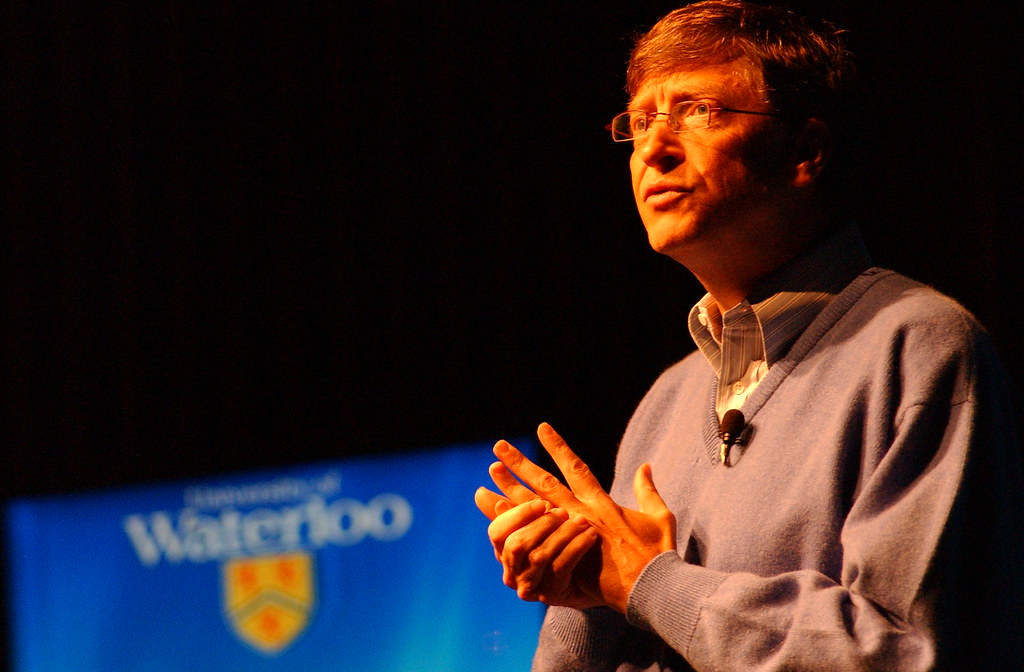
1. **The Bold Decision to “Sunset”**One of the most audacious and defining characteristics of the Bill & Melinda Gates Foundation, especially in its final iteration, is its conscious decision to operate as a “sunset” foundation. Unlike many of its counterparts, such as those established by John D. Rockefeller or Andrew Carnegie which are designed for perpetuity, the Gates Foundation is set to conclude its operations on December 31, 2045. This isn’t merely a strategic choice; it’s deeply rooted in Bill Gates’s personal philosophy and a reinterpretation of philanthropic legacy. He explicitly stated, referencing Andrew Carnegie’s famous 1889 warning, “The man who dies thus rich dies disgraced,” that he is determined that “people will say a lot of things about me when I die, but I am determined that ‘he died rich’ will not be one of them.”
This commitment to a finite lifespan stands as a stark contrast to the traditional model where endowments are managed to generate returns indefinitely, ensuring generational impact. Gates and Melinda French Gates had initially planned for the foundation to wind down within 50 years of their deaths, suggesting a long-term, yet still time-bound, vision. However, the decision to accelerate this timeline reflects a heightened sense of urgency and an unwavering belief that the world’s most pressing problems demand immediate and substantial intervention, rather than a gradual, sustained effort across centuries. It is a powerful statement about prioritizing present-day needs over a perpetual, though potentially less impactful, existence.
The implications of this sunset clause are profound. For an organization of its magnitude, with an endowment that stood at $77 billion at the end of 2024, consciously planning its own conclusion requires immense foresight and strategic discipline. It shifts the entire organizational mindset from preservation to immediate impact. This bold declaration essentially puts a clock on all its initiatives, compelling a focus on achieving tangible, transformative results within a defined period. This foundational choice underpins many of the other unique strategies the foundation employs, fostering an environment where urgency translates into unparalleled action and a relentless pursuit of global solutions.
Read more about: The 13 Biggest Design Fails in Modern History: Engineering Blunders and Market Misses That Shaped Innovation

2. **Unprecedented Spend-Down Strategy**Directly linked to its sunset decision is the foundation’s colossal and unprecedented spend-down strategy. Bill Gates announced a plan to give away “virtually all my wealth”—about $100 billion—to the foundation, doubling its giving to more than $200 billion over the next 20 years. This represents the largest philanthropic commitment in modern history, transforming the foundation from a leading charitable organization into an unparalleled force for global good during its final two decades. The sheer scale of this financial deployment is staggering, setting an annual budget that will hover around $10 billion, far exceeding the entire foreign aid budgets of all but the richest nations.
This rapid disbursement strategy is not simply about spending money; it’s about leveraging capital for maximum immediate effect. Gates has framed this commitment as a gesture of profound faith in the foundation’s work and an unyielding optimism in human progress. He confidently assures the foundation’s team, “I want to say to them, you are fully funded for the next 20 years.” This assurance removes financial uncertainty, allowing the teams to focus entirely on their ambitious goals without the constant pressure of fundraising or the need to steward capital for an indefinite future. It’s an entrepreneurial approach to philanthropy, where the “runway” is defined, and the mission is clear.
The philosophy behind this accelerated spending is pragmatic and outcome-oriented. As Gates explained, “By spending the money sooner than later, it allows us to be very ambitious.” He notes that if the foundation were to operate as a “forever foundation,” its annual spend would necessarily be constrained to around $6 billion to ensure the endowment’s perpetual growth. By embracing a finite lifespan, the foundation liberates itself to deploy substantially more resources each year, allowing for more aggressive, impactful interventions. This strategy embodies the belief that current urgent problems demand immediate, massive investment to achieve “knockout punches” rather than protracted, incremental gains.
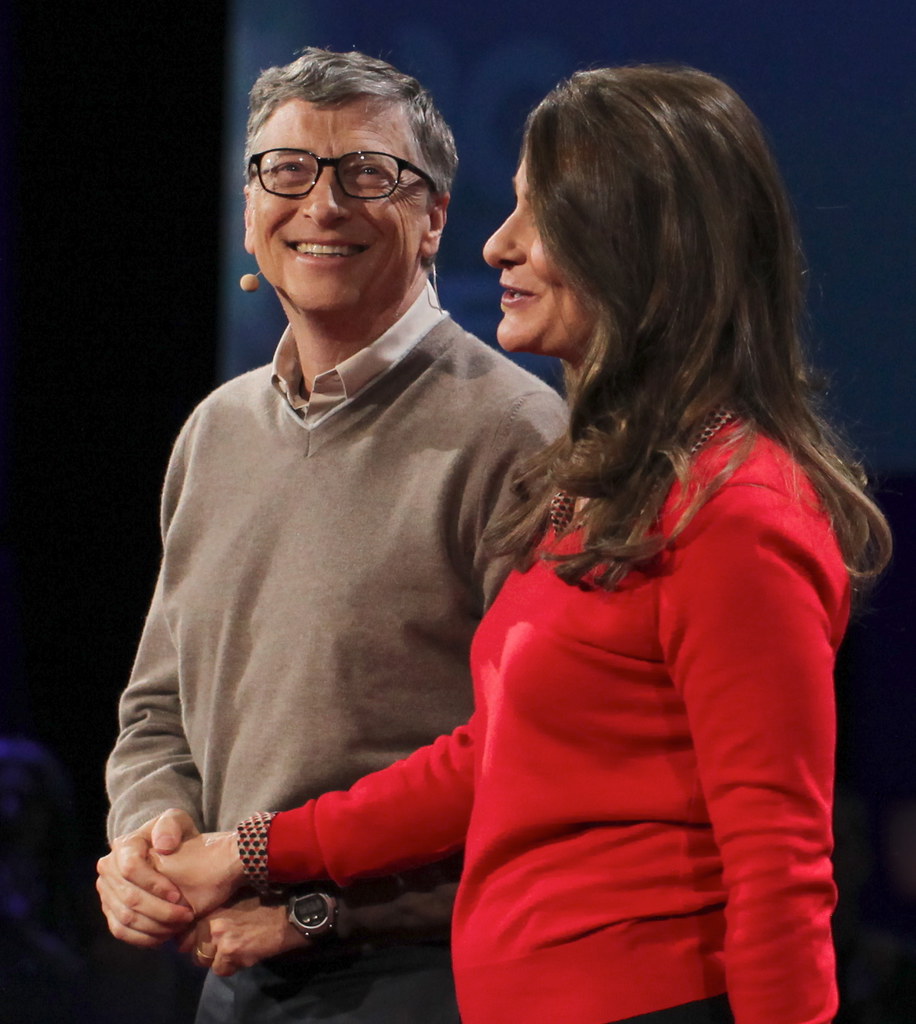
3. **The Strategic Advantages of a Finite Lifespan**The decision to operate with a clear end date offers distinct strategic advantages that contrast sharply with the challenges faced by perpetual foundations. As Leslie Lenkowsky, professor emeritus at Indiana University’s Lilly Family School of Philanthropy, explained, while foundations built to last indefinitely “may benefit from more time to pursue long-term goals,” those with a clear end date “can often move faster, take bolder risks and avoid the bureaucratic inertia that tends to accumulate over time.” This perspective highlights a critical insight: a defined timeline can be a powerful accelerator for impact and efficiency.
One significant benefit is the ability to move with greater agility and take bolder risks. Without the imperative to preserve capital for generations to come, the foundation can allocate resources more aggressively to high-potential, yet potentially high-risk, initiatives. This freedom from long-term financial stewardship enables it to invest in pioneering research, experimental programs, and ambitious eradication campaigns that might not be palatable for an institution focused on perpetual existence. It fosters an environment where innovation is prioritized, and the fear of depleting resources is replaced by the determination to deploy them effectively.
Moreover, a finite lifespan actively combats bureaucratic inertia, a common ailment in large, long-standing organizations. The looming deadline instills a sense of urgency across all levels of the foundation, pushing for streamlined processes, decisive action, and a constant focus on results. Gates himself recognizes this, stating, “It allows us to do a lot more because we’re not trying to steward our money for some weird legacy thing.” This mindset empowers employees to operate with a startup-like mentality, constantly evaluating and adapting strategies to achieve goals within the allotted time, rather than settling into established routines. It transforms the foundation into a dynamic, results-driven entity, unburdened by the slow creep of institutional bloat.
Read more about: The Cooling Crisis: 12 Sports Bikes Rated on Heat Management – From Rider-Friendly to Scorching Hot

4. **Hands-On, Expertise-Driven Operational Model**The Gates Foundation stands out for its extraordinarily hands-on and expertise-driven operational model, a significant departure from many philanthropic organizations that primarily serve as grant-making bodies. With over 2,000 employees, mostly based on a 12-acre campus in Seattle and additional offices worldwide, the foundation maintains a massive operational footprint. This extensive staff is not just for administration; it’s central to its strategy of developing and executing its own programs, effectively functioning as a “top-notch innovation organization” rather than merely a check-writing institution.
This approach emerged from a fundamental observation at the foundation’s inception in 2000. Bill Gates noted that when he started with Melinda French Gates and his father, Bill Gates, Sr., “they couldn’t find significant groups fighting malaria or reducing child mortality or pursuing the group’s other goals.” Rather than waiting for external entities to emerge or simply funding disparate efforts, they decided to build the expertise internally. This meant bringing in world-class experts and creating their own strategies for tackling complex global health and development challenges. Gates proudly states, “We are the most hands-on in the sense that we’ve got the world’s best tuberculosis team.”
This deep engagement reflects Bill Gates’s background in the tech industry, where building, innovating, and problem-solving are core competencies. He describes the foundation as “a top-notch innovation organization based on everything I’d learned at Microsoft—but here the goal, instead of profit, is saving lives.” This ethos means the foundation is intimately involved in research, development, and implementation, fostering a culture of rigorous analysis and continuous improvement. It allows for a level of strategic coherence and direct oversight that is rare among large philanthropies, ensuring that their investments are not just impactful but also meticulously managed from conception to execution.

5. **Targeting “Knockout Punches” for Disease Eradication**One of the most ambitious and defining “secrets” of the Gates Foundation’s strategy, particularly in its accelerated phase, is its unwavering focus on achieving “knockout punches” in disease eradication. Rather than simply managing the burden of diseases, the foundation is making mammoth annual investments with the explicit goal of completely eliminating several of the world’s most lethal ailments. Bill Gates believes that by concentrating resources over the next 20 years, “we should be able to get probably four or five” diseases eradicated, building on the historical precedent of smallpox in 1980.
This highly ambitious goal drives specific, targeted initiatives. The foundation is “doubling down” on its extensive work to eliminate diseases like polio and malaria, which are tantalizingly close to eradication. Furthermore, it aims to drastically reduce deaths from tuberculosis and HIV/AIDS to a tenth of their current rates. This goes beyond incremental progress; it’s a strategic push for definitive, permanent solutions to public health crises that have ravaged the world’s two billion poorest people for generations. The increased annual spending of $10 billion directly empowers these campaigns, providing the financial muscle required for such monumental tasks.
However, the foundation recognizes that even with its immense resources, these “knockout punches” cannot be delivered alone. The strategy hinges critically on strong partnerships, particularly with governments of wealthy nations. Gates stresses, “Particularly on the delivery, we are a partner.” Vaccines and medical innovations developed or funded by the foundation require robust public health infrastructure in low-income countries for administration to millions. This means foreign aid from countries like the U.S., U.K., and France is indispensable for the last-mile delivery and overall success of these eradication efforts. The foundation’s ability to achieve its ambitious goals is thus intertwined with the generosity and commitment of its global partners.
This dependence on collective action, however, presents a significant challenge, especially with recent “drastic cuts” to international aid by several prosperous countries. Gates is acutely worried that these changing priorities among rich nations could “slow down the foundation’s distinctive, highly successful philanthropic model” and even cause progress to “go into reverse.” He highlighted the tragic reality of seeing childhood deaths go up after 25 years of consistent decline. The success of these disease eradication goals, therefore, relies not only on the foundation’s strategic brilliance and financial might but also on the sustained commitment of a global network of “fellow travelers” to stand up for the world’s poorest people.
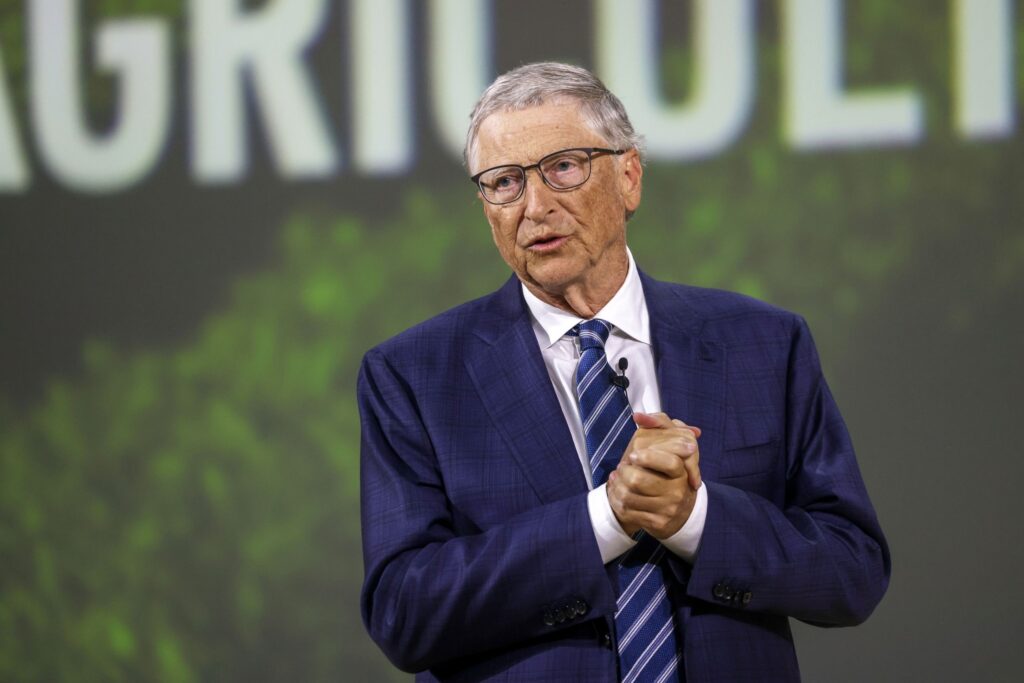
6. **The “Gates Approach” to Global Health**The “Gates Approach” isn’t merely a catchy phrase; it’s a strategic philosophy that has revolutionized the delivery of international aid and fundamentally altered the landscape of modern philanthropy. This distinctive model is rooted in the data-driven, cost-efficient ethos of the tech industry, a mindset Bill Gates honed during his groundbreaking years at Microsoft. It seeks to apply the same rigorous analysis and problem-solving methodologies to the complex challenges of global health and development, aiming to multiply the positive effects of humanitarian interventions through a powerful synergy of stakeholders.
At its core, this approach orchestrates unprecedented collaborations among diverse entities: national governments, private corporations, multilateral organizations, and fellow philanthropists. A prime example is the foundation’s work in vaccine development and delivery; while securing breakthroughs in life-saving medicines and negotiating lower costs with pharmaceutical giants is crucial, the “Gates Approach” profoundly understands that innovation alone is insufficient. The critical other half, as Gates himself stresses, is ensuring these vaccines are actually administered to millions of people, particularly in low-income countries across sub-Saharan Africa and South Asia. This is where foreign aid becomes indispensable, transforming the foundation from a sole provider into an essential partner, as Gates candidly states, “Particularly on the delivery, we are a partner,” emphasizing that the “miraculous results we’ve had in global health” are “in no way… just us working on our own.”
While widely lauded for its impact, the “Gates Approach” has also faced its share of critiques, ranging from concerns by the Alliance for Food Sovereignty in Africa about its agricultural methods to Global Justice Now’s argument that it may prioritize corporate interests. Gwilym David Blunt, a scholar of philanthropy ethics, highlights a potential “asymmetric distribution of power,” fearing an erosion of trust in public institutions. Gates, however, welcomes constructive criticism about specific strategies, asserting that such feedback refines approaches, but he firmly believes in the overall enterprise, challenging cynics by asking, “Not many people would say, ‘No, I wish he was buying a yacht. The world would be so much better off,'” underscoring his conviction in the foundation’s overarching mission.

7. **Innovation Unconstrained by Profit**One of the most exhilarating aspects of the Gates Foundation’s work, and indeed a powerful “secret” to its effectiveness, lies in its ability to innovate without the pressures of a profit motive. Bill Gates himself articulates this beautifully, noting that “the beauty of philanthropy is that it’s not constrained by this profit motive.” This fundamental freedom allows the foundation to explore solutions, fund research, and develop programs that commercial entities might deem too risky or not sufficiently lucrative, yet hold immense potential for human good.
Drawing directly from his pioneering experience at Microsoft, Gates has molded the foundation into what he proudly calls “a top-notch innovation organization.” Yet, with a crucial distinction: “here the goal, instead of profit, is saving lives.” This ethos permeates every level of the foundation, fostering an environment where groundbreaking ideas are pursued not for financial returns, but for their profound potential to alleviate suffering and transform human lives. It’s a unique application of tech-industry agility and problem-solving to the world’s most intractable challenges.
This liberation from profit incentives empowers the Gates Foundation to embark on audacious projects, taking risks that governments or traditional businesses might shy away from. Mark Suzman, the foundation’s CEO, highlights this, stating, “We can take risks that government cannot take.” A compelling example is their investment of nearly $700 million into developing the first new tuberculosis vaccine in over a century. This massive undertaking, with its inherent uncertainties, is described as “something only we can do,” underscoring the unique role philanthropic capital plays in filling critical funding gaps.
The scope for such innovation within the foundation appears truly boundless. Strategy chief Ankur Vora illustrates this with the vision for future contraceptive solutions. He envisions “a modern contraceptive implant so cheap that a woman doesn’t have to worry about taking the pill, or going to a place where the supply chains are not working, or where there are privacy concerns.” The pursuit of “something that gives her agency with a self-injectable solution or a longer implant” exemplifies the foundation’s relentless search for practical, user-centric innovations tailored for low-income settings.
In a rapidly evolving technological landscape, the foundation is also at the forefront of leveraging cutting-edge tools for global good. It is a key player in establishing the AI for Development Funders Collaborative, a groundbreaking global institution dedicated to bringing the transformative power of artificial intelligence to countries in the Global South. As the only founding member that isn’t a nation, partnering with the U.K., Germany, and Canada, the Gates Foundation is actively shaping how AI can be utilized to address critical needs in computing power, data analysis, and expertise, demonstrating an agile and forward-looking approach to innovation.
Read more about: Joshua Abram’s Enduring Legacy: How a Visionary Reshaped Workspace, Advertising, and Fertility Care

8. **Holistic Development Initiatives**While the Gates Foundation is renowned for its monumental efforts in disease eradication, its true impact extends far beyond medical interventions, embracing a profoundly holistic view of human well-being. The foundation recognizes that protecting people from lethal diseases is only one piece of the puzzle; for individuals to live truly healthy, productive lives, they require a comprehensive ecosystem of support encompassing agriculture, nutrition, robust financial systems, and gender equality. This expansive approach is visible not only in the world’s poorest countries but also through its programs aimed at improving public education in the United States.
Take agriculture, for instance, where the foundation adopts an extraordinarily hands-on stance. Understanding that nutritious food is a cornerstone of health, they have engaged directly in developing innovative solutions tailored for smallholder farmers. A standout example is their collaboration with the Kenyan Agricultural Research Institute, which led to the creation of “dual-use poultry.” This drought-resistant chicken offers a dual benefit: it puts on more meat than local breeds for better nutrition and is productive for eggs—a source of income as well as essential dietary protein to millions in Africa.
Recognizing the intensifying challenges posed by climate change, particularly its more extreme effects in tropical regions, the foundation is also at the vanguard of developing climate-resilient crops. Their work on drought-resistant corn and flood-resistant rice exemplifies a proactive strategy to safeguard food security. Crucially, some of these advancements are achieved through gene modification, enabling scientists to quickly and precisely engineer the necessary attributes to produce higher yields in the very regions where food is most critically needed.
The foundation consistently champions initiatives that empower women, acknowledging their pivotal role in breaking cycles of poverty. More than half of the farmers benefiting from their crop innovations are women living on $2 a day or less. To truly enable these women and their families to rise from poverty, the foundation understands that reproductive health and family planning are non-negotiable. Chris Elias, president of the foundation’s global development division, underscores this, stating that “Contraceptive access has been a priority for both Bill and Melinda for a long time,” driving innovation for low-income countries in this crucial area.
By weaving together these diverse strands—from health and nutrition to agricultural resilience and women’s empowerment—the Gates Foundation demonstrates a sophisticated understanding of poverty’s interconnectedness. It’s a testament to their belief that sustainable progress requires addressing multiple, intertwined challenges simultaneously, fostering an environment where individuals can not only survive but truly thrive. This holistic strategy ensures that every investment, whether in a vaccine or a chicken, contributes to a larger, integrated vision of global development.
Read more about: The Urban Transit Paradox: Why Residents Leave Cities Known for Robust Public Transportation

9. **Cultivating Future Philanthropists through the Giving Pledge**Beyond its direct philanthropic work, Bill Gates harbors an equally ambitious, and arguably more enduring, vision: to cultivate a new generation of high-impact philanthropists. He isn’t merely content with building a better foundation; he aims to inspire and equip “better philanthropists” who can carry forward the monumental tasks that the Gates Foundation, even with its accelerated spend-down, will inevitably leave unfinished by its 2045 closure. This foresight is about ensuring a continuity of humanitarian moonshots.
This grand project took tangible form with the creation of the Giving Pledge, an initiative Gates co-founded with Melinda French Gates and Warren Buffett in 2010. The genesis of the Pledge stemmed from a shared observation: “philanthropy is pretty lonely,” as Gates recalls, and there was a clear need for ultra-wealthy individuals to learn from one another. Their goal was to assemble billionaires genuinely “committed” to making a positive global impact, moving beyond mere social gatherings to foster a community of action.
The Giving Pledge asks signatories to make a public commitment to donate at least half of their wealth, either during their lifetime or upon their death. What began with the modest hope of attracting “50 to 80 like-minded philanthropists” has blossomed into a formidable movement. As of last July, a staggering 244 individuals have signed on, representing a powerful collective dedicated to leveraging their fortunes for the greater good. This growing roster includes influential figures like hedge fund manager Bill Ackman, businessman and politician Michael Bloomberg, and LinkedIn founder Reid Hoffman, showcasing its broad appeal.
These signatories don’t just sign a document; they become part of a dynamic learning community. They gather annually to share insights, discuss strategies, and learn from each other’s experiences, fostering a collaborative spirit in the often solitary world of high-stakes giving. Additionally, smaller, more focused meetings throughout the year allow for deeper dives into specific philanthropic topics, ensuring that knowledge and best practices are exchanged and refined among this elite group.
While nurturing individual philanthropists, Gates simultaneously champions the ongoing commitment of nations to global humanitarian efforts. He actively engages with political leaders, stating, “I go to capitals… and encourage the Congress to stay generous.” Despite recent “drastic cuts” to international aid, Gates remains “very optimistic that we can make amazing progress in global health.” He sees his own $200 billion commitment as a challenge, not a final statement, expressing his hope that “other people could later beat it. I hope they do,” envisioning a future where new philanthropists step in with fresh perspectives and resources.
As the Bill & Melinda Gates Foundation enters its final, intense sprint towards 2045, its legacy will undoubtedly be defined not just by the billions spent or diseases eradicated, but by the revolutionary strategies it pioneered. From its bold sunset decision and hands-on operational model to its holistic approach to development and its tireless efforts to inspire a new generation of givers, the foundation has reshaped what’s possible in philanthropy. It leaves a powerful blueprint, a testament to what focused, data-driven, and truly ambitious giving can achieve when united with an unwavering belief in human progress and the collective power of global partnership. The challenge now falls to “fellow travelers” – governments, philanthropists, and innovators alike – to pick up the torch and continue the journey towards a healthier, more equitable world, ensuring that the critical work started by this philanthropic giant ensures beyond its own sunset.