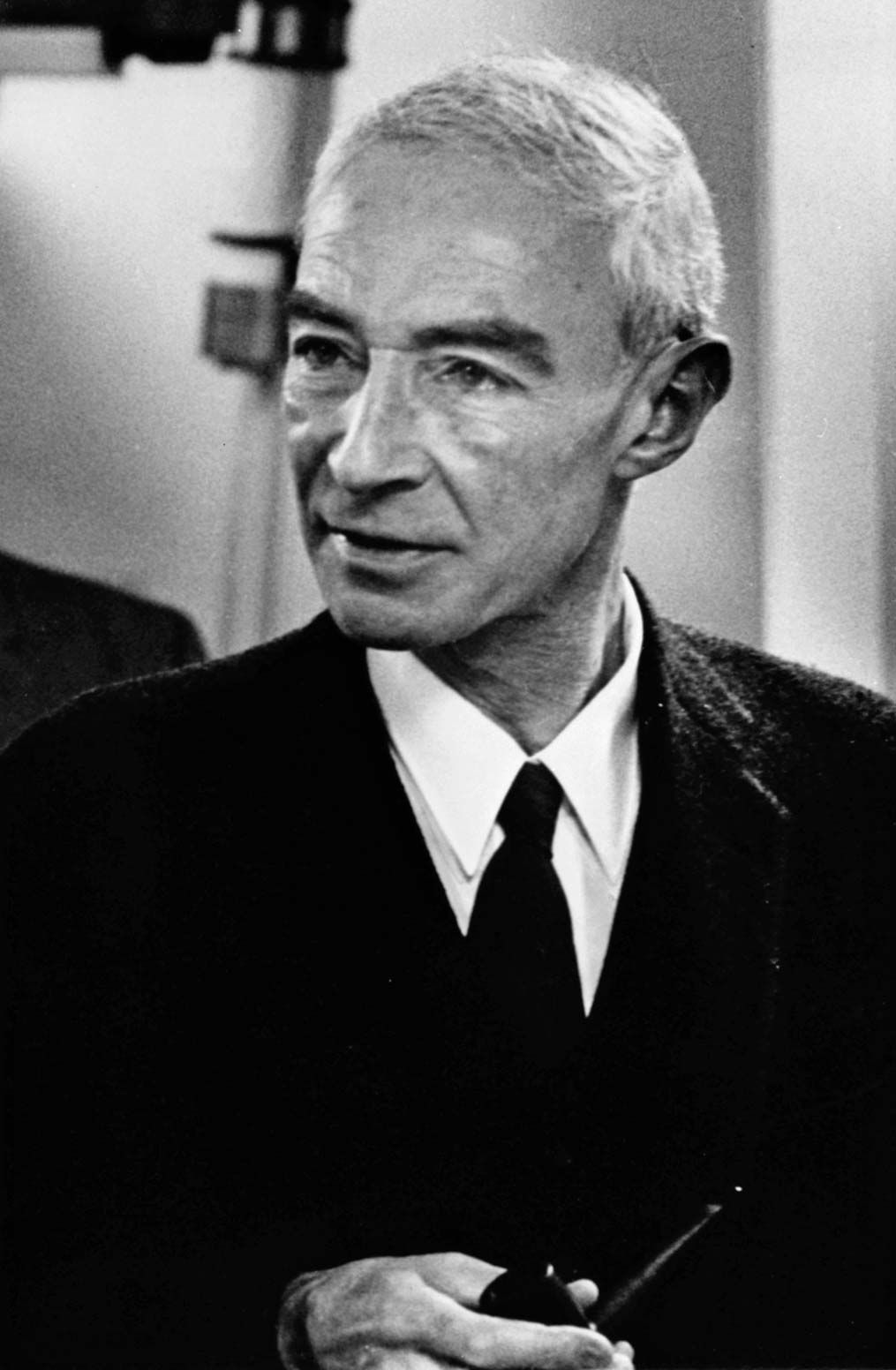

In the shimmering realm of motion pictures, where dreams are projected onto the silver screen and stories come alive with breathtaking grandeur, stands the figure of the filmmaker. This enigmatic title, often used broadly, encapsulates an entire universe of talent, dedication, and relentless passion. A filmmaker is not merely a job title but a calling, an all-encompassing responsibility for the conception, planning, and ultimate execution of cinematic narratives, whether they be evocative short films, revealing documentaries, or sprawling, epic feature movies.
These creative professionals are veritable chameleons, donning multiple hats throughout the intricate filmmaking process. From the initial spark of an idea to the final polishing of a visual masterpiece, they may seamlessly transition between roles such as director, producer, screenwriter, and even editor. Their singular vision acts as the guiding star, ensuring that every element, from the subtle nuances of an actor’s performance to the grand sweep of a cinematographer’s lens, aligns perfectly with the story they endeavor to tell and the profound emotional impact they aim to achieve.
Embarking on the journey of filmmaking is to embrace a delicate balance between unbridled artistic creativity and the often-unyielding demands of practical logistics. It requires navigating complex budgets, rigorous schedules, and coordinating an intricate dance involving countless departments. The journey is a testament to perseverance, an odyssey through the five major stages of film production, each phase demanding unique skills and unwavering commitment. Join us as we pull back the curtain on this glamorous yet demanding world, exploring the very essence of what it means to be a filmmaker.

1. **Defining the Filmmaker: A Grand Overview**At its core, the term “filmmaker” is a wonderfully expansive umbrella, embracing anyone with a hand in the magical process of bringing a film to life. It’s a testament to the collaborative spirit of cinema, encompassing the diverse talents of directors, producers, screenwriters, cinematographers, and editors alike. These are the creative minds, the architects of storytelling, who join forces in a concerted effort to transform mere scripts into vibrant, visually arresting, and emotionally resonant experiences on screen.
Their collective artistry is what shapes our understanding of the world, our emotions, and our shared human experience. Without this broad category of dedicated individuals, the intricate machinery of film production would grind to a halt. It signifies a shared purpose: to tell a story, evoke a feeling, and create a lasting impression on an audience, transcending cultural and linguistic barriers with the universal language of cinema.
Indeed, the filmmaker is the visionary, the initial spark that ignites the entire cinematic endeavor. They are the ones who dare to dream a story into existence, meticulously overseeing the complex choreography of roles and responsibilities that eventually coalesce into a cohesive motion picture. It’s a role that demands both grand vision and granular attention to detail, ensuring every component contributes to the overarching narrative and aesthetic.

2. **The Creative Genesis: Conceptualization and Script Development**The journey of any film, much like life itself, begins with an idea – often a fleeting thought that, through the filmmaker’s dedication, blossoms into a fully formed narrative. Filmmakers are the initial instigators of this creative process, acting as the fertile ground where concepts for films take root. They might be the solitary genius behind an original script, or they could be the guiding hand adapting an existing story, breathing new life into cherished tales.
Collaboration is a cornerstone of this stage, as filmmakers frequently partner with screenwriters to meticulously shape compelling narratives. This isn’t just about crafting engaging dialogue; it’s about building worlds, developing intricate characters, and establishing thematic resonance that will ultimately captivate and profoundly resonate with audiences. It’s a delicate dance of brainstorming, refining, and often, extensive rewriting, all to ensure the story is as robust and impactful as possible.
In the illustrious halls of film studios, this creative genesis often begins with top creative executives gathering for yearly retreats. Here, they brainstorm trending topics, analyze media, and scour real-life events, even video games or fairy tales, to determine their annual agenda. “Sometimes, they purchase the rights to articles, bestselling novels, plays, the remaking of older films, stories with some basis in real life through a person or event, a video game, fairy tale, comic book, graphic novel,” the process unfolds. They then disseminate these concepts, inviting producers and screenwriters to develop a “take” – a basic story idea that aligns with the studio’s vision, often leading to competitive “pitches” where only the most compelling ideas move forward.

3. **The Blueprint Phase: Pre-production Planning and Crew Assembly**Once a story begins to take shape, the filmmaker pivots to the meticulous art of pre-production planning. This is the crucial blueprint phase where every conceivable step of actually creating the film is painstakingly designed and organized. It’s about narrowing down a myriad of creative and logistical options to forge a clear, actionable path forward, setting the overall vision before a single frame is ever shot.
This intricate stage encompasses everything from drawing up comprehensive budgets and rigid schedules to securing vital funding and meticulously organizing all logistical aspects of the project. Producers and production managers, in particular, are the maestros of these responsibilities, working tirelessly to ensure the smooth and efficient execution of the film. For major productions, even insurance is procured, a safeguard against the unforeseen accidents that can occur in the dynamic world of filmmaking.
Beyond finances and schedules, pre-production is also the period for assembling the dream team. The director, often working with illustrators and concept artists, pre-visualizes the film, sometimes through storyboards, bringing the abstract vision into concrete imagery. The producer then takes the lead in hiring the film’s crew, a diverse assembly of talents ranging from the Storyboard Artist who creates visual images to the Location Manager who finds and manages film locations, and the Production Designer who creates the visual conception of the film. Every role, from the Casting Director seeking perfect actors to the Costume Designer shaping character identities, is strategically filled, laying the groundwork for the cinematic magic to come.
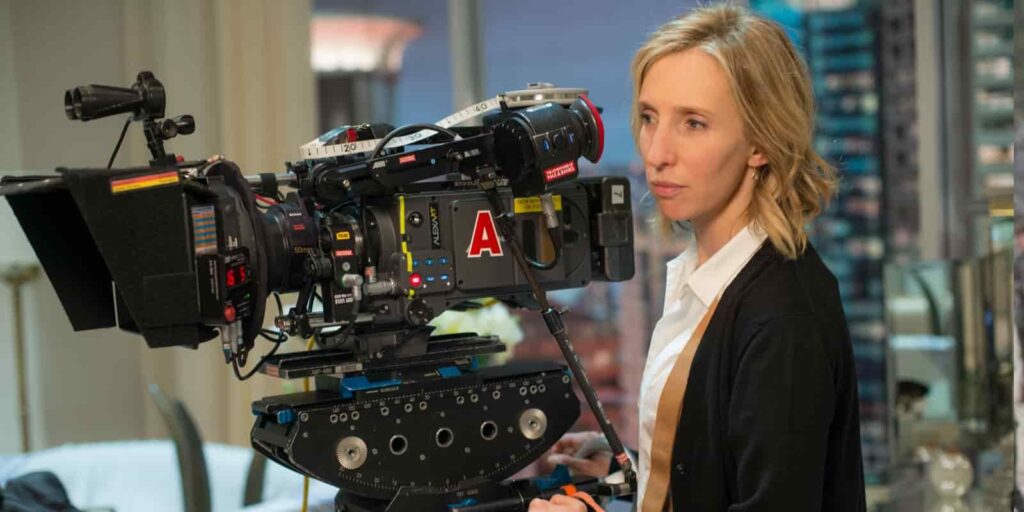
4. **Bringing the Vision to Life: Direction and Principal Photography**With the blueprint firmly in hand and the crew assembled, the filmmaker enters the vibrant, often chaotic, yet exhilarating phase of production – where the film is truly created and shot. This is the heart of filmmaking, the principal photography, where the raw footage and other essential elements are meticulously recorded. The film director, as the creative captain, takes center stage, guiding every facet of the filming process to bring the screenplay to its visual zenith.
The director’s responsibilities are vast and varied, encompassing critical decisions about camera angles, intricate lighting setups, the design and atmosphere of the set, and crucially, eliciting convincing performances from actors. They collaborate intimately with cinematographers, or Directors of Photography (DOPs), who are the heads of all photography, ensuring that every captured scene contributes effectively to the visual coherence and storytelling. “Cinematographers work closely with directors to capture scenes effectively, ensuring the visual coherence of the film.”
On set, the atmosphere is a symphony of coordinated effort and intense focus. A typical day begins with the crew arriving at their call time, often ahead of the actors, to prepare equipment, construct and dress sets, and arrange lighting. The assistant director (AD) orchestrates the flow, calling “roll sound,” then “roll camera,” as the clapper loader signals with the clapperboard. Finally, the director delivers the iconic command: “action!”. Each take is meticulously reviewed, and once the director calls “Cut!” and is satisfied, the process repeats for the next angle, until the entire scene is “covered.” This phase is a demanding marathon, often involving long hours in remote locations, fostering a unique team spirit among the dedicated cast and crew.
Read more about: M3GAN Mania: Tracking the Killer Doll’s Rise to Pop Culture Stardom (and a Glimpse at the Other Megan!)
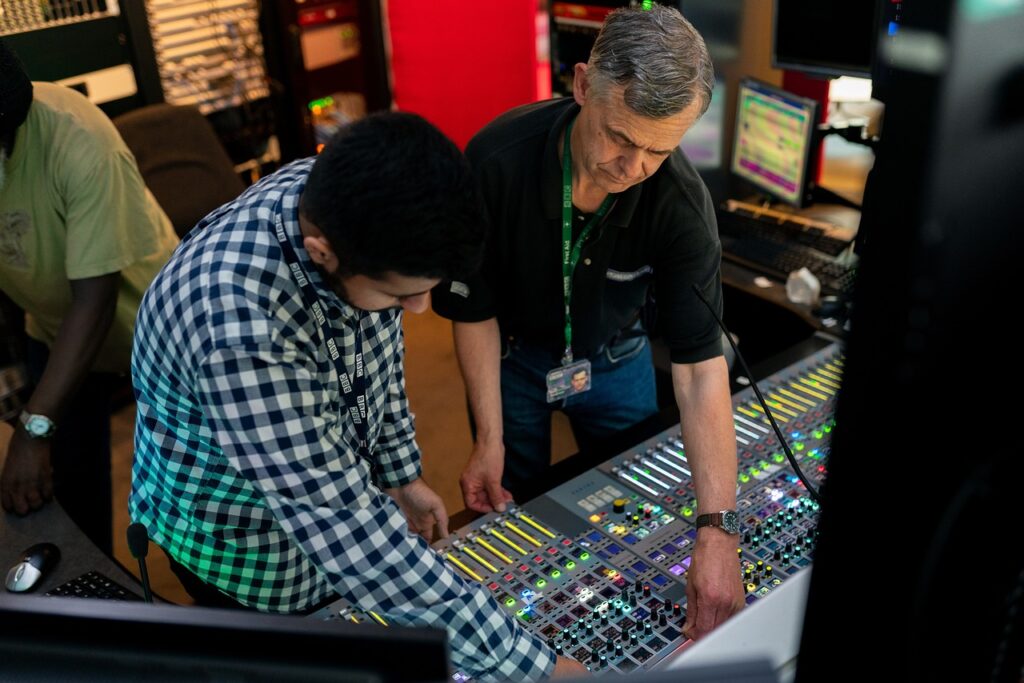
5. **Crafting the Narrative: Editing and Post-production**As the final “Cut!” echoes on set, the filmmaker transitions from the immediacy of production to the meticulous artistry of post-production. This stage, often considered the true birthplace of the film, commences once principal photography concludes, though sometimes these phases gracefully overlap. Here, the film editor, in close collaboration with the director, sifts through countless hours of raw footage, meticulously reviewing, selecting, and assembling individual takes into a cohesive and compelling narrative.
This is where the film’s rhythm, pacing, and emotional beats are sculpted, where the story finds its ultimate form. The editor has a profound influence on the film’s final outcome, as their choices in cutting and arranging footage can dramatically alter the viewer’s experience, transforming disjointed shots into a fluid, immersive narrative. It’s an intricate dance of precision and artistic sensibility, ensuring continuity and storytelling alignment with the intended vision. “Editors collaborate with directors to ensure the film’s pacing, continuity, and overall storytelling align with the intended vision.”
Beyond merely assembling images, post-production is a comprehensive refinement process. The production sound—dialogue, ambient noise, and sound effects—is meticulously edited, cleaning and enhancing every auditory detail. Any computer-generated visual effects, from the subtle to the spectacular, are digitally integrated by skilled artists, adding layers of realism or fantasy. This stage transforms raw elements into a polished, seamless cinematic experience, cementing the filmmaker’s initial vision into a tangible work of art.
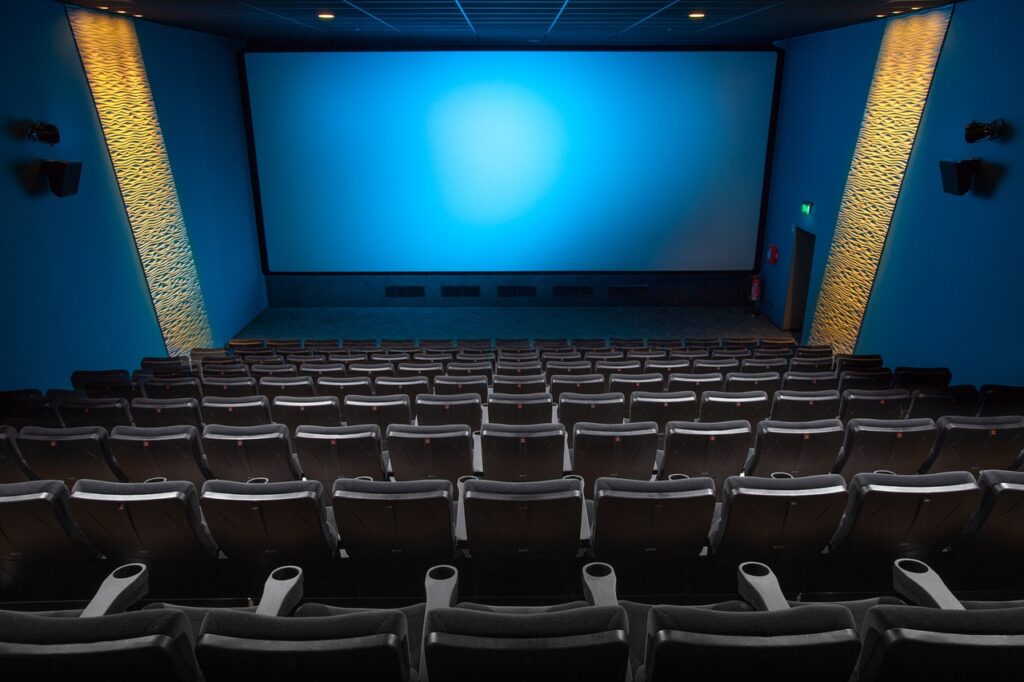
6. **The Auditory Landscape: Sound Design and Musical Composition**While visual splendor often captures our immediate attention, the auditory landscape of a film is equally, if not more, potent in shaping our emotional connection to the story. This is where sound design and musical composition emerge as critical components of post-production, weaving an invisible yet immensely powerful tapestry that enhances the narrative and immerses the audience.
Sound designers and composers are the unsung heroes who collaborate intimately with filmmakers to craft the film’s entire auditory atmosphere. They meticulously add sound effects, design the overall soundscape, and compose or select music that perfectly complements the narrative. This isn’t just background noise; it’s a deliberate artistic choice, designed to heighten emotional impact, build suspense, or evoke specific feelings that resonate deeply within the viewer. “Sound designers and composers collaborate with filmmakers to create the film’s auditory atmosphere. They add sound effects, design the overall sound, and compose or select music that complements the narrative, enhancing emotional impact.”
Finally, all these diverse sound elements – dialogue, effects, and music – are meticulously mixed down into “stems.” These stems are then synchronized with the images on the screen, creating a rich, immersive, and harmonious sensory experience. It’s at this juncture that the film is declared fully completed, or “locked,” ready to enchant its audience. The synergy between visuals and sound is paramount, transforming a series of moving images into a truly unforgettable cinematic journey, a testament to the filmmaker’s holistic approach to storytelling.
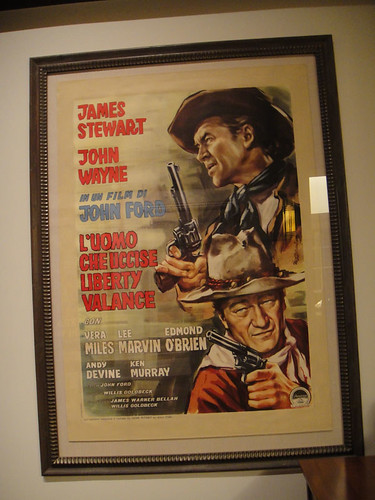
7. **The Final Act: Distribution and Marketing**After the meticulous artistry of post-production has sculpted every frame and sound cue into a polished masterpiece, the filmmaker’s journey embarks upon its penultimate, yet equally vital, stage: distribution. This is the crucial moment where a film, a labor of love and immense dedication, transcends the confines of the production studio and ventures forth to meet its eager audience. It is the bridge between creation and consumption, a complex dance of logistics, strategy, and sheer will to ensure that the compelling narratives crafted by filmmakers reach the widest possible public.
The process of distribution is far from a simple flick of a switch; it is a meticulously orchestrated global endeavor. Films are duplicated, whether onto traditional film reels or modern hard disk drives, and then strategically disseminated to cinemas worldwide for exhibition. This stage is heavily reliant on robust marketing and promotional activities, which begin long before a film ever hits the big screen. Producers and directors, often the public faces of a project, become actively involved, attending glittering premieres, prestigious film festivals, and myriad press events, all designed to cultivate anticipation and generate fervent buzz. They engage with audiences, critics, and potential investors, weaving a narrative around the film’s release that is as compelling as the story itself.
The commercial viability of a film often hinges on its navigating a series of “release windows.” A film might initially debut in a select few cinemas, a strategic move to gauge critical and audience reception, or, if early tests are exceptionally promising, it might catapult directly into a wide release. Subsequently, it cascades through different market segments—rental, retail, pay-per-view, in-flight entertainment, and various forms of television broadcasting—often with weeks or months separating these releases. The global reach is paramount, with distribution rights typically sold for worldwide dissemination, where the delicate balance of sharing profits and managing potential losses becomes a testament to the intricate financial ecosystem that underpins every grand cinematic endeavor.
Read more about: The Undeniable Rise: 12 Vintage Cars That Have Skyrocketed to 10x Their Original Value
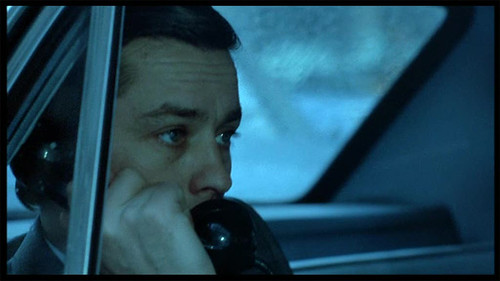
8. **The Kaleidoscope of Specializations: Types of Filmmakers**Within the grand tapestry of filmmaking, the term “filmmaker” itself, while broadly encompassing, gives way to a vibrant kaleidoscope of specialized roles, each requiring a unique focus and an unparalleled set of skills. This intricate division of labor is what allows for the creation of increasingly complex and nuanced cinematic experiences, transforming a solitary vision into a symphony of collective expertise. Understanding these distinct specializations offers a profound appreciation for the depth and breadth of talent required to bring a motion picture to fruition.
Consider the **Cinematographer**, often referred to as the Director of Photography (DP), who is the undisputed master of the visual domain. They are the artists responsible for capturing the film’s aesthetic essence, meticulously orchestrating camera work, lighting, and composition. Working in seamless tandem with the director, the DP translates abstract creative visions into tangible, breathtaking visuals, utilizing their technical prowess and artistic sensibility to profoundly enhance the storytelling. Their lens is the eye of the audience, guiding them through the emotional landscape of the film with every carefully framed shot. Beyond the visual, other filmmakers carve out distinct niches. The **Documentary Filmmaker**, for instance, dedicates their craft to the exploration of real-life subjects, events, and issues, often through extensive research, insightful interviews, and raw, authentic footage. Conversely, the **Experimental Filmmaker** intentionally pushes the very boundaries of cinematic storytelling, prioritizing artistic expression and innovation over conventional narrative structures, challenging audience expectations and provoking profound thought and emotion through unconventional techniques.
Further enriching this spectrum are the architects of commercial engagement, such as the **Commercial Filmmaker**, who masterfully blends artistic creativity with strategic messaging to produce captivating content for advertising and promotional purposes. They work with brands and agencies to craft commercials, branded content, or music videos that not only entertain but also effectively promote products or services. Each of these specializations, from the intricate work of a **Film and Video Editor** in shaping the final narrative to the culturally rich contributions of an **International Filmmaker**, underscores the diverse pathways through which individuals contribute their unique genius to the ever-evolving world of cinema.
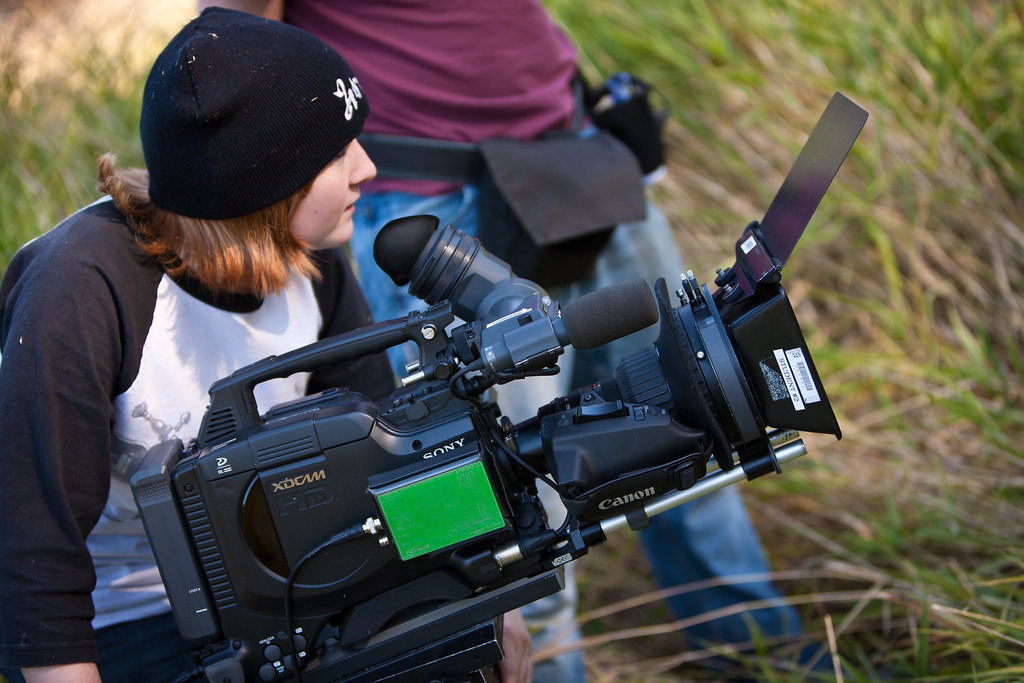
9. **The Maverick Spirit: Independent Filmmaking**While the dazzling spectacle of Hollywood often dominates our collective cinematic imagination, a vibrant and increasingly influential ecosystem of creativity thrives beyond its traditional studio gates: independent filmmaking. This realm represents a powerful counter-narrative, a space where artists operate with often fewer resources but significantly greater creative freedom, forging their own paths to bring unique visions to the screen. It is a testament to the enduring human desire to tell stories, unburdened by the commercial pressures and hierarchical structures that can sometimes define mainstream productions.
The advent of digital video (DV) technology has been a revolutionary catalyst for independent filmmakers, effectively democratizing the means of production. What once required prohibitive budgets and specialized facilities can now, conceivably, be accomplished with a home computer. Filmmakers can shoot and edit their footage, craft and refine the sound and music, and meticulously mix the final cut all within a personal studio. This technological liberation has empowered countless aspiring storytellers, lowering the barrier to entry and fostering an explosion of diverse voices and innovative cinematic approaches.
However, while the tools for creation have become more accessible, the arduous tasks of securing financing, and navigating traditional distribution and marketing channels, remain significant hurdles outside the established studio system. For decades, independent filmmakers have largely relied on the prestigious platforms of film festivals—such as Sundance, Venice, Cannes, and Toronto—to gain crucial visibility, attract distributors, and secure production deals. Yet, the digital revolution has also reshaped the landscape of independent distribution. The internet, with platforms like YouTube, has opened avenues for relatively inexpensive dissemination, allowing independent films to bypass traditional gatekeepers and reach global audiences directly. This has given rise to specialized companies that assist independent creators in showcasing and selling their films through mainstream online marketplaces, often alongside established Hollywood titles. Consequently, independent filmmakers now possess an unprecedented ability to connect with viewers worldwide, unmediated by conventional channels, ensuring their distinctive narratives find their rightful place in the expansive cinematic dialogue.
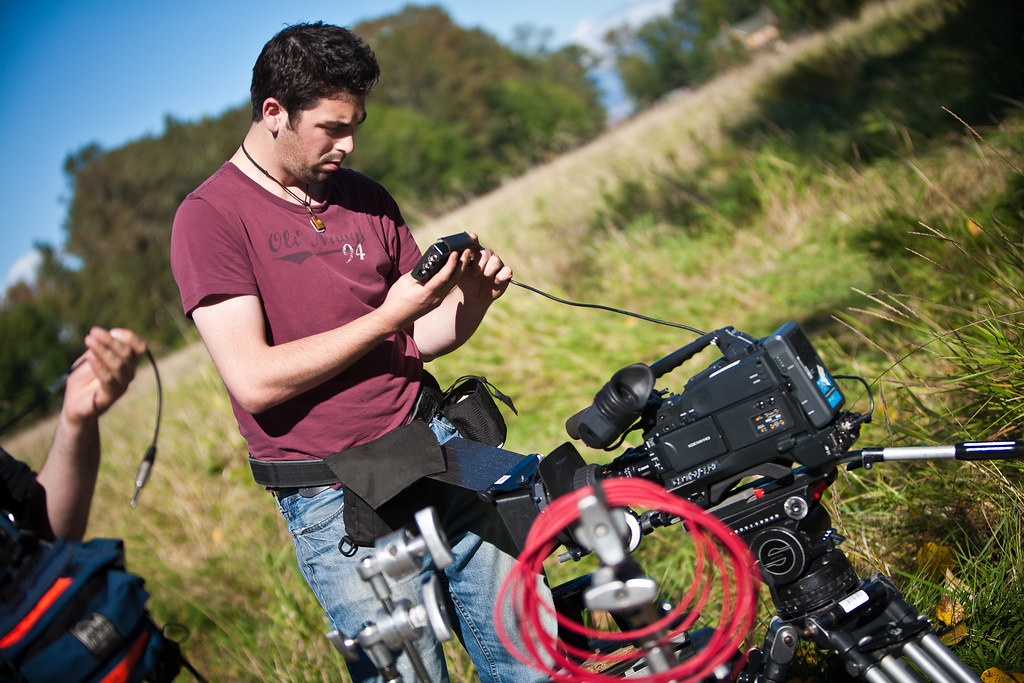
10. **Unpacking the Titles: Filmmaker, Director, and Producer**In the intricate alchemy of motion picture creation, a multitude of distinguished roles converge, each indispensable to the genesis of a cinematic masterpiece. Among these, the titles of “filmmaker,” “film director,” and “film producer” often surface, sometimes interchangeably in casual discourse, yet within the industry, they signify distinct and pivotal responsibilities. Discerning the nuances between these roles is not merely an academic exercise; it is fundamental to grasping the collaborative artistry and complex operational architecture that underpins the movies we cherish.
The term “**Filmmaker**” stands as a grand, encompassing appellation, an expansive umbrella under which all creative professionals contributing to a film’s realization reside. It is a testament to the inherently collaborative nature of cinema, embracing everyone from the visionaries who initially conceive the story to those who meticulously craft its final form. This broad category includes directors, producers, screenwriters, cinematographers, and editors alike – essentially, anyone deeply involved in translating a narrative into a visually and emotionally resonant experience on screen. The filmmaker is the collective spirit, the overarching drive that brings a story to life.
In contrast, the “**Film Director**” occupies a much more specific and intensely creative seat within the filmmaking hierarchy. Often likened to the captain of a ship, the director is the singular artistic guide, entrusted with steering the entire creative vision from its nascent stages through to its completion. Their purview is vast: interpreting the script, visualizing the narrative arc, coaxing compelling performances from actors, collaborating intimately with cinematographers on the visual lexicon, and meticulously shaping the film during the editing process. The director’s decisions profoundly influence the film’s artistic direction, its tone, and its ultimate emotional impact, making them the primary aesthetic architect.
Complementing this creative force is the “**Film Producer**,” a role primarily anchored in the pragmatic realms of business and logistics. Producers are the architects of the film’s feasibility, the financial strategists who secure crucial funding, assemble the diverse production team (including the pivotal act of hiring the director), and rigorously manage budgets and schedules. Their responsibilities extend to coordinating all logistical facets, navigating legalities, and ultimately overseeing the marketing and distribution of the completed film. While producers collaborate closely with directors and other creative personnel, their fundamental focus remains on ensuring the project is brought to fruition efficiently, within budgetary constraints, and on time, acting as the bedrock of the entire enterprise.

11. **The Filmmaker’s Arena: Workplace and Environment**The professional milieu of a filmmaker is as diverse and dynamic as the stories they endeavor to tell, a tapestry woven from myriad locations and working conditions that fluctuate wildly depending on the scale and nature of the project. Far from a singular, predictable office setting, the filmmaker’s arena is a constantly shifting landscape, demanding adaptability and an almost nomadic spirit. This fluid environment is a hallmark of an industry driven by creative urgency and logistical complexity.
For the burgeoning independent filmmaker or those immersed in low-budget productions, the workplace often manifests as a compelling mosaic. It might encompass the utilitarian efficiency of a production studio, the collaborative hub of rented office spaces, or the boundless possibilities of on-location shooting sites, ranging from bustling urban streets to serene natural landscapes. In these scenarios, filmmakers are often veritable multi-hyphenates, seamlessly juggling the roles of writer, director, producer, and editor, frequently within the same physical domain. This intimate, hands-on approach defines the gritty charm and resourcefulness inherent in indie cinema. Conversely, within the grander scale of major motion pictures or extensive television series, the workplace adopts a far more structured and hierarchical form. Here, specialized departments operate with precision—set design, costume, lighting, special effects—each a meticulously managed unit contributing to the overarching vision. Filmmakers in these environments function as integral components of a larger, highly skilled team, collaborating with a formidable roster of professionals, each a master in their respective discipline, all working under the expert guidance of a director and producer. Production offices and vast studio lots become the nerve centers for planning and coordination, while immense sound stages and expansive outdoor sets provide the grand canvases for filming.
Regardless of the production’s magnitude, one immutable truth defines the filmmaker’s daily existence: it is intrinsically fast-paced, relentlessly dynamic, and perpetually deadline-driven. The industry thrives on intense pressure to meet project milestones and deliver results of unparalleled quality. Such an environment demands not only unwavering dedication but also an exceptional suite of personal attributes. Creativity, an innate problem-solving acumen, and superlative communication skills are not merely advantageous; they are absolutely essential for navigating the labyrinthine complexities of transforming a narrative into a visual reality, all while expertly managing logistical challenges and unforeseen obstacles that inevitably arise in the exhilarating journey of cinematic creation.

12. **The Innate Blueprint: Essential Personal Attributes**To thrive in the demanding yet profoundly rewarding world of filmmaking requires more than just technical prowess or an encyclopedic knowledge of cinema; it demands a particular constellation of personal attributes, an innate blueprint that equips individuals to withstand the pressures and harness the boundless creative opportunities. These are the qualities that allow filmmakers to not only conceive breathtaking stories but also to possess the resilience and ingenuity to shepherd them from a mere flicker of an idea to a luminous presence on screen.
At their very core, filmmakers are predominantly artistic individuals. This manifests as a profound creativity, an intuitive grasp of narrative and aesthetics, and an inherent sensitivity to the human condition. They are articulate and expressive, possessing the ability to communicate complex visions and emotions not only through their chosen medium but also in their interactions with a diverse cast and crew. This artistic temperament fuels their capacity for originality, allowing them to continually push boundaries, eschew convention, and deliver innovative storytelling that captivates and resonates deeply with audiences. They are, in essence, nonconforming visionaries.
Beyond the artistic, many successful filmmakers also possess a distinctly investigative bent. This translates into an intellectual curiosity, an introspective nature that allows them to delve deeply into characters and themes, and an inquisitive spirit that constantly seeks new perspectives and understanding. This combination of artistic expression and intellectual rigor enables them to craft narratives that are not only aesthetically pleasing but also intellectually stimulating and emotionally profound, offering nuanced perspectives on the human experience and the broader societal implications of their work. Moreover, the dynamic and often unpredictable nature of film production necessitates an unparalleled ability to solve problems and communicate effectively. From navigating budgetary constraints to overcoming unexpected challenges on set, a filmmaker must possess a calm yet decisive approach to intricate issues. Their leadership hinges on clear, concise, and inspiring communication, fostering a collaborative environment where every team member feels empowered and aligned with the overarching vision. These essential attributes are the invisible scaffolding that supports the grand edifice of filmmaking, ensuring that dreams are not just imagined, but meticulously brought to vibrant, unforgettable life.
Read more about: Unlocking the ‘Garage’ of Genius: Exploring the Rare Classics and Unique Talents of Icons Named Jay
As we draw the curtain on this comprehensive exploration of the filmmaker’s journey, from the nascent spark of an idea to the global premiere, one truth stands resplendent: filmmaking is far more than a profession; it is an enduring act of creation, a testament to collaborative spirit, and a perpetual quest for storytelling that resonates across cultures and generations. It is a world where artistic vision meets rigorous logistics, where individual genius intertwines with collective dedication, all culminating in the indelible magic projected onto the silver screen. The tales told by these artisans of light and shadow, whether grand blockbusters or intimate independent features, continue to shape our understanding of the world and ourselves, forever reminding us of the profound power inherent in a well-told story.