The automotive industry is a perpetual motion machine of innovation, ambition, and, at times, stark reality. For every triumph of engineering and marketing, there are stories of decline, of once-dominant names fading into the archives of history. These aren’t just tales of metal and rubber; they are profound business narratives, illustrating the brutal competitive landscape where even established brands can falter and disappear.
Understanding why some car companies have stood the test of time, becoming household names, while others have faded into obscurity, offers invaluable lessons for any business leader. The market is evolving quickly, driven by shifting consumer preferences, technological advancements, and relentless global competition. Brands that fail to adapt, whether due to quality issues, strategic missteps, or an inability to carve out a distinct identity, face an existential threat.
This in-depth exploration delves into the cautionary tales of 13 car brands that once graced our roads but are now just memories. From luxury marques to budget-friendly options, each brand has a unique story of rise and fall. By dissecting their journeys, we aim to uncover the underlying factors that precipitated their downfall, offering critical insights into market dynamics, brand management, and the imperative for continuous adaptation. These are not just historical footnotes; they are potent warnings for any enterprise navigating the complexities of the modern economy.

1. **Pontiac: The Decline of American Muscle**Pontiac, a division of General Motors, carved out a formidable reputation for its performance cars, becoming a symbol of American automotive prowess. In its heyday, particularly the 1960s, models like the GTO and Firebird didn’t just sell; they ignited a passion among enthusiasts, defining an era of muscle cars that resonated deeply with a generation of drivers. These vehicles were more than transportation; they were statements of power and style, embodying a certain American spirit on the open road.
However, the brand’s trajectory began to shift amidst broader challenges faced by its parent company. While Pontiac maintained a loyal following, declining sales became an increasingly pressing concern. This wasn’t solely due to a lack of appeal in its offerings but also a reflection of deeper financial troubles plaguing General Motors as a whole. The economic pressures and strategic reassessments within GM forced difficult decisions, leading to a consolidation of its vast portfolio.
The strategic direction for Pontiac became muddled over time. Instead of focusing purely on its performance heritage, there were attempts to broaden its appeal, which sometimes diluted its core identity. This lack of a clear, consistent market position, coupled with the relentless march of competitors offering fresh designs and more fuel-efficient options, chipped away at Pontiac’s market share and profitability. The inability to pivot effectively while retaining its distinctive edge proved to be a critical flaw.
Ultimately, GM’s financial restructuring during the 2008 financial crisis necessitated severe measures. The decision was made to discontinue Pontiac in 2010, marking the end of an era for American muscle car enthusiasts and a significant chapter in automotive history. Its demise underscored how even culturally iconic brands, if not strategically managed and financially robust, can be sacrificed in the face of corporate exigencies. The lesson here is clear: heritage alone cannot sustain a brand without ongoing innovation and financial viability.
Car Model Information: 1966 Pontiac GTO Coupe
Name: Pontiac GTO
Caption: 2005 Pontiac GTO
Manufacturer: Pontiac (automobile),Holden
Class: Mid-size car,Compact car,Mid-size car
Production: 1963–1974,2003–2006
Predecessor: Pontiac Tempest
Layout: Front-engine, rear-wheel-drive layout
ModelYears: 1964-1974 2004-2006
Categories: 1970s cars, 2000s cars, All articles with unsourced statements, Articles with short description, Articles with unsourced statements from October 2008
Summary: The Pontiac GTO is a front-engine, rear-drive, two-door, and four-passenger automobile manufactured and marketed by the Pontiac division of General Motors over four generations from 1963 until 1974 in the United States — with a fifth generation made by GM’s Australian subsidiary, Holden, for the 2004 through 2006 model years.
The first generation of the GTO is credited with popularizing the muscle car market segment in the 1960s. Some consider the Pontiac GTO to have started the trend with all four domestic automakers offering a variety of competing models.
For the 1964 and 1965 model years, the GTO was an optional package on the intermediate-sized Pontiac LeMans. The 1964 GTO vehicle identification number (VIN) started with 22, while the 1965 GTO VIN began with 237. The GTO was designated as a separate Pontiac model from 1966 through 1971 (VIN 242…). It became an optional package again for the 1972 and 1973 intermediate LeMans. For 1974, the GTO was an optional trim package on the compact-sized Ventura.
The GTO model was revived for the 2004 through 2006 model years as a captive import for Pontiac, a left-hand drive version of the Holden Monaro, itself a coupé variant of the Holden Commodore.
Get more information about: Pontiac GTO
Buying a high-performing used car >>>
Brand: Pontiac Model: GTO
Price: $59,991 Mileage: 4,408 mi.
Read more about: Gearhead Dreams: 15 Iconic Defunct Car Brands We Desperately Want Back on the Road
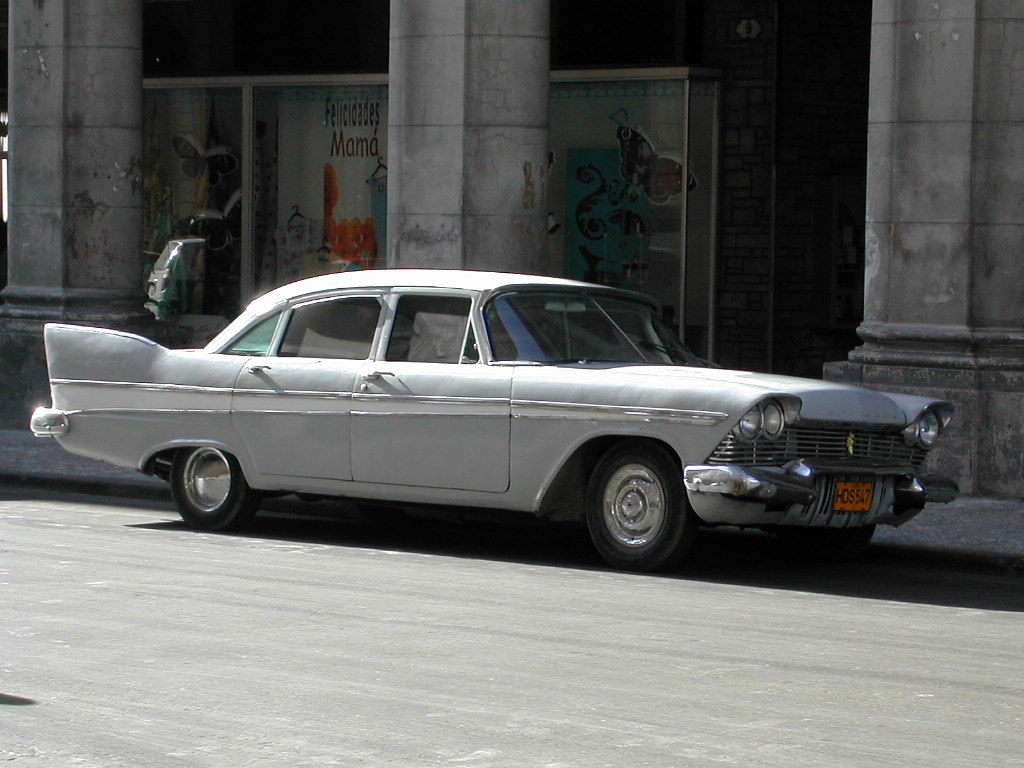
2. **Plymouth: The Challenge of Niche Overlap**Plymouth was established by Chrysler in 1928, conceived as the company’s entry-level brand. Its mandate was to offer affordable, reliable cars, a strategy that proved successful for many years. Models like the Valiant and Duster became synonymous with practical, no-nonsense motoring, appealing to a broad segment of the American public seeking dependable transportation without the premium price tag. For decades, Plymouth served its purpose diligently, building a foundation of trust with budget-conscious consumers.
However, the automotive landscape began to shift dramatically. The brand faced intensifying competition from foreign automakers who aggressively entered the American market with their own lines of economical and reliable vehicles. These newcomers often presented compelling alternatives, challenging Plymouth’s traditional stronghold. This external pressure was compounded by internal strategic challenges within the larger Chrysler organization.
A significant problem for Plymouth was the increasing overlap with other Chrysler brands. As Chrysler’s product portfolio expanded, the distinctiveness of Plymouth began to erode. There were instances where Plymouth models were functionally very similar to those offered by Dodge or even Chrysler itself, creating confusion in the marketplace and cannibalizing sales within the same corporate family. This lack of clear differentiation made it difficult for Plymouth to justify its existence as a standalone brand.
The cumulative effect of declining sales and an ambiguous market position ultimately sealed Plymouth’s fate. After a 73-year run, Chrysler made the difficult decision to discontinue the brand in 2001. Plymouth’s story highlights the critical importance of maintaining a unique value proposition and avoiding product redundancy, particularly in a crowded and competitive industry. A brand must consistently offer something distinct, or it risks being deemed superfluous.
Car Model Information: 1967 Plymouth Valiant
Name: Plymouth Valiant
Caption: 1969 Plymouth Valiant Signet 2-door sedan
Manufacturer: Plymouth (automobile)
Production: 1959–1976
Class: Compact car
Platform: Chrysler A platform
Layout: FR layout
Successor: Plymouth Volaré
Categories: 1970s cars, 1976 disestablishments, All articles with unsourced statements, Articles with short description, Articles with unsourced statements from August 2019
Summary: The Plymouth Valiant (first appearing in 1959 as simply the Valiant) is an automobile which was marketed by the Plymouth division of the Chrysler Corporation in the United States from the model years of 1960 through 1976. It was created to give the company an entry in the compact car market emerging in the late 1950s and became well known for its excellent durability and reliability. It was one of Chrysler’s best-selling automobiles during the 1960s and 1970s helping to keep the company solvent during an economic downturn. Road & Track magazine considered the Valiant to be “one of the best all-around domestic cars”.
The Valiant was also built and marketed, with or without the Plymouth brand, worldwide in countries including Argentina, Australia, Brazil, Canada, Finland, Mexico, New Zealand, South Africa, Sweden, and Switzerland, as well as other countries in South America and Western Europe. Its compact size, by American standards, allowed it to be sold as a large car in Europe and elsewhere, without being too large for local conditions.
Get more information about: Plymouth Valiant
Buying a high-performing used car >>>
Brand: Plymouth Model: Valiant
Price: $37,900 Mileage: 23,456 mi.
Read more about: Gone But Not Forgotten: Tracing the Legacy of 14 Iconic American Car Brands That Vanished from Dealerships
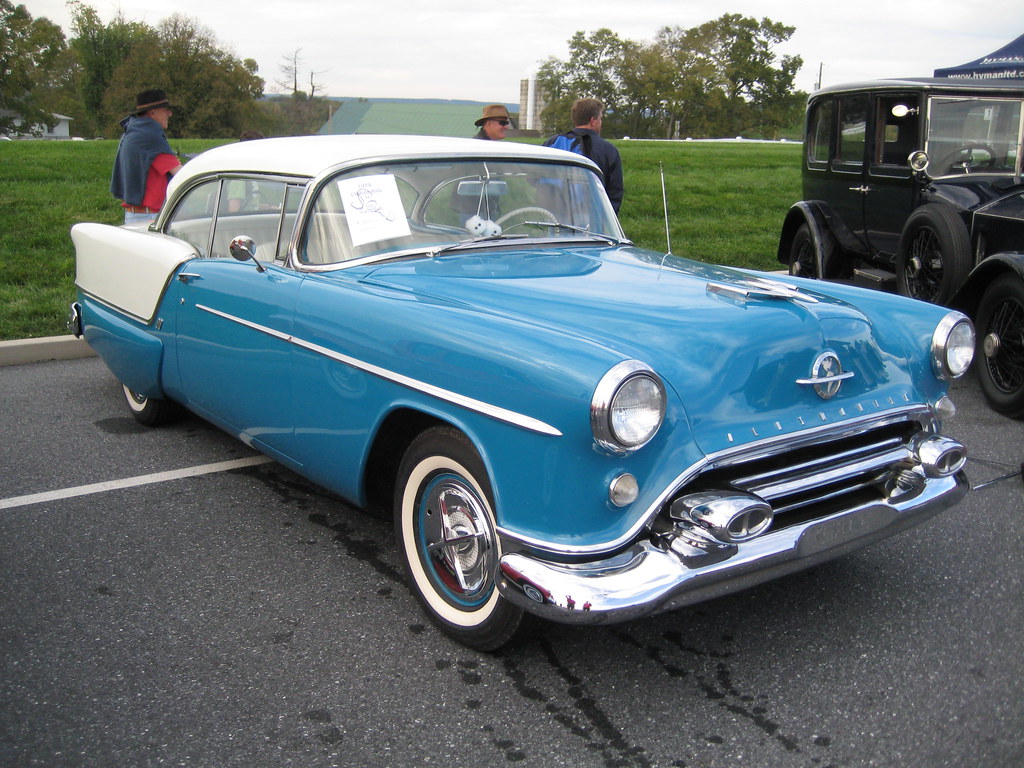
3. **Oldsmobile: Innovation Lost in Standardization**Oldsmobile held a distinguished place in automotive history as one of the oldest car brands in the world, tracing its origins back to 1897. Its longevity was a testament to its early spirit of innovation, being credited with pioneering significant advancements, such as the introduction of the first automatic transmission. For many years, Oldsmobile was a beacon of progress and reliability within the General Motors stable, earning a loyal customer base with its forward-thinking approach.
However, a pivotal strategic decision by General Motors began to undermine Oldsmobile’s unique appeal: the standardization of designs across its various brands. While intended to achieve economies of scale and streamline production, this approach inadvertently hurt Oldsmobile’s distinctiveness. Vehicles that once proudly showcased individual character started to resemble their Chevrolet, Buick, or Pontiac counterparts, losing the unique styling and engineering cues that had set them apart.
This homogenization meant that Oldsmobile struggled to offer a compelling reason for consumers to choose its vehicles over other GM brands, or indeed, over the increasingly competitive offerings from other manufacturers. As its uniqueness diminished, so too did its sales. The brand found itself caught in a downward spiral, compounded by an aging customer base that was not being replenished by younger buyers attracted to more contemporary or distinctively styled vehicles.
The culmination of these challenges led GM to announce the phasing out of the Oldsmobile brand in 2004. It was a poignant end for a company that had pioneered so much in automotive engineering. Oldsmobile’s saga serves as a powerful reminder that while efficiency is crucial, it should not come at the expense of a brand’s unique identity and its ability to connect with specific market segments. Innovation is not just about technology; it’s also about maintaining a compelling brand narrative.
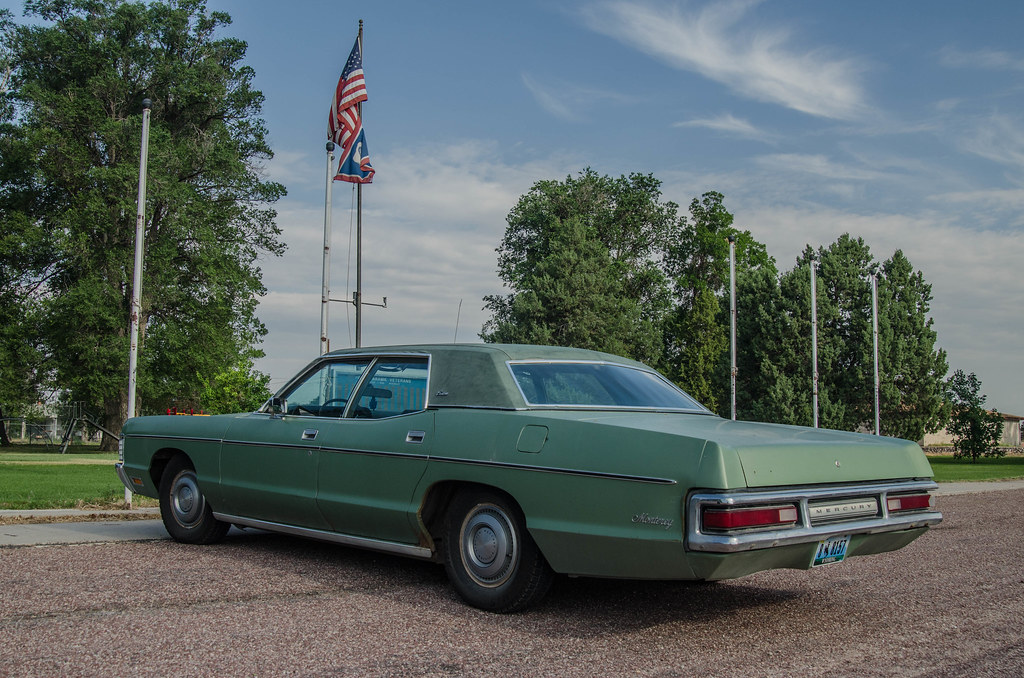
4. **Mercury: The Undifferentiated Middle Ground**Mercury was Ford’s mid-range brand, strategically positioned between the mass-market Ford lineup and the luxury Lincoln marque. The intention was to capture consumers seeking something a step above a standard Ford but not quite ready for the premium price point of a Lincoln. For a period, it enjoyed success with models like the Cougar and Grand Marquis, which offered a blend of comfort, style, and accessible luxury.
However, Mercury consistently struggled with the fundamental challenge of differentiation. Its vehicles often shared platforms and designs extensively with Ford models, making it difficult for consumers to perceive a significant value addition beyond minor styling tweaks or slightly upgraded interiors. This lack of a distinct identity meant that Mercury frequently found itself competing directly with its parent brand, rather than carving out its own unique market space.
As the market evolved, consumer preferences gravitated either towards the clear value proposition of the Ford brand or the unequivocal luxury of Lincoln. Mercury, stuck in the middle without a truly compelling reason to exist, saw its sales decline steadily. The brand’s products, while competent, often failed to inspire the passion or loyalty that distinct brands command. Its position became increasingly precarious, signifying a failure to justify its premium over Ford.
Recognizing the irreversible trend of declining sales and the persistent lack of distinct identity, Ford made the strategic decision to discontinue the Mercury brand in 2011. Its closure highlighted a critical lesson in brand architecture: every brand within a corporate portfolio must possess a clear, compelling, and differentiated value proposition. Without it, brands risk becoming redundant, unable to sustain themselves in a fiercely competitive market. The middle ground, if not expertly navigated, can be a perilous place.
Car Model Information: 1995 Mercury Cougar XR7
Name: Mercury Cougar
Caption: 1969 Mercury Cougar (first generation)
Manufacturer: Mercury (automobile)
Layout: Front-engine, rear-wheel-drive layout
ModelYears: 1967–1997,1999–2002
Class: Pony car,Personal luxury car,Mid-size car,Sport compact
Categories: 1960s cars, 1970s cars, 1980s cars, 1990s cars, 2000s cars
Summary: The Mercury Cougar is a series of automobiles that was sold by Mercury from 1967 to 2002. The model line is a diverse series of vehicles; though the Cougar nameplate is most commonly associated with two-door coupes, at various stages in its production, the model also was offered as a convertible and a hatchback. During its production as the mid-size Mercury line, the Cougar was also offered as a four-door sedan and five-door station wagon.
In production for 34 years across eight generations (skipping the 1998 model year), the Cougar is second only to the Grand Marquis (36 years) in the Mercury line for production longevity. 2,972,784 examples were produced, making it the highest-selling Mercury vehicle. During the 1970s and 1980s, the marketing of the Mercury division was closely associated with the Cougar, with promotional materials advertising Mercury dealers as “The Sign of the Cat” with big cats atop Lincoln-Mercury dealer signs. Cat-related nameplates were adopted by other Mercury lines, including the Bobcat and Lynx.
During its production, the Cougar was assembled at the Dearborn Assembly Plant (part of the Ford River Rouge Complex) in Dearborn, Michigan from 1967 until 1973, San Jose Assembly (Milpitas, California) from 1968 into early 1969, Lorain Assembly (Lorain, Ohio) from 1974 until 1997, and at Flat Rock Assembly (Flat Rock, Michigan) from 1999 through 2002.
Get more information about: Mercury Cougar
Buying a high-performing used car >>>
Brand: Mercury Model: Cougar
Price: $10,995 Mileage: 37,589 mi.
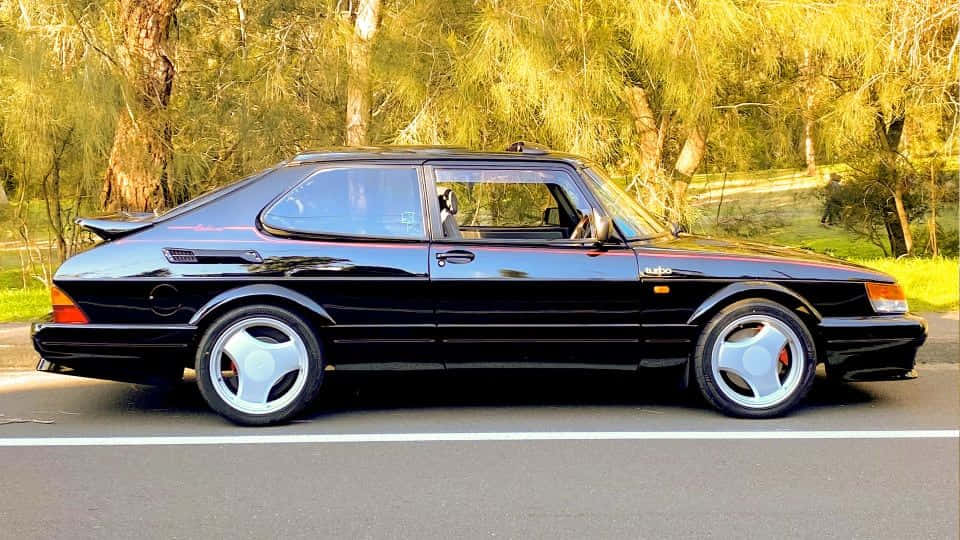
5. **Saab: A Cult Following’s Financial Woes**Saab, the Swedish automaker, cultivated a dedicated cult following thanks to its distinctive designs and aviation-inspired features. These weren’t just cars; they were vehicles that exuded a unique blend of engineering eccentricity and practical innovation, appealing to a segment of buyers who valued individuality, safety, and a slightly unconventional approach to motoring. Its reputation for sturdy build quality and a quirky yet functional aesthetic set it apart in the global automotive landscape.
Despite its loyal fan base and unique appeal, Saab consistently struggled financially. The challenges of being a smaller, independent automaker in a capital-intensive industry weighed heavily. Developing new platforms and technologies required massive investments, which Saab often found difficult to secure on its own. This precarious financial position made it vulnerable to external market shocks and fierce competition from larger, more established players.
General Motors acquired Saab in 2000, hoping to integrate its engineering prowess and unique brand identity into its global portfolio. However, this partnership did not yield the anticipated revitalization. GM’s ownership period was marked by attempts to standardize components and platforms, which, while economically sensible, often clashed with Saab’s idiosyncratic design philosophy and perceived quality. This tension diluted what made Saab special in the eyes of its devotees, impacting its market appeal.
The 2008 financial crisis proved to be the final straw. GM, facing its own significant struggles, sold Saab, but subsequent attempts to find a stable owner and secure necessary funding proved fruitless. Saab ultimately filed for bankruptcy in 2011, unable to continue operations. The brand’s demise serves as a poignant illustration that a strong, unique brand identity and a loyal following, while invaluable, are not sufficient to guarantee survival without robust financial backing and a clear, sustainable business strategy in a highly competitive global market.
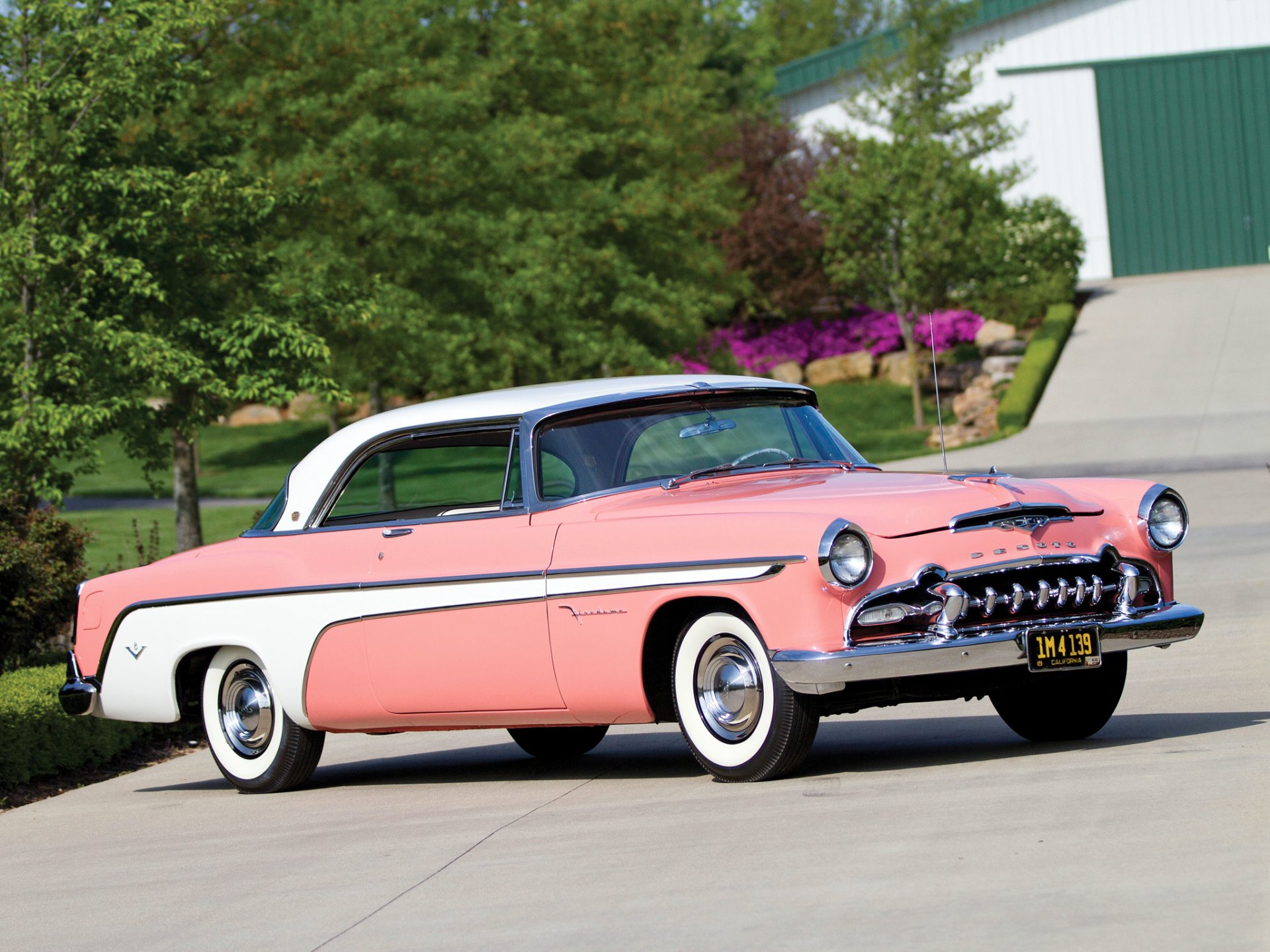
6. **DeSoto: Internal Competition and Economic Headwinds**DeSoto was an automotive brand created by Chrysler in 1928, specifically designed to compete in the mid-priced segment against established rivals like Buick and Oldsmobile. It quickly became known for its stylish and distinctive vehicles, offering consumers an appealing option that combined aesthetic flair with a reasonable price point. For a period, DeSoto successfully carved out a niche, contributing to Chrysler’s overall market share and brand diversity.
However, DeSoto’s journey was plagued by a persistent problem of internal competition. Within the expansive Chrysler Corporation, other brands often introduced vehicles that directly overlapped with DeSoto’s offerings in terms of price, features, and target audience. This created an environment where DeSoto was not only battling external competitors but also vying for resources and customer attention against its own corporate siblings, an unsustainable model that diluted its market effectiveness.
Beyond internal pressures, DeSoto also faced significant external economic challenges. The 1958 recession, in particular, dealt a severe blow to the automotive market, impacting sales across the board but disproportionately affecting brands in the competitive mid-price segment. Consumers tightened their belts, and brands without exceptionally strong differentiation or compelling value propositions found themselves struggling to maintain sales volumes.
After only 32 years of production, Chrysler made the difficult decision to discontinue DeSoto in 1961. Its relatively short lifespan underscores the perils of an undifferentiated product strategy within a multi-brand corporation and the vulnerability of mid-tier brands to economic downturns. For businesses, the lesson is clear: robust brand portfolio management requires meticulous positioning to ensure each brand has a distinct, defensible market space, especially when economic headwinds gather.
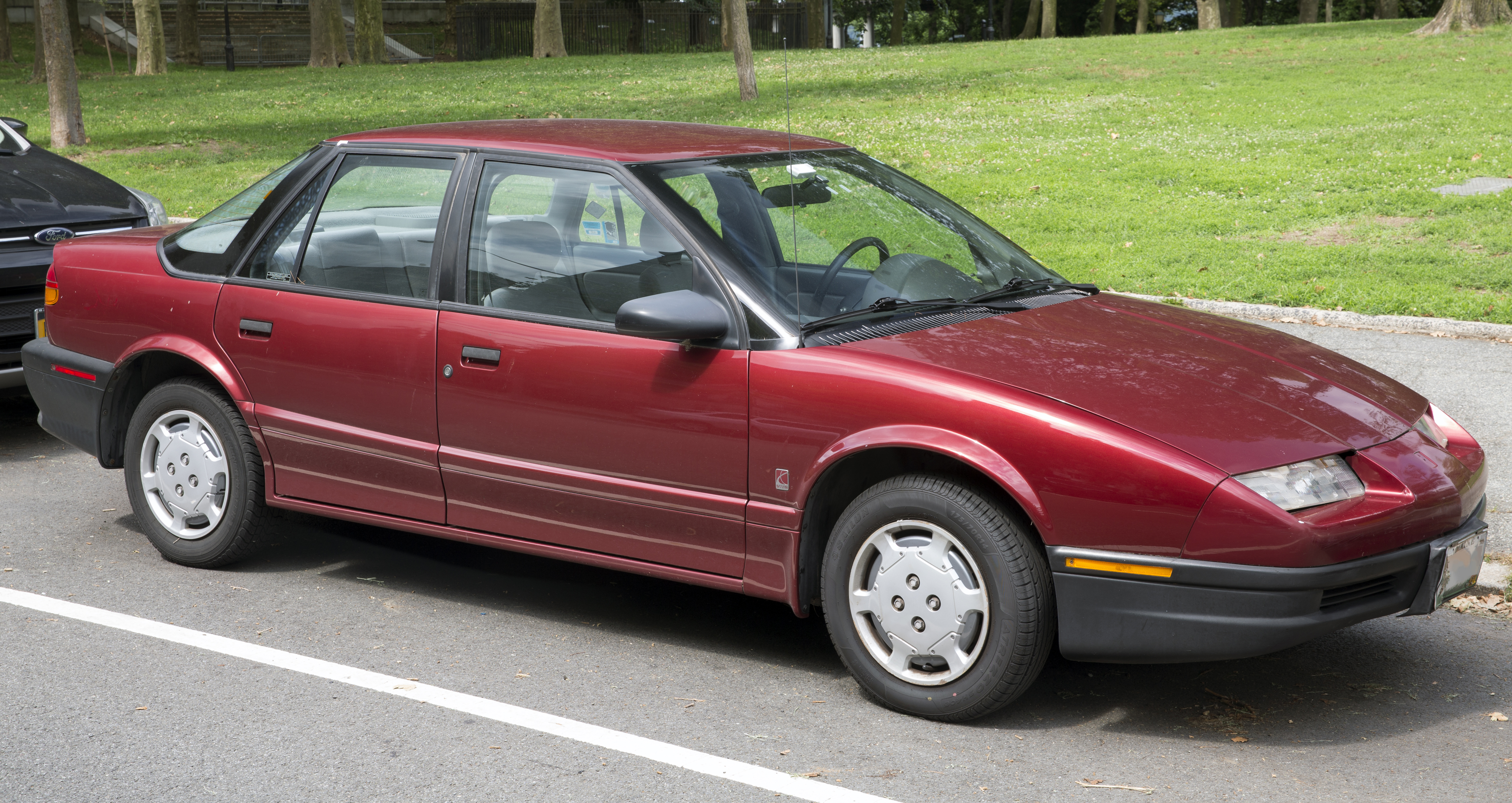
7. **Saturn: A ‘Different Kind of Car Company’ Stalls**Saturn was launched by General Motors in 1985 with an ambitious and unconventional mission: to be a “different kind of car company.” It aimed to revolutionize the car-buying experience, famously introducing no-haggle pricing and building a reputation for excellent customer service. Furthermore, its vehicles often incorporated innovative design elements, such as polymer body panels that were resistant to dents and rust, appealing to a new generation of buyers seeking practicality and a transparent sales process.
Initially, Saturn enjoyed considerable success, captivating consumers with its fresh approach and unique product offerings. The brand successfully fostered a strong sense of community among its owners, who appreciated its distinct identity and commitment to customer satisfaction. It was seen as a bold experiment by GM to compete with the growing influence of Japanese imports by offering a new paradigm of American automotive sales and ownership.
However, sustaining this initial success proved challenging for General Motors. Over time, Saturn struggled to keep its lineup fresh and relevant. The initial novelty of its designs and sales approach began to wane as competitors adopted similar customer-centric strategies and introduced more compelling new models. GM’s broader corporate challenges and financial constraints also impacted Saturn’s ability to receive the necessary investment for continuous product development and innovation.
The brand’s ultimate fate was sealed during GM’s bankruptcy reorganization in 2009. Despite its unique vision and early achievements, Saturn was discontinued as part of the broader restructuring efforts. Saturn’s story is a compelling case study on the immense difficulty of maintaining a revolutionary brand identity within a large corporate structure, especially when continuous innovation and adaptation are crucial. A unique proposition must be consistently reinforced with fresh products and agile strategies to avoid stagnation and eventual obsolescence.
The automotive industry’s unforgiving landscape continues to claim even well-known names, a testament to the relentless pressure for innovation, adaptation, and clear market positioning. Building upon the foundational lessons from earlier automotive giants that faltered, this section delves into additional brands whose unique struggles and ultimate disappearance offer further critical insights into the evolving complexities of the industry. Their stories underscore that vulnerability isn’t exclusive to any era or market segment, providing forward-looking perspectives for brands navigating today’s tumultuous market.
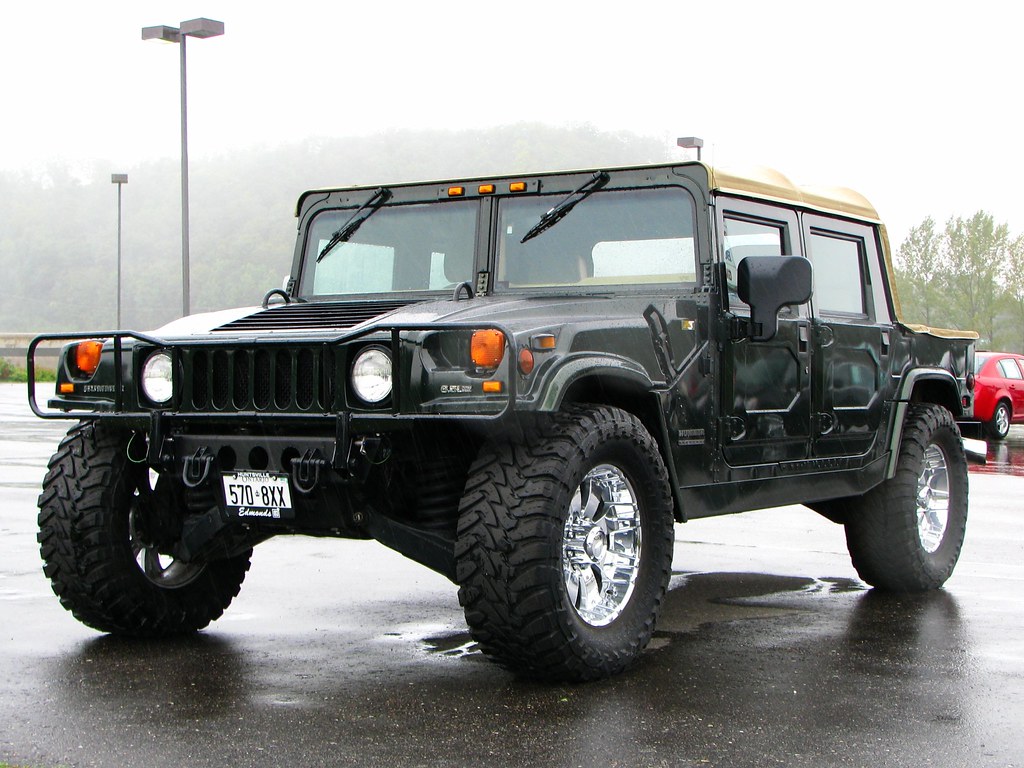
8. **Hummer: The Weight of Excess**Hummer, an automotive brand that resonated deeply with a specific segment of the American public, was originally based on the military Humvee. Its distinctive design and robust, oversized presence allowed it to become notably popular in the late 1990s and early 2000s, carving out a significant niche for large, rugged SUVs. These vehicles weren’t just about transportation; they projected an image of capability and audacious style, appealing to consumers who desired a powerful statement on the road.
However, the very attributes that propelled Hummer to popularity eventually contributed to its decline. The brand’s focus on massive, fuel-thirsty vehicles became a liability as consumer preferences began to shift. This change was largely driven by steadily rising gas prices, which made owning such extravagant vehicles increasingly uneconomical for many. The market was also moving towards more efficient and environmentally conscious options, leaving Hummer out of step with evolving consumer priorities.
The challenging economic climate and the dramatic changes in buyer sentiment created significant headwinds for Hummer. Sales began to decline precipitously as its core value proposition—unapologetic size and power—became less appealing. General Motors, its parent company, found itself in a precarious financial position during the 2008 financial crisis, necessitating a significant corporate restructuring.
Ultimately, the decision was made to discontinue Hummer in 2010 as part of GM’s post-bankruptcy restructuring efforts. Hummer’s demise serves as a powerful illustration of how rapidly market dynamics can change and how quickly a brand can become obsolete if it fails to adapt its offerings to new economic realities and consumer values. It underscores the critical need for even iconic brands to maintain agility and foresight in product development.
Car Model Information: 2003 Hummer H2 Base
Name: High Mobility Multipurpose Wheeled Vehicle (HMMWV)
Caption: M1151 Enhanced Armament Carrier
Origin: United States
Type: truck,Military light utility vehicle,Infantry mobility vehicle
IsVehicle: true
Service: 1985–present
Wars: Gulf War
Manufacturer: AM General
UnitCost: Format price
ProductionDate: January 2, 1985 – present
Number: 281,000
Weight: 5200 to
Abbr: on
Length: 15 ft
Width: 7 ft
Height: 6 ft
PrimaryArmament: #Design features
Engine: Detroit Diesel V8 engine#6.2L,V8 engine
Transmission: 3-speed automatic or 4-speed automatic
Suspension: Independent 4×4
FuelCapacity: 25 U
VehicleRange: convert
Speed: 55 mph (89 km/h) at max gross weight
Categories: 1980s cars, AM General vehicles, All-wheel-drive vehicles, All articles lacking reliable references, All articles needing additional references
Summary: The High Mobility Multipurpose Wheeled Vehicle (HMMWV; colloquial: Humvee) is a family of light, four-wheel drive military trucks and utility vehicles produced by AM General. It has largely supplanted the roles previously performed by the original jeep, and others such as the Vietnam War-era M151 Jeep, the M561 “Gama Goat”, their M718A1 and M792 ambulance versions, the Commercial Utility Cargo Vehicle, and other light trucks. Primarily used by the United States military, it is also used by numerous other countries and organizations and even in civilian adaptations.
The Humvee saw widespread use in the Gulf War of 1991, where it navigated the desert terrain; this usage helped to inspire civilian Hummer versions. The vehicle’s original unarmored design was later seen to be inadequate and was found to be particularly vulnerable to improvised explosive devices in the Iraq War. The U.S. hastily up-armored select models and replaced frontline units with the MRAP. Under the Joint Light Tactical Vehicle (JLTV) program, in 2015 the U.S. Army selected the Oshkosh L-ATV to replace the vehicle in frontline U.S. military service.
Get more information about: Humvee
Buying a high-performing used car >>>
Brand: Hummer Model: Hummer
Price: $12,490 Mileage: 152,679 mi.
Read more about: Automotive Icons Unraveled: The Definitive Account of 15 Star Brands and Models That Fell From Grace
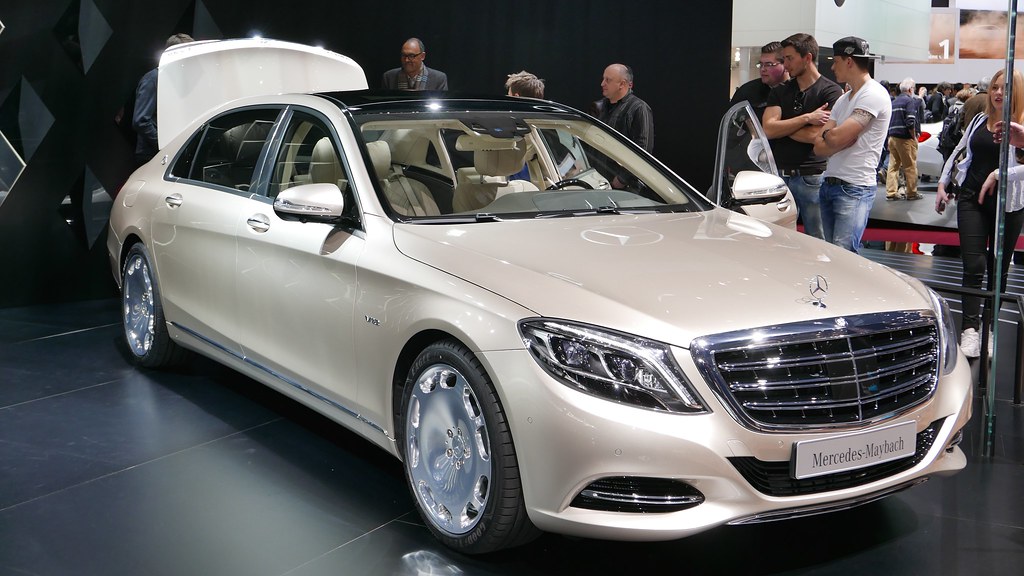
9. **Maybach: Ultra-Luxury’s Sales Shortfall**Maybach, a German luxury car brand with a storied past, was notably revived by Daimler AG in 2002. The ambitious goal was clear: to re-establish Maybach as a formidable contender in the ultra-luxury segment. It produced exquisite, meticulously crafted sedans specifically designed to compete head-on with established titans like Rolls-Royce and Bentley, targeting an exclusive clientele who demanded the pinnacle of automotive opulence and sophistication.
Despite the significant investment and the undeniable quality of its vehicles, Maybach’s reintroduction did not achieve the anticipated market penetration. Sales proved to be disappointing, falling considerably short of projections. This shortfall could be attributed to a confluence of factors, primarily the brand’s exceedingly high price points which limited its accessibility, even within the luxury market.
Furthermore, Maybach struggled with limited brand recognition compared to its deeply entrenched rivals. Names like Rolls-Royce and Bentley carried centuries of prestige and a clear identity, whereas the revived Maybach, despite its heritage, lacked the immediate association with contemporary ultra-luxury in the minds of many potential buyers. This made it challenging to justify its premium over more recognizable and equally opulent alternatives.
Faced with persistent underperformance and an inability to carve out a sufficiently profitable niche, Daimler made the strategic decision to discontinue Maybach as a standalone brand in 2013. The Maybach experiment highlights the immense difficulty, and capital intensity, of re-establishing a legacy brand in a highly competitive, niche market. Even with an exceptional product, overcoming entrenched brand loyalty and building new recognition requires an exceptionally potent and sustained strategy.
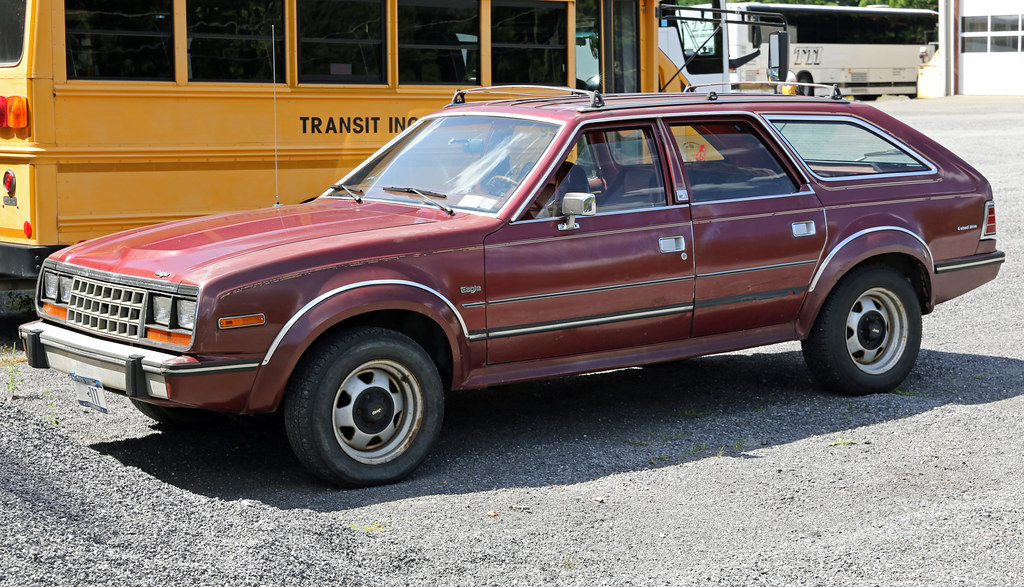
10. **Eagle: The Rebadged Identity Crisis**Eagle emerged on the automotive scene as a direct consequence of Chrysler’s acquisition of American Motors Corporation (AMC) in 1987. Intended to fill a specific role within Chrysler’s expanding portfolio, the brand initially operated by selling rebadged models primarily sourced from Mitsubishi and Renault. This strategy allowed for a rapid market entry without the massive costs associated with developing entirely new vehicle platforms.
However, the fundamental challenge for Eagle became the struggle to establish a clear and compelling identity in the marketplace. By offering vehicles that were essentially derivatives of other manufacturers’ models, often with only superficial branding changes, Eagle failed to present a unique value proposition to consumers. This lack of distinctiveness made it incredibly difficult for the brand to attract and retain a dedicated customer base.
Without a strong, independent brand narrative or genuinely innovative product offerings, Eagle found itself adrift in a crowded automotive landscape. Consumers struggled to understand what made an Eagle vehicle different or superior to its counterparts, whether from the original manufacturers or other brands within Chrysler’s own stable. This internal confusion and external ambiguity directly hampered its market performance.
Consequently, Chrysler made the decision to discontinue Eagle in 1998, a mere 11 years after its creation. The brief life of the Eagle brand serves as a stark reminder that simply rebadging existing products, without a deeper commitment to brand differentiation and strategic positioning, is often an unsustainable business model. A brand must offer more than just a name; it needs a purpose and a unique appeal to survive.
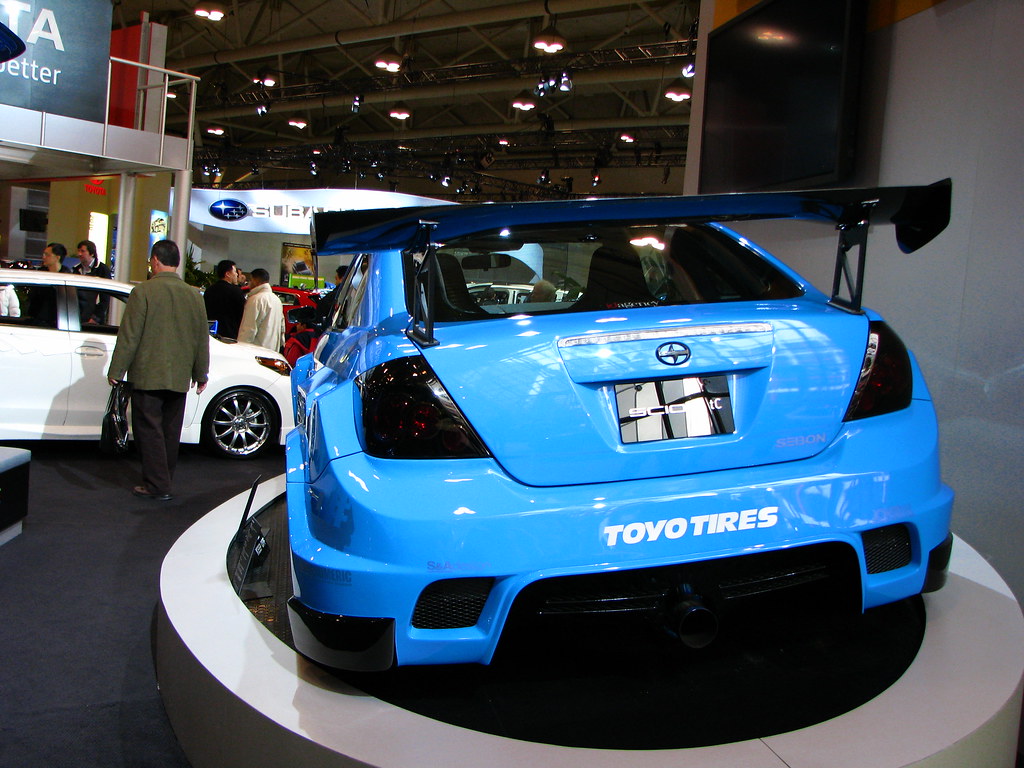
11. **Scion: Toyota’s Youthful Experiment Fades**Scion was Toyota’s ambitious venture into the youth-oriented market, officially launched in 2003 with a distinct mission: to attract younger buyers. The brand set itself apart with a focus on unique designs, often quirky and customizable, which were intended to resonate with a demographic looking for individuality. Furthermore, Scion famously adopted a “no-haggle” pricing strategy, aiming for transparency and simplicity in the car-buying experience, a refreshing approach for its target audience.
Initially, Scion showed promise, creating a buzz among younger consumers and establishing a niche with models like the xB and tC. However, maintaining this momentum proved challenging for the brand. Over time, Scion struggled significantly to keep its lineup fresh and relevant, a critical factor for appealing to a demographic constantly seeking newness and innovation.
The novelty of its initial designs and sales approach began to wane as competitors introduced their own contemporary models and adopted more customer-centric sales tactics. Scion’s product refresh cycles were often too slow, and its offerings sometimes felt dated compared to the rapidly evolving tastes of its target market, leading to a decline in its unique appeal.
Ultimately, after a challenging period of declining sales and a loss of market direction, Toyota made the strategic decision to discontinue the Scion brand in 2016. While some of its popular models were absorbed into the main Toyota lineup, Scion’s journey highlights the difficulties of sustaining a narrowly focused brand identity and the imperative for continuous innovation, especially when targeting a fast-moving demographic.
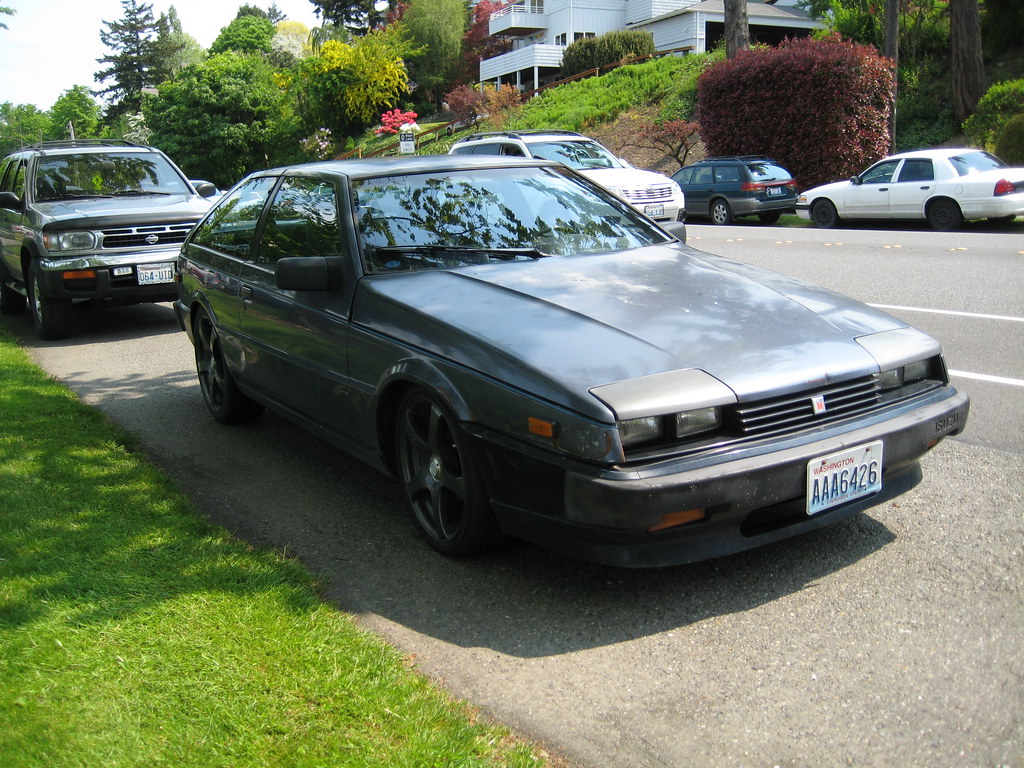
12. **Isuzu: Niche Shrinkage in a Competitive Market**Isuzu, a Japanese automaker, successfully carved out a market niche in the United States, particularly known for its robust SUVs and trucks. During the 1980s and 1990s, the brand enjoyed a period of considerable success with popular models such as the Trooper and Rodeo. These vehicles appealed to consumers seeking reliable, utilitarian transportation, often with an emphasis on off-road capability and practical functionality, distinguishing Isuzu in a competitive landscape.
However, as the automotive market matured and intensified, Isuzu began to face significant challenges. The influx of numerous new competitors, both domestic and international, aggressively entering the SUV and truck segments put immense pressure on Isuzu’s market share. These rivals often offered broader product lineups, more advanced features, and extensive dealer networks, making it difficult for Isuzu to stand out.
A critical factor in Isuzu’s struggle was its increasingly limited lineup. Without a diverse range of refreshed and competitive vehicles across multiple segments, the brand found it difficult to attract new customers or retain existing ones. This constrained portfolio meant Isuzu couldn’t effectively compete with the breadth of choices offered by larger automakers, leading to a steady decline in sales volume.
Consequently, Isuzu made the strategic decision to exit the US passenger vehicle market in 2009. The brand’s departure underscores the harsh reality that a focused niche, while initially successful, can become a vulnerability in a market characterized by intense competition and rapid innovation. Sustained presence requires not only quality products but also a dynamic lineup and effective market expansion strategies.
Car Model Information: 1994 Isuzu Trooper S
Name: Isuzu Trooper
Caption: Second generation Isuzu Trooper (United States)
Manufacturer: Isuzu
Production: 1981–2002
Assembly: Fujisawa, Kanagawa
Class: Full-size car,SUV
Layout: front engine, selectable four-wheel-drive
Successor: ubl
Categories: 1990s cars, 2000s cars, All-wheel-drive vehicles, All articles needing additional references, All articles with unsourced statements
Summary: The Isuzu Trooper is a full-size SUV manufactured and marketed by Isuzu between September 1981 and September 2002 over two generations, the first, produced between 1981 and 1991; and the second (UBS) produced between 1991 and 2002, the latter with a mid-cycle refresh in 1998. In its earliest iterations, the Trooper was based on the company’s first generation Isuzu Faster/Chevrolet LUV pickup.
Marketed in the Japanese domestic market, as the Isuzu Bighorn, Isuzu marketed it internationally primarily as the Trooper, and in other markets as the Acura SLX (USA), Chevrolet Trooper, Subaru Bighorn, SsangYong Korando Family, Honda Horizon, Opel Monterey, Vauxhall Monterey, Holden Jackaroo, and Holden Monterey.
In the United States, for the first generation, which was initially solely offered with two doors, Isuzu was required to comply with the 25% U.S. Chicken Tax on two-door trucks. Prior to its formal introduction Paul Geiger, product-development manager at American Isuzu Motors, noted the Roman numeral “II” designated the truck version (with the rear seat as a mandatory $300 option) and “I” indicating the passenger version with a rear seat included along with certain other features. Isuzu thus marketed the first generation two-door as the Trooper II, and when introducing the four-door retained the Trooper II nameplate. Isuzu never formally marketed a Trooper I, and Car & Driver later inferred the company had changed their mind about the suffix before the SUV went on sale.
Isuzu offered the Trooper initially with four-cylinder motor, four-speed manual transmission, and part-time four-wheel drive, subsequently adding amenities and luxuries, including optional air-conditioning, power windows, and a more powerful V6 engine. The second generation was available with two-wheel- or four-wheel drive.
Competitors included the Toyota Hilux Surf, Mitsubishi Pajero, and Nissan Terrano.
Get more information about: Isuzu Trooper
Buying a high-performing used car >>>
Brand: Isuzu Model: Trooper
Price: $3,400 Mileage: 253,000 mi.
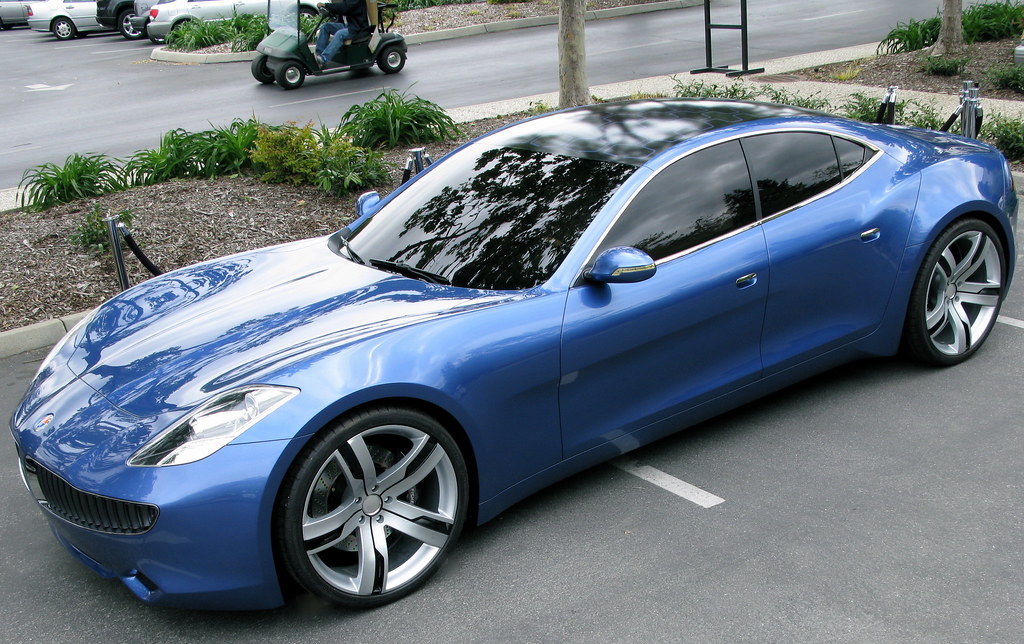
13. **Fisker: The Promise and Peril of Electric Innovation**Fisker Automotive, an American company, made a splash in the automotive world by venturing into the luxury plug-in hybrid electric vehicle (PHEV) segment. Its flagship model, the Karma sedan, garnered considerable attention for its strikingly beautiful and futuristic design, instantly positioning Fisker as a pioneer in the burgeoning electric vehicle market. It represented a bold vision for eco-luxury, blending environmental consciousness with high-end automotive aesthetics.
Despite the initial excitement and design accolades, Fisker faced formidable hurdles in transitioning from concept to sustainable production. The company was plagued by significant production delays, struggling to bring its innovative vehicles to market efficiently and at scale. These delays not only eroded consumer confidence but also led to mounting financial pressures.
Compounding these production challenges were persistent quality issues that affected the early Karma models. Reliability concerns and technical glitches undermined the brand’s luxury aspirations, as discerning customers expected impeccable performance and dependability from a premium-priced vehicle. These issues damaged Fisker’s reputation at a crucial stage of its development, making it difficult to compete with more established luxury marques.
Ultimately, these combined operational and financial difficulties proved insurmountable, leading Fisker to file for bankruptcy in 2013, a mere five years after its founding. Fisker’s story is a potent cautionary tale for startups in capital-intensive industries like automotive, particularly those navigating cutting-edge technologies. It highlights that even with a captivating product and forward-thinking vision, robust execution, quality control, and sound financial management are absolutely paramount for long-term survival.
Car Model Information: 2018 Karma Revero
Name: Fisker Karma
Manufacturer: Fisker Automotive
Production: 2011–2012
Assembly: Uusikaupunki
Class: Full-size car,Luxury vehicle
BodyStyle: sedan (automobile)
Layout: Front-engine, rear-wheel-drive layout
Related: ubl
Platform: Chevrolet Volt#Concept vehicle
Engine: GM Ecotec engine#LNF,Straight-four engine
Motor: 120 kW
Abbr: on
Battery: 20.1 kWh
Range: 230 mi
ElectricRange: 32 mi
Drivetrain: PHEV,Hybrid vehicle drivetrain#Series hybrid
Transmission: 1-speed
Charging: 3.3 kW (220 V 15 A as for UK) on-board charger on IEC Type 1 inlet (SAE-J1772-2009)
Wheelbase: 124.4 in
Length: 195.67 in
Width: 78.11 in
Height: 51.57 in
Weight: 5300 lb
Designer: Henrik Fisker
Successor: Karma Revero
Categories: All articles containing potentially dated statements, All articles with dead external links, Articles containing potentially dated statements from September 2016, Articles with dead external links from December 2019, Articles with permanently dead external links
Summary: The Fisker Karma is a luxury plug-in range-extended electric sports sedan produced by Fisker Automotive between 2011 and 2012. The cars were manufactured by Valmet Automotive in Finland.
The United States Environmental Protection Agency (EPA) rated the Karma’s combined city/highway fuel economy at 52 mpg‑US (4.5 L/100 km; 62 mpg‑imp) equivalent (MPG-e) in all-electric mode, and at 20 mpg‑US (12 L/100 km; 24 mpg‑imp) in gasoline-only mode. EPA’s official all-electric range is 32 mi (51 km). Due to the very small cabin interior volume, the EPA rated the Fisker Karma as a subcompact car.
The first deliveries took place in the U.S. in late July 2011, and deliveries to retail customers began in November 2011. Pricing in the U.S. started at US$102,000 for the base model (EcoStandard), US$110,000 for the intermediate EcoSport model and US$116,000 for the top model (the “Animal Free” EcoChic). Around 1,800 units were delivered in North America and Europe through December 2012. The U.S. was the leading market, with about 1,600 units sold.
Production was suspended in November 2012 when the sole battery supplier to Fisker Automotive, A123 Systems, filed for bankruptcy following two battery recalls. Fisker Automotive was unable to carry on production of the Fisker Karma in the absence of its sole battery supplier, with about 2,450 Karmas built since 2011.
After furloughing its US workers in late March 2013, Fisker Automotive filed for bankruptcy in November 2013, after the United States Department of Energy auctioned its debt and sold it to Hybrid Technology LLC for US$25 million.
Following the sale of some of the assets of the company, the designs, rights to a plug-hybrid powertrain and a manufacturing facility in Delaware to the Chinese company Wanxiang, the new owners re-commenced production in September 2016 under the brand name Karma Automotive.
After several announcements by the Wanxiang Group to reintroduce an upgraded version of the Fisker Karma, the car was renamed the Karma Revero and Karma Automotive started taking orders in September 2016.
Get more information about: Fisker Karma
Buying a high-performing used car >>>
Brand: Fisker Model: Karma
Price: $41,990 Mileage: 10,285 mi.
The stories of Hummer, Maybach, Scion, and so many others serve as profound reminders of the relentless forces shaping the automotive industry. These narratives are not just historical footnotes; they are potent warnings, illustrating that even the most iconic or innovative brands can falter if they fail to anticipate market shifts, address quality concerns, or differentiate effectively. The industry’s current landscape, as evidenced by the struggles of contemporary players like Jeep, Volkswagen, Jaguar, and Nissan, underscores that adaptation is not merely an option, but an imperative. In this arena of perpetual motion, brands must ceaselessly innovate, listen to their customers, and maintain an unwavering commitment to quality and strategic clarity, or risk joining the growing list of automotive legends that have faded into memory. The road ahead remains dynamic, challenging every brand to redefine its path or face the inevitable.