
The world of commercial vehicles, particularly vans, often brings to mind considerations of payload, fuel efficiency, and cargo space. However, beneath the surface of practical utility lies a far more critical, yet frequently overlooked, aspect of vehicle performance: braking capability. For anyone operating or converting a van, understanding how these essential workhorses stop is not just important; it is, quite literally, a matter of safety on the road.
Many assume that the principles of vehicle dynamics are straightforward: more weight equates to longer stopping distances. This intuitive understanding forms the basis of much of our everyday driving calculus, influencing how we perceive the challenges of heavy vehicles. Indeed, common sense would suggest that an empty van will always brake much sooner than a full one, a notion that has underpinned braking requirements for years.
Yet, as we delve deeper into the science and real-world testing, we uncover nuances that challenge this conventional wisdom. This article will embark on an in-depth exploration of van braking, moving beyond textbook theories to reveal the complex interplay of factors that truly dictate stopping performance. We will examine the fundamental physics, dissect groundbreaking research, and illuminate the critical distinctions that every van operator must grasp to ensure maximum safety.

1. **The Fundamental Physics of Braking: Newton’s Laws and Vehicle Dynamics**At the core of all motion and indeed, all cessation of motion, lie the immutable laws of physics. For those of us who recall our school days, the name Newton brings to mind foundational formulas, none more pervasive than F=m*a, or Force is equal to mass multiplied by acceleration. This universal principle governs everything from celestial bodies to the most minute particles, demonstrating the interlinked nature of energy, weight, and acceleration.
While our primary focus might be on the practicalities of payload, the implications of this formula for vehicle weight are profound, particularly concerning safe braking. Braking itself is a form of deceleration, effectively negative acceleration. If we rearrange Newton’s formula, we get a=F/m, which states that acceleration is equal to the force applied divided by mass or weight, providing a crucial lens through which to view vehicle performance.
Consider a sports car on a starting line; its acceleration is a direct result of the force it can apply through its wheels to the track, tempered by its weight. A lightweight sports car, with significant grip, will naturally be faster than a heavier pickup truck with equivalent power. This simple relationship holds true when we reverse the process and think about slowing down, as braking is essentially negative acceleration.
Intuitively, a heavy vehicle, possessing more force or momentum due to its higher weight, would logically require a much longer distance to slow down and come to a complete stop. This fundamental understanding is why we often mentally link increased weight with increased stopping distances, assuming a direct, linear correlation that underpins most conventional braking requirements.

2. **Challenging Conventional Wisdom: Why ‘More Weight = Longer Stop’ Isn’t Always True**The common-sense assumption that “more weight equals longer stopping distance” seems so self-evident that it’s rarely questioned. The image of a fully laden lorry struggling to stop compared to an empty car reinforces this perception daily, establishing a clear expectation for how mass impacts braking. This basic understanding has long permeated our driving education and influenced vehicle design parameters.
However, the real world of vehicle dynamics often presents complexities that defy simplistic formulas. While the foundational physics of momentum and inertia remain true, their application in a dynamic braking scenario is subject to additional variables that can drastically alter outcomes. The surface beneath the tyres, the vehicle’s specific design, and critically, how that weight is distributed, all play roles that can challenge our initial assumptions about simple linear correlation.
It’s precisely this conventional wisdom that a group of scientists decided to scrutinize with rigorous, real-world testing. Their groundbreaking work aimed to move beyond the purely theoretical to observe braking performance in conditions mirroring actual vehicle operation. What they discovered fundamentally altered the prevailing perception of how vehicle weight influences a van’s ability to stop, revealing a counter-intuitive truth about loaded vehicles.

3. **Real-World Science: The Groundbreaking Slovakian Braking Tests**To truly understand the nuances of van braking, a group of dedicated scientists in Slovakia — Skrucany, Vrabel & Kazimir — embarked on a remarkable series of real-world experiments in 2019. Recognizing the limitations of purely theoretical models, they sought to challenge conventional wisdom directly, moving beyond pages of calculations to observe actual vehicle behavior. Their methodology was robust, aiming to capture the intricacies of braking performance in a controlled yet realistic environment.
For their ambitious study, they acquired a Peugeot Boxer L4H3 van, a ubiquitous commercial vehicle, to serve as their test subject. This choice provided a practical and relevant platform for their investigations, ensuring that their findings would have tangible implications for the commercial vehicle sector. The team meticulously equipped the van with an array of sensors, carefully calibrated distances, and factored in various environmental elements, such as wind speed, to ensure the integrity of their data collection.
The testing protocol was designed for precision and repeatability. The van was accelerated to a speed of 75 mph, a speed representative of motorway travel, before the brakes were applied forcefully to bring it to a complete stop. Each braking distance was carefully measured, providing a baseline for comparison as additional variables were introduced. This rigorous approach was crucial for establishing the validity of their subsequent findings.
What distinguishes their research, however, was not just the initial braking test but the systematic introduction of varying loads. They methodically increased weight in 250kg increments, from 0kg up to 1,000kg. This incremental approach allowed for a detailed observation of how increasing mass impacted braking performance, setting the stage for their most significant and counter-intuitive discovery concerning load placement.

4. **The Unexpected Reality: How Load Placement Impacts Van Braking**Beyond merely adding weight, the Slovakian scientists introduced a crucial variable that uncovered a profoundly counter-intuitive aspect of van braking: the position of the load. They didn’t just test with different total weights; they repeated the braking tests with those weights placed in three distinct positions within the van’s load floor. This meticulous approach revealed that where the weight sits can be as, or even more, critical than the total weight itself.
The three load positions tested were: directly behind the driver, against the bulkhead; in the middle of the load floor; and at the very back of the load floor. Each configuration was subjected to the same rigorous 75 mph braking test, allowing the researchers to quantify the precise impact of weight distribution on stopping distances. The expectation, according to conventional wisdom, would still be a consistent increase in stopping distance with any added weight.
However, the results, visually represented in their “graph 1,” defied this expectation. The data showed that stopping distances were “all over the place,” rather than adhering to a “nice constant of ‘more weight = longer stopping distance'” as a dotted line on their graph would typically suggest. This disarray in the data points provided compelling evidence that the simple equation of “heavier means longer stop” was incomplete and, at times, misleading.
This groundbreaking finding highlights that vehicle dynamics are far more complex than simple mass-inertia relationships suggest. Factors such as weight transfer during braking, the distribution of pressure across the tyres, and the vehicle’s inherent suspension characteristics all interact to produce outcomes that can surprise even experienced automotive engineers. For van operators, this means a critical re-evaluation of how loads are secured and positioned, recognizing its direct bearing on emergency braking effectiveness.
Read more about: Death Traps on Wheels: 10 Iconic American Cars Too Dangerous for Today’s Roads

5. **Decoding Stopping Distances: Braking Distance vs. Thinking Distance**Before delving deeper into the factors that influence how a van stops, it’s vital to clarify the terminology often used interchangeably but possessing distinct meanings: braking distance and stopping distance. While both relate to the cessation of vehicle motion, they encompass different phases of the overall event. Understanding this distinction is not merely academic; it is fundamental to safe driving practices and accurate risk assessment on the road.
Braking distance is the measurable span a vehicle travels once the brake pedal has been actively engaged and pressure applied, continuing until the vehicle comes to a complete halt. It is a direct measure of the vehicle’s physical capability to shed speed, influenced by factors such as the vehicle’s weight, speed, tyre condition, and road surface. This is the purely mechanical aspect of deceleration, directly related to the vehicle’s design and condition.
However, the overall vehicle stopping distance includes another crucial component: thinking distance. This is the distance a vehicle covers during the time it takes for a driver’s brain to perceive a hazard, process the information, decide to act, and then physically move to press the brake pedal. No matter how alert a driver is, this reaction time translates into significant travel distance, especially at higher speeds, before any physical braking even begins.
The cumulative effect of these two components is substantial. The Highway Code, for instance, illustrates this vividly: at 70mph, a driver could cover the length of four average cars *before they even apply the brakes*. This underscores that even with a perfectly maintained vehicle, the human element of reaction time adds a non-insignificant and often underestimated length to the total distance required to stop, making it a critical consideration for all drivers.

6. **The Highway Code Baseline: Understanding Car Stopping Distances and Their Van Implications**To provide a foundational understanding of stopping distances, the Highway Code offers specific figures for an average-sized family car. These figures, which break down total stopping distance into both thinking and braking components across various speeds, serve as a critical benchmark. While these are not directly applicable to vans, they offer a clear illustration of the distances involved and the relative contributions of thinking and braking.
For example, at 20mph, the total stopping distance for an average car is 12m, comprising 6m thinking distance and 6m braking distance. As speed increases, the distances escalate dramatically: at 70mph, the total is 96m, with 21m for thinking and 75m for braking. These figures highlight the exponential increase in the distances required to stop as speed rises, a concept that is universally applicable to all vehicle types.
Crucially, the Highway Code explicitly states that these distances “will be longer for a van, because it is bigger and heavier.” This acknowledges the inherent differences in mass and possibly braking system design between cars and commercial vans. The precise extent of this increase in stopping distance for a van “depends on the type of van,” indicating variability across different models and configurations.
Furthermore, the load weight, despite the earlier scientific findings about distribution, remains “hugely important” in the overall context. The Code emphasizes that “the heavier the load, the longer it will take for the van to come to a complete stop.” This reinforces the general principle that while *how* weight is distributed can alter specifics, a greater overall mass generally still demands more space to halt, hence the crucial advice to “always leave extra room when your van is laden.”

7. **The Perilous Influence of Weather: How Rain, Snow, and Ice Multiply Stopping Distances**Beyond the intrinsic characteristics of a van and its load, external environmental factors play a profound role in dictating how quickly, or slowly, a vehicle can come to a stop. Weather conditions are arguably one of the most unpredictable and perilous variables, dramatically altering the friction coefficient between tires and the road surface. This direct impact on grip fundamentally compromises a van’s braking efficiency, making it a critical consideration for every operator.
On wet roads, for instance, the presence of water acts as a lubricant, significantly reducing the available traction. Under such conditions, braking distances can effectively double compared to dry asphalt, demanding a substantial adjustment in driving behavior and following distances. This seemingly simple change in road surface presents a disproportionately higher risk, as drivers may underestimate the extent to which their braking performance is compromised.
Even more alarmingly, extreme weather conditions like snow and ice can amplify stopping distances by an astonishing tenfold. To put this into perspective, the Highway Code’s stated stopping distance for a car at 70mph is 96m. If this were to increase tenfold, a vehicle could require more than the length of seven football pitches to come to a complete halt, illustrating the sheer danger. Furthermore, poor visibility, often accompanying severe weather, adds another layer of risk by extending a driver’s thinking distance, as the perception and reaction to hazards are delayed. Vigilance for ‘black ice’ on cold days is also paramount, as this invisible threat can instantly turn a safe stretch of road into a treacherous one.

8. **The Human Factor: Driver Alertness, Distraction, and Substance Influence on Reaction Time**While vehicle mechanics and environmental conditions are crucial, the most significant variable in determining total stopping distance often resides behind the wheel: the human driver. The ‘thinking distance’ component of total stopping distance is entirely dependent on human perception, decision-making, and reaction time. Any factor that compromises a driver’s alertness or judgment will inevitably extend this critical pre-braking phase, escalating the overall distance required to stop.
Driver alertness is paramount; a fatigued or distracted driver will exhibit significantly slower reaction times. The brain’s ability to perceive a hazard, process the information, and initiate the physical action of braking is directly impaired by tiredness or mental preoccupation. This is not merely a theoretical concern but a real-world hazard that can transform a minor incident into a serious collision, particularly for professional operators who spend extended hours on the road.
Furthermore, the influence of substances such as drugs or alcohol, even if below the legal drink-drive limit, demonstrably impairs a driver’s cognitive functions and physical responsiveness. Beyond intoxication, common distractions like glancing at a mobile phone can have catastrophic consequences. The RAC highlights that even “just a few seconds of glancing at your phone can add a football pitch to your stopping distance at motorway speeds,” a stark illustration of how seemingly innocuous actions translate into immense danger on the road. Such behaviors, of course, constitute illegal driving and are entirely indefensible.

9. **The Critical Role of Tyres: Tread, Pressure, Damage, and Brand Impact on Safety**As the sole point of contact between a van and the road surface, tyres are arguably the most critical component influencing braking performance. Their condition directly dictates the amount of grip available for acceleration, turning, and, most importantly, deceleration. Compromised tyres can negate the effectiveness of even the most advanced braking systems, making regular inspection and maintenance of this often-overlooked component absolutely indispensable for safety.
Any form of damage, whether punctures, sidewall bulges, or cuts, immediately compromises a tyre’s structural integrity and its ability to maintain optimal contact with the road. Similarly, under-inflation reduces the tyre’s footprint and increases flex, leading to less effective grip and higher operating temperatures, both of which are detrimental to braking efficiency. Insufficient tread depth is perhaps the most common and dangerous issue, as it directly diminishes a tyre’s ability to displace water and grip the road, especially in adverse conditions.
The quality of tyres also plays a significant, measurable role. The RAC, for example, notes a marked difference between budget and premium brand tyres. In wet conditions, cars fitted with budget tyres can require “an extra 14m to stop from 70mph” compared to those equipped with premium alternatives. This substantial difference underscores that tyre choice is not merely a matter of cost but a direct investment in safety and performance, especially for commercial vehicles that often operate under heavy loads and in diverse environments.
Moreover, the legal minimum tread limit of 1.6mm is precisely that – a minimum. Tyres operating at or near this limit can see their braking distance increase by “up to 60 percent compared to brand new tyres.” This exponential decrease in performance as tread wears down emphasizes that drivers should not wait until tyres reach the legal limit but should consider replacement much sooner to maintain optimal safety margins, particularly for vans carrying valuable cargo or passengers.
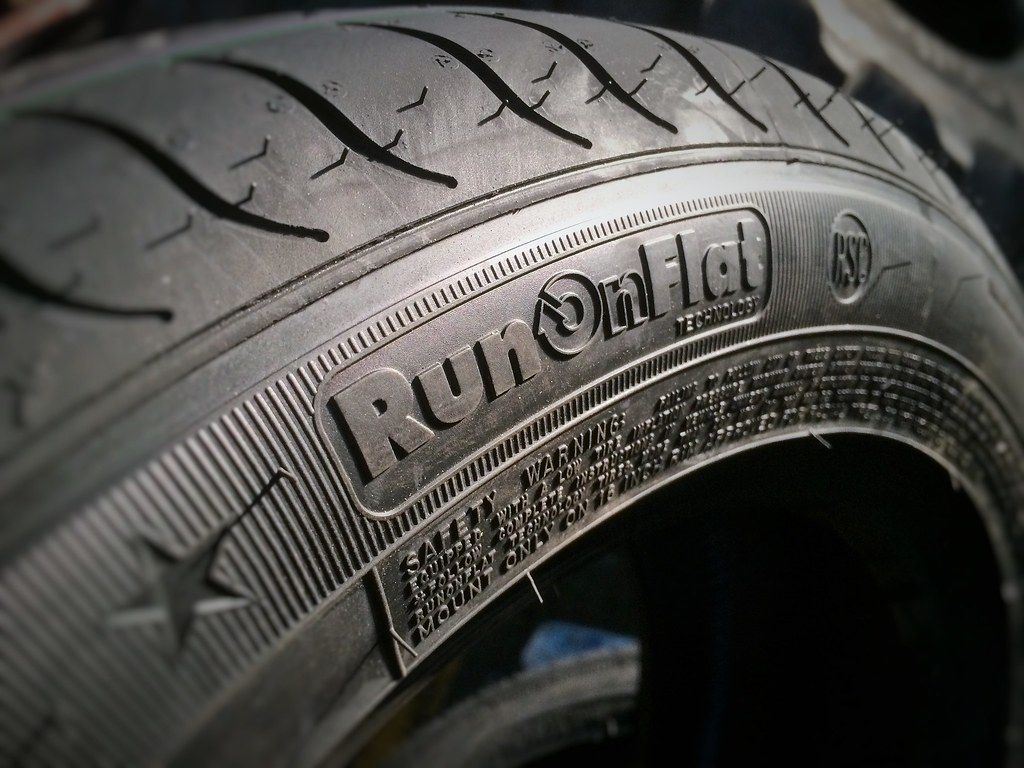
10. **Seasonal Safety: The Undeniable Advantage of Winter Tyres**For van operators navigating colder climates, the seasonal variation in tyre performance necessitates a strategic approach to vehicle readiness. While all-season tyres offer a compromise, dedicated winter tyres present a distinct and undeniable advantage in temperatures below a specific threshold, offering a crucial enhancement to safety and braking capability when conditions deteriorate.
Winter tyres are specifically engineered to excel when temperatures drop to 7°C or less. Unlike their summer counterparts, which harden in the cold, winter tyres are formulated with specialist rubber compounds that remain flexible in chilly conditions. This flexibility ensures they can maintain optimal grip and elasticity, providing superior traction on cold, wet, icy, or snowy surfaces where conventional tyres struggle.
Beyond their unique material composition, winter tyres also feature distinctive tread patterns. These patterns are designed with numerous sipes – small, intricate cuts – and deeper grooves that effectively bite into snow and ice, or efficiently channel away slush and water. This specialized design collectively “help reduce stopping distances” significantly in adverse winter weather, making them a recommended investment for any commercial operator prioritizing safety during the colder months.

11. **The Call to Action: Prioritizing Safety in Your Van Operations**The journey through the complex world of van braking dynamics reveals a truth that is both challenging and empowering: safety on the road is a multifaceted responsibility, influenced by vehicle design, environmental conditions, and, crucially, human action. This in-depth analysis underscores that while many factors are at play, a proactive approach to understanding and mitigating risks is entirely within the grasp of every commercial van operator.
Now armed with a comprehensive understanding of thinking distances, braking distances, and the myriad factors that can drastically extend them, operators are equipped to make more informed decisions. This includes reviewing current practices related to vehicle maintenance schedules, implementing robust driver training programs that emphasize alertness and hazard perception, and optimizing load management strategies based on the principles of weight distribution.
When considering fleet upgrades or new additions, this heightened awareness becomes an invaluable asset. It empowers operators to seek out vehicles that align with high safety standards and to engage with reputable experts who can advise on conversions or specific vehicle types. Informed choices at the procurement stage, considering a van’s inherent braking characteristics and its intended operational environment, are foundational to a safer fleet.
Read more about: Beyond the Screen: 15 Stunt Realities Where Performers’ Fear Was Absolute, and AI’s Looming Impact
Ultimately, the commitment to prioritizing safety in van operations is an ongoing endeavor, one that extends from the initial selection of a vehicle to its daily operation and maintenance. By integrating the insights presented here—from the critical role of tyres and weather to the impact of human factors and precise load placement—operators can significantly enhance the security of their vehicles, their drivers, and every journey undertaken. It’s about building a culture where every decision, large or small, contributes to the ultimate goal of getting everyone and everything safely to their destination.