In the glittering, often perplexing realm of Hollywood, a new boogeyman has emerged from the digital ether, one that sends shivers down the spines of studio executives and artists alike: ‘toxic fandom.’ Once dismissed as mere online chatter or the passionate squabbles of devoted enthusiasts, this phenomenon has metastasized into a seemingly intractable headache for an industry increasingly reliant on established audience devotion to fuel its bottom line.
What began as ‘good-faith dissatisfaction’ has, according to some industry voices, ‘curdled from good-faith dissatisfaction into a relentlessly negative, often bigoted online campaign against either the project or its stars and creative leaders.’ This isn’t just about spirited debates over canonical inconsistencies or creative choices; it’s about a ‘rampage of, I would say, hyper-conservative bigotry and vitriol, prejudice, hatred and hateful language,’ as Amandla Stenberg, lead of ‘The Acolyte,’ candidly described her experience following the show’s announcement and eventual decision not to be picked up for a second season.
Yet, beneath the surface of this apparent consensus lies a far more intricate and contentious reality. Is ‘toxic fandom’ a genuine, existential threat to artistic integrity and the well-being of talent, or has it become a convenient cudgel, wielded by studios to deflect legitimate criticism and protect their quarterly earnings? As we peel back the layers of this fraught relationship, we’ll explore how a powerful but minuscule fraction of fans has managed to cast such a long shadow over the entertainment landscape, examining the specific ways their vitriol manifests and the outsized impact it wields.
1. **Defining ‘Toxic Fandom’: Beyond Good-Faith Criticism**At its core, ‘toxic fandom’ is a catchall term that describes a specific escalation of fan engagement. As Variety put it, it’s ‘when fan criticism curdles from good-faith dissatisfaction into a relentlessly negative, often bigoted online campaign against either the project or its stars or creative leaders.’ This distinction is crucial, aiming to separate constructive criticism, even if harsh, from outright harassment and prejudice.
Indeed, the perception gap is vast. While industry insiders lament the ‘people are just out for blood’ mentality and the relentless attacks on new interpretations of classic franchises, a counter-narrative suggests that studios are merely struggling to accept that fans are not ‘mindless consumers’ who will blindly follow any brand extension. This clash of definitions underscores the deep chasm that has opened between creators and segments of their audience, revealing an industry that views its franchises as a ‘means to an end’—bait to attract casual viewers and drive the bottom line.
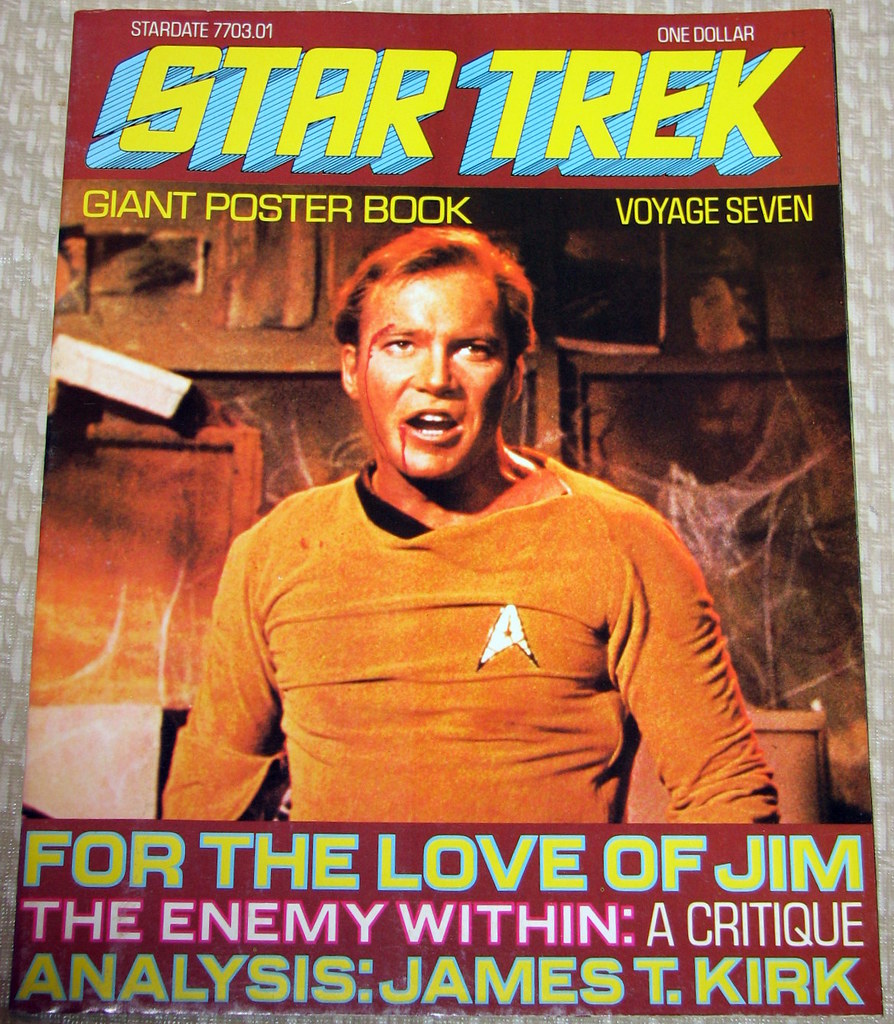
2. **The Amplified Minority: Why a Tiny Subset Dominates the Discourse**Perhaps the greatest irony of the ‘toxic fandom’ phenomenon is its disproportionate impact relative to the actual number of people involved. John Van Citters, VP of Star Trek brand development, a veteran of the franchise since the 1990s, offers a sobering perspective: ‘The vast majority of any fandom are casual fans. The number of people who live and die on their franchises are very, very few, and then those who come after things that they espouse to love with venom are a really, really tiny subset of that already smaller subset of fandom.’
What makes this tiny subset so potent in today’s landscape is the ‘bullhorn’ of the internet. As Van Citters aptly puts it, ‘It’s just much easier to see it now. I don’t know that it’s really that much broader than where things were in 1995 — it’s just that the bullhorn wasn’t there.’ Social media platforms and online forums amplify these voices to an unavoidable visibility, giving a small, vocal minority an outsized presence that can feel overwhelming.
This amplification distorts perception, making it seem as though these virulent opinions represent a significant portion of the fanbase. Studios, keenly aware of online narratives, find themselves in a delicate balancing act, trying to manage fan expectations while simultaneously attempting to avoid provoking these highly reactive groups. The sheer volume of negative content generated by a few dedicated provocateurs can easily drown out the more numerous, but often quieter, voices of casual, positive fans.
3. **Pre-emptive Strikes: Backlash Before a Project Even Airs**One of the most insidious aspects of toxic fandom is its capacity for pre-emptive strikes. The vitriol often begins even ‘before the project has seen the light of day,’ transforming anticipation into a cesspool of outrage. This phenomenon speaks to a deep-seated resistance to change and a fervent attachment to perceived canonical purity, regardless of the actual creative output.
Examples abound in recent years. A Reddit mega-thread dedicated to ‘outrage over “Bridgerton” casting a Black woman (Masali Baduza) as the love interest for Francesca (Hannah Dodd)’ emerged long before the season’s release. Similarly, social media epithets were ‘directed at the actors of color cast as elves and dwarves in “The Lord of the Rings: The Rings of Power”’ from the moment casting decisions were announced, not after the show premiered.
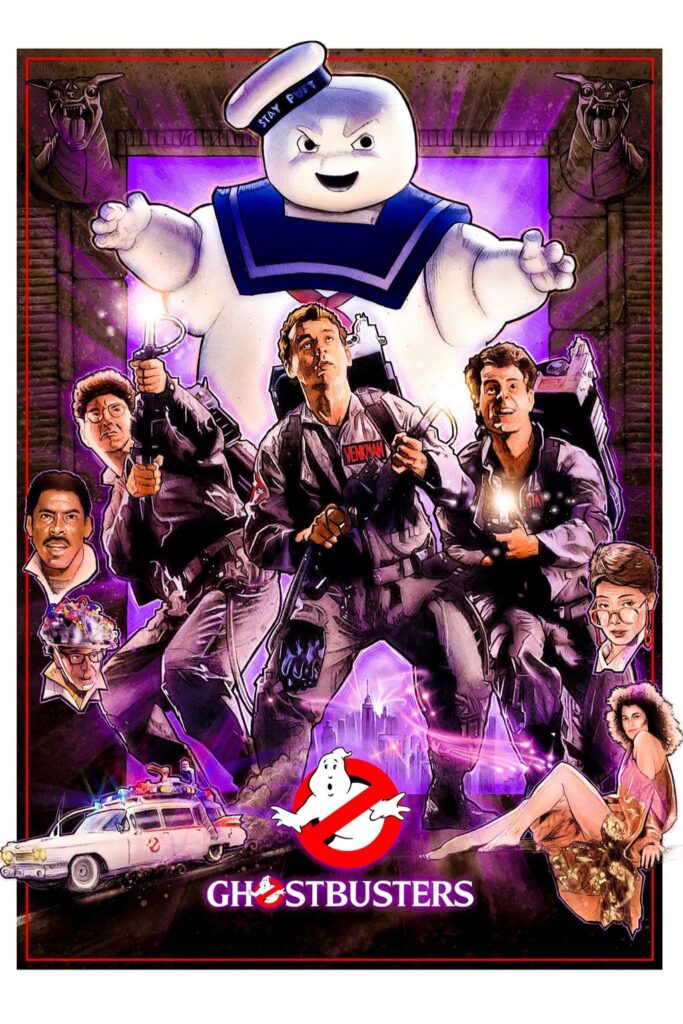
The 2016 ‘Ghostbusters’ reboot, particularly during its press tour, saw ‘death threats aimed at Leslie Jones.’ These instances illustrate a disturbing trend where casting choices, particularly those promoting diversity, become targets for intense, often bigoted, backlash, demonstrating that some fans are more interested in preserving a narrow, exclusive vision of a franchise than in engaging with new narratives or talent. The project doesn’t even need to be seen to be condemned.
4. **Review Bombing and ‘Woke Garbage’ Accusations: Reactive Toxicity**Beyond the pre-emptive strikes, toxic fandom often manifests in reactive, organized campaigns designed to undermine a project’s reception. ‘Review bombing’ is a prime example, where ‘mobbing sites like Rotten Tomatoes and IMDb with negative user reviews’ becomes a strategic tool to artificially deflate ratings and discourage viewership. This tactic gained mainstream attention following the premiere of 2017’s ‘Star Wars: The Last Jedi,’ but it’s been deployed against numerous projects since.
Recent targets include a ‘House of the Dragon’ episode featuring two female characters kissing and an episode of ‘The Last of Us’ focusing on a gay couple, both of which were review bombed. These attacks often masquerade as critiques of quality but are frequently rooted in ideological opposition to the content presented, particularly when it challenges traditional norms or introduces diverse representation. The intention is less about honest appraisal and more about punishing creative choices deemed unacceptable by these factions.
Furthermore, a pervasive ‘YouTube ecosystem is devoted to declaring projects like “The Marvels” and “The Boys” “woke garbage” (among other pungent sobriquets).’ This content machine churns out narratives that frame any attempt at inclusivity or deviation from perceived norms as a deliberate attempt to ruin a franchise, often rallying followers to engage in coordinated online harassment. Such campaigns create a chilling effect, poisoning the discourse around new releases and intimidating potential viewers and creators alike.
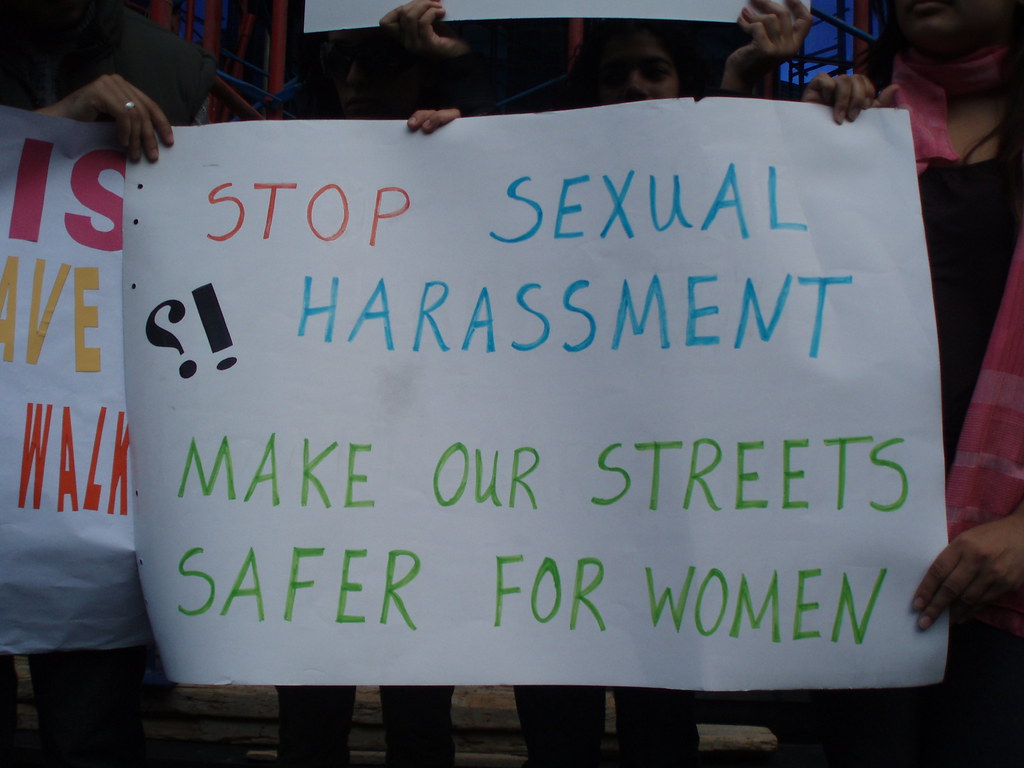
5. **Direct Attacks on Talent: Harassment, Threats, and Doxxing**Perhaps the most alarming and personally devastating manifestation of toxic fandom is the direct targeting of actors and creative leaders. These are not merely online disagreements; they escalate to harassment, threats, and even the dangerous practice of doxxing, where personal information is exposed online. The human cost of these campaigns is immeasurable, affecting mental health and personal safety.
Moses Ingram, an actor in ‘Obi-Wan Kenobi,’ publicly denounced the ‘hundreds’ of racist messages she received, stating, ‘There’s nothing anybody can do about this. There’s nothing anybody can do to stop this hate.’ Her experience highlights the deeply prejudiced nature of many toxic attacks, often rooted in racism and misogyny rather than genuine critical engagement with the art. The abuse is not about the performance but about the person.
The cast of ‘The Lord of the Rings: The Rings of Power’ similarly condemned ‘the relentless racism, threats, harassment, and abuse some of our castmates of color are being subjected to on a daily basis.’ These attacks often force studios to implement extreme protective measures, including ‘security firms will scrub talent information from the internet to protect them from doxxing,’ underscoring the very real physical and psychological danger these individuals face simply for doing their jobs.

6. **The Irony of Impact: Disproportionate Power Over Creative Direction**The ultimate irony in this landscape is the colossal influence a microscopic fraction of fans can wield over multi-billion-dollar franchises. As John Van Citters noted, ‘The number of people who live and die on their franchises are very, very few, and then those who come after things that they espouse to love with venom are a really, really tiny subset of that already smaller subset of fandom.’ Yet, this tiny, venomous subset manages to command an outsized amount of industry attention.
This disproportionate power is so significant that it has led studios to alter creative decisions. One studio executive revealed, ‘If it’s early enough and the movie isn’t finished yet, we can make those kinds of changes,’ based on feedback from test groups designed to gauge fan reactions. The threat of backlash, rather than the pursuit of artistic integrity, can sometimes become a driving force in content development, bending creative visions to appease a vocal minority.
The paradox is stark: a handful of angry voices, amplified by digital platforms, can send shockwaves through an entire industry, prompting fear and preemptive concessions. This dynamic raises critical questions about the true independence of artistic expression within an industry so tethered to established intellectual properties and fiercely loyal, albeit sometimes hostile, fanbases. The tail, it seems, can sometimes wag the dog, even if that tail belongs to a very small, very loud, and very angry creature.
Navigating the choppy, often perilous waters of modern fandom is a task that has Hollywood executives, marketers, and creatives alike grasping for a compass. The industry, ever-reliant on its established intellectual properties and the fervent loyalty they command, now finds itself in a reactive stance, attempting to mitigate the damage wrought by its most vitriolic segment. This isn’t merely about managing public relations; it’s about safeguarding creative integrity, protecting human talent, and ultimately, shoring up a bottom line threatened by the digital ‘bullhorn.’ So, how exactly is Hollywood attempting to contain this hydra-headed beast?
The strategies are as varied as they are contentious, ranging from calculated disengagement to direct confrontation, from attempting to co-opt ‘superfans’ to, in some cases, simply urging its stars to log off. This section will delve into the complex, sometimes contradictory, approaches studios are employing to combat toxic fandom, examining the efficacy and ethical implications of each tactic as the industry grapples with a new, unwelcome constant.

7. **The Ostrich Strategy: Ignoring and Elevating**One of the primary tactics employed by studios to combat online toxicity is a deliberate strategy of non-engagement, akin to an ostrich burying its head in the sand, but with a nuanced twist. As a TV marketing executive revealed, “Particularly when it’s a negative, toxic conversation, we don’t even engage. Like with toxic people, you try to not give it too much oxygen.” The underlying principle is simple: deny the oxygen of attention to the flames of vitriol, hoping they will eventually die down.
This selective silence isn’t a blanket dismissal of all fan sentiment. Instead, it’s often paired with an active amplification of positive voices. “We’ll reply to comments that are positive and elevate those things,” the same executive noted. This two-pronged approach aims to shift the narrative, directing attention towards appreciative fan engagement and subtly suggesting that the toxic elements are an anomaly, not the mainstream.
The rationale behind this strategy is sound, at least on paper. Reacting to every negative outburst risks inadvertently legitimizing fringe opinions and, perhaps more importantly, alienating the vast majority of fans who are simply expressing dissatisfaction without resorting to abuse. The industry recognizes a fine line between legitimate criticism and destructive harassment, striving to avoid punishing the former while actively deflating the latter.
However, the efficacy of this strategy is continually debated. While ignoring individual trolls might be wise, the sheer scale and coordinated nature of some toxic campaigns make them difficult to simply ‘not give oxygen to.’ The internet’s bullhorn ensures these voices, no matter how small in number, remain audibly persistent, often shaping public perception despite studio efforts to highlight positivity.

8. **The Proactive Playbook: Social Media Bootcamps and Account Takeovers**Beyond simply ignoring the noise, studios are increasingly adopting proactive measures to shield their talent from the direct brunt of toxic attacks. This often begins with preemptive education. Several studio insiders now report putting their actors through a “social media boot camp,” preparing them for the inevitable onslaught of online negativity that can accompany high-profile roles, particularly within beloved franchises.
In more extreme cases, particularly when an actor is cast in a role intentionally designed to challenge a franchise’s status quo, studios have resorted to even more direct intervention. With the actor’s permission, they will “take over their social media accounts entirely,” effectively creating a protective digital barrier between the talent and the online mob. This drastic measure underscores the severity of the threat and the lengths studios must go to ensure their stars’ mental well-being and safety.
When the vitriol escalates beyond mere harassment to threats of violence or doxxing, where personal information is exposed online, studios bring in specialized security firms. These firms “will scrub talent information from the internet” in a desperate attempt to protect individuals from very real physical and psychological dangers. This level of protection, once reserved for the highest echelons of celebrity, is now becoming a disturbingly routine necessity for actors in roles that challenge fan expectations.
These measures highlight a grim reality: for many actors, merely participating in a major franchise now comes with the unspoken caveat of potential personal peril. While social media offers a direct line to fans, the darker side of that connection forces Hollywood to erect ever more sophisticated, and often costly, defenses against its own audience.

9. **The ‘Superfan’ Paradox: Consultation or Concession?**One intriguing, and arguably paradoxical, approach Hollywood has adopted involves inviting the very forces they sometimes battle into the creative tent. Recognizing the power of passionate fanbases, some studios now assemble a “specialized cluster of superfans to assess possible marketing materials for a major franchise project.” The idea is to tap into the collective consciousness of dedicated followers to anticipate and pre-empt potential backlash.
These superfan focus groups are not shy about voicing their concerns. As one studio executive candidly admitted, “They’re very vocal. They will just tell us, ‘If you do that, fans are going to retaliate.’” This direct feedback loop can be incredibly influential, offering studios a barometer for audience sentiment before a project is even released. It’s a calculated risk, hoping to harness fan energy rather than confront it.
Remarkably, this feedback has, in some cases, led to tangible alterations in projects still under development. “If it’s early enough and the movie isn’t finished yet, we can make those kinds of changes,” revealed the studio executive. This demonstrates the significant power these ‘superfans’ wield, effectively shaping narratives and creative directions based on their perceived notion of what the fanbase will tolerate.
However, this tactic is fraught with controversy and carries a profound irony. While it aims to appease, it also risks bending creative integrity to the loudest, not necessarily the most insightful, voices. As one critic points out, “Fans don’t know what is best for a project. Sorry to say, that’s not how the creative process works.” The danger lies in sacrificing genuine artistic vision for fear of a vocal minority, potentially “ruining the artistic value” of something in the process.

10. **The ‘Toxic’ Label: A Shield or a Sword?**Amidst these varied strategies, a crucial debate rages within the industry and among commentators: is the term ‘toxic fandom’ a legitimate descriptor for abusive behavior, or has it become a convenient rhetorical weapon? A compelling counter-narrative argues that studios have weaponized this label, using it to “silence genuine fans” and “deflect legitimate criticism” about the quality of their creative output.
This perspective posits that many fan grievances, particularly regarding “poor writing, acting, and production” in beloved franchises, are not born of bigotry but of genuine “dissatisfaction.” When studios churn out “quick, lazy, and formulaic” content—the “fast food of entertainment”—and then label critical fans as ‘toxic,’ it redefines the conversation, shifting blame from creative shortcomings to perceived audience malice.
The underlying sentiment, according to this argument, is that studios view their franchises primarily as “a means to an end”—”bait to attract casual viewers and drive the bottom line.” They assumed that “real fans wouldn’t let them get away with mishandling the franchise,” believing fans were “mindless consumers” who would blindly accept any brand extension. When fans proved otherwise, vocalizing their disappointment over lore deviations or perceived ideological agendas, the ‘toxic’ label became a convenient cudgel.
This narrative further points to a “YouTube ecosystem devoted to declaring projects… ‘woke garbage'” and the emergence of “shills” in media, who, in hopes of gaining favor with studios, attack critical fans with labels like “bigot,” “ist,” and “homophobe.” This creates a chilling effect, where legitimate criticism is conflated with hate, thus muddying the waters and making genuine, good-faith dialogue nearly impossible.

11. **The Creative Dilemma: Integrity vs. Appeasement**At the heart of Hollywood’s struggle with toxic fandom lies a profound creative dilemma: how to balance artistic vision and narrative evolution with the often-rigid demands of established fanbases. For many creators, the notion of “Fandamentalists”—a term coined by screenwriter John Rogers in 2004, still relevant today—epitomizes this challenge. These are “fans who violently believe the only valid interpretation of any entertainment source is a dogmatic adherence to their favorite version of that source,” viewing “any change to the smallest detail as inherently unacceptable.”
This dogmatic adherence clashes directly with the industry’s desire to “grow more diverse and lift new voices,” to evolve stories and characters in ways that reflect a broader, more inclusive cultural landscape. When creative choices, such as diverse casting, become targets for intense, often bigoted, backlash, studios are forced into an uncomfortable position, caught between their internal mandates for progress and external pressures to maintain a perceived purity of canon.
The question then becomes: should creators “bow down to the worst impulses of the loudest fans,” or should they “create the movie or show that makes you proudest”? The former risks “ruining the artistic value” of a project, creating content that is creatively compromised and panders to a vocal minority. The latter, while upholding artistic integrity, opens creators and talent to the full force of online vitriol, as evidenced by countless recent examples.
This tension is an ongoing battle, with no easy answers. It forces studios to weigh commercial viability against artistic freedom, to protect their talent while simultaneously exploring new narratives. The stakes are incredibly high, influencing not only the content produced but also the very careers and well-being of those who create it.

12. **The Personal Fortress: Logging Off and Having Backs**While studios devise institutional strategies, individual talent often finds a personal defense mechanism: disengaging entirely from the online cacophony. Marvel star Elizabeth Olsen offers a stark, yet effective, example: “I’m not online, so I’m protected. Generally, it’s a lot of positive experiences of making kids happy. I ignore the other stuff.” For Olsen and others who can afford such a luxury, staying offline acts as a “modern shield,” safeguarding mental health from the relentless negativity.
Yet, not all talent has the privilege to simply log off. For those who remain active, particularly BIPOC actors who disproportionately bear the brunt of racist and misogynistic attacks, studios bear a profound responsibility. Kristen Marston, culture and entertainment advocacy director for Color of Change, emphasized this point: “It’s not only about hiring Black people or people of color, it’s also about letting people know their employer has their back if something goes down. They hire people, and then they don’t have their back. That can be really detrimental to health and careers.”
This backing can manifest in public statements of support, as seen with Lucasfilm’s staunch defense of Moses Ingram or the ‘Rings of Power’ cast condemning racist abuse. It means creating a safety net, both digital and emotional, that allows artists to pursue their craft without constant fear. Ultimately, the future of fan-management in Hollywood will hinge on whether the industry can foster a healthier dialogue, one that embraces good-faith criticism while unequivocally rejecting harmful behavior.
The battle against toxic fandom is far from over. It is an evolving landscape where the “bullhorn” of social media amplifies a tiny, venomous subset, creating an unavoidable presence. While Hollywood experiments with various tactics—from selective silence to superfan engagement, from protective bootcamps to direct public support—the underlying challenge remains: to balance the imperative of creative evolution and inclusive storytelling with the fervent, sometimes hostile, demands of an audience that feels deeply invested. As John Van Citters wisely reminds us, “The vast majority of any fandom are casual fans.” Perhaps, with continued effort and a concerted focus on nurturing positive engagement, the quiet majority will eventually reclaim the conversation, allowing for a more respectful, thoughtful exchange between creators and their cherished audiences. The hope is that the industry can move beyond simply fighting back and instead cultivate a fandom that is as enriching as the stories it loves.