The art of filmmaking is undergoing a significant evolution, challenging the long-held belief that professional cinema necessitates prohibitively expensive cameras and elaborate setups. High barriers to entry once limited storytelling. However, advanced smartphone technology, particularly the iPhone, has democratized this creative sphere. It now empowers diverse storytellers and seasoned directors to reimagine their craft, broadening the scope of cinematic possibility for a new era.
Once a mere consumer gadget, the iPhone has become a powerful tool for capturing high-quality cinematic footage. Its compact size, sophisticated camera systems, and growing accessory ecosystem offer unprecedented flexibility. This accessibility lowers barriers for aspiring filmmakers and provides established auteurs with innovative pathways. It helps them realize distinct aesthetic visions and achieve remarkable logistical efficiencies, fundamentally changing film production.
From gritty independent features to major studio sequels, the iPhone unequivocally proves its legitimacy as a filmmaking instrument. Its integration into professional sets underscores a broader industry acceptance of modern, accessible technology for compelling narratives. This fosters immediacy and authenticity, resonating deeply with contemporary audiences. This article explores landmark films leveraging this revolutionary device, highlighting its transformative impact on cinematic expression.
1. 28 Years Later (2025)
Director Danny Boyle is utilizing iPhones for substantial portions of his upcoming sequel, “28 Years Later.” This aligns with his innovative use of early digital cameras for “28 Days Later,” which achieved gritty realism. Boyle’s deployment of iPhone 15 Pro and Pro Max models extends this tradition, aiming to infuse the narrative with urgent authenticity, fostering a connection to raw, modern aesthetics. Multiple iPhones enable simultaneous capture from various angles, creating intense, immersive action.
The iPhones allowed the production to maintain a “light footprint” in remote locations, crucial for depicting untouched post-apocalyptic landscapes. Boyle explained this was vital for filming without disruption, often complemented by drones for expansive shots. The shaky quality of fast-paced iPhone footage deliberately mirrors frenetic pursuit scenes, linking visual style to narrative tension. This approach also underscores the “democratization of the experience,” as the technology is universally accessible.
Boyle innovatively devised “poor man’s ‘bullet time’” by rigging around 20 iPhones onto a wooden palette. This setup allowed seamless cutting between diverse perspectives of violent moments, providing a 180-degree vision of action. Such dynamic time-slicing effects, typically costly with traditional gear, were achieved affordably. “28 Years Later” thus demonstrates how smartphones empower significant creative and technical breakthroughs in large-scale productions, redefining what’s possible.
Read more about: Aron Bell, Last Brother of a World War II Resistance Group, Dies at 98: A Legacy of Courage and Rescue
2. Unsane (2018)
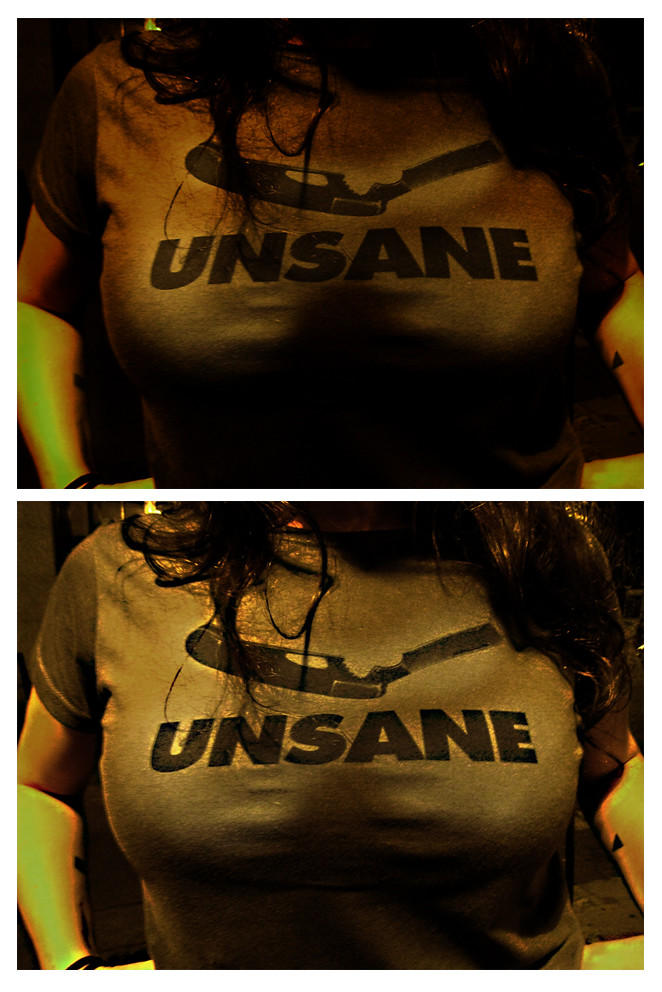
Steven Soderbergh, known for experimental approaches, filmed his entire psychological thriller “Unsane” on an iPhone 7 Plus. The narrative, involving a woman involuntarily committed to a mental institution who suspects her stalker is present, benefits significantly from the iPhone’s unique visuals. This choice imparts a raw, unsettling feeling, drawing the audience into the protagonist’s paranoia and blurring her perception of reality, enhancing the psychological tension.
Soderbergh selected the iPhone for its unparalleled speed and agility in filming, facilitating quick, unconstrained movements and unique camera angles. The device’s compact size allowed for discreet shooting, effectively amplifying the film’s tense and claustrophobic atmosphere without bulky traditional equipment. Remarkably, all essential production gear for “Unsane” fit into a single backpack, showcasing exceptional efficiency and simplicity achievable with smartphone-centric filmmaking.
To elevate the iPhone footage, Soderbergh integrated the FiLMiC Pro app for manual control over camera settings, alongside a DJI Osmo for stabilization. He confidently stated that audiences would be unaware of the iPhone’s use, underscoring the professional visual quality achieved. “Unsane” powerfully illustrates that resourcefulness combined with accessible technology yields polished, theatrically released productions, effectively challenging conventional notions of filmmaking equipment.
3. Tangerine (2015)
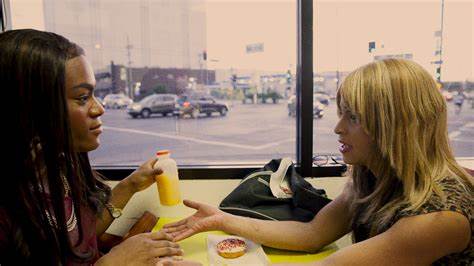
Sean Baker’s acclaimed film “Tangerine” gained attention for its compelling story and groundbreaking production, captured entirely on three iPhone 5s smartphones. The film, depicting a transgender worker’s search for her pimp in Hollywood, utilized the iPhones for a vibrant visual style. This aesthetic vividly captured the chaotic, energetic urban environment of its characters, lending an authentic, gritty realism to the narrative.
Baker’s decision to employ iPhones was a blend of artistic vision and economic pragmatism, enabling a distinctive look while drastically reducing equipment costs for the film’s modest $100,000 budget. To enhance cinematic quality, special anamorphic lenses were affixed to the phones, creating a widescreen effect that elevated the overall visual presentation. “Tangerine” was a watershed, demonstrating that powerful, engaging stories could be effectively told using readily available, everyday technology.
The inherent discreetness of the iPhones offered significant logistical advantages, allowing unobtrusive filming in public areas like buses and subways without cumbersome permits. This facilitated spontaneous capture of authentic street life, enriching the film’s cinéma vérité style and immediacy. “Tangerine” remains a testament to how ingenuity, coupled with accessible technology, can overcome financial constraints to produce a critically acclaimed, transformative cinematic experience.
4. Uneasy Lies the Mind (2014)
“Uneasy Lies the Mind,” captured entirely on an iPhone 5, stands as one of the earliest features showcasing the smartphone’s narrative power. This psychological thriller explores a man’s gradual descent into madness at a winter retreat, with filmmakers intentionally selecting the iPhone for its capacity to produce a grainy, unsettling visual style. This aesthetic choice powerfully mirrored the protagonist’s disintegrating mental state, enhancing the film’s tense atmosphere.
Director Ricky Fosheim deliberately transformed the iPhone’s inherent characteristics—often considered limitations—into artistic strengths. The distinctive texture of the iPhone footage subtly signaled a distorted reality, drawing viewers deeper into the character’s subjective, disturbing journey. This strategic artistic decision magnified the story’s psychological impact, allowing the camera itself to become an integral element of the narrative’s unsettling progression.
Production required considerable resourcefulness, including novel solutions like warming the iPhone under an armpit to maintain battery life during cold outdoor shoots. The use of a Turtle Back lens adapter, which sometimes trapped dirt within the lens, inadvertently contributed to the desired “grimier feel,” reinforcing the film’s grounded aesthetic. “Uneasy Lies the Mind” was pivotal, proving the iPhone’s efficacy not merely as a budget alternative, but as a deliberate tool for crafting unique, impactful artistic vision.
5. 9 Rides (2016)
Matthew A. Cherry’s “9 Rides” offers a compelling narrative seen through the perspective of an Uber driver on New Year’s Eve, as he processes life-changing news through interactions with nine different passengers. The film achieved distinction by being shot entirely in 4K on an iPhone 6s, making it one of the first features to fully exploit the iPhone’s advanced 4K video capabilities. This delivered an intimate and realistic cinematic experience, lending a strong sense of immediacy and personal connection.
The choice of the iPhone 6s was pragmatic, providing creative flexibility after an earlier project was shelved, prompting Cherry to adopt an improvisational approach. The iPhone 6s’s 4K resolution marked a significant technological leap, offering four times the detail of 1080p footage. This vastly improved image quality ensured the film was well-suited for modern screens without exhibiting graininess, establishing a new benchmark for smartphone cinematography in professional contexts.
The production team navigated the learning curve associated with the new iPhone model, supplementary apps like FiLMiC Pro, and the recently released BeastGrip pro rig. These challenges underscored the adaptive nature inherent in pioneering independent filmmaking. “9 Rides” skillfully utilized the iPhone to create an immersive, fly-on-the-wall perspective, effectively deepening the themes of human connection and demonstrating how a widely accessible device could produce profound and relatable cinematic stories.
Read more about: Beyond the Charts: Inside Beyoncé’s Houston Studio and the 2 Billion-Dollar Enterprise Controlling Her Narrative
6. To Jennifer (2013)
“To Jennifer” holds a unique position in found-footage horror, notable as a feature film shot entirely on an iPhone 5 in 2013. The narrative follows a man’s disturbing journey to confront his long-distance girlfriend over suspected infidelity, with the raw, smartphone-recorded visual style intensifying the psychological suspense. This pioneering use of the iPhone was exceptionally suited to the found-footage genre, which inherently thrives on an unpolished aesthetic mimicking authentic, personal documentation.
The film earned recognition for effectively crafting a compelling narrative with seemingly minimal resources, leveraging the everyday familiarity of a smartphone camera to heighten its verisimilitude. Director James Cullen Bressack adopted a minimalist approach, even utilizing the iPhone’s built-in microphone. He observed its surprising efficacy in “blocking out background noise other than speech,” a choice that further immersed the audience in the protagonist’s disturbing, seemingly unedited personal journey.
“To Jennifer” adeptly transformed the perceived limitations of smartphone cinematography into powerful creative strengths, especially for genres that benefit from an unvarnished, authentic presentation. It highlighted how a director could harness the device’s immediacy, portability, and commonality to dramatically intensify a film’s narrative impact. This early effort was instrumental in showcasing the iPhone’s capability as a primary filmmaking tool, proving its worth for productions aiming for disturbingly realistic and personally invasive cinematic experiences.
Read more about: The Unrelenting Pace of Stardom: Why Scarlett Johansson’s Illustrious Career Demands a Closer Look
7. I Play with the Phrase Each Other (2013)
This experimental film garnered significant attention for its innovative approach, being made entirely from conversations recorded on iPhones. Released in 2013, the film uniquely explores themes of modern communication and loneliness through the lens of a young man navigating a new city, relying heavily on his phone to connect with others. Its entire presentation is designed to mimic the experience of viewing the world through a phone screen, offering a deeply personal and immersive perspective on digital-age interactions.
The film’s creator, Jay Alvarez, ingeniously utilized the iPhone not merely as a recording device, but as an integral narrative element. By presenting the story through the very medium of digital communication, the iPhone becomes central to the film’s thematic exploration of how technology mediates our relationships and perceptions. This deliberate integration elevates the device from a mere tool to a crucial component of the storytelling itself, challenging traditional cinematic conventions.
“I Play with the Phrase Each Other” stood out for its pioneering methodology and artistic vision. Its recognition at the Slamdance Film Festival, where it won the top prize, underscored its significance in independent filmmaking. This achievement demonstrated that sophisticated narratives and profound thematic explorations could be realized through accessible technology, further validating the iPhone’s potential for innovative and impactful cinema, particularly within experimental genres that embrace unconventional aesthetics.
Read more about: Lights, Camera, Walkout! 15 Times Directors Ditched Major Blockbusters Mid-Production

8. Sleep Has Her House (2017)
Scott Barley’s 2017 narrative film, “Sleep Has Her House,” offers a profoundly unique and unsettling cinematic experience, shot entirely on an iPhone 6. Diverging from conventional narrative structures, this film is notable for its complete absence of actors or dialogue, relying instead on a series of evocative shots of nature and animals. It crafts an unnerving atmosphere as a malevolent, unseen force appears to sweep through the environment, creating a sense of dread and unease.
The film’s aesthetic is far from simple, despite its minimalist approach. Many scenes are meticulously constructed from dozens of different shots layered on top of one another, resulting in thousands of hours of rendering time. This intricate post-production process belies the raw origins of the footage, showcasing how painstaking artistic effort can transform humble smartphone captures into a visually complex and emotionally resonant work of art, challenging perceptions of what “iPhone-shot” truly entails.
Furthermore, “Sleep Has Her House” creatively integrates other artistic mediums; approximately 10% of the film consists of drawings created by the director during his fine art studies. This blend of iPhone cinematography and hand-drawn elements results in a wholly unique final product, producing sublime and often haunting images. It underscores the iPhone’s versatility not just for capturing reality, but as a foundation for deeply personal and experimental artistic expression, pushing the boundaries of cinematic form.
Read more about: Aron Bell, Last Brother of a World War II Resistance Group, Dies at 98: A Legacy of Courage and Rescue
9. Ghost (2020)
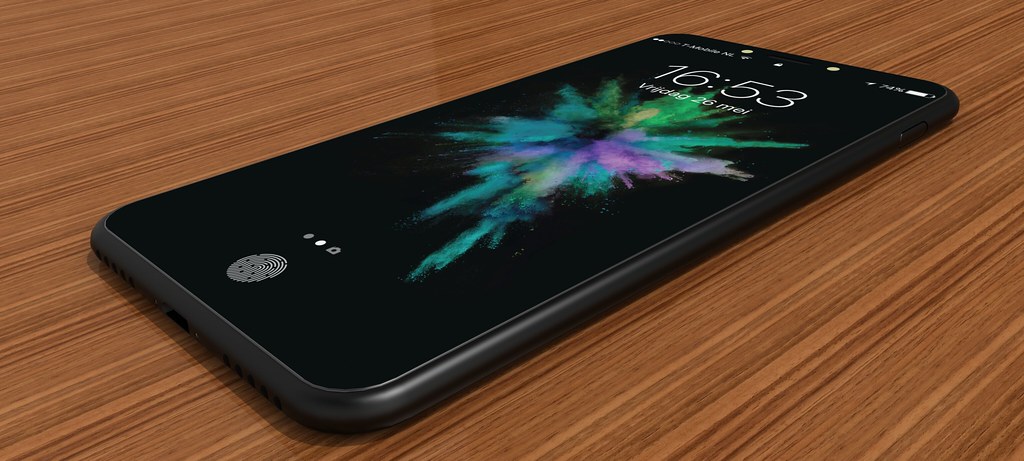
Anthony Z. James’ 2020 narrative film, “Ghost,” was captured entirely using two iPhone 8 smartphones, showcasing the device’s capability for producing compelling, grounded drama. The film follows the poignant journey of an ex-convict striving to reconnect with his son, a narrative that benefits immensely from the intimate and immediate visual style afforded by smartphone cinematography. This choice helps immerse the audience directly into the protagonist’s emotional landscape, amplifying the film’s realism.
Director James explicitly cited cinéma vérité pioneer John Cassavetes as an inspiration for his work, aiming for a stripped-down, documentary-style approach to narrative filmmaking. The use of iPhones perfectly aligned with this vision, allowing for an authentic portrayal of raw human emotion and challenging circumstances without the imposing presence of traditional, bulky camera equipment. This methodology enabled a more fluid and less intrusive filming process, crucial for capturing unvarnished performances.
To elevate the iPhone 8 footage to a theatrical standard, James employed professional accessories such as the FiLMiC Pro app for enhanced control, a DJI Osmo for stabilization, and Moondog anamorphic lenses. While some small LEDs were used, the film largely relied on natural lighting, further underscoring its commitment to a realistic aesthetic. “Ghost” stands as a testament to the iPhone’s capacity to facilitate high-quality, emotionally resonant independent cinema, proving that powerful storytelling can thrive with accessible tools.
Read more about: The Ultimate Flop? When Iconic Universes Beyond Crossovers Missed the Mark with Magic: The Gathering Fans

10. I WeirDO (2020)
The 2020 Taiwanese narrative film, “I WeirDO,” marks a significant milestone as the first feature-length film from Asia to be both filmed and edited entirely on an iPhone, specifically the iPhone XS Max. This production exemplifies how smartphone features can be thematically integrated into a narrative, enriching the storytelling rather than merely serving as a production tool. The film delves into the lives of a man and woman who forge a romantic connection through shared experiences of germophobia and OCD, living largely isolated existences.
A distinctive aspect of “I WeirDO” is its innovative use of altering aspect ratios, which directly reflects the characters’ psychological states and evolving worldviews. Initially, the iPhone’s vertical format lends itself to the claustrophobic and insular lives of the protagonists, visually mirroring their self-imposed isolation. As their relationship develops and their perspectives broaden, the cinematography transitions to wider, more horizontally aligned shots, symbolizing their growth and openness. This thoughtful application of format transcends gimmickry, becoming a powerful visual metaphor.
While released in 2020, “I WeirDO” is not a direct commentary on the COVID-19 pandemic, yet its themes of isolation and characters wearing masks everywhere resonate with contemporary experiences. The film demonstrates that the iPhone XS Max, with its advanced camera capabilities, can be a tool for nuanced artistic expression. It highlights the potential for smartphones to enable filmmakers to explore complex human conditions through inventive visual strategies, cementing its place as a groundbreaking work in smartphone cinema.

11. Pondicherry (2022)
“Pondicherry,” a 2022 narrative film from India, further exemplifies the global reach and increasing acceptance of iPhone filmmaking. Shot entirely on an iPhone X, this production from Sachin Kundalkar contributes to the growing body of work that challenges traditional notions of cinematic production. The choice of the iPhone X, released several years prior to the film, demonstrates a confidence in the enduring quality and capabilities of earlier iPhone models to deliver professional-grade footage.
The iPhone X, with its enhanced camera system, offered filmmakers a versatile tool that balanced portability with high-resolution capture. For a narrative film, this would have allowed for agile shooting, potentially facilitating more intimate character studies or dynamic sequences that might be cumbersome with larger, conventional equipment. This underscores the practical advantages iPhone cinematography offers to directors in various international contexts, allowing for nimble and efficient production schedules.
As a narrative film shot on an iPhone X in 2022, “Pondicherry” stands as a testament to the consistent evolution and reliability of Apple’s smartphone technology in the hands of creative directors. It adds to the compelling evidence that cinematic quality is increasingly detached from equipment cost, residing instead in artistic vision and resourceful execution. The film reinforces the idea that accessible technology can empower diverse stories to reach audiences, enriching the global cinematic landscape.
12. Banger (2022)
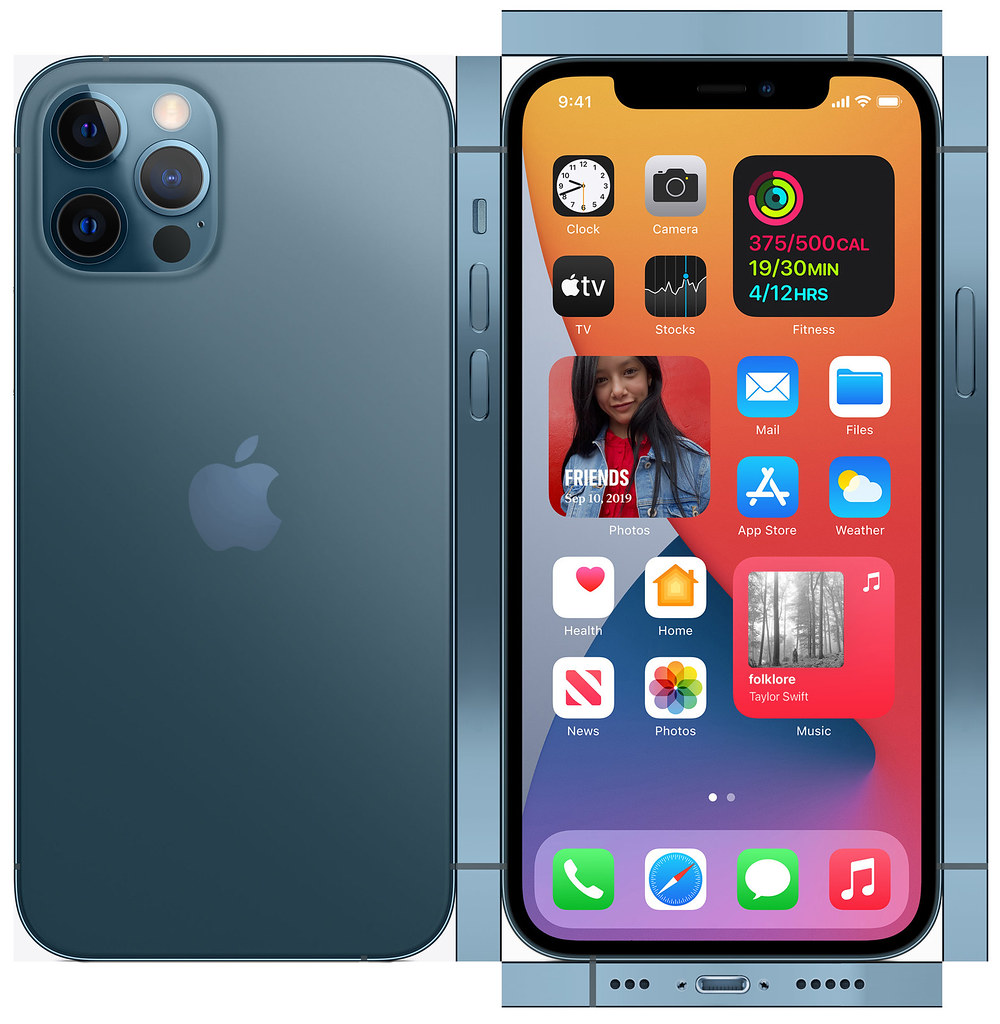
The Czech Republic contributed to the expanding catalog of iPhone-shot features with Adam Sedlák’s “Banger,” a narrative film released in 2022. This production utilized the iPhone 12 Pro Max, a device known for its significant advancements in mobile photography and videography, including improved low-light performance and enhanced computational photography features. Its selection for a feature film underscores the burgeoning trust filmmakers place in the newest iPhone iterations for professional-grade projects.
The iPhone 12 Pro Max offered filmmakers capabilities such as improved sensor-shift optical image stabilization and Dolby Vision HDR video recording, which would have enabled “Banger” to achieve a richer dynamic range and smoother footage. These technical enhancements are crucial for a narrative film aiming for a polished visual aesthetic while benefiting from the logistical advantages of smartphone shooting. The ability to capture high-quality video in challenging lighting conditions would also expand creative possibilities.
“Banger” thus represents a continuation of the trend where directors leverage cutting-edge smartphone technology to realize their artistic visions, often pushing the boundaries of what is conventionally expected from mobile devices. The film contributes to the narrative that high-quality cinematic production can be achieved with accessible tools, further blurring the lines between amateur and professional filmmaking equipment. It showcases how directors are adapting to and adopting these powerful, pocket-sized cameras.
Read more about: Miley Cyrus: Decoding the Journey – From Disney Star to Global Icon and Her Evolving Relationship with Show Business
13. The Astrid Experience (2023)
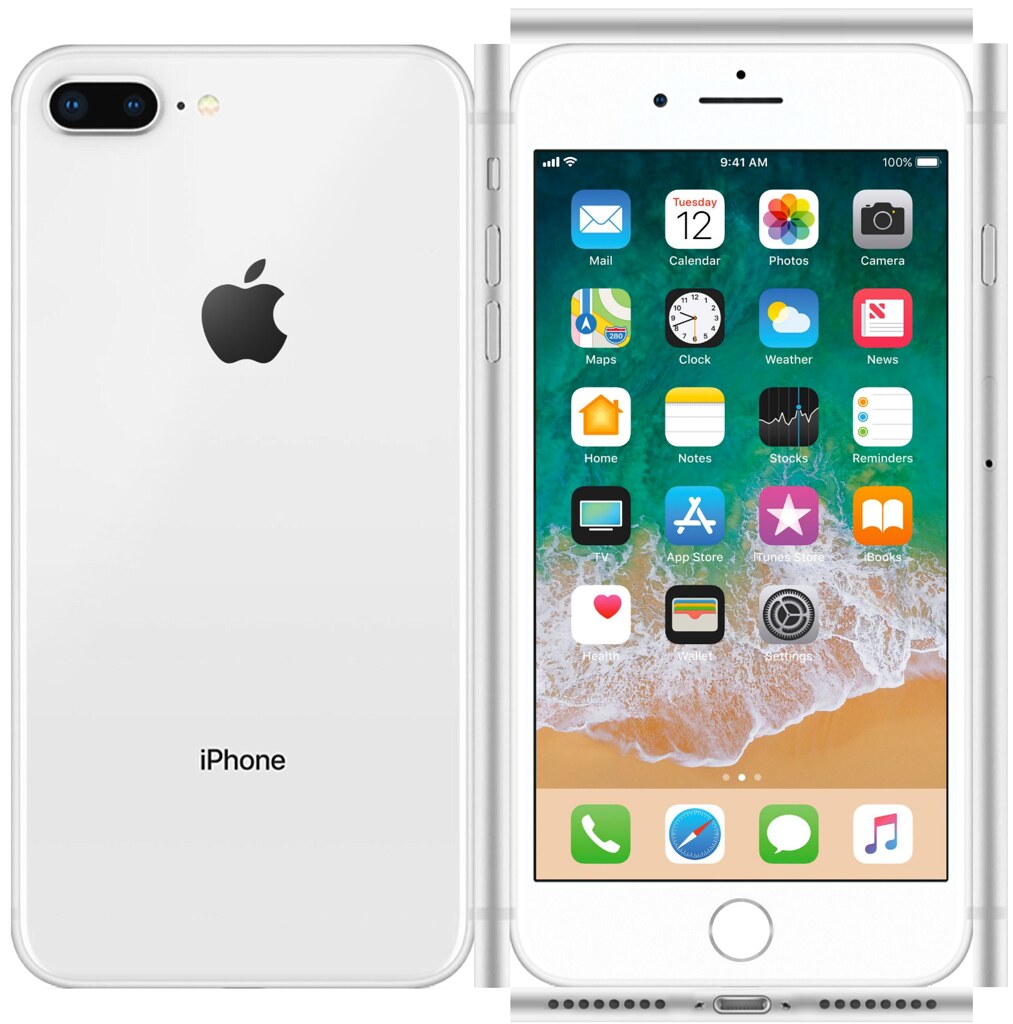
From the United States, “The Astrid Experience,” a narrative film released in 2023 and shot on an iPhone 8 Plus, highlights the sustained relevance of older iPhone models for professional productions. Directed by Cal Barnes, this film demonstrates that even devices from several generations prior can still serve as potent tools for cinematic storytelling, provided there is a clear artistic vision and technical proficiency in their application.
The iPhone 8 Plus, with its dual-camera system, introduced features like Portrait mode and enhanced optical zoom capabilities, which, while primarily photo-focused, also offered versatility for video capture. Filmmakers could leverage these aspects, potentially for unique visual perspectives or to create a particular aesthetic. The continued use of such a model years after its release emphasizes the longevity and foundational quality of iPhone camera technology, proving that innovation isn’t solely tied to the very latest device.
This film, appearing in 2023, reinforces the notion that the democratization of filmmaking is not confined to brand-new technology. It attests to the fact that accessible, readily available smartphones, even those not at the absolute forefront of technological advancement, can still be harnessed to produce compelling narrative features. “The Astrid Experience” serves as a reminder that creativity and resourcefulness often outweigh the need for the most expensive or newest equipment in the pursuit of cinematic art.
**The Enduring Legacy of Smartphone Cinema**
The continued embrace of iPhones and other camera phones in filmmaking, from intimate dramas to experimental narratives, unequivocally highlights a seismic shift in cinematic production. These films collectively demonstrate that artistic vision, compelling storytelling, and technical ingenuity are paramount, often triumphing over the perceived necessity of traditional, prohibitively expensive equipment. The directors featured in this exploration have not only lowered the barriers to entry but have also actively innovated, transforming the very limitations of smartphone technology into distinct aesthetic strengths. As camera phones continue to advance, their role in shaping the future of cinema—whether on the red carpet or in independent festivals—will undoubtedly remain a compelling and evolving narrative, promising even more diverse and accessible forms of storytelling for global audiences.