
In the demanding world of mountain biking, where every climb and descent pushes equipment to its limits, the choice of frame material is paramount. Carbon fiber frames have ascended to the top ranks, favored by serious cyclists for their exceptional strength-to-weight ratio, which promises both blistering speed and precise handling. This innovative material, composed of intricate carbon fiber bundles bonded by resin, allows manufacturers to finely tune a frame’s stiffness, strength, and comfort, offering an unparalleled riding experience.
Yet, for all their celebrated performance advantages, questions about carbon frame durability persist among riders. Is this lightweight marvel truly a ‘trail tank,’ capable of enduring years of abuse, or can it be a ‘fragile snapper’ susceptible to sudden failure? Understanding the longevity of these frames is not merely an academic exercise; it’s essential for making informed purchasing decisions, optimizing performance, and, crucially, ensuring safety on the most challenging trails.
To demystify the lifespan and resilience of carbon mountain bike frames, we’ve undertaken a rigorous assessment of the critical factors that dictate their endurance. From the microscopic structure of the fibers themselves to the rigorous tests they undergo before hitting the market, this in-depth guide will unpack 11 key elements every rider needs to understand to maximize their investment and confidently navigate the rugged terrain that carbon frames are built for.
1. **Quality of Materials**
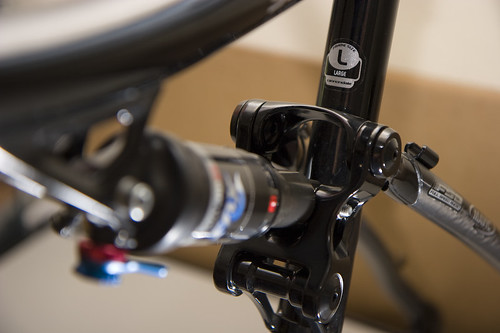
The bedrock of any carbon frame’s longevity is the intrinsic quality of the materials used in its manufacturing. Not all carbon fiber is created equal, and the type employed significantly dictates the frame’s ability to withstand the relentless wear and tear of mountain biking. Manufacturers have a spectrum of carbon fibers at their disposal, each offering a unique balance of weight, strength, and stiffness properties.
Among the choices, high modulus carbon fiber stands out. This variant is notably lighter and stiffer, which translates directly into superior performance metrics like responsiveness and efficient power transfer. However, this enhanced performance comes with a trade-off: high modulus carbon can be more brittle when subjected to intense, concentrated stress. This characteristic necessitates precise engineering to mitigate potential vulnerabilities.
Conversely, standard modulus carbon offers a more robust and durable profile. It strikes a better balance between weight and strength, making it a versatile choice suitable for a broader range of riding styles and conditions. While it might not offer the absolute lightest or stiffest ride, its inherent resilience often translates to a longer, more forgiving lifespan under varied stresses.
Ultimately, investing in a frame crafted from premium materials is a pivotal step toward ensuring a longer-lasting bike. Higher-grade carbon fibers are engineered to better resist the rigors of daily use and the extreme conditions encountered on trails, securing your investment and enhancing your riding experience for years to come.
Read more about: The Controversial Laws Forbidding At-Home Car Washes: A Comprehensive Consumer Reports Guide
2. **Frame Construction Techniques**
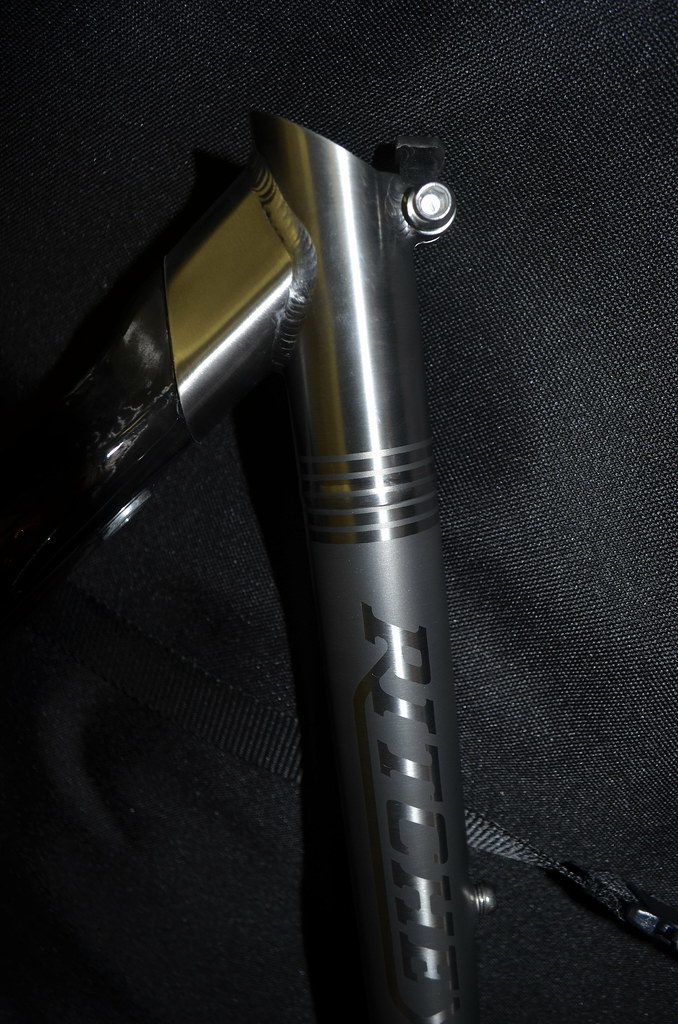
Beyond the raw materials, the methods used to assemble carbon fibers into a complete frame are equally critical to its durability and performance. Different construction techniques yield frames with distinct characteristics, impacting everything from overall strength to specific stress points. Understanding these methods provides insight into how a frame is engineered to handle forces.
One prominent method is monocoque construction, which involves creating the entire frame using a single mold. This approach minimizes the number of joints and bonding areas, traditionally weak points in frame construction. The result is a more seamless and integrated structure, which inherently enhances the frame’s durability by distributing stress more uniformly across its entirety and reducing points of potential failure.
Another technique is laminated construction. Here, layers of carbon fibers are strategically applied and bonded together. This method offers manufacturers considerable flexibility in tailoring the frame’s stiffness and weight distribution to achieve specific ride characteristics. However, the integrity of a laminated frame is highly dependent on the precision of its execution; if the layering is not performed correctly, it can introduce potential weak spots that compromise long-term durability.
Tube-to-tube construction, where individual carbon tubes are bonded together, is also employed. While capable of producing a strong frame, the joints between the tubes are often areas of concern, potentially introducing points of weakness if not executed with exceptional care. Choosing a frame built with advanced, well-executed construction techniques is a significant factor in ensuring its longevity, as these methods are designed to prioritize strength, performance, and structural integrity.
Read more about: Unleashed Adrenaline: The 15 Most Iconic Car Chases That Still Electrify Your Screen!
3. **Usage Patterns**
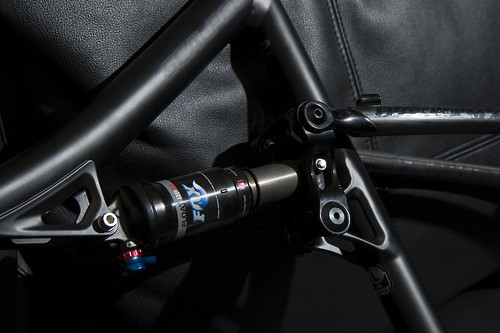
The way a cyclist uses their mountain bike is an often-underestimated factor significantly influencing the lifespan of a carbon frame. Carbon frames are robust, but the cumulative stress from riding habits can accelerate wear and tear, necessitating a mindful approach to riding.
Consider the stark contrast between casual riding and aggressive trail riding. Riding on smooth paths or paved roads imposes minimal stress on the frame, allowing for a significantly longer lifespan, often exceeding average expectations. The forces exerted are generally well within the frame’s design tolerances, leading to gradual, rather than rapid, degradation.
However, aggressive riding styles, such as competitive mountain biking, enduro racing, or frequent engagement with jumps and rough, technical terrains, subject the frame to immense and repeated stress. These high-impact scenarios can lead to faster material fatigue and potential damage, even in frames designed for such activities. The sudden loads and torsional forces are far greater, demanding more resilience from the carbon layup.
Furthermore, the frequency and manner of bike transport also play a role. Regularly moving a bike, especially without proper protection, can expose the frame to accidental impacts, scrapes, or crushing forces from inadequate clamping. These external forces, though not part of riding, can nonetheless compromise a frame’s integrity over time, leading to unseen damage that impacts longevity. Cyclists are encouraged to honestly assess their riding and transport habits to understand their potential impact on frame longevity and consider adjustments to reduce undue stress.
Read more about: The Enduring Legacy of a Name: Tracing ‘Jennifer’ Through Centuries of Cultural Influence and Global Popularity
4. **Environmental Conditions**
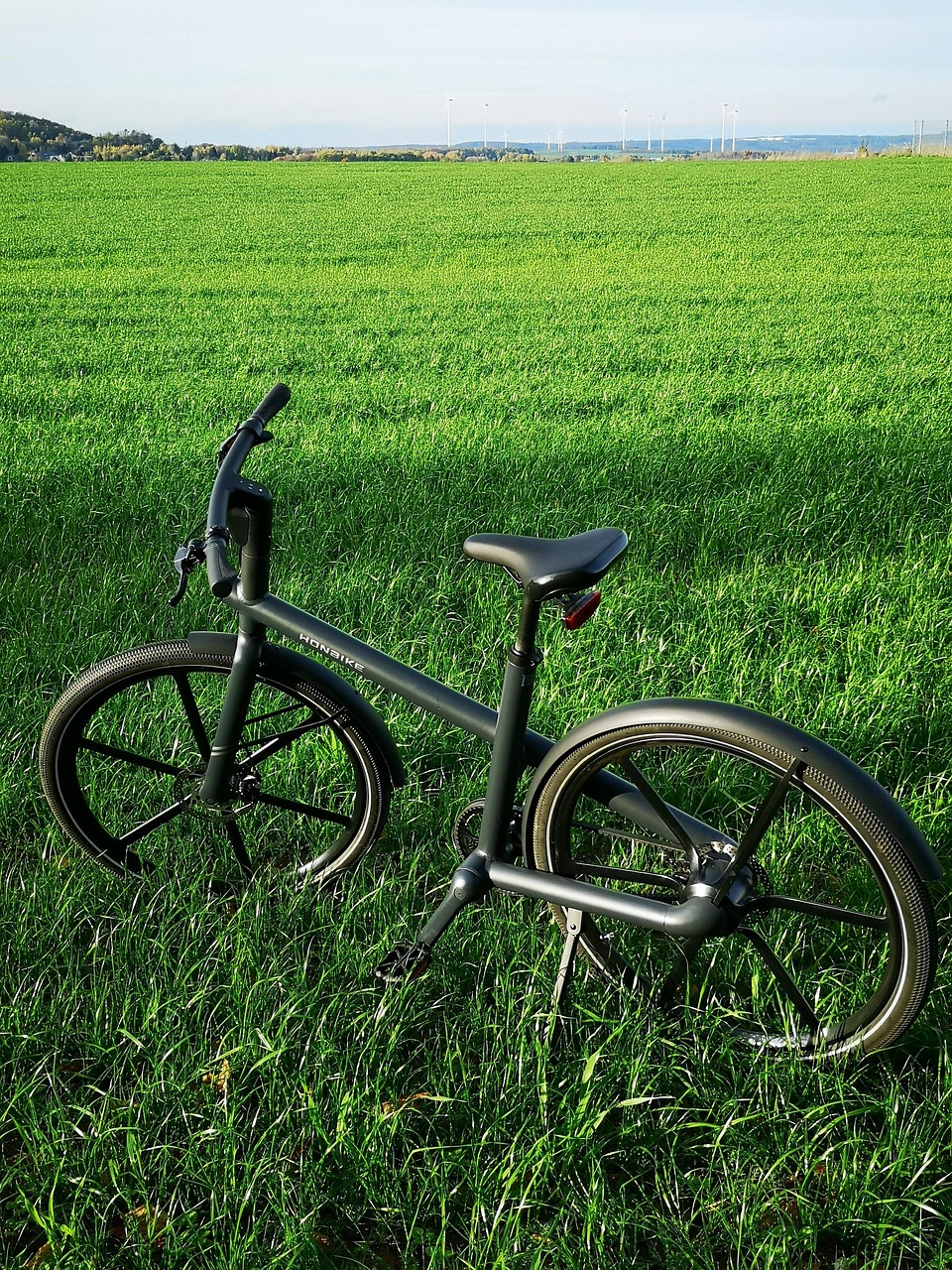
Beyond the forces directly applied during riding, a carbon bike frame’s durability can be significantly affected by the environmental conditions it regularly encounters. Exposure to various elements can degrade the frame’s integrity over time, making preventative measures crucial for long-term health.
Temperature extremes, for instance, pose a tangible threat. High temperatures, particularly prolonged exposure to intense heat, can potentially soften the resin that binds the carbon fibers, compromising the material’s structural rigidity. Conversely, extreme cold can render the resin more brittle, increasing its susceptibility to cracking under impact or sudden stress. These thermal fluctuations can subtly undermine the frame’s inherent strength.
Humidity and moisture are other influential factors. While carbon fiber itself is impervious to rust, the metal components integrated into the frame, such as brake calipers, derailleurs, and various bolts, are highly susceptible to corrosion. Riding in consistently wet conditions without proper cleaning and drying can lead to premature degradation of these critical metallic parts, which can, in turn, affect the frame’s performance and potentially lead to secondary damage as parts fail or seize.
Ultraviolet (UV) exposure from prolonged sunlight can also degrade the epoxy resin used in carbon frames. Over extended periods, UV radiation can weaken the resin’s molecular bonds, leading to a loss of material integrity and potentially a chalky appearance or surface cracking. Protecting the bike from direct sunlight when not in use—perhaps by storing it indoors or under a cover—can significantly mitigate this issue, preserving the frame’s finish and structural stability. Being aware of these environmental conditions and taking appropriate preventive measures are vital for maintaining the long-term integrity of carbon frames.
Read more about: Harrison Ford’s Epic Farewell: Unpacking the Journey to His Final Indiana Jones Adventure

5. **Average Lifespan of Carbon Frames**
When considering a significant investment in a carbon mountain bike frame, a primary concern for many riders is its expected lifespan. The good news is that these frames are designed for considerable endurance. On average, a high-quality, well-maintained carbon bike frame can reliably last anywhere from 5 to 10 years, serving its owner through countless trails and adventures.
However, it is crucial to understand that this 5-10 year range is not a rigid guarantee but rather an average, heavily influenced by a confluence of factors. The intensity of usage, the consistency of maintenance, and the quality of the initial manufacturing all play pivotal roles. A frame used for casual rides on smooth trails, meticulously cared for, can easily exceed this upper limit, potentially offering more than a decade of performance.
Conversely, a frame subjected to aggressive racing, frequent high-impact jumps, or neglected maintenance might see its lifespan shortened. Regular inspections are not merely about aesthetics; they are a critical component in achieving a longer lifespan, allowing for early detection and mitigation of potential issues before they escalate into serious damage. Many cyclists have shared positive experiences, with competitive mountain bikers praising their carbon frames for enhancing speed and handling due to their lightweight and rigid design.
As one user from a cycling forum attested, a high-end carbon frame can perform flawlessly for over seven years without major issues, crediting its longevity to diligent regular maintenance and prudent riding habits. This underscores that while carbon frames are built with inherent durability, a rider’s commitment to care is a significant determinant of how long they will remain a reliable companion on the trails.
Read more about: Ebike Prices Are Rising: Your Essential Guide to Smart Shopping, Identifying Value, and Securing Unbeatable Deals Before 2025’s Tariff Hikes
6. **Comparison with Other Materials**
For riders weighing their options, understanding how carbon frames stack up against traditional materials like aluminum and steel is vital. Each material presents a unique balance of weight, ride quality, and durability characteristics, influencing the overall riding experience and the frame’s long-term performance.
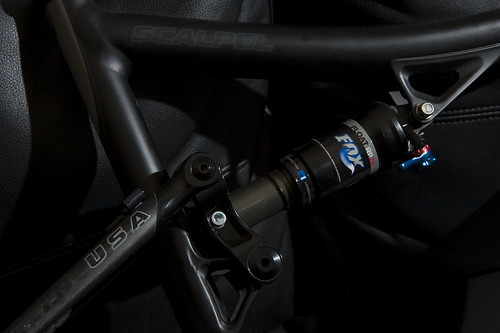
Comparing carbon to aluminum reveals distinct advantages for carbon. In terms of weight, carbon frames are significantly lighter, contributing to enhanced climbing efficiency and overall agility. When it comes to ride quality, carbon’s inherent ability to absorb vibrations offers a smoother, more comfortable ride by effectively damping road and trail feedback. While aluminum frames are prone to fatigue cracks over time due to repeated stress cycles, carbon frames are generally more durable in resisting this fatigue, though they are more susceptible to concentrated impact damage.
Against steel, carbon also presents compelling differences. Steel frames are notably heavier, often being the heaviest option among the three. However, steel is highly praised for its excellent shock absorption, offering a remarkably compliant and comfortable ride, though it typically doesn’t match carbon’s stiffness for power transfer. Durability-wise, a well-maintained steel frame can indeed last a lifetime, but its major Achilles’ heel is its susceptibility to rust and corrosion, requiring vigilant protection against moisture.
Ultimately, for many cyclists, especially those prioritizing performance, speed, and a refined ride quality, the benefits of carbon fiber often justify its higher cost. While steel and aluminum have their merits and dedicated followings, carbon frames deliver a sophisticated blend of lightweight design, superior stiffness, and advanced vibration damping that elevates the mountain biking experience, making them a popular choice despite material differences and maintenance considerations.
Navigating the world of carbon mountain bike frames requires more than just understanding the initial build; it demands a clear grasp of how they perform over time, how to maintain them, and the rigorous standards they meet. With the foundational elements of durability already explored, we now turn our attention to the practical realities of owning and optimizing a carbon frame, ensuring it remains a reliable companion on even the most challenging trails. This next series of insights delves into real-world performance, essential maintenance, critical damage recognition, repair options, and the intensive testing that underpins these high-performance machines.
Read more about: Why American Pickup Trucks Became Colossal: Unpacking the Complex Web of Regulations, Culture, and Market Forces
7. **Real-world Examples and Testimonials**
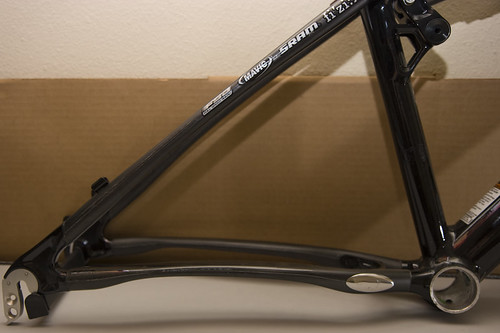
While technical specifications and material science provide a robust framework, the true testament to a carbon frame’s durability often comes from the real-world experiences of riders pushing their limits. These firsthand accounts consistently affirm that, with proper care and sensible usage, carbon frames are not only capable of enduring years of demanding trail conditions but also enhance the riding experience significantly. Competitive mountain bikers, in particular, frequently praise their carbon frames for the noticeable advantages in speed, agility, and precise handling that their lightweight and rigid designs deliver.
Indeed, the positive experiences shared within the cycling community underscore that carbon frames, when chosen wisely and treated with diligence, are far from fragile. Many cyclists report outstanding longevity, with frames performing flawlessly for extended periods. This longevity isn’t merely a stroke of luck; it’s a direct result of the inherent design resilience coupled with a rider’s proactive approach to care.
A compelling example emerged from a cycling forum, where one user reported their high-end carbon frame had delivered over seven years of unblemished performance without encountering any major issues. The user unequivocally attributed this impressive lifespan to a strict regimen of regular maintenance and judicious riding habits. This testimonial powerfully illustrates that, while carbon frames are engineered for inherent durability, the rider’s ongoing commitment to maintenance is a pivotal determinant of how long the bike will remain a dependable and high-performing partner on the trails.
These real-world insights, coupled with our earlier analysis of material properties, paint a clear picture: carbon frames offer a superior strength-to-weight ratio, effectively handle impacts and stress, and provide excellent vibration absorption for smooth rides. However, their ability to conceal internal damage after significant crashes emphasizes the non-negotiable importance of regular inspections. When handled with proper care—including the correct use of a torque wrench and protective frame coatings—a carbon frame is a long-term investment that consistently delivers on its promise of durability and peak performance.
Read more about: Beyond the Quarter Mile: 12 American Muscle Cars That Defy Age and Mileage, Proven to Endure Over 210,000 Miles
8. **Maintenance Tips: Regular Inspections, Cleaning, and Storage**
Extending the lifespan of your carbon mountain bike frame, and ensuring it consistently performs at its peak, hinges significantly on diligent and routine maintenance. Proactive care is not just about keeping your bike looking good; it’s about preventing minor issues from escalating into major problems that could compromise structural integrity and rider safety.
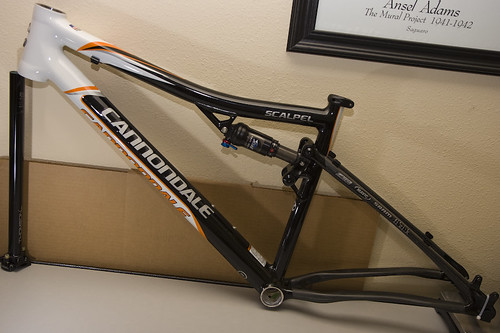
**Regular Inspections** are paramount in this preventative strategy. Cyclists should make it a habit to meticulously check the frame, paying particular attention to high-stress areas like joints and tube junctions, for any nascent cracks or unusual marks. Scrutinizing the paintwork is also crucial; even minor scratches or chips can expose the underlying carbon to environmental moisture, potentially leading to degradation. Beyond the frame itself, a thorough inspection of all integrated components, such as brakes and the drivetrain, ensures they are functioning correctly and not inadvertently stressing the frame. Aiming for these checks monthly, or after particularly strenuous or challenging rides, enables early detection and mitigation of potential issues, ultimately saving on costly repairs and upholding performance standards.
Equally important are **Proper Cleaning Techniques** to maintain both the appearance and structural health of your carbon frame. Begin by gathering the necessary materials: mild soap, warm water, a soft sponge, and a microfiber cloth. It’s vital to prepare a gentle cleaning solution by mixing the mild soap with warm water. When washing, use the soft sponge to meticulously clean the frame, exercising caution to avoid abrasive materials or harsh chemicals that could scratch the surface or degrade the resin. After cleaning, rinse the frame thoroughly with clean water to remove all soap residue. Finally, carefully wipe the frame dry with a microfiber cloth to prevent unsightly water spots and inhibit any potential corrosion on metallic components. Consistent cleaning after every few rides or when the bike accumulates significant dirt is a simple yet highly effective way to preserve the frame’s integrity.
Thoughtful **Storage Recommendations** also play a crucial role in safeguarding your carbon frame. Whenever feasible, storing your bike indoors is the optimal choice, offering comprehensive protection from harsh weather elements and temperature fluctuations. If indoor storage isn’t possible, avoid exposing the bike to direct sunlight for prolonged periods, as UV radiation can weaken the resin; utilizing a bike cover or finding a shaded area can effectively mitigate this risk. Furthermore, hanging the bike on a wall-mounted rack or a specialized stand prevents any undue pressure or potential damage to the tires and other components. Before storing, a quick check to ensure tires are properly inflated can prevent flat spots and maintain tire integrity. Adhering to these storage guidelines is a straightforward yet impactful way to protect your investment and significantly extend the functional life of your carbon frame.
Read more about: Tire Specialist’s ‘Crucial’ Tips: Double Your Tire Life Without Ever Buying a More Expensive Brand
9. **Recognizing Signs of Wear and Common Damage**
Even with meticulous maintenance, carbon frames, like all high-performance equipment, can eventually exhibit signs of wear or sustain damage. Promptly recognizing these indicators is not merely about preserving the frame’s aesthetic; it’s critically important for ensuring rider safety and preventing minor issues from escalating into irreversible structural failures. Being attuned to subtle changes can make all the difference in the longevity and reliability of your bike.
Paying close attention to specific **Signs of Wear and Tear** is your first line of defense. Any visible cracks or chips, no matter how small, demand immediate and thorough investigation, particularly around joints, cable routing points, and areas prone to impact. Beyond visual cues, developing an ear for your bike can be invaluable; listen attentively for unusual sounds, such as creaking or popping noises, which may signal internal damage or component stress that isn’t immediately visible. Furthermore, a noticeable decline in handling or responsiveness—if the bike feels less precise or less stable than usual—could be an alarming sign of frame fatigue or subtle structural compromise. Finally, routinely checking for loose components, such as those in the drivetrain or suspension pivots, is essential, as these can create additional, unintended stress on the frame itself. Vigilance in observing these indicators allows for proactive assessment and timely intervention.
Understanding the **Common Types of Damage** that carbon frames typically sustain can further aid in accurate assessment. **Surface Scratches** are the most benign, usually cosmetic, and often easily remedied without compromising structural integrity. Far more serious are **Cracks**, which indicate a breach in the carbon fiber matrix and require immediate professional attention to prevent catastrophic failure. The most insidious form of damage is **Delamination**, where the individual layers of carbon fiber begin to separate from the resin binder. This can occur due to a significant impact, manufacturing defects, or prolonged stress, and it often presents as a soft spot or a bubbling appearance on the frame surface. Recognizing these distinct types of damage allows for an appropriate and swift response, safeguarding both your investment and your riding safety.
Ultimately, the ability to recognize these signs of wear and common damage types early is indispensable for any carbon frame owner. Acting quickly based on these observations can halt the progression of damage, allowing for effective repairs or informed decisions about replacement before the integrity of the frame is severely compromised. This proactive approach is a cornerstone of responsible carbon bike ownership, ensuring continued safe and enjoyable rides.
Read more about: America’s Iconic Sports Car: Decoding the Most Problematic Corvette Models in History to Help You Buy Smart

10. **Repair Techniques and Replacement Considerations**
Despite the inherent durability of carbon frames and diligent maintenance efforts, damage can sometimes occur. The good news for cyclists is that, unlike some previous assumptions, many carbon frame issues are indeed repairable. However, understanding the appropriate repair techniques and, crucially, knowing when a repair is no longer a viable or safe option, is paramount.
For minor cosmetic issues, particularly **Surface Scratches**, the repair process is relatively straightforward and cost-effective. These superficial blemishes can often be carefully smoothed using fine-grit sandpaper, followed by the application of a clear coat to protect the exposed carbon and restore the frame’s finish. The cost for such repairs is generally low, typically ranging from a mere $10 to $50, making them an accessible fix for maintaining aesthetics and preventing further superficial wear.
More serious, yet often still repairable, are **Cracks** in the carbon frame. Addressing these requires a more involved process to ensure structural integrity is fully restored. The damaged area must first be thoroughly cleaned to remove any contaminants. Following this, a specialized carbon repair kit, which typically includes epoxy resin and carbon fiber patches, is used to meticulously fill in and reinforce the cracked section. This process effectively re-bonds the fibers and restores localized strength. The cost for crack repairs varies significantly with the severity and location of the damage, usually ranging between $50 and $200. While some advanced DIY kits exist, professional repair is often recommended for critical structural areas to ensure safety and proper execution.
However, some damage types, such as **Delamination**, often necessitate professional expertise. When layers of carbon fiber separate, it indicates a more widespread compromise of the material’s integrity that requires advanced repair techniques and specialized equipment to correctly re-laminate and re-cure the affected area. The costs for delamination repair can vary widely, starting from $100 and potentially exceeding $500, depending on the extent and complexity of the damage. For these more severe forms of damage, seeking a reputable carbon repair specialist is highly advisable to ensure the repair is structurally sound and safe for continued use.
Crucially, there comes a point **When to Consider Replacement** rather than repair. If a frame has sustained severe cracks or extensive structural damage—particularly in critical load-bearing areas like the head tube, bottom bracket, or dropouts—replacement becomes a necessary consideration for rider safety. Furthermore, a practical assessment of the **Cost of Repair vs. Replacement** is essential. If the estimated repair costs begin to approach, or even exceed, the price of a new frame, it often makes more economic sense to invest in a replacement that offers full structural integrity and potentially newer technology. Lastly, an aging frame, even if structurally sound, might warrant replacement due to **Outdated Technology**. Advancements in frame design, geometry, and material science can offer significant performance benefits, making an upgrade a worthwhile investment for those looking to enhance their riding experience. Evaluating these factors objectively empowers cyclists to make an informed decision that balances safety, cost, and performance.
Read more about: Engine Specialist’s Essential Guide: Master Hill Climbs and Prevent Overheating Without Ever Pulling Over

11. **Rigorous Testing and Certification Processes**
In the competitive realm of high-performance mountain biking, the integrity of carbon fiber frames and components is not left to chance; it is rigorously validated through an extensive array of testing and certification processes. These tests are paramount, offering invaluable assurances that a frame will not fail unexpectedly during a ride and providing riders with an objective benchmark for the quality, fit, and performance characteristics of their equipment. Ultimately, testing data delivers unambiguous answers, whether a rider’s primary focus is on speed, comfort, or unyielding durability.
Among the most widely recognized certifications, the **UCI Certification** holds significant weight, particularly for those involved in competitive cycling. The Union Cycliste Internationale (UCI) establishes precise criteria for bicycles used in sanctioned competitions, guaranteeing that frames and components meet stringent standards for international events. This includes specific requirements for dimensions, such as frame geometry, and a minimum bike weight of 6.8 kg, alongside critical safety performance testing. For instance, UCI mandates that frames must withstand a specified pressure level without exhibiting distortion or catastrophic failure. These tests typically encompass both dynamic fatigue testing and stationary load tests, meticulously replicating the diverse stress scenarios that a frame might encounter during a race or intense training, making UCI certification a crucial consideration for competitive riders.
Building upon these industry benchmarks, the **EFBE Certifications** are renowned for their exceptionally strict and often more demanding testing protocols. EFBE, a highly respected German independent testing body, subjects carbon fiber frames and components to an exhaustive three-tiered testing regime: extreme tests, fatigue tests, and stationary tests. A prime example is their “Tri-Test,” which requires frames to withstand repeated impacts of up to 1,000 Newtons, simulating abrupt, high-stress situations like encountering unexpected obstacles during high-speed riding. What truly distinguishes EFBE’s tests is their meticulous reproduction of real-world cycling conditions, ensuring that products achieving this certification offer an exceptionally high degree of reliability in both safety and long-term durability, as seen in products like ICAN Cycling’s carbon fiber frames which have earned this dual certification.
The particular testing phases delve even deeper, commencing at the fundamental **Component Level**. Here, two crucial values of carbon fiber are assessed: its elastic modulus, which typically reaches 230 GPa, and its tensile strength, usually ranging from 3,500 to 5,000 MPa. While these figures appear highly scientific, they directly dictate a frame’s capacity to achieve both a low weight and exceptional rigidity. Following component analysis, the **Whole Frame is Tested**, with rigidity assessments being a cornerstone. The bottom bracket stiffness test, a commonly employed evaluation, determines whether the frame exhibits appreciable torsion under powerful pedaling forces. High-end carbon fiber frames typically show minimal torsion in this test, thereby maximizing pedaling efficiency. Furthermore, the **Impact Test** is another critical phase, designed to replicate potential mishaps such such as stone strikes or crashes. In laboratory settings, testers apply impacts at predetermined speeds and weights to various areas of the frame, concentrating on vulnerable connection points like the downtube and head tube (which bear significant forces during pedaling), to verify structural integrity against breakage or cracks. Beyond the main frame, component testing extends to items like carbon fiber handlebars, where rigidity and durability are paramount, often enduring up to 500,000 cycles of repeated load testing to ensure unwavering dependability under the most demanding situations.
These rigorous testing and certification processes serve a dual purpose: they enable manufacturers to continually refine their designs and materials, and perhaps more importantly, they provide consumers with unparalleled confidence in their equipment. Choosing a frame and components that have undergone such thorough validation not only guarantees safety but also significantly enhances the overall riding experience for cycling enthusiasts. For both long-distance endurance rides and high-stakes races, unwavering dependability is absolutely critical. The next time you encounter a product proudly bearing UCI or EFBE certification, you can rest assured it has been subjected to a gauntlet of comprehensive tests, ultimately helping to make riding a safer, more exhilarating, and immensely more enjoyable hobby.
Read more about: Navigating the Crossroads: Key Legal and Policy Shifts Redefining the Trucking Industry in 2025
Beyond these detailed assessments of individual frames, the future of carbon technology continues to unfold. Innovations in manufacturing processes, including improved molding techniques and advanced resin systems, promise even lighter, stronger, and more resilient frames. The integration of smart technology for performance tracking and increased customization options are also on the horizon. Ultimately, these advancements, coupled with sustainable material efforts, will further cement carbon fiber’s position at the forefront of bicycle design, continuously pushing the boundaries of what’s possible on two wheels.