For businesses heavily reliant on transportation for their daily operations, the importance of a truly reliable work van cannot be overstated. These vehicles are not merely a means of transportation; they are fundamental operational assets, often serving as the “lifeblood of many operations,” capable of handling everything from heavy payloads to extensive long-distance hauls. For tradespeople, delivery services, and business owners alike, the longevity and consistent performance of their fleet directly impact profitability, operational efficiency, and customer satisfaction, rendering the initial vehicle investment decision profoundly significant.
Understanding which specific van models have demonstrably stood the test of time and which, conversely, have a history of premature retirement, is absolutely crucial for mitigating financial risks and alleviating operational frustrations throughout a vehicle’s lifespan. While some commercial models justly earn a well-deserved reputation for enduring hundreds of thousands of miles with unwavering reliability, others, despite their initial appeal or perceived cost-effectiveness, unfortunately develop a pattern of bowing out far earlier than anticipated, necessitating costly replacements or extensive repairs. This comprehensive, data-driven analysis aims to meticulously dissect the critical factors that contribute to exceptional durability in certain work vans, allowing them to confidently reach and even surpass the celebrated 400,000-mile milestone.
This initial section of our evaluation delves into five specific models that have consistently proven their exceptional mettle on roads and job sites worldwide, showcasing a potent blend of thoughtful engineering, practical design, and a formidable reputation forged across thousands of demanding work hours. For astute small business owners and meticulous fleet managers, such documented durability is not an abstract concept; rather, it represents a tangible cost-saver, providing substantial ongoing returns on investment and unwavering service under the most rigorous conditions. We will meticulously examine the specific design choices, robust powertrain configurations, crucial component accessibility, and widespread parts availability that collectively set these high-mileage legends apart, offering practical, unbiased insights for selecting a commercial vehicle truly built to last for many years of intensive service.

1. **Ford Transit**The Ford Transit has firmly cemented its position as a leading and preferred choice among diverse commercial vehicle operators, primarily attributable to its robust engineering and remarkably straightforward maintenance requirements. Its innovative modular design stands out as a significant advantage, as it profoundly facilitates easier repairs and more efficient part replacements. This is a critical factor in the van’s impressive and enduring staying power on the road.
This intelligent design philosophy inherently helps to significantly reduce vehicle downtime, which is paramount in commercial operations, and effectively keeps ongoing maintenance costs manageable over an extended operational life. The powertrains available in the Transit, encompassing both gasoline and highly efficient diesel options, have undergone extensive and continuous refinement over the years. These engines are specifically engineered with an overarching focus on longevity and routinely surpass conventional expectations, consistently performing reliably well beyond typical mileage benchmarks when subjected to a regimen of regular, timely, and appropriate maintenance.
Drawing from extensive real-world data and a wealth of experience, fleet operators frequently report that with consistent adherence to the manufacturer’s service schedules—which include vital tasks such as timely oil changes, transmission flushes, and proactive attention to brake systems—the Transit can perform as dependably and efficiently at 300,000 miles as it did during its inaugural year of service. A key contributor to the Transit’s enduring performance is its well-engineered engines and incredibly durable transmissions, which are specifically designed to robustly resist common failure points that often plague less robust commercial vehicles.
The availability of diverse chassis options, ranging from standard to extended wheelbases, provides businesses with the crucial flexibility to precisely tailor their purchase to the specific demands of their unique operations, whether for lighter, more agile loads or heavier, more substantial hauls. This adaptability minimizes undue stress on the vehicle over time, thereby further extending its operational lifespan. Furthermore, the excellent access to a wide array of parts, combined with repairs that are rarely prohibitively complex or excessively expensive, significantly reduces overall running costs throughout the vehicle’s extended service life.
Car Model Information: 2019 Ford Transit-150 XL
Name: Ford Transit
Manufacturer: Ford Motor Company
Production: 1965–present
ModelYears: 2015–present (North America)
Predecessor: Ford Thames 400E,Ford E-Series
Class: Light commercial vehicle
Successor: Ford Transit Custom
Layout: Front-engine, rear-wheel-drive layout,Front-engine, front-wheel-drive layout,Front-engine, four-wheel-drive layout
Sp: uk
Categories: All-wheel-drive vehicles, All Wikipedia articles written in British English, All articles containing potentially dated statements, All articles to be split, All articles with bare URLs for citations
Summary: The Ford Transit is a family of light commercial vehicles manufactured by the Ford Motor Company since 1965, primarily as a cargo van, but also available in other configurations including a large passenger van (marketed as the Ford Tourneo in some markets since 1995), cutaway van chassis, and a pickup truck. The vehicle is also known as the Ford T-Series (T-150, T-250, T-350), a nomenclature shared with Ford’s other light commercial vehicles, the Ford F-Series trucks, and the Ford E-Series chassis. As of 2015, 8 million Transit vans have been sold, making it the third best-selling van of all time and has been produced across four basic platform generations (debuting in 1965, 1986, 2000, and 2013 respectively), with various “facelift” versions of each.
The first product of the merged Ford of Europe, the Transit was originally marketed in Western Europe and Australia. By the end of the twentieth century, it was marketed nearly globally with the exception of North America until 2015 when it replaced the Ford E-Series van. Upon its introduction in North America, the Transit quickly became the best-selling van of any type in the United States, minivan sales included.
That mirrors the success the Transit has achieved in Europe, where it has been the best-selling light commercial vehicle for forty years, and in some countries the term “Transit” has passed into common usage as a generic trademark applying to any light commercial van in the Transit’s size bracket.
Get more information about: Ford Transit
Buying a high-performing used car >>>
Brand: Ford Model: Transit
Price: $24,498 Mileage: 69,633 mi.
Read more about: Toyota’s Strategic Recalibration: Navigating Market Demands with a Hybrid-First, EV-Forward Approach in 2025
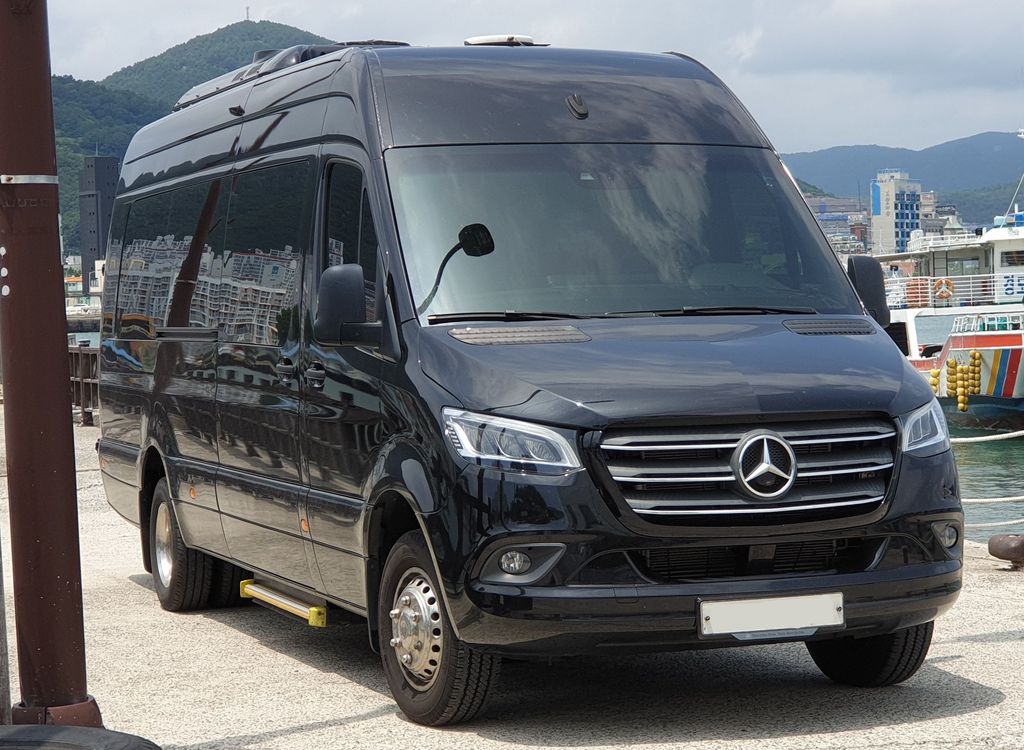
2. **Mercedes-Benz Sprinter**The Mercedes-Benz Sprinter has become virtually synonymous with reliability for a multitude of businesses, particularly those that demand a versatile van capable of competently navigating both congested city streets and extensive highway stretches with equal aplomb. Its distinguished reputation for consistently surpassing the formidable 400,000-mile mark is the direct and undeniable result of a finely tuned combination of refined diesel engines, robust suspension components, and a superior standard of overall build quality. This blend of meticulously engineered attributes ensures that the Sprinter performs reliably and predictably under diverse and often demanding operational conditions.
A defining and widely praised characteristic of Sprinter vans is their notable comfort during prolonged periods of use, which is a crucial consideration for drivers undertaking long, arduous routes. These sophisticated vehicles offer car-like handling characteristics and feature thoughtfully designed interiors that are meticulously engineered to significantly reduce driver fatigue, thereby enhancing both overall safety and productivity over extended shifts. The core engineering philosophy behind the Sprinter places a strong and unequivocal emphasis on its proven powertrains, particularly its highly regarded turbo-diesel options. When properly maintained, these sophisticated engines frequently demonstrate a longevity that remarkably surpasses many of their competitors, with numerous users consistently reporting high-mileage examples that continue to operate with remarkable efficiency and dependable performance.
Beyond its impressive mechanical fortitude, the Sprinter’s robust frame and advanced body structure are specifically engineered with a high degree of intrinsic resistance to rust and corrosion. This particular design choice is a critical and often overlooked factor in the vehicle’s long-term ability to serve reliably across multiple decades and through prolonged exposure to often harsh and varied climatic conditions, thereby preserving its structural integrity and aesthetic appeal. The thorough examination of the Sprinter’s attributes strongly emphasizes the necessity for astute prospective buyers to look beyond the mere initial purchase price and instead focus intently on the comprehensive long-term total cost of ownership.
While the initial investment for a Sprinter, along with its periodic and specialized service requirements, can sometimes be higher compared to some of its rivals, the vehicle frequently and substantially offsets these costs through a significantly reduced frequency of major failures and a consistent, dependable performance that extends deep into six-figure mileages. For discerning fleet operators and diligent small business owners who meticulously track every dollar spent per mile, the Sprinter’s well-documented reliability profile and robust aftersales support network consistently translate into meaningful and tangible financial benefits. This holistic approach to value clearly demonstrates that a higher initial outlay can often lead to greater savings and unparalleled operational consistency over the vehicle’s entire and extended service life.
Read more about: From Seamless Drives to Software Snafus: Unpacking the Digital Divide in 10 Brand-New Cars

3. **Chevrolet Express**The Chevrolet Express has firmly established itself as a steadfast and indispensable cornerstone for American businesses that demand work vans distinguished by genuine and enduring staying power. This model is widely recognized for its straightforward engineering principles and a notable resistance to complex electronic failures, both of which contribute significantly to its impressive longevity. The Express routinely crosses the formidable 400,000-mile threshold, a testament to its proven lineup of robust V6 and V8 engines combined with a rugged body-on-frame design, which offers exceptional durability and substantial load-carrying capability.
A pivotal element underpinning the Express’s esteemed reputation is the abundant availability of widely interchangeable parts and the inherent simplicity of its component layout. This thoughtful design choice is highly valued by experienced mechanics, who frequently commend how the vast majority of maintenance and repair tasks, ranging from comprehensive engine work to routine transmission service, can be executed quickly, efficiently, and cost-effectively. This inherent ease of service translates directly into significantly reduced labor costs and much faster turnaround times, which are critical for maintaining business continuity.
Furthermore, the robust and extensive supply chain, which is rich in both Original Equipment Manufacturer (OEM) and high-quality aftermarket replacement parts, consistently ensures that owners experience minimal operational downtime and incur lower-than-average running costs, even over a decade or more of continuous and demanding service. Focusing on the Chevrolet Express for this article effectively illustrates the distinct business advantage derived from strategically selecting a work van that is universally understood and competently serviced by a vast network of service professionals across North America.
Its remarkable ability to thrive in demanding fleet applications—such as those operated by bustling shuttle companies, various types of contractors, and diverse delivery services—provides compelling evidence that conservative, time-tested design choices often yield the most substantial and enduring dividends over the long haul. For readers who are meticulously weighing the merits of advanced versus more traditional engineering approaches in commercial vehicles, the Express offers a powerful and unequivocal endorsement for achieving unparalleled reliability through its foundational mechanical simplicity and proven, robust construction.
Car Model Information: 2014 Chevrolet Express 2500 Work Van
Name: Chevrolet Express,GMC Savana
Manufacturer: General Motors
Assembly: Wentzville, Missouri,Springfield, Ohio
Production: January 1996–present
ModelYears: 1996–present
Predecessor: Chevrolet van
Platform: GMT600 (1996–2002),GMT610 (2003–present)
Class: Full-size van
Layout: FR layout,F4 layout
Related: Chevrolet C/K (fourth generation),Chevrolet Silverado (first generation),Chevrolet Kodiak#Third generation (2003–2009)
Aka: GMC Savana,Chevrolet Van (1996–1998; cargo van),Chevrolet Savana (Israel and the Philippines)
Length: GMT600 Unbulleted list
Wheelbase: Unbulleted list
Abbr: on
Width: GMT600Unbulleted list
BodyStyle: cutaway van chassis
Height: GMT600Unbulleted list
Engine: GMT600Unbulleted list
Transmission: GMT600Unbulleted list
Chassis: Body-on-frame (ladder); boxed frame rails
Caption: 2021 Chevrolet Express 2500 cargo van
Categories: 2000s cars, 2010s cars, All-wheel-drive vehicles, All Wikipedia articles written in American English, Articles with short description
Summary: The Chevrolet Express (also known as the GMC Savana) is a series of full-size vans produced by General Motors since 1996. The successor to the Chevrolet G-series van, the Express is produced in passenger and cargo variants. Alongside the standard van body, the line is offered as a cutaway van chassis, which is a chassis cab variant developed for commercial-grade applications, including ambulances, buses, motorhomes, and small trucks.
In production for a single generation since 1996, over three million examples of the Express and the Savana have been produced. One of the longest-produced designs in American automotive history, the Express/Savana are rivaled only by the Jeep Wagoneer and Dodge Ram Van for longevity.
Since 1995, General Motors has assembled the Express and Savana at its Wentzville Assembly facility (Wentzville, Missouri). Also, since 2017, GM has sourced commercial cutaway-chassis production from Navistar through its Springfield Assembly Plant (Springfield, Ohio).
Get more information about: Chevrolet Express
Buying a high-performing used car >>>
Brand: Chevrolet Model: Express
Price: $7,900 Mileage: 304,248 mi.
Read more about: The Untamed Road Ahead: Unpacking 9 Trucks Built to Conquer 300,000 Miles and Beyond for Savvy Buyers

4. **Toyota Hiace**Globally recognized and highly respected, the Toyota Hiace stands as a prime embodiment of what can be achieved when meticulous engineering is harmoniously combined with a corporate culture that inherently values durability above all other considerations. This venerable model, which is widely marketed in a diverse array of configurations across numerous international markets including Asia, Africa, Europe, and Australia, has consistently established a remarkable track record of exceeding 400,000 miles. It achieves this impressive feat in environments that span from the bustling thoroughfares of tropical cities to the challenging terrains of remote bush country, showcasing its unparalleled adaptability and resilience.
The core of the Hiace’s secret to such prolonged success lies in its inherently reliable, low-stressed engines and its choice of sturdy manual or automatic transmissions, all meticulously designed for enduring performance. Owners of the Toyota Hiace routinely praise the vehicle for its exceptional ease of access to critical mechanical components, a thoughtfully incorporated feature that significantly simplifies routine maintenance and repair procedures. This practical design, combined with its notable resistance to major mechanical faults, contributes profoundly to its legendary dependability and long-term operational efficiency.
When routine maintenance tasks, such as regular oil changes, timely filter replacements, and diligent cooling system checks, are consistently performed, owners are rewarded with a work van that steadfastly shrugs off years of intensive daily wear and tear, maintaining its operational integrity remarkably well. Crucially, in markets where severe road conditions and challenging operating environments are not merely occasional exceptions but rather the prevailing prevailing norm, the Hiace’s reinforced suspension system and its advanced corrosion-resistant body panels play an indispensable role.
These structural enhancements are vital in helping the vehicle retain its full operational integrity and extend its service life significantly, particularly in scenarios where less robust competitors might quietly succumb to premature retirement. The inclusion of the Hiace in this detailed discussion powerfully highlights the substantial advantages inherent in globally utilized workhorse platforms that are purpose-built from the ground up for unwavering reliability, even under the most extreme and demanding conditions. The narrative of the Toyota Hiace unequivocally demonstrates that the decision to choose a commercial van extends far beyond mere specifications or an attractive price point; it is fundamentally about investing in a proven track record, meticulously established through rigorous real-world performance scenarios. The Hiace strongly appeals to astute buyers who are resolutely committed to maximizing the service life of their vehicle while simultaneously minimizing the occurrence of unexpected mechanical surprises, thereby ensuring consistent and predictable operational continuity for their businesses.
Read more about: Smart Savings on Wheels: Unveiling the 10 Best Value Used Cars for Frugal Shoppers, Backed by Dealer Insights and Long-Term Records
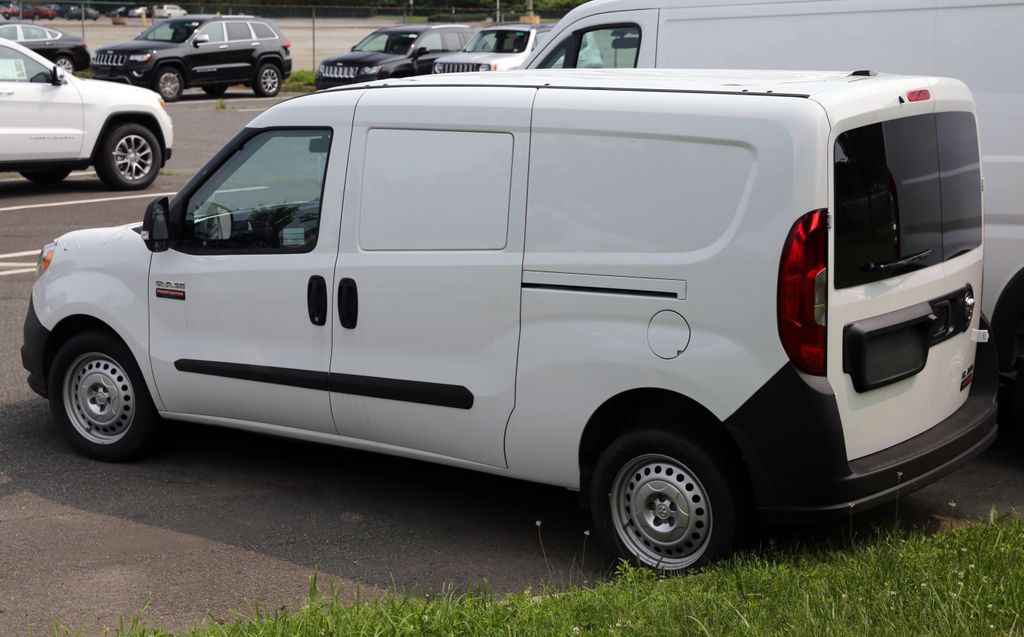
5. **Ram ProMaster**The Ram ProMaster has successfully carved out a distinctive and prominent niche among discerning tradespeople and fleet operators, particularly those who place a premium on interior cargo space, superior front-wheel-drive traction, and notably straightforward servicing requirements. Introduced to the demanding North American market after years of proven success operating under the revered Fiat Ducato badge across Europe, the ProMaster has swiftly garnered widespread recognition for its high-mileage dependability. This reliability is particularly evident and consistently achievable when the vehicle is meticulously maintained in strict accordance with the manufacturer’s precise guidelines and recommended service intervals.
A fundamental pillar supporting the ProMaster’s impressive durability profile is its unique transverse, front-mounted engine configuration, intelligently paired with a robust front-wheel-drive system. This specific powertrain setup offers a multitude of practical benefits; it not only results in an exceptionally lower load floor, which significantly enhances usability and cargo accessibility, but also provides a more expansive and efficiently utilized cargo space. Furthermore, this front-wheel-drive architecture inherently simplifies drivetrain repairs, making maintenance procedures less complex and generally more cost-effective over the vehicle’s lifespan.
The engines integrated into the ProMaster, most notably the highly regarded Pentastar V6 and, in certain model years, its available diesel options, are meticulously engineered with an overarching focus on achieving profound longevity. This commitment to enduring performance is further bolstered by the consistently ready availability of replacement parts throughout the entirety of the van’s operational lifetime, ensuring that necessary repairs can be completed efficiently without prolonged periods of downtime, which is critical for commercial applications. This widespread availability helps minimize the impact of any unforeseen mechanical issues.
The deliberate focus on the Ram ProMaster in this comprehensive evaluation serves to highlight its role as a stellar example of how targeted design innovations, meticulously tailored to address specific commercial needs, can profoundly extend a vehicle’s useful service life. Extensive fleet statistics and a wealth of owner feedback consistently corroborate its strong reputation for reliably reaching, and frequently surpassing, the formidable 400,000-mile benchmark. For individuals and businesses meticulously weighing the advantages and disadvantages between traditional rear-wheel-drive platforms and modern front-wheel-drive platforms, the ProMaster’s demonstrated performance among high-mileage vehicles offers invaluable and actionable insight into selecting a commercial van that robustly supports sustained business growth through consistently dependable operation. Ultimately, its design exemplifies a pragmatic approach to commercial vehicle engineering that prioritizes long-term utility and cost-effectiveness.
The first section celebrated work vans that are truly built to go the distance, consistently delivering reliable service far beyond typical expectations. However, in the realm of commercial vehicles, not every model achieves such remarkable longevity. Just as some vans earn legendary status for their endurance, others, unfortunately, develop a reputation for premature retirement, often failing to reach even the 200,000-mile mark. For businesses that depend heavily on their fleet, understanding which models tend to bow out early is as crucial as knowing which ones excel. This knowledge is paramount for mitigating financial risks, reducing unforeseen operational disruptions, and making truly informed investment decisions that safeguard a company’s bottom line over time.
This second part of our comprehensive evaluation shifts focus to examine five specific work van models that, despite their initial appeal or perceived cost-effectiveness, frequently struggle to surpass the 150,000-mile milestone before mechanical issues or exorbitant repair costs render them impractical. Our analysis delves into the common mechanical pitfalls, recurring maintenance burdens, and critical design choices that contribute to these vans’ shorter operational lifespans. By highlighting these challenges, we aim to provide invaluable insights that will help fleet managers and business owners avoid costly mistakes, emphasizing the profound importance of long-term durability over short-term savings when selecting a commercial vehicle. The goal is to illuminate the often-hidden costs associated with choosing a van that isn’t engineered for sustained, rigorous commercial duty, guiding readers toward choices that offer true value and consistent performance throughout their operational lives.
Car Model Information: 2021 RAM ProMaster 1500 Low Roof
Name: Fiat Ducato
Manufacturer: Sevel,Stellantis
Production: 1981–present
Predecessor: Fiat 242,Iveco Daily#First generation (1978),Dodge Sprinter
Aka: Ram Promaster,Citroën Jumper,Citroën Relay,Peugeot Boxer, Opel Movano , Vauxhall Movano , Toyota Proace Max , Iveco SuperJolly ,
Class: Light commercial vehicle
Layout: Front-engine, front-wheel-drive
Categories: 1980s cars, 1990s cars, 2000s cars, 2010s cars, All articles with dead external links
Summary: The Fiat Ducato is a light commercial vehicle jointly developed by FCA Italy and PSA Group (now Stellantis), and mainly manufactured by Sevel, a joint venture between the two companies since 1981. It has also been sold as the Citroën C25, Peugeot J5, Alfa Romeo AR6 and Talbot Express and later as the Fiat Ducato, Citroën Jumper (Relay first in the United Kingdom and then in Australia; Dispatch in Australia as a shorter variant), and Peugeot Boxer (Manager in Mexico), from 1994 onwards. It entered the North American market as the Ram ProMaster in May 2014 for the 2015 model year.
In Europe, it is produced at the Sevel Sud factory, in Atessa, Italy. It has also been produced at the Iveco factory in Sete Lagoas, Brazil, at the Karsan factory in Akçalar, Turkey, at the Fiat Chrysler Automobiles Saltillo Van Assembly Plant in Saltillo, Mexico, and at the Fiat-Sollers factory in Elabuga, Russia. Since 1981, more than 3.5 million Fiat Ducatos have been produced. The name “Ducato” is a reference to the ducat; after the Fiorino, this was the second Fiat light commercial vehicle to be named after ancient coinage.
In July 2019, the electric version of the Ducato developed by FCA Italy was presented, and sales commenced in 2020; a refreshed model debuted for 2024. An electric version for the North American market, the Ram ProMaster EV, was unveiled in early 2024.
Since the 2021 model year, the Ducato has also been rebadged as the Opel/Vauxhall Movano, replacing the previous model Movano, which from 1998 until 2021 had been based on the Renault Master. The Ducato is also rebadged as the Toyota Proace Max.
4WD versions are available to order, which are converted by the French company Dangel using a central viscous coupling.
The Ducato is the most common motorhome base used in Europe; with around two-thirds of motorhomes using the Ducato base.
Get more information about: Fiat Ducato
Buying a high-performing used car >>>
Brand: Ram Model: ProMaster
Price: $19,985 Mileage: 110,310 mi.
Read more about: Rolling in That Old Camper Van? The Unfiltered Truths Full-Time Nomads Secretly Whisper About Your Life on the Road
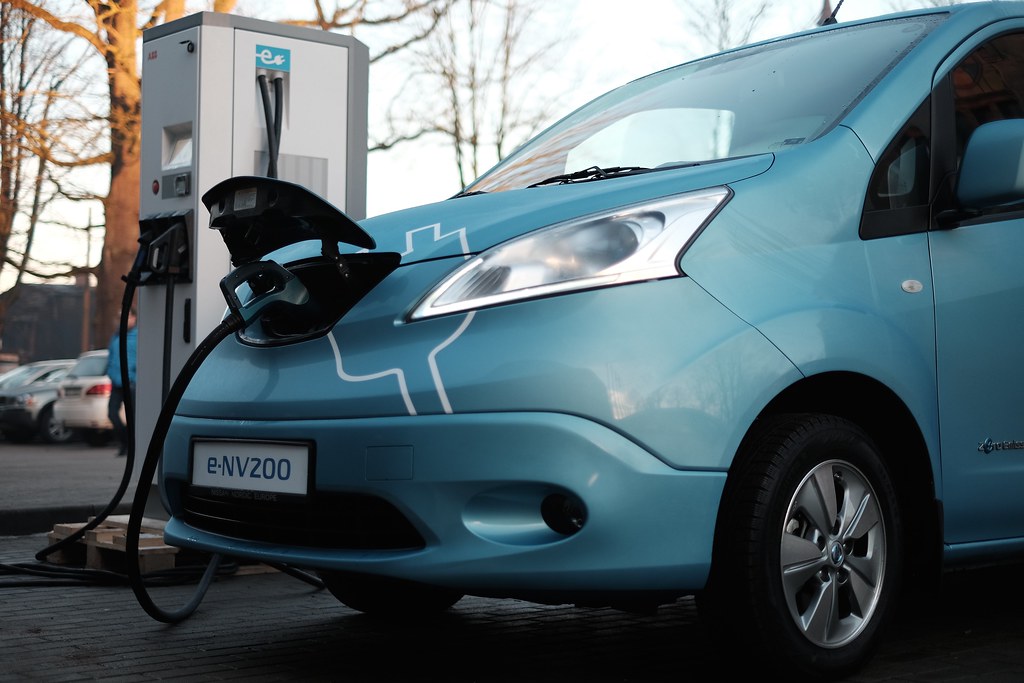
6. **Nissan NV200**The Nissan NV200, often lauded for its compact dimensions, commendable fuel efficiency, and attractive lower upfront cost, initially presents itself as an appealing solution for urban delivery services and smaller businesses. Its design certainly caters to navigating congested cityscapes with ease. However, for those requiring intensive commercial use and demanding long-term reliability, the NV200 frequently falls short of expectations, revealing significant limitations under sustained operational pressure.
A primary point of concern frequently raised by both owners and experienced mechanics revolves around persistent issues with the Continuously Variable Transmission (CVT). This critical component is often reported to exhibit symptoms like shuddering or experiencing outright failure well before the 150,000-mile mark. While the van’s diminutive footprint might be perfectly suited for agile city deliveries, its powertrain, particularly the CVT, unfortunately struggles to cope adequately with heavier demands or prolonged, rigorous duty cycles, proving to be a notable weak point in its overall durability profile.
A significant contributing factor leading to the NV200’s early retirement is the unfavorable cost-to-value ratio when major repairs become necessary. When faced with transmission failures, for instance, replacement costs can frequently approach, or even exceed, half of the van’s current market worth. In such scenarios, a considerable number of owners pragmatically choose to retire the vehicle altogether rather than commit to an economically unfeasible repair. Further concerns include the premature onset of rust, especially prevalent in high-salt environments, and the earlier-than-anticipated wear of suspension components, a problem particularly exacerbated when the van is consistently subjected to loads at the upper end of its design capacity.
This detailed examination of the NV200’s inherent limitations offers a crucial reminder that simply acquiring a van that appears “just enough” for current operational needs, without a rigorous consideration of its long-term durability, can regrettably prove to be a false economy. While its performance might be adequate for occasional, light-duty city tasks, businesses with demanding daily routes, consistent heavy loads, or expectations of extended service life would generally find superior value and reliability in alternative models that are specifically known for confidently surpassing the 150,000-mile threshold. The experiences with the NV200 powerfully underscore the critical balancing act between initial purchase price and the imperative of a robust operational lifespan within the competitive commercial van market.
Car Model Information: 2020 Nissan NV200 S
Name: Nissan NV200 (M20)
Caption: A silver Nissan NV200 van
Manufacturer: Nissan
Aka: unbulleted list
Production: 2009–present
Assembly: ubl
Class: Light commercial vehicle
BodyStyle: van
Layout: Front-engine, front-wheel-drive,Front-engine, four-wheel-drive
Platform: Nissan B platform
Engine: Nissan HR engine,Straight-four engine
Motor: Nissan EM motor
Transmission: Continuously variable transmission
Wheelbase: unbulleted list
Abbr: on
Order: flip (North America)
Length: unbulleted list
Width: unbulleted list
Height: unbulleted list
Predecessor: Renault Kangoo#Kangoo I (1997–2007)
Successor: Nissan NV250
Categories: 2010s cars, 2020s cars, All-wheel-drive vehicles, All articles with dead external links, Articles with Japanese-language sources (ja)
Summary: The Nissan NV200 is a light commercial and leisure activity, 4/5-door van designed and produced by the Japanese automaker Nissan since 2009.
Get more information about: Nissan NV200
Buying a high-performing used car >>>
Brand: Nissan Model: NV200
Price: $15,501 Mileage: 95,295 mi.
Read more about: 15 Hard Truths: Why Electric Cars Still Miss the Mark for Many Buyers
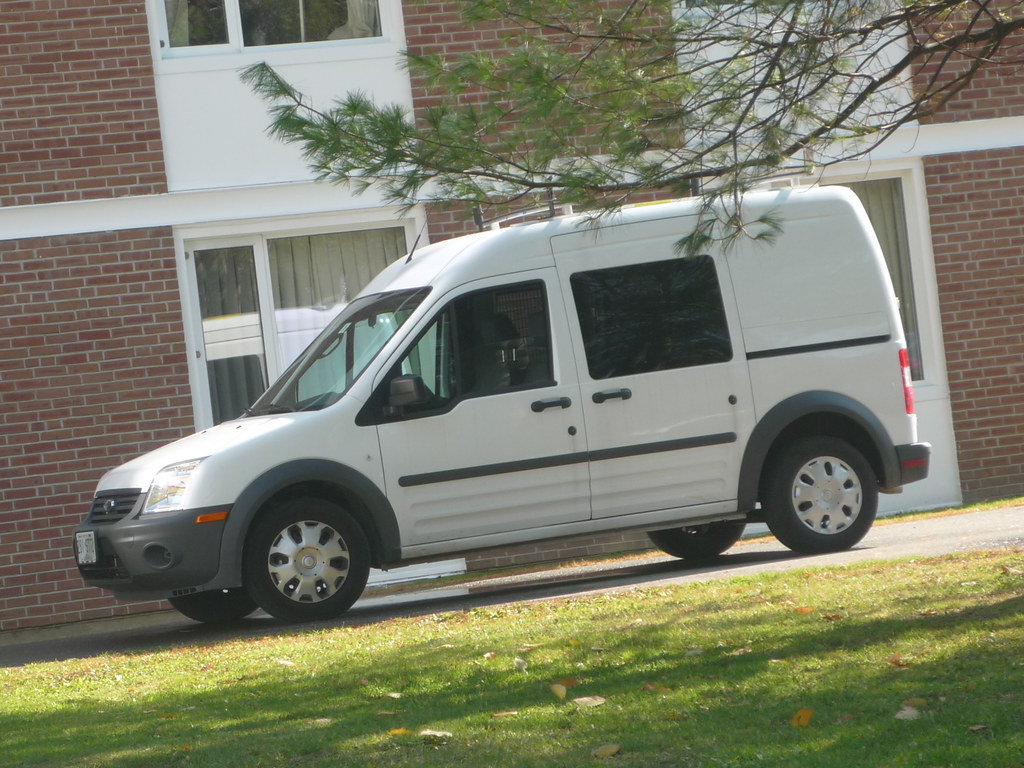
7. **Ford Transit Connect**The Ford Transit Connect has carved out a considerable niche among small business owners and urban operators, largely due to its advantageous compact size, impressive fuel efficiency, and commendable agility on crowded city streets. Its practicality has indeed made it a popular choice. However, it’s important for prospective buyers to recognize that the initial several generations of the Transit Connect have often exhibited struggles with achieving long-term dependability, particularly when subjected to the rigors of intense, continuous commercial use that pushes the vehicle beyond its design envelope.
Predominant concerns frequently center on recurring transmission issues, an area where older models equipped with four-speed automatics and dual-clutch units have shown particular vulnerability. These mechanical weaknesses are compounded by persistent electrical problems that often manifest as the vehicle ages. Owners have frequently reported a significant escalation in repair costs as these vans approach the critical 120,000 to 150,000-mile benchmark, with the most financially impactful failures often involving the transmission or major electronic control modules.
While the availability of parts for the Transit Connect is generally good, the crucial cost-to-benefit ratio begins to falter noticeably when core systems start experiencing failures in close succession. Comprehensive maintenance logs meticulously compiled by fleet operators consistently reveal a pattern of higher-than-average downtime directly attributable to these recurring mechanical and electrical issues, underscoring a significant challenge to operational continuity.
Highlighting the Transit Connect in this context serves as a potent illustration that even a widely utilized and generally well-regarded van can disappoint when it comes to long-term reliability, especially if it is not meticulously maintained or if it is regularly operated under workloads that significantly exceed its fundamental engineering parameters. Its operational history provides an invaluable cautionary tale, emphasizing the paramount importance of carefully matching anticipated commercial use to a vehicle’s inherent limitations and actively resisting the allure of lower upfront prices or overly optimistic manufacturer marketing. This objective assessment helps ensure that fleet investments are both practical and sustainable over the long haul.
Car Model Information: 2023 Hyundai SANTA FE SEL 2.4
Name: Ford Transit Connect
Manufacturer: Ford of Europe
Aka: Ford Tourneo Connect,Volkswagen Caddy,Azure Transit Connect Electric
Production: 2002–present
Class: unbulleted list
BodyStyle: unbulleted list
Layout: Front-engine, front-wheel-drive
Predecessor: unbulleted list
Sp: us
ModelYears: 2010–2023 (North America)
Categories: 2000s cars, 2010s cars, All Wikipedia articles in need of updating, All articles with unsourced statements, Articles with short description
Summary: The Ford Transit Connect is a compact panel van manufactured and marketed by Ford since 2002. Developed by Ford of Europe, the model line replaced sedan-based vans (Ford Escort and Ford Courier vans) with a dedicated commercial vehicle platform. The model line is the second-smallest vehicle of the Ford Transit range, slotted between the Ford Transit Courier LAV and the Ford Transit Custom LCV/MPV. In line with other Ford Transit variants, passenger-oriented models (in Europe) are marketed as the Ford Tourneo Connect with side windows and rear seats.
The first and second-generation Transit Connect has been imported to North America from the 2010 model year. To circumvent the 25% “chicken tax” on imported light trucks, all examples have been imported as passenger vans, with cargo vans converted to the intended configuration after their importation. In the region, the Transit Connect does not have a direct predecessor; the closest vehicle to its size was the standard-length Ford Aerostar cargo van, which ceased production in 1997.
The first-generation Transit Connect was assembled by Ford Otosan (Kocaeli, Turkey) along with Ford Romania (Craiova, Romania). For the second generation, Ford of Europe shifted production to its Ford Valencia Body and Assembly facility (Almussafes, Valencia, Spain). For 2022, a third generation of the Tourneo Connect was released; based on the Volkswagen Caddy, the model line is assembled by Volkswagen in Poland.
Get more information about: Ford Transit Connect
Buying a high-performing used car >>>
Brand: Ford Model: Transit Connect
Price: $19,256 Mileage: 56,972 mi.
Read more about: Toyota’s Strategic Recalibration: Navigating Market Demands with a Hybrid-First, EV-Forward Approach in 2025

8. **Ram C/V Tradesman**The Ram C/V Tradesman, developed by Chrysler and based on the established Dodge Grand Caravan minivan platform, was strategically positioned as an economical option for budget-conscious contractors and mobile businesses seeking an affordable entry into the commercial vehicle market. While its roots in a passenger minivan platform did indeed provide interior flexibility and a competitive initial price point, the C/V Tradesman frequently struggles to deliver the robust, long-term durability essential for rigorous commercial applications, ultimately revealing the inherent limitations of its design.
Common complaints consistently reported by owners and mechanics alike include pervasive engine oil leaks, accelerated transmission wear, and a range of electrical gremlins that tend to emerge well before the 150,000-mile mark, especially in vans that endure heavy daily use. The van’s fundamental drivetrain, while arguably adequate for light or very moderate work, often proves to be swiftly overwhelmed when subjected to repeated heavy loads or extensive, demanding service routes, leading to premature wear and increased maintenance frequency.
Beyond the powertrain, structural concerns such as noticeable body flex and an interior that shows signs of wear and tear much earlier further underscore the platform’s inherent limitations when compared directly with purpose-built cargo vans. Many owners, faced with accumulating repair expenses, often find that the investment required to keep the van operational rapidly surpasses the remaining market value of the vehicle once these high-mileage challenges begin to manifest, making continued ownership an economically questionable decision.
Examining the operational trajectory of the Ram C/V Tradesman provides a stark illustration of the intrinsic risks associated with repurposing passenger vehicle platforms that were not originally conceived or engineered for the demanding world of commercial duty. Its consistently shorter service life clearly demonstrates why durability, meticulously engineered from the ground up for commercial applications, is overwhelmingly preferable to merely retrofitting passenger vehicles for heavy work. Reviewing its history offers crucial insights for astute buyers, enabling them to keenly recognize the fundamental differences between truly commercial platforms and those that are simply adorned to appear suitable for the part, thereby guiding them toward more resilient and reliable fleet choices.
Car Model Information: 2023 Hyundai SANTA FE SEL 2.4
Class: Full-size van
Production: 1970–2003
ModelYears: 1971–2003
BodyStyle: van
Manufacturer: Chrysler Corporation
Predecessor: Dodge A100
Successor: Mercedes-Benz Sprinter
Platform: Chrysler B platform
Assembly: Fenton, Missouri
Layout: front-engine, rear-wheel drive
Categories: 1970s cars, 1980s cars, 1990s cars, All articles with unsourced statements, Articles with short description
Summary: The Dodge Ram Van (originally the Dodge B series) is a range of full-size vans that were produced by Chrysler Corporation from the 1971 to 2003 model years. The B series replaced the forward control Dodge A100, transitioning to a front-engine, rear-wheel-drive layout that shared components with the D series pickup truck and had a conventional exterior hood for engine access. The model range consisted of a cargo van, a passenger van marketed as the Dodge Ram Wagon after introduction of the Ram nameplate for model year 1980, and a cutaway van chassis which was dropped in 1979.
With a 33-model year production run, the B series / Ram Van is among the longest-lived platforms in American automotive history. The exterior and chassis saw only gradual changes during that time, with three distinct generations developed. Alongside its use by Dodge, the full-size van range was rebadged during the 1970s for both Fargo Trucks and Plymouth (marking the debut of the Plymouth Voyager nameplate).
For the entire production run, Chrysler produced the vans at the now-demolished Pillette Road Truck Assembly plant in Windsor, Ontario, Canada; prior to 1980, the model line was also produced at Saint Louis Assembly in Fenton, Missouri. In 2003, the Dodge Sprinter (a rebranding of its Mercedes-Benz namesake) was introduced, replacing the Ram Van.
Get more information about: Dodge Ram Van
Buying a high-performing used car >>>
Brand: Ram Model: C/V Tradesman
Price: $19,256 Mileage: 56,972 mi.
Read more about: Pass on These: 12 Used Vans You Absolutely Should Not Insure in 2025 According to Claims Adjusters

9. **Chevrolet City Express**The Chevrolet City Express, a direct outcome of General Motors’ strategic partnership with Nissan, is fundamentally a rebadged version of the Nissan NV200, sharing a significant number of its core components and, regrettably, many of its inherent design weaknesses. While it initially mirrored the NV200’s appeal for agile navigation and delivery in dense urban environments, the City Express swiftly acquired a reputation for encountering early mechanical troubles, which severely curtailed its attractiveness for businesses that absolutely require enduring long-term reliability from their commercial vehicles.
The problems most frequently cited by owners and service professionals largely mirror those of its Nissan counterpart, prominently featuring premature transmission issues and a noticeable lack of sufficient power, particularly for more demanding applications. This creates a challenging dual dilemma for operators: not only are they contending with recurring operational hiccups, but their drivers are often left frustrated by the vehicle’s performance limitations, especially under load or on inclines.
Despite the fact that the City Express’s cabin and cargo area are thoughtfully arranged for practical use, they regrettably tend to exhibit distinct signs of accelerated wear and tear early in the vehicle’s life, a problem especially pronounced in vans subjected to rigorous daily schedules. Furthermore, critical components such as suspension parts and brake systems often necessitate replacement at significantly shorter intervals when directly compared to its more robust competitors, adding another layer of recurring maintenance expense.
When the reliable operation of a commercial van is paramount to a business, these accumulating costs for premature repairs and parts replacements quickly become substantial, making it exceedingly difficult for business owners to rationally justify retaining City Express models in active service beyond the approximate 150,000-mile mark. By highlighting the experiences with the City Express, this article powerfully demonstrates how strategies like “badge engineering” and rapid market entries can, at times, result in commercial products that simply fail to meet the high benchmarks for durability and performance established by more mature, purpose-built legacy models. It emphatically underscores the critical importance of placing trust in validated long-term fleet experience and comprehensive, robust dependability data over mere marketing claims or an attractive initial appearance when making vital commercial vehicle procurement decisions.
Car Model Information: 2023 Hyundai SANTA FE SEL 2.4
Name: Nissan NV200 (M20)
Caption: A silver Nissan NV200 van
Manufacturer: Nissan
Aka: unbulleted list
Production: 2009–present
Assembly: ubl
Class: Light commercial vehicle
BodyStyle: van
Layout: Front-engine, front-wheel-drive,Front-engine, four-wheel-drive
Platform: Nissan B platform
Engine: Nissan HR engine,Straight-four engine
Motor: Nissan EM motor
Transmission: Continuously variable transmission
Wheelbase: unbulleted list
Abbr: on
Order: flip (North America)
Length: unbulleted list
Width: unbulleted list
Height: unbulleted list
Predecessor: Renault Kangoo#Kangoo I (1997–2007)
Successor: Nissan NV250
Categories: 2010s cars, 2020s cars, All-wheel-drive vehicles, All articles with dead external links, Articles with Japanese-language sources (ja)
Summary: The Nissan NV200 is a light commercial and leisure activity, 4/5-door van designed and produced by the Japanese automaker Nissan since 2009.
Get more information about: Nissan NV200
Buying a high-performing used car >>>
Brand: Chevrolet Model: City Express
Price: $19,256 Mileage: 56,972 mi.
Read more about: The Untamed Road Ahead: Unpacking 9 Trucks Built to Conquer 300,000 Miles and Beyond for Savvy Buyers
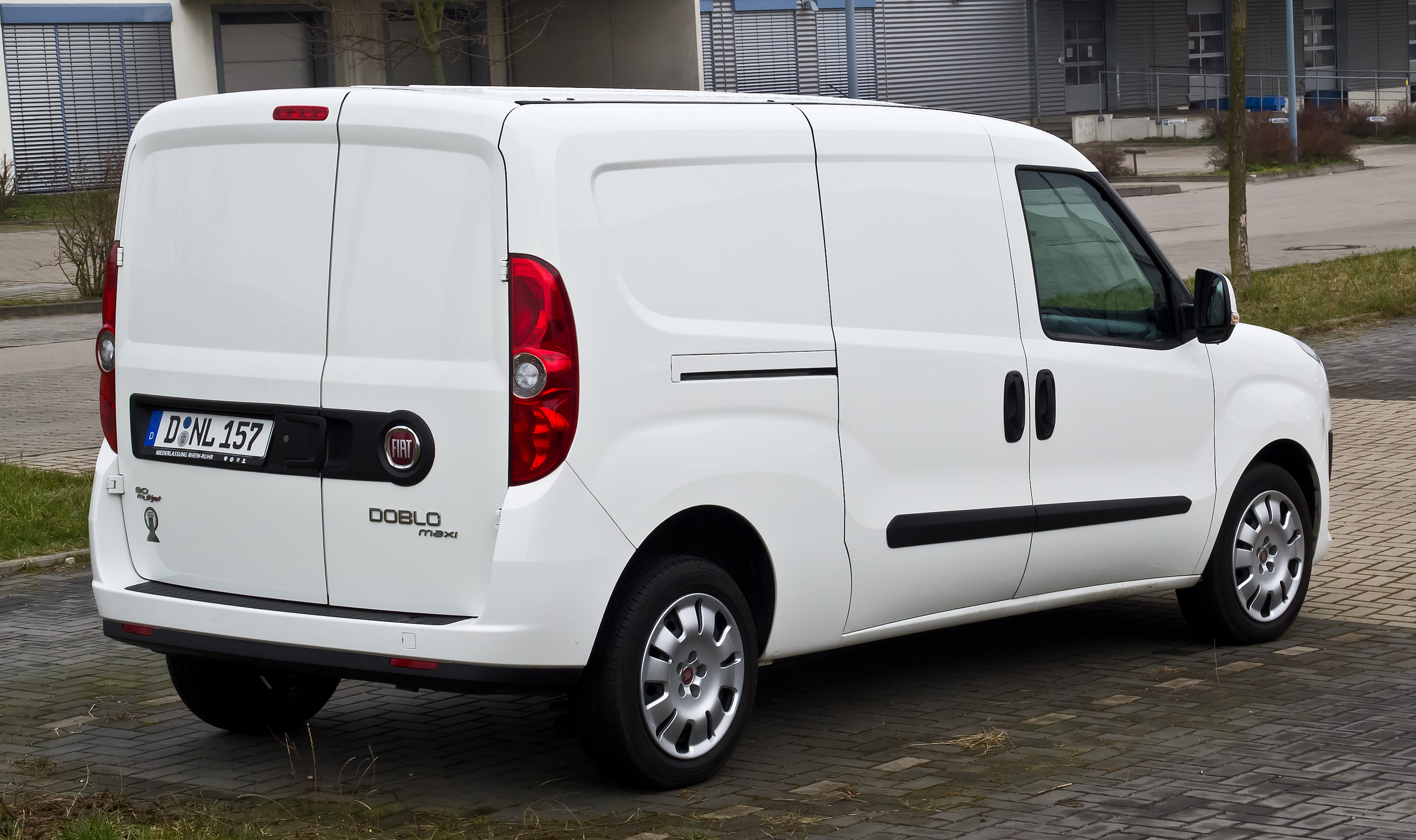
10. **Fiat Doblo Cargo**The Fiat Doblo Cargo, a compact commercial van extensively marketed throughout Europe, is another model that, while performing adequately within very specific operational niches, frequently demonstrates a regrettably short operational lifespan when subjected to the demanding conditions characteristic of daily heavy commercial use. This model often disappoints businesses that require steadfast endurance and minimal downtime, proving less resilient than its more robust competitors.
Owners and fleet operators consistently report persistent clutch issues, particularly in manual transmission models, alongside problematic dualogic automated manual transmissions which can be sources of significant frustration and costly repairs. Moreover, key engine components such as the turbocharger and the diesel particulate filter (DPF) are frequently known to fail much sooner than equivalent parts in high-mileage rivals, leading to unexpected and expensive interventions that undermine the vehicle’s economic viability over time.
Compounding these mechanical vulnerabilities are chronic problems with premature rust, often appearing earlier than expected, and electrical systems that can prove temperamental. These issues, combined with a cabin interior that is notably less resistant to the inevitable daily knocks and wear of commercial operation, further diminish the Doblo Cargo’s overall appeal for businesses seeking long-term value. Many businesses, confronted with these accumulating faults, find themselves replacing these vans soon after the odometer readings approach the 150,000-mile threshold, as the escalating repair costs rapidly outstrip the vehicle’s remaining economic value.
Feedback gathered from commercial mechanics further corroborates these concerns, revealing patterns of extensive downtime for repairs and a higher frequency of part replacements compared to major, more durable competitors in the segment. Discussing the Fiat Doblo Cargo in this comprehensive context serves as an essential reminder that not all small vans possess the inherent capability to withstand the relentless demands of life as a daily workhorse. Its limitations stem not only from certain engineering choices but also from the practical realities of parts sourcing, the efficacy of support networks, and the quality of after-sales care across various operational regions. By focusing a critical lens on these specific pitfalls, this article provides readers with crucial insights, enabling them to better assess how real-world reliability data can sometimes paint a significantly less flattering picture than a vehicle’s clever marketing strategies or its initial, often misleading, driving feel might otherwise suggest. This rigorous evaluation equips buyers to make more empirically grounded decisions, prioritizing enduring reliability over fleeting impressions.
Car Model Information: 2023 Hyundai SANTA FE SEL 2.4
Name: Fiat Doblò
Manufacturer: Fiat,Tofaş,Stellantis
Production: 2000–present
Class: Panel van
Predecessor: Fiat Fiorino,Fiat Marengo,Chrysler minivans (RT)
Categories: 2000s cars, 2010s cars, All-wheel-drive vehicles, All articles containing potentially dated statements, All articles with dead external links
Summary: The Fiat Doblò is a panel van and leisure activity vehicle produced by Italian automaker Fiat since 2000. It was unveiled at the Paris Motor Show in October 2000. A second-generation Doblò succeeded the original vehicle in 2010 for most markets, and it was sold in the United States as the RAM ProMaster City from 2015 to 2022. The second generation was also sold in Europe and the UK as the Opel/Vauxhall Combo. The third-generation Doblò, a rebadged version of the Citroën Berlingo, was unveiled in June 2022, and is also sold as the Opel or Vauxhall Combo, Peugeot Partner, and Toyota ProAce.
Get more information about: Fiat Doblò
Buying a high-performing used car >>>
Brand: Fiat Model: Doblo Cargo
Price: $19,256 Mileage: 56,972 mi.
Read more about: Watch Out! 15 Cars That Could Drain Your Wallet with Costly Repairs Down the Line
Navigating the complex landscape of commercial vehicle acquisition requires a clear understanding of both exceptional longevity and potential vulnerabilities. The comprehensive insights presented in this article aim to equip business owners, fleet managers, and individual tradespeople with the critical knowledge needed to make truly informed decisions. Whether investing in a workhorse designed to surpass 400,000 miles or avoiding a model prone to early retirement around the 150,000-mile mark, the key lies in prioritizing robust engineering, manageable maintenance, and a proven track record. By carefully considering these factors, you can select a work van that not only meets your operational needs but also contributes positively to your long-term profitability and operational continuity, ensuring your business stays on the road to success for years to come.