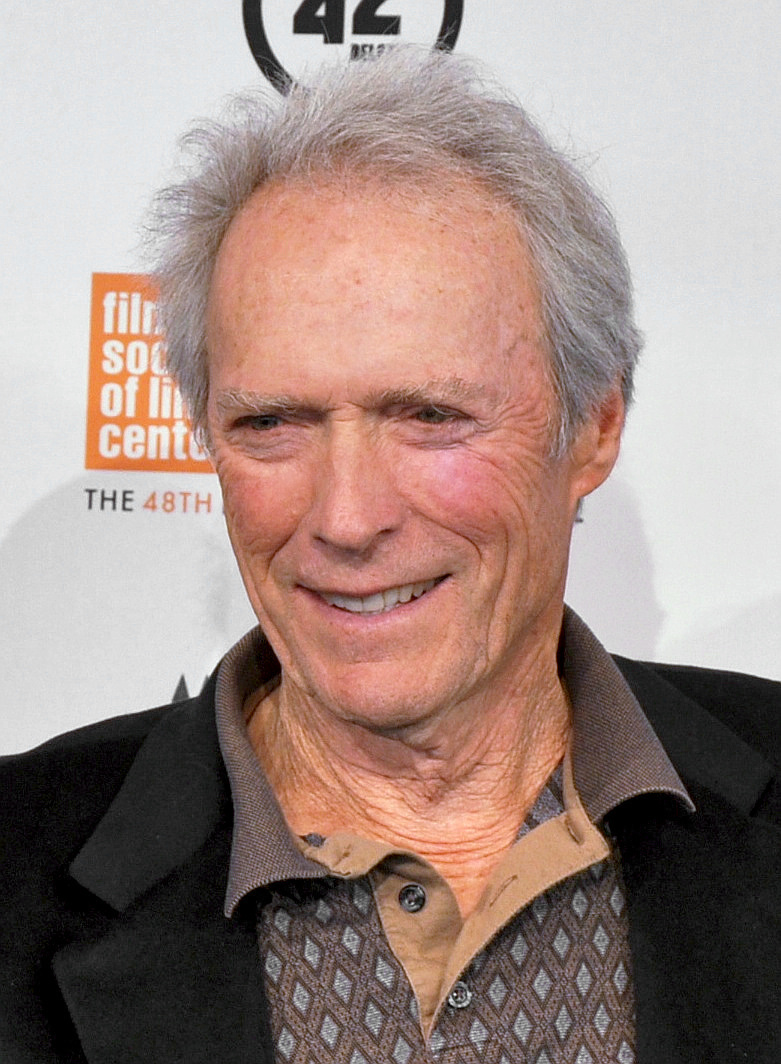
Clint Eastwood. The name itself conjures images of steely gazes, rugged individualism, and an undeniable presence that has dominated cinema for over six decades. From his iconic roles as the Man With No Name in Sergio Leone’s spaghetti Westerns to the gritty detective “Dirty Harry” Callahan, Eastwood has defined generations of film lovers with his compelling performances. His impact as an actor is truly immense, a testament to his unique screen persona and enduring appeal.
Beyond his legendary acting career, Eastwood has quietly, and with remarkable efficiency, built an equally formidable legacy as a director. He has helmed diverse narratives, from Westerns that redefined the genre to poignant dramas that tug at the heartstrings. Winning Best Picture Oscars for both “Unforgiven” and “Million Dollar Baby,” Eastwood has proven time and again that his eye behind the camera is as sharp and perceptive as his presence in front of it, exploring complex human emotions with a minimalist yet deeply resonant approach.
For enthusiasts eager to explore the breadth and depth of Clint Eastwood’s directorial genius, Rotten Tomatoes provides a valuable lens, offering a critical consensus that speaks volumes about the quality and impact of his work. While his filmography includes many stellar performances in films not directed by him, our focus here is squarely on his productions as a director. We’ve compiled a definitive ranking of his nine best movies he directed, based on their Rotten Tomatoes scores. Prepare to journey through the masterworks of a true Hollywood titan.
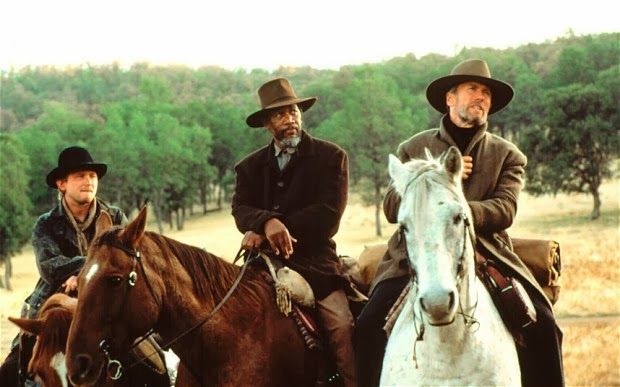
1. **Unforgiven (1992)** – 96%”As both director and star, Clint Eastwood strips away decades of Hollywood varnish applied to the Wild West, and emerges with a series of harshly eloquent statements about the nature of violence.” This Critics Consensus perfectly encapsulates the profound impact of “Unforgiven,” a film that not only won four Academy Awards, including Best Picture and Best Director for Eastwood, but also fundamentally reshaped the Western genre. It’s a stark, morally complex masterpiece that challenges the romanticized notions of gunfighters and heroism, revealing the brutal truth behind the legends. Eastwood, as William Munny, a retired outlaw, delivers a performance of weary gravitas, embodying a man haunted by his past violent deeds.
The film’s genius lies in its deconstruction of the archetypal Western hero. Munny is not the stoic figure of classic Westerns; he’s an aging man reluctantly drawn back into violence for a bounty. The violence depicted is not thrilling or heroic, but sudden, ugly, and devastating, highlighting its irreversible consequences. This unflinching realism, combined with sharp writing and powerful performances from Gene Hackman, Morgan Freeman, and Richard Harris, elevates “Unforgiven” beyond a mere genre piece. Hackman’s portrayal of the sadistic sheriff Little Bill Daggett is particularly chilling, earning him an Academy Award.
“Unforgiven” breathed new life into the Western by confronting its own mythology head-on. Eastwood delivered a film that felt both timeless and utterly contemporary in its themes. Its examination of morality, consequence, and the allure of reputation versus the reality of one’s actions resonates deeply, making it a critical and commercial success. It remains a powerful statement on the human cost of violence and a monumental achievement in cinematic storytelling, cementing Eastwood’s place as a visionary director. It’s a film that stays with you long after the credits roll, prompting reflection on the nature of good and evil.
Read more about: From Blockbusters to Bestsellers: Uncovering the Hidden Literary Talents of 15 Beloved Actors
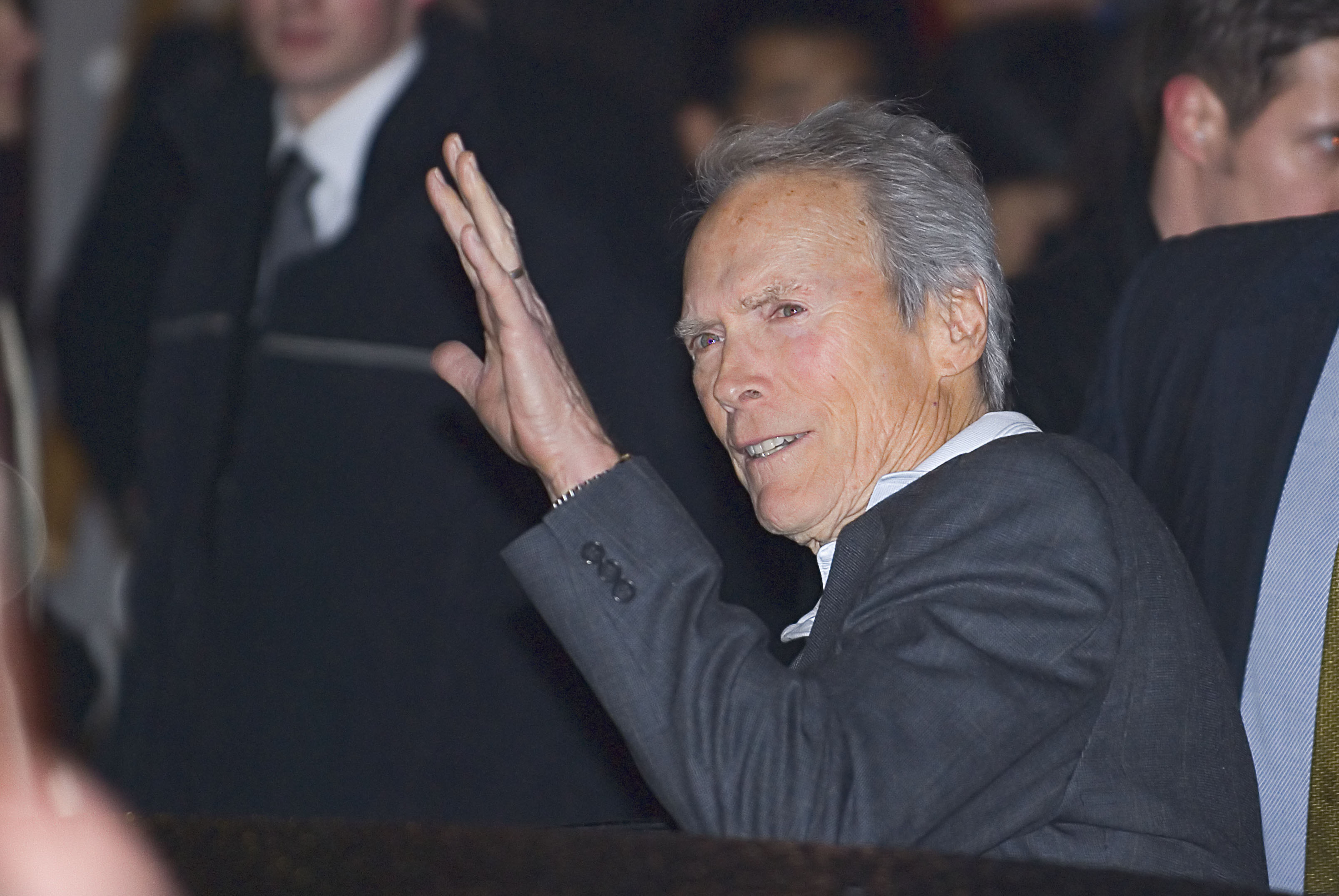
2. **High Plains Drifter (1973)** – 94%”Clint Eastwood’s sophomore outing as director sees him back in the saddle as a mysterious stranger, and the result is one of his most memorable Westerns.” This assessment from the Critics Consensus perfectly captures the enigmatic power of “High Plains Drifter.” Following his directorial debut, Eastwood returned to the genre that made him a star, but with a darkly unsettling, almost supernatural twist. The film is a chilling and atmospheric Western, showcasing Eastwood’s early confidence behind the camera, blending elements of revenge, morality, and the macabre into a unique cinematic experience.
Eastwood plays “The Stranger,” a mysterious figure who rides into the corrupt frontier town of Lago. The townspeople, fearful of three recently released outlaws, hire The Stranger to protect them, giving him free rein. What follows is a brutal and surreal narrative where The Stranger metes out a form of poetic, albeit violent, justice, forcing the town to confront its own sins. His actions are ambiguous, often cruel, but always with an underlying purpose, leaving the audience to ponder his true identity and motivations. The film deliberately leaves these questions unanswered, adding to its mystique and profound sense of dread.
Eastwood’s direction here is bold and experimental, utilizing striking visuals, sparse dialogue, and a deeply unsettling score to create an atmosphere of moral decay. The decision to repaint the entire town red for the climax is a brilliant stroke, emphasizing the blood-soaked history and impending retribution. This film is far from traditional heroic Westerns; it’s a psychological thriller wrapped in a Western aesthetic, deeply influenced by the Sergio Leone films, yet forging its own distinct, darker path. “High Plains Drifter” stands as a testament to Eastwood’s willingness to push boundaries even early in his directorial career, exploring collective guilt and retribution with artistic courage.
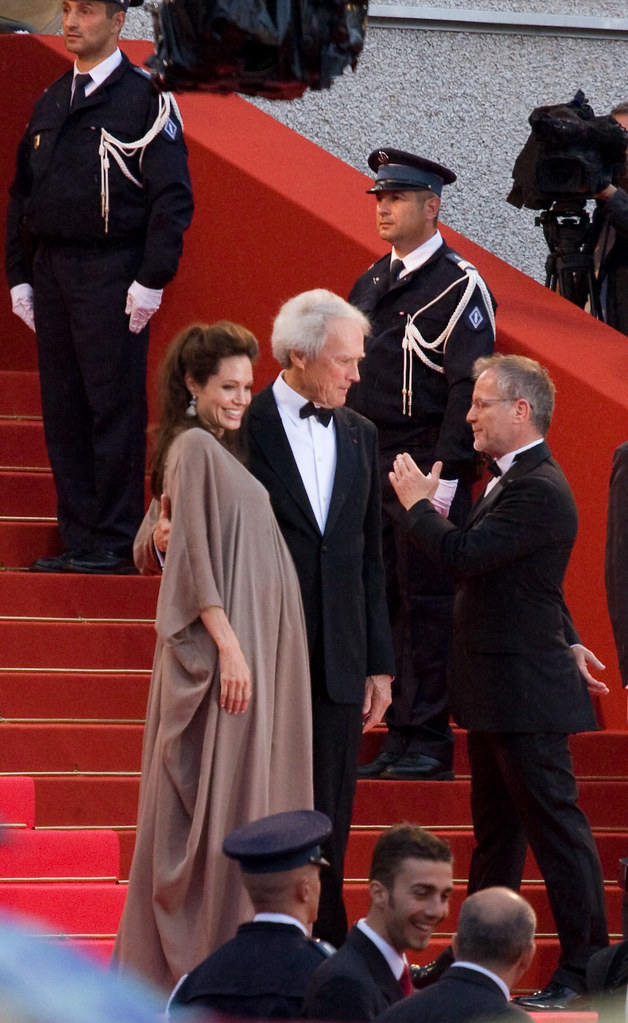
3. **Pale Rider (1985)** – 94%”Nearly a decade after The Outlaw Josey Wales, Clint Eastwood returns as a director to the genre that made his name with this elegant, spiritual Western that riffs on the classic Shane.” This Critics Consensus perfectly encapsulates “Pale Rider,” a film where Eastwood not only directs but also stars as another mysterious, almost spectral figure, echoing “High Plains Drifter.” It is a beautifully shot and deeply resonant Western, often cited as one of the best of the 1980s, skillfully blending classic Western tropes with a profound spiritual undertone.
The narrative centers around a community of independent gold prospectors terrorized by a powerful mining baron, Coy LaHood, and his ruthless hooligans. Into this conflict rides a nameless Preacher, portrayed by Eastwood, who emerges from the mist to defend the vulnerable miners. His arrival is shrouded in mystery, and his actions suggest a divine intervention. The Preacher’s calm demeanor belies his deadly competence with a gun, and his presence stirs hope in the downtrodden and fear in the oppressors, leading to a classic showdown between good and evil, imbued with Eastwood’s signature nuanced morality.
Eastwood’s direction in “Pale Rider” is masterful, crafting breathtaking visuals that highlight the rugged beauty of the Sierra Nevada mountains. The cinematography is exquisite, capturing both the grandeur of the landscape and the intimate struggles of the characters. The film’s pacing is deliberate, allowing for character development and the slow build-up of tension, making the inevitable bursts of violence all the more impactful. Beyond the action, “Pale Rider” explores themes of faith, justice, and the fight for the underdog, further proving his enduring connection to the genre and his growth as a filmmaker.
Read more about: Beyond the Dust: Essential Western Movies Even Non-Fans Should Experience at Least Once

4. **Honkytonk Man (1982)** – 93%”Clint Eastwood succeeds in revealing his softer side in Honkytonk Man, a surprisingly sweet and heartwarming road movie that hums along at a pleasant pace.” This Critics Consensus points to a delightful departure for Eastwood, both as an actor and a director. “Honkytonk Man” is a gentle, melancholic, and deeply personal film that contrasts sharply with his more action-oriented or grim Westerns. It’s a heartfelt musical drama that showcases a different facet of Eastwood’s storytelling, focusing on family, dreams, and the bittersweet nature of life on the road.
Eastwood stars as Red Stovall, an alcoholic, ailing country singer from Oklahoma who gets a chance to audition at the Grand Ole Opry in Nashville during the Great Depression. Accompanying him on this perilous journey is his impressionable young nephew, Whit (played by Eastwood’s real-life son, Kyle Eastwood). The film is a poignant road trip, a coming-of-age story for Whit, and a swan song for Red, who grapples with his demons, his failing health, and the elusive pursuit of his dreams. It’s a tale steeped in Americana, filled with authentic country music and evocative period details.
As a director, Eastwood crafts a narrative that is intimate and character-driven, allowing for subtle emotions and naturalistic performances. He avoids grand dramatic gestures, opting instead for a quiet, observational style that enhances the film’s authenticity. The relationship between Red and Whit is the heart of the movie, beautifully portraying the bond between generations and the passing of wisdom. The film is also notable for featuring genuine musical performances, with Eastwood himself singing, adding another layer of depth to his portrayal. “Honkytonk Man” might not be as widely discussed as some of Eastwood’s bigger hits, but its critical reception speaks volumes about its quality.
Read more about: Unearthing the Gems: 14 Must-Watch Underrated Clint Eastwood Movies for Every Fan and Cinephile
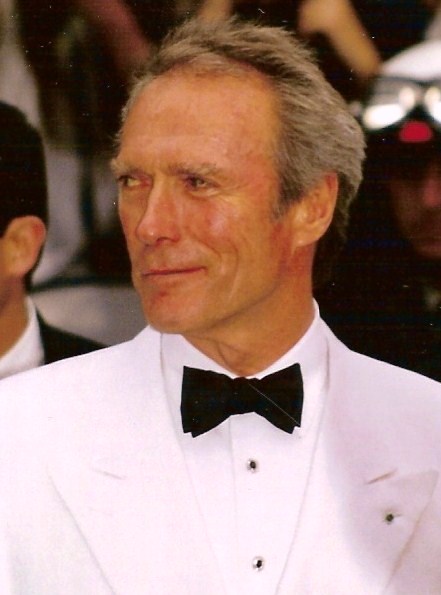
5. **The Outlaw Josey Wales (1976)** – 91%”Recreating the essence of his iconic Man With No Name in a post-Civil War Western, director Clint Eastwood delivered the first of his great revisionist works of the genre.” The Critics Consensus perfectly articulates the significance of “The Outlaw Josey Wales,” a film that solidifies Eastwood’s reputation as a masterful director of Westerns. It’s a sprawling, epic narrative that skillfully blends action, drama, and unexpected humor, offering a complex portrayal of revenge, survival, and the formation of a makeshift family in the tumultuous aftermath of the American Civil War.
Eastwood stars as Josey Wales, a Missouri farmer whose family is brutally murdered by Union Redlegs. Driven by vengeance, Wales becomes an outlaw, relentlessly pursued by the very forces that destroyed his life. His journey transforms him from a peaceful farmer into a skilled and feared gunman, but also into a reluctant leader gathering a diverse group of misfits around him. This surrogate family represents a microcosm of post-war America, seeking a new beginning amidst the ruins of conflict. The film’s strength lies in Eastwood’s balanced direction, which allows for both explosive action sequences and poignant character moments.
He captures the harsh realities of a war-torn landscape, emphasizing the psychological scars left by the conflict. Yet, amidst the violence, there’s a surprising vein of humanity and even dark humor. The relationships that form within Wales’s unlikely group are genuinely touching, offering moments of warmth and hope against a bleak backdrop. “The Outlaw Josey Wales” is celebrated not only for its compelling story but also for its beautiful cinematography, capturing the vast, untamed American landscape. It’s a powerful statement on the search for peace and community in a broken world, proving Eastwood’s directorial prowess in crafting a Western that is both entertaining and thought-provoking.
Having journeyed through the initial masterpieces of Clint Eastwood’s directorial career, it’s clear his impact on cinema is both profound and multifaceted. His ability to craft compelling narratives, often with himself at the helm both in front of and behind the camera, sets him apart. Now, let’s continue our exploration, diving into the next four critically acclaimed films that further solidify his status as one of Hollywood’s most enduring and versatile filmmakers, as ranked by the discerning critics on Rotten Tomatoes.
Read more about: These 10 Legendary Actors Totally Defined 70s Cinema with Their Iconic Charisma
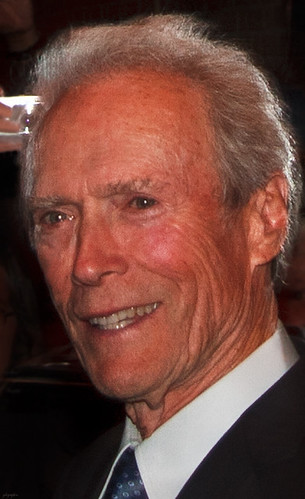
6. **Million Dollar Baby (2004)** – 90%”Clint Eastwood’s assured direction – combined with knockout performances from Hilary Swank and Morgan Freeman – help Million Dollar Baby to transcend its clichés, and the result is deeply heartfelt and moving.” This Critics Consensus captures the immense emotional power and critical success of “Million Dollar Baby,” a film that not only garnered widespread acclaim but also earned Clint Eastwood his second Best Picture and Best Director Academy Awards. It’s a testament to his ability to find the profound human drama within seemingly conventional settings, elevating the story into something truly special.
The film plunges us into the unforgiving world of boxing, focusing on Frankie Dunn (Clint Eastwood), a veteran Los Angeles boxing trainer. Dunn, a man who keeps almost everyone at arm’s length, finds an unexpected connection with Maggie Fitzgerald, an aspiring female boxer, whose fierce determination and raw talent slowly chip away at his hardened exterior. The narrative explores their intense mentor-mentee relationship, fraught with the challenges and sacrifices inherent in the pursuit of greatness.
Eastwood’s direction in “Million Dollar Baby” is nothing short of masterful. He navigates the gritty reality of the boxing ring with a delicate touch, emphasizing the personal struggles and emotional stakes rather than just the physical confrontations. The film delves deeply into themes of redemption, family, and the pursuit of dreams, all while exploring complex moral dilemmas with a rare sensitivity. It’s a character study that feels both intimate and expansive, showcasing Eastwood’s assured hand in crafting deeply resonant human stories.
The knockout performances from Hilary Swank, who won an Academy Award for Best Actress, and Morgan Freeman, who also took home an Oscar for Best Supporting Actor, are central to the film’s success. Their portrayals, under Eastwood’s keen guidance, imbue the characters with a palpable sense of hope, despair, and unwavering spirit. “Million Dollar Baby” isn’t just a boxing movie; it’s a deeply heartfelt and moving drama that transcends its genre, leaving an indelible mark on its audience and cementing its place as one of Eastwood’s most significant directorial achievements.
Read more about: Prepare for Tears: 13 Movie Deaths That Still Emotionally Wreck Us, Decades Later

7. **The Bridges of Madison County (1995)** – 90%”Sentimental, slow, schmaltzy, and very satisfying, The Bridges of Madison County finds Clint Eastwood adapting a bestseller with heft, wit, and grace.” This Critics Consensus highlights a remarkably tender and unexpected turn in Clint Eastwood’s directorial career. Departing from the rugged Westerns and taut thrillers that defined much of his work, Eastwood delivered a deeply romantic drama that proved his versatility and capacity for exploring the quiet complexities of human emotion. It’s a film that resonates with a mature elegance.
The narrative unfolds as a moving love story, centering on a photographer on assignment to shoot the historic bridges of Madison County. This photographer is Robert Kincaid (portrayed by Eastwood himself), who encounters Francesca Johnson (Meryl Streep), a lonely Italian war bride living a quiet, isolated life as a farmer’s wife in Iowa. What follows is a profound, albeit brief, four-day affair that irrevocably alters the course of their lives, exploring the intense connection and emotional stakes involved.
Eastwood’s direction in adapting the immensely popular bestseller is imbued with a distinctive blend of “heft, wit, and grace.” He allows the story to unfold with a deliberate, unhurried pace, letting the powerful emotions simmer beneath the surface rather than boiling over. This film explores profound themes of fleeting love, regret, personal choices, and the road not taken, all through a lens of understated beauty and raw authenticity. It’s a masterclass in how to draw out the subtle nuances of a passionate, yet forbidden, connection.
The exquisite chemistry between Eastwood and Meryl Streep is the heart and soul of the film. Streep’s performance, in particular, is widely celebrated for its depth and vulnerability, perfectly complementing Eastwood’s restrained portrayal of Kincaid. “The Bridges of Madison County” revealed a softer, more introspective side to Eastwood’s directorial persona, creating a poignant and memorable cinematic experience that stands as a unique, deeply satisfying entry in his diverse and celebrated filmography. It’s a film that invites quiet reflection on love, sacrifice, and the profound weight of individual choices.
Read more about: Meryl Streep at 75: Peering into the Hollywood Doyenne’s Timeless Performances and Enduring Influence

8. **Gran Torino (2008)** – 81%”Though a minor entry in Eastwood’s body of work, Gran Torino is nevertheless a humorous, touching, and intriguing old-school parable.” The Critics Consensus offers a concise yet powerful summation of “Gran Torino,” a film that sees Clint Eastwood delivering one of his most iconic and complex performances of his later career, while also skillfully directing a narrative rich in social commentary and personal redemption. It’s a movie that defies simple categorization, blending elements of drama, dark humor, and an unexpected warmth.
Eastwood stars as Walt Kowalski, a retired auto worker and Korean War veteran living in a rapidly changing Detroit neighborhood. Walt is a curmudgeonly, prejudiced man, isolated by his grief and a deep-seated distrust of anyone different from himself, filling the emptiness in his life with beer and the meticulous upkeep of his home. His prized possession, a 1972 Gran Torino, becomes a symbolic focal point as his world collides with his Hmong immigrant neighbors.
The film masterfully unfolds as an “old-school parable,” tackling profound themes of prejudice, cultural assimilation, redemption, and the search for community in modern America. Eastwood’s direction is unflinching in its portrayal of Walt’s initial bigotry, but it gradually, and with compelling authenticity, guides the character towards understanding and reluctant heroism. He crafts a narrative that is both tough and tender, challenging the audience to confront uncomfortable truths about bias while celebrating the possibility of change.
Eastwood’s on-screen presence as Walt Kowalski is nothing short of commanding, a performance that earned him widespread critical acclaim. He embodies the character’s gruff exterior and underlying humanity with remarkable conviction, making Walt’s journey from isolated bigot to unlikely protector incredibly powerful. “Gran Torino” stands as a significant film in Eastwood’s extensive career, a moving testament to his enduring prowess as both a director and an actor, offering a timely and thought-provoking commentary on society and the transformative power of connection.
Read more about: 14 Untamed 1970 Muscle Cars That Still Roar and Resonate Today: A MotorTrend Deep Dive
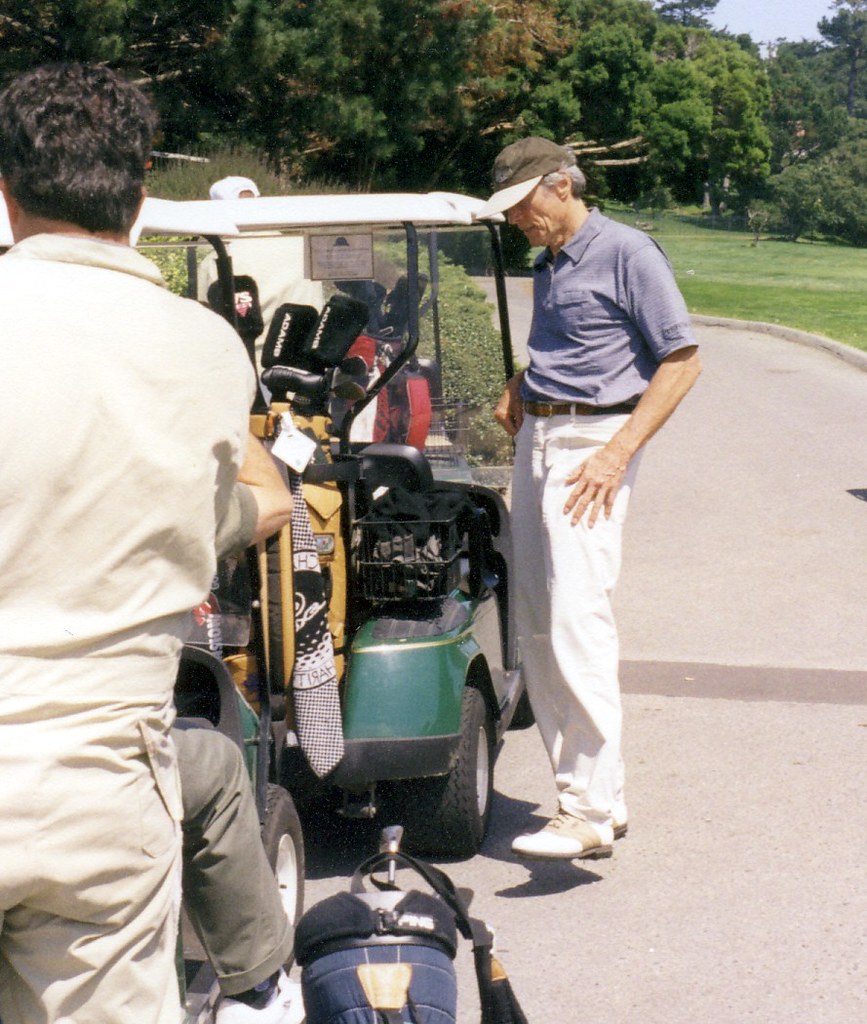
9. **Space Cowboys (2000)** – 78%”While the plot is overly cliched, the suberb acting by the stars (especially the tense interactions between Clint Eastwood and Tommy Lee Jones) and the spectacular special effects make this a movie worth seeing.” The Critics Consensus for “Space Cowboys” perfectly encapsulates the unique appeal of this star-studded adventure, which saw Clint Eastwood assemble a dream team of veteran actors and guide them through a thrilling, yet unexpectedly heartfelt, mission into the cosmos. It’s a rollicking good time that proves age is just a number when it comes to saving the world.
The film’s premise is pure popcorn entertainment: a group of aging, but still incredibly sharp, former test pilots from the early days of space exploration are given a highly improbable second chance to fulfill their lifelong dream of going to space. This stellar quartet includes Clint Eastwood, Tommy Lee Jones, Donald Sutherland, and James Garner, who must dust off their skills and overcome decades of desk jobs to repair a malfunctioning Soviet satellite. Their mission is a nostalgic nod to the golden age of space travel.
Eastwood’s direction here is a masterclass in managing an iconic ensemble cast, skillfully blending action, humor, and moments of genuine emotion. Despite the consensus acknowledging a somewhat cliched plot, his focus on the characters and their dynamics elevates the material significantly. He highlights the “superb acting” and, crucially, the “tense interactions between Clint Eastwood and Tommy Lee Jones,” which provide much of the film’s dramatic and comedic backbone, showcasing the enduring power of seasoned performers.
“Space Cowboys” is a testament to Eastwood’s versatility as a filmmaker, demonstrating his ability to helm a large-scale Hollywood blockbuster that’s both entertaining and deeply human. The film’s “spectacular special effects” immerse the audience in the wonder and danger of space, but it’s the themes of aging gracefully, unfulfilled dreams, teamwork, and proving oneself against all odds that truly resonate. It’s a testament to his enduring appeal and his capacity to create films that are both thrilling and emotionally satisfying, solidifying its place as a cherished entry in his diverse filmography.
Read more about: Beyond the Hype: 14 Critically Panned Sci-Fi Gems You Absolutely Need to See Right Now
Clint Eastwood’s journey as a director, as evidenced by these nine exceptional films, is truly a remarkable narrative in itself. From challenging the romanticism of the Western genre to crafting intimate dramas that explore the depths of the human spirit, and even venturing into space, his filmography is a testament to an artist constantly evolving and pushing boundaries. Each film, a distinct chapter, collectively paints a portrait of a filmmaker unafraid to explore complex morality, profound emotions, and the resilience of the human will. His legacy is not just one of cinematic achievement, but of an enduring vision that continues to inspire and provoke, leaving an indelible mark on the landscape of film history.