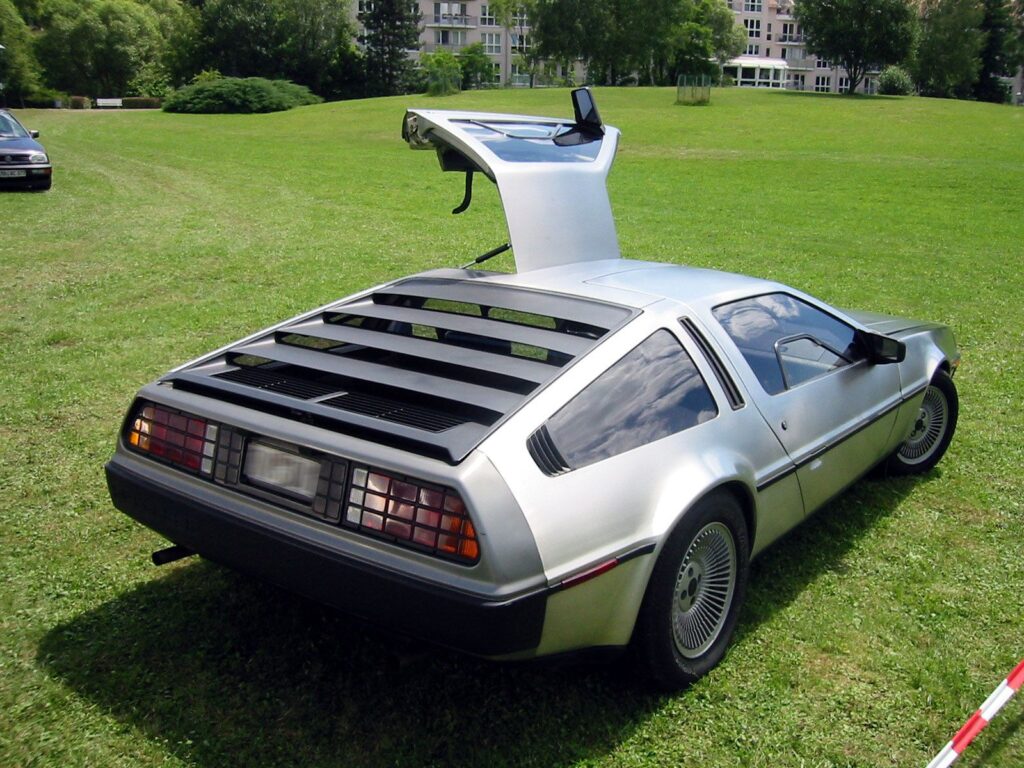
The DeLorean DMC-12, with its signature stainless steel body and striking gull-wing doors, holds an indelible place in the annals of automotive history, not just as a vehicle, but as a pop culture phenomenon. Immortalized by its starring role alongside Doc Brown and Marty McFly in the “Back to the Future” trilogy, this car transcends mere transportation to become a symbol of futuristic ambition and cinematic wonder. Yet, beneath its gleaming exterior and sci-fi fame lies a complex and often turbulent story, one filled with grand visions, technical challenges, and an all-too-brief production run that continues to fascinate enthusiasts and experts alike.
For decades, questions have lingered about the precise number of these iconic machines that actually rolled off the assembly line, their true value in today’s collector market, and the intricate saga of the man behind the dream, John DeLorean. This article embarks on an in-depth exploration, leveraging factual data and historical context to demystify the DeLorean’s journey from drawing board to screen legend and beyond. We’ll peel back the layers of its design, engineering, and tumultuous business life, offering a comprehensive look at what made the DMC-12 such a unique, albeit challenging, endeavor.
Prepare to delve into the practical and detailed insights that define the DeLorean’s legacy. We’ll uncover the “how” and “why” behind its creation, its performance on the road, and the dramatic events that ultimately shaped its destiny. From its conceptualization as a safe, fuel-efficient sports car to its meteoric rise in popular culture, understanding the DeLorean requires an appreciation for both its mechanical ingenuity and the compelling human drama that surrounded its brief but impactful existence. Join us as we explore the fascinating journey of this beloved, if ill-fated, automotive icon.
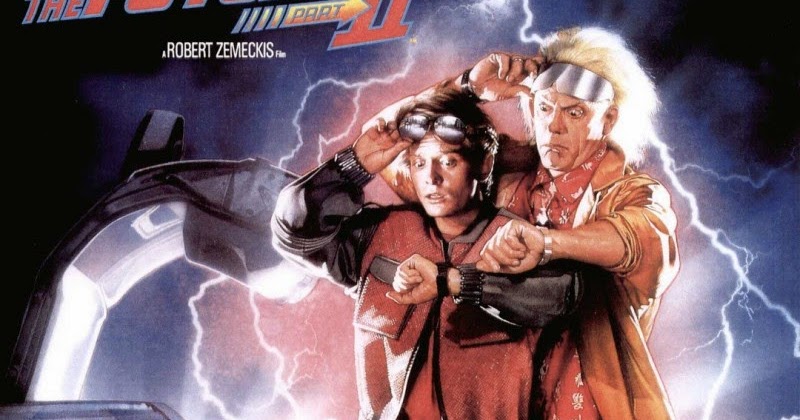
1. **The Iconic Pop Culture Status and Initial Design Vision**It’s nearly impossible to mention the DeLorean DMC-12 without conjuring images of time travel, flux capacitors, and the unforgettable adventures of Doc Brown and Marty McFly. The “Back to the Future” film trilogy didn’t just feature the DeLorean; it transformed it into a global pop culture icon, cementing its status as one of “our coolest cars with the flapping doors” and a perennial symbol of innovation and adventure. This cinematic fame is arguably the single greatest factor in the car’s enduring appeal, transcending its original commercial challenges.
Beyond its role as a time machine, the DeLorean’s intrinsic design elements were revolutionary for its era. Conceived by the legendary Giorgetto Giugiaro at Ital Design in Turin, Italy, the DMC-12 sported a futuristic aesthetic that was a radical departure from the automotive norms of the early 1980s. Its sleek lines, low profile, and most notably, its brushed stainless steel body panels and signature gull-wing doors, gave the car a unique, almost otherworldly appearance that immediately captured the public’s imagination.
The choice of brushed stainless steel for the body was not only innovative but also highly unconventional. Unlike traditional painted bodies, this material offered unmatched durability and resistance to corrosion, ensuring that the car retained its striking looks with minimal effort. This design choice, combined with the practicality of its gull-wing doors, underscored the decade’s fascination with technology and bold innovation. The DeLorean’s iconic look has undeniably ensured its prominent place in automotive history, making it a highly recognizable and sought-after collector’s item today, long after its brief production run.
Car Model Information: 1981 Delorean DMC-12
Name: DMC DeLorean
Alt: 1983 DeLorean
Caption: 1983 DeLorean
Manufacturer: DeLorean Motor Company
Production: January 21, 1981 – December 1982
ModelYears: 1981–1983
Assembly: Dunmurry
Designer: Giorgetto Giugiaro
Class: Sports car
BodyStyle: coupé
Layout: Rear-engine, rear-wheel-drive layout
Doors: Gull-wing doors
Engine: 2.85 L
Abbr: on
Powerout: 130 hp
Transmission: 5-speed manual ,3-speed automatic
Wheelbase: 2413 mm
Length: 4267 mm
Width: 1988 mm
Height: 1140 mm
Weight: 1233 kg
Sp: us
Categories: 1980s cars, All Wikipedia articles written in American English, Articles with short description, Automobiles with backbone chassis, Automobiles with gull-wing doors
Summary: The DMC DeLorean is a rear-engine, two-seat sports car manufactured and marketed by John DeLorean’s DeLorean Motor Company (DMC) for the American market from 1981 until 1983—ultimately the only car brought to market by the fledgling company. The DeLorean is sometimes referred to by its internal DMC pre-production designation, DMC-12, although this was not used in sales or marketing materials for the production model.
Designed by Giorgetto Giugiaro, the DeLorean is noted for its gull-wing doors and brushed stainless-steel outer body panels, as well as its lack of power and performance. Though its production was short-lived, the DeLorean became widely known after it was featured as the time machine in the Back to the Future films.
With the first production car completed on January 21, 1981, the design incorporated numerous minor revisions to the hood, wheels and interior before production ended in late December 1982, shortly after DMC filed for bankruptcy and after total production reached an estimated 9,000 units.
Despite the car having a reputation for poor build quality and an unsatisfactory driving experience, the DeLorean continues to have a strong following, driven in part by the popularity of Back to the Future. 6,500 DeLoreans were estimated to still be on the road as of 2015.
Get more information about: DMC DeLorean
Buying a high-performing used car >>>
Brand: DeLorean Model: DMC-12
Price: $37,500 Mileage: 0 mi.
Read more about: The $5 Food Item That Keeps Keanu Reeves Looking So Young

2. **John DeLorean’s Pre-DMC Career and Industry Impact**Before embarking on the ambitious, and ultimately ill-fated, journey of creating his self-named car company, John DeLorean had already carved out an impressive and highly successful career within the established automotive industry. He left General Motors in 1973 after an “almost two-decade-long career” that saw him become a legend, largely due to his innovative thinking and knack for rejuvenating flagging brands. His early education at the Chrysler Institute of Engineering and subsequent work at Packard Motor Company, where he eventually headed their research and development division, laid the groundwork for his future endeavors.
General Motors recognized DeLorean’s talent and hired him in 1956, tasking him with the revitalization of the “lackluster Pontiac line.” Over the next 17 years, DeLorean proved his mettle, introducing a series of groundbreaking innovations that would become industry standards. These included practical advancements like “wide-track wheels and recessed and articulated windshield wipers,” which significantly improved vehicle stability and visibility, showcasing his focus on both performance and user experience.
However, DeLorean is perhaps best remembered for his pivotal role in developing some of the most iconic muscle cars of the era. Under his leadership, Pontiac roared back to life with legendary models such as the GTO in 1964, followed by the Firebird in 1967 and the Grand Prix in 1969. These powerful, stylish vehicles not only redefined performance automobiles but also solidified DeLorean’s reputation as a visionary within the car industry, earning him widespread acclaim before the changing tides of the 1970s energy crisis forced a dramatic shift in automotive priorities.

3. **The Genesis of the DeLorean Motor Company**The landscape of the American automotive industry underwent a dramatic transformation in 1973, sparked by the Arab oil embargo. This event led to “fuel shortages around the globe, quadrupling the price of oil in the United States and effectively killing off these powerful cars” that John DeLorean had helped champion. Public attention pivoted swiftly from gas-guzzling V8s to a demand for “smaller, safer, and more fuel-efficient vehicles.” Recognizing that the “Big 3” automakers were slow to adapt, DeLorean perceived a significant market opportunity.
In response, he resigned from GM in 1973 to establish his own venture, the John Z. DeLorean Corporation (JZDC), with a clear objective: to “build an American-made sports car — much like the coupes BWM and Mercedes were making — to meet the public’s needs.” His vision wasn’t just about speed; it also encompassed advanced safety features. He acquired the license for a novel impact-resistant foam panel technology, created using elastic reservoir molding (ERM) from Royal Dutch Shell. These “plastic-sandwiched foam panels were super lightweight and incredibly strong,” forming the innovative chassisless core of his prospective vehicle.
To facilitate the manufacturing of these revolutionary panels, DeLorean created a subsidiary company called Composite Technology Corporation. The DeLorean Motor Company was soon established, with JZDC later renamed the DeLorean Manufacturing Company, signaling his serious commitment to production. Furthermore, early development received a significant boost when Allstate Auto Insurance “ponied up $500,000 for DeLorean to create an example of an idyllically ‘safe’ automobile,” aligned with government safety initiatives. Although Allstate eventually divested from the project, they “let DeLorean keep the seed money,” providing crucial early capital that enabled him to pursue his ambitious automotive dream.
Read more about: Revving Up History: Unearthing the Forgotten Engines That Forged American Muscle Legends

4. **Engine Specifications and Performance**At the heart of the DeLorean DMC-12 lay a rear-mounted 2.8-liter, all-aluminum V6 engine, a product of a collaboration between Peugeot, Renault, and Volvo, often referred to as the PRV engine. While innovative for its lightweight construction and European lineage, this engine’s performance characteristics were, by modern standards, rather modest for a sports car. It “produced a mere 130 horsepower and 153 lb-ft of torque,” figures that left some enthusiasts wanting more, particularly those accustomed to the powerful V8s of DeLorean’s earlier muscle car creations.
The relatively conservative power output meant that the 2,700-pound vehicle, with its sleek stainless steel body and futuristic appeal, wasn’t exactly a drag-strip king. It accelerated to “60 mph in a leisurely nine seconds,” with some sources even claiming it took “over 10” seconds to reach that benchmark. Official statistics generally list the 0-60 mph time at around 10.5 seconds, placing it more in the realm of a comfortable grand tourer than a nimble sports racer, especially when compared to its European contemporaries.
Beyond acceleration, the DMC-12 offered a top speed of approximately 110 mph, which was respectable for the period but not groundbreaking. Its fuel economy was rated at around 19 mpg, a nod to the post-oil embargo market that demanded greater efficiency, though it wasn’t exceptionally frugal. While the PRV engine fulfilled the brief for a V6 and provided adequate motivation, its performance profile stood in contrast to the car’s bold visual statement, leading to some critique and a perception that the car prioritized style and safety over raw power and speed.
Car Model Information: 1981 Delorean DMC-12
Name: DMC DeLorean
Alt: 1983 DeLorean
Caption: 1983 DeLorean
Manufacturer: DeLorean Motor Company
Production: January 21, 1981 – December 1982
ModelYears: 1981–1983
Assembly: Dunmurry
Designer: Giorgetto Giugiaro
Class: Sports car
BodyStyle: coupé
Layout: Rear-engine, rear-wheel-drive layout
Doors: Gull-wing doors
Engine: 2.85 L
Abbr: on
Powerout: 130 hp
Transmission: 5-speed manual ,3-speed automatic
Wheelbase: 2413 mm
Length: 4267 mm
Width: 1988 mm
Height: 1140 mm
Weight: 1233 kg
Sp: us
Categories: 1980s cars, All Wikipedia articles written in American English, Articles with short description, Automobiles with backbone chassis, Automobiles with gull-wing doors
Summary: The DMC DeLorean is a rear-engine, two-seat sports car manufactured and marketed by John DeLorean’s DeLorean Motor Company (DMC) for the American market from 1981 until 1983—ultimately the only car brought to market by the fledgling company. The DeLorean is sometimes referred to by its internal DMC pre-production designation, DMC-12, although this was not used in sales or marketing materials for the production model.
Designed by Giorgetto Giugiaro, the DeLorean is noted for its gull-wing doors and brushed stainless-steel outer body panels, as well as its lack of power and performance. Though its production was short-lived, the DeLorean became widely known after it was featured as the time machine in the Back to the Future films.
With the first production car completed on January 21, 1981, the design incorporated numerous minor revisions to the hood, wheels and interior before production ended in late December 1982, shortly after DMC filed for bankruptcy and after total production reached an estimated 9,000 units.
Despite the car having a reputation for poor build quality and an unsatisfactory driving experience, the DeLorean continues to have a strong following, driven in part by the popularity of Back to the Future. 6,500 DeLoreans were estimated to still be on the road as of 2015.
Get more information about: DMC DeLorean
Buying a high-performing used car >>>
Brand: DeLorean Model: DMC-12
Price: $37,500 Mileage: 0 mi.
Read more about: Avoid the ‘Widow Maker’: The Most Dangerous Bikes Ever Made & Essential Safety Tips for New Motorcycle Riders

5. **Initial Production Goals vs. Reality**John DeLorean’s vision for the DMC-12 included an ambitious pricing strategy, aiming for an initial sale price of “$12,000,” a figure that even inspired the “12” designation in the car’s name. This aggressive target reflected his desire to make a distinctive sports car accessible to a broader market, much like the European coupes he admired. However, the realities of development, manufacturing, and global economics quickly pushed this initial aspiration far out of reach, setting a precedent for the company’s financial struggles.
Upon its launch in 1981, the DeLorean’s Manufacturer’s Suggested Retail Price (MSRP) had ballooned to “$25,000.” This was already more than double the original target. The price continued to climb, increasing to “$29,825 in ’82,” and remarkably, despite the company’s declaration of bankruptcy in 1982, another price jump occurred in 1983, reaching “$34,000.” These escalating prices, combined with a challenging economic climate, significantly impacted the car’s market viability and sales performance.
The sales figures paint a stark picture of the discrepancy between ambition and reality. Sales dropped precipitously year after year, with only “3,012 selling in 1981, 2,660 in ’82, and 1,009 in its final 1983 year.” Quick calculations reveal that “less than 6,700 of the original 9,000 units were sold” through official channels during its brief production run. This underperformance in sales was a critical factor in the DeLorean Motor Company’s rapid decline, demonstrating that even a striking design and innovative features couldn’t overcome an uncompetitive price point in a difficult market.
Read more about: Who’s Running the World in 2025? Meet 14 Global Icons You Absolutely Need to Know!

6. **The Journey from Prototype to Mass Production**With seed money secured and a design vision in place, John DeLorean set about bringing his dream car to life. He had a clear set of non-negotiable requirements for the DMC-12: the distinctive “stainless-steel bodywork and gullwing doors” were paramount. Additionally, the interior had to be generously spacious, designed to comfortably accommodate “six-foot-plus tall passengers,” ensuring practicality alongside its futuristic appeal. These core tenets guided the early development phases, defining the car’s unique character from the outset.
The pivotal design process was entrusted to the renowned Giorgetto Giugiaro at “famed Ital Design in Turin, Italy,” a move that brought world-class automotive artistry to the project. Giugiaro’s expertise translated DeLorean’s vision into the instantly recognizable form we know today. By 1976, a significant milestone was reached when “Kar Kraft in Detroit assembled the prototype DMC-12 with a transversely mounted four-cylinder Citroën engine,” a crucial step in proving the concept’s feasibility and showcasing its potential.
The public unveiling of the “futuristic stainless steel wonder” occurred a year later at the National Automobile Dealers Association (NADA) meeting in New Orleans. This event was strategically aimed at attracting the substantial financial support needed to transition to mass production. The strategy proved successful, as DeLorean managed to secure commitments from “nearly 350 dealerships to invest $25,000 each.” This, combined with “another $1 million from private investors,” boosted his seed money to almost $10 million. However, this sum was overshadowed by a far more substantial offer: “$100+ million Northern Ireland offered, which came with one caveat: the cars had to be manufactured in Belfast.” Despite the geopolitical complexities involving the Irish Republican Army’s conflict with Britain, DeLorean agreed, hiring the British company Lotus to develop the final production version of the DMC-12. The Belfast plant was “erected in under two years” with multiple buildings to mitigate risk, and “astonishingly, it was never attacked, and the first DMC-12 rolled off the production floor in 1981,” marking a significant triumph against considerable odds.
Car Model Information: 1981 Delorean DMC-12
Name: DMC DeLorean
Alt: 1983 DeLorean
Caption: 1983 DeLorean
Manufacturer: DeLorean Motor Company
Production: January 21, 1981 – December 1982
ModelYears: 1981–1983
Assembly: Dunmurry
Designer: Giorgetto Giugiaro
Class: Sports car
BodyStyle: coupé
Layout: Rear-engine, rear-wheel-drive layout
Doors: Gull-wing doors
Engine: 2.85 L
Abbr: on
Powerout: 130 hp
Transmission: 5-speed manual ,3-speed automatic
Wheelbase: 2413 mm
Length: 4267 mm
Width: 1988 mm
Height: 1140 mm
Weight: 1233 kg
Sp: us
Categories: 1980s cars, All Wikipedia articles written in American English, Articles with short description, Automobiles with backbone chassis, Automobiles with gull-wing doors
Summary: The DMC DeLorean is a rear-engine, two-seat sports car manufactured and marketed by John DeLorean’s DeLorean Motor Company (DMC) for the American market from 1981 until 1983—ultimately the only car brought to market by the fledgling company. The DeLorean is sometimes referred to by its internal DMC pre-production designation, DMC-12, although this was not used in sales or marketing materials for the production model.
Designed by Giorgetto Giugiaro, the DeLorean is noted for its gull-wing doors and brushed stainless-steel outer body panels, as well as its lack of power and performance. Though its production was short-lived, the DeLorean became widely known after it was featured as the time machine in the Back to the Future films.
With the first production car completed on January 21, 1981, the design incorporated numerous minor revisions to the hood, wheels and interior before production ended in late December 1982, shortly after DMC filed for bankruptcy and after total production reached an estimated 9,000 units.
Despite the car having a reputation for poor build quality and an unsatisfactory driving experience, the DeLorean continues to have a strong following, driven in part by the popularity of Back to the Future. 6,500 DeLoreans were estimated to still be on the road as of 2015.
Get more information about: DMC DeLorean
Buying a high-performing used car >>>
Brand: DeLorean Model: DMC-12
Price: $37,500 Mileage: 0 mi.
Read more about: The $5 Food Item That Keeps Keanu Reeves Looking So Young

7. **The Downfall of DeLorean Motor Company**The initial excitement surrounding the DeLorean DMC-12, fueled by its futuristic design and even a limited edition “24-karat gold version” offered by American Express, quickly collided with harsh economic realities. The car entered the U.S. market during a period described as the “worst economic recession the U.S. had seen since the Great Depression.” This challenging environment, coupled with the car’s escalating price point and performance that didn’t quite match its exotic looks, meant that despite the buzz, the DeLorean “sold poorly,” leading to significant financial strain for the nascent company.
As sales faltered, DeLorean sought assistance, attempting to secure help from the British government, which had heavily invested in the Belfast plant. However, their intervention was not in the form of a bailout, but rather they “instead placed the company into receivership.” This move signaled the beginning of the end, as the company lost control of its operations. The Belfast factory, which had seen production rates as high as “80 cars per day” in its early days, dramatically scaled back to a single shift, producing a mere “35 to 40 cars per week” as receivership took hold from February 1982 until its eventual closure on May 31, 1982.
John DeLorean’s ambitious venture finally ran out of time in a dramatic fashion in October 1982. Within a mere “span of a few days,” two catastrophic events sealed the fate of both the man and his company. He was “arrested for trafficking 55 pounds of cocaine,” a charge that irrevocably damaged his reputation and leadership. Almost simultaneously, the “DeLorean Motor Company was forced into bankruptcy.” This abrupt and shocking conclusion brought an end to the company’s “short-lived production run,” ensuring that the DeLorean DMC-12, despite its engineering and design prowess, would remain a rare vehicle, defined as much by its spectacular downfall as by its initial, audacious promise.
Car Model Information: 1982 Delorean DMC-12
Name: DMC DeLorean
Alt: 1983 DeLorean
Caption: 1983 DeLorean
Manufacturer: DeLorean Motor Company
Production: January 21, 1981 – December 1982
ModelYears: 1981–1983
Assembly: Dunmurry
Designer: Giorgetto Giugiaro
Class: Sports car
BodyStyle: coupé
Layout: Rear-engine, rear-wheel-drive layout
Doors: Gull-wing doors
Engine: 2.85 L
Abbr: on
Powerout: 130 hp
Transmission: 5-speed manual ,3-speed automatic
Wheelbase: 2413 mm
Length: 4267 mm
Width: 1988 mm
Height: 1140 mm
Weight: 1233 kg
Sp: us
Categories: 1980s cars, All Wikipedia articles written in American English, Articles with short description, Automobiles with backbone chassis, Automobiles with gull-wing doors
Summary: The DMC DeLorean is a rear-engine, two-seat sports car manufactured and marketed by John DeLorean’s DeLorean Motor Company (DMC) for the American market from 1981 until 1983—ultimately the only car brought to market by the fledgling company. The DeLorean is sometimes referred to by its internal DMC pre-production designation, DMC-12, although this was not used in sales or marketing materials for the production model.
Designed by Giorgetto Giugiaro, the DeLorean is noted for its gull-wing doors and brushed stainless-steel outer body panels, as well as its lack of power and performance. Though its production was short-lived, the DeLorean became widely known after it was featured as the time machine in the Back to the Future films.
With the first production car completed on January 21, 1981, the design incorporated numerous minor revisions to the hood, wheels and interior before production ended in late December 1982, shortly after DMC filed for bankruptcy and after total production reached an estimated 9,000 units.
Despite the car having a reputation for poor build quality and an unsatisfactory driving experience, the DeLorean continues to have a strong following, driven in part by the popularity of Back to the Future. 6,500 DeLoreans were estimated to still be on the road as of 2015.
Get more information about: DMC DeLorean
Buying a high-performing used car >>>
Brand: DeLorean Model: DMC-12
Price: $129,950 Mileage: 3,145 mi.
Read more about: The Resurgent Roar: Unearthing Eight Forgotten Luxury Car Brands Poised for a Modern Comeback
8. **The Enduring Population and Rarity of the DeLorean**Despite its tumultuous history and brief production run, the DeLorean DMC-12 continues to captivate enthusiasts, with an estimated worldwide population of around 6,500 units still in existence today. These iconic vehicles, instantly recognizable by their signature gull-wing doors and brushed stainless steel body panels, have firmly cemented their place as a symbol of 1980s automotive ambition and a lasting cultural artifact. The enduring interest in this distinctive car has ensured that a significant number remain preserved and cherished.
While the majority of these surviving DeLoreans are found in the United States, their global appeal is evident in their distribution across various countries. Significant populations can also be found in the United Kingdom, Canada, Australia, and Germany, demonstrating the car’s widespread impact and the dedication of its international fanbase. This global presence underscores how deeply the DeLorean has resonated with people far beyond its original intended market, transcending geographical boundaries to become a universally recognized classic.
The concept of rarity is often subjective in the collector car world, but the DeLorean certainly hovers on the threshold of what is generally considered rare. Its unique stainless steel skin and distinctive gull-wing doors significantly contribute to its distinctiveness and appeal, making it a standout among classic vehicles. This inherent uniqueness, combined with its profound pop culture status, amplifies its desirability among collectors seeking a vehicle that is both mechanically interesting and historically significant.
Car Model Information: 1982 Delorean DMC-12
Name: DMC DeLorean
Alt: 1983 DeLorean
Caption: 1983 DeLorean
Manufacturer: DeLorean Motor Company
Production: January 21, 1981 – December 1982
ModelYears: 1981–1983
Assembly: Dunmurry
Designer: Giorgetto Giugiaro
Class: Sports car
BodyStyle: coupé
Layout: Rear-engine, rear-wheel-drive layout
Doors: Gull-wing doors
Engine: 2.85 L
Abbr: on
Powerout: 130 hp
Transmission: 5-speed manual ,3-speed automatic
Wheelbase: 2413 mm
Length: 4267 mm
Width: 1988 mm
Height: 1140 mm
Weight: 1233 kg
Sp: us
Categories: 1980s cars, All Wikipedia articles written in American English, Articles with short description, Automobiles with backbone chassis, Automobiles with gull-wing doors
Summary: The DMC DeLorean is a rear-engine, two-seat sports car manufactured and marketed by John DeLorean’s DeLorean Motor Company (DMC) for the American market from 1981 until 1983—ultimately the only car brought to market by the fledgling company. The DeLorean is sometimes referred to by its internal DMC pre-production designation, DMC-12, although this was not used in sales or marketing materials for the production model.
Designed by Giorgetto Giugiaro, the DeLorean is noted for its gull-wing doors and brushed stainless-steel outer body panels, as well as its lack of power and performance. Though its production was short-lived, the DeLorean became widely known after it was featured as the time machine in the Back to the Future films.
With the first production car completed on January 21, 1981, the design incorporated numerous minor revisions to the hood, wheels and interior before production ended in late December 1982, shortly after DMC filed for bankruptcy and after total production reached an estimated 9,000 units.
Despite the car having a reputation for poor build quality and an unsatisfactory driving experience, the DeLorean continues to have a strong following, driven in part by the popularity of Back to the Future. 6,500 DeLoreans were estimated to still be on the road as of 2015.
Get more information about: DMC DeLorean
Buying a high-performing used car >>>
Brand: DeLorean Model: DMC-12
Price: $129,950 Mileage: 3,145 mi.
Read more about: Detroit’s Golden Age: 12 Classic American Cars That Ruled the Roads and Made a Nation Proud
Over the decades, the total number of DeLoreans in circulation has naturally fluctuated due to various factors, including the cessation of production in the early 1980s. However, bolstered by a strong collector market and dedicated restoration efforts by enthusiasts, the overall population has managed to remain relatively stable. The unwavering commitment to preserving these cars, combined with their timeless design, suggests a bright future for the DeLorean, ensuring its longevity in the classic car community.