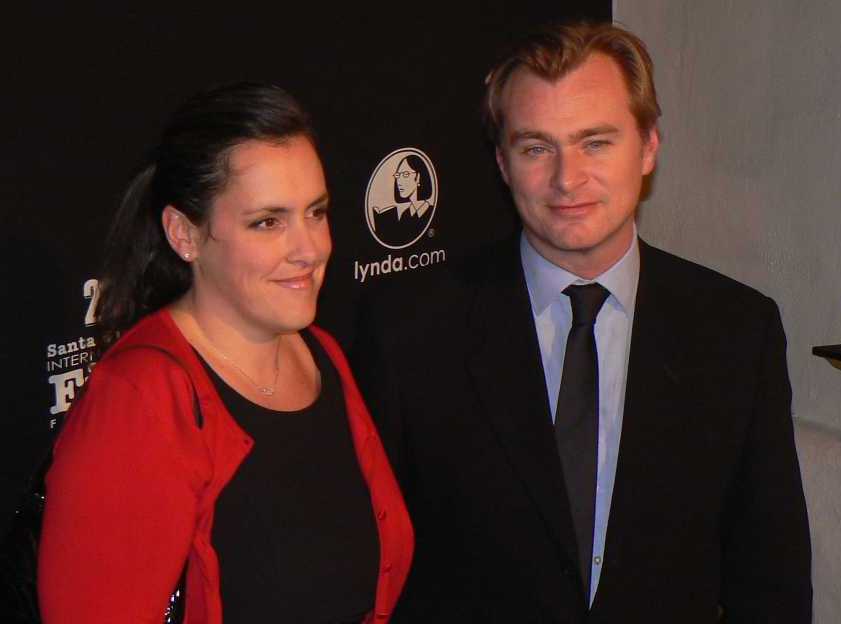
In the annals of contemporary cinema, few names command the blend of intellectual curiosity and blockbuster spectacle quite like Christopher Nolan. His filmography stands as a testament to an unwavering commitment to pushing the boundaries of narrative, visual storytelling, and audience engagement, consistently delivering experiences that are as thought-provoking as they are thrilling. Among his ambitious repertoire, the 2020 science fiction action thriller “Tenet” emerges as a particularly audacious undertaking, a meticulously crafted enigma that challenges perceptions of time and causality, conceived on a scale rarely witnessed in modern filmmaking.
“Tenet” is not merely a film; it is an intricate puzzle box, a narrative temporal pincer movement designed to unfold with breathtaking complexity and a profound sense of originality. From its origins in Nolan’s long-held fascination with temporal mechanics to its staggering global production, every facet of this cinematic endeavor reflects a director at the zenith of his creative powers, determined to deliver an unparalleled experience. It is a work that demands both intellectual rigor and emotional investment, rewarding multiple viewings with deeper insights into its layered world.
To fully appreciate the scope of “Tenet,” one must journey behind the curtain, exploring the myriad decisions and monumental efforts that brought this vision to life. This expedition reveals not just the mechanics of moviemaking, but the singular drive of a filmmaker and his dedicated team to defy conventional wisdom and deliver a truly unforgettable piece of art, against a backdrop of unprecedented global challenges.
1. **Conception, Decade-Long Deliberation, and Scripting a Temporal Paradox**The genesis of “Tenet” is a story woven through decades of contemplation, a testament to Christopher Nolan’s long-standing fascination with the very fabric of time. He had been deliberating about the film’s central ideas for more than a decade before he even began the intensive process of writing the screenplay in 2014. This was not a quick venture; it took Nolan over five years to meticulously craft the script, a duration that underscores the profound complexity and innovative conceptualization required to bring such an intricate narrative to fruition.
His approach to writing was singularly focused, drawing inspiration from a personal vision rather than external influences. Nolan deliberately avoided watching any spy films that might sway his creative direction, instead relying upon his deeply ingrained memories of the genre. This deliberate isolation allowed him to forge a unique path, ensuring that “Tenet” stood as an original interpretation of espionage woven with groundbreaking scientific concepts, rather than a rehash of established tropes.
The film’s title itself, a perfect palindrome, is a direct allusion to the ancient Latin Sator Square, a cryptic word puzzle that has fascinated scholars for centuries. This inspiration permeates the narrative, with key elements like character names – Sator and Arepo – and locations such as the Kyiv Opera House and the security company Rotas, echoing the five-letter words of the square. This thematic recursion is not just a clever stylistic choice but an integral part of the film’s temporal design, mirroring its backward and forward-moving narrative.
Nolan’s dedication to this long-form conceptualization and precise execution of the script lays the foundational stone for the film’s extraordinary ambition. It highlights his characteristic methodical approach, where every detail, from the palindromic title to the intricate plot points, is carefully considered and integrated to create a cohesive and deeply immersive cinematic universe. The painstaking five-year writing period was a necessary investment in establishing the logical framework for a story that defies conventional linear understanding.
2. **The Central Scientific Concept: Inverted Entropy and Its Implications**At the heart of “Tenet” lies a captivating science fiction premise: the ability to reverse the entropy of objects and even people, thereby causing them to move backward through time. This concept of time reversibility forms the bedrock of the film’s intricate plot, enabling the stunning visual sequences and paradoxical events that define its unique identity. It’s a bold leap into speculative physics that instantly distinguishes “Tenet” from other sci-fi thrillers.
While the film provocatively refers to real concepts from physics, such as annihilation, the second law of thermodynamics, Maxwell’s demon, the grandfather paradox, and Feynman and Wheeler’s Absorber Theory, Nolan was careful to manage audience expectations regarding scientific accuracy. He explicitly stated that “we’re not going to make any case for this being scientifically accurate,” emphasizing that the physics served the story rather than dictating a literal interpretation of scientific principles. This candid admission allowed the film creative freedom to explore its premise without being constrained by strict scientific dogma.
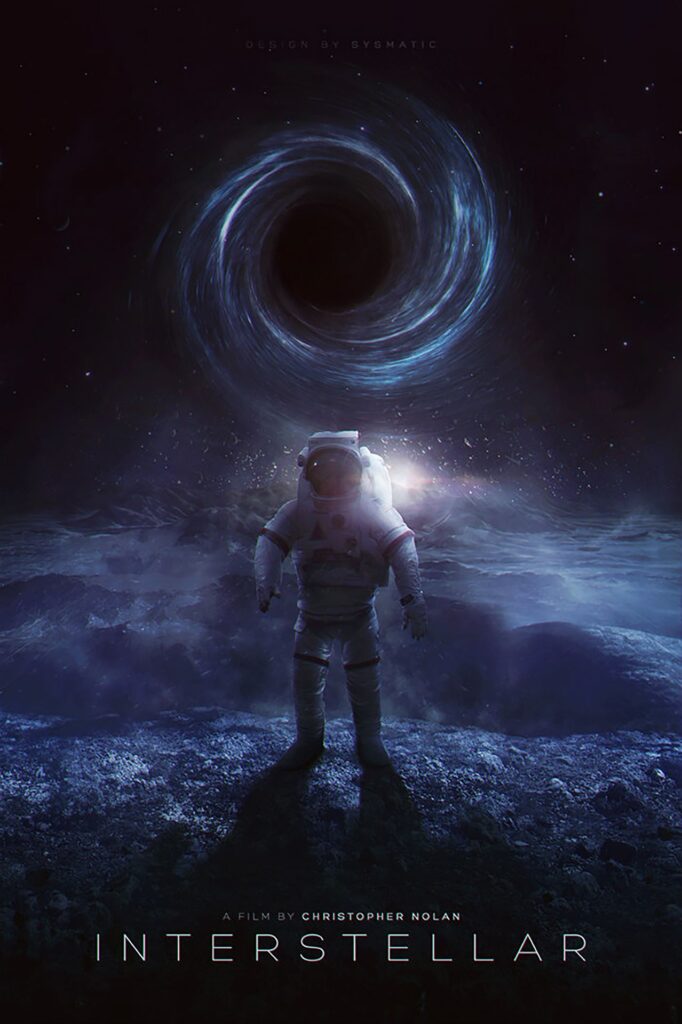
Nolan’s inspiration for blending complex scientific ideas with dramatic narrative extends from his previous collaborations. He acknowledged being “very inspired by working with great scientists like Kip Thorne,” with whom he collaborated on “Interstellar.” Thorne also provided early analysis for the ideas Nolan wanted to explore concerning time and quantum physics for “Tenet.” However, Nolan consciously differentiated “Tenet” from “Interstellar” in its scientific grounding, describing it as a “very different kettle of fish,” indicating a more fantastical, albeit informed, approach.
The concept of inverted entropy is not merely a plot device; it’s a thematic engine that drives much of the film’s intrigue and philosophical depth. It allows for the creation of temporal pincer movements, where events are orchestrated with participants moving in opposite directions through time, creating a dizzying ballet of cause and effect. This central idea is what makes “Tenet” such a distinctive and often challenging viewing experience, demanding that audiences rethink their understanding of chronological progression and narrative structure.
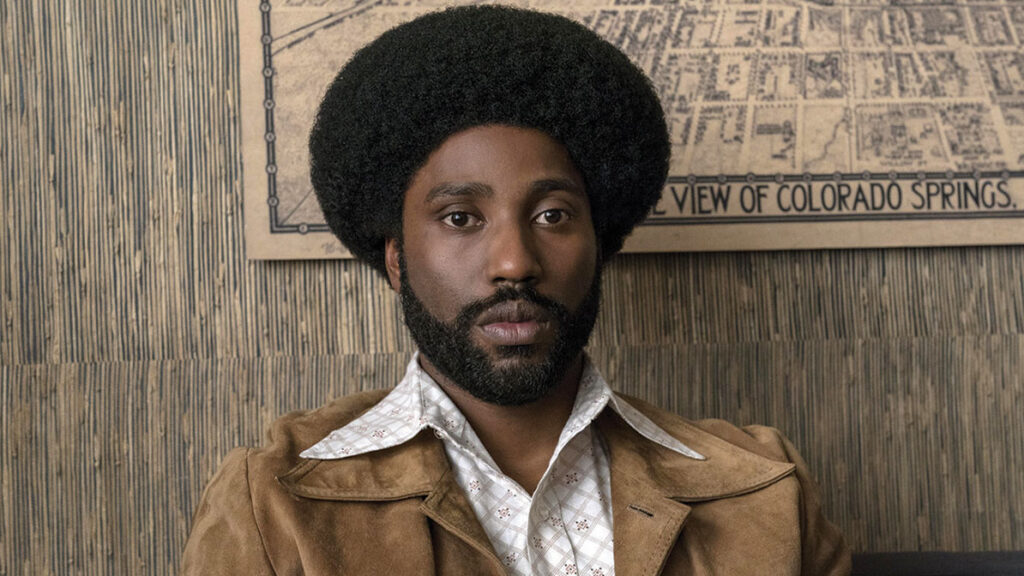
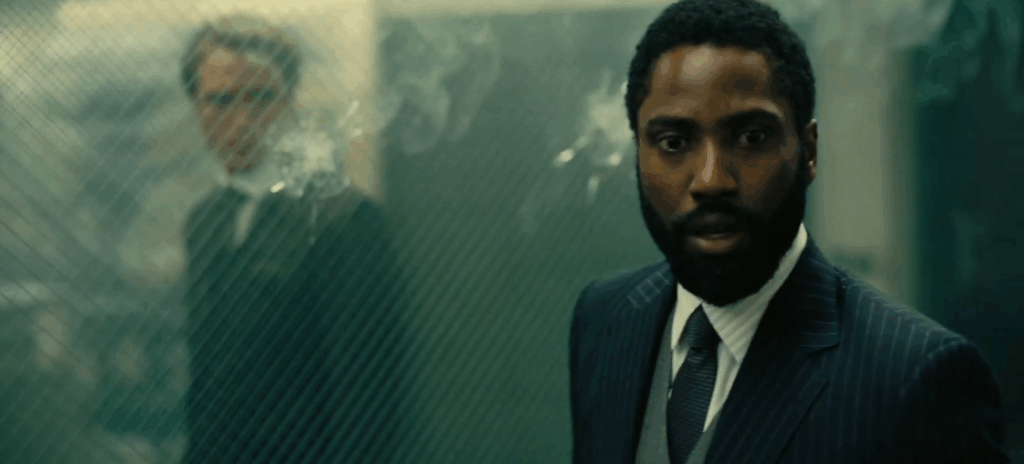
3. **The Ensemble Cast: Crafting Personalities for a Non-Linear World**Bringing the complex world of “Tenet” to life required a cast capable of navigating its intricate narrative and embodying characters whose timelines could be as convoluted as the plot itself. Christopher Nolan assembled a formidable ensemble, led by John David Washington, Robert Pattinson, and Elizabeth Debicki, with support from veteran actors Dimple Kapadia, Michael Caine, and Kenneth Branagh.
Nolan’s casting process was as unconventional as his filmmaking. Each of the principal actors was permitted to read the screenplay only while locked in a room, ensuring the utmost secrecy around the plot’s twists and turns. This unique protocol speaks volumes about the value Nolan placed on preserving the film’s narrative integrity and the element of surprise for both the cast during their preparation and, ultimately, for the audience.
John David Washington, chosen by Nolan based on his compelling performance in “BlacKkKlansman,” took a deep dive into his character, the Protagonist. He kept meticulous diaries to expand the character’s backstory, adding layers of personal history and motivation that are subtly conveyed on screen. Robert Pattinson, portraying Neil, drew inspiration for some of his character’s distinctive mannerisms from the political journalist and author Christopher Hitchens, imbuing Neil with a sophisticated, world-weary charm that proved incredibly captivating.
Elizabeth Debicki’s casting as Kat Barton also took an unexpected turn; the role was initially conceived for an older woman, but her powerful appearance in “Widows” convinced the filmmakers to revise their vision. Dimple Kapadia’s screen test, facilitated by director Homi Adajania, showcased her talent, leading to her role as Priya Singh. Michael Caine, a frequent collaborator with Nolan, was notably given only the specific pages of the script relevant to his single day of work, a testament to the film’s rigorous secrecy protocols. Kenneth Branagh, who played the formidable Andrei Sator, even rescheduled production on his own directorial venture to participate, claiming he studied the “Tenet” manuscript more times than any other in his career. This level of dedication from such accomplished actors underscores the draw of Nolan’s vision and the intrigue surrounding this unique project.
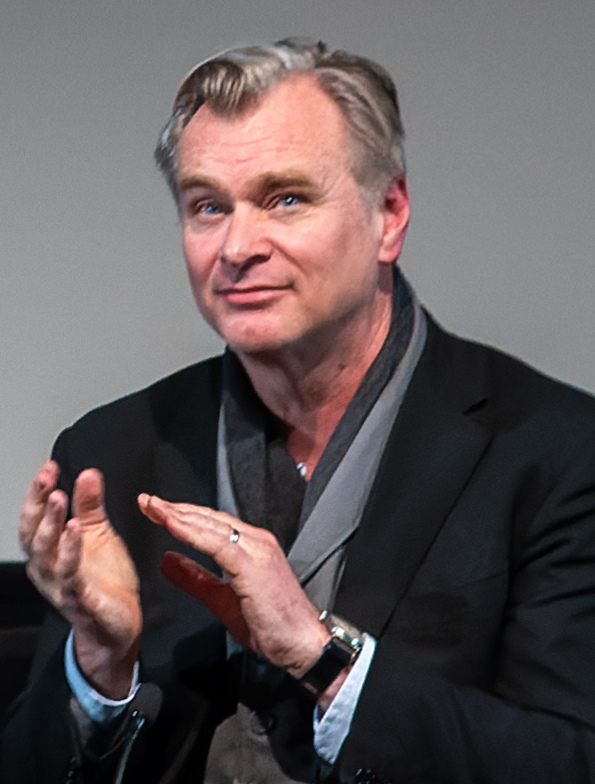
4. **Global Production Logistics: A Seven-Country Odyssey**”Tenet” is a film whose scope is as global as its temporal ambitions, with principal photography spanning an extraordinary 96 days across seven different countries. This epic undertaking, involving a crew that Robert Pattinson estimated at 500 people, required unparalleled logistical planning and coordination. The production commenced on May 22, 2019, on a soundstage in Los Angeles, but quickly ventured into an international odyssey.
The film’s journey took the crew to Denmark, Estonia, India, Italy, Norway, the United Kingdom, and the United States, each location carefully chosen to imbue the narrative with a sense of authentic global scale. In Estonia, filming in June and July saw major infrastructure, including the Linnahall and sections of Pärnu Highway, closed to accommodate the massive production. The Kumu Art Museum in Tallinn famously doubled as the fictional Oslo Freeport, showcasing the team’s ability to transform real-world locations into the film’s distinctive settings. Tallinn’s mayor, Mihhail Kõlvart, initially expressed concerns about the month-long closure of the arterial Laagna Road, but a compromise involving temporary closures and detours was ultimately reached, highlighting the complex negotiations involved in such a large-scale international shoot.
Further filming took the team to the picturesque Amalfi Coast in Italy, to historical sites like Cannon Hall in the United Kingdom, and to unique European landmarks such as the roof of the Oslo Opera House in Norway. A five-day shoot in Mumbai, India, involved a stunning display of logistical prowess, with forty boats positioned at the iconic Gateway of India, where, notably, the crew even rescued a man who had attempted suicide. This incident underscored the intensity and unexpected challenges that can arise during such ambitious productions.
In the United States, locations like the Hawthorne Plaza Shopping Center were ingeniously transformed into the interior of an icebreaker and a shipping container. The Victorville Airport was disguised as Oslo, bustling with over ninety extras. Perhaps most remarkable was the construction of an abandoned town at Eagle Mountain, where over thirty prefabricated buildings were shipped from Los Angeles. This immense logistical effort ensured that the film’s grand vision was realized with practical, in-camera splendor, grounding its fantastical elements in tangible reality.
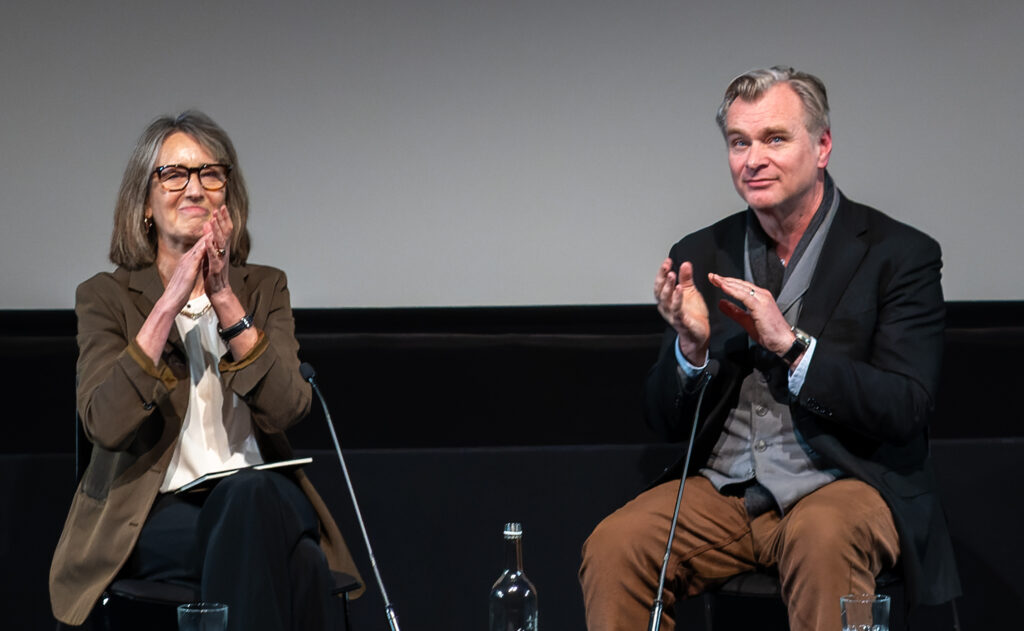
5. **Practical Effects & Design Philosophy: The Nolan Signature**Christopher Nolan’s reputation for favoring practical effects over computer-generated imagery reached new heights in “Tenet,” manifesting in a series of breathtaking, real-world stunts and meticulously crafted sets. This design philosophy is a hallmark of his work, aimed at achieving a tangible authenticity that resonates deeply with audiences. Special effects supervisor Scott R. Fisher, for instance, drew inspiration from World War II films and documentaries to find reference points rooted firmly in reality, ensuring that even the most fantastical sequences felt grounded.
Every detail, down to the props and costumes, was handled with an artisan’s touch. Prop prototypes were often created using 3D printing, allowing for rapid iteration and precision. Costume designer Jeffrey Kurland and his dedicated team undertook the monumental task of cutting and stitching clothing for the main cast and thousands of extras in the United States, ensuring a cohesive and sophisticated aesthetic across the entire production. Production designer Nathan Crowley, known for his Brutalist architectural sensibilities, even ordered around thirty military wristwatches from Hamilton Watch Company, each analog with a digital countdown, to serve the film’s specific narrative needs.
The most astonishing practical effect, a testament to Nolan’s unwavering commitment to realism, was the decision to purchase a real Boeing 747 for the plane crash sequence. Instead of relying on miniatures and visual effects, Nolan determined that acquiring and staging the crash of an actual jumbo jet would be more cost-effective and visually impactful. This unprecedented move resulted in one of the film’s most memorable and genuinely spectacular moments, showcasing a rare dedication to in-camera reality.
Further demonstrating this commitment, an entire abandoned town was constructed at Eagle Mountain for the climactic battle, with hundreds of actors clothed in military camouflage. Over thirty buildings were prefabricated in Los Angeles and meticulously shipped to the site. The sheer scale continued with the loan of four Boeing CH-47 Chinooks for four days, and the recruitment of over one hundred watercraft, including two F50 catamarans, the superyacht Planet Nine (onto which an Mi-8 helicopter landed), an icebreaker, and a cargo tanker, all essential for the film’s naval sequences. Director of photography Hoyte van Hoytema employed a combination of 70mm film and IMAX, prioritizing Panavision lenses that could best accommodate lower light, further enhancing the film’s grand, cinematic texture. Even the sequences concerning time inversion were captured by filming both backward- and forward-mobility and speech, an incredibly complex process that showcases the meticulous planning and innovative techniques used. John David Washington and Robert Pattinson also attended the Taran Tactical firing range to ensure proficiency with firearms, and performed some of their own demanding stunts, embodying the physical demands of their roles with remarkable dedication.
Read more about: Unveiling the Edge: An In-Depth Look at History’s Most Dangerous Movie Stunts and Their Enduring Legacy

6. **The Original Score: Ludwig Göransson’s Innovative Retrograde Approach**The sonic landscape of “Tenet” is as intricate and innovative as its visual counterpart, a testament to the genius of composer Ludwig Göransson. His involvement came about after Nolan’s frequent collaborator, Hans Zimmer, was occupied with another major project, “Dune.” Göransson, known for his groundbreaking work, embraced the challenge of creating a score that would not only complement but enhance the film’s unique temporal mechanics.
In a particularly unique collaboration, Göransson even asked Nolan to tape his own breath in a studio, which was then distorted and used to represent the irradiated breathing of Kenneth Branagh’s villainous character, Andrei Sator. This detail exemplifies the deep creative partnership between director and composer, where even the most intimate sounds are meticulously crafted to serve the story. Göransson worked at an intense pace, producing an impressive ten to fifteen minutes of music each week, ensuring the score evolved in tandem with the film’s complex editing.
The scoring sessions for “Tenet” began in November 2019 and continued into early 2020, even adapting to the unprecedented challenges of the COVID-19 pandemic. Göransson ingeniously recorded musicians at their homes, a logistical feat that allowed the production to continue its artistic momentum despite global shutdowns. The soundtrack also features “The Plan,” a compelling song by Travis Scott, which plays over the film’s closing credits, providing a contemporary and powerful capstone to Göransson’s innovative and unforgettable score.
7. **Pandemic-Era Marketing and Promotion Challenges**The journey of “Tenet” to the big screen was an intricate dance of temporal mechanics, and a formidable battle against the COVID-19 pandemic. Its marketing and promotional efforts, designed for a world unburdened by health crises, were severely hampered by cascading postponements. Each delay, a reluctant concession to evolving public health, carried significant financial consequences, with executives estimating each costing Warner Bros. between $200,000 and $400,000 in marketing fees alone.
Despite these challenges, early marketing for “Tenet” featured Christopher Nolan’s signature mystique. A forty-second teaser in August 2019, placed before “Hobbs & Shaw” previews, generated an “old-school surprise,” enhanced by Ludwig Göransson’s evocative score. An online release in December and a prologue in select IMAX theaters before “Star Wars: The Rise of Skywalker” further built anticipation. The stylized “TENƎT” logo was a clever visual hook, though later altered due to its similarity with a bicycle manufacturer’s branding.
As theatrical release dates remained in flux, Warner Bros. adapted, forging innovative dual promotions. Collaborations with Hamilton Watch Company featured John David Washington endorsing the film’s distinctive timepieces in multiple ad campaigns. A partnership with Fortnite developer Epic Games created a pre-release trailer for the game and an interview with Washington, drawing attention across various video game websites. These unconventional avenues demonstrated a determined effort to reach audiences wherever possible, despite traditional marketing channels being disrupted.
The final trailer, released in August and featuring Travis Scott’s “The Plan,” served as the last major push. Yet, global shutdowns meant that key awards campaign elements, like placement on the Academy’s streaming platform and screeners for voters, were notably absent. This omission underscored the difficult choices made to prioritize a theatrical launch, highlighting the film’s unique position as a cinematic standard-bearer during a turbulent year.
Read more about: The Automotive Sector’s Reckoning: Unpacking the Forces Behind the Market’s 2025 Slide
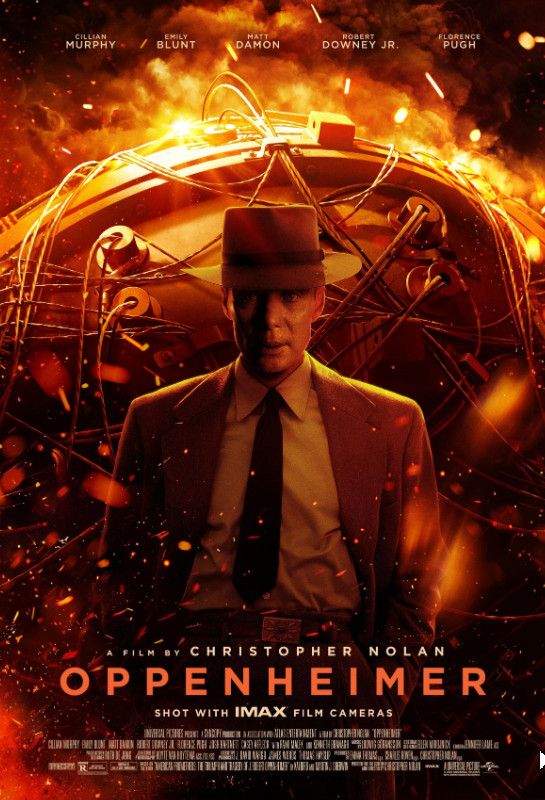
8. **The Controversial Theatrical Release Strategy**Christopher Nolan, a vocal advocate for the communal experience of cinema, held an unwavering conviction that “Tenet” must be released in theaters. He envisioned it as the first major Hollywood “tent-pole” to re-open cinemas globally after the pandemic shutdown, eschewing the streaming service trend. His vision was clear: “Tenet” was designed for the big screen, and it would arrive there.
Following extensive negotiations, an unprecedented release strategy was devised. The film premiered internationally on August 26, 2020, across seventy countries, with earlier previews in Australia and South Korea. This staggered global rollout, prioritizing regions where cinemas were deemed safe, was a radical departure from conventional patterns, a calculated risk affirming the theatrical model.
The U.S. release followed on September 3 in select cities, gradually expanding as local health guidelines permitted. On September 4, “Tenet” also opened in China, a critical international market. This unconventional approach meant that despite operating at reduced capacities (25-40%) and fewer overall screens, the film benefited from a lack of competing major releases, often enjoying more screens per multiplex than usual.
This release strategy sparked significant friction between Nolan and Warner Bros. His dissatisfaction intensified with the studio’s subsequent decision to release its entire 2021 slate on HBO Max day-and-date without consulting filmmakers. This public disagreement led Nolan to take “Oppenheimer” to Universal. Despite later attempts by Warner Bros.’ new leadership to reconcile, his departure underscored profound industry shifts and the high stakes of adapting to a post-pandemic cinematic landscape. The film even saw re-releases in March 2021 for New York City and exclusive IMAX screenings in February-March 2024, further extending its unique theatrical journey.
Read more about: From the Digital Abyss: Unpacking the Resurgence of Once-Unstreamable Films on Today’s Unexpected Platforms

9. **A Polarizing Box Office Performance in Unprecedented Times**”Tenet”‘s box office performance was a complex narrative of both success and challenge, given its extraordinary release circumstances. With a production budget of $200 million, Nolan’s most expensive original project, and estimated marketing costs pushing the total to $300–350 million, financial stakes were astronomically high. Break-even projections ranged from $400–500 million, a formidable target even in normal times.
Despite the severely constrained theatrical landscape, the film grossed $363.7 million worldwide by January 2024, including $58.5 million from the U.S. and Canada and $306.8 million internationally. This made “Tenet” the fifth-highest-grossing film of 2020, impressive for the first Hollywood “tent-pole” during the pandemic. However, it critically failed to break even. Rival studios anticipated losses up to $100 million, though Warner Bros. projected losses not exceeding $50 million.
The international rollout was notably stronger. “Tenet” debuted to $53 million across forty-one countries, led by the UK, France, and Germany. China, a crucial market, added a substantial $30 million in its first showings. Estonia, notably, became the highest-grossing film of all time there, with $1.2 million. This global strength highlighted international demand for Nolan’s cinema, even as domestic markets struggled.
North America posed a tougher challenge. Operating at reduced capacities, the film earned $20.2 million in its first eleven days across 2,810 theaters. While it topped the American box office for five weekends, it eventually ceded its position. The 2024 IMAX re-release, though limited, showed continued appeal, grossing $600,000 globally on its opening weekend. Nolan, who received twenty percent of the first-dollar gross, shared in this unprecedented journey and its complex financial outcome.
Read more about: Beyond the Headlines: Britney Spears’ Memoir Unveils Decades of Hidden Pacts and Profound Revelations
10. **Divided Critical Reception: A Cerebral Spectacle**”Tenet” deeply divided critics upon its release, eliciting a spectrum of opinions from effusive praise to profound disappointment. Publications noted the “mixed” and “all over the place” reviews, highlighting the film’s ability to provoke strong, often contradictory, responses. It was seen as “both entertaining and ‘cerebral’ by some, but lacking and confusing by others,” capturing its polarizing essence.
Despite divisiveness, many found “Tenet” “a mind-blowing addition to Nolan’s already-impressive arsenal.” Rotten Tomatoes reported 70% positive reviews, calling it “A visually dazzling puzzle for film lovers to unlock, Tenet serves up all the cerebral spectacle audiences expect from a Christopher Nolan production.” Metacritic indicated “generally favorable reviews” with a score of 69/100.
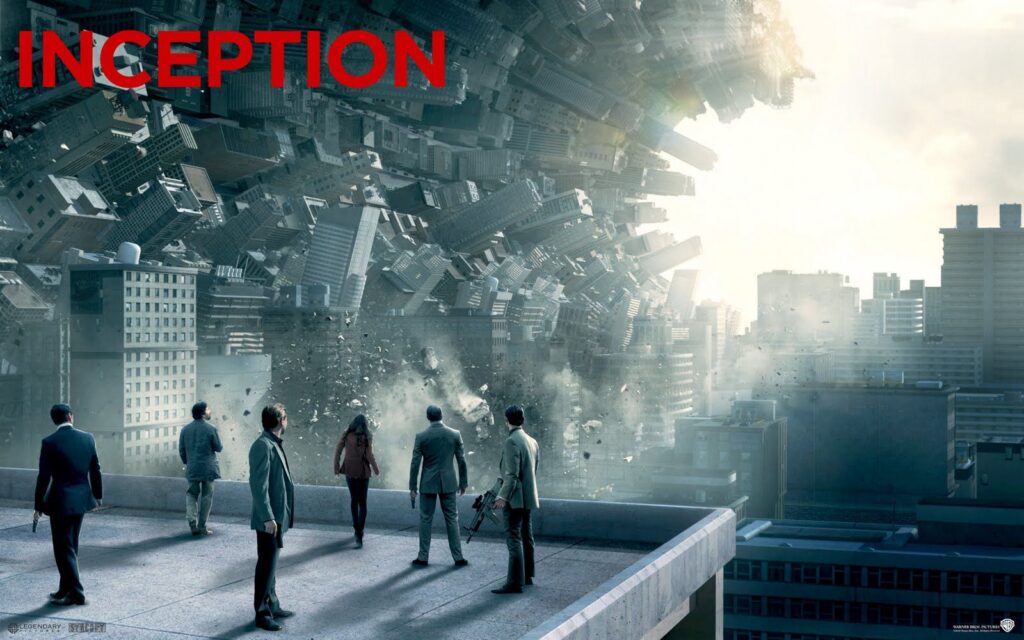
Esteemed critics lauded the film’s ambition and execution. Variety’s Guy Lodge hailed it as a “grandly entertaining, time-slipping spectacle,” while The Guardian’s Peter Bradshaw called it “madly preposterous” yet “amazing cinema.” Kevin Maher of The Times awarded it five stars, deeming it “a delightfully convoluted masterpiece.” Comparisons to “Inception” were common, and John David Washington was praised as a “star-in-the-making.” Director Denis Villeneuve called it “a masterpiece.”
However, the film had its detractors. IndieWire’s Mike McCahill gave it a “C−,” calling it a “humorless disappointment.” Criticisms often focused on the intricate plot’s potential for confusion and a perceived lack of emotional depth, as Leslie Felperin noted. Sound mixing also drew scrutiny. Yet, for all its complexities, “Tenet” has been tipped as a cult film, its twisty narrative demanding multiple viewings and fostering a dedicated following among Nolan’s fanbase.
11. **Significant Accolades and Enduring Recognition**Despite its turbulent release and mixed critical reception, “Tenet” secured notable accolades, underscoring its technical brilliance. Its most prominent triumph was at the 93rd Academy Awards, where it received nominations for Best Production Design and won the Oscar for Best Visual Effects. This was a resounding affirmation of Christopher Nolan’s commitment to innovative visual storytelling.
Recognition for its visual artistry extended to the 74th British Academy Film Awards, where “Tenet” proudly took home the award for Best Special Visual Effects. The 26th Critics’ Choice Awards also awarded it in the same category, among its five total nominations. These consistent wins across prestigious awards bodies cemented “Tenet”‘s reputation as a technical marvel, celebrated for its groundbreaking execution of complex, time-bending sequences.
Beyond visuals, “Tenet” earned a nomination for Best Original Score at the 78th Golden Globe Awards. This acknowledged Ludwig Göransson’s innovative, retrograde compositions, which mirrored the film’s temporal mechanics and shaped its unique auditory landscape. The score, with its distorted industrial noises and palindromic melodies, was integral to the film’s experience.
The film’s impact continued to be recognized. In 2025, The Hollywood Reporter lauded “Tenet” for having the best stunts of 2020. Additionally, in July 2025, it appeared on The New York Times’ “Readers’ Choice” list of “The 100 Best Movies of the 21st Century,” securing 277th place. This audience-driven recognition speaks to its lasting impression and continuous discussion among film enthusiasts, solidifying its place as a unique and influential modern work.
Read more about: Unlocking the Empire: Kendall Jenner’s Journey from Reality TV Star to Global Fashion & Business Mogul
12. **Profound, Layered Themes: Palindromes, Paradoxes, and Free Will**Beyond high-octane action, “Tenet” is rich in profound, layered themes that invite deep analysis. Its complex narrative, character timelines, and ambiguities fuel fan theories, establishing it as a cinematic puzzle box. Central to its thematic tapestry are palindromes, temporal paradoxes, and the elusive nature of free will.
The film’s title directly alludes to the first-century Latin Sator Square, a cryptic word palindrome influencing Nolan’s design. This ancient riddle manifests as names and locations: “Sator” (antagonist), “Arepo” (art forger), “Tenet” (organization), “Opera” (opening scene), and “Rotas” (security company). This pervasive use of palindromes and anadromes serves as a structural key, mirroring the film’s forward and backward timelines, even in Ludwig Göransson’s retrograde music.
Central to “Tenet”‘s intellectual allure are its mind-bending temporal paradoxes, especially the “bootstrap paradox.” Here, objects or information, like those with inverted entropy, exist without apparent origin, creating a “chicken or the egg” scenario. Complex timelines allow multiple character versions to coexist, notably Neil, whose inverted past with the Protagonist is revealed. The implication of a future Protagonist orchestrating events via “temporal pincer movements” adds another layer, making cause and effect fluid and challenging linear time.
Perhaps “Tenet”‘s most philosophical theme is the exploration of free will in a seemingly deterministic universe. The film suggests its universe operates deterministically, where events, including paradoxes, are fated. This raises compelling questions about agency. The refrain, “ignorance is our ammunition,” hints at an illusionist stance: even if free will doesn’t exist, individuals must act as if it does. This tension between destiny and decision underpins characters’ struggles and audience engagement, ensuring “Tenet” remains a subject of profound discussion.
From its decade-long gestation in Christopher Nolan’s mind to its audacious global production amidst a pandemic, “Tenet” stands as a testament to unparalleled cinematic ambition. It is a film that challenges not just the boundaries of effects and logistics, but the very perception of narrative, time, and free will. Its journey from conceptual marvel to polarizing box office spectacle, celebrated for its technical prowess yet debated for its complexity, cements its place as a unique and unforgettable entry in modern cinema, a masterclass in grand-scale, thought-provoking entertainment that continues to unravel and inspire with every re-watching.