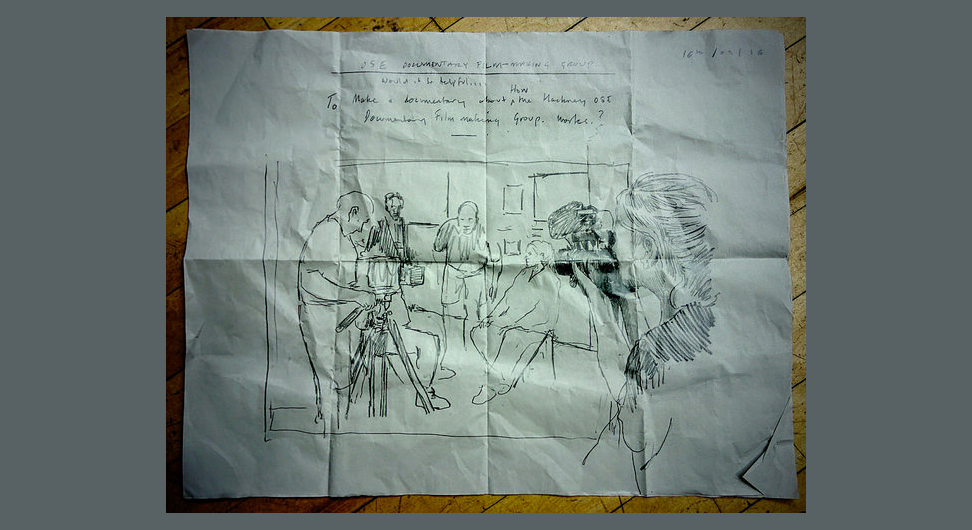

In the vibrant, often unpredictable world of filmmaking, where grand narratives come to life and visual splendor captivates audiences, one fundamental truth remains: a solid budget is just as important as a great script or a talented cast. Even the most brilliant ideas, brimming with creative potential, can fall apart if the financial aspects aren’t managed with meticulous care and foresight. Budgeting mistakes are not just minor hiccups; they can trigger a cascade of costly delays, force painful creative compromises that dilute a director’s vision, or, in the worst-case scenarios, halt an entire project altogether.
Directors, with their rich imaginations and artistic aspirations, frequently find themselves at a crossroads where creative ambition clashes directly with fiscal realities. On one hand, they envision elaborate sets, top-tier talent, and breathtaking scenes; on the other, they face strict budget limitations that demand prudent decision-making and often, significant compromises. Balancing these two powerful forces – boundless creativity and finite resources – becomes the paramount challenge for ensuring a film’s journey from concept to completion is not only creatively fulfilling but also financially sound.
This intricate dance between artistic integrity and budgetary discipline requires filmmakers to be more than just storytellers; they must be resourceful strategists, adept at stretching resources without sacrificing quality. Understanding the common pitfalls, the ‘excuses’ or underlying reasons why film budgets so often spiral out of control, is the first critical step. In this in-depth exploration, we will unpack 14 of the most frequent budgeting blunders filmmakers and directors encounter, sharing practical insights from the industry on how to sidestep these financial traps and keep your production smoothly on track, from its initial spark to the final cut.

1. **Underestimating Core Production Costs**One of the most frequent and insidious budgeting mistakes in filmmaking is the pervasive tendency to underestimate the true cost of various, often overlooked, aspects of a production. While the glamorous focus naturally gravitates towards the principal photography, with its cameras, crew, and on-set action, filmmakers frequently neglect to budget adequately for other, equally crucial and costly stages. This oversight can create a significant financial deficit before the film even reaches the editing suite.
For instance, the complex and resource-intensive phases of post-production are notorious for quickly inflating expenses. Aspects such as meticulous editing, intricate visual effects (VFX), and sophisticated sound design can rapidly consume funds, particularly when dealing with genre films that have complex technical requirements or projects with extensive special effects sequences. These elements, essential for polishing the final product, often demand specialized skills, advanced software, and considerable time, all of which come at a premium.
Similarly, the costs associated with marketing and distribution are often severely underestimated or even entirely forgotten in the initial budget planning. A brilliant film, no matter its quality, cannot achieve box office success or reach its intended audience without a robust promotional strategy. Ignoring these vital expenditures means a film, once completed, might struggle to find its footing in the competitive market, diminishing its potential impact and return on investment.
To proactively avoid this fundamental error of underestimation, filmmakers are strongly advised to conduct thorough research, leaving no stone unturned when projecting costs. Consulting with professionals who possess deep familiarity with the specific scope and technical demands of the project is indispensable. By obtaining accurate cost estimates for every single stage of the production, meticulously detailing each line item in a comprehensive film budget breakdown, filmmakers can lay the groundwork for a more realistic, resilient, and ultimately successful financial plan.
Read more about: Hollywood’s Blind Spots: How Studios Rejected ‘Pulp Fiction’ and 10 Other Iconic Films That Reshaped Cinema
2. **Neglecting Contingency Funds**Filmmaking, by its very nature, is an art form teeming with unexpected twists, unforeseen challenges, and inevitable surprises. From the moment cameras start rolling to the final days of post-production, a myriad of things can go awry: a critical piece of equipment might suddenly fail, a carefully secured location could become unavailable at the last minute, or key actors may require rescheduling due to unforeseen personal or professional conflicts. These logistical curveballs are not anomalies but rather inherent realities of the production process.
Despite this inherent unpredictability, many filmmakers make the critical, yet all too common, error of overlooking one of the most essential components of a robust budget: the contingency fund. This oversight leaves them without a crucial financial safety net, making their production incredibly vulnerable when the inevitable complications arise. Without allocated contingency funds, even minor disruptions can cascade into major financial crises, causing significant delays, forcing difficult compromises, or potentially derailing the entire project.
When a sudden issue demands additional resources—be it extra shooting days, renting alternative equipment, or securing a new location—the absence of a contingency fund means scrambling for funds, often at the expense of other vital departments or even jeopardizing the film’s creative integrity. This reactive approach not only adds immense stress to the production team but also invariably leads to higher overall costs than if a buffer had been planned from the outset.
A prudent and widely recommended rule of thumb in the industry is to set aside a dedicated contingency fund, typically ranging from 10% to 15% of the total budget. This allocated fund provides essential flexibility and acts as a financial shock absorber, allowing the production to adapt swiftly and effectively when something inevitably goes off plan. Whether it’s a last-minute location change, an unexpected equipment repair, or the need for additional shooting days to capture a crucial scene, having this buffer ensures the project can navigate challenges without compromising its vision or spiraling into unmanageable debt.
Read more about: Precision and Pitfalls: 14 Critical Restoration Mistakes Every Vintage Car Enthusiast Must Navigate

3. **Misallocating Resources for Star Power**The allure of securing a high-profile actor for a film can be incredibly tempting, promising increased marketability, heightened audience interest, and a certain prestige. However, the decision to invest a disproportionately large sum into a single aspect of the production, such as a major star’s salary, can frequently lead to significant budget issues in other critical, yet less glamorous, areas. This imbalance, known as misallocating resources, can create financial instability that permeates and negatively impacts the entire project.
When too much capital is channeled towards one particular expense, other vital departments or phases of filmmaking are often left underfunded, struggling to meet their requirements. For instance, if a substantial portion of the budget is consumed by actor fees, there might be insufficient funds remaining for crucial elements like advanced visual effects, a comprehensive post-production schedule, or an effective marketing campaign. This imbalance can severely compromise the final product’s quality, despite the initial draw of a big-name star.
Imagine a scenario where the visual effects budget is drastically cut to accommodate a star’s fee; the resulting CGI may appear subpar, detracting from the overall cinematic experience. Similarly, if post-production is rushed due to financial constraints, crucial editing, sound mixing, or color grading might suffer, diminishing the film’s polish and impact. These compromises, forced by an earlier misallocation, can ultimately harm the film’s reception and commercial viability, undermining the very reason for hiring the star in the first place.
To prevent the detrimental effects of misallocating resources, filmmakers should diligently create a detailed budget allocation plan from the earliest stages of pre-production. This plan must meticulously distribute funds evenly and strategically across all aspects of the production, ensuring that every phase, from development and principal photography to post-production and marketing, is properly supported. Maintaining this crucial balance is key to guaranteeing that no single area is sacrificed, allowing the film to achieve its full potential without financial imbalances hindering its quality or reach.

4. **Overlooking Crucial Marketing and Distribution Expenses**In the competitive landscape of the film industry, a truly great film is only half the battle; the other half is ensuring that film actually reaches its intended audience. Marketing and distribution are, therefore, just as important as the film itself, acting as the vital bridge between creation and consumption. Yet, a surprisingly common oversight, particularly among independent filmmakers and those working on smaller projects, is to underestimate or, worse, completely overlook the substantial costs associated with these essential activities.
Without a proper and well-funded marketing budget, even a cinematic masterpiece may languish in obscurity, never finding the viewers it deserves. The absence of a strategic promotional plan means the film may not secure adequate screenings, generate sufficient buzz, or effectively compete with larger, more heavily marketed productions. Consequently, any chance of box office success or critical acclaim could diminish significantly, making the entire production effort seem like a missed opportunity.
Marketing encompasses a wide array of activities, each requiring financial investment. These include the creation of compelling promotional materials such as trailers, posters, and press kits, which are crucial for attracting initial attention. Furthermore, the costs associated with film festival submissions, which provide valuable exposure and networking opportunities, can add up quickly. In today’s digital age, effective online presence through digital advertising, social media campaigns, and targeted content creation is non-negotiable for audience engagement.
To steer clear of this critical blunder, filmmakers must integrate marketing and distribution expenses directly into the initial budget planning, rather than treating them as an afterthought. A truly well-rounded budget plan should not only detail the production costs but also include a comprehensive strategy for how the film will be effectively marketed to its target audience. This proactive approach ensures that the film receives the necessary promotional push, maximizing its chances of reaching viewers and achieving its full potential in the marketplace.
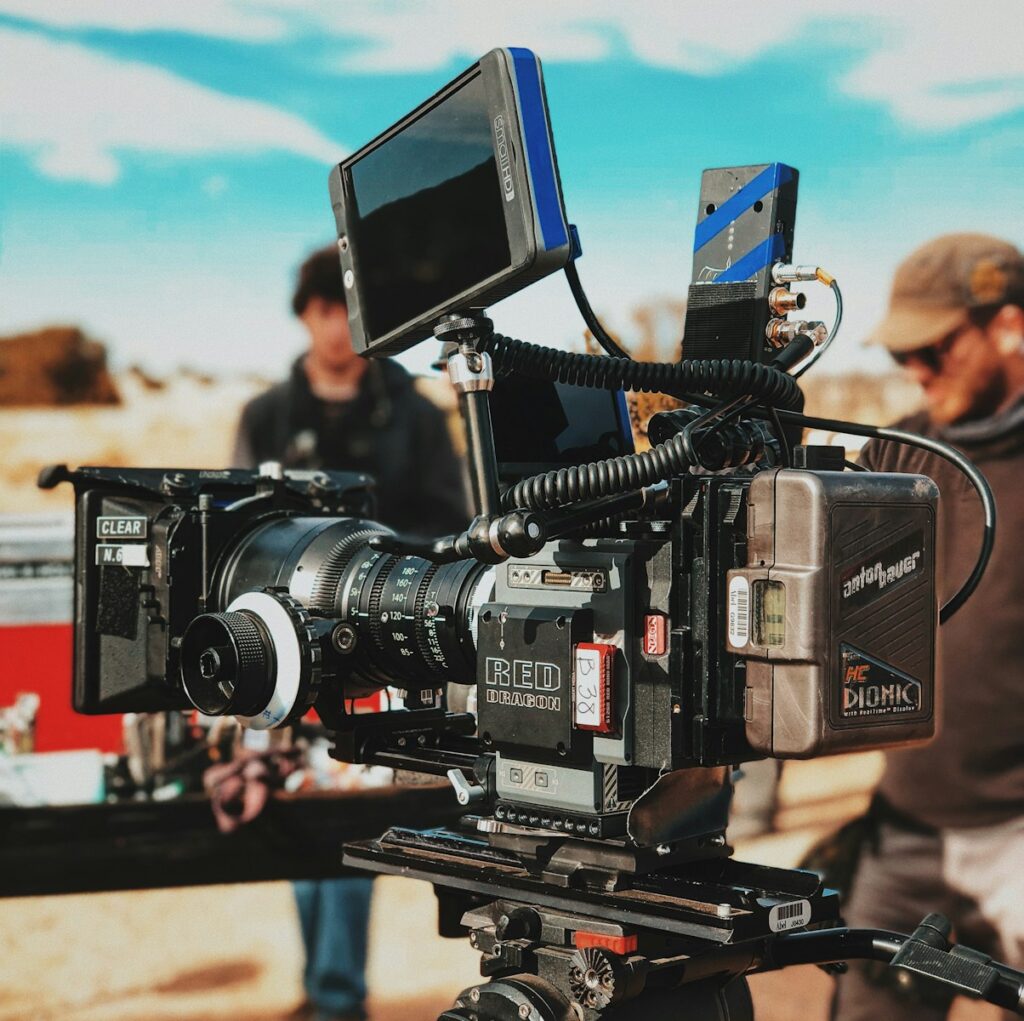
5. **Underestimating Cast Costs**The cast is often the face of a film, embodying its characters and drawing audiences into its narrative world. Directors must make pivotal decisions regarding talent, often weighing the allure of big-name actors against the raw potential of talented unknowns. However, a significant reason for budget overruns can stem from underestimating the true financial commitment required for cast members, particularly when pursuing established stars.
While big-name actors can undeniably bring a certain star power and immediate recognition to a project, their salaries can consume a colossal portion of the budget. Underestimating these costs, or not fully grasping the financial implications of choosing an A-lister, can lead to painful compromises elsewhere. Directors might find themselves in a position where their vision for other critical areas, such as special effects or production design, must be scaled back significantly to accommodate cast expenses.
Beyond direct salaries, casting decisions also have ripple effects on other budget lines. High-profile actors often come with additional demands, such as specific travel arrangements, extensive personal assistants, or luxurious accommodations, all of which contribute to the overall cost. These ancillary expenses, if not meticulously planned and accounted for, can quickly deplete the contingency fund or necessitate cuts in other departments, leading to a domino effect of financial strain.
To mitigate the risk of underestimating cast costs, directors need to engage in rigorous financial planning from the outset. This involves realistic assessments of actor fees, including all potential rider clauses and logistical expenses, before casting decisions are finalized. Exploring creative alternatives, such as emphasizing character-driven stories that rely more on nuanced performances than star power, or strategically casting emerging talent, can provide viable pathways to maintaining budgetary control while still achieving compelling on-screen performances without sacrificing the overall quality of the production.
Read more about: Hollywood’s Blind Spots: How Studios Rejected ‘Pulp Fiction’ and 10 Other Iconic Films That Reshaped Cinema

6. **Expensive Location Choices**The visual tapestry of a film is profoundly influenced by its locations, which can set the mood, convey narrative depth, and even become characters in themselves. However, an all-too-common reason for film budgets escalating beyond control is the selection of expensive or logistically complex locations without a full understanding of their associated costs. The desire for a grand, unique, or iconic backdrop often overrides practical budgetary considerations.
Choosing elaborate or highly sought-after locations, particularly those requiring extensive permits, complex logistical arrangements, or significant set dressing to achieve the desired aesthetic, can rapidly inflate expenses. While some scenes undeniably benefit from specific, high-cost settings, the director’s insistence on such locations without exploring more cost-effective alternatives can create substantial financial strain. This can lead to reduced funds for other critical areas, compromising the overall production.
Beyond the direct rental fees and permit costs, expensive locations often incur a host of additional expenditures. These include transportation for a larger crew and extensive equipment, security personnel, catering for extended on-location shoots, and the inevitable fees for location scouts and managers. Furthermore, shooting in sensitive or remote areas might demand specialized equipment or additional insurance, all contributing to an escalating budget that could have been mitigated with more strategic planning.
To sidestep the financial trap of overly expensive location choices, filmmakers should prioritize strategic scouting and embrace creative problem-solving. Utilizing locations with natural aesthetics—such as national parks offering breathtaking scenery, abandoned buildings providing unique textures, or urban environments serving as vibrant backdrops—can significantly reduce reliance on costly set design. Moreover, leveraging natural light wherever possible can cut down on expensive artificial lighting setups, ultimately enhancing the film’s visual appeal while simultaneously keeping the budget firmly in check. Directors who master this balance demonstrate an astute understanding of both artistic vision and financial responsibility.
Read more about: Steering Clear of Shame: 14 ‘Deals’ at Lowe’s That Professionals Laugh At—And Why They’re Still Selling Them
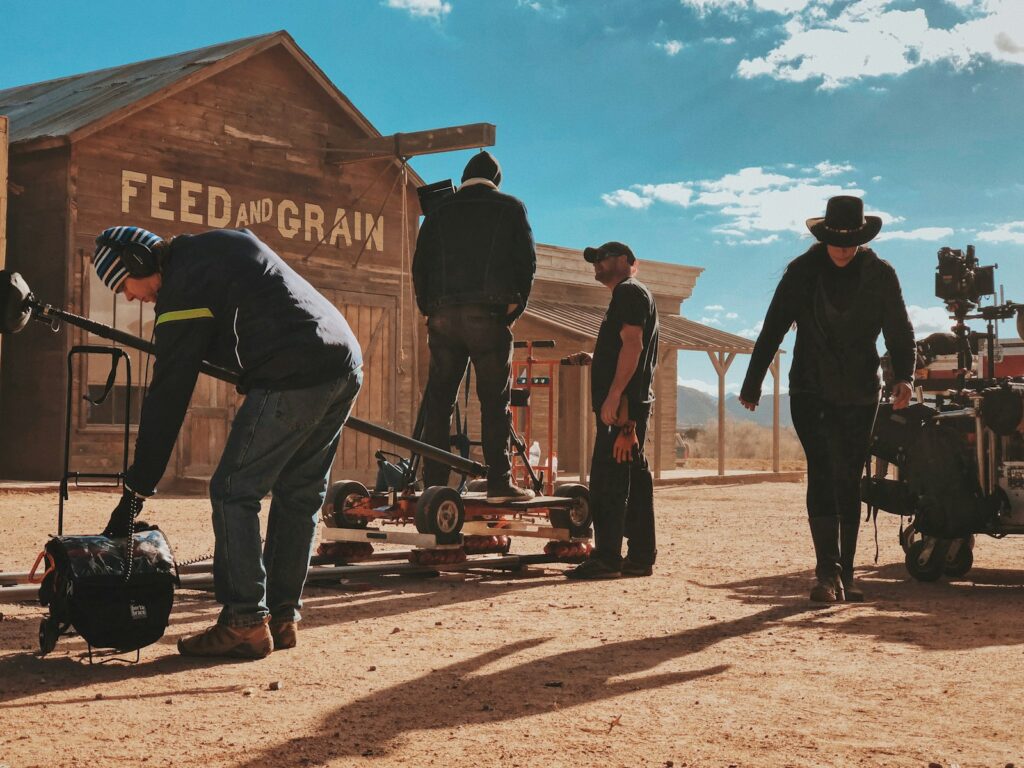
7. **Elaborate Production Design Demands**Production design is the architectural backbone of a film’s visual world, meticulously crafting the sets, props, and overall aesthetic that transports audiences into the story. It shapes the film’s tone, era, and atmosphere. However, one of the significant reasons budgets can balloon is a director’s demanding vision for elaborate production design—a vision that, while artistically compelling, may clash directly with financial limitations.
The pursuit of highly intricate sets, meticulously detailed period costumes, or bespoke props can quickly become an enormous financial drain if not managed carefully. Limited resources, if not respected, can easily be stretched thin by a director’s insistence on complex designs that push the boundaries of the available budget. This can mean allocating excessive funds to one area, potentially leaving other essential departments, such as sound or cinematography, with inadequate resources.
For instance, building a grand historical set from scratch, commissioning highly specialized costumes for a large cast, or acquiring unique, expensive props for multiple scenes can rapidly deplete funds earmarked for other critical aspects of the production. These demands, though rooted in a desire for authenticity and visual splendor, can lead to budget overruns if cost-effective alternatives or creative compromises are not actively sought and embraced from the outset of the planning phase.
To effectively navigate the challenges posed by elaborate production design demands, directors must engage in strategic budget allocation early in pre-production. This involves meticulous planning for sets, props, and locations within the allocated funds, considering priorities based on the script’s needs and creative aspirations. Effective communication with the production designer and department heads is crucial to define what is truly essential versus what can be achieved through innovative, budget-friendly solutions. This collaborative approach ensures that the creative vision aligns with financial constraints, allowing for the construction of compelling visual worlds without breaking the bank.” , “_words_section1”: “2000
Read more about: The 2025 Lemon List: 14 Cars to Avoid That Mechanics Already Dread Seeing

8. **Demanding Special Effects Beyond Budgetary Constraints**Visual effects (VFX) undeniably possess the power to elevate a film, transforming narratives into breathtaking spectacles. However, this same allure often becomes a financial trap, pushing budgets far beyond their initial limits. Directors, captivated by the promise of stunning visuals, can make demands for special effects that are not only technologically complex but also exceptionally costly, frequently underestimating the true financial and temporal investment required.
While VFX are often the most variable and costly aspects of post-production, a common misstep is the insistence on elaborate digital effects when practical alternatives might suffice or even enhance realism. The desire for hyper-realistic CGI, intricate creature designs, or large-scale digital environments can consume a disproportionate share of the budget, leaving other critical areas underfunded. This often forces subsequent compromises in sound design, editing, or even marketing, diluting the overall quality of the final product despite impressive visual flourishes.
The context emphasizes that “Visual effects (VFX): These are often the most variable and costly aspects,” signaling their potential to derail budgets if not managed meticulously. Filmmakers, driven by artistic ambition, must balance their desire for visual grandeur with fiscal realities. The pursuit of groundbreaking, photorealistic effects often necessitates specialized software, highly skilled artists, and extensive render times, all of which come with a hefty price tag that can spiral quickly without stringent oversight.
To circumvent this common pitfall, directors should explore a judicious blend of practical and digital effects, leveraging practical solutions whenever possible to create tactile realism. Engaging with VFX supervisors early in pre-production is critical to accurately scope out the costs and technical feasibility of desired effects. Furthermore, exploring “Creative Visual Effects Approaches” such as collaborating with local universities for student internships or incorporating low-cost, DIY effects can provide innovative, budget-friendly solutions that achieve stunning results without breaking the bank, demonstrating that innovation doesn’t always require immense expenditure.
Read more about: Unpacking the ‘Why’: 12 Essential Reasons Directors Re-Shoot, Revise, and Reshape Key Scenes

9. **Inadequate Planning for Cinematography and Lighting**Cinematography is the visual language of a film, shaping its mood, atmosphere, and aesthetic. While it’s a creative powerhouse, inadequate planning for its technical and equipment needs can become a significant source of budget overruns. Directors, sometimes absorbed in the artistic vision, might overlook the practical complexities and associated costs of achieving desired shots, leading to last-minute equipment rentals, extended shooting days, or compromises in visual quality.
The context explicitly mentions that strategic budget allocation should “Invest in camera equipment and lighting,” highlighting these as crucial cost centers. A common mistake is to assume that high-quality visuals can be achieved without corresponding investment or detailed planning. This can manifest in underestimating the cost of specialized lenses, advanced camera rigs, or the extensive lighting setups required for particular scenes, especially those shot in challenging environments or requiring specific stylistic choices. Such oversights necessitate emergency spending, often at premium rates, disrupting the budget flow.
Furthermore, the ambition to shoot in specific ways, perhaps with complex dolly movements, aerial shots, or specialized slow-motion sequences, requires not only the right equipment but also the skilled personnel to operate it. Failing to budget for these skilled technicians, or for the additional time required to set up and execute complex shots, can lead to inefficiencies on set. These inefficiencies translate directly into additional crew hours, equipment rental extensions, and overall production delays, all of which inflate the budget unnecessarily.
To prevent this, directors must collaborate closely with their cinematographers from the earliest stages of pre-production. A detailed shot list, combined with a clear understanding of the visual style, allows for accurate budgeting of equipment, crew, and shooting schedules. Embracing “Incorporating Low-Budget Cinematic Techniques” like utilizing natural lighting, handheld cameras for intimacy, or experimenting with unconventional angles can drastically reduce the reliance on expensive setups, demonstrating that visual impact can be maximized without exorbitant costs, if creativity is employed strategically.
Read more about: Reality TV’s Reckoning: The Legal and Financial Disasters That Threaten Dynasties

10. **Underestimating Sound Design and Music Costs**Often relegated to an afterthought in initial budget discussions, sound design and music are integral to a film’s emotional impact and narrative depth. Underestimating their true costs is a frequent oversight that can lead to significant budgetary headaches in post-production. Directors, focused on visuals and performances, may not fully appreciate the financial commitment required for a truly immersive auditory experience, impacting the final product’s quality and audience engagement.
The context clearly states, “Sound Design: Plan for recording, mixing, and sound editing” and notes that “Quality sound can elevate a film, but it comes with expenses.” This highlights that while crucial, these elements are not cheap. The costs associated with professional sound recording on set, intricate Foley work, sound effects libraries, voice-over recording, and the crucial stages of mixing and mastering can accumulate rapidly. These specialized tasks demand experienced engineers, dedicated studio time, and sophisticated software, all of which contribute to the overall expense.
Music licensing represents another significant, often underestimated, budget line item. The desire to use popular, recognizable tracks can incur astronomical fees, or commissioning original scores from talented composers requires substantial compensation. Directors might initially allocate insufficient funds for this, only to face difficult choices later: either settling for less impactful, royalty-free music, or making unexpected, costly expenditures that strain the already tight post-production budget. Both scenarios compromise the film’s artistic integrity or financial health.
To avoid these pitfalls, a director must engage sound designers and music supervisors early in the pre-production phase. Comprehensive planning should include detailed budgets for on-set sound recording, post-production sound editing, mixing, and the often-complex area of music acquisition—whether through licensing or original composition. Understanding the options and their associated costs from the outset ensures that these vital auditory elements receive appropriate financial support, allowing the film to achieve its full potential without compromising its sonic landscape or exceeding its allocated funds.
Read more about: Hollywood’s Blind Spots: How Studios Rejected ‘Pulp Fiction’ and 10 Other Iconic Films That Reshaped Cinema

11. **Neglecting Essential Pre-Visualization Tools like Storyboards**While storytelling is inherently a creative process, filmmaking requires meticulous planning to translate that vision onto the screen efficiently and within budget. A critical mistake, often leading to budget overruns and creative inefficiencies, is neglecting essential pre-visualization tools such as storyboards and detailed shot lists. Directors might rely solely on verbal descriptions or improvisational methods, inadvertently creating ambiguity and costly delays on set.
The context explicitly underscores “The Significance of Storyboarding and Shot Lists in Visualizing Creativity” and frames them as “critical tools for visualizing creativity within budget constraints.” Without these visual roadmaps, the entire crew — from the cinematographer to the production designer — lacks a clear, shared understanding of the director’s intentions for each scene. This absence of clarity often results in wasted time on set as different departments interpret the vision in varying ways, requiring extensive discussions and re-dos.
When a director hasn’t clearly planned each shot, camera angles, or character placement through storyboards, shooting days can become inefficient. Scenes may need to be re-staged multiple times, leading to additional crew hours, extended equipment rentals, and unnecessary reshoots. These reactive measures quickly deplete resources that could have been preserved with proactive planning. The context highlights that a “well-planned shot list minimizes wasted time” and that “Planning scenes visually aids in identifying resource needs,” directly linking these tools to budget control.
To mitigate this, directors should embrace storyboarding as an indispensable part of pre-production. Even simple sketches can help articulate the narrative visually, fostering clear communication across the team. Developing a detailed shot list outlining scene numbers, camera angles, actions, and shot durations creates a precise roadmap for filming. By structuring the filmmaking process, these tools not only enhance creative clarity but also ensure production stays on schedule and within budget, effectively transforming the creative vision into reality without financial strain.
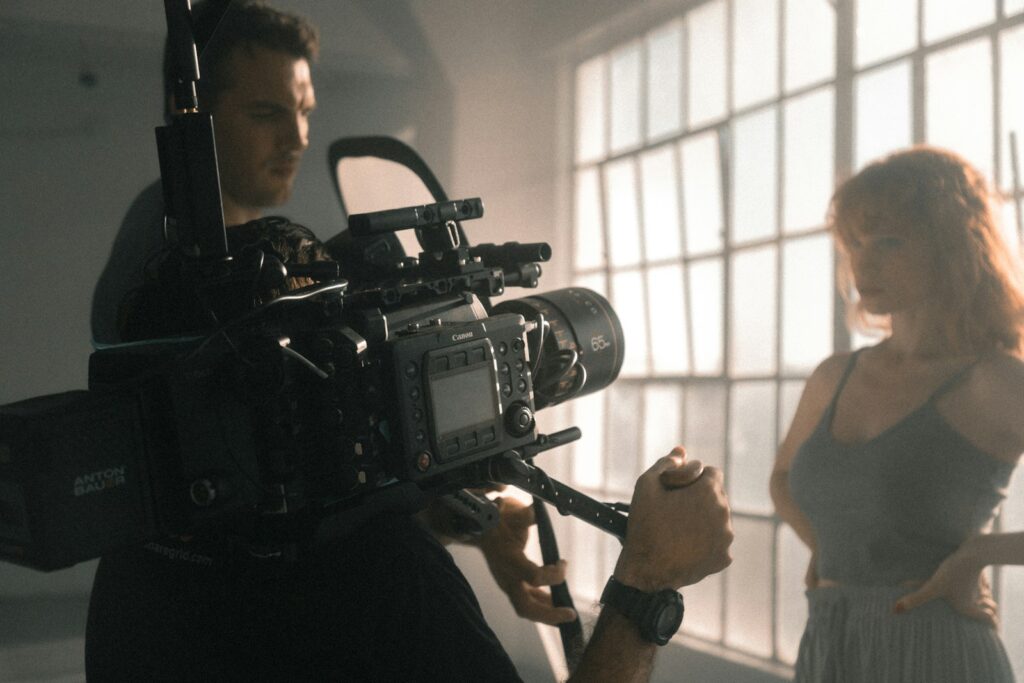
12. **Failing to Leverage Collaborative Partnerships and Financial Expertise**Filmmaking is inherently a collaborative art, yet some directors make the mistake of isolating themselves or failing to fully engage with key stakeholders, particularly producers and financial advisors. This oversight can lead to a lack of critical financial clarity and missed opportunities for cost-effective partnerships, ultimately pushing the project over budget. The absence of robust collaboration in financial planning is a significant impediment to fiscal discipline.
The context explicitly emphasizes the “critical role of effective collaboration in maintaining financial discipline” and dedicates a section to “Collaborating with Producers and Financial Advisors for Budget Clarification.” Directors who view producers solely as fundraisers or financial advisors as mere accountants miss a vital opportunity. These professionals offer invaluable insights into spending strategies, investment opportunities, and potential cost-saving measures, which can be overlooked if communication channels are not fully open and utilized.
Moreover, the refusal or neglect to build “Collaborative Partnerships for Cost-Effective Filmmaking” can leave significant resources untapped. These partnerships, which might include teaming up with local businesses for sponsorships, building relationships with non-profits for creative support, or engaging with local film commissions for grants and tax incentives, can substantially reduce logistical and production costs. Without actively seeking and nurturing these relationships, projects are forced to bear the full financial burden alone, increasing the likelihood of overruns.
To effectively manage budgets, directors must foster a transparent and collaborative environment with their producers and financial advisors from the outset. Regular meetings, open dialogue about creative vision versus financial limits, and a willingness to seek and accept expert advice are crucial. This collaborative approach not only ensures that the budget allocation is strategically sound but also empowers the team to collectively explore and implement cost-effective solutions, building trust and a shared commitment to delivering a successful film within financial parameters.
Read more about: Beyond the Spotlight: The Indispensable Principles Guiding Hollywood Agents Through Complex Contract Negotiations

13. **Overlooking Cost-Effective Creative Solutions and Techniques**Many directors, perhaps driven by habit or an unwavering pursuit of traditional methods, overlook the vast array of cost-effective creative solutions available today. This failure to innovate with limited resources can lead to unnecessary expenditures on expensive sets, professional actors, or complex visual effects when more budget-friendly alternatives could achieve equally compelling results. It’s an oversight born from a lack of resourcefulness, rather than a lack of funds.
The context features a dedicated section on “Cost-Effective Creative Solutions,” listing powerful strategies like “Utilizing Locations with Natural Aesthetics” and “Techniques for Working with Non-Professional Actors.” Directors who insist on custom-built, elaborate sets for every scene, rather than scouting for naturally aesthetic locations like national parks, abandoned buildings, or urban environments, miss opportunities to significantly reduce production design costs. Natural light, for instance, often provides superior visuals to expensive artificial setups, yet it is frequently underutilized.
Similarly, the assumption that only big-name actors can deliver impactful performances often leads to exorbitant cast costs. The context advises “Working with Non-Professional Actors” by fostering trust, encouraging improvisation, and prioritizing emotional truth. This approach can yield remarkably authentic and powerful performances while keeping talent expenditures manageable. Overlooking these methods means paying a premium for familiarity rather than embracing fresh talent and genuine portrayals that resonate deeply with audiences.
Furthermore, resisting “Creative Visual Effects Approaches” and “Incorporating Low-Budget Cinematic Techniques” is another common misstep. Instead of relying solely on expensive digital effects, directors can leverage practical effects, affordable software, and in-camera techniques. Similarly, employing handheld cameras, experimenting with unconventional angles, or utilizing depth of field effectively can enhance visual storytelling without demanding a massive budget for sophisticated equipment. Embracing these innovative, budget-conscious methods allows directors to maintain artistic integrity and produce high-quality films without succumbing to financial overruns.
Read more about: The Post-Car Wash Playbook: 12 Essential Checks to Safeguard Your Ride from Costly Damage

14. **Ignoring the Power of Innovative, Budget-Friendly Storytelling**In a highly competitive industry, some directors mistakenly believe that big budgets are synonymous with compelling storytelling. This leads to an oversight of innovative narrative structures and character-driven approaches that can captivate audiences with fewer financial resources. The failure to leverage creativity in storytelling to counteract budgetary limitations is a significant reason why projects can struggle financially, even when the underlying concept is strong.
The context champions “Innovative Storytelling Techniques,” highlighting that directors can “explore diverse narrative structures that demand fewer resources while still engaging audiences.” Rather than chasing elaborate sets and special effects, directors can achieve profound impact through non-linear storytelling, single-location shoots, or character-driven narratives. Films like “Locke” or “Before Sunset” exemplify how a constrained setting or a focus on dialogue can generate intense drama and emotional depth, proving that creative restriction can be a powerful catalyst for innovation.
Another critical element often underestimated is “The Power of Strong Dialogues and Character Development.” Investing in well-crafted scripts that feature authentic conversations, compelling character relationships, and nuanced inner conflicts can draw viewers in more effectively than any visual spectacle. Films such as “My Dinner with Andre” or “Marriage Story” demonstrate that engaging narratives can be built around the strength of human interaction and emotional authenticity, requiring minimal external production costs beyond the actors and their delivery.
Ultimately, overlooking the principle of “Finding Creativity in Limitation” is a key mistake. The context provides examples like “Get Out,” “The Blair Witch Project,” and “Tangerine,” all of which achieved remarkable success with modest budgets by embracing their constraints and innovating. These films prove that financial limitations can inspire groundbreaking artistry and originality. Directors who fail to adapt their storytelling to fit their budget, instead of forcing a grand vision onto inadequate funds, often find themselves facing financial difficulties. By prioritizing narrative ingenuity and resourcefulness, filmmakers can produce impactful stories that resonate deeply and stand the test of time, regardless of the money spent.
***
The journey of bringing a film from concept to screen is undeniably complex, fraught with both creative exhilaration and daunting financial realities. The 14 common pitfalls we’ve explored serve as a stark reminder that while artistic vision drives filmmaking, budgetary discipline is its unwavering compass. From underestimating fundamental costs and neglecting contingency funds to overlooking the power of strategic planning, visualization tools, and collaborative partnerships, each ‘excuse’ represents a crucial lesson in financial stewardship.
Yet, the narrative doesn’t end with a list of warnings. It extends into the realm of opportunity. By embracing innovative, cost-effective creative solutions—whether through leveraging natural aesthetics, working with emerging talent, or reimagining storytelling structures—directors can transform constraints into catalysts for groundbreaking art. The success stories of films born from tight budgets unequivocally demonstrate that true cinematic impact stems not from endless resources, but from boundless imagination, meticulous foresight, and a profound commitment to smart, collaborative filmmaking. With the right strategies and tools, every film project has the potential to navigate its financial landscape successfully, ensuring that powerful stories are told and visions are realized without compromising the delicate balance between art and economics.
.jpg "The Ephemeral Spotlight: 12 ’70s Teen Idols Who Shined Brightly, Then Faded from the Global Stage")