If your local Macy’s feels a little emptier, or even gone altogether, you are definitely not imagining it. The iconic department store, a staple of American retail for generations, is currently in the midst of a massive and pivotal transformation. This isn’t merely a minor adjustment; it’s a profound strategic overhaul, dubbed their “Bold New Chapter,” which includes the planned closure of approximately 150 “underproductive” Macy’s store locations by 2026. This significant move is designed to reshape the company and return it to sustainable, profitable sales growth.
The initial wave of this sweeping change has already seen 66 stores named for closure in 2025, spanning across 22 states and touching countless communities. Some of these locations have already ceased operations, while others are set to close their doors in the coming months. These aren’t just any stores; they include some of the chain’s most iconic and deeply embedded retail spaces, many of which have served their communities for decades, becoming integral parts of the local shopping landscape and memories. For many, the news comes with a mix of nostalgia and apprehension for the future of their beloved department store.
“Closing any store is never easy,” Macy’s CEO and chairman Tony Spring acknowledged in a statement, underscoring the difficult but necessary nature of these decisions. He emphasized that these closures are a strategic imperative, allowing Macy’s to “focus our resources and prioritize investments in our go–forward stores, where customers are already responding positively to better product offerings and elevated service.” As we embark on this in-depth look, we will explore some of the most notable locations already identified for closure, understanding the immediate impact of Macy’s ambitious new strategy and the changing face of American retail.

1. **Macy’s Downtown Brooklyn (422 Fulton St., Brooklyn, NY)**One of the most significant and emotionally resonant closures is the Macy’s store in downtown Brooklyn, located at 422 Fulton Street. This location, a true cornerstone of its community, officially closed its doors last weekend after a nearly three-decade run, marking the end of an era for many New Yorkers. The building itself holds historical significance, as Macy’s took over the prominent Fulton Street address in 1995, succeeding the original Abraham & Straus department store, a retail legend in its own right.
For generations, this store was more than just a place to shop; it was a destination, a meeting point, and an enduring symbol of downtown Brooklyn’s vibrant commercial heart. Its closure, as reported by local outlets WPIX and News12 Brooklyn, sent ripples through the community, highlighting the profound personal connection many shoppers have with their local department stores. This particular closure exemplifies the challenge Macy’s faces in balancing historical legacy with future viability.
This Brooklyn location, once bustling with shoppers, now stands as a stark reminder of the shifts occurring in the retail sector. Its closure is not just a commercial event but a cultural one, influencing the retail landscape of a major metropolitan area. The clearance sales, which began in January and were scheduled to run for approximately 8-12 weeks, gave locals a final chance to visit and perhaps grab a last memento from a store that played a significant role in their lives.
2. **Macy’s Sunrise Mall (400 Sunrise Mall, Massapequa, NY)**Another iconic New York location facing closure is the Macy’s at Sunrise Mall on Long Island. This store is also “set to close its doors next month,” according to reports from Daily Mail, The Mirror US, and other local news outlets. Its imminent departure from the Massapequa community further illustrates the broad reach of Macy’s revitalization plan, affecting both established urban centers and suburban shopping hubs across the state.
For residents of Long Island, this Macy’s store has likely been a consistent presence, offering everything from fashion to home goods for many years. The closure of such a prominent anchor store can have a cascading effect on the entire mall, altering shopping patterns and potentially impacting other retailers. This move underscores the company’s commitment to shedding “underproductive” assets, even those with deep community ties.
The decision to close this particular store reflects the broader challenges faced by traditional malls and larger-format department stores in the current retail environment. Macy’s is prioritizing investments in its 350 “go-forward” locations, and unfortunately, some historical mainstays like the Sunrise Mall store no longer fit into this modernized vision. The clearance sales, which commenced in February for Macy’s Backstage stores and Macy’s Furniture Galleries, and in January for general Macy’s stores, signal the final countdown for this Long Island landmark.
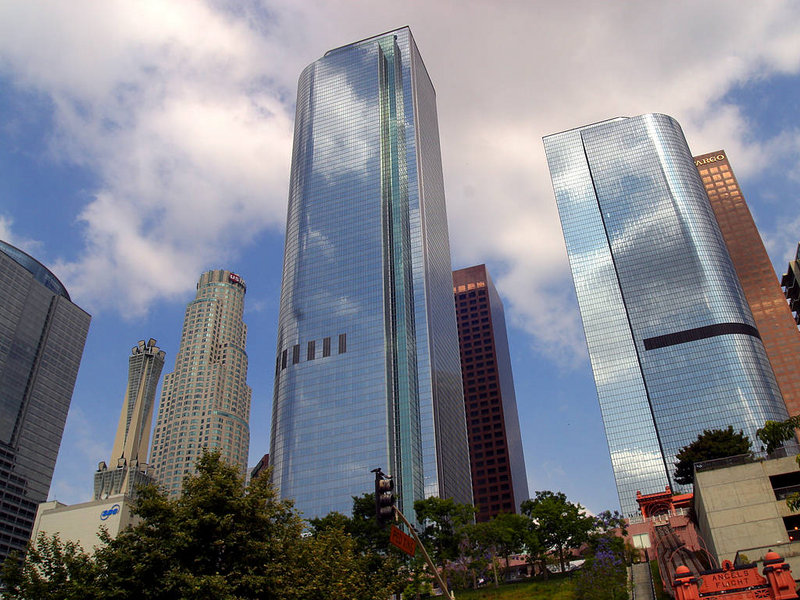
3. **Macy’s Downtown LA Plaza (750 W. 7th St., Los Angeles, CA)**Moving to the West Coast, a significant closure is the Macy’s Downtown LA Plaza, located at 750 W. 7th Street in Los Angeles. This prominent California store was among the 66 locations identified by Macy’s in January as part of its plan to close 150 “underproductive” stores by 2026. Its inclusion on the list highlights the impact of the revitalization strategy on major metropolitan areas across the nation, not just specific regions.
For shoppers in Los Angeles, a city synonymous with fashion and diverse retail experiences, the closure of this Macy’s location marks a notable shift in the urban shopping landscape. The company explicitly named Los Angeles as one of the key areas experiencing shutdowns, emphasizing the strategic nature of these decisions. These closures are a direct response to evolving consumer behaviors and the performance data of larger, legacy locations that are simply “aren’t cutting it anymore,” as CEO Tony Spring noted.
The departure of such a large retail presence from downtown Los Angeles will undoubtedly reshape the local commercial environment, impacting foot traffic and potentially paving the way for new developments or retail concepts. This closure is a clear indicator that even in bustling urban centers, Macy’s is making tough choices to streamline its operations and focus on locations that align with its “Bold New Chapter” strategy, aiming for profitable sales growth.
4. **Macy’s Otay Ranch Town Center (2015 Birch Rd., Chula Vista, CA)**Further south in California, the Macy’s at Otay Ranch Town Center in Chula Vista (2015 Birch Road, Suite 2) is another location confirmed for closure. This store, like many others on the list, falls under the category of “underproductive” locations that Macy’s is shedding to focus resources on its more successful “go-forward” stores. The closures in California are substantial, with cities like San Diego, Chula Vista, and Los Angeles all seeing Macy’s footprints shrink.
The decision to close this store reflects Macy’s broader strategy of optimizing its physical footprint. While the impact on local shoppers in Chula Vista is significant, it’s part of a calculated effort to adapt to current retail realities, where online shopping and lifestyle shifts post-COVID have reshaped how and where people shop. The company is actively investing in the 350 stores that are staying open, with 125 already remodeled to enhance layout, lighting, and in-store experiences.
For consumers in the Chula Vista area, this closure means a change in their shopping habits. While clearance sales have been a bittersweet opportunity for deals, the long-term effect is a shift towards alternative shopping avenues, whether at other Macy’s locations or competing retailers. The company’s focus is firmly on creating a “more modern Macy’s, Inc.” and this necessitates difficult decisions regarding locations that no longer meet performance benchmarks.
5. **Macy’s Superstition Springs Center (6535 E. Southern Ave., Mesa, AZ)**In Arizona, the Macy’s at Superstition Springs Center in Mesa, located at 6535 E. Southern Avenue, has also been named among the 66 stores slated for closure. This decision brings the impact of Macy’s “Bold New Chapter” to the Southwest, demonstrating the national scope of the retailer’s transformation plan. The Mesa store’s closure affects a significant regional shopping center, signaling changes for both the mall and its patrons.
Macy’s strategy involves a critical reevaluation of its store portfolio, identifying locations that no longer contribute to its vision for “sustainable, profitable sales growth.” As Macy’s CEO Tony Spring stated, these closures allow the company to “prioritize investments in our go–forward stores.” For the Mesa community, this means a prominent retail anchor will soon be absent, prompting a period of adjustment for local shoppers and the mall itself.
The timeline for these closures generally includes clearance sales that commenced in January and were scheduled to run for approximately 8-12 weeks. For residents of Mesa and surrounding areas who frequented the Superstition Springs Center Macy’s, this period offers a final opportunity to shop its remaining inventory. The company’s broader aim is to move closer to where shoppers are actually spending their time and money, a necessity in an era of evolving consumer behavior and increased competition.
6. **Macy’s The Shops at Willow Bend (6209 W. Park Blvd., Plano, TX)**Texas is another state significantly impacted by Macy’s closures, with the store at The Shops at Willow Bend in Plano, located at 6209 W. Park Boulevard, among those confirmed to be shutting down. This particular closure affects a suburban market known for its robust retail environment, underscoring that even seemingly prosperous locations are subject to Macy’s stringent performance evaluations under its new strategy. Other Texas closures include locations in Dallas, Houston, and Fort Worth, painting a clear picture of a substantial reduction in the state’s Macy’s footprint.
The decision to close this Plano store aligns with Macy’s goal of ditching “underperforming locations” and opening smaller-format stores that “better match where and how people shop today.” The retail landscape has dramatically shifted, especially post-COVID, with online shopping gaining precedence and large legacy department stores facing declining foot traffic. This particular closure in a key Texan market reflects Macy’s strategic re-prioritization of its physical assets.
Customers in Plano who rely on this Macy’s for their shopping needs will undoubtedly feel the absence. However, the company is concurrently investing heavily in its remaining 350 stores, with upgrades to layout and in-store experiences. While this specific store is closing, Macy’s aims to offer an enhanced experience at its “go-forward” locations, ensuring that loyal customers still have access to the brands and services they value, albeit potentially at a different location.
7. **Macy’s White Oaks Mall (104 White Oaks Mall, Springfield, IL)**Rounding out our initial look at specific closures is the Macy’s at White Oaks Mall in Springfield, Illinois, located at 104 White Oaks Mall. This store’s inclusion on the closure list extends the geographic reach of Macy’s revitalization efforts into the Midwest. Its impending closure will leave a noticeable void in a regional shopping center that has likely relied on Macy’s as a primary anchor tenant for many years, affecting both the mall’s ecosystem and local shoppers.
Macy’s has been candid about the reasons behind these shutdowns, citing “consumer behavior shifts, rising retail costs, and store performance data.” Larger, legacy locations, such as the one in White Oaks Mall, are increasingly struggling to maintain profitability in an era dominated by e-commerce and changing consumer preferences. The company’s “Bold New Chapter” is explicitly designed to address these challenges by focusing on more productive and strategically aligned stores.
For the Springfield community, the closure of their Macy’s store signifies a tangible change in their retail options. Clearance sales, which are a common feature of these closures, provide a final opportunity for shoppers to engage with the store. Ultimately, this move, like all the others, is part of Macy’s aggressive plan for survival and future relevance, even if it means saying goodbye to cherished local institutions that have been part of the community fabric for decades.”
The initial wave of closures offers a glimpse into Macy’s ambitious “Bold New Chapter,” a strategic pivot designed to streamline operations and re-energize the brand for a new era of retail. While saying goodbye to these long-standing retail anchors is undeniably difficult for many communities, Macy’s leadership asserts that these moves are essential for the company’s long-term health and profitability. The journey through these closures reveals a company determined to adapt, even if it means altering the retail landscape of cities and towns across the nation.
As Macy’s continues to reshape its footprint, more communities are bracing for significant changes. The impact of these closures extends beyond the immediate loss of a shopping destination, touching on local economies, mall ecosystems, and the nostalgic sentiments of generations of shoppers. Here, we delve into additional key locations on the closure list, further exploring the strategic rationale behind Macy’s transformation and what this monumental shift truly means for the future of American retail.
8. **Macy’s Sunrise Mall (6000 Sunrise Mall, Citrus Heights, CA)**California continues to be significantly affected by Macy’s strategic realignments, and the closure of the Macy’s at Sunrise Mall in Citrus Heights is another notable instance. This location is among the identified “underproductive” stores that Macy’s is phasing out as part of its overarching plan to refocus resources. For residents of Citrus Heights and the surrounding Sacramento area, this particular Macy’s has likely been a fixture in their shopping routines for many years.
The decision to shutter the Sunrise Mall store aligns directly with Macy’s “Bold New Chapter,” which seeks to optimize its physical portfolio by shedding locations that no longer meet performance benchmarks. CEO Tony Spring has repeatedly stressed that these tough choices enable the company to invest more heavily in its 350 “go-forward” locations, aiming for an enhanced customer experience in stores that are already thriving. This strategic re-prioritization is critical in today’s evolving retail climate.
The closure of a major anchor like Macy’s often has a ripple effect on the entire shopping center, potentially impacting foot traffic for neighboring businesses and prompting mall management to seek new tenants. For local shoppers, this means adjusting their habits and exploring alternative retail options, whether online or at other Macy’s locations within the region. Clearance sales, initiated in January for most Macy’s stores, offer a bittersweet final opportunity for patrons to engage with the store.

9. **Macy’s Newpark Mall (200 Newpark Mall, Newark, CA)**The closure list extends its reach to the East Bay with the Macy’s store at Newpark Mall in Newark, California. This location, like many others, has been deemed “underproductive” under Macy’s new strategic framework. Its shutdown is a clear signal that Macy’s is making difficult but necessary decisions across its portfolio, even in established regional shopping centers that have long relied on its presence.
Macy’s “Bold New Chapter” is an aggressive three-year turnaround plan, and closing stores is a core component of this strategy. The company is seeking to ditch underperforming locations to open smaller-format stores and invest in those that better align with contemporary shopping habits. This proactive approach aims to counteract declining foot traffic at larger, legacy department stores, which have struggled post-COVID.
For the Newark community and shoppers who frequented Newpark Mall, the loss of Macy’s will be keenly felt. Such closures not only alter consumer choices but can also create vacancies that mall operators must work to fill. Macy’s is aiming for an enhanced shopping experience at its remaining locations, ensuring that loyal customers continue to find value and quality, albeit potentially at a different, more modernized store.
10. **Macy’s Altamonte Furniture (820 West Town Parkway, Altamonte, FL)**Rounding out our list of immediate closures, the Macy’s Altamonte Furniture store at 820 West Town Parkway in Altamonte, Florida, is also set to close. This Florida location confirms the nationwide scope of Macy’s “Bold New Chapter,” with closures touching various regions and store formats. Like the San Mateo and San Diego furniture galleries, this specific closure underscores the meticulous reevaluation of Macy’s specialized retail offerings.
Macy’s has clarified that these closures are driven by a combination of “consumer behavior shifts, rising retail costs, and store performance data.” Large, legacy locations, including specialized furniture stores, often face significant challenges in today’s retail environment. The strategy is designed to concentrate capital and operational focus on the 350 stores that will remain open, enhancing them to meet contemporary customer expectations.
For residents of Altamonte and the wider Orlando metropolitan area, the closure of this Macy’s furniture outlet means adapting to new shopping avenues for home furnishings. Clearance sales for Macy’s Furniture Galleries, which began in February, mark the final weeks for this location. This move, like all the others, reflects Macy’s aggressive push to modernize its operations, ensure profitability, and secure its position in a highly competitive and rapidly changing retail world.
As we look at these specific store closures, it becomes undeniably clear that Macy’s isn’t just reacting to market pressures; it’s actively reshaping its destiny. The “Bold New Chapter” isn’t merely about shrinking its footprint; it’s about strategically cultivating a smaller, stronger, and more responsive network of stores. By shedding these “underproductive” locations, Macy’s aims to create a more dynamic and profitable future, one that truly resonates with the evolving demands of today’s shoppers. The department store giant is betting on a focused investment in its remaining 350 locations, promising enhanced experiences, relevant assortments, and compelling value. For loyal customers, while saying goodbye to cherished local institutions is tough, the promise of a revitalized Macy’s offers a glimmer of an exciting future for this iconic American retailer.