
The art of portraying a character, whether in a sprawling epic or an intimate drama, is a practice as old as civilization itself, evolving through millennia from sacred rituals to global entertainment. Actors, the individuals who breathe life into these narratives, stand at the heart of this enduring tradition, shaping and reflecting human experience across diverse cultural landscapes. Their journey, often fraught with social stigma and profound transformation, traces a fascinating trajectory through history, challenging societal norms and redefining artistic expression.
This in-depth exploration delves into the intricate tapestry of the acting profession, from its ancient origins to its contemporary complexities. We will examine the foundational shifts that have molded the role of the performer, including the contentious terminology surrounding gender in acting, the societal perceptions that have alternately elevated and condemned practitioners, and the emergence of institutional structures that have profoundly influenced the craft. Understanding this rich history offers a lens through which to appreciate the profound dedication and adaptability required of those who choose to live countless lives on stage and screen.
Our journey begins in antiquity, tracing the initial steps of performance from the ancient Greek amphitheatres to the bustling Roman stages. We then traverse the often-overlooked periods of medieval uncertainty and the vibrant rebirth of the Renaissance, before charting the significant shifts that unfolded in England, the 19th century, and the corporate-driven landscape of the 20th century. Through these historical epochs, we uncover the stories of innovation, resilience, and the relentless pursuit of authentic human portrayal that define the acting profession.
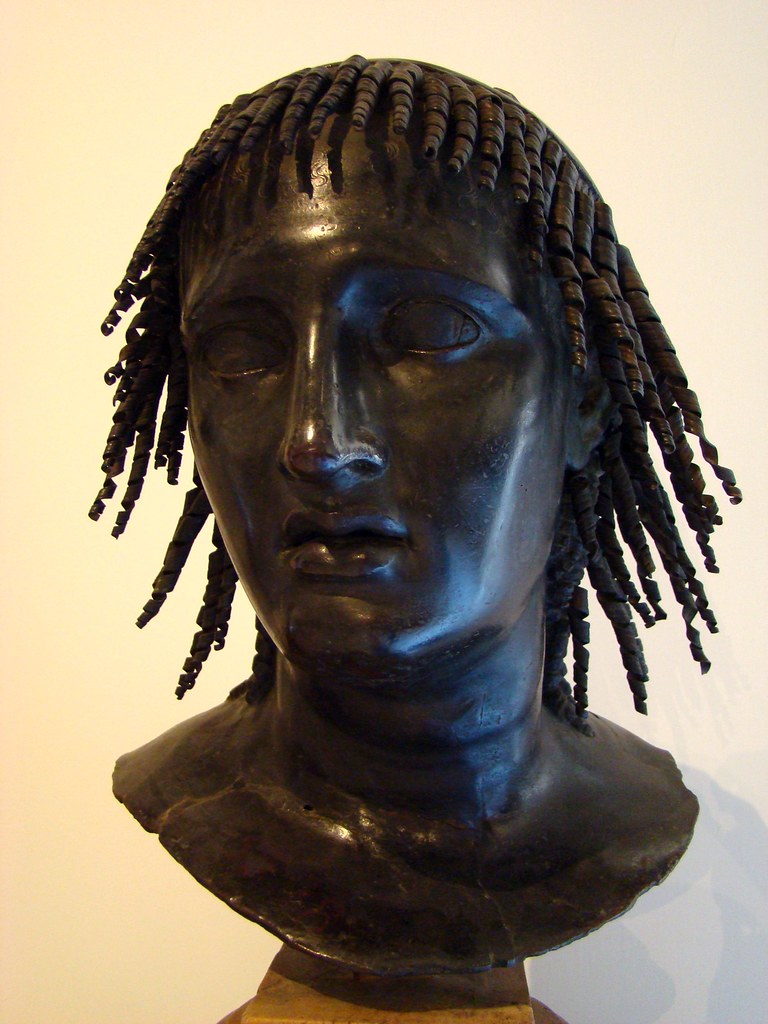
1. **The Genesis of Performance: Actors in Ancient Greece and Rome**
The origins of Western acting are commonly traced back to the year 534 BC, when a Greek performer named Thespis is believed to have taken the stage at the Theatre Dionysus. Prior to this pivotal moment, Grecian stories were primarily conveyed through song, dance, and third-person narrative. Thespis’s innovation lay in speaking words as a character in a play, a departure that marked the birth of the actor as we understand the role today. It is in honor of Thespis that actors are still frequently referred to as ‘Thespians.’
In the theatre of ancient Greece, a notable characteristic was the exclusive presence of male actors. These male performers would undertake all roles, including the female parts, within the three primary genres of drama: tragedy, comedy, and the satyr play. This patriarchal structure of performance was deeply ingrained in the cultural practices of the time, limiting opportunities for women to engage directly in public theatrical expression.
The Roman theatrical tradition built upon these Greek foundations, expanding and diversifying the art form considerably. Ancient Roman theatre encompassed a broad spectrum of entertainment, ranging from street theatre and explicit performances involving dancing and acrobatics, to the more structured staging of situation comedies and sophisticated, verbally elaborate tragedies. While this era saw a flourishing of performance, the status of actors, particularly women, remained complex.
Unlike ancient Greece, ancient Roman theatre did permit female performers. However, the majority of these women were not typically engaged in speaking roles but rather in forms of dance. Despite this general tendency, a minority of Roman actresses did achieve speaking parts, and some even attained significant wealth, fame, and recognition for their artistic contributions. Figures such as Eucharis, Dionysia, Galeria Copiola, and Fabia Arete are noted examples, and these female performers even established their own acting guild, the Sociae Mimae, which was reportedly quite affluent. However, with the decline of the Western Roman Empire, the profession of acting appears to have largely faded in late antiquity.
Read more about: From Thespis to Today: Unpacking the Complex Evolution of the Acting Profession Across Eras and Cultures

2. **Bridging Eras: Medieval Theatre and the Actor’s Precarious Status**
Following the collapse of the Western Roman Empire and the onset of the Early Middle Ages, Europe entered a period of widespread disorder. During this time, small nomadic bands of actors traversed the continent, performing wherever they could secure an audience. Historical records suggest that their productions were often limited to crude scenes, reflecting the fragmented and challenging environment of the era.
Throughout this period, actors traditionally held a low social standing and were frequently regarded with suspicion. The Church, during the Dark Ages, notably denounced early medieval actors, portraying them as dangerous, immoral, and pagan. This societal condemnation had tangible consequences, with actors in many parts of Europe being denied the right to a Christian burial due to the prevailing traditional beliefs regarding their profession.
However, a significant shift began in the Early Middle Ages, as churches across Europe initiated the staging of dramatized biblical events. This development gradually transformed the perception and practice of performance. By the mid-11th century, liturgical drama had spread widely, reaching from Russia to Scandinavia and Italy. The Feast of Fools, a medieval festival, further encouraged the development of comedic elements within these performances, broadening the scope of dramatic expression.
In the Late Middle Ages, vernacular Mystery plays became prominent, produced in as many as 127 towns. These plays often incorporated comedy, featuring actors portraying devils, villains, and clowns. The majority of performers in these productions were drawn from the local population, serving as amateur participants. While actors in England during this period were exclusively male, other countries did see the involvement of female performers, suggesting a divergence in practices across Europe. Alongside religious dramas, several secular plays also emerged, such as ‘The Play of the Greenwood’ by Adam de la Halle in 1276, incorporating satirical scenes and folk material. Farces also gained popularity after the 13th century, marking a continued diversification of theatrical forms.

3. **The Renaissance Stage: Innovation and the Rise of Professional Troupes**
The close of the Late Middle Ages heralded the emergence of professional actors in both England and wider Europe, setting the stage for the dramatic innovations of the Renaissance. Monarchs like Richard III and Henry VII maintained small companies of professional actors, laying the groundwork for a more formalized theatrical landscape. It was during this period that the renowned Commedia dell’arte troupes began performing lively improvisational playlets across Europe, a tradition that would persist for centuries.
Commedia dell’arte was an actor-centric form of theatre, characterized by its minimal need for elaborate scenery and props. Plays served as loose frameworks, providing situations, complications, and outcomes, around which actors skillfully improvised. This style relied heavily on stock characters, recognizable archetypes that allowed for spontaneous and engaging performances. A typical troupe consisted of 13 to 14 members, with actors usually compensated through a share of the play’s profits, roughly proportionate to the size of their roles.
Renaissance theatre, a vibrant crucible of artistic expression, drew inspiration from various medieval theatre traditions. These included the mystery plays, morality plays, and the academic ‘university drama’ that sought to emulate Athenian tragedy. The Italian tradition of Commedia dell’arte, alongside the elaborate masques frequently presented at court, also contributed significantly to the shaping of public theatre. This amalgamation of influences created a dynamic environment for theatrical development.
Before and during the reign of Elizabeth I, companies of players were often affiliated with the households of leading aristocrats, performing seasonally in different locations. These private affiliations gradually evolved, forming the foundation for the professional players who would later grace the Elizabethan stage. This transition marked a crucial step towards the institutionalization of acting, moving from amateur, ad-hoc performances to a more structured and professionalized craft.
Read more about: Behind Every Blockbuster Star: Unraveling the Rich History and Secret Techniques of Acting

4. **Defining the Performer: The Evolving Terminology of ‘Actor’ and ‘Actresses’**
The lexicon surrounding the profession of acting is rich with historical and sometimes contentious terminology. While the word ‘actor’ has existed in the English language for centuries, initially meaning ‘one who does something,’ its application to those who perform in theatre did not become common until the 16th century. This linguistic evolution reflects a broader societal recognition of the distinct craft of theatrical portrayal.
The term ‘actress’ provides a particularly interesting case study in the evolution of professional language and social perceptions. According to the Oxford English Dictionary, the first recorded use of ‘actress’ dates to 1608, attributed to Middleton. In the 19th century, women in acting faced considerable societal prejudice; actresses were frequently associated with courtesans and linked to promiscuity, contributing to a negative public image.
Despite these deeply ingrained prejudices, the 19th century paradoxically witnessed the rise of the first true female acting ‘stars,’ with Sarah Bernhardt emerging as a prime example of international renown. Following the English Restoration in 1660, when women were finally permitted to appear on stage in England, the terms ‘actor’ and ‘actress’ were initially used interchangeably for female performers. However, influenced by the French ‘actrice,’ ‘actress’ eventually became the commonly accepted term for women in both theatre and film, a simple derivation from ‘actor’ with the suffix ‘-ess’ added.
In contemporary professional discourse, particularly when referring to groups of performers of both es, ‘actors’ is generally preferred as a gender-neutral term. The re-adoption of this neutral terminology within the profession can be traced back to the post-war period of the 1950s and ’60s, a time when women’s contributions to cultural life were undergoing broader reevaluation. In 2010, The Observer and The Guardian’s joint style guide explicitly stated, “Use [‘actor’] for both male and female actors; do not use actress except when in name of award, e.g. Oscar for best actress.” The guide’s authors clarified that ‘actress’ falls into the same category as ‘authoress,’ ‘comedienne,’ and ‘manageress,’ terms deemed obsolete from an era when professions were predominantly male. Whoopi Goldberg’s poignant remark encapsulates this perspective: “An actress can only play a woman. I’m an actor – I can play anything.” However, it is also acknowledged that ‘actress’ remains the common term for major acting awards given to female recipients.
Read more about: The Enduring Craft of Acting: A Comprehensive Look at Its History, Techniques, and Societal Evolution

5. **England’s Dramatic Shift: The Restoration and the Dawn of English Actresses**
England’s theatrical landscape underwent a profound transformation with the Puritan opposition to the stage. This opposition culminated in an eighteen-year prohibition, during which the performance of all plays within London was banned, reflecting the Puritan view of theatre as immoral. This period effectively halted the development of professional theatre and acting opportunities, creating a significant hiatus in English dramatic history.
The re-opening of the theatres in 1660, following the English Restoration, signaled a vibrant renaissance for English drama. This era, known for its ‘Restoration comedy,’ was notorious for its ual explicitness and a bold new approach to theatrical presentation. Crucially, this period marked a groundbreaking shift: for the first time, women were formally permitted to appear on the English stage, exclusively in female roles.
The introduction of women to the English stage was not merely an artistic change but also a societal one. It led to the emergence of the first professional actresses and fostered the rise of celebrity actors. Margaret Hughes is frequently credited as the inaugural professional actress on the English stage, her appearance marking a historical turning point. The allowance for female actors was, in part, attributed to King Charles II’s personal enjoyment of watching actresses perform.
Specifically, Charles II issued letters patent to Thomas Killigrew and William Davenant, granting them exclusive rights to form two London theatre companies for ‘serious’ drama. These patents were subsequently reissued in 1662 with critical revisions that explicitly permitted actresses to perform for the first time. This royal decree formally ended the long-standing prohibition against female actors, fundamentally reshaping the dynamics of English theatrical performance and laying the groundwork for a new era of diverse and dynamic portrayals.
Read more about: The Unseen Stages: How History Shaped the Actor, From Forbidden Roles to Modern Breakthroughs
6. **The 19th-Century Resurgence: From Scorned Craftsmen to Celebrated Stars**
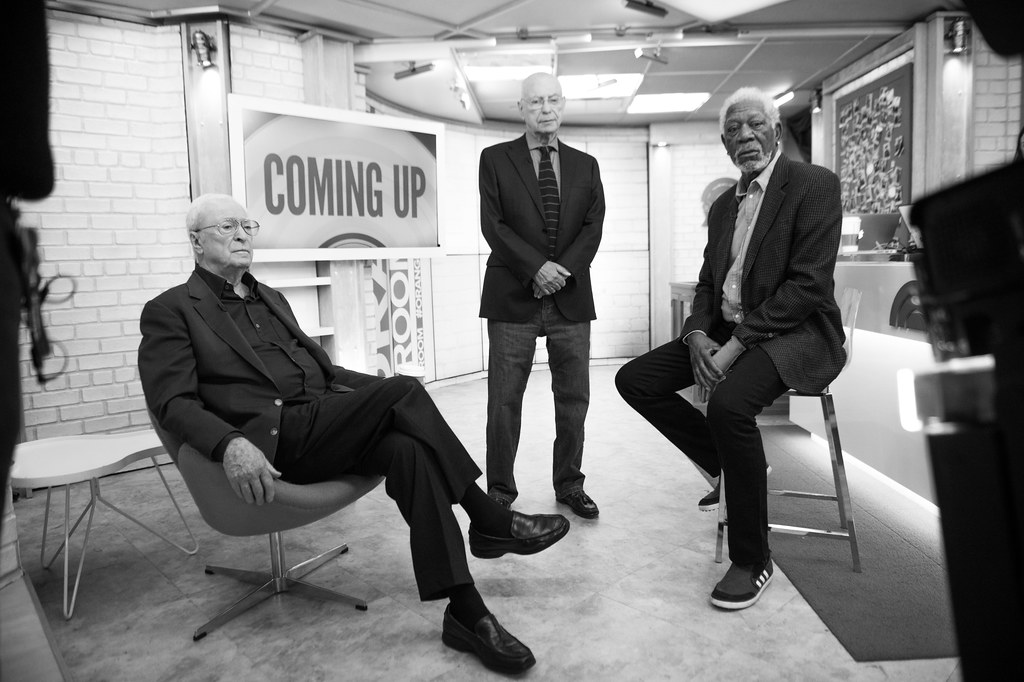
The 19th century marked a significant turning point in the social standing of actors, as the profession experienced a remarkable reversal of its long-held negative reputation. Acting transitioned from being a craft often viewed with suspicion to an honored, popular profession and recognized art form. This transformative shift was largely driven by the burgeoning concept of the ‘actor as celebrity,’ drawing audiences in droves to witness their favorite ‘stars’ on stage.
A new and influential role emerged during this period: the actor-managers. These individuals, possessing both artistic talent and entrepreneurial acumen, formed their own theatre companies. They exercised considerable control over every aspect of their productions, from managing the actors and overseeing the artistic direction to handling the crucial financial affairs. When successful, these actor-managers cultivated a loyal and permanent clientele who eagerly flocked to their performances.
To expand their reach and further solidify their success, actor-managers would embark on national tours, presenting a repertoire of well-known plays, particularly the works of Shakespeare. This practice allowed them to bring celebrated performances to wider audiences across the country. The lively debates and evaluations of these stars and productions would frequently animate public spaces, including newspapers, private clubs, pubs, and coffee shops, underscoring the growing cultural prominence of theatre.
Henry Irving (1838–1905) stands out as the most successful of the British actor-managers, renowned for his iconic Shakespearean roles. Irving introduced groundbreaking innovations, such as dimming the house lights to shift audience focus exclusively to the stage. His company’s extensive tours across Britain, Europe, and the United States powerfully demonstrated the immense draw of star actors and celebrated roles. His knighthood in 1895 symbolized the ultimate acceptance of the acting profession into the highest echelons of British society, a testament to the profound transformation in public perception.
7. **Modern Structures: The 20th Century’s Corporate Theatrical Landscape**
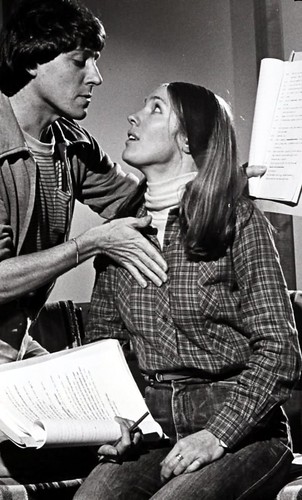
As the 20th century dawned, the intricate economic demands of large-scale theatrical productions began to displace the established actor-manager model. The combined genius required for both acting and management proved increasingly rare, leading to a specialization of roles. This shift saw the emergence of dedicated stage managers and, subsequently, theatre directors, who took on the distinct responsibilities of production oversight and artistic guidance, respectively.
Financially, operating out of major cities necessitated significantly larger capital investments than previous models. The solution to this escalating financial requirement came in the form of corporate ownership, leading to the formation of chains of theatres. Notable examples include the Theatrical Syndicate, Edward Laurillard, and, most prominently, The Shubert Organization, which consolidated significant power and influence within the industry.
These corporate entities, by catering to tourist audiences, increasingly favored long runs of highly popular plays, with musicals becoming a particularly essential draw. The economics of scale and the pursuit of commercial success meant that big-name stars became even more crucial for attracting the large audiences required to sustain these elaborate productions. This era marked a profound move towards a more industrialized and market-driven theatrical environment, distinct from the artist-driven models of previous centuries.
The rise of these corporate structures brought both advantages and disadvantages. While they provided greater financial stability and expanded reach for certain types of productions, they also shifted the power dynamics within the theatre. Decision-making became more centralized, and the artistic autonomy once held by actor-managers gradually ceded to the demands of large-scale commercial enterprise. This new landscape set the stage for the diverse and multifaceted acting industry we recognize today, characterized by a complex interplay of artistic aspiration and commercial realities.
8. **The Art of Interpretation: Delving into Key Acting Techniques**
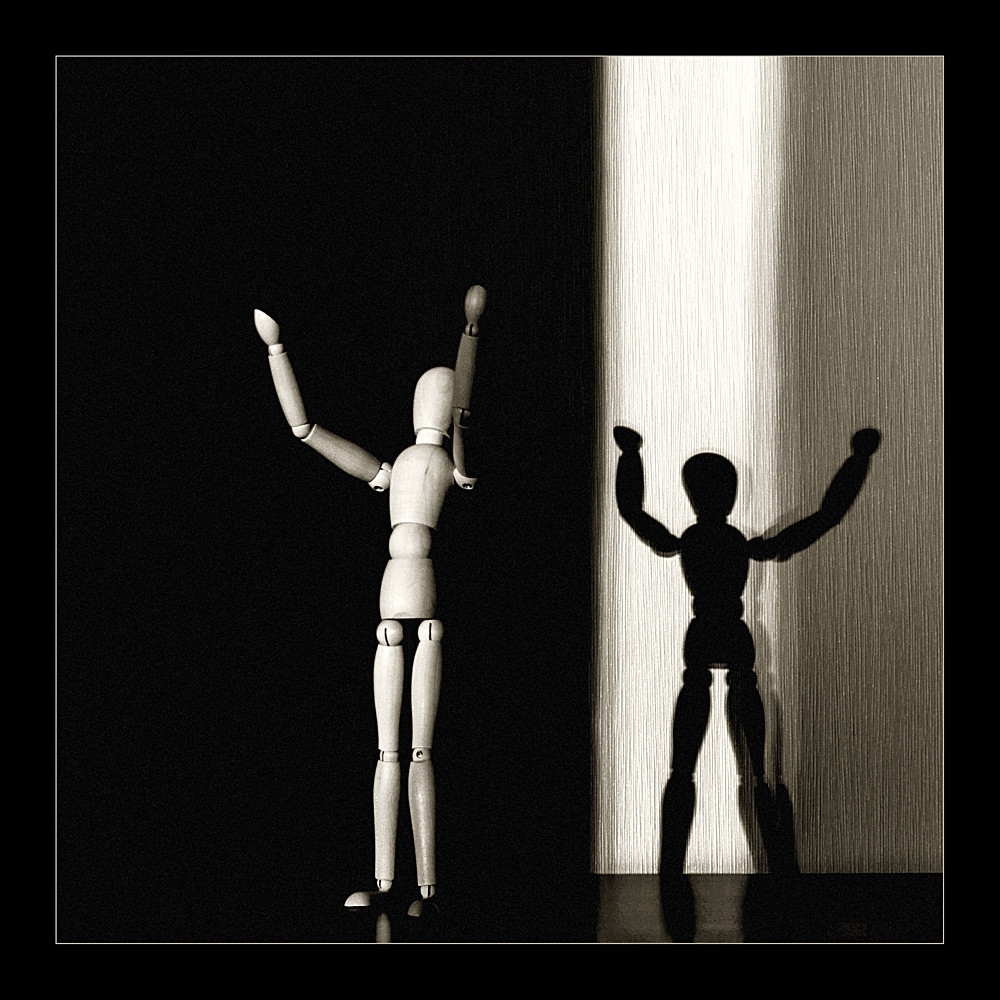
The craft of acting encompasses a rich array of techniques developed to help performers inhabit their roles authentically. These methodologies provide structured frameworks for interpretation, moving beyond mere recitation. Understanding these foundational techniques is crucial for appreciating the nuanced artistry defining compelling performances across various mediums.
Classical acting, for instance, integrates body, voice, imagination, personalization, improvisation, external stimuli, and script analysis. It draws on theories from figures like Konstantin Stanislavski and Michel Saint-Denis. Stanislavski’s system encourages actors to use personal feelings and experiences to convey a character’s “truth,” finding commonalities with their own lives for a more genuine portrayal.
Method acting, developed by Lee Strasberg, builds on Stanislavski’s idea: actors use personal experiences for emotional and cognitive understanding of roles, leading to internalized performances. Other techniques, like Sanford Meisner’s, also stem from Stanislavski. Meisner’s technique demands total focus on the other actor, treating them as real in that moment. This aims for authenticity, founded on responses to others and circumstances.
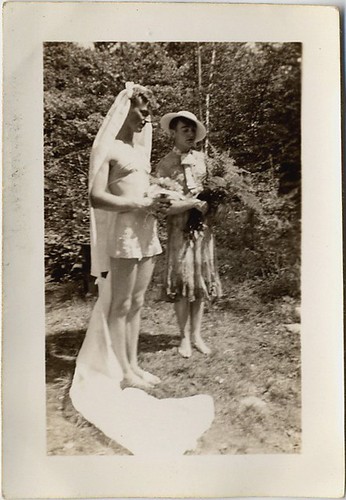
9. **Cross-Gender Roles: A Historical Tradition and Modern Expression**
Actors portraying characters of the opposite have a long tradition in theatre and film, serving comedic or dramatic purposes. Historically, this was often a necessity when women were barred from the stage. As theatre evolved, cross-dressing for humor became widely embraced, offering audiences unique blends of comedy and social observation.
Numerous examples highlight this. Shakespeare’s comedies include overt cross-dressing, like Francis Flute in “A Midsummer Night’s Dream.” In cinema, “A Funny Thing Happened on the Way to the Forum” and “Some Like It Hot” featured actors disguising themselves for comedic escape. Dustin Hoffman in “Tootsie” and Robin Williams in “Mrs. Doubtfire” further demonstrate this appeal.
The complexities deepened beyond simple comedy. Women playing women acting as men, who then pretend to be women, are seen with Julie Andrews in “Victor/Victoria.” Opera has “breeches roles” where women sing parts of young men, like Hansel. While less common in film, Linda Hunt won an Oscar for Billy Kwan in “The Year of Living Dangerously,” and Cate Blanchett was nominated for Jude Quinn in “I’m Not There.” Modern productions of older plays also commonly feature women in male roles.
10. **Women on the World Stage: Pioneering Actresses Beyond Europe**
While women’s entry onto the European stage is well-documented, the global evolution of female participation in acting presents a diverse tapestry of traditions. Across cultures, the journey from male-exclusive performance to female inclusion has followed unique paths, reflecting distinct societal norms. These pioneering efforts highlight a universal drive for women’s artistic expression, despite significant cultural barriers.
In East Asian theatre, distinct gender practices emerged. Japan’s kabuki theatre employed onnagata, male actors specializing in female roles, especially after women were banned. This continues today. In some Chinese drama, men traditionally performed all characters; however, Shaoxing opera often sees women exclusively playing all roles, showcasing a reversal.
The Middle East saw shifts with modern theatre in the 19th century. In the Ottoman Empire, an Armenian company pioneered modern theatre. Arousyak Papazian is credited as the first female actor to perform onstage there in 1857. Since acting was unsuitable for Muslim women, initial actors were Christian Armenians. Actresses like Papazian received higher salaries due to severe social stigma, preceding Muslim Turkish female actors by decades.
Egypt followed in 1870 with Yaqub Sanu’s theatre company. Modern theatre required female actors. Sanu struggled to engage indigenous Egyptian women due to prevailing social norms, compelling him to hire non-Muslim women. The Dayan sisters, two Jewish girls, became among the first actresses in the Arab world. The first Muslim actress in Egypt, Mounira El Mahdeya, appeared in 1915.
Read more about: Behind Every Blockbuster Star: Unraveling the Rich History and Secret Techniques of Acting

11. **Compensation in Performance: The Economic Realities of Acting**
The financial landscape of acting has always shown significant disparities, from comfortable incomes for a few to precarious livelihoods for most. Economic realities vary widely, reflecting societal values, industry structure, and competition. Compensation reveals a complex picture where fame and fortune coexist with persistent economic insecurity.
Historically, even William Shakespeare earned a wage (6 shillings/week) comfortable for a skilled tradesman, but not immense wealth. Some 17th-century English actors achieved comfortable incomes, demonstrating that acting could provide stable living for successful practitioners. This history illustrates varied financial outcomes within the profession.
Today, the median hourly wage for U.S. actors in 2024 was $23.33. Many struggle for consistent work or benefits; only 12.7% of SAG-AFTRA members qualify for health plans. Full-time British actors earned a median of £22,500, slightly below minimum wage. These figures underscore pervasive economic struggles.
Despite lower median incomes, a small fraction earns extraordinarily high sums. Film actors like Aamir Khan and Sandra Bullock have commanded tens of millions for single productions. These exceptional cases represent the profession’s apex, sustained by global fan bases. They contrast sharply with the majority on less lucrative paths.
For U.S. child actors, regulations protect earnings. Union child actors receive at least $1,204 daily. Income is typically managed by parents. States like California (Coogan Act) require 15% of a child’s income be placed into a blocked trust account, inaccessible until adulthood, ensuring financial well-being.
Read more about: Navigating the Crossroads: Why U.S. Movie Production Moved Abroad, and the Unsettled Future Under Tariff Threats

12. **Addressing the Disparity: The Persistent Gender Pay Gap in Acting**
The entertainment industry continues to grapple with a significant gender pay gap, substantiated by analyses revealing deep inequalities for women in acting. This disparity extends beyond salaries, reflecting broader systemic biases in production and character representation. It highlights a critical area for ongoing reform.
A 2015 Forbes report found only 21 of 100 top-grossing films of 2014 featured a female lead. Just 28.1 percent of characters were female. This imbalance limits opportunities for women to command higher salaries, directly contributing to economic disparity.
Beyond leading roles, the wage gap impacts women of diverse backgrounds differently. U.S. white women earn 78 cents for every dollar a white man makes. The gap widens for women of color: Hispanic women earn 56 cents, black women 64 cents, and Native American women 59 cents. These figures highlight compounding gender and racial biases.
Forbes’s 2013 analysis of U.S. acting salaries underscored this imbalance. Top-paid male actors made two and a half times as much as top-paid actresses. Hollywood’s best-compensated actresses made a mere 40 cents for every dollar earned by their male counterparts. This demonstrates a structural disparity at the industry’s highest echelons.
This entrenched gender pay gap necessitates continued scrutiny and proactive measures. It reflects both unequal pay and an undervaluation of female talent. Addressing it requires concerted effort to increase female representation across production, from leading roles to decision-making, ensuring women actors receive commensurate compensation.

13. **The Spectrum of Skills: Diverse Demands of Theatre, Film, and Radio**
The art of acting is profoundly shaped by its medium. While character portrayal remains constant, technical and expressive demands vary significantly across theatre, film, television, and radio. Each medium presents unique challenges, requiring performers to cultivate a diverse and adaptable skill set.
Actors pursuing careers across these platforms must recognize that techniques effective in one medium may not translate optimally to another. Robust vocal projection for theatre appears exaggerated on film, where subtle expressions are amplified. This adaptation necessity underscores specialized training and versatility for contemporary performers.
In live theatre, actors must sustain a character’s emotional arc and physical presence for an entire performance without breaks. Immediate audience feedback creates a unique dynamic, demanding high stage presence and readiness for unforeseen circumstances. This continuous engagement requires stamina, precision, and acute spatial awareness.
Conversely, film and television acting involves fragmented sequences, requiring emotional continuity across non-chronological shoots. The camera’s intrusive gaze necessitates internal truthfulness and economy of movement. Radio acting, relying entirely on voice, demands mastery of tone, rhythm, and distinct vocalizations to paint vivid mental pictures for the listener, showcasing an actor’s breadth of skills.
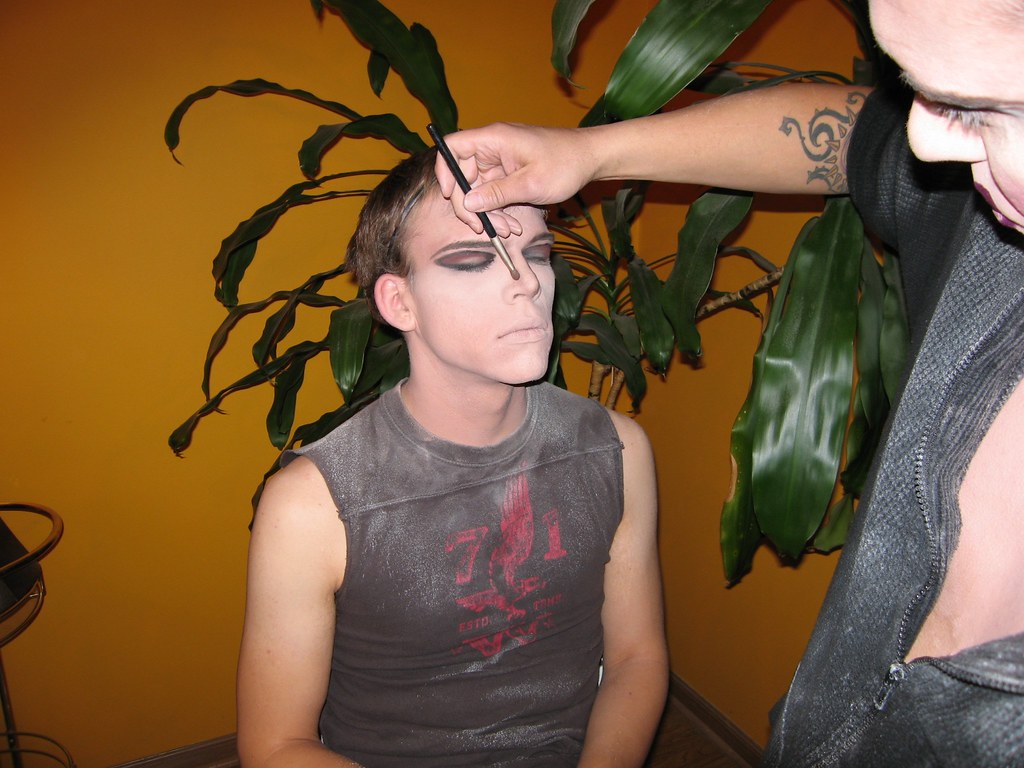
14. **The Contemporary Performer: Embracing Gender Fluidity and Non-Binary Representation**
The modern entertainment landscape increasingly reflects an expansive understanding of gender, moving beyond binary interpretations. It features characters embodying gender fluidity and non-binary identities. This evolution creates vital opportunities for actors to explore complex, authentic human experiences, challenging conventions and fostering greater inclusivity.
Contemporary roles often emphasize gender fluidity. Edna Turnblad in “Hairspray,” famously played by male actors like Divine and John Travolta, intentionally blurs traditional gender lines. These portrayals use performance to celebrate diversity and question conventional expectations, reinforcing that certain roles transcend typical gender casting.
The portrayal of transgender characters has also gained prominence. Eddie Redmayne’s Oscar nomination for playing Lili Elbe, a trans woman, in “The Danish Girl,” exemplifies critical recognition for such performances. These roles bring visibility to transgender experiences and open pathways for actors to engage with characters undergoing profound personal transformations.
As non-binary and transgender characters become more commonplace, casting cisgender actors in these roles is an ongoing dialogue. Hilary Swank as Brandon Teena in “Boys Don’t Cry” illustrates a historical approach. Conversely, transgender actors also take on cross-gender roles, such as Elliot Page’s portrayal of Shawna Hawkins in “Tales of the City.” These varied choices underscore evolving dynamics of representation.
From ancient amphitheatres to the global digital stage, the actor’s journey has been one of relentless transformation and profound influence. They have navigated societal condemnation and celebrated stardom, adapted to technological shifts, and continually redefined the essence of human portrayal. As we look towards the future, the profession remains a dynamic force, ever-evolving in its techniques, its embrace of diverse identities, and its enduring power to reflect, challenge, and shape our collective understanding of humanity. The stories they tell, and the ways in which they tell them, continue to resonate deeply, ensuring the actor’s indispensable place at the heart of our cultural narrative.

:max_bytes(150000):strip_icc():focal(711x326:713x328)/joanna-carson-johnny-carson-080425-ef84ab9a5fe74660a30098f00c611f2b.jpg "Beyond the Monologue: Reflecting on the Extraordinary Life of Joanna Carson, Johnny Carson’s Iconic Ex-Wife, Dead at 93")