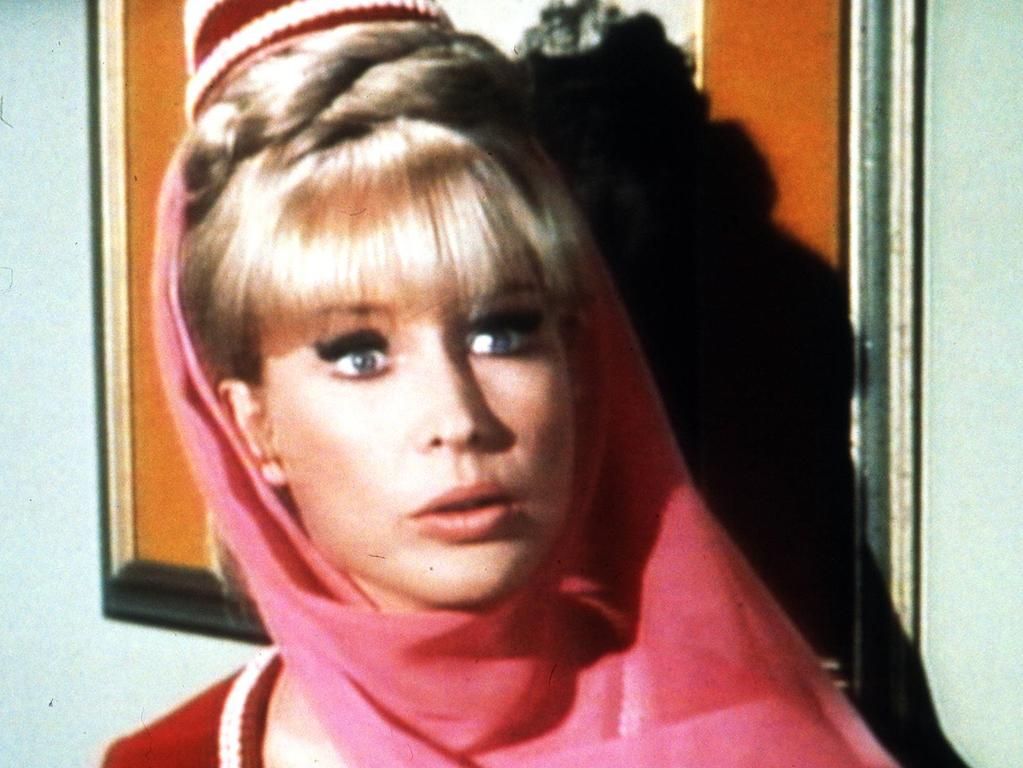
The art of acting, a profound and ancient human endeavor, has captivated audiences for millennia, serving as a mirror to society’s triumphs, struggles, and evolving understanding of the human condition. From rudimentary performances in ancient amphitheatres to the complex portrayals seen in today’s global media, the actor’s role has consistently been central to storytelling and cultural expression. This enduring craft, far more than mere mimicry, requires a unique blend of empathy, technical skill, and an unwavering commitment to embodying character, transcending time and geographical boundaries.
Our journey into the world of acting will meticulously unpack the layers of this fascinating profession, exploring its definitional roots, the shifting language used to describe its practitioners, and the significant historical milestones that have shaped its development. We will traverse the ancient stages where the first ‘Thespians’ uttered their lines, navigate the often-turbulent periods of the Middle Ages, and witness the transformative renaissance that paved the way for modern performance. This exploration aims to provide a comprehensive understanding of how the actor’s craft has not only survived but thrived through various societal shifts.
In this initial section, we lay the groundwork by defining what it means to be an actor, dissecting the evolution of associated terminology like ‘actor,’ ‘actress,’ and ‘player,’ and examining the foundational eras of theatre in ancient Greece and Rome. We will then transition to the Middle Ages, observing how performance persisted despite challenging circumstances, before delving into the pivotal Renaissance period where professionalism began to take hold and women made their groundbreaking entries onto the stage. Finally, we will focus on the English Restoration and the 19th century, chronicling the emergence of celebrated performers and the institutional changes that redefined the profession.
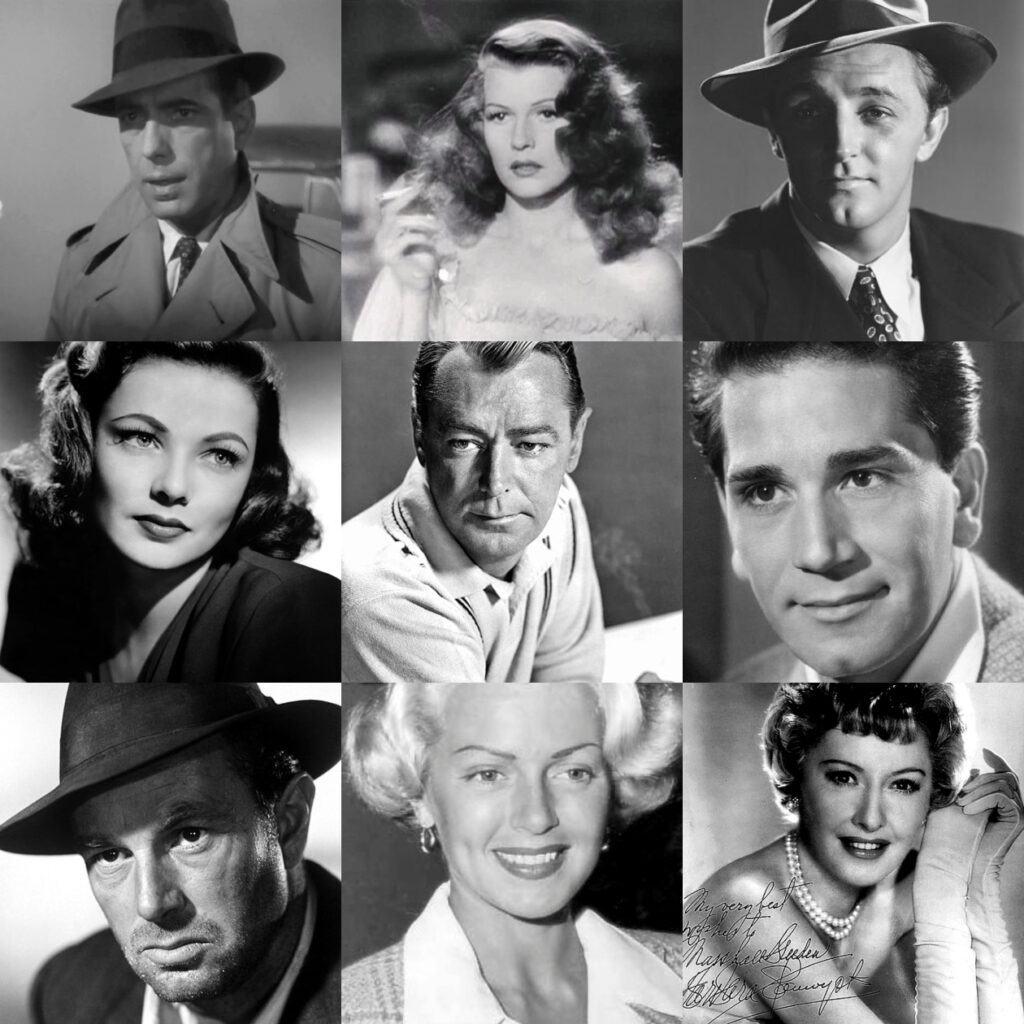
1. The Fundamental Definition of an Actor
At its core, an actor is unequivocally defined as “a person who portrays a character in a production.” This fundamental role extends across a spectrum of media, encompassing traditional live theatre, as well as modern platforms such as film, radio, and television. The essence of the actor’s contribution lies in their performance “in the flesh,” bringing fictional or real-life personas to vivid life for an audience, a practice rooted in the ancient Greek term ὑποκριτής (hupokritḗs), which literally translates to “one who answers.”
Central to the art of acting is the actor’s profound interpretation of a role. This interpretive process pertains directly to the character being played, whether that character is based on a real historical figure or is entirely a construct of fiction. The depth of this engagement is such that it can also be considered an “actor’s role,” a nomenclature that historically emerged from the use of scrolls in early theaters, signifying the actor’s unique connection to their written part. The act of interpretation remains vital even when an actor performs as “themselves,” a concept often explored within various forms of experimental performance art, pushing the boundaries of traditional character portrayal.
While the term “actor” itself has a long history in the English language, initially meaning “one who does something,” its specific application to those who perform in theatre is a more recent development, dating back only to the 16th century. This linguistic evolution highlights a period where the profession of performance gained distinct recognition and began to formalize, setting the stage for the rich and complex history we continue to observe today. The journey from a general descriptor to a specialized professional title reflects the increasing significance and refinement of the performing arts.
Read more about: The AI Revolution: Can This New Technology Finally Conquer Movie Piracy’s Evolving Threat?

2. Evolving Terminology: Actor, Actress, and Player
The profession of acting is accompanied by a considerable amount of terminology, some of which has been historically, and continues to be contemporaneously, a subject of debate and contention. Key among these terms are “actress” and the less common, often archaic, “player,” each carrying its own history and implications regarding gender and professional status within the performing arts.
The term “actress” specifically refers to a female performer and, according to the Oxford English Dictionary, first appeared in 1608, attributed to Middleton. Historically, the perception of women in acting was largely negative in the 19th century, as actresses were frequently associated with being courtesans and linked to promiscuity, reflecting deeply ingrained societal prejudices. Despite these formidable societal barriers, the same century remarkably saw the rise of the first female acting “stars,” with Sarah Bernhardt emerging as one of the most notable figures. After the English Restoration in 1660, when women were finally permitted on stage in England, the terms “actor” and “actress” were initially used interchangeably for female performers. However, under the influence of the French word “actrice,” “actress” subsequently became the universally accepted term for women in both theatre and film. Its etymology is a straightforward derivation from “actor,” simply adding the suffix “-ess.” Despite this, when referring to mixed-gender groups of performers, the collective term “actors” is generally preferred, indicating a subtle yet significant nuance in usage.
In more recent times, specifically from the post-war period of the 1950s and ’60s, there has been a significant re-adoption of the neutral term “actor” within the profession. This shift coincided with a broader societal review of women’s contributions to cultural life. A notable example of this evolving linguistic practice occurred in 2010, when The Observer and The Guardian published their new joint style guide, explicitly stating, “Use [‘actor’] for both male and female actors; do not use actress except when in name of award, e.g. Oscar for best actress.” The authors further elucidated that “‘actress’ comes into the same category as authoress, comedienne, manageress, ‘lady doctor’, ‘male nurse’ and similar obsolete terms that date from a time when professions were largely the preserve of one (usually men).” This sentiment was powerfully echoed by Whoopi Goldberg in an interview with the paper, where she famously stated, “‘An actress can only play a woman. I’m an actor – I can play anything.'” Despite these movements, the UK performers’ union Equity has no official policy, acknowledging that the “subject divides the profession.” However, major acting awards continue to utilize “actress” for female recipients, such as the Academy Award for Best Actress.
Regarding the term “players,” it was a common gender-neutral descriptor in the context of American cinema during the silent film era and the early days of the Motion Picture Production Code. However, in contemporary film discourse, “player” is largely considered archaic. Conversely, the term retains its currency within the theatre, often integrated into the names of various theatre groups or companies, such as the renowned American Players or the East West Players. Furthermore, performers involved in improvisational theatre are still frequently referred to as “players,” indicating a continued, albeit specialized, usage within the live performance sector.
Read more about: From Thespis to Today: Unpacking the Complex Evolution of the Acting Profession Across Eras and Cultures

3. The Thespian Legacy: Acting in Ancient Greece and Rome
The genesis of performance as we understand it can be traced back to 534 BC, marking the first recorded instance of an actor stepping onto a stage to embody a character. This seminal event occurred when the Greek performer Thespis ascended the stage at the Theatre Dionysus, becoming the inaugural individual known to speak words as a distinct character within a play or story. Prior to Thespis’s revolutionary act, Grecian narratives were exclusively conveyed through song, dance, and third-person narration, lacking the direct character engagement that he introduced. In profound recognition of his pioneering contribution, actors to this day are commonly referred to as Thespians. The theatre of ancient Greece was characterized by exclusively male actors, who performed in three distinct types of drama: tragedy, comedy, and the satyr play, shaping the foundational elements of Western dramatic tradition.
This evolving theatrical landscape expanded significantly under the Romans, who adopted and adapted many Greek practices. The theatre of ancient Rome flourished as a vibrant and remarkably diverse art form, offering a wide array of entertainment. This ranged from the lively festival performances of street theatre, which often included dancing and acrobatics, to the sophisticated staging of elaborate situation comedies and high-style, verbally intricate tragedies. The Roman stage, therefore, showcased a broader spectrum of performance, catering to diverse tastes and establishing a robust entertainment culture that influenced subsequent theatrical developments across Europe.
Notably, ancient Rome distinguished itself from Greece by permitting female stage performers. While the majority of these women were infrequently given speaking roles, primarily being employed for dance, a significant minority of actresses in Rome did perform speaking parts and achieved remarkable success. Figures such as Eucharis, Dionysia, Galeria Copiola, and Fabia Arete garnered wealth, fame, and widespread recognition for their artistry. These trailblazing women even formed their own acting guild, the Sociae Mimae, which was evidently quite affluent, underscoring their professional standing and economic influence. However, as the Western Roman Empire experienced decay through the 4th and 5th centuries, the profession of acting seemingly dissolved, plunging Western Europe into a period of dramatic decline until its later resurgence.
4. Performance in the Middle Ages: From Religious Plays to Traveling Troupes
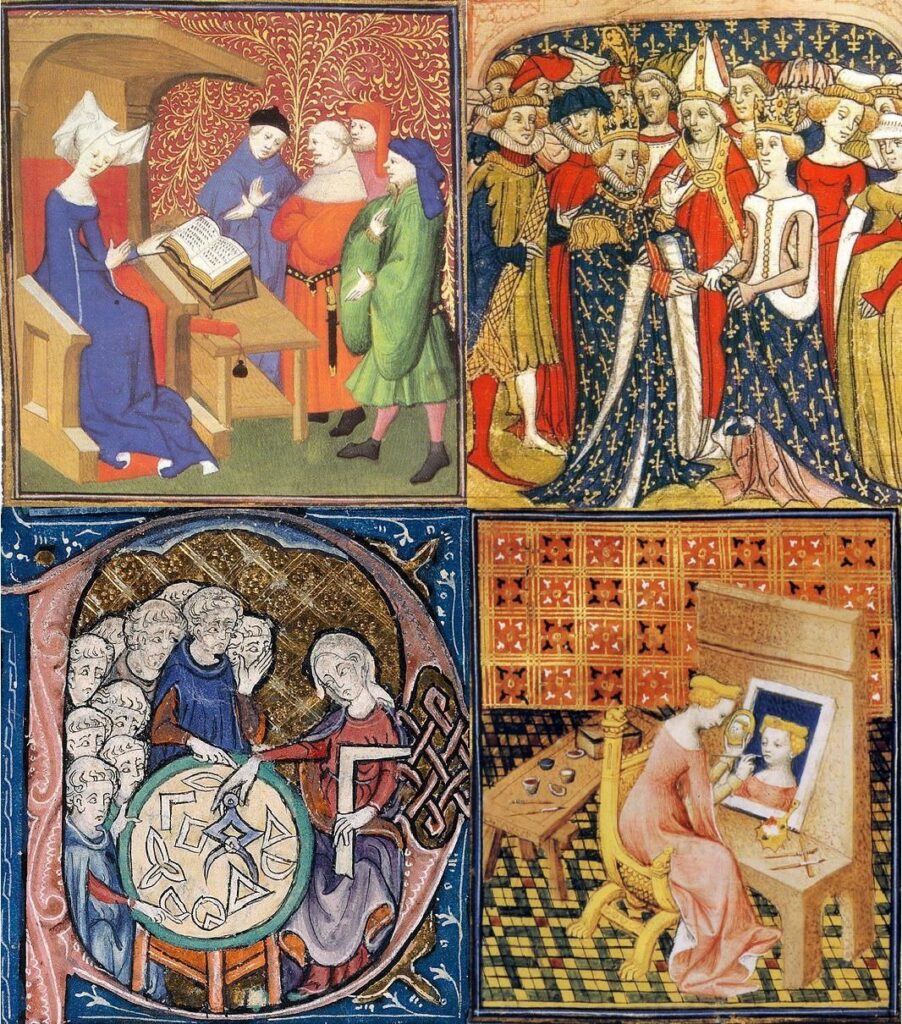
Following the decline of the Western Roman Empire through the 4th and 5th centuries, Western Europe was plunged into a period often characterized by general disorder, which significantly impacted the theatrical arts. During this time, small nomadic bands of actors traversed the continent, performing wherever they could secure an audience. However, historical evidence suggests that their repertoire largely consisted of crude scenes, a far cry from the sophisticated dramas of antiquity. Traditionally, actors occupied a low social status, leading to widespread distrust of these traveling troupes in the Early Middle Ages. The Church during the Dark Ages vehemently denounced actors, viewing them as dangerous, immoral, and pagan, resulting in the severe consequence that in many parts of Europe, actors were denied Christian burials, reflecting the deeply negative societal and religious perceptions of their profession.
Despite the pervasive distrust, theatre found a new, albeit different, avenue for expression within Europe’s churches during the Early Middle Ages. These institutions began staging dramatized versions of biblical events, a practice that by the middle of the 11th century, had successfully spread across a vast geographical expanse, from Russia all the way to Scandinavia and Italy. The festive occasion of the Feast of Fools further stimulated the development of comedy within these dramatic presentations. By the Late Middle Ages, vernacular Mystery plays were being produced in an impressive 127 towns, often incorporating comedic elements with actors portraying devils, villains, and clowns, signaling a burgeoning popular appeal for theatrical performance.
The majority of performers in these medieval plays were drawn from the local population, functioning as amateur actors temporarily engaged for specific roles during festivities. In England, amateur performers were exclusively male, reflecting a prevailing societal norm. However, other European countries presented a different picture, with instances of female performers participating; for example, in 1514, women were engaged to perform all the female roles in the Bozen Passion Play in Bolzano. Alongside religious dramas, several secular plays were also staged during the Middle Ages, with Adam de la Halle’s “The Play of the Greenwood” from 1276 being an early example, notable for its satirical scenes and integration of folk material such as faeries and supernatural occurrences. Farces also gained considerable popularity after the 13th century, broadening the theatrical landscape.
The close of the Late Middle Ages heralded a significant transition with the gradual emergence of professional actors in both England and continental Europe. Even prominent figures like Richard III and Henry VII maintained small companies of professional actors, underscoring the growing recognition of acting as a distinct occupation. A particularly influential development beginning in the mid-16th century was the Commedia dell’arte. These troupes performed lively, improvisational playlets across Europe for centuries, marking a pivotal moment in the professionalization of theatre. Commedia dell’arte was an actor-centered form, requiring minimal scenery and props, relying instead on loose frameworks of situations, complications, and outcomes around which actors brilliantly improvised using stock characters. A typical troupe comprised 13 to 14 members, and most actors were compensated with a share of the play’s profits, usually proportionate to the size and importance of their roles, establishing an early model for professional theatrical remuneration.
Read more about: The Enduring Craft: A Comprehensive Journey Through the History and Evolution of Acting
5. Renaissance Europe: The Dawn of Professionalism and Female Performers
Renaissance theatre emerged from a rich confluence of medieval traditions, drawing inspiration from the morality plays and mystery plays, as well as the ‘university drama’ that sought to emulate Athenian tragedy. This period also greatly benefited from the vibrant Italian tradition of Commedia dell’arte and the elaborate masques frequently presented at court, all of which significantly contributed to the shaping of public theatre. Even before the reign of Elizabeth I, companies of players were formally attached to the households of leading aristocrats, performing seasonally in diverse locations. These aristocratic affiliations served as the crucial foundation for the professional players who would eventually grace the Elizabethan stage, laying the groundwork for a more formalized theatrical structure.
The advent of professional female acting in Europe was largely spearheaded by Italy during the Renaissance. Although the first professional company of actors whose members’ names are known, from Padova in 1545, consisted entirely of men, suggesting no actresses prior to Lucrezia Di Siena, this situation soon changed. A pivotal moment was the entry of King Henri II and Catherine de Medici to Lyon in 1548, during which the tragicomedy ‘La Calandria’ by Bernardo Dovizi was performed by both male and female Italian actors. Brantome enthusiastically noted that it was “very well performed by the actors and actresses, who were very beautiful, spoke very well, and were extremely graceful.” While it’s uncertain if these were professional actors or temporarily engaged participants, a letter from Mantova in 1562 mentioned an unnamed actress from Rome performing “Moorish dances.” However, Lucrezia Di Siena, whose name appears on an acting contract in Rome dated October 10, 1564, is widely regarded as the first Italian actress known by name. She was swiftly followed by Vincenza Armani and Barbara Flaminia, who are acknowledged as the first ‘primadonnas’ and the earliest well-documented actresses not only in Italy but across Europe. From the 1560s onward, actresses became a standard feature in Italian theaters, and as Italian theatre companies embarked on tours abroad, these Italian actresses became the first women actors to perform in many other countries.
The presence of women on stage began to extend beyond Italy during the 16th century. In Spain, the Golden Age theatre (1590–1641) witnessed women performing from its very inception. Notable examples include Ana Muñoz, who toured and performed with her husband, actor-manager Antonio de Villegas, after their marriage in 1589, and subsequently took over the company following his death. Jerónima de Burgos performed alongside her husband in the theatre company of Alonso de Cisneros and Jerónimo Velázquez, touring both Portugal and Spain during the 1590s. Furthermore, Micaela de Luján (c. 1570–1614) became the celebrated role model for Carmila Lucinda in a play by Lope de Vega. All these women were actively working as actresses during the 1590s, cementing the presence of female performers in Spanish theatre.
In France, women also appear to have performed within traveling theatre companies early in the 16th century, though pinpointing the exact arrival of the first actress remains challenging. Prior to the establishment of the first permanent theatre in Paris, documentation of actors in these nomadic troupes, regardless of gender, is sparse. While professional French actresses were reportedly active in the latter half of the 16th century, they are infrequently mentioned by name and typically only very briefly. Records briefly mention nine contemporary actresses alongside Marie Vernier: Jeanne Crevé, Judith Le Messier, Elisabeth Diye, Mlle Dufresne, Isabelle Paquette Le Gendre, Francoise Petit, Marguerite Dugoy, Renée Berenger, and Rachel Trepeau. Among these, Marie Vernier, also known as Mlle La Porte, and Rachel Trepeau are documented to a larger degree. Marie Vernier, notably, served as the leading lady and co-director of Valleran-Lecomte’s theatre company, which performed at the Hôtel de Bourgogne in Paris and toured both France and the Spanish Netherlands from at least 1604 onward, showcasing the early leadership roles women held in French theatre.
6. The Restoration and Beyond: English Stage Evolution (17th-19th Century)
The development of theatre and, consequently, opportunities for acting in England faced a severe setback due to Puritan opposition to the stage, which led to a ban on all plays within London. The Puritans held a strong conviction that theatre was inherently immoral, effectively halting its progress for eighteen years. However, the re-opening of the theatres in 1660 heralded a true renaissance for English drama. This period, from 1660 to 1710, saw the flourishing of English comedies, collectively known as ‘Restoration comedy,’ which became notorious for its ual explicitness. Crucially, this era marked a revolutionary shift: for the very first time, women were permitted to appear on the English stage, exclusively in female roles, ending centuries of male-only performance traditions.
This transformative period witnessed the groundbreaking introduction of the first professional actresses, a development that irrevocably changed the landscape of English theatre. Concurrently, it fostered the emergence of the first celebrity actors, whose performances garnered significant public attention and acclaim. Margaret Hughes is frequently recognized as the inaugural professional actress on the English stage, her debut symbolizing a monumental change. The lifting of the prohibition against female actors was significantly influenced by King Charles II, who openly enjoyed watching actresses perform. Specifically, Charles II issued letters patent to Thomas Killigrew and William Davenant, granting them the exclusive right to establish two London theatre companies for ‘serious’ drama. These letters patent were reissued in 1662 with crucial revisions that explicitly allowed actresses to perform, formalizing their place in English theatre.
Beyond England, other parts of Europe also saw the gradual debut of women actors during the mid-17th century. In Germany and the Netherlands, women began performing in native traveling theatre companies, often initially as wives and daughters of theatre managers, whose presence was accepted under family supervision. These early female performers eventually made their way to permanent city theatres. A significant moment was Ariana Nozeman’s debut on April 19, 1655, at the Schouwberg of Van Kampen in Amsterdam, becoming the first woman to play a leading role in a public play in The Dutch Republic. Similarly, in September 1655, “female players” were noted to have performed in Frankfurt for the first time. Under Magister Velthen and his father-in-law Carl Andreas Paulsen, the first actresses were employed in Germany, with Velthen’s wife, Catharina Elisabeth Velten, acting and later managing her husband’s theatre, continuing the policy of employing women.
By the 19th century, the negative perception surrounding actors had largely been reversed, transforming acting into an “honored, popular profession and art.” This dramatic shift was fueled by the rise of the actor as a celebrity, attracting enthusiastic audiences who flocked to see their favorite “stars.” A new and influential role emerged for actor-managers, individuals who formed their own companies and exerted comprehensive control over actors, productions, and finances. When successful, these figures cultivated a loyal clientele and expanded their reach by touring nationally and internationally with repertoires of well-known plays, particularly those by Shakespeare. The lively debates in newspapers, private clubs, pubs, and coffee shops, evaluating the merits of stars and productions, underscored the profession’s elevated status. Henry Irving (1838–1905) stands out as the most successful British actor-manager, celebrated for his Shakespearean roles and innovations like dimming house lights to focus attention on the stage. His tours across Britain, Europe, and the United States demonstrated the immense power of star actors, and his knighthood in 1895 symbolized full acceptance into the higher echelons of British society.
7. The 20th Century: Corporate Structures and the Rise of Star Power
The early 20th century heralded a profound transformation in the economics and structure of the theatrical world, fundamentally altering the landscape that had been dominated by the actor-manager model. The increasing scale and complexity of productions demanded a shift away from individuals who combined artistic genius with managerial prowess. This era necessitated a greater specialization, leading to the emergence of distinct roles for stage managers and, subsequently, theatre directors, as the demands of both artistic vision and administrative oversight grew too vast for one person to effectively manage.
Financial considerations also played a crucial role in this transition. Operating theatre companies out of major cities required significantly larger capital investments than before. The solution to this burgeoning financial need was the advent of corporate ownership, leading to the formation of powerful chains of theatres. Notable entities such as the Theatrical Syndicate, Edward Laurillard, and especially The Shubert Organization, became dominant forces, consolidating control over numerous venues and shaping the industry’s commercial trajectory.
This corporate restructuring had a direct impact on the types of productions that flourished, particularly in large urban centers. Catering to a growing tourist market, these metropolitan theatres increasingly favored longer runs of highly popular plays, with musicals rising to prominence as a consistent draw for audiences. In this environment, the allure of big-name stars became even more indispensable. Their presence guaranteed box office success and provided the necessary draw to sustain extensive engagements, further solidifying the symbiotic relationship between celebrity and commercial viability in the modern theatre.
Read more about: The Enduring Craft: A Comprehensive Journey Through the History and Evolution of Acting
8. Foundational Acting Techniques: Stanislavski’s System
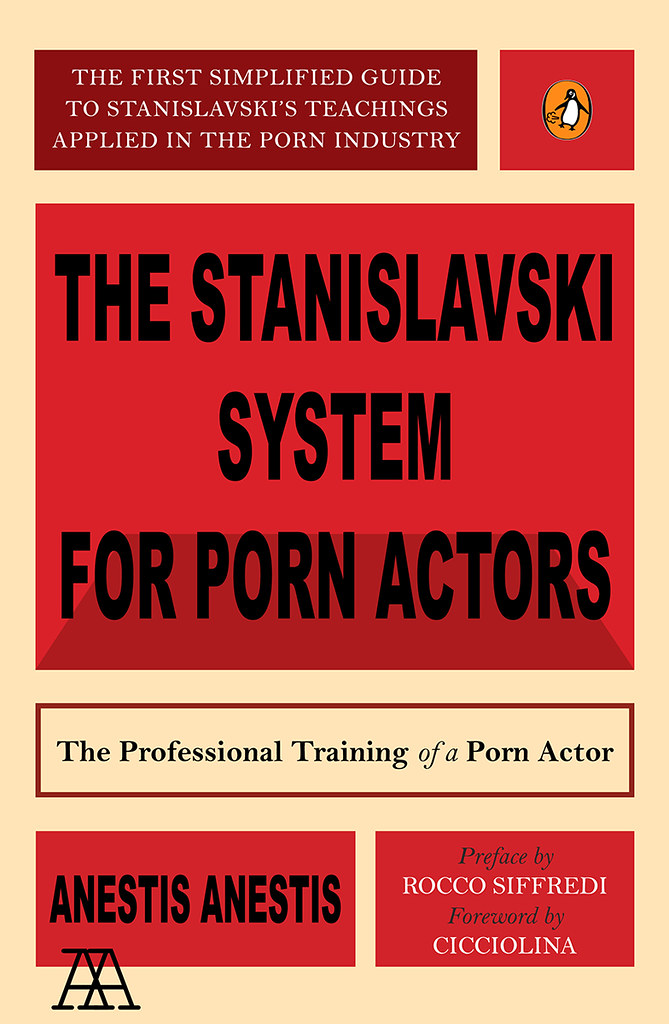
Within the vast realm of performance, several foundational philosophies have shaped modern acting, none more influential perhaps than the system developed by Konstantin Stanislavski. Classical acting, a philosophy that seamlessly integrates the body, voice, imagination, personalizing, improvisation, external stimuli, and meticulous script analysis, draws heavily from the theories and systematic approaches of esteemed classical actors and directors, with Stanislavski at its very core. His work provided a revolutionary framework for actors to delve deeper into their craft.
Stanislavski’s system, often referred to simply as Stanislavski’s method, encourages actors to tap into their own reservoir of feelings and past experiences. The objective is to authentically convey the profound ‘truth’ of the character they are portraying, rather than merely mimicking external behaviors. This process requires a deep introspective journey, allowing performers to connect with the emotional landscape of their roles on a deeply personal level, thereby enriching the authenticity of their performance.
To achieve this, actors immerse themselves in the mindset of the character, actively seeking commonalities and points of identification between their own experiences and those of the fictional persona. This empathetic engagement enables a more genuine and nuanced portrayal, making the character’s emotions and motivations resonate more truthfully with the audience. By fostering this inner connection, Stanislavski’s system empowers actors to transcend superficial representation and achieve a truly embodied performance.
Read more about: The Enduring Craft: A Comprehensive Journey Through the History and Evolution of Acting

9. Foundational Acting Techniques: Method Acting
Building upon certain tenets of Stanislavski’s pioneering work, method acting emerged as a distinct and influential range of techniques, primarily formulated by Lee Strasberg, for training actors. Its central aim is to enable performers to achieve more profound and intricate characterizations. While Stanislavski provided the initial blueprint, Strasberg’s method carved its own significant path in the pedagogical landscape of acting, particularly in the mid-20th century American theatre and cinema.
At the heart of Strasberg’s method is the powerful idea that for actors to develop a truly emotional and cognitive understanding of their roles, they must utilize their own personal experiences. This process encourages deep self-identification with their characters, moving beyond superficial empathy to a more visceral and psychological connection. By drawing from their inner lives, actors aim to inhabit the character’s emotional world with an intensity that can often be palpable to an audience.
It is crucial to note that while method acting is rooted in aspects of Stanislavski’s broader system, it is not the only technique to derive from his ideas. Other esteemed acting techniques, such as those championed by Stella Adler and Sanford Meisner, also trace their lineage back to Stanislavski’s foundational principles. However, these distinct approaches, while sharing common ancestry, are not themselves considered “method acting,” highlighting the unique interpretations and developments that emerged from Stanislavski’s groundbreaking work.
Read more about: The Enduring Craft: A Comprehensive Journey Through the History and Evolution of Acting

10. Foundational Acting Techniques: Meisner Technique
Another significant development stemming from Stanislavski’s broader system is the Meisner technique, a rigorous approach designed to cultivate highly responsive and authentic performances. This technique uniquely requires the actor to dedicate their total focus to the other performer in a scene, treating them as if they are unequivocally real and exist solely in the present moment of interaction. It prioritizes genuine, unscripted responses over preconceived actions.
Central to the Meisner technique is the principle that the essence of acting finds its truest expression in an individual’s organic and instinctive reactions to other people and to specific circumstances. It moves away from intellectualized portrayals, instead emphasizing the spontaneous, moment-to-moment interplay between actors. This focus on immediate response allows for a raw and vital theatricality, where truth emerges from genuine human connection within the scene.
The ultimate goal of this method is to make the actors in the scene appear strikingly more authentic and believable to the audience. By stripping away pretense and fostering a deep, present-moment connection between performers, the Meisner technique cultivates performances that feel alive, unpredictable, and deeply human. It grounds the actor in the reality of the scene, allowing emotions and actions to emerge naturally from the given circumstances and the partner’s actions.
Like many of its contemporaries, the Meisner technique draws its fundamental philosophical underpinnings from Stanislavski’s comprehensive system. It represents a distinct branch of development from those initial theories, focusing specifically on the relationship between actors and their environment to achieve a spontaneous and truthful presence. This emphasis on organic reaction sets it apart, offering a powerful pathway to authentic stage and screen presence.
Read more about: The Enduring Craft: A Comprehensive Journey Through the History and Evolution of Acting

11. Historical and Modern Facets of Cross-Gender Acting
Cross-gender acting, particularly having an actor dress as the opposite for comic effect, boasts a rich and enduring tradition throughout the history of comic theatre and film. From the Elizabethan stage, where most of Shakespeare’s comedies feature instances of overt cross-dressing, such as Francis Flute in *A Midsummer Night’s Dream*, to classic cinematic capers like *A Funny Thing Happened on the Way to the Forum* starring Jack Gilford, this device has consistently delivered laughter and playful subversion. The unforgettable transformations of Tony Curtis and Jack Lemmon into women to evade gangsters in Billy Wilder’s *Some Like It Hot* further underscore its comedic power, a device also frequently employed in the *Carry On* films.
Occasionally, the complexities of cross-gender portrayal extend beyond simple comic disguise, creating layered performances that challenge audience perceptions. This is evident when a woman plays a woman who is, in turn, acting as a man, only to then pretend to be a woman, as masterfully demonstrated by Julie Andrews in *Victor/Victoria*. Similarly, Gwyneth Paltrow’s role in *Shakespeare in Love* plays with these gender ambiguities. Even more intriguing are characters whose gender remains ambiguous to the audience, such as Pat and Chris in *It’s Pat: The Movie*, challenging conventional gender labeling. In *The Marriage of Figaro*, the male character Cherubino, traditionally portrayed by a woman, dresses as a woman within the play, creating a dual layer of gender obfuscation that the audience fully appreciates.
While less common in film, women playing male roles have garnered significant acclaim, marking powerful departures from traditional casting. Stina Ekblad’s portrayal of the mysterious Ismael Retzinsky in Ingmar Bergman’s *Fanny and Alexander* in 1982 stands out. Linda Hunt’s Academy Award-winning performance as Billy Kwan in *The Year of Living Dangerously* is another celebrated instance. More recently, Cate Blanchett earned an Academy Award nomination for her compelling depiction of Jude Quinn, a fictionalized Bob Dylan, in *I’m Not There*, showcasing the depth and range achievable when female actors inhabit complex male personas.
Modern roles have increasingly incorporated cross-gender casting to emphasize the inherent gender fluidity of certain characters, reflecting a broader societal dialogue. The character of Edna Turnblad in *Hairspray* has been famously portrayed by Divine in the original film, Harvey Fierstein on Broadway, and John Travolta in the 2007 movie musical. Similarly, Eddie Redmayne received an Academy Award nomination for his sensitive portrayal of Lili Elbe, a trans woman, in 2015’s *The Danish Girl*, illustrating the evolving representation of gender identity in cinema.
As non-binary and transgender characters gain greater visibility and acceptance in various media, the casting landscape continues to evolve. It has become increasingly common for cisgender actors to embody these characters, with Hilary Swank’s acclaimed performance as Brandon Teena in *Boys Don’t Cry* serving as a notable historical example. Conversely, transgender actors also undertake cross-gender roles, particularly prior to public transition, as exemplified by Elliot Page’s role as Shawna Hawkins in the *Tales of the City* miniseries. This dynamic interplay of gender and identity in casting reflects a maturing understanding of representation in performance.
Read more about: The Enduring Craft of Acting: A Comprehensive Look at Its History, Techniques, and Societal Evolution

12. The Broader Global Narrative of Women on Stage
The narrative of women in acting is a complex tapestry woven with threads of societal constraint, groundbreaking defiance, and gradual acceptance, extending across millennia and continents. Historically, across many societies, women appearing on stage in public was often viewed as controversial, provocative, and even disreputable. This deeply ingrained cultural bias frequently led to male actors, often boys, undertaking female roles, a practice that persisted for centuries in various parts of the world, reflecting periods where women were explicitly barred from performing or confined to highly restricted theatrical capacities.
In antiquity, the stark contrast between Greek and Roman theatrical norms provides a crucial early chapter. Ancient Greece famously barred women from the stage, with male actors exclusively portraying all parts, including female characters. There has even been speculation regarding whether women were permitted to watch plays as audience members. In stark contrast, ancient Roman theatre, while often relegating women to non-speaking roles primarily for dance, notably allowed a minority of actresses to perform speaking parts. Figures such as Eucharis, Dionysia, Galeria Copiola, and Fabia Arete achieved significant wealth, fame, and recognition for their artistry, even forming their own affluent acting guild, the Sociae Mimae, underscoring their professional standing before the profession seemingly dissolved in late antiquity.
During the Middle Ages, theatre resurfaced, primarily through religious genres like mystery plays and morality plays, alongside secular farces and masques. Performers during this era were typically amateurs drawn from local populations, temporarily engaged for festivities. While male actors predominantly played female roles in religious dramas in places like England, women were not universally banned, and there are documented instances of female participation, such as in the 1514 Bozen Passion Play in Bolzano, where women were specifically engaged to perform all female parts, offering an early glimpse of female involvement.
The professional entry of women onto the European stage truly began during the Renaissance, spearheaded by Italy. While the first known professional company of actors from Padova in 1545 was entirely male, the situation rapidly evolved. The performance of ‘La Calandria’ in Lyon in 1548 by both male and female Italian actors marked an early milestone, praised for the beauty and grace of the actresses. Lucrezia Di Siena, documented in 1564, is often cited as the first Italian actress known by name, swiftly followed by Vincenza Armani and Barbara Flaminia, the first ‘primadonnas’ in Europe. From the 1560s, actresses became standard in Italian theatres, and their touring companies introduced female performers to many other nations. Spain’s Golden Age theatre (1590–1641) also saw women like Ana Muñoz and Jerónima de Burgos performing from its inception, as did France, with early examples like Marie Vernier leading companies in the early 17th century.
Beyond these pioneering regions, the 17th to 19th centuries witnessed the gradual debut of women actors across the rest of Europe. In Germany and the Netherlands, women, often wives and daughters of theatre managers, began performing in traveling companies in the mid-17th century, eventually making their way to permanent city theatres, with Ariana Nozeman’s 1655 debut in Amsterdam being a landmark. England, notably late, only allowed women on stage after the Restoration in 1660, with Margaret Hughes often credited as the first professional English actress. In Northern and Eastern Europe, the establishment of national theatres with native professional actors came later, often in the 18th or 19th centuries. Sweden’s first native actresses appeared after 1737, Russia’s in 1756, Poland’s in 1765, and Greece’s first professional, formally trained actress, Ekaterina Panayotou, only in 1842, highlighting diverse timelines for female integration into the professional stage.
East Asian theatre traditions offer their own unique perspectives on gender in performance. In Japan’s kabuki theatre, the *onnagata*, or men specializing in female roles, became a deeply entrenched convention after women were banned from the stage during the Edo period, a practice that continues today. Similarly, some forms of Chinese drama, such as Beijing opera, traditionally featured men in all roles, including female ones. Conversely, Shaoxing opera often sees women perform all characters, including male parts, demonstrating a flexibility in gender representation that contrasts with Western historical norms.
The Middle East also grappled with unique cultural considerations regarding women in acting. In the Ottoman Empire, the modern theatre, founded in the 1850s, saw Armenian actresses like Arousyak Papazian debut in 1857, as acting was not considered a suitable profession for Muslim women who lived under harem segregation. These Christian Armenian actresses often received higher salaries due to the severe stigma and faced less competition later on. In Egypt, the modern theatre in 1870 initially struggled to find indigenous Muslim women, resorting to employing non-Muslim women like the Dayan sisters, Miriam Samat, and others. It was not until Mounira El Mahdeya in 1915 that a Muslim actress appeared in Egypt and the Arab world, marking a significant cultural shift.
Today, the roles women play continue to evolve, with modern performance occasionally seeing women cast in traditionally male roles, particularly in live theatre. The stage role of Peter Pan is famously played by a woman, as are many principal boys in British pantomime. Opera features several “breeches roles,” traditionally sung by mezzo-sopranos portraying young men, such as Hansel in *Hänsel und Gretel*. In presentations of older plays, especially Shakespearean works with numerous male characters, women frequently fill roles where gender is not central to the plot, demonstrating a contemporary fluidity and expansion of casting possibilities.
Read more about: The Transformative Fifties: Unpacking a Decade of Global Shifts and Television’s Golden Age

13. The Economic Realities of Acting: Compensation and the Gender Pay Gap
The profession of acting has always presented a vast spectrum of potential incomes, a reality that has persisted from historical stages to modern screens. In 17th-century England, some actors could earn a comfortable living, with William Shakespeare himself likely commanding a typical wage for a skilled tradesman during his early acting career, estimated at six shillings per week. This historical context underscores that while some found stability, the profession has rarely offered universal financial security.
In the contemporary United States, the economic landscape for actors reveals a median hourly wage of $23.33 as of 2024. However, this figure often masks a precarious reality for many, as essential benefits like health insurance remain out of reach for a significant portion of the workforce; a stark 12.7% of SAG-AFTRA members earn sufficient income to qualify for the union’s health plan. Similarly, in Britain, full-time actors earned a median of £22,500 in the same year, a sum slightly below the minimum wage, highlighting the widespread financial challenges faced by many pursuing this artistic path.
Despite these lower median incomes and the inherent volatility of the profession, the upper echelons of acting present a dramatically different financial picture, with some actors achieving exceptionally large incomes. Esteemed film actors such as Aamir Khan and Sandra Bullock have reportedly earned tens of millions of dollars for single film productions, underscoring the potential for immense financial reward at the peak of their careers. These figures often dominate public perception, overshadowing the struggles of the majority within the industry.
Unionized child actors in the United States operate under a specific compensation structure, typically receiving a daily rate of at least $1,204. However, due to their legal status as minors, a significant portion, if not all, of this income is generally directed to their parents or legal guardians. To safeguard the child’s financial future, legislative measures like California’s Coogan Act mandate that 15% of a child’s earnings be placed into a blocked trust account, accessible only upon reaching legal adulthood. This protective legislation is echoed by similar requirements in states such as Illinois, New York, New Mexico, and Louisiana, reflecting a collective effort to ensure the long-term well-being of young performers.
A persistent and concerning issue within the acting profession is the pronounced gender pay gap. A 2015 *Forbes* report illuminated this disparity, noting that merely 21 of the 100 top-grossing films of 2014 featured a female lead or co-lead, and women constituted only 28.1 percent of characters in those films. This imbalance extends to compensation across all scales, with white women in the U.S. earning, on average, 78 cents for every dollar a white man makes. The gap widens significantly for women of color, with Hispanic women earning 56 cents, Black women 64 cents, and Native American women just 59 cents to a white male’s dollar. *Forbes*’ 2013 analysis of top-paid actors further revealed that men on their list earned two and a half times as much as the highest-paid actresses, meaning the best-compensated actresses made a mere 40 cents for every dollar earned by their male counterparts, unequivocally demonstrating an industry-wide disparity that calls for sustained attention and systemic change.
Read more about: The Enduring Craft: A Comprehensive Journey Through the History and Evolution of Acting
As we conclude this expansive journey through the acting profession, from its ancient origins to its modern complexities, it becomes clear that the art of performance is a dynamic and ever-evolving mirror reflecting human society. While the craft continues to enchant and inspire, the economic realities, historical biases, and ongoing quest for equitable representation underscore a continuing evolution. The enduring spirit of the actor, however, remains, transforming words into worlds and bridging the ephemeral with the profound, ensuring that this most human of arts will continue to captivate and challenge for generations to come. The stage, screen, and airwaves will always find a voice in those dedicated to embodying the spectrum of human experience, reminding us of our shared stories and the boundless potential of imaginative portrayal.