The dollar sign ($), an emblem instantly recognized across continents, stands as a pervasive symbol of finance and commerce. Its presence is so deeply ingrained in global consciousness that its origins are often taken for granted, shrouded in a fascinating tapestry of historical development, linguistic evolution, and cultural appropriation. From humble beginnings in 18th-century business correspondence in the West Indies, referencing the Spanish American peso, to its ubiquitous role in contemporary digital landscapes, the sign has transcended its initial purpose to become a shorthand for value in myriad forms. Its evolution reflects not only shifts in monetary systems but also broader patterns of human communication and technological adoption, making its story a microcosm of economic and cultural history.
Despite its immediate familiarity, the precise genesis of the dollar sign remains a subject of considerable academic discussion and competing hypotheses. What often appears as a simple mark — a capital ‘S’ intersected by one or two vertical strokes — in fact embodies centuries of intricate economic exchange and the complex interplay of different cultures. Unraveling its journey requires a deep dive into the historical records that trace its emergence and the various theories proposed to explain its distinctive and enduring form, from scribal abbreviations to heraldic symbols on ancient coins.
This in-depth exploration will embark on a comprehensive journey through the intricate history of the dollar sign, dissecting its proposed origins, tracing its adoption, and examining its multifaceted applications. We will consider how a symbol initially associated with the Spanish American peso evolved to represent a vast array of currencies globally. Furthermore, we will delve into its unexpected utility in the intricate logic of computer programming and beyond, thereby solidifying its status as one of the most enduring and adaptable characters in modern typography, a testament to its profound and continuing significance.
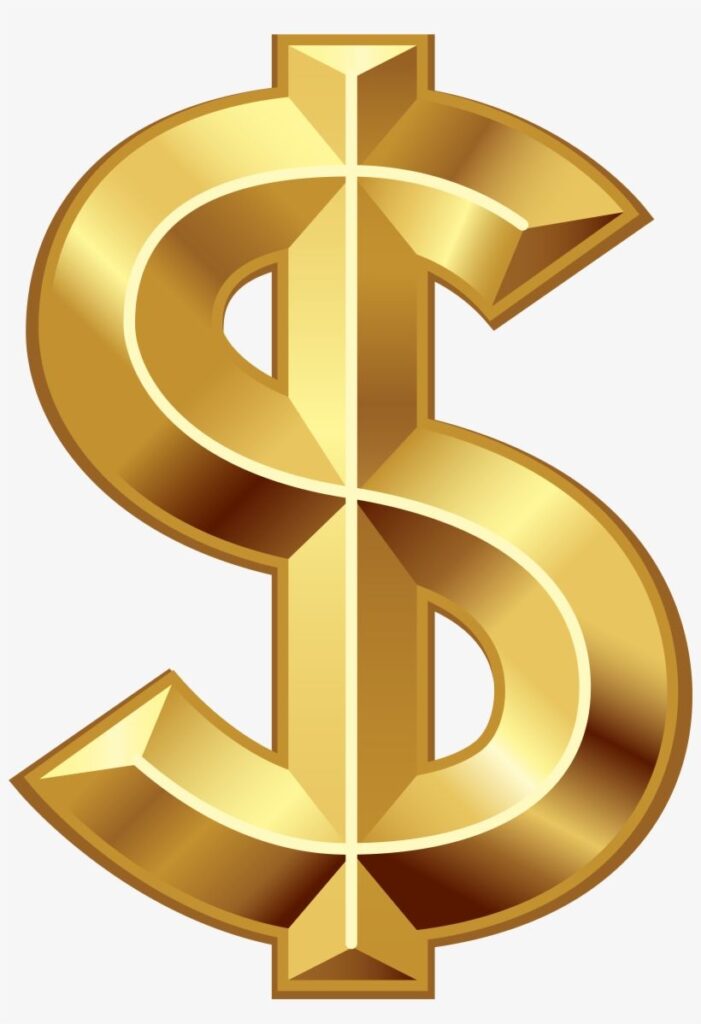
1. **The Dollar Sign: A Global Monetary Symbol**The dollar sign, officially identified within the Unicode standard as U+0024 $, serves as a fundamental currency symbol recognized and utilized across the globe. Known interchangeably as the peso sign, this distinctive graphic, comprising a capital ‘S’ intersected by either one or two vertical strokes, is universally employed to denote the unit of numerous currencies. Its most prominent association is, quite naturally, with currencies formally denominated “dollar” or “peso,” a testament to its broad international recognition and widespread application in financial contexts worldwide.
The visual representation of the dollar sign demonstrates a notable stylistic flexibility, frequently appearing with either a single vertical bar or two. While these variations are often perceived as mere stylistic choices, contingent upon specific typefaces or aesthetic preferences, historical and regional customs have, at various junctures, assigned distinct significance to one form over the other for particular national currencies. Such nuances, though often subtle, underscore the symbol’s adaptable nature and its capacity to absorb local traditions.
Despite these observed visual distinctions in graphic rendering, the Unicode computer encoding standard deliberately defines a singular code point for both the one- and two-stroke versions. This specification treats them as allographs, or stylistic variants, rather than fundamentally distinct symbols with separate meanings. This approach ensures consistency in digital representation, allowing different fonts to render the same underlying character in accordance with their design, without altering its core meaning as a monetary indicator.
Beyond its standalone capacity, the dollar sign is frequently integrated into several compound currency symbols, further illustrating its versatility and global reach. Notable examples include “R$” for the Brazilian real and “US$” for the United States dollar, providing clearer international distinction. In localized contexts, particularly within countries where a single currency is dominant, the national prefix is typically omitted, with the symbol ‘$’ alone serving as a sufficient indicator, relying on an implicit understanding among the populace.
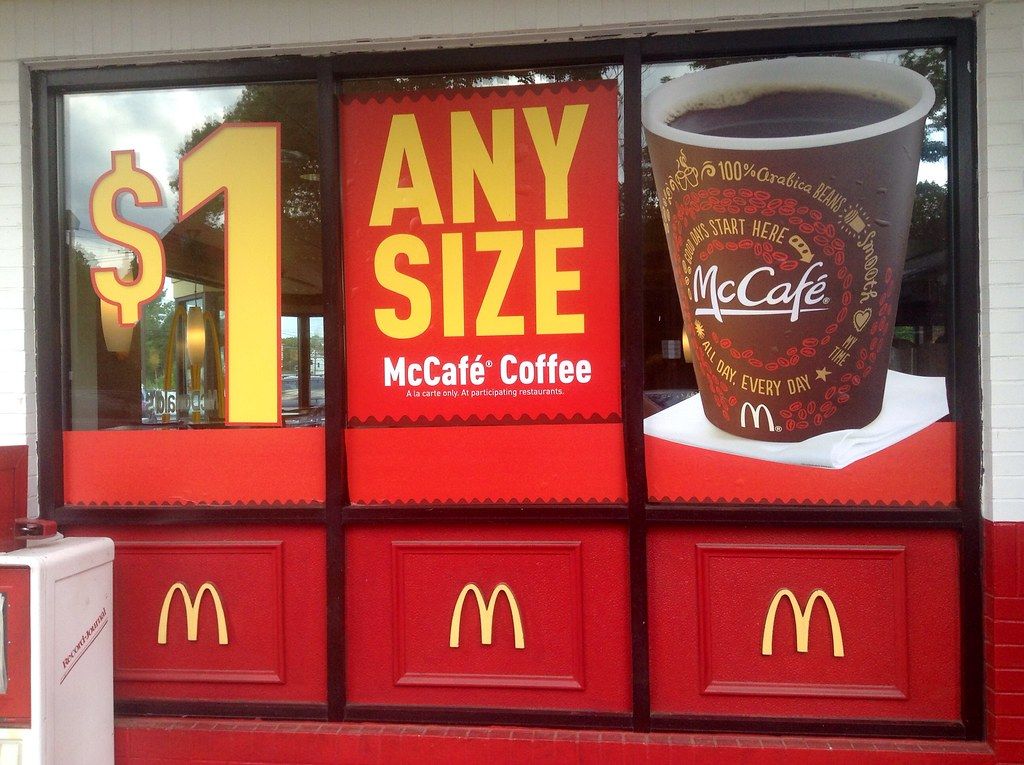
Furthermore, in nations that primarily utilize alternative currency symbols, the “US” prefix is often implicitly understood and therefore omitted when referring to the American currency. This common practice, where the dollar sign alone is frequently assumed to represent the United States dollar, highlights its powerful symbolic weight and its central role in global financial discourse, making it one of the most recognized financial identifiers in the world. Its placement, typically to the left of the amount (e.g., “$1,” read as “one dollar”), further standardizes its usage in many English-speaking countries.
Read more about: Unraveling the ‘$’ Symbol: A Deep Dive into the Dollar Sign’s Multifaceted History and Modern Relevance
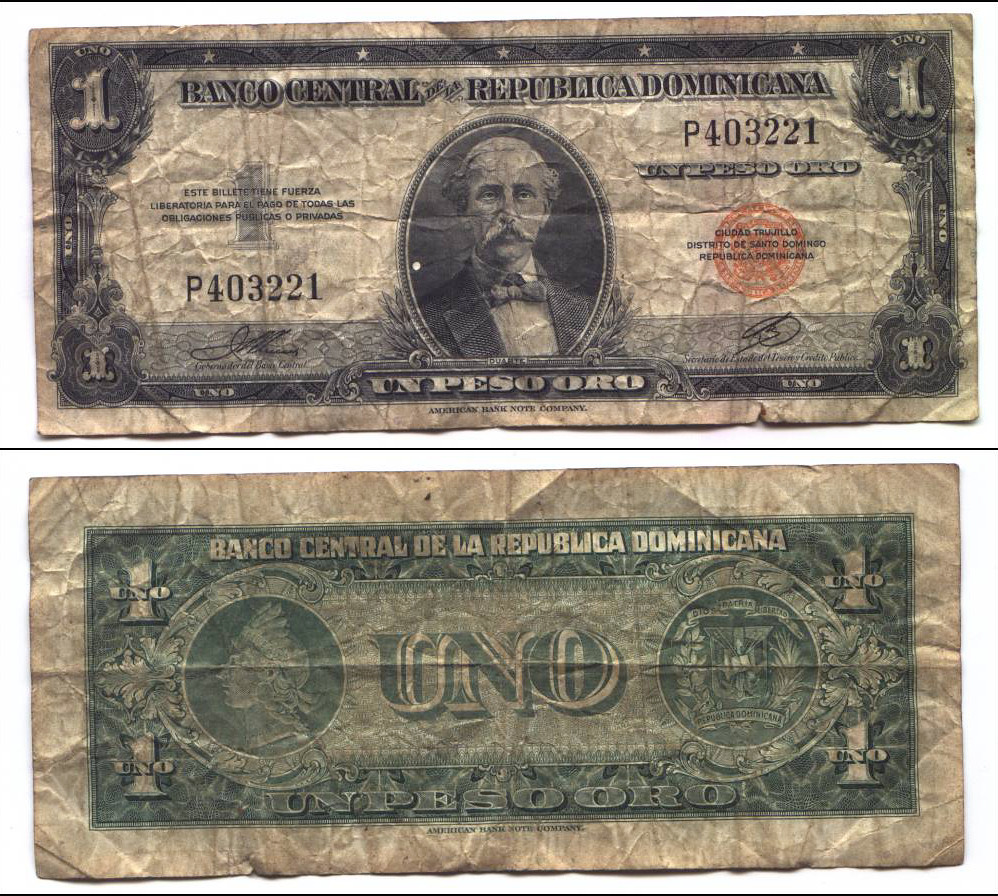
2. **The “Ps” Abbreviation: A Leading Theory on Origin**Among the several compelling hypotheses regarding the origin of the dollar sign, the most widely accepted theory posits that the symbol emerged from the scribal abbreviation “p s” for pesos, a common practice in Spanish and Spanish American contexts. This theory suggests an organic evolution rooted in the practicalities of handwriting, where the need for rapid and efficient notation gradually transformed the two separate letters into the distinctive ‘$’ mark. This transformation reflects a natural linguistic and calligraphic streamlining process, prevalent in the development of many shorthand symbols throughout history.
Substantial empirical support for this theory is derived from a meticulous study of late 18th- and early 19th-century manuscripts. These historical documents consistently reveal a clear developmental trend where the letter ‘s’ progressively came to be written superimposed over the letter ‘p’. This superimposition, born out of a desire for quicker transcription in commercial and financial correspondence, ultimately resulted in a graphic form that bears a close resemblance to the modern dollar sign. The fluidity inherent in handwritten script played a pivotal role in facilitating this visual condensation from two discrete letters into a singular, integrated symbol.
A critical piece of evidence bolstering this theory stems from the work of Oliver Pollock, a wealthy Irish trader and a key early financier of the American Revolution. In a letter dated 1778, Pollock demonstrably employed the abbreviation “ps,” often rendering it in a manner that, when closely examined, almost exactly resembles the dollar sign. Pollock’s influential role in colonial business correspondence and his specific usage of this abbreviation underscore its practical application and illustrate a significant intermediate stage in the symbol’s developmental trajectory, connecting its handwritten form to its eventual widespread adoption.
This theory finds further resonance with the historical timeline of the dollar sign’s earliest documented appearances. The symbol is known to have surfaced in business correspondence during the 1770s from the West Indies, consistently referring to the Spanish American peso, which was also widely recognized as the “Spanish dollar” or “piece of eight” in British America. The direct and demonstrable link between the scribal abbreviation for pesos and the earliest instances of the dollar sign lends considerable weight and credibility to this etymological explanation, firmly establishing it as a leading contender for the symbol’s true historical genesis.
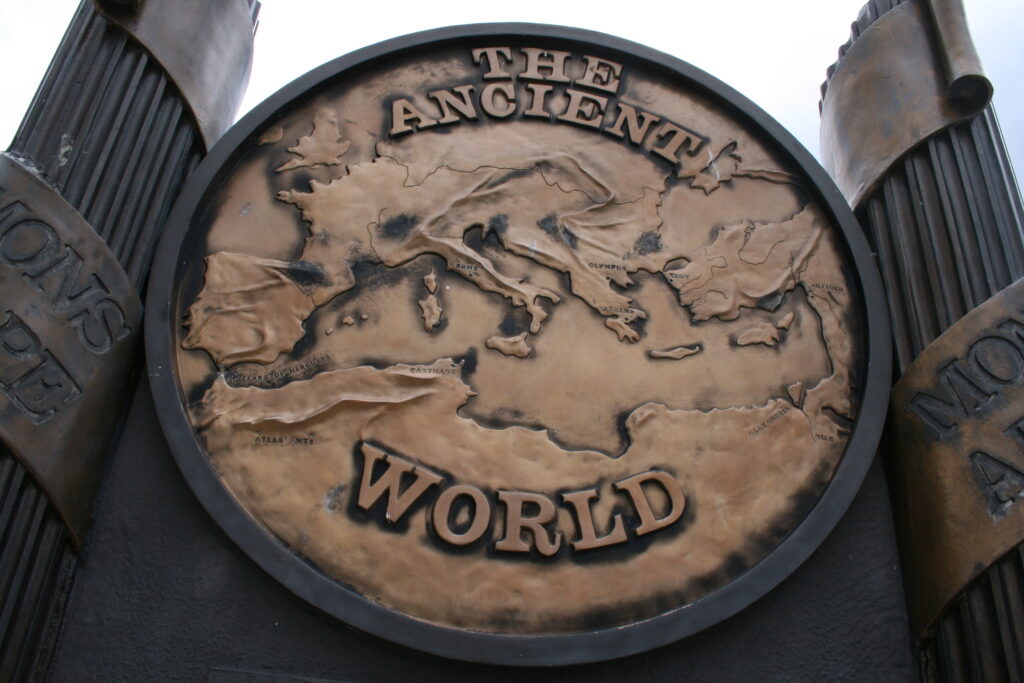
3. **Pillars of Hercules: A Visual Legacy in the Sign’s Genesis**Another significant hypothesis concerning the dollar sign’s origin ties its distinctive form to the iconic Pillars of Hercules, a classical motif representing the two sides of the Strait of Gibraltar. According to this theory, the symbol is derived from a depiction featuring these two pillars, around which a ribbon is intricately wrapped in a serpentine manner, forming the shape of an “S.” This visual device was not merely an ornamental flourish but a deeply significant heraldic element embedded within the Spanish coat of arms, signifying imperial reach and power.
This powerful symbolic imagery was prominently displayed on the most common currency circulating throughout the Americas and Europe during the critical period of the symbol’s emergence: the real de ocho coins, widely known as Spanish dollars. Notably, those specific coins minted at the renowned Potosí mint in Bolivia, which operated continuously from 1573 to 1825, frequently bore this device. The widespread circulation and ubiquity of these Spanish coins, stamped with the Pillars of Hercules and their characteristic “S”-shaped ribbon, meant the image was highly recognizable and consequently a strong candidate for influencing a new currency symbol.
The ribbon, carefully wound around either a single pillar or both, visually manifested as an ‘S’ shape, with the two pillars themselves providing the vertical strokes. This interpretation offers a compelling visual narrative for the origin of the dollar sign, directly linking it to the prevalent Spanish currency that formed the backbone of global trade at the time. The theory posits a direct representational derivation, where an existing and widely recognized emblem of monetary authority and geographic dominion was abstracted into a concise, shorthand symbol.
Further historical evidence that indirectly supports this visual link comes from Qing Dynasty China, where Spanish dollars were sometimes referred to as 雙柱, or Shuāngzhù, meaning ‘double-pillar’. This specific nomenclature provides an external cultural validation for the profound significance of the Pillars of Hercules imagery on these coins. The consistent association of the pillars with Spanish currency in diverse parts of the world reinforces the notion that this powerful visual motif could indeed have contributed significantly to the genesis of the dollar sign, presenting a fascinating and plausible alternative origin story.
Read more about: Unraveling the ‘$’ Symbol: A Deep Dive into the Dollar Sign’s Multifaceted History and Modern Relevance
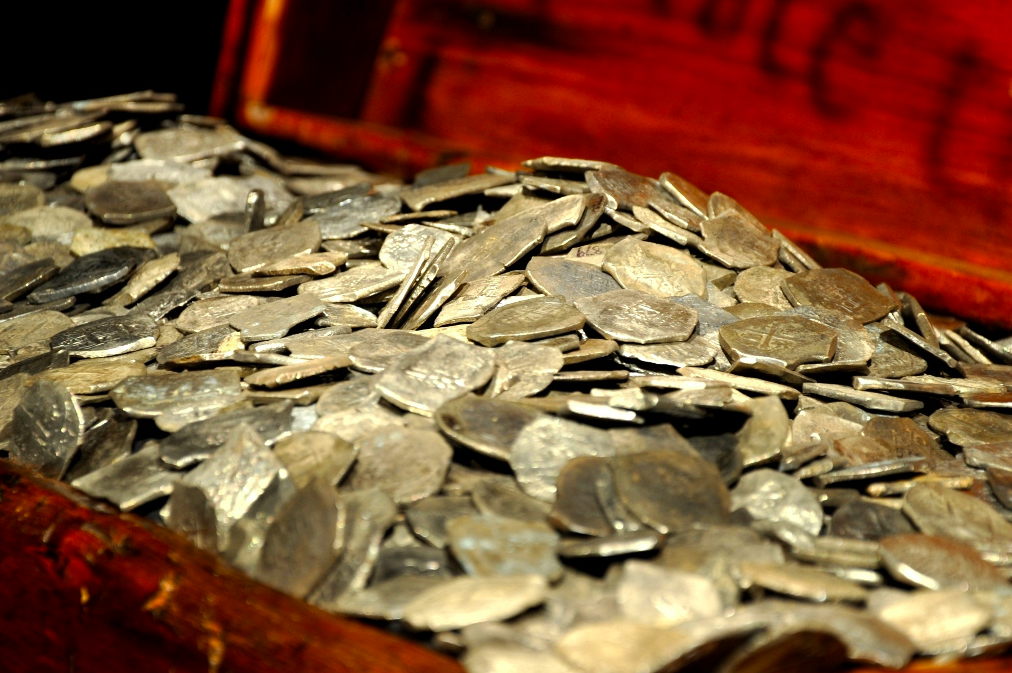
4. **The Potosí Mint Mark: Tracing a Silver Legacy**A distinct yet related theory concerning the dollar sign’s origins proposes a connection to the unique mint mark of Potosí. The Potosí mint, located in what is now Bolivia, held immense historical significance, responsible for minting a substantial proportion of the Spanish Empire’s silver currency for several centuries. Given its prodigious output and strategic importance in global commerce, its coins were widely circulated, making any identifying marks on them highly visible and potentially influential in the broader adoption of a currency symbol.
The Potosí mint mark itself featured an intricate monogram, comprising the letters “P T S I” superimposed upon one another. This complex design served not only as an indicator of the coin’s place of origin but also as a sophisticated artistic representation of the mint’s identity. Within this superimposed arrangement of letters, proponents of this particular theory identify a crucial visual element: they argue that the core of this monogram bears a striking resemblance to a single-stroked dollar sign, suggesting a direct graphical precursor.
The theory posits that the distinctive visual characteristic of the superimposed “P T S I” mark, particularly its central and most discernible element, gained such widespread recognition and strong association with valuable coinage that it was eventually abstracted into the standalone dollar symbol. Considering the sheer volume of silver mined and minted in Potosí, which subsequently entered global circulation, it is highly conceivable that a key visual feature of its prominent mint mark could have become emblematic of currency itself, transcending its original context.
While offering a more specific and localized explanation compared to the generalized “Pillars of Hercules with ribbon” theory, the Potosí mint mark hypothesis still anchors the dollar sign’s origins deeply within the rich context of Spanish American silver coinage. It points to a direct, intricate graphic element present on the coins themselves as a potential source. This detailed perspective enriches the complex narrative surrounding the dollar sign’s mysterious genesis, highlighting the intricate historical and numismatic factors embedded within enduring monetary symbols.
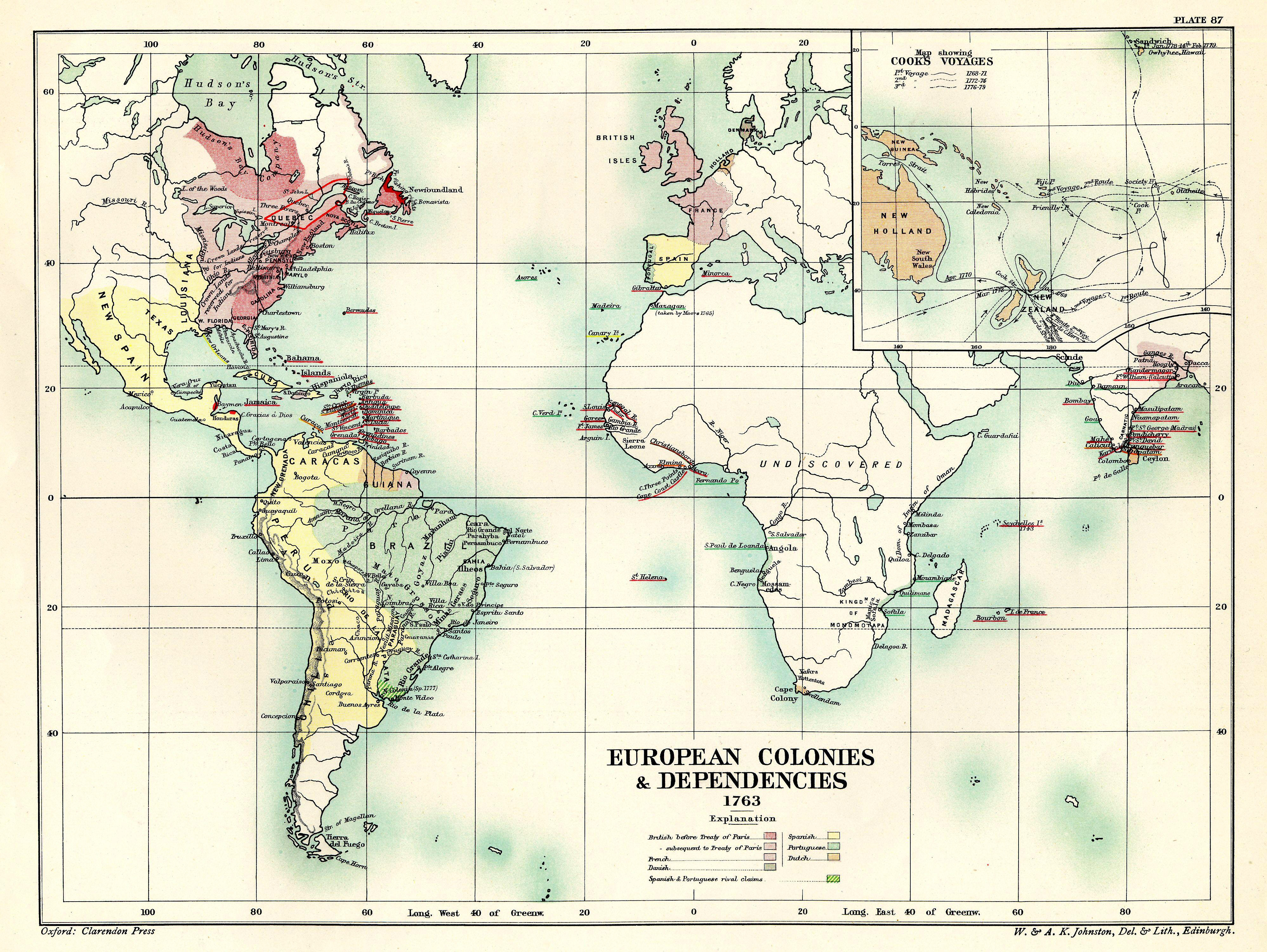
5. **The Thaler Connection: European Roots of the Dollar Symbol**Moving beyond purely Spanish American derivations, another compelling hypothesis traces the dollar sign’s lineage back to older European coinage, specifically through the etymological journey of the word “dollar” itself. The English term “dollar,” used to refer to the Spanish piece of eight, was not an original English coinage. Instead, it was adopted and adapted, having arrived via the Dutch word “daalder,” which in turn derived from “Joachimsthaler” or “thaler.” This “thaler” was a substantial German silver coin that enjoyed extensive circulation and significant influence across Europe for centuries.
This linguistic trajectory suggests a potential symbolic connection originating from these early European monetary instruments. Proponents of this theory conjecture that the dollar sign may have evolved from a specific symbol used to denote the German silver thaler coin. This proposed symbol is described as consisting of a capital ‘S’ ingeniously superimposed with an ‘I’ or ‘J’. The visual fusion of these letters, potentially serving as an abbreviation or representing a particular feature of the thaler, could have formed a nascent precursor to the modern dollar sign, establishing a clear link to older European accounting and monetary practices.
Documentary evidence lending weight to this theory can be found in historical commercial publications. Such a symbol, featuring a discernible superimposition of ‘S’ and ‘I’ or ‘J’, explicitly appears in the 1686 edition of “An Introduction to Merchants’ Accounts” by John Collins. This relatively early appearance of a graphic resembling the dollar sign within a significant mercantile context substantially strengthens the argument for a European origin, indicating that the concept of a combined letter-symbol for a prominent silver coin was already established and in use well before the widespread adoption of the dollar sign in the Americas.
Alternatively, a distinct facet of the thaler theory proposes that the symbol could have emanated from a unique snake and cross emblem that was often depicted on thaler coins. This more pictorial derivation would directly link the abstract form of the dollar sign to a specific and recognizable visual motif present on these influential European coins. Both aspects of the thaler connection offer a fascinating alternative perspective, suggesting that the dollar sign’s roots might extend further back into European numismatic and accounting traditions than is commonly assumed, thereby enriching its complex and multifaceted historical narrative.
Read more about: Unraveling the Mystery of the ‘$’ Symbol: A Deep Dive into Its Surprising History and Modern-Day Impact

6. **Early American Adoption: From Spanish Dollar to U.S. Currency**The integration of the dollar sign into American financial parlance and its widespread usage are profoundly tied to the pervasive influence of Spanish American currency during the formative years of the United States. In the 1770s, as the American colonies transitioned towards independence, the Spanish American peso, frequently referred to as the “Spanish dollar” or “piece of eight,” functioned as the dominant medium of exchange. These well-established Spanish coins subsequently served as the indispensable model for the new national monetary system that the United States would formally institute in 1792.
Crucially, with the enactment of the Coinage Act of 1792, the United States Congress officially created the U.S. dollar, explicitly defining its intrinsic value to have “the value of a Spanish milled dollar as the same is now current.” This landmark legislative act underscored the foundational role of the Spanish dollar in American finance, ensuring both continuity and stability during a critical period of national formation and economic transition. For several decades following, a diverse array of foreign coins, including the ubiquitous Spanish dollars, continued to be recognized as legal tender throughout the young republic until their official status was eventually terminated by the Coinage Act of 1857.
Interestingly, despite the formal establishment of the U.S. dollar and its direct historical lineage from the Spanish dollar, the earliest U.S. dollar coins themselves did not feature any specific dollar symbol. This notable absence on the physical coinage suggests that the symbol’s widespread adoption into American print and common usage might have developed somewhat independently of the initial governmental minting process. Its journey into the realm of everyday financial communication appears to have followed a distinct, though parallel, trajectory.
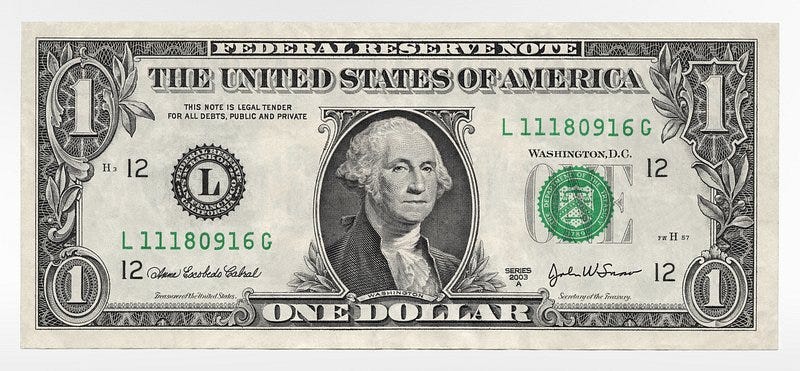
The first documented appearance of the dollar sign in print is generally attributed to the 1790s, with Philadelphia printer Archibald Binny, renowned for creating the Monticello typeface, often cited as its pioneer. Further historical evidence of its early integration includes a $1 United States Note issued in 1869, which prominently displayed a large symbol consisting of a “U” with the right bar overlapping an “S,” bearing a resemblance to a single-bar dollar sign. Additionally, a very small double-stroke dollar sign was incorporated into the legal warning against forgery on the same note. These early printed instances collectively highlight the gradual but decisive integration of the dollar symbol into American financial documentation, solidifying its future as an indispensable national and international currency marker.
Having delved into the deep historical currents that shaped the dollar sign’s emergence and early monetary significance, our exploration now shifts to its multifaceted modern identity. The symbol, far from being static, has continued to evolve, demonstrating remarkable adaptability in its graphic forms, its specialized regional applications, and, most notably, its expansive appropriation across the digital landscape. This section will meticulously examine the nuanced stylistic variations that distinguish its appearance, illuminate its unique cultural footprint in Portuguese-speaking nations, and comprehensively chart its unforeseen yet ubiquitous roles within computing and beyond, revealing the dollar sign as a dynamic entity deeply embedded in contemporary communication and technology.
Read more about: The Enigmatic Dollar Sign: 14 Deep Dives into Its Rich History, Global Reach, and Ubiquitous Digital Presence
7. **Stylistic Variations: The One-Stroke vs. Two-Stroke Debate**The dollar sign, globally recognized, often appears with either one or two vertical strokes, a visual distinction sparking historical and aesthetic discussion. This graphical duality, though seen as stylistic, subtly informs the symbol’s presentation. While its monetary meaning is constant, these variations highlight its intriguing visual flexibility.
Historically, both versions coexisted, sometimes by regional custom or legal designation. Today, they are largely interchangeable stylistic options. Unicode, through U+0024, treats both renderings as allographs—stylistic variants—ensuring consistent digital representation regardless of font choice.
This unified encoding means keyboards typically have one key for the sign. The stroke count depends on the typeface; fonts like Baskerville might use two bars, others one. In modern contexts, this distinction primarily serves aesthetic function, not altering semantic meaning.
8. **The Cifrão: A Distinctive Portuguese Legacy**The cifrão (Portuguese pronunciation: [siˈfɾɐ̃w]), a distinctive dollar sign variant with two vertical strokes, holds unique cultural significance in Portuguese-speaking cultures. Deeply embedded in the monetary history of Portugal, Brazil, and their former empires, it established notation systems diverging from global norms.
Historically, the cifrão functioned as a thousands separator for the Portuguese real; 123,500 réis was 123$500, a practice dating to 1775. With the escudo’s adoption in 1911, it ingeniously became the decimal separator, denoting 123 escudos and 50 centavos as 123$50, a system adopted across colonies.
While Portugal transitioned to the euro, the cifrão’s tradition persists in Cape Verde, which uses it for its local escudo. Its name, from Arabic “ṣifr” (صِفْر) meaning ‘zero,’ highlights cross-cultural influences. The cifrão thus showcases diverse currency notation, maintaining distinct identity amid global financial convergence.
Read more about: Unraveling the ‘$’ Symbol: A Deep Dive into the Dollar Sign’s Multifaceted History and Modern Relevance
9. **The Dollar Sign in the Digital Realm: Encoding and Ubiquity**Beyond finance, the dollar sign found an expansive and indispensable role in the digital landscape, becoming a ubiquitous computing character. Its appropriation stems from early inclusion in character sets like ASCII, making it readily available for programmers. This journey reflects a profound adaptation, repurposing graphic simplicity for logical and operational commands.
Digitally, U+0024 is its Unicode standard, inherited from ASCII. Unicode treats one- and two-stroke visuals as allographs—stylistic font choices—though specialized code points like U+FE69 (SMALL) and U+FF04 (FULLWIDTH) exist for East Asian typography. Functionally, within computing, U+0024 remains the singularly recognized code.
Despite its ubiquity, the cifrão lacks a dedicated Unicode code point, seen as merely a stylistic font distinction. This means authors cannot guarantee a double-bar rendering for all readers. This potential inconsistency, particularly for official documents, often leads to preferring unambiguous ISO 4217 three-letter acronyms (e.g., CVE) in digital contexts.
10. **Beyond Currency: Its Multifaceted Roles in Programming Languages**The dollar sign’s integration into programming languages transformed it into a versatile instrument for conveying logical and structural information. Its consistent presence on keyboards and in character sets made it ideal for ‘sigils’—symbols prefixing variable names to denote type or scope—among other critical syntactic functions shaping software architecture.
In many scripting languages, `$` is key for variable declaration. In BASIC, `H$=”Hello”` marks `H$` as a string. PHP and AutoIt universally prefix all variables with `$` . Perl uses `$` for scalar variables, including array (`$array[7]`) and hash (`$hash{foo}`) elements. Ruby employs `$` for global variables, indicating their broader scope.
Beyond variables, `$` facilitates string manipulation and expression evaluation. Unix shells, and later Perl, JavaScript, C#, and Kotlin, use `$` to introduce expressions for text generation. Conversely, Java and Python mark placeholders within strings with `$` for seamless insertion of external expression results, enabling flexible text formatting.
The symbol’s adaptability extends to specific syntactical roles. In assembly languages (e.g., Motorola 6800) and Pascal, `$` precedes hexadecimal constants. It also delimits mathematical regions in TeX and serves as jQuery’s primary symbol for querying web elements. These diverse applications establish `$` as an indispensable character in modern software development.
Read more about: The Enduring Mystery of the Dollar Sign: Tracing Its Origins, Evolution, and Unseen Influence
11. **Operational Functions and Application-Specific Uses**The dollar sign’s utility extends beyond programming, permeating operating systems and specialized application software. Within these foundational layers, it performs critical, often subtle, functions underpinning digital environments and user interaction. These roles, rooted in historical computing practices, showcase its enduring value as an indispensable technical symbol.
In operating systems, `$` acts as a crucial control. CP/M and MS-DOS used `$` to mark the end of text (system function 9). Windows appends `$` to share names to hide resources, commonly for administrative shares. LDAP uses `$` as a line separator in attributes like `postalAddress`. RISC OS uses `$` in system variables and for the root directory, demonstrating diverse administrative roles.
Within application software, `$` is integral. Excel uses `$` to denote fixed row, column, or absolute cell references, crucial for financial modeling. In library cataloging, `$` acts as a subfield delimiter within records, enabling structured data organization and retrieval.
Furthermore, in text processing and regular expressions, `$` is a fundamental anchor. Utilities like `sed`, `grep`, and POSIX/Perl regex use `$` to match the end of a line or string. Classic text editors such as `ed` and `vi` designate the end of a line or file. These varied applications transform `$` into a universal tool for structuring digital information.
Read more about: The Enduring Mystery of the Dollar Sign: Tracing Its Origins, Evolution, and Unseen Influence
12. **Unconventional Symbolic and Cultural Uses**The dollar sign’s widespread recognition has led to its fascinating appropriation in symbolic and cultural contexts, extending beyond monetary and technical definitions. This creative re-use underscores its pervasive impact, embodying diverse meanings and reflecting societal attitudes, artistic expressions, and specialized terminologies, cementing its status as a multifaceted cultural icon.
One unconventional use involves its derisive insertion for ‘S’ to critique perceived greed or commercialism: ‘Micro$oft’ or ‘Di$ney’ imply profit-first motives. This substitution extends to expressions of Americanization, like ‘$ky,’ where the `$` sign evokes U.S. cultural and economic influence, demonstrating its power as a visual metaphor.
Conversely, the dollar sign is intentionally leveraged for stylization and branding, especially in popular culture. Musicians A$AP Rocky, Ke$ha, and Ty Dolla $ign incorporate it into names, using its striking visual impact for unique identities. Stylized words like ‘¥€$’ ingeniously combine various currency symbols to evoke global wealth or opulence, showcasing its aesthetic appeal.
Even in specialized, non-monetary fields, `$` finds precise applications. In nuclear reactor physics, ‘0 $’ marks slow criticality, ‘1 $’ prompt criticality, vital for safety. Scrabble notation uses `$` to signify words valid in North American lists but not British. These diverse roles attest to the dollar sign’s extraordinary versatility, extending its significance far beyond commerce and technology.
Read more about: Unveiling America’s Heritage: A Deep Dive into the National Register of Historic Places and Its Enduring Legacy
From its enigmatic origins steeped in colonial trade and scribal abbreviations to its indispensable role in the intricate logic of modern computing, the dollar sign’s journey is a profound testament to the power of a symbol. It began as a practical shorthand for the Spanish American peso, then evolved to anchor the U.S. dollar, and ultimately found new life in the digital age, transcending its initial monetary function. Whether seen in a historical ledger, a line of code, or a stylized brand name, the `$` sign continues to communicate, to signify, and to adapt, embodying a rich tapestry of human ingenuity and cultural evolution. It stands not merely as a marker of financial value, but as a vibrant, adaptable icon that bridges centuries of commerce with the boundless frontiers of technology, forever etched into the lexicon of global communication.