From its raw, rebellious birth in the mid-20th century to its multifaceted evolution across decades, rock music has carved an indelible mark on global culture, soundscapes, and social movements. It’s a genre that transcends mere entertainment, often serving as a vibrant soundtrack to profound societal shifts, youth revolt, and individual expression. Its journey is a testament to constant reinvention, drawing from a rich tapestry of influences and consistently pushing the boundaries of musical artistry.
This isn’t just a story about catchy tunes or guitar riffs; it’s a narrative of cultural legitimation, artistic ambition, and the relentless pursuit of authenticity. Rock has always been more than just popular music; it’s an ideological force, a vehicle for profound statements on love, politics, and the human condition. Its core instrumentation—the amplified electric guitar, bass, and drums—became the bedrock for countless sonic explorations, yet its critics have stressed its inherent eclecticism and stylistic diversity, making it impossible to bind to a rigidly delineated musical definition.
Join us on an exhilarating journey as we navigate the foundational eras of this monumental genre, exploring the pivotal moments, influential artists, and groundbreaking subgenres that forged rock music into the cultural colossus it became. From its humble origins in post-war America to its global dominance and subsequent diversification, prepare to rediscover the electrifying power and enduring legacy of rock.
1. The Genesis of Rock and Roll: From 1940s Roots to Global Phenomenon
Rock music’s foundational blueprint, rock and roll, burst onto the American scene in the late 1940s and early 1950s, a potent amalgamation of existing black musical genres—primarily rhythm and blues and gospel music—intertwined with the sounds of country and western. This vibrant fusion created a new sonic language that would captivate a generation and lay the groundwork for everything that followed. It was a cultural earthquake, shaking up established musical norms and signaling a new era of popular expression.
The precise moment of rock and roll’s birth remains a subject of lively debate among music historians, with numerous recordings vying for the title of “the first rock and roll record.” Early contenders are rich and varied, including Sister Rosetta Tharpe’s “Strange Things Happening Every Day” from 1944, Arthur Crudup’s “That’s All Right” in 1946 (later famously covered by Elvis Presley), Wynonie Harris’ “Good Rocking Tonight” from 1948, and Goree Carter’s “Rock Awhile” in 1949. Further significant contributions came from Jimmy Preston’s “Rock the Joint” (1949), and Jackie Brenston and his Delta Cats’ “Rocket 88” in 1951, recorded by Sam Phillips for Chess Records. Cleveland disc jockey Alan Freed played a pivotal role, not only by playing “race music” for multi-racial audiences in 1951 but also by being credited with popularizing the term “rock and roll” itself.
The genre’s commercial breakthrough arrived in 1954 when Bill Haley’s “Rock Around the Clock” became the first rock and roll song to top Billboard magazine’s main sales and airplay charts, throwing open the doors for this new wave of popular culture worldwide. This success paved the way for a constellation of iconic artists who would define the era, including the dynamic stage presence of Chuck Berry, the raw energy of Little Richard, the piano-pounding exuberance of Jerry Lee Lewis, the smooth charisma of Elvis Presley, and the distinctive sound of Fats Domino. The 1950s also witnessed the emergence of rockabilly, a distinct subgenre blending rock and roll with “hillbilly” country music, predominantly championed by white singers such as Carl Perkins, Roy Orbison, Buddy Holly, and, with unparalleled commercial success, Elvis Presley. The decade also saw the rapid growth in popularity of the electric guitar and the development of a unique rock and roll playing style, exemplified by Chuck Berry, Link Wray, and Scotty Moore.
Despite its explosive rise, commentators have noted a perceived decline in rock and roll during the late 1950s and early 1960s. A series of unfortunate events and scandals created a sense that the initial rock and roll era was winding down: the tragic plane crash that claimed the lives of Buddy Holly, the Big Bopper, and Ritchie Valens in 1959; Elvis Presley’s departure for the army; Little Richard’s retirement to pursue a religious calling; and the legal troubles faced by Jerry Lee Lewis and Chuck Berry. Furthermore, the breaking of the payola scandal, which implicated major figures like Alan Freed in bribery for promoting songs, further cast a shadow over the industry. However, even as its initial wave receded, the infectious energy of rock and roll continued to manifest in various dance crazes of the early 1960s, keeping its spirit alive for the next generation.
Read more about: The Transformative Fifties: Unpacking a Decade of Global Shifts and Television’s Golden Age
2. The Global Spread of Rock and Roll
Rock music, once a distinctly American phenomenon, rapidly transcended its national borders, becoming a global cultural force intertwined with the broader Americanization that followed the Second World War. This swift expansion saw the genre take root in diverse parts of the world, demonstrating its universal appeal and adaptability. The raw energy and youthful rebellion inherent in rock and roll resonated far beyond its initial cultural context.
One of the earliest significant indicators of rock and roll’s international reach came from the UK, where Cliff Richard’s “Move It” in 1959 is widely credited as one of the first rock and roll hits outside of North America. This track effectively ushered in the distinctive sound of British rock, laying crucial groundwork for future transatlantic musical dialogues. It showcased that the electric guitar-driven energy of rock could be authentically embraced and reinterpreted by artists from different nations, sparking a global interest in the genre.
Prior to the widespread international distribution of American recordings, several artists, most notably Tommy Steele from the UK, achieved considerable success by covering major American rock and roll hits. These artists often translated songs into local languages where appropriate, allowing the music to penetrate new markets and connect with diverse audiences. Steele’s extensive tours across Britain, Scandinavia, Australia, the USSR, and South Africa between 1955 and 1957 were instrumental in influencing the globalization of rock, demonstrating its capacity to transcend geographical and even political boundaries. In Australia, Johnny O’Keefe’s 1958 record “Wild One” stands as one of the earliest homegrown rock and roll successes, further highlighting the genre’s rapid global proliferation.
By the late 1950s, rock’s magnetic appeal had spread beyond the American-influenced Western world, finding enthusiastic audiences even in communist states like Yugoslavia and the USSR, as well as across South America. This global embrace was further fueled by an interesting transatlantic exchange: as the former rock and roll market in the U.S. began to be dominated by lightweight pop and ballads, U.S. blues music and blues rock artists, whose popularity had been overshadowed at home, found a new and fervent audience in the U.K., undertaking successful tours. This influx of authentic blues music deeply influenced the burgeoning British scene. Lonnie Donegan’s 1955 hit “Rock Island Line” proved to be a major catalyst, helping to develop the widespread trend of skiffle music groups across Britain. Many of these skiffle bands, including John Lennon’s Quarrymen (who would later evolve into the iconic Beatles), eventually transitioned to playing rock and roll, setting the stage for an unprecedented musical revolution.
Read more about: From Silver Screen Icons to Social Media Stars: 11 Legends Whose Popularity Endures Across Generations

3. The Electric Revolution: Instrumental Rock and the Dawn of Surf Sound
While the initial four years of the 1960s are sometimes characterized as a quiet interlude for rock and roll, this period was far from stagnant; it was, in fact, a crucial incubation chamber for significant innovations and trends that would profoundly shape future developments. Despite the commercial shift towards more pop-oriented sounds in the mainstream, rock’s underlying energy persisted, notably manifesting in the various dance crazes of the early 1960s, exemplified by Chubby Checker’s groundbreaking record “The Twist” in 1960. This era also witnessed important technical advancements, such as the electronic treatment of sound by innovators like Joe Meek and the elaborate production methods of Phil Spector’s “Wall of Sound,” pushing the boundaries of what recorded music could achieve.
Within this evolving landscape, instrumental rock and roll flourished, spearheaded by artists like Duane Eddy, Link Wray, and the Ventures, who demonstrated the expressive power of the electric guitar without the need for vocals. This instrumental prowess was then dramatically expanded by Dick Dale, often hailed as the “King of the Surf Guitar.” Dale infused his playing with distinctive “wet” reverb, blistering rapid alternate picking, and exotic Middle Eastern and Mexican influences, forging a sound that was both thrilling and novel. His regional hit “Let’s Go Trippin'” in 1961 is largely credited with launching the surf music craze, which he followed up with enduring tracks like “Misirlou” in 1962, defining the genre’s quintessential sonic identity.
Southern California quickly emerged as the epicenter of surf music, becoming home to most early surf bands. Groups such as the Bel-Airs, the Challengers, and Eddie & the Showmen capitalized on the burgeoning popularity of the sound, capturing the essence of beach culture and youthful exuberance. The Chantays made a significant national impact with their top ten hit “Pipeline” in 1963, a track that perfectly encapsulated the genre’s atmospheric and energetic qualities. Perhaps the most universally recognized surf tune, “Wipe Out” by the Surfaris, achieved widespread success, hitting number 2 and number 10 on the Billboard charts in 1965, cementing surf music’s place in popular culture. Surf rock’s appeal wasn’t limited to the U.S.; European groups like the British Shadows (“Apache,” “Kon-Tiki”) and Swedish Spotnicks also found considerable success.
However, surf music truly achieved its greatest commercial zenith as vocal pop, largely thanks to the iconic work of the Beach Boys, who formed in Southern California in 1961. Their early albums masterfully blended instrumental surf rock—including covers of Dick Dale’s music—with vocal songs that drew heavily on rock and roll, doo wop, and the intricate close harmonies of vocal pop acts like the Four Freshmen. The Beach Boys’ first chart hit, “Surfin'” in 1961, reached the Billboard top 100 and played a crucial role in transforming the surf music craze into a national phenomenon. Yet, the vibrant careers of almost all surf acts, and indeed the craze itself, were effectively brought to an end by 1965, following the seismic arrival of the British Invasion.

4. The British Invasion: How Beat Groups Reshaped Global Pop Culture
By the close of 1962, an electrifying new scene began to coalesce in Britain, fundamentally altering the trajectory of rock music. This was the genesis of what would become the British Invasion, spearheaded by dynamic beat groups such as the Beatles, Gerry & the Pacemakers, and the Searchers from Liverpool, alongside bands like Freddie and the Dreamers, Herman’s Hermits, and the Hollies from Manchester. These groups drew their inspiration from a vast spectrum of American musical styles, including 1950s rock and roll, soul, rhythm and blues, and surf music, initially reinterpreting standard American tunes with an infectious energy that captivated audiences.
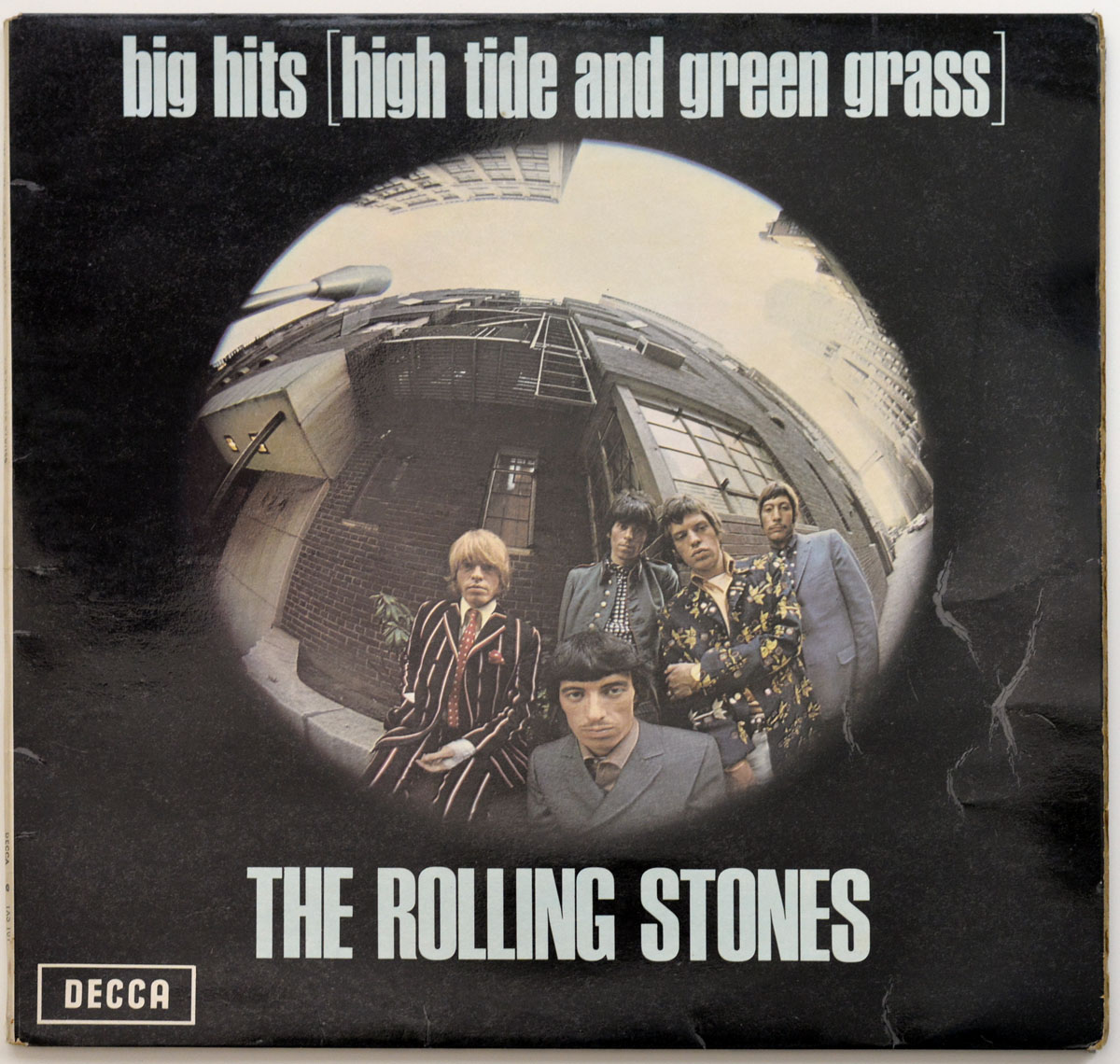
Alongside the beat groups, another wave of British bands emerged, drawing more directly from the raw power of rhythm and blues and later, pure blues music. Groups like the Animals from Newcastle, Them from Belfast, and London’s own Rolling Stones and the Yardbirds cultivated a grittier, more visceral sound. Soon, these British acts moved beyond covers, composing their own original material that masterfully combined American musical forms with a high-energy beat and a distinctly British sensibility. While beat bands often favored “bouncy, irresistible melodies,” early British blues acts gravitated towards less ually innocent, more aggressive songs, frequently adopting an anti-establishment stance, though considerable musical crossover existed, especially in the early stages.
By 1963, led by the undeniable charisma and musical genius of the Beatles, beat groups had achieved widespread national success in Britain. Their breakthrough into the American market was nothing short of revolutionary. “I Want to Hold Your Hand” became the Beatles’ first number one hit on the Billboard Hot 100, dominating the charts for seven weeks and remaining on the chart for a total of 15 weeks. Their seminal appearance on The Ed Sullivan Show on February 9, 1964, captivated an estimated 73 million viewers, an unprecedented record for an American television program at the time, and is universally considered a pivotal milestone in American pop culture. The sheer scale of their impact was underscored during the week of April 4, 1964, when the Beatles held an astonishing 12 positions on the Billboard Hot 100 singles chart, including the entire top five.
The Beatles’ meteoric rise was just the beginning; they would go on to become the biggest selling rock band of all time, and their success paved the way for a multitude of other British bands to flood the US charts. Over the next two years, British acts like Peter and Gordon, the Animals, Manfred Mann, Herman’s Hermits, the Rolling Stones, the Troggs, and Donovan all scored one or more number one singles, cementing the British Invasion’s dominance. Other major acts, including the Kinks, the Who, and the Dave Clark Five, further diversified this powerful musical wave. The British Invasion was instrumental in internationalizing the production of rock and roll, opening doors for subsequent British and Irish performers to achieve global stardom. In America, it signaled the effective end of instrumental surf music, vocal girl groups, and (at least temporarily) the reign of teen idols that had characterized the late 1950s and early 1960s charts. It even impacted the careers of established R&B acts like Fats Domino and Chubby Checker, and momentarily derailed the chart success of surviving rock and roll legends, including Elvis. Crucially, the British Invasion played a fundamental role in the rise of a distinct genre of rock music, firmly establishing the rock group—comprising guitars and drums and producing their own material as singer-songwriters—as the primary creative and commercial force. Following the artistic example set by the Beatles’ 1965 LP *Rubber Soul*, other British rock acts, alongside American counterparts like the Beach Boys (*Pet Sounds*) and Bob Dylan (*Blonde on Blonde*), began releasing rock albums intended as profound artistic statements in 1966, heralding the advent of the album era.
5. Blues Rock’s Raw Power: A Transatlantic Dialogue of Sound
While the initial wave of the British Invasion predominantly impacted American popular music through beat and R&B-based acts, a powerful second wave soon emerged, drawing its inspiration far more directly from the visceral, emotional depth of American blues music. This new contingent included iconic bands like the Rolling Stones and the Yardbirds, who delved deep into the rich heritage of the blues, transforming it with their own energetic interpretations and electric amplification.
British blues musicians of the late 1950s and early 1960s had been profoundly influenced by the acoustic playing of revered American figures such as Lead Belly, whose work had also been a major catalyst for the skiffle craze. However, they increasingly embraced a loud, amplified sound, centering their performances on the electric guitar, heavily inspired by the raw intensity of Chicago blues. A pivotal moment was Muddy Waters’ tour of Britain in 1958, which galvanized musicians like Cyril Davies and guitarist Alexis Korner to form the seminal band Blues Incorporated. This group, a melting pot of talent, involved and inspired many of the key figures who would define the subsequent British blues boom, including future members of the Rolling Stones and Cream. They masterfully blended blues standards and traditional forms with rock instrumentation and a newfound emphasis on volume and drive.
Another crucial epicenter for British blues was the work of John Mayall, whose band, the Bluesbreakers, served as a launching pad for an extraordinary array of talent. It famously included Eric Clapton after his departure from the Yardbirds, and later featured Peter Green, Mick Fleetwood, and John McVie. Particularly significant was the release of the *Blues Breakers with Eric Clapton* album in 1966, affectionately known as the “Beano” album. This record is widely considered one of the seminal British blues recordings, its distinctive sound, characterized by Clapton’s searing guitar work, becoming a template widely emulated on both sides of the Atlantic. Eric Clapton’s career continued to skyrocket as he formed legendary supergroups like Cream, Blind Faith, and Derek and the Dominos, before embarking on an extensive solo career that was instrumental in propelling blues rock into the mainstream consciousness. Peter Green, along with the Bluesbreakers’ rhythm section of Mick Fleetwood and John McVie, went on to form Peter Green’s Fleetwood Mac, a band that achieved some of the greatest commercial success in the genre, demonstrating its broad appeal.
The legacy of the Yardbirds, a band that nurtured an astonishing succession of guitar virtuosos, continued to shape blues rock. Jeff Beck, another Yardbirds alumnus, steered blues rock towards the heavier end of the spectrum with his band, the Jeff Beck Group, foreshadowing the emergence of hard rock. The last guitarist to emerge from the Yardbirds’ ranks was Jimmy Page, who went on to form The New Yardbirds, a group that rapidly transformed into the legendary Led Zeppelin. A significant portion of the material on their first three albums, and occasionally later in their career, consisted of powerful expansions on traditional blues songs, showcasing the enduring influence of the genre. Meanwhile, in the United States, blues rock had been pioneered in the early 1960s by guitarist Lonnie Mack. However, the genre truly ignited in the mid-1960s as American acts developed a sound akin to their British counterparts. Key American artists included Paul Butterfield (whose band, much like Mayall’s in Britain, became a proving ground for many successful musicians), Canned Heat, the early Jefferson Airplane, the powerhouse vocalist Janis Joplin, the fiery Johnny Winter, the J. Geils Band, and Jimi Hendrix. Hendrix, with his power trios—the Jimi Hendrix Experience (which included two British members and was founded in Britain) and Band of Gypsys—redefined guitar virtuosity and showmanship, becoming one of the most emulated figures of the decade.
Blues rock bands hailing from the southern states, such as the Allman Brothers Band, Lynyrd Skynyrd, and ZZ Top, skillfully wove country elements into their blues-rock style, giving rise to the distinctive and hugely popular genre of Southern rock. These bands often incorporated long, involved improvisations, a characteristic borrowed from jazz, which would later become a major stylistic element in progressive rock. By approximately 1967, bands like Cream and the Jimi Hendrix Experience began to consciously shift away from purely blues-based music, venturing into the uncharted territories of psychedelia, expanding rock’s sonic palette. As the 1970s dawned, blues rock evolved further, adopting a heavier, more riff-based sound, powerfully exemplified by the work of Led Zeppelin and Deep Purple. At this point, the distinctions between blues rock and hard rock became “barely visible” as bands increasingly focused on recording cohesive, rock-style albums. While figures like George Thorogood and Pat Travers continued the genre’s legacy in the 1970s, particularly on the British scene (with exceptions like Status Quo and Foghat moving towards high-energy boogie rock), the subgenre increasingly merged with heavy metal, gradually receding from the mainstream limelight.

6. Garage Rock: The Unpolished Voice of a Generation
In the mid-1960s, particularly across North America, a raw and unpolished form of rock music emerged, affectionately dubbed “garage rock.” This name stemmed from the widespread perception that these bands, often comprising teenagers, honed their sound in the confines of suburban family garages. Garage rock was characterized by its fierce independence, DIY ethos, and a palpable sense of youthful urgency that resonated deeply with its audience.
The lyrical content of garage rock songs frequently revolved around the turbulent experiences and frustrations of high school life. Common themes included tales of “lying girls” and the perceived injustices of social circumstances, reflecting an adolescent angst that was both relatable and authentic. The delivery of these lyrics, coupled with the music itself, tended to be more aggressive than mainstream popular music of the time, often featuring growled or shouted vocals that could erupt into incoherent screaming, embodying a raw, untamed energy. Musically, garage bands ranged from the overtly crude, single-chord minimalism of groups like the Seeds to the surprisingly sophisticated, near-studio musician quality seen in acts such as the Knickerbockers, the Remains, and the Fifth Estate, showcasing a spectrum of amateur enthusiasm and nascent talent.
This distinctive style had been gestating in regional scenes as early as 1958, gradually building momentum before breaking into wider consciousness. Early, mainstream examples of the genre in its formative stages include “Tall Cool One” (1959) by The Wailers, a band from Tacoma, Washington, and the immensely influential 1963 version of “Louie Louie” by The Kingsmen, hailing from Portland, Oregon. By 1963, singles from garage bands began to make their way into the national charts in increasing numbers, with acts like Paul Revere and the Raiders from Boise, The Trashmen from Minneapolis, and The Rivieras from South Bend, Indiana, achieving notable success. Despite their influence and enduring legacy, some highly impactful garage bands, such as The Sonics from Tacoma, Washington, never managed to crack the Billboard Hot 100, underscoring the often localized and cult nature of the movement.
The arrival of the British Invasion had a dual effect on garage bands: it provided them with a broader national audience and, perhaps more significantly, encouraged a proliferation of new groups. Many existing American surf or hot rod groups, observing the success of their British counterparts, began to adopt a British influence into their sound, further diversifying the garage rock landscape. Despite a significant number of bands securing contracts with major or large regional labels, the vast majority were commercial failures, highlighting the underground and ephemeral nature of much of the movement. Garage rock reached its commercial and artistic apex around 1966, but by 1968, the style largely receded from both national charts and local scenes as new musical styles emerged to replace its raw, unpolished sound.

7. Folk Rock: Merging Acoustic Roots with Electric Energy
By the 1960s, the American folk music revival had blossomed into a major cultural and musical movement, utilizing traditional melodies and newly composed songs in a traditional style, typically performed on acoustic instruments. This genre was deeply rooted in the American spirit, pioneered by influential figures such as Woody Guthrie and Pete Seeger, and was frequently identified with progressive or labor politics, serving as a powerful voice for social commentary and protest.
In the early 1960s, singer-songwriters like Joan Baez and Bob Dylan rose to prominence within this movement, captivating audiences with their poignant lyrics and powerful, unadorned performances. Dylan, in particular, began to reach a mainstream audience with seminal hits such as “Blowin’ in the Wind” (1963) and “Masters of War” (1963), which effectively brought “protest songs” to a much wider public consciousness. However, despite their growing influence on each other, rock and folk music largely remained distinct genres during this period, often catering to mutually exclusive audiences, representing different ideological and aesthetic camps.
Early, tentative attempts to meld elements of folk and rock hinted at the groundbreaking fusion to come. The Animals’ electrifying rendition of “House of the Rising Sun” in 1964 stands out as the first commercially successful folk song to be recorded with full rock and roll instrumentation, proving that the blend could be both potent and popular. Similarly, The Beatles’ “I’m a Loser” (1964) is arguably recognized as the first Beatles song to be directly influenced by Bob Dylan’s lyrical depth and narrative style, signaling a mutual admiration and burgeoning cross-pollination between the genres.
The true takeoff of the folk rock movement is widely attributed to The Byrds’ revolutionary recording of Bob Dylan’s “Mr. Tambourine Man,” which surged to the top of the charts in 1965. With members who had been integral to the thriving café-based folk scene in Los Angeles, The Byrds boldly adopted rock instrumentation, including drums and the distinctive, jangling sound of 12-string Rickenbacker guitars, which quickly became a hallmark of the genre’s sound. Later that very year, Dylan himself, much to the outrage and consternation of many folk purists, controversially embraced electric instruments, releasing “Like a Rolling Stone,” which became a massive US hit single and solidified the electric folk sound. According to music journalist Ritchie Unterberger, Dylan’s influence, even before his electric transition, demonstrated “to the rock generation in general that an album could be a major standalone statement without hit singles,” citing *The Freewheelin’ Bob Dylan* (1963).
Folk rock’s influence expanded rapidly, particularly flourishing in California, where it inspired acts like The Mamas & the Papas and Crosby, Stills, and Nash to incorporate electric instrumentation into their lush harmonies. Simultaneously, in New York, the movement spawned influential performers including The Lovin’ Spoonful and Simon and Garfunkel. The latter’s acoustic masterpiece “The Sounds of Silence” (1965) was famously remixed with rock instruments, transforming it into the first of their many enduring hits and exemplifying the commercial potential of the folk-rock hybrid. These American acts directly influenced British performers like Donovan and Fairport Convention. In 1969, Fairport Convention made a significant pivot, abandoning their blend of American covers and Dylan-influenced songs to perform traditional English folk music using electric instruments, giving rise to British folk-rock. This subgenre was further championed by bands including Pentangle, Steeleye Span, and the Albion Band, which in turn inspired Irish groups like Horslips and Scottish acts such as the JSD Band to create their own brand of Celtic rock in the early 1970s. Folk-rock reached its zenith of commercial popularity between 1967 and 1968 before many acts, including Dylan and The Byrds, began to diversify, often venturing into the nascent sounds of country rock. Nevertheless, the hybridization of folk and rock is universally recognized as having a profound and lasting influence on the broader development of rock music, introducing elements of psychedelia and significantly contributing to the evolution of the singer-songwriter concept, the powerful tradition of the protest song, and enduring notions of “authenticity” within the genre.
Navigating through the foundational eras of rock music, we’ve witnessed its birth and initial spread. Now, our journey continues into a period of profound artistic ambition, sonic aggression, and relentless innovation, exploring how rock diversified into a myriad of subgenres that continued to challenge and captivate audiences worldwide.
8. Progressive Rock: The Ascent of Artistic Ambition
As the 1960s progressed, a new breed of rock artist began to push the boundaries of musical expression, giving rise to progressive rock. This genre, often interchangeable with art rock, sought to move beyond established musical formulas by experimenting with complex instrumentation, diverse song types, and intricate forms. Early innovations, dubbed ‘Baroque rock,’ saw bands like The Left Banke, The Beatles, The Rolling Stones, and The Beach Boys pioneering the inclusion of harpsichords, wind, and string sections into their recordings, notably heard in tracks like Procol Harum’s ‘A Whiter Shade of Pale’ with its distinctive Bach-inspired introduction.
The sound of progressive rock frequently integrated classical orchestration, utilizing keyboards and synthesizers alongside the traditional rock format of guitars, bass, and drums. The Moody Blues famously used a full orchestra on their 1967 album *Days of Future Passed*, later creating sophisticated orchestral sounds purely with synthesizers. Instrumentals became common, while lyrical themes often ventured into conceptual, abstract, or fantastical realms, drawing inspiration from science fiction and epic narratives.
This era also saw the birth of the rock opera and the concept album, where entire LPs were crafted to tell an overarching story or explore a grand theme. Seminal works like The Pretty Things’ *SF Sorrow* (1968), The Kinks’ *Arthur (Or the Decline and Fall of the British Empire)* (1969), and The Who’s *Tommy* (1969) opened new doors for ambitious storytelling within rock. King Crimson’s 1969 debut, *In the Court of the Crimson King*, is widely considered a key recording, blending powerful guitar riffs and mellotron with elements of jazz and symphonic music, sparking widespread adoption of the genre in the early 1970s.
The early 1970s witnessed a flourishing of progressive rock, with existing blues-rock and psychedelic bands, as well as newly formed acts, embracing its adventurous spirit. The vibrant Canterbury scene, for instance, saw groups like Soft Machine and Caravan evolving from psychedelia, through jazz influences, towards more expansive, artful hard rock. Even Pink Floyd, after Syd Barrett’s departure, shifted from their psychedelic roots, producing masterpieces like *The Dark Side of the Moon* (1973), which became one of the best-selling albums of all time and a cornerstone of the genre.
Progressive rock’s enduring legacy is its profound expansion of rock’s intellectual and musical landscape. It demonstrated that popular music could aspire to the complexity and depth traditionally associated with classical forms, paving the way for artists to view the album as a cohesive artistic statement rather than just a collection of singles. Its influence continues to resonate in contemporary music, proving the power of artistic ambition within the rock idiom.
Read more about: Beyond the Stage: 11 Unseen Revolutions That Forged Rock Music’s Soul
9. Hard Rock and Heavy Metal: Unyielding Power and Aggression
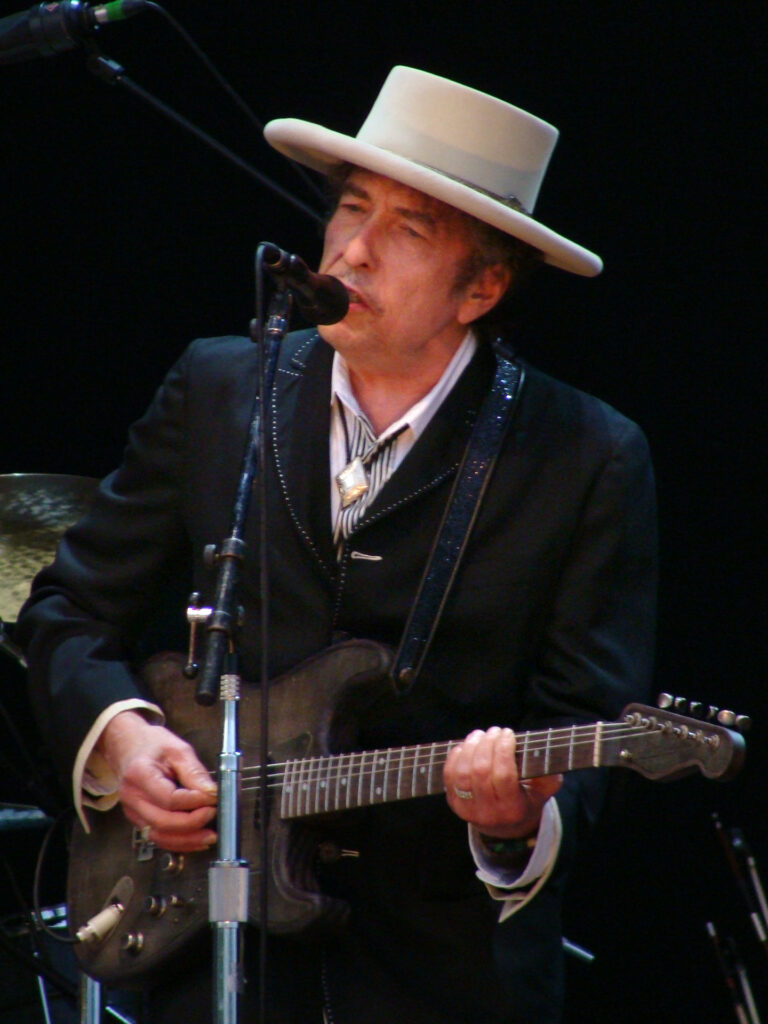
Emerging in the late 1960s and coalescing throughout the 1970s, hard rock and heavy metal brought an unprecedented level of aggression and sonic power to the rock landscape. These genres often evolved directly from the blues rock movement, with bands like Led Zeppelin and Deep Purple leading the charge, their sound growing heavier and more riff-based until the distinctions between blues rock and hard rock became ‘barely visible.’ This shift marked a conscious move toward recording cohesive, rock-style albums, prioritizing a dense, impactful sound.
Hard rock itself was characterized by highly amplified electric guitars, often incorporating significant distortion, powerful and memorable guitar riffs, strong and often soaring vocals, and energetic, driving drum patterns. These elements combined to create a formidable wall of sound that was both commanding and exhilarating. Early pioneers mastered the art of crafting tracks that could be both intensely heavy and incredibly catchy, demonstrating a new dynamic within rock music.
Heavy metal, in turn, emerged as a distinct subgenre that intensified these characteristics, pushing the boundaries of volume, distortion, and raw aggression even further. Black Sabbath stands as a foundational band in heavy metal, recognized for their dark, often occult-themed lyrics and profoundly heavy, sludgy riffs that set a new standard for sonic intensity. Their uncompromising approach laid much of the groundwork for the genre’s future.
Beyond the sheer volume, these bands also introduced a new level of guitar virtuosity and showmanship to rock music. Extended, often improvisational, guitar solos became a hallmark of the genre, showcasing the technical prowess of players like Jimmy Page and Ritchie Blackmore. This blend of musical skill and powerful stage presence contributed to their immense popularity throughout the 1970s, establishing hard rock and heavy metal as major forces in popular culture and paving the way for countless future metal subgenres.
10. Punk Rock: The Rebellious Roar Against Convention
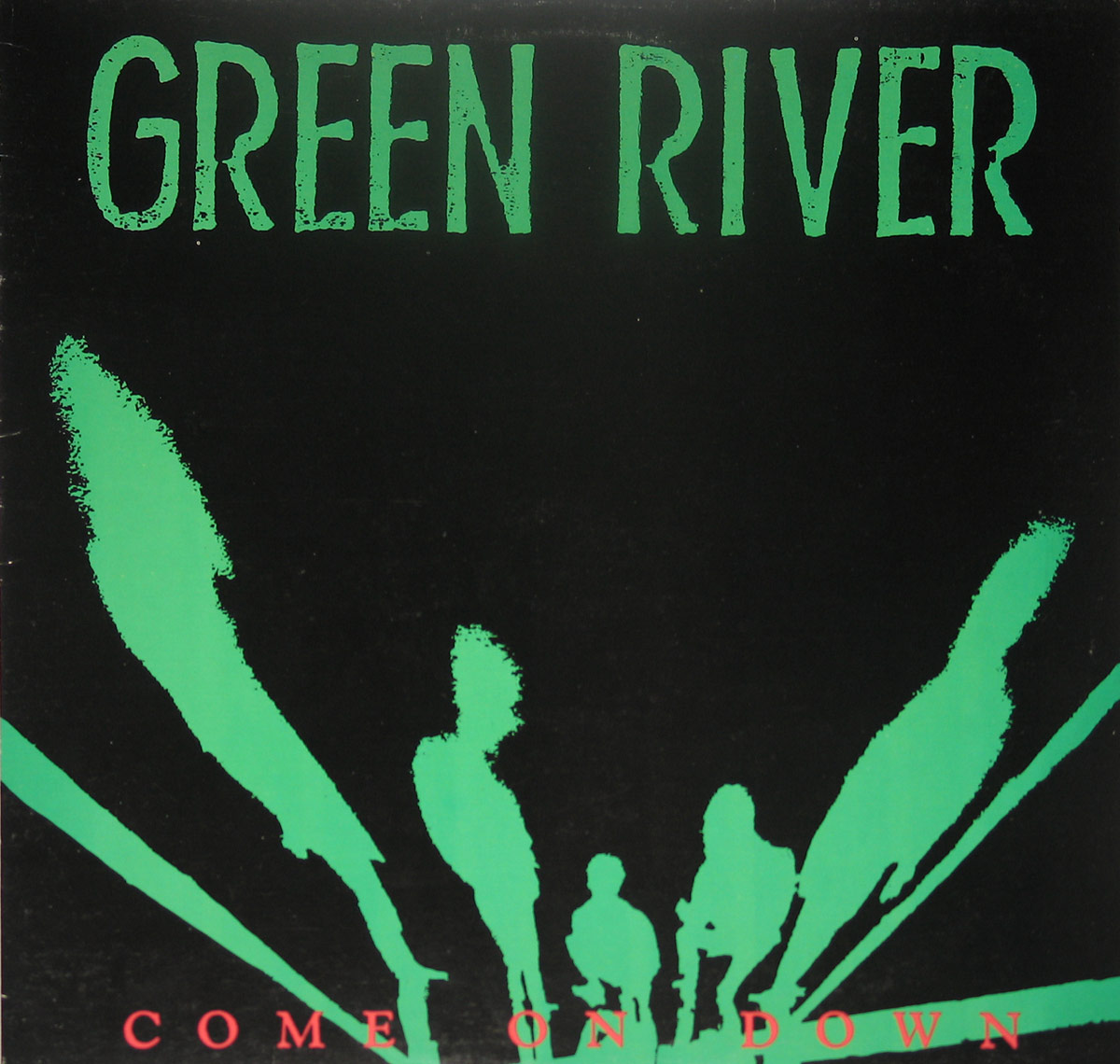
By the mid-1970s, a sense of malaise had settled over parts of the rock scene, with many feeling that progressive rock and arena rock had become overly elaborate and detached. This sentiment ignited the rebellious spirit of punk rock, a raw, stripped-down, and energetic movement that emerged as a direct reaction to what was perceived as the excesses and pretentiousness of the established order. Punk aimed for immediacy and authenticity, often delivering sharp social and political critiques.
Musically, punk rock was a deliberate rejection of complexity. Its songs were typically short, fast, and loud, characterized by basic chord progressions, minimal instrumentation, and raw production values. The focus was on raw energy and attitude rather than technical proficiency, making it accessible and inspiring to a generation of young musicians who felt alienated by mainstream rock. This ‘do-it-yourself’ (DIY) ethos was central to its appeal.
The lyrical content of punk songs was often confrontational, aggressive, and explicitly anti-establishment, reflecting widespread youth frustration and discontent. Vocals were frequently shouted or snarled, adding to the sense of urgency and rebellion. In the United States, The Ramones were instrumental in shaping the genre with their fast, three-chord songs, while in the UK, bands like the Sex Pistols and The Clash became the definitive voices of the movement, embodying its defiant spirit.
Punk rock’s impact transcended its relatively short mainstream commercial peak. It brought a renewed sense of urgency and directness back to rock music, emphasizing passion and a strong message over polished musicianship. More profoundly, it fostered a fertile environment for countless subsequent alternative genres, directly influencing the development of new wave, post-punk, and eventually the entire alternative rock movement, proving that rock’s power lay as much in its spirit as in its sound.
Read more about: Beyond the Stage: 11 Unseen Revolutions That Forged Rock Music’s Soul
11. New Wave and Post-Punk: A Kaleidoscope of Sound
In the wake of punk’s explosive arrival, two distinct yet interconnected genres emerged that sought to build upon its raw energy while expanding rock’s sonic palette: new wave and post-punk. Both inherited punk’s rebellious spirit but diverged in their musical and aesthetic approaches, ultimately leading to a rich and diverse period of innovation in the late 1970s and early 1980s. These movements significantly broadened rock’s appeal and artistic scope.
New wave often retained punk’s brevity and directness but incorporated more diverse influences, including pop, reggae, disco, and electronic music. It was characterized by catchy melodies, prominent use of synthesizers, and often a more polished, art-school aesthetic. Bands like The Cars, Blondie, and Talking Heads exemplified new wave’s ability to blend edgy, sometimes quirky, lyrics with accessible, radio-friendly hooks, achieving widespread mainstream success and bringing a fresh, modern sensibility to rock music.
Post-punk, on the other hand, ventured into darker, more experimental and introspective territories. While retaining punk’s DIY ethic and critical stance, it often explored atmospheric sounds, unconventional song structures, and more intellectual or poetic lyrics. This genre was less concerned with pop appeal and more with artistic exploration, challenging traditional rock formats and emotional expressions.
Pioneering post-punk acts like Joy Division, The Cure, and Siouxsie and the Banshees crafted distinctive sounds using angular guitars, driving and often melodic bass lines, and frequently detached or emotionally resonant vocals. They created a mood that was simultaneously bleak and beautiful, highly influential on gothic rock and other alternative genres that followed. Both new wave and post-punk fundamentally reshaped rock music, proving its adaptability and capacity for continuous reinvention in the post-punk era.

12. Grunge and Britpop: The 90s Alternative Surge
The 1990s ushered in a new era of rock dominance, primarily through the explosive rise of alternative rock, spearheaded by two distinct cultural phenomena: grunge in the United States and Britpop in the United Kingdom. These movements, though different in their musical and national identities, both captured the zeitgeist of a generation, pushing rock music into new mainstream territory and defining a significant portion of the decade’s sound. They offered fresh perspectives on rebellion and musical integrity.
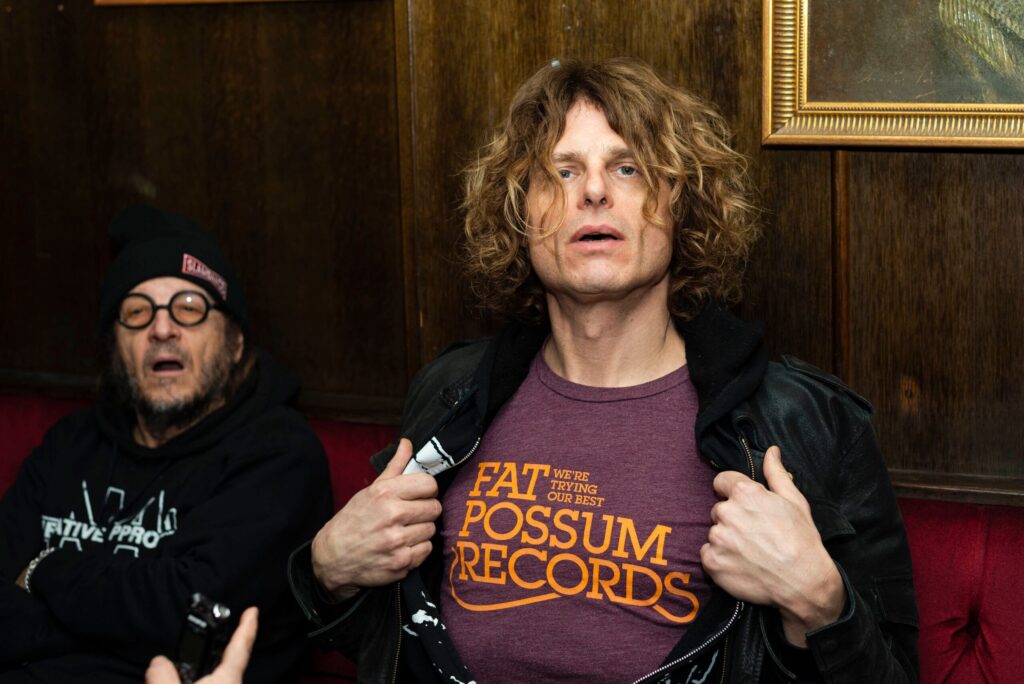
Grunge exploded out of Seattle in the late 1980s and early 1990s, offering a potent blend of punk’s raw energy, heavy metal’s distortion, and hard rock’s riff-based structures, often infused with deeply melancholic or angst-ridden lyrics. Nirvana’s seminal track ‘Smells Like Teen Spirit’ in 1991 proved to be a watershed moment, propelling grunge and alternative rock into the global mainstream and profoundly influencing a generation. Other key Seattle bands like Pearl Jam, Soundgarden, and Alice in Chains further solidified the genre’s impact, crafting a sound that was both powerful and emotionally resonant.
Across the Atlantic, Britpop emerged in the mid-1990s as a vibrant and distinctly British reaction to the dominance of American grunge. It celebrated traditional British pop songwriting, often infused with ironic, witty lyrics and a strong sense of national identity and cultural pride. This movement served as a counterpoint, bringing a lighter, more optimistic, yet still guitar-driven sound to the forefront of the UK music scene.
Bands such as Oasis, Blur, Pulp, and Suede were at the forefront of the Britpop movement, creating anthemic, memorable songs that defined a spirited and often competitive musical landscape in the UK. Their work showcased a return to melody and storytelling, reminding audiences of British rock’s rich heritage. Both grunge and Britpop, in their respective ways, solidified the mainstream acceptance of alternative rock, demonstrating the genre’s enduring power to evolve and capture the imagination of diverse audiences worldwide.

13. Modern Landscape: Revivals and New Hybrids
The 21st century has seen rock music navigate a continually evolving landscape, characterized by both conscious revivals of past sounds and the creation of innovative new hybrids. The early 2000s, for instance, witnessed a significant garage rock revival, which brought back the raw energy, simplified structures, and DIY ethos of the 1960s garage bands. Acts like The Strokes and The White Stripes led this charge, injecting a fresh, unpolished vitality into the contemporary scene.
Simultaneously, post-punk revivals gained traction, reinterpreting the angular guitars, atmospheric moodiness, and intellectual lyrical depth of bands from the late 1970s and early 1980s for a new generation. This period also saw the emergence of various new fusions, including pop-punk, electronic rock, rap rock, and rap metal. These genres demonstrated rock’s ongoing adaptability, blending its core elements with diverse contemporary styles like hip-hop and electronic dance music.
Since the 2010s, rock has experienced a shift in its cultural position, ceding its former role as the pre-eminent popular music genre to the ascendant influence of hip-hop and electronic dance music. Despite this, rock music has remained commercially successful, demonstrating its enduring appeal and capacity to connect with audiences. This era has also seen a fascinating cross-pollination of genres.
Rock’s ability to absorb and integrate outside influences is evident in the techno-pop scene of the early 2010s, where electronic sounds became more prominent. More recently, the pop-punk-hip-hop revival of the 2020s further illustrates this ongoing hybridization, as artists seamlessly blend the energetic aesthetics of pop-punk with modern hip-hop sensibilities. These developments showcase rock’s flexibility and willingness to engage with contemporary sounds rather than remain static.
Today, the landscape is further enriched by ongoing revivals across the spectrum of rock history, including psychedelic, progressive, post-punk, pop-punk, and classic rock. These movements signify a genre that is deeply connected to its heritage yet constantly seeking new forms of expression. They underscore rock’s enduring power to reinvent itself while honoring its rich and multifaceted history, ensuring its place in the global music narrative for years to come.
14. Profound, Lasting Social and Cultural Impact
Rock music’s influence extends far beyond mere sound, having profoundly shaped global culture and ignited numerous social movements for over half a century. From the 1950s through the 2010s, it reigned as the dominant popular music genre in the U.S. and much of the Western world, providing a vibrant soundtrack to generational shifts and ideological expressions. Its inherent power to articulate youth revolt against adult conformity became one of its most defining and enduring characteristics.
The genre has historically served as a potent vehicle for cultural and social change, inheriting the powerful folk tradition of the protest song. Rock music has been intrinsically linked with political activism and has played a significant role in driving shifts in social attitudes concerning race, , and drug use. This spirit of rebellion and its willingness to question the status quo have consistently fueled its dynamism and attracted diverse audiences seeking a voice for their own challenges and aspirations.
Iconic movements like the Mods and Rockers in the UK, and the sweeping hippie movement and wider Western counterculture originating from San Francisco in the 1960s, were deeply intertwined with rock music. These profound cultural shifts, some of which continue to resonate today, found their identity and their voice within rock’s diverse sonic tapestry. The genre provided not just entertainment, but a powerful communal experience that united individuals around shared ideals and artistic expressions.
The 1970s punk culture similarly gave rise to influential subcultures such as goth, punk, and emo, demonstrating rock’s enduring ability to inspire distinct social identities and communities. Rock music has consistently served as a rallying point for those seeking alternative lifestyles and expressions, creating spaces for individuality and collective belonging that have left an indelible mark on societal norms and popular aesthetics.
While often celebrated for its artistic integrity and vital social commentary, rock’s immense commercial success has also led to critiques, with some accusing the genre of ‘selling out’ and compromising its rebellious roots. Furthermore, the historical predominance of white, male, and often middle-class musicians in rock has prompted ongoing discussions about its appropriation of Black musical forms for a primarily young, white, and male audience, highlighting the complex, multi-layered nature of its social impact and enduring legacy.
Read more about: From Silver Screen Icons to Social Media Stars: 11 Legends Whose Popularity Endures Across Generations
As we conclude this expansive journey through rock’s incredible history, it’s clear that the genre is far more than just music; it’s a living, breathing cultural force. From its humble origins to its current state of vibrant diversification and thoughtful retrospection, rock continues to adapt, innovate, and inspire. Its enduring legacy lies not just in its iconic riffs and anthemic choruses, but in its unparalleled ability to reflect, challenge, and ultimately shape the human experience across generations and continents. Long live rock and roll!