The dollar sign, a ubiquitous symbol instantly recognizable across the globe, transcends its primary function as a mere indicator of monetary value. From bustling financial markets to intricate lines of computer code, this seemingly simple glyph carries with it a rich and often debated history, embodying a fascinating evolution from an eighteenth-century scribal abbreviation to a multifaceted emblem of modern commerce and technology. Its presence is so deeply ingrained in daily life that its origins are rarely pondered, yet they offer a captivating glimpse into the intertwined histories of currency, notation, and cultural exchange.
For many, the dollar sign unequivocally represents the currencies of nations like the United States, Canada, or Australia. However, its historical journey is far more complex, encompassing a myriad of applications and interpretations that stretch across continents and centuries. This symbol, also known as the peso sign, has been adopted by numerous currencies, even those not explicitly denominated as “dollar” or “peso,” highlighting its adaptable nature and widespread acceptance.
This article embarks on an in-depth exploration of the dollar sign, meticulously tracing its historical footprint and examining the various theories proposed for its origin. We will delve into its early appearance in business correspondence, its pivotal connection to the Spanish American peso, and the most widely accepted hypotheses that seek to explain its distinctive form. By dissecting these historical and etymological narratives, we aim to illuminate the profound journey of a symbol that has shaped and continues to influence global financial and digital landscapes.
1. Defining the Dollar Sign: Form, Function, and Early Understanding
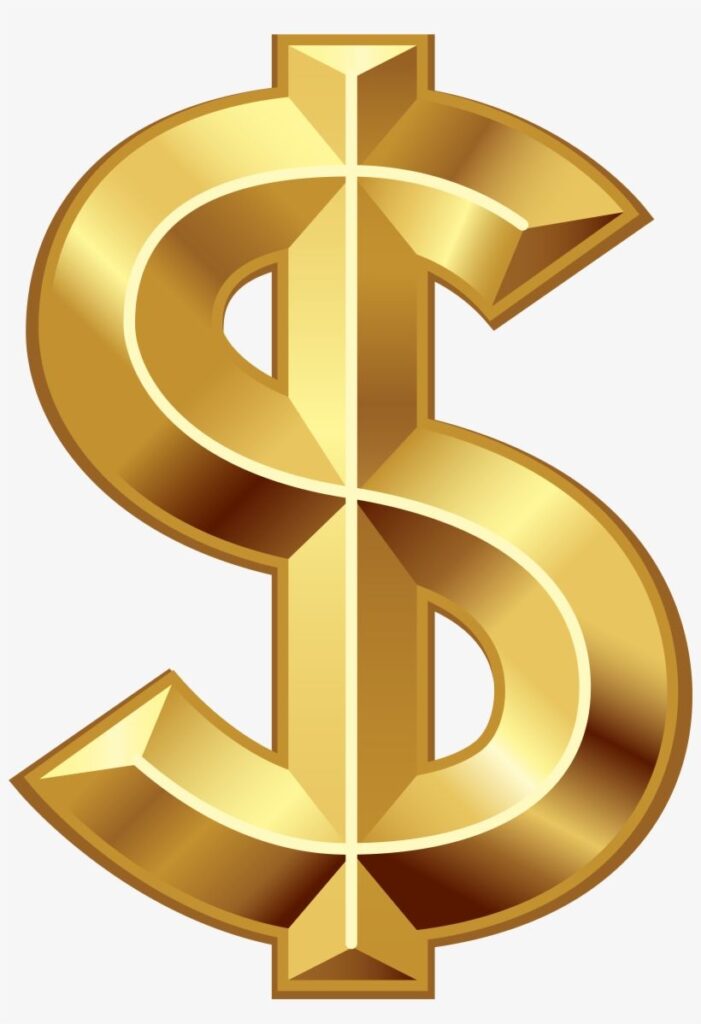
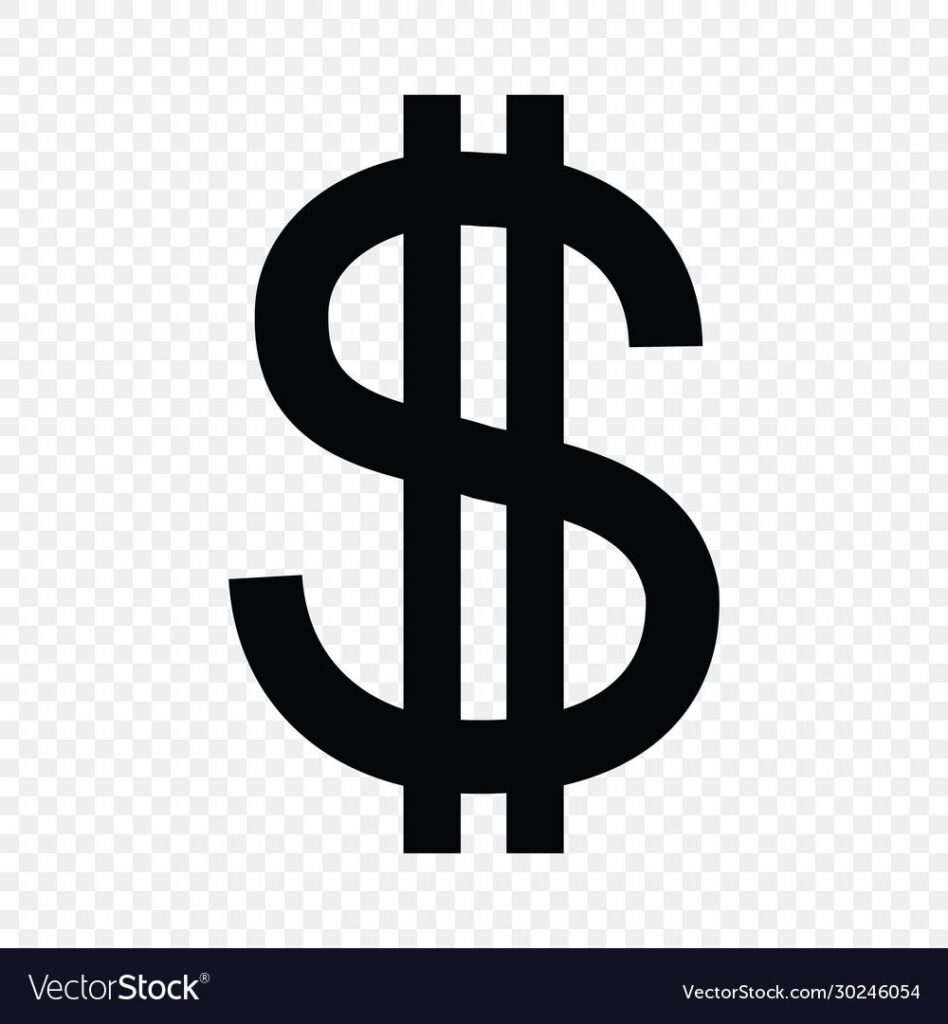
The dollar sign, characterized by a capital ⟨S⟩ crossed with one or two vertical strokes, functions as a fundamental currency symbol for a diverse array of monetary units worldwide. Beyond its most common association with the dollar, it also signifies various currencies denominated “peso,” and in Portuguese-speaking regions, the explicitly double-barred variant is known as cifrão. The inherent flexibility of its design, allowing for either a single or double vertical stroke, is often considered a stylistic or typeface variant, as reflected in the Unicode computer encoding standard which defines a single code for both iterations.
This versatile symbol frequently appears in compound currency symbols, such as R$ for the Brazilian real or US$ for the United States dollar, although in local contexts, the nationality prefix is typically omitted. The convention in most English-speaking countries dictates its placement to the left of the amount, as seen in “$1,” which is read as “one dollar.” This prefixing, while common, contrasts with practices in some other regions, underscoring the symbol’s adaptable yet sometimes nuanced application.
Despite the apparent stylistic choice between one or two strokes, historical evidence suggests that in certain places and periods, one variant might have been specifically designated by law or custom for a particular currency. The Unicode standard, however, consolidates these graphical differences under a single code, U+0024 ($ DOLLAR SIGN), treating the distinction primarily as a matter of typeface design rather than a fundamental difference in meaning, a detail that has implications for its digital representation and consistency across platforms.
Read more about: Unraveling the ‘$’ Symbol: A Deep Dive into the Dollar Sign’s Multifaceted History and Modern Relevance

2. Historical Roots: The Spanish American Peso’s Enduring Legacy
The dollar sign’s earliest documented appearances trace back to business correspondence of the 1770s from the West Indies, specifically referencing the Spanish American peso. This currency, widely known in British America as the “Spanish dollar” or “piece of eight,” played a crucial role in the colonial economy. These Spanish coins served as the foundational model for the currency system subsequently adopted by the United States in 1792, establishing an early and profound link between the Spanish peso and the nascent American dollar.
With the enactment of the Coinage Act of 1792, the United States Congress formally established the U.S. dollar, explicitly defining its value to be equivalent to “the value of a Spanish milled dollar as the same is now current.” This legislative act solidified the Spanish dollar’s influence, as a variety of foreign coins, including the Spanish ones, were deemed legal tender in the United States until their status was eventually ended by the Coinage Act of 1857. This prolonged acceptance underscored the Spanish currency’s deep integration into American commerce.
Interestingly, the earliest U.S. dollar coins themselves did not bear any dollar symbol. The first documented instance of the dollar sign appearing in print is attributed to the 1790s, by a Philadelphia printer named Archibald Binny, known for creating the Monticello typeface. This suggests that while the concept of a “dollar” was established by law, its symbolic representation in print evolved somewhat independently in the subsequent years, gradually becoming a visual standard that we recognize today.
3. The “Ps” Abbreviation Theory: A Widely Accepted Origin
The most widely accepted theory concerning the dollar sign’s origin posits that the symbol evolved from a scribal abbreviation for pesos. This hypothesis suggests a pragmatic, handwritten development rather than a deliberate, designed emblem. The abbreviation, typically written as “p s ,” for the plural form of peso, forms the cornerstone of this compelling explanation for the symbol’s distinctive shape and enduring presence.
A thorough study of late 18th- and early 19th-century manuscripts provides substantial evidence for this theory. These historical documents reveal a clear progression where the letter ‘s’ gradually came to be written over the ‘p,’ effectively merging the two characters into a singular, stylized form that closely resembled the modern ‘$’ mark. This graphical convergence, born out of expediency and common scribal practice, illustrates a natural evolution towards a more compact and efficient notation for monetary units.
Further reinforcing this theory is the documented usage by Oliver Pollock, a wealthy Irish trader and an early proponent of the American Revolution. In a letter dated 1778, Pollock employed the abbreviation “ps,” frequently rendering it in a manner where the letters ran together, almost precisely mirroring the contemporary dollar sign. This practical application in business correspondence during a pivotal period in American history lends significant weight to the idea that the symbol emerged organically from common abbreviations for the Spanish American peso.
Moreover, the comprehensive work of Florian Cajori in his *A History of Mathematical Notations* provides extensive documentary evidence supporting the “pesos” hypothesis. This includes observations of documents from as early as 1775, particularly in Portugal, where the two-stroke version of the symbol was already in common use. Such widespread and early adoption of a symbol closely resembling the dollar sign, especially within regions connected to the Spanish dollar’s influence, strengthens the argument for its scribal origins rooted in the abbreviation of “pesos.”
Read more about: Tracing the Dollar Sign: An In-Depth Examination of Its Enigmatic Origins and Enduring Global Impact
4. Pillars of Hercules: A Visual and Numismatic Origin
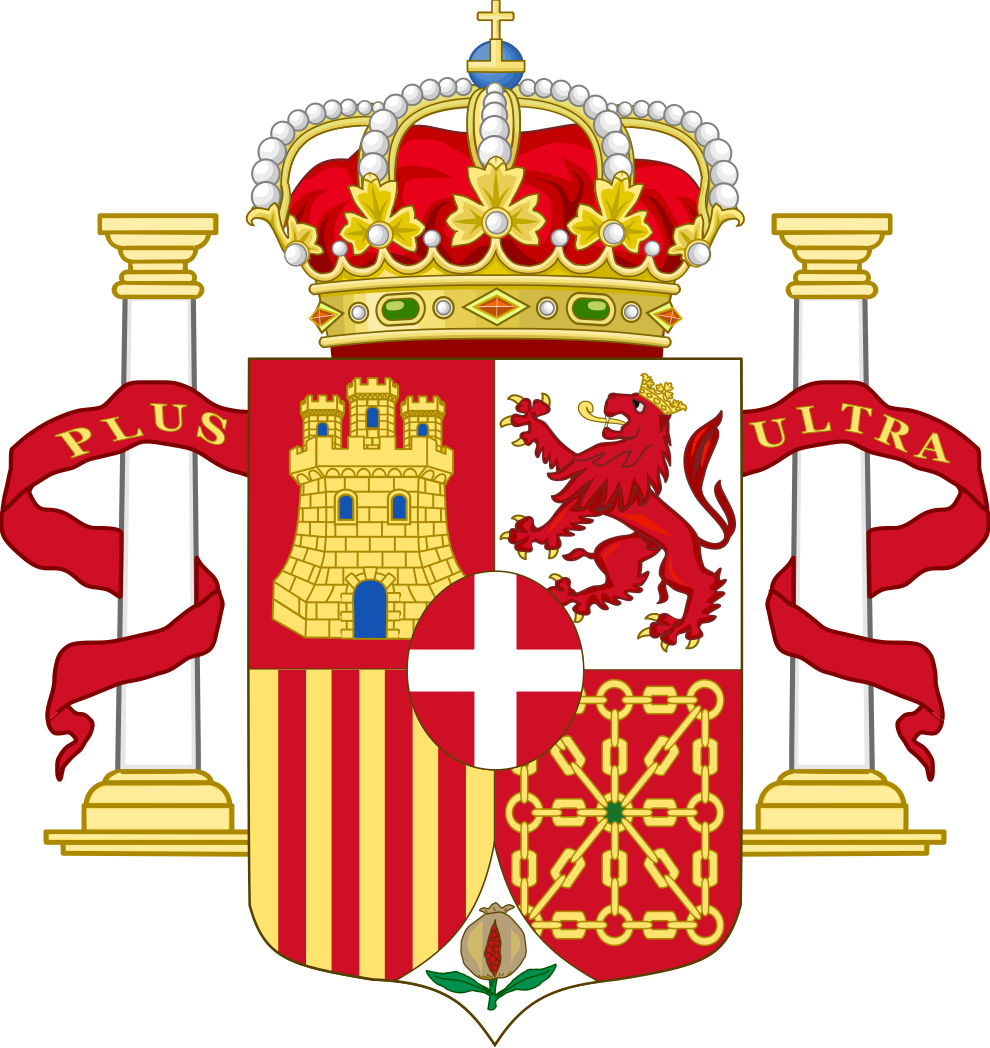
Another significant hypothesis regarding the dollar sign’s genesis links it to a classical symbol with profound historical connections: the Pillars of Hercules. This theory suggests that the symbol is an iconic representation of these two sides of the Strait of Gibraltar, traditionally depicted with a ribbon wrapped around each pillar, or sometimes both, in the distinctive form of an “S.” This visual device served as a prominent support element within the Spanish coat of arms.
The connection to Spanish coinage is particularly strong, as this device frequently appeared on the most common *real de ocho* coins, often referred to as Spanish dollars, which circulated extensively throughout the Americas and Europe during that era. Notably, coins minted at the renowned Potosí mint in Bolivia, which operated from 1573 to 1825 and was a major source of silver for the Spanish Empire, prominently displayed this imagery. The presence of the Pillars of Hercules with their entwined “S” ribbons on these widely circulated coins offers a compelling visual precursor to the dollar sign.
Further supporting this numismatic theory is the observation that in Qing Dynasty China, one of the names used for Spanish dollars was 雙柱 (Shuāngzhù), which translates to ‘double-pillar.’ This nomenclature directly references the Pillars of Hercules motif, indicating that the visual representation on the coins was culturally significant enough to influence how these foreign currencies were described and understood in distant lands. The tangible presence of the Pillars of Hercules, wrapped by a cloth band, on 18th-century Spanish coins thus provides a strong visual narrative for an alternative origin of the dollar sign.
Read more about: The Enduring Mystery of the Dollar Sign: Tracing Its Origins, Evolution, and Unseen Influence
5. Alternative Origin Hypotheses: Potosí and the German Thaler
Beyond the leading theories, several other hypotheses contribute to the complex narrative surrounding the dollar sign’s origin, offering additional perspectives on its potential evolution. One variant of the Pillars of Hercules theory suggests that the sign specifically derives from the mint mark of Potosí, the prolific mint responsible for a significant portion of the Spanish Empire’s silver output. Coins from this mint often featured the superimposed letters “P T S I.” The core graphical structure within this monogram, particularly with a single vertical stroke, closely resembles the dollar sign, suggesting a unique local influence on its form.
Another intriguing hypothesis connects the dollar sign to the English word “dollar” itself, which, for the Spanish piece of eight, originated (through the Dutch word “daalder”) from “Joachimsthaler” or “thaler.” These were large German silver coins widely used across Europe. It is conjectured that the dollar sign may have derived from a symbol consisting of a superimposed ‘S’ and ‘I’ or ‘J’ that was used to denote these German silver coins. This theory highlights a linguistic and monetary lineage that extends beyond the Spanish colonial context.
Evidence for this German thaler connection can be found in historical texts, such as the 1686 edition of *An Introduction to Merchants’ Accounts* by John Collins, where a symbol of this nature appears. This suggests that a similar symbol was in use for other prominent silver currencies of the era, potentially contributing to the visual vocabulary from which the dollar sign eventually emerged. Furthermore, a less common variation of this theory proposes that the symbol could have originated from a snake and cross emblem also present on some thaler coins, adding another layer of visual complexity to its possible antecedents.
Read more about: The Enduring Mystery of the Dollar Sign: Tracing Its Origins, Evolution, and Unseen Influence
6. Discredited Theories: Unraveling Misconceptions and Speculations
The historical inquiry into the dollar sign’s origins has also seen the proposition of several theories that have since been discredited or contradicted by more robust documentary evidence. These less likely explanations, though interesting in their conception, often lack the historical corroboration necessary to stand as authoritative accounts of the symbol’s genesis.
Among these, historian James Alton James claimed in 1937 that the two-stroke symbol was an adapted design by patriot Robert Morris in 1778, specifically in letters written to Oliver Pollock. This assertion, however, has not found widespread acceptance or definitive proof. Similarly, H. M. Larson suggested in 1939 that the sign could derive from a combination of the Greek character “psi” (ψ) and the letter “S,” an elegant but historically unsubstantiated notion.
A more widely circulated, albeit largely disproven, theory proposes that the sign originated as a monogram of “US,” with a narrow “U” superimposed on an “S.” According to this idea, the bottom part of the “U” would have been lost, resulting in the dollar sign with two vertical lines. This theory was mentioned in letters to *Notes and Queries* in 1876 and was notably used by Henry Towne to begin his classic 1886 essay on management. It also famously appeared in Ayn Rand’s 1957 novel, *Atlas Shrugged*, where she posited that the “US” monogram would have been used on money bags issued by the United States Mint, a vivid image that captured public imagination but lacked historical backing.
Another theory, presented by authors T. Seijas and J. Frederick, observed that captors of slaves in Spanish territories sometimes branded enslaved people with a symbol very similar to a one-barred dollar sign. This theory speculates that the dollar sign could represent “S + clavo,” linking the ‘S’ to *esclavo* (Spanish for “slave”) and ‘clavo’ (meaning “nail”). While providing a dark historical context, this interpretation has not gained traction as a definitive origin of the currency symbol.
Lastly, a theory frequently cited in Portuguese-speaking countries connects the “S” part of the doubly-stroked sign to a schematic representation of the path followed by the Umayyad Caliphate general Tariq Ibn Ziyad during his conquest of the Visigoth kingdom in 711 CE. The two strokes, in this narrative, are said to represent the Pillars of Hercules that he would have crossed. This symbol was supposedly engraved on coins commemorating his victory, thereby becoming a general symbol for currency. While a culturally rich narrative, historical evidence tying this ancient event directly to the modern dollar sign remains elusive.
7. Global Reach: The Dollar Sign Across Currencies
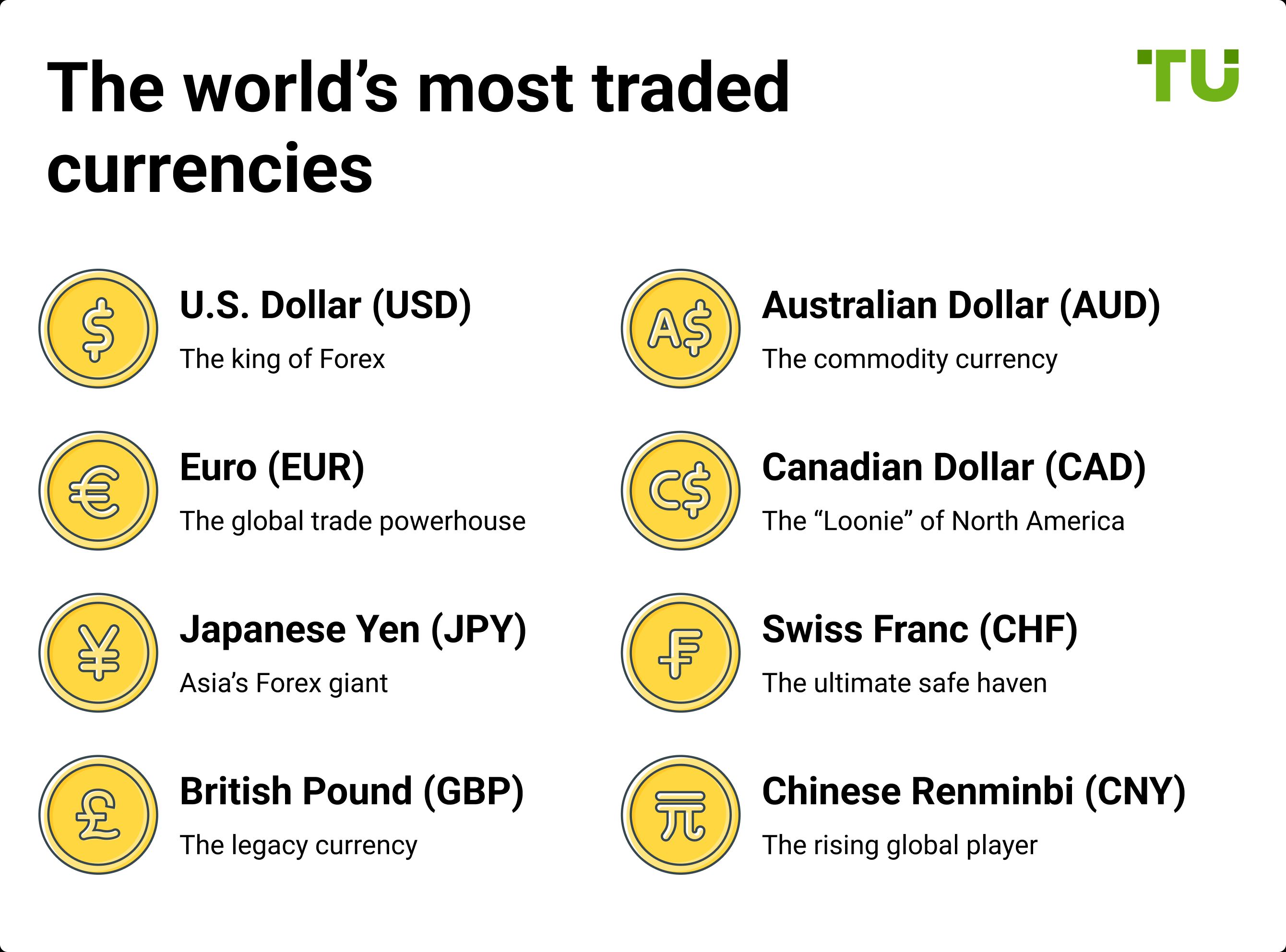
The dollar sign, while famously associated with currencies like the U.S. dollar, has an impressively diverse portfolio, serving as a monetary symbol for a multitude of national currencies worldwide. Its adaptability has allowed it to transcend its primary associations, indicating monetary amounts in regions far beyond North America. This widespread adoption underscores its universal recognition as a symbol of value, even for currencies that bear different names entirely.
Indeed, the symbol is not exclusively reserved for currencies officially denominated as “dollar” or “peso.” It extends its reach to a fascinating array of other monetary units. For instance, the Brazilian real is denoted by R$, the Macanese pataca by MOP$, and the Nicaraguan córdoba by C$. The Samoan tālā, a direct transliteration of the word dollar, naturally uses the ‘$’ symbol, as does the Tongan paʻanga (T$). Historically, it also served the Malaysian ringgit (M$ or RM), the South Vietnamese đồng, and various forms of the Brazilian cruzeiro.
In many local contexts, especially in countries where a particular dollar or peso is the dominant currency, the symbol is used alone, simplifying its representation. However, to mitigate any ambiguity in international financial discourse, it is often paired with other glyphs, creating compound symbols like CA$ for the Canadian dollar or US$ for the United States dollar. For utmost clarity, particularly in professional and international settings, the ISO 4217 three-letter codes (e.g., AUD, MXN, USD) are the preferred standard, providing an unambiguous reference for specific currencies.
The placement of the dollar sign relative to the numerical amount also reveals interesting cultural and linguistic nuances. In the United States, Mexico, Australia, Argentina, Chile, Colombia, New Zealand, Hong Kong, Pacific Island nations, and English-speaking Canada, the convention dictates placing the sign *before* the number, such as “$5,” even though the currency’s name is typically spoken or written *after* it (“five dollars,” “cinco pesos”). Conversely, in French-speaking Canada, the dollar symbol commonly appears *after* the number, as in “5$”, highlighting a distinct regional practice.
Read more about: The Enigmatic Journey of the Dollar Sign: Unpacking Its Rich History, Global Reach, and Digital Domination

8. The Cifrão: A Unique Emblem in the Portuguese Empire
Among its many graphical variants, the dollar sign has a particularly distinctive and historically significant iteration known as the cifrão, explicitly characterized by two vertical strokes. This symbol holds a special place in the monetary history of Portugal, Brazil, and other parts of the former Portuguese Empire. Its unique form and application provide a fascinating glimpse into how currency notation evolved within a specific cultural and economic sphere, moving beyond a simple indicator of value to serve more complex numerical functions.
Historically, the cifrão (Portuguese pronunciation: [siˈfɾɐ̃w]) was initially employed as a thousands separator in Portugal’s national currency, the real (plural “réis”), which was abbreviated as “Rs.”. For example, a sum of 123,500 réis would be represented as “123$500.” This usage, documented as early as 1775, suggests a long-standing tradition of using the cifrão to structure large monetary figures, offering a clear visual demarcation for thousands that was integral to financial record-keeping of the era.
Following Portugal’s currency redefinition in 1911, which introduced the escudo (worth 1000 réis and divided into 100 centavos), the cifrão remarkably continued its prominent role, albeit with a new function: it became the decimal separator. This meant that a value such as “123$50” represented 123.50 escudos, or 123 escudos and 50 centavos. This innovative use of a letter symbol as a decimal point, rather than a comma or period, persisted until Portugal adopted the euro in 2002, marking the end of an era for this distinctive practice.
The legacy of the cifrão, however, endures in places like Cape Verde, a republic and former Portuguese colony. Having transitioned from the real to its local escudo and centavos in 1914, Cape Verde continues to use the cifrão as a decimal separator as of 2021. Similar schemes were implemented for other overseas colonies, including East Timor, Portuguese India, Angola, Mozambique, Portuguese Guinea, and São Tomé and Príncipe, all of which historically adopted the cifrão for decimal separation in their local escudo currencies. Brazil, for its part, retained the real and the cifrão as a thousands separator until 1942, before switching to the Brazilian cruzeiro and adopting the comma as a decimal separator, though the dollar sign, often with two strokes, was retained as part of the currency symbol “Cr$.”.
The etymology of the name “cifrão” is rooted in the Arabic word *ṣifr* (صِفْر), meaning ‘zero,’ underscoring a historical connection to numerical concepts. Outside the immediate Portuguese cultural sphere, a similar method was employed by the South Vietnamese đồng before 1975, where a symbol akin to the cifrão separated the đồng value from its decimal subunit, *xu*, further illustrating the symbolic flexibility and functional diversity of such currency notations across different linguistic and cultural contexts.
Read more about: Unraveling the ‘$’ Symbol: A Deep Dive into the Dollar Sign’s Multifaceted History and Modern Relevance

9. The Dual Identity: One Stroke Versus Two in Digital Representation
The visual variation of the dollar sign—specifically, whether it is rendered with a single vertical stroke or two—has long been a point of stylistic interest and occasional functional distinction. While in certain historical periods or specific regions, one variant might have been legally or customarily designated for a particular currency, such usage is generally not standardized globally. This graphic difference often sparks curiosity about its underlying meaning, especially in the modern digital age where visual consistency is paramount.
The Unicode computer encoding standard, which aims to provide a consistent numerical representation for text characters across diverse platforms, treats the one- and two-stroke versions as mere stylistic or typeface variants. It defines a single code, U+0024 ($ DOLLAR SIGN), for both iterations. This means that from a digital encoding perspective, the distinction is primarily a matter of font design rather than a fundamental difference in meaning. Consequently, a dollar sign in a digital document might appear with one or two strokes depending on the specific computer font used, even though the underlying Unicode codepoint remains unchanged.
This consolidation has practical implications for computer and typewriter keyboards, which typically feature only one key for the dollar sign. Most character encodings, including ASCII and Unicode, also reserve a single numeric code for it. However, the lack of a dedicated Unicode code point for the explicitly double-barred cifrão, despite formal requests, sometimes leads to challenges in ensuring accurate visual representation. Authors intending to depict the cifrão might use specific fonts, but cannot guarantee that every reader will see the double-bar glyph due to font substitution or rendering differences.
Historically, both one- and two-stroke versions were in use in the United States during the 18th century, with an 1861 Civil War-era advertisement even depicting the two-stroked symbol as a snake. While the two-stroke version seems generally less popular in contemporary usage, it is still employed in certain “old-style” fonts, such as Baskerville. In situations where there is a risk of misunderstanding or where a specific currency requires unambiguous identification, the ISO 4217 three-letter acronym is often employed to circumvent any graphical ambiguity inherent in the dollar sign’s dual identity.
10. Beyond Currency: The Dollar Sign’s Pervasive Role in Programming
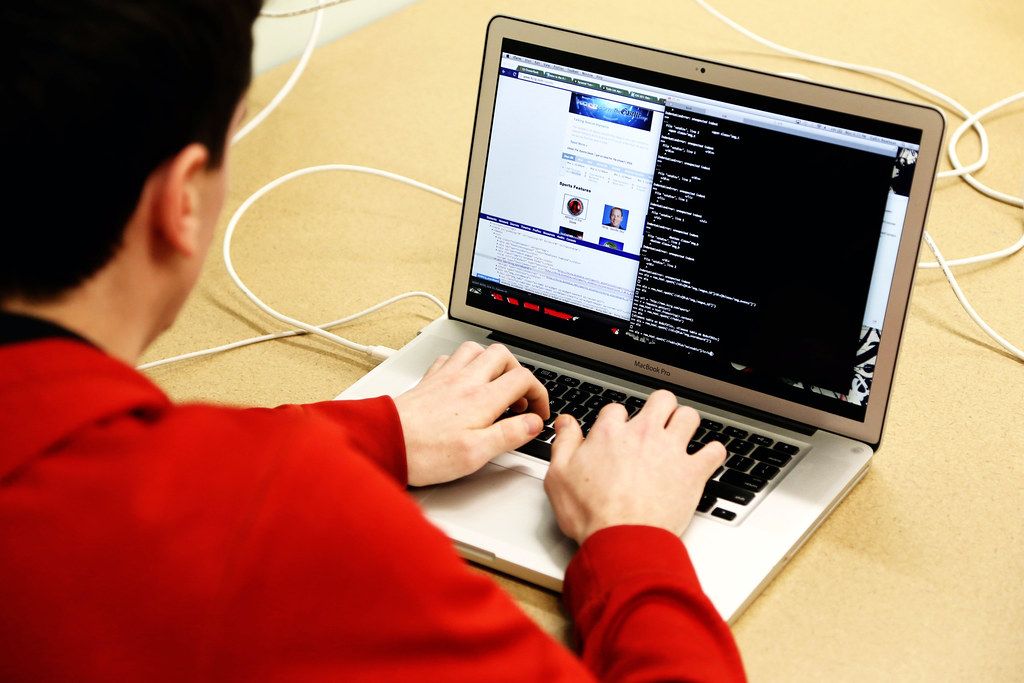
In an astonishing leap from its monetary origins, the dollar sign has been universally appropriated within the realm of computer software, particularly in programming and command languages. This widespread adoption stems largely from its almost ubiquitous presence in early American computer character sets, such as ASCII, making it readily available for developers to assign new, non-monetary functions. What began as a symbol of finance has evolved into a versatile tool for defining variables, delimiting expressions, and orchestrating various computational tasks, showcasing its remarkable adaptability in the digital age.
In many programming contexts, the dollar sign serves as a fundamental sigil—a symbol that prefixes or suffixes a variable name to indicate its data type or scope. For instance, in BASIC, appending ‘$’ to a variable name, as in `H$=”Hello, world!”`, explicitly declares it as a character string. Conversely, in languages like PHP, AutoIt, Perl, and Ruby, the dollar sign is prefixed to names to define scalar variables or global variables, making it a crucial identifier in script structure. Perl further extends this, using ‘$’ to denote scalar elements within more complex data structures like arrays (`$array[7]`) and hashes (`$hash{foo}`).
Beyond variable declaration, the dollar sign frequently introduces expressions that require evaluation to yield text, a feature vital for dynamic content generation. This convention is notably present in Perl, JavaScript, C#, Scala, Groovy, and Kotlin, where `$` signifies the beginning of an executable snippet within a string or code block. Other languages, including Java and Python, leverage it to mark placeholders where the results of expressions should be inserted into text, a common practice in string formatting and templating. Its utility extends even to defining hexadecimal constants in specific assembly languages, such as Motorola 6800, Motorola 68000, and MOS Technology 6502, as well as in Pascal and its derivatives.
Its versatility continues to manifest in specialized programming environments. In ALGOL 68, `$` delimits transput format regions, while in TeX, it demarcates mathematical regions, essential for scientific typesetting. Older languages like FORTRAN 66 used `$` as an alternative to quotation marks for string delimitation. PL/M utilized it for visible separation in compound identifiers, and Haskell employs it as a function application operator. AutoHotkey scripts leverage a `$`-prefixed hotkey to prevent it from being triggered by ‘Send’ commands within the same script. The jQuery library famously defines `$` as its main symbol for querying web page elements, and in ASP.NET, `$` within a tag indicates a language-agnostic expression. Even Java’s compiled class files use `$` in name mangling for inner classes (e.g., `Outer$Inner.class`), demonstrating its deep integration into the infrastructure of modern computing, far removed from its original purpose as a mere currency marker.
Read more about: Tracing the Dollar Sign: An In-Depth Examination of Its Enigmatic Origins and Enduring Global Impact
11. Orchestrating Operations: The Dollar Sign in Operating Systems and Applications
The influence of the dollar sign extends profoundly into the architecture and functionality of operating systems and various software applications, transforming it into a control character with specific, often critical, meanings. Its consistent presence in computer character sets from early computing eras facilitated its appropriation for system-level commands and data manipulation, showcasing its pivotal role in defining how software interacts with data and users. This journey from a financial symbol to a core component of computing logic illustrates its remarkable evolution.
One of its earliest and most significant roles in operating systems was in CP/M, and subsequently in all versions of 86-DOS and MS-DOS compatible systems. Here, `$` marks the end of text displayed by system function 9, a convention whose precise origin was famously a source of amusement for CP/M’s developer, Gary Kildall, who once pointedly remarked that he knew the reason while Bill Gates did not. This function highlights its utility as a delimiter, a role it also played in JOVIAL, CMS-2, the QED editor, and DECsystem-10, where it confirmed completion of user input.
In modern operating environments, its functions are equally diverse. In Windows, appending `$` to a share name, such as `\server\share$`, hides a shared folder or resource from network visibility. While this does not alter access permissions, it can prevent accidental discovery or access by programs relying on visibility. Most administrative shares are hidden using this mechanism. In the LDAP directory access protocol, `$` acts as a line separator in various standard entry attributes like `postalAddress`, allowing for structured data within a single field. The UNIVAC EXEC 8 operating system used `$` to signify “system,” prefixing system files, operator messages, and default names for system-created files. RISC OS employs `$` in system variables to separate application names from their specific variables (e.g., `Draw$Dir`) and to refer to the root directory of a file system.
Beyond operating systems, the dollar sign is deeply embedded in numerous popular applications. Excel and other spreadsheet software universally use the dollar sign to denote fixed row, fixed column, or absolute cell references (e.g., `$A$1`), an essential feature for complex formula creation and data analysis. In the intricate world of library catalog records, it functions as a subfield delimiter in computer coding, organizing bibliographic information into manageable segments. Furthermore, in text processing tools like sed, grep, and in POSIX and Perl regular expressions, as well as text editors such as ed, ex, and vi, `$` is a powerful metacharacter that matches the end of a line or string, enabling precise pattern matching and text manipulation. These applications underscore the dollar sign’s transformation into an indispensable tool in the digital toolkit, far removed from its initial context.
12. Cultural Icon: The Dollar Sign’s Symbolic and Artistic Dimensions
The dollar sign has transcended its utilitarian function as a mere currency indicator to become a potent cultural icon, imbued with diverse symbolic meanings. Its distinctive shape and pervasive presence have made it ripe for appropriation in various contexts, from satirical commentary to artistic expression, reflecting society’s complex relationship with money, power, and identity. This cultural journey underscores how a simple glyph can accumulate layers of meaning beyond its original financial designation.
Often, the symbol is employed derisively or satirically, subtly replacing the letter ‘S’ to critique perceived greed, excess wealth, or corporate dominance. Examples such as “Micro$oft,” “Di$ney,” and “Chel$ea” illustrate this usage, pointing towards a perceived preoccupation with profit. Similarly, its appearance in phrases like “$ky” can imply an overt Americanization or commercialization, hinting at a cultural impact that extends far beyond the United States’ borders. Historical figures, too, have been subject to this symbolic treatment; in 1872, Ambrose Bierce famously referred to California governor Leland Stanford as “$tealand Landford,” highlighting a critical perspective on wealth and power.
Conversely, the dollar sign is also embraced intentionally for stylization, adding a distinctive flair to names and words. Contemporary artists and public figures like A$AP Rocky, Ke$ha, and Ty Dolla $ign have incorporated the symbol into their stage names, using it as a deliberate artistic choice to convey a certain persona or brand. Similarly, words like “¥€$” creatively integrate the dollar sign alongside other currency symbols to form a playful and globally recognizable expression, demonstrating its versatility in modern cultural and digital communication.
Beyond these more overt cultural uses, the dollar sign also finds its way into highly specialized domains. In the world of Scrabble notation, a dollar sign is appended to a word to signify its validity according to North American word lists, while not being recognized by British lists, providing a clear cultural demarcation within a specific game. In a remarkably distinct application within nuclear engineering, a dollar symbol serves as a unit of reactivity for a nuclear reactor, where “0$” denotes the threshold of slow criticality (a steady reaction rate), and “1$” signifies the threshold of prompt criticality, indicating a nuclear excursion or explosion. This technical use highlights the symbol’s ability to denote critical thresholds in entirely unrelated scientific fields.
Even in the evolution of written language, the dollar sign has made an unexpected appearance. In the 1993 version of the Turkmen Latin alphabet, the symbol ‘$’ was briefly used as a transliteration for the Cyrillic letter Ш, before being replaced by the letter ‘Ş’ in 1999. This fleeting inclusion in an official alphabet further illustrates the dollar sign’s astonishing journey from a simple accounting abbreviation to a multifaceted symbol deeply woven into the fabric of commerce, technology, and global culture. Its enduring presence and protean forms ensure its continued relevance, challenging us to look beyond its initial purpose and appreciate its rich, evolving narrative.
As we conclude this extensive journey through the history, origins, and diverse applications of the dollar sign, it becomes clear that this seemingly simple glyph is anything but ordinary. From its debated beginnings as a scribal abbreviation or a classical motif to its indispensable roles in global finance, complex programming languages, and even niche cultural expressions, the dollar sign embodies a remarkable tale of adaptation and enduring significance. It serves as a powerful reminder that symbols, like language itself, are living entities, constantly evolving, acquiring new meanings, and shaping the way we perceive and interact with the world around us. Its omnipresence across screens, documents, and even our collective consciousness solidifies its status not just as a currency marker, but as an undeniable emblem of human ingenuity and interconnectedness.